8 tips to Prevent Low Blood Sugar Overnight
Waking up in the middle of the night drenched in sweat, with your heart racing and feeling shaky, is a frightening experience. For people managing diabetes or those prone to hypoglycemia, nighttime low blood sugar—also known as nocturnal hypoglycemia—is more than just an inconvenience. It can disrupt sleep, affect next-day energy levels, and in severe cases, pose serious health risks.
The good news is that preventing overnight low blood sugar is entirely possible with the right strategies. Understanding why it happens and implementing practical solutions can help you sleep soundly through the night while maintaining stable blood glucose levels.
Understanding Nocturnal Hypoglycemia
Before diving into prevention strategies, it’s important to understand what’s happening in your body. Blood sugar naturally fluctuates throughout the day and night based on various factors including food intake, physical activity, stress levels, and hormone production. During sleep, your body continues to use glucose for essential functions, but you’re not eating to replenish those stores.
For people taking insulin or certain diabetes medications, the risk increases significantly. Your medication continues working while you sleep, but without food intake to balance it out, blood sugar can drop too low. This typically happens between 2 AM and 4 AM when insulin sensitivity is at its peak.
The tricky part about nighttime lows is that you might not wake up when they occur. Your body’s warning signals—shakiness, sweating, confusion—can be dulled during sleep, making nocturnal hypoglycemia particularly dangerous.
Check Your Blood Sugar Before Bed
The foundation of preventing overnight lows starts with knowing where your blood sugar stands before you go to sleep. Make it a non-negotiable habit to check your glucose levels right before bed, ideally aiming for a target range between 100-140 mg/dL. If your reading is below 100 mg/dL, you’re at higher risk for a nighttime drop.
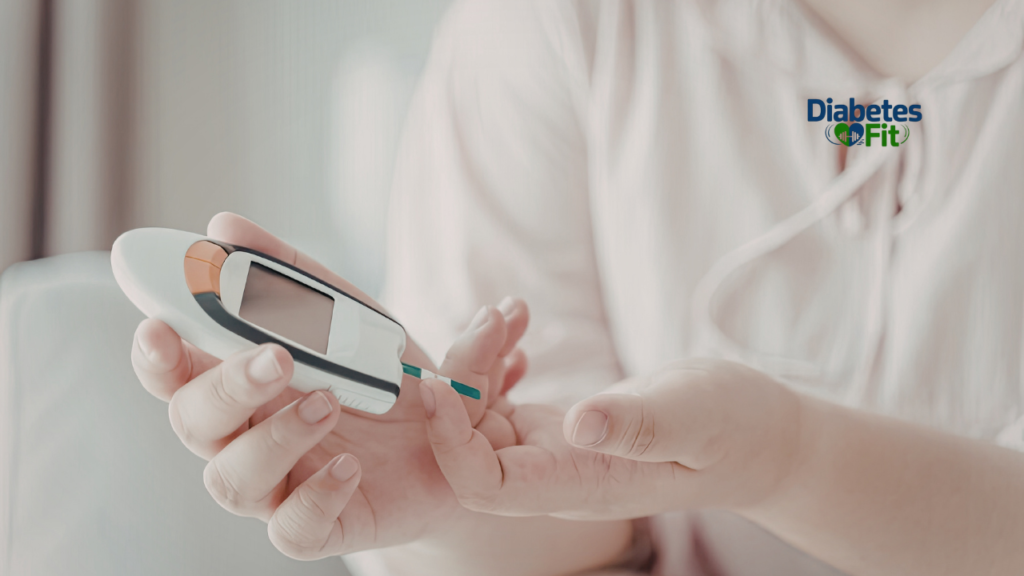
Consider investing in a continuous glucose monitor (CGM) if possible. These devices track your glucose levels throughout the night and can alert you when levels are dropping, giving you the chance to intervene before a severe low occurs. Many people find that CGMs provide peace of mind and significantly improve their ability to manage overnight blood sugar.
The Bedtime Snack Strategy
One of the most effective ways to prevent nocturnal hypoglycemia is eating a strategic bedtime snack. But this isn’t about grabbing any food from your pantry. The key is choosing the right combination of nutrients that will provide sustained energy release throughout the night.
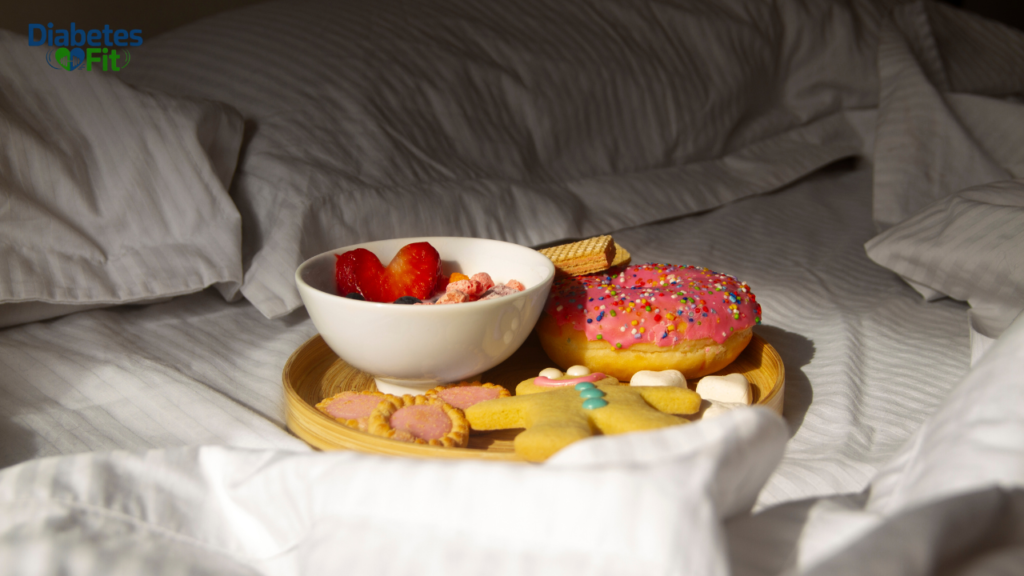
The ideal bedtime snack combines complex carbohydrates with protein and healthy fats. This combination slows down digestion and provides a steady stream of glucose into your bloodstream over several hours. Think of options like whole grain crackers with cheese, apple slices with peanut butter, a small bowl of Greek yogurt with nuts, or half a sandwich on whole wheat bread.
Avoid simple sugars or high-glycemic foods before bed. While they’ll raise your blood sugar quickly, they’ll also cause it to crash just as fast, potentially leading to the exact problem you’re trying to prevent. Skip the cookies, candy, or sugary cereals as bedtime snacks.
The timing matters too. Eat your snack about 30 minutes to an hour before you plan to sleep. This gives your body time to start processing the food while you’re still awake to monitor how you’re feeling.
Review Your Medication Timing and Dosage

Your medication regimen plays a crucial role in overnight blood sugar stability. If you’re experiencing frequent nighttime lows, it’s time to have a conversation with your healthcare provider about your dosing schedule.
Long-acting insulin taken in the evening might be causing overnight drops. Your doctor might suggest adjusting the timing—perhaps taking it in the morning instead—or reducing the dose slightly. Never make these changes on your own; always work with your healthcare team.
For those on rapid-acting insulin with dinner, ensure you’re calculating your doses correctly based on your carbohydrate intake. Overestimating carbs or underestimating insulin needs can lead to too much medication in your system overnight.
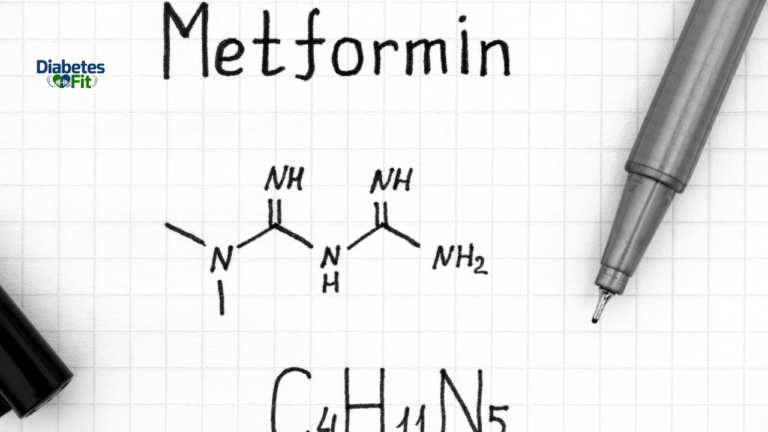
Some oral diabetes medications, particularly sulfonylureas, can increase the risk of nighttime hypoglycemia. Your doctor might recommend switching to alternatives with lower hypoglycemia risk.
Monitor Your Evening Exercise
Physical activity is wonderful for blood sugar management, but exercising too close to bedtime can cause delayed hypoglycemia. When you exercise, your muscles use glucose for energy, and they continue to replenish their stores for hours afterward, pulling sugar from your bloodstream.
If you prefer evening workouts, finish at least three to four hours before bedtime. This gives your body time to stabilize. After exercising in the evening, check your blood sugar more frequently and consider eating a slightly larger bedtime snack to compensate for the increased glucose usage.
You might also notice that different types of exercise affect your blood sugar differently. High-intensity interval training can sometimes cause blood sugar to spike initially before dropping hours later, while steady-state cardio might cause more immediate decreases. Pay attention to patterns in your own body.
Limit Alcohol Consumption
Alcohol deserves special attention when it comes to overnight blood sugar management. When you drink alcohol, your liver prioritizes metabolizing the alcohol over maintaining blood sugar levels through gluconeogenesis (the production of new glucose). This can lead to hypoglycemia several hours after drinking, often coinciding with sleep time.
If you choose to drink, do so in moderation and never on an empty stomach. Always eat food with alcohol, and check your blood sugar before bed. If you’ve been drinking, you’ll likely need a more substantial bedtime snack than usual, and you should set an alarm to check your blood sugar during the night.
Remember that alcohol’s effects on blood sugar can last for up to 12 hours, so even afternoon drinking can impact overnight levels.
Address the Dawn Phenomenon Carefully

Some people experience high blood sugar in the early morning hours due to the dawn phenomenon, where hormones cause blood sugar to rise. In response, they might take extra insulin at bedtime or before dawn, which can then cause hypoglycemia in the hours before the dawn phenomenon kicks in.
If you’re dealing with both overnight lows and morning highs, work with your healthcare provider to find the right balance. You might need different insulin types or an insulin pump that can deliver varying rates throughout the night.
Set Up Safety Nets
Even with the best prevention strategies, occasional overnight lows can still happen. Prepare yourself by keeping fast-acting glucose sources on your nightstand—glucose tablets, juice boxes, or regular soda. If you wake up feeling symptomatic, you can treat immediately without having to navigate to the kitchen in a confused state.
Consider telling family members or roommates about nocturnal hypoglycemia and what signs to look for. In severe cases, they might need to help you treat a low or call for medical assistance.
Conclusion
Preventing low blood sugar overnight requires a multifaceted approach combining careful monitoring, strategic eating, appropriate medication management, and lifestyle adjustments. By checking your blood sugar before bed, eating balanced bedtime snacks, timing your exercise appropriately, and working closely with your healthcare team to optimize your medications, you can significantly reduce your risk of nocturnal hypoglycemia.
Remember that everyone’s body responds differently, so what works for someone else might not work exactly the same for you. Keep detailed records of your overnight patterns, bedtime snacks, and morning blood sugar readings to identify what strategies are most effective for your unique situation. With patience and attention to these preventive measures, you can achieve more restful nights and wake up feeling energized rather than recovering from a nighttime low.
Frequently Asked Questions
1. What blood sugar level is considered too low to go to sleep safely?
Generally, if your blood sugar is below 100 mg/dL at bedtime, you should eat a snack before sleeping. Anything below 70 mg/dL requires immediate treatment with fast-acting glucose, followed by a balanced snack once your levels stabilize. Most experts recommend aiming for a bedtime glucose level between 100-140 mg/dL to provide a buffer against overnight drops.
2. How do I know if I’ve had low blood sugar during the night if I didn’t wake up?
Common signs include waking up with a headache, feeling unusually tired despite adequate sleep, having damp sheets from night sweats, or experiencing vivid nightmares. Your morning blood sugar might also be unusually high due to a rebound effect. If you suspect nocturnal hypoglycemia, set an alarm to check your blood sugar at 2-3 AM for several nights, or consider using a continuous glucose monitor.
3. Can stress or anxiety cause overnight low blood sugar?
Stress typically raises blood sugar rather than lowers it due to the release of stress hormones like cortisol and adrenaline. However, if stress is causing you to skip meals, exercise excessively, or forget medication doses, it could indirectly contribute to blood sugar fluctuations. Chronic stress can also disrupt sleep patterns, making you more aware of mild hypoglycemic symptoms you might otherwise sleep through.
4. Is it safe to sleep alone if I’m prone to nighttime low blood sugar?
While many people with diabetes who experience occasional overnight lows sleep alone safely, it’s important to take precautions. Use a continuous glucose monitor with alarms, keep emergency glucose by your bedside, wear a medical alert bracelet, and ensure someone knows to check on you if you don’t respond to morning communications. If you experience severe nocturnal hypoglycemia with loss of consciousness, discuss safety plans with your doctor.
5. What’s the best bedtime snack to prevent low blood sugar overnight?
The best bedtime snack combines complex carbohydrates, protein, and healthy fats for sustained glucose release. Good options include whole grain crackers with cheese (about 15-20g carbs total), Greek yogurt with a handful of nuts, half a turkey sandwich on whole wheat bread, or apple slices with peanut butter. Aim for around 15-30 grams of carbohydrates paired with protein and fat, adjusting based on your individual needs and patterns.
6. Should I reduce my insulin dose if I keep having overnight lows?
Never adjust your insulin doses without consulting your healthcare provider first. However, frequent nocturnal hypoglycemia definitely indicates that your treatment plan needs modification. Your doctor might reduce your long-acting insulin dose, change the timing of when you take it, adjust your insulin-to-carb ratios for dinner, or switch you to different insulin types. Keep detailed records of your overnight lows to share with your healthcare team so they can make informed adjustments.

David Miller is a health and wellness writer focused on diabetes awareness, blood sugar control, and healthy living. He creates clear, practical content to help readers make better everyday health choices.