< Diabetes -

Tag: Diabetes

  • Is Feeling Sick After Eating Sugar a Sign of Diabetes? What Your Body Is Really Telling You

    Is Feeling Sick After Eating Sugar a Sign of Diabetes? What Your Body Is Really Telling You

    You eat a slice of cake, drink a sugary soda, or enjoy a sweet dessert — and within an hour, you feel awful. Nauseous, dizzy, shaky, or just completely drained. It happens enough times that you start wondering: Is feeling sick after eating sugar a sign of diabetes? It’s a question more people are asking, and honestly, it deserves a real, thorough answer — not a vague “go see your doctor” brush-off. 

    The truth is, feeling sick after sugar can mean several different things. Sometimes it’s diabetes-related. Sometimes it’s something else entirely. But your body is always trying to tell you something — and learning to listen to those signals early could genuinely protect your long-term health. Let’s break it all down clearly.

    Sometimes, sudden blood sugar changes can make you feel sick. It may also be linked to dehydration. Read more about Dehydration and Low Blood Sugar.

    Is Feeling Sick After Eating Sugar a Sign of Diabetes? The Direct Answer

    Let’s not bury the lead. Yes — feeling sick after eating sugar can be a sign of diabetes or pre-diabetes. But it’s not the only possible explanation, and the full picture is more nuanced than a simple yes-or-no.

    When you eat sugar, your blood glucose rises. In a healthy person, the pancreas releases just the right amount of insulin to bring that glucose into cells for energy. The process is smooth, efficient, and symptom-free. You eat sugar, you get energy, you feel fine.

    But when something is wrong with that system — whether it’s insulin resistance, impaired insulin production, or reactive hypoglycemia — your body struggles to handle the glucose surge. The result? You feel sick.

    Here’s a quick overview of the main reasons for feeling sick after sugar, whether or not it may be diabetes-related:

    CauseDiabetes-Related?Key Feature
    Type 2 diabetes / pre-diabetesYesPersistent high blood sugar after meals
    Reactive hypoglycemiaSometimesBlood sugar spikes then crashes sharply
    Sugar intolerance/sensitivityNoDigestive symptoms, bloating, nausea
    Dumping syndromeNoRapid stomach emptying after eating
    Anxiety/stress responseNoAdrenaline triggered by a sugar spike
    Fructose malabsorptionNoBloating, gas, diarrhea after fructose
    Type 1 diabetesYesSevere glucose dysregulation

    So the answer depends heavily on how sick you feel, when it happens, and what other symptoms come with it.

    What Happens in Your Body When You Eat Sugar

    To understand why you might feel sick, it helps to understand what’s supposed to happen — and what goes wrong.

    Is Feeling Sick After Eating Sugar a Sign of Diabetes?

    The Normal Blood Sugar Response

    1. You eat something sweet
    2. Sugar (glucose) enters your bloodstream
    3. Blood glucose rises
    4. Your pancreas detects the rise and releases insulin
    5. Insulin acts like a key, unlocking your cells so glucose can enter
    6. Blood glucose returns to a normal, stable range
    7. You feel energized and satisfied

    This whole process typically takes 1–2 hours and should be largely symptom-free.

    When the System Breaks Down

    In people with insulin resistance (the core feature of Type 2 diabetes and pre-diabetes), cells don’t respond properly to insulin. It’s like the key doesn’t fit the lock as well as it used to. The pancreas compensates by pumping out more and more insulin — but eventually it can’t keep up. Blood sugar stays high. Cells don’t get energy efficiently. And the result is a cascade of uncomfortable symptoms.

    In people with Type 1 diabetes, the pancreas produces little or no insulin at all — meaning blood sugar can spike dangerously high after eating sugar without treatment.

    The Symptoms: What Does “Feeling Sick After Sugar” Actually Look Like?

    Not all post-sugar sickness feels the same. The specific symptoms you experience can point toward different underlying causes.

    Symptoms That May Signal Diabetes or Pre-Diabetes:

    • Extreme fatigue after eating sugar — your cells aren’t getting glucose efficiently despite the spike
    • Frequent urination shortly after a sugary meal — your kidneys are trying to flush excess glucose
    • Blurred vision — high blood sugar affects the lens of the eye temporarily
    • Increased thirst — high blood glucose pulls water from tissues
    • Headache after sugar — blood sugar dysregulation affects brain function
    • Brain fog — inability to think clearly after a sugar-heavy meal
    • Numbness or tingling — in advanced cases, high blood sugar affects nerves

    Symptoms More Likely to Suggest Reactive Hypoglycemia:

    Reactive hypoglycemia is when blood sugar spikes and then crashes sharply — often within 2–4 hours after eating sugar. It can happen in people who are pre-diabetic, but also in people with no diabetes at all.

    • Shakiness or trembling 2–3 hours after eating
    • Sudden sweating
    • Heart palpitations
    • Sudden intense hunger shortly after eating
    • Anxiety or irritability
    • Dizziness or lightheadedness
    • Feeling faint

    Real-life example: David, a 41-year-old accountant, started noticing he felt shaky and irritable every afternoon around 3 PM — about two hours after his lunchtime cola and pastry. He assumed he was just stressed at work. His doctor ran a glucose tolerance test and found he had reactive hypoglycemia with signs of early insulin resistance — a significant pre-diabetes warning sign. Changing his lunch completely resolved the afternoon crashes.

    Symptoms More Likely to Suggest Sugar Intolerance (Not Diabetes):

    • Bloating and gas within 30–60 minutes of eating sugar
    • Nausea without dizziness or shakiness
    • Diarrhea after sugary foods
    • Stomach cramping
    • No other systemic symptoms (no thirst, no urination changes, no fatigue lasting hours)

    Key Differences: Diabetes vs. Other Causes of Feeling Sick After Sugar

    Here’s a practical comparison to help you understand what might be going on:

    Symptom PatternMost Likely Cause
    Feel sick every time after ANY sugar, immediatelySugar intolerance or sensitivity
    Feel sick 2–4 hours after sugar, shaky and sweatyReactive hypoglycemia
    Feel tired and foggy after sugar, very thirstyPossible pre-diabetes or Type 2 diabetes
    Feel fine sometimes, sick other timesCould be portion-related or stress-triggered
    Feel sick after fruit, specificallyPossible fructose malabsorption
    Feel sick after milk-based sweetsPossible lactose intolerance (not diabetes)
    Consistently feel worse after every meal, not just sugarPossible Type 2 diabetes or GI condition

    Risk Factors: When Should You Take This More Seriously?

    Feeling sick after sugar occasionally isn’t always alarming. But certain risk factors make it more important to investigate whether diabetes or pre-diabetes could be involved.

    Take it more seriously if you also have:

    • A family history of Type 2 diabetes (parent, sibling, grandparent)
    • A BMI over 25, especially with weight carried around the abdomen
    • A history of gestational diabetes (diabetes during pregnancy)
    • Polycystic ovary syndrome (PCOS) — strongly linked to insulin resistance
    • High blood pressure or high triglycerides
    • A sedentary lifestyle with low physical activity
    • Age over 45 (risk increases significantly after this age)
    • History of eating large amounts of processed sugar and refined carbs
    • Ethnicity — South Asian, African, Hispanic, and Middle Eastern backgrounds carry a higher genetic risk for Type 2 diabetes

    If you have two or more of these risk factors AND you regularly feel sick after eating sugar, that combination warrants a proper blood test — not just a wait-and-see approach.

    What Tests Will Actually Tell You If It’s Diabetes
    Is Feeling Sick After Eating Sugar a Sign of Diabetes?

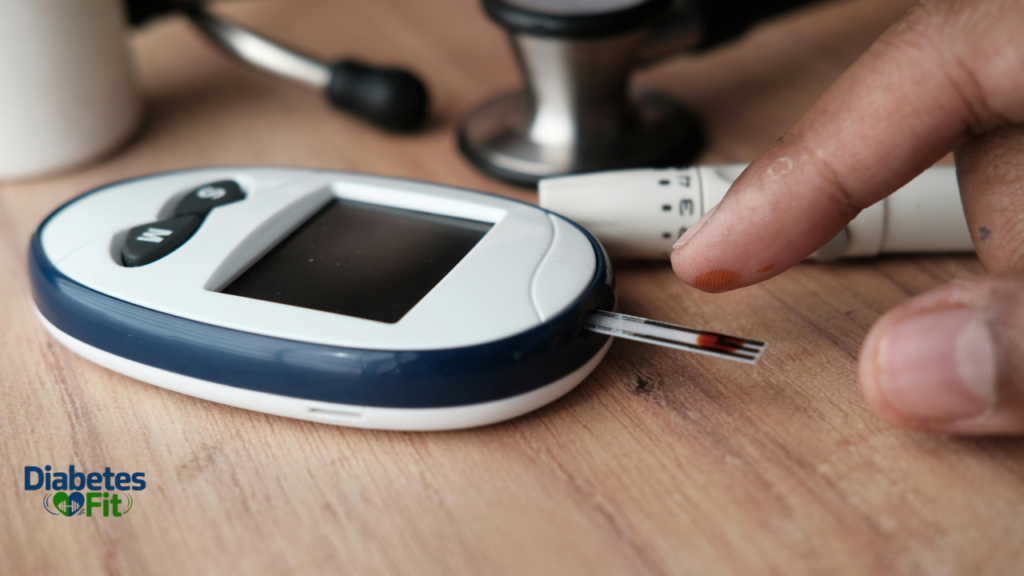
    The only way to know for certain is through blood testing. Symptoms alone can never diagnose diabetes. Here are the key tests your doctor may order:

    TestWhat It MeasuresNormalPre-DiabetesDiabetes
    Fasting Blood GlucoseBlood sugar after 8hr fastBelow 100 mg/dL100–125 mg/dL126+ mg/dL
    HbA1cAverage blood sugar over 3 monthsBelow 5.7%5.7–6.4%6.5%+
    Oral Glucose Tolerance Test (OGTT)Blood sugar 2 hours after drinking glucoseBelow 140 mg/dL140–199 mg/dL200+ mg/dL
    Random Blood GlucoseBlood sugar at any timeBelow 140 mg/dL—200+ mg/dL with symptoms

    The HbA1c test is especially useful because it gives a 3-month average — it shows whether your blood sugar has been consistently elevated, not just on one particular day. If you’re feeling sick after sugar regularly, this is the test most likely to catch early-stage problems.

    Other Medical Reasons You Feel Sick After Eating Sugar (Not Diabetes)

    It’s worth understanding the non-diabetes causes too, because misidentifying the problem leads to the wrong solution.

    Reactive Hypoglycemia

    As mentioned, this is when blood sugar spikes and then drops sharply. It can happen in people without diabetes — often triggered by eating high-sugar, low-fiber meals. The crash is what makes you feel sick, not the spike itself.

    Fructose Malabsorption

    Some people can’t absorb fructose (the sugar found in fruit, honey, and high-fructose corn syrup) properly. Unabsorbed fructose ferments in the gut, causing bloating, gas, cramping, and diarrhea. This has nothing to do with diabetes or insulin.

    Dumping Syndrome

    More common in people who’ve had stomach surgery, dumping syndrome happens when food moves too quickly from the stomach to the small intestine. Sugary foods are a common trigger. Symptoms include nausea, diarrhea, flushing, and dizziness shortly after eating.

    Sugar Sensitivity / Intolerance

    Some people simply have a lower tolerance for refined sugar — their digestive system and nervous system react more intensely to large glucose loads. This isn’t a clinical diagnosis, but it is real and measurable in terms of symptoms.

    Anxiety and the Adrenaline Response

    High sugar intake can trigger a mild adrenaline response in some people, causing heart palpitations, shakiness, and anxiety — symptoms easily confused with hypoglycemia. People prone to anxiety may be particularly sensitive to this effect.

    What You Can Do Right Now: Practical Steps

    Whether or not diabetes turns out to be the cause, these steps will help your body handle sugar better and reduce post-sugar sickness.

    Step 1: Track Your Symptoms

    Keep a simple food and symptom diary for two weeks. Note:

    • What you ate and how much sugar it contained
    • How long after eating symptoms appeared
    • What were the symptoms specifically
    • How long did they lasted

    This information is invaluable when you see a doctor — and often reveals patterns you’d never notice otherwise.

    Step 2: Get Tested

    If you haven’t had blood sugar testing in the past year — especially if you have risk factors — book an appointment. An HbA1c test is simple, requires no fasting in some protocols, and gives you a clear picture of your 3-month blood sugar average.

    Step 3: Change How You Eat Sugar

    Regardless of the cause, these dietary changes reduce post-sugar symptoms dramatically:

    • Never eat sugar on an empty stomach — always pair it with protein, fat, or fiber
    • Reduce refined sugar intake gradually — sudden elimination often causes its own symptoms
    • Choose lower glycemic index sweets — dark chocolate, fruit with nuts, yogurt with berries
    • Eat smaller, more frequent meals — prevents both spikes and crashes
    • Drink water with meals — helps dilute glucose concentration in blood
    • Avoid sugary drinks entirely — liquid sugar hits the bloodstream far faster than solid food

    Step 4: Move After Meals

    Even a 10–15 minute walk after eating helps your muscles absorb glucose from the bloodstream — reducing the post-meal spike significantly. This is one of the simplest and most evidence-backed strategies for better blood sugar management.

    Step 5: Reduce Ultra-Processed Foods

    Many packaged foods contain hidden sugars — even savory ones like bread, sauces, and crackers. If you’re reacting to sugar, the total daily sugar load from all sources matters, not just the obvious sweet treats.

    When to See a Doctor Urgently

    Most post-sugar sickness is uncomfortable but not immediately dangerous. However, see a doctor promptly if you experience:

    Is Feeling Sick After Eating Sugar a Sign of Diabetes?
    • Blood sugar symptoms alongside unexplained weight loss
    • Blurred vision that comes and goes frequently
    • Wounds or cuts that heal very slowly
    • Numbness, tingling, or burning in hands or feet
    • Extreme fatigue that interferes with daily functioning
    • Fainting or loss of consciousness after eating sugar
    • Severe vomiting after eating sweet foods

    These can indicate diabetes that has progressed beyond the early stages and needs prompt medical attention.

    Conclusion

    So, is feeling sick after eating sugar a sign of diabetes? It absolutely can be — and it’s a signal worth taking seriously. Your body doesn’t send symptoms randomly. When you consistently feel unwell after eating sugar, something in your glucose management system is struggling, whether that’s early insulin resistance, reactive hypoglycemia, or a food sensitivity that needs addressing.

    The smartest thing you can do is stop dismissing the symptoms and start paying attention to them. Track what happens, make some dietary adjustments, and — most importantly — get a blood test if you haven’t had one recently. Catching pre-diabetes or early Type 2 diabetes makes an enormous difference. At that stage, lifestyle changes alone — diet, movement, sleep, stress management — can reverse the trajectory entirely.

    Take one step this week: Book a blood sugar check with your doctor, or pick up a home glucose monitor and test yourself two hours after your next sugary meal. Knowledge is the first step to feeling better.

    Feeling sick after eating too much sugar can sometimes happen due to rapid blood sugar spikes and crashes. For a detailed explanation, check this guide from SingleCare on why you may feel sick after eating sugar.

    Frequently Asked Questions 

    Is feeling sick after eating sugar a sign of diabetes? 

    It can be. Consistently feeling nauseous, dizzy, fatigued, or shaky after eating sugar may indicate insulin resistance, pre-diabetes, or Type 2 diabetes. However, it can also be caused by reactive hypoglycemia, sugar intolerance, or other digestive conditions. A blood test is the only way to confirm whether diabetes is involved.

    Why do I feel shaky and dizzy after eating sweets? 

    Shakiness and dizziness 1–3 hours after eating sugar are classic signs of reactive hypoglycemia, when blood sugar spikes and then drops sharply. This can happen in people with or without diabetes. If it occurs frequently, it’s worth discussing with your doctor and testing your blood sugar response after meals.

    Can you suddenly become intolerant to sugar? 

    Yes. Sugar sensitivity can develop or worsen over time, especially as insulin resistance increases with age, weight gain, or poor diet habits. What your body handled easily at 25 may cause noticeable symptoms at 40. This change in tolerance can be an early warning sign of blood sugar dysregulation.

    What does a diabetic episode feel like after eating sugar? 

    In someone with uncontrolled or undiagnosed diabetes, eating a large amount of sugar can cause extreme fatigue, blurred vision, increased thirst, frequent urination, headache, and brain fog as blood sugar climbs too high. In contrast, a hypoglycemic episode (low blood sugar) feels like shakiness, sweating, anxiety, and sudden hunger.

    How do I know if I’m pre-diabetic? 

    Pre-diabetes often has no obvious symptoms — which is why it’s frequently missed. Some people notice fatigue after meals, increased thirst, or difficulty losing weight. The only reliable way to diagnose pre-diabetes is through blood testing, specifically an HbA1c between 5.7–6.4% or a fasting glucose between 100–125 mg/dL.

    What should I eat instead of sugar if it makes me feel sick? 

    Choose natural, lower-glycemic alternatives that provide sweetness without triggering sharp blood sugar spikes. Good options include fresh fruit paired with nuts or cheese, plain Greek yogurt with berries, dark chocolate (70%+ cacao), and dates in small quantities. Always pair any sweet food with protein or healthy fat to slow glucose absorption.

  • Is Carrot Good for Diabetes? Everything You Need to Know

    Is Carrot Good for Diabetes? Everything You Need to Know

    Is a carrot good for diabetes? This is a question that many people with diabetes ask when they’re trying to figure out which vegetables are safe to include in their diet. The answer is a resounding yes—carrots can be an excellent addition to a diabetic meal plan when consumed properly and in appropriate portions. 

    Despite some misconceptions about their sugar content, carrots offer numerous health benefits for people managing diabetes, including essential nutrients, fiber, and antioxidants that support overall health and blood sugar control.

    In this comprehensive guide, we’ll explore everything you need to know about carrots and diabetes, including their nutritional profile, how they affect blood sugar levels, how to prepare them, and practical tips for incorporating them into a diabetes-friendly diet. Whether you’re newly diagnosed with diabetes or have been managing the condition for years, understanding the role of carrots in your diet can help you make informed decisions about your nutrition.

    For those looking for convenient and healthy options, these meal replacement shakes for diabetics can be a great choice to manage blood sugar levels effectively.

    Understanding Carrots and Their Nutritional Value

    Before we dive deeper into whether is carrot good for diabetes, let’s first understand what makes carrots such a nutritious vegetable. Carrots are root vegetables that come in various colors, including orange, purple, red, yellow, and white, though orange carrots are the most common variety found in grocery stores.

    A medium-sized raw carrot, which is about 7 inches long and weighs approximately 61 grams, contains only about 25 calories. It provides roughly 6 grams of carbohydrates, 2 grams of fiber, and 3 grams of natural sugars. While carrots do contain natural sugars, the fiber content helps slow down sugar absorption, which is beneficial for blood sugar management.

    Carrots are exceptionally rich in beta-carotene, which the body converts into vitamin A. They also provide vitamin K, vitamin C, potassium, and various antioxidants that promote overall health. The bright orange color of carrots comes from beta-carotene, a powerful antioxidant that supports eye health, immune function, and may help reduce inflammation throughout the body.

    The Glycemic Index and Glycemic Load of Carrots

    To truly understand whether is carrot good for diabetes, we need to discuss two important concepts: glycemic index and glycemic load. The glycemic index, or GI, measures how quickly a food raises blood sugar levels on a scale from 0 to 100. Foods with a high GI (70 and above) cause rapid blood sugar spikes, while low GI foods (55 and below) produce gradual, more controlled increases.

    Raw carrots have a glycemic index of approximately 16 to 20, which is very low and excellent for blood sugar control. However, cooked carrots have a higher glycemic index, ranging from 39 to 49, depending on the cooking method, but this is still considered low to medium on the scale.

    While the glycemic index tells us how quickly a food affects blood sugar, the glycemic load, or GL, gives us a more complete picture by taking portion size into account. The glycemic load considers both the GI and the amount of carbohydrates in a typical serving. Raw carrots have a glycemic load of only 2 to 3, and even cooked carrots have a glycemic load of just 3 to 5, both of which are considered very low.

    This low glycemic load is one of the main reasons why the answer to is carrot good for diabetes is yes. Even though cooking increases the glycemic index slightly, the overall impact on blood sugar remains minimal because you’re not consuming a huge amount of carbohydrates in a typical serving of carrots.

    How Carrots Affect Blood Sugar Levels

    Understanding how carrots affect blood sugar is crucial when determining whether is carrot good for diabetes. When you eat carrots, the fiber they contain slows down the digestion and absorption of their natural sugars. This means glucose enters your bloodstream gradually rather than causing a sudden spike.

    Is Carrot Good for Diabetes?

    The fiber in carrots is particularly beneficial for diabetics. Fiber doesn’t raise blood sugar levels and actually helps improve glycemic control by slowing the absorption of other carbohydrates you eat at the same meal. This is why eating a salad with raw carrots before or alongside your main course can actually help moderate your blood sugar response to the entire meal.

    Studies have shown that people with diabetes who consume adequate amounts of fiber from vegetables like carrots tend to have better long-term blood sugar control, as measured by hemoglobin A1C levels. The soluble fiber in carrots also helps feed beneficial gut bacteria, which emerging research suggests may play a role in diabetes management and insulin sensitivity.

    Health Benefits of Carrots for Diabetics

    Beyond their favorable impact on blood sugar, carrots offer several specific health benefits that are particularly valuable for people with diabetes.

    Is Carrot Good for Diabetes?

    Eye Health Protection

    People with diabetes have an increased risk of developing eye problems, including diabetic retinopathy, cataracts, and glaucoma. Carrots are loaded with beta-carotene and lutein, antioxidants that specifically support eye health and may help protect against diabetes-related vision complications. Regular consumption of carrots and other beta-carotene-rich vegetables may help preserve vision in people with diabetes.

    Heart Health Support

    Cardiovascular disease is the leading cause of death among people with diabetes, making heart health a top priority. Carrots contain potassium, which helps regulate blood pressure, and antioxidants that protect blood vessels from damage. The fiber in carrots also helps lower cholesterol levels, reducing the risk of heart disease. These combined benefits make carrots an excellent food choice for diabetics concerned about their cardiovascular health.

    Weight Management

    Maintaining a healthy weight is crucial for managing type 2 diabetes, and carrots can be a valuable tool in weight management efforts. They’re low in calories but high in fiber and water content, which means they help you feel full and satisfied without contributing many calories to your daily intake. Snacking on raw carrots instead of high-calorie processed foods can help create the calorie deficit needed for weight loss while still providing important nutrients.

    Anti-Inflammatory Properties

    Chronic inflammation is common in people with diabetes and contributes to insulin resistance and various complications. Carrots contain several anti-inflammatory compounds, including beta-carotene and other antioxidants, that help reduce inflammation throughout the body. Lowering inflammation can improve insulin sensitivity and support better blood sugar control over time.

    Immune System Support

    People with diabetes are more susceptible to infections, especially if blood sugar levels are not well controlled. The vitamin C and antioxidants in carrots help support immune function, potentially reducing the risk of infections and helping the body heal more efficiently when illness or injury does occur.

    Raw Carrots vs. Cooked Carrots for Diabetics

    An important consideration when asking is carrot good for diabetes is whether the preparation method matters. Both raw and cooked carrots can be part of a healthy diabetic diet, but they do have some differences.

    Is Carrot Good for Diabetes?

    Raw Carrots

    Raw carrots have the lowest glycemic index, around 16 to 20, making them the best choice for blood sugar control. They’re crunchy, convenient, and require no preparation beyond washing. Raw carrots make excellent snacks and are perfect for dipping in hummus or yogurt-based dips. The firm texture also requires more chewing, which slows down eating and increases satiety.

    Cooked Carrots

    Cooking carrots increases their glycemic index to about 39 to 49, but they’re still considered low to medium GI. The heat breaks down the cell walls, making some nutrients, particularly beta-carotene, more bioavailable and easier for your body to absorb. Studies show that cooking can increase the absorption of beta-carotene by up to 60 percent compared to raw carrots.

    For diabetics, both raw and cooked carrots are good options. If blood sugar control is your primary concern, raw carrots have a slight edge. If you want to maximize nutrient absorption, particularly of antioxidants, lightly cooked carrots may be better. The best approach is to include both raw and cooked carrots in your diet to get the benefits of each.

    Best Ways to Prepare Carrots for Diabetes Management

    There are many delicious and diabetes-friendly ways to prepare carrots. Here are some of the best methods that maximize nutrition while keeping blood sugar impact minimal.

    Steaming is one of the healthiest cooking methods for carrots. It softens them without adding calories or significantly increasing their glycemic index. Steamed carrots can be seasoned with herbs, a small amount of olive oil, and lemon juice for a simple, flavorful side dish.

    Roasting brings out the natural sweetness of carrots without adding sugar. Toss carrot chunks with a small amount of olive oil, herbs, and spices, then roast at 400°F until tender and slightly caramelized. While roasting does increase the glycemic index slightly, the fiber remains intact, and the portion sizes are typically reasonable.

    Raw in salads is perhaps the best preparation method for diabetics. Grated or julienned raw carrots add color, crunch, and nutrients to salads without significantly affecting blood sugar. They pair well with leafy greens, cucumbers, tomatoes, and protein sources like grilled chicken or chickpeas.

    Carrot sticks with healthy dips make perfect snacks. Pair raw carrot sticks with protein-rich dips like hummus, Greek yogurt dip, or almond butter to create a balanced snack that provides lasting energy without blood sugar spikes.

    Avoid heavily glazed carrots, carrot juice, and carrot cakes or muffins. These preparations add significant amounts of sugar and remove beneficial fiber, making them poor choices for diabetes management.

    How Many Carrots Can Diabetics Eat?

    When considering whether is carrot good for diabetes, portion size is an important factor. While carrots are healthy, they do contain carbohydrates that need to be counted as part of your daily intake.

    A reasonable serving of carrots for most diabetics is about half a cup of cooked carrots or one cup of raw carrots. This provides roughly 5 to 10 grams of carbohydrates, which is quite modest and should fit easily into most diabetic meal plans.

    However, individual needs vary based on your total daily carbohydrate goals, activity level, medications, and how your body specifically responds to carrots. Some people with diabetes can tolerate larger servings without blood sugar issues, while others may need to be more conservative.

    The best approach is to monitor your blood sugar before eating carrots and again one to two hours afterward to see how your body responds. This information helps you determine the right portion sizes for your individual needs. Keep a food diary, noting what you eat and your blood sugar readings to identify patterns over time.

    Carrots Compared to Other Vegetables for Diabetes

    While carrots are good for diabetes, how do they compare to other vegetables? Understanding this helps you create a varied, balanced diet.

    Non-starchy vegetables like leafy greens, broccoli, cauliflower, cucumbers, and bell peppers have even lower carbohydrate content than carrots and minimal impact on blood sugar. These can be eaten in larger quantities with virtually no concern about blood sugar spikes.

    Carrots fall into a middle category—they’re slightly higher in carbohydrates than non-starchy vegetables but significantly lower than starchy vegetables like potatoes, corn, and peas. A medium carrot has about 6 grams of carbs compared to a medium potato’s 37 grams.

    The best diabetic diet includes a variety of both non-starchy and moderately starchy vegetables, such as carrots. This variety ensures you get a wide range of nutrients while keeping blood sugar stable.

    Common Myths About Carrots and Diabetes

    Several myths persist about carrots and diabetes that need to be addressed.

    Is Carrot Good for Diabetes?

    Myth 1: Carrots are too high in sugar for diabetics. While carrots do contain natural sugars, the total amount in a serving is quite small, and the fiber content helps prevent blood sugar spikes. The natural sugars in vegetables are very different from added sugars in processed foods.

    Myth 2: Diabetics should avoid all orange vegetables. Orange vegetables like carrots, sweet potatoes, and butternut squash contain beneficial nutrients, particularly beta-carotene. While portions should be monitored, they can all be part of a healthy diabetic diet.

    Myth 3: Carrot juice is as healthy as whole carrots. This is false. Carrot juice removes the fiber and concentrates the sugars, creating a beverage that can spike blood sugar quickly. Whole carrots are always the better choice for diabetics.

    Conclusion

    So, is a carrot good for diabetes? The evidence clearly shows that carrots are not only safe but also beneficial for people with diabetes. Their low glycemic index and glycemic load, high fiber content, and abundance of vitamins, minerals, and antioxidants make them an excellent vegetable choice for blood sugar management and overall health.

    Carrots support eye health, heart health, weight management, and immune function—all important considerations for people living with diabetes. Whether eaten raw as a convenient snack, added to salads for extra crunch and nutrition, or lightly cooked as a flavorful side dish, carrots can be enjoyed in many delicious ways that fit perfectly into a diabetes-friendly eating plan.

    The key to successfully incorporating carrots into a diabetic diet is practicing appropriate portion control, monitoring your individual blood sugar response, and choosing preparation methods that don’t add excessive calories or sugars. By including carrots alongside a variety of other non-starchy vegetables, lean proteins, healthy fats, and appropriate portions of whole grains, you can create a balanced, satisfying diet that supports excellent blood sugar control and overall wellness. Embrace carrots as the nutritious, diabetes-friendly vegetable they are, and enjoy the many health benefits they offer.

    Frequently Asked Questions

    Can diabetics eat carrots every day? 

    Yes, diabetics can safely eat carrots every day in appropriate portions. A serving of carrots daily provides valuable nutrients and fiber without significantly impacting blood sugar levels. One to two medium carrots or half to one cup of cooked carrots per day is reasonable for most diabetics. However, vary your vegetable intake to ensure you get a wide range of nutrients from different sources.

    Are raw carrots better than cooked carrots for diabetics? 

    Raw carrots have a lower glycemic index (16-20) compared to cooked carrots (39-49), making them slightly better for blood sugar control. However, cooking increases the bioavailability of beta-carotene and other antioxidants, making nutrients easier to absorb. Both raw and cooked carrots are good choices for diabetics. Include both in your diet to get the benefits of each preparation method.

    Can carrot juice be consumed by diabetics? 

    Carrot juice is not recommended for diabetics because the juicing process removes beneficial fiber and concentrates the natural sugars, creating a beverage that can spike blood sugar quickly. One glass of carrot juice contains the sugars from multiple carrots without the fiber that normally slows absorption. Always choose whole carrots over carrot juice for better blood sugar management.

    Do carrots raise blood sugar levels quickly? 

    No, carrots do not raise blood sugar quickly. With a low glycemic index and low glycemic load, carrots cause only a gradual, modest rise in blood sugar levels. The fiber in carrots slows the digestion and absorption of their natural sugars, preventing sudden spikes. This makes carrots one of the safest vegetables for people with diabetes to enjoy regularly.

    Are baby carrots as good as regular carrots for diabetics? 

    Yes, baby carrots are equally good for diabetics as regular carrots. Despite being smaller and sweeter-tasting, baby carrots have a similar nutritional profile and glycemic impact as full-sized carrots. The main difference is convenience—baby carrots are already washed and cut, making them perfect for quick snacks. Just watch your portions, as their small size makes it easy to eat more than intended.

    Can eating too many carrots be harmful for diabetics? 

    While carrots are healthy, eating excessive amounts could contribute too many carbohydrates to your daily intake, potentially affecting blood sugar control. Extremely high consumption of carrots over long periods can also cause a harmless condition called carotenemia, where skin takes on an orange tint due to excess beta-carotene. Stick to recommended portions of one to two servings daily as part of a varied diet for optimal health without risks.

  • Can Alcohol Cause Diabetes: Understanding the Complex Relationship Between Drinking and Blood Sugar

    Can Alcohol Cause Diabetes: Understanding the Complex Relationship Between Drinking and Blood Sugar

    Whether alcohol can cause diabetes is a question that concerns many people who enjoy an occasional drink or worry about their drinking habits. The relationship between alcohol consumption and diabetes is more complicated than a simple yes or no answer. 

    While moderate alcohol intake doesn’t directly cause diabetes in most people, heavy or chronic drinking can significantly increase your risk of developing type 2 diabetes through various mechanisms. Understanding how alcohol affects your body, blood sugar, and metabolism helps you make informed decisions about drinking and protect your long-term health.

    Excessive alcohol consumption can negatively impact blood sugar control, so it’s important to understand your long-term glucose levels — learn more about the normal HbA1c range here.

    Understanding the Alcohol-Diabetes Connection

    When exploring whether alcohol can alcohol cause diabetes, it’s essential to understand how alcohol affects your body’s ability to manage blood sugar. Your liver plays a crucial role in regulating blood glucose levels by storing and releasing glucose as needed. When you drink alcohol, your liver prioritizes processing that alcohol over its other functions, including blood sugar regulation.

    This shift in liver function can cause blood sugar levels to drop dangerously low, especially if you drink without eating. At the same time, many alcoholic beverages contain significant amounts of sugar and carbohydrates that can spike blood sugar levels. This creates a confusing situation where alcohol can cause both high and low blood sugar, depending on various factors.

    The relationship between alcohol and diabetes also involves weight gain, insulin resistance, inflammation, and damage to the pancreas – all factors that contribute to type 2 diabetes development. Heavy drinking over time can seriously impair your body’s ability to produce and respond to insulin, the hormone that helps cells absorb glucose from your bloodstream.

    How Alcohol Affects Blood Sugar Levels

    To fully answer whether alcohol can alcohol cause diabetes, we need to understand alcohol’s immediate and long-term effects on blood sugar. When you drink, alcohol is absorbed quickly into your bloodstream and reaches your liver, where it’s broken down and removed from your body. This process takes priority over everything else your liver does.

    Normally, your liver releases stored glucose into your bloodstream to maintain stable blood sugar levels, especially between meals and during sleep. But when your liver is busy processing alcohol, it can’t release glucose effectively. This can cause blood sugar to drop, sometimes to dangerously low levels, particularly if you haven’t eaten or if you drink heavily.

    The timing matters too. Blood sugar might drop several hours after drinking, even while you’re sleeping. This delayed hypoglycemia (low blood sugar) can be dangerous, especially for people taking diabetes medications. You might wake up with symptoms like sweating, shakiness, confusion, or a rapid heartbeat.

    On the flip side, many alcoholic drinks contain sugars and carbohydrates that raise blood sugar initially. Beer, sweet wines, and mixed drinks with soda or juice can cause significant blood sugar spikes. Regular consumption of these high-sugar drinks contributes to weight gain and insulin resistance over time.

    Heavy Drinking and Type 2 Diabetes Risk

    The question can alcohol can cause diabetes becomes clearer when we look at heavy drinking patterns. Heavy alcohol consumption – defined as more than three drinks per day for women or four for men – significantly increases type 2 diabetes risk through multiple pathways.

    Can Alcohol Cause Diabetes

    Chronic heavy drinking damages the pancreas, the organ that produces insulin. Alcohol causes inflammation and can lead to pancreatitis, which impairs the pancreas’s ability to make insulin properly. Without adequate insulin production, blood sugar levels rise, eventually leading to diabetes.

    Heavy drinking also promotes insulin resistance, where your cells stop responding effectively to insulin. Even if your pancreas produces enough insulin, it can’t do its job if your cells are resistant to it. This forces your pancreas to work harder, producing more and more insulin until it eventually can’t keep up, resulting in type 2 diabetes.

    Weight gain from alcohol consumption is another major factor. Alcoholic beverages are calorie-dense but provide little nutritional value. These “empty calories” contribute to obesity, particularly dangerous belly fat that strongly correlates with insulin resistance and diabetes risk. A single beer contains about 150 calories, and mixed drinks can have 300 calories or more. Regular heavy drinking easily adds thousands of extra calories weekly.

    The Role of Alcoholic Fatty Liver Disease

    When considering whether alcohol can alcohol cause diabetes, we can’t ignore the liver damage that chronic drinking causes. Alcoholic fatty liver disease occurs when fat builds up in liver cells due to alcohol consumption. This condition is surprisingly common among heavy drinkers and directly contributes to diabetes risk.

    A fatty liver becomes less efficient at regulating blood sugar and processing nutrients. It also becomes more resistant to insulin, requiring higher insulin levels to manage blood sugar. This creates a vicious cycle where liver damage worsens blood sugar control, and poor blood sugar control causes more liver damage.

    Studies show that people with non-alcoholic fatty liver disease (often caused by obesity and poor diet) have a higher diabetes risk, and alcoholic fatty liver disease carries a similar or even greater risk. The liver inflammation and scarring that can develop from continued drinking make diabetes increasingly likely and harder to manage.

    Moderate Drinking: A Different Story

    Interestingly, when asking if alcohol causes diabetes, research shows that light to moderate drinking might actually have a different effect than heavy drinking. Some studies suggest that moderate alcohol consumption – defined as up to one drink per day for women or two for men – might slightly reduce type 2 diabetes risk in some people.

    This protective effect appears to stem from alcohol’s ability to improve insulin sensitivity when consumed in small amounts. Moderate drinking might help cells respond better to insulin, improving blood sugar control. Some alcoholic beverages, particularly red wine, contain antioxidants that may provide additional health benefits.

    However, this doesn’t mean non-drinkers should start drinking to prevent diabetes. The potential benefits of moderate drinking are small and don’t outweigh the risks for everyone. Other factors like family history, weight, diet, and exercise play much larger roles in diabetes prevention. Plus, even moderate drinking carries other health risks, including increased cancer risk and potential for addiction.

    The keyword is moderation. The line between moderate and heavy drinking is easier to cross than many people think, and individual factors like body size, genetics, and medications affect how alcohol impacts you personally.

    Binge Drinking and Metabolic Damage

    Binge drinking – consuming four or more drinks for women or five or more for men within about two hours – is particularly harmful when considering cwhether alcohol an alcohol causes diabetes. Even if you don’t drink daily, regular binge drinking causes significant metabolic damage.

    Binge drinking creates dramatic swings in blood sugar levels, stresses the pancreas, promotes inflammation throughout the body, and contributes to weight gain. Young adults who binge drink regularly show signs of insulin resistance years before they might develop diabetes, setting the stage for future metabolic problems.

    The damage from binge drinking accumulates over time. Weekend binge drinking, even if you’re abstinent during the week, still increases diabetes risk and can cause liver damage. Your body doesn’t get a “free pass” just because you’re not drinking every day.

    Alcohol’s Effect on Weight and Metabolism

    Part of answering whether alcohol can alcohol cause diabetes involves understanding how alcohol affects your weight and metabolism. Alcohol contains seven calories per gram, almost as many as pure fat (which has nine calories per gram). These calories add up quickly and contribute to weight gain, especially around the abdomen.

    Can Alcohol Cause Diabetes

    Alcohol also affects your metabolism in ways that promote fat storage. When your liver processes alcohol, it produces compounds that interfere with fat burning. Your body essentially pauses its normal fat-burning processes to deal with alcohol first. This means the calories from food and the alcohol itself are more likely to be stored as fat.

    Drinking also affects your food choices and eating patterns. Alcohol lowers inhibitions and impairs judgment, making you more likely to overeat or choose unhealthy foods. Late-night eating after drinking adds extra calories and disrupts your metabolism. Many people consume their largest calorie loads during drinking occasions when they eat bar food, pizza, or other high-calorie fare.

    The hangover effect impacts metabolism, too. After heavy drinking, you’re less likely to exercise, more likely to crave fatty or sugary foods, and may disrupt your sleep patterns – all factors that contribute to weight gain and diabetes risk over time.

    Alcohol and Existing Diabetes

    For people who already have diabetes, can alcohol cause diabetes, or can alcohol worsen diabetes? The answer is definitely yes if not managed carefully. Alcohol poses several challenges for diabetics that require careful attention and planning.

    The blood sugar-lowering effect of alcohol is particularly dangerous for people taking insulin or certain diabetes medications. Drinking without eating, or drinking heavily, can cause severe hypoglycemia that might not show up until hours later. This can be life-threatening, especially during sleep when symptoms might go unnoticed.

    Alcohol also interferes with diabetes medications and can make them less effective or cause dangerous interactions. It impairs your judgment, making it harder to monitor blood sugar, count carbohydrates, or recognize warning signs of blood sugar problems. Hangovers feel similar to high or low blood sugar, making it difficult to know what’s happening.

    Chronic drinking worsens diabetes complications. It damages nerves (neuropathy), contributes to eye problems (retinopathy), harms kidneys (nephropathy), and increases heart disease risk – all conditions that diabetes already makes more likely. Managing diabetes successfully requires keeping alcohol consumption low or avoiding it entirely.

    Other Risk Factors to Consider

    When asking if alcohol can alcohol cause diabetes, remember that alcohol is just one of many risk factors. Family history plays a significant role – if your parents or siblings have type 2 diabetes, your risk is much higher, regardless of alcohol consumption. Genetics influences both how your body processes alcohol and your diabetes.

    Obesity is the strongest modifiable risk factor for type 2 diabetes. Physical inactivity, poor diet, age, ethnicity, and certain medical conditions like polycystic ovary syndrome or sleep apnea also increase risk. Alcohol often works together with these other factors rather than causing diabetes by itself.

    For example, someone who drinks heavily while also being overweight, eating poorly, and not exercising faces a much higher diabetes risk than someone who only has one of these risk factors. The combination creates a perfect storm for metabolic dysfunction.

    Making Healthier Choices

    If you’re concerned about whether alcohol can alcohol cause diabetes in your situation, several strategies can help protect your health. The most effective approach is moderating your alcohol intake. Stick to recommended limits – no more than one drink daily for women or two for men. Many experts suggest having several alcohol-free days each week.

    Choose your drinks wisely. Light beer, dry wines, and spirits mixed with calorie-free mixers contain fewer calories and carbohydrates than sweet cocktails, regular beer, or dessert wines. Avoid sugary mixed drinks that combine alcohol’s effects with blood sugar spikes from added sugars.

    Can Alcohol Cause Diabetes

    Never drink on an empty stomach. Eating food, especially foods with protein and healthy fats, slows alcohol absorption and helps maintain stable blood sugar. It also reduces the total amount you’re likely to drink.

    Stay hydrated by alternating alcoholic drinks with water. This helps you drink more slowly, reduces overall alcohol consumption, and prevents dehydration that can worsen blood sugar control.

    If you have risk factors for diabetes – family history, overweight, prediabetes – be extra cautious with alcohol. Consider cutting back more than general guidelines suggest or eliminating alcohol. The combination of risk factors multiplies your danger.

    Get regular health screenings, including blood sugar testing. Catching prediabetes early allows you to make changes before diabetes develops. Monitor your weight, exercise regularly, eat a balanced diet rich in vegetables and whole foods, and manage stress. These lifestyle factors matter more than alcohol alone.

    When to Seek Help

    If you’re wonderingif alcohol can alcohol cause diabetes because you’re concerned about your drinking habits, it might be time to seek help. Signs that your drinking is problematic include drinking more than intended, being unable to cut back despite wanting to, spending lots of time drinking or recovering from drinking, craving alcohol, or continuing to drink despite health or relationship problems.

    Alcohol use disorder is a medical condition that requires professional treatment. If you’re concerned about your drinking, talk to your doctor honestly. Many effective treatments exist, from counseling and support groups to medications that reduce cravings. Getting help not only reduces diabetes risk but also improves your overall health and quality of life.

    Conclusion

    So, can alcohol cause diabetes? The answer is nuanced. Heavy or chronic alcohol consumption significantly increases type 2 diabetes risk through multiple pathways, including pancreatic damage, insulin resistance, weight gain, and liver disease. Binge drinking, even if infrequent, also contributes to metabolic dysfunction that can lead to diabetes over time.

    However, light to moderate drinking doesn’t appear to directly cause diabetes and might even offer slight protective effects in some people. The key is understanding what “moderate” truly means and honestly assessing your drinking patterns. For many people, what feels moderate is actually heavy by medical standards.

    The relationship between alcohol and diabetes reminds us that our bodies are complex systems where multiple factors interact. Alcohol doesn’t exist in isolation – it affects weight, liver function, pancreatic health, and insulin sensitivity, all while interacting with diet, exercise, genetics, and other lifestyle factors.

    If you enjoy drinking, you don’t necessarily need to quit entirely to protect yourself from diabetes. But being mindful about how much and how often you drink, combined with maintaining a healthy weight, eating well, and exercising regularly, gives you the best chance of preventing diabetes. For those already at high risk or living with diabetes, working closely with healthcare providers to determine safe alcohol limits is essential. Your health is worth protecting, and making informed choices about alcohol consumption is an important part of that protection.

    Frequently Asked Questions

    How much alcohol increases diabetes risk?

    Heavy drinking – more than three drinks daily for women or four for men – significantly increases type 2 diabetes risk. Binge drinking (4+ drinks in two hours for women, 5+ for men) also raises risk even if infrequent. Light to moderate drinking (1 drink daily for women, 2 for men) doesn’t appear to increase risk and might slightly reduce it.

    Can occasional drinking cause diabetes?

    Occasional, moderate drinking doesn’t typically cause diabetes in otherwise healthy people. However, even occasional binge drinking can contribute to weight gain, insulin resistance, and metabolic problems over time. Your overall pattern of drinking, combined with other risk factors, determines your diabetes risk.

    What type of alcohol is worst for diabetes risk?

    Sugary mixed drinks, sweet wines, and regular beer pose the greatest risk because they combine alcohol’s effects with high sugar and carbohydrate content. These drinks promote weight gain and blood sugar spikes. Beer consumption specifically is associated with increased diabetes risk in several studies.

    Can quitting alcohol reverse prediabetes?

    If heavy drinking contributed to your prediabetes, quitting or significantly reducing alcohol can help reverse it, especially when combined with weight loss, healthy eating, and regular exercise. Many people successfully return blood sugar to normal ranges through comprehensive lifestyle changes,s including alcohol reduction.

    Is wine better than beer for preventing diabetes?

    Red wine contains antioxidants that might offer slight health benefits, but any potential advantages are small. What matters most is total alcohol consumption and calories. Dry wines have fewer carbs than beer, but drinking excessive amounts of any alcohol increases diabetes risk.

    Can diabetics ever drink alcohol safely?

    Many diabetics can drink moderately if they take precautions: never drink on an empty stomach, monitor blood sugar before and after drinking, avoid sweet drinks, stay within recommended limits, and be aware that alcohol can cause delayed low blood sugar. Always discuss alcohol use with your healthcare provider.

  • Low Carb Meals for Diabetics: Delicious and Easy Ideas to Manage Blood Sugar

    Low Carb Meals for Diabetics: Delicious and Easy Ideas to Manage Blood Sugar

    Low-carb meals for diabetics are essential for maintaining stable blood sugar levels and improving overall health. If you’ve been diagnosed with diabetes or prediabetes, you’ve probably heard that watching your carbohydrate intake is crucial. 

    The good news is that eating low carb doesn’t mean sacrificing flavor or satisfaction. With the right recipes and strategies, you can enjoy delicious meals that keep your blood sugar in check while nourishing your body with essential nutrients.

    Understanding different forms of diabetes, including early signs of brain-related insulin resistance, is important for better meal planning, so don’t miss our detailed guide on type 3 diabetes symptoms.

    Why Low Carb Matters for Diabetics

    Understanding why low-carb meals for diabetics work so well starts with knowing how carbohydrates affect your blood sugar. When you eat carbs, your body breaks them down into glucose, which enters your bloodstream. For people with diabetes, this process can cause blood sugar spikes because their bodies either don’t produce enough insulin or can’t use it effectively.

    By reducing carbohydrate intake, you minimize these blood sugar spikes and make it easier to maintain stable glucose levels throughout the day. This doesn’t mean eliminating carbs – it means choosing quality carbs in moderate amounts and balancing them with protein, healthy fats, and fiber. Most diabetics find success keeping their carb intake between 20 and 130 grams per day, though individual needs vary.

    Breakfast Ideas That Start Your Day Right

    Breakfast is an important meal when planning low-carb meals for diabetics. Starting your day with a balanced, low-carb breakfast helps stabilize blood sugar and reduce cravings later. Traditional breakfast foods like cereal, toast, and pastries are loaded with carbs, but plenty of delicious alternatives exist.

    Low Carb Meals for Diabetics

    Eggs are a diabetic’s best friend at breakfast. Scrambled eggs with sautéed spinach, mushrooms, and cheese provide protein and healthy fats with minimal carbs. A vegetable omelet loaded with bell peppers, onions, and tomatoes keeps you full for hours. If you’re in a hurry, hard-boiled eggs prepared ahead of time make a perfect grab-and-go option.

    Greek yogurt parfaits offer another excellent choice. Use plain, full-fat Greek yogurt (avoid flavored varieties with added sugar) and top with a small handful of berries, nuts, and seeds. The protein in Greek yogurt helps slow sugar absorption, while berries provide antioxidants and fiber with relatively few carbs compared to other fruits.

    Breakfast casseroles made with eggs, vegetables, cheese, and breakfast meats can be prepared on weekends and reheated throughout the week. Try a crustless quiche or a low-carb frittata packed with your favorite vegetables. Chia seed pudding made with unsweetened almond milk, topped with nuts and a few berries, provides omega-3 fatty acids and fiber while keeping carbs low.

    Satisfying Lunch Options

    Planning low-carb meals for diabetics for lunch can be simple and delicious. Salads are obvious choices, but they need protein and healthy fats to be truly satisfying. Build your salads with a base of leafy greens, add grilled chicken, salmon, hard-boiled eggs, or chickpeas for protein, and include vegetables like cucumbers, tomatoes, and bell peppers. Top with avocado, nuts, or seeds, and dress with olive oil and vinegar.

    Lettuce wraps offer a fantastic alternative to sandwich bread. Use large lettuce leaves to wrap turkey, chicken, or tuna salad. Add cheese, avocado, and plenty of vegetables for crunch and flavor. You can also use collard greens for sturdier wraps that hold more filling.

    Soups and stews work wonderfully for low-carb lunches. Chicken vegetable soup, beef and vegetable stew, or creamy broccoli soup (made with cream or coconut milk) provide warmth and nutrition. Avoid soups thickened with flour or those containing pasta, rice, or potatoes. Instead, add cauliflower, zucchini, or other low-carb vegetables for bulk and nutrients.

    Zucchini noodles (zoodles) topped with marinara sauce and meatballs create a satisfying Italian-inspired lunch. Cauliflower rice stir-fried with vegetables and your choice of protein makes a quick, filling meal that’s much lower in carbs than traditional fried rice.

    Dinner Recipes the Whole Family Will Love

    Dinner is often the main meal of the day, and fortunately, there are countless options for low-carb meals for diabetics that everyone can enjoy. The key is focusing on protein and vegetables while getting creative with seasonings and cooking methods.

    Grilled or baked proteins should be the foundation of your dinner plate. Salmon, chicken breast, lean beef, pork chops, or turkey all work beautifully. Season them with herbs, spices, and marinades (watch for sugar in store-bought marinades). A simple herb-crusted chicken breast or lemon-garlic salmon requires minimal preparation but delivers maximum flavor.

    Pair your protein with non-starchy vegetables. Roasted Brussels sprouts, steamed broccoli, sautéed green beans, grilled asparagus, or cauliflower mash make excellent sides. Roasting vegetables with olive oil and seasonings brings out their natural sweetness and creates delicious caramelization.

    Casseroles and one-pot meals simplify dinner preparation. Try a chicken and broccoli casserole with cheese, a taco-seasoned ground beef and cauliflower rice bowl, or a creamy Tuscan chicken with spinach and sun-dried tomatoes. Sheet pan dinners, where you roast protein and vegetables together, save time and cleanup.

    Don’t forget about ethnic cuisines. Many international dishes can be adapted for low-carb eating. Chicken curry served over cauliflower rice, fajita bowls without the tortilla, Greek-style lamb with tzatziki and cucumber salad, or Thai-inspired lettuce cups all provide exciting flavors while keeping carbs in check.

    Smart Snacking Strategies

    Even with filling meals, you’ll sometimes need snacks, and having low-carb meals for diabetics extends to snacking too. The right snacks can prevent blood sugar dips and keep hunger at bay between meals.

    Low Carb Meals for Diabetics

    Nuts and seeds make excellent portable snacks. Almonds, walnuts, pecans, and pumpkin seeds provide healthy fats, protein, and fiber. Watch portion sizes, though, as nuts are calorie-dense. A small handful (about one ounce) is a perfect serving.

    Vegetables with dips offer satisfying crunch and nutrition. Cut celery, bell peppers, cucumbers, and cherry tomatoes pair wonderfully with guacamole, hummus (in moderation), or cream cheese mixed with herbs. String cheese or cheese cubes provide quick protein and calcium with virtually no carbs.

    Hard-boiled eggs, beef jerky (choose versions without added sugar), and pepperoni slices are convenient protein snacks. Sugar-free gelatin, pork rinds with guacamole, or a small serving of olives also work well when you need something to tide you over.

    Meal Prep Tips for Success

    Successfully maintaining low-carb meals for diabetics often comes down to preparation. When healthy options are ready to eat, you’re less likely to reach for high-carb convenience foods.

    Dedicate a few hours on weekends to meal prep. Cook several chicken breasts, portion them into containers, and refrigerate or freeze. Chop vegetables and store them in the fridge for easy access. Prepare a large salad base that lasts several days. Make a batch of hard-boiled eggs. Having these components ready makes assembling meals quick and easy.

    Invest in good storage containers to keep prepped ingredients fresh. Glass containers work well and can go from refrigerator to microwave. Label everything with dates to track freshness.

    Plan your weekly menu. Knowing what you’ll eat each day reduces decision fatigue and ensures you have the necessary ingredients on hand. Keep your pantry stocked with low-carb staples like canned tuna, olive oil, vinegar, nuts, and spices.

    Foods to Embrace and Avoid

    When planning low-carb meals for diabetics, knowing which foods to choose and which to limit makes shopping and cooking easier. Embrace non-starchy vegetables like leafy greens, broccoli, cauliflower, zucchini, peppers, and asparagus. These provide vitamins, minerals, and fiber with minimal carbs.

    Low Carb Meals for Diabetics

    Quality proteins should feature prominently. Choose fish, chicken, turkey, lean beef, pork, eggs, and Greek yogurt. Plant-based proteins like tofu and tempeh also work well. Healthy fats from avocados, olive oil, nuts, seeds, and fatty fish support satiety and nutrient absorption.

    Limit or avoid high-carb foods like bread, pasta, rice, potatoes, and sugary foods. Even healthy carbs like beans and whole grains should be eaten in controlled portions. Fruits contain natural sugars, so stick to small servings of berries and avoid fruit juice entirely.

    Watch out for hidden carbs in sauces, dressings, and condiments. Ketchup, barbecue sauce, and many salad dressings contain significant sugar. Read labels carefully and choose sugar-free versions or make your own.

    Restaurant and Dining Out Strategies

    Maintaining low-carb meals for diabetics doesn’t mean giving up eating out. With smart choices, you can enjoy restaurant meals while keeping blood sugar stable.

    Most restaurants are accommodating if you ask for modifications. Request vegetables instead of rice, potatoes, or pasta. Ask for sauces and dressings on the side so you can control portions. Choose grilled, baked, or roasted proteins rather than fried options.

    Skip the bread basket at the table to avoid temptation. Start with a salad or vegetable-based soup. For main courses, steak with steamed vegetables, grilled fish with a side salad, or fajitas without the tortillas all work well.

    Be cautious with Asian restaurants, as many dishes contain hidden sugars in sauces. Choose steamed dishes with sauce on the side, or stick to simpler preparations. Mexican restaurants offer good options if you skip the tortillas and chips – fajita bowls, salads, and carne asada with vegetables work perfectly.

    Monitoring and Adjusting

    Even when following low-carb meals for diabetics carefully, individual responses vary. What works for one person might not work for another, so monitoring your blood sugar regularly is essential.

    Check your blood sugar before meals and two hours after eating to see how different foods affect you. Keep a food journal, noting what you ate and your corresponding blood sugar readings. This helps identify which foods and portions work best for your body.

    Work with your healthcare provider or a registered dietitian to determine your ideal carb intake. Some diabetics do well with very low-carb eating (under 50 grams daily), while others need slightly more. Your medication, activity level, and overall health all influence your individual needs.

    Don’t aim for perfection. Occasional higher-carb meals won’t derail your progress. What matters is your overall pattern of eating. If you do indulge, return to your healthy low-carb eating plan at the next meal without guilt.

    Staying Motivated

    Sticking with low-carb meals for diabetics long-term requires motivation and support. Connect with others managing diabetes through online communities or local support groups. Sharing recipes, challenges, and successes makes the journey easier.

    Celebrate non-scale victories. Notice when you have more energy, sleep better, or need less medication. These improvements matter more than any number on a scale. Track how you feel, not just what you weigh or what your blood sugar reads.

    Keep things interesting by trying new recipes regularly. Explore different cuisines, experiment with new vegetables, and test new cooking methods. When eating feels like an adventure rather than a restriction, you’re more likely to stick with healthy habits.

    Conclusion

    Low-carb meals for diabetics offer a powerful approach to managing blood sugar while enjoying delicious, satisfying food. By focusing on protein, healthy fats, and non-starchy vegetables while limiting refined carbohydrates, you can take control of your diabetes and improve your overall health. The meal ideas and strategies outlined here provide a strong foundation for creating sustainable eating habits.

    Remember that transitioning to low-carb eating is a process. Start by making small changes – replace one high-carb meal with a low-carb alternative, then gradually expand from there. Be patient with yourself as you learn new cooking techniques and discover which foods make you feel your best. With time and practice, planning and preparing low-carb meals becomes second nature.

    The most important thing is finding an approach that works for your lifestyle, preferences, and health needs. Work with your healthcare team to develop a personalized plan, monitor your progress, and make adjustments as needed. With commitment and the right tools, you can successfully manage your diabetes while enjoying every bite.

    Frequently Asked Questions

    How many carbs should diabetics eat per day?

    Carb needs vary by individual, but most diabetics benefit from 20-130 grams of carbs daily. Some do well with very low carb (under 50 grams), while others need more. Work with your healthcare provider to determine your ideal range based on your medications, activity level, and blood sugar control.

    Can I eat fruit on a low-carb diabetic diet?

    Yes, in moderation. Berries like strawberries, blueberries, and raspberries are lower in carbs than other fruits. Stick to small portions (1/2 cup or less) and pair with protein or healthy fats to minimize blood sugar impact. Avoid fruit juice and dried fruits, which are very high in concentrated sugars.

    What can I substitute for pasta and rice? 

    Great low-carb alternatives include cauliflower rice, zucchini noodles (zoodles), shirataki noodles, spaghetti squash, and spiralized vegetables. These options provide similar textures with a fraction of the carbs, allowing you to enjoy your favorite dishes while managing blood sugar.

    Are low-carb diets safe for type 1 diabetics?

    Low carb eating can benefit type 1 diabetics, but requires careful monitoring and likely insulin adjustment. Work closely with your endocrinologist when making dietary changes, as insulin needs typically decrease significantly on a low-carb diet. Never adjust medications without medical supervision.

    Will I lose weight on a low-carb diabetic diet?

    Many people experience weight loss when reducing carbs, which can improve diabetes management. However, weight loss isn’t guaranteed and depends on overall calorie intake. Focus on blood sugar control and overall health rather than just weight, and any weight loss will be a beneficial side effect.

    Can I eat out at restaurants while following low-carb meals for diabetics?

    Absolutely! Most restaurants offer protein and vegetable options. Request substitutions like extra vegetables instead of potatoes or rice, choose grilled or baked proteins, avoid breaded items, and ask for sauces on the side. With simple modifications, dining out fits perfectly into a low-carb lifestyle.