< Diabetics -

Tag: Diabetics

  • Are Bananas Good for Diabetics? Stop Avoiding Them Until You Read This

    Are Bananas Good for Diabetics? Stop Avoiding Them Until You Read This

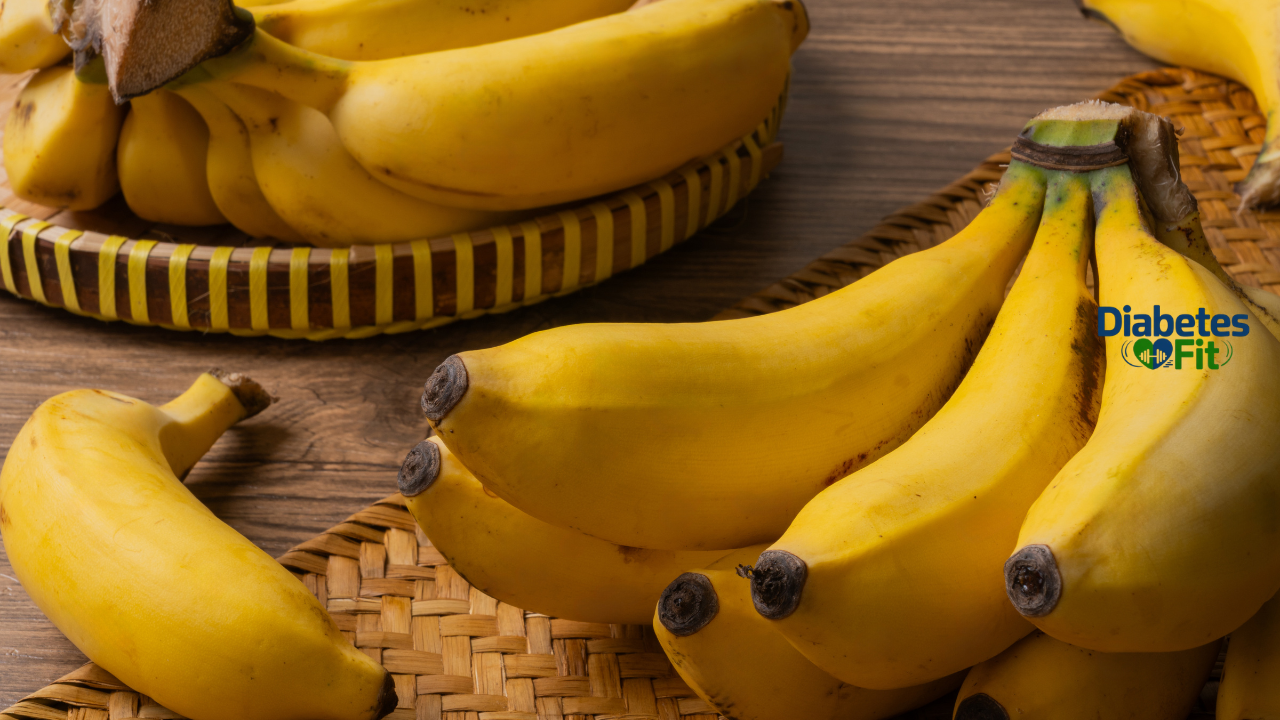
    Bananas are one of the most loved fruits in the world — cheap, filling, and naturally sweet. But if you have diabetes, you’ve probably been told to avoid them. Maybe your doctor mentioned the sugar content. Maybe you read somewhere that bananas spike blood sugar. So you stand in the produce aisle wondering: are bananas good for diabetics, or should I just walk past them every time? 

    The honest answer is more encouraging than you might expect. Bananas are not the forbidden fruit for diabetics that many people believe. Like most foods, the truth lies in the details — ripeness, portion size, timing, and what you eat alongside them. This article gives you the full, medically accurate picture so you can make a smart, confident decision about bananas and your diabetes management.

    While bananas contain natural sugars, they can still be enjoyed in moderation by many people with diabetes. If you notice unusual symptoms after eating sugary foods, read Is Feeling Sick After Eating Sugar a Sign of Diabetes? for more insights.

    Are Bananas Good for Diabetics? Let’s Look at the Nutrition First

    Before making any judgment, it’s worth understanding exactly what a banana contains. Because when people say “bananas are full of sugar,” they’re only telling half the story.

    Here’s the full nutritional profile of a medium banana (approximately 118g):

    NutrientAmount
    Calories105
    Total Carbohydrates27g
    Natural Sugars14g
    Dietary Fiber3.1g
    Resistant Starch (unripe)Up to 6g
    Protein1.3g
    Fat0.4g
    Potassium422mg (12% DV)
    Vitamin B60.4mg (25% DV)
    Vitamin C10.3mg (11% DV)
    Magnesium31.9mg (8% DV)

    Yes, bananas contain carbohydrates and natural sugars. But they also contain fiber, resistant starch, potassium, magnesium, and vitamin B6 — all nutrients that matter significantly for people managing diabetes.

    The glycemic index (GI) of a banana ranges from 42 to 62, depending on ripeness. That puts ripe bananas in the low-to-medium GI range — lower than white bread (75), white rice (72), and many breakfast cereals (70+). So the idea that bananas are a high-sugar disaster for diabetics doesn’t hold up when you look at the actual data.

    The Ripeness Factor: This Changes Everything for Diabetics

    Here’s something most people don’t know — and it’s genuinely one of the most important facts about bananas and blood sugar.

    The riper the banana, the higher its glycemic index.

    When a banana is unripe (still slightly green), most of its carbohydrates exist as resistant starch — a type of carbohydrate your body cannot fully digest. Resistant starch behaves more like fiber than sugar. It passes through your digestive system slowly, barely raises blood sugar, and actually feeds beneficial gut bacteria.

    As a banana ripens and turns yellow, then speckled, then fully brown, that resistant starch gradually converts into simple sugars. The banana gets sweeter, softer, and faster-digesting — which means a quicker, higher blood sugar response.

    Here’s how ripeness affects the glycemic index:

    Banana RipenessAppearanceGlycemic IndexBest for Diabetics?
    UnripeMostly green~42 (Low)Yes — best choice
    Slightly ripeYellow with green tips~48 (Low)Yes — good choice
    Fully ripeAll yellow~57 (Medium)Yes — in moderation
    Very ripeYellow with brown spots~62 (Medium)Eat a smaller portion
    OverripeMostly brown~65–70 (Medium-High)Limit or avoid

    Practical takeaway: For diabetics, a slightly underripe or just-ripe banana is a significantly better choice than a soft, overripe one. Choose bananas with a little green still on the peel when possible.

    How Are Bananas Good for Diabetics? The Real Benefits

    People ask if bananas are good for diabetics, mostly out of concern, but the real question should also include the potential benefits bananas offer people managing blood sugar. And those benefits are genuine.
    Are Bananas Good for Diabetics?

    1. Resistant Starch Improves Insulin Sensitivity

    Unripe and slightly ripe bananas are one of the best natural sources of resistant starch in a typical diet. Multiple studies have shown that resistant starch improves insulin sensitivity — meaning your body needs less insulin to manage the same amount of glucose. For people with Type 2 diabetes, this is a meaningful benefit.

    2. Fiber Slows Glucose Absorption

    Even ripe bananas contain about 3 grams of dietary fiber per medium fruit. Fiber slows down how quickly sugar enters the bloodstream, creating a gentler, more gradual glucose rise rather than a sharp spike. This buffering effect is exactly what diabetics need from their food.

    3. Potassium Supports Kidney and Heart Health

    People with diabetes face a significantly higher risk of kidney disease and cardiovascular disease. Bananas are one of the richest everyday sources of potassium — a mineral that helps regulate blood pressure, supports proper kidney function, and protects heart health. One medium banana provides about 12% of your daily potassium needs.

    4. Magnesium Helps Blood Sugar Regulation

    Magnesium is a mineral that plays a direct role in insulin function and glucose metabolism. Research has consistently found that people with Type 2 diabetes tend to have lower magnesium levels than people without diabetes. Bananas provide a meaningful amount of magnesium per serving, making them a useful dietary source for pdeficient people

    5. Vitamin B6 Supports Nerve Health

    Diabetic neuropathy — nerve damage caused by long-term high blood sugar — is one of the most common and uncomfortable complications of diabetes. Vitamin B6 supports healthy nerve function and is involved in over 100 enzyme reactions in the body. One medium banana provides 25% of your daily B6 needs.

    6. Natural Energy Without Processed Sugar

    Many diabetics struggle with energy management — blood sugar dips leave them reaching for quick fixes that often make things worse. A small banana with some protein (like a handful of almonds or a spoonful of peanut butter) provides a controlled, natural energy source without the artificial ingredients, preservatives, or added sugars found in most packaged snacks.

    What the Research Actually Says About Bananas and Diabetes

    So, are bananas good for diabetics according to science? Let’s look at what studies show:
    Are Bananas Good for Diabetics?
    • A study published in Nutrition & Metabolism found that daily consumption of resistant starch (the kind abundant in unripe bananas) improved insulin sensitivity in people with metabolic syndrome — a condition closely linked to Type 2 diabetes.
    • Research from the Diabetes Care journal has repeatedly confirmed that low-to-medium GI foods — which include bananas — are associated with better long-term blood sugar control compared to high-GI diets.
    • A large review published in BMJ found that higher fruit consumption overall — including tropical fruits like bananas — was associated with a reduced risk of developing Type 2 diabetes, not an increased one.
    • Studies specifically looking at resistant starch and gut health show that it promotes the growth of beneficial gut bacteria, which play an emerging role in blood sugar regulation and metabolic health.

    The consistent message from research is clear: bananas, eaten in appropriate portions, do not worsen diabetes outcomes — and in several ways, they actively support better metabolic health.

    Portion Size: The Most Important Variable for Diabetics

    Here’s where many diabetics go wrong — not with whether they eat bananas, but how much they eat at once.

    A large banana can contain 35–40 grams of carbohydrates. For someone carefully managing blood sugar, eating a whole large banana as a snack on an empty stomach is very different from eating half a small banana with a protein-rich meal.

    Portion guidelines for diabetics:

    • Small banana (6 inches, ~100g): ~23g carbs — generally safe for most diabetics as a snack
    • Medium banana (7–8 inches, ~118g): ~27g carbs — fine with protein or fat alongside
    • Large banana (9+ inches, ~136g): ~31g carbs — better split into two portions
    • Half a medium banana: ~13g carbs — excellent option for stricter blood sugar management

    A helpful rule of thumb: one small to medium banana per sitting, paired with a protein source, is the sweet spot for most people with well-managed Type 2 diabetes. People with Type 1 diabetes or those on insulin should monitor their individual response carefully.

    The Best Ways for Diabetics to Eat Bananas

    Are bananas good for diabetics when eaten alone? They can be — but pairing strategies dramatically improve the blood sugar outcome.
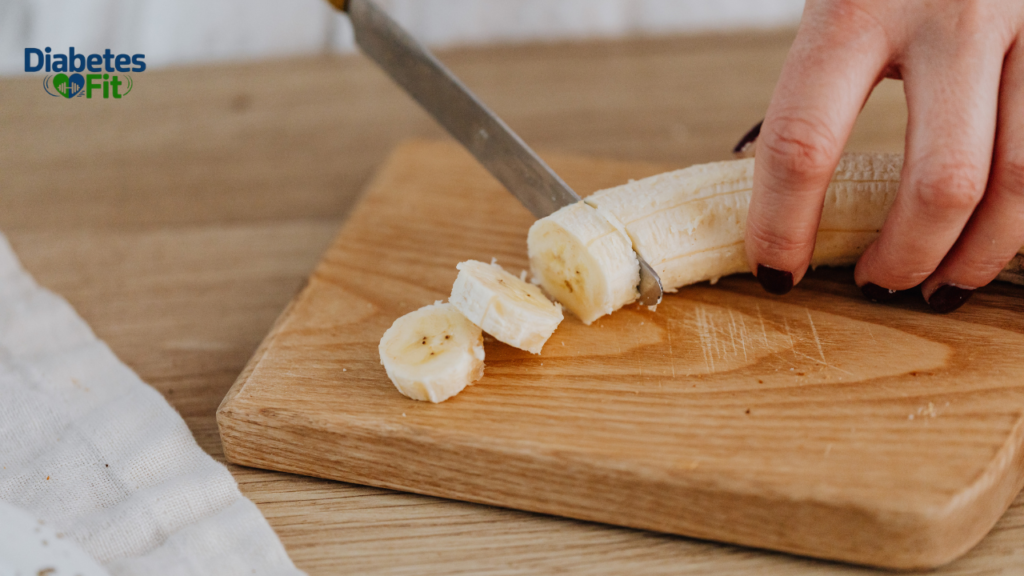
    Are Bananas Good for Diabetics?

    Smart Pairing Ideas:

    • Banana + peanut butter — the protein and fat in peanut butter slow glucose absorption significantly
    • Banana + Greek yogurt — protein-rich, filling, and the probiotics support gut health
    • Banana + a small handful of walnuts or almonds — healthy fats buffer the sugar response
    • Banana in a smoothie with spinach, protein powder, and almond milk — fiber, protein, and fat dilute the glycemic impact
    • Half a banana sliced over oatmeal — the beta-glucan fiber in oats plus banana fiber creates excellent blood sugar stability

    What to Avoid:

    • Eating a large ripe banana alone as a standalone snack on an empty stomach
    • Combining bananas with other high-sugar foods (banana + juice + sweetened yogurt = blood sugar disaster)
    • Using overripe bananas in baked goods sweetened with additional sugar
    • Banana chips — these are often fried and contain added sugar, making them far worse than fresh banana

    Timing Matters: When Should Diabetics Eat Bananas?

    When you eat a banana can affect how your blood sugar responds just as much as how much you eat.

    Best times for diabetics to eat bananas:

    • Before exercise: A small banana 30–60 minutes before physical activity provides controlled energy. Exercise itself helps muscles absorb glucose, reducing the blood sugar impact.
    • With breakfast: Pairing half a banana with eggs, Greek yogurt, or oatmeal creates a balanced morning meal with controlled glucose release.
    • As a mid-morning snack with protein: Better than processed snacks, and the mid-morning timing means you have the rest of the day to metabolize the glucose.

    Times to be more cautious:

    • Late evening as a standalone snack — metabolism slows at night and physical activity is reduced, making blood sugar management harder
    • Immediately after a high-carb meal, adding banana sugars on top of an already high glucose load isn’t ideal
    • First thing in the morning on an empty stomach — for some diabetics, the dawn phenomenon (naturally higher morning blood sugar) makes this timing more problematic.

    Real-Life Example: How One Diabetic Made Bananas Work

    Fatima, a 55-year-old with Type 2 diabetes, gave up bananas completely when she was first diagnosed. She missed them terribly — they were her go-to morning fruit for 30 years.

    After working with a registered dietitian, she learned a smarter approach. She started buying bananas while still slightly green, eating half a medium banana with a tablespoon of almond butter and a boiled egg each morning. She checked her blood sugar two hours after eating and was surprised to find it barely moved from her baseline.

    Today, Fatima eats half a banana with protein almost every morning. Her HbA1c has remained well controlled, and she’s no longer white-knuckling it past the fruit aisle. The difference wasn’t the banana — it was the approach.

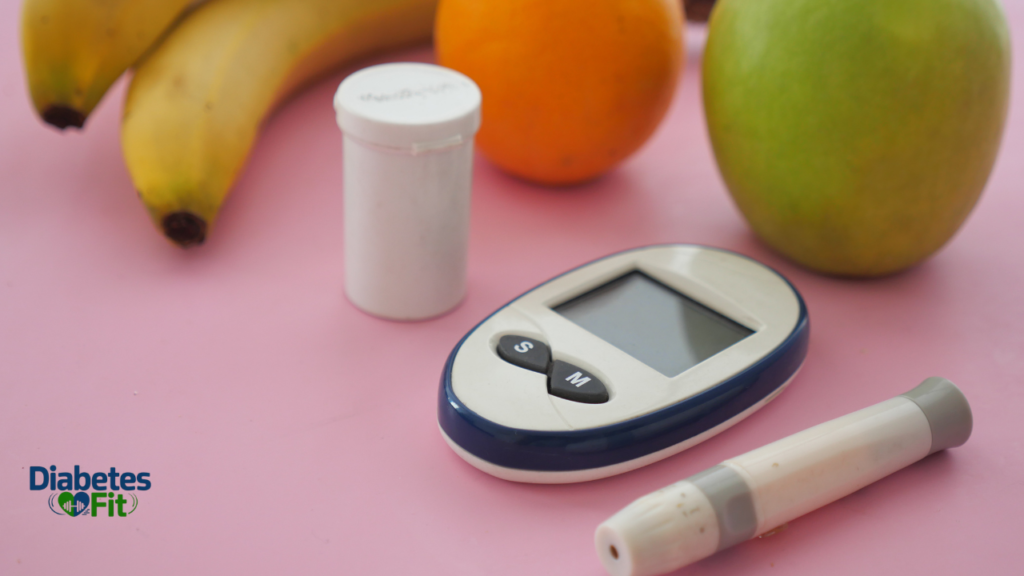
    Which Fruits Are Better or Worse Than Bananas for Diabetics?

    To put bananas in a proper context, here’s how they compare to other common fruits:
    Are Bananas Good for Diabetics?
    FruitGlycemic IndexCarbs per ServingFiberDiabetic-Friendliness
    Cherries2012g (1 cup)1.6gExcellent
    Grapefruit2513g (half)2gExcellent
    Apple3625g (medium)4.4gVery Good
    Pear3827g (medium)5.5gVery Good
    Banana (unripe)4223g (small)3.1gGood
    Mango5125g (1 cup)2.6gModerate
    Grapes5328g (1 cup)1.4gModerate
    Pineapple5920g (1 cup)2.3gUse caution
    Watermelon7211g (1 cup)0.6gLimit
    Dates10318g (2 dates)1.6gLimit

    Bananas sit comfortably in the middle — better than many fruits people don’t think twice about, and far better than dried fruits, fruit juices, or dates commonly eaten as “natural” alternatives.

    Common Myths About Bananas and Diabetes — Debunked

    Myth 1: “Diabetics should never eat bananas.” False. Bananas have a low-to-medium glycemic index and contain fiber, resistant starch, and essential nutrients. Eaten in appropriate portions with protein or fat, they fit comfortably into a diabetic meal plan.

    Myth 2: “The sugar in bananas is just as bad as table sugar.” False. The natural sugars in bananas come packaged with fiber, resistant starch, vitamins, and minerals that significantly slow absorption and provide nutritional value. Table sugar offers none of these benefits.

    Myth 3: “Brown bananas are toxic for diabetics.” False — but they are higher GI. Overripe bananas have more simple sugars and less resistant starch. They’re not dangerous, but diabetics should eat smaller portions and pair them carefully.

    Myth 4: “Banana chips are a safer alternative.” False. Banana chips are typically deep-fried and often coated with added sugar or honey. They have far more calories, fat, and a higher glycemic impact than a fresh banana.

    Myth 5: “Fruit sugar (fructose) doesn’t affect blood sugar.” Partially false. While fructose doesn’t directly raise blood glucose the way glucose does, excess fructose is processed by the liver and can contribute to metabolic issues. However, the amounts in one banana are well within safe limits for most diabetics.

    Conclusion

    So, are bananas good for diabetics? Yes — with the right approach, they absolutely are. A slightly underripe or just-ripe small-to-medium banana, paired with protein or healthy fat, eaten at the right time of day, is a nutritious, satisfying, and blood-sugar-friendly food for most people managing diabetes.

    Are bananas good for diabetics who eat them carelessly — large, overripe, alone, on an empty stomach, multiple times a day? Probably not. But that’s true of almost any carbohydrate-containing food, including “health foods” like whole-grain bread or brown rice.

    The bottom line is this: Are bananas good for diabetics when eaten smartly? The research says yes, nutrition science says yes, and real-world experience from millions of people managing diabetes successfully while enjoying bananas says yes, too.

    Try this: Next time you’re at the store, pick up a bunch of bananas that still have some green on the peel. Eat half a small banana with a tablespoon of peanut butter as your afternoon snack this week. Check your blood sugar two hours later. You may be pleasantly surprised by what you find.

    Bananas contain natural sugars but also provide fiber and important nutrients that may help slow sugar absorption. According to Healthline, bananas can still be enjoyed by people with diabetes when eaten in moderation and as part of a balanced diet.

    Frequently Asked Questions 

    Are bananas good for diabetic,s or should they be avoided completely? 

    Bananas are good for diabetics when eaten in appropriate portions and paired with protein or healthy fat. They have a low-to-medium glycemic index, contain fiber and resistant starch, and provide important nutrients like potassium, magnesium, and vitamin B6. Total avoidance is unnecessary for most people with well-managed diabetes.

    How many bananas can a diabetic eat per day? 

    Most diabetics can safely eat one small to medium banana per day — ideally slightly underripe and paired with a protein source. People with stricter blood sugar targets may prefer half a banana per sitting. Always monitor your individual blood sugar response, as everyone’s glucose reaction varies.

    Which is better for diabetics — ripe or unripe bananas? 

    Unripe or slightly ripe bananas are better for diabetics. They contain more resistant starch, which behaves like fiber in the body and causes a much smaller blood sugar rise. As bananas ripen, resistant starch converts to simple sugars, raising the glycemic index from around 42 to over 60.

    Do bananas raise blood sugar quickly? 

    A slightly ripe banana has a low glycemic index of around 42–48, meaning it raises blood sugar slowly and moderately. Overripe bananas have a higher GI and raise blood sugar faster. Pairing any banana with protein or fat slows glucose absorption further, reducing the overall blood sugar impact.

    What is the best time for a diabetic to eat a banana? 

    The best times are before exercise, with breakfast as part of a balanced meal, or as a mid-morning snack with protein. Avoid eating bananas late at night as a standalone snack or immediately after another high-carbohydrate meal when blood sugar is already elevated.

    Are bananas good for diabetics with high blood pressure too? 

    Yes — bananas are particularly beneficial for diabetics who also have high blood pressure, which is a very common combination. Bananas are one of the richest everyday sources of potassium, a mineral that directly helps lower blood pressure by counteracting the effects of sodium and relaxing blood vessel walls.

  • 7 Key Tips: Is Eating Boiled Eggs Daily Safe for Diabetics?

    7 Key Tips: Is Eating Boiled Eggs Daily Safe for Diabetics?

    If you have diabetes and love eggs, you’ve probably asked yourself: is boiled egg good for diabetics, or should I just avoid it? It’s a fair question — and you’re not alone. Millions of people with Type 1 and Type 2 diabetes wonder if this simple, affordable food is friend or foe. The good news? Science has a pretty clear answer, and it might surprise you: Is Eating Boiled Eggs Daily Safe for Diabetics? 

    Boiled eggs are not just safe for most diabetics — they can actually be one of the smartest foods you add to your daily plate. Let’s break it all down in plain English so you can make the best choice for your health.

    By understanding the answer to Is Eating Boiled Eggs Daily Safe for Diabetics?, you can make informed decisions about your diet.

    While boiled eggs are low in carbohydrates and generally do not spike blood sugar, it’s important to look at your overall diet. For example, some dairy products may affect glucose levels differently. If you’re unsure about yogurt and its impact, read our detailed guide on Does Yogurt Spike Blood Sugar? to understand which types are safer for diabetics.

    What Makes Boiled Eggs Good for Diabetics?

    Here’s the big picture first: a boiled egg has almost zero carbohydrates. For someone managing blood sugar, that’s a huge deal.

    When you eat carbs, your blood sugar rises. Protein and fat barely move the needle. And eggs are mostly protein and healthy fat, which is exactly why so many dietitians and diabetes educators recommend them as a regular part of a diabetic meal plan.

    Here’s what one large hard-boiled egg gives you:

    NutrientAmount Per Large Boiled Egg
    Calories78
    Protein6.3g
    Total Fat5.3g
    Carbohydrates0.6g
    Cholesterol186mg
    Vitamin D6% Daily Value
    Vitamin B129% Daily Value
    Selenium15% Daily Value

    Less than 1 gram of carbs. For someone watching their glycemic index, this is practically a free food.

    How Does a Boiled Egg Affect Blood Sugar?

    Here’s the simple science. When you eat a boiled egg:

    is boiled egg good for diabetics
    • Your blood glucose stays almost completely flat
    • There’s no insulin spike as you’d get from bread or rice
    • The protein slows digestion, which means other foods eaten alongside the egg are absorbed more slowly, too

    This blood-sugar stabilizing effect is why eggs are a staple in low-carb and diabetic diets. Think of it this way: if someone eats toast alone for breakfast, blood sugar shoots up fast. But if they eat toast with a boiled egg, the rise is slower and gentler. The egg acts like a natural buffer.

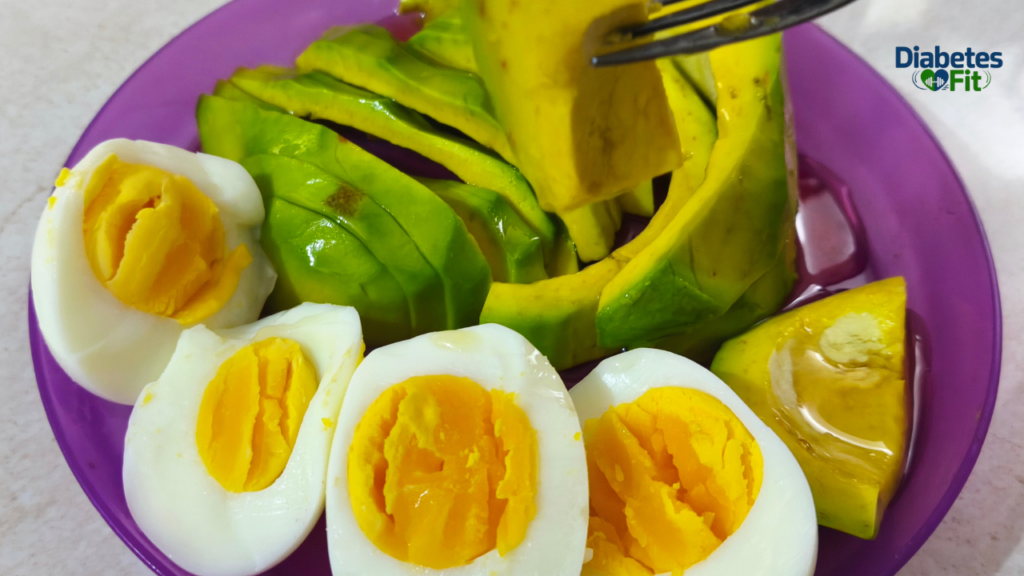
    Real-life example: Rashida, a 52-year-old with Type 2 diabetes, switched her breakfast from sugary cereal to two boiled eggs with avocado. Within three weeks, her morning fasting readings dropped noticeably. Results vary by person — but this kind of outcome is common when people make this swap.

    Is a Boiled Egg Good for Diabetics — What Studies Show

    Several credible studies have examined eggs and diabetes outcomes:

    • Research published in the American Journal of Clinical Nutrition found that eating up to one egg per day was not linked to increased cardiovascular risk in people with diabetes when part of a healthy overall diet.
    • A University of Sydney study found that eating up to 12 eggs per week for three months had no negative effects on blood sugar, cholesterol, or cardiovascular markers in people with pre-diabetes or Type 2 diabetes.
    • Multiple studies show eggs improve satiety (fullness), helping diabetics avoid overeating and snacking on high-carb foods throughout the day.

    The research conclusion is encouraging: moderate, regular egg consumption appears to be safe — and genuinely beneficial — for most people with diabetes.

    6 Key Benefits of Eating Boiled Eggs for Diabetics

    is boiled egg good for diabetics

    1. Keeps Blood Sugar Stable

    Near-zero carbs means boiled eggs won’t cause glucose spikes. They’re one of the rare breakfast options that won’t start your morning with a blood sugar roller coaster.

    2. High-Quality Protein Supports Muscle Health

    Diabetes — especially long-term — can gradually affect muscle mass. Eggs contain all 9 essential amino acids your body needs to maintain and build muscle. Better muscle health also means better insulin sensitivity over time.

    3. Helps With Weight Management

    Many people with Type 2 diabetes are also managing their weight. Boiled eggs are filling, relatively low in calories, and reduce hunger for hours. A protein-rich morning meal consistently leads to lower calorie intake throughout the rest of the day.

    4. Supports Eye Health

    People with diabetes face a higher risk of diabetic retinopathy and macular degeneration. Egg yolks are naturally rich in lutein and zeaxanthin — two powerful antioxidants that specifically protect the eyes and may slow vision-related complications.

    5. Supports Heart Health When Eaten Sensibly

    Eggs contain healthy fats and choline, a nutrient important for brain and heart health. When not paired with processed meats or deep-fried sides, boiled eggs fit comfortably into a heart-healthy diabetic diet.

    6. Cheap, Easy, and Practical

    Boiled eggs cost very little, take minutes to prepare, and keep in the fridge for up to a week. Hard-boil a batch on Sunday — you have grab-and-go protein for the entire week. For diabetics on a budget, that practicality is genuinely valuable.

    How Many Boiled Eggs Can a Diabetic Eat Per Day?

    Here’s where nuance matters. Most health experts and registered dietitians suggest:

    • 1 to 2 boiled eggs per day is the safe, healthy sweet spot for most diabetics
    • Some research supports up to 7 eggs per week without negative effects
    • People with both diabetes AND elevated LDL cholesterol should check with their doctor before eating eggs daily

    Here’s a practical guide by situation:

    Type of DiabeticSuggested Egg Intake
    Type 2 (no cholesterol concerns)1–2 eggs/day
    Type 1 (active, healthy lipids)1–2 eggs/day
    Diabetic with high LDLConsult a doctor; consider egg whites
    Pre-diabetic1–2 eggs/day on a low-carb plan
    Gestational diabetes1 egg/day — confirm with your OB

    Best Ways for Diabetics to Eat Boiled Eggs

    Not all egg preparations are equal. Here’s why boiled stands out:

    Is Eating Boiled Eggs Daily Safe for Diabetics?
    • No added oil or butter — unlike fried eggs
    • No cream or additives — unlike many scrambled egg recipes
    • Easy to pair with vegetables and other low-GI foods
    • Fully portable — perfect as a take-anywhere snack

    Smart Pairings for Diabetics:

    • Boiled egg + cucumber slices + a small scoop of hummus
    • Boiled egg + half an avocado + one small slice of whole grain bread
    • A boiled egg sliced over a mixed greens salad with olive oil dressing
    • A boiled egg stirred into a bowl of vegetable soup
    • Boiled egg as a mid-morning snack instead of crackers or chips

    What to Avoid Pairing:

    • White bread, bagels, or white rice (high glycemic)
    • Processed bacon or sausages (saturated fat + sodium overload)
    • Ketchup or bottled sauces with added sugars

    Any Risks? What Diabetics Should Watch For

    Most diabetics can eat eggs freely, but a few things are worth knowing:

    • Dietary cholesterol: Each egg yolk has about 186mg of cholesterol. While current research shows dietary cholesterol has much less impact on blood cholesterol than saturated fat does, people with high LDL should still be mindful.
    • Cholesterol hyper-responders: A small percentage of people see their LDL rise when eating cholesterol-rich foods. A simple lipid panel from your doctor will tell you whether you’re in this group.
    • How you cook them matters: The benefits described here apply to boiled eggs, not eggs drowning in butter, cream, or cheese. Cooking method changes everything.
    • Egg allergy: Rare in adults but possible. If you notice symptoms like hives, stomach upset, or breathing changes after eating eggs, see your doctor.

    Egg White vs. Whole Boiled Egg — Which Is Better for Diabetics?

    Egg White OnlyWhole Boiled Egg
    Calories1778
    Protein3.6g6.3g
    Fat0g5.3g
    Cholesterol0mg186mg
    Lutein & ZeaxanthinNoneHigh
    Vitamin DNonePresent
    CholineVery lowHigh

    Bottom line: For most diabetics, the whole boiled egg wins. The yolk is where most of the vitamins, antioxidants, and beneficial nutrients live. Egg whites are only the better choice if your doctor has specifically told you to limit dietary cholesterol.

    Final Thoughts

    So, is a boiled egg good for diabetics? Without question — yes. With virtually zero carbohydrates, exceptional protein quality, blood sugar-stabilizing properties, and a solid body of research behind them, boiled eggs are one of the most diabetic-friendly foods you can eat.

    One to two boiled eggs a day is a smart, filling, and scientifically supported habit for most people managing Type 1 or Type 2 diabetes. Pair them with vegetables and healthy fats, keep the cooking method clean, and pay attention to how your own blood sugar responds.

    Try this: For one week, replace your usual breakfast with two boiled eggs. Check your fasting blood sugar each morning and notice how long you feel full. Small food swaps often create bigger results than people expect — and this is one of the easiest ones you can make starting tomorrow.

    Boiled eggs are low in carbohydrates and rich in protein, making them a popular choice for people with diabetes. According to experts at Healthline, eggs can be part of a balanced diabetic diet when eaten in moderation and paired with fiber-rich foods.

    This article is for general informational purposes only. Always consult your doctor or a registered dietitian before making changes to your diabetes meal plan.

    Frequently Asked Questions 

    Can a diabetic eat boiled eggs every day? 

    Yes. Most people with diabetes can safely enjoy 1–2 boiled eggs daily. They contain fewer than 1 gram of carbohydrates and have no meaningful effect on blood sugar. Those with elevated LDL cholesterol should check with their doctor first.

    Do boiled eggs raise blood sugar? 

    No. Boiled eggs have virtually no carbohydrates, so they don’t cause a blood glucose spike. The protein in eggs can actually slow the absorption of other foods eaten at the same meal, helping to keep glucose levels more stable overall.

    How many boiled eggs can a Type 2 diabetic eat per day? 

    Most guidelines and research suggest 1–2 eggs per day is a safe and healthy amount for Type 2 diabetics. Some studies have observed no negative effects from eating up to 12 eggs per week in people with diabetes or pre-diabetes.

    Are boiled eggs good for diabetics trying to lose weight? 

    Yes, they’re an excellent choice. Boiled eggs are low in calories, high in protein, and highly satisfying. Eating a protein-rich breakfast consistently reduces hunger and calorie intake throughout the rest of the day, which supports healthy weight management.

    Is it better for diabetics to eat egg whites or the whole egg? 

    The whole egg is generally the better choice for diabetics. The yolk contains vitamin D, choline, and powerful eye-protecting antioxidants that the white simply doesn’t have. Egg whites are appropriate only if your doctor has flagged a specific cholesterol concern.

    When is the best time for a diabetic to eat a boiled egg? 

    Breakfast is the most effective time, since it helps stabilize morning blood sugar and keeps hunger at bay until lunch. A boiled egg also makes an excellent mid-morning snack to prevent energy dips and reduce the urge to reach for high-carb foods between meals.

  • Does Yogurt Spike Blood Sugar? Best & Worst Types for Diabetics

    Does Yogurt Spike Blood Sugar? Best & Worst Types for Diabetics

    If you have diabetes or prediabetes, you probably second-guess almost everything you eat. And yogurt is one of those foods that causes a lot of confusion. Does yogurt raise blood sugar? Is it safe to eat every day? Which types should you avoid? These are fair questions — and the answers are not as simple as yes or no. One question that often arises is, Does Yogurt Spike Blood Sugar?

    Understanding whether Does Yogurt Spike Blood Sugar? requires a closer look at the types of yogurt available.

    The truth is, yogurt can either help or hurt your blood sugar, depending entirely on the type you choose. Some yogurts are packed with protein and probiotics that actually stabilize glucose levels. Others are loaded with added sugar and spike your blood sugar faster than a candy bar. This guide breaks it all down in plain, simple language so you can make smarter choices at the grocery store.

    While yogurt can affect blood sugar in some people, it’s important to consider other factors that might cause symptoms even when your readings are normal. If you often feel dizzy despite normal blood sugar levels, check out Normal Blood Sugar, but Still Dizzy? for more insights and tips on identifying hidden triggers.

    What Is the Glycemic Index and Why Does It Matter for Yogurt?

    Before we answer whether yogurt raises blood sugar, you need to understand one concept: the Glycemic Index (GI).

    The GI is a scale from 0 to 100 that measures how quickly a food raises your blood glucose levels after eating. Here is the basic breakdown:

    • Low GI (0–55): Slow, gradual rise in blood sugar — better for diabetics
    • Medium GI (56–69): Moderate blood sugar rise
    • High GI (70+): Fast spike in blood sugar — risky for diabetics

    Plain yogurt has a GI of around 14–36, which puts it firmly in the low category. That is genuinely good news. But the moment you add fruit syrup, honey, or flavoring, that number can jump dramatically.

    Does Yogurt Raise Blood Sugar? The Honest Answer

    The short answer is: it depends on the type.

    Ultimately, the question remains: Does Yogurt Spike Blood Sugar?

    Plain, unsweetened yogurt — especially Greek yogurt — has a minimal effect on blood sugar. It is high in protein and fat, both of which slow down glucose absorption in the bloodstream. That means a slower, gentler rise instead of a sharp spike.

    Understanding the answer to the question, Does Yogurt Spike Blood Sugar?, can help you make better dietary choices.

    On the other hand, flavored yogurts, fruit-on-the-bottom varieties, and low-fat sweetened yogurts can contain anywhere from 15 to 30 grams of sugar per serving. That is more sugar than a glazed donut in some cases.

    Here is a real-life example: Sarah, a 47-year-old with Type 2 diabetes, used to eat a strawberry-flavored yogurt every morning, thinking it was healthy. Her post-meal blood sugar was consistently elevated. Her doctor switched her to plain Greek yogurt with a handful of fresh berries. Within two weeks, her morning glucose readings improved noticeably.

    The lesson? The yogurt itself is not the problem. The added sugar is.

    How Yogurt Affects Blood Sugar: The Science Behind It

    When you eat protein and fat alongside carbohydrates, your body digests everything more slowly. This is called the second meal effect — and yogurt is actually a perfect example of it.

    Does Yogurt Spike Blood Sugar?

    Plain Greek yogurt contains:

    • High protein (15–20g per serving) — slows gastric emptying, reduces glucose spike
    • Probiotics — beneficial bacteria that improve gut health and insulin sensitivity
    • Calcium — linked to improved metabolic function
    • Low carbohydrates — typically 6–9g per serving in plain varieties

    A 2014 study in Diabetologia found that higher yogurt consumption was associated with a 28% lower risk of developing Type 2 diabetes. Researchers credited the probiotics and protein content as the main drivers.

    Best Types of Yogurt for Diabetics

    Not all yogurt is equal. Here are the genuinely safe types — and even beneficial — for blood sugar control.

    1. Plain Greek Yogurt

    This is the gold standard for diabetics. Greek yogurt is strained, which removes excess whey and liquid. The result is a thicker, creamier yogurt with nearly double the protein of regular yogurt and significantly fewer carbs.

    • Carbs per serving: 6–8g
    • Protein per serving: 15–20g
    • GI: ~11

    Look for full-fat or 2% varieties. The fat helps slow glucose absorption even further.

    2. Plain Regular Yogurt (Unsweetened)

    Does Yogurt Spike Blood Sugar?

    Regular plain yogurt is a solid choice, too, though it has slightly more carbs and less protein than Greek yogurt. It still has a low GI and is full of probiotics.

    • Carbs per serving: 12–15g
    • Protein per serving: 8–10g
    • GI: ~36

    3. Icelandic Skyr

    Skyr is similar to Greek yogurt but even thicker and higher in protein. It is technically a fresh cheese but is marketed and eaten like yogurt. Brands like Siggi’s make plain skyr with minimal sugar.

    • Carbs per serving: 6–9g
    • Protein per serving: 17–19g
    • GI: ~14

    4. Plain Whole-Milk Yogurt

    Full-fat plain yogurt gets unfairly demonized. Research actually suggests that full-fat dairy may be more protective against Type 2 diabetes than low-fat varieties. The fat content lowers the GI and helps you feel full longer.

    5. Unsweetened Coconut Yogurt (Dairy-Free)

    Does Yogurt Spike Blood Sugar?

    For those who are lactose intolerant or dairy-free, unsweetened coconut yogurt can be an option. Check the label carefully — many brands add sugar. The plain, unsweetened versions have a low impact on blood sugar.

    Worst Types of Yogurt for Diabetics

    These are the ones to put back on the shelf.

    1. Flavored Fruit Yogurt

    “Strawberry,” “peach,” “blueberry” — these sound healthy but are often loaded with fruit syrups and added sugar. A single 6-oz container can have 25–30g of sugar.

    2. Low-Fat Sweetened Yogurt

    When manufacturers remove fat, they almost always add sugar to compensate for the taste. Low-fat yogurt with added flavoring is one of the worst choices for blood sugar management.

    3. Yogurt with Candy Mix-Ins or Granola Toppings

    Does Yogurt Spike Blood Sugar?

    Products like “flip” yogurts or parfait-style cups with granola, chocolate, or cookie pieces can push total carbs above 40g per serving. That is a significant blood sugar risk.

    4. Drinkable Yogurt or Yogurt Smoothies

    These are convenient but usually highly processed and sweetened. They digest quickly, giving you little of the protein-slowing benefit of regular yogurt.

    Yogurt Comparison Table: Best to Worst for Blood Sugar

    Yogurt TypeCarbs (per 6oz)SugarProteinGIDiabetic-Friendly?
    Plain Greek Yogurt6–8g4–6g (natural)15–20g~11✅ Yes
    Plain Skyr (Icelandic)6–9g4–5g (natural)17–19g~14✅ Yes
    Plain Regular Yogurt12–15g8–10g (natural)8–10g~36✅ Yes
    Full-Fat Plain Yogurt10–12g8–9g (natural)8–10g~30✅ Yes
    Low-Fat Flavored Yogurt25–32g20–28g6–8g~60⚠️ Limit
    Fruit-on-Bottom Yogurt28–35g22–30g5–7g~65❌ Avoid
    Drinkable Yogurt30–40g25–35g4–6g~70+❌ Avoid
    Yogurt with Granola/Candy38–45g30–40g6–8g~75+❌ Avoid

    How to Eat Yogurt Without Spiking Blood Sugar

    Even with the best yogurt, how you eat it matters. Here are practical tips that actually make a difference:

    Does Yogurt Spike Blood Sugar?
    • Always read the nutrition label — check total sugars, not just carbohydrates. Under 10g of sugar per serving is a safe target
    • Add your own toppings — a handful of fresh blueberries, walnuts, or a sprinkle of cinnamon gives you flavor without a sugar bomb.
    • Pair it with fiber — eating yogurt with high-fiber foods like flaxseeds or chia seeds slows digestion even further.
    • Eat it earlier in the day — your insulin sensitivity is naturally higher in the morning, so your body handles carbs better at breakfast than at night.
    • Stick to one serving — a standard serving is about 150–200g (6oz). More than that increases the carb load significantly.y
    • Avoid eating yogurt alone as a late-night snack — insulin sensitivity drops in the evening, making blood sugar spikes more likely.

    Does the Brand Matter?

    Yes, it really does. Two yogurts labeled “plain Greek” can have very different nutrition profiles. Always compare:

    • Total sugars (aim for under 8g for unsweetened varieties — this is mostly lactose, the natural milk sugar)
    • Added sugars (should be 0g for truly plain yogurt)
    • Protein (higher is better — aim for 12g or more per serving)
    • Ingredients list (should be short: milk, live cultures — that is it)

    Some trusted brands for diabetics include Fage Total 0% or 2%, Chobani Plain, Siggi’s Plain Skyr, and Stonyfield Organic Plain.

    Final Thoughts

    So, does yogurt raise blood sugar? The honest answer is — the wrong yogurt absolutely can. But the right yogurt, chosen carefully, is one of the best foods a diabetic can eat. Plain Greek yogurt, skyr, and unsweetened full-fat yogurt are low-glycemic, high-protein foods that support stable glucose levels and gut health at the same time.

    The key rule is simple: read the label, skip the added sugar, and keep it plain. You can always add your own fresh fruit, nuts, or a dash of cinnamon to make it enjoyable without the blood sugar consequences.

    If you are managing diabetes or prediabetes, do not avoid yogurt — just choose it wisely. One small change in the dairy aisle can make a real difference in your daily glucose readings.

    Many people wonder if yogurt can raise blood sugar levels. For a detailed look at how yogurt affects diabetes and blood glucose, you can refer to this comprehensive guide on diabetes and yogurt from Healthline. It explains the types of yogurt that are better for blood sugar control and offers practical tips for including it in your diet safely.

    Talk to your doctor or a registered dietitian before making major dietary changes, especially if you are on diabetes medication.

    Frequently Asked Questions 

    Does yogurt raise blood sugar in diabetics? 

    Plain, unsweetened yogurt has a low glycemic index and minimal effect on blood sugar. Flavored or sweetened yogurts, however, can cause significant spikes due to high added sugar content.

    Is Greek yogurt safe for Type 2 diabetes? 

    Yes. Plain Greek yogurt is one of the best dairy options for Type 2 diabetics. Its high protein content and low carbohydrate load make it ideal for blood sugar management.

    How much yogurt can a diabetic eat per day? 

    One serving (about 150–200g or 6oz) of plain Greek yogurt per day is generally safe and beneficial for most diabetics. Always monitor your own glucose response, as individual reactions vary.

    Which yogurt has the least sugar for diabetics? 

    Plain Greek yogurt and plain Icelandic skyr consistently have the lowest sugar content — typically 4–6g per serving, all from natural lactose with zero added sugar.

    Can yogurt help lower blood sugar? 

    Yogurt does not directly lower blood sugar, but its protein, fat, and probiotic content can help stabilize glucose levels and improve insulin sensitivity over time with regular consumption.

    Is low-fat yogurt better for diabetics? 

    Not necessarily. Low-fat flavored yogurts often contain more added sugar than full-fat plain versions. Full-fat plain yogurt may actually be a better choice because the fat slows glucose absorption.

  • Best Bread for Diabetics: What to Eat and What to Avoid

    Best Bread for Diabetics: What to Eat and What to Avoid

    Managing blood sugar levels while still enjoying your favorite foods can feel like walking a tightrope — and bread is one of the trickiest foods to navigate when you have diabetes. 

    The best bread for diabetics is not just about cutting carbs; it’s about choosing the right kind of carbs, the right fiber content, and the right glycemic index to keep your glucose levels stable throughout the day.

    If you’re living with type 1 or type 2 diabetes, or even prediabetes, this guide will walk you through everything you need to know about choosing bread wisely, understanding what makes certain breads diabetes-friendly, and which ones to leave on the shelf.

    Wondering if grapes fit into a diabetic-friendly diet? Read here: Are grapes good for diabetics?

    Why Bread Is a Concern for Diabetics

    Bread is a staple food in most diets around the world, but for people with diabetes, not all bread is created equal. Most commercially produced white bread is made from refined flour, which is rapidly broken down into glucose in the body. This causes a quick spike in blood sugar — exactly what diabetics need to avoid.

    The key metric to understand here is the glycemic index (GI). The glycemic index measures how quickly a food raises your blood sugar on a scale from 0 to 100. Foods with a high GI (above 70) are digested quickly and cause rapid spikes in blood sugar. Foods with a low GI (below 55) are digested slowly and result in a more gradual, manageable rise in blood sugar.

    White bread typically has a GI of around 70–75, making it a poor choice for blood sugar management. But here’s the good news — several delicious, widely available bread options are far more diabetes-friendly.

    The Best Bread for Diabetics

    1. 100% Whole Grain Bread

    Best Bread for Diabetics:

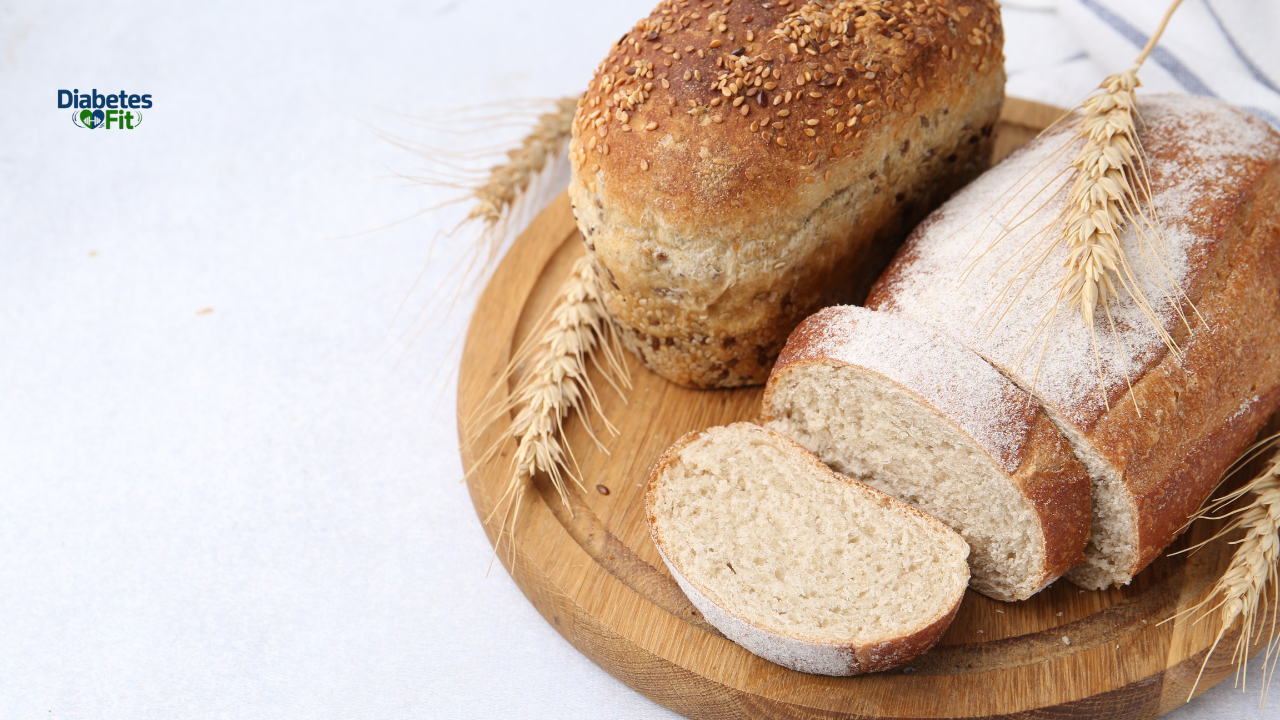
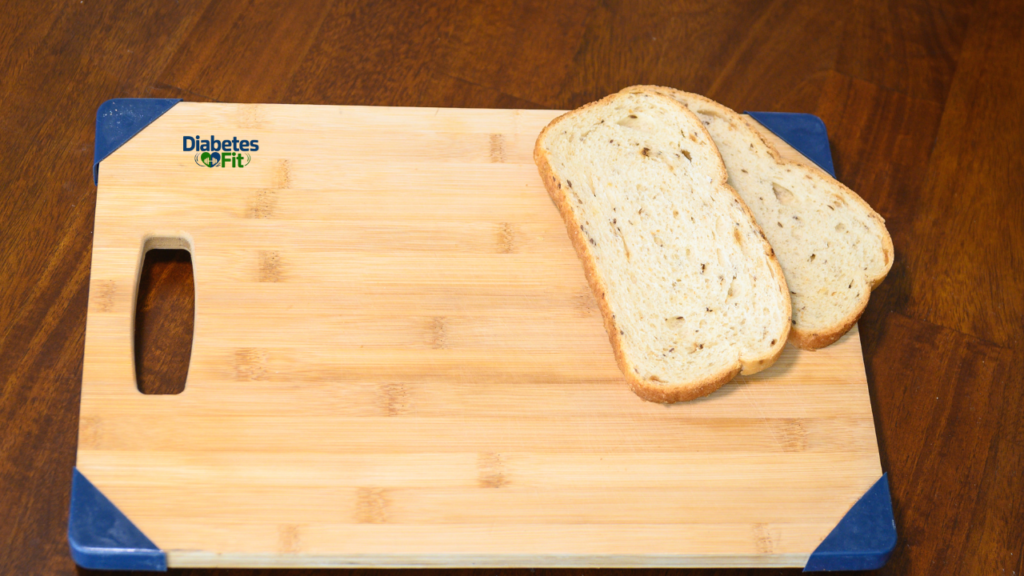
    Whole-grain bread is one of the top recommendations for diabetics, and for good reason. Unlike white bread, whole grain bread retains all three parts of the grain — the bran, germ, and endosperm. This means it’s packed with fiber, vitamins, and minerals that support blood sugar control.

    The fiber content in whole grain bread slows digestion and the absorption of sugar into the bloodstream, preventing those dangerous spikes. Look for bread that lists “100% whole grain” or “100% whole wheat” as the first ingredient. If the label just says “wheat bread” or “multigrain,” it may still contain a significant amount of refined flour.

    A typical slice of 100% whole grain bread has a GI of around 50–58, making it a much smarter choice for diabetics than white bread.

    2. Sourdough Bread

    Sourdough bread has been having a major moment in the health world, and it turns out diabetics have real reason to embrace it. Traditional sourdough is made through a natural fermentation process using wild yeast and lactic acid bacteria. This fermentation breaks down some of the starches in the flour and lowers the bread’s glycemic index significantly.

    Best Bread for Diabetics

    Studies have shown that sourdough bread made from white flour can have a GI as low as 53, comparable to some whole grain options. When sourdough is made with whole grain flour, the benefit is even greater. The organic acids produced during fermentation slow gastric emptying, which means your body absorbs glucose more slowly after eating it.

    It’s worth noting that not all sourdoughs are the same. Many commercial sourdough breads are made with added vinegar for flavor rather than through true fermentation, which doesn’t carry the same blood sugar benefits. Look for authentic, traditionally fermented sourdough from a bakery or make your own at home.

    3. Ezekiel Bread (Sprouted Grain Bread)

    Ezekiel bread is one of the most praised breads for people with diabetes. It is made from sprouted whole grains and legumes — including wheat, barley, millet, lentils, soybeans, and spelt — without any added flour or sugar.

    The sprouting process breaks down some of the starch in the grains, which lowers the overall carbohydrate content and glycemic impact. Sprouted grain bread is also higher in protein and fiber compared to conventional bread, two nutrients that are essential for blood sugar stability.

    Ezekiel bread has a GI of around 36, making it one of the lowest glycemic breads available. It also contains all essential amino acids, making it a complete protein source — a rare quality in plant-based foods. You can find Ezekiel bread in the freezer section of most health food stores.

    4. Rye Bread

    Rye bread, particularly dense, dark varieties like pumpernickel, is another excellent choice for diabetics. Rye contains a type of fiber called arabinoxylan that has been shown to significantly reduce post-meal blood glucose and insulin responses.

    Best Bread for Diabetics

    Pumpernickel bread, which is made with whole grain rye and a sourdough fermentation process, has one of the lowest glycemic indexes of any bread — sometimes as low as 41. It has a distinctive, slightly sour flavor that pairs well with savory toppings like avocado, smoked salmon, or nut butters.

    Light rye bread is less effective than dark or whole grain rye because it contains more refined flour, so always opt for the darkest, densest rye bread you can find.

    5. Almond Flour Bread

    For those following a low-carb or ketogenic approach to managing diabetes, almond flour bread is a fantastic option. Almond flour is made from ground almonds and is naturally low in carbohydrates and high in healthy fats, protein, and fiber.

    A slice of almond flour bread typically contains only 3–5 grams of net carbs, compared to 15–20 grams in a conventional slice. Because it has virtually no impact on blood sugar, it’s one of the most diabetic-friendly bread alternatives available.

    Almond flour bread does have a different texture than regular bread — it’s denser and more moist — but many people find it satisfying and delicious. You can find almond flour bread at specialty stores or bake it yourself with just a few simple ingredients.

    6. Flaxseed Bread

    Flaxseeds are a powerhouse for diabetics. They’re rich in omega-3 fatty acids, lignans, and soluble fiber — particularly a type of fiber called mucilage, which forms a gel in the stomach that slows sugar absorption.

    Flaxseed bread is extremely low in digestible carbohydrates and has a minimal effect on blood sugar. Including flaxseed bread in your diet may also help with cholesterol management, which is an important consideration since people with diabetes are at higher risk for cardiovascular disease.

    What to Look for on the Label

    When shopping for the best bread for diabetics, here are the key things to check on the nutrition label:

    The ingredient list should start with a whole grain flour as the first ingredient. The fiber content should ideally be 3 grams or more per slice. The total carbohydrate count should be lower — aim for breads with 15 grams or fewer of carbs per slice. Avoid breads with added sugars listed in the first few ingredients. Look for breads with a shorter, cleaner ingredient list overall.

    Breads Diabetics Should Avoid

    Just as important as knowing what to eat is knowing what to skip. White bread, made from refined flour, should be avoided as much as possible because of its high glycemic index and low nutritional value. Flavored breads like cinnamon raisin, banana bread, or sweet Hawaiian rolls are loaded with added sugars. Commercially produced “wheat bread” that doesn’t specify “100% whole wheat” often contains more refined flour than it lets on. Bagels, although popular, are essentially the equivalent of eating four or five slices of white bread in one sitting.

    Tips for Eating Bread with Diabetes

    Even the healthiest bread can impact your blood sugar if eaten in large quantities or paired with the wrong foods. Here are some practical tips to help you enjoy bread while keeping your glucose levels in check.

    Best Bread for Diabetics

    Pair your bread with protein or healthy fat. Adding eggs, avocado, nut butter, or hummus to your bread slows digestion and reduces the glycemic impact significantly. Keep portion sizes in mind — one or two slices per meal is generally appropriate. Toast your bread. Interestingly, toasting bread lowers its glycemic index slightly by changing the starch structure. Monitor your blood sugar after eating new types of bread to understand how your body responds individually, as everyone’s glucose response can vary.

    Conclusion

    Finding the best bread for diabetics doesn’t mean giving up this beloved staple entirely — it means making smarter, more informed choices. Breads like 100% whole grain, sourdough, Ezekiel, rye, almond flour, and flaxseed are all excellent options that can be enjoyed without sending your blood sugar on a rollercoaster.

    The foundation of a diabetes-friendly diet is about balance, fiber, and low glycemic choices. Always read your labels carefully, watch your portion sizes, and pair your bread with nutrient-rich foods that support stable glucose levels. When in doubt, speak with your dietitian or healthcare provider to find the bread choices that work best for your individual health plan.

    You don’t have to eat cardboard to manage diabetes well — you just have to eat smarter.

    Frequently Asked Questions

    Is whole wheat bread good for diabetics? 

    Yes, 100% whole wheat bread is a good option for diabetics because it contains more fiber than white bread and has a lower glycemic index, helping to prevent rapid blood sugar spikes.

    Can diabetics eat bread every day? 

    Yes, diabetics can eat bread daily as long as they choose low-glycemic, high-fiber varieties and stick to appropriate portion sizes. Monitoring blood sugar response is always recommended.

    What is the lowest glycemic bread? 

    Ezekiel sprouted grain bread and pumpernickel rye bread are among the lowest glycemic breads available, with GI scores as low as 36–41.

    Is sourdough bread safe for diabetics? 

    Yes, traditionally fermented sourdough bread is considered safer for diabetics than white bread because the fermentation process lowers its glycemic index and slows sugar absorption.

    How many slices of bread can a diabetic eat per day? 

    Most dietitians recommend limiting bread to one to two slices per meal and factoring it into your total daily carbohydrate allowance. The specific amount depends on your individual blood sugar goals and meal plan.

    Is gluten-free bread better for diabetics? 

    Not necessarily. Many gluten-free breads are made from refined rice flour or potato starch, which can be even higher on the glycemic index than regular white bread. Always check the fiber content and ingredients before assuming gluten-free means diabetes-friendly.

  • Are Grapes Good for Diabetics? Here Is the Honest Answer

    Are Grapes Good for Diabetics? Here Is the Honest Answer

    Are grapes good for diabetics? This is a question that a lot of people with diabetes or prediabetes ask, and it is a fair one. Grapes are sweet, juicy, and delicious — but that sweetness makes many diabetics nervous. Will grapes spike your blood sugar? Should you avoid them completely? Or can you still enjoy them in moderation?

    The truth is a little more nuanced than a simple yes or no. Grapes do contain natural sugar, but they also contain fiber, vitamins, minerals, and powerful antioxidants that are actually very good for your health. The key is understanding how grapes affect blood sugar and how to eat them the right way.

    While grapes can be a part of a diabetic-friendly diet, it’s also important to understand how stress hormones like cortisol can impact blood sugar — learn more here: Does cortisol raise blood sugar?

    What Is Actually in a Grape?

    Before we talk about blood sugar, let us look at what grapes are made of. Understanding the nutrition profile helps you make a smarter decision.

    A cup of grapes (about 150 grams) contains roughly:

    Around 104 calories, 27 grams of carbohydrates, 1.4 grams of fiber, 23 grams of natural sugar, 1 gram of protein, and almost no fat.

    Grapes also contain vitamin C, vitamin K, potassium, and a range of powerful antioxidants, including resveratrol, quercetin, and anthocyanins. These compounds have been studied for their ability to fight inflammation, protect the heart, and even improve insulin sensitivity.

    So yes, grapes have sugar. But they also have a lot of good stuff that works in your favor.

    Do Grapes Spike Blood Sugar?

    This is the real question for anyone with diabetes. The answer depends on a few things — how many grapes you eat, what else you eat with them, and your individual body’s response to carbohydrates.

    Are Grapes Good for Diabetics?

    Grapes have a glycemic index (GI) of around 46 to 59, depending on the variety. The glycemic index measures how quickly a food raises your blood sugar on a scale of 0 to 100. Foods below 55 are considered low GI, and foods between 56 and 69 are medium GI. So grapes fall in the low to medium range.

    But the glycemic index only tells part of the story. The glycemic load (GL) is actually more useful because it takes portion size into account. A small serving of grapes — around half a cup or about 15 grapes — has a glycemic load of only around 5 to 8, which is considered low.

    This means that when you eat grapes in a reasonable portion, they do not cause a dramatic blood sugar spike for most people. The fiber in grapes also helps slow down sugar absorption, which further smooths out the blood sugar response.

    That said, everyone’s body is different. Some people with diabetes are more sensitive to carbohydrates than others. The best way to know exactly how grapes affect your blood sugar is to check your levels before eating them and again two hours after.

    The Benefits of Grapes for Diabetics

    Here is something that might surprise you. Research actually suggests that grapes and their compounds can be beneficial for people with diabetes. Let me walk you through some of the key benefits.

    Resveratrol and insulin sensitivity. Grapes — especially red and purple grapes — are rich in resveratrol, a powerful antioxidant. Studies have shown that resveratrol can improve insulin sensitivity, which means your body is better able to use insulin to manage blood sugar. Better insulin sensitivity is exactly what people with type 2 diabetes need.

    Reduced inflammation. Chronic inflammation is a major driver of insulin resistance and diabetes complications. The antioxidants in grapes, including quercetin and anthocyanins, help reduce inflammation throughout the body. This can have a positive effect on blood sugar regulation over time.

    Heart health protection. People with diabetes are at significantly higher risk of heart disease. Grapes are very good for your heart. They help lower blood pressure, reduce LDL cholesterol, and improve blood flow. The same resveratrol that helps with insulin sensitivity also protects the heart and blood vessels.

    Kidney support. Diabetic nephropathy, or kidney damage caused by diabetes, is a serious concern. Some research suggests that the antioxidants in grapes may help protect kidney function in diabetics.

    Gut health. Grapes contain prebiotic compounds that feed beneficial gut bacteria. A healthy gut microbiome is increasingly being linked to better blood sugar control and reduced diabetes risk.

    Hydration. Grapes are about 80 percent water, which helps keep you hydrated. Good hydration supports kidney function and helps your body manage blood sugar more efficiently.

    So while grapes do contain sugar, the overall package — including fiber, antioxidants, and water content — makes them a food that can actually support diabetic health when eaten sensibly.

    Red, Green, or Black Grapes — Which Is Best for Diabetics?

    All grape varieties are nutritious, but there are some differences worth knowing.

    Are Grapes Good for Diabetics?

    Red and purple grapes contain the most resveratrol and anthocyanins because these pigments are concentrated in the dark skin. For this reason, red and black grapes are generally considered the best choice for diabetics from a health standpoint.

    Green grapes are slightly lower in some antioxidants, but still nutritious and have a similar sugar content. They are still a good option.

    Seeded grapes tend to have slightly more antioxidants than seedless varieties, though the difference is not huge in practice.

    The bottom line is that any whole grape is a better choice than grape juice, raisins, or grape-flavored products, which tend to be much higher in concentrated sugar.

    What About Grape Juice and Raisins?

    This is important. While whole grapes are okay for diabetics in moderation, grape juice and raisins are a different story.

    Grape juice removes the fiber and concentrates the sugar. A single glass of grape juice can contain as much sugar as eating several servings of whole grapes, with none of the fiber to slow down absorption. This causes a much faster and higher blood sugar spike. Grape juice is generally not recommended for diabetics.

    Raisins are dried grapes, which means the water is removed and the sugar becomes extremely concentrated. Just a small quarter-cup serving of raisins contains around 30 grams of sugar with very little fiber to offset it. Raisins should be avoided or eaten in very small amounts by people with diabetes.

    Always choose whole, fresh grapes over any processed grape products.

    How Many Grapes Can a Diabetic Eat?

    Portion control is everything when it comes to grapes and diabetes. The general recommendation is to stick to a small serving of about 15 to 17 grapes, which is roughly half a cup. This portion contains about 15 grams of carbohydrates, which fits within the carbohydrate budget of one small snack for most people with diabetes.

    Are Grapes Good for Diabetics?

    Do not sit down with a big bunch of grapes and eat mindlessly. That can easily add up to 50 or more grams of carbohydrates before you realize it. Portion them out in advance.

    Eating grapes as part of a balanced meal or snack that includes protein and fat also helps slow down the absorption of sugar. For example, pairing a small serving of grapes with some cheese, a handful of nuts, or some Greek yogurt is a much smarter approach than eating grapes on an empty stomach.

    Best Time to Eat Grapes If You Have Diabetes

    Timing matters too. Eating grapes first thing in the morning on an empty stomach is not the best idea, as your blood sugar can rise more sharply when your stomach is empty.

    A better time is as a mid-morning or afternoon snack when you already have some food in your system. Eating grapes after a meal that includes protein and fat is also a good strategy because the mixed meal slows down carbohydrate digestion overall.

    Avoid eating grapes late at night when your body is winding down, and your insulin sensitivity tends to be lower.

    Practical Tips for Diabetics Who Want to Eat Grapes

    Here are some simple and practical guidelines to follow if you have diabetes and want to include grapes in your diet:

    Stick to half a cup or about 15 grapes per serving. Always pair grapes with a protein or healthy fat source like nuts, cheese, or yogurt. Choose whole fresh grapes over juice, raisins, or dried fruit. Opt for red or purple grapes when possible for maximum antioxidant benefits. Monitor your blood sugar before and two hours after eating grapes so you know how your body responds. Avoid eating grapes on an empty stomach. Keep grapes as an occasional treat rather than a daily staple if your blood sugar is not well controlled. Talk to your dietitian or doctor about how grapes fit into your personal meal plan.

    Conclusion

    So are grapes good for diabetics? Yes, they can be — but only when eaten in the right portions and in the right way. Grapes are not a food that diabetics need to completely avoid. They are packed with antioxidants, fiber, and beneficial compounds that can actually support blood sugar management, heart health, and overallwell-beingg when consumed sensibly.

    Thkeywordrd is moderation. A small serving of whole fresh grapes as part of a balanced diet is perfectly fine for most people with diabetes. What you want to avoid is large portions, grape juice, and raisins, which can cause significant blood sugar spikes.

    Every person with diabetes is different, so it is always a good idea to monitor your own blood sugar response and work with your healthcare team to figure out what works best for your body. But there is no need to feel guilty about enjoying a small bunch of grapes. When eaten wisely, they can absolutely be part of a healthy diabetic diet.

    Frequently Asked Questions

    How many grapes can a diabetic eat per day? 

    Most diabetics can safely eat around 15 to 17 grapes per serving, which equals about half a cup. This provides roughly 15 grams of carbohydrates. Stick to one small serving per day and always pair with protein or fat.

    Do grapes raise blood sugar quickly? 

    Whole grapes have a low to medium glycemic index and a low glycemic load when eaten in small portions. They raise blood sugar more slowly than many other sweet foods, especially when paired with protein or fat.

    Are red grapes better than green grapes for diabetics? 

    Red and purple grapes contain more resveratrol and anthocyanins, which are powerful antioxidants that may help improve insulin sensitivity. So red grapes have a slight edge, but both are acceptable in moderation.

    Can diabetics drink grape juice? 

    Grape juice is not recommended for diabetics. It removes the fiber and concentrates the sugar, causing much faster and higher blood sugar spikes compared to whole grapes. Stick to whole fresh grapes instead.

    Are grapes better or worse than other fruits for diabetics? 

    Grapes are comparable to many other fruits in terms of sugar content. Berries like blueberries, strawberries, and raspberries tend to have less sugar and are often considered the best fruit choices for diabetics. But grapes in small portions are still a reasonable option.

    Can eating grapes help prevent diabetes complications? 

    The antioxidants in grapes, especially resveratrol, have been shown in studies to reduce inflammation, improve insulin sensitivity, protect heart health, and support kidney function — all of which are important for reducing diabetes complications over time.

  • Is Pearl Barley Good for Diabetics? Everything You Need to Know

    Is Pearl Barley Good for Diabetics? Everything You Need to Know

    Is pearl barley good for diabetics? This is an important question for anyone managing diabetes who wants to make smart food choices. The short answer is yes, pearl barley can be an excellent addition to a diabetic diet when consumed in the right portions. 

    This versatile, nutritious grain offers numerous health benefits that can help people with diabetes manage their blood sugar levels more effectively while still enjoying delicious and satisfying meals.

    In this comprehensive guide, we will explore everything you need to know about pearl barley and diabetes, including how it affects blood sugar, its nutritional benefits, the best ways to prepare it, and how to incorporate it into your daily meals without causing unwanted blood sugar spikes.

    If you are planning balanced meals for diabetes, you may also like to read Can Diabetics Eat Pancakes, where we explain healthier pancake options and tips for blood sugar control.

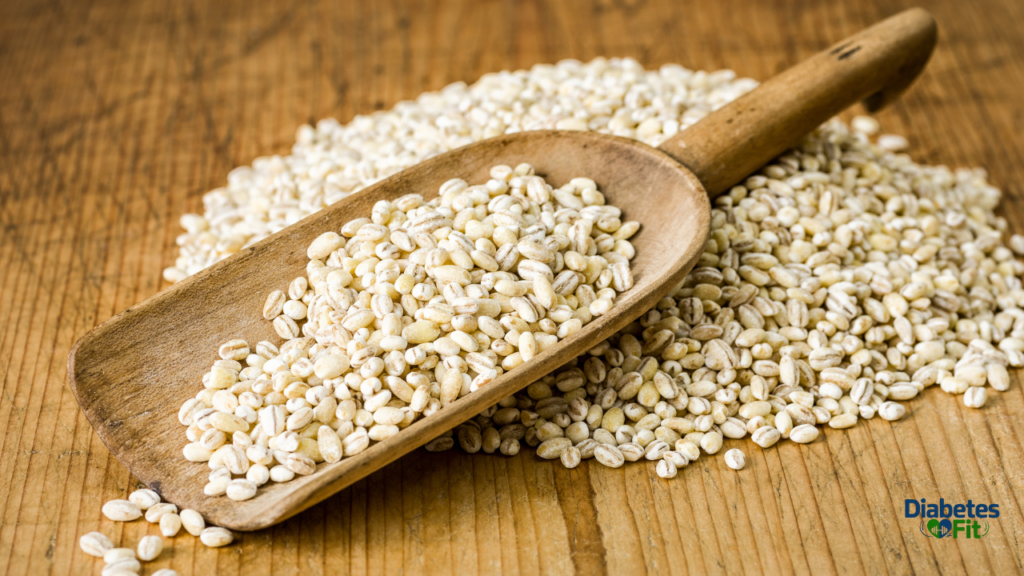
    What Is Pearl Barley?

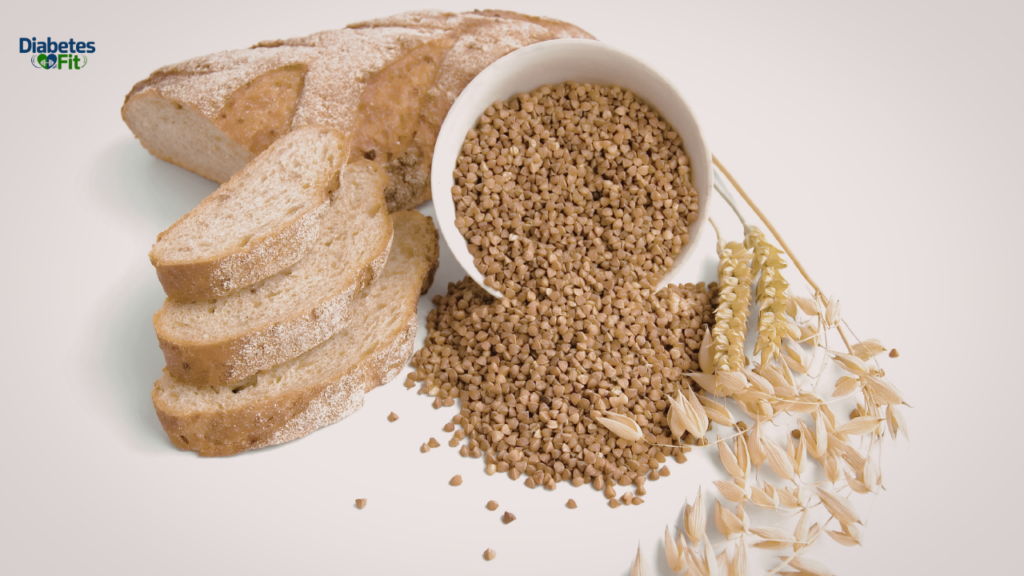
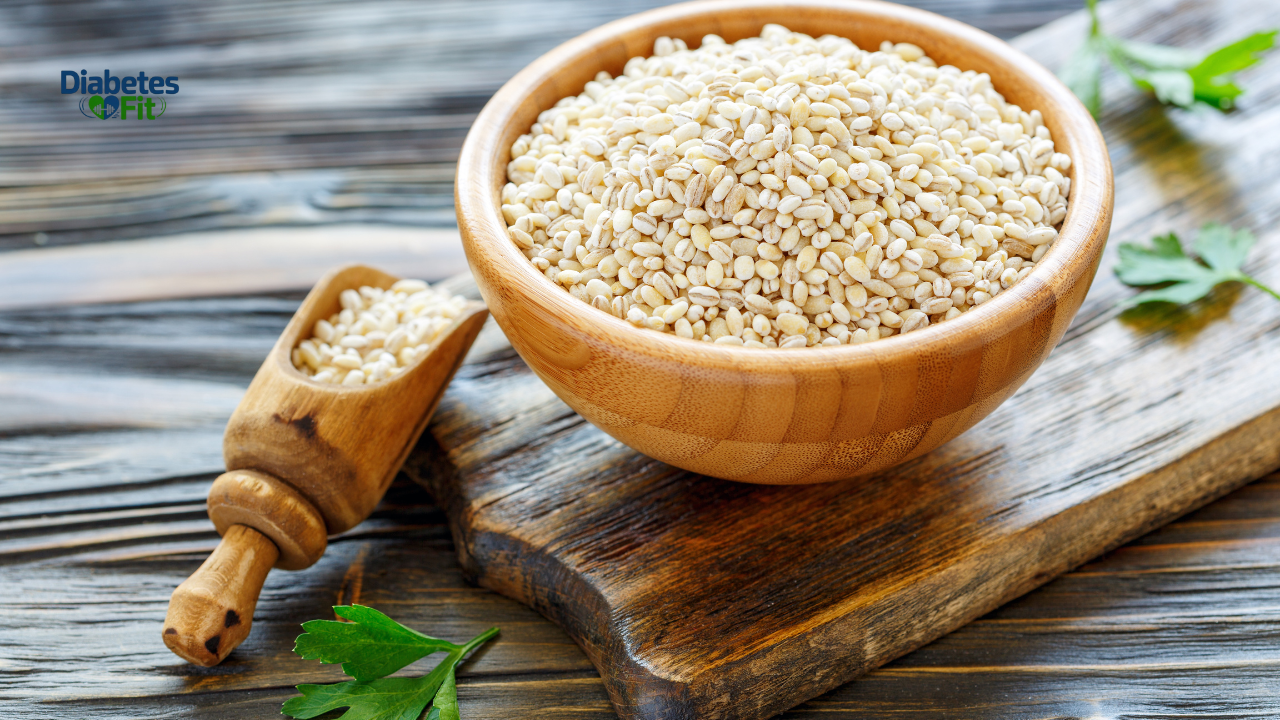
    Before we dive deeper into whether pearl barley is good for diabetics, let’s first understand what pearl barley actually is. Barley is an ancient grain that has been cultivated for thousands of years and is one of the oldest cereal grains consumed by humans. It comes in several forms, with pearl barley being the most common type found in grocery stores.

    Pearl barley has been processed to remove the tough outer hull and bran layer, which gives it a smoother texture and lighter color compared to hulled barley. While this processing removes some of the fiber and nutrients, pearl barley still retains many beneficial properties and is easier to cook and digest than its whole grain counterpart.

    The grain has a mild, slightly nutty flavor and a pleasant chewy texture when cooked. It can be used in soups, stews, salads, side dishes, and even breakfast porridges, making it an incredibly versatile ingredient in the kitchen.

    Understanding the Glycemic Index and Diabetes

    To understand why pearl barley is beneficial for diabetics, we need to talk about the glycemic index, or GI. The glycemic index is a scale that measures how quickly a food raises blood sugar levels after eating. Foods are ranked on a scale from 0 to 100, with pure glucose scoring 100.

    Foods with a low glycemic index (55 or below) are digested and absorbed slowly, causing a gradual rise in blood sugar. Foods with a medium glycemic index (56 to 69) cause a moderate increase, while high glycemic index foods (70 and above) cause rapid spikes in blood sugar.

    For people with diabetes, choosing low to medium-glycemic index foods is crucial for maintaining stable blood sugar levels throughout the day. This is where pearl barley shines as an excellent choice for diabetics.

    The Glycemic Index of Pearl Barley

    Pearl barley has a glycemic index of approximately 25 to 35, which falls into the low glycemic index category. This is significantly lower than many other common grains and carbohydrate sources. For comparison, white rice has a glycemic index of around 73, white bread is about 75, and instant oatmeal ranges from 65 to 83.

    This low glycemic index makes pearl barley an outstanding option for people asking is pearl barley is good for diabetics. When you eat pearl barley, your blood sugar rises slowly and steadily rather than spiking suddenly. This gentle, sustained release of glucose helps prevent the dramatic blood sugar fluctuations that can be dangerous for diabetics.

    The low glycemic index of pearl barley is primarily due to its high fiber content and the type of carbohydrates it contains, which we will explore in more detail next.

    Nutritional Benefits of Pearl Barley for Diabetics

    Pearl barley offers an impressive nutritional profile that provides multiple benefits for people managing diabetes.

    Is Pearl Barley Good for Diabetics?

    High Fiber Content

    One of the most important nutritional features of pearl barley is its high fiber content. A single cup of cooked pearl barley contains approximately 6 grams of fiber. Fiber is essential for diabetics because it slows down the digestion and absorption of carbohydrates, preventing rapid blood sugar spikes.

    Pearl barley contains both soluble and insoluble fiber. Soluble fiber is particularly beneficial for diabetics because it forms a gel-like substance in your digestive system that slows glucose absorption. This type of fiber also helps lower cholesterol levels, which is important since diabetics have a higher risk of heart disease.

    Beta-Glucan Content

    Pearl barley is especially rich in a specific type of soluble fiber called beta-glucan. Beta-glucan has been extensively studied for its beneficial effects on blood sugar control and insulin sensitivity. Research has shown that consuming foods high in beta-glucan can help reduce post-meal blood sugar spikes and improve overall glycemic control in people with type 2 diabetes.

    Beta-glucan also helps you feel fuller for longer periods, which can aid in weight management. Maintaining a healthy weight is crucial for managing diabetes effectively.

    Complex Carbohydrates

    Pearl barley contains complex carbohydrates rather than simple sugars. Complex carbohydrates take longer to break down in your body, providing sustained energy without causing the rapid blood sugar increases associated with simple carbohydrates and refined grains.

    Vitamins and Minerals

    Pearl barley provides essential vitamins and minerals, including B vitamins, iron, magnesium, phosphorus, and selenium. Magnesium is particularly important for diabetics because it plays a role in insulin secretion and glucose metabolism. Some studies suggest that adequate magnesium intake may help improve insulin sensitivity.

    Low Fat Content

    Pearl barley is naturally very low in fat and contains no cholesterol, making it a heart-healthy choice for diabetics who need to watch their cardiovascular health closely.

    Scientific Evidence Supporting Pearl Barley for Diabetes

    Multiple scientific studies have investigated whether pearl barley is good for diabetics, and the results are encouraging.

    A study published in the European Journal of Clinical Nutrition found that consuming barley significantly reduced blood glucose levels and insulin responses compared to white rice and white bread. Participants who ate barley-based meals experienced better blood sugar control throughout the day, even into the next meal, a phenomenon known as the “second meal effect.”

    Another study in the Journal of Nutrition and Metabolism showed that regular consumption of barley improved insulin sensitivity and reduced fasting blood glucose levels in people with type 2 diabetes. The researchers attributed these benefits to barley’s high fiber content and low glycemic index.

    Research has also demonstrated that the beta-glucan in barley can help reduce hemoglobin A1C levels, which is a measure of average blood sugar control over the previous two to three months. Lower A1C levels indicate better long-term diabetes management.

    These studies and many others provide strong scientific support for including pearl barley in a diabetic diet.

    How to Incorporate Pearl Barley into a Diabetic Diet

    Knowing that pearl barley is beneficial for diabetics is one thing, but understanding how to use it practically is equally important.

    Is Pearl Barley Good for Diabetics?

    Portion Control

    While pearl barley has a low glycemic index, it still contains carbohydrates that need to be counted as part of your daily intake. A typical serving size is about one-half to three-quarters of a cup of cooked pearl barley, which contains approximately 20 to 30 grams of carbohydrates. Always measure your portions and work with your healthcare provider or dietitian to determine the right amount for your individual needs.

    Replace Higher Glycemic Grains

    One of the easiest ways to add pearl barley to your diet is to use it as a substitute for white rice, pasta, or potatoes. Making this simple swap can significantly improve your blood sugar control without requiring you to give up the grains and starches you enjoy.

    Add to Soups and Stews

    Pearl barley is a traditional ingredient in hearty soups and stews. Adding it to vegetable soup or beef stew not only enhances the texture and flavor but also increases the fiber content of your meal, making it more filling and blood sugar-friendly.

    Make Barley Salads

    Cooked and cooled pearl barley makes an excellent base for nutritious salads. Combine it with fresh vegetables, lean protein like grilled chicken or chickpeas, and a light vinaigrette for a satisfying and diabetes-friendly meal.

    Breakfast Porridge

    Cook pearl barley with milk or water and top it with a small amount of fresh berries, nuts, and a sprinkle of cinnamon for a warm, filling breakfast that won’t spike your blood sugar.

    Side Dishes

    Use pearl barley as a side dish instead of rice or pasta. You can flavor it with herbs, garlic, and a small amount of olive oil for a delicious and healthy accompaniment to lean meats or fish.

    Cooking Tips for Pearl Barley

    Cooking pearl barley is simple, but a few tips can help you get the best results.

    Is Pearl Barley Good for Diabetics?

    Rinse the barley under cold water before cooking to remove any dust or debris. Use a ratio of one part pearl barley to three parts water or broth. Bring the liquid to a boil, then reduce the heat and simmer for 25 to 30 minutes until the barley is tender but still slightly chewy. Drain any excess liquid if necessary.

    You can cook a large batch of pearl barley and store it in the refrigerator for up to five days or freeze it for up to three months. This makes meal preparation easier and ensures you always have a healthy grain option ready to use.

    Potential Considerations and Precautions

    While the answer to whether pearl barley is good for diabetics is generally yes, there are a few things to keep in mind.

    Pearl barley contains gluten, so it is not suitable for people with celiac disease or gluten sensitivity. If you need to avoid gluten, consider alternatives like quinoa or buckwheat instead.

    Although pearl barley has a low glycemic index, everyone’s body responds differently to foods. It’s important to monitor your blood sugar levels after eating pearl barley to see how your body specifically reacts. This will help you determine the right portion sizes for your individual needs.

    Always consult with your doctor or a registered dietitian before making significant changes to your diet, especially if you take medication for diabetes. They can help you incorporate pearl barley safely and effectively into your meal plan.

    Conclusion

    So, is pearl barley good for diabetics? The evidence clearly shows that pearl barley is an excellent grain choice for people managing diabetes. With its low glycemic index of 25 to 35, high fiber content, beneficial beta-glucan, and impressive nutritional profile, pearl barley helps control blood sugar levels, improves insulin sensitivity, and supports overall health.

    The key to successfully incorporating pearl barley into a diabetic diet is portion control, proper preparation, and consistent monitoring of blood sugar levels. By replacing higher glycemic grains like white rice and refined pasta with pearl barley, diabetics can enjoy satisfying, delicious meals while maintaining better blood sugar control.

    Pearl barley is versatile, affordable, easy to prepare, and backed by scientific research supporting its benefits for diabetes management. Whether you add it to soups, make it into salads, or serve it as a side dish, this nutritious grain can be a valuable part of a healthy diabetic eating plan. As always, work closely with your healthcare team to ensure that pearl barley fits appropriately into your personalized diabetes management strategy, and enjoy the many health benefits this ancient grain has to offer.

    Frequently Asked Questions

    How much pearl barley can a diabetic eat per day? 

    Most diabetics can safely eat one-half to three-quarters cup of cooked pearl barley per serving, which contains about 20 to 30 grams of carbohydrates. This can be consumed once or twice daily as part of a balanced meal plan. The exact amount depends on your individual carbohydrate goals, activity level, and medication regimen, so consult your dietitian or doctor for personalized recommendations.

    Is pearl barley better than brown rice for diabetics? 

    Yes, pearl barley generally has a lower glycemic index than brown rice, making it a better choice for blood sugar control. Pearl barley has a GI of 25 to 35, while brown rice has a GI of around 50 to 55. Pearl barley also contains more beta-glucan fiber, which specifically helps improve insulin sensitivity and glucose metabolism in diabetics.

    Can pearl barley lower blood sugar levels? 

    Pearl barley doesn’t directly lower blood sugar, but it helps prevent spikes and promotes more stable levels throughout the day. Its high fiber content and low glycemic index slow glucose absorption, while beta-glucan improves insulin sensitivity. Regular consumption as part of a healthy diet may help reduce hemoglobin A1C levels over time, indicating better long-term blood sugar control.

    Should diabetics eat pearl barley or hulled barley? 

    Hulled barley is slightly better nutritionally because it retains more fiber, vitamins, and minerals since only the outer hull is removed. However, pearl barley is still an excellent choice for diabetics and is easier to cook and find in stores. Both have low glycemic indexes and provide beneficial beta-glucan. Choose whichever fits your preferences and is more convenient for you.

    Can eating pearl barley help prevent type 2 diabetes? 

    Research suggests that regular consumption of whole grains like barley may help reduce the risk of developing type 2 diabetes. The high fiber content, beta-glucan, and low glycemic index help maintain healthy blood sugar levels and improve insulin sensitivity. While pearl barley alone won’t prevent diabetes, including it as part of a balanced diet with regular exercise can be beneficial for prevention.

    Is pearl barley safe for Type 1 diabetics? 

    Yes, pearl barley is safe and beneficial for people with Type 1 diabetes, just as it is for Type 2 diabetics. The key is counting the carbohydrates accurately and adjusting insulin doses appropriately. Pearl barley’s low glycemic index means it causes slower, more predictable blood sugar rises, which can make insulin dosing easier. Always monitor your blood sugar response and work with your healthcare team to adjust your insulin regimen as needed.