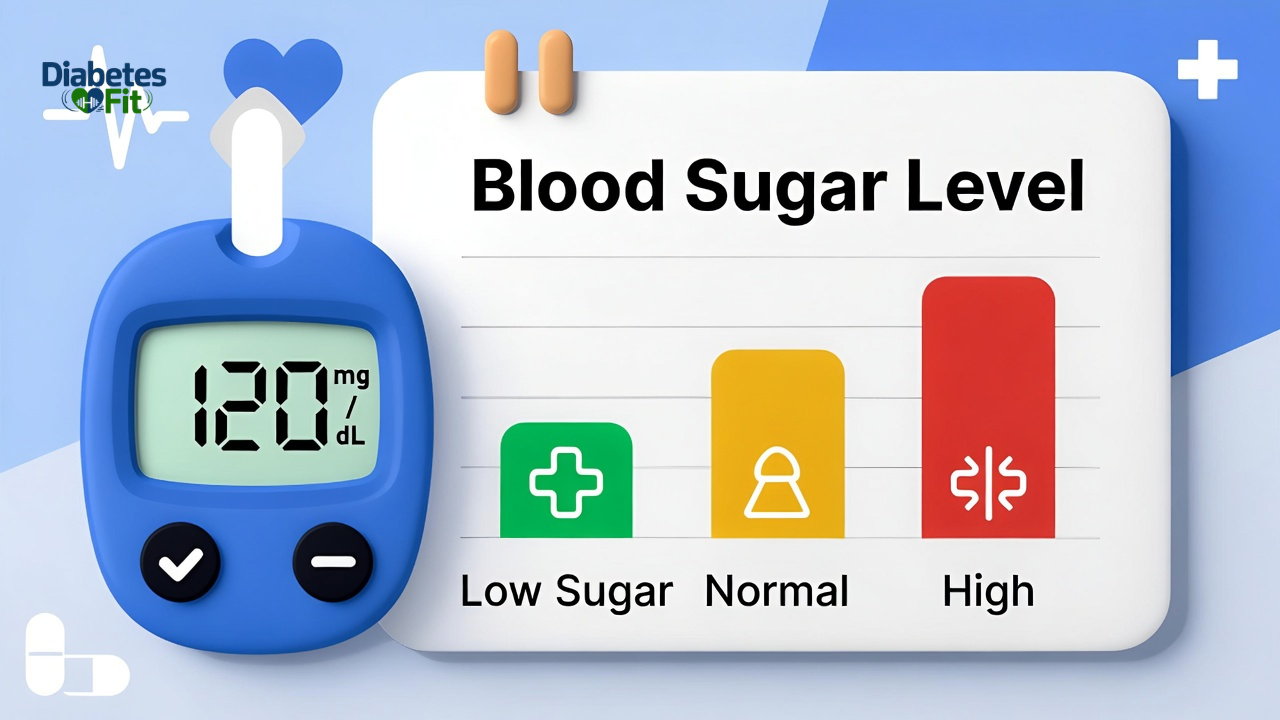
< high blood sugar -

Tag: high blood sugar

  • 7 Blood Sugar Level Chart Facts With No Guesswork That Could Save Your Life

    7 Blood Sugar Level Chart Facts With No Guesswork That Could Save Your Life

    Most people have no idea what their blood sugar numbers actually mean. You get a lab result, see a number, and have no clue if it is good, bad, or somewhere in between. That confusion is dangerous — because blood sugar that stays too high or too low for too long causes serious, permanent damage to your kidneys, eyes, nerves, and heart. A blood sugar level chart eliminates that confusion. 

    It gives you a clear reference point so you know exactly where you stand and what action to take. Whether you have diabetes, prediabetes, or you are simply being proactive about your health, understanding your numbers is the single most important thing you can do. This guide explains everything in plain, simple language — no medical degree required.

    If you’re wondering how certain foods affect blood sugar, check out our detailed postIs Sweet Potato Good for Diabetes?.

    What Is Blood Sugar and Why Does It Matter?

    Blood sugar — also called blood glucose — is the amount of glucose circulating in your bloodstream at any given moment. Glucose is your body’s primary fuel source. Every cell in your body runs on it, especially your brain.

    When you eat carbohydrates, your digestive system breaks them down into glucose. That glucose enters the bloodstream, triggering your pancreas to release insulin. Insulin acts like a key — it unlocks your cells so glucose can enter and be used for energy.

    When this system works properly, blood sugar rises after eating and returns to a normal range within a couple of hours. When it does not work properly — either because the pancreas makes too little insulin or because cells stop responding to it — glucose builds up in the blood. That buildup, over time, is what causes the damage associated with diabetes.

    This is exactly why a blood sugar level chart matters so much. It tells you whether your glucose is being managed properly or whether something is going wrong.

    Blood Sugar Level Chart: Complete Reference Guide

    Here is the standard blood sugar level chart used by doctors and the American Diabetes Association (ADA). These numbers apply to most non-pregnant adults.

    Fasting Blood Sugar (No food for at least 8 hours)

    CategoryBlood Sugar Level (mg/dL)Blood Sugar Level (mmol/L)
    Normal70 – 99 mg/dL3.9 – 5.5 mmol/L
    Prediabetes100 – 125 mg/dL5.6 – 6.9 mmol/L
    Diabetes126 mg/dL or above7.0 mmol/L or above
    Hypoglycemia (Low)Below 70 mg/dLBelow 3.9 mmol/L

    Post-Meal Blood Sugar (2 hours after eating)

    CategoryBlood Sugar Level (mg/dL)Blood Sugar Level (mmol/L)
    NormalBelow 140 mg/dLBelow 7.8 mmol/L
    Prediabetes140 – 199 mg/dL7.8 – 11.0 mmol/L
    Diabetes200 mg/dL or above11.1 mmol/L or above

    Random Blood Sugar (Any time of day)

    CategoryBlood Sugar Level (mg/dL)
    Normal range70 – 140 mg/dL
    Concern zone140 – 199 mg/dL
    Diabetes indicator200 mg/dL or above with symptoms

    Blood Sugar Level Chart by Age Group

    This is where it gets more nuanced. Blood sugar targets are not identical for everyone. Age, health status, and individual risk factors all affect what your doctor considers an acceptable range.
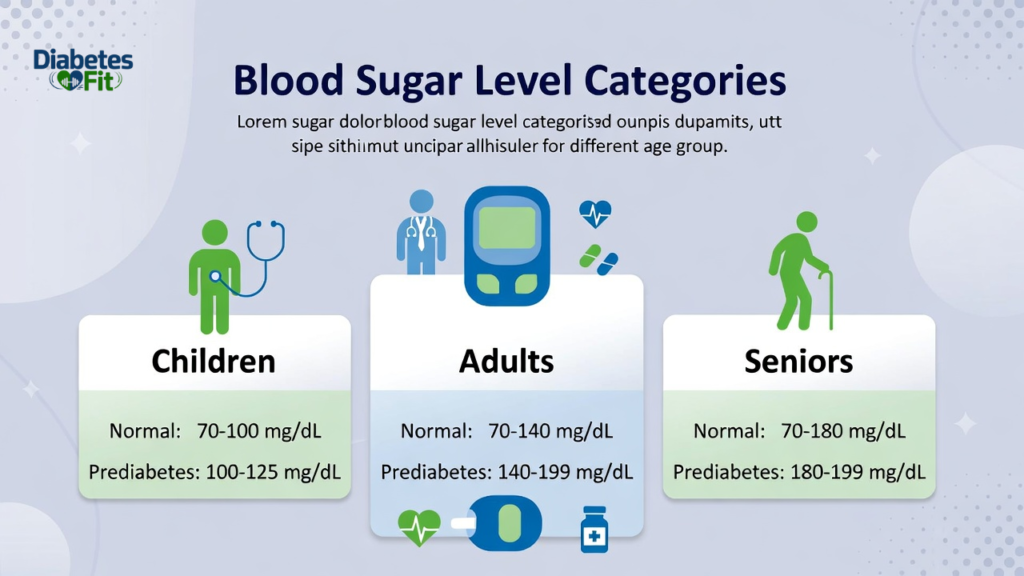
    Blood Sugar Level Chart

    Children and Teenagers (Under 18)

    Time of TestingTarget Range (mg/dL)
    Before meals90 – 130 mg/dL
    After meals (1–2 hrs)Below 180 mg/dL
    Bedtime90 – 150 mg/dL

    Children with Type 1 diabetes often have slightly higher targets to reduce the risk of dangerous nighttime hypoglycemia.

    Adults (18–59 years)

    Time of TestingTarget Range (mg/dL)
    Fasting / Before meals80 – 130 mg/dL
    After meals (2 hrs)Below 180 mg/dL
    Bedtime100 – 140 mg/dL

    Older Adults (60 years and above)

    Time of TestingTarget Range (mg/dL)
    Fasting / Before meals80 – 140 mg/dL
    After meals (2 hrs)Below 200 mg/dL
    Bedtime100 – 160 mg/dL

    Older adults have slightly relaxed targets because the risk of hypoglycemia — which can cause falls, confusion, and cardiac events — is higher and more dangerous in this age group.

    HbA1c Chart: The 3-Month Blood Sugar Average

    A single blood sugar reading only tells you what is happening right now. The HbA1c test tells you what your average blood sugar has been over the past 2–3 months. It is one of the most important tests for diagnosing and managing diabetes.

    HbA1c LevelWhat It MeansEstimated Average Glucose
    Below 5.7%NormalBelow 117 mg/dL
    5.7% – 6.4%Prediabetes117 – 137 mg/dL
    6.5% or aboveDiabetes140 mg/dL or above
    Below 7.0%Well-controlled diabetesBelow 154 mg/dL
    7.0% – 8.0%Acceptable (some patients)154 – 183 mg/dL
    Above 8.0%Poorly controlled — action neededAbove 183 mg/dL

    Most doctors aim for an HbA1c below 7.0% in diabetic patients. However, for older adults or those with frequent hypoglycemia, a target of 7.5–8.0% may be more appropriate.

    What Happens When Blood Sugar Goes Too High?

    High blood sugar — called hyperglycemia — does not always feel dramatic in the short term. That is what makes it so dangerous. Many people walk around with elevated glucose for months or years without obvious symptoms.
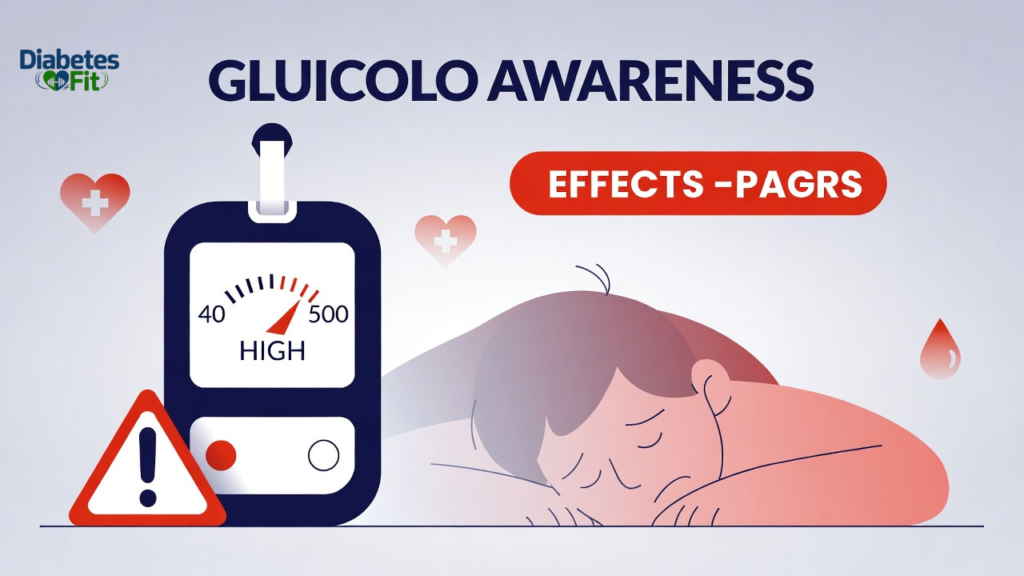
    Blood Sugar Level Chart

    Short-term signs of high blood sugar:

    • Frequent urination, especially at night
    • Intense thirst that water does not seem to fix
    • Blurry vision
    • Fatigue and sluggishness
    • Slow-healing cuts or bruises
    • Headaches

    Long-term damage from chronically high blood sugar:

    • Diabetic neuropathy — nerve damage causing tingling, numbness, or pain in the feet and hands
    • Retinopathy — damage to blood vessels in the eyes, leading to vision loss
    • Nephropathy — kidney damage that can progress to kidney failure
    • Cardiovascular disease — high glucose damages artery walls, dramatically increasing heart attack and stroke risk
    • Diabetic foot complications — poor circulation and nerve damage that can lead to amputations in severe cases

    A real-life example: James, a 52-year-old office worker, had a fasting blood sugar of 138 mg/dL for two years but felt completely fine. He skipped follow-up appointments. By the time he was properly diagnosed with Type 2 diabetes, early-stage kidney damage had already begun. Regular monitoring of a blood sugar level chart could have caught this years earlier.

    What Happens When Blood Sugar Goes Too Low?

    Low blood sugar — called hypoglycemia — is defined as a blood sugar reading below 70 mg/dL. Unlike high blood sugar, hypoglycemia causes immediate, noticeable symptoms that demand quick action.

    Symptoms of hypoglycemia:

    • Shakiness or trembling
    • Sweating
    • Rapid heartbeat
    • Dizziness or lightheadedness
    • Sudden intense hunger
    • Confusion or difficulty concentrating
    • Pale skin
    • In severe cases — seizures or loss of consciousness

    The 15-15 Rule for treating mild hypoglycemia:

    1. Eat or drink 15 grams of fast-acting carbohydrates (4 glucose tablets, half a cup of fruit juice, or 3–4 hard candies)
    2. Wait 15 minutes
    3. Recheck your blood sugar
    4. If still below 70 mg/dL, repeat

    Always follow up with a small snack containing protein and complex carbs to stabilize your levels.

    How to Use a Blood Sugar Level Chart in Real Life

    Knowing the numbers on a blood sugar level chart is only useful if you act on them. Here is a practical system that works:

    Step 1: Know When to Test

    • Fasting test: First thing in the morning, before eating or drinking anything except water
    • Pre-meal test: 5–10 minutes before eating
    • Post-meal test: Exactly 2 hours after the first bite of food
    • Bedtime test: Before going to sleep, especially if on insulin

    Step 2: Record Every Reading

    Keep a simple log — a notebook, a phone app, or a spreadsheet. Write down the time, what you ate, and your reading. Patterns emerge quickly. You will start seeing which foods spike your glucose and which keep it stable.

    Step 3: Know Your Personal Targets

    Your doctor may give you targets that differ slightly from the standard blood sugar level chart — especially if you are elderly, pregnant, or managing another health condition. Always work from your personalized targets.

    Step 4: Act on Abnormal Readings

    • One high reading — not usually a crisis; check what you ate and monitor closely
    • Two or more high readings in a row — contact your doctor
    • Consistently high readings over a week — medication adjustment may be needed
    • Any reading below 70 mg/dL — treat immediately with the 15-15 rule

    Factors That Affect Blood Sugar Readings

    Even with perfect monitoring, blood sugar does not follow a perfectly predictable script. Here are common factors that move the numbers:

    Things that raise blood sugar:

    • Eating high-carb or high-sugar foods
    • Physical or emotional stress (cortisol raises glucose)
    • Illness or infection
    • Certain medications (steroids, some antidepressants)
    • Dehydration
    • Poor sleep (even one bad night raises fasting glucose)

    Things that lower blood sugar:

    • Physical exercise (muscles absorb glucose without insulin)
    • Fasting or skipping meals
    • Alcohol (especially on an empty stomach)
    • Diabetes medications and insulin
    • Hot weather or hot baths (increases insulin absorption)

    Practical Tips to Keep Your Blood Sugar in the Healthy Range
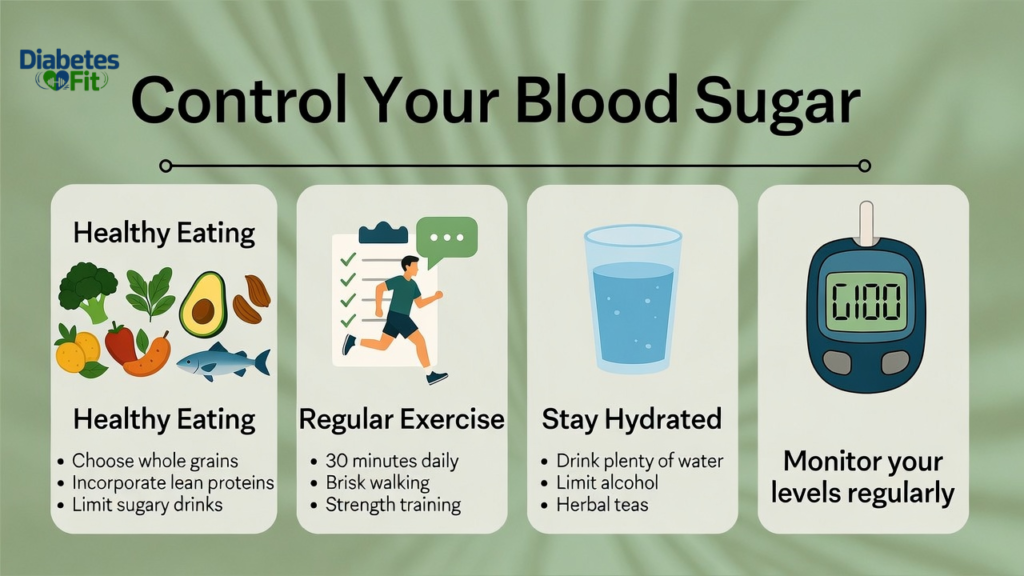
    Blood Sugar Level Chart
    • Eat fiber first — start every meal with vegetables or a salad; fiber slows glucose absorption dramatically
    • Walk after meals — a 10-minute walk after eating reduces post-meal blood sugar spikes by up to 22%, according to research in Sports Medicine.e
    • Stay hydrated — dehydration concentrates blood glucose; aim for 8 glasses of water per day
    • Sleep 7–9 hours — poor sleep raises cortisol and growth hormone, both of which elevate blood sugar
    • Manage stress actively — meditation, deep breathing, and regular exercise all reduce cortisol, and help stabilize glucose.
    • Eat smaller, more frequent meals — large meals cause larger glucose spikes; spreading food intake across the day smooths the curve.e
    • Limit refined carbs — white bread, white rice, sugary drinks, and pastries cause the fastest, highest glucose spik.es

    Conclusion

    A blood sugar level chart is not just a tool for diabetics. It is a roadmap for anyone who wants to understand their metabolic health, catch problems early, and take action before damage occurs. The numbers on a blood sugar level chart are not just data points — they are early warning signals that your body is sending you.

    Whether your fasting glucose is 95 or 115, whether your HbA1c is 5.4% or 6.8%, knowing where you stand gives you the power to do something about it. Regular monitoring, combined with smart lifestyle choices, is how millions of people successfully manage blood sugar every single day.

    Do not wait for symptoms. Do not wait for a crisis. Check your numbers, understand your blood sugar level chart, and take one small action today — whether that is a post-meal walk, a dietary swap, or simply booking that overdue check-up.

    Your numbers tell a story. Make sure it is one with a good ending.

    For a more detailed breakdown of normal blood sugar ranges by age, you can also check this helpful guide onHealthline.

    Frequently Asked Questions 

    What is a normal blood sugar level chart reading for a healthy adult? 

    For a healthy adult, a normal fasting blood sugar is between 70 and 99 mg/dL. Two hours after eating, it should be below 140 mg/dL. An HbA1c below 5.7% confirms long-term normal glucose regulation.

    What blood sugar level is considered dangerous? 

    A blood sugar above 300 mg/dL is considered dangerously high and requires immediate medical attention. Below 54 mg/dL is a severe hypoglycemic emergency. Both extremes can be life-threatening without prompt treatment.

    What is a good blood sugar level in the morning? 

    A healthy fasting blood sugar in the morning is between 70–99 mg/dL for non-diabetics. For people managing diabetes, most doctors target 80–130 mg/dL before breakfast.

    How often should I check my blood sugar? 

    It depends on your condition. People with Type 1 diabetes may test 4–10 times daily. Type 2 diabetics on medication often test 1–2 times daily. Those monitoring for prediabetes may only need weekly checks. Ask your doctor for a personalized schedule.

    Can stress affect blood sugar readings? 

    Yes, significantly. Physical and emotional stress triggers the release of cortisol and adrenaline, both of which raise blood glucose. A stressful day at work can raise fasting blood sugar by 20–40 mg/dL in some people.

    What is the difference between fasting and random blood sugar? 

    Fasting blood sugar is measured after at least 8 hours without food and gives a baseline reading. Random blood sugar can be measured at any time and is used when diabetes symptoms are present — a reading above 200 mg/dL with symptoms strongly indicates diabetes.

    Can I lower my blood sugar naturally without medication? 

    In early prediabetes, yes. Regular exercise, a low-glycemic diet, weight loss of even 5–7% of body weight, and improved sleep have all been shown to bring prediabetic blood sugar levels back into the normal range without medication. However, established diabetes usually requires medical treatment alongside lifestyle changes.

  • Can High Blood Sugar Cause Headaches? Everything You Need to Know

    Can High Blood Sugar Cause Headaches? Everything You Need to Know

    Can high blood sugar cause headaches? If you’ve ever found yourself dealing with a dull, persistent throb behind your eyes after a sugary meal — or waking up with a pounding head and no obvious reason why — the answer might surprise you. 

    Yes, high blood sugar absolutely can cause headaches, and for millions of people living with diabetes or prediabetes, this connection is something they experience regularly without ever realizing what’s behind it.

    Understanding why this happens isn’t just interesting — it’s genuinely useful. Because once you know the link between your blood glucose levels and your head pain, you gain real power to prevent it, manage it, and take better care of your overall health at the same time.

    High blood sugar can cause headaches due to changes in blood flow and dehydration. Watching what you eat is important—learn how foods like peanut butter affect glucose here: Does Peanut Butter Raise Blood Sugar?

    What Is High Blood Sugar, Exactly?

    Before diving into headaches, it helps to understand what “high blood sugar” actually means. Your blood sugar, or blood glucose, is the amount of sugar circulating in your bloodstream at any given time. After you eat — especially carbohydrate-heavy foods — your blood glucose rises. Your pancreas releases insulin to move that glucose into your cells for energy. In healthy people, this process runs smoothly.

    But when something disrupts that system — whether it’s type 1 diabetes, type 2 diabetes, prediabetes, or even just a particularly large sugary meal — blood glucose can climb higher than it should and stay there longer than it should. This is hyperglycemia, the medical term for high blood sugar.

    Normal fasting blood sugar sits below 100 mg/dL. Levels between 100 and 125 suggest prediabetes. Anything consistently at 126 or above typically points to diabetes. And when levels climb significantly — say, above 180 mg/dL after eating — the body starts to feel it in various ways. One of the most common? A headache.

    So, Can High Blood Sugar Cause Headaches? Here’s the Science

    Yes — and there are actually several mechanisms behind it. It’s not just one thing happening in your body; it’s a cascade of physiological changes that can trigger head pain in different ways.

    Can High Blood Sugar Cause Headaches?

    Osmotic shifts and dehydration. When blood sugar rises, your kidneys work overtime trying to filter out the excess glucose through urine. This process pulls water from your body’s tissues, leading to dehydration. Dehydration is one of the most well-established causes of headaches. Even mild dehydration can cause the brain to temporarily shrink slightly away from the skull — triggering pain signals in the surrounding tissue.

    Changes in blood vessel behavior. High glucose levels affect the walls of blood vessels, causing them to become stiffer and less responsive. This can alter blood flow to the brain, and fluctuations in cerebral blood flow are closely tied to headache development. Some research suggests that hyperglycemia can trigger similar vascular changes to those seen in migraines.

    Inflammation. Chronically high blood sugar promotes a state of low-grade inflammation throughout the body, including in the brain and nervous system. Inflammatory signals are known to activate pain pathways, which can manifest as persistent, dull headaches.

    Electrolyte imbalances. As your kidneys flush out excess glucose, they also excrete important electrolytes like sodium and potassium. Disrupted electrolyte balance — particularly low sodium — can directly cause headaches and fatigue.

    Nerve sensitivity. Over time, consistently high blood sugar can affect the nervous system in ways that make the body more sensitive to pain signals in general. This is part of why people with poorly managed diabetes sometimes experience more frequent and more intense headaches than those with stable glucose levels.

    What Does a High Blood Sugar Headache Feel Like?

    Not all headaches are created equal, and high blood sugar headaches do tend to have some recognizable characteristics. Most people describe them as a dull, constant, throbbing pressure — often located at the temples, forehead, or the back of the head. The pain is usually not sharp or stabbing, the way a tension headache might feel at its worst, but it can be persistent and make it difficult to concentrate or function normally.

    Can High Blood Sugar Cause Headaches?

    These headaches often come alongside other hyperglycemia symptoms, which can help you identify the cause. Watch for accompanying signs like increased thirst, frequent urination, blurred vision, fatigue, difficulty concentrating, and dry mouth. If your headache comes with several of these, elevated blood sugar is a very likely culprit.

    Importantly, headaches can also occur when blood sugar drops too low — a condition called hypoglycemia. Low blood sugar headaches tend to feel more sudden and intense, and they’re often accompanied by shakiness, sweating, irritability, and hunger. It’s worth knowing the difference so you can respond appropriately.

    Who Is Most Likely to Experience These Headaches?

    Anyone can get a headache from a big blood sugar spike — think the post-birthday-cake crash most people have experienced at some point. But certain groups are significantly more vulnerable to recurring high blood sugar headaches.

    People with type 1 or type 2 diabetes who are working to manage their glucose levels can experience headaches during periods when control is less stable. Those who are newly diagnosed and still figuring out their management plan are especially prone, because their blood sugar may be fluctuating significantly before a consistent routine is established.

    Can High Blood Sugar Cause Headaches?

    People with prediabetes or undiagnosed insulin resistance may also experience these headaches without knowing why, since their glucose regulation is already compromised even if they haven’t been formally diagnosed.

    Pregnant women dealing with gestational diabetes are another group who often report headaches tied to blood sugar fluctuations.

    And even people without any diagnosis at all can experience sugar-related headaches after particularly high-carbohydrate or high-sugar meals, especially when combined with dehydration or lack of sleep.

    How to Get Relief From a High Blood Sugar Headache

    If you suspect your headache is being driven by high blood sugar, the most direct approach is to address the blood sugar itself. Here’s what that looks like practically.

    Check your levels first. If you have a glucometer, use it. Knowing your actual blood glucose gives you clarity about what you’re dealing with and how to respond appropriately. Don’t guess if you can measure.

    Drink water. Since dehydration is a major driver of these headaches, hydrating is one of the first and simplest things you can do. Plain water is best. Avoid sugary drinks or juice, which will only make things worse.

    Move your body gently. Light physical activity — even a 15 to 20-minute walk — can meaningfully lower blood sugar levels by prompting your muscles to take up glucose from the bloodstream without requiring insulin. This is one of the most underrated tools for managing blood sugar spikes.

    Follow your prescribed treatment plan. If you’re diabetic and on medication or insulin, follow the guidance your healthcare provider has given you for high glucose episodes. Never adjust medications without medical guidance.

    Rest in a cool, dark room. While you’re waiting for your blood sugar to come down, managing the headache symptom itself with rest can help. Avoid screens and bright lights, which can amplify head pain.

    Eat a balanced, low-glycemic snack if appropriate. If your blood sugar isn’t dangerously high but is elevated, a small amount of protein or healthy fat (like a handful of nuts or some cheese) can help stabilize levels without adding more glucose to the mix.

    Preventing High Blood Sugar Headaches Long-Term

    Dealing with these headaches reactively is one thing, but preventing them from happening in the first place is a much better strategy. The good news is that the habits that prevent blood sugar spikes are also the same habits that support overall health.

    Eating in a way that avoids dramatic blood sugar swings is the foundation. This means prioritizing fiber, protein, and healthy fats at meals, reducing ultra-processed foods and sugary drinks, and being mindful of portion sizes of high-carbohydrate foods. It doesn’t mean eliminating carbs — it means eating them in ways that your body can handle without a dramatic glucose spike.

    Staying consistently hydrated throughout the day — not just when you already have a headache — removes one of the key triggers. Aim for at least 8 cups of water daily, more if you’re active or in a hot climate.

    Regular physical activity improves insulin sensitivity over time, meaning your body handles glucose more efficiently and you’re less likely to experience large spikes in the first place. Even daily walking makes a measurable difference.

    Managing stress matters more than most people realize. Stress hormones like cortisol directly raise blood sugar, so chronic stress contributes to chronic blood sugar instability. Sleep, relaxation practices, and setting appropriate limits on commitments all support glucose regulation in real, physiological ways.

    If you’re experiencing frequent headaches and you haven’t been screened for blood sugar issues, it’s worth raising with your doctor. A simple fasting glucose test or HbA1c can reveal whether unmanaged blood sugar is behind your symptoms.

    Conclusion

    Can high blood sugar cause headaches? Without a doubt, yes. Through dehydration, vascular changes, inflammation, electrolyte disruption, and heightened nerve sensitivity, elevated blood glucose creates a perfect storm for head pain. The good news is that this is one of the more manageable causes of headaches once you understand the connection.

    Whether you’re managing diabetes, navigating prediabetes, or simply noticing that sugary meals seem to leave you with a pounding head, the solution starts with awareness. Monitor your blood sugar if you’re able, stay hydrated, keep your diet balanced, move your body regularly, and work with your healthcare provider to keep your glucose levels in a healthy range. Your head — and your whole body — will thank you for it.

    FAQs

    Can high blood sugar cause headaches every day? 

    Yes. If your blood sugar is consistently elevated and poorly managed, daily or near-daily headaches are possible. Chronic hyperglycemia keeps the underlying triggers — dehydration, inflammation, vascular changes — constantly active.

    How quickly does a high blood sugar headache go away? 

    Once blood sugar starts returning to a normal range, headaches typically begin to ease within 30 to 60 minutes. Drinking water and light exercise can speed up the process.

    Can you get a headache from eating too much sugar even without diabetes? 

    Yes. Even people without diabetes can experience headaches after large sugar or carbohydrate loads, particularly due to the rapid blood sugar spike followed by a sharp drop, combined with dehydration.

    What blood sugar level causes headaches? 

    Headaches can begin to occur when blood sugar rises above 180 mg/dL, though this varies by individual. Some people are more sensitive and may feel symptoms at lower levels.

    Is a headache a warning sign of dangerously high blood sugar? 

    A headache alone is usually not a sign of a diabetic emergency, but if it’s accompanied by vomiting, confusion, rapid breathing, or fruity-smelling breath, seek medical attention immediately — these can signal diabetic ketoacidosis (DKA).

    Can drinking water help with a high blood sugar headache? 

    Absolutely. Drinking water helps flush excess glucose through the kidneys, rehydrates tissues, and addresses one of the primary mechanisms driving the headache. It’s one of the simplest and most effective first steps.

  • Can Blood Sugar Make You Dizzy? Understanding the Connection

    Can Blood Sugar Make You Dizzy? Understanding the Connection

    Have you ever stood up too quickly and felt the room spin, or experienced a sudden wave of lightheadedness that made you grab onto something for support? While dizziness can stem from various causes, one of the most common yet often overlooked culprits is fluctuating blood sugar levels. Understanding the relationship between blood sugar and dizziness, including the question of whether Can Blood Sugar Make You Dizzy, can help you take control of your health and prevent these unsettling episodes.

    Blood sugar, or glucose, serves as your body’s primary energy source. When these levels swing too high or too low, your brain and body struggle to function properly, often resulting in dizziness, lightheadedness, or vertigo. Whether you have diabetes, prediabetes, or simply experience occasional blood sugar fluctuations, recognizing the warning signs is vital to answering the question: Can Blood Sugar Make You Dizzy, and it can make a significant difference in your daily life.

    What Causes Blood Sugar Levels to Affect Your Balance

    Your brain depends almost entirely on glucose for fuel. Unlike other organs that can use alternative energy sources, your brain requires a constant, steady supply of sugar to maintain optimal function. When blood sugar levels deviate from the normal range of 70-100 mg/dL (fasting), your brain is among the first organs to feel the impact.

    Can Blood Sugar Make You Dizzy

    The connection between blood sugar and dizziness involves several physiological mechanisms. When glucose levels drop too low, your brain experiences an energy crisis. This triggers a cascade of symptoms as your body attempts to protect itself and restore balance. Your nervous system goes into overdrive, releasing stress hormones like adrenaline and cortisol, which can cause shakiness, anxiety, and that familiar dizzy sensation.

    On the flip side, when blood sugar climbs too high, it affects your body’s fluid balance. High glucose levels cause your kidneys to work overtime, producing more urine to flush out excess sugar. This process leads to dehydration, which reduces blood volume and can make you feel lightheaded or dizzy, especially when standing up quickly.

    The vestibular system in your inner ear, responsible for maintaining balance, also relies on proper glucose metabolism. When blood sugar fluctuates dramatically, this delicate system can malfunction, sending confusing signals to your brain about your body’s position in space. The result? That unsettling spinning sensation or feeling of unsteadiness.

    Additionally, blood sugar imbalances affect your cardiovascular system. Both extremely low and high blood sugar can impact blood pressure regulation, causing orthostatic hypotension—a sudden drop in blood pressure when you stand up that makes you feel dizzy or faint.

    Low Blood Sugar (Hypoglycemia) and Dizziness Symptoms

    Can Blood Sugar Make You Dizzy

    Hypoglycemia, defined as blood sugar below 70 mg/dL, is particularly notorious for causing dizziness and related symptoms. This condition can develop quickly, sometimes within minutes, catching you off guard.

    The early warning signs of low blood sugar often include dizziness or lightheadedness accompanied by other telltale symptoms. You might notice sudden shakiness or trembling in your hands, intense hunger that feels almost desperate, or cold, clammy sweats that appear without physical exertion. Many people describe feeling anxious or irritable for no apparent reason, and some experience rapid heartbeat or palpitations.

    As hypoglycemia worsens, the symptoms become more severe. Confusion and difficulty concentrating are common, making even simple tasks feel overwhelming. Your vision might become blurred, and you may develop a persistent headache. Some people experience weakness in their legs or a general feeling of being uncoordinated.

    The dizziness associated with low blood sugar often intensifies when you change positions, particularly when standing up from sitting or lying down. This happens because your already compromised system struggles even harder to maintain adequate blood flow to your brain during positional changes.

    If left untreated, severe hypoglycemia can lead to dangerous complications including seizures, loss of consciousness, or even coma. This is why recognizing the early symptoms, including dizziness, is crucial for anyone at risk of low blood sugar episodes.

    Certain situations increase your vulnerability to hypoglycemic dizziness. Skipping meals, engaging in intense physical activity without adequate nutrition, drinking alcohol on an empty stomach, or taking certain medications (particularly diabetes medications) can all trigger these episodes.

    High Blood Sugar (Hyperglycemia) and Feeling Lightheaded

    While low blood sugar gets more attention for causing acute dizziness, high blood sugar (hyperglycemia) can be equally problematic, though its effects often develop more gradually. When blood glucose levels exceed 180 mg/dL, various mechanisms can lead to lightheadedness and balance problems.

    Can Blood Sugar Make You Dizzy

    Dehydration is the primary culprit behind hyperglycemia-related dizziness. As your blood sugar rises, your kidneys attempt to eliminate excess glucose through urine, a process called osmotic diuresis. This leads to frequent urination, which depletes your body’s fluid reserves. As you become dehydrated, your blood volume decreases, making it harder for your cardiovascular system to maintain adequate blood pressure, especially when you’re standing.

    You might notice increased thirst accompanying the dizziness—your body’s way of signaling that it needs more fluids. Other symptoms of hyperglycemia include excessive urination, fatigue that doesn’t improve with rest, blurred vision that comes and goes, and difficulty concentrating.

    Chronic high blood sugar also affects your blood vessels and nerves over time. Diabetic neuropathy, or nerve damage caused by prolonged hyperglycemia, can impact the autonomic nervous system that regulates blood pressure and heart rate. This damage can cause orthostatic hypotension, making you feel dizzy when you stand up.

    Furthermore, high blood sugar thickens your blood, making it more difficult for your circulatory system to deliver oxygen and nutrients efficiently to your brain. This sluggish circulation contributes to feelings of lightheadedness, mental fog, and physical fatigue.

    Unlike the rapid onset of hypoglycemic dizziness, hyperglycemic symptoms typically develop over hours or days. However, this doesn’t make them less serious. Persistently high blood sugar can lead to diabetic ketoacidosis (in Type 1 diabetes) or hyperosmolar hyperglycemic state (in Type 2 diabetes), both life-threatening conditions that require immediate medical attention.

    Who Is at Risk of Blood Sugar-Related Dizziness?

    Understanding your risk factors for blood sugar-related dizziness helps you take proactive steps to prevent these episodes. While anyone can experience temporary blood sugar fluctuations, certain groups face higher risks.

    Can Blood Sugar Make You Dizzy

    People with diabetes, both Type 1 and Type 2, top the list of those susceptible to blood sugar-related dizziness. If you take insulin or certain diabetes medications like sulfonylureas, you’re at increased risk of hypoglycemia, particularly if you misjudge your carbohydrate intake, skip meals, or exercise more than usual.

    Those with prediabetes often experience blood sugar swings as their body’s glucose regulation system becomes less efficient. You might have prediabetes without knowing it, especially if you’re overweight, lead a sedentary lifestyle, or have a family history of diabetes.

    Older adults face heightened vulnerability for several reasons. Age-related changes in metabolism, multiple medications that interact with blood sugar, decreased awareness of hypoglycemic symptoms, and reduced thirst sensation (increasing dehydration risk with hyperglycemia) all contribute to this increased risk.

    Pregnant women, particularly those with gestational diabetes, may experience blood sugar-related dizziness. Pregnancy itself causes significant metabolic changes, and the added challenge of managing blood sugar can lead to fluctuations that cause dizziness.

    People who follow extreme diets or irregular eating patterns put themselves at risk. Skipping meals, severely restricting carbohydrates, or following fad diets can trigger blood sugar crashes that lead to dizziness and other symptoms.

    Athletes and very active individuals sometimes experience exercise-induced hypoglycemia, especially if they don’t fuel properly before, during, or after intense workouts. Your muscles consume glucose rapidly during exercise, and if you haven’t eaten adequately, blood sugar can plummet.

    Individuals taking certain medications beyond diabetes drugs should also be aware. Beta-blockers, certain antidepressants, and even aspirin in high doses can affect blood sugar levels and contribute to dizziness.

    When to See a Doctor for Blood Sugar-Related Dizziness

    While occasional dizziness might not warrant immediate concern, certain situations demand medical attention. Knowing when to seek help can prevent serious complications and help you get the right diagnosis.

    Seek emergency care immediately if you experience severe dizziness accompanied by confusion, inability to wake up or stay awake, seizures, chest pain or pressure, severe headache with stiff neck, high fever, or loss of consciousness. These symptoms could indicate a medical emergency.

    Schedule an appointment with your healthcare provider soon if you notice frequent episodes of dizziness (several times per week), dizziness that interferes with daily activities or work, symptoms that persist despite eating or drinking, unexplained weight loss alongside dizziness, or if you have diabetes and experience more frequent low or high blood sugar episodes.

    You should also consult your doctor if you’re experiencing dizziness along with other concerning symptoms such as excessive thirst and urination, persistent fatigue that doesn’t improve with rest, blurred vision, slow-healing cuts or bruises, or tingling or numbness in your hands or feet.

    If you haven’t been diagnosed with diabetes but suspect blood sugar issues might be causing your dizziness, talk to your doctor about screening tests. The hemoglobin A1C test, fasting blood glucose test, and oral glucose tolerance test can reveal whether you have diabetes, prediabetes, or other glucose metabolism issues.

    For those already managing diabetes, report any changes in your dizziness patterns to your healthcare team. If you’re experiencing more frequent hypoglycemic episodes, your medication dosage might need adjustment. Similarly, if hyperglycemia-related dizziness becomes common, your treatment plan may need modification.

    Don’t hesitate to seek help if dizziness affects your quality of life, even if it seems “minor.” Frequent dizziness can increase your fall risk, limit your activities, and signal underlying health issues that need attention.

    Tips to Prevent Dizziness Caused by Blood Sugar Fluctuations

    Can Blood Sugar Make You Dizzy

    Prevention is your best defense against blood sugar-related dizziness. By adopting healthy habits and staying mindful of your body’s signals, you can minimize episodes and maintain better overall glucose control.

    Eat Regular, Balanced Meals

    Never skip meals, especially breakfast. Aim for three balanced meals plus healthy snacks if needed, spacing them evenly throughout the day. Each meal should include complex carbohydrates (whole grains, vegetables), lean protein (chicken, fish, beans, tofu), and healthy fats (nuts, avocado, olive oil). This combination slows glucose absorption and prevents sudden spikes or drops.

    Monitor Your Blood Sugar

    If you have diabetes or prediabetes, regular monitoring helps you understand how your body responds to different foods, activities, and medications. Check your blood sugar according to your healthcare provider’s recommendations, and keep a log of readings along with notes about what you ate, your activity level, and any symptoms experienced.

    Stay Properly Hydrated

    Drink water consistently throughout the day, aiming for at least eight glasses. Don’t wait until you feel thirsty, as thirst is a late indicator of dehydration. Proper hydration helps prevent hyperglycemia-related dizziness and supports overall health.

    Choose Smart Carbohydrates

    Opt for complex carbohydrates with a low glycemic index: whole grain bread instead of white bread, brown rice instead of white rice, and steel-cut oats instead of instant oatmeal. Add fiber-rich foods like vegetables, fruits, and legumes to slow sugar absorption.

    Exercise Wisely

    Physical activity improves blood sugar control, but timing matters. Don’t exercise on an empty stomach if you’re prone to hypoglycemia. Check your blood sugar before and after workouts, and keep fast-acting carbohydrates handy during exercise. If you take diabetes medications, discuss exercise timing with your doctor.

    Manage Stress

    Chronic stress raises cortisol levels, which can elevate blood sugar. Practice stress-reduction techniques like deep breathing, meditation, yoga, or activities you enjoy. Adequate sleep (7-9 hours nightly) also helps regulate stress hormones and blood sugar.

    Limit Alcohol Consumption

    Alcohol can cause delayed hypoglycemia, sometimes hours after drinking. If you choose to drink, never do so on an empty stomach, limit intake to moderate levels, and monitor your blood sugar more frequently.

    Keep Emergency Supplies

    Always carry fast-acting carbohydrates like glucose tablets, juice boxes, or hard candies to treat low blood sugar quickly. Wear medical identification jewelry if you have diabetes.

    Stand Up Slowly

    To minimize orthostatic dizziness, take your time when changing positions. Sit on the edge of your bed for a moment before standing, and pause after standing before walking.

    Conclusion

    So, can blood sugar make you dizzy? Absolutely. Both hypoglycemia and hyperglycemia can trigger dizziness, lightheadedness, and balance problems through various mechanisms affecting your brain, nervous system, and cardiovascular function. Understanding this connection empowers you to take control of your health and prevent these unsettling episodes.

    Whether you have diabetes, prediabetes, or simply want to maintain stable blood sugar for optimal health, the strategies outlined above can help you minimize dizziness and feel more energetic and balanced throughout your day. Remember that your body sends signals for a reason—pay attention to dizziness and other symptoms, as they might be telling you that your blood sugar needs attention.

    If you’re experiencing frequent or severe dizziness, don’t dismiss it as a minor inconvenience. Consult with your healthcare provider to rule out serious conditions, get properly diagnosed, and develop a personalized management plan. With the right approach, you can maintain stable blood sugar levels and enjoy life without the constant worry of dizzy spells.

    Frequently Asked Questions

    Dizziness from low blood sugar can develop within 15-30 minutes of your glucose levels dropping below 70 mg/dL. The speed depends on how rapidly your blood sugar falls and your individual sensitivity to hypoglycemia. Some people, especially those with well-controlled diabetes, may not notice symptoms until levels drop even lower, a condition called hypoglycemia unawareness.

    Yes, you can experience blood sugar-related dizziness without having diabetes. Reactive hypoglycemia, which occurs after eating (especially high-carbohydrate meals), can cause dizziness in non-diabetics. Skipping meals, extreme dieting, excessive alcohol consumption, or certain medications can also trigger blood sugar fluctuations that lead to dizziness in otherwise healthy individuals.

    When experiencing hypoglycemic dizziness, follow the “15-15 rule”: consume 15 grams of fast-acting carbohydrates, wait 15 minutes, then recheck your blood sugar. Good options include 4 glucose tablets, 4 ounces (1/2 cup) of fruit juice, 5-6 pieces of hard candy, or 1 tablespoon of honey. Once your blood sugar stabilizes, eat a small snack with protein to prevent another drop.

    Dizziness from high blood sugar typically persists until your glucose levels return to normal range and you rehydrate properly. This can take several hours to a full day, depending on how elevated your blood sugar is and your treatment approach. Drinking water, light physical activity (if cleared by your doctor), and following your diabetes management plan can help resolve symptoms faster.

  • Sleepiness After Eating: Could High Blood Sugar Make You Tired?

    Sleepiness After Eating: Could High Blood Sugar Make You Tired?

    Do you often wonder why you feel sluggish after eating certain foods or feel sleepy all of the time? Believe it or not, your blood sugar may be to blame.

    Blood sugar can certainly make you tired if it’s high. In fact, fatigue may be one of the few signals your body gives you that something isn’t right.

    If you’ve been struggling with unusual fatigue lately, your body might be trying to tell you that your blood sugar is too high.

    But before you go racing to the doctor’s office, know that high blood sugar can have other subtle symptoms you might be ignoring, too.

    Constant Fatigue: A Common Symptom of High Blood Sugar 

    High Blood Sugar Make You Sleepy

    You know how tired you feel after eating a huge Thanksgiving dinner. Now imagine feeling that way every day! 

    Diabetes is a serious health condition that affects many Americans, but high blood sugar doesn’t have to equal a diabetes diagnosis.

    Fatigue is just one of many symptoms of high blood sugar that people tend to ignore. Constant tiredness and sleepiness are sure signs that your blood sugar may be too high.

    While blood sugar symptoms like frequent urination and increased thirst get most of the attention, many people don’t realize that excessive tiredness could be signaling high blood sugar.

    You might wonder how blood sugar could make you tired.

    Why Blood Sugar Makes You Feel Tired and Fatigued

    Believe it or not, blood sugar can definitely make you tired. When your blood sugar spikes, your body goes through a series of events that make you want to crawl into bed and take a nap.

    How does this happen? 

    Normally, when you eat food, your body breaks it down into glucose, which is your body’s main source of energy. Every cell in your body needs glucose to function properly.

    However, when you have high blood sugar, it means there is too much glucose in your bloodstream.

    But your cells are still being deprived of energy because the glucose is unable to enter them.

    The reason glucose can’t get into your cells is either because there is not enough insulin available or your cells are resistant to insulin.

    Insulin is what allows glucose to enter your cells and provide you with energy.

    When there isn’t enough insulin to send glucose to your cells, or your cells are resistant to insulin, you’re left feeling tired and drained.

    How Blood Sugar Causes You to Feel Fatigued

    You might be familiar with reactive hypoglycemia. When you eat foods that cause your blood sugar to spike (aka sugar), you might suddenly feel tired and weak.

    When your blood sugar stays high for long periods of time, several things happen in your body.

    When you have high blood sugar, your kidneys have to work overtime to filter all of the excess glucose from your blood.

    They do this by pulling extra water from your tissues, which then flushes out sugar through urination.

    This makes you dehydrated, which causes fatigue. You may find yourself feeling very thirsty even if you are drinking plenty of water.

    Your body is trying to trap all of the water it can to dilute your high blood sugar levels.

    Not only will being dehydrated leave you feeling tired, but high blood sugar causes inflammation throughout your body.

    Inflammation itself taxes your energy levels as your body works to heal itself.

    Warning Signs and Symptoms You Shouldn’t Ignore 

    Sleepiness and fatigue aren’t necessarily reasons to run to your doctor for a blood sugar test.

    However, if you’re experiencing tiredness along with some of the following symptoms, you may have high blood sugar.

    Extreme thirst and frequent urination 

    Does High Blood Sugar Make You Sleepy

    If you’re drinking water every few minutes but still find yourself thirsty and running to the bathroom all day and night, you may have high blood sugar.

    Blurry vision

    Have you noticed your vision is blurry throughout the day? High blood sugar can cause fluid to build up in your eyes, causing the lens to swell.

    You may notice your vision is blurry throughout the day or seems to change when you’re experiencing high blood sugar levels.

    Unexplained Weight Loss

    Does High Blood Sugar Make You Sleepy

    Many people dream of losing weight, but you shouldn’t expect to drop pounds if your eating habits haven’t changed.

    If your blood sugar is high, your body is not able to utilize glucose properly.

    Instead of burning glucose for energy, your body will burn fat and muscle tissue, which causes weight loss.

    Slow-healing wounds 

    Does High Blood Sugar Make You Sleepy

    Do you find that cuts and bruises take forever to heal? High blood sugar levels cause poor circulation and a weakened immune system.

    You may notice even small cuts take a long time to heal or become irritated.

    Constant hunger

    Did you just eat and already feel hungry again? If your cells aren’t receiving glucose, you’ll feel hungry even if you just ate a large meal.

    Types of Blood Sugar-Related Fatigue 

    Sometimes you might feel extremely tired after eating. This is called reactive hypoglycemia. 

    You may experience reactive hypoglycemia if you eat foods that send your blood sugar through the roof.

    Although this type of fatigue goes away after a while, it still may leave you feeling exhausted.

    Other times you may feel tired all of the time. You wake up tired, go to bed tired, and never feel rested.

    If you experience this type of ongoing fatigue, it could be because your blood sugar has been high for too long.

    Who is At Risk for High Blood Sugar Symptoms?

    Does High Blood Sugar Make You Sleepy

    While many people struggle with high blood sugar, you’re at a greater risk if you’re overweight, sedentary, have a family history of diabetes, are over the age of 45, or have conditions such as polycystic ovary syndrome.

    In addition, African Americans, Hispanic/Latino Americans, Native Americans, and Asian Americans are at a higher risk for diabetes and prediabetes.

    Treating Blood Sugar Symptoms and Fatigue 

    If you experience excessive thirst, fatigue, frequent urination, sudden weight loss, or any of the other symptoms mentioned above, you should see your doctor to get checked out.

    Your doctor can order a fasting blood glucose test, an A1C test, and a prediabetes/diabetes screening to see if your blood sugar is indeed too high.

    In the meantime, you can help stabilize your blood sugar by eating balanced meals that include protein, fat, and fiber instead of just refined carbohydrates.

    Exercise after meals can help as well. Something as simple as a 15-minute walk can help your body burn off excess glucose.

    Drinking water, instead of sugary drinks and juices, will also help. Practice good stress management techniques and aim to get seven to nine hours of sleep every night.

    Conclusion

    High blood sugar can make you sleepy, cranky, and tired of feeling tired all of the time.

    But excess fatigue rarely occurs without other symptoms telling you that something isn’t right.

    If you experience extreme tiredness along with excessive thirst, blurry vision, frequent urination, sudden weight loss, constant hunger, and slow-healing wounds, pay attention.

    These could be signs that your blood sugar is too high and you should see your doctor as soon as possible.

    High blood sugar doesn’t have to kill your energy and make you tired all of the time.

    With proper medical treatment, lifestyle changes, and monitoring, most people can control their blood sugar levels.

    Don’t settle for feeling tired all of the time. It’s not normal and definitely isn’t something you just have to deal with!

    Frequently Asked Questions

    How long after drinking sugar will I feel tired?

    Symptoms of high blood sugar can occur within minutes to hours after consuming sugar, depending on how sensitive you are to changes in your blood sugar.

    Will drinking lots of water lower my blood sugar?

    Drinking water can help your kidneys flush out excess glucose and prevent dehydration; however, it will not directly lower your blood sugar.

    Should I take a nap if I feel tired after eating?

    If you only feel tired after eating certain foods or you experience reactive hypoglycemia, taking a nap is okay.

    If you feel tired after every meal or you experience extreme fatigue throughout the day, try to avoid napping. Go for a walk or do something that gets you moving.

    Can stress cause high blood sugar and fatigue?

    Yes! Stress can cause your body to release cortisol and adrenaline, which can raise your blood sugar levels.

    Can high blood sugar cause headaches? 

    Yes, when your blood sugar is high, it can cause headaches as well as migraines.

    How long will it take to start feeling better once my blood sugar comes down?

    Some people start to feel better in a matter of days while others take a few weeks. If you’ve had high blood sugar for years, it can take months for you to feel normal again.