< Raise Blood Sugar -

Tag: Raise Blood Sugar

  • Does Peanut Butter Raise Blood Sugar? The Honest Answer You’ve Been Looking For

    Does Peanut Butter Raise Blood Sugar? The Honest Answer You’ve Been Looking For

    Does peanut butter raise blood sugar? It’s a question that comes up constantly — from people managing diabetes to fitness enthusiasts tracking their nutrition to anyone trying to make smarter food choices without giving up the foods they love. 

    Peanut butter is one of those foods that feels like it should be off-limits on a blood sugar-conscious diet, yet health experts and nutritionists keep recommending it. So what’s the real story? Let’s dig into the science, the nuance, and the practical truth about peanut butter and blood sugar — in plain, honest language that actually makes sense.

    For quick sugar recovery, learn Is Apple Juice Good for Low Blood Sugar? and make smarter dietary decisions.

    Understanding Blood Sugar and How Food Affects It

    Before we get into peanut butter specifically, it’s worth taking a quick look at how blood sugar works, because it makes everything else easier to understand.

    When you eat carbohydrates, your digestive system breaks them down into glucose, which enters your bloodstream. Your pancreas responds by releasing insulin, a hormone that helps your cells absorb glucose for energy. When this process works efficiently, blood sugar rises modestly after a meal and then returns to a normal range within a couple of hours.

    Problems arise when blood sugar spikes too high, too quickly — which happens with foods that are high in refined carbohydrates and sugar. Over time, repeated spikes can lead to insulin resistance, weight gain, type 2 diabetes, and a host of related health issues.

    This is where the glycemic index (GI) becomes a useful tool. The GI measures how quickly a food raises blood sugar on a scale of 0 to 100. Foods with a high GI — like white bread, sugary drinks, and processed snacks — cause rapid spikes. Foods with a low GI cause a slower, more gradual rise that’s much easier for the body to manage.

    Does Peanut Butter Raise Blood Sugar?

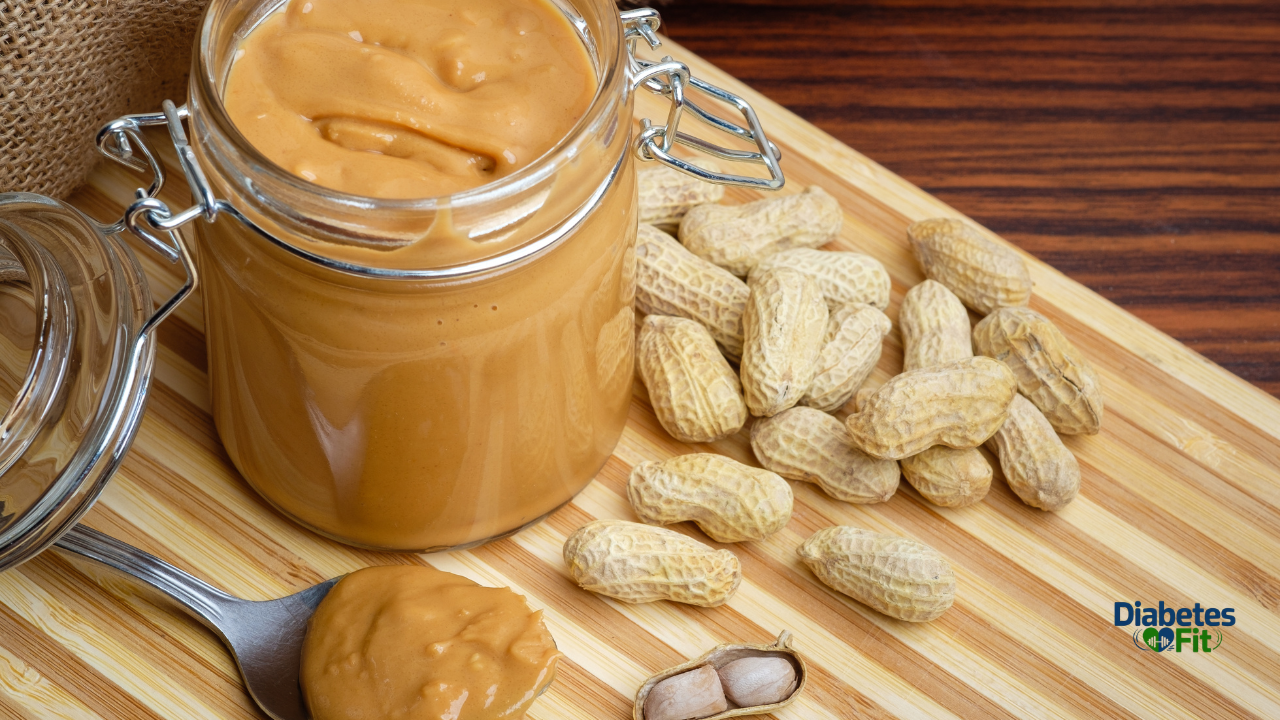
    Here’s the honest answer: peanut butter has a very low glycemic index — typically around 14, which is remarkably low. This means it causes only a minimal and slow rise in blood sugar when eaten on its own or in reasonable portions.

    Does Peanut Butter Raise Blood Sugar?

    Why? Peanut butter is primarily composed of fat and protein, with a relatively small amount of carbohydrates. A standard two-tablespoon serving of natural peanut butter contains roughly:

    • 7–8 grams of protein
    • 16 grams of fat (mostly heart-healthy monounsaturated fat)
    • 6–7 grams of carbohydrates
    • About 2 grams of fiber

    The net carbohydrate content — carbs minus fiber — is only around 4–5 grams per serving. That’s a very small amount, and because it’s paired with protein, fat, and fiber, the digestion process slows down significantly. The result is a gentle, gradual glucose response rather than a sharp spike.

    So not only does peanut butter not raise blood sugar dramatically, it’s actually one of the better foods for blood sugar stability — when consumed in the right form and the right amount.

    The Glycemic Load Factor

    The glycemic index is useful, but it doesn’t tell the whole story. A more practical measurement is the glycemic load (GL), which takes into account both the GI of a food and the actual amount of carbohydrates in a typical serving.

    Peanut butter’s glycemic load per two-tablespoon serving is approximately 1, which is considered very low. Anything under 10 is generally considered low, so peanut butter sits firmly in the “minimal blood sugar impact” category.

    This is important because it means that even though you’re eating a food that contains some carbohydrates, the real-world effect on your blood sugar is very small — especially compared to foods like white rice (GL around 23), a bagel (GL around 25), or a sugary granola bar (GL that can easily exceed 20 or more).

    Why Peanut Butter Is Actually Good for Blood Sugar Control

    Beyond just having a low glycemic impact, peanut butter actively supports blood sugar stability in several meaningful ways.
    Does Peanut Butter Raise Blood Sugar?

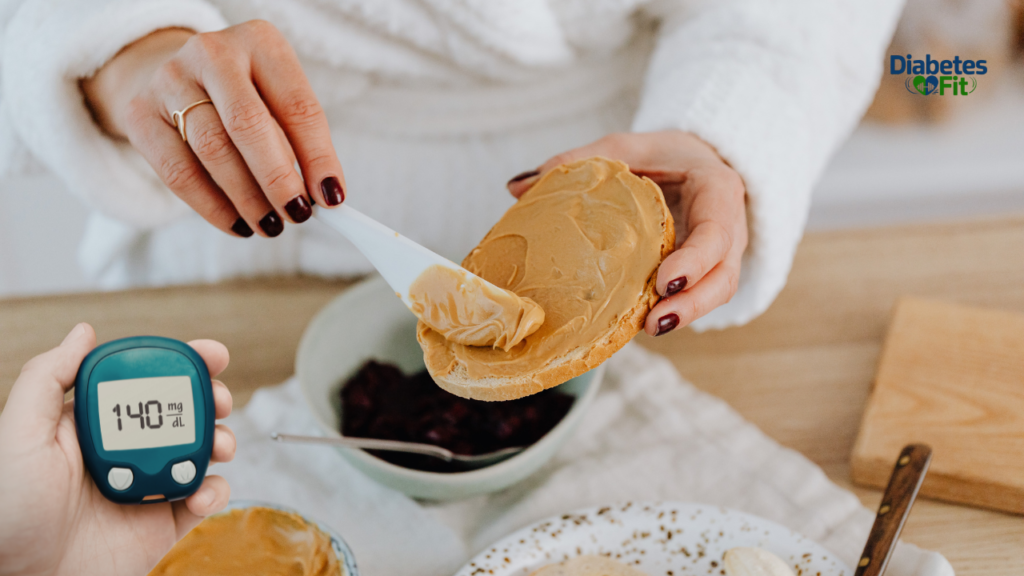
    High protein content slows glucose absorption. Protein slows the rate at which carbohydrates are digested and converted to glucose. When you eat peanut butter alongside or as part of a meal, the protein content helps flatten the blood sugar curve from the entire meal — not just from the peanut butter itself. This is why pairing peanut butter with something like an apple or a piece of whole-grain toast is a smarter choice than eating either food alone.

    Healthy fats improve insulin sensitivity. The monounsaturated fats found abundantly in peanut butter — the same type found in olive oil and avocados — have been shown to improve insulin sensitivity over time. Better insulin sensitivity means your body needs to produce less insulin to manage blood sugar effectively, which is great news for both diabetics and non-diabetics alike.

    Magnesium supports glucose metabolism. Peanut butter is a decent source of magnesium, a mineral that plays a critical role in how the body processes and regulates blood sugar. Many people with type 2 diabetes are deficient in magnesium, and studies suggest that improving magnesium intake can help with blood sugar control.

    Fiber slows digestion. While peanut butter isn’t extremely high in fiber, it does contain some, which contributes to slower digestion and a more gradual glucose response.

    Research on Peanut Butter and Blood Sugar

    The science actually backs up what the nutritional profile suggests. Several studies have looked at how peanut butter affects blood sugar, and the results are consistently encouraging.

    One well-cited study published in the Journal of the American Medical Association found that women who consumed peanut butter or nuts five or more times per week had a significantly lower risk of developing type 2 diabetes compared to those who rarely ate them. The researchers attributed this to the favorable fat and protein profile, as well as the low glycemic impact of nuts and nut butters.

    Another study found that eating peanut butter or peanuts with high-glycemic foods — like white bread or sugary oatmeal — actually blunted the blood sugar spike from those foods. In other words, peanut butter didn’t just avoid raising blood sugar; it actively helped reduce the blood sugar impact of other foods eaten at the same time.

    This makes peanut butter not just a blood sugar-neutral food but a potentially protective one when included as part of a balanced meal or snack.

    The Important Caveat: Not All Peanut Butter Is Created Equal

    Here’s where things get a little more complicated — and why the type of peanut butter you choose matters quite a bit.

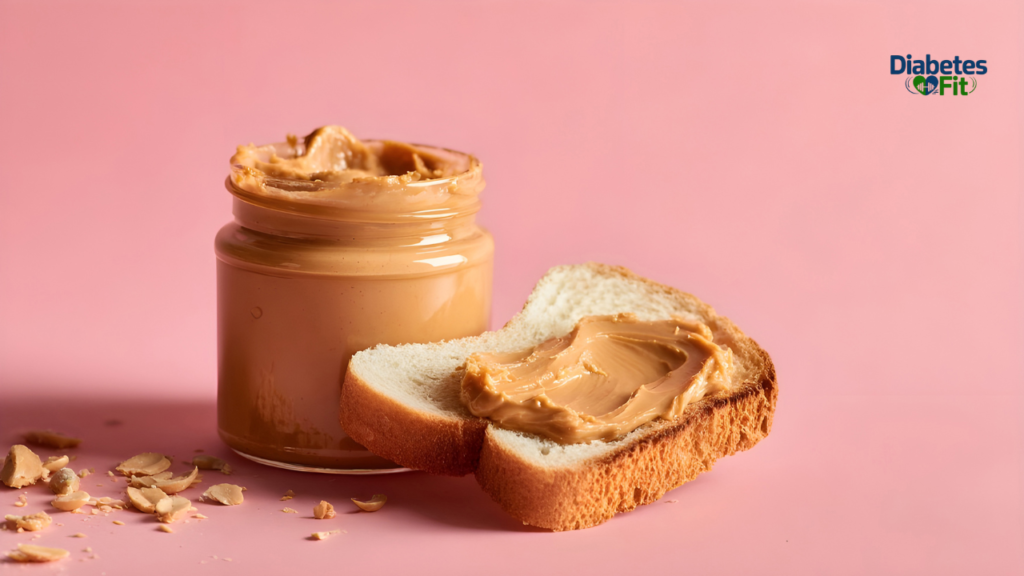
    Natural peanut butter — the kind made with just peanuts and maybe a little salt — is what all of the above information applies to. It’s low in carbs, free from added sugars, and has the nutritional profile that makes it such a blood sugar-friendly food.
    Does Peanut Butter Raise Blood Sugar?

    Many commercial peanut butter products, however, are a different story. They often contain:

    • Added sugar — sometimes labeled as cane sugar, corn syrup, or molasses. Even small amounts of added sugar will increase the glycemic impact.
    • Hydrogenated or partially hydrogenated oils — these are added to prevent separation but introduce trans fats, which are harmful to cardiovascular health and insulin sensitivity.
    • High amounts of sodium — while not directly related to blood sugar, excess sodium contributes to other health concerns.

    Brands like Jif and Skippy, in their regular formulations, typically contain added sugars and hydrogenated oils. Always check the ingredient list. The ideal peanut butter has two ingredients at most: peanuts and salt.

    If the ingredient list is longer than that, look for another option.

    How Much Peanut Butter Is Safe for Blood Sugar?

    Portion control is still important, even with a food as blood sugar-friendly as peanut butter. Because it’s calorie-dense — about 190 calories per two tablespoons — eating large amounts can contribute to excess calorie intake, which over time affects weight and metabolic health.

    For most people, one to two tablespoons per snack or meal is a reasonable and effective portion. This is enough to get the blood sugar-stabilizing benefits without overdoing the calories.

    For people with diabetes, it’s also worth noting that individual responses to food can vary. While peanut butter has a very low glycemic impact for most people, it’s always a good idea to monitor your blood sugar response to any food if you’re managing a condition like diabetes.

    Best Ways to Eat Peanut Butter for Blood Sugar Benefits

    How you eat peanut butter matters as much as how much you eat. Here are some of the smartest ways to incorporate it for blood sugar stability:

    Pair it with low-GI foods. Apple slices with peanut butter, celery sticks with peanut butter, or peanut butter on whole-grain crackers are all excellent combinations. The fiber from the fruit or vegetable complements the protein and fat from the peanut butter for a very balanced blood sugar response.

    Add it to smoothies. A tablespoon of natural peanut butter added to a smoothie adds protein and healthy fat that helps prevent the blood sugar spike that fruit-heavy smoothies can sometimes cause.

    Use it as a meal component. Peanut butter isn’t just a snack food. Adding it to oatmeal, stir-fry sauces, or whole-grain toast with banana makes for satisfying, blood sugar-friendly meals.

    Eat it before exercise. Peanut butter before a workout provides sustained energy without causing blood sugar swings — a great alternative to sugary pre-workout snacks.

    Have it as a bedtime snack. For people who experience overnight blood sugar dips, a small amount of peanut butter before bed can help stabilize levels through the night. This is something many diabetes educators actually recommend.

    Who Should Be Careful With Peanut Butter?

    While peanut butter is excellent for most people, a few groups should approach it with some thought:

    People with peanut allergies obviously need to avoid them entirely. People with irritable bowel syndrome (IBS) may find that peanut butter triggers symptoms due to its fat content. And anyone watching their overall calorie intake should be mindful of portion sizes, since peanut butter is easy to overeat.

    For people with diabetes, peanut butter is generally very safe and even beneficial — but it’s always worth discussing dietary choices with your healthcare provider or a registered dietitian, especially if you’re adjusting your medication or meal plan.

    Final Thoughts

    So, does peanut butter raise blood sugar? The evidence is clear: natural peanut butter has a minimal effect on blood sugar, thanks to its low carbohydrate content, high protein and healthy fat profile, and very low glycemic index and load. Not only is it unlikely to cause blood sugar spikes, but research actually suggests it can help stabilize blood sugar when eaten as part of a balanced diet.

    The key is choosing the right kind — natural peanut butter with no added sugars or hydrogenated oils — and eating it in sensible portions. When you do that, peanut butter isn’t just a blood sugar-safe food. It’s a genuinely smart, satisfying, and nutritious choice for anyone who wants to manage their blood sugar more effectively.

    Whether you have diabetes, are pre-diabetic, or simply want to make better food choices for long-term health, peanut butter deserves a place in your diet. Just keep it natural, watch your portions, and enjoy every spoonful without guilt.

    Frequently Asked Questions 

    Does peanut butter raise blood sugar levels? 

    Natural peanut butter has very little effect on blood sugar. With a glycemic index of around 14 and a glycemic load of just 1 per serving, it causes only a minimal and gradual rise in blood glucose, making it one of the most blood sugar-friendly foods available.

    Is peanut butter safe for diabetics? 

    Yes, natural peanut butter is generally considered safe and even beneficial for people with diabetes. Its high protein, healthy fat, and low carbohydrate content help stabilize blood sugar rather than spike it. Always choose varieties with no added sugar and consult your healthcare provider for personalized advice.

    How much peanut butter can a diabetic eat per day? 

    Most people, including those with diabetes, can safely enjoy one to two tablespoons of natural peanut butter per day as part of a balanced diet. This portion delivers blood sugar-stabilizing nutrients without contributing excessive calories.

    What type of peanut butter is best for blood sugar control? 

    Natural peanut butter made with just peanuts — and possibly salt — is the best choice. Avoid commercial brands with added sugars, corn syrup, or hydrogenated oils, as these ingredients increase the glycemic impact and reduce the health benefits.

    Can peanut butter help lower blood sugar? 

    Peanut butter won’t dramatically lower blood sugar on its own, but studies show it can blunt blood sugar spikes when eaten alongside higher-glycemic foods. Its protein, fat, and fiber content slow digestion and improve the overall glycemic response of a meal.

    Is it okay to eat peanut butter before bed if I have diabetes? 

    Yes, a small amount of natural peanut butter before bed can actually be helpful for some people with diabetes, particularly those who experience overnight blood sugar drops. It provides slow-digesting protein and fat that helps stabilize glucose levels through the night. Check with your doctor or dietitian for personalized guidance.

  • Does Popcorn Raise Blood Sugar? Everything You Need to Know

    Does Popcorn Raise Blood Sugar? Everything You Need to Know

    Does popcorn raise blood sugar? This is one of the most common questions people ask, especially those living with diabetes or anyone trying to keep their blood sugar levels in check. Popcorn is a popular snack loved by millions of people around the world. 

    It is light, crunchy, and satisfying. But when it comes to blood sugar, not everything that seems healthy is actually safe to eat in large amounts. So let’s break this down in simple words so you can make the right choice for your health.

    Learn more about why non-diabetics might experience high blood sugar here: Causes of Hyperglycemia in Non Diabetics.

    What Is Popcorn Made Of?

    Popcorn is made from a special type of corn kernel. When you heat it, the moisture inside the kernel turns into steam and causes it to pop. The result is that light, fluffy snack we all love.

    Plain popcorn is a whole-grain food. Whole grains are generally considered better for your health compared to refined grains like white bread or white rice. Popcorn contains carbohydrates, fiber, a small amount of protein, and very little fat when it is air-popped without any toppings.

    Since popcorn contains carbohydrates, it does have the potential to affect your blood sugar. But how much it raises your blood sugar depends on several important factors.

    Does Popcorn Raise Blood Sugar?

    Yes, popcorn can raise blood sugar, but the effect is usually moderate compared to many other snacks. The reason is that popcorn has a medium glycemic index (GI). The glycemic index is a scale from 0 to 100 that tells you how quickly a food raises your blood sugar after you eat it.

    Does Popcorn Raise Blood Sugar?

    Plain air-popped popcorn has a glycemic index of around 55 to 65, which puts it in the medium range. Foods with a high GI (above 70) cause a rapid spike in blood sugar. Foods with a low GI (below 55) cause a slower, more gradual rise. So popcorn sits right in the middle.

    However, the glycemic index alone does not tell the full story. You also need to think about something called the glycemic load (GL). The glycemic load takes into account both the GI of the food and how much of it you actually eat.

    A small serving of popcorn (about 3 cups of air-popped popcorn) has a relatively low glycemic load, which means it will not spike your blood sugar dramatically if you eat a reasonable portion. But if you eat a large bucket of popcorn, the carbohydrate amount adds up, and your blood sugar will rise more significantly.

    The Role of Fiber in Popcorn

    One of the reasons popcorn is not as bad for blood sugar as some other snacks isthate it contains dietary fiber. Fiber slows down digestion, which means sugar enters your bloodstream more slowly. This helps prevent sharp spikes in blood sugar.

    A 3-cup serving of air-popped popcorn contains about 3.5 grams of fiber. That is a decent amount for a snack. The fiber in popcorn helps you feel full longer and also supports healthy digestion.

    For people with diabetes or insulin resistance, fiber-rich foods are usually a better choice because they help manage blood sugar levels more effectively. In this way, the fiber content in popcorn works in your favor.

    How Preparation Method Changes Everything

    Not all popcorn is created equal. The way you prepare your popcorn makes a huge difference in how it affects your blood sugar and your overall health.

    Does Popcorn Raise Blood Sugar?

    Air-popped popcorn is the healthiest option. It has no added oils, butter, or sugar. This type of popcorn has fewer calories and is the most blood-sugar-friendly version.

    Microwave popcorn often contains added butter, salt, and sometimes sugar. These additions can increase the calorie count and may also affect how your body responds to the snack. Some microwave popcorn varieties also contain artificial flavors and preservatives.

    Movie theater popcorn is usually cooked in large amounts of oil and loaded with salt and butter. A large bucket of movie theater popcorn can contain hundreds of calories and a significant amount of carbohydrates, which can certainly raise blood sugar considerably.

    Caramel or kettle corn is coated in sugar or syrup. This type of popcorn will raise blood sugar much faster and higher than plain popcorn because of the added sugar content. People managing diabetes or blood sugar issues should be careful with these varieties.

    So when asking, does popcorn raise blood sugar, the honest answer is: it depends on what type you are eating.

    Portion Size Matters a Lot

    Even healthy foods can cause blood sugar spikes if you eat too much of them. Popcorn is no different. A reasonable portion of plain air-popped popcorn is about 3 cups, which contains roughly 18 to 20 grams of carbohydrates.

    For someone with diabetes, most dietitians recommend keeping carbohydrate intake per snack between 15 and 30 grams. So a small to moderate serving of plain popcorn fits nicely within that range.

    The problem is that popcorn is very easy to overeat. Because it is light and airy, you can eat a large volume without realizing how many carbohydrates you have consumed. Always pay attention to your portion size when snacking on popcorn.

    Is Popcorn Safe for Diabetics?

    Yes, in most cases, plain popcorn in moderate amounts is considered safe for people with diabetes. Many dietitians and nutritionists actually include popcorn on their list of acceptable snacks for diabetic patients because it is a whole-grain food with fiber.

    However, every person’s body responds differently to carbohydrates. Some people may notice a bigger spike in their blood sugar after eating popcorn, while others may not be affected as much. It is always a good idea for diabetics to monitor their blood sugar before and after eating popcorn to understand how their body responds.

    If you have diabetes, stick to air-popped popcorn, keep your portions small, and avoid adding sugar, caramel, or excessive amounts of butter and salt.

    Tips to Make Popcorn More Blood Sugar Friendly

    If you love popcorn and want to enjoy it without worrying too much about blood sugar, here are some simple tips:

    Does Popcorn Raise Blood Sugar?

    Choose air-popped popcorn over microwave or theater popcorn. This gives you the cleanest version with no unnecessary additives.

    Pair popcorn with protein or healthy fat. Eating popcorn alongside a handful of nuts or some cheese can slow down digestion even more and reduce the blood sugar impact.

    Watch your portion size. Stick to around 3 cups as a snack rather than eating a full bag.

    Avoid flavored or sweetened popcorn. Caramel corn, kettle corn, and cheese-flavored popcorn often contain extra sugars and unhealthy fats that can worsen blood sugar control.

    Read labels carefully. If you buy packaged popcorn, always check the nutrition label for total carbohydrates, fiber, and added sugars.

    Comparing Popcorn to Other Snacks

    When you compare popcorn to other popular snacks, it actually holds up quite well from a blood sugar perspective.

    Does Popcorn Raise Blood Sugar?

    Potato chips, crackers, pretzels, and cookies all tend to have a higher glycemic index and fewer nutrients than plain popcorn. White bread and rice cakes also raise blood sugar more quickly than popcorn does.

    On the other hand, snacks like raw vegetables, nuts, seeds, and low-sugar fruits have a lower glycemic impact than popcorn. So while popcorn is not the best option for blood sugar control, it is certainly not the worst either.

    Conclusion

    So, does popcorn raise blood sugar? The answer is yes, but only mildly when you eat it in the right way and in the right amount. Plain air-popped popcorn is a whole-grain snack that contains fiber, which helps slow down the rise in blood sugar. Its medium glycemic index means it will not spike your blood sugar as sharply as sugary snacks or refined carbohydrates would.

    The key is to be smart about how you eat it. Choose plain or lightly salted air-popped popcorn, keep your serving size around 3 cups, and avoid the sweet or heavily buttered varieties. If you have diabetes or are managing your blood sugar closely, always monitor your response to popcorn and consult your doctor or dietitian for personalized advice.

    Popcorn can absolutely be part of a healthy, balanced diet when eaten mindfully. You do not have to give up this delicious snack entirely. Just make smarter choices and enjoy it in moderation.

    FAQs

    Does popcorn raise blood sugar quickly? 

    Plain air-popped popcorn has a medium glycemic index, so it raises blood sugar gradually rather than causing a rapid spike like sugary snacks do.

    Can diabetics eat popcorn? 

    Yes, diabetics can eat popcorn in moderation. Plain, air-popped popcorn in small portions is generally considered a safe snack for people with diabetes.

    How much popcorn is safe for blood sugar? 

    A serving of about 3 cups of plain air-popped popcorn, which contains roughly 18 to 20 grams of carbohydrates, is considered a reasonable portion for blood sugar management.

    Is microwave popcorn bad for blood sugar? 

    Microwave popcorn often contains added butter, salt, and sometimes sugar, making it less ideal than plain air-popped popcorn for blood sugar control.

    Does caramel popcorn raise blood sugar? 

    Yes, caramel and kettle corn contain added sugar, which can cause a faster and higher rise in blood sugar compared to plain popcorn.

    Is popcorn a low glycemic food? 

    Popcorn falls in the medium glycemic index range, around 55 to 65. It is not classified as a low GI food, but its glycemic load per serving is relatively low when eaten in small portions.

  • Does Cortisol Raise Blood Sugar? Everything You Need to Know

    Does Cortisol Raise Blood Sugar? Everything You Need to Know

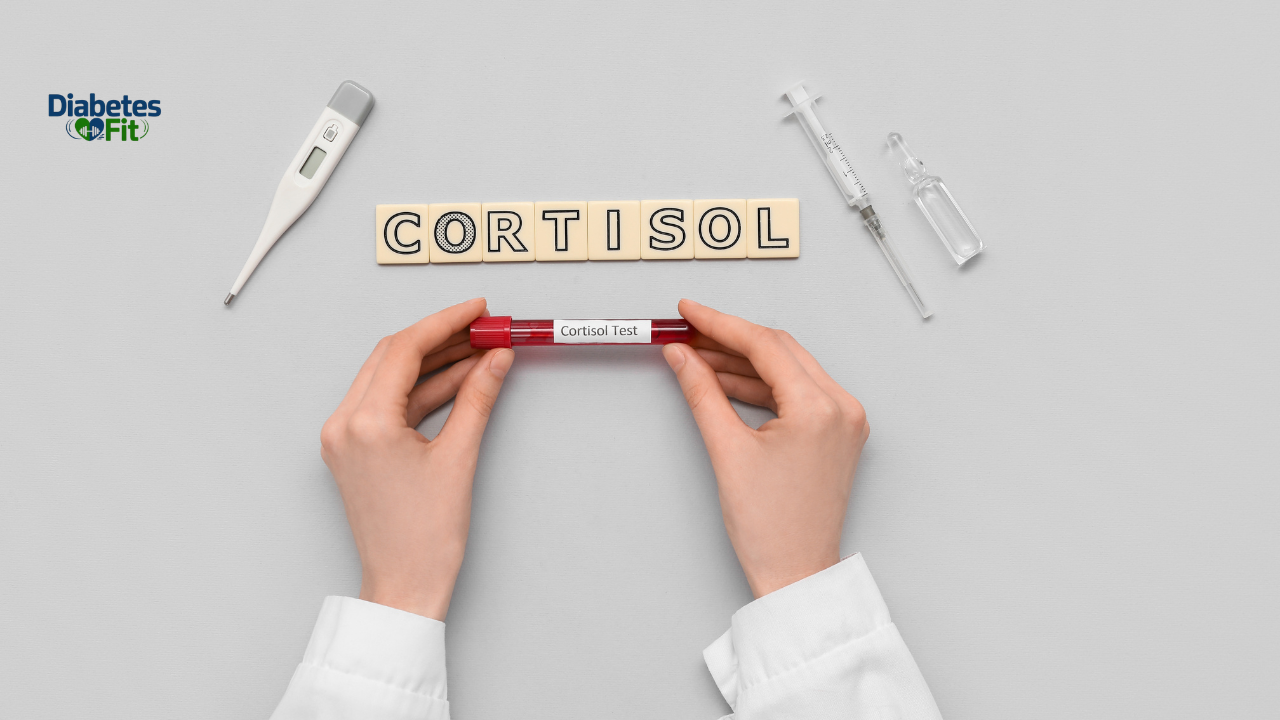
    Does cortisol raise blood sugar? The short answer is yes, it does. But if you want to understand why this happens and what it means for your health, you need to know a little more about how cortisol works inside your body. 

    Once you understand the connection, you will be able to make better choices to protect your blood sugar levels and your overall health.

    To control sudden blood sugar spikes, explore these effective drinks: drink to lower blood sugar immediately.

    What Is Cortisol?

    Cortisol is a hormone made by your adrenal glands, which are two small glands that sit on top of your kidneys. It is often called the “stress hormone” because your body releases it when you are under stress. But cortisol does a lot more than just respond to stress.

    Cortisol helps control your sleep and wake cycle. It helps reduce inflammation. It plays a role in how your body uses fat, protein, and carbohydrates. And yes, it has a direct effect on your blood sugar levels.

    In small amounts and at the right times, cortisol is actually helpful and necessary. The problem starts when your cortisol levels stay high for too long. That is when things can go wrong, including with your blood sugar.

    How Does Cortisol Raise Blood Sugar?

    Your body is incredibly smart. When you face a stressful situation — whether it is a physical danger or a work deadline — your brain sends a signal to your adrenal glands to release cortisol. This is part of what is known as the “fight or flight” response.

    Does Cortisol Raise Blood Sugar?

    Here is what happens next. Cortisol tells your liver to release stored glucose into your bloodstream. This gives your muscles and brain a quick burst of energy so you can deal with the threat. At the same time, cortisol makes your cells more resistant to insulin. Insulin is the hormone that helps move sugar from your blood into your cells. When your cells become resistant to insulin, sugar builds up in your bloodstream instead of entering the cells.

    The result? Your blood sugar goes up.

    This is not a bad thing in the short term. Your body is just doing its job. The problem is when this happens over and over again because of chronic stress. When cortisol is constantly elevated, your blood sugar stays elevated too. And that puts a huge strain on your body over time.

    The Link Between Chronic Stress and High Blood Sugar

    Most people today do not face physical dangers like running from a wild animal. But modern life comes with its own kind of stress — money worries, relationship problems, work pressure, poor sleep, and more. Your body cannot tell the difference between a physical threat and an emotional one. It responds to both by releasing cortisol.

    When stress becomes a daily thing, cortisol levels stay high. This means your liver keeps releasing extra glucose into the blood, and your cells keep resisting insulin. Over time, this can lead to a condition called insulin resistance, which is a major risk factor for type 2 diabetes.

    Studies have shown that people with high stress levels and consistently high cortisol tend to have higher fasting blood sugar levels. They are also more likely to develop metabolic syndrome, which is a cluster of conditions that includes high blood sugar, high blood pressure, and excess belly fat.

    So yes, chronic stress — through its effect on cortisol — can be a real pathway to blood sugar problems.

    Other Ways Cortisol Affects Blood Sugar

    Beyond the direct effect of releasing glucose and causing insulin resistance, cortisol affects blood sugar in a few other ways that are worth knowing about.

    It triggers cravings for sugary and fatty foods. When cortisol is high, your brain craves quick energy. This is why stressed people often reach for cookies, chips, candy, or fast food. These foods spike your blood sugar fast and then cause it to crash, which creates a cycle of ups and downs throughout the day.

    It disrupts sleep. High cortisol at night — which can happen when you are stressed or anxious — messes with your sleep quality. Poor sleep is directly linked to higher blood sugar levels the next day. Your body becomes less sensitive to insulin after a bad night of sleep, which means your blood sugar stays higher than it should.

    It promotes belly fat storage. Cortisol encourages your body to store fat around the belly area. Belly fat, especially deep visceral fat, is metabolically active and produces its own inflammatory chemicals. These chemicals make insulin resistance even worse, which further raises blood sugar.

    It slows down digestion. Cortisol diverts resources away from your digestive system during stress. This can affect how your body absorbs and processes nutrients, including carbohydrates, which directly impacts blood sugar.

    Who Is Most at Risk?

    Anyone can experience elevated cortisol from time to time. But some people are at higher risk of the long-term blood sugar effects. These include:

    People with chronic stress at work or at home. Those who do not get enough sleep regularly. People who skip meals or follow extreme diets, as these are also physical stressors that raise cortisol. Those who drink a lot of caffeine or alcohol, as both can raise cortisol levels. People with anxiety disorders or depression, which are often associated with dysregulated cortisol patterns. And people who already have prediabetes or insulin resistance, as their blood sugar is more sensitive to cortisol spikes.

    If you fall into any of these categories, it is especially important to pay attention to your stress levels and take steps to manage cortisol.

    Signs That Cortisol Might Be Affecting Your Blood Sugar

    Not everyone gets obvious symptoms, but here are some signs that your cortisol and blood sugar might be out of balance:

    Does Cortisol Raise Blood Sugar?

    You feel tired all the time, even after sleeping. You get intense sugar or carb cravings, especially in the afternoon or evening. You feel shaky, irritable, or dizzy when you have not eaten for a few hours. You have a hard time losing weight, especially around your middle. You feel anxious or wired, but also exhausted at the same time. You get sick often because your immune system is weakened. You have brain fog or trouble concentrating.

    These are all signs that your cortisol levels may be too high and that your blood sugar regulation is struggling as a result.

    How to Lower Cortisol and Protect Your Blood Sugar

    The good news is that there are real, practical things you can do to bring cortisol down and protect your blood sugar at the same time. None of these requires a prescription. They just require consistency.

    Manage your stress daily. This is the most important thing. You do not need to eliminate all stress from your life — that is impossible. But you do need daily habits that help your nervous system relax. This could be yoga, meditation, deep breathing, journaling, spending time in nature, or whatever genuinely helps you unwind. Even 10 to 15 minutes a day makes a real difference.

    Prioritize sleep. Aim for 7 to 9 hours of quality sleep every night. Keep a consistent sleep schedule, reduce screen time before bed, and keep your bedroom cool and dark. Good sleep is one of the most powerful ways to regulate cortisol and blood sugar.

    Eat balanced meals regularly. Do not skip meals. Eat every 3 to 4 hours to keep your blood sugar stable. Focus on whole foods — vegetables, lean proteins, healthy fats, and complex carbohydrates like oats, sweet potatoes, and beans. Avoid sugary drinks and processed snacks that spike and crash your blood sugar.

    Exercise regularly. Physical activity is one of the best natural ways to lower cortisol and improve insulin sensitivity. But be careful about overdoing high-intensity exercise, as too much can actually raise cortisol. A mix of moderate cardio, strength training, and gentle movement like walking or yoga is ideal.

    Limit caffeine and alcohol. Both can raise cortisol and disrupt sleep. If you drink coffee, try to limit it to one or two cups in the morning and avoid it in the afternoon.

    Stay socially connected. Isolation and loneliness raise cortisol. Spending time with people you love and trust genuinely lowers stress hormones and makes your body feel safe.

    Try adaptogenic herbs. Some natural supplements like ashwagandha, rhodiola, and holy basil have been shown in studies to help lower cortisol levels. Always check with your doctor before starting any new supplement.

    When to See a Doctor

    Does Cortisol Raise Blood Sugar?

    If you suspect your cortisol levels are chronically high, it is worth talking to a doctor. They can run tests to check your cortisol levels, your fasting blood sugar, and your insulin sensitivity. If you already have diabetes or prediabetes, managing stress should be a core part of your treatment plan, not just an afterthought.

    In rare cases, extremely high cortisol can be caused by a medical condition called Cushing’s syndrome. This requires medical treatment. Symptoms include rapid weight gain, especially in the face and midsection, stretch marks, high blood pressure, and easy bruising.

    Conclusion

    Does cortisol raise blood sugar? Yes, and now you know exactly how and why. Cortisol triggers your liver to dump glucose into the bloodstream, makes your cells resistant to insulin, drives cravings for sugary foods, disrupts sleep, and promotes belly fat storage — all of which push your blood sugar higher. When this happens occasionally, your body can handle it. But when cortisol stays high day after day due to chronic stress, it becomes a serious threat to your metabolic health.

    The most important takeaway here is that managing stress is not just about mental wellness — it is about physical health too. It is about protecting your blood sugar, your heart, your weight, and your long-term quality of life. Make stress management a daily priority. Eat well, sleep enough, move your body, and find what helps you feel calm. Your blood sugar — and your whole body — will thank you for it.

    Frequently Asked QuestionsHow quickly does cortisol raise blood sugar? 

    Cortisol can raise blood sugar within minutes of a stress response. Your liver releases stored glucose almost immediately when cortisol is released, which causes a rapid spike in blood sugar levels.

    Can high cortisol cause diabetes? 

    Chronic high cortisol can contribute to insulin resistance, which is a major risk factor for type 2 diabetes. While cortisol alone may not directly cause diabetes, it significantly increases the risk over time if left unmanaged.

    Does cortisol affect blood sugar in non-diabetics? 

    Yes. Even in people without diabetes, high cortisol raises blood sugar levels. It can cause temporary spikes and, over time, contribute to prediabetes and insulin resistance in otherwise healthy people.

     What time of day is cortisol highest? 

    Cortisol naturally peaks in the morning, usually around 8 AM. This is called the cortisol awakening response and is completely normal. It helps give you energy to start the day. Problems arise when cortisol stays high throughout the day and into the night.

    Can reducing stress lower blood sugar? 

    Yes. Multiple studies have shown that stress-reduction techniques like meditation, yoga, and deep breathing can lower both cortisol and blood sugar levels over time. It is a very real and measurable effect.

    Does exercise raise or lower cortisol? 

    It depends on the type and intensity. Moderate exercise lowers cortisol over time and improves insulin sensitivity. However, very intense or excessive exercise can temporarily raise cortisol. Balance is key — mix moderate cardio, strength training, and gentle movement for the best results.

  • Does Sucralose Raise Blood Sugar? Truth Every Diabetic Must Know (2026 Guide)

    Does Sucralose Raise Blood Sugar? Truth Every Diabetic Must Know (2026 Guide)

    Does sucralose raise blood sugar? This is one of the most common questions people with diabetes ask when they’re looking for sugar alternatives.

     If you’re managing diabetes, you want to enjoy sweet foods without worrying about dangerous blood sugar spikes. The answer to this question isn’t as straightforward as you might think, and understanding the truth could make a real difference in your health.

    In this guide, we’ll explore everything you need to know about sucralose and blood sugar. We’ll look at what science tells us, how your body processes this artificial sweetener, and whether it’s truly safe for diabetics. Let’s dive into the facts so you can make informed choices about your diet.

    Many everyday foods can unexpectedly raise glucose levels. Check out these foods that secretly spike blood sugar to stay better informed.

    What Is Sucralose and How Does It Work in the Body?

    Sucralose is an artificial sweetener that’s incredibly popular around the world. You probably know it by its brand name, Splenda. It’s about 600 times sweeter than regular table sugar, which means you need only a tiny amount to get that sweet taste.

    Scientists make sucralose by modifying regular sugar molecules. They replace three specific parts of the sugar molecule with chlorine atoms. This chemical change makes sucralose taste sweet, but your body can’t break it down the way it breaks down regular sugar.

    When you eat or drink something with sucralose, it travels through your digestive system mostly unchanged. About 85% of the sucralose you consume passes straight through your body without being absorbed. The small amount that does get absorbed doesn’t get broken down for energy. Instead, your body eliminates it through urine within 24 hours.

    This is why sucralose has zero calories. Your body doesn’t recognize it as food and doesn’t use it for fuel. In theory, this means it shouldn’t affect your blood sugar levels at all. But as we’ll see, the real story is more complicated.

    You’ll find sucralose in thousands of products today. It’s in diet sodas, sugar-free puddings, protein shakes, yogurt, chewing gum, and even some medicines. Many diabetics choose it because they think it’s a safe way to enjoy sweetness without the carbs.

    Does Sucralose Raise Blood Sugar Levels in Diabetics?

    Here’s where we get to the heart of the matter. Does sucralose raise blood sugar in people with diabetes?

    Most research shows that pure sucralose by itself doesn’t directly raise blood sugar levels. Since your body doesn’t break it down into glucose, it shouldn’t spike your blood sugar the way regular sugar does.

    Does Sucralose Raise Blood Sugar?

    However, there’s an important catch. When you buy Splenda at the grocery store, you’re not getting pure sucralose. The product contains bulking agents called dextrose and maltodextrin. These ingredients help the sweetener pour and measure like regular sugar, but they’re actually forms of sugar themselves.

    Dextrose is pure glucose, and maltodextrin breaks down into glucose very quickly in your body. Both have a high glycemic index, meaning they can raise blood sugar fast. Each packet of Splenda contains about 0.9 grams of carbohydrates from these fillers.

    If you use one packet in your coffee, this probably won’t cause a noticeable spike. But if you’re using several packets throughout the day, or measuring out tablespoons for baking, those carbs add up quickly. This is especially important for diabetics who count every carb carefully.

    Some people with diabetes report seeing small increases in their blood sugar after using products with sucralose. Others notice no change at all. Your individual response depends on several factors, including how sensitive you are to insulin, what else you’re eating, and the state of your gut health.

    The best way to know how sucralose affects you personally is to test your blood sugar before and after consuming it. Use your glucose meter to check at 30 minutes, one hour, and two hours after eating or drinking something with sucralose. Do this several times to see if there’s a pattern.

    Can Sucralose Spike Insulin Without Raising Blood Sugar?

    This is where things get really interesting. Even if sucralose doesn’t raise your blood sugar directly, it might still affect your insulin levels.

    Your body is incredibly smart. When you taste something sweet, your brain sends signals to your pancreas to get ready for incoming sugar. This is called the cephalic phase insulin response. Your body releases a small amount of insulin in anticipation of the glucose it thinks is coming.

    Several studies have found that artificial sweeteners, including sucralose, can trigger this insulin response in some people. Your taste buds sense sweetness, your brain prepares for sugar, and your pancreas releases insulin, even though no actual sugar is arriving.

    For healthy people without diabetes, this small insulin release usually isn’t a problem. But for people with diabetes, especially those with insulin resistance, it could potentially cause issues. If your body releases insulin when there’s no glucose to process, your blood sugar might actually drop too low, causing hypoglycemia.

    Research on this topic shows mixed results. Some studies find a clear insulin response to sucralose, while others don’t. The difference might depend on individual factors like your gut bacteria composition, your metabolic health, and how much sucralose you consume.

    There’s also evidence that regular consumption of artificial sweeteners might make your body less sensitive to insulin over time. When you constantly expose your body to sweet tastes without actual calories, it might start ignoring the signals. This could lead to higher blood sugar levels and worse diabetes control in the long run.

    What Do Scientific Studies Say About Sucralose and Blood Sugar?

    Let’s look at what the research actually tells us about sucralose and blood sugar control.

    A major review of studies published in 2024 examined dozens of research papers on artificial sweeteners and diabetes. The review found that most short-term studies show sucralose doesn’t significantly raise blood sugar in healthy people or diabetics. However, longer-term studies paint a more complicated picture.

    Does Sucralose Raise Blood Sugar?

    One important study from 2024 followed people with prediabetes who used sucralose regularly for 10 weeks. Researchers found that sucralose changed the composition of gut bacteria in these participants. These changes were linked to reduced insulin sensitivity and slightly higher blood sugar levels over time.

    Another study published in early 2025 looked specifically at people with type 2 diabetes. When these participants consumed sucralose before eating a meal, they showed a greater blood sugar spike from the meal compared to when they didn’t use sucralose. This suggests that sucralose might affect how your body handles real sugar when it arrives.

    Research from 2023 found that sucralose could interfere with glucose transporters in your intestines. These are the proteins that move glucose from your digestive system into your bloodstream. When sucralose affects these transporters, it might change how your body absorbs and processes carbohydrates.

    It’s important to note that not all studies agree. Some research shows no negative effects from sucralose use, even over several months. The differences between studies might be due to varying doses, different populations tested, or how long the studies lasted.

    What scientists do agree on is that we need more long-term research. Most studies on sucralose last only a few weeks or months. We don’t have good data on what happens when someone uses sucralose every single day for years or decades.

    Is Sucralose Safe for People with Type 2 Diabetes?

    The safety of sucralose for diabetics is a question that depends on how you define “safe.”

    From a regulatory standpoint, sucralose is approved by the FDA, the European Food Safety Authority, and health agencies in over 80 countries. These organizations have reviewed the available research and concluded that sucralose is safe for the general population, including people with diabetes.

    However, “approved as safe” doesn’t necessarily mean “optimal for health.” The approval process focuses mainly on whether something causes immediate harm or toxicity. It doesn’t always capture subtle long-term effects on metabolism or gut health.

    For most people with type 2 diabetes, occasional use of sucralose is unlikely to cause serious problems. Having a diet soda at a restaurant or using a packet of Splenda in your coffee probably won’t derail your diabetes management.

    The concern comes with regular, heavy use. If you’re consuming sucralose multiple times every day in various products, you might experience cumulative effects that single servings wouldn’t cause. These could include changes to your gut bacteria, alterations in how your body responds to insulin, and increased cravings for sweet foods.

    Some diabetes experts recommend caution with all artificial sweeteners, including sucralose. They point out that relying on artificial sweetness doesn’t help you retrain your taste buds to appreciate less sweet foods. It might actually make you crave more sweetness overall, which could lead to overeating or choosing less healthy foods.

    If you have type 2 diabetes and want to use sucralose, here’s what healthcare professionals typically recommend: Use it sparingly, not as your primary sweetening strategy. Monitor your blood sugar carefully to see how your body responds. Pay attention to the rest of your diet, not just the sweetener. And work with your doctor or dietitian to create a comprehensive plan for blood sugar control.

    Does Sucralose Affect Gut Health and Glucose Metabolism?

    Your gut is home to trillions of bacteria that play a huge role in your overall health, including blood sugar control. Recent research shows that sucralose can significantly affect these important microorganisms.

    Studies from 2024 and 2025 have found that sucralose changes the composition of gut bacteria in both animals and humans. It can reduce the diversity of bacterial species in your gut and decrease the number of beneficial bacteria. These changes happen even at doses that regulatory agencies consider safe.

    Why does this matter for blood sugar? Your gut bacteria help process the food you eat and affect how your body responds to insulin. When sucralose disrupts your gut bacteria, it can make your body less effective at controlling blood sugar.

    Research shows that people with healthier, more diverse gut bacteria tend to have better blood sugar control. They’re also less likely to develop type 2 diabetes in the first place. When artificial sweeteners harm gut bacteria, they might indirectly worsen blood sugar control, even if they don’t raise glucose directly.

    Some studies have found that sucralose can make the intestinal lining more permeable. This is sometimes called “leaky gut.” When your intestinal barrier becomes more permeable, it allows substances that should stay in your digestive system to pass into your bloodstream. This can trigger inflammation and insulin resistance, both of which make blood sugar harder to control.

    Interestingly, the effects of sucralose on gut bacteria seem to vary from person to person. Some people’s gut bacteria are more sensitive to artificial sweeteners than others. This might explain why some diabetics see blood sugar changes with sucralose while others don’t.

    The good news is that these effects might be reversible. When people stop consuming sucralose, their gut bacteria can gradually recover. However, this recovery takes time, sometimes several weeks or months.

    Sucralose vs Sugar: Which Is Better for Blood Sugar Control?

    When it comes to managing blood sugar, how does sucralose compare to regular sugar?

    Regular sugar (sucrose) definitely raises blood sugar. It breaks down quickly into glucose and fructose, both of which enter your bloodstream and increase blood sugar levels. For diabetics, sugar is something to limit and count carefully.

    Sucralose, in its pure form, doesn’t raise blood sugar the same way. It provides sweetness without the immediate glucose spike. From this perspective, sucralose seems like the clear winner for blood sugar control.

    However, the comparison isn’t that simple. While sugar’s effects on blood sugar are immediate and obvious, sucralose’s effects might be more subtle and long-term. Sugar raises your blood sugar right away, but you can see it happening and take action. Sucralose’s potential effects on insulin sensitivity and gut health might sneak up on you over time.

    There’s also the question of quantity. A small amount of real sugar in your diet, especially from whole foods like fruit, comes packaged with fibre, vitamins, and minerals. These nutrients help slow down sugar absorption and provide real health benefits. Sucralose provides only sweetness with no nutritional value at all.

    Some diabetes experts suggest that occasionally having a small amount of real sugar might be better than relying heavily on artificial sweeteners. The key is moderation and context. A piece of fruit with natural sugar is very different from a candy bar.

    For blood sugar control, the best approach is probably to reduce your overall desire for intense sweetness, whether from sugar or artificial sweeteners. Train your taste buds to appreciate less sweet foods. Enjoy naturally sweet foods like berries in moderation. Save both sugar and artificial sweeteners for occasional treats rather than daily staples.

    Possible Side Effects of Sucralose You Should Know

    Beyond blood sugar concerns, sucralose can cause other side effects that diabetics should know about.

    Digestive issues are among the most common complaints. Some people experience bloating, gas, diarrhea, or stomach cramps after consuming sucralose. These symptoms might be related to how sucralose affects gut bacteria or to the bulking agents in commercial products.

    Headaches and migraines have been reported by some sucralose users. While not everyone experiences this, people who are sensitive to artificial sweeteners might find that sucralose triggers headaches.

    Some research suggests that sucralose might affect your body’s ability to regulate blood sugar over time, even if it doesn’t cause immediate spikes. This could potentially worsen insulin resistance with long-term use.

    There’s also concern about how sucralose behaves when heated. Some studies have found that cooking or baking with sucralose at high temperatures might create harmful compounds. While more research is needed, it’s something to consider if you’re using sucralose in recipes.

    Allergic reactions to sucralose are rare but possible. Symptoms might include skin rash, itching, swelling, or difficulty breathing. If you experience these symptoms after consuming sucralose, stop using it and talk to your doctor.

    Weight management is another consideration. Some studies have found that people who regularly use artificial sweeteners don’t lose weight and might even gain weight over time. This could be because artificial sweeteners increase cravings for sweet foods or interfere with your body’s natural ability to regulate calorie intake.

    How Much Sucralose Is Safe to Consume Daily?

    The FDA has established an Acceptable Daily Intake (ADI) for sucralose of 5 milligrams per kilogram of body weight. For a person weighing 150 pounds (about 68 kilograms), this works out to about 340 milligrams per day.

    To put this in perspective, one packet of Splenda contains about 12 milligrams of sucralose. This means a 150-pound person could theoretically have about 28 packets per day and still be within the FDA’s safe limit.

    However, just because something is “acceptable” doesn’t mean it’s optimal, especially for people with diabetes. Many health experts recommend consuming much less than the maximum allowable amount.

    It’s also important to remember that sucralose is in many processed foods beyond what you add yourself. If you drink diet soda, eat sugar-free desserts, use protein powders, and add Splenda to your coffee, you could be consuming more sucralose than you realize.

    For diabetics, a more conservative approach might be better. Instead of maximizing your sucralose intake up to the FDA limit, consider using it occasionally and sparingly. This gives you the benefits of sweetness when you really want it without the potential risks of heavy, daily consumption.

    Pay attention to how your body responds. If you notice any digestive issues, headaches, or changes in your blood sugar patterns that seem related to sucralose, reduce your intake or stop using it altogether.

    Best Natural Sweetener Alternatives for Stable Blood Sugar

    Does Sucralose Raise Blood Sugar?

    If you’re concerned about sucralose and looking for alternatives, several natural sweeteners might be better choices for blood sugar control.

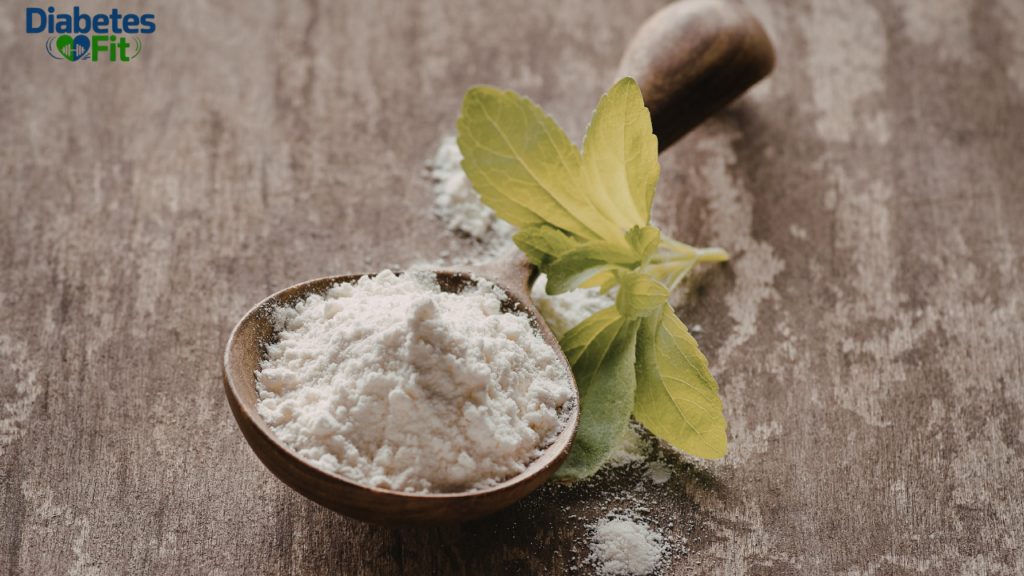
    Stevia comes from the leaves of the stevia plant. It’s much sweeter than sugar but contains no calories or carbs. Most studies show that stevia doesn’t raise blood sugar or insulin levels. Some research even suggests it might have beneficial effects on blood sugar control. The main downside is that some people don’t like its slightly bitter aftertaste.

    Monk fruit sweetener comes from a small melon grown in Asia. Like stevia, it’s very sweet but has no calories or carbs. Early research suggests it doesn’t negatively affect blood sugar and might even have antioxidant benefits. It has a taste that’s more similar to regular sugar than stevia, which many people prefer.

    Allulose is a rare sugar that occurs naturally in small amounts in some fruits. It tastes almost exactly like regular sugar but has minimal impact on blood sugar or insulin. Your body doesn’t absorb most of the allulose you eat. Studies show it’s well-tolerated and might even help with blood sugar control. The main downside is that it can be expensive.

    Erythritol is a sugar alcohol that occurs naturally in some fruits. It has about 70% of the sweetness of sugar but only 6% of the calories. Most importantly, it doesn’t raise blood sugar or insulin levels. Unlike other sugar alcohols, erythritol doesn’t usually cause digestive issues because your body absorbs it before it reaches your colon.

    Each of these alternatives has pros and cons. The best choice depends on your taste preferences, how you plan to use it, and how your body responds. Many people find that combining sweeteners gives the best taste while minimizing any aftertaste or side effects.

    Conclusion

    So, does sucralose raise blood sugar? The answer is nuanced. Pure sucralose doesn’t directly spike blood sugar the way regular sugar does. However, commercial products containing sucralose often include bulking agents that can affect glucose levels. More importantly, emerging research suggests that sucralose might impact blood sugar control indirectly through effects on gut bacteria, insulin sensitivity, and glucose metabolism.

    For people with diabetes, the decision to use sucralose should be personal and informed. Occasional use is unlikely to cause problems for most people, but relying on it heavily might not be the best strategy for long-term blood sugar control. Testing your individual response and considering natural alternatives like stevia or monk fruit might give you better results.

    Remember that no sweetener, artificial or natural, is a magic solution for diabetes management. The foundation of good blood sugar control remains a balanced diet rich in whole foods, regular physical activity, stress management, and working closely with your healthcare team. Sweeteners of any kind should be just a small part of your overall strategy, not the main focus.

    FAQs

    Does sucralose break a fast or affect ketosis?

    Pure sucralose shouldn’t break a fast or kick you out of ketosis since it contains no calories or carbs. However, commercial products like Splenda contain small amounts of dextrose and maltodextrin that add about 1 gram of carbs per packet. If you’re doing strict fasting or maintaining ketosis, these carbs can add up if you use multiple packets. Liquid sucralose without bulking agents is a better choice for fasting or keto. Some people also report that the sweet taste of sucralose triggers hunger or cravings during fasting, even without raising blood sugar, so individual response varies.

    Can sucralose cause weight gain in diabetics?

    Surprisingly, research shows that artificial sweeteners like sucralose don’t consistently help with weight loss and might even contribute to weight gain in some people. This seems contradictory since sucralose has no calories, but several factors might explain it. Sucralose may increase cravings for sweet foods, leading you to eat more overall. It might also interfere with your body’s natural ability to regulate calorie intake based on sweetness. Additionally, if sucralose affects gut bacteria and insulin sensitivity, this could make weight management harder. For diabetics, maintaining a healthy weight is crucial for blood sugar control, so monitor your weight patterns if you use sucralose regularly.

    Is liquid sucralose better than powdered Splenda for blood sugar?

    Yes, liquid sucralose is generally better for blood sugar control than powdered Splenda. Liquid sucralose contains pure sucralose without the bulking agents (dextrose and maltodextrin) found in powdered products. This means it truly has zero carbs and won’t raise blood sugar at all. Powdered Splenda contains about 0.9 grams of carbs per packet from these fillers, which can add up if you use multiple servings. If you want to use sucralose while minimizing any potential blood sugar impact, liquid versions are your best bet. Just remember that even liquid sucralose might still affect insulin response and gut bacteria.

    How long does it take for gut bacteria to recover after stopping sucralose?

    Research suggests that gut bacteria can begin to recover within a few weeks after you stop consuming sucralose, but full recovery might take several months. The exact timeline varies depending on how much sucralose you were consuming, how long you used it, your overall diet, and your individual gut microbiome. To support gut bacteria recovery after stopping sucralose, eat plenty of fibre-rich foods, include fermented foods like yogurt or sauerkraut, and consider a probiotic supplement after discussing it with your doctor. Improving your gut health can help with blood sugar control, so giving your gut bacteria time to recover from artificial sweetener use is worthwhile for long-term diabetes management.