
Type 3 Diabetes Symptoms: Understanding the Brain-Based Diabetes You Should Know About
Type 3 diabetes symptoms are becoming an increasingly important topic in medical discussions, yet many people have never heard of this condition.
While most of us are familiar with type 1 and type 2 diabetes, type 3 diabetes represents a different challenge altogether. This term refers to the connection between insulin resistance in the brain and Alzheimer’s disease.
Understanding its symptoms could help you or your loved ones catch warning signs early.
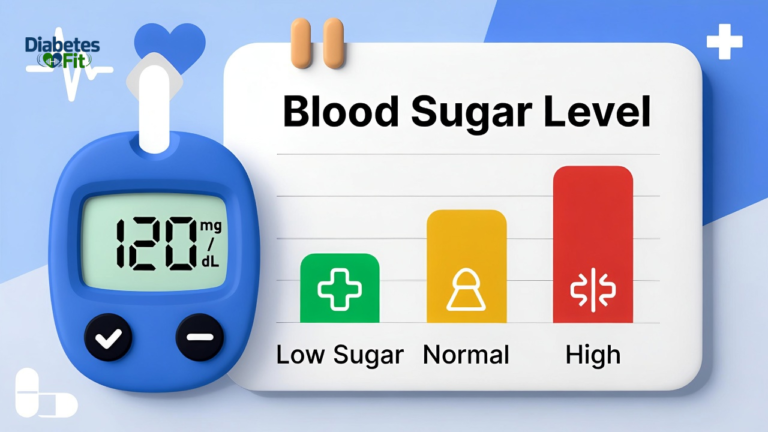
To better understand blood sugar levels, you should also read our detailed guide on How long sugar stays in your system, which explains how sugar is processed in the body and its impact on overall health.
What Exactly is Type 3 Diabetes?
Before diving into the symptoms, it’s important to understand what type 3 diabetes actually means. Unlike type 1 and type 2 diabetes, which primarily affect blood sugar levels throughout the body, type 3 diabetes specifically involves insulin resistance in the brain. Scientists have discovered that when brain cells become insulin-resistant, they struggle to use glucose for energy. This leads to brain cell damage and cognitive decline, which we commonly recognize as Alzheimer’s disease.
The term “type 3 diabetes” isn’t yet officially recognized by major health organizations, but researchers use it to describe this crucial link between insulin problems and brain health. Think of it this way: just as your body’s cells need insulin to use sugar for energy, your brain cells need it too. When this process breaks down in the brain, serious problems can develop.
Early Warning Signs to Watch For
The symptoms of type 3 diabetes often appear gradually and can be easy to miss in the beginning. Memory problems are usually the first red flag. You might notice yourself or a loved one forgetting recent conversations, misplacing items more frequently, or asking the same questions repeatedly. These aren’t just normal “senior moments” – they’re potential signs that something more serious is happening in the brain.
Difficulty with familiar tasks is another common early symptom. Someone with type 3 diabetes might struggle to follow a recipe they’ve made hundreds of times, get confused about how to operate household appliances, or have trouble managing their finances when these tasks were once second nature to them.
Language and communication problems also emerge as the condition progresses. People may struggle to find the right words during conversation, call things by the wrong names, or have difficulty following along when others are speaking. It’s not uncommon for them to stop mid-sentence, unable to remember what they were saying.
Cognitive and Mental Changes
As type 3 diabetes symptoms advance, more noticeable cognitive changes occur. Poor judgment becomes evident in decision-making. Someone might wear inappropriate clothing for the weather, fall for scams they would have previously recognized, or make uncharacteristic financial decisions. Their ability to plan and organize deteriorates significantly.

Confusion about time and place is particularly concerning. People with type 3 diabetes may lose track of dates, seasons, or the passage of time. They might forget where they are or how they got there. Some individuals even fail to recognize their own home or familiar neighborhoods.
Problem-solving abilities decline noticeably. Tasks that require multiple steps become overwhelming. Simple problems that once took minutes to solve might now seem impossible. This can be frustrating for both the person experiencing it and their family members watching these changes unfold.
Behavioral and Personality Shifts
Type 3 diabetes symptoms aren’t limited to memory and thinking problems. Significant changes in mood and personality often occur. Someone who was once outgoing might become withdrawn and avoid social situations. A previously calm person might become easily agitated or suspicious of others without reason.
Depression and anxiety frequently accompany type 3 diabetes. The person may lose interest in hobbies and activities they once enjoyed. They might seem apathetic about things that used to excite them. Sleep patterns often change, with some people sleeping much more than usual while others develop insomnia.
Social withdrawal is common as symptoms progress. People may stop participating in social activities, hobbies, or work projects. This often happens because they’re aware something is wrong and feel embarrassed or frustrated by their difficulties. They might avoid situations where their symptoms could be noticed by others.
Physical Symptoms and Daily Life Challenges
While type 3 diabetes primarily affects the brain, physical symptoms can also appear. Some people experience changes in their sense of smell, which research suggests might be an early warning sign. Problems with visual perception can occur, making it difficult to judge distances or distinguish colors and contrast.
Coordination and motor skills may decline. Simple physical tasks like buttoning a shirt, using utensils, or writing become challenging. The person might become clumsier or move more slowly than before. Their handwriting might change, becoming smaller or more difficult to read.
Sleep disturbances are common and can worsen other symptoms. Many people with type 3 diabetes experience disrupted sleep patterns, including trouble falling asleep, frequent waking during the night, or excessive daytime sleepiness. Poor sleep quality can accelerate cognitive decline and make other symptoms worse.
The Connection to Traditional Diabetes
Understanding the link between regular diabetes and type 3 diabetes is crucial. People with type 2 diabetes have a significantly higher risk of developing Alzheimer’s disease. High blood sugar levels over time can damage blood vessels in the brain, reduce blood flow, and increase inflammation – all factors that contribute to cognitive decline.

Insulin resistance, the hallmark of type 2 diabetes, doesn’t just affect the body; it impacts the brain too. When the brain becomes insulin-resistant, it struggles to produce energy efficiently. This leads to the death of brain cells and the formation of harmful protein deposits associated with Alzheimer’s disease.
Risk Factors You Should Know
Several factors increase the likelihood of developing type 3 diabetes symptoms. Age is the most significant risk factor, with symptoms typically appearing in people over 65. However, early-onset cases can occur in younger individuals, especially those with strong genetic predispositions.
Family history plays an important role. If close relatives have had Alzheimer’s disease or type 2 diabetes, your risk increases. Lifestyle factors matter tremendously too. A diet high in processed foods and sugar, lack of physical exercise, obesity, high blood pressure, and high cholesterol all contribute to risk.
Head injuries and cardiovascular disease also increase susceptibility. Poor heart health means reduced blood flow to the brain, which can accelerate cognitive decline. Chronic stress, smoking, and excessive alcohol consumption further elevate risk levels.
Prevention and Early Intervention
The good news is that lifestyle changes can significantly reduce your risk of developing type 3 diabetes symptoms. Maintaining stable blood sugar levels through a healthy diet is fundamental. Focus on whole foods, vegetables, fruits, lean proteins, and healthy fats while limiting processed foods and added sugars.

Regular physical exercise benefits both body and brain. Aim for at least 150 minutes of moderate activity weekly. Exercise improves insulin sensitivity, increases blood flow to the brain, and may help prevent or slow cognitive decline.
Mental stimulation keeps the brain healthy. Engage in activities that challenge your mind, such as reading, puzzles, learning new skills, or social interactions. Quality sleep is equally important – aim for seven to nine hours nightly.
Managing existing health conditions, particularly type 2 diabetes, high blood pressure, and high cholesterol, is essential. Work with your healthcare provider to keep these conditions under control through medication and lifestyle modifications.
Conclusion
Type 3 diabetes symptoms represent a serious but often overlooked aspect of brain health. Recognizing these symptoms early – from memory problems and confusion to personality changes and difficulty with familiar tasks – can make a significant difference in outcomes. While the term type 3 diabetes highlights the connection between insulin resistance and Alzheimer’s disease, it also emphasizes that we have some control over our brain health through lifestyle choices.
If you notice any of these symptoms in yourself or a loved one, don’t dismiss them as normal aging. Consult a healthcare professional for proper evaluation and guidance. By understanding type 3 diabetes symptoms and taking proactive steps to maintain both physical and cognitive health, you can potentially reduce your risk and preserve quality of life for years to come.
Frequently Asked Questions
Is type 3 diabetes the same as Alzheimer’s disease?
Type 3 diabetes is a term researchers use to describe Alzheimer’s disease when it’s linked to insulin resistance in the brain. While not all Alzheimer’s cases are caused by this mechanism, the connection is significant enough that many scientists use this term to highlight the relationship.
Can type 3 diabetes be reversed?
Currently, type 3 diabetes cannot be reversed, but early intervention and lifestyle changes may slow its progression. Managing blood sugar, eating a healthy diet, exercising regularly, and staying mentally active can help protect brain function.
How is type 3 diabetes diagnosed?
There’s no single test for type 3 diabetes. Doctors use cognitive assessments, memory tests, brain imaging, and evaluation of medical history to diagnose cognitive decline and determine if insulin resistance might be playing a role.
Who is most at risk for developing type 3 diabetes?
People with type 2 diabetes, those over 65, individuals with a family history of Alzheimer’s, and those with cardiovascular disease or obesity face a higher risk. Lifestyle factors like poor diet and lack of exercise also increase susceptibility.
What foods should I avoid to prevent type 3 diabetes?
Limit processed foods, refined sugars, trans fats, and excessive carbohydrates. These foods can cause blood sugar spikes and insulin resistance. Instead, focus on whole foods, vegetables, lean proteins, healthy fats, and low-glycemic carbohydrates.
At what age do type 3 diabetes symptoms typically appear?
Symptoms usually develop after age 65, though early-onset cases can occur in people in their 40s or 50s, particularly those with genetic risk factors or existing type 2 diabetes. Early warning signs may appear years before a significant cognitive decline.

David Miller is a health and wellness writer focused on diabetes awareness, blood sugar control, and healthy living. He creates clear, practical content to help readers make better everyday health choices.