
What to Eat Before Glucose Test: 9 Powerful Tips That Guarantee Accurate Results
Your doctor has scheduled a glucose test, and now you are wondering what to eat before the test. This is one of the most common and genuinely important questions people ask — because getting it wrong can skew your results, lead to a misdiagnosis, or force you to repeat the entire process. The answer is not as simple as “just fast and drink water.”
Depending on which glucose test you are having — a fasting glucose test, a one-hour glucose challenge, or the three-hour glucose tolerance test — the rules about what to eat before the glucose test are meaningfully different. This guide covers every test type clearly, gives you specific meal ideas for the days leading up to your test, explains what to avoid and why, and makes sure you walk in fully prepared for accurate results.
If you’re unsure about fasting requirements before medical tests, check out this helpful guide on how long to fast for blood work for a clear explanation.
Why What You Eat Before a Glucose Test Matters So Much
Before diving into what to eat before glucose test day, it helps to understand why food choices in the days and hours before the test have such a significant impact on your results.
A glucose test measures how efficiently your body processes sugar. Whether it is a simple fasting glucose draw or a full oral glucose tolerance test (OGTT), the test is designed to evaluate your body’s baseline state and its response to a glucose load.
Here is what happens when you eat the wrong things before a glucose test:
- High-sugar or high-carbohydrate meals spike blood glucose temporarily and can falsely elevate your fasting reading or inflate your response to the glucose drink
- Very low-carbohydrate eating in the days before an oral glucose tolerance test can actually impair your body’s ability to handle glucose, causing a false positive for impaired glucose tolerance.
- Fatty meals slow gastric emptying and alter the glucose absorption curve in ways that produce misleading results.
- Dehydration from skipping fluids concentrates blood glucose artificially
Both extremes — eating too much sugar or severely restricting carbohydrates — can produce inaccurate glucose test results. Understanding what to eat before glucose test preparation involves finding the right nutritional middle ground.
Types of Glucose Tests and Their Eating Rules
The single most important thing to understand about what to eat before glucose test preparation is that different glucose tests have completely different requirements.
Fasting Blood Glucose Test
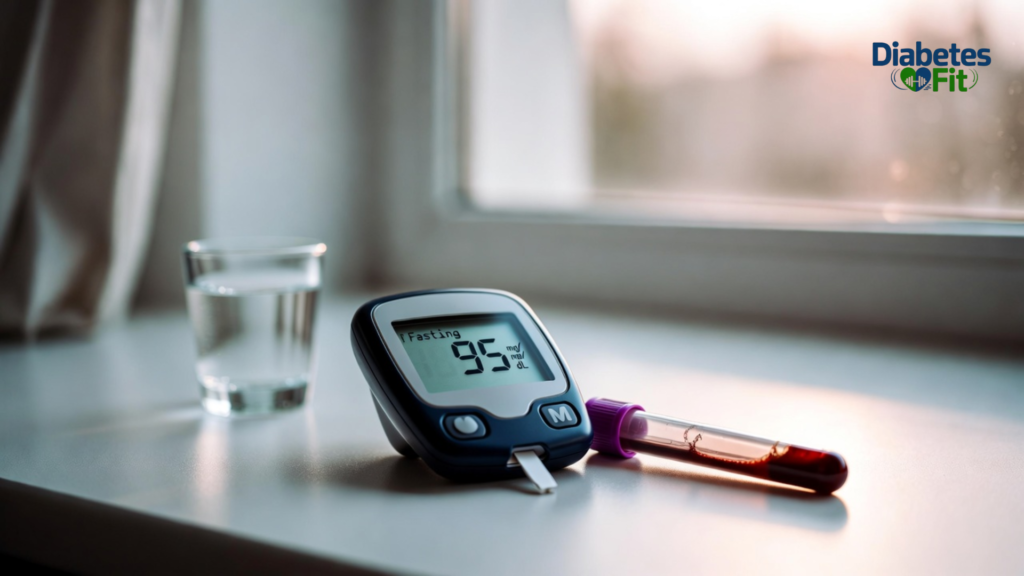
What it measures: Your blood sugar level after an overnight fast — used to diagnose diabetes and prediabetes.
Eating rules:
- Fast for 8–12 hours before the test
- Nothing to eat or drink except plain water during the fast
- What you eat the day and evening before matters — see the recommended pre-test meal guide below
- Schedule for early morning so the fast overlaps with sleep
Normal fasting results:
- Normal: 70–99 mg/dL
- Prediabetes: 100–125 mg/dL
- Diabetes: 126 mg/dL or above
One-Hour Glucose Challenge Test (GCT)
What it measures: How your body handles a 50g glucose drink — primarily used to screen for gestational diabetes in pregnancy. This test does NOT require fasting.
Eating rules:
- You can eat normally before this test in most protocols
- However, many doctors and labs recommend avoiding extremely high-sugar foods and refined carbohydrates for two to three hours immediately before the test
- A balanced, moderate meal two to three hours before is ideal
- Knowing what to eat before a glucose test screening of this type makes the experience much smoother
Results interpretation:
- Below 140 mg/dL one hour after glucose drink: normal (pass)
- 140 mg/dL or above: requires follow-up three-hour OGTT
Three-Hour Oral Glucose Tolerance Test (OGTT)
What it measures: A detailed assessment of how your body processes glucose over three hours — used to diagnose gestational diabetes and sometimes Type 2 diabetes.
Eating rules:
- Three days before the test: Eat at least 150g of carbohydrates daily — this is critical and often not explained
- Fast for 8–12 hours before the morning of the test
- No smoking, no exercise, no food during the three-hour test period
Why the three-day carb loading matters:
This surprises most people. Eating very low carbohydrate in the days before an OGTT causes your body to down-regulate the glucose transporters and insulin secretion mechanisms it uses to handle carbohydrates. When you then drink a concentrated glucose solution, your body responds poorly, not because you have diabetes, but because it has not handled a significant amount of carbohydrate in days. This produces a false positive for impaired glucose tolerance.
The three-day pre-test protocol of 150g+ carbohydrates daily ensures your glucose-handling machinery is properly primed.
What to Eat Before a Glucose Test: The 3-Day Pre-Test Meal Guide
For any glucose test requiring preparation — particularly the OGTT — the three days before the test matter as much as the fasting period itself.
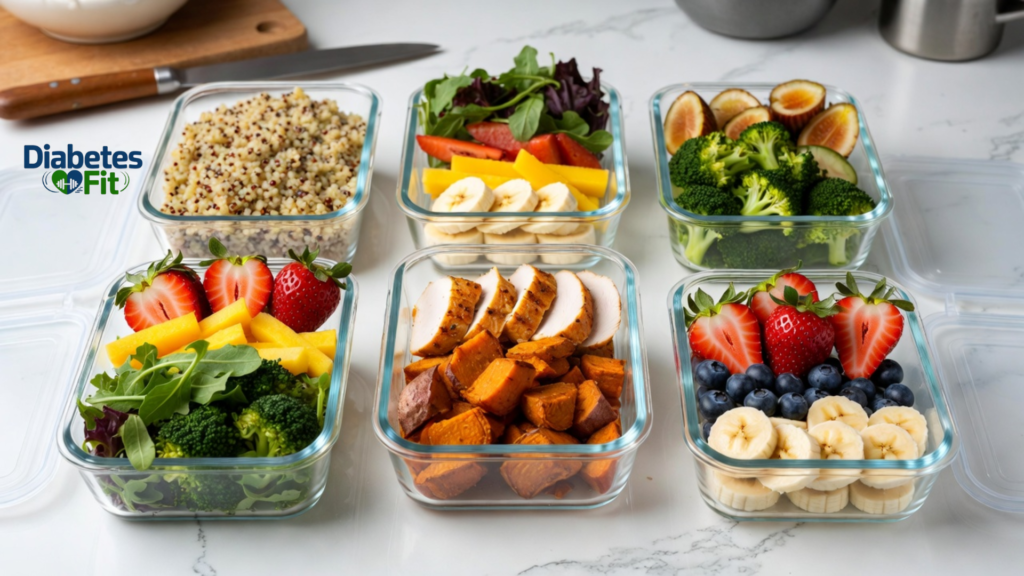
Day 3 Before the Test (72 Hours Out)
Goal: Normal, balanced eating. No extremes in either direction.
Breakfast:
- Rolled oats with fresh berries and a tablespoon of chia seeds
- One boiled egg
- A glass of plain water or herbal tea
Lunch:
- Grilled chicken or fish with brown rice (½ cup cooked)
- Large mixed vegetable salad with olive oil dressing
- Fresh fruit (apple or pear)
Dinner:
- Baked salmon or lean beef with sweet potato (medium)
- Steamed broccoli and carrots
- Water
What to avoid this day:
- Sugary drinks, desserts, and fast food
- Excessive alcohol (ideally none for 72 hours before)
- Very high-fat meals slow digestion
Day 2 Before the Test (48 Hours Out)
Goal: Continue balanced eating. Ensure adequate carbohydrate intake (150g minimum for OGTT prep).
Breakfast:
- Two slices of whole-grain toast with natural peanut butter
- Plain Greek yogurt with blueberries
- Black coffee (no sugar) or herbal tea
Lunch:
- Lentil soup (lentils are excellent — high fiber, moderate GI, adequate carbs)
- Whole-grain roll
- Sliced cucumber and cherry tomatoes
Dinner:
- Grilled chicken with quinoa (¾ cup cooked) and roasted vegetables
- Small apple or pear for dessert
Carbohydrate count check: Oats + toast + yogurt + lentils + roll + quinoa + fruit = approximately 160–180g carbohydrates. This meets the 150g minimum for OGTT preparation without overloading sugar.
Day 1 Before the Test (Last Day of Eating)
This is the most critical day for understanding what to eat before the glucose test, as accuracy depends on it.
Goal: Eat balanced, moderate meals. Have your last meal or snack 8–12 hours before your test appointment time.
If your appointment is at 8 am, stop eating by 8 pm.
Recommended last meal before fasting begins:
This meal should be:
- Moderate in carbohydrates (30–45g)
- High in protein and fiber (to slow digestion and keep you feeling full overnight)
- Low in sugar and refined carbohydrates
- Not excessively fatty (fat slows gastric emptying in ways that can affect morning glucose)
Ideal last meal examples:
| Meal Option | Carbs | Protein | Why It Works |
| Grilled chicken + sweet potato + salad | 35g | 32g | Balanced, slow-digesting |
| Baked salmon + brown rice (½ cup) + broccoli | 38g | 30g | Omega-3s, moderate carbs |
| Lentil soup + whole grain bread (1 slice) | 42g | 18g | High fiber slows digestion |
| Turkey + quinoa + roasted vegetables | 36g | 28g | Complete protein, complex carbs |
| Egg + vegetable stir-fry + small sweet potato | 30g | 20g | Low GI, high satiety |
What NOT to eat as your last meal before fasting:
- Pizza, pasta, or white rice (high GI, rapid glucose spike)
- Desserts, ice cream, or sweetened foods
- Alcohol — affects liver glucose regulation for hours
- Very greasy or fried food — slows digestion in unpredictable ways
- Large amounts of fruit or dried fruit
What to Eat Before the One-Hour Glucose Challenge Test
The one-hour glucose challenge test (GCT) used in pregnancy screening has the most flexibility, but flexibility does not mean anything goes.
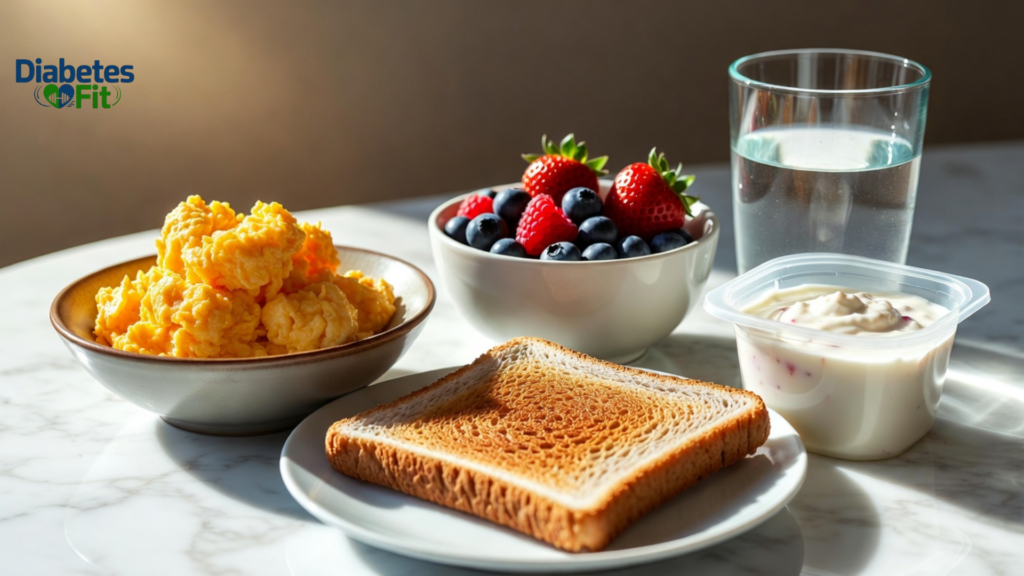
Most protocols for this test do not require fasting. However, knowing what to eat before a glucose test of this type specifically can meaningfully affect whether you pass or need the follow-up three-hour test.
Research insight: A study published in the Journal of Midwifery and Women’s Health found that women who ate a high-sugar breakfast before a one-hour GCT were significantly more likely to have elevated results (140 mg/dL or above) compared to women who ate a balanced, lower-glycemic meal — even though technically both groups were following the “no fasting required” protocol.
Best meal to eat 2–3 hours before the one-hour GCT:
- Protein-forward: Eggs, Greek yogurt, cottage cheese, or chicken
- Low glycemic carbs: Whole grain toast (one slice), oatmeal, or sweet potato in small amounts
- No high-sugar foods: No juice, no sugary cereal, no pastries, no fruit alone without protein
Ideal pre-GCT breakfast examples:
- Two scrambled eggs + one slice whole grain toast + small apple
- Plain Greek yogurt + ½ cup berries + 1 tablespoon chia seeds
- Oatmeal (plain rolled oats) + almond butter + cinnamon + fresh blueberries
- Cottage cheese + sliced cucumber + one piece of whole fruit
What to avoid in the 2–3 hours before a one-hour GCT:
- Orange juice or any fruit juice
- Sweetened cereals or instant oatmeal packets
- Pastries, muffins, bagels with cream cheese and jam
- Banana or dried fruit alone (high natural sugar without protein buffer)
- Sweetened yogurt or flavored dairy products
- Sports drinks, soda, or sweetened coffee
Foods to Absolutely Avoid Before Any Glucose Test
Regardless of which glucose test you are having, certain foods should be avoided in the 24–48 hours before the test whenever possible.
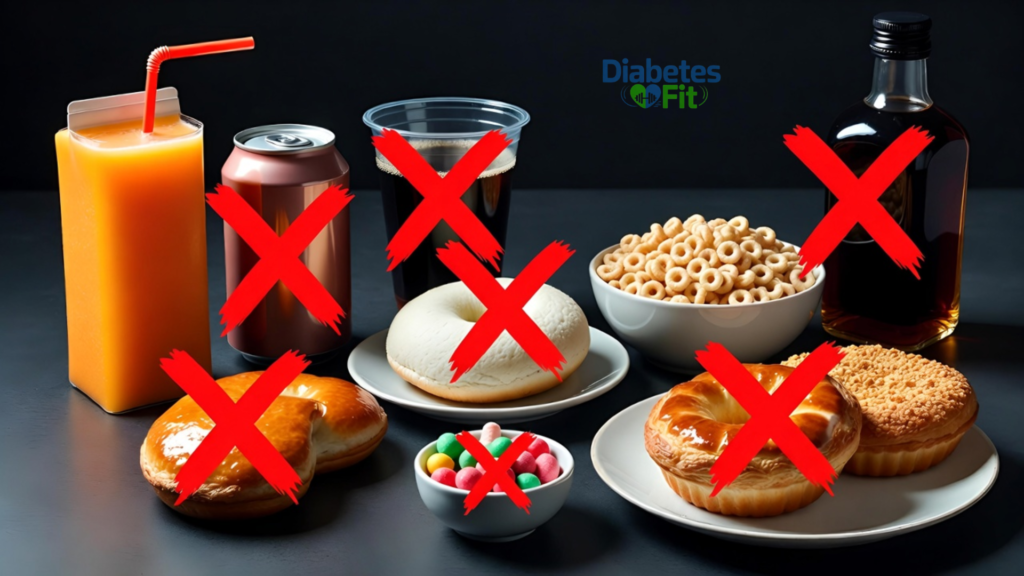
High-Sugar Foods to Avoid
| Food | Why It’s Problematic | How Long Does It Affect Blood Sugar |
| Regular soda (12oz) | 39g sugar, instant spike | 2–3 hours |
| Orange juice (8oz) | 26g sugar, no fiber | 2–3 hours |
| White bagel with jam | 65g+ refined carbs | 3–4 hours |
| Sweetened cereal bowl | 30–40g sugar + refined carbs | 2–3 hours |
| Candy or sweets | Pure concentrated sugar | 1–2 hours |
| Fruit juice smoothie | 40–60g sugar, liquid absorption | 1–2 hours |
| Pancakes with syrup | 80–100g carbs, high GI | 4–5 hours |
| Commercial energy drinks | 25–35g sugar + stimulants | 2–3 hours |
Lifestyle Factors That Affect Glucose Test Results
Beyond food choices, several lifestyle factors affect your glucose test accuracy:
Exercise before the test:
- Vigorous exercise within 24 hours before a fasting glucose test can temporarily lower blood glucose — potentially masking prediabetes or producing a falsely low result
- Light activity (gentle walking) is generally acceptable
- Avoid strenuous exercise, heavy lifting, or intense cardio for 24 hours before any glucose test
Sleep quality:
- Even one night of poor sleep raises fasting blood glucose by 10–20 mg/dL in many people
- Cortisol released during poor sleep directly raises glucose levels
- Prioritize 7–8 hours of sleep the night before your glucose test
Stress levels:
- Acute psychological stress raises blood glucose through cortisol and adrenaline release
- If possible, avoid scheduling your glucose test during an acutely stressful period
- Simple, calm breathing exercises in the waiting room can help normalize stress hormones before the draw
Illness:
- Any active illness — cold, flu, infection — significantly raises blood glucose through the inflammatory stress hormone.s
- If you are sick on your test day, it is worth contacting your doctor to discuss whether rescheduling makes more sense than testing while ill.
What You Can Drink Before a Glucose Test
Hydration is always permitted and encouraged. Understanding what to eat before glucose test preparation includes knowing what to drink.
Always permitted:
- Plain still water — drink freely; staying hydrated makes blood draws easier and does not affect results
- Plain sparkling water without flavoring or sweeteners
Sometimes permitted (ask your specific lab):
- Plain black coffee — technically minimal calories but can raise cortisol and glucose modestly; many labs say it is acceptable for lipid panels but not glucose tests. When in doubt, skip it
- Plain herbal tea with nothing added
Never permitted during a glucose test fast:
- Coffee with milk, cream, sugar, or flavoring
- Any juice or fruit-infused water
- Sweetened beverages of any kind
- Alcohol — avoid for at least 24 hours before
- Sports drinks or electrolyte drinks with sugar
Practical Tips to Prepare for Your Glucose Test
Book the Earliest Morning Appointment Available
Scheduling your glucose test for 7 am–8:30 am means your fast overlaps almost entirely with sleep. You eat your last meal at 8 p.m., sleep, and arrive at the lab before hunger becomes an issue. Afternoon glucose test appointments require fasting through your most active and hungry hours — making accidental eating far more likely.
Prepare and Plan Your Pre-Test Meals in Advance
Do not leave pre-test eating to chance. Decide what you are having for dinner the night before and have the ingredients ready. A planned meal takes the decision-making pressure off when you are busy, tired, or stressed.
Tell Your Doctor About All Medications and Supplements
Several medications and supplements affect glucose test results:
- Corticosteroids (prednisone) — raise blood glucose significantly
- Beta-blockers — can mask hypoglycemia symptoms and affect glucose regulation
- Biotin supplements (common in hair and nail vitamins) — high doses interfere with several lab assays
- Niacin — raises blood glucose at high therapeutic doses
- Certain antidepressants and antipsychotics affect glucose metabolism
Always give your doctor a complete list of everything you take — prescription, over-the-counter, and supplement — before any glucose test.
Real-Life Example
Maria, 29 weeks pregnant, was scheduled for a one-hour glucose challenge test at 10 am. Not knowing what to eat beforea glucose test of this type, she had her usual breakfast — a large glass of orange juice, a flavored yogurt, and a banana — at 8:30 am. Her one-hour result came back at 158 mg/dL, triggering a follow-up three-hour OGTT. The three-hour test came back completely normal. Her midwife later explained that her breakfast — essentially 70g of sugar in liquid and fruit form — had temporarily elevated her response to the glucose drink, producing a false positive screening result.
If Maria had known what to eat before the glucose test screening — two scrambled eggs with whole grain toast and berries — she likely would have passed the one-hour screening and avoided an additional three-hour test.
Summary: What to Eat Before Ga lucose Test by Test Type
| Test Type | Fasting Required | What to Eat Before | What to Avoid |
| Fasting Glucose | 8–12 hours fast | Balanced dinner the night before | Sugar, alcohol, fatty foods |
| One-Hour GCT | No fasting required | Balanced protein + low-GI carb meal 2–3 hrs before | Juice, sweet breakfast, candy |
| Three-Hour OGTT | 8–12 hour fast + 3 days 150g carbs/day | Balanced eating for 3 days | Low-carb diet, sugar extremes |
| HbA1c | No fasting needed | Eat normally | Nothing specific to avoid |
| Random Glucose | No fasting needed | Normal eating | Nothing specific |
Conclusion
Understanding what to eat before glucose test preparation is genuinely one of the most impactful things you can do for your health — because accurate glucose test results lead to accurate diagnoses, appropriate treatment decisions, and ultimately better long-term outcomes.
The key principles are consistent across all test types: avoid sugar and refined carbohydrate extremes, eat balanced meals with protein and fiber, maintain adequate carbohydrate intake in the days before an OGTT, fast properly for fasting glucose tests, stay well-hydrated, skip alcohol, and schedule morning appointments.
Knowing what to eat before glucose test day also reduces the anxiety that almost everyone feels before a medical test. When you are prepared, you feel in control — and that calm state actually produces more accurate results by reducing the cortisol that can elevate glucose.
What to eat before a glucose test preparation does not need to be complicated or stressful. Follow the guidance in this article, plan your meals, confirm your specific test requirements with your lab or doctor, and walk in knowing you have done everything right.
If you are unsure about your specific test protocol, call your doctor’s office or lab the day before your appointment. One quick phone call confirms you are fully prepared and eliminates any remaining guesswork.
For additional tips and insights about preparing for the test, you can also read this helpful article on What to Expect.
Frequently Asked Questions
What should I eat the night before a fasting glucose test?
The ideal dinner the night before a fasting glucose test is moderate in carbohydrates (30–45g), high in protein and fiber, and low in sugar and refined carbs. Good choices include grilled chicken with sweet potato and salad, baked salmon with brown rice and vegetables, or lentil soup with one slice of whole grain bread. Avoid alcohol, sugary foods, very fatty meals, and white rice or pasta. Finish eating 8–12 hours before your appointment time and drink only plain water after that.
Can I eat before a one-hour glucose test?
Yes — the one-hour glucose challenge test (GCT) typically does not require fasting. However, what you eat matters significantly. Eat a balanced, protein-rich, low-glycemic meal two to three hours before the test. Avoid juice, sweetened cereal, pastries, fruit alone, and any high-sugar food in the two to three hours before your appointment. These foods can falsely elevate your one-hour result and trigger an unnecessary follow-up three-hour test.
What foods should I avoid before a glucose tolerance test?
Avoid high-sugar foods and drinks for 24–48 hours before any glucose test, where possible — particularly fruit juice, regular soda, sweetened cereal, candy, pastries, alcohol, and white bread or rice in large quantities. For the three-hour OGTT specifically, also avoid eating verylow-carbohydrate foodse in the three days before the test, as this impairs your body’s glucose-handling ability and can produce a false positive result.
Does coffee affect a glucose test?
Plain black coffee can modestly raise blood glucose by stimulating cortisol release. For a fasting glucose test specifically, it is safest to skip coffee entirely during the fasting window to ensure an accurate baseline reading. For the one-hour glucose challenge test (non-fasting), a small amount of plain black coffee two or more hours before is less likely to be problematic — but when in doubt, call your lab to confirm their specific policy.
How many carbs should I eat before a glucose tolerance test?
For the three-hour oral glucose tolerance test (OGTT), eat at least 150 grams of carbohydrates daily for the three days immediately before the test. This is medically recommended to ensure your body’s glucose-processing mechanisms are properly active. Eating too few carbohydrates in the days before an OGTT impairs insulin secretion and glucose transport, which can produce a false positive result for impaired glucose tolerance or gestational diabetes.
What happens if I eat sugar before a glucose test?
Eating sugar or high-glycemic foods before a fasting glucose test will falsely elevate your fasting blood glucose reading, potentially producing a false positive for prediabetes or diabetes. Before a one-hour glucose challenge, a sugary breakfast can push your one-hour reading above the 140 mg/dL threshold and trigger an unnecessary three-hour follow-up test. If you accidentally ate something sugary before a fasting glucose test, tell your phlebotomist immediately so the result can be interpreted or the test rescheduled.
Can I drink water before a glucose test?
Yes — always. Plain water does not affect any glucose test and should be consumed freely before your appointment. Staying well-hydrated makes veins easier to find, makes the blood draw more comfortable, and does not alter glucose readings. Drink a full glass of water when you wake up before a fasting glucose test, even if you cannot eat. Only plain water is permitted — no flavored, sweetened, or carbonated beverages with additives.

David Miller is a health and wellness writer focused on diabetes awareness, blood sugar control, and healthy living. He creates clear, practical content to help readers make better everyday health choices.