Which Diabetes Is Worse: Type 1 or Type 2 Explained
When people ask “which diabetes is worse, 1 or 2,” they’re often looking for a straightforward answer to help them understand these two distinct conditions.
The truth is that both type 1 and type 2 diabetes are serious chronic diseases that require lifelong management, but they differ significantly in their causes, progression, and treatment approaches.
Neither form of diabetes should be considered “easy” or “mild,” as both can lead to severe complications if left unmanaged.
However, understanding the unique challenges of each type can help patients, families, and caregivers navigate their diabetes journey more effectively and make informed decisions about their health.
Understanding Type 1 Diabetes
Type 1 diabetes is an autoimmune condition where the body’s immune system mistakenly attacks and destroys the insulin-producing beta cells in the pancreas. This means people with type 1 diabetes produce little to no insulin on their own. Insulin is the hormone that allows glucose to enter cells and be used for energy, so without it, blood sugar levels rise dangerously high.
Type 1 diabetes typically develops in childhood or adolescence, though it can occur at any age. It accounts for about 5-10% of all cases of diabetes. The onset is usually sudden, with symptoms appearing over weeks or months. These symptoms include excessive thirst, frequent urination, unexplained weight loss, extreme hunger, and fatigue.
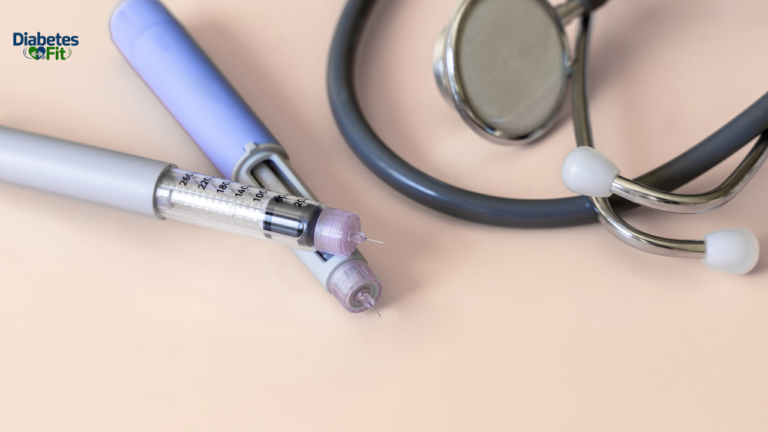
Because the pancreas produces no insulin, people with type 1 diabetes must take insulin every single day to survive. This isn’t optional or something they can manage with lifestyle changes alone. They need to monitor their blood sugar levels multiple times daily, calculate insulin doses based on food intake and activity levels, and constantly balance these factors to maintain healthy blood glucose levels.
The daily reality of type 1 diabetes involves careful planning around every meal, managing insulin delivery through injections or an insulin pump, and dealing with the risk of both high blood sugar (hyperglycemia) and dangerously low blood sugar (hypoglycemia). Severe hypoglycemia can lead to confusion, seizures, or loss of consciousness, requiring immediate treatment.
Understanding Type 2 Diabetes
Type 2 diabetes develops when the body becomes resistant to insulin or when the pancreas gradually loses its ability to produce enough insulin. Unlike type 1, this process happens gradually, often over many years. Type 2 diabetes is far more common, accounting for about 90-95% of all diabetes cases.
This form of diabetes is strongly linked to lifestyle factors including obesity, physical inactivity, and poor diet, though genetics also play a significant role. It typically develops in adults over age 45, but increasingly, younger people and even children are being diagnosed due to rising obesity rates.
The symptoms of type 2 diabetes often develop slowly and can be so mild that people don’t notice them for years. Many individuals are diagnosed during routine health screenings. Early symptoms mirror those of type 1 diabetes but develop more gradually: increased thirst and urination, fatigue, blurred vision, slow-healing wounds, and frequent infections.
In the early stages, type 2 diabetes can often be managed through lifestyle modifications, including weight loss, healthy eating, and regular exercise. Many people also take oral medications that help their bodies use insulin more effectively or stimulate the pancreas to produce more insulin. However, as the condition progresses, some people with type 2 diabetes eventually require insulin injections as well.
Comparing the Challenges
When considering which type of diabetes is worse, we need to look at several factors, including management complexity, health risks, and quality of life impacts.
Immediate Management Burden: Type 1 diabetes requires more intensive daily management from the moment of diagnosis. There’s no honeymoon period where lifestyle changes might be enough. Every person with type 1 diabetes must use insulin and monitor blood sugar frequently. This creates a significant mental and emotional burden, especially for children and their families.
Type 2 diabetes, particularly in early stages, may be managed with lifestyle changes and oral medications, making the immediate burden potentially lighter. However, this can be deceptive because it may lead some people to take their condition less seriously.
Long-term Complications: Both types of diabetes can lead to serious complications, including heart disease, stroke, kidney disease, vision problems, nerve damage, and poor circulation that can lead to amputations. The risk of these complications is related to how well blood sugar is controlled over time, not which type of diabetes someone has.
Studies suggest that people with type 1 diabetes may face complications earlier in life simply because they’ve often had the disease longer, having been diagnosed in childhood. However, people with type 2 diabetes are often older at diagnosis and may have other health conditions like high blood pressure and high cholesterol that compound their risk.
Life Expectancy: Research indicates that type 1 diabetes may reduce life expectancy more significantly than type 2 diabetes, with some studies suggesting people with type 1 may live 8-13 years less than those without diabetes. However, this gap has been narrowing with improved treatments and technologies. Type 2 diabetes also reduces life expectancy, typically by about 10 years when diagnosed in middle age, though this varies widely based on management and other health factors.
Psychological Impact: The constant vigilance required for type 1 diabetes management can lead to diabetes burnout, anxiety, and depression. The fear of hypoglycemia, especially during sleep, creates ongoing stress. Children with type 1 diabetes and their parents often struggle with the burden of management and feeling different from their peers.
Type 2 diabetes carries its own psychological challenges, including stigma and blame. Many people incorrectly believe type 2 diabetes is entirely preventable and results from personal failure, leading to shame and reluctance to seek help. The progressive nature of type 2 diabetes can also be demoralizing as medications that once worked become less effective.
The Progression Factor
One crucial difference is that type 2 diabetes is progressive. Even with good management, the pancreas typically continues to lose function over time, meaning treatment must be intensified. What starts as lifestyle management may progress to oral medications, then combination therapy, and eventually insulin.
Type 1 diabetes, while requiring insulin from day one, has a more stable management approach. The treatment doesn’t necessarily become more complex over time, though complications may develop if blood sugar control isn’t maintained.
Treatment Advances
Technology has revolutionized type 1 diabetes management. Continuous glucose monitors (CGMs) that track blood sugar in real-time, insulin pumps that deliver insulin automatically, and even hybrid closed-loop systems that adjust insulin delivery based on CGM readings have dramatically improved quality of life and outcomes.
These technologies are increasingly being used for type 2 diabetes as well, but they’re not yet as universally necessary or available. Type 2 diabetes treatment has also advanced with newer medications that not only lower blood sugar but also protect the heart and kidneys and promote weight loss.
Prevention and Reversal Possibilities
A key distinction is that type 2 diabetes can often be prevented through lifestyle modifications and, in some cases, can be put into remission through significant weight loss and lifestyle changes. Some people with type 2 diabetes who lose substantial weight through diet, exercise, or bariatric surgery can achieve normal blood sugar levels without medication, though they must maintain these changes to stay in remission.
Type 1 diabetes cannot be prevented or reversed. Once the insulin-producing cells are destroyed, they cannot regenerate with current medical knowledge. This means people with type 1 diabetes will require insulin for life.
The Financial Burden
Both types of diabetes create significant financial burdens, but the costs differ. Type 1 diabetes requires expensive insulin and supplies daily, with costs potentially reaching thousands of dollars monthly without insurance. The newer technologies like CGMs and insulin pumps, while life-changing, add to expenses.
Type 2 diabetes medications vary widely in cost, and early-stage management focusing on lifestyle may have lower direct medical costs. However, the cumulative cost of managing type 2 diabetes over many years, including treatment for related conditions and complications, can equal or exceed that of type 1 diabetes.
Conclusion
So, which diabetes is worse, 1 or 2? The answer isn’t simple because both conditions present serious challenges and risks. Type 1 diabetes demands immediate, intensive, lifelong management with no breaks and no possibility of remission. The daily burden is heavy, particularly for children and families, and the technology dependency can be overwhelming.
Type 2 diabetes, while potentially easier to manage initially, affects far more people and is linked to a cascade of other health problems. Its progressive nature means management becomes more complex over time, and the potential for prevention makes each case represent a missed opportunity for intervention.
Rather than asking which is worse, the better question might be: How can we provide better support, resources, and understanding for everyone living with diabetes, regardless of type? Both conditions deserve respect, proper treatment, and compassionate care. Neither should be minimized or stigmatized.
What truly determines outcomes isn’t which type someone has, but how well they manage their condition with the support of healthcare providers, access to medications and technology, and the understanding of their community. Both types of diabetes are serious, both are challenging, and both require our full attention and commitment to management for the best possible quality of life.
Frequently Asked Questions
Can type 2 diabetes turn into type 1 diabetes?
No, type 2 diabetes cannot turn into type 1 diabetes. They are distinct conditions with different causes. However, some people with type 2 diabetes eventually require insulin treatment, which doesn’t mean they’ve developed type 1 diabetes—their type 2 diabetes has simply progressed to the point where insulin is necessary.
Which type of diabetes is more dangerous?
Both types can be equally dangerous if not properly managed. Both can lead to the same serious complications including heart disease, kidney failure, vision loss, and nerve damage. The danger level depends more on blood sugar control than on which type of diabetes you have.
Is type 1 diabetes genetic?
Type 1 diabetes has a genetic component, but it’s not inherited simply. If a parent has type 1 diabetes, their child has about a 4-6% chance of developing it. Environmental factors and immune system triggers also play important roles in who develops type 1 diabetes.
Can you reverse type 1 diabetes?
Currently, type 1 diabetes cannot be reversed or cured. Research is ongoing into treatments like islet cell transplantation and immune therapies, but at present, people with type 1 diabetes require lifelong insulin therapy.
Do people with type 2 diabetes need insulin?
Not everyone with type 2 diabetes needs insulin, especially in the early stages when lifestyle changes and oral medications may be sufficient. However, because type 2 diabetes is progressive, many people eventually require insulin as their pancreas produces less over time. Needing insulin doesn’t mean management has failed—it’s often a natural progression of the condition.

David Miller is a health and wellness writer focused on diabetes awareness, blood sugar control, and healthy living. He creates clear, practical content to help readers make better everyday health choices.