8 Simple Snacks to Eat for Low Blood Sugar
Low blood sugar, medically known as hypoglycemia, can leave you feeling shaky, dizzy, confused, and downright miserable. Whether you’re managing diabetes, dealing with irregular meal schedules, or simply experiencing an unexpected blood sugar drop, having the right snacks on hand can make all the difference. The key is choosing foods that provide quick energy while also offering sustained fuel to prevent another crash.
When your blood sugar dips below normal levels, your body sends urgent signals that something’s wrong. You might experience trembling hands, sudden sweating, irritability, or that foggy-headed feeling that makes it hard to concentrate. In these moments, reaching for the right snack isn’t just about satisfying hunger—it’s about giving your body exactly what it needs to recover quickly and safely.
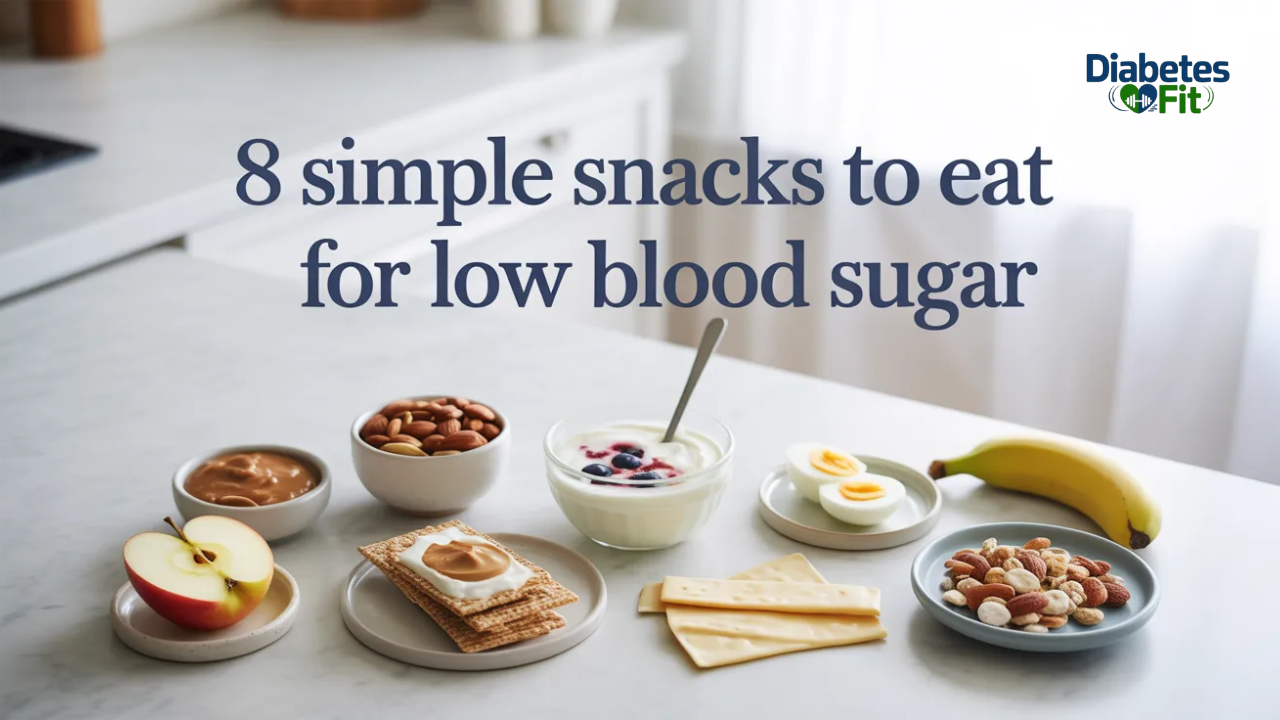
The best snacks to eat for low blood sugar strike a careful balance. They should contain fast-acting carbohydrates to raise blood sugar levels promptly, but ideally also include protein or healthy fats to prevent another sudden drop. Let’s explore eight simple, effective options that can help you manage low blood sugar episodes with confidence.
1. Apple Slices with Peanut Butter
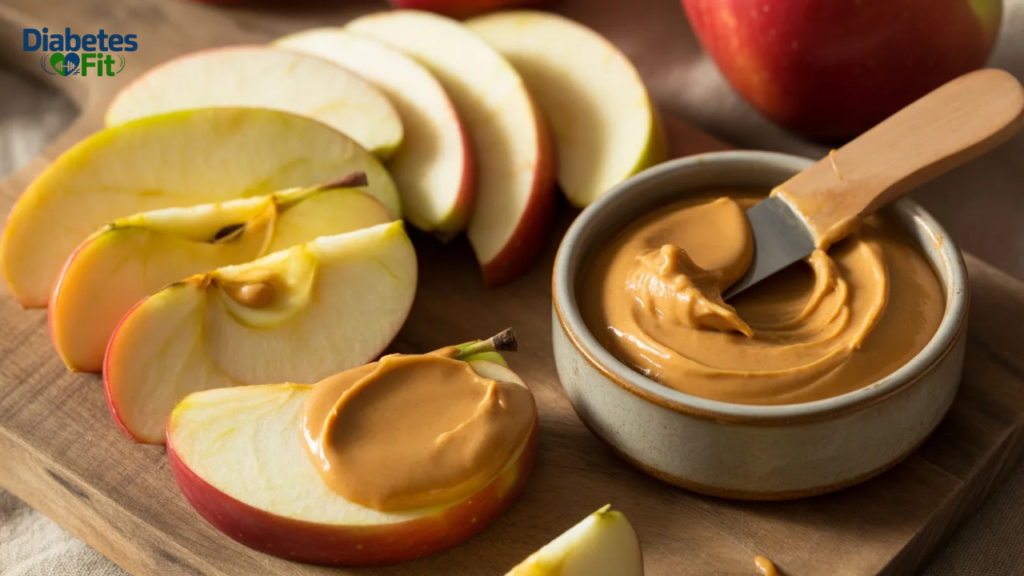
This classic combination is one of the most reliable snacks to eat for low blood sugar. The apple provides natural sugars and easily digestible carbohydrates that work quickly to raise blood glucose levels. Meanwhile, the peanut butter adds protein and healthy fats that slow down digestion and provide staying power.
What makes this pairing so effective is the synergy between its components. The fruit’s natural sugars hit your bloodstream relatively quickly, addressing the immediate problem. The protein in peanut butter—roughly 4 grams per tablespoon—helps stabilize those levels over the next hour or two. This prevents the rollercoaster effect where you feel better briefly, only to crash again.
To prepare this snack, simply slice a medium apple and pair it with one to two tablespoons of peanut butter. If you’re sensitive to peanuts, almond butter or cashew butter work just as well. For an extra touch, sprinkle a few raisins on top for additional quick-acting carbohydrates during more severe low blood sugar episodes.
2. Greek Yogurt with Berries and Honey
Greek yogurt stands out among snacks to eat for low blood sugar because it delivers an impressive protein punch—typically around 15-20 grams per serving—while still providing carbohydrates for immediate energy. The addition of fresh berries and a drizzle of honey creates a perfect trifecta of quick sugars, sustained energy, and valuable nutrients.
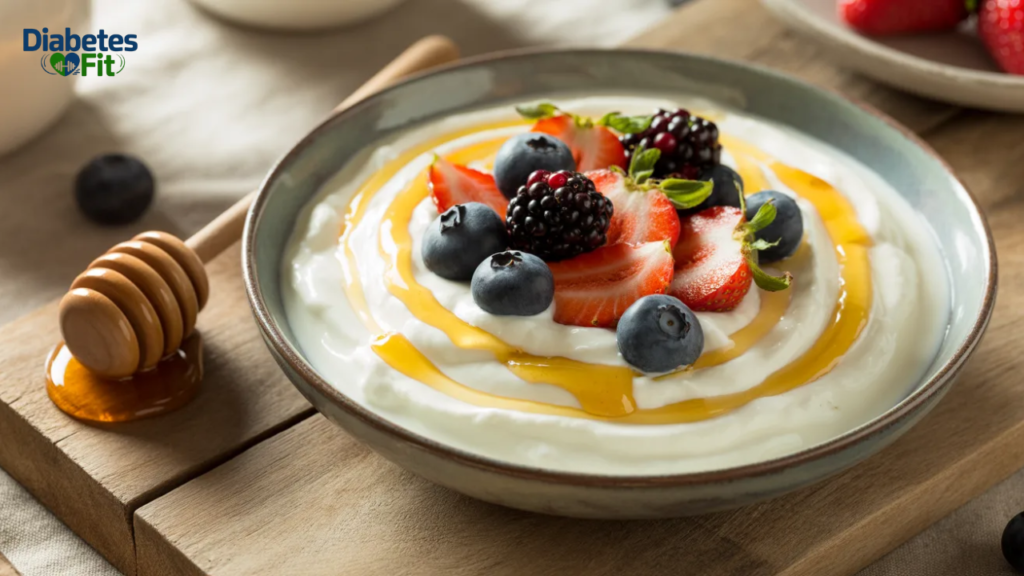
Berries like strawberries, blueberries, or raspberries contain natural sugars alongside fiber, which helps moderate the speed at which those sugars enter your bloodstream. The honey provides fast-acting glucose when you need it most. Meanwhile, the thick, creamy Greek yogurt digests more slowly, keeping your blood sugar stable long after the initial spike.
This snack is incredibly versatile and portable. You can prepare it fresh or pack it in a small container for on-the-go situations. A serving size of about three-quarters cup of yogurt with a handful of berries and one teaspoon of honey hits that sweet spot between effective and not overdoing the sugar intake.
3. Whole Grain Crackers with Cheese
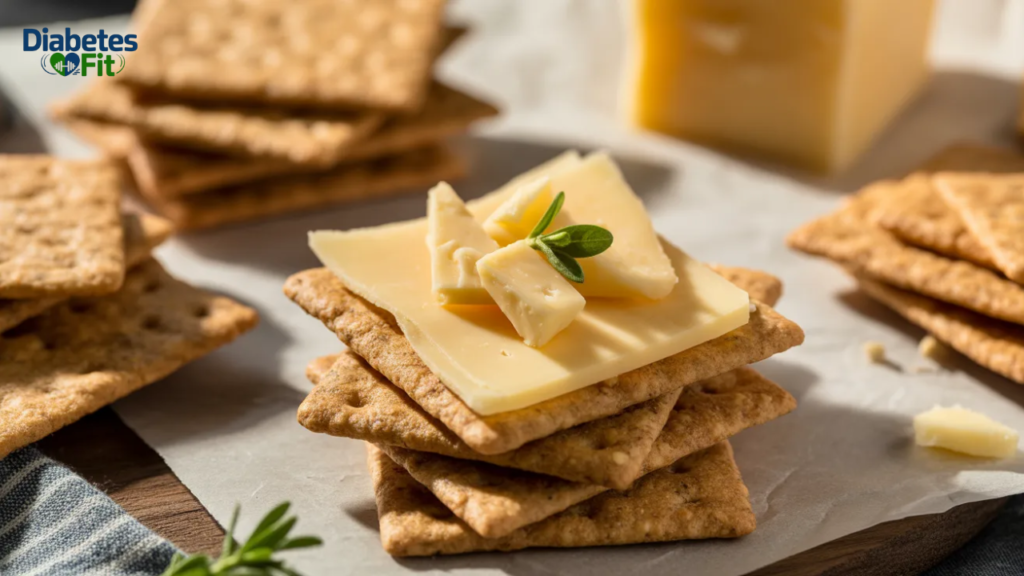
When you need something savory, whole grain crackers paired with cheese rank among the most satisfying snacks to eat for low blood sugar. The crackers provide complex carbohydrates that break down into glucose, while cheese delivers protein and fat to extend the benefits of your snack.
Choose crackers made from whole grains rather than refined white flour. Whole grains contain more fiber and nutrients, which means they provide more sustained energy without causing dramatic blood sugar fluctuations. Look for options with at least 2-3 grams of fiber per serving.
As for cheese, variety is your friend. Cheddar, mozzarella, Swiss, or even cream cheese all work beautifully. A serving of about 6-8 crackers with one to two ounces of cheese provides roughly 15-20 grams of carbohydrates and 7-10 grams of protein—an excellent ratio for managing low blood sugar effectively.
4. Banana with a Handful of Nuts
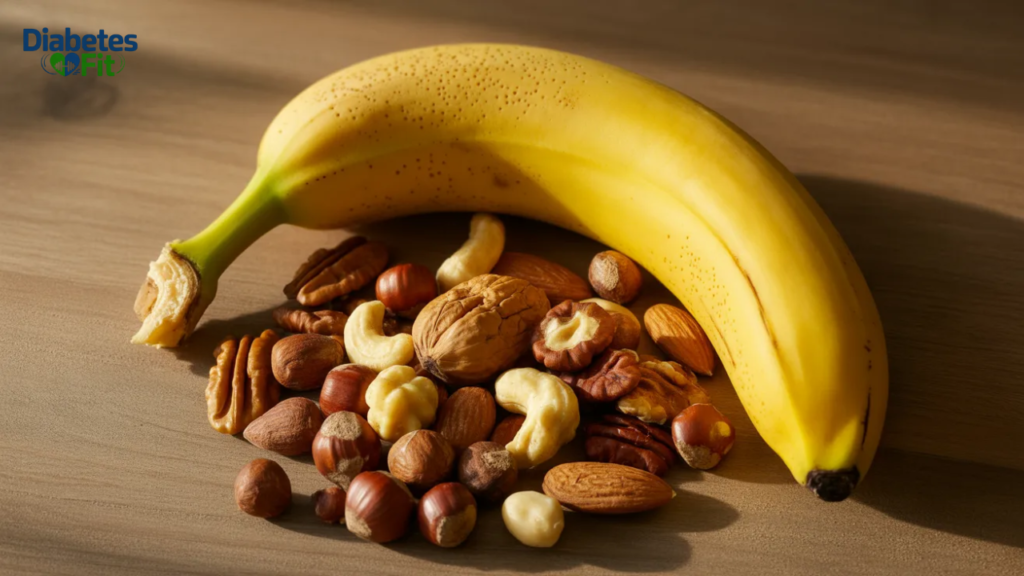
Bananas are nature’s fast-acting fuel source, making them excellent snacks to eat for low blood sugar emergencies. A medium banana contains about 27 grams of carbohydrates, including natural sugars that your body can quickly convert to energy. The fruit also provides potassium, which supports proper muscle and nerve function.
Eating a banana alone might cause a rapid spike followed by another drop, which is where nuts come in. Almonds, walnuts, cashews, or mixed nuts add protein, healthy fats, and a satisfying crunch that rounds out this snack beautifully. Just a small handful—about one ounce or roughly 23 almonds—provides enough protein and fat to stabilize your blood sugar.
This combination is incredibly convenient because it requires zero preparation. Keep bananas on your counter and a small container of nuts in your bag, car, or desk drawer. When low blood sugar strikes, you’ll have an effective solution within arm’s reach.
5. Hummus with Vegetable Sticks

Hummus with fresh vegetable sticks offers a nutrient-dense option among snacks to eat for low blood sugar. While vegetables alone won’t raise blood sugar quickly enough during a severe drop, the chickpeas in hummus provide both carbohydrates and plant-based protein that work together effectively.
Carrots, bell peppers, cucumber, and celery all make excellent dipping vehicles. If you’re experiencing a particularly low blood sugar episode, include vegetables that contain more natural sugars, like baby carrots or bell peppers, which can help raise glucose levels more quickly than options like celery.
A serving of about one-third cup of hummus with a generous portion of vegetables provides approximately 15-20 grams of carbohydrates along with fiber and protein. This snack also delivers vitamins, minerals, and antioxidants that support overall health. It’s filling enough to tide you over until your next meal while addressing the immediate concern of low blood sugar.
6. Trail Mix with Dried Fruit
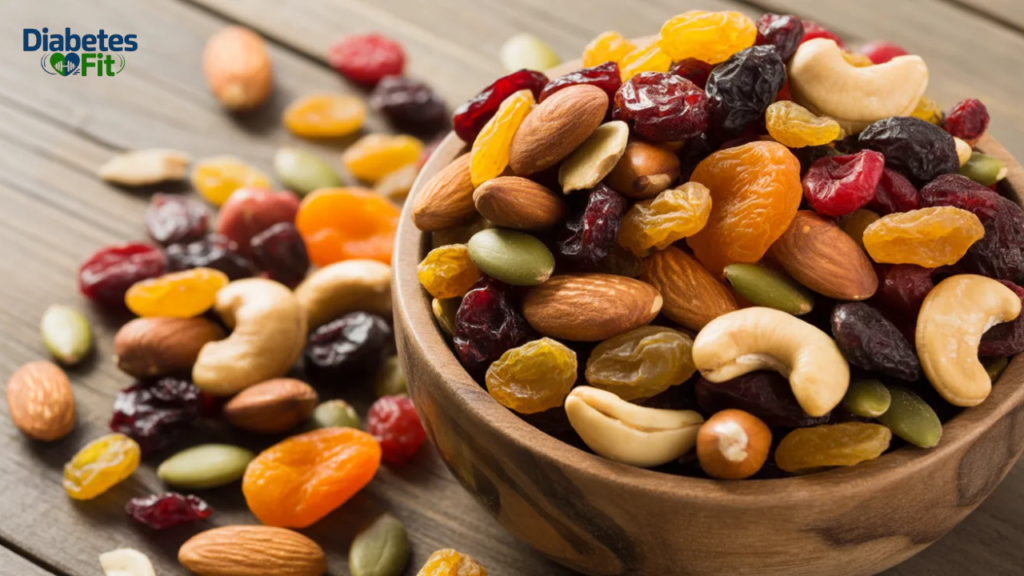
Homemade or store-bought trail mix ranks highly among snacks to eat for low blood sugar because it combines multiple effective ingredients in one convenient package. The dried fruit—raisins, cranberries, apricots, or dates—provides concentrated natural sugars for quick energy. Nuts add protein and healthy fats, while optional additions like dark chocolate chips or coconut flakes make this snack genuinely enjoyable.
The beauty of trail mix is its portability and shelf stability. You can portion it into small bags or containers and stash them everywhere—your purse, glove compartment, office drawer, or gym bag. When low blood sugar catches you off guard, you’ll have an immediate solution ready.
Be mindful of portion sizes, though. Because dried fruit is more concentrated than fresh fruit, it’s easy to consume more sugar than intended. A quarter cup serving typically provides the right balance—enough carbohydrates to address low blood sugar without overdoing it.
7. Oatmeal with Sliced Banana and Cinnamon
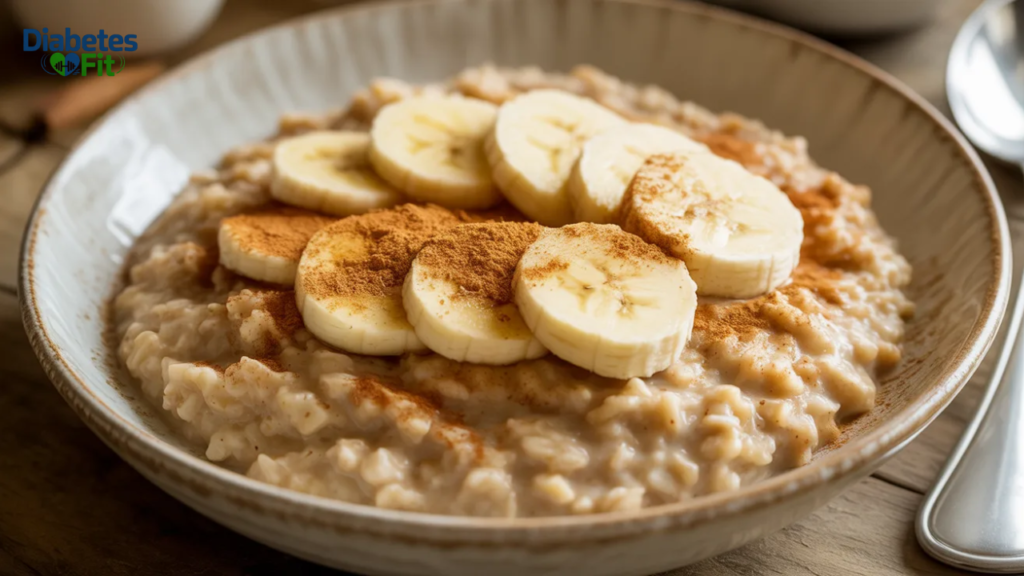
While oatmeal takes a few minutes to prepare, it’s worth considering among snacks to eat for low blood sugar, especially if you’re at home or have access to a microwave. Instant oatmeal works in a pinch, but traditional rolled oats offer more fiber and nutrients.
The oats provide complex carbohydrates that digest gradually, offering sustained energy. Adding sliced banana increases the quick-acting carbohydrate content for immediate relief. Cinnamon not only enhances flavor but some research suggests it may help improve insulin sensitivity and glucose metabolism.
For a half-cup serving of cooked oatmeal with half a banana, you’re looking at about 30-35 grams of carbohydrates. If you need extra protein, stir in a tablespoon of peanut butter or sprinkle some chopped nuts on top. This transforms your oatmeal into a more complete snack that addresses both immediate and long-term blood sugar stability.
8. Orange Juice with a Protein Bar
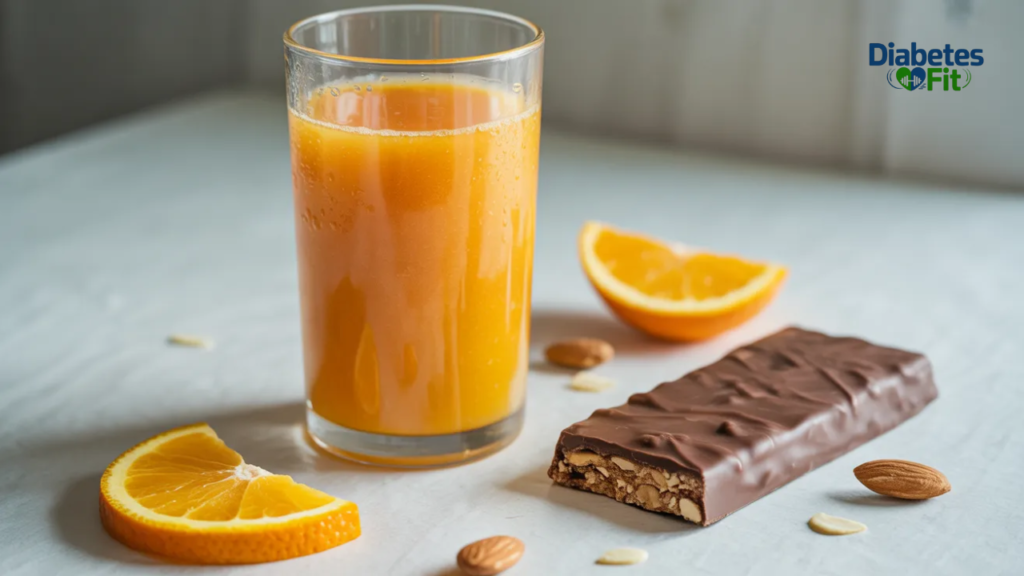
Sometimes you need the fastest-acting solution possible, and that’s where orange juice comes in. As one of the quickest snacks to eat for low blood sugar, a small glass of orange juice—about 4 to 6 ounces—can raise blood glucose levels within 15 minutes. The natural fruit sugars require minimal digestion and enter your bloodstream rapidly.
However, juice alone will likely cause another crash within an hour or so. Pairing it with a protein bar that contains at least 5-10 grams of protein creates a more balanced approach. The juice handles the emergency while the protein bar provides sustained energy.
Choose protein bars carefully, as many contain excessive added sugars or artificial ingredients. Look for options with whole food ingredients, reasonable sugar content (under 15 grams), and adequate protein. Keep a couple of these bars in locations where low blood sugar might catch you unprepared.
Understanding Your Body’s Signals
Learning which snacks to eat for low blood sugar is important, but equally crucial is recognizing when your blood sugar is dropping before it becomes a serious problem. Early symptoms include hunger, slight shakiness, mild anxiety, or difficulty concentrating. Addressing low blood sugar at this stage is much easier and safer than waiting until symptoms become severe.
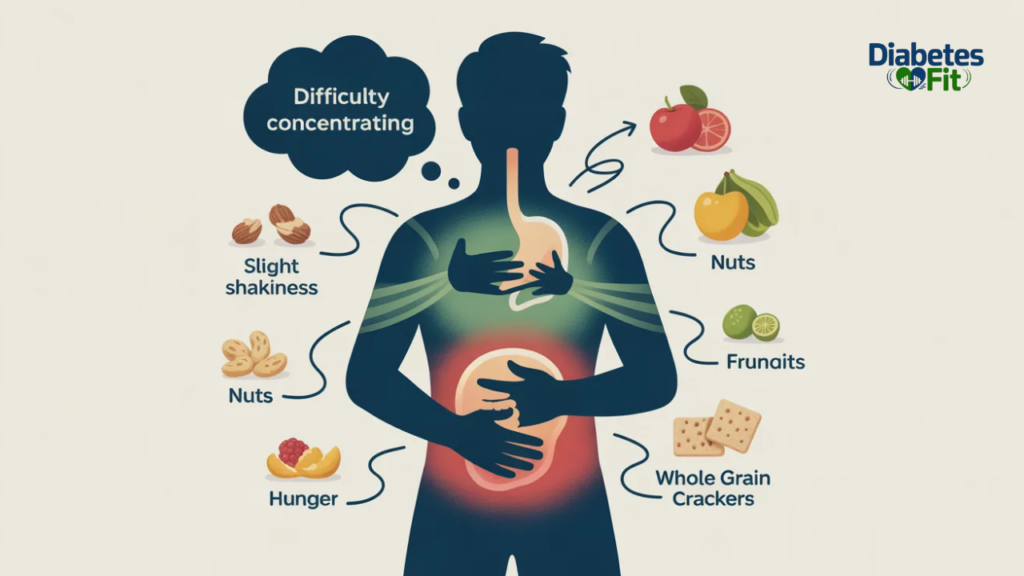
Everyone’s body responds differently to various foods, so pay attention to which of these snacks work best for you. Some people find that protein-heavy options work better, while others need more immediate carbohydrates. Keep a simple log of what you eat and how you feel afterward to identify your most effective options.
Remember that these snacks are meant to address occasional low blood sugar episodes. If you’re experiencing frequent drops in blood glucose, consult with your healthcare provider to address the underlying cause. Proper meal planning, medication management, and lifestyle adjustments can often reduce the frequency of these episodes significantly.
Having the right snacks to eat for low blood sugar readily available gives you peace of mind and helps you manage your health proactively. Stock your kitchen, office, and travel bags with these simple options, and you’ll always be prepared when your blood sugar needs a boost.
Conclusion
Managing low blood sugar doesn’t have to be complicated or stressful when you’re equipped with the right knowledge and snacks. The eight simple snacks to eat for low blood sugar we’ve explored—from apple slices with peanut butter to orange juice paired with a protein bar—offer practical, accessible solutions that you can incorporate into your daily routine with ease.
The common thread among all these options is balance. Effective low blood sugar management isn’t just about consuming sugar quickly; it’s about choosing snacks that provide immediate relief while also preventing another crash shortly afterward. By combining fast-acting carbohydrates with protein, healthy fats, or fiber, you create a sustained energy release that keeps your blood glucose levels stable for hours.
Remember that preparation is your greatest ally. Keeping these snacks readily available in your home, workplace, car, and bag means you’ll never be caught off guard by a sudden drop in blood sugar. The few minutes you spend preparing small portions or assembling these simple combinations can make the difference between a minor inconvenience and a serious health episode.
Beyond just having snacks on hand, listening to your body’s signals is essential. The more attuned you become to the early warning signs of low blood sugar, the more effectively you can intervene before symptoms become severe. This awareness, combined with smart snack choices, empowers you to maintain better control over your health and wellbeing.
If you find yourself reaching for snacks to eat for low blood sugar frequently throughout the day, it’s worth having a conversation with your healthcare provider. Persistent hypoglycemia may indicate that adjustments to your medication, meal timing, or overall treatment plan are necessary. These snacks are valuable tools for occasional management, but they shouldn’t become a constant necessity.
Ultimately, managing low blood sugar successfully is about finding what works for your unique body, lifestyle, and preferences. Experiment with these eight options, pay attention to how your body responds, and build a personalized toolkit of go-to snacks that you can rely on. With the right strategies in place, you can navigate low blood sugar episodes with confidence and get back to enjoying your day without disruption.
Frequently Asked Questions
Most snacks to eat for low blood sugar should begin raising your glucose levels within 15 minutes, though the exact timing depends on the snack’s composition. Options with simple sugars like orange juice or bananas work fastest, often showing effects in 10-15 minutes. Snacks with more protein and fat, like cheese and crackers, may take 20-30 minutes to fully impact your blood sugar but provide longer-lasting stability. After consuming a snack for low blood sugar, wait 15 minutes and recheck your levels if possible. If you’re still experiencing symptoms and your blood sugar hasn’t risen adequately, consume another small portion of fast-acting carbohydrates. The key is not to overeat in panic, as this can lead to blood sugar that swings too high.
Absolutely. These snacks to eat for low blood sugar are appropriate for people with diabetes who experience hypoglycemia, which can occur due to medication, delayed meals, or increased physical activity. In fact, people with diabetes often need to be more vigilant about treating low blood sugar promptly. However, portion control becomes especially important when you have diabetes. The goal is to raise your blood sugar into a safe range—typically 70-100 mg/dL—without causing it to spike too high. Start with the recommended portions mentioned for each snack, check your blood sugar after 15 minutes, and adjust accordingly. Always follow your healthcare provider’s specific recommendations for treating low blood sugar, as individual needs can vary based on medications and overall health status.
Severe low blood sugar is a medical emergency that requires immediate attention. If you’re experiencing confusion, inability to eat or drink, loss of consciousness, or seizures, you need emergency medical care—call emergency services right away. For severe symptoms where you can still swallow safely, prioritize the fastest-acting options among snacks to eat for low blood sugar: 4-6 ounces of fruit juice, glucose tablets (if available), or honey can work more quickly than solid foods. Skip the protein and fat in these critical moments—those can be added after your blood sugar stabilizes. Once you’ve consumed fast-acting carbohydrates, sit or lie down safely and wait 15 minutes before rechecking. After your blood sugar returns to normal, follow up with a more balanced snack containing protein to prevent another drop.
The standard recommendation is to consume about 15 grams of carbohydrates initially, which is often called the “15-15 rule”—eat 15 grams of carbs, wait 15 minutes, then recheck your blood sugar. Among the snacks to eat for low blood sugar we’ve discussed, this translates to approximately one small apple with one tablespoon of peanut butter, one small banana, or 6-8 whole grain crackers with cheese. Resist the urge to overeat when you’re feeling the uncomfortable symptoms of low blood sugar. Consuming too much can cause your blood sugar to swing too high, which brings its own set of problems and may lead to another crash later. Measure or portion your snacks ahead of time when possible, so you’re not guessing during an episode when you might not be thinking clearly.
While you might crave certain foods when your blood sugar drops, some choices are less effective than others. Avoid snacks that are purely fat or protein without any carbohydrates—like plain cheese or hard-boiled eggs alone—because they won’t raise your blood sugar quickly enough. Similarly, candy bars or baked goods that are high in fat may seem appealing, but the fat content actually slows down how quickly the sugar reaches your bloodstream. Foods with excessive fiber can also delay absorption when you need quick relief. Additionally, avoid caffeinated beverages as your primary treatment, as caffeine can sometimes mask symptoms of low blood sugar or cause shakiness that mimics hypoglycemia. The best snacks to eat for low blood sugar contain easily digestible carbohydrates paired with moderate amounts of protein or healthy fats, rather than extremes of any single macronutrient.

David Miller: I am a health and wellness writer focused on diabetes awareness, blood sugar control, and healthy living. I creates clear, practical content to help readers make better everyday health choices. I write evidence-based articles about diabetes, diet, and healthy living. My goal is to simplify complex health topics using trusted sources like WHO and medical journals.