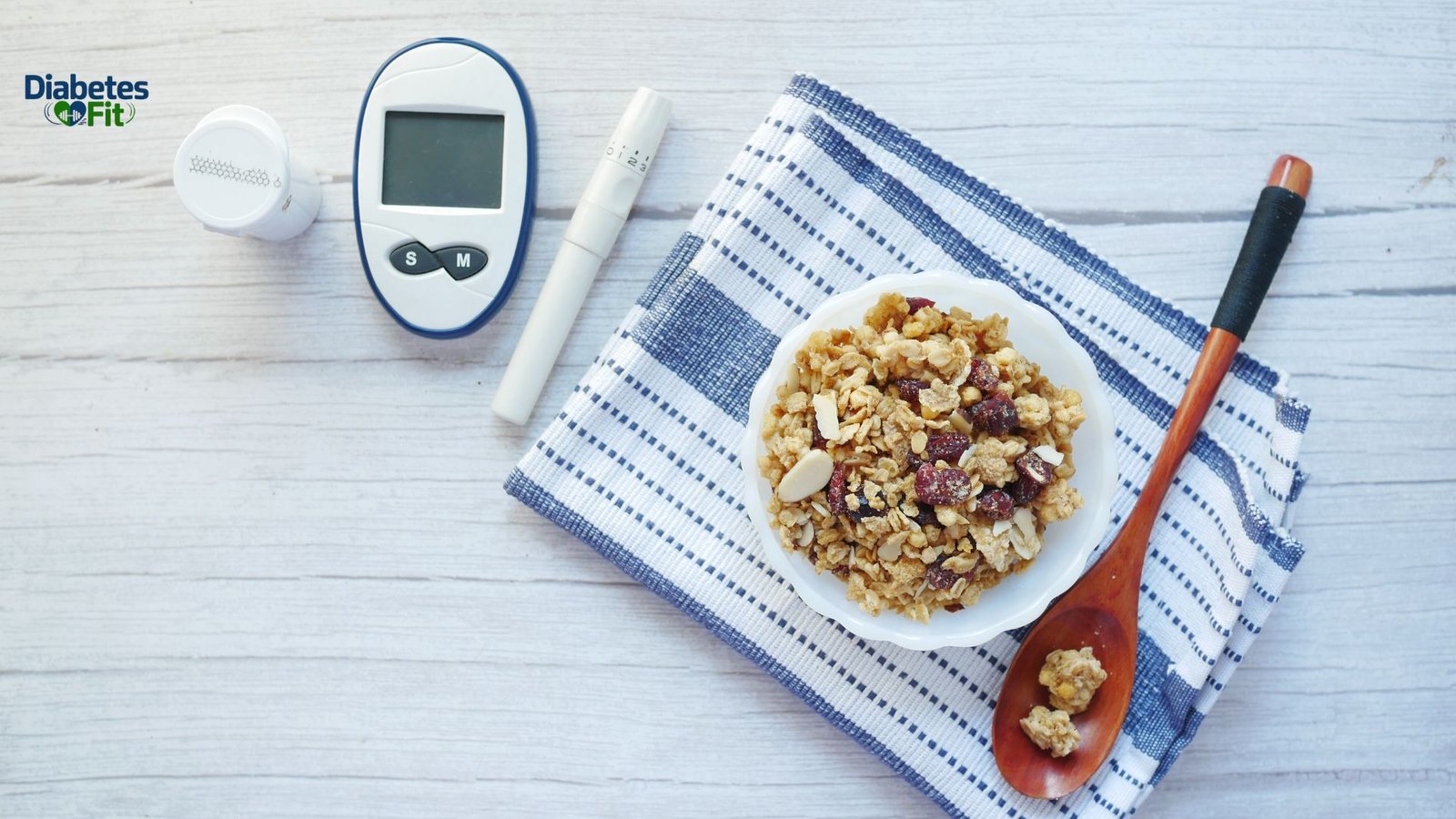
Finding the best cereal for diabetics can feel like searching for a needle in a haystack. Walk down any supermarket aisle, and you’ll find hundreds of colorful boxes — but most of them are loaded with sugar, refined grains, and empty carbohydrates that send blood sugar levels soaring within minutes of eating.
For people with diabetes or prediabetes, breakfast cereal is one of the trickiest food choices of the day. The wrong cereal can cause dangerous blood sugar spikes. But the right one — high in fiber, low in added sugar, and made from whole grains — can actually support better blood sugar control, keep you full for hours, and even improve insulin sensitivity over time.
In this guide, you’ll discover the best cereals for diabetics, what to look for on the label, which cereals to avoid, and how to make even a moderate-carb cereal work for your blood sugar. Let’s make breakfast simple again.
Why Cereal Is Complicated for Diabetics
The majority of conventional morning cereals are manufactured from refined grains, such as wheat, corn, or rice, which have had their nutrient-dense germ and fiber-rich bran removed. What is left is basically a carbohydrate that digests quickly and acts in your bloodstream similarly to pure sugar.
- When a diabetic consumes a high-GI cereal, the following occurs:
- Refined carbohydrates quickly convert to glucose.
- Within 30 to 60 minutes, blood sugar levels climb dramatically.
- To control the rise, the pancreas releases a rush of insulin.
After that, blood sugar falls, which frequently results in exhaustion, hunger, and cravings within one to two hours.
Over time, the loop worsens insulin resistance and puts stress on the pancreas.
Because of this, selecting the best cereal for diabetes involves more than simply taste; it also involves managing HbA1c levels, safeguarding long-term health, and sustaining consistent energy levels throughout the day.
What to Look for in the Best Cereal for Diabetics
Here’s what to look for on the label when selecting the finest cereal for diabetes, before we go into particular brands and varieties:
1. High Fiber Content
Fiber is the most important factor. Soluble fiber slows the digestion and absorption of carbohydrates, flattening the blood sugar curve after eating.
- Look for: At least 3–5g of fiber per serving (ideally 5g or more)
- Best fiber sources in cereal: Oat bran, psyllium husk, wheat bran, flaxseed
2. Low Glycemic Index (GI)
The glycemic index measures how quickly a food raises blood sugar on a scale of 0–100.
- Low GI: Under 55 — ideal for diabetics
- Medium GI: 56–69 — acceptable in small portions
- High GI: 70 and above — avoid or strictly limit
3. Minimal Added Sugar
The adversary of blood sugar regulation is added sugar. Granola, bran flakes, and even some whole-grain kinds are examples of “healthy” cereals that have unexpectedly high added sugar content.
- Look for: Less than 6g of total sugar per serving
- Ideally: Under 3g of added sugar per serving
- Red flags: Sugar, high fructose corn syrup, honey, molasses, and cane juice are listed in the first five ingredients
4. Whole Grain as the First Ingredient
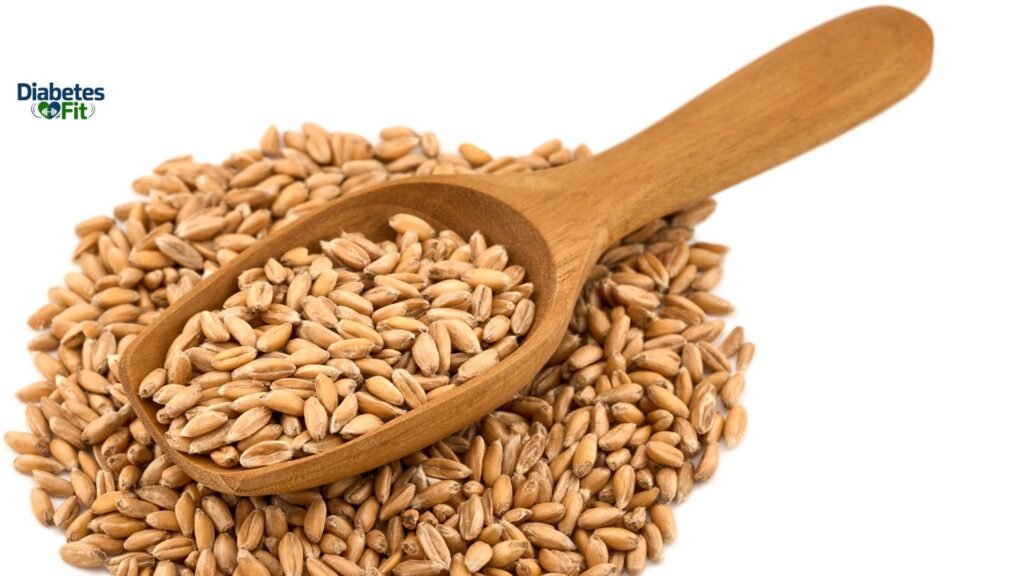
The most prevalent element is listed first on the label. Whole grains, such as whole wheat, whole grain maize, or whole oats, are consistently included as the top ingredient in the best cereals for diabetics.
5. Moderate Carbohydrate Content
Even healthy carbs affect blood sugar. For diabetics:
- Aim for: 15–30g of net carbs per serving (total carbs minus fiber)
- Avoid: Cereals with 40g+ of carbs per serving
6. Adequate Protein
Protein lowers the meal’s glycemic impact and slows digestion. Choose cereals that include three to five grams of protein per serving, or combine your cereal with a protein-rich food like eggs, Greek yogurt, or nuts.
Best Cereal for Diabetics: Top 10 Options
1. Plain Steel-Cut Oats — The Absolute Best Choice
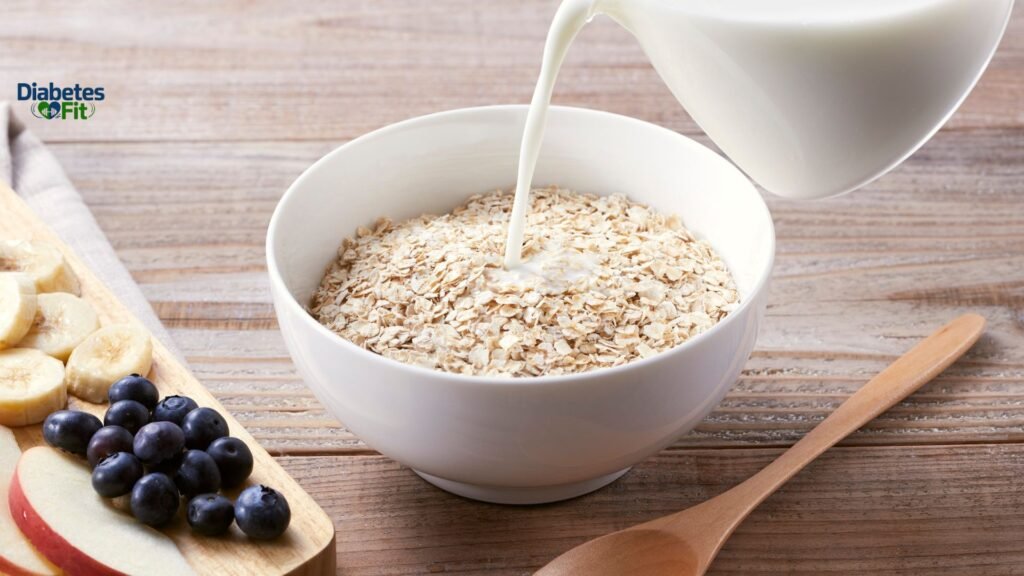
GI: ~42 (Low) Fiber per serving: ~4g Sugar per serving: 0g added Carbs per serving: ~27g
Nutritionists and endocrinologists around the world believe that steel-cut oats are the best cereal for diabetics. They are chopped whole oat groats with minimum processing, so all of their natural fiber, protein, and minerals are still present.
Why steel-cut oats are exceptional for diabetics:
- Beta-glucan — the soluble fiber in oats — forms a thick gel in the gut that dramatically slows glucose absorption
- Multiple studies show oat beta-glucan reduces post-meal blood sugar spikes by 25–50% compared to refined cereals
- Improves insulin sensitivity with regular consumption
- Reduces LDL cholesterol — important since diabetics have higher cardiovascular risk
- Keeps you full for 3–5 hours, reducing overall calorie intake
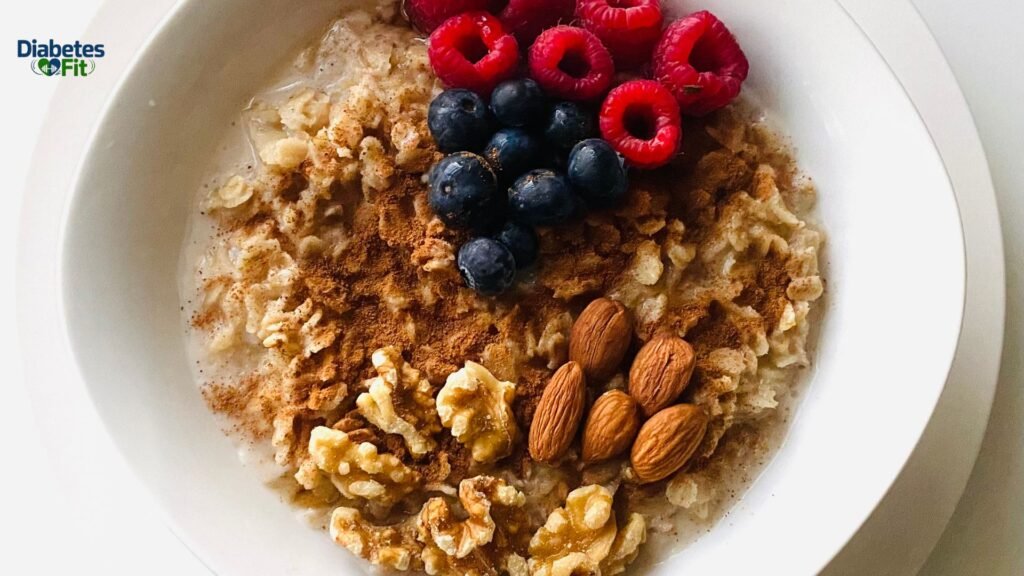
How to use them: Cook with water or unsweetened almond milk. Top with berries, a tablespoon of chia seeds, and a handful of walnuts for extra fiber and healthy fats.
Important: Choose steel-cut or rolled oats — NOT instant oats. Instant oats are more processed and have a higher GI (around 79).
2. Rolled Oats (Old-Fashioned Oats) — Convenient and Effective
GI: ~55 (Low-Medium border) Fiber per serving: ~4g Sugar per serving: 0g added Carbs per serving: ~27g
Steel-cut oats that have been steam-cooked and flattened are called rolled oats. Although they cook more quickly than steel-cut oats, they still contain the majority of the beta-glucan fiber that makes oats so good for controlling blood sugar.
Rolled oats are one of the best cereals for diabetics who want the health benefits of oats with a shorter cooking time.
Tips for diabetics:
- Cook with water or low-fat milk rather than sweetened alternatives
- Add cinnamon — research shows cinnamon improves insulin sensitivity
- Top with nuts or seeds for protein and healthy fat to further reduce the glycemic impact
- Avoid adding honey, maple syrup, or brown sugar
3. Bran Flakes — High Fiber, Lower GI Option
GI: ~42–74 (varies by brand) Fiber per serving: ~5–7g Sugar per serving: ~5–7g (check brand) Carbs per serving: ~24g
One of the highest-fiber ready-to-eat cereals is bran flakes, which are made from wheat bran. The amount of fiber, especially insoluble fiber, slows down digestion and lessens the meal’s glycemic effect.
What to look for:
- Choose brands with whole wheat bran as the first ingredient
- Look for less than 6g of sugar per serving
- Avoid “frosted” or “honey-coated” bran varieties — these have significantly more sugar
Bran flakes work best for diabetics when paired with protein (Greek yogurt or milk) and healthy fat (a handful of almonds) to further flatten the blood sugar response.
4. Muesli (Unsweetened) — Nutrient-Dense and Satisfying
GI: ~40–66 (varies by blend) Fiber per serving: ~3–5g Sugar per serving: ~5–8g (natural, from dried fruit) Carbs per serving: ~40g (moderate — watch portions)
One of the most nutrient-dense cereals on the market is traditional unsweetened muesli, which is a mixture of rolled oats, nuts, seeds, and dried fruit. Despite having a moderate carb level, the mix of whole grains, fiber, protein from nuts, and healthy fats results in a naturally lower glycemic meal.
Best muesli choices for diabetics:
- Choose varieties with no added sugar — sweetness should come only from a small amount of dried fruit
- Look for blends with oats, nuts, seeds, and minimal dried fruit (which is high in natural sugar)
- Portion control is important — stick to ½ cup dry serving
- Soak overnight in unsweetened milk or yogurt (bircher muesli) for even lower GI due to fermentation
5. All-Bran or Bran Buds — Maximum Fiber Per Serving
GI: ~38–51 (Low) Fiber per serving: ~9–13g Sugar per serving: ~6–8g Carbs per serving: ~23g
All-Bran and related bran-based cereals are among the highest-fiber cereals on the market, which makes them great options for controlling blood sugar. The remarkably high fiber content promotes digestive health and significantly reduces the absorption of glucose.
Benefits for diabetics:
- Among the lowest GI ready-to-eat cereals available
- High fiber reduces post-meal blood sugar spikes significantly
- Supports healthy cholesterol levels
- Promotes beneficial gut bacteria that improve insulin sensitivity
Caution: Some bran bud cereals contain moderate amounts of added sugar — always check the label. Look for varieties with under 8g of total sugar per serving.
6. Grape-Nuts — Dense, Low-Sugar Whole Grain Cereal
GI: ~67 (Medium) Fiber per serving: ~7g Sugar per serving: ~5g Carbs per serving: ~47g
Grape-Nuts is a crunchy, thick cereal made from barley and whole grain wheat flour. Its thick structure and high fiber content cause it to digest more slowly than its GI indicates, even though it has a moderate GI.
Why it works for diabetics:
- Made with 100% whole grain wheat and barley
- No artificial flavors, colors, or preservatives
- High fiber slows blood sugar rise
- Very filling — a small portion goes a long way
- Contains no high fructose corn syrup
Important: Portion size matters with Grape-Nuts. The serving size is small (½ cup) — stick to this amount and pair with protein-rich milk or yogurt.
7. Shredded Wheat (Plain) — Clean Ingredient List
GI: ~67–83 (Medium to Medium-High — varies) Fiber per serving: ~6g Sugar per serving: 0g added Carbs per serving: ~38g
Whole grain wheat is the only ingredient in plain shredded wheat, which is the unfrosted, unsweetened variety. No added salt, sugar, or artificial additives. It is one of the best cereals for diabetics who want to be in complete control of what they consume because of its straightforward simplicity.
Tips for diabetics:
- Always choose plain, unfrosted shredded wheat — avoid frosted or honey-coated versions
- Pair with unsweetened almond milk and fresh berries
- Add a tablespoon of ground flaxseed for extra fiber and omega-3 fatty acids
- The moderate GI means portion control is important
8. Kashi GO (Original) — Protein + Fiber Combination
GI: ~Low-Medium Fiber per serving: ~8g Protein per serving: ~9g Sugar per serving: ~6g Carbs per serving: ~36g
One of the few popular cereals that has both significant protein and high fiber per serving is Kashi GO Original; this combination is especially useful for controlling blood sugar in diabetics.
Why the protein-fiber combo matters:
- Protein further slows gastric emptying beyond what fiber alone achieves
- Reduces post-meal blood sugar spikes more effectively than fiber alone
- Keeps you full longer — reducing mid-morning snacking
- Supports muscle preservation, which is important for insulin sensitivity
This makes Kashi GO one of the best cereals for diabetics who want a convenient, ready-to-eat option with genuine nutritional value.
9. Ezekiel 4:9 Sprouted Grain Cereal
GI: ~36 (Low) Fiber per serving: ~6g Protein per serving: ~8g Sugar per serving: 0g added Carbs per serving: ~40g
Ezekiel cereals are prepared from whole grains that have been sprouted, which lowers the grain’s glycemic index, boosts nutrient availability, and decreases antinutrients. They are manufactured from a blend of wheat, barley, millet, lentils, soybeans, and spelt and have no added sugar.
Why sprouted grain cereal is exceptional for diabetics:
- Sprouting increases the bioavailability of fiber and reduces starch content
- A combination of grains and legumes creates a complete protein profile
- Very low GI despite moderate carb content
- No added sugar — one of the cleanest labels of any commercial cereal
- High protein helps stabilize blood sugar throughout the morning
10. Homemade Low-Carb Granola — The Custom Option
GI: Low (depending on ingredients) Fiber per serving: ~4–6g Protein per serving: ~8–12g Making a simple homemade granola is the greatest alternative for diabetics who want total control over their breakfast cereal. Every ingredient, including the amount of sugar (which can be zero), is under your control.
Basic low-carb diabetic-friendly granola:
- 2 cups rolled oats
- 1 cup mixed nuts (almonds, walnuts, pecans)
- ½ cup seeds (pumpkin, sunflower, chia, flax)
- 1 tsp cinnamon
- 2 tbsp coconut oil, melted
- 1–2 tbsp erythritol or stevia (optional — zero sugar alcohols)
- 1 tsp vanilla extract
Mix, spread on a baking sheet, and bake at 160°C (325°F) for 20–25 minutes, stirring halfway. Cool completely before storing.
Cereals Diabetics Should Avoid
| Cereal Type | Why to Avoid | GI |
| Cornflakes | Highly refined, spikes blood sugar rapidly | 81 |
| Rice Krispies | Puffed rice — very fast digesting | 82 |
| Frosted Flakes | High sugar + refined corn | 55+ with sugar spike |
| Fruit Loops | Mostly sugar and artificial colors | High |
| Granola (commercial) | Often 12–20g of added sugar per serving | Medium-High |
| Instant oatmeal (flavored) | Added sugar, more processed than rolled | 79 |
| Honey Smacks / Sugar Puffs | Over 50% sugar by weight | Very High |
| Cocoa Puffs / Coco Pops | High sugar, refined grains | High |
Best vs. Worst Cereals for Diabetics: Comparison Table
| Cereal | GI | Fiber (per serving) | Added Sugar | Diabetic Rating |
| Steel-Cut Oats | 42 | 4g | 0g | ⭐⭐⭐⭐⭐ |
| Ezekiel Sprouted Grain | 36 | 6g | 0g | ⭐⭐⭐⭐⭐ |
| All-Bran / Bran Buds | 38–51 | 9–13g | 6–8g | ⭐⭐⭐⭐⭐ |
| Rolled Oats | 55 | 4g | 0g | ⭐⭐⭐⭐ |
| Kashi GO Original | Low-Med | 8g | 6g | ⭐⭐⭐⭐ |
| Unsweetened Muesli | 40–66 | 3–5g | 0–5g | ⭐⭐⭐⭐ |
| Plain Shredded Wheat | 67–83 | 6g | 0g | ⭐⭐⭐ |
| Bran Flakes | 42–74 | 5–7g | 5–7g | ⭐⭐⭐ |
| Grape-Nuts | 67 | 7g | 5g | ⭐⭐⭐ |
| Cornflakes | 81 | 1g | 3g | ⭐ |
| Frosted Flakes | 55+ | 1g | 12g | ⭐ |
| Instant Flavored Oats | 79 | 2g | 10–14g | ⭐ |
How to Make Any Cereal More Diabetic-Friendly
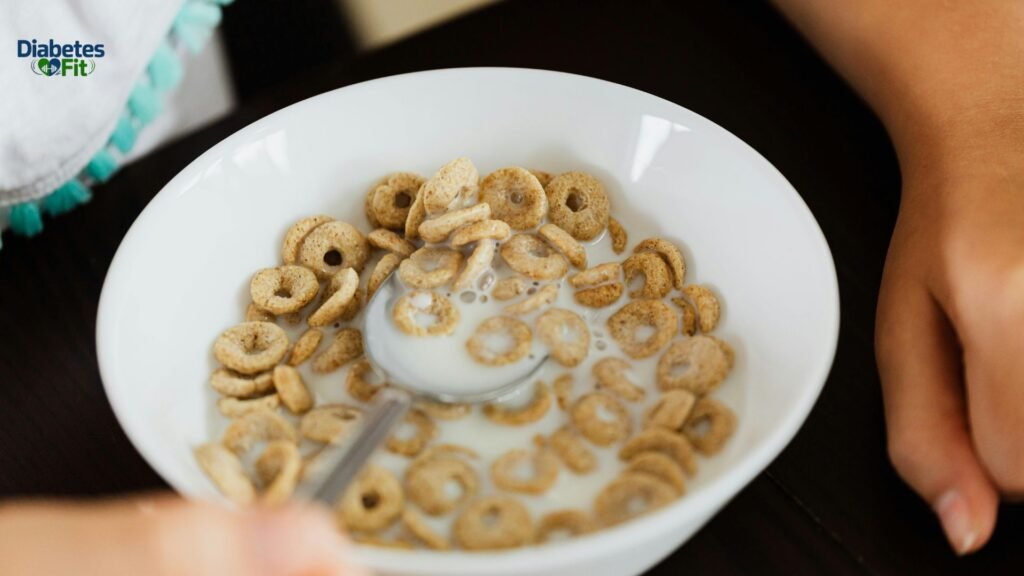
Even a moderate-GI cereal can be made safer for diabetics with the right pairings and habits:
- Add protein — mix in Greek yogurt, have a boiled egg on the side, or use high-protein milk. Protein slows glucose absorption significantly.
- Add healthy fat — a small handful of walnuts, almonds, or a tablespoon of nut butter reduces the glycemic impact of the whole meal.
- Add more fiber — sprinkle 1 tablespoon of chia seeds, ground flaxseed, or psyllium husk into your bowl.
- Use unsweetened milk alternatives — unsweetened almond milk (1g carb per cup) is far better than regular milk (12g carbs) or oat milk (16g+ carbs) for blood sugar.
- Control your portion — even the best cereal for diabetics can cause issues in large portions. Stick to the recommended serving size.
- Add cinnamon — research shows cinnamon improves insulin sensitivity and reduces post-meal blood sugar spikes.
- Monitor your blood sugar — everyone’s response to carbohydrates is different. Testing your blood sugar 1–2 hours after eating helps you understand how specific cereals affect you personally.
Reading Cereal Labels: A Quick Guide for Diabetics
| Label Element | What to Look For | Red Flag |
| First ingredient | Whole grain (whole oats, whole wheat) | Sugar, enriched flour, corn |
| Fiber | 5g or more per serving | Less than 2g |
| Added sugar | Less than 6g per serving | More than 10g |
| Total carbs | 15–30g net carbs (total minus fiber) | 40g+ net carbs |
| Protein | 4g or more | Less than 2g |
| Serving size | Check — companies often use tiny servings | Very small servings that understate carbs |
| Ingredients list | Short, recognizable whole food ingredients | Long list with multiple sugar types |
Frequently Asked Questions (FAQs)
What is the best cereal for diabetics to eat in the morning?
Steel-cut oats are the best cereal for diabetics overall. They have a low GI of around 42, contain 4g of fiber per serving, including beta-glucan, which dramatically slows blood sugar rise, and contain zero added sugar. Ezekiel sprouted grain cereal and All-Bran are excellent alternatives for those who prefer ready-to-eat options.
Can diabetics eat oatmeal every day?
Yes — plain rolled oats or steel-cut oats are among the safest daily breakfast choices for diabetics. Their beta-glucan fiber content improves insulin sensitivity, reduces post-meal blood sugar spikes, and supports healthy cholesterol levels with regular consumption. Avoid instant flavored oatmeal, which has a much higher GI and significant added sugar.
Is granola good for diabetics?
Most commercial granolas are not good choices for diabetics because they contain 12–20g of added sugar per serving. However, unsweetened homemade granola made from oats, nuts, seeds, and a small amount of zero-calorie sweetener can be one of the best cereals for diabetics — offering high fiber, protein, and healthy fats with controlled sugar content.
What cereals should diabetics avoid?
Diabetics should avoid cornflakes (GI 81), Rice Krispies (GI 82), Frosted Flakes, Fruit Loops, instant flavored oatmeal, commercial granola with added sugar, and any cereal with sugar listed in the first three ingredients. These cereals cause rapid, significant blood sugar spikes that are dangerous for people with diabetes.
Does the milk you use with cereal affect blood sugar?
Yes — significantly. Regular cow’s milk contains about 12g of carbohydrates per cup from lactose. Unsweetened almond milk contains only 1g of carbs per cup, making it the best choice for diabetics eating cereal. Oat milk is one of the worst choices — it can contain 16–24g of carbs per cup and causes a significant additional blood sugar rise.
How much cereal can a diabetic eat per day?
Most diabetics can safely enjoy ½ to 1 cup of a low-GI, high-fiber cereal daily as part of a balanced breakfast. The exact amount depends on your total daily carbohydrate target (set with your doctor or dietitian), your blood sugar response to that specific cereal, and what else you eat at the meal. Always pair cereal with protein and healthy fat to reduce its glycemic impact.
Is Cheerios good for diabetics?
Plain Cheerios (not Honey Nut or other flavored varieties) is a moderate choice for diabetics. It’s made from whole grain oats, contains 3g of fiber per serving, and has only 1g of added sugar. However, it’s not as rich in beta-glucan as steel-cut oats and has a moderate GI. Plain Cheerios in a controlled portion with unsweetened almond milk and nuts can be an acceptable breakfast choice for diabetics.
Conclusion
Managing diabetes doesn’t mean giving upbreakfast cereal forever. It means choosing smarter — and now you know exactly how to do that.
The best cereal for diabetics is high in fiber, low in added sugar, made from whole grains, and ideally paired with protein and healthy fat to flatten the blood sugar response. Steel-cut oats, Ezekiel sprouted grain cereal, All-Bran, and unsweetened muesli consistently top the list for good reason — they deliver real nutritional benefits without the dangerous blood sugar spikes that come with refined cereals.
Remember: the best cereal for diabetics is the one that keeps your blood sugar stable, keeps you full until your next meal, and fits into a balanced, whole-food diet. Use the label-reading guide in this article, monitor your personal blood sugar response, and work with your healthcare provider to find the breakfast routine that works best for you.
Ready to make a change? Start tomorrow morning. Swap your current cereal for plain rolled oats or steel-cut oats, top with cinnamon and walnuts, and test your blood sugar 2 hours later. You may be surprised at how much of a difference the right cereal makes.

David Miller: I am a health and wellness writer focused on diabetes awareness, blood sugar control, and healthy living. I creates clear, practical content to help readers make better everyday health choices. I write evidence-based articles about diabetes, diet, and healthy living. My goal is to simplify complex health topics using trusted sources like WHO and medical journals.
Leave a Reply