
Swollen Foot in Diabetes: Causes, Symptoms, and Treatment
Foot swelling is a common yet often overlooked complication among people living with diabetes. This condition, medically known as edema, can range from mild discomfort to a serious medical concern requiring immediate attention. Understanding the relationship between diabetes and foot swelling is crucial for maintaining optimal health and preventing potentially severe complications. This comprehensive guide explores the causes, symptoms, treatment options, and preventive measures for managing swollen feet in diabetic patients.
Understanding Swollen Foot in Diabetes
Swollen feet in diabetic patients occur when excess fluid accumulates in the tissues of the lower extremities. This condition is particularly prevalent among individuals with diabetes due to the complex interplay between blood sugar levels, circulation, and nerve function. Diabetes affects the body’s ability to regulate fluid balance and compromises blood vessel integrity, making foot swelling more likely.

The connection between diabetes and foot swelling is multifaceted. High blood sugar levels over extended periods can damage blood vessels and nerves throughout the body, particularly in the extremities. This damage affects the circulatory system’s ability to efficiently pump blood back from the feet to the heart, causing fluid to pool in the lower legs and feet. Additionally, diabetic neuropathy, or nerve damage, can prevent individuals from noticing early signs of swelling or injury, allowing the condition to worsen before being addressed.
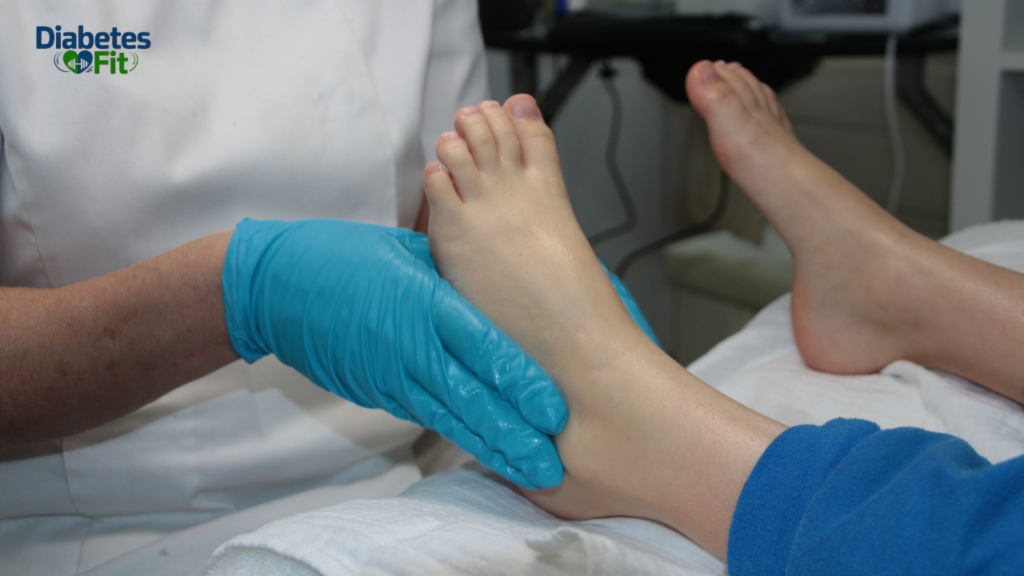
Foot swelling in diabetes should never be ignored, as it can indicate underlying complications such as poor circulation, infection, or heart problems. Early recognition and appropriate management are essential for preventing more serious health issues, including ulcers, infections, and in severe cases, amputation.
Common Causes of Foot Swelling in Diabetic Patients
Several factors contribute to foot swelling in people with diabetes, and understanding these causes is the first step toward effective management.
Poor Blood Circulation: Diabetes can lead to peripheral arterial disease, where narrowed blood vessels reduce blood flow to the extremities. This impaired circulation makes it difficult for the body to remove excess fluid from the feet, resulting in swelling.
Diabetic Neuropathy: Nerve damage caused by prolonged high blood sugar levels can affect the autonomic nerves that regulate blood flow and fluid distribution. This disruption can lead to fluid accumulation in the feet and ankles.
Kidney Problems: The kidneys play a vital role in maintaining fluid balance. Diabetes is a leading cause of chronic kidney disease, and when kidney function is compromised, the body retains more sodium and fluid, leading to swelling in various parts of the body, particularly the feet.
Medication Side Effects: Certain diabetes medications, including some insulin types and oral medications like pioglitazone, can cause fluid retention as a side effect. Blood pressure medications and anti-inflammatory drugs may also contribute to swelling.
Heart Conditions: Diabetes increases the risk of cardiovascular disease. Heart problems can prevent the efficient circulation of blood, causing fluid to back up in the legs and feet.
Infections: Diabetic individuals are more susceptible to foot infections due to compromised immune function and reduced sensation. Infections can cause localized swelling, redness, and warmth in the affected area.
Prolonged Standing or Sitting: Maintaining the same position for extended periods can cause gravity-induced fluid accumulation in the lower extremities, a problem that’s often more pronounced in diabetic patients.
Symptoms to Watch for in a Swollen Diabetic Foot

Recognizing the symptoms of foot swelling early can prevent complications and ensure timely treatment. Diabetic patients should regularly inspect their feet and watch for the following signs:
Visible Swelling: The most obvious symptom is noticeable puffiness in the feet, ankles, or lower legs. The swelling may be symmetrical in both feet or more pronounced in one foot.
Skin Changes: The skin over swollen areas may appear stretched, shiny, or discolored. In some cases, pressing on the swollen area leaves a temporary indentation, known as pitting edema.
Tightness and Discomfort: Shoes that previously fit comfortably may feel tight or restrictive. There may be a sensation of heaviness or aching in the feet and legs.
Reduced Range of Motion: Swelling can limit ankle and foot flexibility, making it difficult to walk or move comfortably.
Temperature Changes: The swollen foot may feel warmer or cooler than usual, which could indicate circulation problems or infection.
Skin Breaks or Ulcers: In severe cases, excessive swelling can lead to skin breakdown, creating open wounds or ulcers that are slow to heal.
Pain or Tenderness: While diabetic neuropathy may reduce sensation, some individuals experience pain, throbbing, or tenderness in swollen areas.
Red Streaks or Discoloration: These symptoms may indicate infection and require immediate medical attention.
Home Remedies to Reduce Swelling
For mild to moderate foot swelling without signs of infection or severe complications, several home remedies can provide relief:
Elevation: Raising your feet above heart level for 15-30 minutes several times daily helps gravity assist in draining excess fluid back toward the heart.
Compression Stockings: These specially designed socks apply gentle pressure to the legs and feet, promoting better circulation and reducing fluid buildup. Consult your healthcare provider for proper fitting and compression level.
Regular Movement: Avoid sitting or standing for prolonged periods. Take short walks or perform ankle rotations and leg exercises every hour to stimulate circulation.
Reduce Salt Intake: Limiting sodium consumption helps prevent fluid retention. Aim for less than 2,300 milligrams of sodium daily, or as recommended by your doctor.
Stay Hydrated: Drinking adequate water paradoxically helps reduce swelling by supporting kidney function and preventing the body from retaining excess fluid.
Gentle Massage: Light massage of the feet and legs in an upward direction can help move fluid back toward the heart. Be gentle to avoid injuring sensitive skin.
Cold Compress: Applying a cold compress for 15-20 minutes can reduce inflammation and provide temporary relief. Never apply ice directly to the skin.
Comfortable Footwear: Wear well-fitting, supportive shoes that don’t constrict blood flow. Avoid tight socks with elastic bands that leave marks on your legs.
Medical Treatments for Swollen Foot in Diabetes
When home remedies are insufficient or when swelling indicates a more serious underlying condition, medical intervention becomes necessary:
Diuretics: These medications help the kidneys eliminate excess fluid through increased urination. They must be carefully monitored in diabetic patients to prevent electrolyte imbalances.
Improved Diabetes Control: Optimizing blood sugar management through medication adjustments, insulin therapy, or lifestyle modifications can address the root cause of many circulation and nerve problems.
Treatment of Underlying Conditions: Addressing heart disease, kidney problems, or infections that contribute to swelling requires targeted medical therapy.
Wound Care: For swollen feet with ulcers or skin breakdown, professional wound care including debridement, specialized dressings, and infection management is essential.
Physical Therapy: A physical therapist can design an exercise program to improve circulation, strengthen muscles, and reduce swelling.
Vascular Procedures: In cases of severe arterial blockage, procedures such as angioplasty or bypass surgery may be necessary to restore blood flow.
Preventing Foot Swelling with Proper Diabetes Management
Prevention is always better than treatment when it comes to diabetic foot complications:
Blood Sugar Control: Maintaining target blood glucose levels is the cornerstone of preventing diabetic complications. Regular monitoring and adherence to your treatment plan are essential.
Regular Foot Examinations: Inspect your feet daily for any changes, including swelling, cuts, blisters, or color changes. Use a mirror or ask someone for help if you have difficulty seeing all areas.
Proper Foot Hygiene: Wash your feet daily with lukewarm water and mild soap, dry thoroughly especially between toes, and apply moisturizer to prevent cracking.
Exercise Regularly: Physical activity improves circulation, helps control blood sugar, and maintains a healthy weight, all of which reduce the risk of foot swelling.
Maintain a Healthy Weight: Excess weight puts additional pressure on your feet and can worsen circulation problems.
Quit Smoking: Smoking damages blood vessels and significantly worsens circulation problems in diabetic patients.
Regular Medical Check-ups: Schedule routine appointments with your healthcare provider and podiatrist to monitor your diabetes and foot health.
When to See a Doctor
While mild foot swelling may be manageable at home, certain situations require immediate medical attention:

Seek emergency care if you experience sudden, severe swelling accompanied by chest pain, shortness of breath, or confusion, as these may indicate serious heart or kidney problems. Consult your doctor promptly if you notice swelling accompanied by fever, red streaks spreading from the foot, warmth and redness indicating possible infection, or pain that doesn’t improve with home treatment.
Additionally, see your healthcare provider if swelling persists for more than a few days despite home remedies, you develop open sores or ulcers on swollen feet, or you experience significant changes in sensation or color in your feet. If you notice swelling in only one foot rather than both, this asymmetry could indicate a blood clot or localized infection requiring immediate evaluation.
Conclusion
Swollen feet in diabetes are a manageable condition when approached with knowledge, vigilance, and appropriate care. Understanding the causes—from poor circulation and nerve damage to medication side effects and underlying health conditions—empowers diabetic patients to take proactive steps in managing their foot health. By recognizing symptoms early, implementing effective home remedies, seeking timely medical treatment, and maintaining proper diabetes management, individuals can significantly reduce the risk of serious complications.
Remember that your feet are your foundation for mobility and independence. Regular foot care, blood sugar control, and open communication with your healthcare team are essential components of living well with diabetes. Never hesitate to seek medical advice when concerns arise, as early intervention can prevent minor issues from becoming major complications.
Frequently Asked Questions
While swollen feet alone don’t directly cause amputation, they can indicate underlying problems like poor circulation or infection that, if left untreated, may lead to ulcers and tissue damage. Proper management and prompt treatment of swelling and associated symptoms significantly reduce this risk.
The timeline varies depending on the cause and severity. Mild swelling from prolonged standing may resolve within hours with elevation and rest, while swelling caused by medication or circulation problems may take days to weeks to improve with appropriate treatment.
Gentle exercise like walking or swimming can actually help reduce swelling by improving circulation. However, avoid high-impact activities if swelling is severe or painful, and always consult your healthcare provider before starting a new exercise program.
Yes, adequate hydration supports kidney function and helps your body regulate fluid balance more effectively. Drinking water doesn’t directly cause swelling despite seeming counterintuitive; dehydration can actually cause fluid retention.

David Miller: I am a health and wellness writer focused on diabetes awareness, blood sugar control, and healthy living. I creates clear, practical content to help readers make better everyday health choices. I write evidence-based articles about diabetes, diet, and healthy living. My goal is to simplify complex health topics using trusted sources like WHO and medical journals.