How to Make Your Skin Glow Naturally at Home: 25 Proven Tips That Actually Work
Glowing skin isn’t just a matter of good genetics or expensive products — it’s something you can genuinely achieve at home with the right knowledge and consistent habits. If you’ve been wondering how to make your skin glow naturally at home, the answer lies in a combination of targeted skincare practices, smart nutrition, lifestyle adjustments, and simple DIY treatments that cost a fraction of what salon treatments charge.
Learning how to make your skin glow naturally at home means understanding what actually creates that luminous, healthy-looking complexion — adequate hydration, proper exfoliation, antioxidant protection, reduced inflammation, and supporting your skin’s natural renewal process.
In this complete guide, you’ll discover 25 science-backed methods for achieving naturally glowing skin from home, the nutritional foundations of radiant skin, the best DIY face masks and treatments, and honest answers to the most common skin glow questions. Your best skin is closer than you think.
Along with skin care, body weight also matters, so read the post on smoothies for weight loss.
What “Glowing Skin” Actually Means — The Science
Before exploring how to make your skin glow naturally at home, it helps to understand what creates the visual effect of glowing skin at a biological level — because this knowledge directs every strategy.
Several overlapping variables contribute to glowing skin:
1. Light reflection from the skin’s surface: The lit-from-within brightness is produced by smooth, well-hydrated skin that reflects light uniformly. Skin that is flaky, dry, or rough distributes light unevenly, giving the illusion of being flat and dull. For this reason, the two most basic methods for making your skin glow naturally at home are exfoliation and moisturizing.
2. Optimal skin cell turnover: As you age, your skin’s natural renewal process slows down to around every 28 to 40 days. A dull, gray look results from the accumulation of old, dead cells on the surface. Fresh, new cells rise to the surface and elegantly reflect light when turnover is maximized, which can be achieved by healthy eating, adequate sleep, and mild exfoliation.
3. Healthy blood circulation: Skin cells receive oxygen and nutrients from healthy blood flow, which also eliminates waste. The natural warmth and flush of skin with good microcirculation make it appear healthy and radiant.
4. Decreased inflammation: Red, uneven, and lifeless skin is a sign of inflammation caused by the sun, pollution, bad food, or stress. This dulling impact is eliminated with anti-inflammatory skincare products and lifestyle choices, exposing naturally glowing skin beneath.
5. Sufficient collagen and elastin: These structural proteins maintain skin’s firmness, plumpness, and smoothness, all of which contribute to radiant skin. These proteins are preserved by topical medications and diets that support collagen, preserving the structure of the skin that gives it its brightness.
How to Make Your Skin Glow Naturally at Home: 25 Proven Methods
Category 1: Daily Skincare Habits
1. Double Cleanse Every Evening
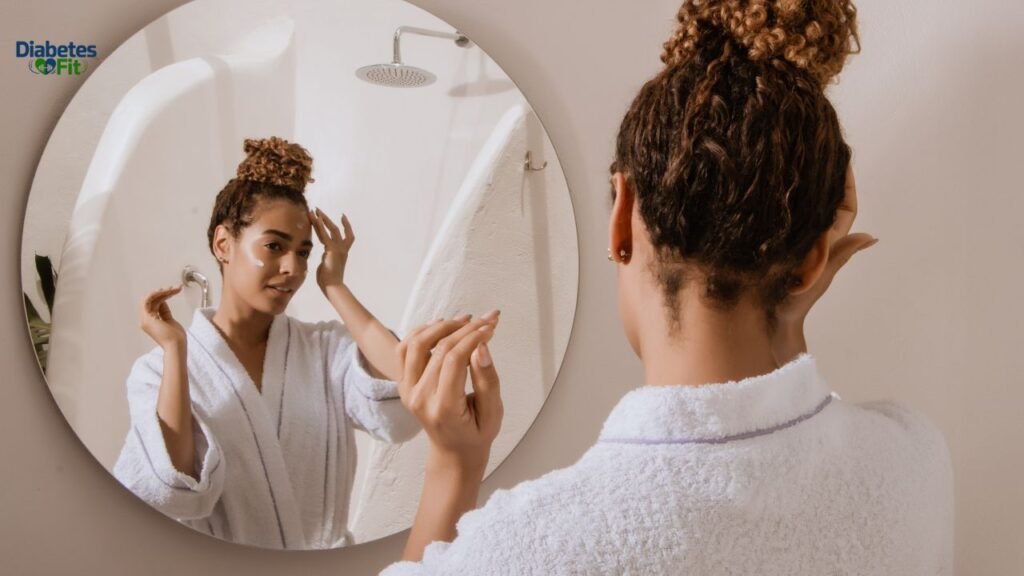
The single most impactful daily habit for how to make your skin glow naturally at home is thorough evening cleansing. During the day, your skin accumulates sunscreen, pollution particles, makeup, excess sebum, and dead skin cells — all of which create dullness.
The double cleanse method:
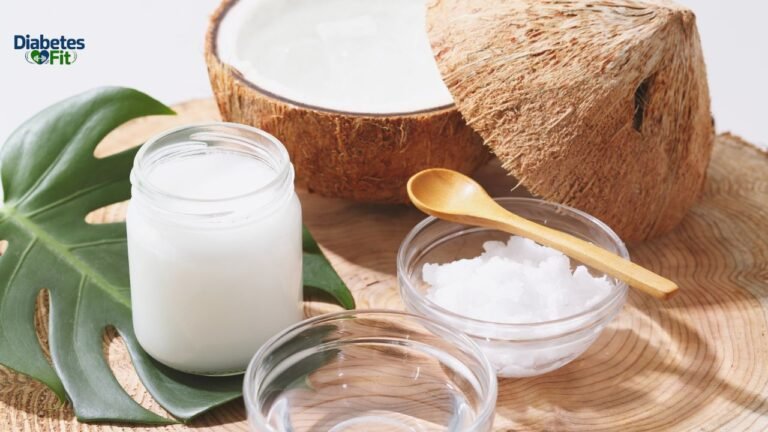
- First cleanse: Oil-based cleanser (coconut oil, micellar water, cleansing balm) — dissolves sunscreen and makeup
- Second cleanse: Water-based cleanser (gentle foam or gel) — removes remaining impurities and oil residue
Why it works: Oil dissolves oil — using an oil cleanser first breaks down the layer of sebum, sunscreen, and makeup that water-based cleansers can’t fully penetrate. The second cleanse then removes everything on a clean foundation.
Morning: A gentle water-only or light cleanser rinse is sufficient — your skin produces minimal impurities overnight.
2. Use a Vitamin C Serum Every Morning
Vitamin C is the most research-validated ingredient for achieving glowing skin, making it essential knowledge for how to make your skin glow naturally at home.
How vitamin C creates glowing skin:
- Inhibits tyrosinase — the enzyme responsible for melanin production, directly reducing dark spots and hyperpigmentation
- Neutralizes free radicals from UV exposure and pollution that dull skin
- Stimulates collagen production — improving skin firmness and reducing fine lines
- Reduces inflammation that creates redness and uneven tone
- Brightens overall complexion within 2–4 weeks of consistent use
Best natural vitamin C sources for DIY application:
- Fresh lemon juice diluted 1:3 with water (use with caution — can cause sensitivity in some)
- Rosehip oil (contains vitamin C, precursors)
- Commercial vitamin C serums (L-ascorbic acid 10–20% — most effective)
Application: Apply to clean, dry skin every morning before moisturizer. Follow immediately with SPF — vitamin C is most effective when combined with sun protection.
3. Exfoliate 2–3 Times Per Week
Regular exfoliation is the fastest way to improve skin glow — because it directly removes the dead cell layer that creates dullness and prevents skincare products from penetrating effectively.
Two types of exfoliation for glowing skin:
Physical exfoliation (scrubs):
- Sugar scrubs (gentle, dissolve with water)
- Oat-based scrubs (extra gentle, anti-inflammatory)
- Konjac sponge (very gentle daily option)
- Rice powder scrubs
Chemical exfoliation (acids — most effective):
- Glycolic acid (AHA): Dissolves the bonds between dead skin cells — most effective for brightening and fine lines
- Lactic acid (AHA): Gentler than glycolic, excellent for sensitive skin and hydration
- Salicylic acid (BHA): Oil-soluble — penetrates pores, excellent for acne-prone skin
Frequency:
- Sensitive skin: Once weekly
- Normal/combination skin: 2–3 times weekly
- Oily/resilient skin: Up to 3 times weekly
Important: Never exfoliate the same day you use retinol or strong active ingredients. Always follow exfoliation with moisturizer and SPF.
4. Apply Sunscreen Every Single Day — Including Indoors
This is the single most impactful long-term strategy for how to make your skin glow naturally at home — and the one most people skip. UV damage is the number one cause of premature skin aging, dark spots, uneven tone, and dullness.
Why daily SPF is essential for glowing skin:
- UV rays destroy collagen and elastin — the structural proteins that keep skin plump and smooth
- UV causes melanin overproduction — creating dark spots, hyperpigmentation, and uneven tone
- UV damage is cumulative — even brief daily sun exposure adds up to significant skin aging over the years
- UVA rays (which cause aging, not burning) penetrate through windows — making indoor SPF relevant
Choose: Broad-spectrum SPF 30 minimum daily; SPF 50 for extended outdoor exposure.
Natural options: Zinc oxide-based mineral sunscreens provide broad-spectrum protection and are well-tolerated by sensitive skin.
5. Apply Moisturizer to Damp Skin
This simple technique significantly improves moisturizer effectiveness — a key strategy for how to make your skin glow naturally at home.
Why timing matters:
When applied to slightly damp skin (within 60 seconds of cleansing or toning), moisturizer locks in the existing surface moisture rather than just sitting on dry skin. This increases skin hydration by significantly more than applying to completely dry skin.
Best natural moisturizing ingredients:
- Hyaluronic acid — holds up to 1,000 times its weight in water
- Glycerin — draws moisture from the environment into the skin
- Aloe vera gel — lightweight, anti-inflammatory moisture
- Rosehip oil — vitamin C precursors plus fatty acids
- Jojoba oil — mimics skin’s natural sebum, excellent for all skin types
- Shea butter — rich emollient for dry skin
6. Use a Toner with Niacinamide or Rose Water
Toning between cleansing and moisturizing is an often-skipped step that makes a meaningful difference in skin glow.
Niacinamide (Vitamin B3) toner:
- Reduces pore appearance — making skin texture appear smoother and more refined
- Regulates sebum production — reducing the oiliness that dulls skin
- Fades hyperpigmentation — improving overall skin tone evenness
- Strengthens the skin barrier — keeping moisture in and irritants out
- Reduces redness and inflammation
Rose water toner (natural option):
- Mildly anti-inflammatory — reduces redness and irritation
- Provides a light hydration boost before moisturizer
- Contains antioxidant flavonoids
- pH-balancing properties support skin barrier health
- Pleasant scent and sensory experience — encouraging consistent use
Category 2: DIY Face Masks and Natural Treatments
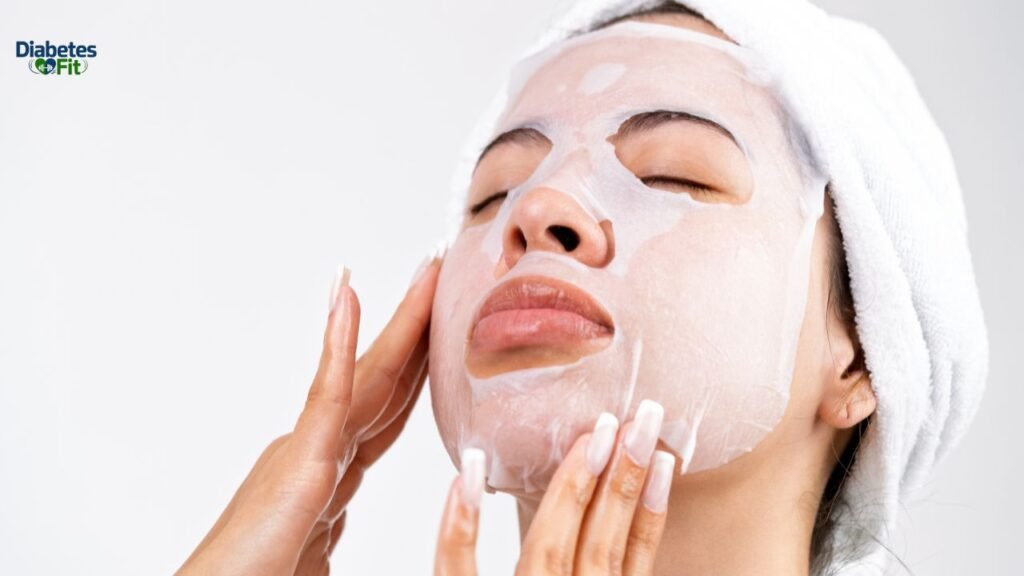
7. Honey and Turmeric Glow Mask
Frequency: 2 times per week, Time: Leave on 15–20 minutes
Ingredients:
- 1 tablespoon raw honey
- ½ teaspoon turmeric powder
- Optional: 1 teaspoon plain yogurt
How to use: Mix thoroughly, apply to a clean face, leave 15–20 minutes, rinse with warm water.
Why it works:
- Raw honey is naturally antimicrobial, anti-inflammatory, and humectant — drawing moisture into the skin
- Turmeric contains curcumin, one of the most potent natural anti-inflammatory and antioxidant compounds, proven to reduce hyperpigmentation and improve skin brightness
- Yogurt contains lactic acid — a gentle chemical exfoliant that brightens and smooths
Warning: Turmeric can temporarily stain skin yellow. Do a patch test and rinse thoroughly. This effect fades within hours.
8. Papaya Enzyme Mask
Frequency: Once per week Time: 10–15 minutes
Ingredients:
- ¼ cup ripe papaya, mashed smooth
How to use: Apply mashed papaya to a clean face, leave for 10–15 minutes, rinse gently.
Why it works: Ripe papaya contains papain, a natural proteolytic enzyme that digests dead skin cell proteins on the surface, producing a mild enzymatic exfoliation that brightens and smoothes skin without any scrubbing. This makes it excellent for how to make your skin glow naturally at home for those with sensitive skin who can’t tolerate physical scrubs.
9. Oatmeal and Yogurt Brightening Mask
Frequency: 2 times per week Time: 15 minutes
Ingredients:
- 3 tablespoons colloidal oatmeal or blended raw oats
- 2 tablespoons plain yogurt
- ½ teaspoon raw honey
Why it works:
- Oatmeal contains avenanthramides — uniquely powerful anti-inflammatory compounds that calm redness and irritation
- Yogurt’s lactic acid gently exfoliates while its fat content moisturizes
- Honey locks in moisture and provides antimicrobial protection
10. Aloe Vera Overnight Treatment
Frequency: Nightly (or 3–4 nights per week)
How to use:
- Extract fresh aloe vera gel from a leaf or use pure bottled aloe
- Apply a thin layer to a clean face as the final step in your evening skincare routine
- Sleep with it on — rinse in the morning or leave (aloe fully absorbs overnight)
Why it works:
- Alacemannan in aloe vera stimulates fibroblast activity — increasing collagen and hyaluronic acid production
- Powerful anti-inflammatory and antimicrobial properties
- Acemannan has been shown in research to accelerate wound healing and skin repair
- Extremely well-tolerated — suitable for all skin types, including sensitive and acne-prone
11. Coffee Grounds Scrub for Body Glow
Frequency: 2–3 times per week (body only)
Ingredients:
- ½ cup used coffee grounds
- ¼ cup coconut oil
- 1 tablespoon brown sugar
Why it works:
- Coffee grounds provide physical exfoliation
- Caffeine in coffee grounds temporarily constricts blood vessels — reducing the appearance of puffiness and cellulite
- Antioxidants in coffee protect against free radical damage
- Coconut oil simultaneously moisturizes the freshly exfoliated skin
12. Green Tea Ice Cube Facial
Frequency: Daily (mornings)
How to make:
- Brew strong green tea, allow to cool
- Pour into an ice cube tray and freeze
- Each morning, rub one green tea ice cube over a clean face
Why it works:
- EGCG catechins in green tea are among the most potent antioxidants studied for skin health — reducing UV-induced damage and inflammation
- Cold temperature constricts blood vessels — tightening pores, reducing puffiness, and creating an immediate skin-tightening effect
- Caffeine in green tea reduces under-eye puffiness effectively
- Excellent preparation for morning skincare routine — tightening pores before applying products
Category 3: Nutrition for Glowing Skin

13. Hydrate Consistently — 2.5–3 Liters Daily
The most fundamental nutritional strategy for how to make your skin glow naturally at home is hydration — and most people are chronically mildly dehydrated.
How hydration creates glowing skin:
- Maintains skin turgor — the plumpness and firmness that makes skin look youthful
- Supports the skin barrier’s ability to retain moisture
- Facilitates the removal of cellular waste products that dull the complexion
- Supports lymphatic drainage — reducing puffiness and under-eye darkness
Beyond water:
- Cucumber water, infused water, and herbal teas all count toward hydration
- Avoid excess alcohol and caffeine — both are dehydrating and directly reduce skin hydration
- Eat water-rich foods: cucumber (96% water), watermelon (92%), strawberries (91%)
14. Eat Antioxidant-Rich Foods Daily
The best foods for skin glow:
| Food | Key Nutrient | Skin Benefit |
| Berries (blueberries, strawberries, raspberries) | Vitamin C, anthocyanins | Collagen synthesis, free radical protection |
| Dark leafy greens (spinach, kale) | Vitamin A, C, K, folate | Cell turnover, anti-inflammatory |
| Sweet potato | Beta-carotene (vitamin A) | Skin cell renewal, UV protection |
| Fatty fish (salmon, sardines) | Omega-3 fatty acids | Anti-inflammatory, skin barrier |
| Avocado | Vitamin E, healthy fat | Moisture retention, antioxidant |
| Walnuts | Omega-3, zinc, and vitamin E | Anti-inflammatory, skin barrier |
| Tomatoes | Lycopene | UV protection, skin cancer prevention |
| Dark chocolate (70%+) | Flavonoids | Improved skin circulation, UV protection |
| Green tea | EGCG catechins | UV protection, anti-inflammatory |
| Eggs | Biotin, zinc, selenium | Skin integrity, collagen production |
15. Prioritize Vitamin C in Your Diet
Beyond topical application, dietary vitamin C is essential for collagen synthesis — the protein that keeps skin firm, smooth, and plump.
Best dietary sources of vitamin C:
- Bell peppers (190mg per pepper — highest vegetable source)
- Kiwi (93mg per fruit)
- Strawberries (89mg per cup)
- Broccoli (81 mg per cup)
- Citrus fruits (53–70mg per fruit)
- Papaya (88 mg per cup)
Aim for at least 75–90mg daily (the RDA) — and research suggests higher intakes (200–500mg) provide additional skin benefits.
16. Eat Collagen-Supporting Foods
While topical collagen products don’t penetrate skin effectively (collagen molecules are too large), dietary strategies that support collagen synthesis make a meaningful difference:
Collagen-supporting nutrients:
- Vitamin C — required cofactor in collagen synthesis
- Zinc — activates enzymes that produce collagen
- Copper — stabilizes collagen cross-links
- Proline and glycine — amino acids that form collagen structure (found in bone broth, eggs, meat)
- Silica — a mineral that supports collagen formation (found in oats, cucumbers, bell peppers)
Collagen-destroying habits to avoid:
- Smoking directly breaks down collagen at an accelerated rate
- Excess sugar — advanced glycation end products (AGEs) cross-link and stiffen collagen
- Excessive UV exposure — UV radiation degrades collagen enzymatically
- Chronic alcohol consumption depletes the nutrients required for collagen synthesis
17. Include Omega-3 Fatty Acids
Omega-3 fatty acids — from fatty fish, walnuts, flaxseed, and chia seeds — are the dietary foundation of a healthy skin barrier. The skin barrier is literally built from fatty acids, and adequate omega-3 intake.
- Reduces systemic inflammation that manifests as skin redness and dullness
- Supports skin barrier integrity — reducing transepidermal water loss
- Reduces UV-induced skin damage and inflammation
- Research shows omega-3 supplementation improves skin hydration, smoothness, and scaling
Category 4: Lifestyle Practices for Natural Skin Glow
18. Prioritize Sleep — 7–9 Hours for Skin Renewal
Sleep is not passive for skin — it’s when the majority of cellular repair, collagen production, and skin barrier restoration occurs.
What happens to your skin during sleep:
- Growth hormone secretion peaks — stimulating cell renewal and repair
- Cortisol levels fall, reducing the inflammation that dulls skin
- Blood flow to the skin increases — delivering nutrients and removing waste products
- Melatonin acts as an antioxidant, protecting skin cells from free radical damage
Sleep deprivation’s visible effects on skin:
- Increased trans-epidermal water loss (TEWL) — skin becomes dehydrated overnight
- Elevated cortisol — promotes inflammation and collagen breakdown
- Reduced skin barrier function — skin appears dull and feels rough
Sleep position: Sleeping on your back prevents sleep-induced wrinkles from pressure and pillow friction.
19. Exercise Regularly — 30 Minutes Daily
Regular aerobic exercise creates a noticeable skin glow — and the mechanism is primarily improved circulation.
How exercise improves skin glow:
- Increases blood flow to skin — delivering oxygen and nutrients to skin cells
- Promotes sweating — clears pores of trapped debris and toxins
- Reduces cortisol over time — decreasing stress-related skin problems
- Promotes mitochondrial health in skin cells — supporting cellular energy production
- Research shows moderate exercise reverses some signs of skin aging at a cellular level
Important: Always cleanse skin immediately after sweating — sweat can clog pores and cause breakouts if left on the skin for extended periods.
20. Facial Massage — 5 Minutes Daily
Facial massage is one of the most underutilized natural skin glow techniques for how to make your skin glow naturally at home. Five minutes of daily facial massage:
- Increases lymphatic drainage — reducing puffiness and removing cellular waste
- Improves local circulation — creating immediate flush and luminosity
- May stimulate collagen production through mechanical stimulation of fibroblasts
- Reduces facial tension that contributes to expression lines
- Increases product absorption by up to 40%
Simple facial massage technique:
- Use a few drops of facial oil or serum as a slip
- Work in upward strokes from chin to forehead — against gravity
- Gentle circular motions at temples, jawline, and cheeks
- Light pinching along the jawline to stimulate circulation
- Gentle tapping around the eye area for drainage
Tools: Gua sha stone, jade roller, or simply clean fingertips work equally well.
21. Manage Stress Actively
Chronic stress is one of the most significant hidden causes of dull, inflamed, problematic skin — making stress management genuinely essential for how to make your skin glow naturally at home.
How stress affects skin:
- Elevates cortisol — promoting inflammation, collagen breakdown, and sebum overproduction
- Triggers neurogenic inflammation — causing redness, sensitivity, and reactivity
- Impairs skin barrier function — increasing TEWL and sensitivity
- Triggers flares of eczema, psoriasis, rosacea, and acne through immune activation
Evidence-based stress reduction for skin:
- 10–20 minutes of meditation or deep breathing daily (proven to reduce cortisol)
- Yoga practice — particularly restorative poses (see yoga article)
- Regular physical exercise
- Time in nature — 20 minutes reduces cortisol meaningfully
- Adequate sleep (see above)
22. Dry Brushing
Dry brushing — using a natural bristle brush on dry skin before showering — is an ancient practice for achieving radiant body skin.
Benefits:
- Physical exfoliation that removes dead skin cells from the body skin
- Stimulates lymphatic circulation — supporting waste removal from tissues
- Increases local blood circulation — creating a temporary flush
- Dramatically improves smoothness and light reflection from the body skin
Technique:
- Use a natural bristle brush on completely dry skin
- Work in long strokes always toward the heart
- Start at the feet, work up the legs, then the arms, toward the chest
- Gentle circular motions on the abdomen
- Brush only body skin — too harsh for facial skin
- Immediately follow with a shower and moisturizer on damp skin
Category 5: Additional Proven Strategies

23. Try Gua Sha for Facial Contouring and Glow
Gua sha — a traditional Chinese healing practice using a smooth stone tool — has significant research support for improving skin appearance and circulation.
Benefits of gua sha for skin glow:
- Significantly improves microcirculation in treated areas
- Reduces muscle tension that contributes to puffiness
- Promotes lymphatic drainage — reducing puffiness and under-eye darkness
- Creates an immediate visible “lift” and luminosity from improved circulation
- Consistent use may improve collagen density through mechanical stimulation
24. Apply a Weekly Brightening Sheet Mask
Sheet masks saturate the skin with concentrated serum ingredients for 15–20 minutes — delivering significantly more active ingredient contact than daily serums.
Most effective sheet mask ingredients for glow:
- Vitamin C (brightening, antioxidant)
- Niacinamide (pore refining, tone evening)
- Hyaluronic acid (intense hydration)
- Glycolic acid (exfoliating)
- Snail mucin (regenerating, brightening)
- Rice water (traditional Asian brightening ingredient with beta-glucan)
DIY alternative: Soak a cotton pad or compress in green tea, rose water, or diluted apple cider vinegar and place on face for 10 minutes.
25. Steam Your Face Weekly
Weekly facial steaming opens pores, improves circulation, and prepares skin for treatments.
How to steam at home:
- Boil water, pour it into a large bowl
- Add optional herbs: chamomile (anti-inflammatory), mint (antimicrobial), lavender (calming)
- Lean over the bowl with a towel draped over your head to trap steam
- Steam for 5–10 minutes at a safe distance (30–35 cm from the water)
- Follow immediately with exfoliation (pores are open) or a mask
Complete Daily Skincare Routine for Natural Glow
Morning Routine (10 minutes)
| Step | Product/Action | Why |
| 1 | Green tea ice cube facial | Tightens pores, antioxidants |
| 2 | Gentle cleanser | Remove overnight products |
| 3 | Vitamin C serum | Brightening, antioxidant protection |
| 4 | Niacinamide toner | Pore refining, tone evening |
| 5 | Moisturizer (damp skin) | Lock in hydration |
| 6 | SPF 30–50 | UV protection |
Evening Routine (15 minutes)
| Step | Product/Action | Why |
| 1 | Oil cleanser | Remove SPF and makeup |
| 2 | Water cleanser | Remove remaining impurities |
| 3 | Chemical exfoliant (2–3x/week) | Cell turnover, brightening |
| 4 | Facial massage (5 min) | Circulation, drainage |
| 5 | Aloe vera or serum | Treatment, repair |
| 6 | Moisturizer (damp skin) | Overnight barrier repair |
Weekly Additions
| Treatment | Frequency | Benefit |
| Honey turmeric mask | 2x/week | Brightening, anti-inflammatory |
| Papaya enzyme mask | 1x/week | Gentle enzymatic exfoliation |
| Sheet mask | 1x/week | Intense ingredient delivery |
| Facial steam | 1x/week | Circulation, pore opening |
| Coffee scrub (body) | 2x/week | Body exfoliation and glow |
Frequently Asked Questions
How long does it take to make your skin glow naturally at home?
Most people notice initial improvements within 1–2 weeks of consistent skincare and lifestyle changes — particularly after adding vitamin C serum, regular exfoliation, and improved hydration. Visible glow improvement from dietary changes typically takes 4–6 weeks (the time needed for new, nutritionally supported skin cells to reach the surface). Significant, noticeable transformation in overall skin luminosity typically occurs at 6–12 weeks of consistent practice. The fastest visible results come from exfoliation and hydration — both can produce noticeable glow improvement within days.
What is the most effective home remedy to make skin glow naturally?
The most effective single home remedy for how to make your skin glow naturally at home is consistent exfoliation (2–3 times weekly with glycolic acid or a gentle sugar scrub), followed by daily vitamin C application and adequate hydration. This combination removes the dull, dead cell layer, delivers brightening antioxidants, and maintains the hydration that makes skin reflect light beautifully. Among DIY masks, the honey and turmeric mask provides the most comprehensive glow benefits — combining antimicrobial, anti-inflammatory, brightening, and moisturizing effects in one treatment.
What foods make your skin glow naturally?
The most powerful foods for natural skin glow are: berries (vitamin C and anthocyanins for collagen and antioxidant protection), fatty fish (omega-3 fatty acids for anti-inflammation and barrier health), avocado (vitamin E and healthy fats for moisture retention), sweet potato (beta-carotene for skin cell renewal), dark leafy greens (folate, vitamins A, C, and K for comprehensive skin nutrition), dark chocolate 70%+ (flavonoids for circulation), and green tea (EGCG for antioxidant protection). Staying consistently hydrated with 2.5–3 liters of water daily underpins all these benefits.
How can I get glowing skin overnight naturally?
For the fastest overnight glow improvement: apply a raw honey mask for 20 minutes before bed, follow with aloe vera gel as an overnight sleeping mask, drink 500ml of water before sleeping, sleep on a clean pillowcase in the back-sleeping position, and get a full 7–8 hours of sleep. By morning, the combination of honey’s antimicrobial and humectant properties, aloe’s repair stimulation, adequate hydration, and sleep’s natural repair processes will produce visibly clearer, more hydrated, and more luminous skin. For an immediate morning boost, use a green tea ice cube facial and gentle massage before your morning routine.
Is vitamin C or vitamin E better for glowing skin?
Both vitamins are essential for glowing skin, but they work through different mechanisms — and they work even better together. Vitamin C is superior for brightening (reducing dark spots, hyperpigmentation, and uneven tone) through its tyrosinase inhibition and collagen-stimulating effects. Vitamin E excels at antioxidant protection and moisturization — protecting cell membranes from free radical damage. When combined (as in many effective serums), vitamin C regenerates vitamin E after it neutralizes free radicals, creating a synergistic antioxidant system more powerful than either alone. For the quickest visible glow improvement, prioritize vitamin C topically and vitamin E through dietary sources (avocado, nuts, seeds).
How can I get rid of dull skin naturally at home?
Dull skin is caused primarily by the accumulation of dead skin cells, dehydration, poor circulation, and oxidative stress. The most effective natural approach to reverse dullness is: regular exfoliation (2–3 times weekly) to remove the dead cell layer, consistent hydration (3 liters of water daily), daily vitamin C serum application for antioxidant brightening, facial massage to stimulate circulation, 7–9 hours of quality sleep for cellular repair, and reducing alcohol and processed sugar that directly dulls skin. Results from this combination typically appear within 1–2 weeks, making it the fastest natural approach to restoring skin luminosity.
Does drinking water make skin glow?
Yes — adequate hydration is foundational for glowing skin, though it works best as part of a comprehensive approach. Dehydration reduces skin turgor (plumpness), slows cellular waste removal, impairs skin barrier function, and makes the skin appear dull and flat. Adequate hydration (2.5–3 liters daily) maintains the skin’s water content, supports the elimination of waste products that dull the complexion, and helps skin cells function optimally. However, while drinking water is essential for preventing dehydration-related dullness, it doesn’t directly increase skin hydration above baseline — topical moisturizers and humectants are needed to actually increase water content in the skin layers.
Conclusion
After reviewing all 25 methods, it becomes evident that there is not a single secret ingredient or ideal product that can make your skin glow naturally at home. It involves developing regular daily routines that promote all aspects of skin health, including cleansing, exfoliation, hydration, antioxidant defense, nutrition, sleep, and stress reduction.
The good news is that you do not need costly products, expert treatments, or hours of work to make your skin glow naturally at home. The most significant adjustments, such as increasing water intake, getting seven to nine hours of sleep, eating berries and fatty fish, applying vitamin C serum every day, exfoliating twice a week, and wearing SPF every morning, are completely doable and cheap within any lifestyle.
Start with the routines described in this handbook for the morning and evening. Twice a week, use the honey turmeric mask. Increase your daily water intake by 500 milliliters. When followed regularly over a period of six to twelve weeks, these simple, compounding habits result in the kind of naturally radiant skin that no Instagram filter can match.
Are you prepared to go on your glow journey? Start tonight. Get eight hours of sleep, use aloe vera gel, and thoroughly cleanse. Use your SPF and vitamin C serum first thing tomorrow morning. You will be questioning why you did not start sooner when you read this article in two weeks.
Read more skin home remedies from Healthline.

David Miller: I am a health and wellness writer focused on diabetes awareness, blood sugar control, and healthy living. I creates clear, practical content to help readers make better everyday health choices. I write evidence-based articles about diabetes, diet, and healthy living. My goal is to simplify complex health topics using trusted sources like WHO and medical journals.