
Is Diabetes Genetic? Understanding the Role of Family History and Lifestyle
When someone in your family gets diagnosed with diabetes, it’s natural to wonder whether you’re next in line. The question “Is diabetes genetic?” doesn’t have a simple yes or no answer. While family history plays a significant role in your risk, it’s not the whole story. Understanding how genetics and lifestyle interact can help you take control of your health, even if diabetes runs in your family.
Diabetes affects millions of people worldwide, and research shows that both your genes and your daily choices influence whether you’ll develop this condition. If your parent, sibling, or grandparent has diabetes, you’re at higher risk than someone without this family history. However, having the genetic predisposition doesn’t guarantee you’ll get diabetes, just as lacking family history doesn’t make you immune.
Let’s explore the complex relationship between genetics, family history, and lifestyle factors to help you understand your personal risk and what you can do about it.
What Does It Mean If Diabetes Is Genetic?
When we say diabetes is genetic, we mean that certain genes can make you more susceptible to developing the condition. However, genetics works differently for different types of diabetes.

Your genes contain instructions that affect how your body processes sugar and responds to insulin. Some genetic variations can make your pancreas less effective at producing insulin, while others might cause your cells to resist insulin’s effects. These genetic factors create a foundation that can either protect you from diabetes or make you vulnerable to it.
Think of genetics as loading the gun, while lifestyle and environmental factors pull the trigger. You might inherit genes that increase your diabetes risk, but whether those genes actually lead to diabetes depends on many other factors. This is why two siblings with identical genetic backgrounds can have completely different outcomes—one might develop diabetes while the other remains healthy.
Genetic testing can identify some diabetes-related genes, but doctors rarely recommend it for most people. Your family history gives a practical picture of your genetic risk without expensive testing. If multiple family members have diabetes, especially if they developed it at younger ages, your genetic risk is likely elevated.
Can Type 1 Diabetes Be Inherited From Parents?
Type 1 diabetes has a genetic component, but inheritance patterns are less straightforward than you might expect. If one parent has type 1 diabetes, the child’s risk is around four to eight percent, which is higher than the general population risk of about 0.5 percent, but still relatively low.

Interestingly, type 1 diabetes risk is higher when fathers have the condition compared to mothers. Children of fathers with type 1 diabetes face approximately a six percent risk, while children of mothers with type 1 have about a three percent risk. Scientists believe this difference might relate to immune system factors passed through pregnancy.
When both parents have type 1 diabetes, the child’s risk increases significantly to around 30 percent. However, this still means seven out of ten children won’t develop the condition despite having two affected parents. The genetics of type 1 diabetes involve multiple genes, particularly those related to immune system function. Certain gene combinations, especially variations in the HLA complex, can make someone more likely to develop the autoimmune response that destroys insulin-producing cells.
Environmental triggers also play a crucial role. Viral infections, early childhood diet, and other factors might activate the autoimmune process in genetically susceptible individuals. This explains why identical twins, who share 100 percent of their genes, don’t always both develop type 1 diabetes. If one twin has it, the other twin’s risk is only about 30 to 50 percent.
Is Type 2 Diabetes More Likely to Run in Families?
Type 2 diabetes shows even stronger family clustering than type 1. If one parent has type 2 diabetes, each child has roughly a 40 percent chance of developing it during their lifetime. When both parents have type 2 diabetes, the risk jumps to about 70 percent.
The genetic influence in type 2 diabetes is substantial. If you have an identical twin with type 2 diabetes, your likelihood of also developing it reaches 70 to 90 percent. This strong concordance demonstrates the powerful role genetics plays in type 2 diabetes susceptibility.
Multiple genes contribute to type 2 diabetes risk, affecting various aspects of glucose metabolism. Some genes influence how much insulin your pancreas produces, others determine how effectively your cells respond to insulin, and still others affect how your body stores fat and processes nutrients. Scientists have identified over 400 genetic variants associated with type 2 diabetes risk, though each individual variant typically has only a small effect.
Beyond simple inheritance, families often share lifestyle habits that increase diabetes risk. Children learn eating patterns, activity levels, and attitudes toward health from their parents. If your family tends toward sedentary activities, large portion sizes, or diets heavy in processed foods and sugary drinks, these shared behaviors compound the genetic risk. This makes it challenging to separate pure genetic influence from learned behaviors, but both clearly matter for type 2 diabetes development.
How Strong Is the Genetic Risk of Diabetes?
The strength of genetic risk varies considerably based on family history patterns and type of diabetes. Having one relative with diabetes increases your risk modestly, but having multiple affected relatives escalates it substantially.

For type 2 diabetes specifically, risk increases with the number of affected relatives and how closely you’re related to them. A sibling with type 2 diabetes raises your risk more than an aunt or uncle with the condition. If your sibling developed diabetes before age 50, your risk is even higher than if they were diagnosed later in life.
Ethnic background also influences genetic risk. People of African, Hispanic, Native American, Asian, and Pacific Islander descent face higher diabetes rates than those of European ancestry. These differences reflect both genetic variations that became more common in certain populations and historical lifestyle factors that affected different groups.
However, even high genetic risk doesn’t equal destiny. Studies of populations that have migrated to different countries show dramatic differences in diabetes rates based on adopted lifestyles. For example, Japanese individuals living in Japan have lower diabetes rates than Japanese Americans, despite identical genetic backgrounds. This demonstrates that environment and behavior powerfully modulate genetic susceptibility.
Researchers estimate that genetics accounts for 40 to 80 percent of type 2 diabetes risk, with the remainder coming from lifestyle and environmental factors. This means that even with strong family history, your daily choices significantly influence whether you’ll develop diabetes.
Can You Prevent Diabetes Even If It Runs in Your Family?
The encouraging answer is yes—you can substantially reduce your diabetes risk through lifestyle modifications, even with a strong family history. The Diabetes Prevention Program, a major research study, proved this conclusively.

Participants with prediabetes who were at high genetic risk reduced their progression to full diabetes by 58 percent through modest lifestyle changes. These changes included losing just five to seven percent of body weight and engaging in 150 minutes of moderate physical activity weekly. Remarkably, lifestyle intervention proved more effective than medication in preventing diabetes.
Weight management stands as the single most powerful tool for diabetes prevention. Excess body fat, especially around your midsection, promotes insulin resistance. Losing even a small amount of weight can dramatically improve how your body processes sugar and responds to insulin. You don’t need to reach an ideal weight—modest, sustainable weight loss provides substantial protection.
Regular physical activity helps in multiple ways. Exercise makes your muscles more sensitive to insulin, helps control weight, and directly lowers blood sugar levels. Both aerobic activities like walking, swimming, or cycling and strength training exercises contribute to diabetes prevention. The good news is that you don’t need intense workouts—moderate activity like brisk walking provides significant benefits.
Dietary choices matter tremendously. Emphasizing whole grains over refined carbohydrates, eating plenty of vegetables and fruits, choosing lean proteins, and limiting sugary beverages and processed foods all reduce diabetes risk. The quality of carbohydrates you eat affects blood sugar more than the total amount.
Lifestyle vs Genetics: Which Matters More for Diabetes?
While genetics loads the gun, lifestyle pulls the trigger. Both matter, but lifestyle factors are within your control, making them the practical focus for prevention.

Genetics determines your baseline susceptibility and establishes certain metabolic tendencies. Some people can maintain healthy blood sugar levels despite poor lifestyle habits because they’re genetically protected. Others develop diabetes despite healthy behaviors because their genetic burden is overwhelming. However, most people fall somewhere in between, where lifestyle choices significantly influence outcomes.
Think about obesity as an example. Genetic factors influence how easily you gain weight and where your body stores fat, but they don’t force you to be overweight. Similarly, genetic variations might make your cells slightly more insulin-resistant or your pancreas a bit less efficient, but diet, exercise, stress management, and sleep habits all influence these processes substantially.
Research on populations experiencing rapid lifestyle changes illustrates this interaction clearly. The Pima Indians of Arizona have one of the world’s highest diabetes rates, partly due to genetic factors. However, Pima Indians living traditional lifestyles in Mexico have dramatically lower diabetes rates than their genetically similar relatives in Arizona who adopted Western dietary patterns and sedentary habits.
The crucial insight is that you can’t change your genes, but you can modify how they express themselves through your choices. Epigenetics, the study of how behaviors and environment affect gene expression, shows that lifestyle factors can literally turn genes on or off. Healthy habits can suppress the expression of diabetes-risk genes, while poor choices can activate them.
Early Signs of Diabetes You Should Not Ignore
Recognizing diabetes early allows for intervention before serious complications develop. Many people have diabetes for years without knowing it because early symptoms can be subtle or mistaken for other issues.
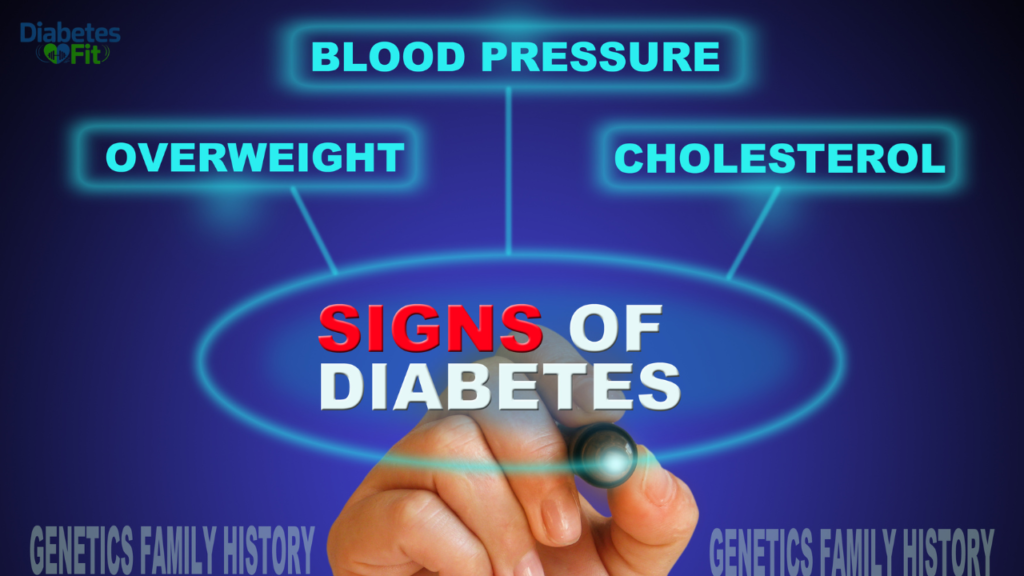
Increased thirst and frequent urination are classic early signs. When blood sugar levels rise too high, your kidneys work overtime to filter and eliminate the excess glucose, pulling extra water from your body in the process. This makes you thirstier and increases bathroom trips, especially at night.
Unexplained weight loss, despite normal or increased eating, can signal type 1 diabetes or advanced type 2 diabetes. When your cells can’t access glucose for energy, your body breaks down muscle and fat for fuel instead. Paradoxically, increased hunger often accompanies this weight loss because your cells are starving despite high blood sugar levels.
Persistent fatigue affects many people with undiagnosed diabetes. When glucose can’t enter your cells properly, you lack energy even though sugar circulates in your bloodstream. Additionally, poor sleep from frequent nighttime urination compounds fatigue.
Blurred vision occurs when high blood sugar pulls fluid from the lenses of your eyes, affecting your ability to focus. This symptom often resolves once blood sugar normalizes, but it serves as an important warning sign. Slow-healing cuts and frequent infections happen because elevated blood sugar impairs immune function and circulation.
Tingling or numbness in your hands or feet, known as peripheral neuropathy, can develop when sustained high blood sugar damages nerves. Dark patches of skin, particularly around the neck or armpits, called acanthosis nigricans, often indicate insulin resistance.
If you experience several of these symptoms, especially with diabetes risk factors, don’t wait—schedule a checkup promptly.
When Should You Get Tested If Diabetes Runs in Your Family?
Regular screening becomes essential when diabetes runs in your family, but timing and frequency depend on several factors including your age, weight, and other risk factors.

The American Diabetes Association recommends that all adults begin diabetes screening at age 35, regardless of family history. However, if you have a family history of diabetes, earlier and more frequent testing makes sense. If you’re overweight or have additional risk factors like high blood pressure, testing should begin at any age.
Annual screening is advisable if you have a parent or sibling with diabetes, especially if you also have other risk factors like being overweight, being physically inactive, having high blood pressure, or belonging to a high-risk ethnic group. Women who had gestational diabetes should get tested every one to three years, as they face significantly elevated lifetime diabetes risk.
Testing typically involves a fasting blood sugar test, hemoglobin A1C test, or oral glucose tolerance test. The A1C test offers convenience because it doesn’t require fasting and reflects average blood sugar over the previous two to three months. Fasting blood sugar tests are simpler and cheaper but require avoiding food for eight hours beforehand.
Prediabetes diagnosis deserves serious attention because it represents a critical intervention point. With prediabetes, blood sugar levels are elevated but not yet in the diabetic range. This stage offers an opportunity to reverse course through lifestyle changes before full diabetes develops. About 88 million American adults have prediabetes, but most don’t know it.
Beyond scheduled screenings, get tested immediately if you develop symptoms of diabetes or if major life changes affect your risk—significant weight gain, starting medications that affect blood sugar, or reaching menopause, for example.
Conclusion
Diabetes does have genetic components, but your family history is not your destiny. While inheriting diabetes-related genes increases your risk, lifestyle factors powerfully influence whether those genes translate into actual disease. Type 2 diabetes shows stronger family clustering than type 1, but both types involve complex interactions between multiple genes and environmental factors.
The most empowering message is that prevention is possible even with significant genetic risk. Maintaining a healthy weight, staying physically active, eating nutritious foods, managing stress, and getting adequate sleep can reduce your diabetes risk by more than half, regardless of family history. These same lifestyle strategies also help people with diabetes manage their condition more effectively.
If diabetes runs in your family, view this knowledge as a gift that prompts earlier action rather than a curse that dooms you. Regular screening, awareness of warning signs, and commitment to healthy habits give you substantial control over your metabolic health. Talk with your doctor about your personal risk profile and create a prevention plan tailored to your circumstances. Remember that small, consistent changes often prove more sustainable and effective than dramatic overhauls. Your genes may influence the cards you’re dealt, but you still decide how to play your hand.
Frequently Asked Questions
Can diabetes skip a generation? Yes, diabetes can appear to skip generations because it results from complex genetic and environmental interactions. You might inherit diabetes-susceptibility genes from grandparents without your parents developing the condition, especially if your parents maintained healthy lifestyles or simply got lucky with their particular genetic combination.
If my mother has diabetes, will I definitely get it? No, having a parent with diabetes increases your risk but doesn’t guarantee you’ll develop it. If your mother has type 2 diabetes, your lifetime risk is approximately 40 percent, meaning you’re more likely not to develop it than to develop it, especially if you maintain healthy lifestyle habits.
At what age does diabetes usually develop in people with family history? Type 1 diabetes typically appears in childhood or young adulthood, though it can occur at any age. Type 2 diabetes traditionally developed after age 40, but increasingly affects younger people, even children, particularly when family history combines with obesity and inactivity.
Can exercise completely prevent diabetes if it runs in my family? While exercise significantly reduces diabetes risk, it may not completely prevent it in everyone with strong genetic susceptibility. However, regular physical activity combined with healthy eating and weight management reduces risk by about 58 percent, even in high-risk individuals.
Should my children be tested for diabetes if I have it? Children should be screened if they’re overweight or obese and have additional risk factors like family history. Otherwise, routine screening typically begins in adulthood. However, if your child shows diabetes symptoms—excessive thirst, frequent urination, unexplained weight loss, or fatigue—testing should happen immediately regardless of age.
Is gestational diabetes a sign I’ll develop type 2 diabetes later? Yes, gestational diabetes significantly increases your risk of developing type 2 diabetes later in life. About 50 percent of women who had gestational diabetes develop type 2 diabetes within 10 years, making regular screening and healthy lifestyle habits especially important.

David Miller: I am a health and wellness writer focused on diabetes awareness, blood sugar control, and healthy living. I creates clear, practical content to help readers make better everyday health choices. I write evidence-based articles about diabetes, diet, and healthy living. My goal is to simplify complex health topics using trusted sources like WHO and medical journals.