Does Low Blood Sugar Cause High Blood Pressure?
I’ve had countless conversations with people who manage both blood sugar and blood pressure issues, and one question keeps coming up:
can low blood sugar actually cause high blood pressure?
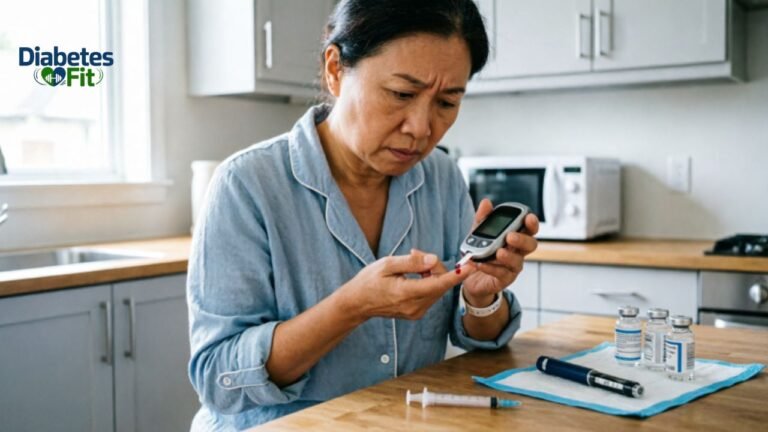
It’s a fair question, especially if you’ve noticed your blood pressure spiking when you’re feeling shaky and lightheaded from skipping a meal.
The short answer?
Yes, low blood sugar can temporarily raise your blood pressure, but the relationship between these two conditions is more complicated than you might think.
What Happens When Your Blood Sugar Drops
Before we get into the blood pressure , let’s talk about what’s actually going on in your body when blood sugar falls too low.
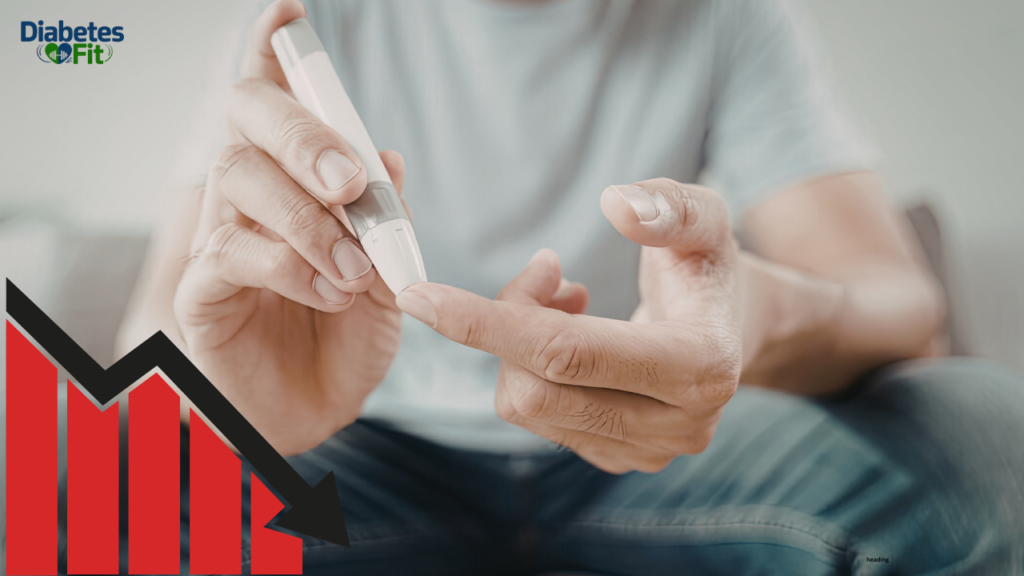
Your body runs on glucose. When levels drop below normal—typically under 70 mg/dL—your brain basically sounds an alarm. This isn’t just uncomfortable; it’s your body’s emergency response system kicking in. Your brain needs a steady supply of glucose to function, so when it senses scarcity, it triggers a cascade of hormonal reactions.
Think of it like a car running on fumes. The warning light comes on, and everything shifts into emergency mode.
The Stress Response That Changes Everything
When your blood sugar plummets, your body releases stress hormones—primarily adrenaline and cortisol. These are the same hormones that flood your system when you’re startled or threatened.

These stress hormones tell your heart to beat faster and your blood vessels to constrict. Why? Because your body is trying to quickly mobilize stored glucose and get it where it needs to go. This response can cause a temporary spike in blood pressure.
I know someone who checks both their blood sugar and blood pressure regularly, and she’s noticed this pattern herself. When her blood sugar drops to around 60, her blood pressure—which is usually well-controlled—can jump from 120/80 to 140/90 or higher. Once she eats something and her blood sugar stabilizes, her blood pressure comes back down within an hour or so.
The Symptoms That Overlap
Low blood sugar and high blood pressure can share some similar symptoms. Both can cause:
- Headaches
- Dizziness
- Anxiety or nervousness
- Rapid heartbeat
- Sweating
When you’re experiencing these symptoms, it’s not always obvious which condition is the culprit. That’s why checking both your blood sugar and blood pressure when you feel off can give you valuable information about what’s really happening.
Who’s Most at Risk for These Fluctuations
Not everyone experiences the same blood pressure response to low blood sugar. Several factors influence how your body reacts:
People taking diabetes medications (especially insulin or sulfonylureas) are more prone to low blood sugar episodes and may notice these blood pressure swings more often.
Older adults tend to have a more pronounced blood pressure response to hypoglycemia. Their blood vessels are often less flexible, and their bodies may release more stress hormones in response to low glucose.
Anyone with autonomic dysfunction might experience exaggerated or unpredictable blood pressure changes when blood sugar drops. The autonomic nervous system controls these automatic responses, and when it’s not working properly, things can get wonky.
What You Can Actually Do About It

If you’re dealing with both blood sugar and blood pressure concerns, here’s some practical advice that goes beyond just “eat better and exercise more.”
Balance Your Meals Throughout the Day
Skipping meals is one of the fastest ways to end up in low blood sugar territory. Eating balanced meals every 4-5 hours helps keep your glucose levels steady, which means fewer stress hormone surges and more stable blood pressure.
I’m not talking about six small meals a day or anything complicated. Just don’t skip breakfast, have a reasonable lunch, and eat dinner. If you need a snack between meals, choose something with protein and healthy fats—not just carbs alone.
Pair Carbs With Protein
When you do eat, combining carbohydrates with protein or healthy fats slows down how quickly glucose enters your bloodstream. A piece of fruit with some nuts works better than fruit alone. Whole grain toast with peanut butter beats plain toast every time.
This steadier glucose release means less dramatic drops later on, which translates to fewer blood pressure fluctuations.
Monitor Both Numbers When You Feel Off
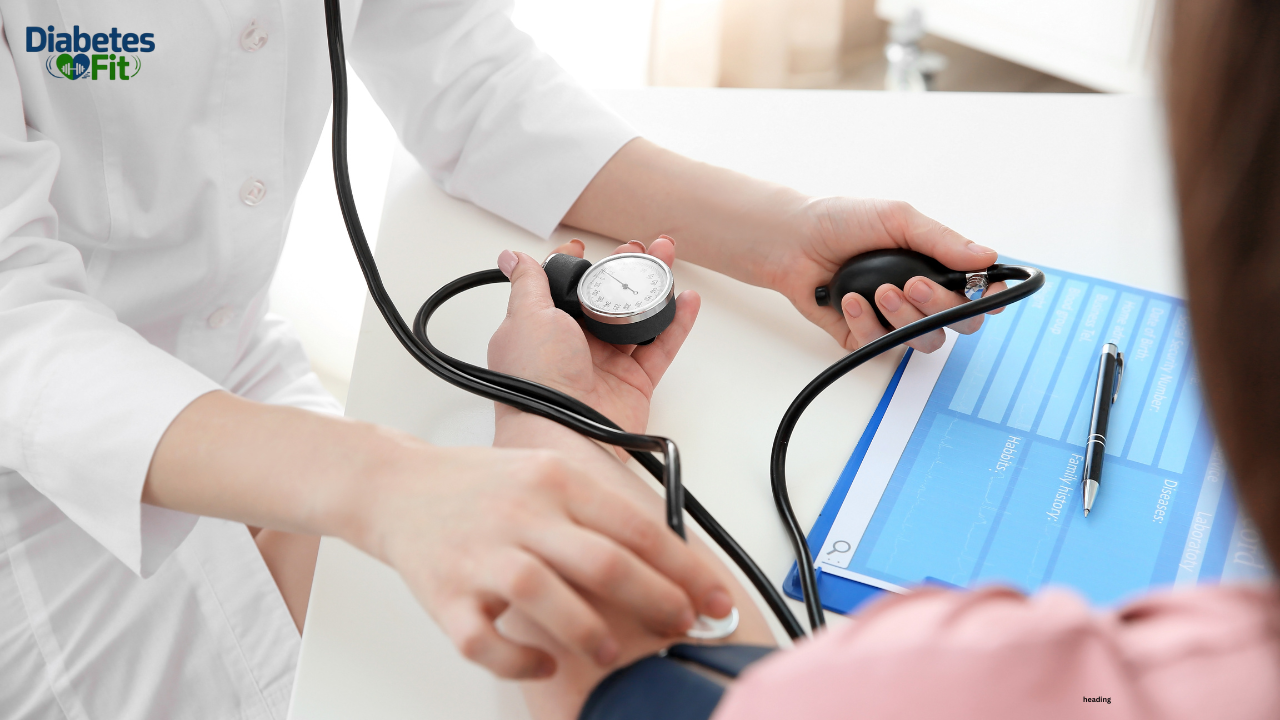
If you have the tools to check both blood sugar and blood pressure at home, use them when you’re not feeling right. Tracking these patterns helps you and your healthcare provider understand what’s happening in your specific body.
Write down what you ate, when you ate it, and how you felt. These details matter more than you might think.
Review Your Medications Regularly
If you’re on diabetes medications and having frequent low blood sugar episodes, talk to your doctor. Sometimes doses need adjusting, or switching to a different medication class can help reduce these events. Fewer lows mean fewer blood pressure spikes from stress hormones.
Same goes for blood pressure medications. Some types can affect blood sugar levels, so your treatment plan should account for both conditions.
When to consult a doctor

While occasional mild low blood sugar is manageable, certain situations require medical attention:
- Blood sugar below 54 mg/dL repeatedly
- Confusion or inability to treat yourself when blood sugar drops
- Blood pressure remaining elevated (above 140/90) even after blood sugar normalizes
- Frequent episodes that disrupt your daily life
Your body is trying to tell you something when these patterns emerge. Listen to it.
Conclusion
Low blood sugar can definitely cause temporary increases in blood pressure through your body’s stress response. It’s not your imagination if you’ve noticed this connection yourself.
But managing one condition helps manage the other. Keeping your blood sugar stable reduces those stress hormone surges that spike your blood pressure. Taking care of your blood pressure protects your blood vessels, which helps with long-term blood sugar control.
Think of it as a partnership rather than a battle on two fronts. Small, consistent habits—regular meals, balanced food choices, staying active, managing stress, and working closely with your healthcare team—make a difference for both conditions.
Your body is complex, but you don’t need to understand every scientific detail to take good care of it. Pay attention to patterns, trust what you’re feeling, and don’t hesitate to ask for help when something doesn’t seem right.
FAQ
Can low blood sugar actually raise blood pressure?
Yes, it can. When your blood sugar drops, your body goes into emergency mode and releases stress hormones like adrenaline and cortisol. These hormones make your heart beat faster and cause your blood vessels to tighten up, which pushes your blood pressure higher. This is a temporary response though — once you eat something and your blood sugar gets back to normal, your blood pressure usually settles down too. It’s not a permanent change, but it’s a real one.
How do I know if my blood pressure spike is caused by low blood sugar?
The easiest way is to check both numbers at the same time. If your blood sugar is low (under 70 mg/dL) and your blood pressure is reading higher than usual, there’s a good chance the two are connected. Pay attention to when these spikes happen — if they tend to occur after skipping a meal or going too long without eating, that’s a strong clue. Keeping a simple log of what you eat, how you feel, and your readings can help you spot the pattern over time.
Does this mean I need to worry about both blood sugar and blood pressure?
Not necessarily in a stressful way. If you’re already managing one condition, small changes can actually help both. Eating balanced meals regularly, pairing carbs with protein, staying active, and managing daily stress all support healthy blood sugar and blood pressure at the same time. The two conditions are more connected than most people realize, so taking care of one often helps the other without requiring a completely separate plan.
Are certain people more likely to experience blood pressure spikes from low blood sugar?
Yes. People taking insulin or sulfonylurea medications tend to have more frequent low blood sugar episodes, which means more blood pressure fluctuations. Older adults are also more prone to this because their blood vessels are less flexible and their bodies may release stronger stress hormone responses. Anyone dealing with autonomic dysfunction — where the nervous system doesn’t regulate automatic body functions properly — can experience unpredictable blood pressure changes when blood sugar drops.
When should I talk to my doctor about blood sugar and blood pressure issues?
It’s worth bringing up if your blood sugar is regularly dropping below 54 mg/dL, if your blood pressure stays elevated above 140/90 even after your blood sugar goes back to normal, or if these episodes are happening frequently enough to affect your daily life. Your doctor can also review your medications — some blood pressure drugs can impact blood sugar levels and vice versa. Getting both conditions managed together is always smarter than trying to tackle them separately.

David Miller: I am a health and wellness writer focused on diabetes awareness, blood sugar control, and healthy living. I creates clear, practical content to help readers make better everyday health choices. I write evidence-based articles about diabetes, diet, and healthy living. My goal is to simplify complex health topics using trusted sources like WHO and medical journals.