Best Sweetener for Diabetics: 10 Safe Options That Won’t Spike Your Blood Sugar
If you have diabetes, giving up sweetness feels like one of the hardest parts of managing your condition. Coffee without sugar, plain yogurt, unsweetened tea — it can feel like flavor has been permanently removed from your life. But here’s the good news: finding the best sweetener for diabetics doesn’t mean settling for something that tastes terrible or feels like a compromise.
The right sweetener for diabetics can let you enjoy sweet food and drinks without the dangerous blood sugar spikes that regular sugar causes. The challenge is that not all sugar substitutes are equal — some are genuinely safe and well-researched, others have questionable effects, and a few are actively misleading in their marketing.
In this comprehensive guide, you’ll discover the 10 best sweeteners for diabetics, understand exactly how each one affects blood sugar, learn which ones to avoid, and get practical tips for using them in your daily life safely and deliciously.
Also read the post on the best ice cream for diabetics.
Why Regular Sugar Is Dangerous for Diabetics
Before exploring the best sweetener for diabetics, it’s important to understand exactly why regular sugar — sucrose — is so problematic for people with diabetes.
When you eat sugar or refined carbohydrates, your digestive system breaks them down into glucose. This glucose enters your bloodstream, causing blood sugar to rise. In response, the pancreas releases insulin to move glucose into cells for energy.
In people with diabetes, this process is broken:
- Type 1 diabetes: The pancreas produces little or no insulin — blood sugar rises unchecked without external insulin
- Type 2 diabetes: Cells resist insulin’s signal (insulin resistance) — glucose stays in the blood, the pancreas produces more insulin, but efficiency decreases over time
The consequences of repeated blood sugar spikes:
- Damage to blood vessels — increasing cardiovascular disease risk
- Nerve damage (neuropathy) — causing tingling, numbness, and pain
- Kidney damage (nephropathy) — the leading cause of kidney failure in developed countries
- Eye damage (retinopathy) — a leading cause of preventable blindness
- Poor wound healing and increased infection risk
This is why finding the best sweetener for diabetics isn’t just about enjoyment — it’s about protecting long-term health while making life more livable.
What Makes a Sweetener Safe for Diabetics?
Not all sugar substitutes affect blood sugar equally. Here’s what to look for when evaluating the best sweetener for diabetics:
Key Criteria
Glycemic Index (GI): The GI measures how quickly a food raises blood sugar on a scale of 0–100. Regular sugar has a GI of approximately 65. The best sweeteners for diabetics have a GI of 0–20 — meaning minimal blood sugar impact.
Glycemic Load (GL): GL accounts for how much of the sweetener you actually consume per serving. Even a moderate-GI sweetener has a low GL if used in tiny amounts.
Insulin Response: Some sweeteners don’t raise blood sugar but still trigger an insulin response — which can be problematic for people managing insulin resistance. The best sweetener for diabetics should ideally produce minimal insulin release.
Caloric Content: Non-nutritive sweeteners (like stevia and erythritol) provide sweetness with zero or negligible calories — making them preferable for diabetics who also need to manage weight.
Safety Profile: The sweetener should have robust safety data, ideally including long-term human studies and regulatory approval from the FDA, EFSA, or WHO.
Best Sweetener for Diabetics: The Complete Guide to 10 Top Options
1. Stevia — The Gold Standard Natural Sweetener for Diabetics
Glycemic Index: 0 Calories: 0 Sweetness compared to sugar: 200–400 times sweeter Diabetic safety rating: ⭐⭐⭐⭐⭐
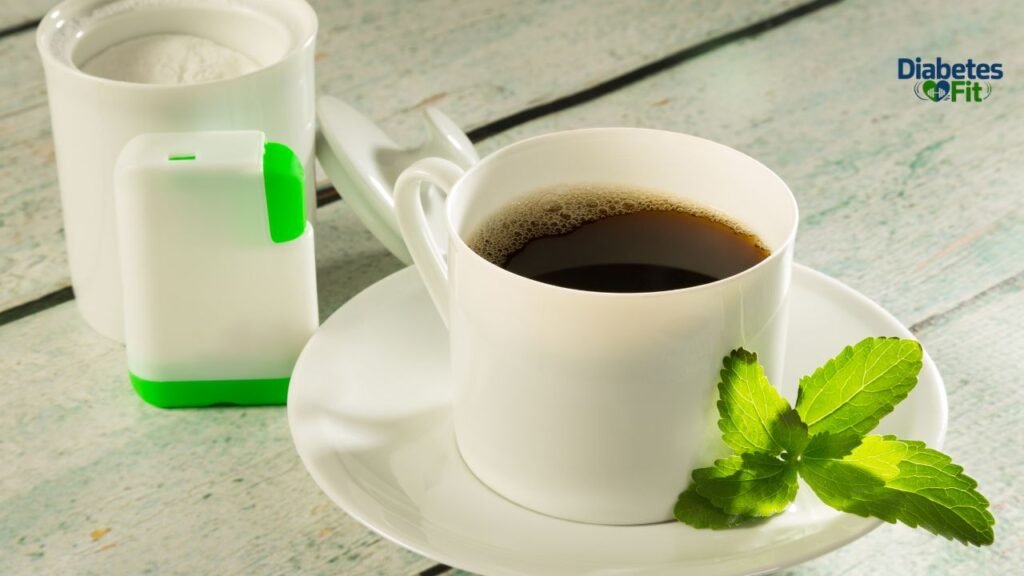
Stevia is derived from the leaves of the Stevia rebaudiana plant — a South American herb used for sweetening for centuries. It is widely considered the best sweetener for diabetics by endocrinologists, registered dietitians, and diabetes organizations worldwide.
Why stevia is the top choice:
- Zero glycemic index — causes absolutely no rise in blood sugar
- Zero insulin response — doesn’t trigger the pancreas to release insulin
- Active blood sugar benefits — multiple studies suggest steviol glycosides (the active compounds in stevia) may actually improve insulin sensitivity
- Calorie-free — supports weight management alongside diabetes control
- Completely natural — extracted from a plant without synthetic chemistry
- Long safety record — used medicinally for centuries in South America and Japan, extensively studied in modern clinical trials
Research highlights:
A study published in the Appetite journal found that stevia significantly reduced post-meal blood sugar levels compared to sugar and aspartame. Another study in the Journal of Dietary Supplements found stevia improved insulin sensitivity in participants with type 2 diabetes.
How to use stevia:
- Coffee and tea — start with less than you think you need; stevia is intensely sweet
- Baking — use baking-specific stevia products that include volume additives (pure stevia doesn’t bake the same way as sugar without modification)
- Yogurt and oatmeal — a few drops of liquid stevia transform plain foods
- Smoothies and homemade drinks
The one downside: Some people notice a bitter or licorice-like aftertaste — particularly with higher-purity stevia products. Start with smaller amounts and try different brands to find one whose taste profile you prefer.
2. Erythritol — The Best Sugar Alcohol for Diabetics
Glycemic Index: 0–1 Calories: 0.24 kcal per gram (essentially zero) Sweetness compared to sugar: 60–70% Diabetic safety rating: ⭐⭐⭐⭐⭐
Erythritol is a sugar alcohol — a type of carbohydrate that is chemically similar to sugar but is processed very differently by the body. Among all sugar alcohols, erythritol is uniquely exceptional for diabetics.
Why erythritol stands out from other sugar alcohols:
- Unlike other sugar alcohols (like maltitol or sorbitol), erythritol is absorbed almost entirely in the small intestine before reaching the colon
- Because it’s absorbed before fermentation can occur, it causes virtually no digestive side effects (no bloating or gas that troubles most sugar alcohols)
- 90% of absorbed erythritol is excreted unchanged in urine — the body doesn’t metabolize it for energy
- This unique absorption and excretion profile means it has essentially zero effect on blood sugar or insulin
Research on erythritol and diabetes:
A study in the European Journal of Clinical Nutrition found that erythritol produced no significant changes in blood glucose or insulin levels in healthy subjects or people with type 2 diabetes. A separate study showed erythritol may have antioxidant properties that protect blood vessels from the oxidative stress associated with diabetes.
How to use erythritol:
- Coffee and tea (dissolve well when the liquid is warm)
- Baking — works excellently in baked goods, providing bulk similar to sugar. Use at 70% of the sugar amount called for
- Homemade sugar-free desserts and ice cream
- Sprinkling on fresh fruit
Note about a 2023 study: A study published in Nature Medicine raised concerns about a link between high erythritol blood levels and cardiovascular events. However, this study measured naturally occurring erythritol (produced internally by the body’s own metabolism) rather than dietary erythritol from sweeteners. Regulatory bodies and most diabetes organizations continue to consider erythritol safe in normal consumption amounts. Discuss with your doctor if you have cardiovascular concerns.
3. Monk Fruit Sweetener — Zero Calorie, Zero Impact
Glycemic Index: 0 Calories: 0 Sweetness compared to sugar: 150–300 times sweeter Diabetic safety rating: ⭐⭐⭐⭐⭐
Monk fruit sweetener (also called luo han guo) is derived from a small melon grown in Southeast Asia. Its sweetness comes from mogrosides — antioxidant compounds that provide intense sweetness without raising blood sugar.
Why monk fruit is excellent for diabetics:
- Zero glycemic index — no blood sugar impact whatsoever
- Zero calories — no caloric contribution
- No insulin response — doesn’t stimulate the pancreas
- Natural origin — extracted from fruit without synthetic processing
- Contains antioxidants — mogrosides have demonstrated anti-inflammatory and antioxidant properties in research
- No known side effects or safety concerns
Research published in the British Journal of Nutrition found that mogroside extracts from monk fruit significantly reduced blood glucose levels in diabetic animal models. Human studies are more limited but consistently show zero blood sugar impact.
How to use monk fruit sweetener:
- Coffee and tea (most popular application)
- Smoothies and protein shakes
- Baking (available in baking-specific formulations)
- Salad dressings and marinades that call for a touch of sweetness
- Oatmeal and yogurt
Common form: Most commercial monk fruit sweeteners are blended with erythritol to provide bulk and improve texture. This combination creates an excellent all-around best sweetener for diabetics product.
4. Allulose — The Newest and Most Promising Diabetic Sweetener
Glycemic Index: 0 Calories: 0.2–0.4 kcal per gram (FDA classifies as essentially non-caloric) Sweetness compared to sugar: 70% Diabetic safety rating: ⭐⭐⭐⭐⭐
Allulose is a rare sugar found naturally in very small amounts in wheat, figs, raisins, and jackfruit. It’s chemically similar to fructose but is processed completely differently — it’s absorbed but not metabolized, and excreted unchanged in urine.
Why allulose may be the best sweetener for diabetics:
- Active blood sugar reduction: Multiple studies show allulose doesn’t just fail to raise blood sugar — it actually reduces post-meal blood sugar spikes when consumed alongside other carbohydrates
- A study in the Journal of Functional Foods found that allulose significantly reduced blood glucose after meals in people with type 2 diabetes
- Another study showed allulose inhibits intestinal enzymes that break down starches — slowing glucose absorption
- Behaves like sugar in cooking — caramelizes, browns, and provides a similar texture to regular sugar
- No bitter aftertaste (a common complaint with stevia)
- Excellent digestive tolerance
How to use allulose:
- Direct sugar replacement in recipes — its cooking behavior is closest to regular sugar
- Coffee and cold drinks (dissolves easily)
- Baking, sauces, dressings
- Making sugar-free caramel and syrup
5. Xylitol — Good Choice but With Important Caveats
Glycemic Index: 7–13 (Low) Calories: 2.4 kcal per gram Sweetness compared to sugar: Equal (1:1) Diabetic safety rating: ⭐⭐⭐⭐
Xylitol is a sugar alcohol found naturally in berries, plums, corn, and birch bark. It tastes almost identical to sugar with a GI of 7–13, dramatically lower than sugar’s GI of 65.
Why xylitol is a good sweetener for diabetics:
- Low glycemic index produces a minimal blood sugar response
- Has a 1:1 sweetness ratio with sugar — easy to use in recipes
- Has documented dental health benefits — inhibits the bacteria that cause tooth decay (particularly beneficial for diabetics who are more susceptible to dental problems)
- Naturally occurring in many foods
Important considerations:
- Contains 2.4 kcal per gram — not calorie-free like stevia or erythritol. Portions matter for diabetics managing weight
- Can cause digestive discomfort (bloating, gas, diarrhea) in larger amounts — particularly above 20–30g per day
- Critical safety note: Xylitol is extremely toxic to dogs — even small amounts can cause fatal liver failure. If you have pets, keep xylitol products completely out of reach
How to use xylitol:
- 1:1 replacement for sugar in recipes and beverages
- Excellent in baking for texture
- Chewing gum and dental products
6. Sucralose (Splenda) — Widely Available, Low GI Option
Glycemic Index: 0 (pure sucralose), Calories: 0 (pure sucralose) — Note: Splenda granules contain maltodextrin, adding small amounts of calories and carbohydrate. Sweetness compared to sugar: 400–700 times sweeter. Diabetic safety rating: ⭐⭐⭐
Sucralose is a synthetic sweetener made by modifying sugar — three hydroxyl groups are replaced with chlorine atoms. This modification prevents the body from metabolizing it for energy.
Why sucralose is a reasonable choice for some diabetics:
- Pure sucralose has a zero glycemic index
- Extremely heat-stable — one of the few sweeteners that maintains stability in baking at high temperatures
- Very widely available and affordable
- One of the most extensively safety-tested artificial sweeteners — FDA approved since 1998
The important caveat:
Most commercial sucralose products (like Splenda granules) are bulked with maltodextrin — a refined starch with a very high glycemic index (GI of approximately 130). A single packet of Splenda contains only 0.4g of maltodextrin — minimal in a single use — but it adds up with multiple daily servings.
Research concerns: Some studies suggest that sucralose may alter gut microbiome composition and affect insulin response. Research is mixed and ongoing. Pure liquid sucralose without bulking agents avoids the maltodextrin issue.
How to use sucralose:
- Coffee and hot drinks
- Baking (heat-stable, unlike stevia)
- Cold beverages and desserts
7. Saccharin (Sweet’N Low) — The Original Artificial Sweetener
Glycemic Index: 0 Calories: 0 Sweetness compared to sugar: 200–700 times sweeter Diabetic safety rating: ⭐⭐⭐
Saccharin is the oldest artificial sweetener, discovered in 1879. It was the primary sugar substitute for diabetics for nearly a century before other options became available.
Why saccharin is still used by some diabetics:
- Zero glycemic index — no blood sugar impact
- Calorie-free
- Extremely affordable
- Heat-stable for cooking
- Has been extensively studied for safety over many decades — the current consensus from major health organizations is that it’s safe in normal amounts
Concerns:
- Strong, distinct aftertaste that many people find unpleasant
- Some early research (largely from 1970s animal studies) suggested carcinogenic potential — this research has been largely discredited. The NTP removed saccharin from its list of possible carcinogens in 2000
- More modern research suggests potential gut microbiome effects — though evidence in humans is limited
Saccharin is a relatively low-cost option but has largely been superseded by better-tasting alternatives like stevia and monk fruit as the best sweetener for diabetics.
8. Aspartame (Equal, NutraSweet) — Know the Facts
Glycemic Index: 0 Calories: 4 kcal per gram (but used in such tiny amounts, the calorie contribution is negligible) Sweetness compared to sugar: 160–220 times sweeter Diabetic safety rating: ⭐⭐⭐
Aspartame is one of the most widely used artificial sweeteners in diet sodas and sugar-free products. It has essentially no effect on blood sugar in normal use.
Facts about aspartame and diabetes:
- Zero glycemic impact — safe for blood sugar management
- Approved by FDA, EFSA, and most global food safety agencies
- Has been studied more extensively than virtually any other food additive
Concerns and controversies:
- In July 2023, the International Agency for Research on Cancer (IARC) classified aspartame as “possibly carcinogenic to humans” (Group 2B) — the same classification as aloe vera extract and pickled vegetables. The Joint WHO/FAO Expert Committee simultaneously maintained that the acceptable daily intake (40mg/kg body weight) remains safe
- Not safe for people with phenylketonuria (PKU) — a genetic condition that prevents metabolism of phenylalanine, one of aspartame’s breakdown products. All aspartame products are labeled for this
- Heat degrades aspartame — not suitable for baking at high temperatures
Practical position for diabetics: Aspartame in diet sodas and sugar-free products poses no blood sugar risk. However, given the availability of natural alternatives like stevia and monk fruit with cleaner safety profiles, aspartame is not the first recommendation as the best sweetener for diabetics today.
9. Coconut Sugar — A Widely Misunderstood Option
Glycemic Index: 35–54 (depends on brand — varies significantly) Calories: 15 kcal per teaspoon (similar to regular sugar) Sweetness compared to sugar: 70–80% Diabetic safety rating: ⭐⭐
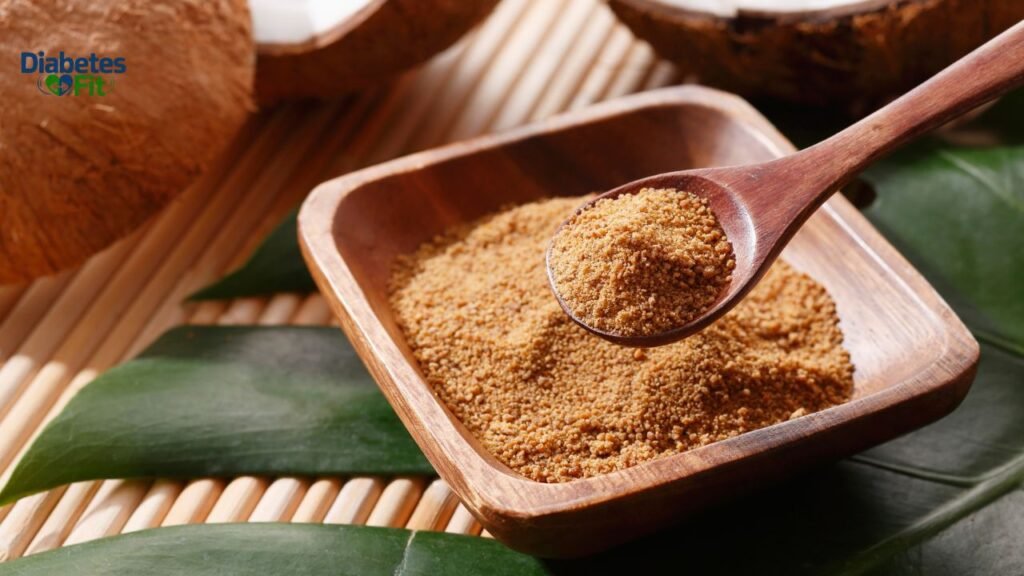
Coconut sugar is heavily marketed as a “natural,” “diabetic-friendly” sweetener — and this marketing is largely misleading for people with diabetes.
The truth about coconut sugar for diabetics:
- Contains inulin fiber, which slows glucose absorption slightly — hence the lower GI vs. regular sugar
- Still has a meaningful glycemic index (35–54 vs. sugar’s 65) — it does raise blood sugar, just somewhat more slowly
- Is NOT a safe sugar substitute for diabetics — it is still a sugar that raises blood glucose
- Has essentially the same caloric profile as regular sugar
- Provides small amounts of minerals (potassium, calcium, magnesium) — but the amounts are too small to be nutritionally significant
Bottom line: Coconut sugar is not the best sweetener for diabetics. It is a slightly lower-GI form of sugar that still causes blood sugar elevation. It’s a better choice than white sugar for healthy people wanting to moderate glycemic impact — but it is not appropriate as a sweetener for diabetics managing blood glucose.
10. Acesulfame Potassium (Ace-K) — Combined with Other Sweeteners
Glycemic Index: 0 Calories: 0 Sweetness compared to sugar: 200 times sweeter Diabetic safety rating: ⭐⭐⭐
Acesulfame potassium (Ace-K) is an artificial sweetener rarely used alone — most commonly combined with sucralose or aspartame to improve taste profiles in commercial products.
Key facts for diabetics:
- Zero glycemic index — no blood sugar impact
- FDA-approved and widely used in food manufacturing
- Poor taste when used alone (bitter, metallic) — hence its common combination with other sweeteners
- You encounter Ace-K primarily in diet sodas, sugar-free gum, and processed “sugar-free” products rather than as a standalone sweetener
Complete Comparison: Best Sweeteners for Diabetics
| Sweetener | GI | Calories/g | Natural? | Baking Safe? | Blood Sugar Impact | Overall Rating |
| Stevia | 0 | 0 | Yes | Limited | None | ⭐⭐⭐⭐⭐ |
| Erythritol | 0 | 0.24 | Yes | Yes | None | ⭐⭐⭐⭐⭐ |
| Monk Fruit | 0 | 0 | Yes | Limited | None | ⭐⭐⭐⭐⭐ |
| Allulose | 0 | 0.2 | Yes | Yes | None/Reduces | ⭐⭐⭐⭐⭐ |
| Xylitol | 7–13 | 2.4 | Yes | Yes | Very Low | ⭐⭐⭐⭐ |
| Sucralose | 0 | 0 | No | Yes | None (pure) | ⭐⭐⭐ |
| Saccharin | 0 | 0 | No | Yes | None | ⭐⭐⭐ |
| Aspartame | 0 | ~0 | No | No | None | ⭐⭐⭐ |
| Coconut sugar | 35–54 | 4 | Yes | Yes | Moderate | ⭐⭐ |
| Regular sugar | 65 | 4 | Yes | Yes | High | ⭐ |
Sweeteners Diabetics Should Avoid or Strictly Limit
Beyond coconut sugar, other sweeteners cause significant blood sugar issues for diabetics:
| Sweetener | GI | Why Diabetics Should Avoid |
| Regular white sugar | 65 | Direct blood sugar spike |
| High fructose corn syrup | 87 | Very rapid blood sugar elevation promotes insulin resistance |
| Honey | 58–61 | Still raises blood sugar significantly |
| Maple syrup | 54 | Lower than sugar but still impactful |
| Agave nectar | 15–30 | Low GI but very high in fructose — promotes liver fat and insulin resistance |
| Brown sugar | 64 | Essentially the same as white sugar |
| Maltitol | 35–52 | Sugar alcohol with unexpectedly high GI — raises blood sugar more than most sugar alcohols |
| Date sugar | 42–62 | Still raises blood sugar meaningfully |
Practical Tips for Using Sugar Substitutes With Diabetes
Stevia and monk fruit are powerful natural sweeteners; start with ¼ of what you believe you need and work your way up. For a full cup of coffee, a single drop of liquid stevia is frequently plenty.
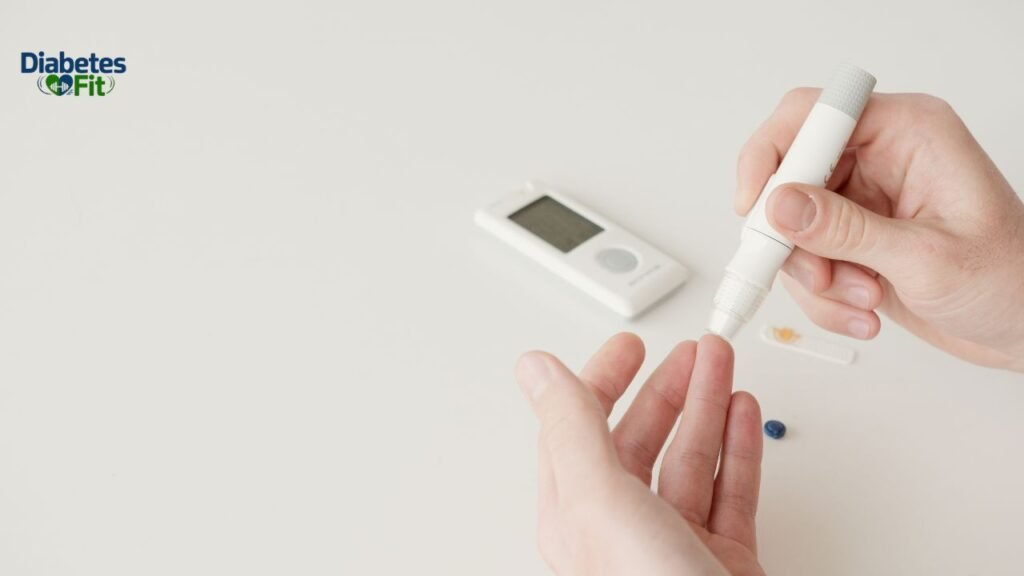
Carefully read product labels: Maltitol, a sugar alcohol with an unexpectedly high GI of 35–52, is used in many “diabetic-friendly” or “sugar-free” items. Always look at the list of ingredients rather than just the advertising on the packaging.
Test your own reaction: Each person’s blood sugar reacts differently to sweeteners. Test your reaction to any new sweetener 1-2 hours after consumption if you have a continuous glucose monitor (CGM) or routinely check your blood sugar to make sure it does not impact your individual blood sugar level.
Baking modifications: The bulk, browning, and texture that sugar offers are not provided by pure stevia or monk fruit. Use xylitol, erythritol, or allulose for bulk when baking, and add a tiny bit of stevia or monk fruit for sweetness. For this reason, erythritol and stevia are frequently used in commercial diabetic baking blends.
Keep an eye out for hidden sugars: “Sugar-free” on a label does not imply that it is free of carbohydrates. High-GI bulking agents or a variety of sweeteners are used in many sugar-free goods. Reading each product’s whole ingredients list and nutrition label is the safest course of action.
Frequently Asked Questions
Which sweetener is the best for those with diabetes?
Stevia, a natural, plant-based sweetener with zero calories, zero insulin response, zero glycemic index, and proven potential advantages for insulin sensitivity, is the best sweetener for diabetics overall. Globally, endocrinologists and diabetes dietitians most frequently suggest this sweetener. Erythritol or allulose are great substitutes for stevia in baking and cooking. With a slightly distinct flavor that many people prefer and the same zero-GI profile as stevia, monk fruit sweetener is an equally great natural alternative.
Can honey be used as a sweetener by people with diabetes?
Honey is not a safe sweetener for diabetics. Honey has a glycemic index of 58–61 and significantly raises blood sugar levels while being natural and having trace amounts of antioxidants. Additionally, it has 17g of sugar per tablespoon, which is almost equal to white sugar. Instead of using honey as a natural sweetener, diabetics should use stevia or monk fruit. For those with diabetes, honey’s low antioxidant content does not counteract its effects on blood sugar.
Is stevia long-term safe for those with type 2 diabetes?
Yes, patients with type 2 diabetes can safely use stevia for an extended period of time. For many years, it has been ingested in South America and Japan without any known long-term safety issues. The FDA, EFSA, and WHO are among the regulatory agencies that have thoroughly assessed the safety of stevia and set tolerable daily intake limits that are far higher than average consumption amounts. Stevia may eventually increase insulin sensitivity, according to research focusing on type 2 diabetes, making it a potentially therapeutic option rather than only a neutral one.
Does erythritol cause diabetic blood sugar levels to rise?
No, erythritol does not cause diabetic blood sugar levels to rise. Because it is absorbed in the small intestine and eliminated unaltered in urine without undergoing metabolism, it has a glycemic index of almost zero. Erythritol does not significantly alter blood glucose or insulin levels in individuals with type 2 diabetes, according to numerous clinical investigations. Erythritol has the best profile of any sugar alcohol for people with diabetes because it does not increase blood sugar and generates a lot less gastrointestinal distress than other sugar alcohols like sorbitol or maltitol.
For diabetics, is coconut sugar preferable to ordinary sugar?
Coconut sugar is not a safe diabetic sweetener and is only slightly superior to ordinary sugar for diabetics. The GI of ordinary sugar is 65, while that of coconut sugar is between 35 and 54. It has about the same calories as white sugar and, despite being slightly lower, it still significantly elevates blood sugar. In terms of controlling blood sugar, there is no clinically meaningful difference between the two. Instead of attempting to replace ordinary sugar with coconut sugar, diabetics should pick zero-GI sweeteners like erythritol, stevia, or monk fruit.
Which sweetener works best for those with diabetes when baking?
Erythritol or allulose are the greatest sweeteners for diabetics, especially when baking, as they offer the bulk, texture, and browning qualities that pure stevia and monk fruit cannot match on their own. Because it caramelizes and behaves more like regular sugar than any other diabetic sweetener, allulose is especially great for baking. Breads, cakes, and cookies all benefit from the use of erythritol. Since erythritol is only approximately 70% as sweet as sugar, many diabetic bakers combine erythritol (for bulk) with a little amount of stevia or monk fruit (for extra sweetness). Commercial erythritol-stevia baking mixes are easily accessible.
Can people with diabetes safely use artificial sweeteners like aspartame?
Artificial sweeteners like aspartame, sucralose, and saccharin have zero glycemic index and do not raise blood sugar — so they are technically safe for blood sugar management in diabetics. They are approved by major food safety agencies. However, natural sweeteners like stevia, monk fruit, and erythritol are generally preferred as the best sweetener for diabetics because they have cleaner safety profiles, no controversial research associations, and in the case of stevia and monk fruit, may offer additional metabolic benefits. If you consume diet sodas or sugar-free products containing aspartame or sucralose occasionally, they won’t harm your blood sugar — but they shouldn’t be your primary sweetener strategy.
Conclusion
Choosing the appropriate sweetness is more important for managing diabetes than giving up sweets. The ideal sweetener for diabetics offers sweet flavor without the vascular damage, insulin disturbance, and blood sugar increases that come with conventional sugar.
Stevia and monk fruit are the ideal sweeteners for diabetics to take on a daily basis, according to the evidence reviewed in this book. They have zero glycemic impact, are natural, have no calories, and have favorable safety profiles supported by decades of research. Allulose and erythritol work well in baking and cooking. When combined, these four choices provide you with all you need to safely and pleasantly sweeten your food and beverages.
Keep in mind that the best sweetener for diabetes is the one you will actually use regularly, as nobody benefits from a technically superior sweetener that is kept in the cupboard. Include the alternative whose flavor you truly like in your daily toolkit for managing your diabetes.
Are you prepared to change? Begin early tomorrow. Use stevia or monk fruit in place of the sugar in your coffee. In your next baking endeavor, give erythritol a try. Make sure the correct sweeteners are being used by reading the labels on your preferred “sugar-free” goods. Your long-term health and blood sugar control can be significantly improved by making little, regular modifications to the sweeteners you use.
For more information, read the post from Healthline.

David Miller: I am a health and wellness writer focused on diabetes awareness, blood sugar control, and healthy living. I creates clear, practical content to help readers make better everyday health choices. I write evidence-based articles about diabetes, diet, and healthy living. My goal is to simplify complex health topics using trusted sources like WHO and medical journals.