What Time Should Diabetics Stop Eating at Night?
If you have diabetes,
You’ve probably wondered about the best time to have your last meal or snack before bed. It’s a common question,
And the answer can make a real difference in how you feel the next morning and how well you manage your blood sugar levels.
Let’s talk about this important topic in a way that’s easy to understand and practical for your daily life.
Why Timing Your Last Meal Matters
When you have diabetes, your body doesn’t handle sugar the way it should. Your pancreas either doesn’t make enough insulin or your body doesn’t use insulin properly. This means the food you eat, especially at night, can affect your blood sugar levels while you sleep and when you wake up.
Eating too close to bedtime can cause problems. Your blood sugar might spike during the night, or you could wake up with high blood sugar in the morning. On the other hand, if you stop eating too early and take certain diabetes medications, you might experience low blood sugar during the night, which can be dangerous.
The General Rule: Stop Eating 2-3 Hours Before Bed
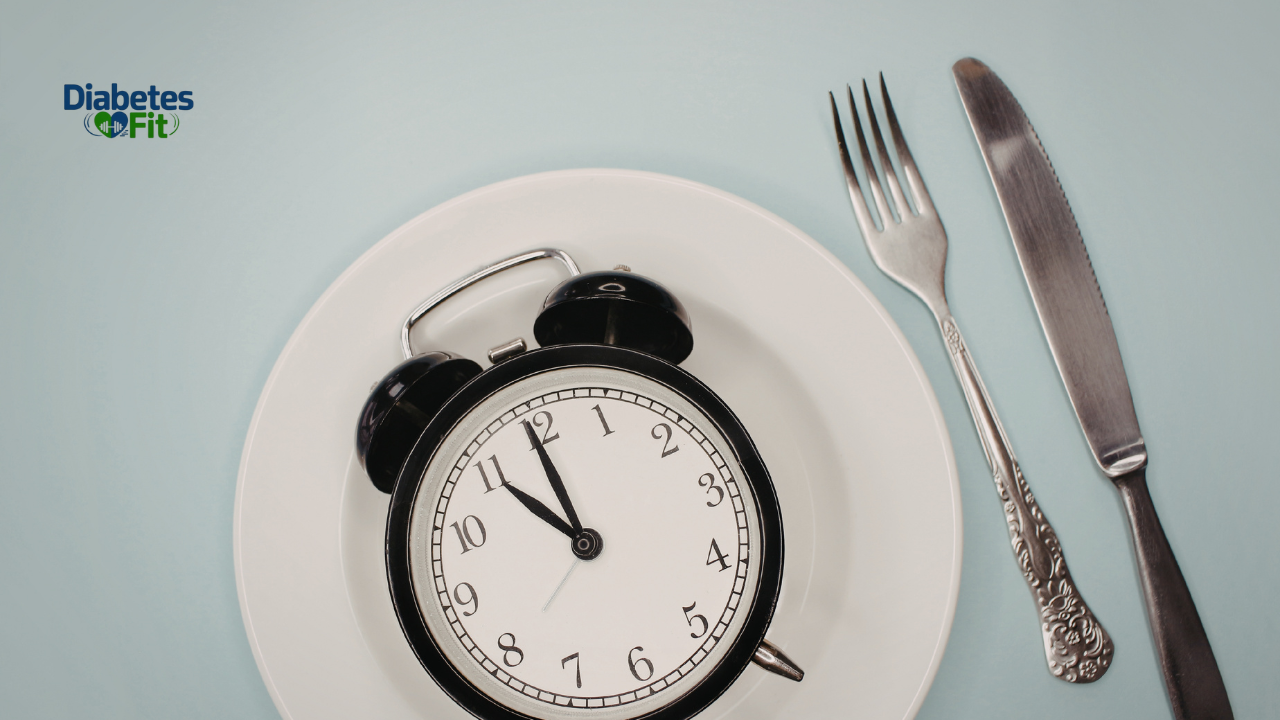
Most diabetes experts suggest that people with diabetes should finish their last meal or snack about 2 to 3 hours before going to sleep. This gives your body enough time to start digesting the food and processing the sugar from your meal.
For example, if you normally go to bed at 10 PM, you should try to finish eating by 7 or 8 PM. This timing helps your body in several ways.
First, it gives your digestive system time to work on breaking down the food. When you lie down right after eating, digestion slows down, which can lead to uncomfortable feelings like heartburn or bloating.
Second, this timing helps prevent blood sugar spikes during the night. When you eat and then immediately go to sleep, your body is processing all that food while you’re inactive, which can cause your blood sugar to rise more than it should.
Third, stopping eating a few hours before bed can help you wake up with better blood sugar numbers. Many people with diabetes struggle with high morning blood sugar, and late-night eating often makes this worse.
Understanding Your Individual Needs
While the 2-3 hour rule is a good starting point, everyone is different. Your ideal eating cutoff time depends on several personal factors.
Your medication schedule plays a big role. If you take insulin or certain diabetes medications that can cause low blood sugar, you need to be more careful. Some people might need a small snack before bed to prevent their blood sugar from dropping too low overnight.
Your dinner time and size matter too. If you eat a large, heavy dinner at 6 PM, you might not need anything else before bed. But if you have a light early dinner at 5 PM and don’t sleep until 11 PM, you might need a small, healthy snack later in the evening.
Your blood sugar patterns are also important. Some people wake up with high blood sugar no matter what they do, while others tend to have low blood sugar in the morning. Checking your blood sugar before bed and when you wake up can help you understand what works best for you.
Your activity level affects things too. If you exercise in the evening, you might need to adjust your eating schedule. Physical activity lowers blood sugar, so you might need a snack after an evening workout to stay balanced.
What Happens If You Eat Too Late?
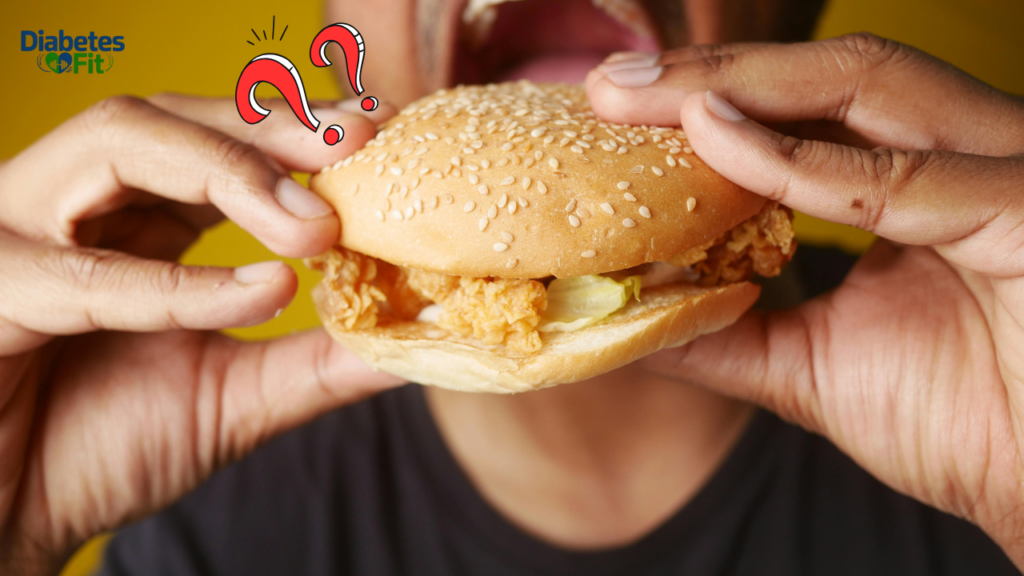
When you eat a big meal or sugary snack right before bed, several things can happen that aren’t good for diabetes management.
Your blood sugar can spike overnight. Your body is less active when you sleep, so it doesn’t use up the sugar from your food as quickly. This can lead to high blood sugar levels during the night.
You might experience something called the “dawn phenomenon” more severely. This is when your blood sugar naturally rises in the early morning hours. Late-night eating can make this rise even higher.
Your sleep quality might suffer. High blood sugar can make you feel restless, cause you to wake up to use the bathroom, or lead to uncomfortable symptoms that disrupt your rest. Poor sleep can then make it harder to control your blood sugar the next day.
You could gain weight more easily. Eating late at night, especially unhealthy snacks, can contribute to weight gain. This makes diabetes harder to manage because extra weight increases insulin resistance.
The Best Evening Eating Schedule
Creating a healthy evening eating routine doesn’t have to be complicated. Here’s a simple schedule that works for many people with diabetes.
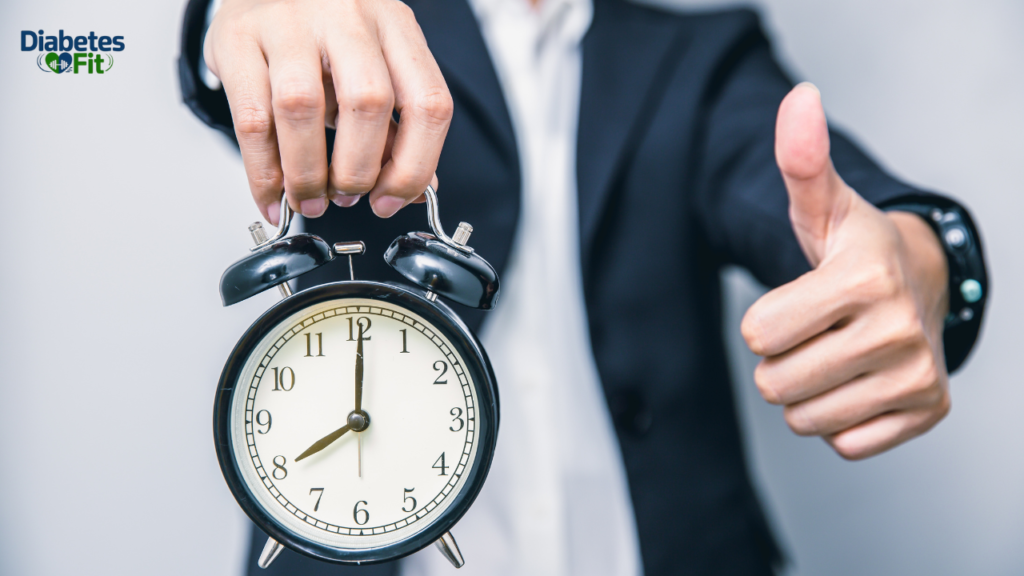
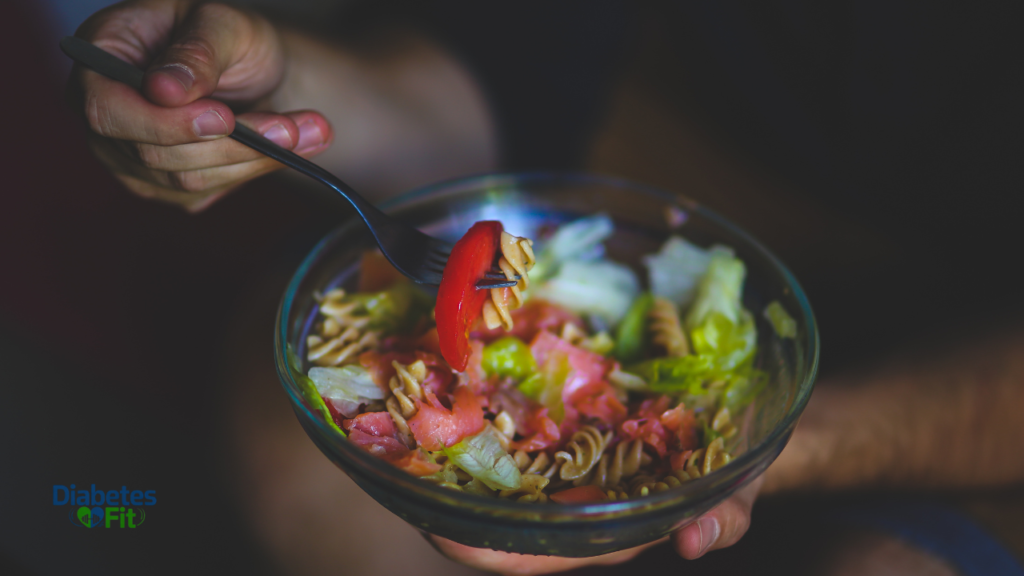
Have a balanced dinner between 6 and 7 PM. Make sure it includes lean protein, healthy fats, fiber-rich vegetables, and a moderate amount of complex carbohydrates. This combination helps keep your blood sugar stable.
If you need an evening snack, have it between 8 and 9 PM, assuming you go to bed around 10 or 11 PM. Choose something small and healthy, not a second dinner.
Stop all eating by 9 PM at the latest if you’re going to bed at 11 PM. This gives you that important 2-hour window.
Check your blood sugar before bed. This helps you know if you’re in a safe range for sleeping. Your target is usually between 100 and 140 mg/dL, but ask your doctor what’s right for you.
Smart Snack Choices If You Need One
Sometimes you really do need a small snack before bed, especially if your blood sugar is running low or you take nighttime insulin. The key is choosing the right foods.
A handful of nuts like almonds or walnuts makes a great choice. They have protein and healthy fats that won’t spike your blood sugar, and they help you feel satisfied.
A small piece of cheese with a few whole-grain crackers is another good option. The protein in cheese helps balance the carbohydrates in the crackers.
Greek yogurt without added sugar provides protein and can help stabilize blood sugar overnight. You can add a few berries for natural sweetness and fiber.
A small apple with a tablespoon of peanut butter gives you fiber, protein, and healthy fats. This combination digests slowly and keeps blood sugar steady.
Half a turkey sandwich on whole-grain bread is a mini-meal that can work if your blood sugar is low or you’re genuinely hungry.
Avoid sugary snacks, large portions of fruit, white bread, pastries, ice cream, and candy. These will send your blood sugar soaring and defeat the purpose of a bedtime snack.
Signs You’re Eating Too Late

Your body will give you clues if your eating schedule isn’t working well for your diabetes. Pay attention to these signs.
Consistently high morning blood sugar readings, even when your daytime numbers look good, often mean you’re eating too late or eating the wrong foods at night.
Trouble falling asleep or staying asleep can be related to blood sugar swings caused by late eating.
Waking up feeling sluggish or with a headache might indicate your blood sugar was too high during the night.
Heartburn or indigestion at night often happens when you eat too close to bedtime.
Weight gain despite watching what you eat during the day could be a sign that late-night eating is a problem.
Working With Your Healthcare Team

The best eating schedule for you is one that you create together with your doctor or diabetes educator. They can help you understand your specific needs based on your type of diabetes, medications, lifestyle, and blood sugar patterns.
Keep a food and blood sugar diary for a week or two. Write down what you eat, when you eat it, and what your blood sugar levels are before bed and in the morning. This information helps your healthcare team give you personalized advice.
Don’t be afraid to ask questions. Your doctor can explain how your specific medications affect your nighttime blood sugar and whether you need to eat before bed or avoid it.
If you’re struggling to follow a healthy eating schedule, a diabetes educator or nutritionist can help you create a realistic plan that fits your life.
Conclusion
The timing of your last meal or snack before bed is an important part of managing diabetes well. While the general guideline is to stop eating 2-3 hours before bedtime, your personal needs might be different based on your medications, activity level, and blood sugar patterns.
The key is finding a schedule that keeps your blood sugar stable overnight, helps you wake up with good numbers, and fits into your lifestyle in a way you can maintain long-term. Pay attention to how you feel, monitor your blood sugar regularly, and work with your healthcare team to find what works best for you.
Remember, managing diabetes is a journey, not a destination. Small changes to your evening eating habits can make a big difference in how you feel and how well you control your blood sugar. Be patient with yourself as you figure out the right routine, and celebrate the progress you make along the way.
Frequently Asked Questions
1. Can I drink water or other beverages after my last meal?
Yes, you can and should drink water whenever you’re thirsty, even after you’ve stopped eating for the night. Water doesn’t affect blood sugar levels. However, avoid drinks with calories like juice, regular soda, or milk close to bedtime as these contain sugar or carbohydrates that can raise your blood sugar. Unsweetened tea or coffee in small amounts is usually fine, but avoid adding sugar or honey.
2. What should I do if my blood sugar is low right before bed?
If your blood sugar is below your target range before bed (usually below 100 mg/dL), you should have a small snack even if it’s close to bedtime. Low blood sugar during sleep can be dangerous. Choose a snack that combines carbohydrates with protein, like a few crackers with cheese or a small glass of milk. Check with your doctor about the best approach for treating nighttime low blood sugar.
3. Is it different for Type 1 and Type 2 diabetes?
The basic principle of stopping eating 2-3 hours before bed applies to both Type 1 and Type 2 diabetes, but there can be differences. People with Type 1 diabetes who take insulin may need to be more careful about preventing low blood sugar overnight and might need a planned bedtime snack. People with Type 2 diabetes who don’t take insulin might have more flexibility. Always follow your doctor’s specific recommendations for your type of diabetes.
4. What if I work night shifts or have an irregular schedule?
If you work nights or have an irregular schedule, the same principles apply, but you’ll adjust them to your sleep schedule. The important thing is to stop eating 2-3 hours before you go to sleep, whenever that is. If you sleep during the day, finish your last meal 2-3 hours before your daytime sleep. Try to keep your eating schedule as consistent as possible, even if it’s different from a typical day’s schedule, as consistency helps with blood sugar management.

David Miller: I am a health and wellness writer focused on diabetes awareness, blood sugar control, and healthy living. I creates clear, practical content to help readers make better everyday health choices. I write evidence-based articles about diabetes, diet, and healthy living. My goal is to simplify complex health topics using trusted sources like WHO and medical journals.