Does Coffee on an Empty Stomach Raise Blood Sugar? Everything You Need to Know
Does coffee on an empty stomach raise blood sugar? This is a question that many coffee lovers and health-conscious individuals ask themselves every morning.
If you’re someone who reaches for that steaming cup of coffee before eating breakfast, you might be wondering about its effects on your blood sugar levels.
The short answer is yes, coffee can raise blood sugar when consumed on an empty stomach, but the full picture is much more interesting and complex.
Regular physical activity plays a key role in blood sugar control. In fact, if you exercise regularly, your insulin resistance will improve, helping balance glucose levels naturally.
Understanding Coffee and Blood Sugar
Coffee is one of the most popular beverages in the world. Millions of people start their day with a cup of coffee, often before eating anything else. While coffee has many health benefits, drinking it on an empty stomach can trigger certain responses in your body, particularly with blood sugar levels.
When you drink coffee without food, your body responds in several ways. Coffee contains caffeine, which is a stimulant that affects various systems in your body. One of these effects is on your blood sugar levels. Research shows that caffeine can make your body less sensitive to insulin, the hormone that helps control blood sugar. This means your cells don’t respond as well to insulin’s signals, which can lead to higher blood sugar levels.
Why Does Coffee Affect Blood Sugar?
The relationship between coffee and blood sugar is connected to how caffeine works in your body. When you consume caffeine, it triggers the release of stress hormones like cortisol and adrenaline. These hormones tell your liver to release stored glucose into your bloodstream. This is part of your body’s natural “fight or flight” response.
On an empty stomach, this effect can be even more pronounced. Without food to help balance things out, the release of glucose can cause your blood sugar to spike. This is especially important for people with diabetes or those who are at risk of developing diabetes.
The Morning Effect
Many people wonder specifically about morning coffee consumption. Does coffee on an empty stomach raise blood sugar more in the morning? The answer is often yes, and here’s why.
Your body naturally experiences something called the “dawn phenomenon.” This is when your blood sugar rises in the early morning hours, even before you eat or drink anything. Your body releases hormones like cortisol and growth hormone to help you wake up and get ready for the day. When you add coffee to this mix, especially on an empty stomach, you’re adding another factor that can push your blood sugar even higher.
Individual Differences Matter
It’s important to understand that not everyone reacts to coffee the same way. Some people are more sensitive to caffeine’s effects on blood sugar than others. Factors that can influence how coffee affects your blood sugar include:
- Your overall health and metabolism
- Whether you have diabetes or prediabetes
- How much coffee do you drink
- The type of coffee you choose
- Your regular diet and eating patterns
- Your stress levels and sleep quality
- Your physical activity level
For some people, a single cup of black coffee on an empty stomach might cause a noticeable blood sugar rise. For others, the effect might be minimal.
What About Different Types of Coffee?
The type of coffee you drink also matters. Black coffee has a different effect than coffee with milk, cream, or sugar. When you add sugar to your coffee, you’re directly adding glucose, which will definitely raise your blood sugar. But even black coffee without any additions can affect blood sugar levels because of the caffeine content.

Decaffeinated coffee has much less effect on blood sugar compared to regular coffee. If you’re concerned about blood sugar spikes but still want to enjoy coffee in the morning, switching to decaf might be a good option.
Signs Your Blood Sugar Might Be Affected
How do you know if coffee on an empty stomach is raising your blood sugar? Some common signs include:
- Feeling jittery or anxious after your morning coffee
- Experiencing energy crashes later in the morning
- Feeling unusually hungry shortly after drinking coffee
- Having trouble concentrating
- Feeling irritable or moody
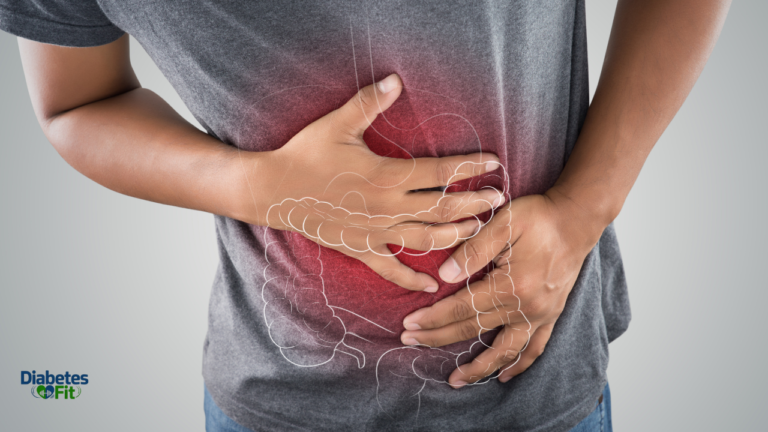
If you notice these symptoms regularly after drinking coffee on an empty stomach, it might be a sign that your blood sugar is being affected.
Tips for Coffee Lovers
If you love your morning coffee but are concerned about blood sugar, here are some practical tips:
Eat something first: Having even a small amount of food before your coffee can help buffer the blood sugar response. A handful of nuts, a piece of whole-grain toast, or some eggs can make a difference.
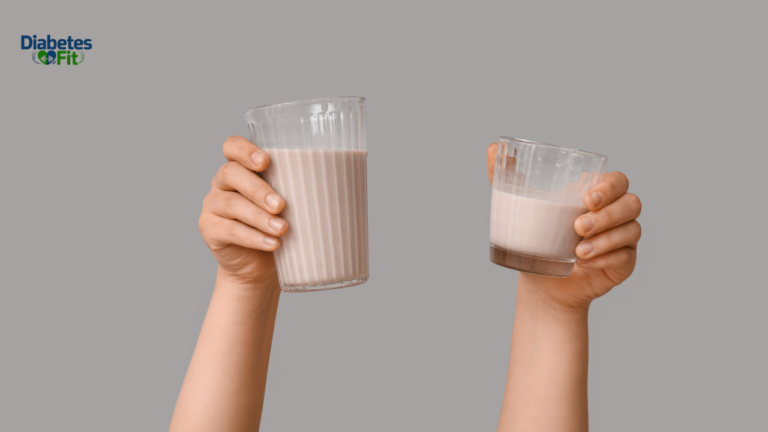
Add protein or healthy fats: If you don’t want to eat before coffee, try adding a splash of milk or a bit of cream to your coffee. The protein and fat can help slow down the absorption of caffeine.
Time it right: Consider waiting 30 minutes to an hour after waking up before having your coffee. This gives your body time to adjust to being awake and can reduce the combined effect of the dawn phenomenon and caffeine.
Stay hydrated: Drink a glass of water before your coffee. This helps your body stay hydrated and can help moderate blood sugar responses.
Monitor your portions: Stick to one or two cups of coffee rather than drinking multiple cups on an empty stomach.
Choose quality coffee: Some research suggests that coffee rich in antioxidants might have beneficial effects that could help balance out some of the negative impacts on blood sugar.
The Diabetes Connection
For people with diabetes, the question “Does coffee on an empty stomach raise blood sugar?” is particularly important. Studies have shown that people with type 2 diabetes may be more sensitive to caffeine’s effects on blood sugar. Some research suggests that caffeine can reduce insulin sensitivity by up to 15 percent in people with diabetes.
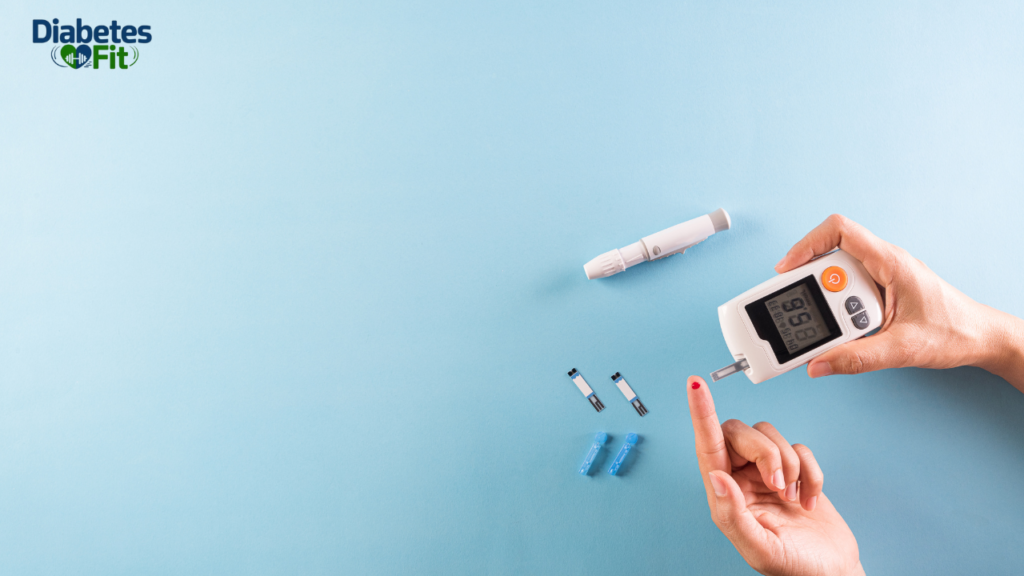
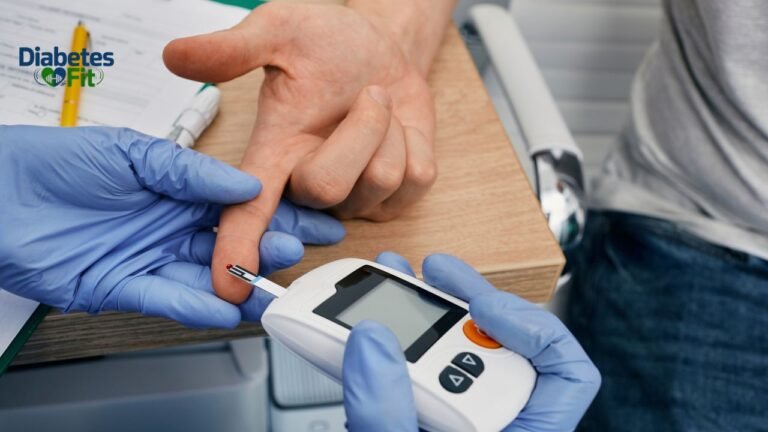
If you have diabetes, it’s worth testing your blood sugar before and after drinking coffee to see how it affects you personally. You might find that having coffee with food, switching to decaf, or reducing your coffee intake helps you maintain better blood sugar control.
Long-Term Considerations
Interestingly, while coffee can raise blood sugar in the short term, especially on an empty stomach, regular coffee consumption over time has been linked to a lower risk of developing type 2 diabetes. This seems contradictory, but it shows that the relationship between coffee and blood sugar is complex.
The key difference is between the immediate effects of coffee on blood sugar and the long-term health benefits of compounds found in coffee. Coffee contains many beneficial compounds, like antioxidants that may help protect against diabetes over time, even though the caffeine can cause short-term blood sugar spikes.
Making the Right Choice for You
Deciding whether to continue drinking coffee on an empty stomach depends on your individual health situation. If you don’t have diabetes or blood sugar issues, and you feel fine after your morning coffee, you probably don’t need to worry too much. However, if you have diabetes, prediabetes, or notice symptoms of blood sugar fluctuations, it’s worth considering some changes to your coffee routine.
Conclusion
So, does coffee on an empty stomach raise blood sugar? Yes, it can and often does, primarily due to caffeine’s effect on insulin sensitivity and stress hormone release. The impact varies from person to person, but drinking coffee before eating can trigger blood sugar spikes, especially in the morning when your body is already experiencing natural blood sugar increases.
The good news is that you don’t necessarily have to give up your beloved morning coffee. Simple strategies like eating something before your coffee, adding a bit of milk or cream, or switching to decaf can help minimize blood sugar impacts while still allowing you to enjoy your daily cup. If you have diabetes or concerns about blood sugar, talk to your healthcare provider about the best approach for your situation. Remember, understanding how your body responds to coffee is the first step in making choices that support your health and wellbeing.
Frequently Asked Questions
How long does coffee affect blood sugar levels?
Coffee’s effect on blood sugar typically peaks within one to two hours after consumption and can last for up to four hours. The duration depends on your caffeine sensitivity, metabolism, and whether you consumed food with your coffee.
Is it better to drink coffee before or after breakfast?
It’s generally better to drink coffee after breakfast or with food. Eating first helps buffer the blood sugar response and reduces the spike in stress hormones that caffeine triggers on an empty stomach.
Does decaf coffee raise blood sugar?
Decaf coffee has minimal effect on blood sugar compared to regular coffee because it contains very little caffeine. It’s a good alternative if you’re concerned about blood sugar spikes but still want to enjoy coffee.
Can adding milk to coffee help with blood sugar? Yes, adding milk or cream to your coffee can help moderate blood sugar responses. The protein and fat in milk slow down caffeine absorption and provide some nutrients that help stabilize blood sugar.
Should people with diabetes avoid coffee completely?
People with diabetes don’t need to avoid coffee completely, but they should monitor how it affects their blood sugar levels. Many people with diabetes can enjoy coffee in moderation, especially if consumed with food or after meals.
Why do I feel shaky after drinking coffee on an empty stomach?
Feeling shaky or jittery after coffee on an empty stomach is often related to blood sugar fluctuations and the release of stress hormones like adrenaline. Eating something before or with your coffee usually helps prevent this feeling.

David Miller: I am a health and wellness writer focused on diabetes awareness, blood sugar control, and healthy living. I creates clear, practical content to help readers make better everyday health choices. I write evidence-based articles about diabetes, diet, and healthy living. My goal is to simplify complex health topics using trusted sources like WHO and medical journals.