Does Infection Raise Blood Sugar? The Critical Connection Every Diabetic Needs to Know
If you’ve ever noticed your blood sugar readings spiking during a cold, a urinary tract infection, or even a minor skin infection, you weren’t imagining it. The connection between illness and elevated glucose levels is real, well-documented, and genuinely important for anyone managing diabetes or prediabetes.
Does infection raise blood sugar? The answer is a definitive yes — and understanding exactly why this happens, how significant the rise can be, and what you can do about it could literally save your life. Uncontrolled blood sugar during infection creates a dangerous cycle where high glucose impairs your immune system’s ability to fight the infection, and the infection continues driving blood sugar higher in response.
In this comprehensive guide, you’ll learn exactly how and why infection raises blood sugar, which infections are most dangerous for diabetics, what symptoms to watch for, how to manage your blood sugar during illness, and when to seek emergency care.
Also, know about the best sweater for diabetes.
Does Infection Raise Blood Sugar? The Science Explained
Yes — infection raises blood sugar, and it does so through multiple powerful biological mechanisms simultaneously. This isn’t a minor effect. During significant infections, blood sugar can rise dramatically — sometimes into dangerously high ranges — even in people who normally manage their diabetes well.
Here’s exactly what happens in your body when you get an infection:
The Stress Hormone Response
When your body detects an infection — whether it’s a bacterial urinary tract infection, a viral flu, or a fungal skin infection — your immune system immediately activates the stress response. This triggers your adrenal glands to release two primary stress hormones:
Cortisol:
- Signals the liver to release stored glucose (glycogen) into the bloodstream
- Increases gluconeogenesis — the production of new glucose from non-carbohydrate sources like protein and fat
- Promotes insulin resistance in muscle and fat cells — making it harder for glucose to enter cells even when insulin is present
- Research shows cortisol can raise blood glucose by 30–50% above baseline during moderate illness
Adrenaline (Epinephrine):
- Rapidly mobilizes stored glucose from the liver
- Inhibits insulin secretion from the pancreas, directly reducing the hormone needed to manage blood sugar
- Creates an immediate, rapid blood glucose spike within minutes of significant immune activation
Inflammatory Cytokines and Blood Sugar
Beyond stress hormones, the immune system releases inflammatory signaling molecules called cytokines — including tumor necrosis factor-alpha (TNF-α), interleukin-1 (IL-1), and interleukin-6 (IL-6) — to coordinate the immune response.
These cytokines have direct effects on blood sugar:
- TNF-α promotes insulin resistance by interfering with insulin receptor signaling at the cellular level
- IL-6 stimulates the liver to increase glucose production and release
- IL-1 directly impairs insulin-producing beta cells in the pancreas — reducing insulin output
The result: Does infection raise blood sugar? Yes — through multiple simultaneous pathways that all point in the same direction: glucose goes up, insulin becomes less effective, and blood sugar control deteriorates.
The Fever Factor
Most infections cause fever, and fever itself independently raises blood sugar. For every degree Celsius of temperature rise, metabolic rate increases by approximately 10–15%. This elevated metabolic demand:
- Increases glucose consumption by tissues
- Triggers additional stress hormone release
- Promotes hepatic glucose output
- Can cause dehydration, which concentrates blood glucose as blood volume decreases
Poor Eating During Illness
The practical reality of being sick adds another layer to the blood sugar problem. Many people eat poorly when ill, choosing high-carbohydrate comfort foods, consuming more sugary drinks and juices, or skipping meals erratically. These behavioral changes compound the physiological blood sugar rise from the infection itself.
How Much Can an Infection Raise Blood Sugar?
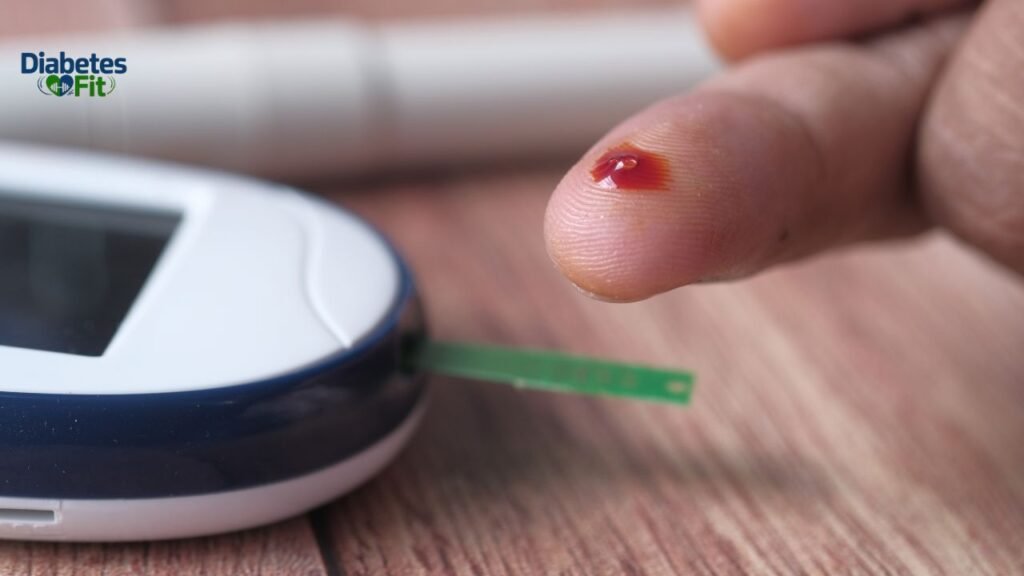
This is one of the most important practical questions for anyone with diabetes. The answer varies considerably depending on:
- Type and severity of the infection
- Your baseline diabetes control (HbA1c)
- Type of diabetes (Type 1, Type 2, or LADA)
- Current medications and dosages
- Individual physiological response
Typical Blood Sugar Increases by Infection Type
| Infection Type | Typical Blood Sugar Increase | Potential Range | Risk Level |
| Common cold (mild) | 20–50 mg/dL above baseline | Mild increase | Low-Moderate |
| Influenza (flu) | 50–100 mg/dL above baseline | Significant increase | Moderate-High |
| Urinary tract infection | 30–80 mg/dL above baseline | Moderate increase | Moderate |
| Pneumonia | 80–150+ mg/dL above baseline | Severe increase | High |
| Sepsis (bloodstream infection) | 150–300+ mg/dL above baseline | Extreme increase | Critical |
| Skin/wound infection | 30–70 mg/dL above baseline | Moderate increase | Moderate |
| Dental abscess | 40–90 mg/dL above baseline | Significant increase | Moderate-High |
| COVID-19 | 50–200+ mg/dL above baseline | Highly variable | High |
These figures represent general ranges. Individual responses vary, and some infections — particularly systemic infections like sepsis or severe pneumonia — can cause blood sugar to reach dangerous levels above 400–600 mg/dL, precipitating diabetic ketoacidosis (DKA) or hyperosmolar hyperglycemic state (HHS).
Which Infections Are Most Dangerous for Diabetics?
Does infection raise blood sugar more in some conditions than others? Absolutely. Here are the infections that pose the greatest risk for significant blood sugar elevation and dangerous complications in people with diabetes:
1. Urinary Tract Infections (UTIs)
UTIs are dramatically more common in people with diabetes — particularly women. Studies show diabetics have a 2–3 times higher risk of UTI compared to non-diabetics.
Why are diabetics more vulnerable?
- High blood glucose creates a sugar-rich urine environment that’s ideal for bacterial growth
- Impaired immune cell function from chronic hyperglycemia reduces the body’s ability to fight bacteria
- Autonomic neuropathy can affect bladder emptying — creating urinary retention that promotes bacterial growth
How much UTIs raise blood sugar: A significant UTI can raise blood sugar by 30–80 mg/dL above baseline. In severe cases or when the infection ascends to the kidneys (pyelonephritis), the elevation can be much greater.
2. Respiratory Infections (Influenza, Pneumonia, COVID-19)
Respiratory infections — particularly influenza and pneumonia — are among the most serious situations where infection raises blood sugar, becoming a critical concern for diabetics.
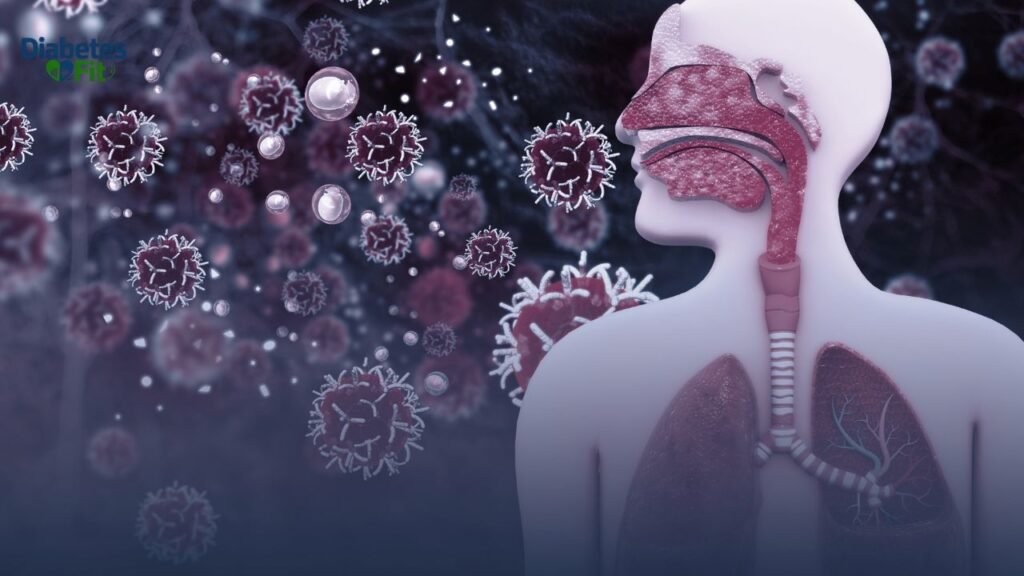
Influenza:
- Diabetics have up to 6 times higher risk of hospitalization from flu complications
- Flu-related blood sugar elevation averages 50–100 mg/dL above baseline
- Can precipitate DKA in Type 1 diabetics and HHS in Type 2 diabetics
Pneumonia:
- Represents one of the highest-risk infections for blood sugar control
- Systemic inflammation from pneumonia is particularly potent at triggering stress hormones and cytokines
- Hospital data consistently shows blood sugar often exceeds 300 mg/dL in diabetics hospitalized with pneumonia
COVID-19:
- Research published in The Lancet and Diabetes Care showed COVID-19 has unique effects on blood sugar beyond typical infection
- SARS-CoV-2 may directly damage pancreatic beta cells — potentially impairing insulin production
- New-onset diabetes was documented in many previously non-diabetic COVID-19 patients
- For existing diabetics, COVID-19 infection raised blood sugar more severely than most other respiratory infections
3. Skin and Wound Infections (Cellulitis, Diabetic Foot Infections)
Skin infections are particularly significant in the context of diabetes infection raise blood sugar, because of the bidirectional relationship between high blood sugar and poor wound healing.
The dangerous cycle:
- High blood sugar impairs the immune cells (neutrophils) that fight bacteria in wounds
- This allows bacterial infection to establish and spread more easily
- The infection then raises blood sugar further, worsening immune function
- Poor wound healing allows the infection to deepen — potentially into bone (osteomyelitis)
Diabetic foot infections are among the most common reasons for hospitalization and amputation in people with diabetes. Understanding that does infection raise blood sugar — and that high blood sugar worsens the infection — is essential for taking foot infections seriously.
4. Dental Infections (Abscesses, Periodontal Disease)
The relationship between dental infections and blood sugar is bidirectional and well-researched:
- Periodontal (gum) disease raises HbA1c by approximately 0.4% on average
- Dental abscesses can raise blood sugar by 40–90 mg/dL above baseline
- Diabetics are 3 times more likely to have severe gum disease than non-diabetics
- Treating periodontal disease has been shown to improve HbA1c in multiple randomized controlled trials
5. Gastrointestinal Infections (Gastroenteritis, Food Poisoning)
GI infections present a unique blood sugar management challenge because they simultaneously:
- Raise blood sugar through the stress response and inflammation
- Make blood sugar harder to manage through vomiting and diarrhea (reducing medication absorption)
- Create hydration challenges that concentrate blood glucose
- Prevent normal eating, making diabetes meal planning difficult
This combination makes severe gastroenteritis one of the most challenging infection scenarios for blood sugar management.
The Dangerous Cycle: How High Blood Sugar Worsens Infection
Understanding that does infection raise blood sugar is only half the picture. The other half is equally important: high blood sugar actively impairs the immune system’s ability to fight infection — creating a vicious cycle that can be difficult to break.
How hyperglycemia impairs immunity:
- Impaired neutrophil function: Neutrophils are the immune system’s frontline bacteria killers. Research shows that blood glucose above 200 mg/dL significantly reduces neutrophil chemotaxis (ability to move toward bacteria), phagocytosis (ability to engulf bacteria), and killing ability
- Reduced complement activity: The complement system is a cascade of proteins that helps destroy bacteria. High glucose impairs its activation
- Impaired macrophage function: Macrophages clear cellular debris and coordinate immune response — high glucose reduces their effectiveness
- Vascular dysfunction: High blood sugar damages small blood vessels, reducing blood flow that delivers immune cells and antibiotics to infection sites
- High glucose as bacterial food: Many bacteria thrive in high-glucose environments — literally growing faster and more aggressively in poorly controlled diabetics
This is why diabetics with infections can spiral into severe illness more quickly than non-diabetics — the infection raises blood sugar, the high blood sugar impairs immunity, and the infection worsens as a result.
Sick Day Management: How to Control Blood Sugar During Infection
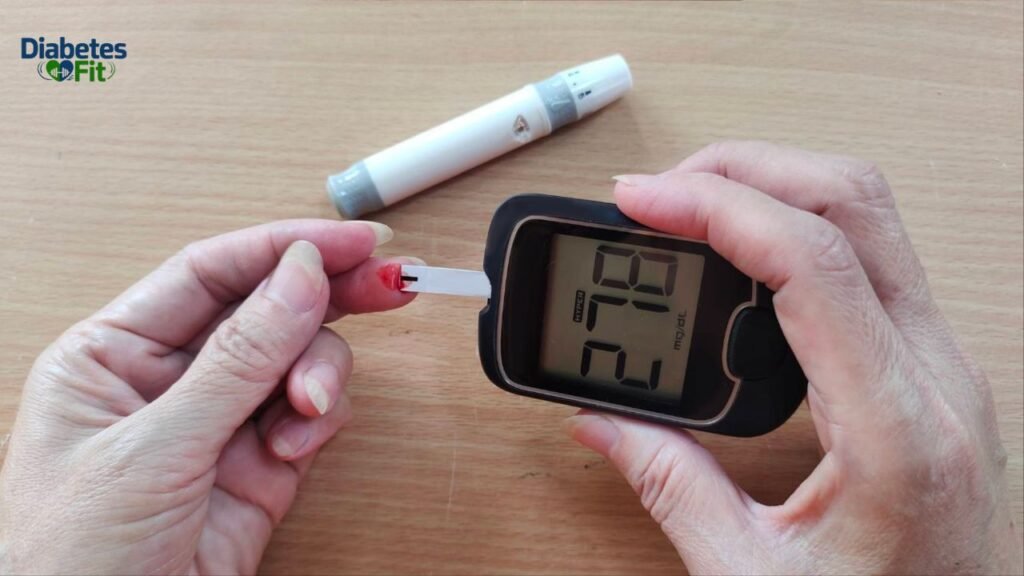
Knowing that infection raises blood sugar is critically important — but what you do about it matters even more. Here is the established medical guidance for sick day management in diabetics:
Rule 1: Never Stop Taking Insulin or Diabetes Medications
This is the most dangerous mistake diabetics make during illness. Many people think that because they’re eating less, they should take less medication. This logic is wrong and potentially life-threatening.
- During illness, your body produces MORE glucose through stress hormone-driven hepatic output — regardless of food intake
- For Type 1 diabetics, the risk of diabetic ketoacidosis (DKA) is highest during illness, precisely because people incorrectly reduce insulin
- For Type 2 diabetics on oral medications, most medications should be continued unless blood sugar drops below normal
Exception: Some medications require specific management during illness:
- SGLT2 inhibitors (empagliflozin, dapagliflozin, canagliflozin) — these should often be STOPPED during acute illness, fasting, or dehydration because they increase DKA risk in these situations. Consult your doctor about this in advance
- Metformin — should be held if you’re dehydrated, have vomiting or diarrhea, or have kidney concerns during illness
Rule 2: Monitor Blood Sugar More Frequently
During any significant infection, increase your blood glucose monitoring frequency:
| Normal Monitoring | Sick Day Monitoring |
| Before meals + bedtime | Every 2–4 hours |
| 4 times daily | 6–8 times daily |
| As symptoms indicate | Set overnight alarms |
Rule 3: Stay Hydrated
Dehydration concentrates blood glucose and impairs kidney function, which helps clear excess glucose. During illness:
- Aim for at least 250ml of clear fluid every hour you’re awake
- Alternate between water and electrolyte drinks (sugar-free)
- Avoid sugary drinks, fruit juice, and regular soda — these spike blood sugar further
- Avoid alcohol completely during illness
Rule 4: Check Ketones
For Type 1 diabetics and insulin-dependent Type 2 diabetics, checking urine or blood ketones during illness is essential:
| Ketone Level | Interpretation | Action |
| Negative/Trace | Safe | Continue monitoring |
| Small (0.6–1.5 mmol/L) | Caution | Increase fluids, contact the doctor if persistent |
| Moderate (1.5–3.0 mmol/L) | Concern | Contact the doctor immediately |
| Large (>3.0 mmol/L) | Emergency | Go to the emergency room immediately |
Rule 5: Adjust Insulin Based on Sick Day Rules
Many endocrinologists provide their Type 1 diabetic patients with specific sick-day insulin adjustment rules. The general principle:
- If blood sugar is consistently above 250 mg/dL during illness, additional correction doses of rapid-acting insulin may be needed
- Do NOT stop basal insulin even if you cannot eat
- Work out your sick day insulin rules with your endocrinologist BEFORE you get sick — not during the crisis
Rule 6: Know What to Eat When Sick
When appetite is reduced during illness:
If blood sugar is high (above 200 mg/dL):
- Focus on clear fluids
- Avoid carbohydrate-heavy foods
- Small amounts of easily digestible low-carb foods (broth, eggs, plain protein)
If blood sugar drops too low (below 70 mg/dL):
- Consume 15g of fast-acting carbohydrates (glucose tablets, regular soda in small amounts, juice)
- Recheck in 15 minutes
- This situation — low blood sugar during illness — requires immediate attention
When Does Infection Raise Blood Sugar to Emergency Levels?
Does infection raise blood sugar high enough to become a medical emergency? Yes — and recognizing these situations is critically important.

Diabetic Ketoacidosis (DKA) — Primary Risk for Type 1 Diabetics
DKA occurs when the body breaks down fat for fuel due to insufficient insulin, producing acidic ketone bodies. Infection is the most common trigger of DKA.
Warning signs of DKA:
- Blood sugar above 250 mg/dL
- Moderate to large ketones in urine or blood
- Nausea, vomiting, and abdominal pain
- Fruity or acetone-like breath odor
- Rapid, deep breathing (Kussmaul breathing)
- Confusion or altered consciousness
- Extreme fatigue
DKA is a medical emergency — go to the emergency room immediately. Left untreated, DKA can be fatal within hours.
Hyperosmolar Hyperglycemic State (HHS) — Primary Risk for Type 2 Diabetics
HHS is characterized by extreme hyperglycemia (often above 600 mg/dL) without significant ketosis, occurring primarily in Type 2 diabetics during severe infection or dehydration.
Warning signs of HHS:
- Blood sugar above 400–600 mg/dL
- Extreme thirst and urination
- Severe dehydration
- Confusion, disorientation, or altered consciousness
- Weakness on one side of the body (can mimic stroke)
- Seizures in severe cases
HHS is also a medical emergency with mortality rates of 5–20% even with treatment — go to the ER immediately.
When to Call Your Doctor During an Infection
Does an illness cause blood sugar levels to rise to the point that medical attention is required? Here’s a concise decision-making guide:
Contact your physician right away if:
- Even with more insulin or prescription modifications, blood sugar stays above 300 mg/dL.
- For more than six hours, blood sugar levels were higher than 250 mg/dL.
- Your blood or urine contains moderate or high levels of ketones.
- You have been throwing up for more than four to six hours and are unable to stay hydrated.
- Your blood sugar is rising, and you have diarrhea for longer than twenty-four hours.
- You exhibit symptoms of a dangerous infection, such as a high fever (over 39°C), breathing difficulties, and excruciating pain.
- You feel disoriented or unusually sleepy.
Visit the emergency department right away if:
- Blood sugar levels are higher than 400 mg/dL.
- If you have any of the aforementioned DKA symptoms, you have high ketones.
- You are confused, incredibly sluggish, or unresponsive.
- You have chest pain or are breathing quickly.
- Your blood sugar is elevated, and you are unable to consume any water.
Preventing Blood Sugar Spikes During Infection
The best way to manage the “does infection raise blood sugar” problem is prevention and preparation:
Vaccination:
- Annual influenza vaccination reduces flu-related hospitalizations in diabetics by up to 70%
- Pneumococcal vaccination is recommended for all diabetics
- COVID-19 vaccination significantly reduces the risk of severe COVID-related blood sugar complications
- Hepatitis B vaccination is recommended for diabetics
Good diabetes control:
- People with well-controlled diabetes (HbA1c below 7%) experience less severe blood sugar rises during infection than those with poorly controlled diabetes
- Tight glucose control improves immune function — reducing infection risk and severity
Dental care:
- Regular dental cleanings and treatment of gum disease reduce the infection burden that raises blood sugar
Foot care:
- Daily foot inspection, proper footwear, and early treatment of foot wounds prevent the escalating wound-infection-blood sugar cycle
Pre-planning sick day management:
- Discuss sick day rules with your endocrinologist or diabetes educator before you’re sick
- Stock sick day supplies: glucose tablets, ketone strips, electrolyte drinks, easy-to-digest foods
- Know when to call versus when to go to the ER
Frequently Asked Questions
Q: Does infection raise blood sugar even in non-diabetics? A: Yes — infection raises blood sugar even in people without diabetes. The stress hormones and inflammatory cytokines released during infection cause what’s called “stress hyperglycemia” — a temporary elevation in blood glucose. In healthy non-diabetics, the pancreas compensates by producing extra insulin to manage this rise. However, during severe infections or sepsis, even non-diabetics can develop significant hyperglycemia that requires treatment. This is why blood glucose is routinely monitored in intensive care units for all patients, regardless of diabetes status.
How long does infection-related blood sugar elevation last?
Infection-related blood sugar elevation typically persists for as long as the infection is active — and for 24–48 hours afterward as stress hormones and inflammatory markers clear. For a typical cold or mild UTI, the blood sugar effect may last 3–7 days. For more serious infections like pneumonia or a severe UTI, the blood sugar impact can last 1–2 weeks. Blood glucose should return to your normal baseline within 48–72 hours of the infection resolving. If it doesn’t, or if blood sugar remains high after recovery, this is worth discussing with your doctor.
Can a UTI cause high blood sugar without other symptoms?
Yes — this is a particularly important point for diabetics. Urinary tract infections can raise blood sugar without the classic UTI symptoms (burning urination, urgency, frequency) — particularly in older adults and people with diabetic neuropathy who may have impaired sensation. An unexplained rise in blood sugar — particularly if persistent over several days — is sometimes the first noticeable sign of a developing UTI. If your blood sugar is consistently higher than usual without an obvious dietary explanation, a UTI should be considered, and a urine test should be performed.
Does infection raise blood sugar differently in Type 1 vs Type 2 diabetes?
Yes — infection raises blood sugar through the same mechanisms in both types, but the clinical consequences differ significantly. Type 1 diabetics face a greater risk of DKA during infection because they produce no insulin at all — if additional insulin isn’t provided during illness-driven blood sugar rises, ketoacidosis can develop rapidly. Type 2 diabetics produce some insulin but often develop more severe hyperglycemia (very high blood sugar without ketosis) and face the risk of hyperosmolar hyperglycemic state (HHS) with severe infection. Both types require more frequent monitoring and often medication adjustment during significant infections.
Should I increase my insulin dose when I have an infection?
This depends on your blood sugar readings, your type of diabetes, and your doctor’s sick day guidance. The general principle is: never stop insulin during illness (even if eating less), and check blood sugar every 2–4 hours. If blood sugar remains consistently above 250 mg/dL, additional correction doses of insulin may be needed. However, insulin dose adjustments during illness should follow the specific sick day rules developed with your endocrinologist — not guesswork. Many endocrinologists provide their patients with written sick day protocols specifically for this situation. If you don’t have one, call your doctor before you need it.
Can treating the infection lower blood sugar?
Yes — treating the underlying infection is one of the most important steps in normalizing blood sugar during illness. As antibiotics (for bacterial infections), antivirals, or other appropriate treatments reduce the infection burden, the stress hormone and cytokine response decreases, and blood sugar typically follows. This is why antibiotics sometimes improve blood sugar control in diabetics with bacterial infections even before the infection is fully resolved — the immune system’s inflammatory response begins diminishing as the bacterial load decreases. This reinforces the importance of prompt, appropriate treatment of infections in diabetics.
Does infection raise blood sugar enough to cause permanent damage?
Temporary blood sugar elevation during acute infection — even if severe — is unlikely to cause permanent damage on its own. However, repeated episodes of severe hyperglycemia from recurrent infections, or prolonged hyperglycemia from poorly managed illness, can contribute to the cumulative glucose exposure that causes long-term diabetic complications. Additionally, DKA episodes in Type 1 diabetics are associated with subtle cognitive effects over time, with repeated occurrences. The key is managing infection-related blood sugar rises promptly and effectively — not allowing them to persist at dangerous levels for extended periods.
Conclusion
Every infection, from a slight cold to a serious bacterial illness, raises blood sugar through stress hormones, inflammatory cytokines, fever, and the practical difficulties of being sick. This is the clear, unequivocal medical response to the question, “Does infection raise blood sugar?” If not controlled, this increase can be severe, hazardous, and even fatal for diabetics.
Does an infection cause blood sugar levels to rise to the point that emergency care is necessary? Absolutely, under certain situations. In diabetics, infection is the most common cause of both potentially lethal complications, DKA and HHS.
The truly empowering part, though, is that knowing whether an infection raises blood sugar enables you to plan, keep an eye on things, and react correctly. When you are ill, check your blood sugar more frequently. Never stop taking your diabetes medicine without a doctor’s approval. Drink plenty of water. Recognize the HHS and DKA warning signals. Prepare a sick day strategy ahead of time.
Act now. Make an appointment to speak with your endocrinologist or diabetes care team before your next illness if you do not already have a written sick day management plan. Specifically, ask: When I am unwell, how often should I check my blood sugar? What time should I give you a call? When should I visit the emergency room? What are the insulin guidelines for sick days? The next time an infection causes your blood sugar to spike, knowing the answers to these questions ahead of time could actually save your life.
For more information, read the post from Verywell Health.

David Miller: I am a health and wellness writer focused on diabetes awareness, blood sugar control, and healthy living. I creates clear, practical content to help readers make better everyday health choices. I write evidence-based articles about diabetes, diet, and healthy living. My goal is to simplify complex health topics using trusted sources like WHO and medical journals.