
Low Carb Meals for Diabetics: Delicious and Easy Ideas to Manage Blood Sugar
Low-carb meals for diabetics are essential for maintaining stable blood sugar levels and improving overall health. If you’ve been diagnosed with diabetes or prediabetes, you’ve probably heard that watching your carbohydrate intake is crucial.
The good news is that eating low carb doesn’t mean sacrificing flavor or satisfaction. With the right recipes and strategies, you can enjoy delicious meals that keep your blood sugar in check while nourishing your body with essential nutrients.
Understanding different forms of diabetes, including early signs of brain-related insulin resistance, is important for better meal planning, so don’t miss our detailed guide on type 3 diabetes symptoms.
Why Low Carb Matters for Diabetics
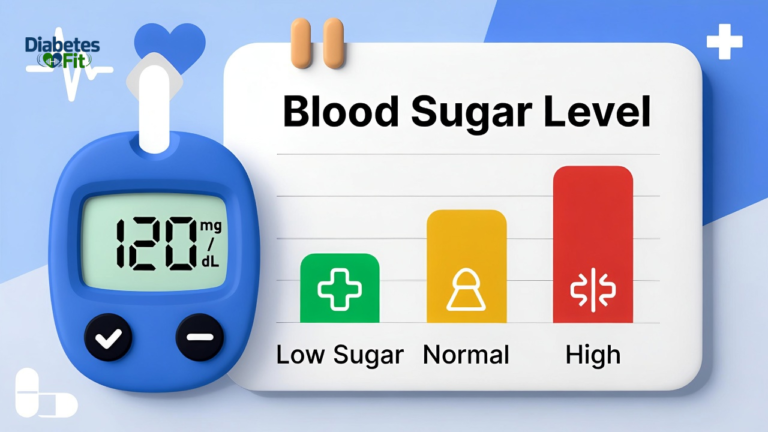
Understanding why low-carb meals for diabetics work so well starts with knowing how carbohydrates affect your blood sugar. When you eat carbs, your body breaks them down into glucose, which enters your bloodstream. For people with diabetes, this process can cause blood sugar spikes because their bodies either don’t produce enough insulin or can’t use it effectively.
By reducing carbohydrate intake, you minimize these blood sugar spikes and make it easier to maintain stable glucose levels throughout the day. This doesn’t mean eliminating carbs – it means choosing quality carbs in moderate amounts and balancing them with protein, healthy fats, and fiber. Most diabetics find success keeping their carb intake between 20 and 130 grams per day, though individual needs vary.
Breakfast Ideas That Start Your Day Right
Breakfast is an important meal when planning low-carb meals for diabetics. Starting your day with a balanced, low-carb breakfast helps stabilize blood sugar and reduce cravings later. Traditional breakfast foods like cereal, toast, and pastries are loaded with carbs, but plenty of delicious alternatives exist.
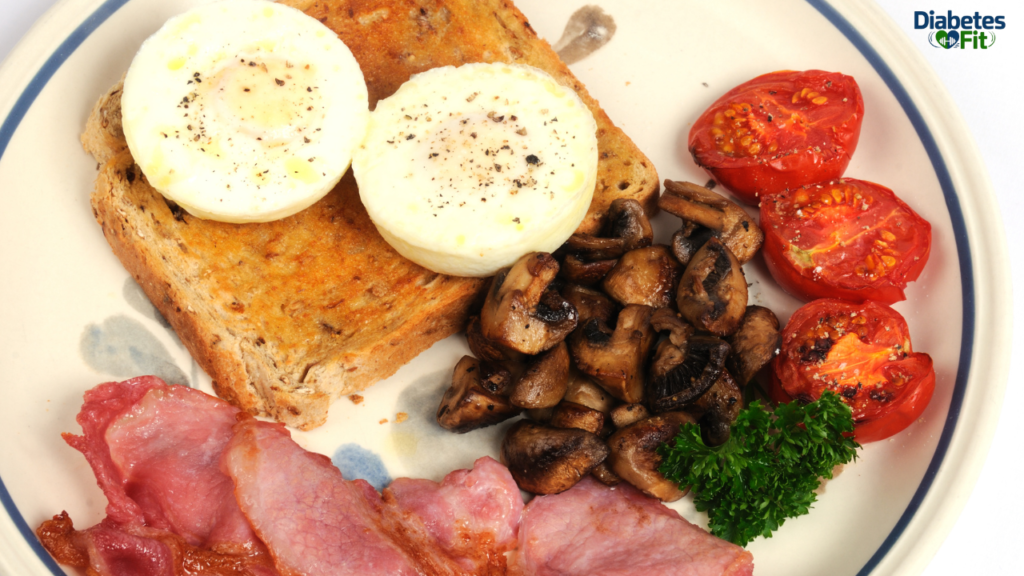
Eggs are a diabetic’s best friend at breakfast. Scrambled eggs with sautéed spinach, mushrooms, and cheese provide protein and healthy fats with minimal carbs. A vegetable omelet loaded with bell peppers, onions, and tomatoes keeps you full for hours. If you’re in a hurry, hard-boiled eggs prepared ahead of time make a perfect grab-and-go option.
Greek yogurt parfaits offer another excellent choice. Use plain, full-fat Greek yogurt (avoid flavored varieties with added sugar) and top with a small handful of berries, nuts, and seeds. The protein in Greek yogurt helps slow sugar absorption, while berries provide antioxidants and fiber with relatively few carbs compared to other fruits.
Breakfast casseroles made with eggs, vegetables, cheese, and breakfast meats can be prepared on weekends and reheated throughout the week. Try a crustless quiche or a low-carb frittata packed with your favorite vegetables. Chia seed pudding made with unsweetened almond milk, topped with nuts and a few berries, provides omega-3 fatty acids and fiber while keeping carbs low.
Satisfying Lunch Options
Planning low-carb meals for diabetics for lunch can be simple and delicious. Salads are obvious choices, but they need protein and healthy fats to be truly satisfying. Build your salads with a base of leafy greens, add grilled chicken, salmon, hard-boiled eggs, or chickpeas for protein, and include vegetables like cucumbers, tomatoes, and bell peppers. Top with avocado, nuts, or seeds, and dress with olive oil and vinegar.
Lettuce wraps offer a fantastic alternative to sandwich bread. Use large lettuce leaves to wrap turkey, chicken, or tuna salad. Add cheese, avocado, and plenty of vegetables for crunch and flavor. You can also use collard greens for sturdier wraps that hold more filling.
Soups and stews work wonderfully for low-carb lunches. Chicken vegetable soup, beef and vegetable stew, or creamy broccoli soup (made with cream or coconut milk) provide warmth and nutrition. Avoid soups thickened with flour or those containing pasta, rice, or potatoes. Instead, add cauliflower, zucchini, or other low-carb vegetables for bulk and nutrients.
Zucchini noodles (zoodles) topped with marinara sauce and meatballs create a satisfying Italian-inspired lunch. Cauliflower rice stir-fried with vegetables and your choice of protein makes a quick, filling meal that’s much lower in carbs than traditional fried rice.
Dinner Recipes the Whole Family Will Love
Dinner is often the main meal of the day, and fortunately, there are countless options for low-carb meals for diabetics that everyone can enjoy. The key is focusing on protein and vegetables while getting creative with seasonings and cooking methods.
Grilled or baked proteins should be the foundation of your dinner plate. Salmon, chicken breast, lean beef, pork chops, or turkey all work beautifully. Season them with herbs, spices, and marinades (watch for sugar in store-bought marinades). A simple herb-crusted chicken breast or lemon-garlic salmon requires minimal preparation but delivers maximum flavor.
Pair your protein with non-starchy vegetables. Roasted Brussels sprouts, steamed broccoli, sautéed green beans, grilled asparagus, or cauliflower mash make excellent sides. Roasting vegetables with olive oil and seasonings brings out their natural sweetness and creates delicious caramelization.
Casseroles and one-pot meals simplify dinner preparation. Try a chicken and broccoli casserole with cheese, a taco-seasoned ground beef and cauliflower rice bowl, or a creamy Tuscan chicken with spinach and sun-dried tomatoes. Sheet pan dinners, where you roast protein and vegetables together, save time and cleanup.
Don’t forget about ethnic cuisines. Many international dishes can be adapted for low-carb eating. Chicken curry served over cauliflower rice, fajita bowls without the tortilla, Greek-style lamb with tzatziki and cucumber salad, or Thai-inspired lettuce cups all provide exciting flavors while keeping carbs in check.
Smart Snacking Strategies
Even with filling meals, you’ll sometimes need snacks, and having low-carb meals for diabetics extends to snacking too. The right snacks can prevent blood sugar dips and keep hunger at bay between meals.
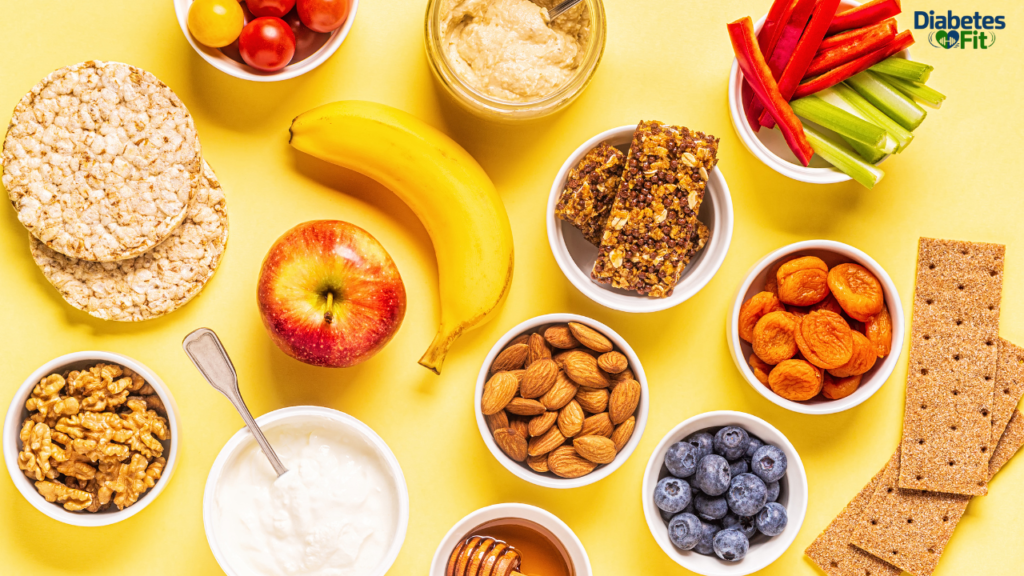
Nuts and seeds make excellent portable snacks. Almonds, walnuts, pecans, and pumpkin seeds provide healthy fats, protein, and fiber. Watch portion sizes, though, as nuts are calorie-dense. A small handful (about one ounce) is a perfect serving.
Vegetables with dips offer satisfying crunch and nutrition. Cut celery, bell peppers, cucumbers, and cherry tomatoes pair wonderfully with guacamole, hummus (in moderation), or cream cheese mixed with herbs. String cheese or cheese cubes provide quick protein and calcium with virtually no carbs.
Hard-boiled eggs, beef jerky (choose versions without added sugar), and pepperoni slices are convenient protein snacks. Sugar-free gelatin, pork rinds with guacamole, or a small serving of olives also work well when you need something to tide you over.
Meal Prep Tips for Success
Successfully maintaining low-carb meals for diabetics often comes down to preparation. When healthy options are ready to eat, you’re less likely to reach for high-carb convenience foods.
Dedicate a few hours on weekends to meal prep. Cook several chicken breasts, portion them into containers, and refrigerate or freeze. Chop vegetables and store them in the fridge for easy access. Prepare a large salad base that lasts several days. Make a batch of hard-boiled eggs. Having these components ready makes assembling meals quick and easy.
Invest in good storage containers to keep prepped ingredients fresh. Glass containers work well and can go from refrigerator to microwave. Label everything with dates to track freshness.
Plan your weekly menu. Knowing what you’ll eat each day reduces decision fatigue and ensures you have the necessary ingredients on hand. Keep your pantry stocked with low-carb staples like canned tuna, olive oil, vinegar, nuts, and spices.
Foods to Embrace and Avoid
When planning low-carb meals for diabetics, knowing which foods to choose and which to limit makes shopping and cooking easier. Embrace non-starchy vegetables like leafy greens, broccoli, cauliflower, zucchini, peppers, and asparagus. These provide vitamins, minerals, and fiber with minimal carbs.

Quality proteins should feature prominently. Choose fish, chicken, turkey, lean beef, pork, eggs, and Greek yogurt. Plant-based proteins like tofu and tempeh also work well. Healthy fats from avocados, olive oil, nuts, seeds, and fatty fish support satiety and nutrient absorption.
Limit or avoid high-carb foods like bread, pasta, rice, potatoes, and sugary foods. Even healthy carbs like beans and whole grains should be eaten in controlled portions. Fruits contain natural sugars, so stick to small servings of berries and avoid fruit juice entirely.
Watch out for hidden carbs in sauces, dressings, and condiments. Ketchup, barbecue sauce, and many salad dressings contain significant sugar. Read labels carefully and choose sugar-free versions or make your own.
Restaurant and Dining Out Strategies
Maintaining low-carb meals for diabetics doesn’t mean giving up eating out. With smart choices, you can enjoy restaurant meals while keeping blood sugar stable.
Most restaurants are accommodating if you ask for modifications. Request vegetables instead of rice, potatoes, or pasta. Ask for sauces and dressings on the side so you can control portions. Choose grilled, baked, or roasted proteins rather than fried options.
Skip the bread basket at the table to avoid temptation. Start with a salad or vegetable-based soup. For main courses, steak with steamed vegetables, grilled fish with a side salad, or fajitas without the tortillas all work well.
Be cautious with Asian restaurants, as many dishes contain hidden sugars in sauces. Choose steamed dishes with sauce on the side, or stick to simpler preparations. Mexican restaurants offer good options if you skip the tortillas and chips – fajita bowls, salads, and carne asada with vegetables work perfectly.
Monitoring and Adjusting
Even when following low-carb meals for diabetics carefully, individual responses vary. What works for one person might not work for another, so monitoring your blood sugar regularly is essential.
Check your blood sugar before meals and two hours after eating to see how different foods affect you. Keep a food journal, noting what you ate and your corresponding blood sugar readings. This helps identify which foods and portions work best for your body.
Work with your healthcare provider or a registered dietitian to determine your ideal carb intake. Some diabetics do well with very low-carb eating (under 50 grams daily), while others need slightly more. Your medication, activity level, and overall health all influence your individual needs.
Don’t aim for perfection. Occasional higher-carb meals won’t derail your progress. What matters is your overall pattern of eating. If you do indulge, return to your healthy low-carb eating plan at the next meal without guilt.
Staying Motivated
Sticking with low-carb meals for diabetics long-term requires motivation and support. Connect with others managing diabetes through online communities or local support groups. Sharing recipes, challenges, and successes makes the journey easier.
Celebrate non-scale victories. Notice when you have more energy, sleep better, or need less medication. These improvements matter more than any number on a scale. Track how you feel, not just what you weigh or what your blood sugar reads.
Keep things interesting by trying new recipes regularly. Explore different cuisines, experiment with new vegetables, and test new cooking methods. When eating feels like an adventure rather than a restriction, you’re more likely to stick with healthy habits.
Conclusion
Low-carb meals for diabetics offer a powerful approach to managing blood sugar while enjoying delicious, satisfying food. By focusing on protein, healthy fats, and non-starchy vegetables while limiting refined carbohydrates, you can take control of your diabetes and improve your overall health. The meal ideas and strategies outlined here provide a strong foundation for creating sustainable eating habits.
Remember that transitioning to low-carb eating is a process. Start by making small changes – replace one high-carb meal with a low-carb alternative, then gradually expand from there. Be patient with yourself as you learn new cooking techniques and discover which foods make you feel your best. With time and practice, planning and preparing low-carb meals becomes second nature.
The most important thing is finding an approach that works for your lifestyle, preferences, and health needs. Work with your healthcare team to develop a personalized plan, monitor your progress, and make adjustments as needed. With commitment and the right tools, you can successfully manage your diabetes while enjoying every bite.
Frequently Asked Questions
How many carbs should diabetics eat per day?
Carb needs vary by individual, but most diabetics benefit from 20-130 grams of carbs daily. Some do well with very low carb (under 50 grams), while others need more. Work with your healthcare provider to determine your ideal range based on your medications, activity level, and blood sugar control.
Can I eat fruit on a low-carb diabetic diet?
Yes, in moderation. Berries like strawberries, blueberries, and raspberries are lower in carbs than other fruits. Stick to small portions (1/2 cup or less) and pair with protein or healthy fats to minimize blood sugar impact. Avoid fruit juice and dried fruits, which are very high in concentrated sugars.
What can I substitute for pasta and rice?
Great low-carb alternatives include cauliflower rice, zucchini noodles (zoodles), shirataki noodles, spaghetti squash, and spiralized vegetables. These options provide similar textures with a fraction of the carbs, allowing you to enjoy your favorite dishes while managing blood sugar.
Are low-carb diets safe for type 1 diabetics?
Low carb eating can benefit type 1 diabetics, but requires careful monitoring and likely insulin adjustment. Work closely with your endocrinologist when making dietary changes, as insulin needs typically decrease significantly on a low-carb diet. Never adjust medications without medical supervision.
Will I lose weight on a low-carb diabetic diet?
Many people experience weight loss when reducing carbs, which can improve diabetes management. However, weight loss isn’t guaranteed and depends on overall calorie intake. Focus on blood sugar control and overall health rather than just weight, and any weight loss will be a beneficial side effect.
Can I eat out at restaurants while following low-carb meals for diabetics?
Absolutely! Most restaurants offer protein and vegetable options. Request substitutions like extra vegetables instead of potatoes or rice, choose grilled or baked proteins, avoid breaded items, and ask for sauces on the side. With simple modifications, dining out fits perfectly into a low-carb lifestyle.

David Miller: I am a health and wellness writer focused on diabetes awareness, blood sugar control, and healthy living. I creates clear, practical content to help readers make better everyday health choices. I write evidence-based articles about diabetes, diet, and healthy living. My goal is to simplify complex health topics using trusted sources like WHO and medical journals.