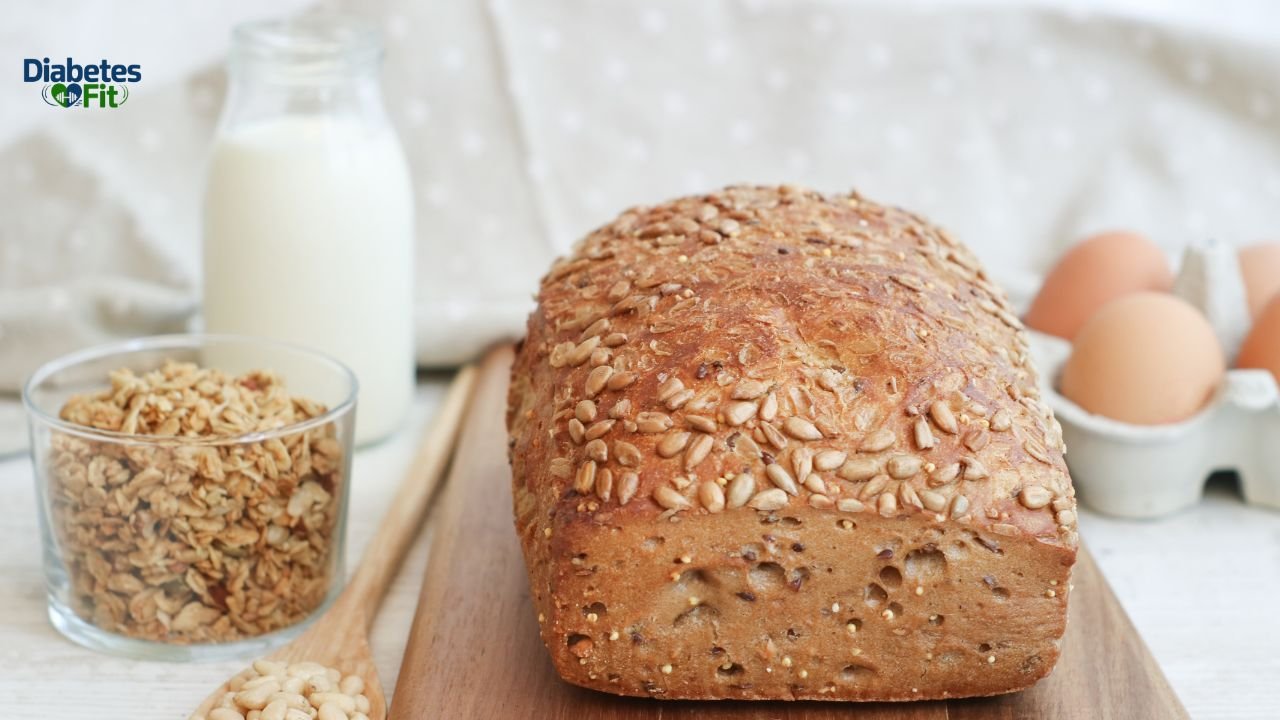
Best Low Carb Bread for Diabetics: Top Picks That Won’t Spike Your Blood Sugar
If you have diabetes, bread is often the first food you’re told to give up — and that feels like losing a daily comfort and staple all at once. But the truth is, you don’t have to give up bread entirely. You just need to find the best low carb bread for diabetics — one that satisfies your cravings without sending your blood sugar on a dangerous roller coaster.
The difference between a good diabetic bread and a poor one can mean a 50–100 mg/dL difference in post-meal blood glucose. That’s not a small thing — that’s the difference between a stable reading and a reading that damages your blood vessels over time.
In this comprehensive guide, you’ll discover the best low carb bread options for diabetics — both store-bought and homemade — understand what makes a bread safe for blood sugar, learn what ingredients to look for and avoid, and get practical tips for making bread a manageable part of your diabetic diet.
Also, know about does infection raises blood sugar?
Why Regular Bread Is Problematic for Diabetics
Before exploring the best low-carb bread for diabetics, it’s important to understand exactly why conventional bread is such a problem for blood sugar management.
There are about 15g of net carbs in a normal slice of white bread. A typical breakfast of two pieces of bread provides 30g of quickly digesting carbohydrates.
The insulin response effectively controls this glucose load in an individual without diabetes. Within 30 to 60 minutes after eating, 30g of refined carbohydrates from bread can raise blood sugar by 60 to 150 mg/dL in a person with diabetes, when insulin production is weak, or cells resist insulin’s signals.
The issue gets worse when you take into account:
- The high glycemic index (GI) of white and whole wheat bread is between 70 and 85.
- Standard bread has only 1-2 grams of fiber per slice, which slows the absorption of glucose.
- The additional sugar in the majority of commercial breads speeds up the blood sugar surge.
- When bread is consumed with additional carbohydrates (fruit, juice, or jam), the overall glycemic load is increased.
Why “Whole Wheat” Is not the Natural Response
Many people with diabetes convert to whole wheat bread because they believe it is a safe option. The truth is more complex.
Even while whole wheat bread has a somewhat lower GI (around 68–74) and more fiber than white bread, it still includes 12–15g of net carbohydrates per slice and can significantly raise blood sugar levels, especially in Type 1 and insulin-resistant Type 2 diabetics.
The finest low-carb bread for diabetics uses different flours, more fiber, and more protein—all of which are necessary for truly safe bread for diabetes.
What Makes a Bread Safe for Diabetics: The Label-Reading Guide
When evaluating the best low carb bread for diabetics, here’s exactly what to look for on every nutrition label:
Key Criteria for Diabetic-Safe Bread
| Label Element | Diabetic-Safe Target | Red Flag |
| Net carbs per slice | Under 6g | Over 12g |
| Total fiber per slice | 3g or more | Under 1g |
| Protein per slice | 3g or more | Under 2g |
| Added sugar | 0–1g | More than 3g |
| Glycemic index | Under 50 (Low) | Above 70 |
| Serving size | Check carefully | Very thin slices to hide carb count |
| First ingredient | Whole grain, almond flour, seed flour | Enriched flour, wheat flour, sugar |
Understanding Net Carbs for Diabetics
Net carbs = Total carbohydrates − Dietary fiber − Sugar alcohols (if applicable)
Fiber is subtracted because it passes through the digestive system without being converted to glucose. This is why high-fiber breads can have high total carbs but low net carbs — and why net carbs are the number that matters most for blood sugar management.
Example:
- A bread slice with 15g total carbs and 9g fiber = 6g net carbs
- A bread slice with 12g total carbs and 1g fiber = 11g net carbs
Despite the first bread having higher total carbs, it causes far less blood sugar elevation — because the fiber dramatically slows glucose absorption.
Best Low Carb Bread for Diabetics: Store-Bought Options
1. Dave’s Killer Bread — Thin-Sliced 21 Whole Grains and Seeds
Net carbs per slice: ~12g Fiber per slice: 3g Protein per slice: 5g Glycemic Index: Moderate-Low (~55) Diabetic Rating: ⭐⭐⭐⭐
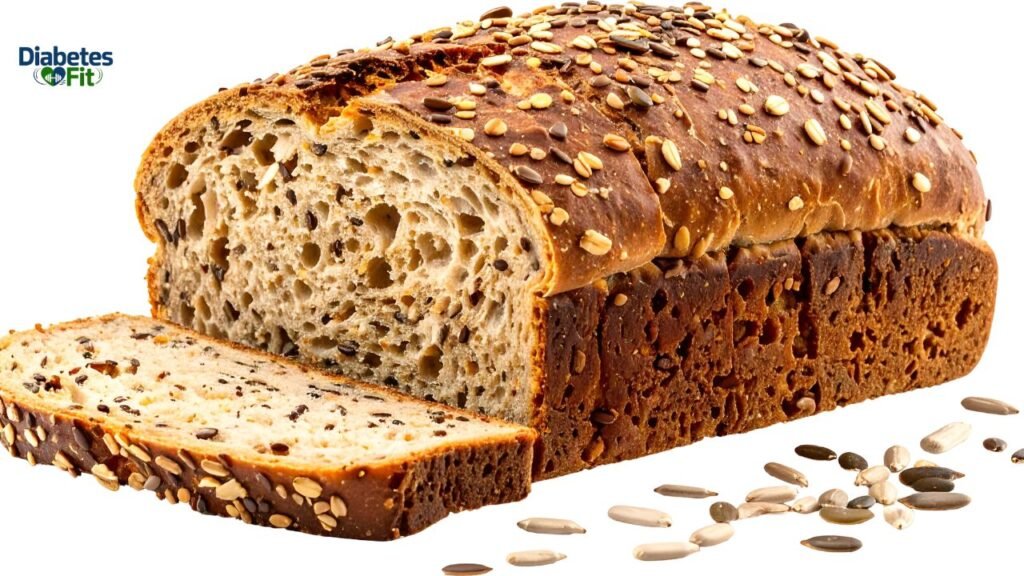
Dave’s Killer Bread is widely considered one of the better mainstream bread options for diabetics because of its whole grain composition, seed content, and meaningful protein and fiber levels. The thin-sliced version reduces the per-serving carb load compared to standard slices.
Why it works for some diabetics:
- Multiple whole grains and seeds slow digestion through varied fiber types
- High protein content improves satiety and reduces post-meal blood sugar rise
- Available in most major grocery stores without specialty shopping
Important caveat: At 12g net carbs per slice, this is a moderate choice — not the lowest carb option available. Diabetics with strict carb limits (under 15g per meal) should consume only one slice or choose a lower-carb alternative.
2. Nature’s Own Life 40 Calorie Honey Wheat
Net carbs per slice: ~6g Fiber per slice: 3g Protein per slice: 3g Diabetic Rating: ⭐⭐⭐⭐
Nature’s Own Life 40 Calorie bread achieves low net carbs through very thin slices combined with added inulin fiber. At 6g net carbs per slice, it’s one of the lower-carb mainstream commercial options.
Benefits for diabetics:
- Lower net carb count than most mainstream breads
- Inulin (prebiotic fiber) feeds beneficial gut bacteria linked to improved insulin sensitivity
- Widely available and affordable
- Familiar texture that makes dietary transition easier
Watch out for: The “honey wheat” flavoring — while the sugar content is low, some diabetics may notice a mild response.
3. Sara Lee Delightful Honey Whole Wheat
Net carbs per slice: ~7g Fiber per slice: 3g Protein per slice: 3g Diabetic Rating: ⭐⭐⭐⭐
Another mainstream option that achieves lower net carbs through reduced slice thickness and added fiber. Sara Lee Delightful is a practical choice for diabetics transitioning away from regular bread who want a familiar taste and texture.
Key features:
- Available in virtually every grocery store
- Familiar flavor profile reduces diet fatigue
- 7g net carbs per slice is manageable within most diabetic carb targets
- Whole grain first ingredient
4. Sola Sweet and Buttery Bread
Net carbs per slice: 2g Fiber per slice: 4g Protein per slice: 6g Glycemic Index: Very Low Diabetic Rating: ⭐⭐⭐⭐⭐
Sola bread is specifically engineered for low-carb and diabetic-friendly eating. It achieves its remarkably low 2g net carbs through a combination of modified wheat starch and added fiber — while delivering a surprisingly bread-like texture that most low-carb alternatives lack.
Why Sola ranks among the best low carb bread for diabetics:
- Just 2g net carbs per slice — minimal blood sugar impact
- 6g protein per slice — exceptional for a bread product
- Texture genuinely resembles regular bread — high satisfaction
- Multiple flavor varieties available
Consideration: Modified wheat starch may cause mild digestive discomfort in sensitive individuals. Some diabetics report slightly higher blood sugar response than the net carb count suggests — individual testing is recommended.
5. ThinSlim Foods Love-the-Taste Bread
Net carbs per slice: 1g Fiber per slice: 9g Protein per slice: 8g Glycemic Index: Very Low Diabetic Rating: ⭐⭐⭐⭐⭐
ThinSlim Foods produces some of the lowest-net-carb commercial breads available anywhere — achieving just 1g net carb per slice through an extremely high fiber and protein formulation. This makes it one of the best low carb bread options for diabetics following strict low-carb protocols.
Why ThinSlim stands out:
- 1g net carb per slice — virtually no blood sugar impact for most diabetics
- 9g fiber per slice — exceptional digestive and blood sugar benefits
- 8g protein per slice — highest protein content of any commercial bread on this list
- Available online and increasingly in specialty health stores
Texture note: Very high fiber content produces a denser texture than standard bread. Some people find this satisfying; others prefer softer alternatives. Toast it for the best results.
6. Base Culture Original Keto Bread
Net carbs per slice: 2g Fiber per slice: 2g Protein per slice: 6g Main Ingredients: Almond flour, eggs, arrowroot flour Diabetic Rating: ⭐⭐⭐⭐⭐
Base Culture makes bread using almond flour and eggs as primary ingredients — creating a genuinely grain-free, low-carb option that’s particularly suitable for diabetics who also have gluten sensitivity.
Benefits for diabetics:
- Almond flour base provides healthy monounsaturated fat — supports insulin sensitivity
- Grain-free — suitable for diabetics with celiac disease or gluten intolerance
- Real whole food ingredients without modified starches
- High protein from eggs and almond flour
7. Julian Bakery Paleo Thin Bread
Net carbs per slice: 1g Fiber per slice: 1g Protein per slice: 7g Main Ingredients: Egg whites, almond flour Diabetic Rating: ⭐⭐⭐⭐
Julian Bakery produces bread primarily from egg whites and almond flour — achieving extremely low carb content with high protein. It’s one of the most protein-dense commercial bread options available.
Why it works for diabetics:
- 1g net carb per slice — negligible blood sugar impact
- 7g protein per slice — powerful satiety effect
- Clean, whole-food ingredient list
- No modified starches or artificial additives
Best Low Carb Bread for Diabetics: Homemade Recipes
While store-bought options provide convenience, homemade low carb bread gives you complete control over every ingredient, making it the ultimate best low carb bread for diabetics option for those willing to bake.

Recipe 1: Almond Flour Sandwich Bread
Net carbs per slice: ~3g Fiber per slice: 2g Protein per slice: 7g
This is the most popular and versatile homemade best low carb bread for diabetics — it slices well, toasts beautifully, and provides a texture surprisingly close to conventional sandwich bread.
Ingredients (makes 12 slices):
- 3 cups (288g) almond flour (fine blanched — not almond meal)
- 5 large eggs
- ¼ cup melted coconut oil or butter
- 1 tablespoon apple cider vinegar
- ½ teaspoon baking soda
- ¼ teaspoon sea salt
- Optional: 2 tablespoons psyllium husk powder (adds fiber and improves texture)
Instructions:
- Preheat oven to 175°C (350°F)
- Whisk eggs, oil, and vinegar together in a large bowl
- Add almond flour, baking soda, salt, and psyllium husk — mix until a smooth batter forms
- Pour into a greased standard loaf pan (8×4 inch)
- Bake for 30–35 minutes until a toothpick comes out clean
- Cool completely before slicing — it slices much better cold
- Store refrigerated up to 5 days, or freeze sliced for up to 3 months
Why this is excellent for diabetics: Almond flour has a glycemic index of essentially zero. The healthy fats and protein in almonds and eggs slow down glucose absorption dramatically.
Recipe 2: Seed Bread (Scandinavian Style)
Net carbs per slice: ~2g Fiber per slice: 5g Protein per slice: 6g
This grain-free, seed-based bread is among the most nutritious, best low-carb bread for diabetics recipes — delivering extraordinary fiber content from multiple seed varieties.
Ingredients (makes 15 slices):
- ½ cup sunflower seeds
- ½ cup pumpkin seeds
- ¼ cup flaxseeds (whole or ground)
- ¼ cup sesame seeds
- ¼ cup chia seeds
- 2 tablespoons psyllium husk powder (essential for binding)
- ½ cup rolled oats (optional — adds 3g extra carbs per slice if included)
- 1 teaspoon sea salt
- 1 tablespoon maple syrup or honey (optional — for flavor only, tiny amount per slice)
- 1.5 tablespoons olive oil
- 350ml warm water
Instructions:
- Mix all dry ingredients in a large bowl
- Add oil and water — stir thoroughly until everything is combined
- Press into a lined 8×4-inch loaf pan
- Let sit for at least 2 hours (or overnight in the refrigerator) — psyllium and chia need time to absorb water and bind the bread
- Bake at 175°C (350°F) for 20 minutes, then remove from pan, place on baking rack, and bake for a further 30–40 minutes
- Cool completely before slicing
Why this is exceptional for diabetics: Multiple seed varieties provide different fiber types — both soluble and insoluble — creating a comprehensive blood sugar protective effect. The omega-3 fatty acids from flaxseed and chia also improve insulin sensitivity over time.
Recipe 3: Coconut Flour Bread
Net carbs per slice: ~2g Fiber per slice: 3g Protein per slice: 4g
Coconut flour is extraordinarily high in fiber, making it one of the best low-carb flour options for diabetics. However, it absorbs an enormous amount of liquid, requiring a different formulation than other low-carb breads.
Ingredients (makes 10 slices):
- ½ cup (56g) coconut flour
- 6 large eggs
- ¼ cup melted butter or coconut oil
- ¼ teaspoon baking powder
- ¼ teaspoon sea salt
- Optional: herbs (rosemary, thyme), cheese, or garlic powder for flavor
Instructions:
- Preheat oven to 180°C (350°F)
- Whisk eggs and oil together
- Add coconut flour, baking powder, and salt — mix thoroughly (coconut flour clumps — ensure no dry lumps remain)
- Pour into a greased small loaf pan (7×3 inch)
- Bake 35–40 minutes until golden and the toothpick comes out clean
- Cool 15 minutes in the pan before removing, then cool completely before slicing
Recipe 4: Cloud Bread (Egg-Based, Zero Carb)
Net carbs per slice: ~0.5g Fiber per slice: 0g Protein per slice: 5g
Cloud bread is the most extreme low-carb option — essentially made from eggs and cream cheese with no flour whatsoever. It’s not a true bread in texture, but it functions as a sandwich base and delivers essentially zero blood sugar impact.
Ingredients (makes 6 rounds):
- 3 large eggs, separated
- 3 tablespoons cream cheese (softened)
- ¼ teaspoon cream of tartar
- Optional: pinch of salt, garlic powder, herbs
Instructions:
- Preheat oven to 150°C (300°F)
- Beat egg whites with cream of tartar until stiff peaks form
- Separately beat egg yolks with cream cheese until smooth
- Gently fold egg yolk mixture into whites — don’t overmix
- Spoon into 6 rounds on parchment-lined baking sheets
- Bake 25–30 minutes until golden
- Cool on the rack — they firm up as they cool
Comparing the Best Low Carb Bread for Diabetics
Store-Bought Options
| Brand | Net Carbs/Slice | Fiber | Protein | Best For | Availability |
| ThinSlim Foods | 1g | 9g | 8g | Strictest low-carb | Online |
| Julian Bakery Paleo Thin | 1g | 1g | 7g | Grain-free diabetics | Health stores |
| Sola Sweet and Buttery | 2g | 4g | 6g | Everyday eating | Online, some stores |
| Base Culture Keto | 2g | 2g | 6g | Grain-free, gluten-free | Health stores |
| Nature’s Own Life | 6g | 3g | 3g | Mainstream grocery | All grocery stores |
| Sara Lee Delightful | 7g | 3g | 3g | Transition bread | All grocery stores |
| Dave’s Killer Thin | 12g | 3g | 5g | Moderate restriction | All grocery stores |
Homemade Options
| Recipe | Net Carbs/Slice | Fiber | Protein | Best Feature |
| Cloud bread | 0.5g | 0g | 5g | Zero carbs, zero flour |
| Seed bread | 2g | 5g | 6g | Highest fiber, omega-3s |
| Almond flour bread | 3g | 2g | 7g | Best sandwich texture |
| Coconut flour bread | 2g | 3g | 4g | High fiber, affordable |
Breads Diabetics Should Avoid
| Bread Type | Net Carbs/Slice | GI | Reason to Avoid |
| White bread | 14g | 70–85 | Highest GI, refined flour, minimal fiber |
| Sourdough | 11–13g | 53–68 | Still high carb despite lower GI |
| Whole wheat | 12–14g | 68–74 | Better than white, but still significantly elevates blood sugar |
| Multigrain | 12–15g | 65–75 | Marketing often misleads — usually refined with added seeds |
| Bagels | 48–55g | 72 | Enormous carb load — equivalent to 3–4 slices of bread |
| Croissants | 26g | 67 | High fat + high carb combination |
| Commercial rye | 14–17g | 65–80 | High carb unless it’s specifically dense, dark rye |
| Gluten-free bread | 18–25g | 75–90 | Often HIGHER GI than regular bread — rice flour raises blood sugar faster |
Important note on gluten-free bread: Many diabetics assume gluten-free bread is safer for blood sugar. This is often incorrect. Most gluten-free commercial breads use rice flour, tapioca flour, and potato starch — all of which have high glycemic indexes (80–95+) and raise blood sugar faster than regular wheat bread. Gluten-free is not the same as low-carb for diabetics.
Practical Tips for Eating Low Carb Bread With Diabetes
Examine your own reaction: Each diabetic has a unique blood sugar reaction to carbs. Test your blood sugar one and two hours after consuming the bread of your choice using a glucometer or continuous glucose monitor (CGM). Any broad advice is not as important as this personal information.
Bread’s glycemic impact is highest when it is consumed alone, so pair it with fat and protein. It significantly delays the absorption of carbohydrates and lowers the rise in blood sugar after a meal when combined with fat (avocado, olive oil, butter) and protein (eggs, tuna, turkey).
The best bread toppings for diabetics:
- Eggs and avocado (good fat + protein)
- Greek yogurt is used in place of mayo in this tuna salad.
- Almond butter (varieties without added sugar)
- Cucumber slices and cream cheese
- Cream cheese and smoked salmon
- Lettuce and chicken or turkey
Limit to one serving: Even the greatest low-carb bread for diabetes should be eaten in moderation. The carb load is kept under control by eating one slice—not two—at a meal.
Toasting bread causes a minor increase in its resistant starch content, which slows the absorption of glucose by acting more like fiber in the digestive system.
Time your bread intake: When insulin sensitivity is higher in the morning and early afternoon, carbohydrate tolerance is typically better. When bread is eaten for breakfast, the blood sugar surge is usually less than when it is eaten for dinner.
How to Read Bread Labels as a Diabetic
Step 1: Check the serving size first. Many bread manufacturers use unrealistically small slice sizes (20–25g) to make the carb count look lower. Check if this matches how you actually eat the bread.

Step 2: Calculate net carbs. Total Carbohydrates − Dietary Fiber = Net Carbs. This is the number that matters for blood sugar.
Step 3: Check the first ingredient. It should be a whole grain or alternative flour — not “enriched wheat flour,” which is essentially white flour with added vitamins.
Step 4: Check added sugar. It should be under 2g per serving. Check the ingredients for disguised sugars: corn syrup, dextrose, maltodextrin, fructose, evaporated cane juice.
Step 5: Verify fiber content. Minimum 3g fiber per slice for meaningful blood sugar protection.
Frequently Asked Questions
What is the best low carb bread for diabetics to buy at grocery stores?
For mainstream grocery stores, the best low carb bread for diabetics available without specialty shopping includes Nature’s Own Life 40 Calorie (6g net carbs), Sara Lee Delightful Honey Whole Wheat (7g net carbs), and Dave’s Killer Bread Thin-Sliced (12g net carbs — moderate choice). For specialty health stores or online ordering, ThinSlim Foods (1g net carb), Sola Sweet and Buttery (2g net carbs), and Base Culture Keto Bread (2g net carbs) are the top-rated choices among people managing diabetes.
Is sourdough bread good for diabetics?
Sourdough is better than white bread for diabetics because the fermentation process partially breaks down starches and creates organic acids that slow glucose absorption — giving it a lower GI than regular bread (approximately 53–68 vs 70–85). However, sourdough still contains 11–14g of net carbs per slice and does raise blood sugar meaningfully. It’s a better choice than white or whole wheat bread — but it doesn’t qualify as the best low carb bread for diabetics. If you enjoy sourdough, limit to one slice and pair with protein and fat.
Can diabetics eat bread made with almond flour?
Yes — almond flour bread is one of the best low carb bread options for diabetics. Almond flour has an essentially zero glycemic index, is rich in healthy monounsaturated fat and vitamin E, and provides protein and fiber that help stabilize blood sugar. Homemade almond flour bread typically contains 2–4g of net carbs per slice — dramatically less than conventional bread. When paired with protein toppings, almond flour bread has a minimal blood sugar impact for most diabetics.
Is Ezekiel bread good for diabetics?
Ezekiel bread — made from sprouted whole grains — is one of the better conventional bread options for diabetics, with a lower GI (approximately 36–40) than most commercial breads. However, it still contains approximately 12–15g of net carbs per slice and does raise blood sugar. For diabetics with strict carb management, Ezekiel bread is a moderate choice — better than white or whole wheat, but not as blood sugar-safe as true low carb options like almond flour or seed bread. One slice of Ezekiel paired with protein and fat can work within a diabetic meal plan.
How many slices of low-carb bread can a diabetic eat per day?
Most diabetics can safely include 1–2 slices of the best low carb bread for diabetics per day, depending on their total daily carbohydrate target (set with their doctor or dietitian) and the specific bread’s net carb content. For breads with 1–3g net carbs per slice (ThinSlim, cloud bread, almond flour), 2 slices provide only 2–6g net carbs — easily manageable. For breads with 6–12g net carbs per slice, most diabetics should limit to 1 slice at any meal. Always test your blood sugar response to determine your personal optimal serving size.
Is gluten-free bread safe for diabetics?
Gluten-free bread is often NOT better for blood sugar than regular bread — and is frequently worse. Most commercial gluten-free breads use rice flour, tapioca starch, and potato starch as primary ingredients — all of which have very high glycemic indexes (80–95+) that raise blood sugar faster than white bread. Gluten-free does not mean low-carb. Diabetics with celiac disease or gluten intolerance who need gluten-free bread should choose grain-free alternatives made from almond flour, coconut flour, or seeds — which are both gluten-free AND genuinely low carb.
What flour is best for making homemade diabetic bread?
The best flours for homemade low carb bread for diabetics are: almond flour (GI ~0, highest fat and protein content — best overall), coconut flour (extremely high fiber, absorbs a lot of liquid — use in smaller quantities), flaxseed meal (GI ~35, high in omega-3s and fiber), and psyllium husk powder (virtually pure soluble fiber — used as a binding agent rather than primary flour). Combining these — such as almond flour as the base with psyllium husk for binding — creates the best texture and nutritional profile for diabetic-safe homemade bread.
Conclusion
Bread deprivation is not a permanent part of managing diabetes. The greatest commercial and handmade low-carb bread options have significantly improved in recent years, offering really wonderful bread experiences with a fraction of the blood-sugar impact of regular bread.
The secret is to know what you are eating, test your own blood sugar response, and always read labels rather than taking front-of-package health claims at face value, whether you choose ThinSlim Foods for convenience, make your own almond flour sandwich bread on Sundays, or settle for a single slice of Nature’s Own Life on hectic mornings.
The ideal low-carb bread for diabetics meets your blood sugar control goals, your taste preferences, and your carb budget while making your daily diet feel fulfilling and sustainable rather than restrictive and punishing. You can have both with the choices in this guide.
Are you prepared to change? Begin this week. This weekend, make some almond flour bread or try one of the store-bought options on this list. One to two hours after ingesting it, check your blood sugar. Choose bread that suits your body, and savor each bite with the knowledge that it is enhancing rather than detracting from your health.
Disclaimer: This article should not be used in place of expert medical advice; it is just meant to be informative. For individualized nutritional advice, always visit your physician, endocrinologist, or registered dietitian, particularly if you are using insulin or medication to manage your diabetes.
For more information, read the post from Season Health.

David Miller: I am a health and wellness writer focused on diabetes awareness, blood sugar control, and healthy living. I creates clear, practical content to help readers make better everyday health choices. I write evidence-based articles about diabetes, diet, and healthy living. My goal is to simplify complex health topics using trusted sources like WHO and medical journals.