7 Surprising Facts: Does Green Tea Lower Blood Sugar?
If you’ve been wondering whether green tea lowers blood sugar, you’re not alone. Millions of people with diabetes, prediabetes, or just general health concerns are asking the same question. Green tea has been a part of Asian cultures for thousands of years — and today, scientists are catching up to what those cultures may have already known.
Research shows that green tea may help your body manage blood sugar more effectively, but the story is a bit more nuanced than a simple yes-or-no. In this article, we’ll break down the science in plain language, share practical tips, and help you figure out if adding green tea to your daily routine could make a real difference for your health.
While green tea may help improve insulin sensitivity and support healthy blood sugar levels, your overall diet plays a major role. Protein-rich foods like eggs can also impact glucose management differently. If you’re wondering whether eggs are a safe daily choice, read our detailed guide on Is Eating Boiled Eggs Daily Safe for Diabetics? for a complete breakdown.
Does Green Tea Lower Blood Sugar? Here’s the Short Answer
Yes — green tea can help lower blood sugar levels, but it works best as part of a healthy lifestyle rather than a magic fix on its own. Several studies have found that people who regularly drink green tea tend to have lower fasting blood glucose levels and better insulin sensitivity compared to those who don’t drink it.
The key ingredient here is a powerful antioxidant called EGCG (epigallocatechin gallate). This is the main active compound in green tea, and it’s the reason researchers keep coming back to study it. EGCG belongs to a family of antioxidants called catechins, and these are what make green tea different from other drinks.
How Green Tea Affects Your Blood Sugar Levels
It Improves Insulin Sensitivity
Insulin is the hormone your body uses to move sugar from your blood into your cells. When your cells stop responding well to insulin — a condition called insulin resistance — blood sugar builds up. This is one of the main problems in Type 2 diabetes.
Green tea, especially the EGCG in it, has been shown in studies to improve how well your cells respond to insulin. In simpler terms, it helps insulin do its job better. A study published in the journal Diabetes Care found that participants who drank green tea had measurably better insulin sensitivity after 12 weeks.
It Slows Down Sugar Absorption
Another way green tea works is by slowing down how fast your gut absorbs sugar from the food you eat. It does this by blocking certain enzymes — like alpha-glucosidase and alpha-amylase — that break down carbohydrates into sugar.
When these enzymes are slowed down, glucose enters your bloodstream more gradually. That means no sharp blood sugar spike after meals. This is very similar to how some diabetes medications work, which is why researchers find it so interesting.
It Reduces Inflammation
Chronic low-grade inflammation in the body is linked to insulin resistance and high blood sugar. The antioxidants in green tea — especially catechins — help fight this inflammation. Less inflammation often means better blood sugar control over time.
Key Compounds in Green Tea and Their Effects on Blood Sugar
| Compound | What It Does | Impact on Blood Sugar |
| EGCG (Epigallocatechin gallate) | Mimics insulin, activates glucose transporters | Lowers fasting blood glucose |
| Catechins (overall) | Reduces gut sugar absorption | Prevents post-meal spikes |
| Theanine | Reduces stress hormones (cortisol) | Indirectly improves blood sugar |
| Polyphenols | Fights inflammation and oxidative stress | Improves insulin sensitivity |
| Caffeine (small amounts) | Boosts metabolism slightly | Minor short-term effect |
What Does the Research Actually Show?
Let’s look at some real evidence — not hype, just science explained simply.

- A 2013 meta-analysis of 17 studies found that green tea significantly reduced fasting blood glucose and fasting insulin levels in participants.
- A Japanese study involving over 17,000 people found that those who drank 6 or more cups of green tea daily had a 33% lower risk of developing Type 2 diabetes.
- A 2020 review in the journal Nutrients confirmed that green tea polyphenols help reduce HbA1c levels — a key marker of long-term blood sugar control.
- A small clinical trial found that drinking green tea before a starchy meal reduced the post-meal blood sugar spike by up to 30%.
These numbers are encouraging. But it’s worth noting that most studies use green tea extract or high-dose supplements — not just regular cups of brewed tea. The effects from drinking 1–2 cups a day may be more modest.
Green Tea vs. Other Teas for Blood Sugar Control
| Tea Type | EGCG Content | Blood Sugar Benefit | Best For |
| Green Tea | High | Strong evidence | Everyday use |
| Matcha (powdered green tea) | Very High (10x green tea) | Strongest effect | People wanting max benefit |
| Black Tea | Low (oxidized) | Some benefit | Those who dislike green tea |
| White Tea | Medium | Moderate benefit | Mild flavor preference |
| Oolong Tea | Medium | Some studies show benefit | Variety seekers |
| Herbal Tea | None | Little to no benefit | Not recommended for blood sugar |
If you really want to maximize the blood sugar benefits, matcha is your best bet. Matcha is made from whole green tea leaves ground into a powder — so you consume the entire leaf, not just the brewed water. This means you get about 10 times more EGCG than from a regular cup of green tea.
How to Use Green Tea to Help Lower Blood Sugar
Best Times to Drink It
Timing matters. Here are the most effective times to drink green tea for blood sugar control:
- Before or with meals — this helps slow sugar absorption and reduce post-meal spikes
- In the morning (fasting), some research shows fasting blood glucose may be lower with morning green tea
- 30 minutes before exercise — combining green tea with physical activity amplifies the blood sugar-lowering effect
How Many Cups Per Day?
Most research suggests 3–5 cups per day is the sweet spot for meaningful blood sugar benefits. However, even 1–2 cups daily is better than none. If you’re sensitive to caffeine, stick to 1–2 cups or opt for decaffeinated green tea, which still retains most of its catechins.
How to Brew It for Maximum Benefits
- Use water that is around 160–180°F (70–80°C) — boiling water destroys some catechins.
- Steep for 2–3 minutes (longer steeping extracts more catechins but also more bitterness)
- Don’t add milk — milk proteins can bind to catechins and reduce their effectiveness.s
- Avoid adding lots of sugar or honey — that defeats the purpose
- Squeeze in a little lemon — Vitamin C helps preserve catechins during digestion
Who Can Benefit Most From Green Tea for Blood Sugar?
Green tea isn’t just for people who already have diabetes. Here’s who tends to see the most benefit:
- People with prediabetes — regular green tea intake may help prevent full Type 2 diabetes from developing
- People with Type 2 diabetes — as a complement to medication and lifestyle changes, not a replacement
- People with metabolic syndrome — green tea helps with multiple risk factors at once, including blood pressure and cholesterol.ol
- People who are overweight — EGCG also helps with fat metabolism, which indirectly helps with blood sugar.
- Anyone with a family history of diabetes should adopt a preventive daily habit
Are There Any Risks or Side Effects?
Green tea is generally very safe for most healthy adults. But there are a few things to keep in mind:
- Too much caffeine: Green tea has less caffeine than coffee (about 25–40 mg per cup vs. 95 mg in coffee), but drinking 6+ cups daily may cause jitteriness or sleep issues
- Iron absorption: Green tea can reduce how well your body absorbs iron from food. If you have iron deficiency anemia, drink green tea between meals rather than with them.
- Medications: If you take blood thinners (like warfarin) or diabetes medications, check with your doctor before drinking large amounts
- Liver concerns (supplements only): Very high-dose green tea extract supplements have been linked to rare cases of liver stress. This doesn’t apply to regular tea drinking.
- Pregnancy: Pregnant women are advised to limit caffeine; 1–2 cups of green tea is generally considered safe
Real-Life Example: A Simple Daily Routine
Imagine Sarah, a 45-year-old woman with prediabetes. Her doctor told her to make some lifestyle changes. She started drinking 3 cups of green tea daily — one in the morning, one before lunch, and one in the afternoon. After 3 months, her fasting blood sugar dropped from 112 mg/dL to 98 mg/dL. She hadn’t made any other major changes.
This is a realistic outcome. Green tea alone isn’t a cure, but as part of a sensible routine — eating well, moving your body, managing stress — it can absolutely make a measurable difference.
Green Tea vs. Diabetes Medication: Is It a Replacement?
Absolutely not, and this point is really important. If you are on medication for diabetes or prediabetes, please do not stop or reduce your medication just because you started drinking green tea. Green tea is a helpful addition to your health routine, not a substitute for proper medical treatment.
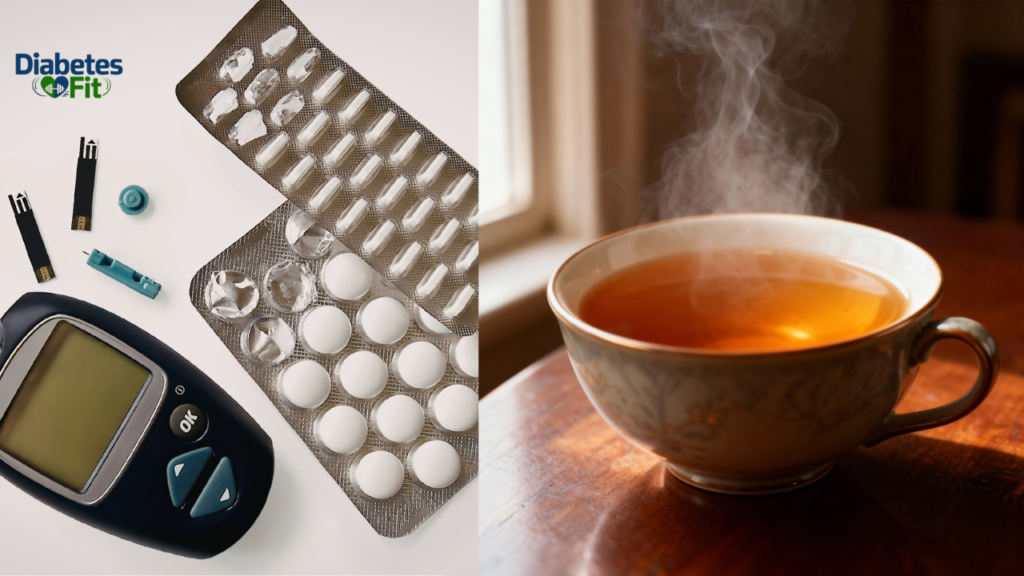
Think of it as a powerful, natural support tool — not a standalone cure. The best approach is to talk to your doctor about incorporating green tea into your overall diabetes management plan.
Final Thoughts
So, does green tea lower blood sugar? Yes, and the evidence is genuinely compelling. It won’t replace a healthy diet, regular exercise, or prescribed medication — but it is one of the easiest, most enjoyable, and most research-backed beverages you can add to your daily routine.
Whether you choose classic brewed green tea, a high-EGCG matcha latte (without the sugar!), or a quality green tea extract supplement, you’re doing something good for your blood sugar, your metabolism, and your overall health.
Start small. Try one cup a day with your meals. Pay attention to how you feel. Over time, small habits like this can lead to real, lasting improvements in your blood sugar levels — and your health as a whole.
Green tea has been widely studied for its potential benefits in blood sugar control. According to experts at Healthline, green tea may help improve insulin sensitivity and support better glucose management when combined with a healthy lifestyle.
Frequently Asked Questions
How much green tea should I drink to lower my blood sugar?
Most studies suggest 3–5 cups per day for meaningful effects. Even 1–2 cups daily can offer some benefit. Consistency matters more than quantity — drinking it regularly over weeks and months is more effective than occasional large amounts.
Does green tea lower blood sugar immediately after drinking it?
It can reduce post-meal blood sugar spikes relatively quickly — sometimes within 30–60 minutes of drinking it with a meal. However, the bigger benefits build up over weeks of regular use.
Is matcha better than green tea for blood sugar control?
Yes, matcha is significantly more potent. Since matcha uses the whole leaf ground into powder, it contains about 10 times more EGCG than regular brewed green tea. If blood sugar is your main concern, matcha is the most effective choice — just keep it unsweetened.
Can green tea lower blood sugar in Type 2 diabetics?
Yes, research shows green tea can help people with Type 2 diabetes improve insulin sensitivity and reduce HbA1c levels over time. It works best alongside diet changes, exercise, and any prescribed medication — not as a standalone treatment.
Does adding sugar or milk to green tea cancel the benefits?
Adding sugar will raise your blood sugar, which defeats the whole purpose. Adding milk may reduce the effectiveness of catechins. For the best blood sugar benefits, drink green tea plain, or with a squeeze of lemon.
Is green tea safe for people on diabetes medication?
Generally, yes, but with caution. Green tea may enhance the blood-sugar-lowering effect of some diabetes medications, which could potentially cause blood sugar to drop too low. Always inform your doctor if you plan to significantly increase your green tea intake while on medication.

David Miller: I am a health and wellness writer focused on diabetes awareness, blood sugar control, and healthy living. I creates clear, practical content to help readers make better everyday health choices. I write evidence-based articles about diabetes, diet, and healthy living. My goal is to simplify complex health topics using trusted sources like WHO and medical journals.