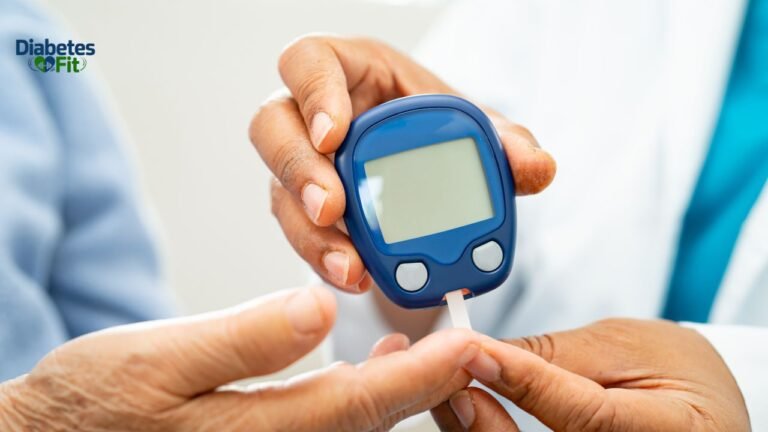
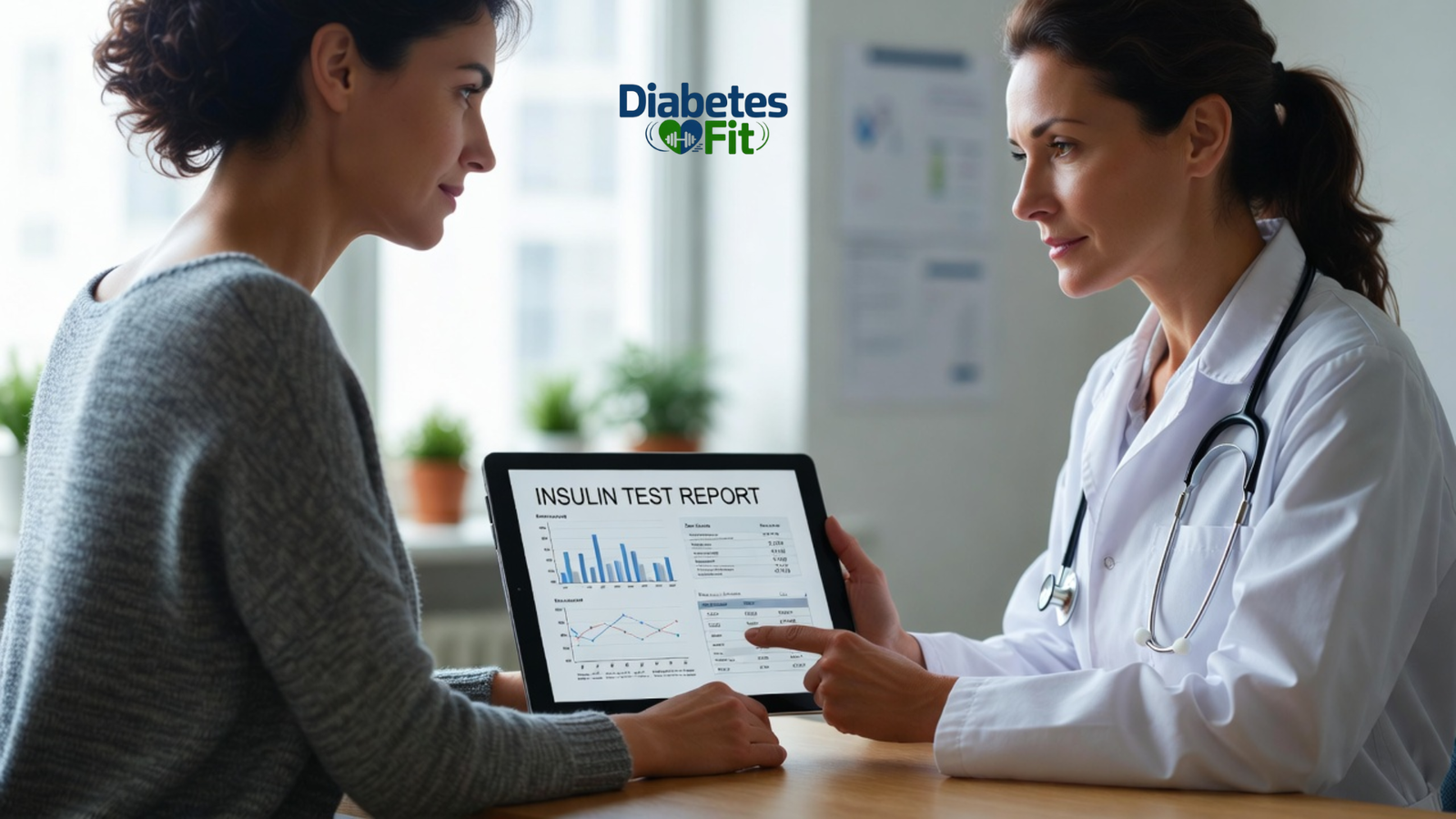
7 Things Every Woman Must Know About What Is a Normal Insulin Level for a Woman
If you have ever felt confused about your blood work results or wondered why your doctor ordered an insulin test, you are not alone. Millions of women ask the same question every year: What is a normal insulin level for a woman? The answer matters more than most people realize — because insulin is not just a diabetes number.
It is a master hormone that controls energy, fat storage, hunger, fertility, mood, and metabolic health. When insulin levels are too high or too low, the effects ripple through nearly every system in a woman’s body. Understanding what a normal insulin level for a woman is — and what it means when those levels are off — gives you the knowledge to catch problems early, have more informed conversations with your doctor, and take meaningful steps toward better hormonal health.
Proper preparation before testing can affect your results, so check out our detailed post What to Eat Before Glucose Test for helpful tips.
What Is Insulin and Why Does It Matter for Women?
Before understanding what a normal insulin level for a woman is, it helps to understand what insulin actually does — because it does far more than most people think.
Insulin is a hormone produced by the beta cells of the pancreas. Its primary job is to act as a “key” that unlocks your cells so glucose (blood sugar) can enter and be used for energy. After you eat carbohydrates, your blood glucose rises, and the pancreas responds by releasing insulin to bring it back down.
But insulin does much more than manage blood sugar:
- Fat storage regulation — insulin is the primary fat-storage hormone. When insulin is chronically elevated, your body is in constant fat-storage mode, and fat burning is essentially switched off
- Hunger signaling — high insulin disrupts leptin sensitivity (the fullness hormone), making you feel hungry even after eating
- Inflammation — chronically elevated insulin promotes systemic inflammation, which is linked to numerous chronic diseases
- Reproductive hormone balance — insulin directly affects estrogen, progesterone, and testosterone levels in women; high insulin is one of the primary drivers of polycystic ovary syndrome (PCOS)
- Thyroid function — insulin resistance impairs thyroid hormone conversion, contributing to hypothyroid symptoms.s
- Cardiovascular risk — elevated fasting insulin is an independent risk factor for heart disease — in fact, it predicts cardiovascular events before blood glucose becomes abnormal.l
This is why understanding what a normal insulin level for a woman is not just a diabetes question. It is a comprehensive hormonal health question.
What Is a Normal Insulin Level for a Woman: The Complete Range Guide
This is the core information most women need — and the numbers that doctors rarely explain in enough detail during a standard appointment.
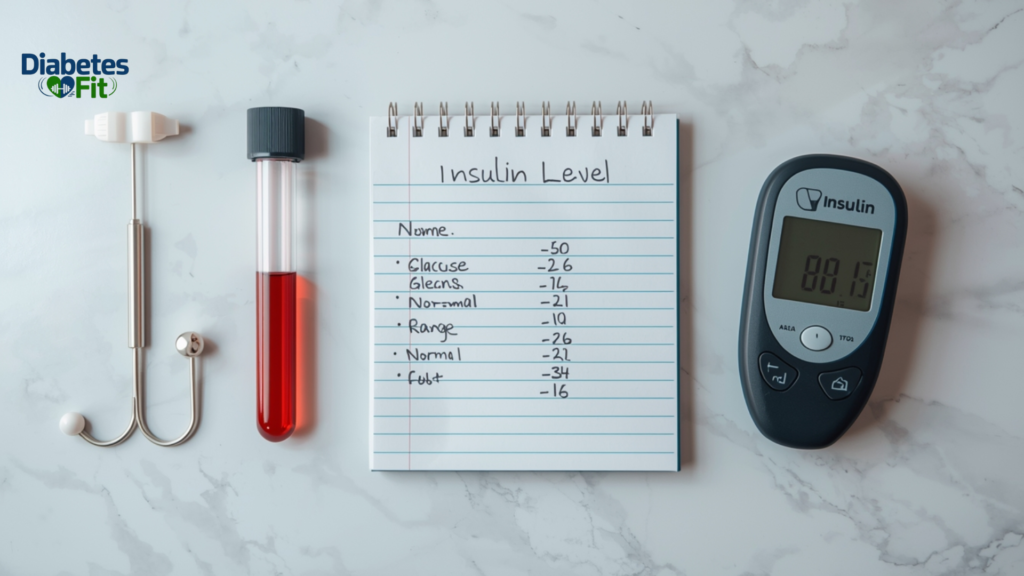
Fasting Insulin Levels
A fasting insulin test measures insulin in your blood after at least 8 hours without food. This is the most clinically useful insulin measurement because it reflects your body’s baseline insulin requirement — how much insulin it needs just to maintain normal glucose levels without any food stimulus.
What is a normal insulin level for a woman in the fasting state?
| Fasting Insulin Level | Category | What It Means |
| Below 3 µIU/mL | Low-normal | Excellent insulin sensitivity |
| 3 – 7 µIU/mL | Optimal | Ideal metabolic health range |
| 7 – 12 µIU/mL | Acceptable | Normal but worth monitoring |
| 12 – 20 µIU/mL | Elevated | Early insulin resistance is likely |
| Above 20 µIU/mL | High | Significant insulin resistance |
| Above 25 µIU/mL | Very High | Strong insulin resistance/prediabetes |
Important note: Reference ranges vary between laboratories. Some labs list “normal” fasting insulin as anything below 25 µIU/mL — but many functional medicine practitioners and metabolic health specialists consider anything above 10–12 µIU/mL as a signal of early insulin resistance worthy of dietary intervention, even when it falls within the standard lab reference range.
Post-Meal Insulin Levels
What is a normal insulin level for a woman after eating? Post-meal (postprandial) insulin levels rise in response to food — this is normal. The question is how high they rise and how quickly they return to baseline.
| Time After Eating | Normal Peak Insulin | Elevated |
| 30 minutes | 30 – 100 µIU/mL | Above 100 µIU/mL |
| 1 hour | 25 – 70 µIU/mL | Above 70 µIU/mL |
| 2 hours | 10 – 30 µIU/mL | Above 30 µIU/mL |
| 3 hours | Return to fasting | Still elevated above 15 µIU/mL |
In a metabolically healthy woman, insulin rises appropriately after a meal and returns to baseline within two to three hours. When insulin stays elevated well beyond the two-hour mark after eating, this indicates impaired insulin clearance — an early warning sign of insulin resistance.
Insulin Levels Across Different Life Stages for Women
What is a normal insulin level for a woman changes meaningfully across different hormonal phases of life:
| Life Stage | Notes on Insulin |
| Reproductive years (18–40) | Insulin is most sensitive; PCOS significantly disrupts this |
| Pregnancy | Insulin resistance naturally increases in the second and third trimesters |
| Gestational diabetes | Fasting insulin above 10 with elevated glucose = concern |
| Perimenopause (40–50) | Declining estrogen increases insulin resistance |
| Postmenopause (50+) | Insulin resistance peaks; fasting insulin often rises without dietary changes |
How Insulin Levels Affect Women Differently Than Men

Understanding what a normal insulin level for a woman is requires appreciating that women’s insulin physiology differs from men’s in important ways.
Estrogen and Insulin Sensitivity
Estrogen is a natural insulin sensitizer. During the reproductive years, when estrogen is abundant, women generally have better insulin sensitivity than men of the same age and body composition. This is one reason premenopausal women have lower cardiovascular risk than men — estrogen keeps insulin working efficiently.
When estrogen declines during perimenopause and menopause, this protection disappears. Insulin resistance increases significantly in the postmenopausal years, which directly contributes to:
- Increased abdominal fat accumulation
- Rising fasting glucose and insulin levels
- Higher cardiovascular risk
- Increased risk of Type 2 diabetes
PCOS and Insulin: A Critical Connection
Polycystic ovary syndrome (PCOS) affects approximately 10% of women of reproductive age and is fundamentally a condition of insulin resistance, even though it is classified as a reproductive disorder.
In women with PCOS, elevated insulin stimulates the ovaries to produce excess androgens (male hormones like testosterone). This androgen excess causes:
- Irregular or absent menstrual periods
- Excess facial and body hair (hirsutism)
- Acne
- Ovarian cysts
- Fertility challenges
Remarkably, when insulin resistance in PCOS is treated through diet, exercise, and sometimes metformin, androgen levels fall, menstrual cycles often normalize, and fertility improves. This is why asking what a normal insulin level for a woman with PCOS is one of the most important questions in reproductive endocrinology.
Women with PCOS often have fasting insulin levels between 15–30 µIU/mL — significantly above the optimal range — even when fasting glucose is completely normal. This is why fasting glucose alone is an inadequate screening tool for women with PCOS. Fasting insulin must be measured directly.
Pregnancy and Insulin Resistance
Pregnancy naturally induces insulin resistance in the second and third trimesters. This is a physiological adaptation — the mother’s cells become slightly insulin resistant so that more glucose remains available in the bloodstream for the rapidly growing fetus.
In women with gestational diabetes, this natural insulin resistance becomes excessive. The pancreas cannot produce enough insulin to overcome the resistance, and blood glucose rises above safe levels. Gestational diabetes affects approximately 7–10% of pregnancies and significantly increases the risk of Type 2 diabetes later in life for both mother and child.
Signs That Your Insulin Levels May Be Too High
Knowing what a normal insulin level for a woman is matters most when you can recognize the signs that yours might be outside that range.
Chronically elevated insulin — even before diabetes develops — produces a recognizable cluster of symptoms that many women live with for years without connecting them to insulin:
Physical signs:
- Stubborn weight gain, especially around the abdomen and waist
- Difficulty losing weight despite dieting and exercise
- Energy crashes 1–2 hours after meals
- Intense carbohydrate and sugar cravings
- Dark patches of skin (acanthosis nigricans) on the neck, armpits, or groin
- Skin tags — small benign skin growths often associated with insulin resistance
- Bloating after carbohydrate-containing meals
Hormonal and reproductive signs:
- Irregular menstrual cycles
- Worsening PMS symptoms
- Excess facial hair or acne (androgen excess driven by insulin)
- Difficulty conceiving
- Symptoms of low thyroid despite normal TSH
Cognitive and mood signs:
- Brain fog, difficulty concentrating
- Mood swings tied to meals — irritability or anxiety when meals are delayed
- Poor sleep quality and fatigue that does not improve with rest
Signs That Your Insulin Levels May Be Too Low
While high insulin is far more common in modern women, chronically low insulin carries its own serious risks.
Low insulin levels occur primarily in:
- Type 1 diabetes — autoimmune destruction of pancreatic beta cells eliminates insulin production
- Late-stage Type 1 LADA (Latent Autoimmune Diabetes in Adults) — a slow-onset form of autoimmune diabetes sometimes mistaken for Type 2
- Pancreatic damage from pancreatitis, surgery, or cancer
Signs of insufficient insulin:
- Unintentional weight loss
- Persistent thirst and frequent urination
- Extreme fatigue
- Ketones in urine (ketoacidosis in Type 1 diabetes is life-threatening)
- Very high blood glucose despite not overeating
How to Test Your Insulin Levels
Knowing what a normal insulin level for a woman means nothing without understanding how to actually measure it.

Fasting Insulin Test
How it works: Blood is drawn after an 8–12 hour fast. This is the most clinically useful test for assessing insulin resistance in non-diabetic women.
Who should ask for this test:
- Women with unexplained weight gain or difficulty losing weight
- Women with irregular periods, PCOS, or fertility challenges
- Women with a family history of Type 2 diabetes
- Women with signs of metabolic syndrome (abdominal obesity, high triglycerides, low HDL)
- Women entering perimenopause or postmenopause
- Women with acanthosis nigricans or skin tags
Important: Many doctors do not routinely order fasting insulin unless you specifically request it. If you have any of the above risk factors or symptoms, ask your doctor directly: “Can we check my fasting insulin level?”
HOMA-IR (Insulin Resistance Index)
HOMA-IR is a calculation that uses both fasting insulin and fasting glucose to estimate insulin resistance. It is more accurate than either measurement alone.
HOMA-IR formula: Fasting insulin (µIU/mL) × Fasting glucose (mmol/L) ÷ 22.5
| HOMA-IR Score | Interpretation |
| Below 1.0 | Excellent insulin sensitivity |
| 1.0 – 1.9 | Normal insulin sensitivity |
| 2.0 – 2.9 | Early insulin resistance |
| 3.0 – 4.9 | Moderate insulin resistance |
| Above 5.0 | Significant insulin resistance |
A HOMA-IR score above 2.0 indicates early insulin resistance — even when fasting glucose and A1C are completely normal. This is one of the earliest metabolic warning signals available.
C-Peptide Test
C-peptide is produced in equal amounts to insulin by the pancreas and provides a measure of how much insulin your body is producing. It is particularly useful for distinguishing Type 1 from Type 2 diabetes and assessing remaining pancreatic function.
How to Naturally Improve Insulin Levels and Sensitivity

Once you understand what a normal insulin level for a woman is and where yours stands, the next question is what you can do about it. The good news is that insulin sensitivity responds remarkably well to targeted lifestyle changes.
Dietary Strategies
Reduce refined carbohydrates: White bread, white rice, sugary drinks, pastries, and sweetened foods cause rapid glucose and insulin spikes. Replacing these with lower-glycemic alternatives — legumes, sweet potato, whole grains — produces a slower, lower insulin response.
Increase protein at every meal: Protein has a minimal insulin-raising effect compared to carbohydrates, while simultaneously reducing hunger and supporting muscle mass. Aim for 25–30g of protein per meal.
Add healthy fats: Monounsaturated and polyunsaturated fats (olive oil, avocado, nuts, fatty fish) improve insulin sensitivity. Including fat in meals also slows carbohydrate absorption, blunting the insulin response.
Eat more fiber: Soluble fiber from lentils, oats, chia seeds, and vegetables slows glucose absorption and reduces post-meal insulin requirements dramatically. Aim for 25–35g of dietary fiber daily.
Consider time-restricted eating: Compressing your eating window to 8–10 hours (for example, eating only between 8 am and 6 pm) reduces the number of hours per day that insulin is elevated, improving insulin sensitivity over weeks to months.
Exercise Strategies
Resistance training: Building muscle mass is the most powerful long-term intervention for insulin sensitivity. Muscle is the body’s largest glucose disposal tissue — more muscle means more capacity to absorb glucose without needing elevated insulin.
Two to three resistance training sessions per week produce measurable improvements in fasting insulin within four to six weeks.
Post-meal walking: A 10–15 minute walk within 30 minutes of eating activates muscle glucose uptake without needing insulin, directly lowering post-meal glucose and insulin peaks. Research shows this is one of the most time-efficient insulin-lowering interventions available.
Supplements With Evidence for Insulin Sensitivity
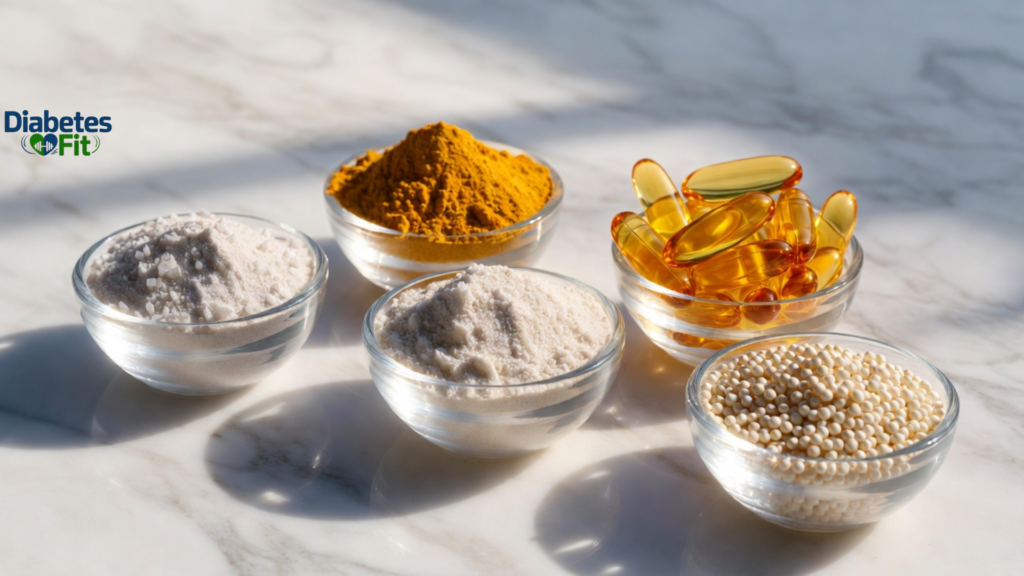
| Supplement | Mechanism | Typical Dose |
| Berberine | Activates AMPK, mimics metformin | 500mg 2–3x daily with meals |
| Magnesium glycinate | Cofactor for insulin receptor function | 300–400mg daily |
| Inositol (myo-inositol) | Particularly effective in PCOS | 2–4g daily |
| Chromium picolinate | Enhances insulin receptor signaling | 200–400mcg daily |
| Vitamin D | Supports pancreatic beta cell function | 2000–4000 IU daily |
| Omega-3 fish oil | Reduces inflammation, improves sensitivity | 2–3g EPA + DHA daily |
Note for women with PCOS: Myo-inositol has particularly strong evidence for improving insulin sensitivity, restoring menstrual regularity, and reducing androgen levels. Multiple randomized trials show it is as effective as metformin for many PCOS presentations with a significantly better side effect profile.
Real-Life Example
Rachel, a 34-year-old woman, had been struggling with weight gain around her waist, irregular periods, and intense afternoon sugar cravings for two years. Her fasting glucose was 92 mg/dL — completely normal. Her A1C was 5.4% — also normal. But she asked her doctor to check her fasting insulin — and it came back at 18 µIU/mL. Her HOMA-IR was 4.1 — significant insulin resistance despite normal glucose.
Her doctor diagnosed early insulin resistance and likely PCOS. With targeted dietary changes — reducing refined carbohydrates, increasing protein and fiber, and adding post-meal walks — Rachel’s fasting insulin dropped to 9 µIU/mL within three months. Her periods normalized, her waist circumference decreased, and her afternoon cravings essentially disappeared. None of this would have been identified with standard glucose or A1C testing alone.
Conclusion
Understanding what a normal insulin level for a woman is is one of the most empowering pieces of health knowledge a woman can have. Insulin is not just a diabetes marker — it is a master metabolic hormone that governs weight, energy, hormones, mood, fertility, and long-term disease risk.
The optimal fasting insulin level for a woman is between 3–7 µIU/mL. Levels above 12 µIU/mL signal early insulin resistance — even when glucose and A1C are still normal. Elevated insulin in women often manifests as weight gain, irregular periods, PCOS, fatigue, and carbohydrate cravings long before blood sugar becomes a problem.
What is a normal insulin level for a woman is a question with a clear scientific answer — but applying that answer requires testing, understanding, and action. If you have any of the symptoms or risk factors described in this guide, ask your doctor specifically for a fasting insulin test. It is inexpensive, widely available, and may be the most revealing metabolic test you have ever had.
What is a normal insulin level for a woman can change — and with the right dietary, exercise, and lifestyle interventions, you can absolutely move your numbers into the optimal range and feel the difference in every aspect of your health.
Ask your doctor for a fasting insulin test at your next appointment. It is a simple blood draw that could change everything you know about your metabolic health.
Frequently Asked Questions
What is a normal insulin level for a woman on a fasting test?
The optimal fasting insulin level for a woman is between 3–7 µIU/mL. Levels between 7–12 µIU/mL are considered acceptable but worth monitoring. Anything above 12 µIU/mL suggests early insulin resistance, and levels above 20 µIU/mL indicate significant insulin resistance even if fasting glucose is still normal. Reference ranges vary by laboratory, so always interpret results with your doctor.
What causes high insulin levels in women?
The most common causes of elevated insulin in women include a diet high in refined carbohydrates and sugar, sedentary lifestyle, excess body fat (particularly visceral abdominal fat), PCOS, chronic stress (which raises cortisol, which raises insulin), poor sleep, and genetic predisposition to insulin resistance. Certain medications — particularly corticosteroids — also raise insulin significantly.
Can you have insulin resistance with normal blood sugar?
Yes — and this is critically important. Insulin resistance often develops years or decades before blood glucose becomes abnormal. In the early stages of insulin resistance, the pancreas compensates by producing more and more insulin to keep blood glucose in the normal range. Blood sugar looks normal on standard tests, but fasting insulin is already elevated. This is why fasting insulin testing is so important for early detection.
How does PCOS affect insulin levels in women?
PCOS is fundamentally driven by insulin resistance in most affected women. Elevated insulin stimulates the ovaries to overproduce androgens (male hormones), causing the characteristic symptoms of PCOS — irregular periods, excess hair growth, acne, and ovarian cysts. Women with PCOS typically have fasting insulin levels of 15–30 µIU/mL even when blood glucose is normal. Treating insulin resistance through diet, exercise, and sometimes medication directly improves PCOS symptoms.
What happens to insulin levels during menopause?
Declining estrogen during perimenopause and menopause directly increases insulin resistance in women. Estrogen is a natural insulin sensitizer, and its loss means cells become less responsive to insulin. This is why many women notice weight gain — particularly abdominal fat — and rising blood sugar in their late 40s and 50s, even without significant dietary changes. Maintaining muscle mass through resistance training and reducing refined carbohydrate intake are the most effective strategies for managing this transition.
How can a woman lower her insulin levels naturally?
The most effective natural strategies include reducing refined carbohydrates and added sugar, increasing dietary protein and fiber, regular resistance training (two to three times per week), post-meal walking, improving sleep quality, managing stress, and losing excess body weight. Supplements with evidence for improving insulin sensitivity in women include myo-inositol (especially for PCOS), magnesium glycinate, berberine, and vitamin D. Always discuss supplements with your doctor if you are on medication.
Should women get their insulin tested regularly?
Women with risk factors for insulin resistance — PCOS, family history of diabetes, abdominal weight gain, irregular periods, or difficulty losing weight — should ask for a fasting insulin test. It is not part of standard annual blood work in most countries,s but is inexpensive and highly informative. Many doctors will order it if you specifically request it. Testing once a year alongside fasting glucose gives a much more complete picture of metabolic health than glucose or A1C alone.

David Miller: I am a health and wellness writer focused on diabetes awareness, blood sugar control, and healthy living. I creates clear, practical content to help readers make better everyday health choices. I write evidence-based articles about diabetes, diet, and healthy living. My goal is to simplify complex health topics using trusted sources like WHO and medical journals.