Gestational Diabetes Diet Plan for Pregnant Women: The Complete Guide to Safe Blood Sugar Control
Being diagnosed with gestational diabetes during pregnancy can feel overwhelming and frightening. But here’s something important to know right away: a well-designed gestational diabetes diet plan for pregnant women is the single most powerful tool for managing this condition — and most women who follow it carefully can keep their blood sugar in a healthy range without medication.
Gestational diabetes affects approximately 10–14% of all pregnancies. It occurs when the hormones produced by the placenta interfere with insulin’s ability to manage blood sugar. The good news is that with the right gestational diabetes diet plan for pregnant women, blood sugar can be controlled effectively — protecting both you and your baby from serious complications.
In this comprehensive guide, you’ll find everything you need: the science behind gestational diabetes nutrition, exactly what to eat and avoid, a complete meal plan, portion guidance, snack ideas, and answers to the most common questions. You’ve got this.
Also read that What Happens if Diabetes Is Left Untreated?
Understanding Gestational Diabetes: Why Diet Matters So Much
Before diving into the gestational diabetes diet plan for pregnant women, it helps to understand exactly what’s happening in your body — because this understanding makes every dietary choice feel purposeful rather than arbitrary.
What Happens With Gestational Diabetes
During pregnancy, the placenta produces hormones — particularly human placental lactogen, estrogen, and cortisol — that are essential for fetal development but also reduce insulin sensitivity in the mother’s body.
In a normal pregnancy, the pancreas compensates by producing more insulin. In gestational diabetes, this compensation is insufficient — blood sugar rises above safe levels after meals.
Why blood sugar control matters for your baby:
High maternal blood sugar crosses the placenta. When the baby is exposed to excess glucose:
- The baby’s pancreas produces extra insulin in response
- This drives excess fetal growth (macrosomia — a large baby)
- Labor complications become more likely
- The baby is at risk of hypoglycemia (dangerously low blood sugar) immediately after birth
- Long-term, the baby has a higher risk of obesity and type 2 diabetes
Why is diet the first-line treatment?
Research consistently shows that dietary management alone controls blood sugar adequately in 70–85% of women with gestational diabetes — without requiring insulin or medication. This is why the gestational diabetes diet plan for pregnant women is not optional guidance — it’s primary medical treatment.
The Core Principles of a Gestational Diabetes Diet Plan for Pregnant Women
Every effective gestational diabetes diet plan for pregnant women is built on the same foundational principles:
Principle 1: Control Carbohydrate Quality AND Quantity

Carbohydrates raise blood sugar — and all carbohydrates do this, including “healthy” ones like fruit juice, whole grain bread, and rice. The gestational diabetes diet plan for pregnant women doesn’t eliminate carbohydrates (you need them for energy and fetal development), but it controls:
- Type: Choose complex, fiber-rich carbohydrates over refined, simple carbs
- Amount: Limit total carbohydrates at each meal and snack
- Distribution: Spread carbohydrates evenly throughout the day — never large amounts at one time
Why carbohydrate distribution matters: Even healthy carbohydrates can spike blood sugar if eaten in large amounts at once. Spreading 150–175g of carbohydrates across 6 smaller meals and snacks throughout the day keeps blood sugar far more stable than eating the same amount in 3 large meals.
Principle 2: Prioritize Protein at Every Eating Occasion
Protein does not raise blood sugar, and it slows the digestion and absorption of carbohydrates eaten alongside it, blunting the blood sugar response. Including protein at every meal and snack is one of the most effective strategies in the gestational diabetes diet plan for pregnant women.
Protein targets:
- Most pregnant women with gestational diabetes need approximately 25–30g of protein per main meal
- 10–15g at each snack
Principle 3: Include Healthy Fats
Like protein, healthy fat slows digestion and reduces the glycemic impact of carbohydrates. It also provides satiety, supports fetal brain development, and helps maintain energy levels between meals.
Principle 4: Never Skip Meals or Go Long Without Eating
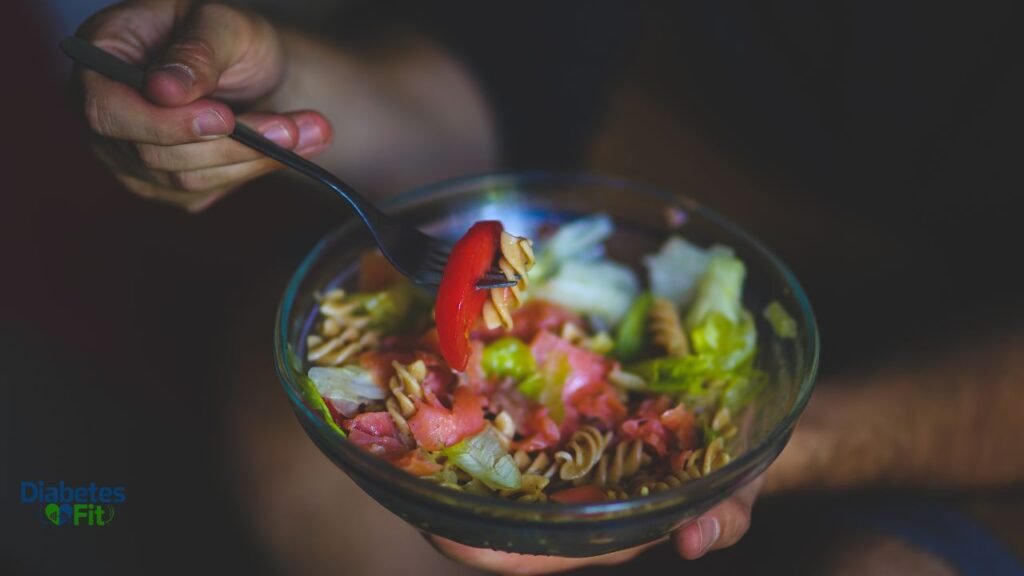
Going more than 3–4 hours without eating causes blood sugar to drop, prompting the liver to release stored glucose, which can unexpectedly raise blood sugar. The gestational diabetes diet plan for pregnant women involves eating frequently: 3 small-to-moderate meals and 2–3 snacks daily.
Principle 5: Breakfast Deserves Special Attention
Morning is when insulin resistance is at its highest in gestational diabetes — the “dawn phenomenon” raises blood sugar naturally in the early morning hours. This means breakfast is the meal most likely to cause blood sugar spikes and requires the most careful carbohydrate restriction.
Breakfast carbohydrate target: 15–30g (less than other meals)
What to Eat: Best Foods for the Gestational Diabetes Diet Plan
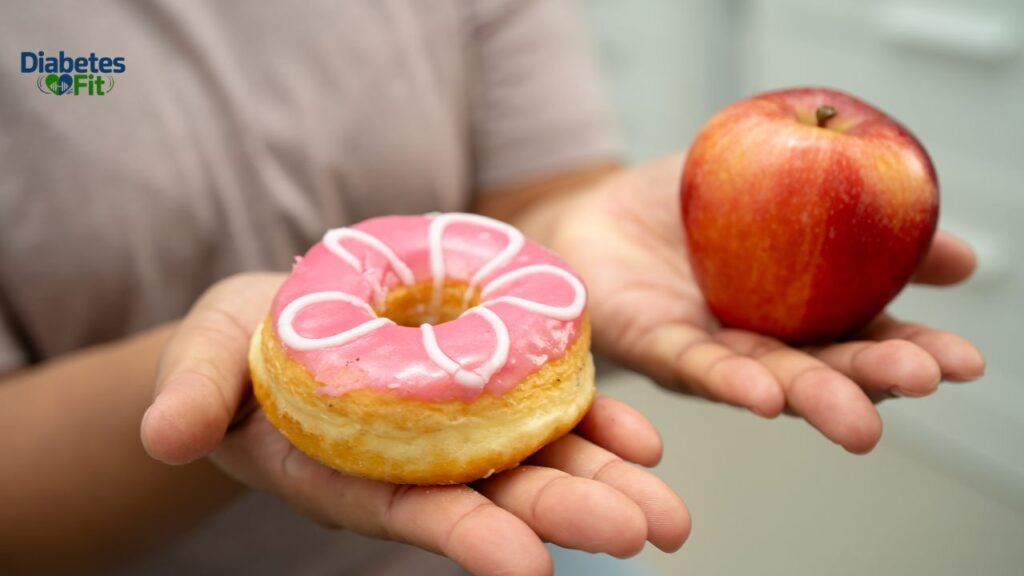
Approved Carbohydrates — Eat These
Non-Starchy Vegetables (Eat Freely)
These are the foundation of the gestational diabetes diet plan for pregnant women — they’re low in carbohydrates, high in fiber, vitamins, and minerals:
- Spinach, kale, arugula, romaine (all leafy greens)
- Broccoli, cauliflower, Brussels sprouts
- Cucumber, zucchini, celery
- Bell peppers (all colors)
- Asparagus, green beans, snap peas
- Mushrooms, onions (in moderation), tomatoes
- Cabbage, bok choy
Target: Fill half your plate with non-starchy vegetables at every meal.
Low-Glycemic Whole Grains
These provide necessary carbohydrates with lower blood sugar impact:
| Grain | Glycemic Index | Serving Size | Carbs per Serving |
| Steel-cut oats | 42 | ¼ cup dry | 27g |
| Barley | 28 | ½ cup cooked | 22g |
| Quinoa | 53 | ½ cup cooked | 20g |
| Brown rice | 50 | ⅓ cup cooked | 15g |
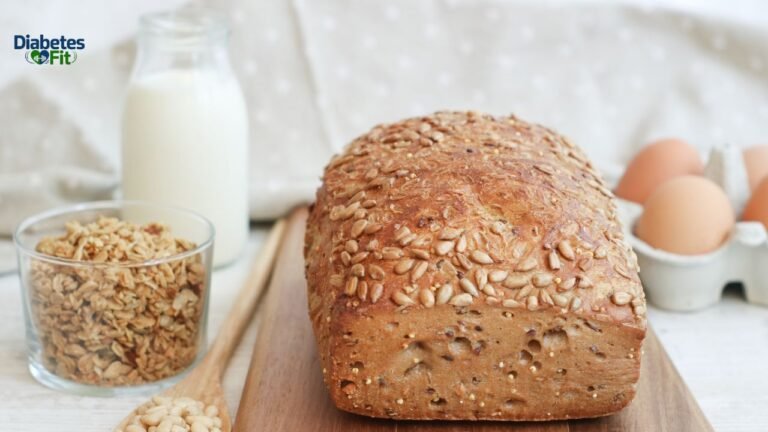
| Whole-grain bread | 50–55 | 1 thin slice | 12–15g |
| Pumpernickel bread | 41 | 1 slice | 15g |
Important: Even these healthy grains must be portion-controlled. A ½ cup of cooked brown rice is a typical portion for a gestational diabetes diet — not the full cup that might feel normal.
Legumes and Beans
Excellent sources of carbohydrate combined with protein and fiber — the ideal blood sugar-friendly combination:
- Chickpeas (GI: 28)
- Lentils (GI: 21–30)
- Black beans (GI: 30)
- Kidney beans (GI: 24)
- Hummus (made from chickpeas)
Typical portion: ½ cup cooked = approximately 20g carbohydrates + 7–9g protein + 7–8g fiber
Low-Glycemic Fruits
Fruit contains natural sugar and does raise blood sugar, but the right fruits in the right portions are safe in the gestational diabetes diet plan for pregnant women:
Best fruit choices:
| Fruit | GI | Carbs per Serving | Safe Serving |
| Berries (strawberries, blueberries, raspberries) | 25–40 | 10–15 g per ¾ cup | ¾ cup |
| Cherries | 22 | 12g per ½ cup | ½ cup |
| Apple (with skin) | 36 | 15g per small apple | 1 small |
| Pear | 38 | 15g per small pear | 1 small |
| Peach | 42 | 12g per medium | 1 medium |
| Kiwi | 50 | 10g per fruit | 1–2 fruits |
Fruits to limit or avoid:
- Bananas (especially ripe) — high sugar
- Grapes — very high sugar concentration
- Mango, pineapple — high glycemic
- Watermelon — high glycemic index (72)
- All fruit juices — remove fiber, concentrate sugar
- Dried fruit — extremely concentrated sugar
Protein Sources — Eat Plenty
Protein is unrestricted in the gestational diabetes diet plan for pregnant women — it doesn’t raise blood sugar and supports fetal development:
Best protein sources:
- Chicken and turkey breast (skinless)
- Fish and seafood — particularly salmon (also provides omega-3 fatty acids for fetal brain development)
- Eggs — a complete protein
- Greek yogurt (plain, unsweetened — also provides probiotics)
- Cottage cheese
- Cheese (in moderation — high in saturated fat but beneficial protein and calcium)
- Lean red meat (beef, lamb, pork)
- Tofu and tempeh (plant-based)
- Edamame (also provides carbohydrate — count toward carb total)
- Nuts and nut butters (also provide healthy fat)
Fish cautions during pregnancy:
- Avoid high-mercury fish: shark, swordfish, king mackerel, tilefish
- Limit tuna to 2 servings per week
- Excellent choices: salmon, sardines, tilapia, trout, shrimp, cod
Healthy Fats — Include at Every Meal
- Avocado (also provides fiber and potassium)
- Olive oil
- Nuts — almonds, walnuts, pecans (in moderation — calorie-dense)
- Seeds — chia, flaxseed, pumpkin seeds
- Fatty fish (salmon, sardines, mackerel)
- Full-fat plain yogurt (in appropriate portions)
Foods to Avoid in the Gestational Diabetes Diet Plan for Pregnant Women
| Food Category | Examples | Why to Avoid |
| Sugary drinks | Soda, juice, sweet tea, energy drinks | Rapid blood sugar spikes, no nutrition |
| White refined carbs | White bread, white rice, regular pasta | High GI — rapid glucose absorption |
| Breakfast cereals | Most commercial cereals | High sugar, processed |
| Sweets and desserts | Candy, cookies, cakes, ice cream | Concentrated sugar — dangerous spikes |
| Sweetened dairy | Flavored yogurt, chocolate milk | Added sugar drives glucose rise |
| High-glycemic fruits | Bananas, grapes, fruit juice, dried fruit | Rapid sugar absorption |
| Fried foods | French fries, fried chicken | Unhealthy fats delay digestion erratically |
| Processed snacks | Chips, crackers, pretzels | Refined carbs, low nutrition |
| Honey and syrups | Honey, maple syrup, agave | Concentrated sugar still raises blood sugar |
| Alcohol | All forms | Not safe in pregnancy regardless of diabetes |
Complete 7-Day Gestational Diabetes Diet Plan for Pregnant Women
Understanding Portions First
Daily carbohydrate targets (general guidance — always confirm with your dietitian):
| Meal | Carbohydrate Target |
| Breakfast | 15–30g |
| Morning snack | 15–30g |
| Lunch | 30–45g |
| Afternoon snack | 15–30g |
| Dinner | 30–45g |
| Evening snack | 15–30g |
| Daily total | 150–175g |
These targets are general guidelines. Your registered dietitian will personalize these based on your blood sugar readings, weight, activity level, and how your body responds.
Day 1
Breakfast (25g carbs):
- 2 scrambled eggs
- 1 slice whole grain toast (thin slice)
- ½ cup cherry tomatoes
- Black coffee or herbal tea (unsweetened)
Morning Snack (15g carbs):
- 1 small apple
- 1 tablespoon almond butter
Lunch (40g carbs):
- Large salad: 3 cups mixed greens + cucumber + bell pepper + ½ cup chickpeas + 100g grilled chicken
- 2 tablespoons olive oil and lemon dressing
- 1 slice whole-grain bread
Afternoon Snack (15g carbs):
- ¾ cup plain Greek yogurt
- ½ cup fresh berries
Dinner (40g carbs):
- 150g baked salmon
- ⅓ cup brown rice
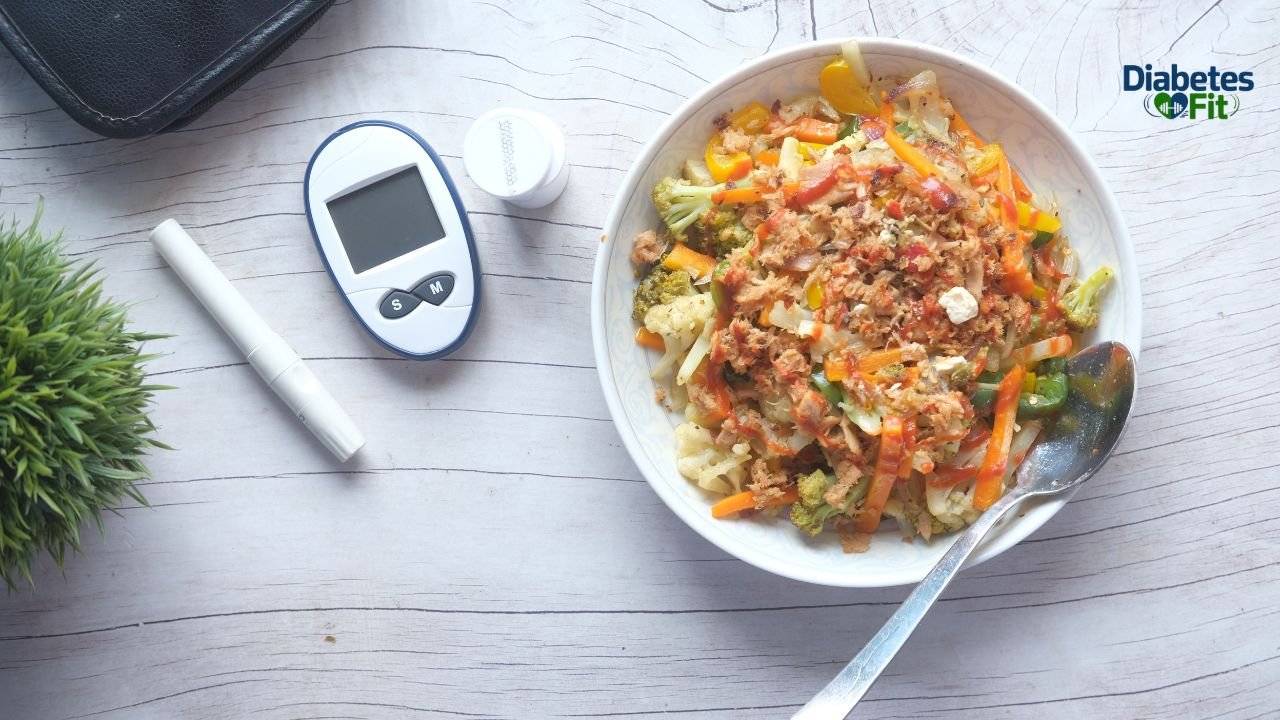
- 2 cups steamed broccoli and asparagus
- 1 tablespoon olive oil drizzled over vegetables
Evening Snack (15g carbs):
- 1 tablespoon peanut butter
- 3 small whole-grain crackers
Day 2
Breakfast (25g carbs):
- ¼ cup steel-cut oats (dry) cooked with water
- 1 tablespoon of chia seeds mixed in
- ½ teaspoon cinnamon
- 1 hard-boiled egg (on the side)
Morning Snack (20g carbs):
- Small pear
- 1 oz (28g) cheddar cheese
Lunch (40g carbs):
- Whole grain wrap (1 small): filled with turkey, avocado, spinach, tomato, mustard
- Side: 1 cup raw vegetables (celery, cucumber, bell pepper)
Afternoon Snack (15g carbs):
- ¼ cup hummus
- 1 cup raw vegetables for dipping
Dinner (40g carbs):
- 150g grilled chicken breast
- ½ cup lentils
- Large green salad with olive oil dressing
- ½ cup roasted zucchini and bell peppers
Evening Snack (15g carbs):
- 1 oz almonds
- ¾ cup plain Greek yogurt
Day 3
Breakfast (20g carbs):
- 3-egg vegetable omelette with spinach, mushrooms, onion, bell pepper
- 1 small slice of rye or pumpernickel bread
Morning Snack (15g carbs):
- ½ cup cottage cheese
- ½ cup strawberries
Lunch (40g carbs):
- Bowl: ⅓ cup quinoa + 100g grilled shrimp + 2 cups roasted vegetables + drizzle of tahini
Afternoon Snack (20g carbs):
- 1 small apple
- 1 tablespoon nut butter
Dinner (40g carbs):
- 150g lean beef stir-fry with broccoli, snap peas, mushrooms, bok choy
- ⅓ cup brown rice
- Low-sodium soy sauce and ginger dressing
Evening Snack (15g carbs):
- 1 oz walnuts
- 3 whole-grain crackers
Days 4–7: Rotation Principles
Rather than listing every day, here are the rotation principles to build your own days 4–7:
Breakfast rotation options:
- Eggs in any preparation (scrambled, poached, boiled) + 1 slice whole grain toast
- Plain Greek yogurt parfait: ¾ cup yogurt + ½ cup berries + 1 tablespoon seeds (keep fruit to ½ cup)
- Steel-cut oatmeal with protein powder or egg, alongside
- Vegetable omelette — no toast needed; very low-carb breakfast
Lunch rotation options:
- Salads with lean protein + ½ cup legumes + vegetables
- Whole grain wraps with protein + vegetables + avocado
- Soup (bean-based, vegetable) + protein side
- Grain bowls: ⅓ cup grain + protein + unlimited vegetables
Dinner rotation options:
- Any lean protein + ⅓–½ cup whole grain + 2 cups non-starchy vegetables
- Bean or lentil-based dishes with a smaller grain portion
- Fish (2–3 times per week for omega-3 benefits)
Blood Sugar Targets During Gestational Diabetes
Understanding your blood sugar targets makes every meal choice feel purposeful:
| Testing Time | Target Blood Sugar Level |
| Fasting (morning, before breakfast) | Under 95 mg/dL (5.3 mmol/L) |
| 1 hour after the meal begins | Under 140 mg/dL (7.8 mmol/L) |
| 2 hours after the meal begins | Under 120 mg/dL (6.7 mmol/L) |
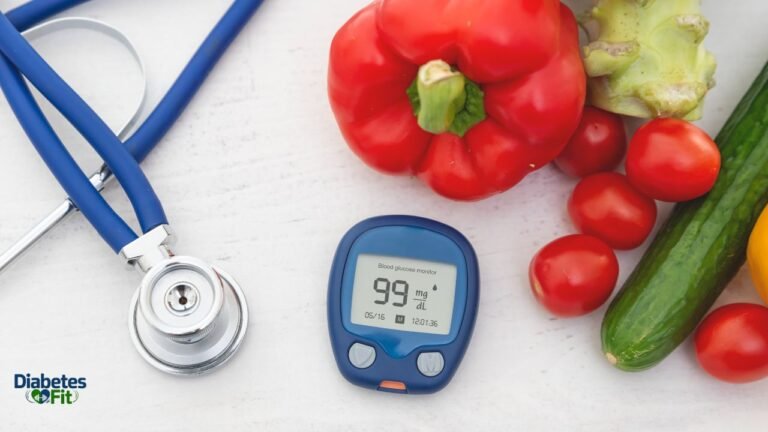
When to test: Your healthcare provider will prescribe a specific testing schedule — most commonly fasting and 1 or 2 hours after each meal.
Foods That Unexpectedly Spike Blood Sugar — Common Surprises
Many women following the gestational diabetes diet plan for pregnant women are surprised by which foods cause unexpected spikes:
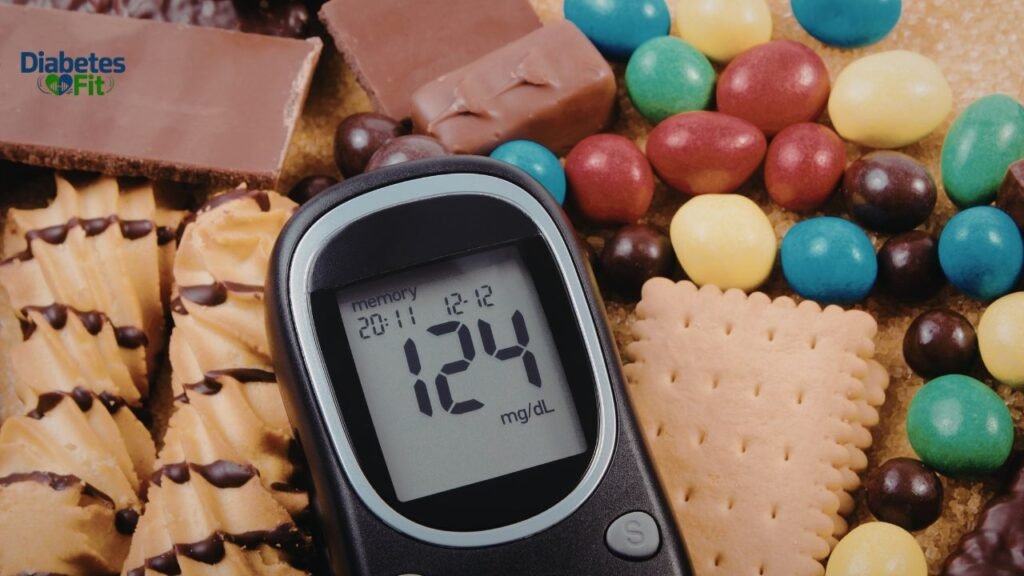
Surprising blood sugar raisers:
- Oatmeal (instant): Instant oatmeal has a much higher GI than steel-cut oats — always choose steel-cut or rolled oats
- Bananas: Even half a banana can spike blood sugar significantly
- Whole wheat bread: Still raises blood sugar — use thin slices and limit portions
- Orange juice: One glass contains 26g of sugar with no fiber — avoid completely
- Granola: Most commercial granola is very high in sugar — read labels carefully
- Rice cakes: Despite seeming light, the GI of 82 is higher than that of white bread
- Sports drinks: Loaded with sugar — never appropriate for gestational diabetes
- Smoothies: Even all-fruit smoothies concentrate sugars and remove fiber — be very cautious
Practical Tips for Managing the Gestational Diabetes Diet Plan Daily
Meal prep tips:
- Cook a large batch of protein (chicken, hard-boiled eggs, beef) on Sunday for the week
- Pre-portion snacks into containers — makes grabbing the right amount automatic
- Keep washed vegetables ready in the refrigerator — removes barriers to healthy eating
- Pre-measure grain portions (⅓ cup brown rice, ¼ cup dry oats) so it becomes second nature
Restaurant strategies:
- Ask for sauces and dressings on the side — many contain hidden sugar
- Choose grilled, baked, or steamed proteins — avoid fried or breaded
- Request extra vegetables in place of starchy sides
- Skip bread baskets and rice when possible
- Order salads with olive oil and vinegar rather than commercial dressings
Blood sugar testing strategies:
- Test at the same time points consistently — this gives comparable data
- When blood sugar is unexpectedly high, note what you ate and the portion size
- Share your log with your dietitian — patterns emerge that help personalize your plan
- Don’t panic over one high reading — look for consistent patterns over days
Exercise and the Gestational Diabetes Diet Plan for Pregnant Women
Exercise is a critical partner to the gestational diabetes diet plan for pregnant women — and often dramatically improves blood sugar control.
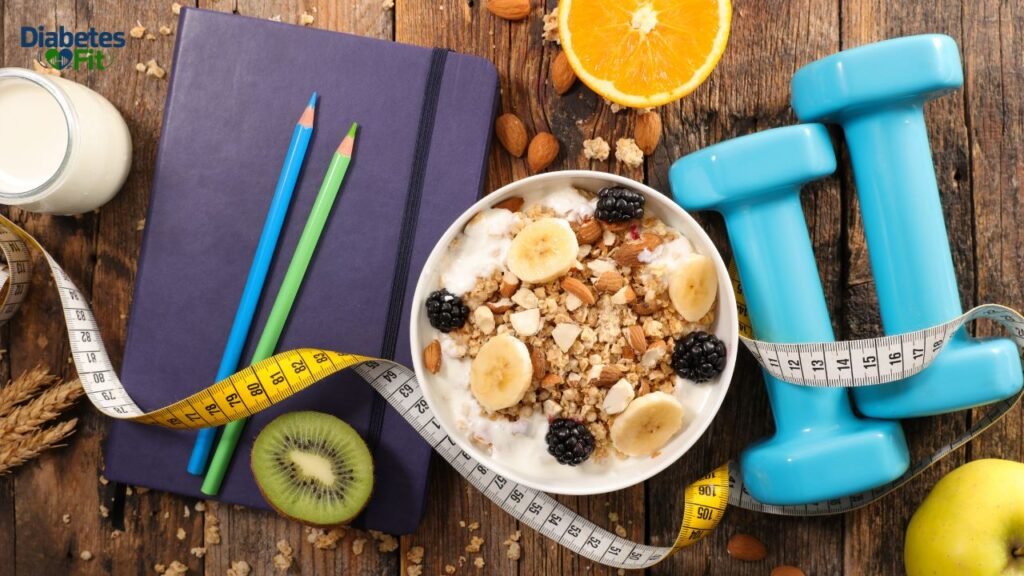
Why exercise helps gestational diabetes:
- Working muscles absorb glucose independently of insulin, directly lowering blood sugar
- A 15–30 minute walk after meals is particularly effective at reducing post-meal blood sugar spikes
- Regular exercise improves overall insulin sensitivity
Safe pregnancy exercises:
- Walking (most accessible and effective)
- Prenatal yoga
- Swimming and water aerobics
- Stationary cycling
- Prenatal Pilates
A simple tip: A 15-minute walk after dinner is one of the most effective blood-sugar-lowering strategies in the gestational diabetes diet plan for pregnant women — and it’s completely free and available to virtually everyone.
Always discuss exercise with your OB/GYN first — some pregnancy complications require activity restriction.
When Diet Isn’t Enough — Knowing When Medication Is Needed
Following the gestational diabetes diet plan for pregnant women carefully and consistently gives most women the best chance of managing blood sugar through diet alone. However, some women need additional treatment:
Signs that medication may be needed:
- Fasting blood sugar consistently above 95 mg/dL despite dietary changes
- Post-meal blood sugar consistently above 140 mg/dL (1 hour) despite careful eating
- Baby measuring large on ultrasound despite good blood sugar control
- Significant weight or fluid changes suggesting inadequate glucose control
Medication options if needed:
- Metformin: Oral medication, some use in gestational diabetes (not recommended in all countries/situations — discuss with your OB/GYN)
- Insulin: The most commonly used medication — completely safe for the baby as it doesn’t cross the placenta
Important: Needing medication is not a failure. It means your body’s insulin resistance is severe enough that even perfect diet management isn’t sufficient — this is physiological, not a reflection of your effort.
Frequently Asked Questions
What is the best gestational diabetes diet plan for pregnant women?
A registered dietitian individualizes the best gestational diabetes diet plan for pregnant women — but the core principles are consistent: control carbohydrates to 150–175g daily distributed across 6 small meals/snacks, eat 15–30g carbohydrates at breakfast (where insulin resistance is highest), always combine carbohydrates with protein and healthy fat, fill half the plate with non-starchy vegetables, choose low-glycemic whole grain carbohydrates, and avoid all sugary drinks, refined carbs, and high-sugar foods. Work with your healthcare team to personalize these guidelines based on your blood sugar readings and individual response.
What foods should be avoided in a gestational diabetes diet?
In the gestational diabetes diet plan for pregnant women, avoid: all sugary drinks (soda, juice, sweet tea, sports drinks), white bread and refined grains (white rice, regular pasta), sweets and desserts (cookies, candy, cakes, ice cream), high-glycemic fruits (bananas, grapes, mangoes, dried fruit), sweetened dairy products (flavored yogurt, chocolate milk), fried foods, processed snacks (chips, crackers), and anything with added sugar. Even “natural” sweeteners like honey and maple syrup raise blood sugar and should be avoided. Fruit juice is particularly dangerous — it concentrates sugar while removing the fiber that would slow absorption.
How many carbs per day for gestational diabetes during pregnancy?
Most gestational diabetes diet plans for pregnant women target 150–175g of carbohydrates per day — distributed across 3 meals and 2–3 snacks. Breakfast is typically the most restricted meal (15–30g carbs) because morning insulin resistance is highest. Lunch and dinner can accommodate 30–45g each. Snacks are typically 15–30g each. However, these are general guidelines — your individual carbohydrate target should be determined by your registered dietitian based on your blood sugar monitoring results and your body’s specific response to different foods and portions.
Can I eat fruit with gestational diabetes?
Yes — some fruit is safe in the gestational diabetes diet plan for pregnant women, but portion size and fruit type matter significantly. Best choices are berries (strawberries, blueberries, raspberries) — about ¾ cup per serving — and small portions of low-glycemic fruits like apples, pears, peaches, and cherries. Limit each fruit serving to 15g of carbohydrates and always eat fruit with protein (like cheese or yogurt) to blunt the blood sugar response. Avoid fruit juice entirely, dried fruits, and high-sugar fruits like bananas, grapes, mango, and pineapple. Test your blood sugar 1–2 hours after eating fruit to understand your personal response.
Does a gestational diabetes diet plan affect the baby’s nutrition?
A well-designed gestational diabetes diet plan for pregnant women is nutritionally complete and fully supports fetal development — in fact, it’s often more nutritious than a typical pregnancy diet because it emphasizes vegetables, lean proteins, healthy fats, and whole grains. The carbohydrate restriction is moderate (150–175g daily — not a low-carb diet), which is perfectly safe for the baby. Fetal glucose supply is maintained — the goal is to prevent excess glucose from crossing the placenta. Following the gestational diabetes diet plan for pregnant women actually gives your baby a better nutritional environment than allowing blood sugar to run high, which causes excess fetal growth and associated complications.
What can I eat for breakfast with gestational diabetes?
Breakfast is the most challenging meal in the gestational diabetes diet plan for pregnant women because morning insulin resistance is at its peak. Best breakfast choices include: scrambled eggs with vegetables (very low carb, high protein), a small amount of steel-cut oats (¼ cup dry) with a protein source alongside, a vegetable omelette with one slice of whole grain toast, or plain Greek yogurt with a small portion of berries. Avoid: cereal (even whole grain — most spike blood sugar significantly), fruit juice, toast alone without protein, pancakes and waffles, and flavored yogurt. Start with very small portions of carbohydrates (15–20g maximum) at breakfast and test 1 hour later to find what works for your body.
Will gestational diabetes go away after delivery?
In most cases, gestational diabetes resolves after delivery — blood sugar typically returns to normal within a few days to weeks of giving birth. However, having gestational diabetes significantly increases lifetime risk of developing type 2 diabetes — approximately 50% of women with gestational diabetes develop type 2 diabetes within 5–10 years of delivery. This makes postpartum lifestyle management critically important. The same dietary principles from the gestational diabetes diet plan for pregnant women — controlling refined carbohydrates, eating plenty of vegetables and protein, maintaining a healthy weight — help prevent or delay type 2 diabetes development after pregnancy. All women with gestational diabetes should receive a glucose tolerance test 6–12 weeks after delivery and annually thereafter.
Conclusion
Managing gestational diabetes can feel overwhelming at first — but the gestational diabetes diet plan for pregnant women is genuinely your most powerful tool for keeping you and your baby safe. Most women who follow it consistently can manage their blood sugar without medication, deliver a healthy baby, and recover fully after pregnancy.
Every food choice you make during these weeks matters — not in a way that should create guilt or anxiety, but in a way that empowers you. You have real, meaningful control over your blood sugar through what and when you eat. The gestational diabetes diet plan for pregnant women hands that control back to you.
The principles are simpler than they might seem: control carbohydrate portions (especially at breakfast), always pair carbs with protein and healthy fat, fill your plate with vegetables, choose low-glycemic whole foods, eat frequently in small amounts, walk after meals, and test regularly to learn how your body responds.
Take the next step today. If you haven’t yet seen a registered dietitian who specializes in gestational diabetes, request a referral from your OB/GYN immediately. A personalized gestational diabetes diet plan for pregnant women created by a professional, based on your specific blood sugar readings and food preferences, is the single most effective investment you can make for this pregnancy. You and your baby deserve nothing less.
Disclaimer: This article is for informational purposes only and does not replace professional medical or nutritional advice. Always work with your OB/GYN, endocrinologist, and registered dietitian for personalized guidance on managing gestational diabetes during pregnancy. Blood sugar targets and carbohydrate recommendations should be individualized by your healthcare team.
Also read more from Medline Plus.

David Miller: I am a health and wellness writer focused on diabetes awareness, blood sugar control, and healthy living. I creates clear, practical content to help readers make better everyday health choices. I write evidence-based articles about diabetes, diet, and healthy living. My goal is to simplify complex health topics using trusted sources like WHO and medical journals.