What Happens if Diabetes Is Left Untreated: The Devastating Truth You Must Know
Diabetes is one of the most manageable chronic conditions in medicine — but only when it’s properly managed. What happens if diabetes is left untreated is a question that every person with diabetes, prediabetes, or risk factors needs to understand clearly — because the consequences are not just serious, they are life-altering and potentially fatal.
Millions of people worldwide are living with undiagnosed or untreated diabetes right now. Some don’t know they have it. Others know but delay treatment because they feel relatively okay. This is one of the most dangerous aspects of diabetes — in its early stages, it often causes few noticeable symptoms while silently damaging blood vessels, nerves, kidneys, eyes, and the heart.
In this comprehensive guide, we explain exactly what happens if diabetes is left untreated — organ by organ, system by system — so you can understand the full picture and make informed decisions about your health.
Also, read the best veggie burger for diabetics.
Understanding Why Untreated Diabetes Causes Such Widespread Damage
To understand what happens if diabetes is left untreated, you first need to understand the core mechanism that makes diabetes so destructive.
The High Blood Sugar Damage Mechanism
Both Type 1 and Type 2 diabetes result in chronically elevated blood glucose (hyperglycemia). When blood sugar remains high over weeks, months, and years, it damages the body through several simultaneous pathways:
1. Advanced Glycation End Products (AGEs): When excess glucose reacts with proteins and fats in the body, it forms toxic compounds called AGEs. These molecules:
- Stiffen and damage blood vessel walls
- Trigger inflammation throughout the body
- Cross-link collagen — making tissues rigid and dysfunctional
- Accumulate in the kidneys, eyes, nerves, and arteries
2. Oxidative Stress: High blood sugar generates excessive free radicals — unstable molecules that damage cells throughout the body. In people with untreated diabetes:
- Antioxidant defenses are overwhelmed
- Cell membranes, DNA, and proteins are damaged
- Endothelial cells (lining blood vessels) are particularly vulnerable
3. Inflammation: Chronic hyperglycemia activates inflammatory pathways — creating systemic inflammation that:
- Damages blood vessel walls
- Promotes atherosclerosis (arterial plaque formation)
- Worsens insulin resistance in Type 2 diabetes
- Impairs immune function
4. Osmotic Effects: High blood sugar draws water out of cells through osmosis:
- Cells throughout the body become dehydrated
- The lens of the eye changes shape, causing blurred vision
- Neurons and nerve cells are particularly vulnerable
Understanding these mechanisms explains why what happens if diabetes is left untreated affects virtually every organ system in the body — not just one area.
What Happens if Diabetes Is Left Untreated: Complete Organ-by-Organ Guide
1. The Heart and Cardiovascular System — The Highest Risk
The most life-threatening consequence of what happens if diabetes is left untreated is cardiovascular disease. People with untreated or poorly controlled diabetes have 2–4 times the risk of heart attack and stroke compared to people without diabetes.

How untreated diabetes damages the cardiovascular system:
Atherosclerosis (arterial plaque buildup):
- High blood sugar oxidizes LDL cholesterol, making it more likely to stick to artery walls
- Damaged endothelial cells allow LDL to penetrate the arterial wall
- Plaque gradually narrows arteries — restricting blood flow
- Plaque rupture causes sudden clot formation — triggering a heart attack or stroke
Diabetic cardiomyopathy:
- The heart muscle itself becomes damaged by high blood sugar
- Cardiac cells lose their normal function — the heart becomes stiff and less efficient
- Eventually leads to heart failure — even without significant coronary artery disease
Hypertension (high blood pressure):
- Untreated diabetes causes arterial stiffness, increasing blood pressure
- High blood pressure further damages already vulnerable blood vessels
- The combination dramatically accelerates cardiovascular damage
What the numbers show:
| Cardiovascular Risk | People Without Diabetes | People With Untreated Diabetes |
| Heart attack risk | Baseline | 2–4× higher |
| Stroke risk | Baseline | 2–4× higher |
| Heart failure risk | Baseline | 2–5× higher |
| Cardiovascular mortality | Baseline | 2–3× higher |
| Age of first cardiac event | Later in life | 10–15 years earlier |
Cardiovascular disease is the leading cause of death in people with diabetes, making it the single most important reason to treat diabetes promptly and aggressively.
2. The Kidneys — Diabetic Nephropathy
Diabetic nephropathy (kidney disease caused by diabetes) is the leading cause of end-stage kidney disease (kidney failure) in developed countries, accounting for approximately 44% of all new cases of kidney failure. This is among the most serious aspects of what happens if diabetes is left untreated.
How untreated diabetes damages the kidneys:
The kidneys contain millions of tiny filtering units called glomeruli — each a cluster of microscopic blood vessels. High blood sugar damages these vessels through:
- Glomerular hyperfiltration: Initially, high blood sugar causes the kidneys to filter more blood than normal, stressing and eventually damaging the filtering units
- Thickening of the glomerular basement membrane: AGEs cause the filtration membrane to thicken and become leaky, allowing protein to escape into the urine
- Mesangial expansion: The supporting cells within the glomerulus expand, gradually replacing functional filtering tissue with scar tissue
- Progressive loss of kidney function: As filtering units are destroyed, the kidneys can no longer adequately clean the blood
Stages of diabetic kidney disease:
| Stage | Description | Kidney Function (GFR) | Reversibility |
| Stage 1 | Kidney damage with normal function | >90 ml/min | Potentially reversible |
| Stage 2 | Mild reduction in function | 60–89 ml/min | Possibly reversible |
| Stage 3 | Moderate reduction | 30–59 ml/min | Progression can be slowed |
| Stage 4 | Severe reduction | 15–29 ml/min | Largely irreversible |
| Stage 5 | Kidney failure — dialysis needed | <15 ml/min | Irreversible — transplant needed |
What happens if diabetes is left untreated for the kidneys is progressive, silent destruction — the kidneys lose up to 80% of function before symptoms appear. By then, the damage is largely irreversible.
3. The Eyes — Diabetic Retinopathy and Blindness
Diabetic retinopathy is the most common cause of new cases of blindness in working-age adults — and it is almost entirely preventable with proper diabetes management.

How untreated diabetes damages the eyes:
The retina — the light-sensitive tissue at the back of the eye — has the highest metabolic demand of any tissue in the body and is extremely sensitive to changes in blood supply:
Non-proliferative retinopathy (early stage):
- High blood sugar weakens the tiny blood vessels supplying the retina
- Microaneurysms (small bulges) form in vessel walls
- Vessels leak fluid and blood into the retina, causing blurred vision and deposits
- Macular edema occurs when leakage occurs near the center of vision
Proliferative retinopathy (advanced stage):
- The retina, starved of oxygen from damaged blood vessels, signals for new blood vessel growth (neovascularization)
- New vessels are fragile and abnormal — they bleed into the vitreous (gel of the eye)
- Scar tissue forms — pulling on the retina
- Retinal detachment causes sudden, permanent vision loss
Other eye complications of untreated diabetes:
- Cataracts: Glucose accumulates in the lens, causing opacity. Diabetics develop cataracts 10–15 years earlier than non-diabetics
- Glaucoma: Elevated pressure within the eye — more common in untreated diabetics
- Diabetic macular edema: Swelling of the central retina — the most common cause of vision loss in diabetes
The blindness statistic that matters: After 20 years of untreated or poorly controlled diabetes, approximately 60% of Type 1 diabetics and 80% of Type 2 diabetics will have some degree of retinopathy. A significant proportion will progress to significant visual impairment or blindness.
4. The Nervous System — Diabetic Neuropathy
Diabetic neuropathy is the most common complication of diabetes, affecting up to 50% of people with long-standing, untreated diabetes. It is one of the most debilitating consequences of what happens if diabetes is left untreated.
Types of diabetic neuropathy:
Peripheral neuropathy (most common):
- Affects feet, legs, hands, and arms
- Symptoms: tingling, burning, electric-shock pain, numbness
- Progressive loss of sensation in a “stocking-glove” pattern
- Eventually: complete loss of protective sensation in the feet
- Consequence: Injuries, burns, and pressure wounds go unnoticed — leading to infection, ulcers, and potentially amputation
Autonomic neuropathy:
- Damages the nerves controlling automatic body functions
- Cardiovascular: Irregular heart rate, orthostatic hypotension (dizziness on standing), inability to sense chest pain during a heart attack
- Digestive: Gastroparesis (stomach doesn’t empty properly), nausea, vomiting, unpredictable blood sugar
- Bladder: Neurogenic bladder — retention, incontinence, increased urinary tract infection risk
- Sexual: Erectile dysfunction in men (affects 50–75% of diabetic men); vaginal dryness and decreased sensation in women
- Sweating: Abnormal sweating patterns — excessive or absent
Cranial neuropathy:
- Affects nerves controlling eye muscles and facial muscles
- Causes double vision, facial pain, and difficulty chewing
5. The Feet — Diabetic Foot Disease and Amputation
What happens if diabetes is left untreated in the feet is one of the most feared and preventable tragedies in medicine: amputation.

The diabetic foot disaster chain:
The feet are particularly vulnerable because of the combination of:
- Peripheral neuropathy: Loss of protective sensation — you can’t feel injuries, pressure, or heat
- Peripheral artery disease: Reduced blood flow to the feet — wounds heal poorly or not at all
- Immune dysfunction: High blood sugar impairs the immune cells that fight infection
- Autonomic neuropathy: Skin becomes dry and cracked from reduced sweating — creating entry points for bacteria
How amputation happens:
- A small injury occurs (step on a nail, tight shoe rubs, small cut)
- Neuropathy prevents the person from feeling it
- The wound doesn’t heal because of poor blood supply
- Bacteria enter through the wound
- High blood sugar impairs the immune response — infection spreads rapidly
- Infection reaches the bone (osteomyelitis)
- Amputation is required to save the person’s life
The statistics of diabetic amputation:
- Diabetes is responsible for 70% of all lower limb amputations performed annually
- Every 30 seconds, a lower limb is lost to diabetes somewhere in the world
- 50–70% of all non-traumatic amputations occur in people with diabetes
- After one amputation, the risk of a second amputation within 5 years exceeds 50%
This is perhaps the most viscerally shocking answer to what happens if diabetes is left untreated — and the most compelling reason to take treatment seriously.
6. The Brain — Cognitive Decline and Dementia
An increasingly recognized consequence of what happens if diabetes is left untreated is damage to the brain and cognitive function.
How untreated diabetes affects the brain:
- Cerebral small vessel disease: High blood sugar damages the tiny blood vessels supplying the brain, causing microscopic strokes and white matter damage
- Neuroinflammation: Chronic inflammation driven by high blood sugar damages neurons
- Insulin resistance in the brain: The brain normally uses insulin for glucose uptake — insulin resistance impairs brain cell energy metabolism
- Hippocampal atrophy: Research shows the hippocampus (memory center) is particularly vulnerable to chronic hyperglycemia — shrinking over time in untreated diabetics
Research findings:
- People with untreated Type 2 diabetes have a 50–65% higher risk of developing dementia
- People with poorly controlled diabetes have up to 3× the risk of Alzheimer’s disease
- Cognitive decline begins in the early stages of diabetes — often before other complications become apparent
- Processing speed, working memory, and executive function are the first affected
7. Acute Life-Threatening Emergencies
What happens if diabetes is left untreated includes two acute medical emergencies that can be fatal within hours:
Diabetic Ketoacidosis (DKA) — Primarily Type 1:
When the body has no insulin (or severely insufficient insulin):
- Cells cannot use glucose for energy
- The body breaks down fat rapidly, producing acidic ketone bodies as a byproduct
- Ketones accumulate in the blood, making it dangerously acidic (acidosis)
- Blood sugar climbs to extreme levels (often 400–800+ mg/dL)
Symptoms of DKA:
- Extreme thirst and frequent urination
- Nausea, vomiting, and abdominal pain
- Fruity or acetone-smelling breath
- Rapid, deep breathing
- Confusion, drowsiness
- Coma and death without treatment
DKA has a mortality rate of 0.5–5% even with treatment, and without treatment, it is nearly always fatal.
Hyperosmolar Hyperglycemic State (HHS) — Primarily Type 2:
When blood sugar rises to extreme levels (often 600–1200 mg/dL) without significant ketosis:
- Blood becomes extremely concentrated
- Severe dehydration occurs
- Confusion, seizures, and coma follow
HHS has a mortality rate of 5–20% even with treatment, significantly higher than DKA. Without treatment, it is fatal.
8. The Immune System — Increased Infection Risk
High blood sugar profoundly impairs immune function — creating a state of immunodeficiency that leaves diabetics vulnerable to infections that healthy people fight off easily.
How untreated diabetes impairs immunity:
- Neutrophil dysfunction: White blood cells (neutrophils) that normally kill bacteria cannot function properly in high-glucose environments — their ability to engulf and destroy bacteria is severely reduced
- Complement system impairment: The cascade of proteins that helps identify and destroy bacteria is less active
- Reduced T-cell function: Adaptive immune response is blunted
- Impaired wound healing: Blood vessel damage reduces the delivery of immune cells to infection sites
Specific infection risks in untreated diabetes:
| Infection Type | Risk Compared to Non-Diabetics |
| Urinary tract infections | 2–3× higher |
| Pneumonia | 2× higher |
| Tuberculosis | 3× higher |
| Skin and soft tissue infections | 3–4× higher |
| Fungal infections | 4–5× higher |
| Sepsis (bloodstream infection) | 3× higher |
| COVID-19 severe illness | 3–4× higher |
| Post-surgical infection | 2–3× higher |
9. The Liver and Metabolic Complications
What happens if diabetes is left untreated includes significant metabolic complications affecting the liver:
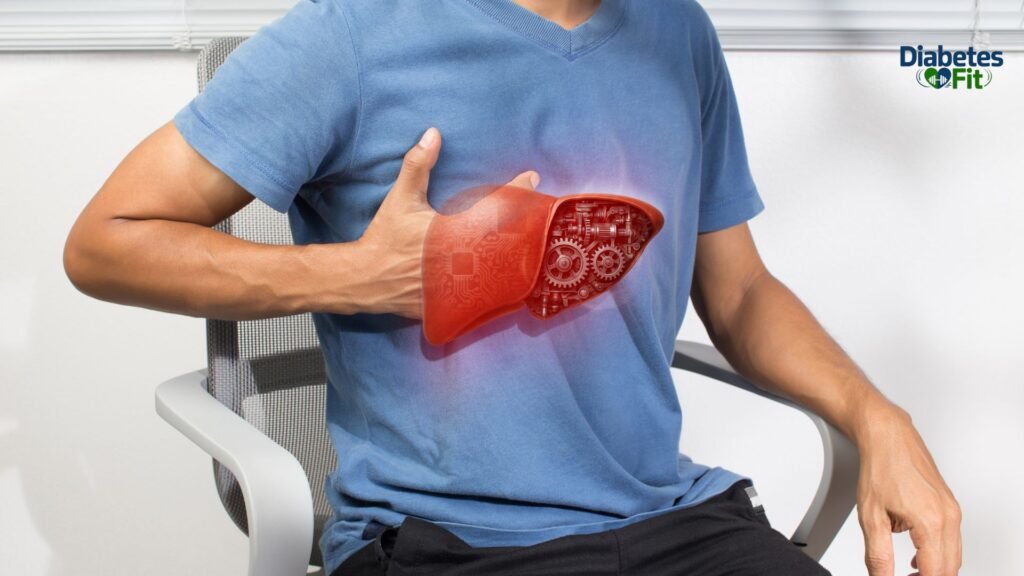
Non-Alcoholic Fatty Liver Disease (NAFLD):
- Affects 70–80% of people with Type 2 diabetes
- Insulin resistance causes excess fat to accumulate in liver cells
- Can progress to non-alcoholic steatohepatitis (NASH) — liver inflammation
- 20–30% of NASH cases progress to cirrhosis
- Cirrhosis can progress to liver failure
Metabolic syndrome progression: Untreated Type 2 diabetes accelerates the entire metabolic syndrome, worsening:
- High triglycerides
- Low HDL cholesterol
- Hypertension
- Abdominal obesity
- Together, creating a catastrophic cardiovascular risk profile
10. Mental Health — Depression, Anxiety, and Diabetes Distress
What happens if diabetes is left untreated extends beyond physical health to profound mental health consequences:
The diabetes-depression connection:
- People with diabetes are 2–3 times more likely to experience depression than the general population
- Neurobiological changes from chronic hyperglycemia directly affect brain chemistry — altering serotonin, dopamine, and norepinephrine systems
- The burden of managing a chronic condition contributes to anxiety and psychological distress
- Depression worsens diabetes control — creating a vicious cycle where untreated depression makes diabetes management harder, worsening physical health, and worsening depression
Diabetes distress: A specific form of emotional burden related to diabetes that includes:
- Fear of complications
- Frustration with management demands
- Social isolation
- Grief over lifestyle changes
Timeline: What Happens if Diabetes Is Left Untreated Over Time
| Timeline | What’s Happening | Warning Signs |
| Months 1–6 | Blood sugar rising, initial cell damage begins | Increased thirst, frequent urination, fatigue |
| Year 1 | Oxidative stress and AGE formation are accelerating | Blurred vision, frequent infections, slow healing |
| Years 2–5 | Microangiopathy (small vessel damage) is progressing | Early retinopathy, protein in urine, and numbness |
| Years 5–10 | Neuropathy, nephropathy, and retinopathy are advancing | Foot pain, reduced vision, reduced kidney function |
| Years 10–15 | Major organ damage | Heart attack risk is extremely high, possible vision loss |
| Years 15–20 | Advanced complications | Possible kidney failure, blindness, amputation |
| 20+ years | End-stage complications | Dialysis, organ failure, and dramatically reduced life expectancy |
How Treatable Diabetes Is — The Hopeful Counterpoint
After explaining what happens if diabetes is left untreated, it’s critically important to emphasize how much can be prevented with proper management:
What effective diabetes management achieves:
- Reducing HbA1c by 1% (e.g., from 9% to 8%) reduces:
- Microvascular complications by 25–35%
- Heart attack risk by 14–16%
- Diabetes-related death by 21%
- Blood pressure control to below 130/80 mmHg reduces:
- Diabetic nephropathy progression by 35%
- Stroke risk by 44%
- Heart failure by 56%
- Proper foot care eliminates the vast majority of diabetes-related amputations
- Regular retinal screening and early laser treatment prevent 90%+ of diabetes-related blindness
The contrast between what happens if diabetes is left untreated and what happens when it’s properly managed is stark and hopeful. Almost all of the catastrophic consequences of untreated diabetes are largely preventable — but only with prompt, sustained, appropriate management.
Frequently Asked Questions
What happens if diabetes is left untreated for years?
Over the years, untreated diabetes causes progressive damage to virtually every organ system. In the first 5–10 years, microscopic damage to blood vessels and nerves accumulates — causing early retinopathy, peripheral neuropathy, and microalbuminuria (early kidney damage). Over 10–20 years, these progress to major complications: significant vision loss or blindness, kidney failure requiring dialysis, peripheral artery disease with amputation risk, and dramatically elevated risk of heart attack and stroke. The cardiovascular complications can occur earlier — major cardiac events occur on average 10–15 years earlier in people with untreated diabetes than in the general population.
Can untreated diabetes kill you?
Yes — untreated diabetes can be fatal through multiple mechanisms. Acutely, DKA (Type 1) or HHS (Type 2) can cause death within hours to days without treatment. Long-term, untreated diabetes dramatically increases mortality from cardiovascular disease (heart attack, stroke), kidney failure, and severe infections. People with untreated or severely poorly controlled diabetes have life expectancy reductions of 5–15 years compared to non-diabetics. The leading causes of death in untreated diabetics are cardiovascular disease (responsible for approximately 50% of diabetes deaths), kidney failure, and infection.
What are the first signs of damage from untreated diabetes?
The earliest signs that untreated diabetes is causing damage include: increased thirst and frequent urination (from high blood sugar pulling water through the kidneys), persistent fatigue (cells not getting adequate glucose), blurred vision (glucose changing the lens shape), slow-healing cuts and wounds (immune dysfunction and poor circulation), frequent infections (impaired immune response), tingling or numbness in hands and feet (early peripheral neuropathy), protein in the urine detected on a urine test (early kidney damage), and persistent itching (from glucose in the skin). These early warning signs appear before serious complications develop — making them critical to recognize and act upon.
How quickly does diabetes cause organ damage without treatment?
Organ damage from untreated diabetes begins earlier than most people realize. Cardiovascular damage — arterial stiffening, endothelial dysfunction, and early atherosclerosis — begins within months of consistently elevated blood sugar. Early retinal changes (microaneurysms) can be detected within 1–3 years of uncontrolled diabetes. Peripheral neuropathy begins with subtle changes in nerve conduction that can be detected within 2–5 years. Kidney damage (microalbuminuria) typically appears after 5–15 years of poorly controlled blood sugar. However, the rate of progression varies enormously based on blood sugar levels, blood pressure control, genetic factors, and other risk factors.
Is it possible to reverse damage from untreated diabetes?
Some damage from untreated diabetes is reversible with proper treatment, while other damage is permanent. Reversible: early retinopathy (if treated before proliferative stage), early kidney damage (if caught at microalbuminuria stage), peripheral neuropathy symptoms (partial improvement with blood sugar control), and some aspects of insulin resistance in Type 2 diabetes. Less reversible: advanced kidney disease, established neuropathy, proliferative retinopathy scars, and atherosclerotic plaques. The key message is: the earlier treatment begins, the more damage can be prevented or reversed. Even in people with established complications, proper diabetes management significantly slows further progression and can improve quality of life.
What happens if Type 2 diabetes specifically is left untreated?
Type 2 diabetes that is left untreated follows a characteristic progression. In the early years, insulin resistance worsens, and the pancreas compensates by producing more insulin — blood sugar may be elevated, but the pancreas can still manage. Over time, the pancreas exhausts itself from overproduction — beta cell function declines, blood sugar rises further, and insulin secretion becomes inadequate. Without treatment, most people with Type 2 diabetes eventually require insulin as their pancreas fails. Meanwhile, all the cardiovascular, renal, neurological, and ocular complications develop progressively. Type 2 diabetes can be reversed in some people with aggressive lifestyle intervention and weight loss — but this window narrows significantly with time and worsening beta cell function.
What is the life expectancy of someone with untreated diabetes?
Life expectancy in untreated diabetes depends on many factors — type of diabetes, age of onset, blood sugar levels, and other risk factors. People with Type 1 diabetes without insulin treatment have a life expectancy measured in weeks to months — insulin is essential for survival. For Type 2 diabetes, the impact on life expectancy from being untreated is more gradual. Research suggests that poorly controlled Type 2 diabetes (which approximates untreated diabetes) reduces life expectancy by 5–10 years compared to well-controlled diabetes, and by even more compared to people without diabetes. The primary drivers of reduced life expectancy are cardiovascular disease, kidney failure, and infections. With excellent management, the life expectancy gap between people with diabetes and the general population is now quite small — demonstrating how much treatment matters.
Conclusion
The picture painted by what happens if diabetes is left untreated is undeniably serious — organ damage that progresses silently for years, complications that diminish quality of life profoundly, and ultimately a life cut significantly shorter than it should be. Heart failure, kidney failure, blindness, amputation, dementia, stroke — these are not inevitable, but they are the destination when diabetes is ignored.
But here is the critically important counterpoint: virtually everything described in this article is preventable. What happens if diabetes is left untreated is the worst-case scenario — and it requires genuine neglect over years to reach its most devastating stages. With appropriate treatment, consistent monitoring, lifestyle management, and a good relationship with your healthcare team, the vast majority of diabetic complications can be prevented or significantly delayed.
What happens if diabetes is left untreated is a warning — not a sentence. The gap between the untreated outcome and the treated outcome is enormous — and it’s a gap that is entirely within your control to determine which side you’re on.
Take the next step today. If you have been diagnosed with diabetes and haven’t been managing it consistently, make an appointment with your doctor or endocrinologist this week. If you have symptoms of diabetes but haven’t been tested — request a fasting blood glucose and HbA1c test immediately. If you have diabetes and are managing it well, keep going. Every day of good blood sugar control is a day protecting your heart, your kidneys, your eyes, your nerves, and your future.
Disclaimer: This article is for informational purposes only and does not replace professional medical advice. Always consult your doctor or a qualified healthcare provider for diagnosis and treatment of diabetes. If you experience symptoms of DKA or HHS, seek emergency medical care immediately.
For more information, you can read the post from Unity Point.

David Miller: I am a health and wellness writer focused on diabetes awareness, blood sugar control, and healthy living. I creates clear, practical content to help readers make better everyday health choices. I write evidence-based articles about diabetes, diet, and healthy living. My goal is to simplify complex health topics using trusted sources like WHO and medical journals.