Is Gatorade Good for Low Blood Sugar? The Honest Answer Every Diabetic Needs to Hear
Your blood sugar just dropped. You’re shaking, sweating, and feeling that familiar wave of dizziness that tells you something is wrong. You reach into your bag, and the only thing you find is a bottle of Gatorade. So the question hits fast: will this work?
Is Gatorade good for low blood sugar? It’s one of the most commonly asked questions in diabetes communities — and the answer is more nuanced than a simple yes or no. Gatorade does contain sugar and carbohydrates that can raise blood glucose. But its formulation wasn’t designed for treating hypoglycemia, and using it incorrectly can leave you undertreated — or cause a dangerous blood sugar rebound.
This guide gives you the complete, medically accurate picture. You’ll learn exactly how Gatorade affects blood sugar, which versions work and which don’t, how much to drink, when it’s an acceptable option, and what works faster and more reliably. Whether you’re managing type 1 or type 2 diabetes — or helping a loved one — this is the guide you need.
Read also Can Fasting Cause Low Blood Sugar?
Is Gatorade Good for Low Blood Sugar? The Medical Reality
Let’s start with the direct clinical answer: Gatorade can be used to treat mild hypoglycemia in a pinch — but it is not the ideal first-choice treatment, and several important caveats apply.
Here’s why Gatorade works at all: it contains simple sugars — primarily sucrose and dextrose — that are absorbed relatively quickly into the bloodstream and can raise blood glucose levels. When you’re experiencing mild to moderate hypoglycemia and have no glucose tablets or pure juice available, Gatorade is a reasonable backup option.
But here’s why it’s not the best choice: Gatorade’s sugar content varies significantly by product line, its formulation is designed for hydration and electrolyte replacement during exercise — not for precise blood sugar management — and the amount of sugar per serving may not match the medically recommended 15 grams of fast-acting carbohydrates needed for effective hypoglycemia treatment.
Understanding the difference between Gatorade products is critical before you grab the nearest bottle.
Understanding Gatorade: What’s Actually in It?
Gatorade comes in many formulations. Not all of them are appropriate — or even effective — for treating low blood sugar. This is one of the most common mistakes people make.
Gatorade Thirst Quencher (Original Formula)
This is the classic Gatorade most people recognize. It contains water, sugar, dextrose, citric acid, sodium, potassium, and natural flavors.
| Serving Size | Calories | Total Carbs | Sugar | Sodium |
| 8 fl oz (240ml) | 50 kcal | 14g | 14g | 160mg |
| 12 fl oz (355ml) | 80 kcal | 21g | 21g | 240mg |
| 20 fl oz (591ml) | 130 kcal | 36g | 36g | 400mg |
A standard 12 oz serving provides approximately 21 grams of carbohydrates — more than the recommended 15 grams for a first treatment dose. This means you should drink roughly 8–9 oz (about 240–270ml) of original Gatorade to get the right 15-gram carbohydrate dose for hypoglycemia treatment.
Gatorade Zero (Sugar-Free)
Do NOT use Gatorade Zero for low blood sugar under any circumstances.
Gatorade Zero contains artificial sweeteners — sucralose and acesulfame potassium — with virtually zero real sugar or carbohydrates. It will not raise your blood sugar at all. Using it during a hypoglycemic episode is dangerous because you’ll feel like you’re treating yourself while your blood sugar continues to drop.
| Product | Carbs per 12 oz | Raises Blood Sugar? | Safe for Hypoglycemia? |
| Gatorade Thirst Quencher (Original) | 21g | Yes | Yes — with the correct portion |
| Gatorade Zero | 0g | No | ❌ NEVER |
| Gatorade Fit | 2g | Minimally | ❌ Not effective |
| Gatorade Endurance | 21–28g | Yes | Yes — if no glucose tabs available |
| Gatorade G2 (Low Calorie) | 7g | Minimally | ❌ Too little sugar |
This table makes one thing unmistakably clear: only the original Gatorade Thirst Quencher or Gatorade Endurance formulas contain enough real sugar to meaningfully treat hypoglycemia. All reduced-sugar, zero-sugar, or “fit” versions are ineffective and potentially dangerous in a low blood sugar emergency.
How Much Gatorade Should You Drink for Low Blood Sugar?
The standard medical guideline for treating mild hypoglycemia is the 15-15 Rule — consuming 15 grams of fast-acting carbohydrates, waiting 15 minutes, then rechecking blood sugar.
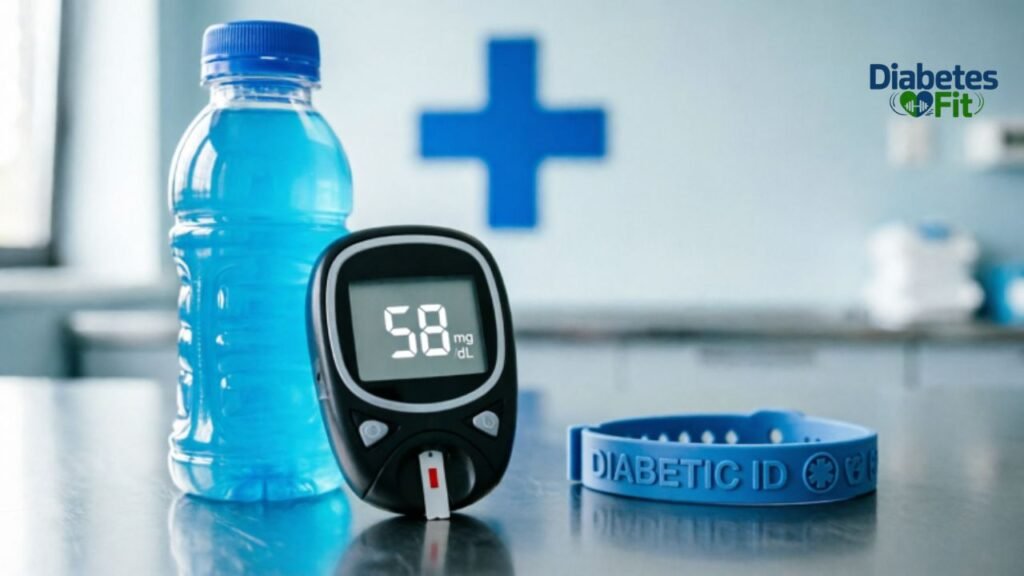
To get approximately 15 grams of carbohydrates from original Gatorade Thirst Quencher:
- Drink approximately 8–9 fl oz (240–270ml)
That’s slightly more than a standard cup. It’s less than the full standard 12-oz bottle but more than half of it.
Step-by-Step: Using Gatorade to Treat Low Blood Sugar
Step 1: Check your blood sugar — confirm it is below 70 mg/dL (3.9 mmol/L) before treating.
Step 2: Drink approximately 8–9 oz of original Gatorade Thirst Quencher. Do not drink the entire bottle at once — this delivers too many carbohydrates and can cause blood sugar to overshoot dangerously high.
Step 3: Wait 15 full minutes. Do not eat or drink anything else during this time. The sugars need time to absorb and raise blood glucose.
Step 4: Recheck your blood sugar. If it’s still below 70 mg/dL, repeat with another 8 oz of Gatorade and wait another 15 minutes.
Step 5: Once blood sugar is above 70 mg/dL and symptoms have improved — eat a small snack containing protein and complex carbohydrates (peanut butter on whole grain crackers, cheese and a small apple, hard-boiled egg with whole grain toast). This prevents blood sugar from dropping again after the fast-acting sugars wear off.
Do not eat a large meal immediately after treating hypoglycemia. Precision matters — overtreating causes rebound hyperglycemia (blood sugar swinging too high), which creates its own set of problems.
How Fast Does Gatorade Raise Blood Sugar?
Speed matters enormously during a hypoglycemic episode. The faster blood sugar rises, the sooner the dangerous symptoms resolve.
Here’s how Gatorade compares to other common hypoglycemia treatments in terms of absorption speed:
| Treatment | Carbs (for 15g dose) | Estimated Time to Raise Blood Sugar |
| Glucose tablets (dextrose) | 3–4 tablets | 5–10 minutes |
| Regular soda (not diet) | ~4–5 oz | 10–15 minutes |
| Orange juice | ~4 oz (½ cup) | 10–15 minutes |
| Gatorade (original) | ~8–9 oz | 10–20 minutes |
| Gummy candy | ~4–5 pieces | 15–20 minutes |
| Honey or sugar in water | 1 tablespoon | 10–15 minutes |
| Chocolate or candy bar | Varies | 20–40 minutes (fat slows absorption) |
| Regular food (meal) | Full meal | 30–60 minutes |
Gatorade sits in the moderate speed category — faster than food, comparable to juice, but meaningfully slower than glucose tablets. The reason glucose tablets are faster is that they contain pure dextrose — the exact form of sugar the body uses directly — with no fructose, no fat, no fiber, and nothing to slow absorption.
Gatorade contains sucrose (table sugar), which must be broken down into glucose and fructose before the glucose portion enters the bloodstream. This adds a few minutes to the absorption process, which feels significant when you’re shaking and dizzy.
When Is Gatorade an Acceptable Choice for Hypoglycemia?
Despite not being the optimal treatment, there are real-world situations where Gatorade is a perfectly reasonable option for treating low blood sugar:
Glucose Tablets Are Unavailable
If you’re caught without glucose tablets — at a sports event, at a friend’s home, during travel — and Gatorade is the fastest option available, original Gatorade is better than nothing. Treat with 8 oz, wait 15 minutes, recheck.
The Person Is Having Difficulty Swallowing Solid Food
Some people, during a hypoglycemic episode, develop difficulty chewing or swallowing. In this situation, liquid options like Gatorade are preferable to solid glucose tablets — as long as the person is still conscious and can swallow liquids safely.
You’re Exercising and Blood Sugar Drops During Activity
Athletes with diabetes who experience hypoglycemia during exercise often already have Gatorade in their sports bag. In this context, Gatorade serves double duty — replacing electrolytes lost through sweat while also providing the sugar needed to raise blood glucose. This is actually one of the better use cases for Gatorade in diabetes management.
The Hypoglycemic Episode Is Mild and Not Rapidly Progressing
For a mild episode — blood sugar in the 60–70 mg/dL range with mild symptoms — Gatorade’s slightly slower absorption is less critical. There’s time for the sugars to work. A severe, rapidly dropping episode benefits more from the faster action of pure glucose tablets.
When Gatorade Is NOT Appropriate for Low Blood Sugar
Severe Hypoglycemia — Below 40 mg/dL
When blood sugar is severely low, and the person is confused, unable to coordinate, or approaching unconsciousness, Gatorade is not an appropriate treatment. At this level:
- The person may not be able to drink safely
- The absorption is too slow for the severity of the situation
- Glucagon injection or nasal glucagon (Baqsimi) is needed
- Emergency services should be called immediately if glucagon is unavailable
Never attempt to give food or liquid — including Gatorade — to someone unconscious or unable to swallow safely.
When Gatorade Zero or Other Sugar-Free Versions Are Grabbed by Mistake
This is a real and documented risk. In a panicked moment, someone grabs a Gatorade — but it’s Gatorade Zero. No sugar enters the bloodstream. The person continues to deteriorate while believing they’ve been treated. Always check the label before using any Gatorade product for hypoglycemia.
For People on Sodium-Restricted Diets
Gatorade contains significant sodium — 160–400mg per serving, depending on serving size. For people with hypertension, heart disease, or kidney disease who are on sodium-restricted diets, regularly using Gatorade to treat low blood sugar may create additional health concerns. Glucose tablets, which contain no sodium, are a better long-term choice for these individuals.
Gatorade vs. Other Hypoglycemia Treatments: Full Comparison
| Treatment | Speed | Precision | Portable | Always Available | Best For |
| Glucose tablets | ⭐⭐⭐⭐⭐ | ⭐⭐⭐⭐⭐ | ⭐⭐⭐⭐⭐ | With planning | First-line, always |
| Orange juice (4 oz) | ⭐⭐⭐⭐ | ⭐⭐⭐⭐ | ⭐⭐ | At home/restaurants | At-home treatment |
| Regular soda (4 oz) | ⭐⭐⭐⭐ | ⭐⭐⭐ | ⭐⭐ | Restaurants, stores | Backup when available |
| Gatorade original (8 oz) | ⭐⭐⭐ | ⭐⭐⭐ | ⭐⭐⭐ | Sports venues, stores | Exercise-related lows, backup |
| Honey (1 tbsp) | ⭐⭐⭐⭐ | ⭐⭐⭐ | ⭐⭐ | At home | Home backup |
| Glucose gel | ⭐⭐⭐⭐⭐ | ⭐⭐⭐⭐⭐ | ⭐⭐⭐⭐⭐ | With planning | Semi-conscious patients |
| Regular food/meal | ⭐ | ⭐⭐ | ⭐⭐⭐ | Usually | Never for acute hypoglycemia |
| Gatorade Zero | ❌ | ❌ | ❌ | — | NEVER — no sugar |
Why Glucose Tablets Are Still the Gold Standard
If Gatorade can work for low blood sugar, why aren’t more people satisfied with using it as their go-to treatment? Because glucose tablets outperform it in virtually every clinically relevant way.
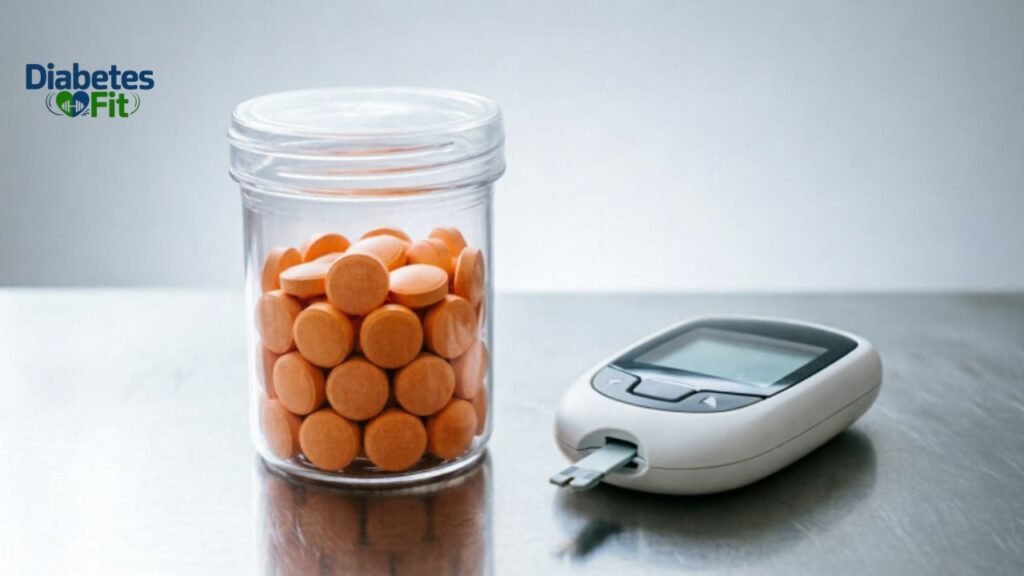
Glucose tablets win because:
- Speed: Pure dextrose absorbs 5–10 minutes faster than sucrose-based drinks
- Precision: Each tablet contains exactly 4–5 grams of carbohydrates — no guessing, no measuring
- No overshoot: It’s much harder to accidentally take too many tablets than to drink too much of a bottle
- Portability: A tube of 10 tablets fits in a pocket, purse, or keychain case — no liquid spillage risk
- No refrigeration: Glucose tablets are shelf-stable for 2–3 years
- No confusion risk: You won’t accidentally grab the wrong type — unlike Gatorade Zero vs. original
- Low sodium: No added sodium or electrolytes that may not be needed
- Cost: A tube of 10 tablets costs under $5 at most pharmacies
The American Diabetes Association (ADA) specifically lists glucose tablets as the preferred treatment for mild to moderate hypoglycemia precisely because of this combination of speed, accuracy, and reliability.
If you currently rely on Gatorade or juice for hypoglycemia treatment, strongly consider switching to glucose tablets as your primary option and keeping Gatorade only as a backup.
Practical Hypoglycemia Preparedness Plan
Being prepared before a hypoglycemic episode is far better than scrambling during one. Here’s a simple readiness plan:
At Home
- Keep glucose tablets on your bedside table (nocturnal hypoglycemia is common and dangerous)
- Keep 4 oz portions of orange juice in your refrigerator, clearly labeled
- Post the 15-15 Rule somewhere visible for family members
At Work
- Keep a tube of glucose tablets in your desk drawer
- Keep a small bottle of original Gatorade in your desk as a backup
- Make sure at least one coworker knows the signs of hypoglycemia and how to help
In Your Car
- Keep glucose tablets in the glove compartment (note: extreme heat can soften them)
- Keep a small bottle of original Gatorade (check it hasn’t been replaced with Gatorade Zero)
- Never drive when blood sugar is below 80 mg/dL
In Your Gym Bag
- Glucose tablets + original Gatorade (exercise is a major hypoglycemia trigger)
- Know your blood sugar before, during, and after intense exercise
When Traveling
- Pack double the glucose tablets you think you’ll need
- Carry a doctor’s note explaining your diabetes supplies if traveling internationally
- Research local equivalents of fast-acting glucose in your destination country
Frequently Asked Questions
How much Gatorade should I drink for low blood sugar?
Drink approximately 8–9 fl oz (240–270ml) of original Gatorade Thirst Quencher to get close to the recommended 15 grams of fast-acting carbohydrates for treating mild hypoglycemia. Do not drink the entire 20-oz bottle at once — that delivers 36 grams of carbohydrates, which can cause blood sugar to overshoot dangerously high. Wait 15 minutes after drinking, then recheck your blood sugar before deciding whether to treat again.
Can I use Gatorade Zero for low blood sugar?
No — absolutely not. Gatorade Zero contains artificial sweeteners and virtually zero real sugar or carbohydrates. It will not raise your blood sugar at all. Using Gatorade Zero during a hypoglycemic episode is dangerous because you’ll believe you’re treating yourself while your blood sugar continues to drop. Always use original Gatorade Thirst Quencher — check the label carefully before drinking during any low blood sugar episode.
Is Gatorade better than orange juice for low blood sugar?
Orange juice is slightly better than Gatorade for treating low blood sugar because it contains primarily glucose and fructose in a form that absorbs a bit faster, and a standard 4 oz portion provides almost exactly 15 grams of carbohydrates — making dosing more precise. Gatorade requires drinking more (8–9 oz) for the same carbohydrate dose. Both are acceptable backup options when glucose tablets aren’t available, but glucose tablets remain the gold standard for speed and precision.
Can children drink Gatorade for low blood sugar?
Yes — original Gatorade can be used for children experiencing mild hypoglycemia when glucose tablets or juice aren’t available. However, the dose should be adjusted based on body weight. A general pediatric guideline is 0.3 grams of carbohydrate per kilogram of body weight. For a 30 kg child (about 66 lbs), that’s approximately 9 grams of carbohydrates — roughly 4 oz of original Gatorade. Always consult your child’s pediatrician or diabetes care team for personalized dosing guidance.
Is Gatorade good for low blood sugar if I’m also dehydrated?
This is one of the strongest arguments for choosing Gatorade over pure glucose tablets during exercise-related hypoglycemia. When you’re sweating heavily and your blood sugar drops simultaneously, Gatorade addresses both issues — providing the sugar needed to raise blood glucose while also replacing sodium and electrolytes lost through sweat. In a purely hypoglycemic episode without dehydration, glucose tablets are still faster and more precise. But in athletic contexts where both issues coexist, original Gatorade is a practical choice.
Will drinking Gatorade daily help prevent low blood sugar?
No — and this approach is not recommended. Regularly drinking Gatorade to maintain blood sugar causes excessive calorie and sugar intake, contributes to weight gain, and creates blood sugar spikes rather than stable glucose levels. Preventing hypoglycemia is best achieved through proper medication management, consistent meal timing, regular blood sugar monitoring, and working with your diabetes care team to adjust doses. Gatorade is for acute treatment of low blood sugar episodes — not daily prevention.
What if my blood sugar doesn’t improve after drinking Gatorade?
If your blood sugar remains below 70 mg/dL after two rounds of the 15-15 Rule (30 minutes total) without improvement — or if your symptoms are getting worse rather than better — treat this as a medical emergency. Call for help or have someone call emergency services. If glucagon is available (injection kit or Baqsimi nasal spray), administer it according to instructions. Do not continue giving Gatorade to someone who is becoming confused, losing coordination, or appears to be losing consciousness.
Conclusion
Here’s the bottom line: yes, Gatorade can be good for low blood sugar — specifically, original Gatorade Thirst Quencher, in the right amount (8–9 oz), used in the right situation (mild hypoglycemia, as a backup when glucose tablets aren’t available).
But Gatorade is not your best option. It’s slower than glucose tablets, less precise in dosing, and carries the real risk of accidentally grabbing a sugar-free version that does nothing to raise blood sugar. In a true emergency, those differences matter enormously.
If you take away one thing from this guide, let it be this: glucose tablets should always be your first choice for treating low blood sugar, and Gatorade — the original formula only — is a reasonable backup option when nothing better is available. Know the difference between Gatorade versions before you need them in a moment of crisis. That single piece of knowledge could prevent a mild episode from becoming a dangerous one.
Build your hypoglycemia preparedness plan now — not after the next episode. Keep glucose tablets in your pocket, your desk, your car, and your bedside table. And yes — keep a bottle of original Gatorade in your gym bag for when you’re on the move. Just make sure it’s the right kind.
This article is for informational purposes only and does not replace personalized medical advice. Always consult your doctor or diabetes care team for guidance on managing hypoglycemia specific to your health condition and medications.
TheCenters for Disease Control and Prevention (CDC) provides clear, up-to-date guidance on hypoglycemia treatment — including the 15-15 Rule, when to call for emergency help, and how to prevent future episodes.

David Miller: I am a health and wellness writer focused on diabetes awareness, blood sugar control, and healthy living. I creates clear, practical content to help readers make better everyday health choices. I write evidence-based articles about diabetes, diet, and healthy living. My goal is to simplify complex health topics using trusted sources like WHO and medical journals.