Orange Juice for Low Blood Sugar: Does It Work, How Much Do You Need
Your blood sugar drops. Your hands are shaking, and your heart is racing. You pull open the refrigerator and the first thing you see is a carton of orange juice. Before you start drinking, stop and think for just a second. How much should you drink? Will it work fast enough? Is it even the right choice right now?
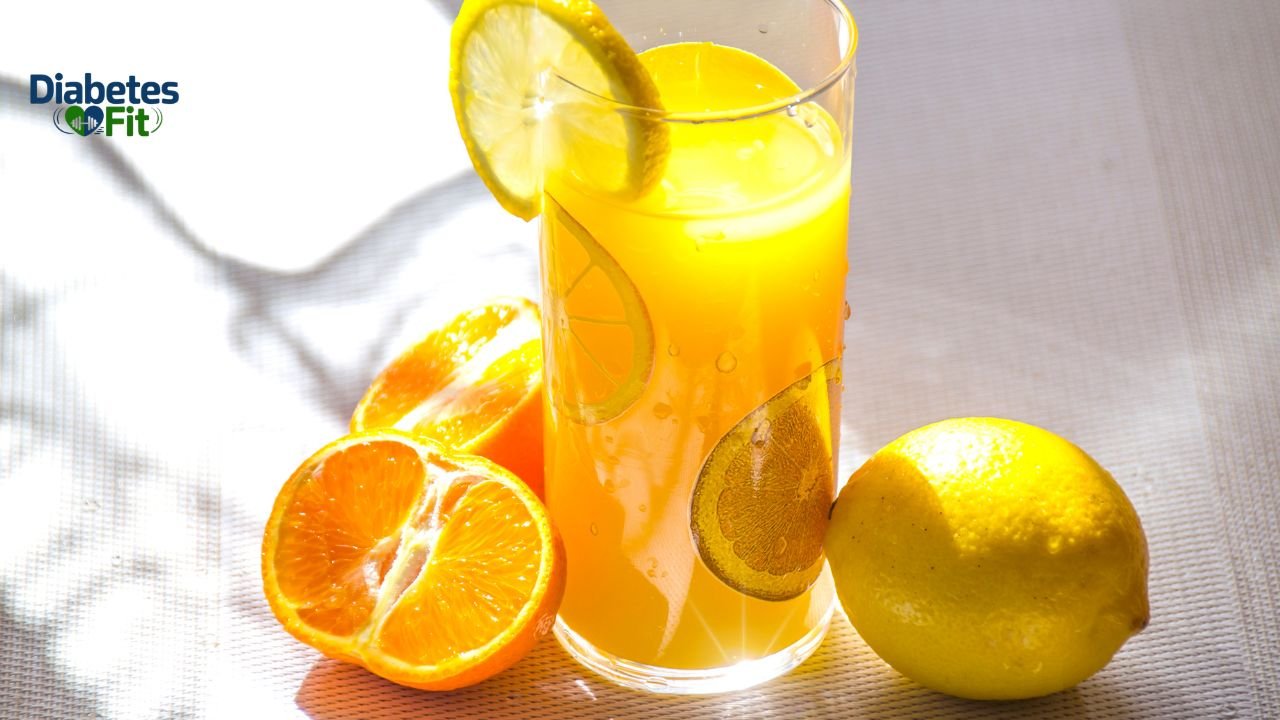
Orange juice for low blood sugar is one of the most common go-to remedies people reach for during a hypoglycemic episode — and for good reason. It works. Orange juice contains natural sugars that absorb quickly into the bloodstream and raise blood glucose in a meaningful way within 10–15 minutes.
But like most things in diabetes management, the details matter enormously. The wrong amount can cause blood sugar to overshoot dangerously high. Certain juice types absorb faster than others. And in severe episodes, juice isn’t safe at all. This guide gives you the complete, medically accurate picture — so the next time your blood sugar drops, you know exactly what to do.
You can also read my other post on Is Gatorade Good for Low Blood Sugar? for more information.
Orange Juice for Low Blood Sugar: Why It Works and What Makes It Effective
To understand why orange juice works for treating low blood sugar, you first need to understand what hypoglycemia is doing to your body — and what your body urgently needs to correct it.
What Happens During Low Blood Sugar
Hypoglycemia occurs when blood glucose drops below 70 mg/dL (3.9 mmol/L). At this level, your brain and muscles are being starved of their primary fuel source. Your body releases stress hormones — adrenaline, cortisol, and glucagon — triggering the familiar symptoms: shakiness, sweating, heart pounding, dizziness, confusion, and intense hunger.
Your body needs fast-acting glucose to correct this — and it needs it quickly. The longer blood sugar stays low, the more intense and dangerous the symptoms become.
Why Orange Juice Works
Orange juice contains primarily glucose and fructose — two simple sugars that require minimal digestion before entering the bloodstream. Unlike complex carbohydrates from food (which must be broken down over 30–60 minutes), the simple sugars in orange juice begin absorbing almost immediately through the wall of the small intestine.
This makes orange juice one of the fastest liquid options for raising blood sugar — typically producing a measurable blood glucose rise within 10–15 minutes of drinking it.
Orange juice also has a glycemic index (GI) of approximately 50–60, which is moderate, not as high as pure dextrose (glucose tablets), but high enough to raise blood sugar meaningfully and quickly during a hypoglycemic episode.
What’s in Orange Juice That Matters
| Component | Amount per 4 oz (120ml) | Role in Hypoglycemia Treatment |
| Total carbohydrates | 13–15g | Raises blood glucose |
| Natural sugars (glucose + fructose) | 12–14g | Fast absorption into the bloodstream |
| Fiber | ~0.2g | Almost none — allows rapid absorption |
| Vitamin C | ~50mg | Nutritional bonus, not relevant to glucose |
| Potassium | ~235mg | Electrolyte — minor benefit |
| Sodium | Very low | Not relevant |
The near-absence of fiber in orange juice is actually a clinical advantage during a hypoglycemic episode. Fiber slows sugar absorption — which is great for blood sugar management under normal circumstances — but during a low blood sugar emergency, you want the fastest possible glucose entry into the blood. Orange juice’s low fiber content means the sugars hit your bloodstream quickly.
How Much Orange Juice Should You Drink for Low Blood Sugar?
This is the most critical practical question — and getting it wrong in either direction causes problems.
The Medical Standard: 15 Grams of Fast-Acting Carbohydrates
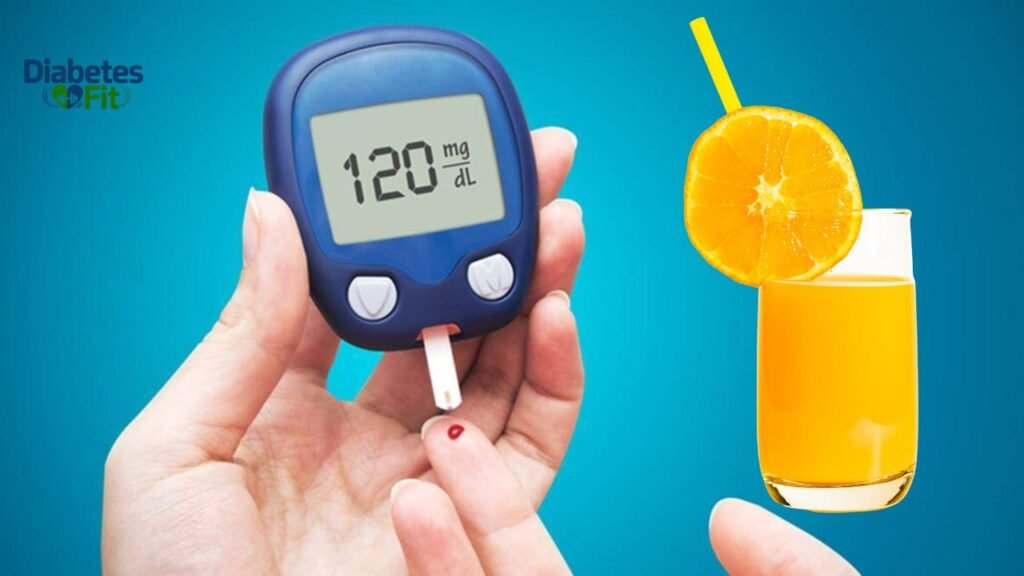
The American Diabetes Association (ADA) and most diabetes guidelines worldwide recommend treating mild to moderate hypoglycemia with 15 grams of fast-acting carbohydrates as the first dose. This is the amount proven to raise blood sugar by approximately 30–50 mg/dL within 15 minutes — enough to bring most mild hypoglycemic episodes into a safe range without overshooting into hyperglycemia.
How Much Orange Juice Equals 15 Grams of Carbohydrates?
| Orange Juice Type | Carbs per 4 oz (½ cup) | Amount Needed for 15g |
| Fresh squeezed (no pulp) | ~13–14g | ~4–4.5 oz |
| 100% OJ (carton, no added sugar) | ~13–15g | ~4 oz |
| Orange juice from concentrate | ~14–16g | ~4 oz |
| Orange juice drink (with added sugar) | ~17–22g | ~3–3.5 oz (less needed) |
| Pulpy/fresh-squeezed (with pulp) | ~13–14g | ~4–4.5 oz (slightly slower) |
The standard answer: drink 4 oz (½ cup or approximately 120ml) of 100% orange juice to get the right 15-gram carbohydrate dose.
This is less than most people think. A standard drinking glass holds 8–12 oz. If you fill a regular glass and drink it all, you’re consuming 26–40 grams of carbohydrates — roughly double the recommended treatment dose — which can send blood sugar swinging too high.
Use a measuring cup or the serving size markings on your juice carton until you’re familiar with what 4 oz looks like in your own glasses.
The 15-15 Rule: Step-by-Step Guide to Using Orange Juice for Low Blood Sugar
Step 1: Confirm Your Blood Sugar Is Below 70 mg/dL
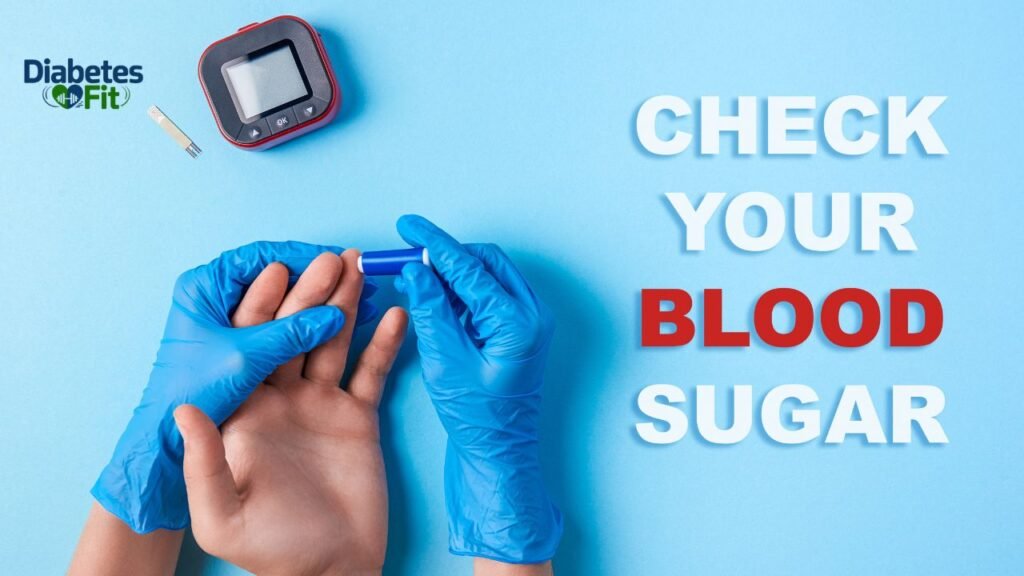
If you have a glucometer or CGM available, check before treating. Treating based on symptoms alone without confirming can lead to unnecessary glucose intake and hyperglycemia. However, if you have symptoms and cannot access your meter immediately, treat first and check as soon as possible.
Step 2: Drink 4 oz (½ Cup) of 100% Orange Juice
Measure it if possible — especially early in your diabetes management journey when visual estimation is less reliable. Drink it relatively quickly rather than sipping slowly.
Step 3: Wait 15 Full Minutes
This is the most important and most difficult step for many people. When you’re shaking and anxious, 15 minutes feels like an eternity. But eating or drinking more during this window can lead to significant overshoot.
Set a timer. Sit down. Stay calm. The orange juice is already working — it just needs time to absorb.
Step 4: Recheck Your Blood Sugar
If blood sugar is now above 70 mg/dL and symptoms are improving, move to Step 5.
If blood sugar is still below 70 mg/dL — repeat the process: another 4 oz of orange juice, wait another 15 minutes, then recheck.
Step 5: Eat a Small Stabilizing Snack
Once blood sugar is above 70 mg/dL, eat a small snack containing both protein and complex carbohydrates to prevent blood sugar from dropping again as the quick-acting orange juice sugars wear off:
- Peanut butter on one slice of whole-grain toast
- A hard-boiled egg with a small apple
- A small portion of Greek yogurt with berries
- A handful of almonds with one piece of fruit
- Cheese and whole-grain crackers
Do not eat a large meal as your first response to hypoglycemia. Precision and moderation are what keep blood sugar stable after treatment.
How Fast Does Orange Juice Raise Blood Sugar?
Speed is critically important during a hypoglycemic episode. Here’s how orange juice compares to other common treatments:
| Treatment | Standard Dose for 15g Carbs | Time to Raise Blood Sugar | Precision |
| Glucose tablets (dextrose) | 3–4 tablets | 5–10 minutes | ⭐⭐⭐⭐⭐ |
| Glucose gel | 1 packet | 5–10 minutes | ⭐⭐⭐⭐⭐ |
| Regular soda (not diet) | 4–5 oz | 10–15 minutes | ⭐⭐⭐⭐ |
| Orange juice | 4 oz (½ cup) | 10–15 minutes | ⭐⭐⭐⭐ |
| Apple juice | 4 oz | 10–15 minutes | ⭐⭐⭐⭐ |
| Honey | 1 tablespoon | 10–15 minutes | ⭐⭐⭐ |
| Gatorade (original) | 8–9 oz | 15–20 minutes | ⭐⭐⭐ |
| Gummy candy | 4–5 pieces | 15–20 minutes | ⭐⭐⭐ |
| Chocolate bar | Half bar | 20–40 minutes | ⭐ |
| Regular food/meal | Full portion | 30–60 minutes | ⭐ |
Orange juice sits comfortably in the second tier — not quite as fast as pure glucose tablets, but significantly faster than most other foods and comparable to other fruit juices.
The reason glucose tablets are faster is that they contain pure dextrose — the exact form of sugar your blood uses, with zero processing required. Orange juice contains sucrose and fructose alongside glucose — these must be split into their component sugars before fully entering the bloodstream, adding a few minutes to the process.
For most mild to moderate hypoglycemic episodes, this difference is manageable. For severe, rapidly progressing episodes, every minute counts — which is when glucose tablets or gel become critically important.
When Orange Juice Is a Good Choice for Low Blood Sugar
At Home
Orange juice is most practical when you’re at home and have it readily available in the refrigerator. It’s easy to measure, widely available, and effective for treating mild to moderate hypoglycemia. Keep a carton in the refrigerator specifically for this purpose — labeled clearly so family members know its role.
When Glucose Tablets Are Unavailable
Orange juice is an excellent backup when you don’t have glucose tablets on hand. It’s available at virtually every grocery store, corner shop, gas station, and restaurant — making it one of the most universally accessible hypoglycemia treatments.
For Children With Diabetes
Children often find orange juice easier to take than chewable glucose tablets during a hypoglycemic episode, especially if they feel nauseous. Many children tolerate orange juice well during low blood sugar events. Dose for children should be adjusted by body weight — 0.3 grams of carbohydrate per kilogram — so a 30 kg (66 lb) child needs about 9 grams, or roughly 2.5 oz of orange juice. Always follow your pediatrician’s specific guidance.
When Mild Symptoms Are Present, and Blood Sugar Is 55–70 mg/dL
Orange juice is appropriately effective for treating mild to moderate hypoglycemia where the person is conscious, alert, and able to swallow normally. For this presentation, 4 oz of orange juice is safe, effective, and fast enough.
When Orange Juice Is NOT the Right Choice for Low Blood Sugar
Severe Hypoglycemia — Below 40 mg/dL With Altered Consciousness
When blood sugar is severely low, and the person is confused, disoriented, having a seizure, or losing consciousness, do not give orange juice or any liquid. A person who cannot fully control swallowing is at risk of aspirating liquid into their lungs.
In this situation:
- Administer glucagon (injection kit or Baqsimi nasal spray) immediately
- Call emergency services (911) without delay
- Place the person on their side in the recovery position
- Do not put anything in their mouth until they are fully conscious and can swallow safely
When You Can’t Confirm It’s 100% Juice Without Added Sugar
Some “orange juice” products are actually juice drinks or cocktails with added sugars, artificial sweeteners, or varying carbohydrate contents. These have inconsistent carbohydrate amounts that make precise dosing unreliable. Always check the label — look for 100% orange juice with no added sugar for predictable, reliable dosing.
For People on Sodium- or Sugar-Restricted Diets for Medical Reasons
People who are also managing kidney disease, certain heart conditions, or medically prescribed low-sugar diets should discuss their hypoglycemia treatment plan specifically with their care team. Glucose tablets may be more appropriate as they contain no additional electrolytes or compounds beyond pure dextrose.
When You’re Regularly Using Orange Juice as a Daily Blood Sugar Booster
Orange juice is a treatment for acute low blood sugar, not a daily supplement. Regular daily consumption of orange juice outside of hypoglycemic episodes adds significant sugar and calories without the fiber of whole fruit, potentially worsening overall blood sugar control. Use it for emergencies — not as a daily habit.
How to Store Orange Juice for Hypoglycemia Readiness
At Home
- Keep a 4-oz portion-marked container or small juice boxes in the refrigerator at all times
- Small 4-oz juice boxes (like Tropicana kids’ boxes) provide a near-perfect pre-measured dose and are ideal for keeping at home
- Replace immediately after use — never be without your backup
At Work or School
- Keep individual 4-oz juice boxes in your desk drawer or locker
- These don’t require refrigeration until opened, making them practical for the workplace
- Inform a trusted coworker or teacher about your hypoglycemia plan and where the juice is kept
In Your Bag or Purse
- Small juice boxes or shelf-stable 4-oz juice pouches travel well without refrigeration
- However, for regular carry, glucose tablets are superior — they’re smaller, lighter, non-liquid, and don’t risk leaking
In Your Car
- Keep small juice boxes in your glove compartment — they’re shelf-stable
- Check expiration dates every 3–6 months and replace as needed
- Note: Extreme heat in a parked car can affect juice quality over time
Orange Juice vs. Other Juices for Low Blood Sugar
People often wonder whether other juices work as well as orange juice for treating low blood sugar. Here’s a comparison:
| Juice Type | Carbs per 4 oz | Speed | Notes |
| Orange juice | 13–15g | Fast | Most widely available, good absorption |
| Apple juice | 14–15g | Fast | Very similar to OJ, slightly less fructose |
| Grape juice | 19–20g | Fast | Higher sugar — use 3 oz for a 15g dose |
| Cranberry juice (cocktail) | 16–18g | Moderate | Often has added sugar — check label |
| Pineapple juice | 16–17g | Fast | Works well — use 3.5 oz for 15g |
| Grapefruit juice | 11–12g | Moderate | Lower sugar — use 4.5–5 oz |
| Tomato juice | 5–6g | Slow | Not appropriate for hypoglycemia treatment |
| Vegetable juice (V8) | 8–10g | Slow | Not recommended for hypoglycemia |
Any 100% fruit juice with at least 13–15g of carbohydrates per 4 oz serving works effectively for low blood sugar treatment. Orange juice and apple juice are the most practical and widely available choices.
Avoid juice drinks, juice cocktails, and diet juices — these have inconsistent or insufficient sugar content for reliable hypoglycemia treatment.
Building a Complete Hypoglycemia Emergency Kit
Orange juice for low blood sugar is most effective when it’s part of a broader preparedness plan. Here’s what a complete hypoglycemia kit looks like:
| Item | Purpose | Where to Keep It |
| Glucose tablets (primary) | Fastest, most precise treatment | Pocket, purse, desk, bedside table |
| 4-oz juice box (OJ or apple) | Liquid backup for those who prefer it | Desk, car, gym bag, refrigerator |
| Glucose gel packet | Semi-conscious episodes | With a caregiver, gym bag |
| Glucagon kit or Baqsimi nasal spray | Severe hypoglycemia emergencies | Home, work — family trained to use |
| Blood glucose meter and strips | Confirm and monitor blood sugar | Always on person |
| CGM (if prescribed) | Real-time glucose monitoring | Always worn |
| Medical ID bracelet or card | Informs others in an emergency | Always worn/carried |
| Small snack (protein + carbs) | Post-treatment stabilization | Desk, bag, car |
Frequently Asked Questions
How much orange juice should I drink for low blood sugar?
Drink 4 oz (½ cup or approximately 120ml) of 100% orange juice to get close to the medically recommended 15 grams of fast-acting carbohydrates for treating mild hypoglycemia. This is significantly less than a full glass — using a measuring cup initially helps you understand what 4 oz looks like in your own glasses. After drinking 4 oz, wait 15 minutes before rechecking your blood sugar and deciding whether you need another dose.
How quickly does orange juice raise blood sugar?
Orange juice typically begins raising blood sugar measurably within 10–15 minutes of drinking it. Peak effect is usually seen at 20–30 minutes. This makes it one of the faster liquid options for hypoglycemia treatment, though still 5–10 minutes slower than pure glucose tablets, which contain dextrose that requires no further processing before entering the bloodstream.
Can I use store-bought orange juice for low blood sugar, or does it need to be fresh?
Both store-bought 100% orange juice and freshly squeezed orange juice work well for treating low blood sugar. The key requirement is that the juice is 100% real orange juice with no artificial sweeteners and no added sugar alternatives. Most store-bought cartons of 100% OJ (like Tropicana or Simply Orange) have consistent, predictable carbohydrate content that makes dosing reliable. Freshly squeezed juice works just as well but the carb content is slightly less predictable.
Is orange juice with pulp better or worse for treating low blood sugar?
Orange juice without pulp absorbs marginally faster because pulp contains small amounts of fiber that slightly slow sugar absorption. For a hypoglycemic emergency, pulp-free juice is therefore a slightly better choice. However, the difference is minor — both will effectively raise blood sugar within 15 minutes. If pulp-free juice isn’t available, juice with pulp is absolutely acceptable and effective.
Can I use orange juice for low blood sugar if I’m also trying to lose weight?
Orange juice is intended as an emergency treatment, not a regular part of your diet. A 4-oz serving contains approximately 55–60 calories and 13–15 grams of sugar. Used only for genuine hypoglycemic episodes, it has a negligible impact on weight loss efforts. The problem arises when people use orange juice or other sugary drinks preventatively or habitually, rather than reserving it for true low blood sugar events. If you’re managing weight and diabetes simultaneously, glucose tablets are arguably better as they contain only dextrose and no additional sugars, acids, or calories beyond what’s needed to treat the episode.
Is orange juice safe for treating low blood sugar during pregnancy?
Yes — orange juice is generally safe and effective for treating gestational diabetes-related hypoglycemia or low blood sugar episodes during pregnancy with type 1 or type 2 diabetes. The same 4-oz dose for 15 grams of carbohydrates applies. However, blood sugar management during pregnancy has tighter target ranges than standard diabetes management — always follow your OB or endocrinologist’s specific hypoglycemia treatment protocol during pregnancy rather than general guidelines.
What if my blood sugar doesn’t improve after drinking orange juice?
If blood sugar remains below 70 mg/dL after waiting 15 minutes, repeat the treatment — drink another 4 oz of orange juice and wait another 15 minutes. If blood sugar still hasn’t risen after two full rounds (30 minutes total), or if symptoms are getting worse rather than better, this is a medical emergency. Call for help, administer glucagon if available, and call emergency services. Do not continue giving juice to someone who is losing consciousness or cannot swallow safely.
Conclusion
Orange juice is a well-established, medically recognized treatment for low blood sugar — and one of the most accessible options available. It works because its natural, simple sugars absorb quickly into the bloodstream, raising blood glucose measurably within 10–15 minutes. It’s available at virtually every store, restaurant, and home. And for many people, it’s the first thing they reach for when blood sugar drops — and that’s completely reasonable.
But the details matter. Orange juice for low blood sugar works best when you use exactly 4 oz — not a full glass — of 100% juice without added sweeteners, follow the 15-15 Rule precisely, and follow up with a stabilizing protein-and-carb snack to prevent a secondary drop. Using too much causes dangerous blood sugar spikes. Using it for severe hypoglycemia when someone can’t swallow safely is dangerous. And relying on it instead of faster-acting glucose tablets as your primary emergency tool leaves you with slower treatment when speed is critical.
Keep orange juice in your refrigerator as part of your hypoglycemia preparedness plan. Keep glucose tablets in your pocket or bag as your primary tool. Know the difference between when juice is appropriate and when a more urgent response is needed. That combination of preparedness and knowledge is what keeps low blood sugar episodes manageable rather than dangerous.
This article is for informational purposes only and is not a substitute for personalized medical advice. Always consult your doctor or diabetes care team for a hypoglycemia management plan tailored to your specific condition, medications, and health history.
TheAmerican Diabetes Association (ADA) provides official clinical guidelines on hypoglycemia recognition and treatment — including the 15-15 Rule, when to call emergency services, and how to adjust your treatment plan with your care team.

David Miller: I am a health and wellness writer focused on diabetes awareness, blood sugar control, and healthy living. I creates clear, practical content to help readers make better everyday health choices. I write evidence-based articles about diabetes, diet, and healthy living. My goal is to simplify complex health topics using trusted sources like WHO and medical journals.