
Is Yogurt Good for Low Blood Sugar? The Complete Guide That Could Keep You Out of Danger
Your blood sugar just dropped. You’re shaking, dizzy, and looking around the kitchen for something to eat fast. Your eyes land on a container of yogurt in the fridge. And the question hits you immediately: is yogurt good for low blood sugar?
It’s one of those questions that sounds simple but actually has a nuanced answer — and getting it wrong matters for your safety. Yogurt can raise blood sugar, but not all yogurts work the same way, the speed varies significantly by type, and using the wrong yogurt during a genuine hypoglycemic emergency could leave you undertreated while your blood sugar keeps dropping.
This complete guide answers every dimension of the question: which yogurt types work for treating low blood sugar, how fast each one raises glucose, how much to eat, when yogurt is a good choice and when it’s not, and how to use yogurt as part of a smart blood sugar management strategy every day. Whether you’re managing type 1 diabetes, type 2 diabetes, or reactive hypoglycemia, this information is clinically important.
Also see Can Low Blood Sugar Cause Nosebleeds?
Is Yogurt Good for Low Blood Sugar? The Honest Medical Answer
Let’s start with the direct clinical answer before anything else.
Yogurt can be used to treat mild low blood sugar — but it is not an optimal first-line treatment for most hypoglycemic episodes. The reason comes down to one word: protein.
Yogurt — particularly Greek yogurt — is high in protein. Protein slows the digestion and absorption of carbohydrates. During a low blood sugar emergency, you need glucose entering your bloodstream as fast as possible. The protein in yogurt acts as a brake on that process, making yogurt absorb more slowly than pure glucose, fruit juice, or regular soda.
Additionally, yogurt’s carbohydrate content varies enormously depending on the type:
- Plain Greek yogurt: Low in carbs (6–8g per cup), very high in protein — slow absorption, not ideal for acute treatment
- Flavored Greek yogurt: Higher in carbs (15–25g) from added sugar — better for treatment, but inconsistent dosing
- Regular plain yogurt: Moderate carbs (11–13g) with less protein — moderate absorption speed
- Fruit-on-the-bottom yogurt: Higher carbs (25–35g) — more useful for acute treatment
- Drinkable yogurt: Higher carbs (20–30g) — liquid form absorbs faster
So, is yogurt good for low blood sugar? The answer is: it depends on the type of yogurt, the severity of the episode, and what else is available.
For mild episodes or as a follow-up stabilizing food after initial treatment, yogurt is genuinely excellent. For moderate to severe hypoglycemia where speed is critical, faster options should be prioritized when available.
What Happens During Low Blood Sugar and What It Actually Needs
To understand where yogurt fits, you need to understand what a hypoglycemic episode demands from a treatment.
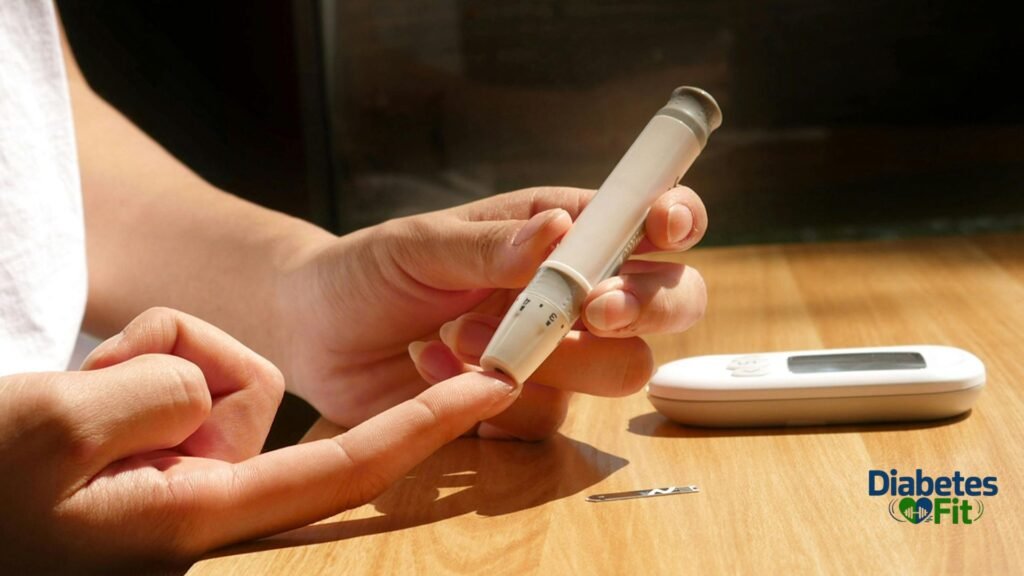
The Physiology of Hypoglycemia
When blood glucose drops below 70 mg/dL (3.9 mmol/L), the brain — which relies almost entirely on glucose for energy — begins signaling distress. The body releases adrenaline (epinephrine) as a counter-regulatory hormone, triggering the familiar symptoms:
- Shakiness and trembling
- Cold sweat
- Heart racing or pounding
- Dizziness or lightheadedness
- Sudden intense hunger
- Difficulty thinking clearly
- Pale skin and anxiety
The longer blood sugar stays low, the more these symptoms intensify — and below 54 mg/dL, genuine cognitive impairment begins.
What the Treatment Needs to Do
An effective low blood sugar treatment must:
- Deliver fast-absorbing carbohydrates — specifically glucose and simple sugars that bypass slow digestion
- Provide approximately 15 grams of carbohydrates — the ADA-recommended first dose
- Raise blood sugar within 10–15 minutes — the medical standard for appropriate treatment speed
- Avoid significant fat, protein, or fiber — these slow absorption and delay the glucose response
This is why glucose tablets (pure dextrose) work in 5–10 minutes, while yogurt — with its protein content — works in 20–40 minutes depending on type.
How Quickly Does Yogurt Raise Blood Sugar?
The honest answer — based on the macronutrient composition of different yogurt types — is that yogurt raises blood sugar more slowly than most other common hypoglycemia treatments.
Speed Comparison: Yogurt vs. Other Treatments
| Treatment | Carbs for ~15g Dose | Estimated Time to Raise Blood Sugar | Rating |
| Glucose tablets (dextrose) | 3–4 tablets | 5–10 minutes | ⭐⭐⭐⭐⭐ Fastest |
| Orange juice | 4 oz (½ cup) | 10–15 minutes | ⭐⭐⭐⭐⭐ |
| Regular soda | 4–5 oz | 10–15 minutes | ⭐⭐⭐⭐ |
| Honey | 1 tablespoon | 10–15 minutes | ⭐⭐⭐⭐ |
| Fruit-on-bottom yogurt | ~½ cup | 20–30 minutes | ⭐⭐⭐ |
| Flavored Greek yogurt (sweetened) | ~¾ cup | 25–35 minutes | ⭐⭐⭐ |
| Regular plain yogurt | ~1 cup | 25–35 minutes | ⭐⭐ |
| Plain Greek yogurt (no added sugar) | ~2 cups for 15g | 30–45 minutes | ⭐ Slowest |
| Chocolate or candy bar | Half bar | 25–40 minutes (fat slows) | ⭐⭐ |
| Regular food/meal | Full portion | 45–60 minutes | ⭐ |
Plain Greek yogurt absorbs the slowest of any common hypoglycemia treatment because its high protein content significantly slows carbohydrate absorption. You would also need to eat approximately 2 full cups of plain Greek yogurt to reach the 15-gram carbohydrate target — an impractical amount during an episode.
Yogurt Types and Their Suitability for Low Blood Sugar Treatment
Not all yogurts are the same. Here’s a complete breakdown:

1. Plain Greek Yogurt (No Added Sugar)
Carbs per ½ cup: ~5–6g Protein per ½ cup: ~10–12g Suitability for acute hypoglycemia treatment: Poor
Plain Greek yogurt is extraordinarily high in protein relative to its carbohydrate content. To get 15 grams of carbohydrates from plain Greek yogurt, you’d need approximately 1.5–2 cups, which is a large amount to eat during a symptomatic low blood sugar episode, and the protein would slow the glucose response significantly.
Best use for low blood sugar: Post-treatment stabilization snack, not first-line treatment.
2. Flavored Greek Yogurt (Sweetened — e.g., Chobani, Fage With Fruit)
Carbs per 5.3 oz container: ~17–25g (varies by brand and flavor) Protein: ~12–15g Suitability for acute hypoglycemia treatment: Moderate
Flavored Greek yogurts with added sugar or fruit contain enough carbohydrates to treat mild hypoglycemia — but the high protein content still slows absorption compared to juice or tablets. A standard single-serve container (5.3 oz) typically provides 17–22 grams of carbohydrates, which is close to the 15-gram target.
Best use: Acceptable for mild low blood sugar when faster options aren’t available.
3. Regular Plain Yogurt (Not Greek)
Carbs per ½ cup: ~6–7g Protein per ½ cup: ~4–5g Suitability for acute hypoglycemia treatment: Moderate
Regular (non-Greek) plain yogurt has less protein than Greek varieties because it hasn’t been strained. This means carbohydrates are absorbed slightly faster. One cup provides approximately 11–13 grams of carbohydrates — close to the target dose, with moderate absorption speed.
Best use: Acceptable for mild episodes when better options are unavailable.
4. Fruit-on-the-Bottom Yogurt (Regular, Not Greek)
Carbs per 6 oz container: ~25–35g Protein: ~5–7g Suitability for acute hypoglycemia treatment: Good (with caution)
Fruit-on-the-bottom yogurts have the highest carbohydrate content of common yogurt varieties, due to added fruit preserve and sugar at the bottom. The lower protein content (compared to Greek) means faster absorption. A single container typically provides 25–30 grams of carbohydrates — more than the recommended 15-gram first dose.
Caution: Because this delivers more than the target 15 grams of carbohydrates in a standard container, eating only half the container is important to avoid blood sugar overshooting too high.
Best use: Reasonable backup treatment for mild hypoglycemia — eat half the container for a ~15g dose.
5. Drinkable Yogurt (Kefir, Smoothie-Style Yogurt)
Carbs per 8 oz: ~20–30g Protein: ~8–12g Suitability for acute hypoglycemia treatment: Moderate
Drinkable yogurt has an advantage over solid yogurt: it’s liquid, which means it passes through the stomach faster and absorbs more quickly than solid food. If yogurt is your only option during a low blood sugar episode, a drinkable format will work faster than a spoonable one.
Best use: Preferable to solid yogurt for treating hypoglycemia — drink approximately 4–6 oz for a 15-gram carbohydrate dose.
Quick Reference Table: Yogurt Types for Low Blood Sugar
| Yogurt Type | Carbs per Serving | Protein | Speed | Best Role |
| Plain Greek (no sugar) | 5–6g / ½ cup | Very High | Very Slow | Post-treatment stabilizer only |
| Flavored Greek (sweetened) | 17–25g / container | High | Slow | Mild episode backup |
| Regular plain yogurt | 11–13g / cup | Moderate | Moderate | Mild episode backup |
| Fruit-on-bottom yogurt | 25–35g / container | Lower | Moderate | Eat ½ for 15g dose |
| Drinkable yogurt/kefir | 20–30g / 8 oz | Moderate | Faster than solid | Best yogurt option for hypo |
| Sweetened yogurt drink | 25–35g / bottle | Low | Moderate-Fast | Reasonable backup |
When Yogurt Is a Good Choice for Low Blood Sugar

As a First-Line Treatment When Nothing Better Is Available
If you’re experiencing mild low blood sugar (blood glucose 65–70 mg/dL with mild symptoms) and the only food available is yogurt, use it. A flavored Greek yogurt container, a cup of fruit-on-the-bottom yogurt (half portion), or drinkable yogurt will raise your blood sugar, just more slowly than ideal. Be patient, wait 20–25 minutes before rechecking rather than the standard 15, and don’t eat additional food during the wait.
For Children With Mild Hypoglycemia Who Refuse Other Options
Some children — particularly younger ones — refuse glucose tablets or juice during low blood sugar episodes because of taste preferences, anxiety, or texture sensitivity. If yogurt is the food your child will actually consume during a mild episode, it is a reasonable alternative. Choose the sweetest, highest-carbohydrate variety available, calculate the approximate carbohydrate content, and monitor blood sugar carefully with a longer wait time.
As a Follow-Up Stabilizing Food After Initial Treatment
This is where yogurt genuinely excels in low blood sugar management. After treating an acute episode with faster-acting carbohydrates (glucose tablets, juice, or soda), eating a small serving of plain Greek yogurt 15–20 minutes later provides:
- A slow-releasing protein that prevents blood sugar from dropping again as the fast-acting treatment wears off
- Probiotics that support gut health and, over time, improve the insulin response
- Calcium and potassium support overall metabolic health
The protein in plain Greek yogurt — which makes it poor as a first-line treatment — makes it ideal as a stabilizing follow-up snack.
To Prevent Hypoglycemia Before Exercise or Extended Periods Without Food
Eating a small serving of plain Greek yogurt (with some fruit for carbohydrates) before exercise or a long meeting where you won’t have access to food is an excellent preventive strategy. The combination of slow-digesting protein and moderate carbohydrates from the fruit helps maintain stable blood sugar over 2–3 hours, reducing the likelihood of an episode occurring.
When Yogurt Is NOT Appropriate for Low Blood Sugar
Moderate to Severe Hypoglycemia (Below 54 mg/dL)
When blood sugar is significantly low, and symptoms include confusion, difficulty thinking, significant trembling, or rapidly worsening symptoms, yogurt is not appropriate as a first response. Its slow absorption in moderate-to-severe situations means your blood sugar may continue to drop while you wait for the yogurt to work.
At these blood sugar levels, use:
- Glucose tablets (fastest — 3–4 tablets for 15g)
- Orange juice (4 oz for 15g)
- Regular soda (4–5 oz)
- Honey (1 tablespoon)
Use yogurt as a follow-up only.
When Blood Sugar Is Dropping Rapidly (Fast Fall Arrow on CGM)
If your continuous glucose monitor shows a rapidly falling blood sugar (↓↓ arrow), even at a reading of 75–80 mg/dL, yogurt’s slow absorption cannot keep pace with the fall. Use a faster treatment and save yogurt for stabilization afterward.
For Someone Confused or Semi-Conscious
If you’re administering treatment to someone else who is confused, disoriented, or semi-conscious, never give solid food, including yogurt. The risk of choking or aspiration is significant. Liquid treatment (4 oz juice or glucose gel squeezed under the tongue) or glucagon injection is appropriate. Solid food of any kind — including yogurt — is unsafe for someone who cannot fully control their swallowing.
The Best Role for Yogurt in a Complete Low Blood Sugar Management Plan
Yogurt is best thought of as a supporting player in blood sugar management — not the star of emergency treatment, but genuinely valuable in prevention and stabilization.
The Ideal Low Blood Sugar Management Plan Incorporating Yogurt
Step 1 — Prevention:
- Eat plain Greek yogurt as a mid-morning or afternoon snack paired with fruit (berries + yogurt = perfect combination of slow protein + moderate carbs + fiber)
- This combination maintains steady blood sugar for 2–3 hours, reducing the likelihood of hypoglycemic episodes
Step 2 — First-Line Treatment (Not Yogurt):
- At blood sugar below 70 mg/dL with symptoms → glucose tablets, juice, or regular soda
- 15 grams of fast-acting carbohydrates → wait 15 minutes → recheck
Step 3 — Stabilization (Yogurt Shines Here):
- Once blood sugar is back above 70 mg/dL → eat ½ cup plain Greek yogurt with ½ cup berries
- The protein in the yogurt prevents blood sugar from dropping again after the fast-acting treatment wears off
- The berries provide sustained carbohydrate support without excessive sugar
Step 4 — Carry Glucose Tablets Always:
- Yogurt requires refrigeration and is bulky — not a portable emergency option
- Glucose tablets are pocket-sized, shelf-stable, and always ready
- Yogurt supplements glucose tablets; it doesn’t replace them
Yogurt for Everyday Blood Sugar Management
Beyond emergency treatment, yogurt plays an important daily role in blood sugar stability — particularly for people with diabetes or reactive hypoglycemia:
Plain Greek Yogurt and Insulin Sensitivity
Research published in the Journal of Nutrition found that regular consumption of yogurt — particularly plain, low-fat varieties — was associated with improved insulin sensitivity and lower fasting blood glucose in people with type 2 diabetes over time. The probiotics in yogurt appear to positively influence the gut microbiome, which has a meaningful effect on glucose metabolism.
Yogurt’s Low Glycemic Index as a Daily Food
Plain Greek yogurt has a glycemic index of approximately 11–14, one of the lowest of any carbohydrate-containing food. This makes it an exceptionally blood-sugar-friendly food for daily consumption. It satisfies hunger for 2–3 hours without spiking blood sugar, making it an excellent breakfast component, snack, or meal addition for people managing blood sugar stability.
Probiotic Content and Gut-Glucose Connection
The live cultures in yogurt (Lactobacillus bulgaricus, Streptococcus thermophilus, and others in premium varieties) support gut microbiome diversity. Research increasingly shows that gut microbiome composition directly influences insulin sensitivity, glycemic response to meals, and even the frequency of reactive hypoglycemia. Regular yogurt consumption supports the gut environment that promotes more stable blood sugar throughout the day.
Frequently Asked Questions
Can I use yogurt to treat low blood sugar?
Yes — yogurt can treat mild low blood sugar (65–70 mg/dL with mild symptoms), but it works significantly more slowly than glucose tablets or juice due to its protein content, which slows carbohydrate absorption. For a mild episode without rapidly worsening symptoms, a flavored Greek yogurt container or ½ cup of fruit-on-bottom yogurt provides approximately 15–20 grams of carbohydrates. Wait 20–25 minutes before rechecking blood sugar rather than the standard 15 minutes. For moderate-to-severe episodes, always choose faster-acting treatments.
Which yogurt is best for treating low blood sugar?
For treating low blood sugar, drinkable yogurt or flavored (sweetened) yogurt is better than plain Greek yogurt. Plain Greek yogurt is very high in protein and relatively low in carbohydrates — the opposite of what you need during an acute episode. The best yogurt choice for low blood sugar treatment is one with higher carbohydrate content (17–25g per container) and lower protein — such as flavored Greek yogurt, fruit-on-bottom yogurt (eat half the container for ~15g dose), or drinkable kefir or yogurt smoothies.
Is Greek yogurt good for low blood sugar?
Plain Greek yogurt is poor for treating acute low blood sugar because it’s very high in protein and low in carbohydrates — slowing glucose absorption significantly. However, sweetened or flavored Greek yogurt containers contain enough carbohydrates (17–25g) to help with mild episodes. Greek yogurt’s real value for blood sugar management is in prevention and stabilization — its low glycemic index and high protein content make it excellent for maintaining stable blood sugar throughout the day and as a follow-up snack after treating hypoglycemia with faster-acting options.
How much yogurt should I eat for low blood sugar?
Aim for approximately 15 grams of carbohydrates from yogurt — the ADA-recommended first treatment dose. The amount needed depends on the type: approximately ½ container of fruit-on-bottom yogurt, one full container of flavored Greek yogurt (5.3 oz, check label for carb count), or approximately 4–6 oz of drinkable yogurt. Plain Greek yogurt requires approximately 2 full cups to reach 15 grams — impractical during an episode. Always check the nutrition label of your specific yogurt brand for accurate carbohydrate content.
Can eating yogurt daily help prevent low blood sugar?
Yes — eating plain Greek yogurt daily as part of balanced meals and snacks can help reduce the frequency of hypoglycemic episodes. Its low glycemic index prevents blood sugar spikes and subsequent crashes, its high protein content extends satiety and glucose stability for hours, and its probiotics support gut microbiome health linked to improved insulin sensitivity. A daily snack of plain Greek yogurt with berries in the mid-morning or afternoon is an effective strategy for maintaining blood sugar stability between meals.
Is yogurt safe to give someone who is severely hypoglycemic?
No — solid food of any kind, including yogurt, should never be given to someone who is severely hypoglycemic (confused, unable to communicate clearly, semi-conscious, or unconscious). The risk of choking or aspirating food into the lungs is serious and potentially life-threatening. For someone who cannot safely swallow solid food, administer glucagon (injection kit or Baqsimi nasal spray) and call emergency services immediately. Only when the person is fully conscious, alert, and able to swallow safely should any food or drink be offered.
Does plain yogurt spike blood sugar?
Plain yogurt — particularly plain Greek yogurt — has an extremely low glycemic index (approximately 11–14) and does not spike blood sugar meaningfully for most people. Its high protein content slows any carbohydrate absorption significantly. Even regular plain yogurt (non-Greek) causes only a gradual, modest rise in blood glucose. This is why yogurt is considered one of the most diabetes-friendly foods for daily consumption — it provides protein, calcium, and probiotics without disrupting blood sugar stability.
Conclusion
The complete answer to is yogurt good for low blood sugar is: yes, with important distinctions about when, which type, and how much.
For treating acute hypoglycemia, yogurt works, but it works slowly. Plain Greek yogurt is the slowest option due to its high protein and low carbs. Sweetened or flavored yogurt, drinkable yogurt, and fruit-on-bottom varieties are better choices for treatment because they have more carbohydrates and lower protein content. Even then, expect a 20–30 minute response time rather than the 10–15 minutes from glucose tablets or juice. For mild, non-rapidly-progressing episodes with nothing faster available, yogurt is a reasonable choice.
For stabilization after treatment, plain Greek yogurt is excellent. Its protein prevents secondary drops after fast-acting glucose wears off, its probiotics support long-term insulin sensitivity, and its low glycemic index makes it one of the best foods for sustained blood sugar stability.
For daily prevention: plain Greek yogurt with berries as a morning or afternoon snack is one of the most effective food strategies for keeping blood sugar stable throughout the day and reducing the frequency of hypoglycemic episodes.
Yogurt is not a replacement for glucose tablets, juice, or other fast-acting treatments in an emergency. But used correctly — as a prevention tool, a stabilizing follow-up, and a daily dietary staple — it is genuinely one of the best foods in a blood sugar management toolkit.
This article is for informational purposes only and does not replace personalized medical advice. Always consult your doctor or diabetes care team for a hypoglycemia management plan tailored to your specific condition, medications, and health history.
The American Diabetes Association (ADA) provides up-to-date, evidence-based clinical guidance on hypoglycemia treatment — including approved fast-acting carbohydrate sources, when to seek emergency care, and how to build a complete hypoglycemia action plan with your care team.

David Miller: I am a health and wellness writer focused on diabetes awareness, blood sugar control, and healthy living. I creates clear, practical content to help readers make better everyday health choices. I write evidence-based articles about diabetes, diet, and healthy living. My goal is to simplify complex health topics using trusted sources like WHO and medical journals.