You want to be taller. Maybe you’re still growing. Maybe you’re an adult who feels like a few extra centimeters would change how you carry yourself, how you perform athletically, or simply how you feel when you walk into a room. And you’ve heard that exercise can help — but you’re not sure what’s actually true.
Here’s the reality: exercise for height increase does work — but it works differently depending on your age, and the mechanisms behind it matter more than most people explain. For teenagers and young adults still in the growth phase, certain exercises actively stimulate the growth hormone and bone growth processes that drive height. For adults whose growth plates have closed, specific exercises can decompress the spine, improve posture, and restore 1–3 centimeters of height that poor posture and compressed discs have been silently stealing from you for years.
This guide covers the complete picture — the real science, the most effective exercises, age-specific strategies, and the supporting lifestyle habits that work alongside exercise to maximize your height potential. No false promises, no gimmicks — just an honest, medically grounded approach to using exercise for height increase effectively.
If you have blood sugar, also read Is Yogurt Good for Low Blood Sugar?
Can Exercise Really Increase Your Height? The Science Explained
Before diving into specific exercises, understanding how exercise influences height is essential — because the mechanism determines which exercises matter and what results are realistic.
How Height Is Determined
Your ultimate height is determined primarily by genetics, accounting for approximately 60–80% of your final height. The remaining 20–40% is influenced by nutrition, sleep, hormones, and physical activity during the growth years.
Height is determined by the length of your long bones — the femur (thigh), tibia (shin), and the vertebrae of the spine. These bones grow at the growth plates (epiphyseal plates) — zones of cartilage near the ends of bones where new bone tissue forms. When growth plates close — typically between ages 14–18 in girls and 16–21 in boys — bone lengthening stops permanently.
This is the most important biological fact about exercise for height increase: the effect is significantly different before and after growth plate closure.
How Exercise Supports Height Increase During Growth (Teenagers and Young Adults)
During the growth years, exercise supports height through these mechanisms:
1. Stimulating Human Growth Hormone (HGH)
Human growth hormone is the master regulator of physical growth. It directly stimulates bone growth at the growth plates and drives increases in bone length and density. Exercise — particularly high-intensity exercise, resistance training, and activities involving jumping and running — is one of the most powerful stimulators of HGH secretion.
A study published in the Journal of Applied Physiology found that sprint exercise produced a 450% increase in HGH levels in the 30–60 minutes following intense activity. This HGH surge, occurring repeatedly during the teenage growth years, contributes meaningfully to skeletal growth.
2. Mechanical Loading on Growth Plates
Appropriate mechanical loading — the stress placed on bones during weight-bearing exercise — stimulates bone remodeling and growth at the growth plates. Activities like basketball, volleyball, swimming, and gymnastics apply the kind of mechanical loading that encourages bone to grow longer and stronger. This is why physically active children and teenagers tend to grow taller than sedentary peers, even when genetics are similar.
3. Improving Posture and Spinal Alignment
Even during the growth years, poor posture can compress the spine and reduce measured height by 2–4 centimeters. Exercise that strengthens the core and back muscles maintains proper spinal curvature and maximizes the actual height being grown.
How Exercise Supports “Height” in Adults (After Growth Plate Closure)
Once growth plates close, new bone lengthening is not possible through exercise. However, adults can meaningfully increase their measured standing height through:
1. Spinal Decompression
The spinal discs between vertebrae are made of water-rich cartilage. During the day, gravity compresses these discs, reducing their height. By evening, most adults are 1–2 cm shorter than they were in the morning. Exercises that decompress and stretch the spine — particularly hanging exercises, yoga, and swimming — can partially reverse this compression and restore 1–3 cm of height over time.
2. Posture Correction
Rounded shoulders, a forward head position, and thoracic kyphosis (hunched upper back) can reduce apparent height by 2–5 cm in adults. Strengthening the muscles that maintain proper posture — the deep spinal extensors, rhomboids, and core muscles — visibly increases standing height without any change in actual bone length.
3. Core Strengthening for Spinal Support
A strong core supports the lumbar spine and prevents the posterior pelvic tilt that reduces apparent height. Core-focused exercises can improve standing posture and increase measured height by 1–2 cm.
Exercise for Height Increase: The Best Exercises by Category
Category 1: Hanging Exercises (Best for Spinal Decompression)

Hanging from a bar is one of the most effective exercises for height increase through spinal decompression. When you hang, gravity pulls your body downward while your hands hold the bar — creating traction through the entire spine that stretches the vertebral discs and spaces between them.
Dead Hang
How to do it:
- Grip a pull-up bar with both hands, shoulder-width apart, palms facing away from you
- Allow your body to hang completely relaxed — feet off the ground
- Let your shoulders rise naturally with the weight of your body
- Hold for 20–30 seconds
- Lower down, rest 30 seconds, repeat 3–5 times
Duration: Build up to holding for 60 seconds over several weeks. Frequency: Daily — morning or evening. Height benefit: Decompresses intervertebral discs; regular practice can restore 1–2 cm of compressed disc height over weeks
Hanging Twists
How to do it:
- Hang from a pull-up bar in the same position as the dead hang
- Slowly rotate your hips and lower body from side to side while hanging
- Allow the rotation to stretch the lateral muscles and facet joints of the spine
- Perform 5–10 rotations per side
Additional benefit: Addresses lateral spinal compression that a straight hang doesn’t reach
Category 2: Stretching and Yoga Exercises (Best for Posture and Flexibility)
These exercises directly address the postural habits and muscular tightness that reduce standing height in adults and developing teenagers.
Cobra Stretch (Bhujangasana)
How to do it:
- Lie face down on a mat with your hands placed under your shoulders
- Slowly push your upper body up, extending your arms and arching your back
- Keep your hips on the ground
- Hold for 15–30 seconds, breathing deeply
- Lower back down slowly
- Repeat 3–5 times
Height benefit: Extends and decompresses the lumbar and thoracic spine; improves spinal extension range of motion; counteracts the forward-hunching posture of daily computer/phone use
Cat-Cow Stretch
How to do it:
- Start on hands and knees — wrists under shoulders, knees under hips
- Cow position: Inhale, drop your belly toward the floor, lift your chest and tailbone up
- Cat position: Exhale, round your spine toward the ceiling, tuck your chin and tailbone
- Flow between these positions slowly — 10–15 full cycles
Height benefit: Mobilizes every segment of the spine from neck to sacrum; reduces stiffness that contributes to compressed posture; particularly effective first thing in the morning
Child’s Pose (Balasana)
How to do it:
- Kneel on the mat, big toes touching
- Sit back onto your heels and extend your arms forward on the ground
- Allow your forehead to rest on the mat
- Hold for 30–60 seconds, breathing deeply into your back
- Repeat 3–5 times
Height benefit: Passively decompresses the lumbar spine; stretches the erector spinae (the long muscles running alongside the spine) that, when tight, compress the vertebrae
Triangle Pose (Trikonasana)
How to do it:
- Stand with feet 3–4 feet apart
- Turn the right foot out 90 degrees
- Extend arms horizontally
- Reach right hand toward the right shin or the floor
- The left arm points toward the ceiling
- Hold for 20–30 seconds, switch sides
Height benefit: Stretches the lateral trunk muscles and intervertebral facet joints; improves lateral posture and reduces the sideways lean many people develop from carrying bags on one shoulder
Category 3: Jumping and Plyometric Exercises (Best During Growth Years)
For teenagers and young adults still in the growth phase, jumping exercises are among the most powerful stimulators of HGH and bone growth plate activity. These exercises should be a primary focus for anyone under 21 who wants to maximize height growth.
Jump Rope
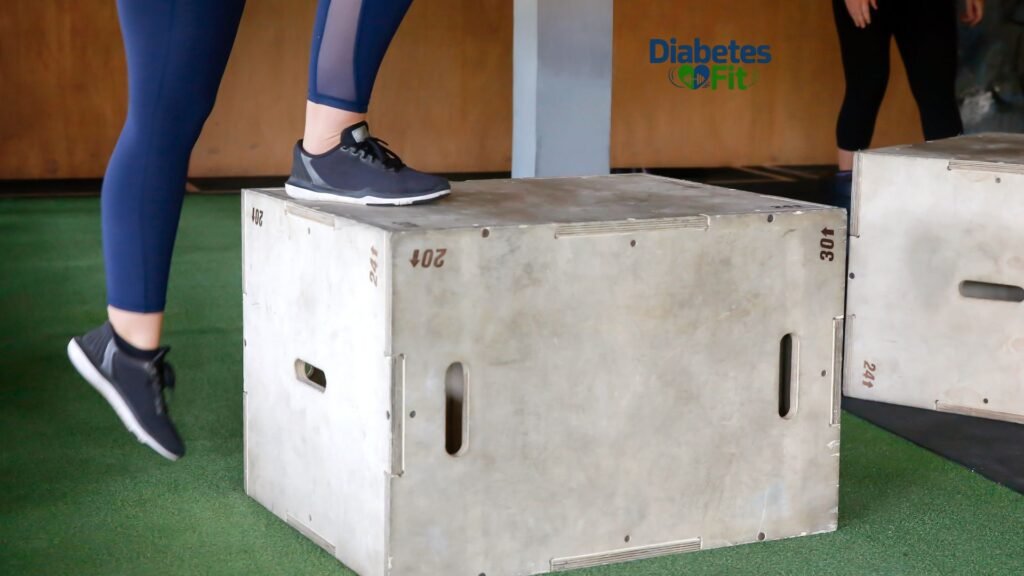
Jumping rope — particularly high-intensity skipping — is one of the most effective exercises for height increase in growing adolescents. The repetitive impact and rebound stimulate bone growth in the lower legs and femur while triggering significant HGH release.
Protocol:
- Start with 2–3 minutes of continuous jumping
- Build to 10–15 minutes per session
- 4–5 sessions per week for maximum benefit
- Can be done in intervals: 30 seconds on, 30 seconds rest × 10 rounds
Vertical Jump Training
The vertical jump is a maximal-effort explosive movement that produces one of the highest HGH responses of any exercise.
How to do vertical jump training:
- Stand with feet shoulder-width apart
- Bend knees to a quarter-squat position
- Explode upward with maximum effort, swinging arms for momentum
- Land softly with bent knees
- Rest 3–5 seconds between jumps
- Perform 10–15 jumps per set, 3–4 sets
Benefits for height increase: Stimulates HGH release, applies mechanical loading to growth plates, and strengthens leg muscles that support posture
Basketball and Volleyball
Both sports involve constant jumping, stretching, reaching, and high-intensity effort, making them among the most effective sports for height increase during growth years. This is not coincidental: data consistently show that basketball and volleyball players are among the tallest athletes across sports, influenced both by selection effects and by the height-supporting training these sports provide from youth.
Category 4: Swimming (Best Full-Body Exercise for Height)
Swimming is often cited as one of the best exercises for height increase, and the reasoning is legitimate. Swimming:
- Involves full-body stretching with every stroke cycle
- Decompresses the spine in the horizontal, weightless position (gravity is greatly reduced)
- Stimulates HGH through sustained aerobic effort
- Builds the back and core muscles essential for upright, tall posture
- Applies gentle traction through the spine with movements like freestyle and backstroke
Research suggests that swimmers tend to have longer torsos relative to their limb length compared to non-swimmers, partly from the spine’s response to the training environment.
Best swimming styles for height increase:
- Freestyle (front crawl) — full spinal extension on each stroke
- Backstroke — extension through the chest and spine; excellent for counteracting forward posture
- Breaststroke — strong lumbar extension component
Recommended frequency: 3–4 sessions per week, 30–45 minutes per session
Category 5: Core and Back Strengthening (Posture Foundation)
These exercises build the muscular foundation that holds the spine in its tallest, most aligned position — making the height you have fully visible.

Bird Dog
How to do it:
- Start on hands and knees
- Extend the right arm forward and the left leg backward simultaneously
- Hold for 3–5 seconds — keep hips level, spine neutral
- Return and switch sides
- 10–12 reps per side, 3 sets
Height benefit: Strengthens the deep spinal stabilizers and multifidus muscles that hold vertebrae in optimal alignment
Superman Hold
How to do it:
- Lie face down on a mat
- Simultaneously raise both arms (extended overhead) and both legs off the ground
- Hold for 5–10 seconds
- Lower slowly
- 10–15 reps, 3 sets
Height benefit: Strengthens the entire posterior chain — the muscles that pull the spine upright and counteract the slouching that reduces height
Wall Slide (Postural Reset)
How to do it:
- Stand with your back against a wall — heels 2 inches away
- Press lower back, upper back, and back of head against the wall
- Arms at 90 degrees (like a goalpost), backs of arms touching the wall
- Slowly slide your arms up the wall as far as possible while maintaining contact
- Slide back down
- 10–15 reps
Height benefit: Resets the shoulders into proper retracted position; corrects forward head posture; demonstrates and reinforces the standing posture that maximizes apparent height
Sample Weekly Exercise Plan for Height Increase
| Day | Exercises | Duration | Focus |
| Monday | Dead hang × 5 sets + vertical jumps × 4 sets + cobra stretch | 30–35 min | Decompression + HGH + spine |
| Tuesday | Swimming (freestyle + backstroke) | 40–45 min | Full-body stretch + HGH |
| Wednesday | Cat-cow + bird dog + superman hold + child’s pose | 25–30 min | Core + spinal mobility |
| Thursday | Jump rope × 15 min + hanging twists + triangle pose | 30–35 min | HGH stimulation + lateral stretch |
| Friday | Swimming or basketball | 40–45 min | Sport activity + HGH |
| Saturday | Full yoga flow (cobra, cat-cow, child’s pose, triangle) + dead hang | 35–40 min | Deep stretch + decompression |
| Sunday | Rest or gentle walk | 20–30 min | Recovery |
Supporting Habits That Maximize Height Gains From Exercise
Exercise alone doesn’t maximize height potential. These four supporting factors work together with exercise to produce the best results:

1. Sleep 8–10 Hours (For Teenagers) or 7–9 Hours (For Adults)
The most important factor after exercise. Human growth hormone is released in its largest pulses during deep sleep — particularly in the first 2 hours of sleep. Insufficient sleep drastically reduces HGH secretion. For teenagers actively trying to maximize height growth, adequate sleep is non-negotiable.
2. Eat Adequate Protein and Calcium
Bone growth requires raw materials. The two most critical nutrients are:
- Protein (1.2–1.6g per kg body weight) — provides amino acids for bone matrix formation
- Calcium (1,000–1,300mg per day for teenagers) — the primary mineral in bone structure
- Vitamin D (600–2,000 IU per day) — required for calcium absorption and bone mineralization
Best food sources: dairy products, eggs, salmon, leafy greens, tofu, beans, and fortified foods.
3. Maintain Good Posture Consistently — Not Just During Exercise
The postural habits you build through exercise need to carry over into daily life. Sitting and standing with proper alignment for 16 waking hours matters far more than 30 minutes of exercise. Practice standing against a wall, keep screens at eye level, and strengthen the habit of upright posture throughout the day.
4. Avoid Smoking, Alcohol, and a Poor Diet During Growth Years
Smoking reduces the blood supply to growth plates and suppresses HGH. Alcohol inhibits growth hormone secretion. Poor nutrition deprives bones of essential building materials. These factors are particularly damaging during the growth years when height potential is still being realized.
Realistic Height Expectations From Exercise
| Age / Stage | Realistic Height Benefit From Exercise | Mechanism |
| Ages 10–15 (pre-peak growth) | Maximum benefit — potentially 2–4 cm over the growth period | HGH stimulation + growth plate loading |
| Ages 15–21 (peak and late growth) | Moderate benefit — 1–3 cm potential | HGH + growth plate activity + posture |
| Adults (growth plates closed) | 1–3 cm from the posture and decompression | Posture correction + spinal decompression |
| Older adults with compression | Up to 2 cm restored | Disc rehydration + postural restoration |
Frequently Asked Questions
Can exercise increase height after 18?
After 18 — when most growth plates have closed — exercise cannot increase bone length. However, exercise can restore 1–3 cm of height in adults by correcting posture, decompressing the spine through hanging and swimming, and strengthening the core and back muscles that hold the spine in its tallest natural alignment. Many adults are measurably shorter than their potential height simply due to postural habits and spinal compression that regular exercise can reverse.
Which exercise is best for height increase?
The best exercises for height increase differ by age. For teenagers still growing, vertical jumping, jump rope, and swimming are most effective because they stimulate HGH and mechanically load the growth plates. For adults with closed growth plates, dead hangs, swimming, cobra stretch, and posture-building exercises (bird dog, superman, wall slides) are most effective because they decompress the spine and improve postural alignment. For maximum benefit at any age, combine decompression exercises with posture strengthening and adequate sleep.
How long does it take to see results from exercise for height increase?
Teenagers may notice measurable height increases within 3–6 months of regular exercise, proper nutrition, and sleep — reflecting actual bone growth. Adults working on posture and spinal decompression may notice visible height improvement within 4–8 weeks of consistent daily hanging, stretching, and core strengthening. Spinal disc decompression is a relatively quick process when exercised consistently — many people notice improved standing height within 2–3 weeks of daily dead hangs.
Does skipping rope increase height?
Yes — jump rope is one of the most effective exercises for height increase during the growth years. The repetitive jumping stimulates HGH secretion, applies beneficial mechanical loading to the growth plates of the legs and spine, and builds the leg strength and bone density that support height. Jump rope also improves cardiovascular fitness and coordination. For teenagers, 15–20 minutes of jump rope 4–5 times per week is a highly recommended addition to any height-increase exercise program.
Does swimming increase height?
Swimming is consistently regarded as one of the best exercises for height increase and is associated with taller-than-average stature in regular practitioners. Swimming decompresses the spine (horizontal position removes gravitational compression), stimulates HGH through sustained aerobic effort, fully stretches the entire body with each stroke, and builds back and core muscles that support tall, upright posture. Backstroke and freestyle are particularly effective for spinal extension. Regular swimming from childhood through adolescence is associated with above-average height development.
Can yoga increase height?
Yoga can increase apparent and measured height in adults by improving spinal decompression, correcting posture, and releasing muscular tension that compresses the vertebrae. Poses like cobra, cat-cow, downward dog, triangle, and child’s pose specifically target the spine and the muscles that influence standing height. Regular yoga (3–5 sessions per week) can restore 1–2 cm of compressed height in adults over 4–8 weeks. Yoga does not increase bone length in adults with closed growth plates, but its postural and decompressive effects are real and measurable.
What foods support height increase alongside exercise?
The most important nutrients for height increase during the growth years are: protein (for bone matrix formation — eggs, chicken, fish, lentils), calcium (for bone mineral density — dairy, leafy greens, tofu), vitamin D (for calcium absorption — sunlight, salmon, fortified milk), zinc (for growth factor activity — pumpkin seeds, beef, chickpeas), and magnesium (for bone structure — nuts, whole grains, legumes). Adequate caloric intake overall is also critical — undernourished teenagers consistently grow less than their genetic potential suggests they should.
Conclusion
The science is clear: exercise for height increase is genuinely effective — more so during the growth years, meaningfully so for adults, and always in the context of realistic expectations about what’s possible.
For teenagers and young adults still growing, the right combination of jumping exercises, swimming, hanging, and posture work — supported by adequate sleep, protein, and calcium — can maximize the height their genetics allow and potentially push the upper limits of their growth potential. For adults whose growth plates have closed, exercise for height increase means recovering the 1–3 cm that poor posture and spinal compression have been stealing for years — often producing visible, measurable results within weeks.
Start with the exercises most relevant to your age and situation. Teenagers: prioritize jumping, swimming, and sleep. Adults: prioritize dead hangs, swimming, yoga, and core strengthening for posture. Both groups: stand tall, eat well, and sleep enough — because exercise for height increase works best when the whole environment supports it.
This article is for informational purposes only and does not replace advice from a qualified healthcare provider or certified fitness professional. If you have concerns about growth, height, or bone development, consult a pediatrician or endocrinologist for a personalized assessment.
The National Institutes of Health (NIH) provides evidence-based information on human growth and development — including the role of growth hormone, genetics, and environmental factors in determining final height and healthy bone development.

David Miller: I am a health and wellness writer focused on diabetes awareness, blood sugar control, and healthy living. I creates clear, practical content to help readers make better everyday health choices. I write evidence-based articles about diabetes, diet, and healthy living. My goal is to simplify complex health topics using trusted sources like WHO and medical journals.
Leave a Reply