Tag: blood sugar

  • Does Vaping Affect Blood Sugar? The Alarming Truth Every Diabetic Must Know

    Does Vaping Affect Blood Sugar? The Alarming Truth Every Diabetic Must Know

    If you vape and have diabetes — or are at risk of developing it — you’ve probably asked yourself: does vaping affect blood sugar? It’s a critical question, and the answer is more alarming than most people realize.

    Vaping is often marketed as a safer alternative to cigarettes. But “safer than cigarettes” doesn’t mean safe — especially for your blood sugar and metabolic health. Growing research shows that vaping can significantly impact blood sugar regulation, insulin sensitivity, and the long-term risk of developing type 2 diabetes.

    Whether you vape with nicotine, use nicotine-free e-cigarettes, or are simply trying to understand the risks before making a decision, this article gives you the honest, science-backed answers you need. We cover exactly how vaping affects blood sugar, the mechanisms behind it, and what it means for your health — short-term and long-term.

    Along with lifestyle habits like avoiding vaping, your diet matters too—read our post Best Cereal for Diabetics for smart breakfast choices.

    What Is Vaping and How Does It Work?

    Vaping is the process of inhaling an aerosol created by utilizing an electrical device to heat a liquid, often known as e-liquid or vape juice. The aerosol is made up of a mix of:

    • Nicotine (found in the majority of items, though there are nicotine-free variants)
    • Carrier liquids include vegetable glycerin and propylene glycol.
    • Dozens of chemical substances are frequently used as flavorings.
    • Heavy metals from the heating coil, such as lead, nickel, and chromium
    • Ultrafine particles that pierce lung tissue deeply

    Vaping does not produce tar or tobacco smoke like regular cigarettes do. Its “safer” reputation stems from this. However, the chemicals breathed while vaping — particularly nicotine and the byproducts of heated flavorings — have substantial impacts on the body’s metabolic processes, including blood sugar management.

    Does Vaping Affect Blood Sugar? The Science Explained

    Indeed, vaping has an impact on blood sugar through a variety of mechanisms. Here’s a thorough explanation of how it occurs:
    Does Vaping Affect Blood Sugar?

    1. Nicotine Increases Blood Sugar Directly

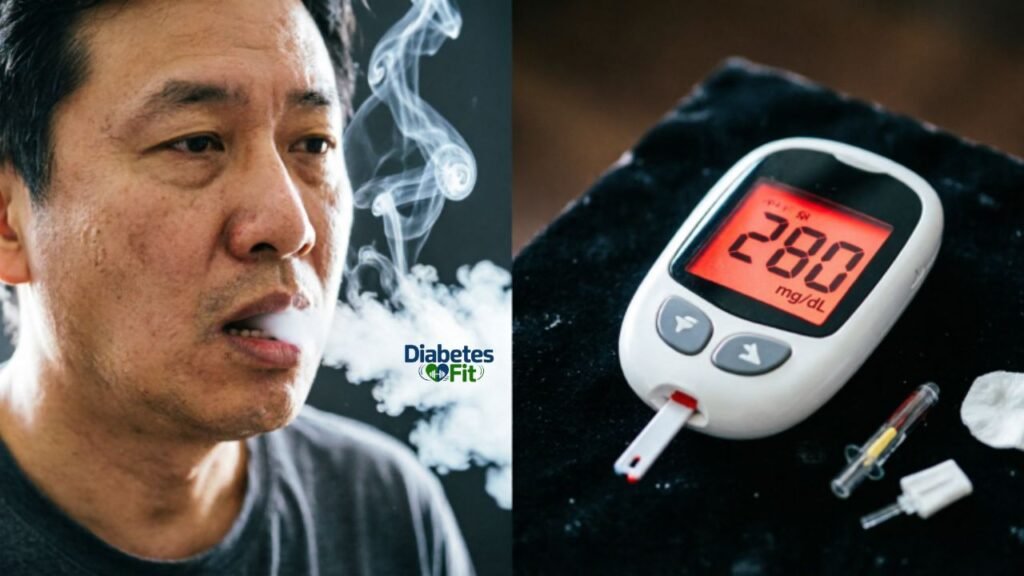
    The main way that vaping influences blood sugar levels is through nicotine. Whether from a cigarette or a vape device, inhaling nicotine sets off a series of physiological reactions:

    • Nicotine causes the adrenal glands to generate adrenaline (epinephrine), which instructs the liver to release stored glucose (glycogen) into the bloodstream.
    • Cortisol spike: Nicotine also increases cortisol levels, and cortisol is a stress hormone that causes blood sugar levels to rise.
    • Nicotine causes the pancreas to secrete more glucagon, which increases blood sugar levels by causing the liver to produce glucose.

    As a result, even if you have not eaten anything, your blood sugar climbs quickly after every vaping session.

    The body makes up for this by releasing more insulin in those without diabetes. However, this compensation is compromised in those with type 1 or type 2 diabetes, resulting in protracted, possibly hazardous blood sugar increases following each vaping session.

    2. Vaping Causes Insulin Resistance

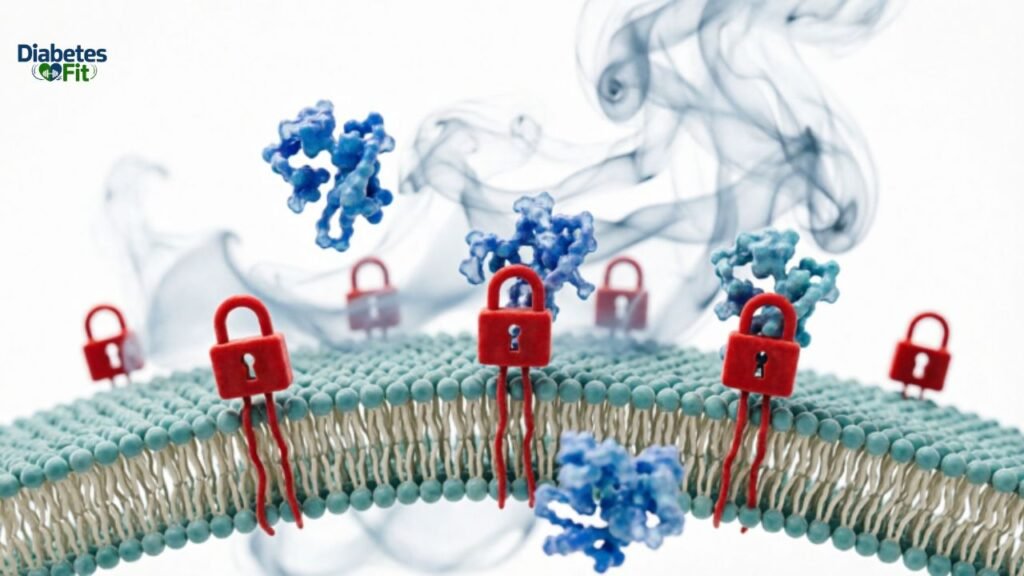
    This is possibly the most worrisome long-term effect of vaping on blood sugar. Your cells do not react to insulin, the hormone that transports glucose from your blood into your cells for energy, correctly if you have insulin resistance. When cells develop insulin resistance:
    Does Vaping Affect Blood Sugar?
    • After meals, blood sugar remains raised for a longer period of time.
    • To make up for this, the pancreas must create an increasing amount of insulin.
    • The pancreas eventually runs out of energy and is unable to continue.
    • Prediabetes and type 2 diabetes are the primary results of this process.

    Nicotine exposure, even from e-cigarettes, dramatically reduces insulin signaling in muscle, fat, and liver cells, according to research published in the journal Cell Metabolism. This indicates that nicotine from vaping directly causes cellular insulin resistance.

    Even after adjusting for age, body weight, and other lifestyle characteristics, current e-cigarette users had a considerably higher risk of insulin resistance than non-users, according to a 2016 study published in PLOS ONE.

    3. Vaping Induces Inflammation, Which Affects Blood Sugar

    One of the main causes of insulin resistance and blood sugar dysregulation is chronic inflammation. Vaping increases systemic inflammation in many ways:

    Does Vaping Affect Blood Sugar?
    • Oxidative stress: Free radicals produced by the compounds in vape aerosol harm cells and cause inflammatory reactions.
    • Lung inflammation: Vaping significantly inflames the lung tissue and airways, which leads to systemic inflammation.
    • Vaping causes endothelial dysfunction, which damages the blood vessel lining and raises inflammatory indicators all across the body.

    Elevated inflammatory markers — including C-reactive protein (CRP), interleukin-6 (IL-6), and tumor necrosis factor alpha (TNF-α) — are strongly associated with insulin resistance and impaired blood sugar control.

    For diabetics, this additional layer of inflammation makes blood sugar management significantly harder and increases the risk of diabetic complications.

    4. Vaping Damages the Pancreas

    The pancreas is responsible for producing insulin — the hormone that controls blood sugar. Emerging research suggests that chemicals in vape aerosol may directly damage pancreatic cells.

    A study published in iScience (2019) found that exposure to e-cigarette vapor caused significant oxidative stress and DNA damage in pancreatic cells — including the beta cells responsible for insulin production.

    Damaged beta cells produce less insulin, which directly impairs the body’s ability to regulate blood sugar. For people already managing diabetes, any reduction in beta cell function makes the condition harder to control and accelerates its progression.

    5. Nicotine-Free Vaping Still Affects Blood Sugar

    Many people assume that nicotine-free e-cigarettes are completely safe and don’t affect blood sugar. This is a dangerous misconception.

    Even without nicotine, vape aerosol contains:

    • Propylene glycol and vegetable glycerin — when heated, these produce acrolein and other toxic aldehydes that promote inflammation and oxidative stress
    • Flavoring chemicals — including diacetyl, acetoin, and cinnamaldehyde, which have been shown to damage lung and vascular tissue and promote inflammatory responses
    • Heavy metals — from the heating coil, which accumulate in the body and have been linked to insulin resistance and metabolic dysfunction
    • Ultrafine particles — that trigger systemic inflammatory responses

    A 2018 study published in Frontiers in Physiology found that even nicotine-free e-cigarette vapor caused significant oxidative stress and impaired glucose metabolism in animal models.

    The bottom line: Does vaping affect blood sugar even without nicotine? Yes — the chemicals in the aerosol itself cause metabolic harm independently of nicotine.

    6. Vaping Disrupts Sleep — Which Raises Blood Sugar

    This indirect route is frequently disregarded. The stimulant nicotine from vaping impairs the quality of sleep, especially deep and REM sleep. Blood sugar is directly and consistently impacted by inadequate sleep:

    • boosts blood sugar levels by raising cortisol levels.
    • reduces insulin sensitivity by as much as 40% following even one restless night.
    • causes overindulgence in high-carb foods by increasing the hunger hormone ghrelin and decreasing the satiety hormone leptin.
    • raises inflammatory markers that hinder the metabolism of glucose.

    In healthy young individuals, limiting sleep to 4 hours each night for just 6 days decreased insulin sensitivity by 40%, according to a study published in the Annals of Internal Medicine. In addition to the direct effects of nicotine, this adds a substantial layer of blood sugar dysregulation for someone who routinely vapes and has chronic sleep disruption.

    7. Stress hormones and vaping: a vicious cycle

    Nicotine causes your body’s main stress hormones, cortisol and adrenaline, to be released each time you vape. As part of the fight-or-flight response, these two hormones increase blood sugar. The vicious cycle is as follows:

    • When you vape, nicotine causes adrenaline and cortisol, which raises blood sugar.
    • An insulin reaction to a blood sugar surge results in a reduction in blood sugar.
    • Cravings are triggered by a drop in blood sugar, so you vape again to deal with stress or cravings.

    The cycle is repeated several times every day. Because each blood sugar surge necessitates greater insulin management—through medication, dietary changes, or both—this loop is very harmful to diabetics. Over time, the repeated spikes and the chronic cortisol elevation make blood sugar control increasingly difficult and increase the risk of long-term complications.

    Does Vaping Affect Blood Sugar Differently in Type 1 vs Type 2 Diabetes?

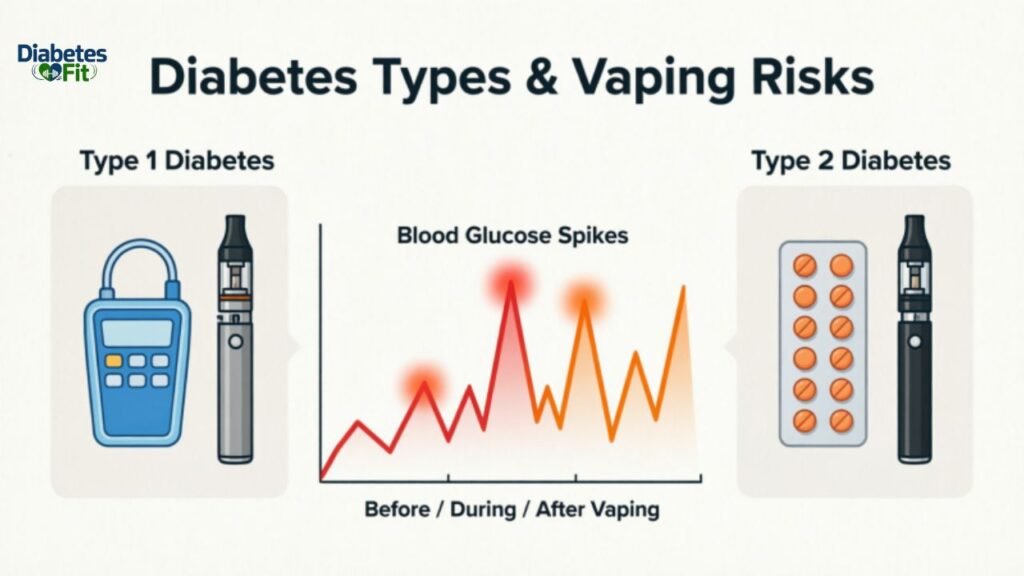
    Yes — vaping affects blood sugar in both types of diabetes, but the mechanisms and consequences differ:
    Does Vaping Affect Blood Sugar?
    FactorType 1 DiabetesType 2 Diabetes
    Insulin productionNone (immune destruction of beta cells)Reduced or impaired
    Nicotine’s primary effectRaises blood sugar via adrenaline/cortisolRaises blood sugar + worsens insulin resistance
    Insulin resistance impactLess relevant (already insulin-dependent)Directly worsens the core disease mechanism
    Blood sugar spike managementRequires immediate insulin dose adjustmentHarder to control with oral medications
    Risk of complicationsIncreased (spikes accelerate neuropathy, retinopathy)Increased (accelerates cardiovascular and kidney disease)
    Long-term riskHarder to maintain HbA1c targetsAccelerates progression to insulin dependence

    For people with Type 1 diabetes, vaping’s primary danger is the unpredictable blood sugar spikes that make insulin dosing harder to calculate — increasing both hyperglycemia and hypoglycemia risk.

    For people with Type 2 diabetes, vaping is especially harmful because it directly worsens insulin resistance — the core problem driving the disease. Every vaping session makes the underlying condition worse.

    Vaping vs. Smoking: Which Is Worse for Blood Sugar?

    This is a common question — and the honest answer is that both are harmful to blood sugar, but in different ways:

    FactorCigarette SmokingVaping
    Nicotine deliveryHighHigh (often higher in modern pod devices)
    Blood sugar spikeYes — via nicotineYes — via nicotine
    Insulin resistanceYesYes — similar or potentially worse
    InflammationYes — from tar and combustion productsYes — from aerosol chemicals
    Pancreatic damageYesEmerging evidence suggests yes
    Cardiovascular riskVery highHigh (lower than smoking but still significant)
    Long-term diabetes risk30–40% higher risk vs non-smokersEmerging data — likely similar elevation
    Withdrawal effects on blood sugarBlood sugar improves after quittingBlood sugar improves after quitting

    The key takeaway: vaping is not a safe alternative for diabetics. While it may carry slightly lower cardiovascular risk than traditional smoking, its effects on blood sugar regulation, insulin resistance, and pancreatic health are alarmingly similar.

    How Much Does Vaping Raise Blood Sugar? Real Numbers

    While individual responses vary based on nicotine concentration, frequency of vaping, and baseline health, research gives us some reference points:

    ScenarioEstimated Blood Sugar Impact
    Single vaping session (nicotine)Raises blood glucose by 20–40 mg/dL within 30 minutes
    Regular daily vapingIncreases HbA1c by 0.5–1.5% over time in diabetics
    Chronic vaping + poor dietCan increase fasting blood glucose by 15–25 mg/dL above baseline
    Vaping before a mealExaggerates post-meal blood sugar spike by 15–30%
    Quitting vapingBlood sugar begins improving within 2–4 weeks

    These numbers highlight why vaping affects blood sugar is such an important one for anyone managing diabetes or at risk of developing it. Even modest, consistent elevations in blood sugar accelerate the development of diabetic complications, including neuropathy, retinopathy, nephropathy, and cardiovascular disease.

    Signs That Vaping May Be Affecting Your Blood Sugar

    Keep an eye out for these warning indicators that your blood sugar regulation may be compromised if you vape and have diabetes or prediabetes:

    • Unexpected rises in blood sugar, particularly following vaping sessions
    • HbA1c values that are higher than anticipated while adhering to your diet
    • Frequent urination and increased thirst are classic indicators of high blood sugar.
    • Brain fog and exhaustion, especially after vaping
    • Target blood sugar values are difficult to reach even when medicine is taken as prescribed.
    • Increased insulin needs without a clear dietary cause

    Inadequate wound healing is indicative of persistently elevated blood sugar levels. High blood sugar weakens the immune system and causes frequent infections. Consult your physician or endocrinologist right away if you observe any of these symptoms. Bring up your vaping habit; it could be a major cause of your blood sugar issues.

    What Happens to Blood Sugar When You Quit Vaping?

    The good news is that blood sugar control improves meaningfully after quitting vaping. Here’s what the research and clinical experience show:

    Timeline After QuittingBlood Sugar Changes
    24–72 hoursNicotine clears the system; cortisol and adrenaline levels begin to normalize
    1–2 weeksFasting blood glucose may begin to decrease; insulin sensitivity starts improving
    2–4 weeksInflammatory markers begin to reduce; blood sugar spikes after meals become less severe
    1–3 monthsInsulin sensitivity measurably improves; HbA1c may begin to decline
    3–6 monthsSignificant improvement in overall blood sugar control; reduced medication needs possible
    6–12 monthsCardiovascular and metabolic risk profile continues improving

    Important note: When quitting, some people temporarily experience weight gain, which can affect blood sugar. Work with your healthcare provider to manage this transition and adjust your diabetes management plan accordingly.

    Practical Tips for Diabetics Who Vape

    Here are some useful, doable suggestions if you currently vape and have diabetes:

    • Check your blood sugar more often to see the effects of vaping, both before and one to two hours after.
    • Tell your doctor about your vaping habit so they can modify your treatment plan appropriately.
    • Think about nicotine replacement therapy; compared to vaping, patches, gum, or lozenges offer nicotine with less systemic impact.
    • One of the most effective things you can do to enhance blood sugar control is to stop vaping, so set a quit date.
    • Seek behavioral assistance; support groups and cognitive behavioral treatment (CBT) greatly increase the rate of quitting.
    • Exercise, meditation, and deep breathing are effective ways to manage stress without the negative effects of vaping on blood sugar.
    • Maintain adequate fluids to promote kidney function and aid in blood sugar regulation.
    • Improve your sleep hygiene. Since vaping interferes with sleep, which in turn elevates blood sugar, it is crucial to improve the quality of your sleep.

    Frequently Asked Questions 

    Does vaping affect blood sugar in non-diabetics? 

    Yes — vaping affects blood sugar even in people without diabetes. Nicotine raises blood glucose through adrenaline and cortisol release, and regular vaping promotes insulin resistance over time. Research shows that regular vapers have significantly higher rates of prediabetes and insulin resistance compared to non-vapers, even when other lifestyle factors are controlled. Non-diabetics who vape are at elevated risk of developing type 2 diabetes over time.

    Can vaping cause diabetes? 

    Growing evidence suggests that regular vaping — particularly with nicotine — significantly increases the risk of developing type 2 diabetes. Nicotine promotes insulin resistance, raises blood sugar chronically, causes pancreatic stress, and drives inflammation — all of which are direct contributors to the development of type 2 diabetes. While vaping alone may not guarantee diabetes development, it is a significant and modifiable risk factor.

    Does nicotine-free vaping affect blood sugar?

    Yes — even nicotine-free vaping affects blood sugar and metabolic health. The chemicals in vape aerosol — including propylene glycol, flavoring compounds, and heavy metals from the heating coil — promote oxidative stress and inflammation that impairs insulin sensitivity and glucose metabolism. Nicotine-free vaping is not a safe alternative for diabetics or people at risk of blood sugar problems.

    How quickly does vaping raise blood sugar?

    Research suggests that vaping with nicotine can raise blood glucose by 20–40 mg/dL within 30 minutes of a vaping session, through the rapid release of adrenaline and cortisol. For people with diabetes, this spike can persist for 1–2 hours or longer, depending on insulin sensitivity and medication status.

    Should diabetics quit vaping? 

    Absolutely yes. Vaping worsens insulin resistance, raises blood sugar after every session, promotes inflammation that makes blood sugar control harder, and may damage pancreatic beta cells. Quitting vaping is one of the most impactful lifestyle changes a diabetic can make for improving blood sugar control and reducing the risk of long-term complications. Speak with your healthcare provider about the best quitting strategy for your situation.

    Does vaping affect HbA1c levels? 

    Yes — regular vaping is associated with higher HbA1c levels in people with diabetes. The chronic blood sugar elevations caused by each vaping session accumulate over time, raising the 3-month average blood glucose that HbA1c measures. Studies suggest regular vaping can increase HbA1c by 0.5–1.5% — a clinically significant elevation that substantially increases the risk of diabetic complications.

    Is vaping worse than smoking for blood sugar? 

    Both vaping and smoking are harmful to blood sugar regulation through similar mechanisms — primarily nicotine-driven insulin resistance and blood sugar spikes. Vaping may carry slightly lower cardiovascular risk than cigarette smoking due to the absence of tar and combustion products, but its effects on blood sugar, insulin resistance, and pancreatic health appear to be broadly similar. Neither is a safe option for diabetics or those at risk of blood sugar problems.

    Conclusion

    After examining all the data, it is clear that vaping has an impact on blood sugar. These impacts are severe, extensive, and pertinent to anyone who is worried about their metabolic health.

    Nicotine-driven hormone release from vaping elevates blood sugar, increases cellular insulin resistance, causes inflammation that interferes with glucose metabolism, may harm pancreatic cells that produce insulin, and interferes with sleep in ways that worsen blood sugar regulation. The harmful compounds in the aerosol itself have an impact on blood sugar even when vaping without nicotine.

    Vaping makes managing type 1 or type 2 diabetes considerably more difficult and hastens the development of long-term problems. Regular vaping is a significant and changeable risk factor for the development of diabetes in those without the disease.

    Does vaping have a significant impact on blood sugar levels? Indeed, quitting is one of the most effective things you can do for your long-term quality of life, diabetes management, and metabolic health.

    Today, take the first step. Consult your physician about stopping vaping, inquire about nicotine substitutes, and start keeping a closer eye on your blood sugar. Your future self, your blood vessels, and your pancreas will all appreciate it.

    “If you want to understand the impact of vaping on blood sugar and diabetes management, this detailed resource from My Diabetes My Way explains it clearly.

  • What to Eat Before Glucose Test: 9 Powerful Tips That Guarantee Accurate Results

    What to Eat Before Glucose Test: 9 Powerful Tips That Guarantee Accurate Results

    Your doctor has scheduled a glucose test, and now you are wondering what to eat before the test. This is one of the most common and genuinely important questions people ask — because getting it wrong can skew your results, lead to a misdiagnosis, or force you to repeat the entire process. The answer is not as simple as “just fast and drink water.” 

    Depending on which glucose test you are having — a fasting glucose test, a one-hour glucose challenge, or the three-hour glucose tolerance test — the rules about what to eat before the glucose test are meaningfully different. This guide covers every test type clearly, gives you specific meal ideas for the days leading up to your test, explains what to avoid and why, and makes sure you walk in fully prepared for accurate results.

    If you’re unsure about fasting requirements before medical tests, check out this helpful guide on how long to fast for blood work for a clear explanation.

    Why What You Eat Before a Glucose Test Matters So Much

    Before diving into what to eat before glucose test day, it helps to understand why food choices in the days and hours before the test have such a significant impact on your results.

    A glucose test measures how efficiently your body processes sugar. Whether it is a simple fasting glucose draw or a full oral glucose tolerance test (OGTT), the test is designed to evaluate your body’s baseline state and its response to a glucose load.

    Here is what happens when you eat the wrong things before a glucose test:

    • High-sugar or high-carbohydrate meals spike blood glucose temporarily and can falsely elevate your fasting reading or inflate your response to the glucose drink
    • Very low-carbohydrate eating in the days before an oral glucose tolerance test can actually impair your body’s ability to handle glucose, causing a false positive for impaired glucose tolerance.
    • Fatty meals slow gastric emptying and alter the glucose absorption curve in ways that produce misleading results.
    • Dehydration from skipping fluids concentrates blood glucose artificially

    Both extremes — eating too much sugar or severely restricting carbohydrates — can produce inaccurate glucose test results. Understanding what to eat before glucose test preparation involves finding the right nutritional middle ground.

    Types of Glucose Tests and Their Eating Rules

    The single most important thing to understand about what to eat before glucose test preparation is that different glucose tests have completely different requirements.

    Fasting Blood Glucose Test

    What to Eat Before Glucose Test

    What it measures: Your blood sugar level after an overnight fast — used to diagnose diabetes and prediabetes.

    Eating rules:

    • Fast for 8–12 hours before the test
    • Nothing to eat or drink except plain water during the fast
    • What you eat the day and evening before matters — see the recommended pre-test meal guide below
    • Schedule for early morning so the fast overlaps with sleep

    Normal fasting results:

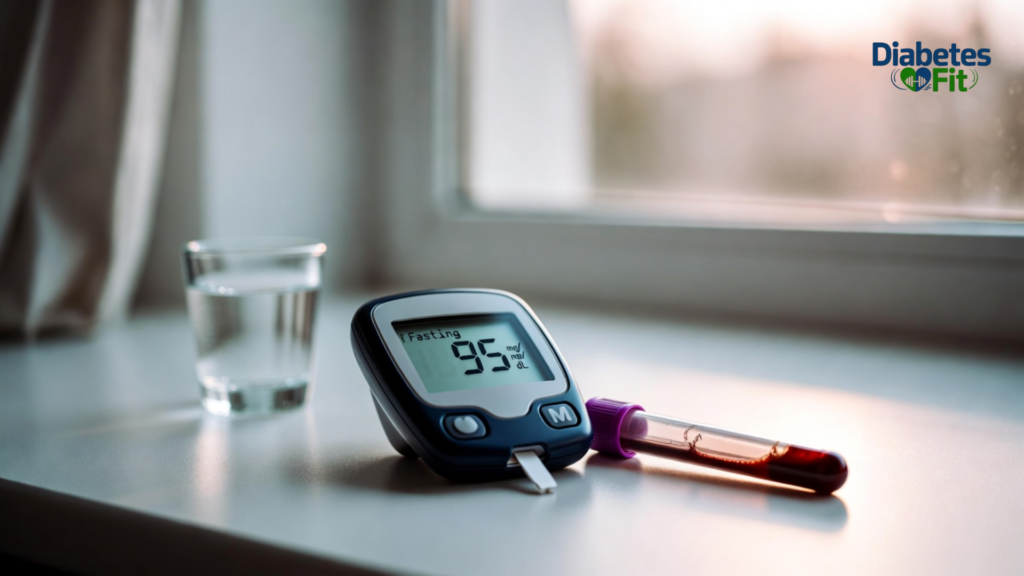
    • Normal: 70–99 mg/dL
    • Prediabetes: 100–125 mg/dL
    • Diabetes: 126 mg/dL or above

    One-Hour Glucose Challenge Test (GCT)

    What it measures: How your body handles a 50g glucose drink — primarily used to screen for gestational diabetes in pregnancy. This test does NOT require fasting.

    Eating rules:

    • You can eat normally before this test in most protocols
    • However, many doctors and labs recommend avoiding extremely high-sugar foods and refined carbohydrates for two to three hours immediately before the test
    • A balanced, moderate meal two to three hours before is ideal
    • Knowing what to eat before a glucose test screening of this type makes the experience much smoother

    Results interpretation:

    • Below 140 mg/dL one hour after glucose drink: normal (pass)
    • 140 mg/dL or above: requires follow-up three-hour OGTT

    Three-Hour Oral Glucose Tolerance Test (OGTT)

    What it measures: A detailed assessment of how your body processes glucose over three hours — used to diagnose gestational diabetes and sometimes Type 2 diabetes.

    Eating rules:

    • Three days before the test: Eat at least 150g of carbohydrates daily — this is critical and often not explained
    • Fast for 8–12 hours before the morning of the test
    • No smoking, no exercise, no food during the three-hour test period

    Why the three-day carb loading matters:

    This surprises most people. Eating very low carbohydrate in the days before an OGTT causes your body to down-regulate the glucose transporters and insulin secretion mechanisms it uses to handle carbohydrates. When you then drink a concentrated glucose solution, your body responds poorly, not because you have diabetes, but because it has not handled a significant amount of carbohydrate in days. This produces a false positive for impaired glucose tolerance.

    The three-day pre-test protocol of 150g+ carbohydrates daily ensures your glucose-handling machinery is properly primed.

    What to Eat Before a Glucose Test: The 3-Day Pre-Test Meal Guide

    For any glucose test requiring preparation — particularly the OGTT — the three days before the test matter as much as the fasting period itself.

    What to Eat Before Glucose Test

    Day 3 Before the Test (72 Hours Out)

    Goal: Normal, balanced eating. No extremes in either direction.

    Breakfast:

    • Rolled oats with fresh berries and a tablespoon of chia seeds
    • One boiled egg
    • A glass of plain water or herbal tea

    Lunch:

    • Grilled chicken or fish with brown rice (½ cup cooked)
    • Large mixed vegetable salad with olive oil dressing
    • Fresh fruit (apple or pear)

    Dinner:

    • Baked salmon or lean beef with sweet potato (medium)
    • Steamed broccoli and carrots
    • Water

    What to avoid this day:

    • Sugary drinks, desserts, and fast food
    • Excessive alcohol (ideally none for 72 hours before)
    • Very high-fat meals slow digestion

    Day 2 Before the Test (48 Hours Out)

    Goal: Continue balanced eating. Ensure adequate carbohydrate intake (150g minimum for OGTT prep).

    Breakfast:

    • Two slices of whole-grain toast with natural peanut butter
    • Plain Greek yogurt with blueberries
    • Black coffee (no sugar) or herbal tea

    Lunch:

    • Lentil soup (lentils are excellent — high fiber, moderate GI, adequate carbs)
    • Whole-grain roll
    • Sliced cucumber and cherry tomatoes

    Dinner:

    • Grilled chicken with quinoa (¾ cup cooked) and roasted vegetables
    • Small apple or pear for dessert

    Carbohydrate count check: Oats + toast + yogurt + lentils + roll + quinoa + fruit = approximately 160–180g carbohydrates. This meets the 150g minimum for OGTT preparation without overloading sugar.

    Day 1 Before the Test (Last Day of Eating)

    This is the most critical day for understanding what to eat before the glucose test, as accuracy depends on it.

    Goal: Eat balanced, moderate meals. Have your last meal or snack 8–12 hours before your test appointment time.
    If your appointment is at 8 am, stop eating by 8 pm.

    Recommended last meal before fasting begins:

    This meal should be:

    • Moderate in carbohydrates (30–45g)
    • High in protein and fiber (to slow digestion and keep you feeling full overnight)
    • Low in sugar and refined carbohydrates
    • Not excessively fatty (fat slows gastric emptying in ways that can affect morning glucose)

    Ideal last meal examples:

    Meal OptionCarbsProteinWhy It Works
    Grilled chicken + sweet potato + salad35g32gBalanced, slow-digesting
    Baked salmon + brown rice (½ cup) + broccoli38g30gOmega-3s, moderate carbs
    Lentil soup + whole grain bread (1 slice)42g18gHigh fiber slows digestion
    Turkey + quinoa + roasted vegetables36g28gComplete protein, complex carbs
    Egg + vegetable stir-fry + small sweet potato30g20gLow GI, high satiety

    What NOT to eat as your last meal before fasting:

    • Pizza, pasta, or white rice (high GI, rapid glucose spike)
    • Desserts, ice cream, or sweetened foods
    • Alcohol — affects liver glucose regulation for hours
    • Very greasy or fried food — slows digestion in unpredictable ways
    • Large amounts of fruit or dried fruit

    What to Eat Before the One-Hour Glucose Challenge Test

    The one-hour glucose challenge test (GCT) used in pregnancy screening has the most flexibility, but flexibility does not mean anything goes.

    What to Eat Before Glucose Test

    Most protocols for this test do not require fasting. However, knowing what to eat before a glucose test of this type specifically can meaningfully affect whether you pass or need the follow-up three-hour test.

    Research insight: A study published in the Journal of Midwifery and Women’s Health found that women who ate a high-sugar breakfast before a one-hour GCT were significantly more likely to have elevated results (140 mg/dL or above) compared to women who ate a balanced, lower-glycemic meal — even though technically both groups were following the “no fasting required” protocol.

    Best meal to eat 2–3 hours before the one-hour GCT:

    • Protein-forward: Eggs, Greek yogurt, cottage cheese, or chicken
    • Low glycemic carbs: Whole grain toast (one slice), oatmeal, or sweet potato in small amounts
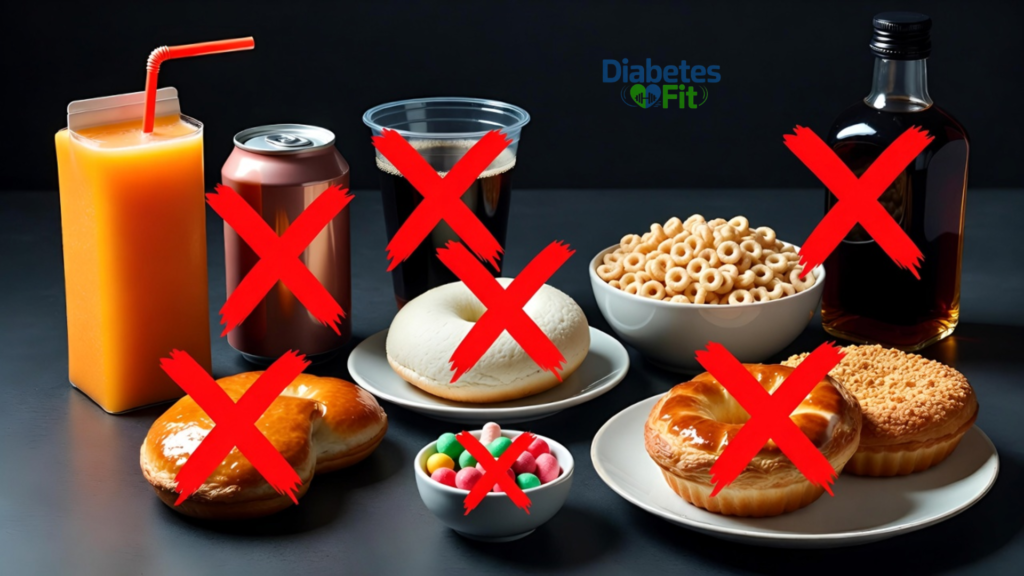
    • No high-sugar foods: No juice, no sugary cereal, no pastries, no fruit alone without protein

    Ideal pre-GCT breakfast examples:

    • Two scrambled eggs + one slice whole grain toast + small apple
    • Plain Greek yogurt + ½ cup berries + 1 tablespoon chia seeds
    • Oatmeal (plain rolled oats) + almond butter + cinnamon + fresh blueberries
    • Cottage cheese + sliced cucumber + one piece of whole fruit

    What to avoid in the 2–3 hours before a one-hour GCT:

    • Orange juice or any fruit juice
    • Sweetened cereals or instant oatmeal packets
    • Pastries, muffins, bagels with cream cheese and jam
    • Banana or dried fruit alone (high natural sugar without protein buffer)
    • Sweetened yogurt or flavored dairy products
    • Sports drinks, soda, or sweetened coffee

    Foods to Absolutely Avoid Before Any Glucose Test

    Regardless of which glucose test you are having, certain foods should be avoided in the 24–48 hours before the test whenever possible.

    What to Eat Before Glucose Test

    High-Sugar Foods to Avoid

    FoodWhy It’s ProblematicHow Long Does It Affect Blood Sugar
    Regular soda (12oz)39g sugar, instant spike2–3 hours
    Orange juice (8oz)26g sugar, no fiber2–3 hours
    White bagel with jam65g+ refined carbs3–4 hours
    Sweetened cereal bowl30–40g sugar + refined carbs2–3 hours
    Candy or sweetsPure concentrated sugar1–2 hours
    Fruit juice smoothie40–60g sugar, liquid absorption1–2 hours
    Pancakes with syrup80–100g carbs, high GI4–5 hours
    Commercial energy drinks25–35g sugar + stimulants2–3 hours

    Lifestyle Factors That Affect Glucose Test Results

    Beyond food choices, several lifestyle factors affect your glucose test accuracy:

    Exercise before the test:

    • Vigorous exercise within 24 hours before a fasting glucose test can temporarily lower blood glucose — potentially masking prediabetes or producing a falsely low result
    • Light activity (gentle walking) is generally acceptable
    • Avoid strenuous exercise, heavy lifting, or intense cardio for 24 hours before any glucose test

    Sleep quality:

    • Even one night of poor sleep raises fasting blood glucose by 10–20 mg/dL in many people
    • Cortisol released during poor sleep directly raises glucose levels
    • Prioritize 7–8 hours of sleep the night before your glucose test

    Stress levels:

    • Acute psychological stress raises blood glucose through cortisol and adrenaline release
    • If possible, avoid scheduling your glucose test during an acutely stressful period
    • Simple, calm breathing exercises in the waiting room can help normalize stress hormones before the draw

    Illness:

    • Any active illness — cold, flu, infection — significantly raises blood glucose through the inflammatory stress hormone.s
    • If you are sick on your test day, it is worth contacting your doctor to discuss whether rescheduling makes more sense than testing while ill.

    What You Can Drink Before a Glucose Test

    Hydration is always permitted and encouraged. Understanding what to eat before glucose test preparation includes knowing what to drink.

    Always permitted:

    • Plain still water — drink freely; staying hydrated makes blood draws easier and does not affect results
    • Plain sparkling water without flavoring or sweeteners

    Sometimes permitted (ask your specific lab):

    • Plain black coffee — technically minimal calories but can raise cortisol and glucose modestly; many labs say it is acceptable for lipid panels but not glucose tests. When in doubt, skip it
    • Plain herbal tea with nothing added

    Never permitted during a glucose test fast:

    • Coffee with milk, cream, sugar, or flavoring
    • Any juice or fruit-infused water
    • Sweetened beverages of any kind
    • Alcohol — avoid for at least 24 hours before
    • Sports drinks or electrolyte drinks with sugar

    Practical Tips to Prepare for Your Glucose Test

    What to Eat Before Glucose Test

    Book the Earliest Morning Appointment Available

    Scheduling your glucose test for 7 am–8:30 am means your fast overlaps almost entirely with sleep. You eat your last meal at 8 p.m., sleep, and arrive at the lab before hunger becomes an issue. Afternoon glucose test appointments require fasting through your most active and hungry hours — making accidental eating far more likely.

    Prepare and Plan Your Pre-Test Meals in Advance

    Do not leave pre-test eating to chance. Decide what you are having for dinner the night before and have the ingredients ready. A planned meal takes the decision-making pressure off when you are busy, tired, or stressed.

    Tell Your Doctor About All Medications and Supplements

    Several medications and supplements affect glucose test results:

    • Corticosteroids (prednisone) — raise blood glucose significantly
    • Beta-blockers — can mask hypoglycemia symptoms and affect glucose regulation
    • Biotin supplements (common in hair and nail vitamins) — high doses interfere with several lab assays
    • Niacin — raises blood glucose at high therapeutic doses
    • Certain antidepressants and antipsychotics affect glucose metabolism

    Always give your doctor a complete list of everything you take — prescription, over-the-counter, and supplement — before any glucose test.

    Real-Life Example

    Maria, 29 weeks pregnant, was scheduled for a one-hour glucose challenge test at 10 am. Not knowing what to eat beforea glucose test of this type, she had her usual breakfast — a large glass of orange juice, a flavored yogurt, and a banana — at 8:30 am. Her one-hour result came back at 158 mg/dL, triggering a follow-up three-hour OGTT. The three-hour test came back completely normal. Her midwife later explained that her breakfast — essentially 70g of sugar in liquid and fruit form — had temporarily elevated her response to the glucose drink, producing a false positive screening result.

    If Maria had known what to eat before the glucose test screening — two scrambled eggs with whole grain toast and berries — she likely would have passed the one-hour screening and avoided an additional three-hour test.

    Summary: What to Eat Before Ga lucose Test by Test Type

    Test TypeFasting RequiredWhat to Eat BeforeWhat to Avoid
    Fasting Glucose8–12 hours fastBalanced dinner the night beforeSugar, alcohol, fatty foods
    One-Hour GCTNo fasting requiredBalanced protein + low-GI carb meal 2–3 hrs beforeJuice, sweet breakfast, candy
    Three-Hour OGTT8–12 hour fast + 3 days 150g carbs/dayBalanced eating for 3 daysLow-carb diet, sugar extremes
    HbA1cNo fasting neededEat normallyNothing specific to avoid
    Random GlucoseNo fasting neededNormal eatingNothing specific

    Conclusion

    Understanding what to eat before glucose test preparation is genuinely one of the most impactful things you can do for your health — because accurate glucose test results lead to accurate diagnoses, appropriate treatment decisions, and ultimately better long-term outcomes.

    The key principles are consistent across all test types: avoid sugar and refined carbohydrate extremes, eat balanced meals with protein and fiber, maintain adequate carbohydrate intake in the days before an OGTT, fast properly for fasting glucose tests, stay well-hydrated, skip alcohol, and schedule morning appointments.

    Knowing what to eat before glucose test day also reduces the anxiety that almost everyone feels before a medical test. When you are prepared, you feel in control — and that calm state actually produces more accurate results by reducing the cortisol that can elevate glucose.

    What to eat before a glucose test preparation does not need to be complicated or stressful. Follow the guidance in this article, plan your meals, confirm your specific test requirements with your lab or doctor, and walk in knowing you have done everything right.

    If you are unsure about your specific test protocol, call your doctor’s office or lab the day before your appointment. One quick phone call confirms you are fully prepared and eliminates any remaining guesswork.

    For additional tips and insights about preparing for the test, you can also read this helpful article onWhat to Expect.

    Frequently Asked Questions 

    What should I eat the night before a fasting glucose test? 

    The ideal dinner the night before a fasting glucose test is moderate in carbohydrates (30–45g), high in protein and fiber, and low in sugar and refined carbs. Good choices include grilled chicken with sweet potato and salad, baked salmon with brown rice and vegetables, or lentil soup with one slice of whole grain bread. Avoid alcohol, sugary foods, very fatty meals, and white rice or pasta. Finish eating 8–12 hours before your appointment time and drink only plain water after that.

    Can I eat before a one-hour glucose test? 

    Yes — the one-hour glucose challenge test (GCT) typically does not require fasting. However, what you eat matters significantly. Eat a balanced, protein-rich, low-glycemic meal two to three hours before the test. Avoid juice, sweetened cereal, pastries, fruit alone, and any high-sugar food in the two to three hours before your appointment. These foods can falsely elevate your one-hour result and trigger an unnecessary follow-up three-hour test.

    What foods should I avoid before a glucose tolerance test? 

    Avoid high-sugar foods and drinks for 24–48 hours before any glucose test, where possible — particularly fruit juice, regular soda, sweetened cereal, candy, pastries, alcohol, and white bread or rice in large quantities. For the three-hour OGTT specifically, also avoid eating verylow-carbohydrate foodse in the three days before the test, as this impairs your body’s glucose-handling ability and can produce a false positive result.

    Does coffee affect a glucose test? 

    Plain black coffee can modestly raise blood glucose by stimulating cortisol release. For a fasting glucose test specifically, it is safest to skip coffee entirely during the fasting window to ensure an accurate baseline reading. For the one-hour glucose challenge test (non-fasting), a small amount of plain black coffee two or more hours before is less likely to be problematic — but when in doubt, call your lab to confirm their specific policy.

    How many carbs should I eat before a glucose tolerance test? 

    For the three-hour oral glucose tolerance test (OGTT), eat at least 150 grams of carbohydrates daily for the three days immediately before the test. This is medically recommended to ensure your body’s glucose-processing mechanisms are properly active. Eating too few carbohydrates in the days before an OGTT impairs insulin secretion and glucose transport, which can produce a false positive result for impaired glucose tolerance or gestational diabetes.

    What happens if I eat sugar before a glucose test? 

    Eating sugar or high-glycemic foods before a fasting glucose test will falsely elevate your fasting blood glucose reading, potentially producing a false positive for prediabetes or diabetes. Before a one-hour glucose challenge, a sugary breakfast can push your one-hour reading above the 140 mg/dL threshold and trigger an unnecessary three-hour follow-up test. If you accidentally ate something sugary before a fasting glucose test, tell your phlebotomist immediately so the result can be interpreted or the test rescheduled.

    Can I drink water before a glucose test? 

    Yes — always. Plain water does not affect any glucose test and should be consumed freely before your appointment. Staying well-hydrated makes veins easier to find, makes the blood draw more comfortable, and does not alter glucose readings. Drink a full glass of water when you wake up before a fasting glucose test, even if you cannot eat. Only plain water is permitted — no flavored, sweetened, or carbonated beverages with additives.

  • 13 Powerful Home Remedies for Diabetes That Naturally Lower Blood Sugar Fast

    13 Powerful Home Remedies for Diabetes That Naturally Lower Blood Sugar Fast

    Managing diabetes is a daily commitment — and while medication plays a vital role for many people, there is growing evidence that certain home remedies for diabetes can meaningfully support blood sugar control alongside conventional treatment. These are not miracle cures or replacements for your doctor’s advice. They are evidence-backed natural strategies — foods, spices, lifestyle habits, and plant-based interventions — that have been studied for their ability to improve insulin sensitivity, reduce fasting glucose, and support long-term glycemic management. If you have Type 2 diabetes, prediabetes, or simply want to keep your blood sugar in a healthy range, the home remedies for diabetes in this guide give you practical, actionable tools to take greater control of your health starting today.

    Also read this helpful tips about breakfast for diabetics.

    Why Home Remedies for Diabetes Actually Work

    Before diving into the remedies, it is worth understanding the biology behind why natural interventions can genuinely move blood sugar numbers.

    Type 2 diabetes — the most common form — is fundamentally a condition of insulin resistance. Your pancreas still produces insulin, but your cells have become less responsive to it. Glucose builds up in the bloodstream instead of entering cells for energy.

    The home remedies for diabetes that have the strongest research behind them work through one or more of these mechanisms:

    • Improving insulin sensitivity — making cells more responsive to the insulin already being produced
    • Slowing glucose absorption — fiber, certain compounds, and specific foods slow the rate at which carbohydrates convert to glucose in the bloodstream.
    • Reducing inflammation — chronic inflammation drives insulin resistance; anti-inflammatory interventions directly improve glucose metabolism.m
    • Supporting pancreatic beta cell function — some compounds protect and support the cells that produce insulin.n
    • Reducing hepatic glucose production — the liver releases stored glucose into the bloodstream; certain remedies reduce this process

    Understanding these mechanisms helps you choose the right remedies and set realistic expectations. These are not overnight fixes — but used consistently over weeks and months, they produce real, measurable results.

    13 Powerful Home Remedies for Diabetes

    1. Apple Cider Vinegar

    Apple cider vinegar (ACV) is one of the most studied home remedies for diabetes — and one of the most immediately effective.

    Home Remedies for Diabetes

    The active compound is acetic acid, which has been shown to inhibit enzymes that break down carbohydrates in the digestive tract. This slows the absorption of glucose after a meal, reducing post-meal blood sugar spikes.

    The research: A landmark study published in Diabetes Care found that taking two tablespoons of apple cider vinegar before a high-carbohydrate meal reduced post-meal blood sugar by 19–34%. Another study found that taking ACV before bedtime reduced fasting morning blood sugar by 4–6% in people with Type 2 diabetes.

    How to use it:

    • Mix 1–2 tablespoons in a full glass of water
    • Drink 20–30 minutes before your largest meal of the day
    • Start with one teaspoon and increase gradually to avoid digestive discomfort
    • Never drink ACV undiluted — it can damage tooth enamel and the esophagus

    Important: ACV can interact with diuretics and insulin. If you are on medication, discuss with your doctor before starting.

    2. Cinnamon

    Cinnamon is arguably the most well-researched spice for blood sugar management and one of the most accessible home remedies for diabetes available in any kitchen.

    Ceylon cinnamon (true cinnamon) contains compounds — particularly cinnamaldehyde and A-type proanthocyanidins — that improve insulin receptor sensitivity by activating glucose transporters on cell surfaces. This allows cells to absorb glucose more efficient,ly even when insulin resistance is present.

    The research: A meta-analysis of 10 randomized controlled trials found that cinnamon supplementation reduced fasting blood glucose by an average of 3–5 mmol/L and reduced A1C by 0.27–0.83% over 4–18 weeks.

    How to use it:

    • Add ½ teaspoon of Ceylon cinnamon to oatmeal, Greek yogurt, or smoothies daily
    • Stir into black coffee or herbal tea
    • Use in savory dishes — cinnamon works beautifully in curries, stews, and meat dishes
    • Take as a supplement: 500mg–1g of Ceylon cinnamon extract daily

    Important: Use Ceylon cinnamon, not Cassia cinnamon (the common supermarket variety). Cassia contains high levels of coumarin, which can damage the liver at high doses.

    3. Bitter Melon (Karela)

    Bitter melon — called karela in South Asian cooking — is one of the most traditionally used home remedies for diabetes across Asian, African, and Caribbean cultures. Modern research is validating what traditional medicine has known for centuries.

    Bitter melon contains at least three active compounds with anti-diabetic properties:

    • Charantin — shown to lower blood glucose
    • Polypeptide-p — an insulin-like compound that reduces blood sugar
    • Vicine — a compound that improves glucose utilization

    The research: Multiple studies show bitter melon juice significantly reduces fasting blood glucose and improves glucose tolerance in people with Type 2 diabetes. A study published in the Journal of Ethnopharmacology found meaningful reductions in both fasting and post-meal blood sugar after four weeks of bitter melon consumption.

    How to use it:

    • Drink 50–100ml of fresh bitter melon juice on an empty stomach in the morning
    • Cook bitter melon as a vegetable — stir-fry with garlic and onion
    • Take as a supplement: 500mg–1g of bitter melon extract standardized for charantin

    4. Fenugreek Seeds

    Fenugreek is one of the most evidence-backed home remedies for diabetes available. Both the seeds and leaves of the fenugreek plant have been extensively studied for blood sugar management.

    Home Remedies for Diabetes

    Fenugreek seeds are exceptionally high in soluble fiber — particularly galactomannan — which slows carbohydrate digestion and glucose absorption significantly. They also contain an amino acid called 4-hydroxyisoleucine that directly stimulates insulin secretion.

    The research: A study published in the European Journal of Clinical Nutrition found that participants who consumed 10g of fenugreek seeds soaked in hot water daily showed significant reductions in fasting blood glucose and improved glucose tolerance after eight weeks. A1C improvements were also observed.

    How to use it:

    • Soak 1–2 teaspoons of fenugreek seeds in water overnight, drink the water, and eat the seeds in the morning
    • Add ground fenugreek to curries, lentil dishes, and bread
    • Drink fenugreek tea: steep one teaspoon of seeds in hot water for 10 minutes
    • Take as a supplement: 500mg–1g of fenugreek seed extract daily

    5. Berberine

    Berberine is a compound found in several plants — barberry, goldenseal, Oregon grape — and it is one of the most powerful natural home remedies for diabetes,s with research that genuinely rivals pharmaceutical interventions.

    Berberine activates an enzyme called AMPK (adenosine monophosphate-activated protein kinase) — sometimes called the “metabolic master switch.” AMPK activation improves glucose uptake in muscle cells, reduces liver glucose production, and improves insulin sensitivity through multiple pathways simultaneously.

    The research: A landmark meta-analysis of 14 randomized trials published in the Journal of Ethnopharmacology found that berberine reduced A1C by an average of 0.9% — comparable to metformin in some direct comparison studies. It also reduced fasting glucose and post-meal glucose significantly.

    How to use it:

    • Berberine is not found in meaningful amounts in common foods — supplementation is required
    • Typical dose: 500mg two to three times daily with meals
    • Start with 500mg once daily and increase over two to three weeks

    Important: Berberine can interact significantly with diabetes medications and cause hypoglycemia if combined with insulin or sulfonylureas. Always discuss with your doctor before starting.

    6. Aloe Vera

    Aloe vera is widely known for skin care, but it is also one of the traditional home remedies for diabetes that modern research is increasingly supporting.

    Aloe vera contains compounds including lectins, mannans, and anthraquinones that have been shown to improve insulin sensitivity and reduce fasting blood glucose. It also has anti-inflammatory properties that support metabolic health.

    The research: A meta-analysis published in the Journal of Clinical Pharmacy and Therapeutics analyzed nine studies and found that aloe vera supplementation significantly reduced fasting blood glucose and A1C in people with prediabetes and Type 2 diabetes.

    How to use it:

    • Aloe vera juice (food-grade, inner leaf only — outer leaf contains laxative compounds): 10–15ml twice daily before meals
    • Aloe vera gel added to smoothies: 1–2 tablespoons of food-grade inner gel
    • Aloe supplements: standardized extracts of 200–300mg daily

    Important: Use only food-grade, inner leaf aloe vera products. The outer leaf contains aloin, a potent laxative that is harmful at regular doses.

    7. Amla (Indian Gooseberry)

    Amla — the Indian gooseberry — is one of the most nutrient-dense foods on earth and a powerful traditional home remedy for diabetes used extensively in Ayurvedic medicine.

    Amla is extraordinarily rich in vitamin C (20 times more than oranges by weight) and contains chromium, which improves insulin signaling. Its polyphenols reduce oxidative stress and inflammation that drive insulin resistance, and research shows it directly stimulates pancreatic beta cell function.

    The research: A study published in the International Journal of Food Sciences and Nutrition found that consuming amla daily for 21 days significantly reduced fasting and post-meal blood glucose in people with Type 2 diabetes — comparable in some parameters to the diabetes medication glibenclamide.

    How to use it:

    • Eat one to two fresh amla fruits daily (if available)
    • Drink 20–30ml of fresh amla juice on an empty stomach in the morning
    • Add amla powder (1 teaspoon) to water, smoothies, or yogurt
    • Take amla extract supplements: 500mg daily

    8. Methi Water (Fenugreek Water)

    Separate from consuming fenugreek seeds directly, methi water — water in which fenugreek seeds have soaked overnight — is a specific preparation that is widely used as one of the most practical home remedies for diabetes across South Asia.

    The overnight soaking process activates additional enzymatic compounds in the seeds and makes the soluble fiber more bioavailable. The resulting water contains concentrated galactomannan that slows intestinal glucose absorption when consumed on an empty stomach.

    How to prepare and use it:

    • Soak 1 tablespoon of fenugreek seeds in 1 cup of water overnight
    • In the morning, drink the water on an empty stomach
    • Optionally, eat the soaked seeds as well
    • Do this consistently for at least four weeks for measurable results
    • Combine with a morning walk for synergistic blood sugar benefits

    9. Jamun (Black Plum) Seeds

    Jamun — the Indian black plum — and particularly its seeds, are one of the most specifically studied home remedies for diabetes in traditional Ayurvedic and Unani medicine.

    The seeds contain jambosine and jamboline — glycosides that slow the conversion of starch to sugar in the digestive process. They also contain ellagic acid,d which reduces blood glucose by improving insulin sensitivity.

    How to use it:

    • Dry jamun seeds in the sun, grind into a fine powder
    • Take 1 teaspoon of jamun seed powder with water twice daily — before breakfast and before dinner
    • Jamun seed powder supplements are widely available where South Asian products are sold
    • Fresh jamun fruit (when in season),n) eaten with the skin, provides lesser but real benefits

    10. Neem Leaves

    Neem leaves have been used in traditional Indian medicine for blood sugar management for thousands of years — and modern research provides a scientific basis for this traditional use.

    Neem contains flavonoids, triterpenoids, anti-viral compounds, and glycosides that improve insulin receptor sensitivity and reduce blood glucose. It also has potent anti-inflammatory properties that address the chronic inflammation underlying insulin resistance.

    The research: Studies show that neem leaf extract significantly reduces fasting blood glucose and improves glucose tolerance. Some research suggests neem may also protect pancreatic beta cells from oxidative damage.

    How to use it:

    • Neem tea: steep 8–10 fresh or dried neem leaves in hot water for 10 minutes, drink on an empty stomach
    • Chew 3–4 fresh neem leaves on an empty stomach in the morning (very bitter but effective)
    • Neem leaf powder: ¼ teaspoon in water before meals
    • Neem supplements: standardized extract 500mg daily

    11. Fiber-Rich Foods as Daily Home Remedies

    Increasing dietary fiber is one of the most evidence-backed and sustainable home remedies for diabetes — and it requires no special supplement or preparation.

    Home Remedies for Diabetes

    How fiber controls blood sugar: Soluble fiber dissolves in water to form a gel in the digestive tract. This gel:

    • Physically slows the absorption of glucose from carbohydrates
    • Reduces post-meal blood sugar spikes significantly
    • Feeds beneficial gut bacteria that produce short-chain fatty acids, improving insulin sensitivity
    • Reduces inflammation through microbiome health

    The research: A study in the Annals of Internal Medicine found that simply increasing fiber to 30g daily — without any other dietary change — produced significant improvements in blood sugar control, weight, and blood pressure over 12 months.

    Best high-fiber foods for diabetes:

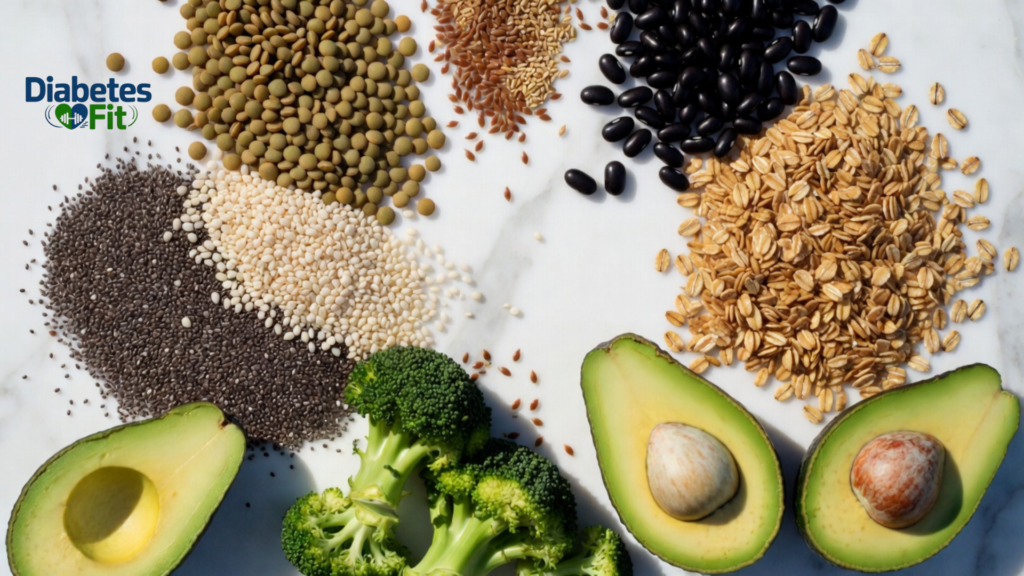
    FoodFiber per ServingAdditional Benefit
    Lentils (1 cup cooked)15gHigh protein, very low GI
    Chia seeds (1 oz)10gOmega-3s slow digestion
    Black beans (1 cup)15gResistant starch
    Avocado (1 whole)10gHealthy fats, anti-inflammatory
    Broccoli (1 cup)5gSulforaphane reduces inflammation
    Oats — rolled (½ cup dry)4gBeta-glucan lowers glucose
    Flaxseed (2 tbsp)5.6gOmega-3s, lignans
    Psyllium husk (1 tbsp)7gHighly concentrated soluble fiber

    12. Regular Walking After Meals

    Walking is one of the most powerful and most underused home remedies for diabetes — and the research specifically on post-meal walking is remarkable.

    When you walk, your muscles absorb glucose directly from the bloodstream without needing insulin — through a mechanism called insulin-independent glucose uptake. This is particularly valuable for people with insulin resistance because it bypasses the broken insulin signaling pathway entirely.

    The research: A 2022 study published in Sports Medicine found that two to five minutes of light walking after each meal was more effective at reducing 24-hour blood sugar levels than a single 30-minute walk at any other time of day. Post-meal walking reduced post-meal glucose spikes by 30–50 mg/dL in people with Type 2 diabetes.

    How to implement:

    • Walk for 10–15 minutes within 30 minutes of finishing each meal
    • Even a slow, gentle pace is effective — this is not about intensity
    • If outdoor walking is not possible, march in place, walk around the house, or do la ight household activity
    • Consistency matters more than intensity for blood sugar control

    13. Stress Reduction Practices

    Chronic psychological stress is one of the most overlooked home remedies for diabetes — because most people do not realize how directly stress hormones affect blood sugar.

    When stressed, your body releases cortisol and adrenaline. These hormones signal the liver to release stored glucose — raising blood sugar even without eating. Chronic stress keeps cortisol elevated continuously, contributing significantly to elevated fasting glucose and A1C.

    Effective stress reduction techniques with blood sugar evidence:

    • Mindfulness meditation: 10–15 minutes daily reduces cortisol measurably within two weeks. A meta-analysis found that mindfulness practices significantly reduced A1C in people with Type 2 diabetes.
    • Deep breathing (4-7-8 technique): Inhale 4 counts, hold 7, exhale 8. Activatesthe  parasympathetic nervous system, lowers cortisol within minutes
    • Yoga: Multiple studies show yoga practice reduces fasting glucose, A1C, and stress hormones in people with Type 2 diabetes. Even gentle yoga, two to three times per week, produces meaningful benefits
    • Nature exposure: 20 minutes in a green space significantly reduces cortisol and blood pressure
    • Quality sleep: Every night of poor sleep raises fasting glucose the next morning — making consistent 7–8 hour sleep one of the most impactful home remedies for diabetes

    Home Remedies for Diabetes: Quick Reference Table

    RemedyPrimary MechanismEvidence LevelHow Long to See Results
    Apple Cider VinegarSlows glucose absorptionStrong1–4 weeks
    CinnamonImproves insulin sensitivityStrong4–8 weeks
    Bitter MelonMultiple anti-diabetic compoundsModerate-Strong4–8 weeks
    Fenugreek SeedsFiber slows glucose absorptionStrong4–8 weeks
    BerberineAMPK activationVery Strong4–12 weeks
    Aloe VeraImproves insulin sensitivityModerate4–8 weeks
    AmlaAntioxidant + chromiumModerate3–6 weeks
    Methi WaterSoluble fiber concentrationModerate4–6 weeks
    Jamun SeedsSlows starch conversionTraditional/Emerging4–8 weeks
    Neem LeavesInsulin receptor sensitivityModerate4–8 weeks
    Fiber-Rich FoodsSlows glucose absorptionVery Strong2–4 weeks
    Post-Meal WalkingInsulin-independent uptakeVery StrongImmediate
    Stress ReductionReduces cortisol/glucose releaseStrong2–6 weeks

    Important Safety Guidelines

    Using home remedies for diabetes safely requires understanding several critical principles:

    Home Remedies for Diabetes
    • Never stop prescribed medication without discussing with your doctor. Home remedies support — they do not replace — medical treatment
    • Monitor blood sugar more frequently when starting new remedies to understand how your body responds
    • Watch for hypoglycemia — some remedies (particularly berberine, bitter melon, and fenugreek) can lower blood sugar significantly when combined with diabetes medications
    • Inform your healthcare team about all remedies you are using — herb-drug interactions are real and can be significant
    • Be patient — most natural remedies require four to eight weeks of consistent use before measurable A1C improvement appears.

    Real-Life Example

    Priya, a 54-year-old with Type 2 diabetes and an A1C of 7.8%, started implementing three of these home remedies for diabetes consistently: drinking methi water every morning, adding Ceylon cinnamon to her oatmeal daily, and taking a 15-minute walk after dinner. After three months, her A1C dropped to 7.1% — a 0.7% reduction without any medication change. Her fasting glucose readings dropped from an average of 148 mg/dL to 124 mg/dL. Her doctor was impressed and encouraged her to continue.

    Conclusion

    The home remedies for diabetes in this guide are not folklore or wishful thinking — they are evidence-backed, practical interventions that can meaningfully support blood sugar management when used consistently alongside proper medical care.

    The most powerful approach is combining multiple remedies: start your morning with methi water or amla juice, add cinnamon to breakfast, eat fiber-rich meals, take a post-meal walk, manage stress through meditation, and sleep seven to eight hours. Each remedy addresses a different mechanism — and together they create a comprehensive natural support system for blood sugar control.

    The home remedies for diabetes that work best are not the most exotic or expensive ones. They are the ones you use consistently every single day. Start with two or three from this list — the ones that fit most naturally into your current routine — and build from there.

    Choose two remedies from this guide and commit to them consistently for 30 days. Then check your blood sugar readings. The numbers will tell you everything.

    Always consult your doctor or healthcare provider before starting any new supplement or making significant changes to your diabetes management plan.

    Frequently Asked Questions 

    Can home remedies for diabetes replace medication? 

    No — home remedies for diabetes should be used alongside prescribed medication, not as replacements. However, consistent use of evidence-backed natural interventions can meaningfully reduce blood sugar and, in some cases of prediabetes or early Type 2 diabetes, may reduce medication needs over time under a doctor’s supervision. Never stop or reduce diabetes medication without medical guidance.

    Which home remedy lowers blood sugar the fastest? 

    Post-meal walking produces the most immediate effect — reducing post-meal blood sugar by 30–50 mg/dL within 15–30 minutes. Apple cider vinegar before meals also produces rapid effects on post-meal glucose within the same meal. For longer-term A1C reduction, berberine and cinnamon have the strongest evidence over four to twelve weeks.

    Is bitter melon safe for daily use? 

    Bitter melon is generally safe for most adults when used in food amounts or recommended supplement doses. However, it can cause hypoglycemia when combined with diabetes medications, and should be avoided during pregnancy. Long-term use at very high doses may cause liver enzyme elevations in some people. Start with small amounts and monitor blood sugar closely.

    How long does it take for home remedies to lower A1C? 

    Because A1C reflects a three-month average, meaningful changes in A1C require at least eight to twelve weeks of consistent use. Most people see measurable fasting glucose improvements within two to four weeks of consistent remedy use, with A1C changes becoming apparent at the three-month mark. Post-meal walking produces immediate blood sugar benefits from the first use.

    Can I use multiple home remedies together? 

    Yes — combining multiple remedies is generally more effective than using any single one. However, combining potent blood-sugar-lowering remedies (berberine, bitter melon, fenugreek) with diabetes medications requires careful monitoring for hypoglycemia. Introduce one new remedy at a time, monitor your blood sugar response, and inform your doctor about everything you are taking.

    Is cinnamon safe for the kidneys in diabetics? 

    Ceylon cinnamon in food amounts (up to one teaspoon daily) is safe for most people, including those with diabetes. Cassia cinnamon in large amounts contains coumarin, which may stress the liver and kidneys over time — this is the main reason Ceylon cinnamon is specifically recommended. At supplement doses, always use Ceylon cinnamon extract and discuss with your doctor if you have kidney disease.

    Does aloe vera juice really help with diabetes? 

    Evidence suggests yes — for Type 2 diabetes and prediabetes specifically. Multiple studies show that food-grade aloe vera juice reduces fasting blood glucose and modestly reduces A1C. It is not a standalone treatment but is a useful supportive remedy. Use only inner leaf, food-grade aloe vera products, and limit to 15–30ml daily. Avoid products containing aloin (outer leaf et,ract, which acts as a potent laxative.

  • Blood Sugar Levels After Eating: What You Need to Know

    Blood Sugar Levels After Eating: What You Need to Know

    If you’ve ever felt tired, sluggish, or strangely hungry just an hour after eating a meal, your blood sugar levels might have something to do with it. Blood sugar is one of those things most people don’t think about until a doctor brings it up — but understanding how it works after eating can make a real difference in your energy, mood, weight, and long-term health.

    Let’s walk through everything in simple, everyday language, so it actually makes sense.

    Monitoring blood sugar after meals is important, and understanding how physical activity impacts these levels can help manage spikes — read more in our guide: Does Exercise Increase Blood Sugar?

    What Are Blood Sugar Levels?

    Blood sugar, also called blood glucose, is the amount of sugar present in your blood at any given time. Your body gets this sugar from the food you eat — especially carbohydrates like bread, rice, pasta, fruit, and sweets. Once you eat, your digestive system breaks food down into glucose, which enters your bloodstream and gives your body energy.

    Blood Sugar Levels After Eating

    Your blood sugar is constantly changing throughout the day. It goes up after you eat and comes back down as your body processes it. This rise and fall is completely normal. The key is how high it goes, how fast it rises, and how quickly it returns to a healthy range.

    What Happens to Blood Sugar After Eating?

    When you eat a meal, your blood sugar starts to rise within 15 to 30 minutes. It usually reaches its peak level around one to two hours after eating. After that, it should gradually come back down to a normal range as your body does its job.

    Blood Sugar Levels After Eating

    Here’s how it works. When glucose enters your bloodstream, your pancreas releases a hormone called insulin. Think of insulin as a key that unlocks your body’s cells so glucose can enter and be used for energy. Without insulin working properly, glucose just sits in the bloodstream and causes problems.

    In a healthy person, this whole process runs smoothly. Blood sugar goes up, insulin is released, glucose enters the cells, and blood sugar comes back down. It’s a well-organized system when everything is working the way it should.

    What Are Normal Blood Sugar Levels After Eating?

    This is something a lot of people want to know, and the numbers are actually pretty straightforward. For most healthy adults, normal blood sugar levels after eating look like this.

    Before eating, a normal fasting blood sugar level is generally between 70 and 99 mg/dL. One to two hours after eating, a normal level is usually below 140 mg/dL. If your blood sugar goes above 140 mg/dL after a meal, it may be a sign that your body is having trouble managing glucose. Levels consistently above 200 mg/dL after eating can indicate diabetes.

    For people who already have diabetes, doctors usually recommend keeping post-meal blood sugar below 180 mg/dL, though targets can vary based on individual health situations.

    These numbers give you a useful reference point, but always talk to your doctor about what’s right for your specific situation.

    What Causes Blood Sugar to Spike After Eating?

    Not all foods affect your blood sugar the same way. Some foods cause a quick, sharp spike while others lead to a slower, gentler rise. Understanding this can help you make smarter food choices every day.

    Foods that cause fast spikes are usually high in simple carbohydrates and low in fiber. Things like white bread, sugary drinks, candy, white rice, and pastries get digested quickly and flood your bloodstream with glucose fast. This is what people mean when they talk about a “sugar rush.”

    Foods that cause a slower, steadier rise are usually high in fiber, protein, or healthy fats. Vegetables, whole grains, legumes, nuts, eggs, and lean meats digest more slowly and release glucose gradually. This keeps your blood sugar more stable and your energy more consistent throughout the day.

    Portion size also matters. Even healthy foods can cause blood sugar to rise significantly if you eat a very large amount. Eating balanced meals with moderate portions is one of the simplest ways to keep your levels in check.

    Signs That Your Blood Sugar May Be Too High After Eating

    Blood Sugar Levels After Eating

    Your body often gives you clues when blood sugar is running high. Some common signs include feeling very tired or drowsy after meals, experiencing strong sugar cravings shortly after eating, feeling thirsty more than usual, having difficulty concentrating or feeling mentally foggy, and noticing frequent urination. If you experience these symptoms regularly, it’s worth speaking with a doctor and getting your blood sugar tested.

    How to Keep Blood Sugar Stable After Eating

    The good news is that there are simple, practical things you can do every day to help keep your blood sugar levels healthy after meals.

    Eating more fiber is one of the most effective steps. Fiber slows down digestion and prevents rapid glucose spikes. Load your plate with vegetables, beans, lentils, and whole grains whenever possible.
    Pairing carbohydrates with protein or fat also helps. Instead of eating bread alone, add some peanut butter or eggs. This combination slows digestion and keeps blood sugar more stable.

    Going for a short walk after eating is surprisingly powerful. Even a 10 to 15-minute gentle walk after a meal can significantly lower post-meal blood sugar levels by helping your muscles use glucose more efficiently.

    Avoiding sugary drinks is equally important. Liquid sugar from sodas, juices, and sweetened coffees hits your bloodstream very fast and causes sharp spikes with very little nutritional benefit.

    Eating slowly and mindfully also makes a difference. Chewing your food thoroughly and taking your time gives your body a chance to process food more gradually.

    Conclusion

    Blood sugar levels after eating are a window into how well your body is managing energy. A healthy rise and fall after meals is completely normal, but consistent spikes that stay high for too long can lead to serious health problems over time, including type 2 diabetes, heart disease, and weight gain. The great news is that small, consistent changes to what you eat and how you live can make a big positive difference. Pay attention to your meals, move your body regularly, and don’t hesitate to get your blood sugar checked if something feels off.

    Frequently Asked Questions

    How long after eating should blood sugar return to normal? 

    For most healthy people, blood sugar returns to a normal range within two to three hours after eating.

    What is a dangerous blood sugar level after eating? 

    A reading consistently above 200 mg/dL after meals can be a sign of diabetes and should be evaluated by a doctor.

    Can stress raise blood sugar after eating? 

    Yes. Stress hormones like cortisol can raise blood sugar levels even without eating, and can make post-meal spikes worse.

    Does drinking water help lower blood sugar? 

    Staying well hydrated helps your kidneys flush out excess glucose and can support healthier blood sugar levels overall.

    What foods lower blood sugar quickly? 

    Foods high in fiber, like vegetables, legumes, and whole grains,s help manage blood sugar. Physical activity also brings levels down effectively.

    Can you check blood sugar at home? 

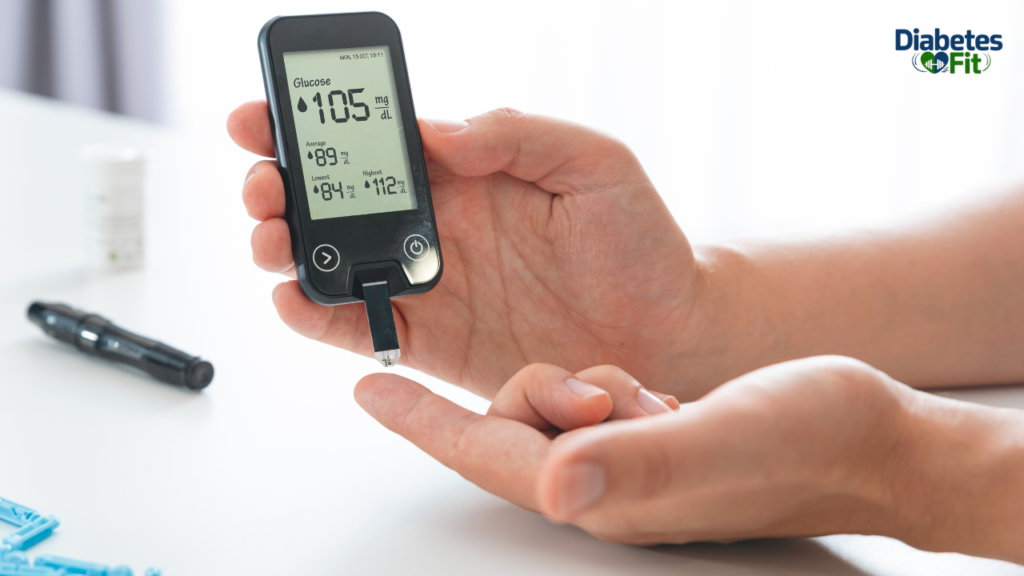
    Yes. A simple device called a glucometer allows you to check your blood sugar at home using a small drop of blood from your fingertip.

  • Does Exercise Increase Blood Sugar? Everything You Need to Know

    Does Exercise Increase Blood Sugar? Everything You Need to Know

    If you have diabetes or you are simply trying to keep your blood sugar levels healthy, you have probably asked this question at some point: Does exercise increase blood sugar? It is a great question, and honestly, the answer is a little more interesting than just a simple yes or no. 

    Exercise affects your blood sugar in different ways depending on the type of workout you do, how long you exercise, and even what you eat before hitting the gym.

    In this article, we are going to break it all down in simple, easy-to-understand language. No complicated medical terms, no confusing charts — just clear, honest information that can actually help you make better decisions about your health and fitness.

    To better manage blood sugar, learn how to choose the right bread here: Best Bread for Diabetics.

    First, Let’s Understand How Blood Sugar Works

    Before we talk about exercise, it helps to understand what blood sugar actually is and why it matters. Blood sugar, also called blood glucose, is the main source of energy for your body. When you eat food — especially carbohydrates — your digestive system breaks it down into glucose. That glucose then enters your bloodstream and travels to your cells to give them energy.

    Your pancreas produces a hormone called insulin that helps move glucose from your blood into your cells. When this system works well, your blood sugar stays in a healthy range. But when it does not work properly — as in the case of type 1 or type 2 diabetes — blood sugar can rise too high or drop too low, causing serious health problems.

    Now, where does exercise fit into all of this? That is where things get really interesting.

    So, Does Exercise Increase Blood Sugar?

    The short answer is — it depends. Exercise can both raise and lower blood sugar levels, and it all comes down to what kind of exercise you are doing.

    Let us look at both sides of this.

    How Exercise Can Lower Blood Sugar

    For most people, especially those with type 2 diabetes, regular exercise is one of the best natural ways to lower blood sugar. Here is why.

    Does Exercise Increase Blood Sugar?

    When you exercise, your muscles need energy. To get that energy, they start using up glucose, which means they pull sugar out of your bloodstream. This process happens even without insulin, which is great news for people whose insulin is not working as well as it should.

    During moderate-intensity exercise like brisk walking, swimming, or cycling, your muscles absorb glucose at a much higher rate than when you are sitting still. This causes your blood sugar levels to drop during and after the workout. In fact, the effects of exercise on blood sugar can last for up to 24 hours after you finish working out. That is why regular exercise is so powerful for managing diabetes and overall health.

    Regular exercise also makes your body more sensitive to insulin over time. This means your cells respond better to insulin and absorb glucose more efficiently. Better insulin sensitivity means lower blood sugar levels overall — even on days when you do not work out.

    How Exercise Can Raise Blood Sugar

    Now here is the part that surprises many people — yes, certain types of exercise can actually raise your blood sugar, at least temporarily.

    This usually happens with high-intensity exercise like sprinting, heavy weightlifting, or intense interval training. When you push your body really hard, it sees it as a form of stress. In response to that stress, your body releases hormones like adrenaline and cortisol. These stress hormones signal your liver to release stored glucose into your bloodstream to give you a quick burst of energy.

    The result? Your blood sugar can spike during or right after intense exercise — even if you did not eat anything beforehand.

    This does not mean high-intensity exercise is bad for you. It just means you need to be aware of it, especially if you have diabetes. In most cases, the blood sugar rise from intense exercise is temporary. Once your body calms down and starts recovering, your blood sugar usually comes back down — and often drops lower than it was before you started working out.

    The Dawn Phenomenon and Morning Workouts

    Does Exercise Increase Blood Sugar?

    Another reason some people notice higher blood sugar during exercise — especially morning workouts — is something called the dawn phenomenon. In the early morning hours, your body naturally releases hormones like cortisol and growth hormone to help you wake up and get going. These hormones can cause your blood sugar to rise even before you eat anything.

    If you exercise in the morning, this natural rise in hormones, combined with the stress response from exercise, can push your blood sugar up temporarily. Again, this is not dangerous for most healthy people, but it is something to watch if you are managing diabetes.

    Different Types of Exercise and Their Effect on Blood Sugar

    Understanding how different workouts affect your blood sugar can help you plan smarter. Here is a simple breakdown.

    Aerobic Exercise (Low to Moderate Intensity) This includes walking, jogging, cycling, dancing, and swimming. These activities generally lower blood sugar during and after exercise. They are great for people with diabetes and for anyone wanting to improve their overall blood sugar control. The longer you do aerobic exercise, the more glucose your muscles burn.

    Anaerobic Exercise (High Intensity) This includes sprinting, heavy lifting, HIIT workouts, and competitive sports. These activities can cause a temporary spike in blood sugar because of the stress hormones your body releases. However, after the workout, your blood sugar often drops as your muscles work to recover and refuel.

    Resistance Training (Weightlifting) Strength training has a mixed effect on blood sugar. During the workout, blood sugar might rise slightly. But over time, building muscle is incredibly beneficial for blood sugar control because muscle tissue uses more glucose than fat tissue — even at rest.

    Yoga and stretching:g These gentle forms of exercise typically have a mild lowering effect on blood sugar. They also reduce stress hormones, which indirectly helps keep blood sugar more stable.

    Tips for Managing Blood Sugar During Exercise

    Whether you have diabetes or just want to keep your blood sugar balanced, these practical tips can help you exercise safely and effectively.

    Does Exercise Increase Blood Sugar?

    Check Your Blood Sugar Before and After. er If you have diabetes, always check your blood sugar before you start exercising. If it is too low (below 100 mg/dL), have a small snack first. If it is very high (above 250 mg/dL), it might be better to wait and bring it down before working out. After exercise, check again to see how your body responded.

    Stay Hydrated Dehydration can cause blood sugar to rise. Drink plenty of water before, during, and after your workout. Avoid sugary sports drinks unless your blood sugar is actually low and you need a quick boost.

    Eat the Right Snack Before Exercise. A small snack with a mix of carbohydrates and protein about 30 minutes before exercise can help keep your blood sugar stable during the workout. Thinkof a banana with peanut butter or a small handful of nuts with a piece of fruit.

    Do Not Skip Meals. Exercising on an empty stomach can cause blood sugar to drop too low, especially if you are on diabetes medication. Eating a balanced meal a couple of hours before exercise gives your body the fuel it needs.

    Cool Down Properly. A proper cool-down after intense exercise helps your body transition more smoothly and can prevent sudden blood sugar drops. Spend five to ten minutes doing light walking or stretching after every workout.

    Talk to Your Doctor.r If you have diabetes, always work with your healthcare provider to understand how your body responds to different types of exercise. They can help you adjust your medication or meal plan around your workouts.

    Exercise Is Still One of the Best Things You Can Do

    Even though exercise can sometimes cause temporary blood sugar spikes, the long-term benefits are absolutely worth it. Regular physical activity helps you maintain a healthy weight, reduces belly fat (which is directly linked to insulin resistance), lowers blood pressure, improves cholesterol, and boosts your overall mood and energy.

    For people with type 2 diabetes, exercise is often considered one of the most powerful tools available — sometimes even more effective than medication for improving blood sugar control over time. And for people without diabetes, staying active is one of the best ways to prevent blood sugar problems from developing in the first place.

    The key is to find a type of exercise you enjoy, stay consistent, and pay attention to how your body responds. Everyone is different, and your blood sugar may react differently to exercise than someone else’s. That is completely normal.

    Conclusion

    So, does exercise increase blood sugar? The answer is — sometimes, temporarily, yes. High-intensity exercise can cause a short-term spike in blood sugar due to stress hormones. But in the bigger picture, regular exercise is one of the most effective and natural ways to lower blood sugar, improve insulin sensitivity, and protect your long-term health.

    The type of exercise you do matters, your timing matters, and what you eat around your workouts matters. But most importantly, staying active matters. Do not let the fear of a temporary blood sugar change stop you from enjoying the incredible benefits that exercise brings to your body and mind.

    Start slow, stay consistent, listen to your body — and always work with your doctor if you have any concerns about managing your blood sugar during exercise. You are making a smart choice by learning about this, and that is already a great first step.

    Frequently Asked Questions 

    Can exercise cause blood sugar to spike? 

    Yes, high-intensity exercise like sprinting or heavy weightlifting can cause a temporary blood sugar spike. This happens because your body releases stress hormones that tell the liver to release stored glucose. The spike is usually short-lived, and blood sugar often drops back down after recovery.

    What type of exercise is best for lowering blood sugar? 

    Moderate-intensity aerobic exercise, like brisk walking, cycling, or swimming, is generally the best for lowering blood sugar. These activities help your muscles absorb glucose directly from your bloodstream without needing a big insulin response.

    How long does exercise affect blood sugar? 

    Exercise can affect your blood sugar for up to 24 hours after your workout. This is why staying active consistently — even just going for a daily walk — can have a powerful impact on your overall blood sugar control.

    Should I exercise if my blood sugar is high? 

    If your blood sugar is mildly elevated, light to moderate exercise can actually help bring it down. However, if it is very high — above 250 mg/dL — you should check for ketones and consult your doctor before exercising, as intense activity in that state can make things worse.

    Can exercise lower blood sugar too much? 

    Yes, this is called hypoglycemia, or low blood sugar. It is more common in people with type 1 diabetes or those taking certain diabetes medications. To prevent this, eat a small snack before exercise and monitor your blood sugar before and after workouts.

    Is it safe for diabetics to exercise every day? 

    For most people with diabetes, daily exercise is not only safe but highly recommended. Even 30 minutes of light activity each day can make a big difference in blood sugar control. Always talk to your healthcare provider to create an exercise plan that is right for your specific situation.

  • Does Cortisol Raise Blood Sugar? Everything You Need to Know

    Does Cortisol Raise Blood Sugar? Everything You Need to Know

    Does cortisol raise blood sugar? The short answer is yes, it does. But if you want to understand why this happens and what it means for your health, you need to know a little more about how cortisol works inside your body. 

    Once you understand the connection, you will be able to make better choices to protect your blood sugar levels and your overall health.

    To control sudden blood sugar spikes, explore these effective drinks: drink to lower blood sugar immediately.

    What Is Cortisol?

    Cortisol is a hormone made by your adrenal glands, which are two small glands that sit on top of your kidneys. It is often called the “stress hormone” because your body releases it when you are under stress. But cortisol does a lot more than just respond to stress.

    Cortisol helps control your sleep and wake cycle. It helps reduce inflammation. It plays a role in how your body uses fat, protein, and carbohydrates. And yes, it has a direct effect on your blood sugar levels.

    In small amounts and at the right times, cortisol is actually helpful and necessary. The problem starts when your cortisol levels stay high for too long. That is when things can go wrong, including with your blood sugar.

    How Does Cortisol Raise Blood Sugar?

    Your body is incredibly smart. When you face a stressful situation — whether it is a physical danger or a work deadline — your brain sends a signal to your adrenal glands to release cortisol. This is part of what is known as the “fight or flight” response.

    Does Cortisol Raise Blood Sugar?

    Here is what happens next. Cortisol tells your liver to release stored glucose into your bloodstream. This gives your muscles and brain a quick burst of energy so you can deal with the threat. At the same time, cortisol makes your cells more resistant to insulin. Insulin is the hormone that helps move sugar from your blood into your cells. When your cells become resistant to insulin, sugar builds up in your bloodstream instead of entering the cells.

    The result? Your blood sugar goes up.

    This is not a bad thing in the short term. Your body is just doing its job. The problem is when this happens over and over again because of chronic stress. When cortisol is constantly elevated, your blood sugar stays elevated too. And that puts a huge strain on your body over time.

    The Link Between Chronic Stress and High Blood Sugar

    Most people today do not face physical dangers like running from a wild animal. But modern life comes with its own kind of stress — money worries, relationship problems, work pressure, poor sleep, and more. Your body cannot tell the difference between a physical threat and an emotional one. It responds to both by releasing cortisol.

    When stress becomes a daily thing, cortisol levels stay high. This means your liver keeps releasing extra glucose into the blood, and your cells keep resisting insulin. Over time, this can lead to a condition called insulin resistance, which is a major risk factor for type 2 diabetes.

    Studies have shown that people with high stress levels and consistently high cortisol tend to have higher fasting blood sugar levels. They are also more likely to develop metabolic syndrome, which is a cluster of conditions that includes high blood sugar, high blood pressure, and excess belly fat.

    So yes, chronic stress — through its effect on cortisol — can be a real pathway to blood sugar problems.

    Other Ways Cortisol Affects Blood Sugar

    Beyond the direct effect of releasing glucose and causing insulin resistance, cortisol affects blood sugar in a few other ways that are worth knowing about.

    It triggers cravings for sugary and fatty foods. When cortisol is high, your brain craves quick energy. This is why stressed people often reach for cookies, chips, candy, or fast food. These foods spike your blood sugar fast and then cause it to crash, which creates a cycle of ups and downs throughout the day.

    It disrupts sleep. High cortisol at night — which can happen when you are stressed or anxious — messes with your sleep quality. Poor sleep is directly linked to higher blood sugar levels the next day. Your body becomes less sensitive to insulin after a bad night of sleep, which means your blood sugar stays higher than it should.

    It promotes belly fat storage. Cortisol encourages your body to store fat around the belly area. Belly fat, especially deep visceral fat, is metabolically active and produces its own inflammatory chemicals. These chemicals make insulin resistance even worse, which further raises blood sugar.

    It slows down digestion. Cortisol diverts resources away from your digestive system during stress. This can affect how your body absorbs and processes nutrients, including carbohydrates, which directly impacts blood sugar.

    Who Is Most at Risk?

    Anyone can experience elevated cortisol from time to time. But some people are at higher risk of the long-term blood sugar effects. These include:

    People with chronic stress at work or at home. Those who do not get enough sleep regularly. People who skip meals or follow extreme diets, as these are also physical stressors that raise cortisol. Those who drink a lot of caffeine or alcohol, as both can raise cortisol levels. People with anxiety disorders or depression, which are often associated with dysregulated cortisol patterns. And people who already have prediabetes or insulin resistance, as their blood sugar is more sensitive to cortisol spikes.

    If you fall into any of these categories, it is especially important to pay attention to your stress levels and take steps to manage cortisol.

    Signs That Cortisol Might Be Affecting Your Blood Sugar

    Not everyone gets obvious symptoms, but here are some signs that your cortisol and blood sugar might be out of balance:

    Does Cortisol Raise Blood Sugar?

    You feel tired all the time, even after sleeping. You get intense sugar or carb cravings, especially in the afternoon or evening. You feel shaky, irritable, or dizzy when you have not eaten for a few hours. You have a hard time losing weight, especially around your middle. You feel anxious or wired, but also exhausted at the same time. You get sick often because your immune system is weakened. You have brain fog or trouble concentrating.

    These are all signs that your cortisol levels may be too high and that your blood sugar regulation is struggling as a result.

    How to Lower Cortisol and Protect Your Blood Sugar

    The good news is that there are real, practical things you can do to bring cortisol down and protect your blood sugar at the same time. None of these requires a prescription. They just require consistency.

    Manage your stress daily. This is the most important thing. You do not need to eliminate all stress from your life — that is impossible. But you do need daily habits that help your nervous system relax. This could be yoga, meditation, deep breathing, journaling, spending time in nature, or whatever genuinely helps you unwind. Even 10 to 15 minutes a day makes a real difference.

    Prioritize sleep. Aim for 7 to 9 hours of quality sleep every night. Keep a consistent sleep schedule, reduce screen time before bed, and keep your bedroom cool and dark. Good sleep is one of the most powerful ways to regulate cortisol and blood sugar.

    Eat balanced meals regularly. Do not skip meals. Eat every 3 to 4 hours to keep your blood sugar stable. Focus on whole foods — vegetables, lean proteins, healthy fats, and complex carbohydrates like oats, sweet potatoes, and beans. Avoid sugary drinks and processed snacks that spike and crash your blood sugar.

    Exercise regularly. Physical activity is one of the best natural ways to lower cortisol and improve insulin sensitivity. But be careful about overdoing high-intensity exercise, as too much can actually raise cortisol. A mix of moderate cardio, strength training, and gentle movement like walking or yoga is ideal.

    Limit caffeine and alcohol. Both can raise cortisol and disrupt sleep. If you drink coffee, try to limit it to one or two cups in the morning and avoid it in the afternoon.

    Stay socially connected. Isolation and loneliness raise cortisol. Spending time with people you love and trust genuinely lowers stress hormones and makes your body feel safe.

    Try adaptogenic herbs. Some natural supplements like ashwagandha, rhodiola, and holy basil have been shown in studies to help lower cortisol levels. Always check with your doctor before starting any new supplement.

    When to See a Doctor

    Does Cortisol Raise Blood Sugar?

    If you suspect your cortisol levels are chronically high, it is worth talking to a doctor. They can run tests to check your cortisol levels, your fasting blood sugar, and your insulin sensitivity. If you already have diabetes or prediabetes, managing stress should be a core part of your treatment plan, not just an afterthought.

    In rare cases, extremely high cortisol can be caused by a medical condition called Cushing’s syndrome. This requires medical treatment. Symptoms include rapid weight gain, especially in the face and midsection, stretch marks, high blood pressure, and easy bruising.

    Conclusion

    Does cortisol raise blood sugar? Yes, and now you know exactly how and why. Cortisol triggers your liver to dump glucose into the bloodstream, makes your cells resistant to insulin, drives cravings for sugary foods, disrupts sleep, and promotes belly fat storage — all of which push your blood sugar higher. When this happens occasionally, your body can handle it. But when cortisol stays high day after day due to chronic stress, it becomes a serious threat to your metabolic health.

    The most important takeaway here is that managing stress is not just about mental wellness — it is about physical health too. It is about protecting your blood sugar, your heart, your weight, and your long-term quality of life. Make stress management a daily priority. Eat well, sleep enough, move your body, and find what helps you feel calm. Your blood sugar — and your whole body — will thank you for it.

    Frequently Asked QuestionsHow quickly does cortisol raise blood sugar? 

    Cortisol can raise blood sugar within minutes of a stress response. Your liver releases stored glucose almost immediately when cortisol is released, which causes a rapid spike in blood sugar levels.

    Can high cortisol cause diabetes? 

    Chronic high cortisol can contribute to insulin resistance, which is a major risk factor for type 2 diabetes. While cortisol alone may not directly cause diabetes, it significantly increases the risk over time if left unmanaged.

    Does cortisol affect blood sugar in non-diabetics? 

    Yes. Even in people without diabetes, high cortisol raises blood sugar levels. It can cause temporary spikes and, over time, contribute to prediabetes and insulin resistance in otherwise healthy people.

     What time of day is cortisol highest? 

    Cortisol naturally peaks in the morning, usually around 8 AM. This is called the cortisol awakening response and is completely normal. It helps give you energy to start the day. Problems arise when cortisol stays high throughout the day and into the night.

    Can reducing stress lower blood sugar? 

    Yes. Multiple studies have shown that stress-reduction techniques like meditation, yoga, and deep breathing can lower both cortisol and blood sugar levels over time. It is a very real and measurable effect.

    Does exercise raise or lower cortisol? 

    It depends on the type and intensity. Moderate exercise lowers cortisol over time and improves insulin sensitivity. However, very intense or excessive exercise can temporarily raise cortisol. Balance is key — mix moderate cardio, strength training, and gentle movement for the best results.

  • Can Alcohol Cause Diabetes: Understanding the Complex Relationship Between Drinking and Blood Sugar

    Can Alcohol Cause Diabetes: Understanding the Complex Relationship Between Drinking and Blood Sugar

    Whether alcohol can cause diabetes is a question that concerns many people who enjoy an occasional drink or worry about their drinking habits. The relationship between alcohol consumption and diabetes is more complicated than a simple yes or no answer. 

    While moderate alcohol intake doesn’t directly cause diabetes in most people, heavy or chronic drinking can significantly increase your risk of developing type 2 diabetes through various mechanisms. Understanding how alcohol affects your body, blood sugar, and metabolism helps you make informed decisions about drinking and protect your long-term health.

    Excessive alcohol consumption can negatively impact blood sugar control, so it’s important to understand your long-term glucose levels — learn more about the normal HbA1c range here.

    Understanding the Alcohol-Diabetes Connection

    When exploring whether alcohol can alcohol cause diabetes, it’s essential to understand how alcohol affects your body’s ability to manage blood sugar. Your liver plays a crucial role in regulating blood glucose levels by storing and releasing glucose as needed. When you drink alcohol, your liver prioritizes processing that alcohol over its other functions, including blood sugar regulation.

    This shift in liver function can cause blood sugar levels to drop dangerously low, especially if you drink without eating. At the same time, many alcoholic beverages contain significant amounts of sugar and carbohydrates that can spike blood sugar levels. This creates a confusing situation where alcohol can cause both high and low blood sugar, depending on various factors.

    The relationship between alcohol and diabetes also involves weight gain, insulin resistance, inflammation, and damage to the pancreas – all factors that contribute to type 2 diabetes development. Heavy drinking over time can seriously impair your body’s ability to produce and respond to insulin, the hormone that helps cells absorb glucose from your bloodstream.

    How Alcohol Affects Blood Sugar Levels

    To fully answer whether alcohol can alcohol cause diabetes, we need to understand alcohol’s immediate and long-term effects on blood sugar. When you drink, alcohol is absorbed quickly into your bloodstream and reaches your liver, where it’s broken down and removed from your body. This process takes priority over everything else your liver does.

    Normally, your liver releases stored glucose into your bloodstream to maintain stable blood sugar levels, especially between meals and during sleep. But when your liver is busy processing alcohol, it can’t release glucose effectively. This can cause blood sugar to drop, sometimes to dangerously low levels, particularly if you haven’t eaten or if you drink heavily.

    The timing matters too. Blood sugar might drop several hours after drinking, even while you’re sleeping. This delayed hypoglycemia (low blood sugar) can be dangerous, especially for people taking diabetes medications. You might wake up with symptoms like sweating, shakiness, confusion, or a rapid heartbeat.

    On the flip side, many alcoholic drinks contain sugars and carbohydrates that raise blood sugar initially. Beer, sweet wines, and mixed drinks with soda or juice can cause significant blood sugar spikes. Regular consumption of these high-sugar drinks contributes to weight gain and insulin resistance over time.

    Heavy Drinking and Type 2 Diabetes Risk

    The question can alcohol can cause diabetes becomes clearer when we look at heavy drinking patterns. Heavy alcohol consumption – defined as more than three drinks per day for women or four for men – significantly increases type 2 diabetes risk through multiple pathways.

    Can Alcohol Cause Diabetes

    Chronic heavy drinking damages the pancreas, the organ that produces insulin. Alcohol causes inflammation and can lead to pancreatitis, which impairs the pancreas’s ability to make insulin properly. Without adequate insulin production, blood sugar levels rise, eventually leading to diabetes.

    Heavy drinking also promotes insulin resistance, where your cells stop responding effectively to insulin. Even if your pancreas produces enough insulin, it can’t do its job if your cells are resistant to it. This forces your pancreas to work harder, producing more and more insulin until it eventually can’t keep up, resulting in type 2 diabetes.

    Weight gain from alcohol consumption is another major factor. Alcoholic beverages are calorie-dense but provide little nutritional value. These “empty calories” contribute to obesity, particularly dangerous belly fat that strongly correlates with insulin resistance and diabetes risk. A single beer contains about 150 calories, and mixed drinks can have 300 calories or more. Regular heavy drinking easily adds thousands of extra calories weekly.

    The Role of Alcoholic Fatty Liver Disease

    When considering whether alcohol can alcohol cause diabetes, we can’t ignore the liver damage that chronic drinking causes. Alcoholic fatty liver disease occurs when fat builds up in liver cells due to alcohol consumption. This condition is surprisingly common among heavy drinkers and directly contributes to diabetes risk.

    A fatty liver becomes less efficient at regulating blood sugar and processing nutrients. It also becomes more resistant to insulin, requiring higher insulin levels to manage blood sugar. This creates a vicious cycle where liver damage worsens blood sugar control, and poor blood sugar control causes more liver damage.

    Studies show that people with non-alcoholic fatty liver disease (often caused by obesity and poor diet) have a higher diabetes risk, and alcoholic fatty liver disease carries a similar or even greater risk. The liver inflammation and scarring that can develop from continued drinking make diabetes increasingly likely and harder to manage.

    Moderate Drinking: A Different Story

    Interestingly, when asking if alcohol causes diabetes, research shows that light to moderate drinking might actually have a different effect than heavy drinking. Some studies suggest that moderate alcohol consumption – defined as up to one drink per day for women or two for men – might slightly reduce type 2 diabetes risk in some people.

    This protective effect appears to stem from alcohol’s ability to improve insulin sensitivity when consumed in small amounts. Moderate drinking might help cells respond better to insulin, improving blood sugar control. Some alcoholic beverages, particularly red wine, contain antioxidants that may provide additional health benefits.

    However, this doesn’t mean non-drinkers should start drinking to prevent diabetes. The potential benefits of moderate drinking are small and don’t outweigh the risks for everyone. Other factors like family history, weight, diet, and exercise play much larger roles in diabetes prevention. Plus, even moderate drinking carries other health risks, including increased cancer risk and potential for addiction.

    The keyword is moderation. The line between moderate and heavy drinking is easier to cross than many people think, and individual factors like body size, genetics, and medications affect how alcohol impacts you personally.

    Binge Drinking and Metabolic Damage

    Binge drinking – consuming four or more drinks for women or five or more for men within about two hours – is particularly harmful when considering cwhether alcohol an alcohol causes diabetes. Even if you don’t drink daily, regular binge drinking causes significant metabolic damage.

    Binge drinking creates dramatic swings in blood sugar levels, stresses the pancreas, promotes inflammation throughout the body, and contributes to weight gain. Young adults who binge drink regularly show signs of insulin resistance years before they might develop diabetes, setting the stage for future metabolic problems.

    The damage from binge drinking accumulates over time. Weekend binge drinking, even if you’re abstinent during the week, still increases diabetes risk and can cause liver damage. Your body doesn’t get a “free pass” just because you’re not drinking every day.

    Alcohol’s Effect on Weight and Metabolism

    Part of answering whether alcohol can alcohol cause diabetes involves understanding how alcohol affects your weight and metabolism. Alcohol contains seven calories per gram, almost as many as pure fat (which has nine calories per gram). These calories add up quickly and contribute to weight gain, especially around the abdomen.

    Can Alcohol Cause Diabetes

    Alcohol also affects your metabolism in ways that promote fat storage. When your liver processes alcohol, it produces compounds that interfere with fat burning. Your body essentially pauses its normal fat-burning processes to deal with alcohol first. This means the calories from food and the alcohol itself are more likely to be stored as fat.

    Drinking also affects your food choices and eating patterns. Alcohol lowers inhibitions and impairs judgment, making you more likely to overeat or choose unhealthy foods. Late-night eating after drinking adds extra calories and disrupts your metabolism. Many people consume their largest calorie loads during drinking occasions when they eat bar food, pizza, or other high-calorie fare.

    The hangover effect impacts metabolism, too. After heavy drinking, you’re less likely to exercise, more likely to crave fatty or sugary foods, and may disrupt your sleep patterns – all factors that contribute to weight gain and diabetes risk over time.

    Alcohol and Existing Diabetes

    For people who already have diabetes, can alcohol cause diabetes, or can alcohol worsen diabetes? The answer is definitely yes if not managed carefully. Alcohol poses several challenges for diabetics that require careful attention and planning.

    The blood sugar-lowering effect of alcohol is particularly dangerous for people taking insulin or certain diabetes medications. Drinking without eating, or drinking heavily, can cause severe hypoglycemia that might not show up until hours later. This can be life-threatening, especially during sleep when symptoms might go unnoticed.

    Alcohol also interferes with diabetes medications and can make them less effective or cause dangerous interactions. It impairs your judgment, making it harder to monitor blood sugar, count carbohydrates, or recognize warning signs of blood sugar problems. Hangovers feel similar to high or low blood sugar, making it difficult to know what’s happening.

    Chronic drinking worsens diabetes complications. It damages nerves (neuropathy), contributes to eye problems (retinopathy), harms kidneys (nephropathy), and increases heart disease risk – all conditions that diabetes already makes more likely. Managing diabetes successfully requires keeping alcohol consumption low or avoiding it entirely.

    Other Risk Factors to Consider

    When asking if alcohol can alcohol cause diabetes, remember that alcohol is just one of many risk factors. Family history plays a significant role – if your parents or siblings have type 2 diabetes, your risk is much higher, regardless of alcohol consumption. Genetics influences both how your body processes alcohol and your diabetes.

    Obesity is the strongest modifiable risk factor for type 2 diabetes. Physical inactivity, poor diet, age, ethnicity, and certain medical conditions like polycystic ovary syndrome or sleep apnea also increase risk. Alcohol often works together with these other factors rather than causing diabetes by itself.

    For example, someone who drinks heavily while also being overweight, eating poorly, and not exercising faces a much higher diabetes risk than someone who only has one of these risk factors. The combination creates a perfect storm for metabolic dysfunction.

    Making Healthier Choices

    If you’re concerned about whether alcohol can alcohol cause diabetes in your situation, several strategies can help protect your health. The most effective approach is moderating your alcohol intake. Stick to recommended limits – no more than one drink daily for women or two for men. Many experts suggest having several alcohol-free days each week.

    Choose your drinks wisely. Light beer, dry wines, and spirits mixed with calorie-free mixers contain fewer calories and carbohydrates than sweet cocktails, regular beer, or dessert wines. Avoid sugary mixed drinks that combine alcohol’s effects with blood sugar spikes from added sugars.

    Can Alcohol Cause Diabetes

    Never drink on an empty stomach. Eating food, especially foods with protein and healthy fats, slows alcohol absorption and helps maintain stable blood sugar. It also reduces the total amount you’re likely to drink.

    Stay hydrated by alternating alcoholic drinks with water. This helps you drink more slowly, reduces overall alcohol consumption, and prevents dehydration that can worsen blood sugar control.

    If you have risk factors for diabetes – family history, overweight, prediabetes – be extra cautious with alcohol. Consider cutting back more than general guidelines suggest or eliminating alcohol. The combination of risk factors multiplies your danger.

    Get regular health screenings, including blood sugar testing. Catching prediabetes early allows you to make changes before diabetes develops. Monitor your weight, exercise regularly, eat a balanced diet rich in vegetables and whole foods, and manage stress. These lifestyle factors matter more than alcohol alone.

    When to Seek Help

    If you’re wonderingif alcohol can alcohol cause diabetes because you’re concerned about your drinking habits, it might be time to seek help. Signs that your drinking is problematic include drinking more than intended, being unable to cut back despite wanting to, spending lots of time drinking or recovering from drinking, craving alcohol, or continuing to drink despite health or relationship problems.

    Alcohol use disorder is a medical condition that requires professional treatment. If you’re concerned about your drinking, talk to your doctor honestly. Many effective treatments exist, from counseling and support groups to medications that reduce cravings. Getting help not only reduces diabetes risk but also improves your overall health and quality of life.

    Conclusion

    So, can alcohol cause diabetes? The answer is nuanced. Heavy or chronic alcohol consumption significantly increases type 2 diabetes risk through multiple pathways, including pancreatic damage, insulin resistance, weight gain, and liver disease. Binge drinking, even if infrequent, also contributes to metabolic dysfunction that can lead to diabetes over time.

    However, light to moderate drinking doesn’t appear to directly cause diabetes and might even offer slight protective effects in some people. The key is understanding what “moderate” truly means and honestly assessing your drinking patterns. For many people, what feels moderate is actually heavy by medical standards.

    The relationship between alcohol and diabetes reminds us that our bodies are complex systems where multiple factors interact. Alcohol doesn’t exist in isolation – it affects weight, liver function, pancreatic health, and insulin sensitivity, all while interacting with diet, exercise, genetics, and other lifestyle factors.

    If you enjoy drinking, you don’t necessarily need to quit entirely to protect yourself from diabetes. But being mindful about how much and how often you drink, combined with maintaining a healthy weight, eating well, and exercising regularly, gives you the best chance of preventing diabetes. For those already at high risk or living with diabetes, working closely with healthcare providers to determine safe alcohol limits is essential. Your health is worth protecting, and making informed choices about alcohol consumption is an important part of that protection.

    Frequently Asked Questions

    How much alcohol increases diabetes risk?

    Heavy drinking – more than three drinks daily for women or four for men – significantly increases type 2 diabetes risk. Binge drinking (4+ drinks in two hours for women, 5+ for men) also raises risk even if infrequent. Light to moderate drinking (1 drink daily for women, 2 for men) doesn’t appear to increase risk and might slightly reduce it.

    Can occasional drinking cause diabetes?

    Occasional, moderate drinking doesn’t typically cause diabetes in otherwise healthy people. However, even occasional binge drinking can contribute to weight gain, insulin resistance, and metabolic problems over time. Your overall pattern of drinking, combined with other risk factors, determines your diabetes risk.

    What type of alcohol is worst for diabetes risk?

    Sugary mixed drinks, sweet wines, and regular beer pose the greatest risk because they combine alcohol’s effects with high sugar and carbohydrate content. These drinks promote weight gain and blood sugar spikes. Beer consumption specifically is associated with increased diabetes risk in several studies.

    Can quitting alcohol reverse prediabetes?

    If heavy drinking contributed to your prediabetes, quitting or significantly reducing alcohol can help reverse it, especially when combined with weight loss, healthy eating, and regular exercise. Many people successfully return blood sugar to normal ranges through comprehensive lifestyle changes,s including alcohol reduction.

    Is wine better than beer for preventing diabetes?

    Red wine contains antioxidants that might offer slight health benefits, but any potential advantages are small. What matters most is total alcohol consumption and calories. Dry wines have fewer carbs than beer, but drinking excessive amounts of any alcohol increases diabetes risk.

    Can diabetics ever drink alcohol safely?

    Many diabetics can drink moderately if they take precautions: never drink on an empty stomach, monitor blood sugar before and after drinking, avoid sweet drinks, stay within recommended limits, and be aware that alcohol can cause delayed low blood sugar. Always discuss alcohol use with your healthcare provider.

  • HbA1c Normal Range: Understanding Your Blood Sugar Control Numbers

    HbA1c Normal Range: Understanding Your Blood Sugar Control Numbers

    HbA1c normal range is a critical measurement that everyone should understand, especially if you have diabetes, prediabetes, or want to monitor your overall metabolic health. 

    This simple blood test provides a window into your average blood sugar levels over the past two to three months, giving you and your doctor valuable information about how well your body is managing glucose. 

    Unlike daily blood sugar checks that show a snapshot in time, HbA1c reveals the bigger picture of your blood sugar control and helps guide treatment decisions that can prevent serious health complications.

    What is HbA1c and Why Does It Matter

    Before diving into the HbA1c normal range, let’s understand what this test actually measures. HbA1c stands for hemoglobin A1c, also called glycated hemoglobin. Hemoglobin is the protein in your red blood cells that carries oxygen throughout your body. When glucose (sugar) circulates in your bloodstream, some of it naturally sticks to hemoglobin molecules in a process called glycation.

    The amount of glucose that attaches to hemoglobin directly corresponds to how much sugar has been in your blood over time. Since red blood cells live for about three months, measuring the percentage of glycated hemoglobin gives an average picture of your blood sugar levels during that period. This makes HbA1c an incredibly useful tool for assessing long-term blood sugar control rather than just daily fluctuations.

    Understanding your HbA1c is important because consistently elevated blood sugar damages blood vessels, nerves, kidneys, eyes, and other organs over time. By keeping your HbA1c in a healthy range, you significantly reduce your risk of diabetes-related complications like heart disease, stroke, kidney failure, vision loss, and nerve damage.

    The HbA1c Normal Range Explained

    So what exactly is the HbA1c normal range? For people without diabetes, a normal HbA1c level is below 5.7%. This indicates that blood sugar levels have been consistently in a healthy range over the past few months. When HbA1c falls between 5.7% and 6.4%, it indicates prediabetes, meaning blood sugar levels are higher than normal but not yet in the diabetes range.

    An HbA1c of 6.5% or higher on two separate tests indicates diabetes. Once diagnosed with diabetes, the target HbA1c typically becomes less than 7% for most adults, though individual targets may vary based on age, health status, and other factors.

    It’s important to note that the HbA1c normal range is expressed as a percentage. This percentage represents how much of your total hemoglobin has glucose attached to it. For example, an HbA1c of 5% means that 5% of your hemoglobin molecules have glucose stuck to them.

    Many healthcare providers also translate HbA1c percentages into estimated average glucose (eAG) numbers that correspond to what you’d see on a regular blood glucose meter. This helps people understand what their HbA1c means in terms of daily blood sugar levels. For instance, an HbA1c of 7% roughly equals an average blood glucose of 154 mg/dL.

    Breaking Down the Numbers

    Understanding the HbA1c normal range in detail helps you know where you stand. Let’s look at each category more closely.

    A reading below 5.7% represents normal, healthy blood sugar control. If you’re in this range, your body is managing glucose efficiently, and your risk of developing diabetes or diabetes-related complications is low. However, even within the normal range, lower is generally better for long-term health.

    The prediabetes range of 5.7% to 6.4% serves as a warning sign. Your body is struggling somewhat with blood sugar control, but you haven’t crossed into diabetes territory yet. This is actually excellent news because prediabetes is often reversible through lifestyle changes. Many people in this range can return to normal levels by losing weight, exercising regularly, and improving their diet.

    Once HbA1c reaches 6.5% or higher, diabetes is diagnosed. At this point, the focus shifts to managing the condition and preventing complications. For most people with diabetes, the target becomes keeping HbA1c below 7%. Some individuals, particularly younger people without other health conditions, might aim for even lower targets around 6.5%, while older adults or those with multiple health issues might have more relaxed targets of 7.5% to 8%.

    Factors That Affect Your HbA1c

    While the HbA1c normal range provides general guidelines, several factors can influence your results. Understanding these helps you interpret your numbers accurately and work effectively toward your goals.

    HbA1c Normal Range

    Age plays a role in HbA1c levels. As people get older, HbA1c tends to increase slightly even without diabetes. This is why target ranges might be adjusted for elderly individuals who could be harmed by blood sugar that drops too low.

    Certain medical conditions can affect HbA1c accuracy. People with anemia, recent blood loss, blood transfusions, or certain hemoglobin variants may get falsely high or low readings. Kidney disease, liver disease, and some medications can also impact results. If you have any of these conditions, talk to your doctor about whether HbA1c is the best monitoring tool for you.

    Pregnancy changes how your body handles glucose and can affect HbA1c levels. Pregnant women typically use daily blood glucose monitoring rather than HbA1c for managing gestational diabetes because HbA1c doesn’t respond quickly enough to the rapid changes that occur during pregnancy.

    Recent changes in blood sugar control won’t show up immediately in your HbA1c because it reflects a three-month average. If you’ve just started eating better or taking new medication, you’ll need to wait about three months to see the full effect on your HbA1c.

    How HbA1c Relates to Daily Blood Sugar

    Understanding the connection between the HbA1c normal range and daily blood sugar readings helps you see how day-to-day choices impact your long-term results. Your HbA1c is calculated from all your blood sugar levels – fasting, after meals, during sleep, and throughout the day.

    An HbA1c of 5% corresponds to an average blood glucose of about 97 mg/dL. At 6%, the average glucose is approximately 126 mg/dL. When HbA1c reaches 7%, average glucose is around 154 mg/dL. At 8%, it’s about 183 mg/dL, and at 9%, average glucose rises to approximately 212 mg/dL.

    HbA1c Normal Range

    This relationship shows why managing daily blood sugar is so important. Every high or low reading contributes to your three-month average. Consistent control throughout each day leads to HbA1c levels in a healthy range, while frequent spikes and dips result in higher HbA1c.

    Some people have HbA1c levels that don’t match their daily meter readings. This can happen if blood sugar fluctuates dramatically – swinging from very high to very low – resulting in a “normal” average that doesn’t reflect the actual instability. This is why some doctors recommend looking at both HbA1c and daily monitoring patterns together.

    Getting Tested and Understanding Results

    Knowing about the HbA1c normal range is one thing, but getting tested is how you actually learn where you stand. The HbA1c test is simple and doesn’t require fasting, making it more convenient than many other blood tests. You can have it done at any time of day, and you can eat normally beforehand.

    For people without diabetes, testing every three years is usually sufficient if results are normal. If you’re in the prediabetes range, annual testing helps monitor whether you’re progressing toward diabetes or successfully lowering your levels. People with diabetes typically need HbA1c testing every three to six months, depending on how well their blood sugar is controlled.

    The test involves a simple blood draw, and results are usually available within a few days. Some medical offices now offer point-of-care HbA1c testing that provides results in just a few minutes during your appointment.

    When you get your results, your doctor will explain what they mean for you specifically. Remember that while the HbA1c normal range provides general guidelines, your individual target might differ based on your age, how long you’ve had diabetes, other health conditions, and risk of hypoglycemia (low blood sugar).

    Improving Your HbA1c Naturally

    If your HbA1c is outside the normal range, lifestyle changes can make a significant difference. The same strategies that improve daily blood sugar also lower HbA1c over time.

    Diet is perhaps the most powerful tool for improving HbA1c. Focus on reducing refined carbohydrates and added sugars while increasing fiber, protein, and healthy fats. Choose whole grains over white bread and pasta, load up on non-starchy vegetables, and include lean proteins with every meal. Portion control matters too – even healthy carbs can raise blood sugar if you eat too much.

    Regular physical activity powerfully impacts HbA1c. Exercise helps your muscles use glucose for energy, improving insulin sensitivity. Aim for at least 150 minutes of moderate activity weekly, such as brisk walking, swimming, or cycling. Even short walks after meals can help lower blood sugar spikes.

    Weight loss, if you’re overweight, can dramatically improve HbA1c. Losing just 5-10% of your body weight often brings prediabetes levels back to normal and significantly improves diabetes control. The good news is that eating well and exercising regularly naturally leads to weight loss for most people.

    Stress management helps too. Chronic stress raises cortisol, which increases blood sugar. Finding healthy ways to manage stress through meditation, yoga, hobbies, or time in nature can support better blood sugar control.

    Quality sleep is often overlooked but crucial for maintaining HbA1c in a normal range. Poor sleep disrupts hormones that regulate blood sugar and increases cravings for unhealthy foods. Aim for seven to nine hours of quality sleep nightly.

    Following a healthy eating plan plays a key role in maintaining normal HbA1c levels. For meal ideas, explore our complete guide on Low-Carb Meals for Diabetics.

    Medical Management of HbA1c

    When lifestyle changes alone don’t bring HbA1c into your target range, medication becomes necessary. Many effective diabetes medications help lower HbA1c, and your doctor will work with you to find the right approach.

    HbA1c Normal Range

    Metformin is often the first medication prescribed for type 2 diabetes. It helps reduce glucose production in the liver and improves insulin sensitivity. Many people find it effective for lowering HbA1c by 1-2 percentage points.

    Other oral medications work through different mechanisms – some stimulate insulin production, others slow carbohydrate absorption, and newer drugs help your kidneys remove excess glucose through urine. Injectable medications include insulin and newer GLP-1 receptor agonists that both lower blood sugar and often promote weight loss.

    The goal of medication is to help you achieve and maintain HbA1c in your target range while minimizing side effects and hypoglycemia risk. Regular monitoring ensures medications are working effectively, and adjustments can be made as needed.

    Special Considerations for Different Groups

    The HbA1c normal range and targets can vary for different populations. Children and adolescents with diabetes often have targets similar to adults, though individual factors like hypoglycemia awareness and family support influence specific goals.

    Pregnant women generally don’t use HbA1c for monitoring because it changes too slowly to track the rapid adjustments needed during pregnancy. They rely primarily on daily blood glucose monitoring with very tight targets to protect both mother and baby.

    Older adults, particularly those over 75 or with limited life expectancy, might have more relaxed HbA1c targets. The risk of severe hypoglycemia often outweighs the benefit of very tight control in this population, so targets of 7.5-8% might be appropriate.

    People with a history of severe hypoglycemia might aim for slightly higher HbA1c targets to reduce the risk of dangerous low blood sugar episodes. Quality of life and safety are just as important as achieving specific numbers.

    Conclusion

    Understanding the HbA1c normal range empowers you to take control of your metabolic health. Whether you’re trying to prevent diabetes, manage prediabetes, or control existing diabetes, knowing where you stand and what your target should be is the first step toward better health. Remember that HbA1c below 5.7% is normal, 5.7-6.4% indicates prediabetes, and 6.5% or higher suggests diabetes.

    The beauty of HbA1c is that it gives you a clear, objective measure of your progress. Unlike subjective feelings about your health, HbA1c provides concrete data showing whether your lifestyle changes and treatments are working. Regular testing keeps you informed and motivated.

    Most importantly, remember that improving HbA1c is absolutely possible for most people through consistent healthy habits. Small daily choices about what you eat, how much you move, and how you manage stress accumulate over months into meaningful HbA1c improvements. Work closely with your healthcare team to set appropriate targets and develop a plan that fits your life. With commitment and the right support, maintaining HbA1c in a healthy range protects your health and quality of life for years to come.

    Frequently Asked Questions

    How often should I get my HbA1c tested? 

    If you don’t have diabetes and your HbA1c is normal, testing every three years is usually sufficient. People with prediabetes should test annually. Those with diabetes typically need testing every 3-6 months, depending on how well controlled their blood sugar is and whether treatment has recently changed.

    Can HbA1c be too low?

    While lower HbA1c generally indicates better blood sugar control, levels below 5% combined with diabetes medications could indicate frequent hypoglycemia (low blood sugar), which can be dangerous. For people without diabetes, very low HbA1c is usually not concerning unless accompanied by symptoms of low blood sugar.

    How quickly can I lower my HbA1c?

    Since HbA1c reflects a three-month average, it takes at least 2-3 months to see the full effect of lifestyle changes or new medications. Many people see 0.5-1% reductions within three months with consistent healthy habits. Larger improvements may take 6-12 months of sustained effort.

    Is HbA1c more accurate than daily blood sugar testing?

    They serve different purposes. HbA1c shows long-term average control, while daily testing reveals patterns and immediate responses to food, activity, and medication. Both are valuable – HbA1c for overall assessment and daily testing for day-to-day management decisions.

    Can stress affect my HbA1c?

    Yes, chronic stress raises cortisol levels, which increases blood sugar and can elevate HbA1c over time. Acute stress before the test won’t affect results since HbA1c reflects three months of blood sugar levels, not just one moment. Managing ongoing stress helps maintain healthier HbA1c levels.

    What’s the difference between HbA1c and fasting blood sugar? 

    Fasting blood sugar measures glucose at one specific moment after not eating for 8-12 hours. HbA1c reflects average blood sugar over the past 2-3 months, including fasting, after-meal, and nighttime levels. HbA1c provides a more complete picture of overall blood sugar control.

  • Does Coffee on an Empty Stomach Raise Blood Sugar? Everything You Need to Know

    Does Coffee on an Empty Stomach Raise Blood Sugar? Everything You Need to Know

    Does coffee on an empty stomach raise blood sugar? This is a question that many coffee lovers and health-conscious individuals ask themselves every morning.

    If you’re someone who reaches for that steaming cup of coffee before eating breakfast, you might be wondering about its effects on your blood sugar levels.

    The short answer is yes, coffee can raise blood sugar when consumed on an empty stomach, but the full picture is much more interesting and complex.

    Regular physical activity plays a key role in blood sugar control. In fact, if you exercise regularly, your insulin resistance will improve, helping balance glucose levels naturally.

    Understanding Coffee and Blood Sugar

    Coffee is one of the most popular beverages in the world. Millions of people start their day with a cup of coffee, often before eating anything else. While coffee has many health benefits, drinking it on an empty stomach can trigger certain responses in your body, particularly with blood sugar levels.

    When you drink coffee without food, your body responds in several ways. Coffee contains caffeine, which is a stimulant that affects various systems in your body. One of these effects is on your blood sugar levels. Research shows that caffeine can make your body less sensitive to insulin, the hormone that helps control blood sugar. This means your cells don’t respond as well to insulin’s signals, which can lead to higher blood sugar levels.

    Why Does Coffee Affect Blood Sugar?

    The relationship between coffee and blood sugar is connected to how caffeine works in your body. When you consume caffeine, it triggers the release of stress hormones like cortisol and adrenaline. These hormones tell your liver to release stored glucose into your bloodstream. This is part of your body’s natural “fight or flight” response.

    On an empty stomach, this effect can be even more pronounced. Without food to help balance things out, the release of glucose can cause your blood sugar to spike. This is especially important for people with diabetes or those who are at risk of developing diabetes.

    The Morning Effect

    Many people wonder specifically about morning coffee consumption. Does coffee on an empty stomach raise blood sugar more in the morning? The answer is often yes, and here’s why.

    Your body naturally experiences something called the “dawn phenomenon.” This is when your blood sugar rises in the early morning hours, even before you eat or drink anything. Your body releases hormones like cortisol and growth hormone to help you wake up and get ready for the day. When you add coffee to this mix, especially on an empty stomach, you’re adding another factor that can push your blood sugar even higher.

    Individual Differences Matter

    It’s important to understand that not everyone reacts to coffee the same way. Some people are more sensitive to caffeine’s effects on blood sugar than others. Factors that can influence how coffee affects your blood sugar include:

    • Your overall health and metabolism
    • Whether you have diabetes or prediabetes
    • How much coffee do you drink
    • The type of coffee you choose
    • Your regular diet and eating patterns
    • Your stress levels and sleep quality
    • Your physical activity level

    For some people, a single cup of black coffee on an empty stomach might cause a noticeable blood sugar rise. For others, the effect might be minimal.

    What About Different Types of Coffee?

    The type of coffee you drink also matters. Black coffee has a different effect than coffee with milk, cream, or sugar. When you add sugar to your coffee, you’re directly adding glucose, which will definitely raise your blood sugar. But even black coffee without any additions can affect blood sugar levels because of the caffeine content.

    Does Coffee on an Empty Stomach Raise Blood Sugar

    Decaffeinated coffee has much less effect on blood sugar compared to regular coffee. If you’re concerned about blood sugar spikes but still want to enjoy coffee in the morning, switching to decaf might be a good option.

    Signs Your Blood Sugar Might Be Affected

    How do you know if coffee on an empty stomach is raising your blood sugar? Some common signs include:

    • Feeling jittery or anxious after your morning coffee
    • Experiencing energy crashes later in the morning
    • Feeling unusually hungry shortly after drinking coffee
    • Having trouble concentrating
    • Feeling irritable or moody

    If you notice these symptoms regularly after drinking coffee on an empty stomach, it might be a sign that your blood sugar is being affected.

    Tips for Coffee Lovers

    If you love your morning coffee but are concerned about blood sugar, here are some practical tips:

    Eat something first: Having even a small amount of food before your coffee can help buffer the blood sugar response. A handful of nuts, a piece of whole-grain toast, or some eggs can make a difference.

    Add protein or healthy fats: If you don’t want to eat before coffee, try adding a splash of milk or a bit of cream to your coffee. The protein and fat can help slow down the absorption of caffeine.

    Time it right: Consider waiting 30 minutes to an hour after waking up before having your coffee. This gives your body time to adjust to being awake and can reduce the combined effect of the dawn phenomenon and caffeine.

    Stay hydrated: Drink a glass of water before your coffee. This helps your body stay hydrated and can help moderate blood sugar responses.

    Monitor your portions: Stick to one or two cups of coffee rather than drinking multiple cups on an empty stomach.

    Choose quality coffee: Some research suggests that coffee rich in antioxidants might have beneficial effects that could help balance out some of the negative impacts on blood sugar.

    The Diabetes Connection

    For people with diabetes, the question “Does coffee on an empty stomach raise blood sugar?” is particularly important. Studies have shown that people with type 2 diabetes may be more sensitive to caffeine’s effects on blood sugar. Some research suggests that caffeine can reduce insulin sensitivity by up to 15 percent in people with diabetes.

    Does Coffee on an Empty Stomach Raise Blood Sugar

    If you have diabetes, it’s worth testing your blood sugar before and after drinking coffee to see how it affects you personally. You might find that having coffee with food, switching to decaf, or reducing your coffee intake helps you maintain better blood sugar control.

    Long-Term Considerations

    Interestingly, while coffee can raise blood sugar in the short term, especially on an empty stomach, regular coffee consumption over time has been linked to a lower risk of developing type 2 diabetes. This seems contradictory, but it shows that the relationship between coffee and blood sugar is complex.

    The key difference is between the immediate effects of coffee on blood sugar and the long-term health benefits of compounds found in coffee. Coffee contains many beneficial compounds, like antioxidants that may help protect against diabetes over time, even though the caffeine can cause short-term blood sugar spikes.

    Making the Right Choice for You

    Deciding whether to continue drinking coffee on an empty stomach depends on your individual health situation. If you don’t have diabetes or blood sugar issues, and you feel fine after your morning coffee, you probably don’t need to worry too much. However, if you have diabetes, prediabetes, or notice symptoms of blood sugar fluctuations, it’s worth considering some changes to your coffee routine.

    Conclusion

    So, does coffee on an empty stomach raise blood sugar? Yes, it can and often does, primarily due to caffeine’s effect on insulin sensitivity and stress hormone release. The impact varies from person to person, but drinking coffee before eating can trigger blood sugar spikes, especially in the morning when your body is already experiencing natural blood sugar increases.

    The good news is that you don’t necessarily have to give up your beloved morning coffee. Simple strategies like eating something before your coffee, adding a bit of milk or cream, or switching to decaf can help minimize blood sugar impacts while still allowing you to enjoy your daily cup. If you have diabetes or concerns about blood sugar, talk to your healthcare provider about the best approach for your situation. Remember, understanding how your body responds to coffee is the first step in making choices that support your health and wellbeing.

    Frequently Asked Questions

    How long does coffee affect blood sugar levels?

     Coffee’s effect on blood sugar typically peaks within one to two hours after consumption and can last for up to four hours. The duration depends on your caffeine sensitivity, metabolism, and whether you consumed food with your coffee.

    Is it better to drink coffee before or after breakfast?

     It’s generally better to drink coffee after breakfast or with food. Eating first helps buffer the blood sugar response and reduces the spike in stress hormones that caffeine triggers on an empty stomach.

    Does decaf coffee raise blood sugar?

     Decaf coffee has minimal effect on blood sugar compared to regular coffee because it contains very little caffeine. It’s a good alternative if you’re concerned about blood sugar spikes but still want to enjoy coffee.

    Can adding milk to coffee help with blood sugar? Yes, adding milk or cream to your coffee can help moderate blood sugar responses. The protein and fat in milk slow down caffeine absorption and provide some nutrients that help stabilize blood sugar.

    Should people with diabetes avoid coffee completely?

     People with diabetes don’t need to avoid coffee completely, but they should monitor how it affects their blood sugar levels. Many people with diabetes can enjoy coffee in moderation, especially if consumed with food or after meals.

    Why do I feel shaky after drinking coffee on an empty stomach?

     Feeling shaky or jittery after coffee on an empty stomach is often related to blood sugar fluctuations and the release of stress hormones like adrenaline. Eating something before or with your coffee usually helps prevent this feeling.

  • How to Know if Dizziness is from Blood Sugar: Symptoms, Tests & Easy Tips

    How to Know if Dizziness is from Blood Sugar: Symptoms, Tests & Easy Tips

    Experiencing dizziness can be unsettling, and blood sugar fluctuations are a common culprit. Whether you have diabetes or not, unstable glucose levels can affect your balance and cause lightheadedness. Understanding the connection between blood sugar and dizziness is crucial for proper management and prevention. This guide will help you identify whether your dizziness stems from blood sugar issues and what steps to take.

    The good news is that blood sugar-related dizziness is usually identifiable and treatable. By learning to recognize the symptoms and using simple testing methods, you can determine if your blood sugar is the cause. Knowing when and how to check your glucose levels empowers you to take immediate action. This comprehensive guide covers everything from immediate testing techniques to long-term monitoring strategies.

    Understanding Blood Sugar-Related Dizziness

    Blood sugar (glucose) levels that are too high or too low can both trigger dizziness. Your brain relies on steady glucose for fuel, and disruptions in this supply affect your balance and spatial awareness.

    What Blood Sugar Levels Cause Dizziness?

    Dizziness is from Blood Sugar
    • Hypoglycemia (Low Blood Sugar): Below 70 mg/dL
    • Hyperglycemia (High Blood Sugar): Above 180-200 mg/dL
    • Reactive Hypoglycemia: Blood sugar drops 2-4 hours after eating

    Immediate Ways to Check if Dizziness is Blood Sugar-Related

    Dizziness is from Blood Sugar

    Use a Blood Glucose Meter

    The most reliable method is testing your blood sugar when dizziness occurs:

    1. Keep a glucose meter accessible
    2. Test immediately when you feel dizzy
    3. Record the reading along with symptoms
    4. Note what you ate in the past 2-4 hours

    Interpreting Results:

    Blood Sugar LevelLikely CauseAction Needed
    Below 70 mg/dLHypoglycemiaConsume 15g fast-acting carbs
    70-100 mg/dLNormal rangeLook for other causes
    100-180 mg/dLSlightly elevatedMonitor and retest
    Above 180 mg/dLHyperglycemiaDrink water, contact doctor if persistent

    Timing Pattern Recognition

    Notice when your dizziness occurs:

    • 2-4 hours after meals: Suggests reactive hypoglycemia
    • Before meals or upon waking: Indicates fasting hypoglycemia
    • After high-carb meals: May indicate insulin resistance or hyperglycemia
    • During exercise: Often related to low blood sugar

    Symptoms That Suggest Blood Sugar Issues

    Low Blood Sugar (Hypoglycemia) Symptoms

    Along with dizziness, you may experience:

    • Shakiness or trembling
    • Sweating (especially cold sweats)
    • Rapid heartbeat or palpitations
    • Anxiety or irritability
    • Hunger pangs
    • Confusion or difficulty concentrating
    • Pale skin
    • Tingling around the mouth

    High Blood Sugar (Hyperglycemia) Symptoms

    Dizziness combined with:

    • Extreme thirst
    • Frequent urination
    • Blurred vision
    • Fatigue or weakness
    • Headaches
    • Dry mouth
    • Fruity breath odor (in severe cases)

    Step-by-Step Testing Protocol

    Dizziness is from Blood Sugar

    The 15-15 Rule Test

    If you suspect low blood sugar:

    1. Test your blood sugar immediately
    2. Consume 15 grams of fast-acting carbohydrates if below 70 mg/dL
    3. Wait 15 minutes
    4. Retest your blood sugar
    5. Repeat if still below 70 mg/dL
    6. Note if dizziness improves with rising blood sugar

    15g Fast-Acting Carb Options:

    • 4 glucose tablets
    • 1/2 cup fruit juice
    • 1 tablespoon honey
    • 3-4 hard candies

    The Food Diary Method

    Track for 1-2 weeks:

    • Time and content of all meals/snacks
    • When dizziness occurs
    • Blood sugar readings when possible
    • Duration and severity of symptoms
    • Activities before dizziness

    This pattern recognition helps identify triggers and relationships.

    Medical Tests to Confirm Blood Sugar-Related Dizziness

    Dizziness is from Blood Sugar

    At-Home Monitoring

    Continuous Glucose Monitor (CGM)

    • Provides 24/7 blood sugar tracking
    • Shows trends and patterns
    • Alerts for highs and lows
    • Most comprehensive data

    Fasting Blood Sugar Test

    • Test first thing in morning before eating
    • Normal: 70-100 mg/dL
    • Prediabetes: 100-125 mg/dL
    • Diabetes: 126 mg/dL or higher

    Professional Medical Tests

    Your doctor may order:

    Dizziness is from Blood Sugar

    Hemoglobin A1C Test

    • Measures average blood sugar over 3 months
    • Normal: Below 5.7%
    • Prediabetes: 5.7-6.4%
    • Diabetes: 6.5% or higher

    Oral Glucose Tolerance Test (OGTT)

    • Measures blood sugar response to glucose load
    • Identifies reactive hypoglycemia and insulin resistance
    • Takes 2-3 hours to complete

    Mixed Meal Tolerance Test

    • Evaluates blood sugar response to a standard meal
    • Best for diagnosing reactive hypoglycemia

    When to Seek Medical Attention

    Contact your healthcare provider if:

    • Dizziness occurs frequently (multiple times per week)
    • Blood sugar consistently reads below 70 or above 180 mg/dL
    • You have diabetes and experience new dizziness patterns
    • Symptoms don’t improve with appropriate treatment
    • You experience loss of consciousness
    • Dizziness accompanies chest pain or severe headache

    Emergency Warning Signs:

    • Blood sugar below 54 mg/dL
    • Confusion or inability to think clearly
    • Seizures
    • Loss of consciousness
    • Blood sugar above 250 mg/dL with ketones present

    Preventing Blood Sugar-Related Dizziness

    Dizziness is from Blood Sugar

    Dietary Strategies

    • Eat balanced meals every 3-4 hours
    • Combine carbohydrates with protein and healthy fats
    • Choose complex carbs over simple sugars
    • Avoid skipping meals
    • Limit alcohol consumption (especially on an empty stomach)

    Lifestyle Adjustments

    • Stay hydrated (dehydration worsens symptoms)
    • Carry emergency glucose sources
    • Exercise consistently but monitor blood sugar before/after
    • Get adequate sleep (7-9 hours)
    • Manage stress through relaxation techniques

    Frequently Asked Questions

    Can blood sugar cause dizziness even if I don’t have diabetes?

    Yes. Non-diabetics can experience reactive hypoglycemia, insulin resistance, or blood sugar fluctuations that cause dizziness. This is especially common after high-carb meals or during fasting.

    How quickly should blood sugar be corrected when dizzy?

    For low blood sugar, aim to raise levels within 15 minutes using fast-acting carbs. For high blood sugar, correction should be gradual over several hours to avoid rapid drops.

    What’s the difference between dizziness from low vs. high blood sugar?

    Low blood sugar dizziness typically comes with shakiness, sweating, and hunger, improving quickly with food. High blood sugar dizziness develops more gradually with thirst, frequent urination, and requires longer correction time.

    Should I test blood sugar while standing or sitting when dizzy?

    Sit down first for safety, then test your blood sugar. This prevents falls and gives you a more accurate reading in a stable position.

    How many times per day should I test if experiencing frequent dizziness?

    Test at minimum: before meals, 2 hours after meals, before bed, and whenever you feel dizzy. This typically means 6-8 tests daily until patterns are identified.