< low blood sugar -

Tag: low blood sugar

  • Glucose Tablets for Low Blood Sugar: Everything You Need to Know to Stay Safe

    Glucose Tablets for Low Blood Sugar: Everything You Need to Know to Stay Safe

    Your hands are shaking. Your heart is racing. You feel sweaty, dizzy, and suddenly confused. You know something is wrong — and you need to act fast.

    If you or someone you love has diabetes, this scenario is frighteningly familiar. It’s called hypoglycemia — low blood sugar — and it can go from uncomfortable to dangerous within minutes if not treated quickly. That’s exactly where glucose tablets for low blood sugar come in.

    Glucose tablets are one of the fastest, most reliable, and most portable tools for raising blood sugar in an emergency. But many people — even those who’ve had diabetes for years — aren’t completely sure how to use them correctly, how many to take, or when they’re truly necessary.

    This guide covers everything: what glucose tablets are, how they work in your body, when to use them, how many to take, the best brands available, and what to do if tablets aren’t enough. Whether you’re newly diagnosed or a long-time diabetes manager, this is the complete reference you need.

    Also read Diabetes Weight Loss Plan for Females.

    What Are Glucose Tablets for Low Blood Sugar?

    Glucose tablets are small, chewable tablets made primarily from dextrose — a simple sugar that is chemically identical to glucose, the sugar your blood actually uses for energy. When you chew and swallow them, dextrose enters your bloodstream very quickly — much faster than regular food — because it requires almost no digestion.

    Each tablet typically contains 4–5 grams of fast-acting carbohydrates, and they’re specifically designed to raise blood sugar rapidly without overshooting into dangerous high levels.

    Why Glucose Tablets Are Better Than Food in a Hypoglycemic Emergency

    When blood sugar drops suddenly, your instinct might be to grab whatever food is nearby — a chocolate bar, a bag of chips, a glass of juice. But here’s the problem: most foods contain fat, fiber, or protein that slows the absorption of sugar. That delay can make a hypoglycemic episode worse before it gets better.

    Glucose tablets for low blood sugar are purpose-built for speed. They contain pure, fast-absorbing dextrose with almost nothing to slow it down. They also come in pre-measured doses, so you know exactly how many grams of carbohydrate you’re taking, which helps you avoid overcorrecting and spiking blood sugar too high.

    How Low Blood Sugar Happens — And Why It’s Dangerous

    Before diving deeper into glucose tablets, it helps to understand what hypoglycemia actually is and why fast treatment matters.
    Glucose Tablets for Low Blood Sugar

    What Is Hypoglycemia?

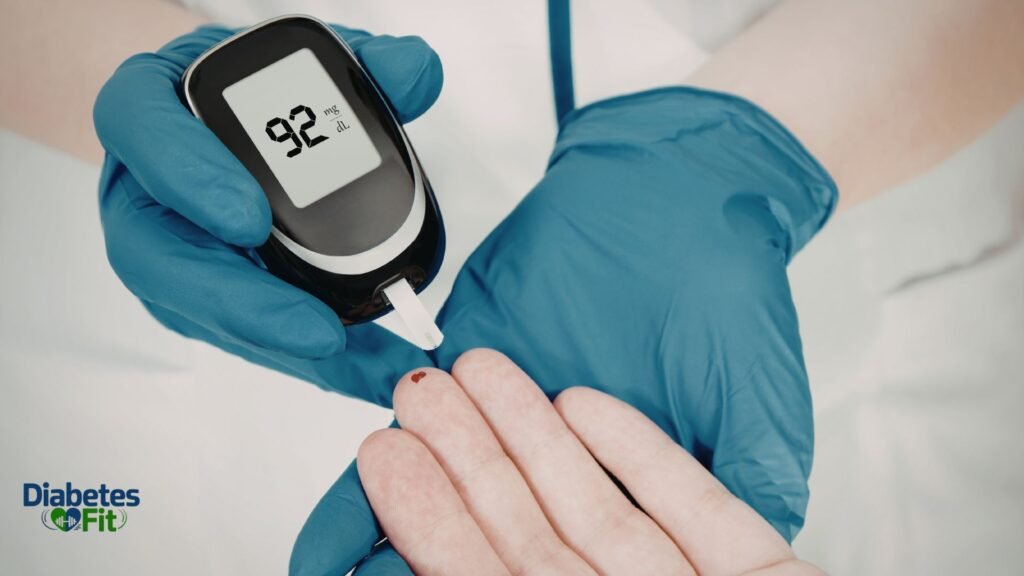
    Hypoglycemia occurs when blood glucose levels fall below 70 mg/dL (3.9 mmol/L). At this level, the brain and body don’t have enough fuel to function normally. Symptoms appear quickly and can escalate quickly.

    Common Causes of Low Blood Sugar

    • Too much insulin — Taking more than needed, or insulin peaking at the wrong time
    • Skipping or delaying meals — Going too long without eating after taking medication
    • Unplanned exercise — Physical activity burns glucose faster than expected
    • Alcohol consumption — Alcohol blocks the liver from releasing stored glucose
    • Certain diabetes medications — Sulfonylureas (like glipizide and glibenclamide) can trigger hypoglycemia

    Hypoglycemia Severity Levels

    LevelBlood SugarSymptomsAction Needed
    Mild54–70 mg/dLShakiness, sweating, hunger, anxietyGlucose tablets, juice, or sugar
    Moderate40–54 mg/dLConfusion, difficulty concentrating, pale skinGlucose tablets immediately
    SevereBelow 40 mg/dLSeizures, loss of consciousness, inability to swallowEmergency services (glucagon injection or IV glucose)

    Never ignore mild hypoglycemia. Without treatment, it can escalate to moderate or severe within 15–30 minutes.

    How Glucose Tablets Work in Your Body

    When you chew a glucose tablet, the dextrose dissolves in your mouth and begins absorbing through the mucous membranes almost immediately. The rest moves to your stomach and small intestine, where it’s absorbed directly into the bloodstream with minimal processing.

    Because there’s no fat, fiber, or protein to slow absorption, dextrose from glucose tablets can raise blood sugar measurably within 5–10 minutes and reach peak effect in 15–20 minutes.

    Compare this to:

    TreatmentTime to Raise Blood Sugar
    Glucose tablets (dextrose)5–15 minutes
    Regular soda (4 oz)10–20 minutes
    Orange juice (4 oz)10–20 minutes
    Fruit snacks or gummy candy15–25 minutes
    Chocolate bar20–40 minutes (fat slows absorption)
    Regular food (meal)30–60+ minutes

    This speed advantage is exactly why diabetes educators and endocrinologists consistently recommend glucose tablets for low blood sugar treatment as the first-line option.

    The 15-15 Rule: How to Use Glucose Tablets Correctly

    The standard medical guideline for treating mild to moderate hypoglycemia is called the 15-15 Rule. It’s simple, effective, and endorsed by the American Diabetes Association (ADA).

    Here’s How It Works:

    Step 1: As soon as you notice symptoms or your blood sugar reads below 70 mg/dL, take 15 grams of fast-acting carbohydrates. That equals 3–4 glucose tablets (depending on the brand; check the label).

    Step 2: Wait 15 minutes without eating anything else. This gives the glucose tablets time to absorb and raise your blood sugar.

    Step 3: Check your blood sugar again. If it’s still below 70 mg/dL — repeat the process. Take another 15 grams and wait another 15 minutes.

    Step 4: Once blood sugar is above 70 mg/dL and symptoms have improved, eat a small snack containing both carbohydrates and protein (like peanut butter on whole grain crackers). This prevents blood sugar from dropping again.

    Important: Don’t Eat Too Much

    One of the most common mistakes people make during a hypoglycemic episode is eating too much too quickly. When you’re shaking and scared, it’s tempting to eat everything in sight. But this leads to rebound hyperglycemia — blood sugar swinging from dangerously low to dangerously high. Glucose tablets help you dose precisely and avoid this problem.

    How Many Glucose Tablets Should You Take?

    The answer depends on the brand and size of tablet, but the goal is always 15 grams of fast-acting carbohydrates for the first treatment.

    BrandCarbs Per TabletTablets Needed for 15g
    BD Glucose Tablets5g per tablet3 tablets
    Dex4 Glucose Tablets4g per tablet4 tablets
    TRUEplus Glucose Tablets4g per tablet4 tablets
    Glucolift4g per tablet4 tablets
    ReliOn (Walmart)4g per tablet4 tablets
    Generic pharmacy brands4–5 g per tablet3–4 tablets

    Always read the label on your specific brand. The carbohydrate content per tablet varies slightly, so don’t assume — check.

    For children: The general rule is 0.3 grams of carbohydrate per kilogram of body weight. A child weighing 30 kg would need about 9 grams — roughly 2 tablets. Always follow your pediatrician’s or diabetes care team’s specific guidance for children.

    Best Glucose Tablets for Low Blood Sugar: Top Options

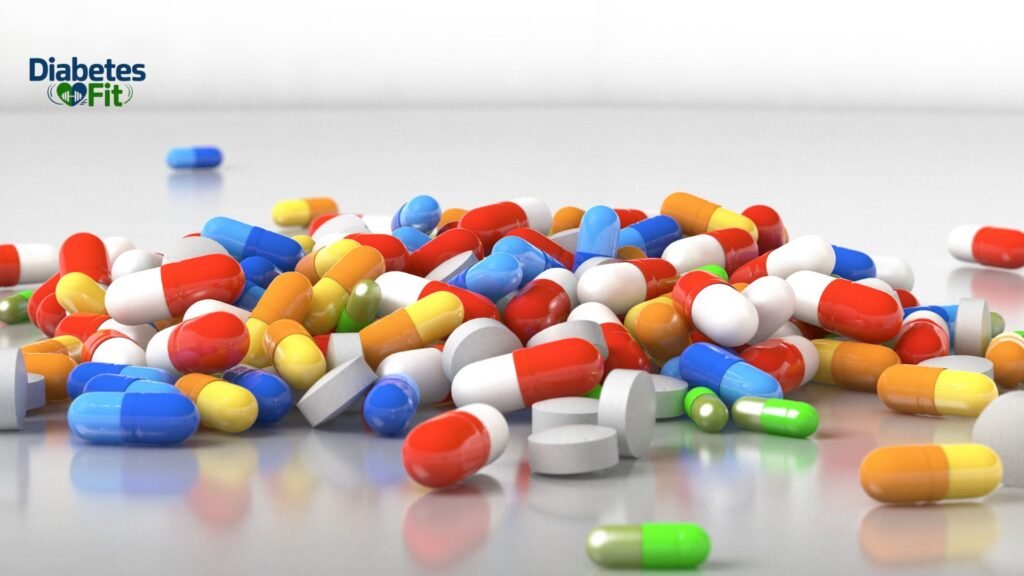
    Not all glucose tablets are created equal. Some dissolve faster, taste better, or are easier to carry. Here’s a breakdown of the most trusted options:
    Glucose Tablets for Low Blood Sugar

    1. Dex4 Glucose Tablets

    One of the most widely used brands. Available in multiple flavors (tropical fruit, raspberry, orange, grape). Each tablet provides 4 grams of carbohydrates. They dissolve quickly and have a pleasant taste, making them easier to take when you’re feeling unwell.

    2. BD Glucose Tablets

    Made by Becton Dickinson. Each tablet contains 5 grams of dextrose, so you only need 3 for a 15-gram dose. These are a good option for people who dislike chewing multiple tablets.

    3. TRUEplus Glucose Tablets

    Affordable and widely available at pharmacies. Comes in raspberry, orange, and grape flavors. Good option for everyday carry.

    4. Glucolift Glucose Tablets

    A popular choice among people who prioritize natural ingredients. Made without artificial dyes or flavors. Available in wild cherry, orange cream, and unflavored versions.

    5. ReliOn Glucose Tablets (Walmart Brand)

    Budget-friendly and easily available at Walmart. 4 grams per tablet. A practical everyday option for cost-conscious users.

    What to Look for When Choosing Glucose Tablets

    • Carbs per tablet — Higher per tablet means fewer to chew during an episode
    • Taste and texture — You’re more likely to carry and use tablets you actually like
    • Portability — Look for resealable tubes or pocket-sized packaging
    • Ingredients — If you have sensitivities, check for artificial dyes or corn syrup

    When to Use Glucose Tablets vs. Other Treatments

    Glucose tablets for low blood sugar are the best first-line treatment in most situations — but there are times when other options may be more appropriate.

    Use Glucose Tablets When:

    • Blood sugar is between 54–70 mg/dL with mild symptoms
    • You’re conscious and able to chew and swallow safely
    • You’re away from home or don’t have food available
    • You need a precise, measured dose to avoid overcorrecting

    Use Juice or Regular Soda When:

    • Glucose tablets are unavailable
    • You need something liquid (if your mouth is very dry or if swallowing is difficult)
    • 4 oz (½ cup) of orange juice or regular (not diet) soda provides about 15 grams of carbs

    Use Glucagon Kit or Nasal Glucagon When:

    • Blood sugar is severely low (below 40 mg/dL)
    • The person is unconscious, seizing, or cannot swallow
    • This requires a prescription — caregivers and family members of diabetics should have one on hand and know how to use it

    Call Emergency Services (911) When:

    • The person is unconscious, and glucagon is unavailable
    • Seizures are occurring
    • The person does not recover within 15 minutes of treatment

    Where to Keep Glucose Tablets: A Practical Storage Guide

    One of the biggest advantages of glucose tablets for low blood sugar is their portability and shelf stability. Unlike food, they don’t spoil, melt, or get crushed easily. But they need to be accessible — an emergency supply in your car or at home does no good if you collapse at the grocery store.

    Places to store glucose tablets:

    • Purse or handbag — The most important location for daily carry
    • Pants pocket or jacket pocket — Keep a small tube for quick access
    • Bedside table — Nocturnal hypoglycemia is common and dangerous
    • Car glove compartment — Emergencies happen when you’re driving
    • Desk at work — For episodes during work hours
    • Gym bag — Exercise-induced hypoglycemia is a real risk
    • Child’s school backpack — Teachers and school nurses should also know where they are

    Storage tips:

    • Keep out of excessive heat (above 77°F/25°C) — tablets can soften
    • Check expiration dates every 6 months
    • Replace immediately after use — never leave yourself without a supply

    Glucose Tablets and Children With Diabetes

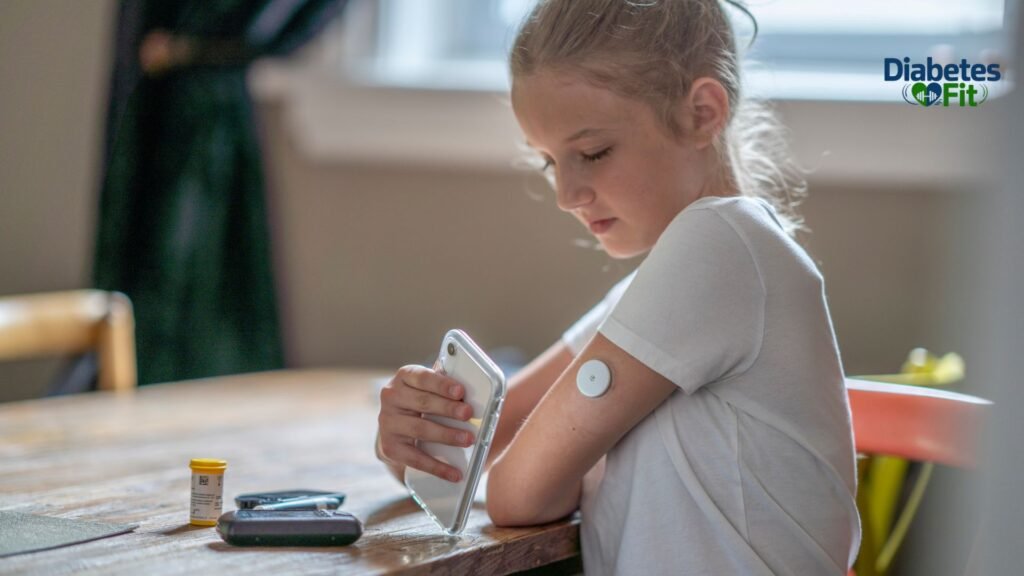
    Children with type 1 diabetes are especially vulnerable to hypoglycemia because their smaller bodies respond more dramatically to blood sugar changes. Glucose tablets for low blood sugar in children follow the same 15-15 rule, but with adjusted doses based on body weight.
    Glucose Tablets for Low Blood Sugar

    Key considerations for children:

    • Taste matters — Kids are more likely to take tablets regularly if they like the flavor. Dex4 and Glucolift offer kid-friendly flavors.
    • Training is essential — Children should be taught to recognize their own hypoglycemia symptoms as early as possible (typically by age 7–8)
    • School planning — Work with your child’s school to ensure glucose tablets are always accessible in the classroom and with the nurse
    • Teachers and caregivers should be trained on what hypoglycemia looks like and how to help

    Common Mistakes to Avoid When Using Glucose Tablets

    Even people who’ve been managing diabetes for years make these errors:

    MistakeWhy It’s a ProblemWhat to Do Instead
    Waiting too long to treatBlood sugar drops further while you waitTreat at 70 mg/dL — don’t wait for symptoms to worsen
    Taking too many tabletsCauses rebound hyperglycemiaStick to 15g, wait 15 min, then recheck
    Eating a full meal right awayComplicates blood sugar trackingEat a small carb + protein snack after recovery
    Not rechecking after 15 minutesYou may still be lowAlways recheck — don’t assume you’re fine
    Carrying expired tabletsMay be less effectiveCheck dates every 6 months and replace
    Not carrying tablets at allLeaves you vulnerableMake it a non-negotiable daily habit

    Other Fast-Acting Carb Options When Glucose Tablets Aren’t Available

    If you’re ever caught without glucose tablets, here are medically approved alternatives — each providing approximately 15 grams of fast-acting carbohydrates:

    • 4 oz (½ cup) of orange juice
    • 4 oz (½ cup) of regular soda (not diet)
    • 1 tablespoon of sugar or honey
    • 3–4 hard candies (check label — look for 4–5g carbs each)
    • 1 small box of raisins (small snack-size box ≈ 15g)
    • Glucose gel packets (available at most pharmacies, same dosing principle)

    What not to use: Chocolate, peanut butter, crackers, or anything with significant fat or protein. These slow glucose absorption and delay recovery.

    Frequently Asked Questions

    How fast do glucose tablets raise blood sugar?

    Glucose tablets begin raising blood sugar within 5–10 minutes of being chewed and swallowed. Peak effect is typically reached within 15–20 minutes. That’s why the 15-15 rule asks you to wait 15 minutes before rechecking — the tablets need that time to fully absorb and take effect.

    Can non-diabetics use glucose tablets?

    Yes. Anyone experiencing hypoglycemia — from intense exercise, fasting, certain medications, or reactive hypoglycemia — can safely use glucose tablets. However, if you’re experiencing recurrent low blood sugar episodes without a diabetes diagnosis, see your doctor to identify the underlying cause.

    Can you take too many glucose tablets?

    Yes. Taking more than needed causes blood sugar to overshoot — a condition called rebound hyperglycemia. This can leave you feeling unwell and complicate your diabetes management. Always start with 15 grams (3–4 tablets), wait 15 minutes, recheck, and only take more if blood sugar is still below 70 mg/dL.

    Are glucose tablets safe during pregnancy?

    Yes — glucose tablets are generally safe for pregnant women with gestational diabetes or type 1/type 2 diabetes experiencing hypoglycemia. However, dosing and blood sugar targets during pregnancy differ from standard guidelines. Always follow your OB or endocrinologist’s specific recommendations during pregnancy.

    Do glucose tablets expire?

    Yes. Most glucose tablets have a shelf life of 2–3 years. Expired tablets may still work, but their potency and texture can degrade. Check expiration dates every six months and replace any expired supplies promptly. Never rely on expired tablets in an emergency.

    Can I use glucose tablets if I’m on a low-carb or keto diet?

    This is nuanced. If you have diabetes and are following a low-carb diet, you may still experience hypoglycemia — especially if on insulin or sulfonylureas. In that case, yes, you should still carry and use glucose tablets for emergencies. The 15 grams of carbohydrates in a treatment dose will not derail ketosis long-term.

    Are glucose tablets the same as glucose gels?

    Both contain dextrose and work similarly, but glucose gels are in liquid form — making them easier to use for someone who is semi-conscious or has difficulty chewing. Gels are often used in pediatric hypoglycemia management and in situations where tablets can’t be swallowed safely. In a standard mild-to-moderate episode, tablets and gels are equally effective.

    Conclusion

    Hypoglycemia moves fast. Symptoms can go from mild to dangerous in 15–30 minutes, and in those moments, having the right tool immediately available can make all the difference.

    Glucose tablets for low blood sugar are not just a convenience — they’re a medical essential for anyone managing diabetes or at risk of hypoglycemic episodes. They work faster than food, provide a precisely measured dose, travel anywhere, and are available without a prescription at virtually every pharmacy.

    The message is simple: know your symptoms, follow the 15-15 rule, always keep glucose tablets within arm’s reach, and never wait for hypoglycemia to get “bad enough” before treating it.

    If you’ve been relying on candy or juice during episodes, consider making the switch to glucose tablets. Your response time, your accuracy, and your safety will all improve.

    Share this guide with someone who manages diabetes — a family member, a coworker, a friend. The more people around a diabetic person who understand hypoglycemia, the safer that person is every single day.

    This article is for informational purposes only and does not replace professional medical advice. Always consult your doctor or diabetes care team for personalized treatment guidance.

  • 7 Blood Sugar Level Chart Facts With No Guesswork That Could Save Your Life

    7 Blood Sugar Level Chart Facts With No Guesswork That Could Save Your Life

    Most people have no idea what their blood sugar numbers actually mean. You get a lab result, see a number, and have no clue if it is good, bad, or somewhere in between. That confusion is dangerous — because blood sugar that stays too high or too low for too long causes serious, permanent damage to your kidneys, eyes, nerves, and heart. A blood sugar level chart eliminates that confusion. 

    It gives you a clear reference point so you know exactly where you stand and what action to take. Whether you have diabetes, prediabetes, or you are simply being proactive about your health, understanding your numbers is the single most important thing you can do. This guide explains everything in plain, simple language — no medical degree required.

    If you’re wondering how certain foods affect blood sugar, check out our detailed postIs Sweet Potato Good for Diabetes?.

    What Is Blood Sugar and Why Does It Matter?

    Blood sugar — also called blood glucose — is the amount of glucose circulating in your bloodstream at any given moment. Glucose is your body’s primary fuel source. Every cell in your body runs on it, especially your brain.

    When you eat carbohydrates, your digestive system breaks them down into glucose. That glucose enters the bloodstream, triggering your pancreas to release insulin. Insulin acts like a key — it unlocks your cells so glucose can enter and be used for energy.

    When this system works properly, blood sugar rises after eating and returns to a normal range within a couple of hours. When it does not work properly — either because the pancreas makes too little insulin or because cells stop responding to it — glucose builds up in the blood. That buildup, over time, is what causes the damage associated with diabetes.

    This is exactly why a blood sugar level chart matters so much. It tells you whether your glucose is being managed properly or whether something is going wrong.

    Blood Sugar Level Chart: Complete Reference Guide

    Here is the standard blood sugar level chart used by doctors and the American Diabetes Association (ADA). These numbers apply to most non-pregnant adults.

    Fasting Blood Sugar (No food for at least 8 hours)

    CategoryBlood Sugar Level (mg/dL)Blood Sugar Level (mmol/L)
    Normal70 – 99 mg/dL3.9 – 5.5 mmol/L
    Prediabetes100 – 125 mg/dL5.6 – 6.9 mmol/L
    Diabetes126 mg/dL or above7.0 mmol/L or above
    Hypoglycemia (Low)Below 70 mg/dLBelow 3.9 mmol/L

    Post-Meal Blood Sugar (2 hours after eating)

    CategoryBlood Sugar Level (mg/dL)Blood Sugar Level (mmol/L)
    NormalBelow 140 mg/dLBelow 7.8 mmol/L
    Prediabetes140 – 199 mg/dL7.8 – 11.0 mmol/L
    Diabetes200 mg/dL or above11.1 mmol/L or above

    Random Blood Sugar (Any time of day)

    CategoryBlood Sugar Level (mg/dL)
    Normal range70 – 140 mg/dL
    Concern zone140 – 199 mg/dL
    Diabetes indicator200 mg/dL or above with symptoms

    Blood Sugar Level Chart by Age Group

    This is where it gets more nuanced. Blood sugar targets are not identical for everyone. Age, health status, and individual risk factors all affect what your doctor considers an acceptable range.

    Blood Sugar Level Chart

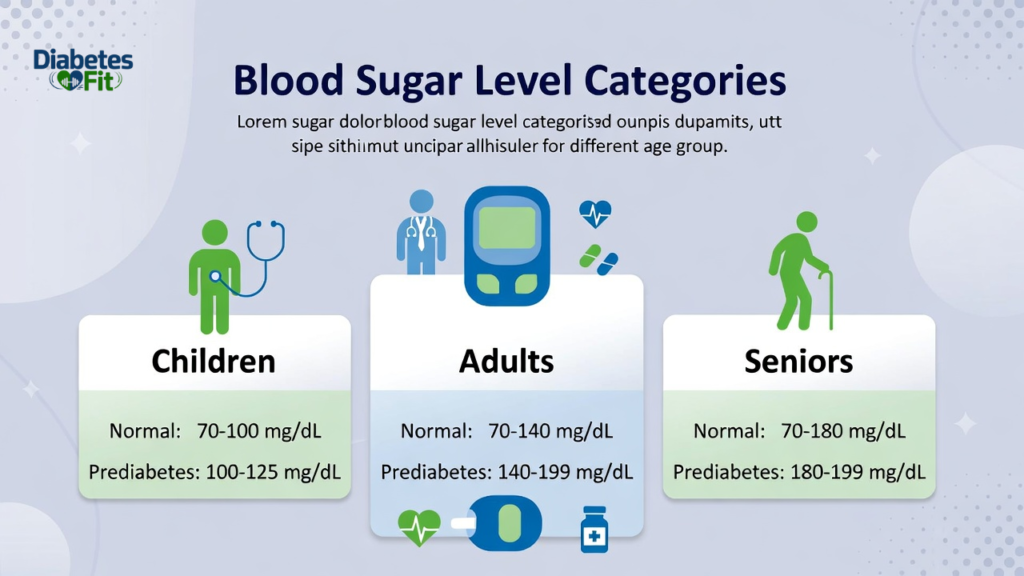
    Children and Teenagers (Under 18)

    Time of TestingTarget Range (mg/dL)
    Before meals90 – 130 mg/dL
    After meals (1–2 hrs)Below 180 mg/dL
    Bedtime90 – 150 mg/dL

    Children with Type 1 diabetes often have slightly higher targets to reduce the risk of dangerous nighttime hypoglycemia.

    Adults (18–59 years)

    Time of TestingTarget Range (mg/dL)
    Fasting / Before meals80 – 130 mg/dL
    After meals (2 hrs)Below 180 mg/dL
    Bedtime100 – 140 mg/dL

    Older Adults (60 years and above)

    Time of TestingTarget Range (mg/dL)
    Fasting / Before meals80 – 140 mg/dL
    After meals (2 hrs)Below 200 mg/dL
    Bedtime100 – 160 mg/dL

    Older adults have slightly relaxed targets because the risk of hypoglycemia — which can cause falls, confusion, and cardiac events — is higher and more dangerous in this age group.

    HbA1c Chart: The 3-Month Blood Sugar Average

    A single blood sugar reading only tells you what is happening right now. The HbA1c test tells you what your average blood sugar has been over the past 2–3 months. It is one of the most important tests for diagnosing and managing diabetes.

    HbA1c LevelWhat It MeansEstimated Average Glucose
    Below 5.7%NormalBelow 117 mg/dL
    5.7% – 6.4%Prediabetes117 – 137 mg/dL
    6.5% or aboveDiabetes140 mg/dL or above
    Below 7.0%Well-controlled diabetesBelow 154 mg/dL
    7.0% – 8.0%Acceptable (some patients)154 – 183 mg/dL
    Above 8.0%Poorly controlled — action neededAbove 183 mg/dL

    Most doctors aim for an HbA1c below 7.0% in diabetic patients. However, for older adults or those with frequent hypoglycemia, a target of 7.5–8.0% may be more appropriate.

    What Happens When Blood Sugar Goes Too High?

    High blood sugar — called hyperglycemia — does not always feel dramatic in the short term. That is what makes it so dangerous. Many people walk around with elevated glucose for months or years without obvious symptoms.

    Blood Sugar Level Chart

    Short-term signs of high blood sugar:

    • Frequent urination, especially at night
    • Intense thirst that water does not seem to fix
    • Blurry vision
    • Fatigue and sluggishness
    • Slow-healing cuts or bruises
    • Headaches

    Long-term damage from chronically high blood sugar:

    • Diabetic neuropathy — nerve damage causing tingling, numbness, or pain in the feet and hands
    • Retinopathy — damage to blood vessels in the eyes, leading to vision loss
    • Nephropathy — kidney damage that can progress to kidney failure
    • Cardiovascular disease — high glucose damages artery walls, dramatically increasing heart attack and stroke risk
    • Diabetic foot complications — poor circulation and nerve damage that can lead to amputations in severe cases

    A real-life example: James, a 52-year-old office worker, had a fasting blood sugar of 138 mg/dL for two years but felt completely fine. He skipped follow-up appointments. By the time he was properly diagnosed with Type 2 diabetes, early-stage kidney damage had already begun. Regular monitoring of a blood sugar level chart could have caught this years earlier.

    What Happens When Blood Sugar Goes Too Low?

    Low blood sugar — called hypoglycemia — is defined as a blood sugar reading below 70 mg/dL. Unlike high blood sugar, hypoglycemia causes immediate, noticeable symptoms that demand quick action.

    Symptoms of hypoglycemia:

    • Shakiness or trembling
    • Sweating
    • Rapid heartbeat
    • Dizziness or lightheadedness
    • Sudden intense hunger
    • Confusion or difficulty concentrating
    • Pale skin
    • In severe cases — seizures or loss of consciousness

    The 15-15 Rule for treating mild hypoglycemia:

    1. Eat or drink 15 grams of fast-acting carbohydrates (4 glucose tablets, half a cup of fruit juice, or 3–4 hard candies)
    2. Wait 15 minutes
    3. Recheck your blood sugar
    4. If still below 70 mg/dL, repeat

    Always follow up with a small snack containing protein and complex carbs to stabilize your levels.

    How to Use a Blood Sugar Level Chart in Real Life

    Knowing the numbers on a blood sugar level chart is only useful if you act on them. Here is a practical system that works:

    Step 1: Know When to Test

    • Fasting test: First thing in the morning, before eating or drinking anything except water
    • Pre-meal test: 5–10 minutes before eating
    • Post-meal test: Exactly 2 hours after the first bite of food
    • Bedtime test: Before going to sleep, especially if on insulin

    Step 2: Record Every Reading

    Keep a simple log — a notebook, a phone app, or a spreadsheet. Write down the time, what you ate, and your reading. Patterns emerge quickly. You will start seeing which foods spike your glucose and which keep it stable.

    Step 3: Know Your Personal Targets

    Your doctor may give you targets that differ slightly from the standard blood sugar level chart — especially if you are elderly, pregnant, or managing another health condition. Always work from your personalized targets.

    Step 4: Act on Abnormal Readings

    • One high reading — not usually a crisis; check what you ate and monitor closely
    • Two or more high readings in a row — contact your doctor
    • Consistently high readings over a week — medication adjustment may be needed
    • Any reading below 70 mg/dL — treat immediately with the 15-15 rule

    Factors That Affect Blood Sugar Readings

    Even with perfect monitoring, blood sugar does not follow a perfectly predictable script. Here are common factors that move the numbers:

    Things that raise blood sugar:

    • Eating high-carb or high-sugar foods
    • Physical or emotional stress (cortisol raises glucose)
    • Illness or infection
    • Certain medications (steroids, some antidepressants)
    • Dehydration
    • Poor sleep (even one bad night raises fasting glucose)

    Things that lower blood sugar:

    • Physical exercise (muscles absorb glucose without insulin)
    • Fasting or skipping meals
    • Alcohol (especially on an empty stomach)
    • Diabetes medications and insulin
    • Hot weather or hot baths (increases insulin absorption)

    Practical Tips to Keep Your Blood Sugar in the Healthy Range

    Blood Sugar Level Chart
    • Eat fiber first — start every meal with vegetables or a salad; fiber slows glucose absorption dramatically
    • Walk after meals — a 10-minute walk after eating reduces post-meal blood sugar spikes by up to 22%, according to research in Sports Medicine.e
    • Stay hydrated — dehydration concentrates blood glucose; aim for 8 glasses of water per day
    • Sleep 7–9 hours — poor sleep raises cortisol and growth hormone, both of which elevate blood sugar
    • Manage stress actively — meditation, deep breathing, and regular exercise all reduce cortisol, and help stabilize glucose.
    • Eat smaller, more frequent meals — large meals cause larger glucose spikes; spreading food intake across the day smooths the curve.e
    • Limit refined carbs — white bread, white rice, sugary drinks, and pastries cause the fastest, highest glucose spik.es

    Conclusion

    A blood sugar level chart is not just a tool for diabetics. It is a roadmap for anyone who wants to understand their metabolic health, catch problems early, and take action before damage occurs. The numbers on a blood sugar level chart are not just data points — they are early warning signals that your body is sending you.

    Whether your fasting glucose is 95 or 115, whether your HbA1c is 5.4% or 6.8%, knowing where you stand gives you the power to do something about it. Regular monitoring, combined with smart lifestyle choices, is how millions of people successfully manage blood sugar every single day.

    Do not wait for symptoms. Do not wait for a crisis. Check your numbers, understand your blood sugar level chart, and take one small action today — whether that is a post-meal walk, a dietary swap, or simply booking that overdue check-up.

    Your numbers tell a story. Make sure it is one with a good ending.

    For a more detailed breakdown of normal blood sugar ranges by age, you can also check this helpful guide onHealthline.

    Frequently Asked Questions 

    What is a normal blood sugar level chart reading for a healthy adult? 

    For a healthy adult, a normal fasting blood sugar is between 70 and 99 mg/dL. Two hours after eating, it should be below 140 mg/dL. An HbA1c below 5.7% confirms long-term normal glucose regulation.

    What blood sugar level is considered dangerous? 

    A blood sugar above 300 mg/dL is considered dangerously high and requires immediate medical attention. Below 54 mg/dL is a severe hypoglycemic emergency. Both extremes can be life-threatening without prompt treatment.

    What is a good blood sugar level in the morning? 

    A healthy fasting blood sugar in the morning is between 70–99 mg/dL for non-diabetics. For people managing diabetes, most doctors target 80–130 mg/dL before breakfast.

    How often should I check my blood sugar? 

    It depends on your condition. People with Type 1 diabetes may test 4–10 times daily. Type 2 diabetics on medication often test 1–2 times daily. Those monitoring for prediabetes may only need weekly checks. Ask your doctor for a personalized schedule.

    Can stress affect blood sugar readings? 

    Yes, significantly. Physical and emotional stress triggers the release of cortisol and adrenaline, both of which raise blood glucose. A stressful day at work can raise fasting blood sugar by 20–40 mg/dL in some people.

    What is the difference between fasting and random blood sugar? 

    Fasting blood sugar is measured after at least 8 hours without food and gives a baseline reading. Random blood sugar can be measured at any time and is used when diabetes symptoms are present — a reading above 200 mg/dL with symptoms strongly indicates diabetes.

    Can I lower my blood sugar naturally without medication? 

    In early prediabetes, yes. Regular exercise, a low-glycemic diet, weight loss of even 5–7% of body weight, and improved sleep have all been shown to bring prediabetic blood sugar levels back into the normal range without medication. However, established diabetes usually requires medical treatment alongside lifestyle changes.

  • 7 Surprising Facts About Dehydration and Low Blood Sugar

    7 Surprising Facts About Dehydration and Low Blood Sugar

    You feel dizzy, shaky, tired, and your head is pounding. You assume it’s low blood sugar, so you grab a snack. But nothing gets better. What if dehydration and low blood sugar are both hitting you at the same time, and you don’t even realize it? This happens more often than most people think, and it’s one of the most overlooked reasons people feel awful without knowing why. 

    The connection between these two conditions is real, backed by science, and surprisingly easy to miss. Whether you have diabetes, are physically active, or just don’t drink enough water during the day, understanding how dehydration and low blood sugar interact could genuinely change how you feel — starting today.

    Dehydration can affect blood sugar levels, so staying properly hydrated is essential. To learn more about natural drinks and their impact, read our article: Does Green Tea Lower Blood Sugar?

    What Is Dehydration and Why Does It Matter for Blood Sugar?

    Dehydration happens when your body loses more fluid than it takes in. Most people think of dehydration as just feeling thirsty. But by the time you feel thirsty, your body is already mildly dehydrated — and things are already starting to go wrong internally.

    Here’s what most people don’t know: water plays a direct role in how your body regulates blood sugar.

    When you’re well hydrated, your blood has a normal volume and concentration. Glucose (sugar) is diluted properly throughout your bloodstream. But when you’re dehydrated, your blood volume shrinks. The same amount of glucose is now concentrated in less fluid, which can actually make blood sugar readings appear higher than they really are.

    On the flip side, dehydration can also trigger the release of a hormone called vasopressin (also called ADH — antidiuretic hormone). Vasopressin tells your kidneys to hold onto water. But it also signals the liver to release more glucose into the bloodstream. For someone already dealing with blood sugar issues, this hormonal cascade makes an already tricky situation even harder to manage.

    The Link Between Dehydration and Low Blood Sugar Explained Simply

    Here’s where it gets a little nuanced — and really important.

    Dehydration and Low Blood Sugar

    Dehydration doesn’t always cause low blood sugar directly. But it creates the conditions that make low blood sugar more likely, harder to detect, and more dangerous when it does happen.

    Think of it like this: imagine your blood is a river. Normally, the river flows steadily, carrying glucose to your brain, muscles, and organs at a stable pace. When you’re dehydrated, that river becomes a shallow, sluggish stream. The flow is disrupted. Glucose delivery becomes unpredictable.

    This is especially critical for:

    • People with Type 1 or Type 2 diabetes taking insulin or blood sugar-lowering medications
    • Athletes and active people who sweat heavily and deplete both fluids and energy simultaneously
    • Older adults whose thirst signals are naturally less reliable
    • Children who are highly active but rarely drink enough water

    How Dehydration and Low Blood Sugar Share the Same Symptoms

    This is where things get genuinely confusing — and potentially dangerous.

    Look at this comparison:

    SymptomDehydrationLow Blood Sugar (Hypoglycemia)
    Dizziness✅ Yes✅ Yes
    Headache✅ Yes✅ Yes
    Fatigue/weaknesss✅ Yes✅ Yes
    Difficulty concentrating✅ Yes✅ Yes
    Irritability✅ Yes✅ Yes
    Nausea✅ Yes✅ Yes
    Shakiness/trembling❌ Less common✅ Yes
    Sweating❌ Less common✅ Yes
    Rapid heartbeat✅ Yes✅ Yes
    Pale skin❌ Rare✅ Yes
    Dry mouth✅ Yes❌ Less common

    The overlap is striking. If you’re feeling dizzy, tired, and foggy, you genuinely cannot tell from symptoms alone whether you’re dehydrated, hypoglycemic, or both.

    Real-life example: James, a 34-year-old recreational runner with pre-diabetes, went for a long morning run without eating or drinking enough water. Midway through, he felt shaky and confused. He ate a granola bar, thinking his blood sugar had dropped — but he barely improved. The real problem was that he was severely dehydrated and his blood sugar was low at the same time. One snack wasn’t enough. He needed water just as badly as he needed glucose.

    Can Dehydration Cause Low Blood Sugar Directly?

    This is one of the most Googled questions on this topic — and the answer is: not always directly, but yes, indirectly and significantly.

    Here’s how the chain reaction works:

    In People Without Diabetes:

    Severe dehydration can lead to reduced food intake, disrupted digestion, and impaired glucose production in the liver. When the liver is stressed by dehydration, it may not release glucose efficiently — which can nudge blood sugar lower, especially after exercise or during illness.

    In People With Diabetes:

    The risk is much higher. Here’s why:

    • Dehydration concentrates blood → blood sugar readings look falsely high. A person takes extra insulin or medication to correct what looks like high blood sugar
    • Blood sugar drops too low → hypoglycemia sets in
    • Meanwhile, they’re still dehydrated → symptoms are amplified and harder to treat

    This dangerous cycle happens in real life more than most people realize. It’s a genuine medical risk, not just a hypothetical.

    In Athletes and Active People:

    Heavy sweating depletes both fluids and electrolytes. Low electrolytes — especially sodium and potassium — interfere with how cells absorb glucose. You can eat sugar, but if your cells can’t use it properly because of an electrolyte imbalance from dehydration, you’ll still feel terrible.

    Warning Signs You Have Both Dehydration and Low Blood Sugar

    If you experience several of these together, take it seriously:

    Dehydration and Low Blood Sugar
    • You feel dizzy and shaky, but also have a dry mouth and dark urine
    • You ate recently,y but still feel weak and foggy
    • You drank alcohol the night before (alcohol both dehydrates you and lowers blood sugar)
    • You’ve been sweating heavily from exercise, heat, or fever
    • You’re sick with vomiting or diarrhea (both deplete fluids and disrupt glucose balance)
    • You’ve been skipping meals while also not drinking enough water
    • Your blood sugar meter reads normal, but you still feel awful

    That last point is important. If your blood glucose reads in the normal range but you still feel hypoglycemic, dehydration could be the missing piece. Dehydrated blood doesn’t flow or carry nutrients the same way properly hydrated blood does.

    How Dehydration Affects Blood Sugar Levels: A Closer Look

    Let’s go a bit deeper into the physiology — still in plain English.

    The Vasopressin Effect

    When you’re dehydrated, your pituitary gland releases vasopressin. This hormone tells the kidneys to retain water. But research has also linked high vasopressin levels to increased liver glucose production and poorer insulin function. In simple terms,s: dehydration makes your body worse at managing blood sugar on both ends — too much glucose can be released, and insulin becomes less effective at clearing it.

    The Kidney Connection

    Your kidneys filter blood and regulate both hydration and glucose. When you’re dehydrated, your kidneys work harder to concentrate urine and conserve water. This extra workload can disrupt the balance of blood sugar regulation, especially in people who already have impaired kidney function (common in diabetics).

    Cortisol — The Stress Hormone

    Dehydration also raises cortisol, your body’s primary stress hormone. Elevated cortisol causes the liver to dump glucose into the bloodstream. Ironically, while this might raise blood sugar temporarily, it also causes a compensatory crash — especially if you’re on medication that lowers blood sugar. The cortisol spike → glucose dump → medication response → blood sugar crash cycle is a known but underappreciated pathway.

    Who Is Most at Risk for Dehydration and Low Blood Sugar Together?

    Some groups need to be especially careful:

    GroupWhy They’re at Risk
    People with Type 1 diabetesInsulin use + poor fluid intake = dangerous drops
    Type 2 diabetics on medicationsCertain drugs (like SGLT2 inhibitors) increase the risk of urination and dehydration
    Elderly individualsWeakened thirst sensation + reduced kidney function
    Athletes and gym-goersSweat losses + energy expenditure deplete both water and glucose
    People with eating disordersRestricted intake affects both hydration and blood sugar simultaneously
    Those with fever or illnessFluid loss from sweating + reduced eating disrupts balance
    Pregnant womenHigher fluid needs + hormonal changes affect blood sugar regulation

    Practical Tips: How to Prevent Dehydration and Low Blood Sugar Together

    You don’t need to overthink this. A few consistent habits make a big difference.

    Dehydration and Low Blood Sugar

    For Daily Life:

    • Drink water consistently throughout the day — don’t wait until you’re thirsty. Aim for 8–10 glasses (about 2–2.5 litres) unless your doctor has advised otherwise.
    • Eat regular meals and snacks — skipping meals while also under-drinking is a double risk.
    • Check your urine color — pale yellow means you’re well hydrated. Dark yellow or amber is a warning sign.
    • Don’t rely on coffee alone in the morning — caffeine is mildly diuretic. Start your day with a glass of water before coffee.

    For People With Diabetes:

    • Check blood sugar AND drink water when you feel symptomatic — treat both possibilities at once rather than guessing which is the issue.
    • Be extra careful with SGLT2 inhibitor medications (like canagliflozin or dapagliflozin) — these drugs cause your kidneys to excrete glucose through urine, which also pulls water out of your body and raises dehydration risk significantly.
    • Carry both water and a fast-acting glucose source when you exercise or spend time outdoors.
    • Talk to your doctor if you’re sick — illness combined with diabetes medications is one of the highest-risk scenarios for dehydration and blood sugar crashes together.

    During and After Exercise:

    • Drink water before you start, not just when you’re thirsty mid-workout
    • For sessions longer than 60 minutes, consider an electrolyte drink (low-sugar versions are better for diabetics)
    • Have a small balanced snack within 30 minutes after intense exercise
    • Don’t skip meals on heavy training days, thinking it’ll help with weight — it dramatically increases the risk of both conditions hitting simultaneously

    In Hot Weather or During Illness:

    • Increase fluid intake proactively — don’t wait for symptoms
    • If vomiting or diarrhea is involved, use an oral rehydration solution (ORS) to replace both fluids and electrolytes
    • Monitor blood sugar more frequently when you’re unwell
    • Contact your healthcare provider if you can’t keep fluids down — this can become a medical emergency quickly for diabetics

    What to Do When You Think You Have Both at the Same Time

    Here’s a simple action plan:

    • Sit down and stay calm — both conditions worsen with physical stress
    • Check your blood sugar if you have a glucometer available
    • Drink a glass of water immediately, regardless of what your reading shows
    • If blood sugar is below 70 mg/dL (3.9 mmol/L) — follow the 15-15 rule: consume 15 grams of fast-acting carbs, wait 15 minutes, recheck
    • Continue drinking water after treating blood sugar — rehydrating helps the glucose treatment work better.r
    • Eat a balanced snack (protein + complex carbs) once you’re stable
    • Seek medical help if symptoms don’t improve within 15–20 minutes

    Final Thoughts

    The connection between dehydration and low blood sugar is real, clinically significant, and surprisingly easy to overlook. These two conditions don’t just share symptoms — they actively worsen each other in ways that can spiral quickly, especially in people with diabetes, older adults, and those who are physically active.

    The most important takeaway? Don’t treat just one when you might have both. If you feel dizzy, shaky, foggy, or unwell, drink water and check your blood sugar — don’t choose between the two. Your body needs both glucose and hydration to function, and neglecting one while fixing the other often leaves you feeling only halfway better.

    Start building the habit of regular hydration today. Keep water nearby, eat regular meals, and if you manage diabetes, talk to your doctor about how your specific medications interact with fluid balance. A few simple, consistent changes can prevent what might otherwise become a genuinely scary medical situation.

    This article is for informational purposes only. Always consult a qualified healthcare provider for personal medical advice, especially if you have diabetes or a chronic health condition.

    Dehydration can affect blood sugar levels, especially for people managing diabetes. For more detailed information, you can read this helpful guide on How Dehydration Can Spike Your Blood Sugar

    Frequently Asked Questions 

    Can dehydration cause low blood sugar? 

    Dehydration doesn’t always directly cause low blood sugar, but it creates conditions that make hypoglycemia more likely — especially in people with diabetes. Dehydration concentrates blood, triggers hormone changes, and can cause falsely high glucose readings that lead to over-medication and subsequent blood sugar crashes.

    What are the signs of dehydration and low blood sugar at the same time? 

    Common overlapping signs include dizziness, headache, fatigue, irritability, and difficulty concentrating. If you also have dry mouth, dark urine, shakiness, and sweating together, you may be dealing with both conditions simultaneously.

    How much water should a diabetic drink per day? 

    Most adults, including diabetics, should aim for 8–10 glasses (about 2–2.5 litres) of water daily. People on certain diabetes medications like SGLT2 inhibitors may need more, as these drugs increase fluid loss through urine.

    Does drinking water help raise low blood sugar? 

    Water alone won’t raise blood sugar, since it contains no glucose. However, drinking water when you’re hypoglycemic helps your blood volume normalize, which allows glucose (from food or drinks) to circulate more effectively and reach your cells faster.

    Can dehydration cause a falsely low blood sugar reading? 

    Yes, though more commonly dehydration causes falsely high readings by concentratingthe blood. However, severe dehydration can also affect the accuracy of glucose meters, and the physical symptoms of dehydration can closely mimic hypoglycemia even when blood sugar is technically normal.

    Is it dangerous to have dehydration and low blood sugar together? 

    Yes, it can be. Together, these conditions can cause severe dizziness, confusion, fainting, and in serious cases, loss of consciousness. For people with diabetes, this combination can escalate quickly and may require emergency medical attention if not treated promptly.

  • Can Diarrhea Cause Low Blood Sugar? Everything You Need to Know

    Can Diarrhea Cause Low Blood Sugar? Everything You Need to Know

    Can diarrhea cause low blood sugar? This is a question that many people dealing with digestive issues or diabetes have asked, and the answer is more connected than you might think. 

    The relationship between diarrhea and blood sugar levels is a real physiological phenomenon that deserves closer examination — especially if you manage diabetes, take certain medications, or simply want to understand how your body works.

    In this article, we’ll walk you through the science behind this connection, who’s most at risk, what symptoms to watch for, and what you can do about it.

    If you are taking diabetes medication, you may also wonder if metformin causes hypoglycemia. Understanding how medicines affect blood sugar is important, especially during illnesses like diarrhea.

    The Connection Between Diarrhea and Blood Sugar

    To understand how diarrhea can affect your blood sugar, you first need to understand how your body normally absorbs glucose. When you eat food, your digestive system breaks down carbohydrates into glucose, which then gets absorbed through the walls of the small intestine and enters your bloodstream. This is what raises your blood sugar after a meal.

    Now imagine what happens when diarrhea enters the picture. Diarrhea speeds up the movement of food through your digestive tract — sometimes dramatically. This means food passes through your intestines so quickly that your body doesn’t have enough time to absorb the nutrients properly, including glucose. Less glucose absorbed means less sugar entering the bloodstream, which can lead to a drop in blood sugar levels, also known as hypoglycemia.

    So yes, diarrhea can absolutely cause low blood sugar, and for certain groups of people, this can become a serious concern.

    Who Is Most at Risk?

    Not everyone who gets diarrhea will experience low blood sugar. Most healthy individuals have enough glucose stored in the liver (in the form of glycogen) that their blood sugar stays relatively stable even during a bout of stomach trouble. But for some people, the risk is much higher.

    People with diabetes are the most vulnerable group. If you take insulin or certain oral diabetes medications like sulfonylureas, your body is already being pushed toward lower blood sugar levels. When you add diarrhea to the mix — especially if you’ve recently taken your medication after a meal that your body never properly absorbed — you can end up with dangerously low blood sugar without even realizing why.

    Children and infants are also at higher risk because they have smaller glycogen reserves and their bodies can become depleted more quickly during illness. A sick child with diarrhea can develop hypoglycemia faster than an adult would.

    People who are malnourished or have very low body weight may also be at risk since their glycogen stores are already limited. The same applies to people recovering from prolonged illness or surgery.

    Athletes and highly active individuals who develop diarrhea mid-training or during a race can experience blood sugar crashes because they’re burning through glucose rapidly while simultaneously failing to absorb new glucose from food or sports drinks.

    The Role of Dehydration

    Can Diarrhea Cause Low Blood Sugar?

    One aspect of diarrhea that often gets overlooked in this conversation is dehydration. When you have diarrhea, your body loses a significant amount of fluid very quickly. Dehydration has its own complicated relationship with blood sugar — in some cases, it can actually cause blood sugar to appear higher because the sugar in your blood becomes more concentrated. But in people taking diabetes medications or insulin, dehydration combined with poor food intake can contribute to blood sugar instability and, ultimately, hypoglycemia.

    Dehydration also affects kidney function and circulation, which can interfere with the way your body manages glucose. So it’s not just the malabsorption of glucose at play here — it’s a whole-body response that can tip the scales toward low blood sugar.

    Symptoms of Low Blood Sugar to Watch For

    If you’re dealing with diarrhea and start to feel some of the following symptoms, low blood sugar could be the culprit:

    Shakiness or trembling is one of the earliest signs. You might notice your hands feel unsteady or you feel a bit wobbly on your feet. Sweating, particularly cold sweats that don’t seem related to temperature, is another classic warning sign. You might feel suddenly dizzy, lightheaded, or confused. Some people describe it as a foggy feeling, like they can’t quite think straight.

    Can Diarrhea Cause Low Blood Sugar?

    Hunger — especially a sudden and intense hunger — can also signal that your blood sugar is dropping. Your body is essentially screaming for fuel. In more severe cases, a person might experience heart palpitations, weakness, irritability, or even fainting.

    If you have diabetes and experience these symptoms during or after a bout of diarrhea, don’t ignore them. Check your blood sugar if you have a glucose meter available and treat it accordingly.

    What You Should Do

    If you’re dealing with diarrhea and are concerned about low blood sugar, there are several practical steps you can take to protect yourself.

    Stay hydrated. This is the first and most important step. Drink water, clear broths, or electrolyte solutions like oral rehydration salts. Avoid sugary sodas or juices in large quantities, but small amounts of fruit juice can actually help raise blood sugar if you’re experiencing hypoglycemia.

    Eat small, frequent meals. Even if your stomach doesn’t feel great, try to take in small amounts of easily digestible carbohydrates — things like crackers, toast, bananas, or rice. These foods are gentle on the stomach and can help maintain your blood sugar levels while your gut is recovering.

    If you have diabetes, talk to your doctor about medication adjustments. This is really important. During illness, especially when diarrhea is involved, your usual medication routine may need to be temporarily adjusted. Some people need to reduce their insulin dose; others may need guidance on what to do if they can’t keep food down. Never adjust your diabetes medication without professional guidance, but do reach out to your healthcare provider when illness strikes.

    Monitor your blood sugar more frequently. If you’re diabetic, checking your levels more often than usual during illness can help you catch a drop before it becomes dangerous.

    Rest and recover. Your body needs energy to fight off whatever is causing the diarrhea. Give it the rest it needs and avoid strenuous activity, which can further deplete your glucose stores.

    When to Seek Medical Help

    Most cases of diarrhea resolve on their own within a day or two, and for healthy individuals without diabetes, low blood sugar is unlikely to become a serious problem. However, you should seek medical attention if your diarrhea lasts more than two days, if you notice blood in your stool, if you’re unable to keep any fluids down, or if you’re experiencing severe symptoms of low blood sugar like confusion, seizures, or loss of consciousness.

    Can Diarrhea Cause Low Blood Sugar?

    For people with diabetes, it’s a good idea to have a sick day plan in place that you’ve discussed with your doctor in advance, so you know exactly what to do when illness disrupts your normal routine.

    Conclusion

    So, can diarrhea cause low blood sugar? Absolutely — and the connection is both real and important to understand. Diarrhea disrupts the normal absorption of glucose in the intestines, and when combined with factors like diabetes medications, dehydration, or limited glycogen stores, it can lead to hypoglycemia. The people most at risk are those with diabetes, young children, and anyone with limited nutritional reserves. The good news is that with proper hydration, careful food choices, and awareness of the symptoms, you can manage this risk effectively. If you have diabetes, always communicate with your healthcare provider during illness so your treatment plan can be adjusted appropriately. Your health is too important to leave to guesswork.

    Frequently Asked Questions 

    Can diarrhea cause low blood sugar in people without diabetes? 

    Yes, it can, though it’s less common. Severe or prolonged diarrhea that prevents proper nutrient absorption can cause blood sugar to drop in anyone, especially children and those with poor nutritional stores.

    How quickly can diarrhea lead to low blood sugar? 

    It depends on the individual. In people with diabetes who have taken insulin or medication, blood sugar can drop within a few hours of diarrhea onset if food intake is insufficient.

    What foods help raise blood sugar during diarrhea? 

    Small amounts of easily digestible carbohydrates like bananas, white rice, toast, or diluted fruit juice can help raise blood sugar without further upsetting the stomach.

    Should I skip my diabetes medication if I have diarrhea? 

    Never skip or adjust diabetes medication without consulting your doctor first. Your healthcare provider can guide you on how to manage your medication during illness.

    Is low blood sugar a sign that my diarrhea is serious? 

    Not necessarily, but it’s a signal that your body is under stress. If low blood sugar symptoms are severe or persistent, seek medical attention.

    Can dehydration from diarrhea make low blood sugar worse? 

    Yes. Dehydration disrupts the body’s ability to regulate blood sugar and can worsen hypoglycemia, particularly in people taking diabetes medications.

  • Does Low Blood Sugar Cause High Blood Pressure? 

    Does Low Blood Sugar Cause High Blood Pressure? 

    I’ve had countless conversations with people who manage both blood sugar and blood pressure issues, and one question keeps coming up: 

    can low blood sugar actually cause high blood pressure? 

    It’s a fair question, especially if you’ve noticed your blood pressure spiking when you’re feeling shaky and lightheaded from skipping a meal.

    The short answer? 

    Yes, low blood sugar can temporarily raise your blood pressure, but the relationship between these two conditions is more complicated than you might think.

    What Happens When Your Blood Sugar Drops

    Before we get into the blood pressure , let’s talk about what’s actually going on in your body when blood sugar falls too low.

    Does low blood sugar cause high blood pressure?

    Your body runs on glucose. When levels drop below normal—typically under 70 mg/dL—your brain basically sounds an alarm. This isn’t just uncomfortable; it’s your body’s emergency response system kicking in. Your brain needs a steady supply of glucose to function, so when it senses scarcity, it triggers a cascade of hormonal reactions.

    Think of it like a car running on fumes. The warning light comes on, and everything shifts into emergency mode.

    The Stress Response That Changes Everything

    When your blood sugar plummets, your body releases stress hormones—primarily adrenaline and cortisol. These are the same hormones that flood your system when you’re startled or threatened.

    Does low blood sugar cause high blood pressure?

    These stress hormones tell your heart to beat faster and your blood vessels to constrict. Why? Because your body is trying to quickly mobilize stored glucose and get it where it needs to go. This response can cause a temporary spike in blood pressure.

    I know someone who checks both their blood sugar and blood pressure regularly, and she’s noticed this pattern herself. When her blood sugar drops to around 60, her blood pressure—which is usually well-controlled—can jump from 120/80 to 140/90 or higher. Once she eats something and her blood sugar stabilizes, her blood pressure comes back down within an hour or so.

    The Symptoms That Overlap

    Low blood sugar and high blood pressure can share some similar symptoms. Both can cause:

    • Headaches
    • Dizziness
    • Anxiety or nervousness
    • Rapid heartbeat
    • Sweating

    When you’re experiencing these symptoms, it’s not always obvious which condition is the culprit. That’s why checking both your blood sugar and blood pressure when you feel off can give you valuable information about what’s really happening.

    Who’s Most at Risk for These Fluctuations

    Not everyone experiences the same blood pressure response to low blood sugar. Several factors influence how your body reacts:

    People taking diabetes medications (especially insulin or sulfonylureas) are more prone to low blood sugar episodes and may notice these blood pressure swings more often.

    Older adults tend to have a more pronounced blood pressure response to hypoglycemia. Their blood vessels are often less flexible, and their bodies may release more stress hormones in response to low glucose.

    Anyone with autonomic dysfunction might experience exaggerated or unpredictable blood pressure changes when blood sugar drops. The autonomic nervous system controls these automatic responses, and when it’s not working properly, things can get wonky.

    What You Can Actually Do About It

    Does low blood sugar cause high blood pressure?

    If you’re dealing with both blood sugar and blood pressure concerns, here’s some practical advice that goes beyond just “eat better and exercise more.”

    Balance Your Meals Throughout the Day

    Skipping meals is one of the fastest ways to end up in low blood sugar territory. Eating balanced meals every 4-5 hours helps keep your glucose levels steady, which means fewer stress hormone surges and more stable blood pressure.

    I’m not talking about six small meals a day or anything complicated. Just don’t skip breakfast, have a reasonable lunch, and eat dinner. If you need a snack between meals, choose something with protein and healthy fats—not just carbs alone.

    Pair Carbs With Protein

    When you do eat, combining carbohydrates with protein or healthy fats slows down how quickly glucose enters your bloodstream. A piece of fruit with some nuts works better than fruit alone. Whole grain toast with peanut butter beats plain toast every time.

    This steadier glucose release means less dramatic drops later on, which translates to fewer blood pressure fluctuations.

    Monitor Both Numbers When You Feel Off

    If you have the tools to check both blood sugar and blood pressure at home, use them when you’re not feeling right. Tracking these patterns helps you and your healthcare provider understand what’s happening in your specific body.

    Write down what you ate, when you ate it, and how you felt. These details matter more than you might think.

    Review Your Medications Regularly

    If you’re on diabetes medications and having frequent low blood sugar episodes, talk to your doctor. Sometimes doses need adjusting, or switching to a different medication class can help reduce these events. Fewer lows mean fewer blood pressure spikes from stress hormones.

    Same goes for blood pressure medications. Some types can affect blood sugar levels, so your treatment plan should account for both conditions.

    When to consult a doctor

    Does low blood sugar cause high blood pressure?

    While occasional mild low blood sugar is manageable, certain situations require medical attention:

    • Blood sugar below 54 mg/dL repeatedly
    • Confusion or inability to treat yourself when blood sugar drops
    • Blood pressure remaining elevated (above 140/90) even after blood sugar normalizes
    • Frequent episodes that disrupt your daily life

    Your body is trying to tell you something when these patterns emerge. Listen to it.

    Conclusion

    Low blood sugar can definitely cause temporary increases in blood pressure through your body’s stress response. It’s not your imagination if you’ve noticed this connection yourself.

    But managing one condition helps manage the other. Keeping your blood sugar stable reduces those stress hormone surges that spike your blood pressure. Taking care of your blood pressure protects your blood vessels, which helps with long-term blood sugar control.

    Think of it as a partnership rather than a battle on two fronts. Small, consistent habits—regular meals, balanced food choices, staying active, managing stress, and working closely with your healthcare team—make a difference for both conditions.

    Your body is complex, but you don’t need to understand every scientific detail to take good care of it. Pay attention to patterns, trust what you’re feeling, and don’t hesitate to ask for help when something doesn’t seem right.

    FAQ

    Can low blood sugar actually raise blood pressure?

    Yes, it can. When your blood sugar drops, your body goes into emergency mode and releases stress hormones like adrenaline and cortisol. These hormones make your heart beat faster and cause your blood vessels to tighten up, which pushes your blood pressure higher. This is a temporary response though — once you eat something and your blood sugar gets back to normal, your blood pressure usually settles down too. It’s not a permanent change, but it’s a real one.

    How do I know if my blood pressure spike is caused by low blood sugar?

    The easiest way is to check both numbers at the same time. If your blood sugar is low (under 70 mg/dL) and your blood pressure is reading higher than usual, there’s a good chance the two are connected. Pay attention to when these spikes happen — if they tend to occur after skipping a meal or going too long without eating, that’s a strong clue. Keeping a simple log of what you eat, how you feel, and your readings can help you spot the pattern over time.

    Does this mean I need to worry about both blood sugar and blood pressure?

    Not necessarily in a stressful way. If you’re already managing one condition, small changes can actually help both. Eating balanced meals regularly, pairing carbs with protein, staying active, and managing daily stress all support healthy blood sugar and blood pressure at the same time. The two conditions are more connected than most people realize, so taking care of one often helps the other without requiring a completely separate plan.

    Are certain people more likely to experience blood pressure spikes from low blood sugar?

    Yes. People taking insulin or sulfonylurea medications tend to have more frequent low blood sugar episodes, which means more blood pressure fluctuations. Older adults are also more prone to this because their blood vessels are less flexible and their bodies may release stronger stress hormone responses. Anyone dealing with autonomic dysfunction — where the nervous system doesn’t regulate automatic body functions properly — can experience unpredictable blood pressure changes when blood sugar drops.

    When should I talk to my doctor about blood sugar and blood pressure issues?

    It’s worth bringing up if your blood sugar is regularly dropping below 54 mg/dL, if your blood pressure stays elevated above 140/90 even after your blood sugar goes back to normal, or if these episodes are happening frequently enough to affect your daily life. Your doctor can also review your medications — some blood pressure drugs can impact blood sugar levels and vice versa. Getting both conditions managed together is always smarter than trying to tackle them separately.

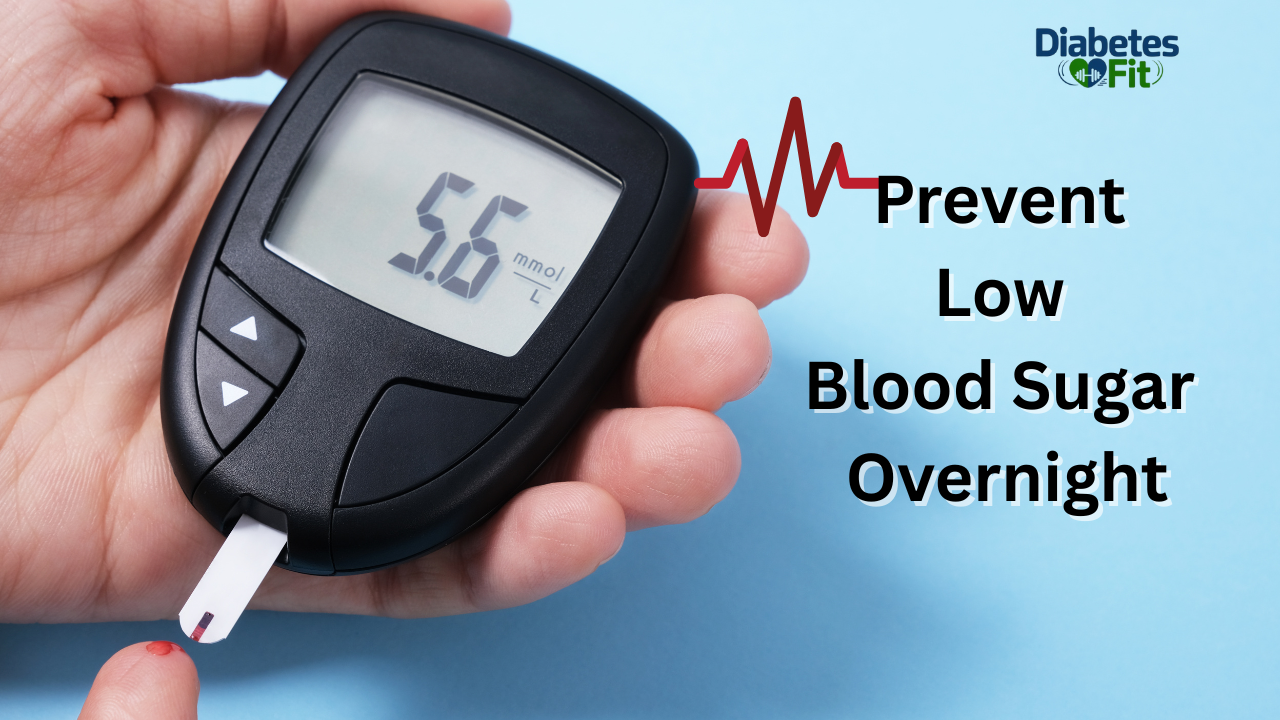
  • 8 tips to Prevent Low Blood Sugar Overnight

    8 tips to Prevent Low Blood Sugar Overnight

    Waking up in the middle of the night drenched in sweat, with your heart racing and feeling shaky, is a frightening experience. For people managing diabetes or those prone to hypoglycemia, nighttime low blood sugar—also known as nocturnal hypoglycemia—is more than just an inconvenience. It can disrupt sleep, affect next-day energy levels, and in severe cases, pose serious health risks.

    The good news is that preventing overnight low blood sugar is entirely possible with the right strategies. Understanding why it happens and implementing practical solutions can help you sleep soundly through the night while maintaining stable blood glucose levels.

    Understanding Nocturnal Hypoglycemia

     Prevent Low Blood Sugar Overnight

    Before diving into prevention strategies, it’s important to understand what’s happening in your body. Blood sugar naturally fluctuates throughout the day and night based on various factors including food intake, physical activity, stress levels, and hormone production. During sleep, your body continues to use glucose for essential functions, but you’re not eating to replenish those stores.

    For people taking insulin or certain diabetes medications, the risk increases significantly. Your medication continues working while you sleep, but without food intake to balance it out, blood sugar can drop too low. This typically happens between 2 AM and 4 AM when insulin sensitivity is at its peak.

    The tricky part about nighttime lows is that you might not wake up when they occur. Your body’s warning signals—shakiness, sweating, confusion—can be dulled during sleep, making nocturnal hypoglycemia particularly dangerous.

    Check Your Blood Sugar Before Bed

    The foundation of preventing overnight lows starts with knowing where your blood sugar stands before you go to sleep. Make it a non-negotiable habit to check your glucose levels right before bed, ideally aiming for a target range between 100-140 mg/dL. If your reading is below 100 mg/dL, you’re at higher risk for a nighttime drop.

     Prevent Low Blood Sugar Overnight

    Consider investing in a continuous glucose monitor (CGM) if possible. These devices track your glucose levels throughout the night and can alert you when levels are dropping, giving you the chance to intervene before a severe low occurs. Many people find that CGMs provide peace of mind and significantly improve their ability to manage overnight blood sugar.

    The Bedtime Snack Strategy

    One of the most effective ways to prevent nocturnal hypoglycemia is eating a strategic bedtime snack. But this isn’t about grabbing any food from your pantry. The key is choosing the right combination of nutrients that will provide sustained energy release throughout the night.

     Prevent Low Blood Sugar Overnight

    The ideal bedtime snack combines complex carbohydrates with protein and healthy fats. This combination slows down digestion and provides a steady stream of glucose into your bloodstream over several hours. Think of options like whole grain crackers with cheese, apple slices with peanut butter, a small bowl of Greek yogurt with nuts, or half a sandwich on whole wheat bread.

    Avoid simple sugars or high-glycemic foods before bed. While they’ll raise your blood sugar quickly, they’ll also cause it to crash just as fast, potentially leading to the exact problem you’re trying to prevent. Skip the cookies, candy, or sugary cereals as bedtime snacks.

    The timing matters too. Eat your snack about 30 minutes to an hour before you plan to sleep. This gives your body time to start processing the food while you’re still awake to monitor how you’re feeling.

    Review Your Medication Timing and Dosage

     Prevent Low Blood Sugar Overnight

    Your medication regimen plays a crucial role in overnight blood sugar stability. If you’re experiencing frequent nighttime lows, it’s time to have a conversation with your healthcare provider about your dosing schedule.

    Long-acting insulin taken in the evening might be causing overnight drops. Your doctor might suggest adjusting the timing—perhaps taking it in the morning instead—or reducing the dose slightly. Never make these changes on your own; always work with your healthcare team.

    For those on rapid-acting insulin with dinner, ensure you’re calculating your doses correctly based on your carbohydrate intake. Overestimating carbs or underestimating insulin needs can lead to too much medication in your system overnight.

    Some oral diabetes medications, particularly sulfonylureas, can increase the risk of nighttime hypoglycemia. Your doctor might recommend switching to alternatives with lower hypoglycemia risk.

    Monitor Your Evening Exercise

    Physical activity is wonderful for blood sugar management, but exercising too close to bedtime can cause delayed hypoglycemia. When you exercise, your muscles use glucose for energy, and they continue to replenish their stores for hours afterward, pulling sugar from your bloodstream.

     Prevent Low Blood Sugar Overnight

    If you prefer evening workouts, finish at least three to four hours before bedtime. This gives your body time to stabilize. After exercising in the evening, check your blood sugar more frequently and consider eating a slightly larger bedtime snack to compensate for the increased glucose usage.

    You might also notice that different types of exercise affect your blood sugar differently. High-intensity interval training can sometimes cause blood sugar to spike initially before dropping hours later, while steady-state cardio might cause more immediate decreases. Pay attention to patterns in your own body.

    Limit Alcohol Consumption

     Prevent Low Blood Sugar Overnight

    Alcohol deserves special attention when it comes to overnight blood sugar management. When you drink alcohol, your liver prioritizes metabolizing the alcohol over maintaining blood sugar levels through gluconeogenesis (the production of new glucose). This can lead to hypoglycemia several hours after drinking, often coinciding with sleep time.

    If you choose to drink, do so in moderation and never on an empty stomach. Always eat food with alcohol, and check your blood sugar before bed. If you’ve been drinking, you’ll likely need a more substantial bedtime snack than usual, and you should set an alarm to check your blood sugar during the night.

    Remember that alcohol’s effects on blood sugar can last for up to 12 hours, so even afternoon drinking can impact overnight levels.

    Address the Dawn Phenomenon Carefully

     Prevent Low Blood Sugar Overnight

    Some people experience high blood sugar in the early morning hours due to the dawn phenomenon, where hormones cause blood sugar to rise. In response, they might take extra insulin at bedtime or before dawn, which can then cause hypoglycemia in the hours before the dawn phenomenon kicks in.

    If you’re dealing with both overnight lows and morning highs, work with your healthcare provider to find the right balance. You might need different insulin types or an insulin pump that can deliver varying rates throughout the night.

    Set Up Safety Nets

    Even with the best prevention strategies, occasional overnight lows can still happen. Prepare yourself by keeping fast-acting glucose sources on your nightstand—glucose tablets, juice boxes, or regular soda. If you wake up feeling symptomatic, you can treat immediately without having to navigate to the kitchen in a confused state.

    Consider telling family members or roommates about nocturnal hypoglycemia and what signs to look for. In severe cases, they might need to help you treat a low or call for medical assistance.

    Conclusion

    Preventing low blood sugar overnight requires a multifaceted approach combining careful monitoring, strategic eating, appropriate medication management, and lifestyle adjustments. By checking your blood sugar before bed, eating balanced bedtime snacks, timing your exercise appropriately, and working closely with your healthcare team to optimize your medications, you can significantly reduce your risk of nocturnal hypoglycemia.

    Remember that everyone’s body responds differently, so what works for someone else might not work exactly the same for you. Keep detailed records of your overnight patterns, bedtime snacks, and morning blood sugar readings to identify what strategies are most effective for your unique situation. With patience and attention to these preventive measures, you can achieve more restful nights and wake up feeling energized rather than recovering from a nighttime low.

    Frequently Asked Questions

    1. What blood sugar level is considered too low to go to sleep safely?

    Generally, if your blood sugar is below 100 mg/dL at bedtime, you should eat a snack before sleeping. Anything below 70 mg/dL requires immediate treatment with fast-acting glucose, followed by a balanced snack once your levels stabilize. Most experts recommend aiming for a bedtime glucose level between 100-140 mg/dL to provide a buffer against overnight drops.

    2. How do I know if I’ve had low blood sugar during the night if I didn’t wake up?

    Common signs include waking up with a headache, feeling unusually tired despite adequate sleep, having damp sheets from night sweats, or experiencing vivid nightmares. Your morning blood sugar might also be unusually high due to a rebound effect. If you suspect nocturnal hypoglycemia, set an alarm to check your blood sugar at 2-3 AM for several nights, or consider using a continuous glucose monitor.

    3. Can stress or anxiety cause overnight low blood sugar?

    Stress typically raises blood sugar rather than lowers it due to the release of stress hormones like cortisol and adrenaline. However, if stress is causing you to skip meals, exercise excessively, or forget medication doses, it could indirectly contribute to blood sugar fluctuations. Chronic stress can also disrupt sleep patterns, making you more aware of mild hypoglycemic symptoms you might otherwise sleep through.

    4. Is it safe to sleep alone if I’m prone to nighttime low blood sugar?

    While many people with diabetes who experience occasional overnight lows sleep alone safely, it’s important to take precautions. Use a continuous glucose monitor with alarms, keep emergency glucose by your bedside, wear a medical alert bracelet, and ensure someone knows to check on you if you don’t respond to morning communications. If you experience severe nocturnal hypoglycemia with loss of consciousness, discuss safety plans with your doctor.

    5. What’s the best bedtime snack to prevent low blood sugar overnight?

    The best bedtime snack combines complex carbohydrates, protein, and healthy fats for sustained glucose release. Good options include whole grain crackers with cheese (about 15-20g carbs total), Greek yogurt with a handful of nuts, half a turkey sandwich on whole wheat bread, or apple slices with peanut butter. Aim for around 15-30 grams of carbohydrates paired with protein and fat, adjusting based on your individual needs and patterns.

    6. Should I reduce my insulin dose if I keep having overnight lows?

    Never adjust your insulin doses without consulting your healthcare provider first. However, frequent nocturnal hypoglycemia definitely indicates that your treatment plan needs modification. Your doctor might reduce your long-acting insulin dose, change the timing of when you take it, adjust your insulin-to-carb ratios for dinner, or switch you to different insulin types. Keep detailed records of your overnight lows to share with your healthcare team so they can make informed adjustments.