
Diabetes Weight Loss Plan for Females: The Real Guide to Losing Weight and Controlling Blood Sugar
You’ve been told to “eat less and move more.” But when you have diabetes, it’s never that simple — is it?
You watch what you eat, you try to exercise, and the scale barely moves. Meanwhile, your blood sugar swings up and down, your energy crashes by afternoon, and you wonder if weight loss is even possible for someone with diabetes. It is. And you deserve a plan that actually fits your life.
This diabetes weight loss plan for females was built with your body in mind — because female hormones, insulin resistance, thyroid function, and stress responses all play a role in why losing weight with diabetes feels so hard. This guide breaks down exactly what to eat, how to move, and what lifestyle changes will help you lower your blood sugar and feel like yourself again — no crash diets, no guilt.
Also, know how to Lower Blood Sugar Quickly Without Insulin.
Why Losing Weight With Diabetes Is Harder for Women
Before we get into the plan, let’s talk about why weight loss with diabetes is genuinely more difficult for women than most people realize.
Insulin Resistance and Fat Storage
In type 2 diabetes (and prediabetes), the body becomes resistant to insulin — the hormone that helps cells use glucose for energy. When insulin isn’t working well, the body produces more of it. High insulin levels signal the body to store fat, especially around the belly and hips. This is one reason a diabetes weight loss plan for females must focus on controlling insulin — not just cutting calories.
Hormonal Fluctuations
Women deal with monthly hormonal cycles that affect blood sugar, cravings, hunger, and energy. During the luteal phase (week before your period), progesterone can cause insulin resistance to temporarily worsen. This can make blood sugar spikes more common and cravings much harder to control.
Perimenopause and menopause add another layer. Falling estrogen levels increase belly fat storage and make blood sugar harder to regulate.
Thyroid Issues
Women are 5–8 times more likely than men to develop thyroid disorders. Hypothyroidism (underactive thyroid) slows the metabolism significantly — and it’s common among women with type 2 diabetes. If you’ve been doing everything “right” and still not losing weight, ask your doctor to check your thyroid levels.
Emotional Eating and Stress
Women are more likely to report using food as a coping mechanism for stress, anxiety, and emotional pain. Since cortisol (the stress hormone) directly raises blood sugar and promotes fat storage, stress management is not optional — it’s a core part of any effective diabetes weight loss plan for females.
The Core Goals of a Diabetes Weight Loss Plan for Females
A good plan does three things at once:
- Lowers blood sugar — by choosing foods that don’t spike glucose
- Reduces insulin resistance through weight loss, exercise, and specific eating patterns
- Creates a sustainable calorie deficit — without extreme restriction that leads to bingeing or nutrient deficiency
Even a 5–10% reduction in body weight can significantly improve blood sugar control, reduce HbA1c levels, lower blood pressure, and decrease the risk of diabetes complications. You don’t have to reach a “perfect” weight to see real health benefits.
The Diabetes Weight Loss Plan for Females: Step-by-Step
Step 1: Build Your Plate the Right Way
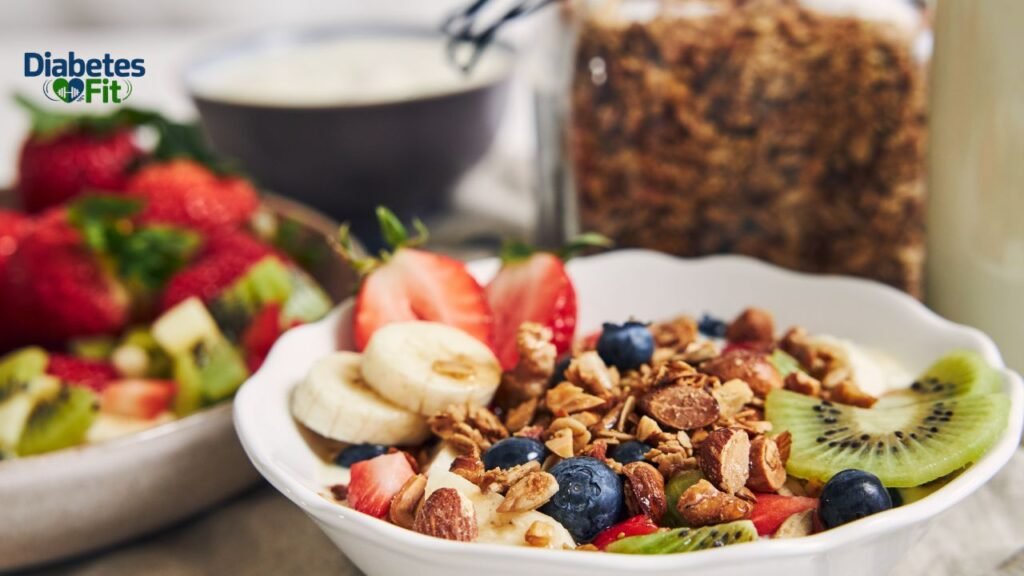
Food is the most powerful tool in your diabetes weight loss plan. The goal isn’t to eat as little as possible — it’s to eat in a way that keeps blood sugar stable, reduces insulin spikes, and keeps you full and satisfied.
The Diabetes-Friendly Plate Method
Divide your plate into three sections:
| Plate Section | What to Fill It With | Approximate Portion |
| Half the plate | Non-starchy vegetables | 2–3 cups |
| One quarter | Lean protein | 90–120g (3–4 oz) |
| One quarter | Complex carbohydrates | ½–¾ cup cooked |
| On the side | Healthy fat (optional) | 1 tsp oil or 5–6 nuts |
This simple visual method helps control blood sugar without counting every calorie.
Best Foods for a Female Diabetic Weight Loss Plan
Non-starchy vegetables (eat freely):
- Spinach, kale, broccoli, cauliflower, zucchini, cucumber, bell peppers, cabbage, tomatoes, mushrooms
Lean proteins (eat at every meal):
- Eggs, skinless chicken, turkey, fish (especially salmon, sardines, mackerel), tofu, paneer (in moderation), lentils, chickpeas, Greek yogurt
Complex carbohydrates (eat in portions):
- Oats, quinoa, brown rice, sweet potato, whole wheat roti, barley, lentils
Healthy fats (eat in small amounts):
- Avocado, extra virgin olive oil, walnuts, almonds, flaxseeds, chia seeds
Foods to limit or avoid:
- White rice, white bread, sugary drinks, fruit juices, packaged snacks, sweets, fried foods, and alcohol
Step 2: Control Carbohydrates — Don’t Eliminate Them
Carbohydrates raise blood sugar more than any other macronutrient. But cutting carbs completely is neither sustainable nor necessary. The goal is to choose the right carbs and control portions.
Glycemic Index vs. Glycemic Load
The Glycemic Index (GI) measures how quickly a food raises blood sugar. But Glycemic Load (GL) is more practical — it accounts for how much of the food you actually eat.
| Food | GI | GL (per serving) | Better Choice? |
| White rice (1 cup) | 72 | High | No |
| Brown rice (½ cup) | 50 | Medium | Yes |
| Oats (½ cup cooked) | 55 | Low-Medium | Yes |
| Sweet potato (medium) | 63 | Medium | Yes |
| White bread (2 slices) | 75 | High | No |
| Whole wheat roti (1) | 49 | Low | Yes |
| Banana (medium) | 51 | Medium | Occasionally |
| Apple (medium) | 36 | Low | Yes |
Choosing low-to-medium GI foods — especially with protein and fiber — keeps blood sugar from spiking and reduces the insulin surge that promotes fat storage.
Step 3: Meal Timing Matters More Than You Think
When you eat is almost as important as what you eat when managing diabetes and weight at the same time.

Key meal timing principles for the diabetes weight loss plan for females:
- Don’t skip breakfast. Skipping breakfast increases cortisol and can cause blood sugar spikes later. Aim for a protein-rich breakfast within 1–2 hours of waking.
- Eat every 3–4 hours. This keeps blood sugar stable and prevents the hunger that leads to overeating.
- Avoid eating late at night. A 10–12 hour overnight fast (e.g., last meal by 8 PM, breakfast after 8 AM) can improve insulin sensitivity.
- Largest meal midday. Research shows blood sugar responses are better in the morning and midday than in the evening. If possible, make lunch your biggest meal.
Sample Meal Plan for One Day
| Meal | What to Eat | Approx. Time |
| Breakfast | 2 boiled eggs + 1 bowl oats with cinnamon + black coffee or green tea | 7:30–8:00 AM |
| Mid-morning | 1 small apple + 6 almonds | 10:30 AM |
| Lunch | 1–2 whole wheat rotis + dal + mixed sabzi + cucumber salad | 1:00 PM |
| Evening snack | Greek yogurt (unsweetened) or a small bowl of roasted chickpeas | 4:00–4:30 PM |
| Dinner | Grilled chicken or tofu + 1 cup stir-fried vegetables + small bowl of soup | 7:00–7:30 PM |
| Optional (if hungry) | A small handful of walnuts or a cup of warm turmeric milk | Before 9 PM |
Step 4: Exercise — The Right Kind for Diabetic Women
Exercise is a powerful tool in every diabetes weight loss plan for females. It improves insulin sensitivity, burns calories, builds metabolism-boosting muscle, and reduces stress. But not all exercise is equal.
Best Types of Exercise for Women with Diabetes
1. Walking: The simplest, most accessible exercise. A 30-minute brisk walk after meals can lower postprandial (after-meal) blood sugar by 20–30%. Start with 15–20 minutes and build up.
2. Strength Training Building muscle is crucial for women with diabetes. Muscle tissue uses glucose even at rest — making the body more insulin-sensitive around the clock. Aim for 2–3 sessions per week using bodyweight exercises or light dumbbells.
Good exercises to start with:
- Squats (bodyweight or with dumbbells)
- Wall push-ups or knee push-ups
- Dumbbell rows
- Glute bridges
- Step-ups onto a low stair
3. Yoga Multiple studies have shown yoga reduces HbA1c levels and improves insulin sensitivity in women with type 2 diabetes. It also lowers cortisol, which is a double benefit for blood sugar and belly fat. Even 20–30 minutes, 3–4 times a week, makes a measurable difference.
4. Swimming or Cycling Both are low-impact and easy on the joints — important for women with diabetes who may also have neuropathy (nerve sensitivity) in the feet.
Weekly Exercise Schedule for Diabetic Women
| Day | Activity | Duration |
| Monday | Brisk walk | 30 min |
| Tuesday | Strength training (home) | 25–30 min |
| Wednesday | Yoga or stretching | 30 min |
| Thursday | Brisk walk | 30 min |
| Friday | Strength training | 25–30 min |
| Saturday | Yoga or light cycling | 30 min |
| Sunday | Rest or gentle walk | 20 min |
Important: Check your blood sugar before and after exercise, especially if you’re on insulin or sulfonylureas. Carry a fast-acting carb snack in case of hypoglycemia.
Step 5: Manage Stress and Sleep — Two Overlooked Factors
No diabetes weight loss plan for females is complete without addressing stress and sleep. These two factors directly affect blood sugar and weight, and most plans ignore them entirely.

Stress and Blood Sugar
When you’re stressed, your body releases cortisol and adrenaline. These hormones raise blood sugar (a survival mechanism) and promote fat storage around the abdomen. Chronic stress keeps cortisol elevated — and chronically elevated cortisol means stubborn belly fat and unstable blood sugar, even when diet and exercise are on point.
Daily stress reduction habits:
- 5–10 minutes of deep breathing or meditation (try apps like Insight Timer or Calm)
- A short nature walk
- Journaling for 5 minutes each morning
- Setting boundaries with draining people or situations
- Doing one enjoyable activity each day — reading, music, cooking, art
Sleep and Insulin Sensitivity
Sleeping fewer than 6 hours a night increases insulin resistance by up to 25%. Poor sleep also spikes ghrelin (the hunger hormone) and drops leptin (the fullness hormone) — a combination that makes overeating almost inevitable.
Tips to improve sleep:
- Stick to consistent sleep and wake times, even on weekends
- Avoid screens for 30–60 minutes before bed
- Keep your bedroom cool (65–68°F / 18–20°C)
- Avoid caffeine after 2 PM
- Avoid large meals within 2 hours of bedtime
Aim for 7–9 hours of quality sleep every night. This isn’t a luxury — it’s medicine.
Step 6: Hydration and Smart Beverages
What you drink is just as important as what you eat in a diabetes weight loss plan. Sugary drinks — including fruit juices, flavored water, sports drinks, and soda — cause rapid blood sugar spikes and add hundreds of empty calories.
Best drinks for diabetic women:
- Water (aim for 8–10 glasses daily)
- Unsweetened green tea (improves insulin sensitivity)
- Black coffee (in moderation — no sugar or flavored creamers)
- Herbal teas — cinnamon tea, fenugreek water, and chamomile all support blood sugar balance
- Sparkling water (plain, no flavoring)
Drinks to avoid or limit:
- Fruit juices (even 100% natural — they spike blood sugar fast)
- Sodas and diet sodas
- Sweetened coffee drinks (lattes, frappes)
- Alcohol (lowers blood sugar unpredictably and adds calories)
A tip: Drinking a large glass of water before meals has been shown to reduce calorie intake by 13% in studies of overweight adults.
Step 7: Track, Adjust, and Stay Consistent
What gets measured gets managed. Tracking your progress — even loosely — helps you see what’s working, what’s not, and stay motivated through slow periods.
What to track:
- Blood sugar readings (fasting and 2 hours after meals)
- Weight (once a week, same time, same conditions)
- HbA1c (every 3 months with your doctor)
- Food and meals (even just 3 days a week in a notebook or app)
- Exercise (days completed, duration, how you felt)
- Sleep hours
Helpful free apps:
- MySugr — blood sugar tracking
- MyFitnessPal — food and calorie tracking
- Google Fit or Apple Health — step tracking
You don’t need to be perfect. Aim to be consistent 80% of the time — that’s enough to see real, lasting results.
Common Mistakes Women Make in Diabetic Weight Loss Plans
| Mistake | Why It Backfires |
| Eating “sugar-free” products freely | Many are high in refined carbs and still spike blood sugar |
| Skipping meals to eat less | Causes blood sugar dips, then spikes, and intense hunger |
| Doing only cardio | Cardio burns calories but doesn’t build insulin-sensitizing muscle |
| Cutting all fruit | Many fruits are low-GI and nutrient-rich — portion matters |
| Relying on supplements alone | No supplement replaces food, movement, and sleep |
| Ignoring emotional eating triggers | Unaddressed stress eating undoes physical efforts |
| Expecting fast results | Safe diabetic weight loss is 0.5–1 kg per week |
Frequently Asked Questions
How much weight should a diabetic woman try to lose?
Even losing 5–10% of your body weight can significantly improve blood sugar control and reduce HbA1c levels. For a woman weighing 80 kg, that’s just 4–8 kg — a very achievable goal. Focus on that first milestone before thinking further ahead.
Can a diabetic woman lose weight without medication?
Yes, many women with type 2 diabetes or prediabetes can improve blood sugar and lose weight through diet, exercise, and lifestyle changes alone — especially in the early stages. However, always work with your doctor before reducing or stopping any medication.
What is the best diet for a diabetic woman trying to lose weight?
There’s no single “best” diet, but research strongly supports low-GI eating, the Mediterranean diet, and low-carb approaches for women with type 2 diabetes. The key is consistency, balanced nutrition, and avoiding extreme restriction.
Is intermittent fasting safe for diabetic women?
Intermittent fasting (like a 12:12 or 16:8 eating window) can improve insulin sensitivity and support weight loss. However, it’s not safe for everyone with diabetes — especially those on insulin or sulfonylureas, which can cause hypoglycemia during fasting periods. Always consult your doctor before trying intermittent fasting.
Why am I not losing weight even though I have diabetes and eat healthily?
Several factors can stall weight loss: thyroid disorders, insulin resistance, certain diabetes medications (like insulin or sulfonylureas), chronic stress, poor sleep, or simply eating slightly more than your body needs. Talk to your doctor about a full hormone and thyroid panel, and review your medications for any that may promote weight gain.
What exercises are best for diabetic women who are overweight?
Start with walking — it’s low-impact and highly effective. Add strength training 2–3 times a week to build muscle and improve insulin sensitivity. Yoga is also excellent for blood sugar control and stress reduction. Avoid high-intensity exercise without checking with your doctor first, especially if you have complications like neuropathy or retinopathy.
How does menopause affect blood sugar and weight in diabetic women?
Falling estrogen during perimenopause and menopause increases belly fat, worsens insulin resistance, and causes blood sugar to fluctuate more. Strength training, adequate protein intake, stress management, and good sleep become even more critical during this stage. Some women may need medication adjustments — speak with your endocrinologist.
Conclusion
Managing diabetes and losing weight as a woman isn’t simple — but it’s absolutely possible. Your body is not broken. It just needs the right approach: foods that keep blood sugar stable, exercise that builds insulin sensitivity, sleep that restores your hormones, and a stress level that stops working against you.
The diabetes weight loss plan for females laid out in this guide isn’t a temporary fix. It’s a new way of living — one that respects your biology, your hormones, and your real daily life. You don’t have to be perfect. You just have to be consistent.
Start small. Add one vegetable to your next meal. Take a 15-minute walk after dinner tonight. Get to bed 30 minutes earlier. These small steps, repeated daily, create the results that feel impossible when you’re staring at the whole mountain.
Share this article with a woman in your life who’s fighting the same battle. And remember — your health is worth fighting for, one small step at a time.
Medical disclaimer: This article is for informational purposes only and does not replace medical advice. Always consult your doctor or a registered dietitian before making significant changes to your diet, exercise routine, or diabetes management plan.

David Miller: I am a health and wellness writer focused on diabetes awareness, blood sugar control, and healthy living. I creates clear, practical content to help readers make better everyday health choices. I write evidence-based articles about diabetes, diet, and healthy living. My goal is to simplify complex health topics using trusted sources like WHO and medical journals.