Can Tirzepatide Cause Low Blood Sugar? What Every Patient Needs to Know Before It’s Too Late
Tirzepatide is one of the most talked-about medications in diabetes and weight loss right now. It works remarkably well — lowering blood sugar, reducing appetite, and helping people lose significant weight. But if you’ve just started it, or you’re about to, there’s one question that deserves a clear, honest answer:
Can tirzepatide cause low blood sugar?
It’s a fair concern. Hypoglycemia — dangerously low blood sugar — can be frightening, and in severe cases, it can be life-threatening. Knowing your risk before symptoms appear is far better than finding out in the middle of a dizzy spell.
The short answer is: yes, tirzepatide can cause low blood sugar — but the risk is much more nuanced than a simple yes or no. It depends heavily on what other medications you’re taking, whether you have type 1 or type 2 diabetes, your eating habits, and your activity level. This guide unpacks all of it in plain, honest language so you can manage your health with confidence.
Also see Can Low Blood Sugar Cause Hot Flashes?
Can Tirzepatide Cause Low Blood Sugar on Its Own?
Let’s start with the most important clinical fact: Tirzepatide by itself has a very low risk of causing hypoglycemia in most people.
Here’s why. Tirzepatide is a dual GIP and GLP-1 receptor agonist — it works by mimicking two natural gut hormones (GIP and GLP-1) that are released after you eat. These hormones stimulate insulin release only when blood sugar is already elevated. When blood sugar is normal or low, the hormonal signal weakens — which means insulin release slows down automatically.
This glucose-dependent mechanism is a key safety feature. Because tirzepatide only triggers meaningful insulin secretion when there’s actual glucose in the blood to manage, it has what’s called a “self-limiting” effect on insulin — it doesn’t push the pancreas to release insulin recklessly the way some older diabetes medications do.
Clinical trials for tirzepatide (the SURPASS trial series) confirmed this. Among people with type 2 diabetes taking tirzepatide without insulin or sulfonylureas, hypoglycemia rates were very low — comparable to placebo in many study arms.
So in isolation, tirzepatide causing low blood sugar is uncommon.
But — and this is a critical but — the picture changes significantly when tirzepatide is combined with other diabetes medications.
When Does Tirzepatide Cause Low Blood Sugar?
Combination With Insulin
This is the most significant risk factor. When tirzepatide is used alongside insulin therapy — particularly basal insulin like glargine, detemir, or degludec — the combination can drive blood sugar too low, especially if insulin doses are not adjusted downward when starting tirzepatide.
In the SURPASS-4 and SURPASS-5 trials, which specifically studied tirzepatide combined with insulin, hypoglycemia occurred in 10–22% of participants — a meaningful rate that required careful insulin dose management.
When starting tirzepatide while already on insulin, most endocrinologists recommend reducing the basal insulin dose by 20–40% to prevent hypoglycemia. This adjustment should always be made under medical supervision — never self-adjusted.
Combination With Sulfonylureas
Sulfonylureas — medications like glipizide, glyburide, glimepiride, and glibenclamide — stimulate the pancreas to release insulin regardless of blood sugar levels. They don’t have the glucose-dependent safety mechanism that tirzepatide does. This makes the combination risky.
When tirzepatide is added to a sulfonylurea regimen, blood sugar can drop dangerously because:
- Tirzepatide reduces food intake (smaller meals = less glucose in the blood)
- Tirzepatide improves insulin sensitivity (cells take up glucose more efficiently)
- Sulfonylureas keep pushing insulin release even when blood sugar is already low
In clinical studies, this combination led to significantly higher rates of hypoglycemia. Most diabetes specialists recommend reducing or discontinuing sulfonylurea doses when adding tirzepatide to treatment.
Skipping Meals or Eating Very Little
Tirzepatide is a powerful appetite suppressant. Many people find that on tirzepatide, they simply don’t feel hungry — and they either skip meals or eat dramatically less than before. While this contributes to weight loss, it can create a mismatch between glucose intake and medication effect — particularly for people on insulin or sulfonylureas.
If you eat very little and you’re taking tirzepatide alongside insulin or a sulfonylurea, your blood sugar can drop to dangerous levels.
Intense or Prolonged Exercise
Physical exercise lowers blood sugar by increasing glucose uptake in muscles. When combined with tirzepatide — especially alongside insulin or sulfonylureas — exercise can push blood sugar into hypoglycemic territory. This is particularly true for:
- Endurance exercise lasting more than 60 minutes
- High-intensity interval training
- Unplanned or unusually strenuous physical activity
Alcohol Consumption
Alcohol blocks the liver from releasing stored glucose (glycogen) into the bloodstream. This is how alcohol causes hypoglycemia — especially on an empty stomach. On tirzepatide — where food intake is already reduced — drinking alcohol creates additional hypoglycemia risk, particularly if insulin or sulfonylureas are also part of the medication regimen.
Tirzepatide Hypoglycemia Risk by Patient Type
Understanding your personal risk level helps you and your doctor prepare appropriately:
| Patient Type | Hypoglycemia Risk on Tirzepatide | Key Reason |
| Type 2 diabetes — diet controlled only | Very Low | No insulin-secreting medications involved |
| Type 2 diabetes — metformin only | Very Low | Metformin doesn’t cause hypoglycemia |
| Type 2 diabetes — SGLT2 inhibitor + tirzepatide | Low | SGLT2 inhibitors have a low risk of hypoglycemia |
| Type 2 diabetes — sulfonylurea + tirzepatide | Moderate–High | Sulfonylureas force insulin release regardless of glucose levels |
| Type 2 diabetes — basal insulin + tirzepatide | Moderate–High | Insulin pushes glucose down regardless of meals |
| Type 1 diabetes — tirzepatide + insulin | High | Insulin is essential, but doses need careful adjustment |
| People using tirzepatide for weight loss (non-diabetic) | Very Low | No pancreatic medications involved |
This table makes clear that tirzepatide’s risk of causing low blood sugar is almost entirely about what it’s combined with, not about tirzepatide itself in isolation.
Recognizing Low Blood Sugar Symptoms on Tirzepatide
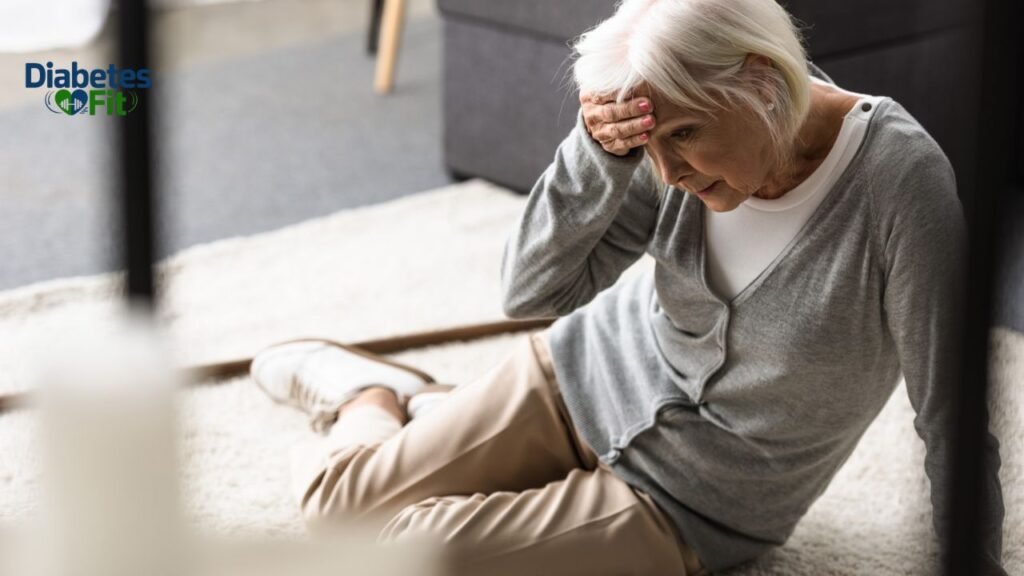
Whether or not you’re at elevated risk, knowing what hypoglycemia feels like is essential for anyone taking tirzepatide. Symptoms can appear quickly — sometimes within minutes — and catching them early gives you time to treat before the situation becomes serious.
Mild to Moderate Hypoglycemia Symptoms (Blood Sugar 54–70 mg/dL)
- Shakiness or trembling in the hands
- Sudden sweating without physical exertion
- Heart racing or palpitations
- Feeling suddenly anxious or irritable
- Dizziness or lightheadedness
- Intense, sudden hunger
- Pale skin
- Difficulty concentrating or feeling mentally foggy
Moderate to Severe Hypoglycemia Symptoms (Blood Sugar Below 54 mg/dL)
- Confusion or disorientation
- Slurred speech (similar to appearing drunk)
- Blurred or double vision
- Weakness in arms or legs
- Headache
- Behavioral changes — unusual aggressiveness or emotional outbursts
- Difficulty standing or walking
Severe Hypoglycemia (Blood Sugar Below 40 mg/dL)
- Seizures
- Loss of consciousness
- Inability to swallow — do not give food or liquid at this stage
- This is a medical emergency — call emergency services immediately
Important: Some people — particularly those with long-standing diabetes — develop hypoglycemia unawareness, where the early warning symptoms no longer occur. They go from normal blood sugar directly to severe symptoms without warning. If you have a history of this, discuss it specifically with your doctor before starting tirzepatide.
The 15-15 Rule: How to Treat Mild Hypoglycemia on Tirzepatide
If you experience mild hypoglycemia symptoms and your blood sugar reads below 70 mg/dL, follow the medically recommended 15-15 Rule:
Step 1: Consume 15 grams of fast-acting carbohydrates immediately. Options include:
- 3–4 glucose tablets (the most reliable and precise option)
- 4 oz (½ cup) of regular fruit juice (not diet)
- 4 oz (½ cup) of regular soda (not diet)
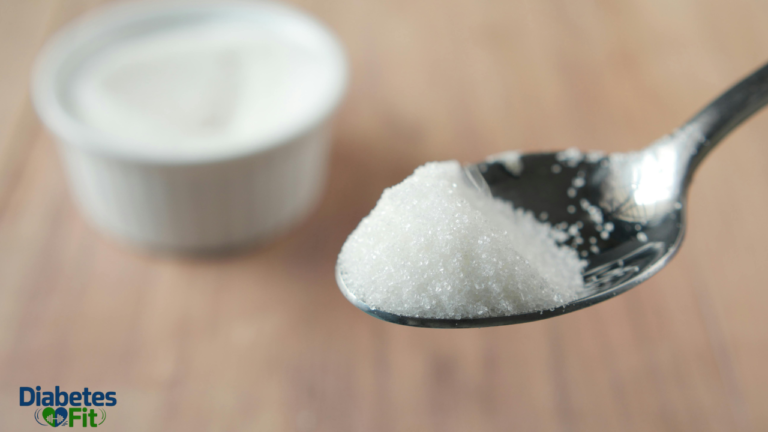
- 1 tablespoon of honey or sugar dissolved in water
Step 2: Wait 15 minutes without eating anything else. Let the carbohydrates absorb.
Step 3: Check your blood sugar again. If it’s still below 70 mg/dL, repeat the process with another 15 grams.
Step 4: Once blood sugar is above 70 mg/dL and you feel better, eat a small snack with protein and complex carbohydrates (like peanut butter on a whole grain cracker) to prevent blood sugar from dropping again.
Do not eat a large meal during treatment. Precision matters — overtreating hypoglycemia causes blood sugar to spike too high, creating a rollercoaster that is difficult to manage.
Always Carry Glucose Tablets
If you are taking tirzepatide alongside insulin or sulfonylureas, glucose tablets should be on your person at all times — in your pocket, purse, car, and bedside table. They are the fastest, most precise treatment for mild hypoglycemia available without a prescription.
How Your Doctor Can Reduce Tirzepatide Hypoglycemia Risk
If you’re starting tirzepatide and you’re already on insulin or sulfonylureas, your doctor will likely make one or more of the following adjustments:

Insulin Dose Reduction
Most endocrinologists reduce basal insulin by 20–40% when adding tirzepatide. This accounts for tirzepatide’s powerful glucose-lowering effect and prevents insulin-tirzepatide hypoglycemia. The exact reduction is individualized — your doctor will guide this based on your current glucose control and HbA1c.
Sulfonylurea Dose Reduction or Discontinuation
Since sulfonylureas and tirzepatide together significantly increase hypoglycemia risk, many physicians reduce the sulfonylurea dose by 50% when starting tirzepatide, and discontinue it entirely in some patients once glucose control improves.
Gradual Tirzepatide Dose Escalation
Tirzepatide is always started at a low dose (2.5 mg weekly) and increased slowly over months. This gradual escalation allows your body to adapt and gives your doctor time to fine-tune other medications alongside it.
Increased Blood Sugar Monitoring
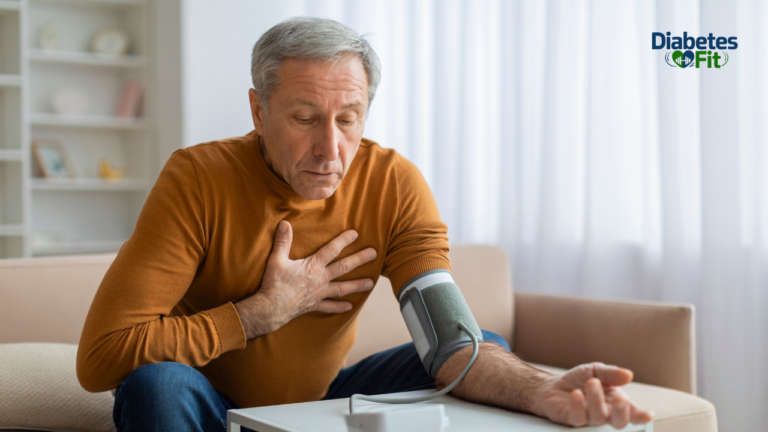
Your doctor may recommend more frequent blood sugar checks — particularly when starting tirzepatide or after each dose increase. A continuous glucose monitor (CGM) is especially useful here, providing real-time readings and alerts for both highs and lows without the need for multiple daily finger pricks.
Tirzepatide and Hypoglycemia: What Clinical Trials Found
The SURPASS clinical trial program — the largest set of tirzepatide studies to date — provides the clearest data on hypoglycemia rates:
| Study | Tirzepatide Dose | Comparator | Hypoglycemia Rate (Tirzepatide) |
| SURPASS-1 (diet only) | 5/10/15 mg | Placebo | <1% — extremely rare |
| SURPASS-2 (+ metformin) | 5/10/15 mg | Semaglutide | 0.6–1.7% — very low |
| SURPASS-3 (+ insulin degludec) | 5/10/15 mg | Insulin titration | 10–22% — clinically significant |
| SURPASS-4 (+ basal insulin) | 5/10/15 mg | Insulin glargine | 7–19% — significant |
| SURPASS-5 (+ sulfonylurea) | 5/10/15 mg | Placebo | 9–12% — significant |
The pattern is unmistakable: tirzepatide alone or with non-insulin-secreting drugs = very low hypoglycemia risk. Tirzepatide combined with insulin or sulfonylureas = significant risk requiring proactive management.
Tirzepatide for Weight Loss (Non-Diabetic Users) — Is There Still a Risk?
Tirzepatide (marketed as Zepbound in the US) is now FDA-approved for chronic weight management in non-diabetic people with obesity. This group has a very low risk of hypoglycemia because:

- They have normal pancreatic function with intact glucose-sensing mechanisms
- They are not taking insulin or sulfonylureas
- Their bodies respond normally to falling blood sugar by suppressing insulin and releasing glucagon
However, even non-diabetic users should be aware of situations that can trigger relative hypoglycemia:
- Eating very little after a dose (extreme appetite suppression combined with minimal food intake)
- Intense exercise on a near-empty stomach
- Combining tirzepatide with alcohol on an empty stomach
- Underlying undiagnosed reactive hypoglycemia
Symptoms in these situations are usually mild and resolve quickly with a small snack. But awareness is still important — particularly when starting the medication.
Monitoring Blood Sugar While on Tirzepatide
If you have diabetes and you’re starting tirzepatide, blood sugar monitoring becomes more — not less — important during the transition period.
Who Should Monitor Most Carefully
- People on basal or bolus insulin
- People on sulfonylureas who haven’t yet had their doses adjusted
- People with a history of hypoglycemia unawareness
- People over 65 (older adults have reduced awareness of hypoglycemia symptoms)
- People with kidney disease (reduced kidney function slows drug clearance)
What to Monitor
| What to Check | When to Check | Why |
| Fasting blood sugar | Every morning | Baseline control check |
| Pre-meal blood sugar | Before each meal | Dose timing and food decisions |
| Post-meal blood sugar | 2 hours after eating | Check for spikes or unexpected drops |
| Before and after exercise | Every session | Exercise lowers blood sugar significantly |
| At bedtime | Every night (if on insulin) | Prevent overnight hypoglycemia |
A continuous glucose monitor (CGM) simplifies all of this dramatically. Devices like the Dexcom G7 or FreeStyle Libre 3 provide real-time readings and automatic alerts — eliminating the need for most manual checks and catching hypoglycemia before it becomes dangerous.
Frequently Asked Questions
Is tirzepatide safe for people who have had low blood sugar episodes before?
It depends on what caused your previous hypoglycemia. If it was caused by insulin or sulfonylureas, your doctor will need to carefully reduce those doses before or when starting tirzepatide to prevent recurrence. Tirzepatide itself is unlikely to worsen hypoglycemia — but the combination effect with your existing medications requires careful management. Always disclose your hypoglycemia history to your prescribing doctor before starting.
Can tirzepatide cause low blood sugar in non-diabetic people using it for weight loss?
Severe hypoglycemia in non-diabetic tirzepatide users is very rare because their insulin-regulating systems remain intact and glucose-dependent. However, mild episodes of low blood sugar can occur if they eat very little, exercise intensely, or drink alcohol on an empty stomach. Carrying a small snack and avoiding prolonged fasting is a sensible precaution for anyone using tirzepatide for weight loss.
What blood sugar level is considered dangerous on tirzepatide?
Any reading below 70 mg/dL (3.9 mmol/L) is considered hypoglycemic and should be treated with the 15-15 rule. A reading below 54 mg/dL (3.0 mmol/L) is clinically significant hypoglycemia requiring immediate treatment. Below 40 mg/dL is a medical emergency — if the person cannot swallow safely, call emergency services immediately. A glucagon kit or nasal glucagon spray (Baqsimi) is essential for people at high risk of severe episodes.
Should I adjust my insulin dose when starting tirzepatide?
Yes — but only under your doctor’s guidance, never on your own. Most endocrinologists reduce basal insulin by 20–40% when adding tirzepatide, because tirzepatide significantly improves insulin sensitivity and reduces the amount of insulin the body needs. Self-adjusting insulin without medical supervision is dangerous — work with your diabetes care team to create a specific dose-reduction plan before you take your first tirzepatide injection.
How long does tirzepatide stay in the body, and does this affect hypoglycemia risk?
Tirzepatide has a half-life of approximately 5 days, meaning it stays active in the body for about 3–4 weeks after the last injection. This long duration is why it’s dosed weekly — but it also means that if hypoglycemia occurs, the drug cannot be “turned off” quickly. This reinforces the importance of proactive dose adjustments to other medications before starting tirzepatide, rather than reactive adjustments after hypoglycemia has already happened.
Can I drive or operate machinery if I’m taking tirzepatide?
If you take tirzepatide alongside insulin or sulfonylureas, there is a real risk of hypoglycemia, and hypoglycemia while driving is dangerous. Your doctor may recommend checking your blood sugar before driving until your glucose control is stable. If you take tirzepatide alone or with low-risk medications (metformin, SGLT2 inhibitors), the hypoglycemia risk is very low, and driving restrictions are generally not necessary.
What should I do if I get severe hypoglycemia on tirzepatide and cannot treat myself?
If you lose consciousness, have a seizure, or cannot swallow safely, people around you should not give you food or liquid (choking risk). They should administer glucagon if available (via injection kit or Baqsimi nasal spray) and call emergency services (911) immediately. This is why people at elevated hypoglycemia risk should ensure that family members, coworkers, and close friends know the signs of severe hypoglycemia and how to respond.
Conclusion
Here’s the clear, medically honest answer: yes, tirzepatide can cause low blood sugar — but the risk is not equal for everyone, and it is almost entirely manageable with the right preparation.
If you take tirzepatide alone, or alongside medications like metformin or SGLT2 inhibitors, your hypoglycemia risk is very low. But if you combine tirzepatide with insulin or sulfonylureas, the risk becomes clinically significant and requires careful dose adjustments, regular blood sugar monitoring, and a clear action plan for treating low blood sugar quickly.
The most important things you can do are: tell your doctor everything you’re taking before starting tirzepatide, never adjust insulin or other diabetes medications on your own, learn to recognize hypoglycemia symptoms early, and always keep glucose tablets or a fast-acting sugar source within reach.
Tirzepatide is a powerful, genuinely life-changing medication for the right patients. Understanding its risks doesn’t mean avoiding it — it means using it safely and confidently.
If this guide helped you understand tirzepatide and low blood sugar better, share it with someone in your life who’s starting this medication or managing diabetes. The more informed you are, the safer your treatment journey will be.
This article is for informational purposes only and does not replace personalized medical advice. Always consult your doctor or endocrinologist before making any changes to your diabetes medications or glucose monitoring plan.
TheU.S. Food and Drug Administration (FDA) provides the official prescribing information and clinical trial data for tirzepatide (Mounjaro and Zepbound), including detailed safety information on hypoglycemia risk across all patient populations.

David Miller: I am a health and wellness writer focused on diabetes awareness, blood sugar control, and healthy living. I creates clear, practical content to help readers make better everyday health choices. I write evidence-based articles about diabetes, diet, and healthy living. My goal is to simplify complex health topics using trusted sources like WHO and medical journals.