Benefits of Black Seed Oil: 15 Science-Backed Reasons to Try It Today
Black seed oil is a natural treatment that has endured over generations, civilizations, and countries. For more than 2,000 years, traditional medicine has praised the benefits of black seed oil. It was employed by the ancient Egyptians. It was said to be a remedy for everything but death in Islamic medicine. Furthermore, contemporary science is now at last catching up to what our forefathers already understood.
Nigella sativa, a little flowering plant indigenous to the Mediterranean and Southwest Asia, is the source of black seed oil. The majority of its health effects are thought to be caused by thymoquinone (TQ), a potent chemical found in its seeds.
We will go over 15 established advantages of black seed oil in this post, along with usage instructions, dosage recommendations, adverse effects, and responses to frequently asked questions.
What Is Black Seed Oil?
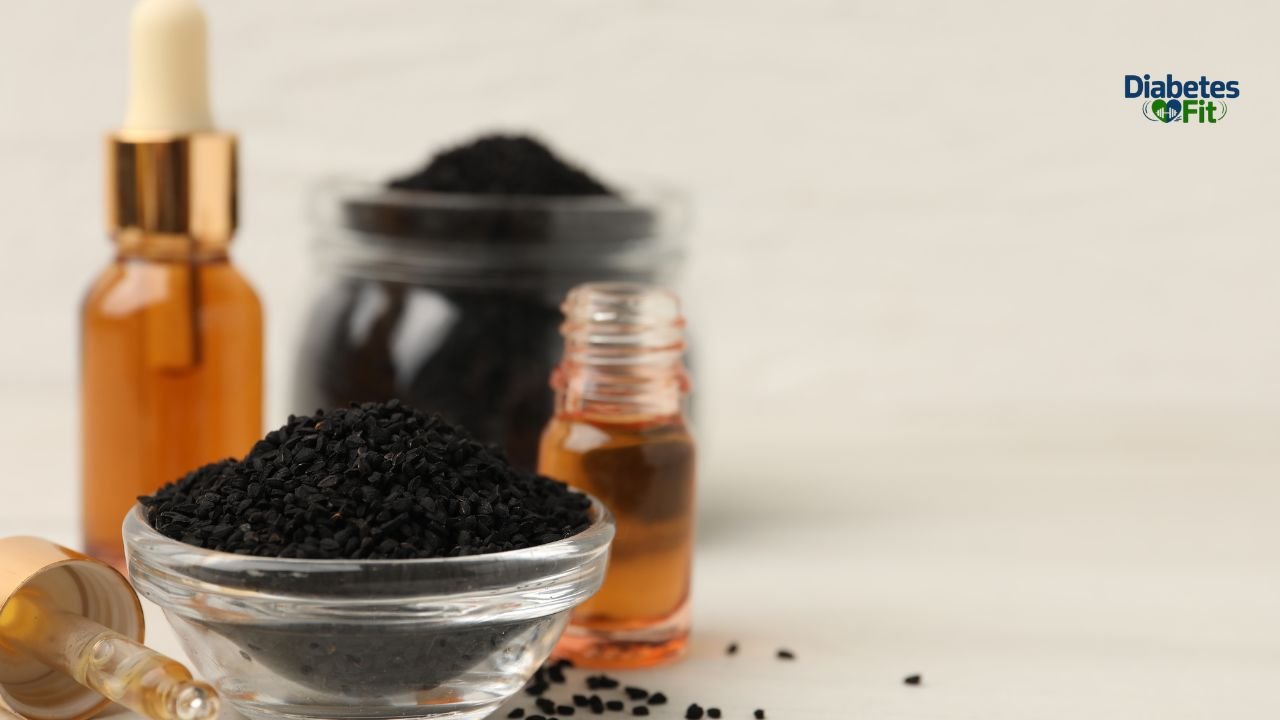
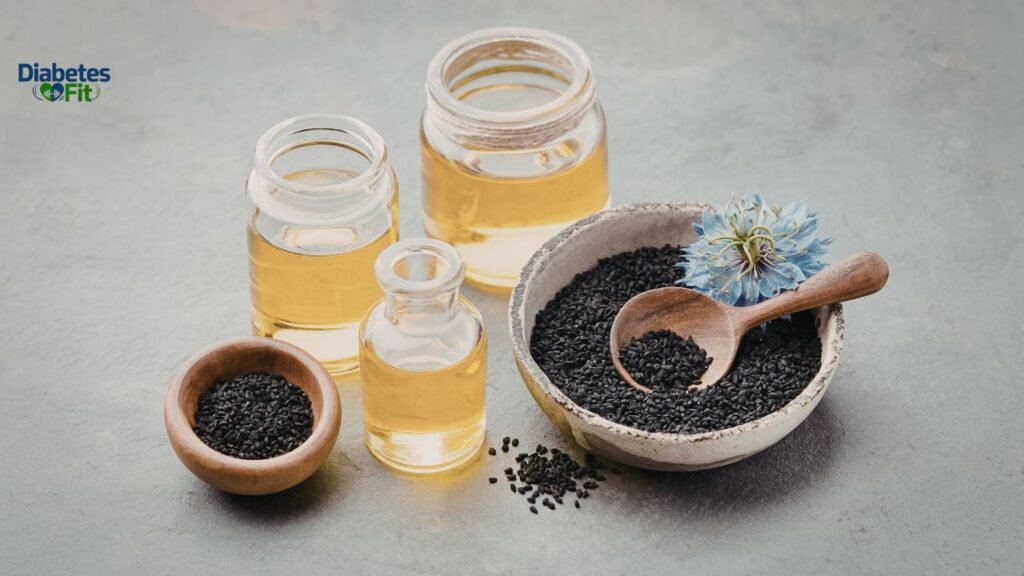
The Nigella sativa plant’s seeds are cold-pressed to obtain black seed oil, also known as black cumin oil, kalonji oil, or Nigella sativa oil. Among its principal active ingredients are:
- The star chemical, thymoquinone (TQ), has anti-inflammatory, anti-cancer, and antioxidant qualities.
- A strong natural acetylcholinesterase inhibitor that is crucial for brain function is thymohydroquinone.
- Thymol: Thyme also contains this natural antibacterial.
- Oregano oil also contains carvacrol, which has antimicrobial qualities.
- Fixed oils: oleic acid (omega-9) and linoleic acid (omega-6)
- Minerals and vitamins: calcium, iron, zinc, copper, phosphorus, and B vitamins
The benefits of black seed oil are multifaceted because of this mixture of ingredients. It simultaneously affects several bodily systems.
15 Powerful Benefits of Black Seed Oil
1. Fights Inflammation Throughout the Body
Chronic inflammation is the root cause of dozens of serious diseases — from arthritis to heart disease to cancer. The benefits of black seed oil are perhaps most well-documented in this area.

Thymoquinone works by blocking specific inflammatory pathways in the body — particularly by inhibiting NF-κB, a protein complex that drives inflammation. Multiple clinical studies confirm that black seed oil significantly reduces inflammatory markers, including C-reactive protein (CRP) and interleukin-6 (IL-6).
This makes it useful for conditions like:
- Rheumatoid arthritis
- Inflammatory bowel disease
- Asthma and allergies
- Chronic pain syndromes
2. Boosts Immune System Function
One of the most celebrated benefits of black seed oil is its ability to strengthen the immune system. Research shows it increases the production of natural killer (NK) cells and T-lymphocytes — two types of immune cells critical for fighting infections and even cancer cells.
A 2021 review published in Frontiers in Pharmacology confirmed that thymoquinone has significant immunomodulatory effects — meaning it can both stimulate an underactive immune system and calm an overactive one (as seen in autoimmune diseases).
3. Supports Healthy Blood Sugar Levels
Multiple clinical trials have shown that the benefits of black seed oil include meaningful improvements in blood sugar control.
In a review of 7 randomized controlled trials, participants who took black seed oil supplements showed:
- Significant reduction in fasting blood glucose
- Improved HbA1c levels (a key marker of long-term blood sugar control)
- Increased insulin sensitivity
This makes it a promising complementary support for people with type 2 diabetes — though it should never replace prescribed medication without a doctor’s guidance.
4. Lowers Blood Pressure Naturally
High blood pressure (hypertension) is sometimes called the “silent killer” because it has no symptoms but causes massive damage over time. Research shows that one of the notable benefits of black seed oil is its ability to reduce both systolic and diastolic blood pressure.
A study published in Phytotherapy Research found that 2.5 ml of black seed oil taken twice daily for 8 weeks significantly reduced blood pressure in hypertensive patients, with no serious side effects.
The mechanism? Thymoquinone appears to act as a calcium channel blocker and promotes the production of nitric oxide, which relaxes and dilates blood vessels.
5. Reduces Bad Cholesterol and Improves Heart Health
The cardiovascular benefits of black seed oil go beyond blood pressure. Multiple studies show it can also improve your lipid profile:

| Cholesterol Marker | Effect of Black Seed Oil |
| LDL (bad) cholesterol | ⬇️ Significantly decreased |
| Total cholesterol | ⬇️ Reduced |
| HDL (good) cholesterol | ⬆️ Increased in some studies |
| Triglycerides | ⬇️ Reduced |
This combination of effects makes regular use of black seed oil a genuinely heart-protective habit when combined with a healthy diet.
6. Helps With Weight Loss and Metabolism
If you’re trying to lose weight, the benefits of black seed oil may give you a helpful edge. A meta-analysis published in the Journal of Diabetes & Metabolic Disorders analyzed 11 studies and found that black seed oil supplementation led to significant reductions in:
- Body weight
- Waist circumference
- Body mass index (BMI)
How does it work? Thymoquinone appears to reduce appetite, improve fat metabolism, and reduce fat cell formation. It also helps regulate blood sugar, which directly affects cravings and overeating.
7. Powerful Antioxidant Protection
Free radicals are unstable molecules that damage cells, accelerate aging, and contribute to chronic disease. Antioxidants neutralize them. Among the most important benefits of black seed oil is its exceptionally high antioxidant activity.
Thymoquinone is one of the most potent natural antioxidants identified in scientific literature. It boosts the body’s own antioxidant enzymes — including superoxide dismutase (SOD) and glutathione — which are critical for cellular protection.
8. Improves Skin Health
Whether used topically or taken internally, the benefits of black seed oil for skin are impressive:
- Acne: Its antibacterial and anti-inflammatory properties help reduce acne breakouts. A 2015 study found black seed oil lotion was comparable to benzoyl peroxide for reducing acne lesions
- Eczema and psoriasis: Reduces itching, redness, and flaking in clinical studies
- Wound healing: Promotes faster tissue repair and regeneration
- Moisturization: Rich in fatty acids that deeply hydrate the skin without clogging pores
- Anti-aging: Antioxidants fight the oxidative stress that leads to wrinkles and sagging skin
How to use topically: Apply a few drops of cold-pressed black seed oil directly to affected areas. Dilute with a carrier oil (like coconut oil) if you have sensitive skin.
9. Promotes Hair Growth and Scalp Health
Hair loss and thinning hair are frustrating — and this is where the topical benefits of black seed oil have gained a massive following online and in clinical settings.
Research shows black seed oil:
- Stimulates dormant hair follicles
- Reduces scalp inflammation that can cause hair loss
- Has antifungal properties that combat dandruff and scalp infections
- Strengthens hair strands due to its fatty acid content
A small but compelling study published in the Journal of Dermatology & Dermatologic Surgery found that applying black seed oil to the scalp significantly improved hair density and reduced hair loss within 3 months.
10. Supports Respiratory Health and Relieves Asthma
One of the oldest traditional uses of black seed oil — and one of its most scientifically supported benefits — is for respiratory conditions, especially asthma.
Clinical trials show that black seed oil:
- Reduces bronchial hyperreactivity (the over-sensitivity that triggers asthma attacks)
- Decreases the frequency and severity of asthma episodes
- Acts as a natural bronchodilator, opening up the airways
A study published in Phytomedicine found that daily black seed oil supplementation over 3 months significantly improved lung function in asthmatic patients.
11. Has Anti-Cancer Properties (Promising Early Research)
This is one of the most exciting areas of black seed oil research. While the science is still largely in laboratory and animal stages, the results are striking.
Thymoquinone has shown the ability to:
- Inhibit tumor cell growth in multiple cancer types, including breast, colon, lung, and cervical cancer
- Trigger apoptosis (programmed cancer cell death) without harming healthy cells
- Sensitize cancer cells to chemotherapy drugs — making standard treatment more effective
Important: This is not a cure for cancer. But these findings suggest that the benefits of black seed oil may one day play a meaningful role in integrative oncology. Consult a doctor if you are currently undergoing cancer treatment.
12. Protects Liver and Kidney Health
The liver and kidneys are your body’s main detox organs — and both benefit from black seed oil’s protective compounds.

Research shows thymoquinone:
- Reduces liver fibrosis and protects against chemical-induced liver damage
- Lowers liver enzymes (ALT and AST) that spike when the liver is under stress
- Protects kidney cells from oxidative damage and inflammation
- May help prevent kidney stone formation by reducing calcium oxalate crystallization
13. Enhances Brain Function and Mental Health
Emerging research is pointing to exciting cognitive benefits of black seed oil:
- Memory and learning: Animal studies show thymoquinone improves spatial memory and learning ability
- Anxiety and mood: Some human studies show black seed oil reduces anxiety symptoms — possibly by modulating serotonin and GABA pathways
- Neuroprotection: Antioxidant effects help protect brain cells from damage linked to Alzheimer’s disease and other neurodegenerative conditions
A 2014 study found that elderly volunteers who took black seed oil capsules for 9 weeks showed improvements in memory, attention, and cognition compared to a placebo group.
14. Fights Bacterial and Fungal Infections
The antimicrobial benefits of black seed oil are well-established. Both thymol and thymoquinone have been shown to fight a wide range of harmful microorganisms, including:
- Staphylococcus aureus (including MRSA — antibiotic-resistant staph)
- Helicobacter pylori (stomach ulcer bacteria)
- Candida albicans (a common cause of fungal infections)
- E. coli and other common pathogens
This makes black seed oil a useful natural support for infections — especially when conventional antibiotics may not be working.
15. Reduces Allergy Symptoms
If you suffer from seasonal allergies, hay fever, or allergic rhinitis, the benefits of black seed oil may bring real relief.
Studies show it significantly reduces:
- Nasal congestion
- Runny nose
- Sneezing episodes
- Itchy eyes
In one study, black seed oil nasal drops outperformed conventional antihistamine treatment in reducing allergy symptoms over 6 weeks — without any drowsiness side effects.
How to Use Black Seed Oil: Dosage and Methods
| Method | Recommended Use | Dosage |
| Oral (liquid) | Swallow directly or mix with honey/lemon water | ½ to 1 tsp (2.5–5 ml) daily |
| Capsules/Softgels | Easiest for those who dislike the bitter taste | 500–1000 mg daily |
| Topical (skin) | Apply directly or diluted to the skin | 2–5 drops per use |
| Scalp treatment | Massage into scalp before showering | 5–10 drops, 3x per week |
| Mixed with food | Add to salad dressings, smoothies, or yogurt | ½ tsp per serving |
Best time to take black seed oil: Most studies use morning consumption — either on an empty stomach or with honey — for optimal absorption. However, taking it with food can reduce stomach discomfort for sensitive individuals.
Possible Side Effects and Who Should Be Careful
Although black seed oil has many advantages, not everyone should use it in every circumstance.
Potential adverse effects:
- nausea or upset stomach (particularly when not eating)
- Low blood pressure when taking blood pressure drugs together
- When diabetic treatments are taken together, blood sugar levels decrease.
- Topical application of skin rash in highly sensitive people
- Prevent slowed blood clotting before surgery
Who ought to see a physician first?
- Women who are expecting may experience uterine contractions)
- Individuals taking blood thinners (aspirin, warfarin)
- Individuals taking blood pressure or diabetic drugs
- Individuals with low blood pressure
- People who have surgery scheduled (halt at least two weeks prior)
Black Seed Oil vs. Black Seed: What’s the Difference?
| Feature | Black Seeds (Whole) | Black Seed Oil |
| Ease of use | Sprinkle on food | Liquid or capsule form |
| Potency | Lower concentration | Higher concentration of TQ |
| Bioavailability | Moderate | Higher (fat-soluble compounds) |
| Best for | Cooking, mild benefits | Therapeutic use |
| Taste | Mild, slightly peppery | Strong, bitter, pungent |
For therapeutic purposes, weight loss, blood sugar, inflammation, and cold-pressed black seed oil are more effective than whole seeds.
Frequently Asked Questions
What are the main benefits of black seed oil?
The main benefits of black seed oil include reducing inflammation, supporting immune function, improving blood sugar and cholesterol levels, promoting weight loss, fighting infections, improving skin and hair health, and protecting the liver and kidneys. Its primary active compound — thymoquinone — is responsible for most of these effects, and it has been studied extensively in clinical research.
How long does it take for black seed oil to work?
Most studies show noticeable effects after 4 to 8 weeks of consistent daily use. For blood sugar and cholesterol, results tend to appear around the 8-week mark. For skin and hair benefits, some people notice improvements within 3–4 weeks of topical use. Patience and consistency are key.
Can I take black seed oil every day?
Yes — daily use is both safe and recommended for most healthy adults. Clinical studies commonly use dosages of 1–3 grams per day (about ½ to 1 teaspoon of oil) for periods of 8–12 weeks without adverse effects. Long-term daily use beyond 3 months has not been extensively studied, so periodic breaks are a reasonable precaution.
Is black seed oil good for weight loss?
Yes — several clinical studies confirm that the benefits of black seed oil include meaningful reductions in body weight, BMI, and waist circumference. It works by improving metabolism, regulating blood sugar, reducing appetite, and inhibiting fat cell formation. It works best as part of a healthy diet and exercise routine, not as a standalone solution.
Can black seed oil be applied directly to the skin?
Yes — you can apply cold-pressed black seed oil directly to the skin for acne, eczema, dryness, or wounds. Those with sensitive skin may want to dilute it with a carrier oil like jojoba or coconut oil. Always do a patch test on a small area of skin first to check for any reaction.
Does black seed oil help with hair growth?
There is genuine scientific support for this claim. Studies show black seed oil stimulates hair follicles, reduces scalp inflammation, and improves hair density within 2–3 months of regular scalp application. Massaging 5–10 drops into your scalp 2–3 times per week and leaving it on for 30–60 minutes before washing is the most commonly studied method.
Are there any drug interactions with black seed oil?
Yes — black seed oil can interact with certain medications. It may enhance the effects of blood pressure medications, blood thinners (like warfarin), and diabetes drugs — potentially causing them to work too strongly. It may also affect how the liver processes some medications (via CYP450 enzymes). Always inform your doctor if you are taking any medications and want to add black seed oil to your routine.
Conclusion
After evaluating the research, the answer is unquestionably yes: black seed oil has actual, extensive, and truly remarkable advantages for the majority of healthy adults. Few natural oils have such a wide range of benefits, from reducing inflammation and regulating blood sugar to clearing your skin, promoting hair development, and shielding your heart.
It is medicinal botany supported by contemporary science, not mysticism. Black seed oil has earned a spot in your health regimen after 2,000 years of traditional use and hundreds of clinical trials.
Start with a tiny amount, such as half a teaspoon per day, along with warm water or honey. Give it regular use for six to eight weeks. Observe your body’s reaction. Additionally, see your doctor first if you have a medical problem or are on any medications.
You should use effective tools for your health journey, and black seed oil may be one of the most underappreciated ones out there.
If you want more information, read this blog on Healthline.

David Miller: I am a health and wellness writer focused on diabetes awareness, blood sugar control, and healthy living. I creates clear, practical content to help readers make better everyday health choices. I write evidence-based articles about diabetes, diet, and healthy living. My goal is to simplify complex health topics using trusted sources like WHO and medical journals.