Coconut Oil for Skin: 15 Proven Benefits and the Right Way to Use It
Walk into any natural beauty store, and you’ll find coconut oil for skin on practically every shelf. It’s been used in traditional medicine across South Asia, Southeast Asia, and the Pacific Islands for thousands of years — and modern dermatological research is now explaining exactly why it works so well.
Coconut oil for skin is genuinely one of the most versatile, effective, and affordable natural skincare ingredients available. From deep moisturization and anti-aging benefits to wound healing, antimicrobial protection, and relief from eczema and psoriasis — the benefits are wide-ranging and backed by real science.
But here’s the truth most beauty articles skip: coconut oil for skin isn’t right for everyone or every skin type. Some people swear by it; others break away from it. Understanding how to use it correctly — for your specific skin type and concern — makes all the difference.
In this guide, you’ll discover 15 proven benefits, the science behind them, who should and shouldn’t use it, and exactly how to get the best results.
You can also read my post if you have diabetes and want to know about what nuts are good for diabetes.
What Makes Coconut Oil So Effective for Skin?
Before exploring the specific benefits of coconut oil for skin, it helps to understand what’s actually in it that makes it so powerful for topical use.
The Composition of Coconut Oil
Coconut oil is approximately 90% saturated fat — but these aren’t the same saturated fats found in meat and dairy. Coconut oil is uniquely rich in medium-chain fatty acids (MCFAs) with specific properties that benefit skin at a cellular level.
Primary fatty acids in coconut oil:
| Fatty Acid | Percentage | Key Skin Benefit |
| Lauric acid | 47–53% | Antimicrobial, anti-inflammatory |
| Myristic acid | 16–21% | Emollient, skin-softening |
| Capric acid | 6–10% | Antimicrobial, supports skin barrier |
| Caprylic acid | 5–9% | Antifungal, moisturizing |
| Palmitic acid | 8–11% | Emollient, skin barrier support |
| Oleic acid | 5–8% | Deep penetration, anti-inflammatory |
| Linoleic acid | 1–2% | Anti-inflammatory, barrier repair |
Lauric acid — at nearly 50% of coconut oil’s composition — is particularly remarkable. It converts to monolaurin in the body, which has demonstrated potent antimicrobial activity against bacteria, fungi, and viruses. This single compound accounts for many of the most celebrated benefits of coconut oil for skin.
Beyond fatty acids, coconut oil contains:
- Vitamin E — a powerful fat-soluble antioxidant that protects skin cells from free radical damage
- Polyphenols — plant antioxidants with anti-inflammatory properties
- Phytosterols — plant compounds that support skin barrier function and reduce inflammation
Types of Coconut Oil for Skin: Which Is Best?
Not all coconut oils are created equal for skin application:
| Type | Processing | Nutrient Retention | Best For | Skin Rating |
| Virgin/Extra Virgin (cold-pressed) | Minimal — fresh coconut | Highest | All skincare uses | ⭐⭐⭐⭐⭐ |
| Raw, unrefined coconut oil | Minimal processing | Very High | Sensitive skin, face | ⭐⭐⭐⭐⭐ |
| Refined coconut oil | Heat/chemical processing | Lower | Body use, cooking | ⭐⭐⭐ |
| Fractionated coconut oil | Processed into a liquid form | MCT-rich only | Lightweight, non-greasy use | ⭐⭐⭐⭐ |
| Hydrogenated coconut oil | Heavily processed | Very Low | Avoid for skincare | ⭐ |
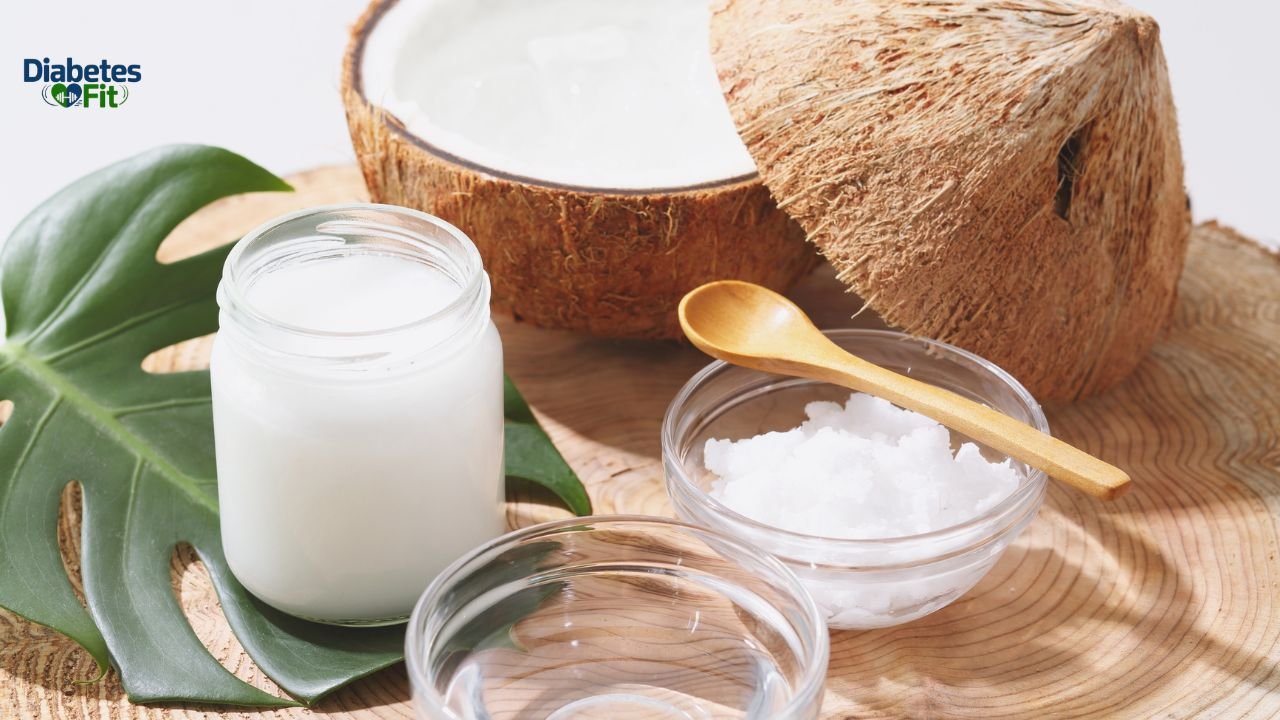
Best choice for skin: Always choose virgin or extra virgin, cold-pressed, unrefined coconut oil — this preserves the full spectrum of fatty acids, antioxidants, and polyphenols that make coconut oil for skin so effective.
15 Proven Benefits of Coconut Oil for Skin
1. Deep Moisturization — Better Than Many Commercial Products
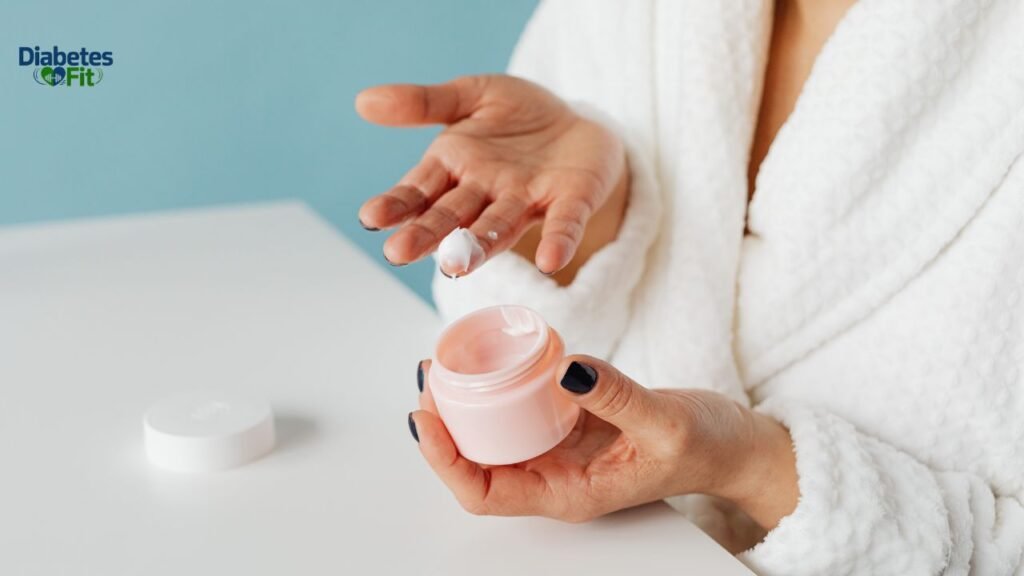
Coconut oil is one of the most effective natural moisturizers available — and clinical research confirms it performs comparably to established moisturizing products.
The science:
A randomized controlled trial published in Dermatitis directly compared virgin coconut oil to mineral oil in patients with atopic dermatitis (eczema). The study found coconut oil was equally effective at improving skin hydration and skin condition, and superior in reducing Staphylococcus aureus colonization on the skin.
How coconut oil moisturizes:
- Occlusive effect: Creates a physical barrier on the skin surface that prevents transepidermal water loss (TEWL) — the evaporation of moisture from the skin
- Emollient effect: Fills in the microscopic gaps between skin cells — making skin feel smooth and soft
- Deep penetration: Unlike mineral oil (which sits on the surface), coconut oil penetrates deeper skin layers due to its small molecular structure
Best application: Apply a small amount to damp skin immediately after showering — this locks in the water absorbed during bathing. Use more liberally on very dry areas (heels, elbows, knees).
2. Strengthens the Skin Barrier — The Foundation of Healthy Skin
The skin barrier — the outermost layer of skin (stratum corneum) — is responsible for keeping moisture in and irritants, allergens, and bacteria out. A damaged skin barrier underlies virtually every major skin condition, including eczema, psoriasis, rosacea, and sensitive skin.
How coconut oil repairs the skin barrier:
- Fatty acids in coconut oil — particularly lauric and capric acid — are natural components of healthy skin’s lipid structure
- Regular application replenishes depleted skin lipids — restoring barrier integrity
- Research published in the International Journal of Molecular Sciences found that coconut oil upregulates the expression of key skin barrier proteins, including claudin-1 and aquaporin-3
- Reduces TEWL (transepidermal water loss) — the most clinically relevant marker of skin barrier health
A healthy skin barrier is the foundation of beautiful, healthy skin — and coconut oil for skin directly supports it.
3. Powerful Antimicrobial Properties — Natural Skin Protection
One of the most clinically significant benefits of coconut oil for skin is its antimicrobial activity — driven primarily by lauric acid and its derivative monolaurin.
Research on coconut oil’s antimicrobial effects:
- A study in the Journal of Investigative Dermatology found that lauric acid was more effective at killing Propionibacterium acnes (the primary bacteria causing acne) than benzoyl peroxide, one of the most common conventional acne treatments
- Coconut oil demonstrates activity against Staphylococcus aureus, a bacterium that colonizes and worsens eczema
- Caprylic acid in coconut oil has documented antifungal activity against Candida species — relevant for fungal skin infections
- Research shows coconut oil reduces bacterial biofilm formation on skin surfaces
Clinical application:
A randomized controlled trial published in Dermatitis found that virgin coconut oil applied twice daily reduced Staphylococcus aureus skin colonization by 95% over 4 weeks — compared to 50% for mineral oil — in children with atopic dermatitis.
4. Anti-Inflammatory Effects — Calming Irritated and Reactive Skin
Chronic skin inflammation underlies many of the most common skin conditions — eczema, psoriasis, rosacea, contact dermatitis, and acne. Coconut oil for skin addresses inflammation through multiple pathways simultaneously.
Anti-inflammatory mechanisms:
- Lauric acid inhibits pro-inflammatory cytokines (TNF-α and IL-1β) — reducing the inflammatory cascade that causes redness, swelling, and skin damage
- Polyphenols in virgin coconut oil neutralize free radicals that trigger inflammatory signaling
- Vitamin E further reduces oxidative stress, which promotes skin inflammation
- Oleic acid modulates arachidonic acid metabolism, reducing the production of inflammatory prostaglandins
A study published in Pharmaceutical Biology found that coconut oil demonstrated significant anti-inflammatory activity — comparable to pharmaceutical-grade anti-inflammatory preparations — in both in vitro and animal models.
5. Accelerates Wound Healing
Traditional medicine across South Asia and the Pacific has used coconut oil for wound healing for millennia — and modern research validates this use with clear mechanisms.

Research on coconut oil and wound healing:
A study published in Skin Pharmacology and Physiology found that virgin coconut oil significantly accelerated wound healing in animals, with treated wounds healing in 2 weeks compared to 3 weeks in the control group. Treated wounds showed:
- Increased fibroblast proliferation (cells that produce collagen for wound repair)
- Higher neovascularization (new blood vessel formation to supply healing tissue)
- Greater total protein and collagen content in healing tissue
- Faster epithelialization (skin cell migration to cover the wound)
How coconut oil accelerates healing:
- Antimicrobial properties prevent bacterial infection, which delays healing
- Anti-inflammatory effects prevent excessive inflammation that damages healing tissue
- Moisturizing properties prevent the wound from scabbing and cracking, which delays epithelialization
- Collagen-stimulating effects support tissue repair
Best use: Apply to minor cuts, scrapes, burns (after cooling), and post-procedure skin. Not appropriate for deep or infected wounds.
6. Eczema and Atopic Dermatitis Relief
Eczema (atopic dermatitis) is one of the most common skin conditions worldwide, characterized by intense itching, inflammation, and a compromised skin barrier. Coconut oil for skin is one of the most well-researched natural interventions for this condition.
Clinical evidence:
The most significant study — published in Dermatitis — was a randomized, double-blind, controlled trial that found virgin coconut oil:
- Reduced SCORAD (eczema severity score) significantly more than mineral oil
- Decreased Staphylococcus aureus colonization by 95% (compared to 50% for mineral oil)
- Improved skin hydration measurably
- Was well-tolerated without adverse effects
A second study in pediatric eczema patients confirmed these findings, with children showing significant improvement in symptom severity after 8 weeks of twice-daily coconut oil application.
Why it works for eczema:
- Repairs the compromised skin barrier that characterizes eczema
- Reduces S. aureus colonization — this bacterium significantly worsens eczema by triggering immune responses
- Anti-inflammatory properties reduce itch and redness
- Moisturization prevents the dryness-itch-scratch cycle that perpetuates eczema flares
7. Powerful Anti-Aging and Antioxidant Protection
Environmental damage — primarily from UV radiation and pollution — generates free radicals that damage collagen, elastin, and DNA in skin cells. This oxidative damage is the primary driver of premature skin aging: wrinkles, sagging, hyperpigmentation, and dullness.
How coconut oil protects against skin aging:
- Vitamin E in coconut oil is one of the most effective fat-soluble antioxidants known — it neutralizes free radicals in the lipid-rich skin cell membranes, where they cause the most damage
- Polyphenols provide additional antioxidant protection
- Lauric acid has demonstrated antioxidant activity in research
- Skin barrier strengthening reduces the UV-related inflammation that accelerates collagen breakdown
Collagen and coconut oil:
Research shows coconut oil promotes fibroblast activity — the cells responsible for producing collagen and elastin. By supporting fibroblast function and reducing the oxidative damage that destroys existing collagen, regular coconut oil use for skin may help maintain the structural proteins that keep skin firm and youthful.
8. Natural Makeup Remover — Gentle and Effective
Coconut oil for skin is one of the most effective makeup removers available — particularly for waterproof and long-wear formulations that resist water-based cleansers.

Why coconut oil removes makeup effectively:
- “Like dissolves like” — the oils in makeup are dissolved by coconut oil’s lipid structure
- Simultaneously removes makeup AND moisturizes the skin underneath
- Removes waterproof mascara, long-wear foundation, and liquid lipsticks without tugging
- No harsh chemicals or surfactants that strip the skin barrier
How to use:
- Take a small amount of coconut oil on your fingertips or a cotton pad
- Massage gently over the face in circular motions — watch the makeup dissolve
- Remove with a warm, damp cloth
- Follow with a gentle cleanser if you prefer a completely clean feel (especially for oily or acne-prone skin)
Important: Always follow with a cleanser if you have oily or combination skin — leaving coconut oil residue on pore-prone skin can contribute to breakouts.
9. Relief for Psoriasis and Other Inflammatory Skin Conditions
Psoriasis — an autoimmune skin condition causing rapid skin cell turnover, thick plaques, and inflammation — can benefit from regular coconut oil for skin application, particularly on dry, scaly patches.
How coconut oil helps psoriasis:
- Softens and helps lift thick psoriatic plaques — improving appearance and comfort
- Reduces the scaling and flaking through deep moisturization
- Anti-inflammatory properties help calm the skin inflammation, driving plaque formation
- Antimicrobial properties prevent secondary infections in broken psoriatic skin
- Can be used before UV phototherapy to improve UV penetration through thick plaques
Important note: Coconut oil does not treat the underlying autoimmune cause of psoriasis. It’s a complementary management tool — not a replacement for prescribed medications.
10. Natural Body Scrub When Combined With Sugar or Salt
Coconut oil forms the ideal base for natural exfoliating scrubs — combining the exfoliating action of sugar or salt with the simultaneous moisturizing and antimicrobial benefits of coconut oil for skin.
Simple DIY coconut oil body scrub:
- ½ cup coconut oil (softened)
- ½ cup brown sugar or sea salt
- Optional: 10 drops essential oil (lavender, peppermint, or tea tree)
- Optional: 1 tablespoon lemon juice or honey
Mix and use in the shower — massage in circular motions, focusing on rough areas. Rinse thoroughly. The exfoliation removes dead skin cells; the coconut oil moisturizes simultaneously.
11. Sunburn Relief and After-Sun Care
Coconut oil is an excellent after-sun treatment — soothing burned, inflamed skin while preventing peeling and supporting repair.
How coconut oil helps sunburn:
- Anti-inflammatory properties reduce the redness and heat of sunburn
- Deep moisturization prevents the excessive drying that causes peeling
- Antioxidants help mitigate ongoing free radical damage from UV exposure
- Antimicrobial properties protect broken sunburned skin from bacterial infection
Important safety note: Coconut oil has a very low natural SPF (approximately 4–6) — far too low to provide meaningful sun protection. It should NEVER be used as a sunscreen substitute. Use it as an after-sun treatment only — after proper SPF sun protection.
12. Dry Scalp and Dandruff Treatment
Dandruff and dry scalp are often caused or worsened by a combination of fungal overgrowth (Malassezia species), inflammation, and dehydration of the scalp. Coconut oil addresses all three.

Research on coconut oil for scalp health:
- Caprylic acid’s antifungal properties specifically target Malassezia — the primary fungal species implicated in dandruff
- Regular scalp application reduces scaling and itching
- Moisturizes the scalp, reducing dryness-driven flaking
- Lauric acid penetrates the hair shaft — improving hair strength alongside scalp health
Application method: Warm coconut oil slightly, apply to scalp, massage for 5 minutes, leave for 30–60 minutes (or overnight with a shower cap), wash out thoroughly with shampoo.
13. Cuticle and Nail Care
The cuticles and nails surrounding them are notoriously difficult to moisturize effectively — most lotions evaporate before providing meaningful moisture to the thick cuticle tissue. Coconut oil’s penetrating lipid structure works more effectively.
Benefits for cuticles and nails:
- Deep penetration into cuticle tissue — significantly more effective than water-based lotions
- Antimicrobial protection prevents nail infections (paronychia) that often start in dry, cracked cuticles
- Strengthens nails by moisturizing the nail plate and preventing brittleness
- Antifungal properties protect against nail fungal infections
14. Shaving Cream Alternative
Coconut oil makes an exceptional shaving lubricant — providing superior glide while simultaneously conditioning skin and reducing razor burn.
Why coconut oil works better than conventional shaving cream:
- Provides excellent razor glide — reducing friction that causes irritation and nicks
- Moisturizes skin simultaneously — no need for post-shave lotion
- Antimicrobial properties prevent post-shave bacterial folliculitis
- No foaming agents, fragrances, or chemicals that cause sensitivity
- Leaves legs and face noticeably softer after shaving
Application: Apply a thin layer to damp skin and shave normally. Rinse thoroughly.
15. Lip Moisturizer and Treatment
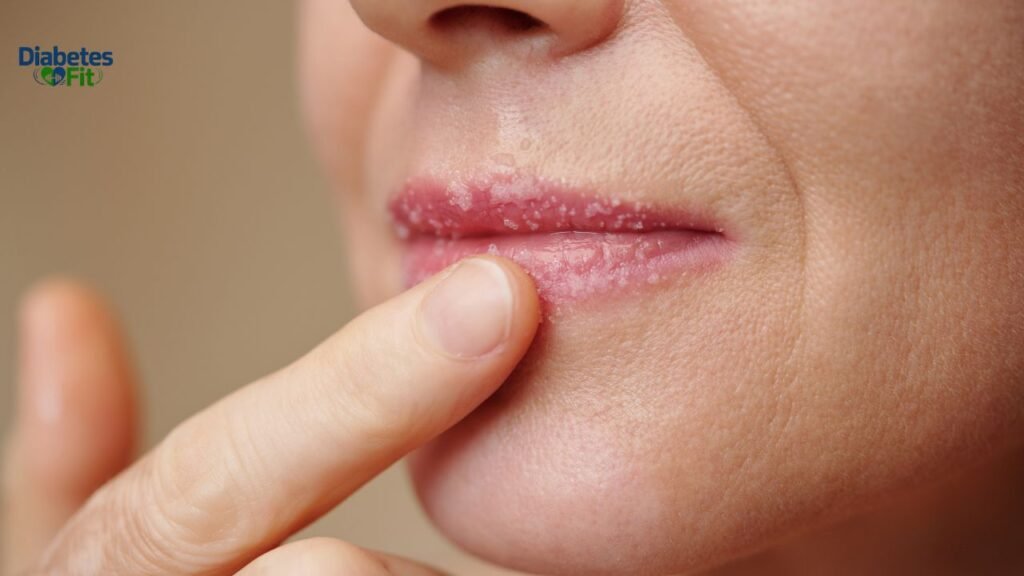
The lips lack sebaceous glands — meaning they cannot produce their own natural oils and are perpetually dependent on external moisture. Coconut oil for skin — including lip skin — provides concentrated, long-lasting moisture.
Why coconut oil works well on lips:
- Penetrates the thin lip skin more effectively than most waxy lip balms
- Antimicrobial properties prevent the cracked, chapped lips from becoming infected
- Safe to ingest — any coconut oil consumed while eating after application is completely harmless
- Provides a mild natural gloss without synthetic chemicals
Who Should Use Coconut Oil for Skin — And Who Should Be Careful
Skin Types and Coconut Oil Suitability
| Skin Type | Coconut Oil Recommendation | Notes |
| Dry skin | ⭐⭐⭐⭐⭐ Excellent | One of the best natural moisturizers available |
| Normal skin | ⭐⭐⭐⭐ Good | Excellent for the body; use sparingly on the face |
| Sensitive skin | ⭐⭐⭐⭐ Good | Typically well-tolerated; patch test first |
| Eczema-prone | ⭐⭐⭐⭐⭐ Excellent | Strong clinical evidence of benefit |
| Oily skin | ⭐⭐ Caution | High comedogenicity — risk of clogged pores |
| Acne-prone | ⭐ Not recommended (face) | Comedogenic rating of 4 — can worsen acne |
| Combination skin | ⭐⭐⭐ Moderate | Use on dry areas only; avoid the T-zone |
| Mature/aging skin | ⭐⭐⭐⭐ Good | Antioxidants and collagen support are beneficial |
The Comedogenicity Issue
Comedogenicity refers to a substance’s tendency to clog pores and trigger acne. Coconut oil has a comedogenicity rating of 4 out of 5 — meaning it has a high potential to clog pores, particularly on the face.
This is the primary reason coconut oil for skin is not recommended for people with oily or acne-prone facial skin. While it’s excellent for the body (where pores are smaller and acne is less common), facial use in pore-prone individuals often triggers breakouts.
Alternatives for acne-prone skin:
- Jojoba oil (comedogenicity rating: 2)
- Rosehip oil (comedogenicity rating: 1)
- Hemp seed oil (comedogenicity rating: 0)
- Argan oil (comedogenicity rating: 0)
How to Use Coconut Oil for Skin: A Practical Guide
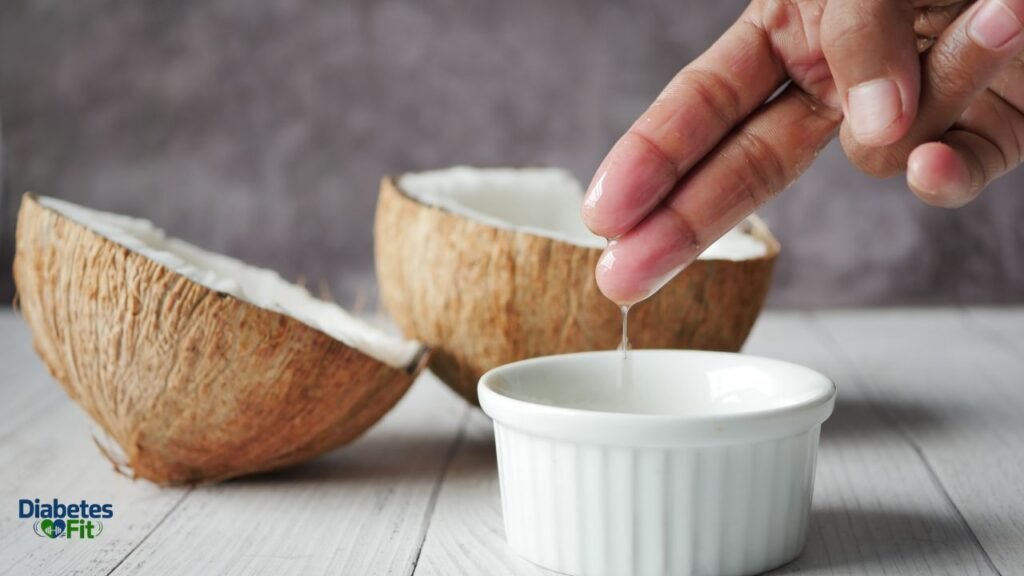
For Body Moisturization
- Apply to damp skin immediately after showering
- Use a dime-to-quarter size amount for each body area
- Massage in circular motions until absorbed
- Allow 5 minutes before dressing
For Face (Dry or Mature Skin Only)
- Use a very small amount — less than you think you need
- Apply to clean, damp skin
- Avoid the T-zone if you have any oiliness
- Patch test on the jawline first for 1 week before full facial use
For Eczema
- Apply twice daily to affected areas — morning and bedtime
- Use virgin, unrefined coconut oil only
- Apply to slightly damp skin for better absorption
- Consistency is key — results typically appear after 4–8 weeks
For Wounds and Burns (Minor)
- Clean the area first
- Apply a thin layer of coconut oil
- Cover with a sterile bandage if needed
- Reapply 2–3 times daily
Frequently Asked Questions
Is coconut oil good for all skin types?
Coconut oil for skin works excellently for dry, normal, mature, sensitive, and eczema-prone skin — both on the face and body. However, it’s not recommended for oily or acne-prone facial skin because its comedogenicity rating of 4 out of 5 means it has high pore-clogging potential. For body use, most skin types tolerate coconut oil well since body pores are smaller and acne is less common. If you have oily or combination facial skin and want a natural facial oil, consider jojoba or argan oil instead of coconut oil for skin on your face.
Can coconut oil remove dark spots and hyperpigmentation?
Coconut oil for skin doesn’t directly lighten dark spots or hyperpigmentation — it doesn’t contain significant concentrations of proven skin-brightening compounds like vitamin C, niacinamide, or kojic acid. However, its antioxidant content (vitamin E and polyphenols) may prevent the formation of new dark spots by neutralizing the free radicals that trigger melanin overproduction. For existing dark spots, coconut oil is best used as a complementary moisturizing treatment alongside proven brightening actives like vitamin C serum or niacinamide — not as a primary treatment.
How long does it take to see results from using coconut oil on skin?
Results from using coconut oil for skin vary by concern. Moisturization and softness improvements are typically immediate — you’ll notice softer skin within the first application. For eczema and inflammatory conditions, meaningful improvement typically takes 4–8 weeks of consistent twice-daily application. Wound healing benefits are seen over 1–3 weeks, depending on wound severity. Anti-aging and antioxidant benefits are cumulative — developing over months of consistent use. For any skin concern, consistent daily application produces better results than occasional use.
Is virgin coconut oil better than regular coconut oil for skin?
Yes — virgin (unrefined, cold-pressed) coconut oil is significantly better for skin than refined coconut oil. The refining process uses heat and sometimes chemicals that degrade polyphenols, reduce vitamin E content, and alter the fatty acid profile. Virgin coconut oil retains the full spectrum of lauric acid, antioxidants, polyphenols, and beneficial plant compounds that make coconut oil for skin so effective. Refined coconut oil is more appropriate for cooking due to its higher smoke point and neutral flavor — but for skincare, always choose virgin or extra virgin cold-pressed varieties.
Can I use coconut oil on my face every day?
For dry, mature, or eczema-prone skin, daily facial use of coconut oil is appropriate and beneficial. For normal skin, using it 2–3 times per week or only at night is a sensible approach. For oily, combination, or acne-prone skin, daily facial coconut oil application is not recommended — its comedogenicity makes daily pore exposure on oily facial skin likely to cause breakouts over time. For all skin types, daily body use of coconut oil for skin is generally well-tolerated and beneficial. Always start with a patch test when beginning any new skincare ingredient.
Does coconut oil help with stretch marks?
Coconut oil for skin can improve the appearance of stretch marks and may help prevent new ones from developing — though it cannot eliminate existing stretch marks. Stretch marks occur when the dermis tears from rapid skin stretching, and no topical ingredient can reverse this structural change. However, coconut oil’s collagen-stimulating fibroblast activity may reduce the visibility of newer (red/purple) stretch marks by supporting skin repair. Regular application during pregnancy and periods of rapid weight change may prevent stretch marks from developing by maintaining skin elasticity and moisture. For existing stretch marks, regular massage with coconut oil improves their texture and reduces shininess over time.
Is coconut oil safe for baby’s skin?
Coconut oil for skin is generally considered safe for babies and has been used traditionally in many cultures for infant skincare. Research specifically in neonates has shown that coconut oil is safe, well-tolerated, and effective for improving skin barrier function. It’s free from harsh chemicals, fragrances, and preservatives found in many commercial baby products. However, there are considerations: some babies may develop contact sensitivity, so patch test on a small area first. For babies with food allergies — particularly tree nut allergies — consult a pediatrician before using coconut oil topically. Always choose virgin, unrefined coconut oil for infant skin.
Conclusion
After examining the studies and the entire spectrum of uses, coconut oil for skin is deserving of its well-known reputation—with a few crucial exceptions. Coconut oil for skin is one of the most efficient, adaptable, and reasonably priced natural skincare products available for the appropriate skin types and applications.
Clinical evidence shows that coconut oil for skin moisturizes skin similarly to pharmaceutical emollients, decreases bacterial colonization that exacerbates eczema, speeds up wound healing, combats free radicals that cause premature skin aging, and offers significant anti-inflammatory benefits for sensitive and reactive skin. These are peer-reviewed findings, not advertising claims.
The secret is to use coconut oil for skin wisely: virgin and unrefined for maximum benefit; suitable for dry, mature, eczema-prone skin types (but usually not oily or acne-prone facial skin); and for the particular uses where it works best, such as body moisturizer, wound healing, makeup remover, scalp treatment, and eczema support.
Are you prepared to begin? This week, get a container of cold-pressed virgin coconut oil. After taking a shower, start by applying it to your body and let your skin tell you if it is appropriate for your face. After using it consistently for four weeks, observe how the texture, moisture, and general health of your skin change. For the majority of people, this easy and reasonably priced modification will result in noticeable improvements in skin health.
Also know that coconut oil is good for skin from Healthline.

David Miller: I am a health and wellness writer focused on diabetes awareness, blood sugar control, and healthy living. I creates clear, practical content to help readers make better everyday health choices. I write evidence-based articles about diabetes, diet, and healthy living. My goal is to simplify complex health topics using trusted sources like WHO and medical journals.