Smoothies for Weight Loss: 20 Delicious Recipes That Actually Burn Fat
Smoothies for weight loss are one of the most popular dietary strategies in the world — and when done correctly, they genuinely work. A well-built weight loss smoothie can replace a 500-calorie meal with a 250-calorie drink that keeps you full for hours, delivers exceptional nutrition, and makes healthy eating feel enjoyable rather than restrictive.
But here’s the problem most people run into: the wrong smoothie can easily contain 600–800 calories, 60g of sugar, and minimal protein — doing more harm than good for weight loss. The difference between a fat-burning smoothie and a liquid sugar bomb often comes down to just a few ingredient choices.
In this complete guide, you’ll discover 20 proven smoothies for weight loss, the exact formula for building your own fat-burning blend, the biggest mistakes to avoid, and the science behind why the right smoothie ingredients accelerate fat loss. Every recipe here is genuinely effective, genuinely delicious, and built on real nutritional science.
Also read the benefits of coconut oil for skin.
Why Smoothies Work for Weight Loss — The Science
Before diving into the recipes, it’s important to understand exactly why smoothies for weight loss are effective when built correctly — because the science explains every ingredient choice.
Calorie Control Without Hunger
The core mechanism behind successful smoothies for weight loss is simple: a well-constructed smoothie delivers fewer calories than a typical meal while keeping you just as full — or fuller.
Research published in the Journal of the American College of Nutrition found that meal replacement smoothies reduced total daily calorie intake by an average of 400–500 calories per day in study participants — without increasing hunger. Over time, this consistent calorie reduction produces reliable fat loss.
Protein and Fiber: The Satiety Combination
The most important ingredients in effective smoothies for weight loss are protein and fiber — and they work through completely different but complementary mechanisms:
Protein:
- Activates satiety hormones (GLP-1, PYY) that signal fullness to the brain
- Suppresses ghrelin (the hunger hormone) more powerfully than carbohydrates or fat
- Has a thermic effect of 20–30% — your body burns more calories digesting protein
- Preserves lean muscle during calorie restriction — maintaining the metabolic rate that drives fat loss
Fiber:
- Slows gastric emptying — food (or liquid) stays in the stomach longer
- Prevents rapid blood sugar spikes that trigger hunger shortly after eating
- Feeds beneficial gut bacteria linked to healthy weight and reduced fat storage
- Adds physical bulk to the smoothie — contributing to satiety
The research: Studies show that smoothies with at least 20g of protein and 5g of fiber kept participants full for 3–4 hours — comparable to a solid meal — while delivering significantly fewer calories.
The Liquid Meal Debate
Some research suggests that liquid calories satisfy hunger less effectively than solid calories. This is a legitimate concern — but it applies primarily to thin, low-protein, low-fiber smoothies. High-protein, high-fiber smoothies that are thick and nutrient-dense don’t produce this problem.
The key: Make your smoothies thick enough that you eat them with a spoon. Research shows this simple change increases satiety significantly — the eating motion and thicker texture activate fullness mechanisms that thin drinks bypass.
The Fat-Burning Smoothie Formula
Every effective smoothie for weight loss follows the same basic formula. Once you understand this structure, you can build unlimited variations:
The 5-Component Weight Loss Smoothie Formula
| Component | What to Include | Amount | Role |
| Liquid base | Unsweetened almond milk, water, and coconut water | 200–300ml | Controls calorie density |
| Protein | Protein powder, Greek yogurt, cottage cheese | 20–30g protein | Satiety, muscle preservation |
| Fiber/Greens | Spinach, kale, frozen cauliflower, chia seeds | 1–2 cups | Blood sugar stability, fullness |
| Fruit (low sugar) | Berries, green apple, half a banana | ½–1 cup | Flavor, antioxidants |
| Healthy fat | Almond butter, avocado, flaxseed | 1 tablespoon | Sustained energy, hormone support |
Target nutritional profile per smoothie for weight loss:
- Calories: 250–350 kcal
- Protein: 20–30g
- Fiber: 5–10g
- Sugar: Under 15g (natural, not added)
- Fat: 8–15g (healthy sources)
Best Ingredients for Smoothies for Weight Loss
Best Liquids (Lowest Calorie)
| Liquid | Calories per 250ml | Notes |
| Unsweetened almond milk | 13 kcal | Best overall base — lowest calories |
| Water | 0 kcal | Zero calorie, use with flavorful ingredients |
| Unsweetened coconut water | 45 kcal | Electrolytes, natural sweetness |
| Unsweetened oat milk | 60 kcal | Creamier texture, slightly higher carbs |
| Unsweetened soy milk | 80 kcal | Higher protein than other plant milks |
| Skim milk | 85 kcal | Natural protein and calcium |
| Whole milk | 150 kcal | Use sparingly — higher calorie |
| Fruit juice | 110–150 kcal | Avoid concentrated sugar |
Best Protein Sources
| Source | Protein per Serving | Calories | Best For |
| Whey protein isolate (1 scoop) | 25–27g | 100–120 kcal | Fastest absorbing, highest protein |
| Pea protein (1 scoop) | 20–25g | 100–120 kcal | Plant-based, good for digestion |
| Greek yogurt (150g) | 15g | 90 kcal | Creaminess + protein + probiotics |
| Cottage cheese (100g) | 11g | 98 kcal | High protein, creamy texture |
| Hemp seeds (3 tbsp) | 10g | 166 kcal | Complete plant protein + omega-3s |
| Silken tofu (100g) | 8g | 55 kcal | Plant-based, neutral flavor |
Best Fruits (Low Sugar, High Fiber)
| Fruit | Calories per Cup | Sugar | Fiber | Weight Loss Rating |
| Raspberries | 64 kcal | 5.4g | 8g | ⭐⭐⭐⭐⭐ |
| Blackberries | 62 kcal | 7g | 7.6g | ⭐⭐⭐⭐⭐ |
| Strawberries | 49 kcal | 7.4g | 3g | ⭐⭐⭐⭐⭐ |
| Blueberries | 84 kcal | 14.7g | 3.6g | ⭐⭐⭐⭐ |
| Green apple (half) | 40 kcal | 8g | 1.7g | ⭐⭐⭐⭐ |
| Banana (half) | 53 kcal | 7g | 1.5g | ⭐⭐⭐ |
| Mango (half cup) | 50 kcal | 11g | 1.3g | ⭐⭐ |
| Grapes (1 cup) | 104 kcal | 23g | 1.4g | ⭐ |
Best Add-Ins That Boost Fat Burning
- Chia seeds (2 tbsp): 9g fiber, 4g protein, omega-3 fatty acids — expand in liquid to create a gel that slows digestion
- Ground flaxseed (2 tbsp): 4g fiber, omega-3s, lignans that support estrogen metabolism
- Matcha powder (1 tsp): EGCG catechins boost fat oxidation by 10–16%; L-theanine provides calm energy
- Cinnamon (½ tsp): Improves insulin sensitivity — reduces post-meal blood sugar spikes
- Ginger (1-inch piece): Thermogenic, anti-inflammatory, reduces appetite
- Cayenne pepper (small pinch): Capsaicin boosts metabolism 4–5%
- Spinach (2 cups): Thylakoids reduce hunger by 95% in research; virtually no flavor
- Frozen cauliflower (½ cup): Adds creaminess and volume with minimal calories
20 Best Smoothies for Weight Loss
Green Smoothies for Weight Loss
1. Classic Green Detox Smoothie
Calories: ~285 | Protein: 24g | Fiber: 7g
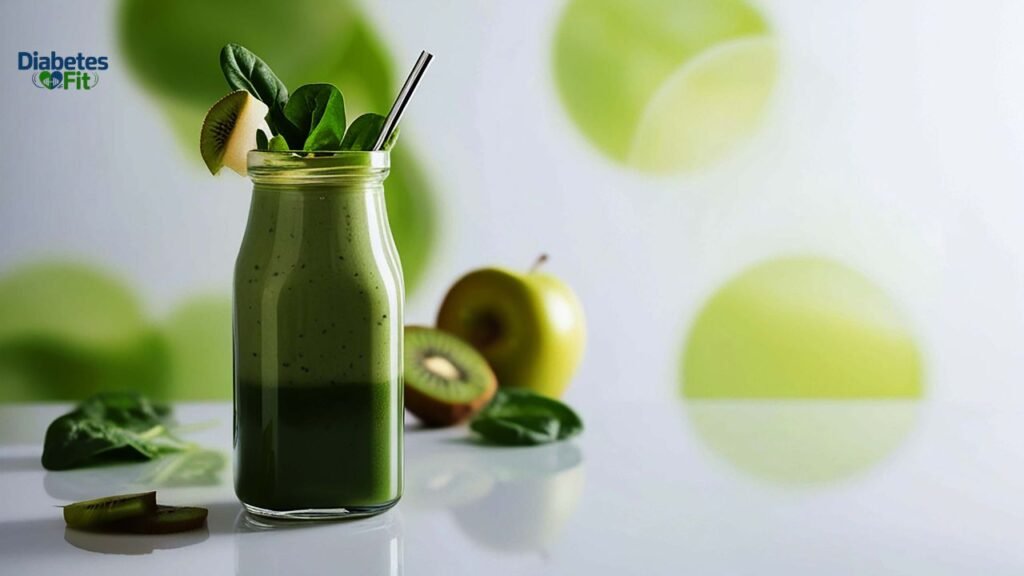
This is the foundation of all green smoothies for weight loss — simple, effective, and genuinely delicious once you try it.
Ingredients:
- 250ml unsweetened almond milk
- 2 cups fresh spinach
- 1 scoop vanilla whey protein
- ½ frozen banana
- ½ cup frozen mango
- 1 tablespoon chia seeds
- ½ inch fresh ginger
Blend: All ingredients until completely smooth. The spinach is invisible in flavor — you’ll taste only banana, mango, and vanilla.
2. Kale and Pineapple Metabolism Booster
Calories: ~310 | Protein: 22g | Fiber: 8g
Ingredients:
- 200ml coconut water
- 1 cup kale (stems removed)
- 1 cup spinach
- ½ cup frozen pineapple
- 1 scoop unflavored or vanilla protein
- 1 tablespoon ground flaxseed
- Juice of 1 lime
- 5 fresh mint leaves
3. Avocado Spinach Cream Smoothie
Calories: ~320 | Protein: 20g | Fiber: 9g
Ingredients:
- 250ml unsweetened almond milk
- 2 cups spinach
- ¼ ripe avocado
- 1 scoop vanilla protein powder
- ½ cup frozen pineapple
- 1 tablespoon chia seeds
- ½ teaspoon matcha powder
- Handful of ice
4. Cucumber Mint Green Smoothie
Calories: ~240 | Protein: 22g | Fiber: 5g
One of the lightest and most refreshing smoothies for weight loss — ideal for hot mornings or post-workout.
Ingredients:
- 300ml water
- 1 cup spinach
- ½ cucumber, roughly chopped
- 1 scoop unflavored protein powder
- Juice of 1 lemon
- Large handful of fresh mint
- 1 green apple (cored)
- 1 tablespoon flaxseed
5. Tropical Green Power Smoothie
Calories: ~295 | Protein: 25g | Fiber: 6g
Ingredients:
- 250ml unsweetened coconut water
- 2 cups baby spinach
- ½ cup frozen mango
- ½ cup frozen pineapple
- 150g plain Greek yogurt
- 1 tablespoon hemp seeds
- ½ inch fresh turmeric or ½ tsp turmeric powder
- Pinch of black pepper (activates turmeric)
Berry Smoothies for Weight Loss
6. Triple Berry Protein Blast
Calories: ~270 | Protein: 28g | Fiber: 9g
Ingredients:
- 250ml unsweetened almond milk
- ½ cup frozen strawberries
- ½ cup frozen blueberries
- ½ cup frozen raspberries
- 1 scoop vanilla or berry protein powder
- 2 tablespoons chia seeds
- 1 cup spinach (optional — berries completely mask the flavor)
7. Blueberry and Almond Butter Smoothie
Calories: ~340 | Protein: 24g | Fiber: 7g
Ingredients:
- 250ml unsweetened almond milk
- 1 cup frozen blueberries
- 1 tablespoon almond butter
- 1 scoop vanilla protein
- 1 tablespoon ground flaxseed
- ½ teaspoon cinnamon
- ½ cup plain Greek yogurt
8. Strawberry Cheesecake Smoothie (Guilt-Free)
Calories: ~300 | Protein: 26g | Fiber: 5g
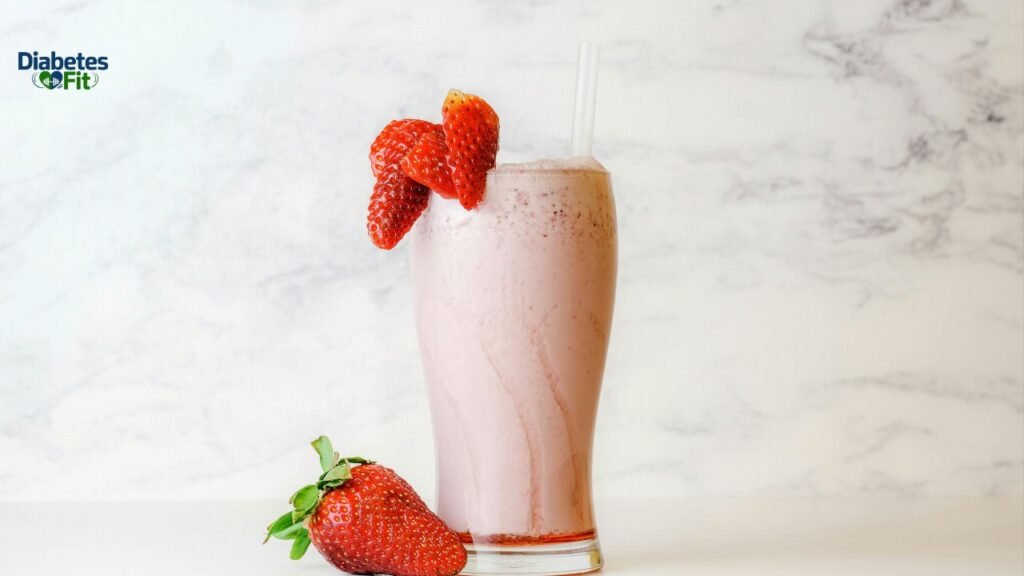
Ingredients:
- 200ml unsweetened almond milk
- 1 cup frozen strawberries
- 100g low-fat cottage cheese
- 1 scoop vanilla protein
- 1 teaspoon vanilla extract
- ½ tablespoon chia seeds
- Small handful of ice
9. Raspberry Lemon Detox Smoothie
Calories: ~255 | Protein: 22g | Fiber: 10g
The highest-fiber smoothie on this list — raspberries contain 8g of fiber per cup.
Ingredients:
- 300ml water
- 1 cup frozen raspberries
- 1 cup spinach
- 1 scoop unflavored protein
- Juice of 1 lemon
- 2 tablespoons chia seeds
- ½ teaspoon ginger powder
- Small pinch of cayenne
10. Mixed Berry Overnight Smoothie
Calories: ~285 | Protein: 20g | Fiber: 8g
Prepare this the night before — allowing chia seeds to swell and creating a thicker, more satisfying texture.
Ingredients:
- 250ml unsweetened almond milk
- ¾ cup mixed frozen berries
- 150g plain Greek yogurt
- 2 tablespoons chia seeds
- 1 tablespoon almond butter
- ½ teaspoon vanilla extract
Mix (don’t blend initially), refrigerate overnight, then blend in the morning.
Protein Smoothies for Weight Loss
11. Chocolate Peanut Butter Protein Smoothie
Calories: ~350 | Protein: 32g | Fiber: 6g
This smoothie for weight loss tastes like a milkshake — yet delivers 32g of protein with controlled calories.
Ingredients:
- 250ml unsweetened almond milk
- 1 scoop of chocolate protein powder
- 1 tablespoon peanut butter (natural, no added sugar)
- 1 cup spinach
- ½ frozen banana
- 1 tablespoon chia seeds
- ½ teaspoon cinnamon
- Handful of ice
12. Vanilla Almond Protein Smoothie
Calories: ~310 | Protein: 28g | Fiber: 5g
Ingredients:
- 250ml unsweetened almond milk
- 1 scoop vanilla protein
- 150g plain Greek yogurt
- 1 tablespoon almond butter
- ½ cup frozen cauliflower (adds creaminess, no flavor)
- ½ teaspoon vanilla extract
- 1 tablespoon flaxseed
13. Cottage Cheese Berry Smoothie
Calories: ~290 | Protein: 30g | Fiber: 6g
Cottage cheese as a protein base creates an exceptionally creamy texture while delivering casein protein that digests slowly — keeping you full for hours.
Ingredients:
- 200ml unsweetened almond milk
- 150g low-fat cottage cheese
- ¾ cup frozen mixed berries
- 1 tablespoon chia seeds
- ½ teaspoon vanilla extract
- 1 teaspoon honey (optional — adds minimal calories)
- Handful of ice
14. Banana Oat Protein Smoothie
Calories: ~370 | Protein: 26g | Fiber: 7g
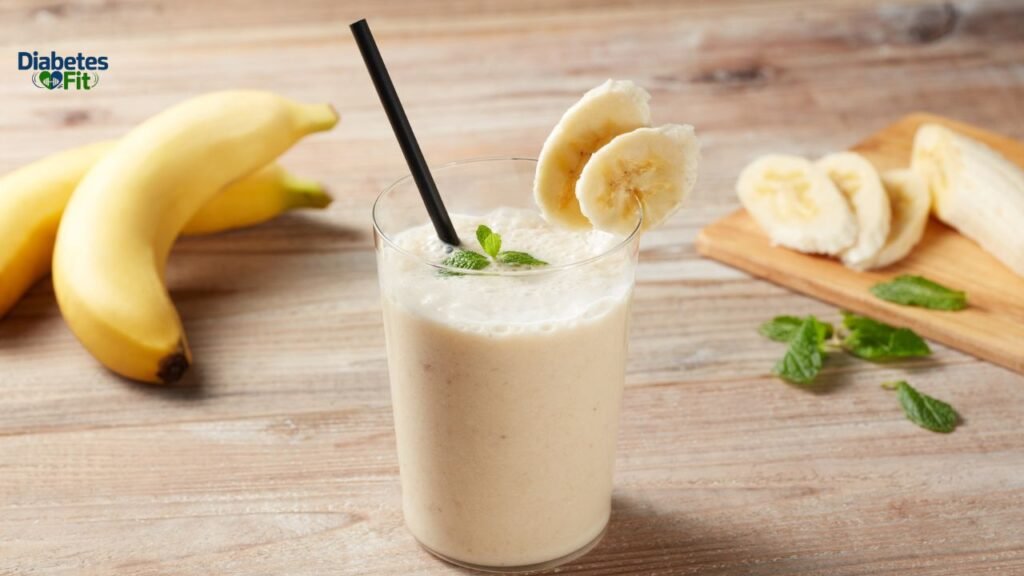
A heartier smoothie for weight loss — ideal for very active people or as a pre-workout meal.
Ingredients:
- 250ml skim milk or unsweetened soy milk
- 1 scoop vanilla protein
- ½ frozen banana
- 3 tablespoons rolled oats
- 1 tablespoon almond butter
- ½ teaspoon cinnamon
- 1 cup spinach
Metabolism-Boosting Smoothies for Weight Loss
15. Ginger Lemon Metabolism Fire Smoothie
Calories: ~260 | Protein: 22g | Fiber: 6g
Ingredients:
- 300ml water
- 1 scoop unflavored or vanilla protein
- 1-inch fresh ginger, peeled
- Juice of 2 lemons
- 1 cup spinach
- ½ green apple
- 1 tablespoon chia seeds
- Small pinch of cayenne pepper
- ½ teaspoon turmeric
16. Matcha Green Tea Fat Burner
Calories: ~275 | Protein: 24g | Fiber: 5g
Matcha contains up to 137 times more EGCG than regular green tea — the catechin most strongly linked to fat oxidation.
Ingredients:
- 250ml unsweetened almond milk
- 1 teaspoon ceremonial matcha powder
- 1 scoop vanilla protein
- ½ frozen banana
- 1 tablespoon almond butter
- ½ cup spinach
- ½ teaspoon vanilla extract
- Handful of ice
17. Cinnamon Apple Pie Smoothie
Calories: ~295 | Protein: 23g | Fiber: 7g
Cinnamon’s insulin-sensitizing effects make this one of the most blood-sugar-friendly smoothies for weight loss.
Ingredients:
- 250ml unsweetened almond milk
- 1 green apple (cored, roughly chopped)
- 1 scoop vanilla protein
- 150g plain Greek yogurt
- 1 full teaspoon cinnamon
- 1 tablespoon ground flaxseed
- ½ teaspoon vanilla extract
- Small handful of ice
18. Pumpkin Spice Protein Smoothie
Calories: ~295 | Protein: 26g | Fiber: 8g
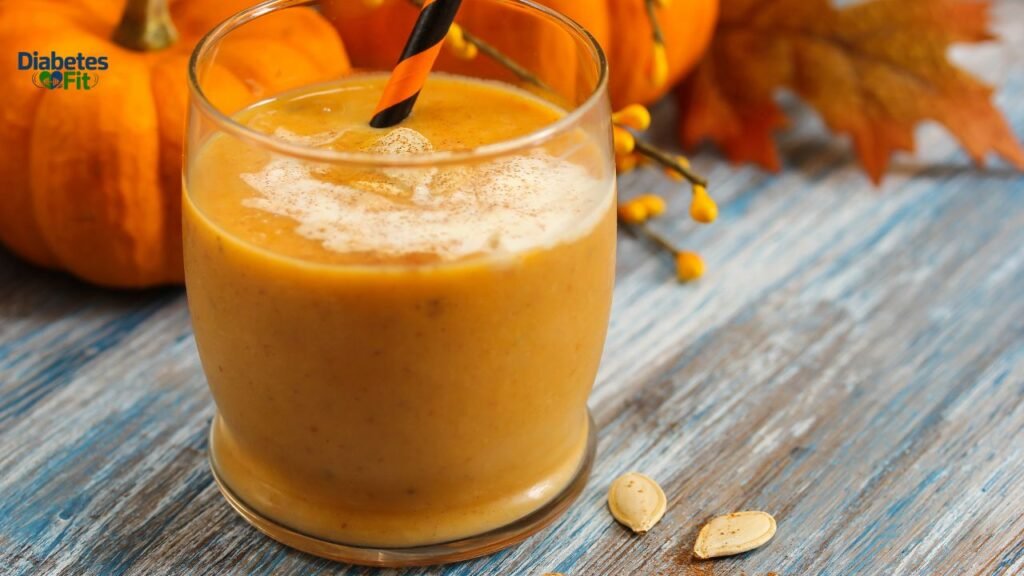
Pumpkin is extraordinarily high in fiber and extremely low in calories — making it an ideal smoothie base for weight loss.
Ingredients:
- 250ml unsweetened almond milk
- ½ cup canned pumpkin purée (not pumpkin pie filling)
- 1 scoop vanilla protein
- ½ frozen banana
- 1 teaspoon pumpkin pie spice
- 1 tablespoon chia seeds
- 1 teaspoon maple syrup (optional)
Simple 3-Ingredient Smoothies for Weight Loss
19. The Bare Minimum Weight Loss Smoothie
Calories: ~250 | Protein: 27g | Fiber: 5g
For days when you have no time — just three ingredients, maximum effectiveness.
Ingredients:
- 300ml unsweetened almond milk
- 1 scoop protein powder (any flavor)
- 1 cup frozen mixed berries
Blend 30 seconds. Done.
20. Nighttime Casein Smoothie for Fat Loss
Calories: ~220 | Protein: 25g | Fiber: 3g
Casein protein digests slowly over 5–7 hours — making this one of the best late-evening smoothies for weight loss, supporting overnight muscle preservation and metabolism maintenance.
Ingredients:
- 200ml unsweetened almond milk
- 1 scoop casein protein (chocolate or vanilla)
- 100g plain Greek yogurt
- ½ teaspoon cinnamon
- Small handful of ice
This low-calorie, high-protein smoothie satisfies late-night hunger without the caloric cost of typical evening snacking.
Common Mistakes That Turn Smoothies Into Weight Gain Bombs
Even well-intentioned smoothies for weight loss can go wrong. Here are the most common errors:
Mistake 1: Using Fruit Juice as the Base
A cup of orange juice adds 112 calories and 21g of sugar, with almost no fiber or protein. Replace with unsweetened almond milk (13 kcal/cup) or water.
Mistake 2: Adding Too Much Fruit
Three bananas, two cups of mango, and a cup of pineapple create a beautiful color, but 60g+ of sugar and 400+ calories — before any other ingredients. Limit fruit to ½–1 cup of low-sugar varieties (berries are best).
Mistake 3: Skipping Protein
A smoothie without protein (or with less than 15g) doesn’t suppress hunger hormones effectively — leaving you hungry again within 90 minutes. Always include at least 20g of protein.
Mistake 4: No Fiber
Without fiber, even a low-calorie smoothie doesn’t keep you full. Always include chia seeds, flaxseed, spinach, or high-fiber fruit (raspberries, blackberries).
Mistake 5: Adding Sweeteners
Honey (21 kcal/tsp), maple syrup (17 kcal/tsp), agave (20 kcal/tsp), and dates (20 kcal each) add calories and sugar with minimal nutritional benefit. If sweetness is needed, use a tiny amount of stevia or just ripe fruit.
Mistake 6: Making It Too Thin
Thin, drinkable smoothies are consumed too quickly — bypassing the chewing and eating mechanisms that contribute to satiety. Make smoothies thick enough to eat with a spoon, or eat them slowly through a straw to maximize the satiety effect.
When and How to Use Smoothies for Weight Loss
Best times:
| Time | Role | Best Type |
| Breakfast | Replace a high-calorie morning meal | High protein + fiber + greens |
| Post-workout | Recovery + muscle preservation | High protein, moderate carb |
| Lunch replacement | Calorie-controlled midday meal | Complete formula smoothie |
| Pre-workout | Energy + performance | Moderate carb, moderate protein |
| Evening snack | Low-calorie hunger management | Casein protein, low-calorie |
How many smoothies per day for weight loss?
- 1 smoothie per day replacing a meal: Sustainable, recommended for most people
- 2 smoothies per day: Appropriate for structured meal replacement programs
- 3 smoothies per day (full liquid diet): Not recommended long-term — nutritionally incomplete
Frequently Asked Questions
Are smoothies for weight loss actually effective?
Yes — smoothies for weight loss are genuinely effective when built correctly. Research shows high-protein, high-fiber meal replacement smoothies reduce daily calorie intake by 400–500 calories on average while maintaining satiety comparable to solid meals. The key is ensuring each smoothie contains at least 20g of protein and 5g of fiber — without added sugar or fruit juice. Smoothies built on this foundation provide consistent calorie control that produces reliable fat loss over time. The mistake most people make is building fruit-heavy, protein-poor smoothies that spike blood sugar and leave them hungry within an hour.
What should I put in a smoothie for weight loss?
The most effective smoothies for weight loss always include: a low-calorie liquid base (unsweetened almond milk or water), a significant protein source (protein powder, Greek yogurt, or cottage cheese — targeting 20–30g protein), fiber-rich additions (chia seeds, ground flaxseed, spinach, or kale), limited low-sugar fruit (berries are best — ½ to 1 cup maximum), and a small amount of healthy fat (almond butter, flaxseed, or avocado). Optional metabolism boosters include matcha, cinnamon, ginger, and cayenne. Avoid fruit juice, excessive fruit, added sweeteners, and high-calorie nut butter in large amounts.
How many calories should a weight-loss smoothie have?
A smoothie for weight loss used as a meal replacement should contain 250–350 calories — enough to replace a moderate meal without exceeding the calorie budget needed for a weight loss deficit. Smoothies under 200 calories typically lack sufficient protein and fat to maintain fullness for more than 1–2 hours. Smoothies above 400 calories may not create enough calorie savings relative to the meals they replace. The 250–350 calorie range, with 20–30g of protein and 5–10g of fiber, consistently produces the best combination of satiety and calorie control in research on smoothies for weight loss.
Are green smoothies good for weight loss?
Green smoothies for weight loss are highly effective because leafy greens (spinach, kale, bok choy) add extraordinary nutritional value for virtually zero calories. Spinach specifically contains thylakoids — compounds shown in research to reduce hunger by 95% and cravings by 43% for up to 8 hours. Most green smoothies for weight loss contain 2 cups of spinach for only 14 calories — making greens one of the most calorie-efficient additions possible. The flavor is completely masked by fruit and protein powder in most recipes. Green smoothies are not just marketing — their nutritional impact on satiety and metabolism is genuinely significant.
Can I drink smoothies for weight loss every day?
Yes — drinking one smoothie for weight loss daily as a meal replacement is a sustainable, long-term approach for most healthy adults. Research supports meal replacement smoothies as safe and effective for up to 12 months when they’re nutritionally complete (containing adequate protein, fiber, vitamins, and minerals). The key to daily sustainable smoothie use is variety — rotating between different protein sources, fruits, and vegetable combinations prevents nutritional gaps and prevents flavor fatigue that causes people to abandon the habit. Replace one meal (preferably breakfast or lunch) with a well-built smoothie daily and eat nutritionally balanced solid meals for your other meals.
Do smoothies for weight loss work without protein powder?
Yes — smoothies for weight loss can be effective without protein powder when alternative protein sources are used. Greek yogurt (15g protein per 150g), cottage cheese (11g per 100g), hemp seeds (10g per 3 tbsp), silken tofu (8g per 100g), and edamame (9g per ½ cup) all provide meaningful protein for smoothies without powders. The critical target is 20g of protein per smoothie — however, you achieve it. That said, protein powder is the most convenient, calorie-efficient way to hit this target, providing 25g of protein for 100–120 calories — making it the most popular choice for smoothies for weight loss.
What fruits should I avoid in smoothies for weight loss?
High-sugar fruits should be limited or avoided in smoothies for weight loss — particularly grapes (23g sugar per cup), mangoes in large amounts (12g per ½ cup is fine, a full cup adds 25g), pineapple in large quantities, and all dried fruits (raisins, dates, dried mango), which concentrate sugar dramatically. Bananas are fine in small amounts (½ banana maximum), but a whole banana adds 27g of sugar. Fruit juice of any kind should always be avoided — it removes fiber while concentrating sugar. The best fruits for smoothies for weight loss are raspberries, blackberries, and strawberries — all providing sweetness, exceptional fiber, and minimal sugar compared to other options.
Conclusion
When made properly, smoothies are among the most efficient, pleasurable, and long-lasting methods for regular fat loss. You can turn smoothies from a sugar-filled beverage into a true weight-loss tool with the help of the 20 recipes in this guide and the formula behind them.
A low-calorie base, 20–30g of protein, 5+ grams of fiber, little additional sugar, and a little amount of fruit are all essential components of any successful weight-loss smoothie. These straightforward guidelines turn a potentially high-calorie beverage into a 250–350 calorie powerhouse that keeps you satisfied for hours, promotes muscle preservation, controls blood sugar, and makes your daily calorie deficit actually attainable.
The flexibility of smoothies for weight loss is its strongest feature; once you grasp the recipe, you can make many variations based on what you have on hand, what you desire, and your daily nutritional requirements. No complicated cooking, no meal preparation, and no deprivation.
Are you prepared to begin? Choose a dish from this list, such as the Classic Green Detox or the Triple Berry Protein Blast, then prepare it for breakfast the next day. Sip it slowly.
Observe your level of fullness and how long it lasts. After that, make a commitment to eat one smoothie every day for thirty days. Then, observe how your body composition, hunger, and energy levels change. The outcomes will be self-evident.
You can also read the post from EatingWell.

David Miller: I am a health and wellness writer focused on diabetes awareness, blood sugar control, and healthy living. I creates clear, practical content to help readers make better everyday health choices. I write evidence-based articles about diabetes, diet, and healthy living. My goal is to simplify complex health topics using trusted sources like WHO and medical journals.