6 Foods That Prevent Diabetes: Simple Eating Habits That Could Save Your Life
One of the most prevalent chronic illnesses in the world today is type 2 diabetes, and its prevalence is rising quickly. However, the majority of people are unaware that their daily diet has a significant impact on whether or not they get it. According to research, eating the correct foods can preserve your pancreas, lower blood sugar, and dramatically cut your risk of developing diabetes. Because of this, being aware of the six foods that prevent diabetes may actually change your life.
You do not have to give up everything you love or adhere to a strict diet. Small, regular adjustments can have a significant impact, particularly when the correct meals are added. This guide is for you whether you have a family history of diabetes, are pre-diabetic, or just want to safeguard your health.
Now, let us get started.
Also, know about the best chips for diabetics for a better diet.
What Is Type 2 Diabetes and Why Does Food Matter?
Diabetes type 2 is caused by either insufficient insulin production or improper insulin use. The hormone insulin facilitates the transfer of glucose, or sugar, from your blood into your cells for use as fuel.
When this system malfunctions, blood sugar levels remain excessively high for extended periods of time, which over time harms your heart, kidneys, blood vessels, nerves, and eyes.
The crucial point is that eating directly regulates blood sugar levels. Your insulin sensitivity is either improved or worsened by each meal you eat. Certain foods cause your blood sugar to rise quickly, requiring your pancreas to work harder. Others promote optimal insulin action, lower inflammation, and maintain stable blood sugar levels.
The six foods that prevent diabetes operate with your body’s natural mechanisms rather than against them, which is precisely why they are so effective.
The 6 Foods That Prevent Diabetes (Backed by Science)
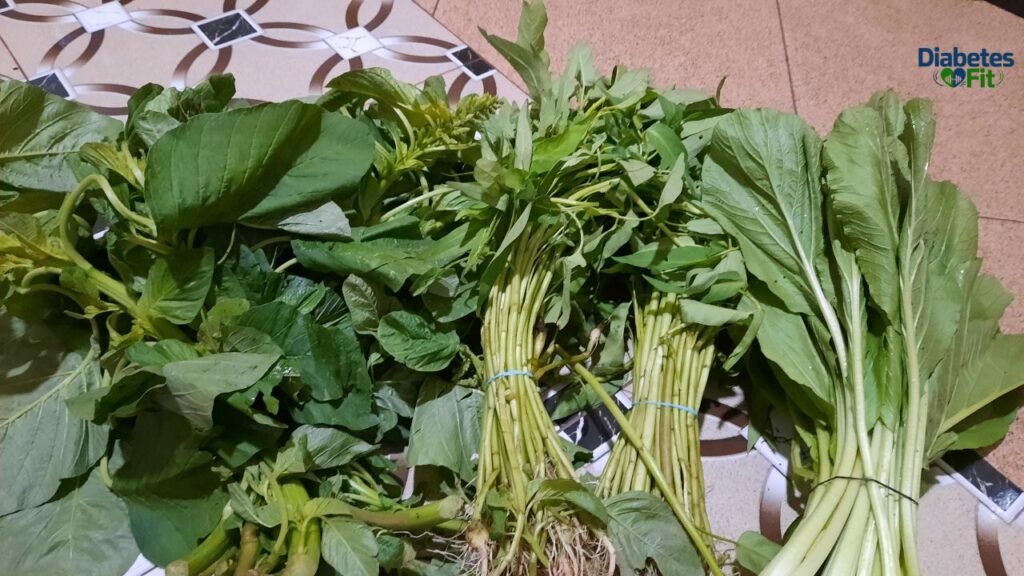
1. Leafy Green Vegetables
Leafy greens — think spinach, kale, collard greens, Swiss chard, and arugula — are among the most powerful foods that prevent diabetes. They are low in calories, very low in digestible carbohydrates, and loaded with nutrients your body needs.
Why they work:
- They’re rich in magnesium, a mineral that plays a direct role in insulin secretion. Low magnesium levels are strongly linked to a higher risk of type 2 diabetes.
- They contain alpha-lipoic acid, an antioxidant that helps improve insulin sensitivity.
- A large study published in the British Medical Journal found that people who ate the most leafy green vegetables had a 14% lower risk of developing type 2 diabetes compared to those who ate the least.
Easy ways to eat more:
- Add spinach to smoothies (you won’t taste it)
- Use kale as a base for salads
- Stir-fry greens with garlic and olive oil as a side dish
- Add chopped Swiss chard to soups and stews
2. Fatty Fish
Fatty fish like salmon, mackerel, sardines, tuna, and herring are among the top foods that help prevent diabetes — especially when they replace processed or red meat in your diet.
Why they work:
- They’re packed with omega-3 fatty acids (EPA and DHA), which reduce inflammation. Chronic inflammation is one of the key drivers behind insulin resistance.
- Protein in fish slows digestion and prevents sharp blood sugar spikes after meals.
- Regular fish consumption is associated with lower levels of inflammatory markers like C-reactive protein (CRP), which are elevated in people with type 2 diabetes.
- Fish provides vitamin D, and low vitamin D levels are consistently linked with higher diabetes risk.
How much to eat: Aim for at least 2 servings (about 3.5 oz each) of fatty fish per week, as recommended by the American Heart Association.
Best cooking methods: Baked, grilled, or poached — avoid deep frying, which adds unhealthy fats and calories.
3. Whole Grains
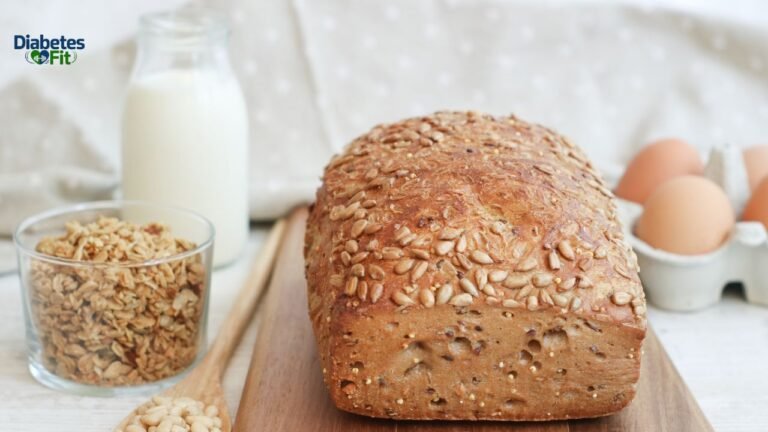
Not all carbohydrates are bad for blood sugar. Whole grains are one of the most researched and reliable foods that prevent diabetes. The key difference between whole grains and refined grains lies in the fiber content.
Whole grains to eat:
- Oats (especially steel-cut or rolled)
- Brown rice
- Quinoa
- Barley
- Whole wheat bread and pasta
- Millet
Why they work:
- Whole grains are digested slowly because of their high fiber content. Slow digestion = gradual release of glucose = stable blood sugar.
- They have a lower glycemic index (GI) than refined grains, meaning they don’t cause rapid blood sugar spikes.
- Oats in particular contain beta-glucan, a type of soluble fiber shown in multiple studies to improve insulin sensitivity and reduce post-meal blood sugar.
- A Harvard School of Public Health study found that eating 2 servings of whole grains daily was linked to a 21% lower risk of type 2 diabetes.
Comparison Table: Whole Grains vs. Refined Grains
| Food | Glycemic Index | Fiber Content | Blood Sugar Impact |
| White bread | 75 (High) | Very Low | Rapid spike |
| Brown rice | 50 (Medium) | Moderate | Gradual rise |
| Steel-cut oats | 42 (Low) | High | Slow, stable |
| White rice | 72 (High) | Very Low | Rapid spike |
| Quinoa | 53 (Medium) | High | Gradual rise |
| Barley | 28 (Low) | Very High | Minimal rise |
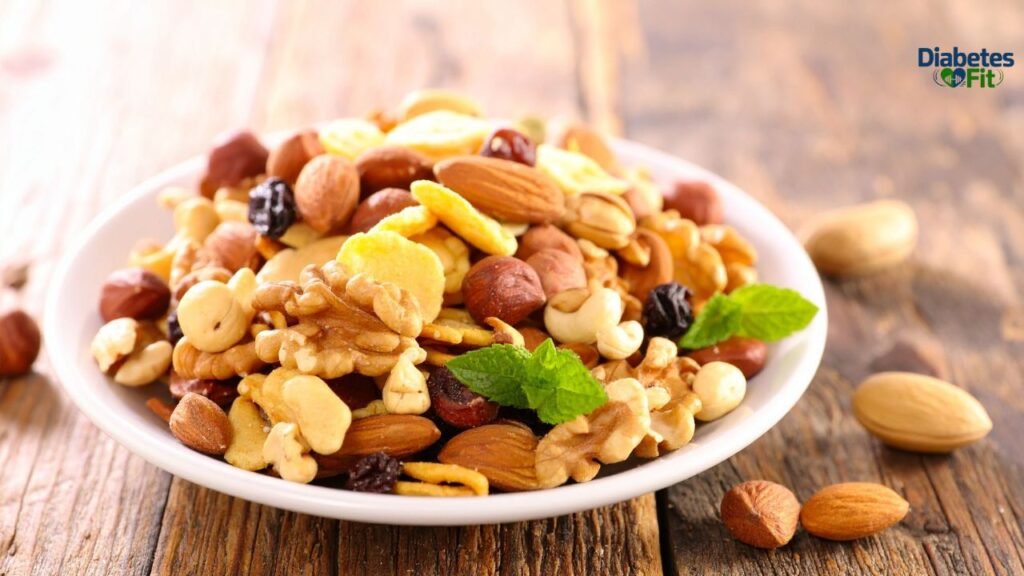
4. Nuts and Seeds
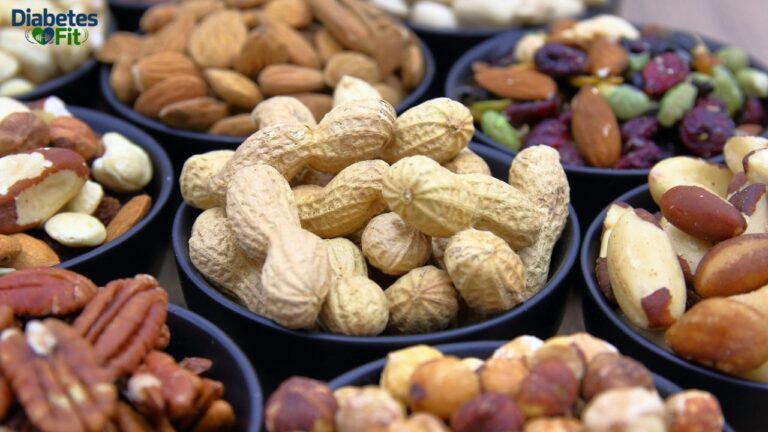
Nuts and seeds are a remarkable group of foods that prevent diabetes. They are satisfying, easy to snack on, and deliver a powerful combination of healthy fats, fiber, and protein that stabilizes blood sugar.
Best choices:
- Almonds
- Walnuts
- Chia seeds
- Flaxseeds
- Pistachios
- Pumpkin seeds
Why they work:
- Their high fat and fiber content slows the absorption of glucose after meals.
- Walnuts are exceptionally rich in alpha-linolenic acid (ALA), a plant-based omega-3 that reduces inflammation and supports healthy insulin function.
- Chia seeds and flaxseeds are packed with soluble fiber, which forms a gel in the digestive tract that slows the entry of sugar into the bloodstream.
- A study in the Journal of Nutrition found that people who ate almonds regularly had significantly lower fasting blood sugar and insulin levels compared to those who didn’t.
- Nuts also help with weight management — excess body weight is one of the strongest risk factors for type 2 diabetes.
How to eat them:
- A small handful (about 1 oz) as a snack
- Sprinkle chia or flaxseeds on yogurt or oatmeal
- Add walnuts to salads or baked goods
- Use almond butter instead of sugary spreads
5. Berries
Berries — blueberries, strawberries, raspberries, and blackberries — are one of the most delicious foods that help prevent diabetes. They’re naturally sweet, but their sugar content is low, and their fiber and antioxidant content is very high.
Why they work:
- Berries are loaded with anthocyanins — a type of flavonoid antioxidant that gives them their deep blue, red, and purple colors. Anthocyanins have been directly linked to improved insulin sensitivity and reduced blood sugar levels.
- A landmark study from the American Journal of Clinical Nutrition found that eating blueberries regularly improved insulin sensitivity by up to 22% in insulin-resistant adults.
- Their high fiber content slows sugar absorption and prevents blood sugar spikes after eating.
- Berries have a low glycemic index — blueberries score around 53, strawberries score around 41 — making them one of the safest fruit options for people at risk of diabetes.
- They’re also anti-inflammatory, which directly combats one of the root causes of type 2 diabetes.
How to enjoy them:
- Add to Greek yogurt or oatmeal for breakfast
- Blend into smoothies
- Eat fresh as a snack
- Use frozen berries (just as nutritious, often cheaper)
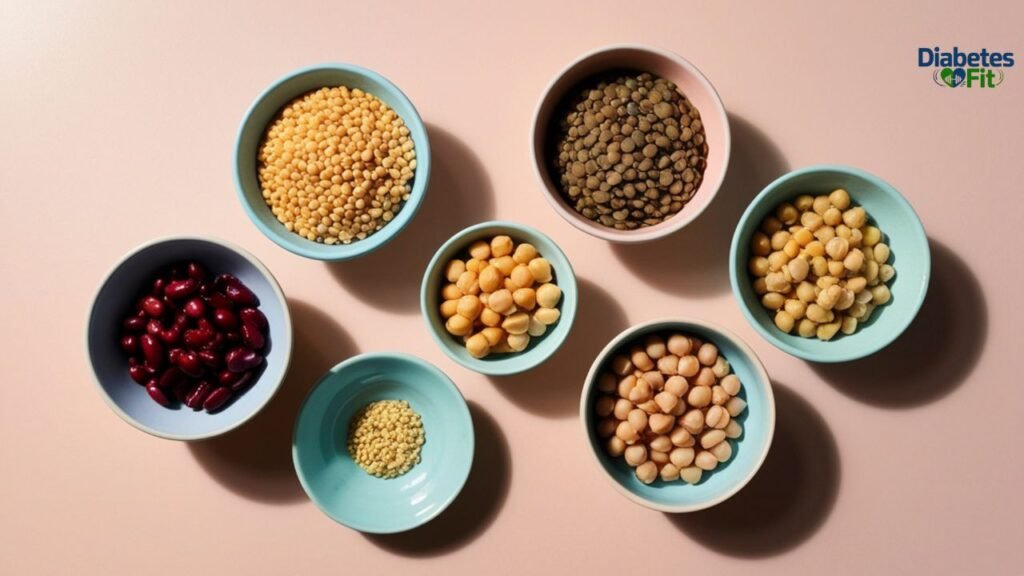
6. Legumes (Beans, Lentils, and Chickpeas)
Legumes are among the most underrated foods that prevent diabetes. They’re affordable, filling, versatile, and scientifically proven to improve blood sugar control.
Examples of legumes:
- Black beans
- Kidney beans
- Chickpeas (garbanzo beans)
- Lentils (red, green, brown)
- Edamame
- Peas
Why they work:
- Legumes are exceptionally high in soluble fiber, which slows glucose absorption and prevents blood sugar spikes.
- They have one of the lowest glycemic indexes of any carbohydrate-containing food. Lentils have a GI of just 32, black beans around 30.
- They provide plant-based protein, which reduces the need for high-GI foods at meals and supports weight management.
- A clinical trial published in Archives of Internal Medicine found that people with type 2 diabetes who ate one cup of legumes daily for 3 months had significantly lower HbA1c levels (a key marker of long-term blood sugar control) compared to those eating whole wheat products.
- Legumes also support a healthy gut microbiome, which emerging research links directly to better insulin sensitivity.
Easy ways to add them:
- Add lentils to soups, curries, and stews
- Use chickpeas in salads or roast them as a crunchy snack
- Make black bean tacos or burritos
- Blend white beans into dips or pasta sauces
Quick Reference: The 6 Foods That Prevent Diabetes
| Food | Key Benefit | Best Way to Eat |
| Leafy Greens | High magnesium improves insulin sensitivity | Salads, stir-fries, smoothies |
| Fatty Fish | Omega-3s reduce inflammation | Baked, grilled (2x per week) |
| Whole Grains | Fiber slows sugar absorption | Oatmeal, brown rice, quinoa |
| Nuts & Seeds | Stabilize blood sugar, aid weight control | Snacks, toppings, and nut butter |
| Berries | Anthocyanins improve insulin response | Breakfast bowls, snacks |
| Legumes | Lowest GI, high protein and fiber | Soups, salads, curries |
Foods to Avoid If You Want to Prevent Diabetes
Understanding the six foods that can prevent diabetes is just half the story. Limiting meals that increase your risk of diabetes is equally important:

- Soda, fruit juice, and energy drinks are examples of sugary beverages that quickly raise blood sugar levels.
- Refined carbohydrates and white bread are rapidly transformed into sugar in the blood.
- Studies have connected processed meats, such as deli meats and hot dogs, to an increased risk of diabetes.
- Trans fats, which are present in a lot of packaged snacks and fried foods, raise insulin resistance and inflammation.
- Breakfast bars and sweetened cereals are frequently filled with hidden sugar.
- Many flavored yogurts have the same amount of sugar as a candy bar.
Other Lifestyle Habits That Work Alongside These Foods
Food is the cornerstone, yet it complements other healthful behaviors the best:
- Engage in regular exercise: Walking briskly for 30 minutes five days a week can enhance insulin sensitivity and lower the risk of diabetes by up to 58% (Diabetes Prevention Program).
- Maintain a healthy weight: If you are overweight, losing just 5–7% of your body weight can significantly lower your chance of developing diabetes.
- Get 7 to 9 hours of sleep every night. Insufficient sleep causes blood sugar to rise and disturbs hunger hormones.
- Control your stress: Prolonged stress increases cortisol, which raises blood sugar and encourages insulin resistance.
- Drink plenty of water instead of sugary drinks to maintain a steadier blood sugar level.
How to Build a Diabetes-Preventing Meal Plan
You do not have to drastically change your diet all at once. Start by structuring your meals around the six nutrients that help avoid diabetes:
A Sample Eating Day:
- Steel-cut oatmeal, chia seeds, blueberries, and a few walnuts for breakfast
- Lunch is a spinach salad dressed with olive oil, chickpeas, avocado, and grilled salmon.
- A little apple with almond butter for a snack
- Dinner is a curry of lentils and vegetables served with brown rice and sautéed kale on the side.
- Dessert: Greek yogurt and a small bowl of mixed fruit
This type of day is fulfilling, tasty, and full of the nutrients your body needs to maintain stable blood sugar levels and a low risk of diabetes.
Frequently Asked Questions
Can eating the right foods actually prevent diabetes?
Yes — especially type 2 diabetes. While genetics play a role, research consistently shows that diet is one of the strongest modifiable factors for diabetes risk. The Diabetes Prevention Program, a large US government study, found that dietary changes combined with moderate exercise reduced the risk of type 2 diabetes by 58% in high-risk individuals. Foods that are high in fiber, healthy fats, and antioxidants — like the 6 foods that prevent diabetes in this article — directly improve insulin sensitivity and blood sugar control.
Is fruit safe if I’m trying to prevent diabetes?
Most whole fruits are safe and beneficial. The fiber in whole fruit slows down sugar absorption, making the blood sugar response much gentler than fruit juice. Berries are particularly excellent choices because of their low glycemic index and high antioxidant content. Fruits to eat more carefully (due to higher GI) include watermelon, pineapple, and ripe bananas — not off-limits, but best eaten in smaller portions.
Which is the single best food to prevent diabetes?
It’s hard to name just one, but leafy greens and legumes consistently top the research for diabetes prevention. Both have powerful, well-documented effects on blood sugar control. If you could only make one change, adding a daily serving of leafy greens or legumes to your diet would have a significant positive impact.
How quickly can diet changes reduce diabetes risk?
Some improvements — like better post-meal blood sugar levels — can happen within days of changing your diet. Longer-term markers like HbA1c (which reflects average blood sugar over 3 months) typically improve after 8–12 weeks of consistent dietary changes. The earlier you start, the more protective the effect.
Are whole grains really safe for blood sugar?
Yes, whole grains are very different from refined grains when it comes to blood sugar. Their fiber content slows digestion significantly. Research shows regular whole grain consumption is linked to lower diabetes risk. Steel-cut oats, quinoa, and barley have particularly low glycemic indexes and are excellent choices for anyone looking to prevent diabetes.
Can these foods help if I’m already pre-diabetic?
Absolutely — and this is actually when these foods have the most dramatic effect. Pre-diabetes means your blood sugar is elevated but not yet in the diabetic range. Studies show that people with pre-diabetes who improve their diet (especially adding fiber-rich foods, healthy fats, and lean protein) can normalize their blood sugar and prevent progression to type 2 diabetes in many cases.
How many of these foods should I eat daily?
You don’t need to eat all 6 every single day, but here are general targets:
- Leafy greens: At least 1–2 cups daily
- Fatty fish: 2 servings per week (3.5 oz each)
- Whole grains: 2–3 servings per day
- Nuts/seeds: 1 oz (small handful) per day
- Berries: ½ to 1 cup per day
- Legumes: At least 3–4 servings per week (½ cup per serving)
Conclusion
Diabetes doesn’t happen overnight — and neither does preventing it. But the science is clear: the foods you eat every single day either move you toward diabetes or away from it. The 6 foods that prevent diabetes — leafy greens, fatty fish, whole grains, nuts and seeds, berries, and legumes — give your body exactly what it needs to keep blood sugar stable, reduce inflammation, and maintain healthy insulin function.
You don’t have to be perfect. You don’t have to change everything at once. Start by adding one or two of these foods to your daily routine this week. Then build from there. Small, consistent steps add up to enormous results over time.
Your health is worth protecting — and it starts with what’s on your plate.
Ready to take the first step? Start tomorrow’s breakfast with oatmeal and blueberries, and you’ll already be putting the 6 foods that prevent diabetes to work for you.
Please also see the best foods for diabetes from the American Diabetes Association.

David Miller: I am a health and wellness writer focused on diabetes awareness, blood sugar control, and healthy living. I creates clear, practical content to help readers make better everyday health choices. I write evidence-based articles about diabetes, diet, and healthy living. My goal is to simplify complex health topics using trusted sources like WHO and medical journals.