
What Causes Depression: 15 Real Reasons You Need to Understand
Depression is one of the most misunderstood conditions in the world. People often say things like “just cheer up” or “you have nothing to be sad about” — completely missing the fact that what causes depression goes far deeper than having a bad day or feeling a little down.
Depression is a real, complex medical condition that affects more than 280 million people worldwide, according to the World Health Organization. It changes how people think, feel, and function every single day. And understanding what causes depression is not just important for people who have it — it matters for everyone who loves someone who does.
In this article, we explore 15 proven causes of depression — from brain chemistry and genetics to life experiences, medical conditions, and everyday lifestyle factors. Understanding the root causes is the first step toward getting the right help and finding real relief.
Also, read this blog on the 6 foods that prevent diabetes.
What Is Depression — And Why Does It Happen?
Before delving into the precise reasons for depression, it is critical to comprehend what depression is, as it encompasses much more than just sadness.
Feelings of sadness, emptiness, or hopelessness that continue for at least two weeks and seriously impair day-to-day functioning are the hallmarks of depression, a clinical mood disorder.
It is not a decision, a show of weakness, or a deficiency in character.
The brain, body, and behavior are all simultaneously impacted by depression:
- The brain: Mood, thought, memory, and decision-making are impacted by chemical imbalances, structural alterations, and modified neuronal connections.
- The body: Physical signs such as exhaustion, altered eating and sleep patterns, persistent pain, and compromised immunity
- Behavior: Retreating from once-meaningful relationships, activities, and obligations
Depression is rarely caused by a single source. Before depression completely manifests, it typically involves a confluence of biological vulnerabilities, psychological patterns, and environmental triggers that interact with one another, sometimes spanning years.
For this reason, a thorough medical and psychological assessment of depression is necessary.
There is not a single test, a straightforward solution, or a treatment that works for everyone. But understanding the underlying causes helps enormously in finding the right path forward.
What Causes Depression: 15 Proven Causes
1. Chemical Imbalances in the Brain
How common: Present in virtually all types of depression. Primary chemicals involved: Serotonin, dopamine, norepinephrine
One of the most well-known causes of depression involves changes in brain chemistry — specifically in the neurotransmitters (chemical messengers) that regulate mood, motivation, and emotional responses.
The key neurotransmitters involved:
- Serotonin: Often called the “feel-good” chemical, regulates mood, sleep, and appetite. Low serotonin levels are strongly associated with depression, anxiety, and irritability
- Dopamine: The motivation and reward chemical — when dopamine pathways are disrupted, people lose the ability to feel pleasure (a core symptom of depression called anhedonia)
- Norepinephrine: Regulates energy, focus, and stress response — low levels contribute to the fatigue and concentration problems that characterize depression
Important clarification: The “chemical imbalance” explanation of what causes depression is more nuanced than simply “low serotonin.” Modern neuroscience understands that depression involves complex interactions between neurotransmitters, neural circuits, inflammation, and brain structure — not just a simple deficiency of one chemical. But neurotransmitter disruption remains a genuinely important piece of the depression puzzle.
2. Genetics and Family History
How common: Having a first-degree relative with depression doubles to triple the lifetime risk. Heritability estimate: 37–40% based on twin studies
Genetics play a meaningful role in what causes depression — though they’re not destiny. Depression runs in families, and if a parent or sibling has experienced depression, your risk of developing it is significantly higher than that of the general population.
What research tells us:
- Twin studies show that identical twins (who share 100% of their DNA) have a 37–40% concordance rate for depression, meaning if one twin has depression, the other has roughly a 37–40% chance of also developing it
- This is higher than fraternal twins (who share 50% of DNA), confirming genuine genetic influence
- No single “depression gene” has been identified — instead, multiple genes interact with environmental factors to create vulnerability
Key genes under research:
- Variants of the SLC6A4 gene (serotonin transporter) affect how efficiently the brain uses serotonin
- BDNF (Brain-Derived Neurotrophic Factor) gene variations affect brain plasticity and resilience
- Genes influencing the HPA axis (stress response system) affect cortisol regulation
Understanding genetics as part of what causes depression is important — but genetic risk doesn’t mean inevitability. Environmental factors, lifestyle choices, and early intervention significantly modify genetic risk.
3. Traumatic Life Events and Adverse Experiences
How common: Trauma is one of the strongest environmental triggers of depression. Most impactful events: Childhood abuse, loss of a loved one, relationship breakdown, financial crisis

Life events — particularly traumatic, overwhelming, or profoundly loss-inducing experiences — are among the most powerful triggers of what causes depression in people who may already have biological vulnerability.
Events most strongly linked to depression onset:
- Childhood trauma: Physical, sexual, or emotional abuse; neglect; witnessing domestic violence — all dramatically increase lifetime depression risk
- Bereavement: The loss of a spouse, parent, child, or close friend — particularly sudden, unexpected loss
- Relationship breakdown: Divorce, separation, or the end of an important relationship
- Job loss or financial crisis: Particularly when combined with loss of identity and purpose
- Serious illness diagnosis: Both the illness itself and the psychological impact of the diagnosis
- Assault or violence: Including sexual assault, which carries especially high depression and PTSD risk
The childhood trauma connection is particularly significant. Research published in The Lancet Psychiatry found that people who experienced childhood trauma have twice the risk of developing treatment-resistant depression — depression that doesn’t respond to standard antidepressant medication. This is because early trauma physically alters brain development, stress response systems, and neural connectivity in ways that persist into adulthood.
4. Chronic Stress
How common: One of the most common modern causes of depression. Primary mechanism: Cortisol dysregulation and hippocampal damage
Chronic, unrelenting stress is one of the most significant contributors to what causes depression in modern life. Unlike acute stress — which is adaptive and temporary — chronic stress maintains elevated cortisol levels over weeks, months, or years, causing progressive damage to the brain and body.
How chronic stress causes depression:
- Prolonged high cortisol damages the hippocampus — the brain region responsible for memory, learning, and emotional regulation
- Cortisol disrupts serotonin and dopamine production
- Chronic stress causes systemic inflammation — a growing body of research links elevated inflammatory markers to depression
- Stress depletes the mental and emotional resources needed to cope with daily challenges
Common sources of depression-causing chronic stress:
- Workplace pressure, bullying, or burnout
- Caring for a chronically ill family member
- Living in poverty or financial insecurity
- Relationship conflict
- Discrimination and social marginalization
- Academic pressure
5. Hormonal Changes and Imbalances
How common: Significantly more common in women — hormonal factors contribute to a 2:1 female-to-male depression ratio. Key hormones: Estrogen, progesterone, cortisol, thyroid hormones
Hormonal fluctuations and imbalances are a critically important part of what causes depression — particularly in women, though men are affected too.
Hormonal causes of depression across life stages:
Women:
- Premenstrual dysphoric disorder (PMDD): Severe depression and mood disruption in the luteal phase (week before menstruation)
- Postpartum depression: Affecting 10–15% of new mothers; driven by rapid estrogen and progesterone withdrawal after childbirth
- Perimenopause and menopause: Declining estrogen disrupts serotonin regulation, often triggering or worsening depression
- Oral contraceptives: Some women experience depression as a side effect of hormonal birth control
Both sexes:
- Hypothyroidism (underactive thyroid): One of the most commonly missed causes of depression; thyroid hormones regulate metabolism and brain function
- Cortisol dysregulation: Both too much (Cushing’s syndrome) and too little (Addison’s disease) cause depression
- Testosterone deficiency in men: Low testosterone is associated with depression, fatigue, and reduced motivation
6. Chronic Illness and Physical Health Conditions
How common: Up to 30–40% of people with chronic illness also develop depression. Most strongly linked conditions: Heart disease, cancer, diabetes, chronic pain, neurological conditions
Physical health and mental health are deeply connected — and understanding how physical illness contributes to what causes depression is essential for comprehensive treatment.
Conditions most strongly linked to depression:
| Medical Condition | Depression Risk Increase |
| Heart disease | 20–30% of cardiac patients develop depression |
| Cancer | 25–35% of cancer patients experience depression |
| Type 2 diabetes | 2–3x higher depression risk than the general population |
| Chronic pain conditions | 30–50% develop depression |
| Parkinson’s disease | 40–50% experience depression |
| Multiple sclerosis | 50% lifetime prevalence of depression |
| Stroke | 33% develop post-stroke depression |
| Hypothyroidism | Direct cause if untreated |
The relationship works in both directions — depression also worsens physical health outcomes, creates poorer treatment adherence, and increases mortality risk in conditions like heart disease and diabetes.
7. Medication Side Effects
How common: Affects a significant minority of people taking certain medications. Key medications: Corticosteroids, beta blockers, some hormonal medications, certain antivirals
Many people are unaware that some of the most commonly prescribed medications list depression as a side effect, making medication review an important part of assessing what causes depression in any individual.
Medications most commonly associated with depression:
- Corticosteroids (prednisone, cortisone) — used for inflammatory conditions; can cause mood instability and depression
- Beta blockers (propranolol, metoprolol) — used for heart conditions and anxiety; some people experience depression
- Isotretinoin (Accutane) — acne medication with documented association with depression and suicidality
- Some hormonal contraceptives — particularly progesterone-dominant pills
- Interferons — used for hepatitis C and some cancers
- Some anticonvulsants — used for epilepsy
- Opioid medications — particularly during withdrawal
- Varenicline (smoking cessation) — black box warning for mood changes
If depression begins or worsens shortly after starting a new medication, always discuss this with your prescribing physician. Never stop prescription medication without medical guidance.
8. Substance Use and Alcohol
How common: Up to 30% of people with depression have a co-occurring substance use disorder. Primary substances: Alcohol, cannabis, stimulants, opioids
Substance use and depression have a complex, bidirectional relationship — substances can cause depression, depression drives substance use, and both conditions worsen each other over time.
How alcohol specifically causes depression:
- Alcohol is a central nervous system depressant — it directly suppresses brain activity and reduces serotonin production
- Chronic heavy drinking depletes B vitamins (especially B12 and folate) essential for neurotransmitter production
- The withdrawal cycle from alcohol causes anxiety and depression that drives further drinking
- Research shows heavy drinkers are 3–4 times more likely to develop major depression than non-drinkers
Cannabis and depression:
- Heavy long-term cannabis use is associated with increased depression risk — particularly in adolescents whose brains are still developing
- THC temporarily reduces anxiety for some users, creating a dependency cycle that worsens depression over time
- CBD (without THC) shows different effects — some research suggests anti-anxiety and antidepressant potential
9. Social Isolation and Loneliness
How common: One of the fastest-growing causes of depression globally. Most affected groups: Elderly people, people who live alone, people with social anxiety
Human beings are profoundly social creatures, and chronic loneliness is one of the most powerful environmental causes of what causes depression across all age groups.
The neuroscience of loneliness and depression:
- Social isolation activates the same brain regions as physical pain — loneliness literally hurts at a neurological level
- Chronic loneliness elevates cortisol and inflammatory markers, both of which directly contribute to depression
- Social connection drives oxytocin release — a hormone that buffers stress and supports mood; its absence contributes to depression
- Research by former US Surgeon General Vivek Murthy identified loneliness as a public health epidemic with health impacts equivalent to smoking 15 cigarettes per day
Groups at highest risk for isolation-driven depression:
- Elderly people living alone — especially after bereavement
- People with social anxiety disorder
- Remote workers and digital nomads
- People who have recently moved to a new city
- Adolescents experiencing social exclusion or bullying
- People with disabilities or mobility limitations
10. Poor Sleep and Sleep Disorders
How common: 75% of people with depression experience significant sleep disturbances. Primary conditions: Insomnia, sleep apnea, circadian rhythm disruption
The relationship between sleep and depression is one of the most clinically significant aspects of what causes depression — and it operates in both directions.
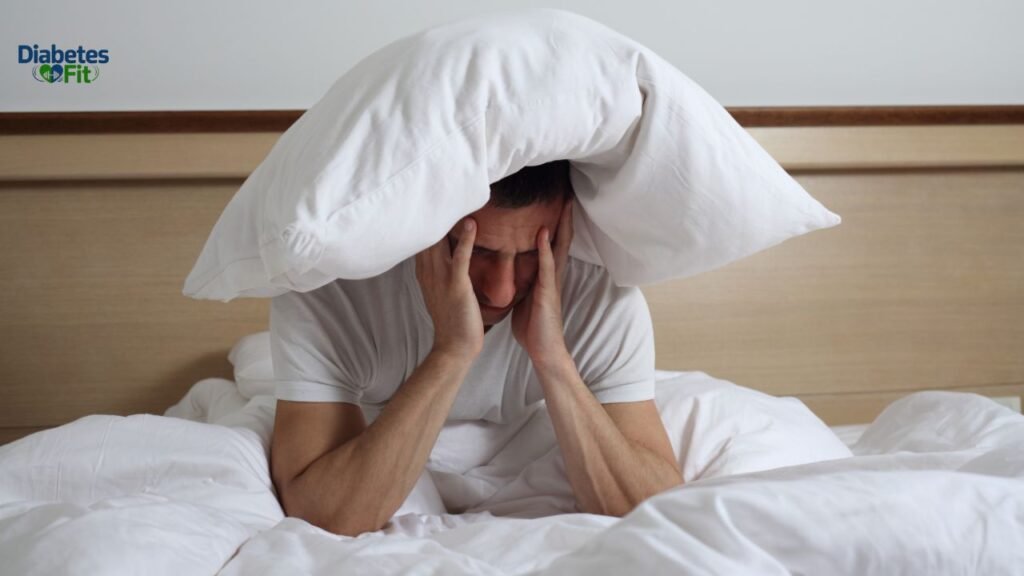
How poor sleep causes depression:
- Sleep deprivation reduces serotonin receptor sensitivity — making mood regulation less effective
- Poor sleep elevates cortisol and inflammatory markers that directly contribute to depressive symptoms
- REM sleep is essential for emotional processing — when disrupted, negative emotional memories become stronger and harder to process
- Chronic insomnia is one of the strongest predictors of future depression onset — people with persistent insomnia have a 10x higher risk of developing depression than good sleepers
Sleep disorders are most strongly linked to depression:
- Insomnia — both a symptom and a cause of depression
- Sleep apnea — untreated sleep apnea causes oxygen deprivation and sleep fragmentation that drives depression
- Circadian rhythm disruption — shift workers and frequent travelers have significantly higher depression rates
- Hypersomnia — sleeping excessively is also a symptom pattern in atypical depression
11. Nutritional Deficiencies
How common: Increasingly recognized as an underappreciated cause of depression. Key nutrients: Vitamin D, omega-3 fatty acids, B vitamins, magnesium, iron, zinc
The emerging field of nutritional psychiatry has produced compelling evidence that what we eat — and what nutrients we lack — is a significant factor in what causes depression.
Nutrients most strongly linked to depression when deficient:
| Nutrient | How Deficiency Causes Depression | Food Sources |
| Vitamin D | Regulates serotonin production; deficiency linked to seasonal depression | Sunlight, fatty fish, fortified foods |
| Omega-3 fatty acids | Anti-inflammatory; supports brain cell membrane function | Salmon, sardines, flaxseed, walnuts |
| Vitamin B12 | Essential for neurotransmitter synthesis; deficiency mimics depression | Meat, fish, eggs, dairy |
| Folate (B9) | Required for serotonin and dopamine production | Leafy greens, legumes, fortified foods |
| Magnesium | Regulates NMDA receptors involved in mood; deficiency promotes anxiety and depression | Nuts, seeds, dark chocolate, leafy greens |
| Iron | Required for dopamine production; deficiency causes fatigue and low mood | Red meat, legumes, fortified cereals |
| Zinc | Supports hippocampal function and neuroplasticity | Meat, shellfish, nuts, seeds |
12. Personality and Psychological Factors
How common: Certain personality traits significantly elevate depression risk. Key traits: Neuroticism, perfectionism, low self-esteem, pessimistic thinking style
Psychological and personality factors are an important dimension of what causes depression — not because people with certain personalities are weak or flawed, but because certain thought patterns and traits create genuine neurological vulnerability.
Psychological risk factors for depression:
- High neuroticism: The personality trait characterized by emotional instability and a tendency to experience negative emotions — the strongest psychological predictor of depression
- Perfectionism: Impossibly high standards create chronic failure experiences and self-criticism that drive depressive thinking
- Low self-esteem: Negative core beliefs about self-worth create a pessimistic lens that filters all experience negatively
- Rumination: The habit of repeatedly going over negative thoughts and experiences — strongly linked to both depression onset and maintenance
- Learned helplessness: Believing you have no control over outcomes — developed through repeated experiences of failure or trauma
- Pessimistic explanatory style: Explaining negative events as permanent, pervasive, and personal (“This always happens to me, everywhere, because I’m inadequate”)
These psychological patterns can be modified through therapy — particularly Cognitive Behavioral Therapy (CBT) — which is one of the most effective evidence-based treatments for depression.
13. Seasonal Changes and Light Exposure
How common: Seasonal Affective Disorder (SAD) affects approximately 5% of the US population. Most affected: People living at higher latitudes (less sunlight), women (3–4x more than men)
Seasonal changes in light exposure are a recognized specific cause of what causes depression in a significant subset of the population — a pattern so consistent it has its own diagnosis: Seasonal Affective Disorder (SAD).
How reduced light causes depression:
- Sunlight exposure regulates serotonin production — less light means less serotonin
- Light suppresses melatonin (sleep hormone) production during daytime — in darker seasons, melatonin remains elevated, causing sleepiness, low energy, and low mood
- Circadian rhythm disruption from seasonal light changes affects every hormone system in the body
- Vitamin D synthesis requires sunlight — deficiency peaks in the winter months when depression rates also peak
SAD symptoms that distinguish it from other depression types:
- Consistent pattern of depression onset in autumn/winter and remission in spring/summer
- Oversleeping (hypersomnia) rather than insomnia
- Increased appetite — particularly for carbohydrates
- Weight gain during depressive episodes
- Social withdrawal and low energy
Treatment: Light therapy (10,000 lux light box for 20–30 minutes each morning) is the primary treatment — effective for approximately 70% of SAD sufferers.
14. Major Life Transitions
How common: Life transitions trigger depression in people with underlying vulnerability. Most impactful transitions: Retirement, empty nest, graduation, immigration, major role changes
Major life transitions — even positive ones — can trigger depression by disrupting identity, routine, social connection, and sense of purpose. This is an often-overlooked part of what causes depression that doesn’t always get the attention it deserves.
Transitions most commonly linked to depression:
- Retirement: Loss of professional identity, structure, and social connection — depression affects up to 28% of retirees
- Empty nest syndrome: When children leave home, parents — particularly mothers who defined themselves through parenting — lose their primary role and daily purpose
- Graduation and career transition: The “quarter-life crisis” — leaving the structure of education without a clear direction
- Immigration and cultural displacement: Loss of community, language, family support, and cultural identity
- New parenthood: Even beyond postpartum depression, new parents of all genders experience identity shifts that trigger depression
15. Inflammation and Immune System Dysfunction
How common: Increasingly recognized as a significant biological mechanism in depression. Key markers: C-reactive protein (CRP), interleukin-6 (IL-6), tumor necrosis factor-alpha (TNF-α)
One of the most exciting — and important — recent developments in understanding what causes depression is the growing evidence linking systemic inflammation to depressive illness.
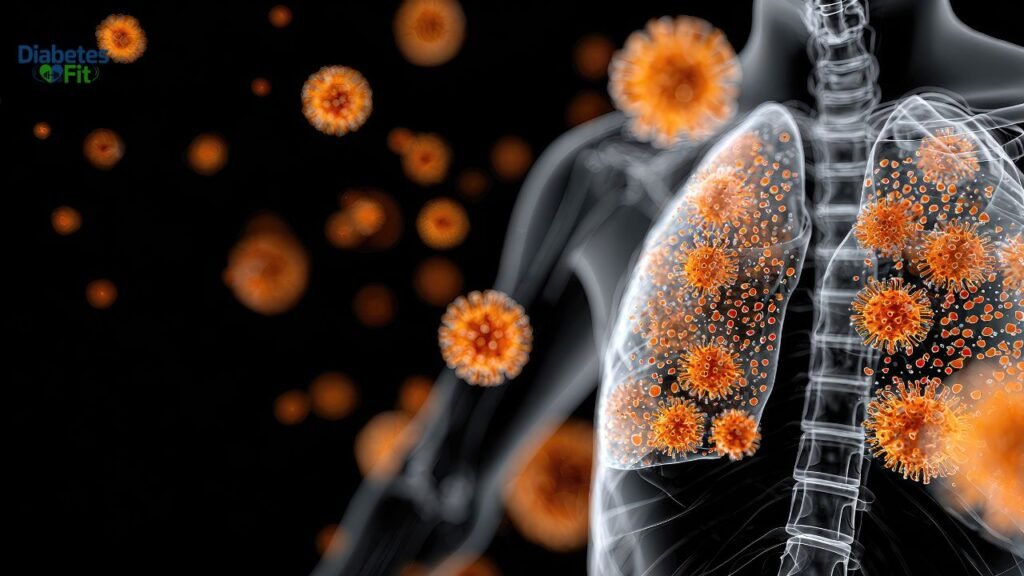
The inflammation-depression connection:
- Research consistently shows elevated inflammatory markers in people with depression — particularly those with treatment-resistant forms
- Inflammatory cytokines (immune signaling molecules) cross the blood-brain barrier and directly alter neurotransmitter metabolism
- Inflammation reduces tryptophan availability — tryptophan is the precursor to serotonin production
- Inflammatory activation of the brain’s immune cells (microglia) produces depressive behaviors in animal models
- Anti-inflammatory treatments are being studied as potential antidepressants for inflammation-driven depression subtypes
Conditions that elevate inflammation and increase depression risk:
- Autoimmune diseases (lupus, rheumatoid arthritis, inflammatory bowel disease)
- Obesity — fat tissue produces inflammatory cytokines
- Poor diet high in ultra-processed foods
- Chronic infections
- Periodontal (gum) disease
- Sleep deprivation
Risk Factors vs. Causes: Understanding the Difference
It’s important to distinguish between what directly causes depression and what increases the risk of developing it:
| Category | Examples | Direct Cause or Risk Factor? |
| Brain chemistry | Neurotransmitter imbalance | Direct cause |
| Genetics | Family history of depression | Risk factor |
| Trauma | Childhood abuse | Direct cause (trigger) |
| Chronic stress | Workplace burnout | Direct cause |
| Hormonal changes | Postpartum, menopause | Direct cause |
| Chronic illness | Diabetes, heart disease | Direct cause/Risk factor |
| Medications | Corticosteroids | Direct cause (in some) |
| Substance use | Heavy alcohol use | Direct cause |
| Social isolation | Loneliness | Direct cause |
| Poor sleep | Chronic insomnia | Both cause and symptom |
| Nutritional deficiency | Low vitamin D | Contributing cause |
| Personality traits | High neuroticism | Risk factor |
| Seasonal changes | Reduced sunlight | Direct cause (SAD) |
| Life transitions | Retirement, empty nest | Trigger |
| Inflammation | Elevated CRP | Contributing cause |
Warning Signs of Depression to Watch For
Recognizing the symptoms of depression is just as important as understanding its causes. If you or a loved one exhibits these symptoms for two weeks or longer, get expert assistance:
Symptoms of emotions:
- Prolonged melancholy, emptiness, or despair
- loss of enthusiasm for once-pleasurable activities
- Feelings of overwhelming guilt or worthlessness
- Inability to focus, recall, or make decisions
- Suicidal or death-related thoughts
Physical signs and symptoms
- Significant variations in sleep—too little or too much
- Variations in weight and appetite
- Unexpected exhaustion and low energy
- Headaches, stomach issues, or bodily pain that cannot be explained
- Slow speech and movement (as seen by others)
Please call a crisis helpline right away if you or someone else is having suicidal thoughts. To reach the Suicide and Crisis Lifeline in the United States, dial or text 988. There is always help accessible.
Treatment Options for Depression
Understanding what causes depression points toward the most effective treatments:
| Cause | Most Effective Treatment |
| Neurotransmitter imbalance | Antidepressant medication, psychotherapy |
| Trauma | Trauma-focused CBT, EMDR therapy |
| Chronic stress | Stress management, therapy, lifestyle changes |
| Hormonal imbalance | Hormonal assessment and treatment, antidepressants |
| Chronic illness | Integrated mental and physical health care |
| Medication side effects | Medication review with the prescribing physician |
| Substance use | Dual diagnosis treatment (depression + substance use) |
| Social isolation | Social connection programs, group therapy |
| Poor sleep | CBT for insomnia (CBT-I), sleep apnea treatment |
| Nutritional deficiency | Targeted supplementation + dietary improvement |
| Inflammation | Anti-inflammatory diet, treatment of underlying condition |
| Seasonal (SAD) | Light therapy, vitamin D, antidepressants |
Frequently Asked Questions
What is the most common cause of depression?
There is no single most common cause — depression is almost always caused by a combination of factors. The most frequently identified contributors include chemical imbalances in the brain (particularly in serotonin and dopamine systems), genetic vulnerability, traumatic life experiences, chronic stress, and hormonal changes. Understanding what causes depression in any individual requires a thorough evaluation by a mental health professional, as the specific combination of causes determines the most effective treatment approach.
Can depression be caused by a chemical imbalance alone?
The “chemical imbalance” explanation represents only part of what causes depression. While disruptions in serotonin, dopamine, and norepinephrine systems are genuinely involved in depression, modern neuroscience understands that depression involves complex interactions between neurotransmitters, neural circuit function, inflammatory processes, brain structure, genetic factors, and life experiences. No single chemical imbalance causes depression by itself, which is also why antidepressant medication alone is often insufficient and works best when combined with psychotherapy.
Can stress alone cause depression?
Yes — chronic, severe stress can trigger clinical depression, particularly in people with genetic or psychological vulnerability. Chronic stress elevates cortisol levels that damage the hippocampus, disrupt neurotransmitter production, and drive systemic inflammation — all of which contribute directly to what causes depression. However, most people who experience significant stress do not develop clinical depression, which is why individual biological and psychological vulnerability factors are important in the full picture.
What causes depression in teenagers?
Depression in teenagers is caused by many of the same factors as adult depression — but with additional age-specific contributors. What causes depression in adolescents frequently includes social media comparison and cyberbullying, academic pressure and perfectionism, identity development challenges, hormonal changes of puberty, peer rejection and social exclusion, family conflict or instability, and exposure to trauma or substance use. Adolescent brains are particularly sensitive to social stressors and sleep disruption — both of which significantly increase depression risk during the teenage years.
Can diet and lifestyle cause depression?
Yes — poor diet, physical inactivity, inadequate sleep, excessive alcohol consumption, and social isolation are all genuine contributors to what causes depression. The emerging field of nutritional psychiatry has demonstrated that diets high in ultra-processed foods, sugar, and unhealthy fats increase depression risk — while diets rich in vegetables, whole grains, omega-3 fatty acids, and fermented foods are associated with lower depression rates. Lifestyle factors can both cause depression and worsen existing depression, and improving them is an important component of comprehensive treatment.
Is depression always caused by something that happened in your life?
No — what causes depression is not always traceable to a specific life event or trauma. Some people develop depression without any obvious external trigger, due to genetic predisposition, neurobiological factors, hormonal changes, inflammatory conditions, or nutritional deficiencies. This is sometimes called “endogenous depression” (arising from within) versus “reactive depression” (triggered by external events). The absence of an obvious cause does not make the depression any less real or serious — and it certainly doesn’t mean the person is “making it up” or being dramatic.
Can depression go away on its own without treatment?
Mild depressive episodes sometimes resolve without formal treatment — particularly when caused by a specific stressor that passes and when the person has strong social support and coping resources. However, moderate to severe depression rarely resolves fully without professional intervention and typically worsens without treatment. Untreated depression also increases the risk of future, more severe episodes. Most importantly, professional treatment dramatically shortens the duration and reduces the severity of depression — making seeking help always the better choice, regardless of depression severity.
Conclusion
Depression is not something you can “think your way out of,” nor is it a decision or a sign of weakness. Depression is caused by a complex interplay of biology, psychology, life experience, and environment; each person’s experience is different.
The 15 causes discussed in this article include trauma, chronic illness, hormonal changes, isolation, inflammation, brain chemistry, and genetics. Most of the time, several variables come together over time to produce the circumstances that lead to depression. Determining the cause of depression in your particular circumstance or in a loved one is not about assigning blame. It is about discovering compassion, clarity, and the proper route to recovery.
Treatments for depression might also be directly linked to its causes. treatment centered on trauma for depression caused by trauma. Hormonal evaluation for depression caused by hormones. Seasonal depression is treated with light therapy. nutritional assistance for depression caused by deficiencies. programs that foster social connections for depression caused by solitude. Because it influences the remedy, the reason is important.
Please take the next action right now if this article resonates with you or someone you care about. Speak with your physician, get in touch with a mental health specialist, or get in touch with someone you can trust. One of the most treatable illnesses is depression; most people who receive the proper care fully recover and lead fulfilling lives. That support is something you deserve. Making an effort is not a sign of weakness. It is the bravest and most selfless thing you can do.
If you know more about depression, you can read this expert blog from the BTA team.

David Miller: I am a health and wellness writer focused on diabetes awareness, blood sugar control, and healthy living. I creates clear, practical content to help readers make better everyday health choices. I write evidence-based articles about diabetes, diet, and healthy living. My goal is to simplify complex health topics using trusted sources like WHO and medical journals.