

How to Stop Tooth Pain Fast: 15 Proven Remedies That Actually Work
Understanding the true reason for tooth pain is helpful before knowing how to quickly stop it, as the source influences the most effective treatment. When the pulp, the tooth’s interior layer, becomes irritated, inflamed, or infected, tooth pain results. Thousands of nerve endings in the pulp are extremely sensitive to temperature, pressure, and bacterial toxins.
One of the most severe, annoying, and depressing forms of pain a person can encounter is a toothache. Knowing how to quickly reduce tooth pain can feel like a true lifesaver, whether it occurs in the middle of the night, on a weekend when your dentist is closed, or just before a significant occasion.
A toothache can cause throbbing, severe, or excruciating pain that makes it difficult to eat, sleep, focus, or perform daily tasks. Additionally, there are truly efficient ways to quickly halt tooth discomfort at home that are supported by science, advised by dentists, and utilized by millions of people worldwide, even though there is no long-term replacement for professional dental care.
This thorough guide will teach you 15 tried-and-true methods to quickly eliminate tooth pain, identify the root cause of your pain, determine which treatments are most effective in what circumstances, and determine when urgent dental care is necessary. Let us bring you some comfort.
In this article, we will focus on effective strategies on how to stop tooth pain fast, ensuring you have the knowledge to alleviate discomfort promptly.
Also read about flexseed benefits for women.
What Causes Tooth Pain? Understanding the Source
Understanding the true reason for tooth pain is helpful before knowing how to quickly stop it, as the source influences the most effective treatment.
When the pulp, the tooth’s interior layer, becomes irritated, inflamed, or infected, tooth pain results. Thousands of nerve endings in the pulp are extremely sensitive to temperature, pressure, and bacterial toxins.
Typical Reasons for Dental Pain
Dental reasons:
- The most frequent cause is dental decay, or cavities; germs destroy tooth enamel, exposing delicate dentin and finally the pulp.
- A broken or cracked tooth exposes the dentin and pulp to pressure and temperature; the pain may be abrupt and intense.
- A dental abscess is a bacterial infection of the pulp or surrounding tissue that results in excruciating, throbbing, persistent pain.
- Gum recession exposes the tooth root, which is not shielded by the crown’s enamel.
- Tooth sensitivity: When eating hot, cold, sweet, or acidic meals, enamel erosion or gum recession can produce excruciating discomfort.
- Impacted or erupting wisdom teeth can result in pressure, inflammation, and excruciating discomfort.
- The inner tooth is exposed to microorganisms and temperature fluctuations when a filling is lost or loose.
- Dental trauma is damage to a tooth caused by an accident or impact.
Causes other than dentistry that resemble tooth pain:
- Teeth in the upper back may hurt due to a sinus infection.
- Jaw and facial pain that resembles a toothache is caused by a temporomandibular joint (TMJ) dysfunction.
How to Stop Tooth Pain Fast: 15 Proven Remedies That Actually Work
1. Over-the-Counter Pain Medication — The Fastest Proven Option
Speed of relief: 20–40 minutes Duration: 4–8 hours
The fastest, most evidence-based way to stop tooth pain is over-the-counter (OTC) pain medication. Dentists consistently recommend this as the first-line approach for managing tooth pain while awaiting dental treatment.
Best OTC medications for tooth pain:
Ibuprofen (Advil, Motrin) — Best overall choice:
- Anti-inflammatory action addresses the swelling and inflammation driving the pain
- Dosage: 400–600mg every 6–8 hours with food (not exceeding 2,400mg/day)
- Takes effect within 20–30 minutes
- Most studies show ibuprofen outperforms paracetamol for dental pain specifically
Paracetamol/Acetaminophen (Tylenol, Panadol) — Good for those who can’t take ibuprofen:
- Effective pain reliever without anti-inflammatory effects
- Dosage: 500–1,000mg every 4–6 hours (not exceeding 4,000mg/day)
- Safer for those with stomach ulcers, kidney issues, or who cannot take NSAIDs
Combination approach (most effective for severe dental pain):
- Alternating ibuprofen and paracetamol every 3 hours (taking one every 3 hours, switching between them)
- Research published in the British Dental Journal found that this alternating protocol provided superior pain control to either medication alone.
- Always follow recommended doses and consult a pharmacist if unsure
In this article, we’ll explore effective methods for How to Stop Tooth Pain Fast that you can try at home.
Topical benzocaine gels (Orajel, Anbesol):
- Apply directly to the painful tooth and gum
- Provides temporary numbing within 5–10 minutes
- Duration of relief: 30–60 minutes
- Useful for immediate short-term relief while oral medications take effect
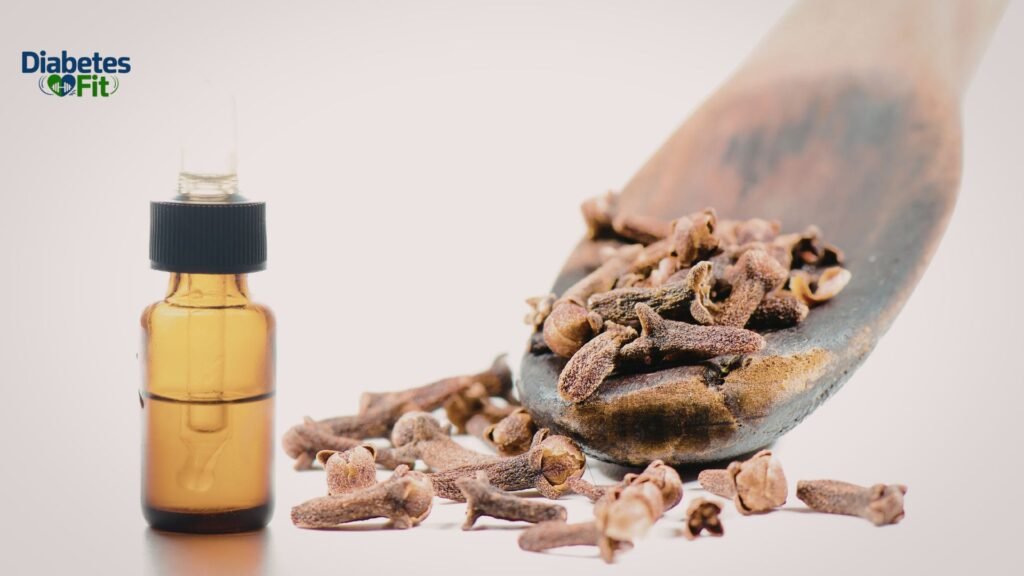
2. Clove Oil (Eugenol) — Nature’s Dental Anesthetic
Speed of relief: 5–15 minutes Duration: 30–60 minutes
Clove oil has been used as a dental pain remedy for centuries — and modern science validates why. The active compound in cloves, eugenol, is a natural anesthetic and antibacterial agent so effective that dentists literally use it in professional dental preparations.
How eugenol stops tooth pain fast:
- Blocks sodium channels in pain-conducting nerve fibers
- Reduces inflammation through COX enzyme inhibition (similar mechanism to ibuprofen)
- Has direct antibacterial properties that inhibit the bacteria causing infection
How to use clove oil correctly:
Method 1 — Direct application:
- Dip a small cotton ball in clove oil
- Gently squeeze out excess (clove oil is very strong — undiluted application can irritate soft tissue)
- Apply directly to the painful tooth and the surrounding gum
- Hold in place for 5–10 minutes
- Repeat every 2–3 hours as needed
Method 2 — Diluted application (gentler, better for sensitive gums):
- Mix 2–3 drops of clove essential oil with 1 teaspoon of olive oil or coconut oil
- Apply with a cotton ball as above
Method 3 — Whole clove:
- Place 1–2 whole cloves next to the painful tooth
- Gently chew to release the eugenol
- Hold against the tooth for 5–10 minutes
Important: Avoid applying undiluted clove oil directly to gum tissue for extended periods — it can cause chemical burns. Use sparingly and correctly.
3. Salt Water Rinse — Simple, Effective, Immediate
Speed of relief: 5–10 minutes Duration: 30–60 minutes
A warm salt water rinse is one of the most universally recommended dental pain remedies — and one of the first things most dentists suggest while you’re waiting for your appointment. It’s simple, effective, and available in every home.
Why salt water stops tooth pain fast:
- Osmotic effect: Salt draws fluid out of inflamed tissue, reducing swelling and pressure on nerve endings
- Antibacterial: Disrupts bacterial cell membranes and creates an alkaline environment hostile to bacteria
- Wound cleansing: Physically removes food particles and bacteria from around the painful area
- pH buffering: Reduces the acidity that bacteria thrive in and that contributes to tooth sensitivity
How to make and use a saltwater rinse:
- Dissolve ½ teaspoon of table salt in a full glass (240ml) of warm water
- Stir until completely dissolved
- Swish vigorously around the mouth for 30–60 seconds, focusing on the painful area.
- Spit out — do not swallow
- Repeat every 2–3 hours or as needed
The water should be warm — not hot. Hot water can aggravate an already inflamed tooth.
4. Cold Compress or Ice Pack — Immediate Swelling and Pain Reduction
Speed of relief: 5–15 minutes. Duration: 15–20 minutes of application
Applying cold to the outside of the face is one of the most effective ways to stop tooth pain fast — particularly for pain associated with swelling, abscess, or trauma.
How cold stops tooth pain:
- Vasoconstriction — cold causes blood vessels to constrict, reducing blood flow to the inflamed area and decreasing swelling
- Numbing — cold temperatures reduce nerve conduction velocity, directly numbing the pain signals
- Reduces inflammation — by limiting the inflammatory mediators that accumulate in swollen tissue
How to use cold correctly:
- Wrap ice cubes or a cold pack in a thin cloth or towel — never apply ice directly to skin (can cause frostbite or ice burns)
- Apply to the cheek or jaw on the side of the painful tooth
- Hold for 15–20 minutes on, then remove for 20 minutes
- Repeat as needed — particularly in the first 24–48 hours
Important: Do not apply ice or cold directly to the tooth itself if you have sensitivity — cold can dramatically intensify dental nerve pain in teeth with exposed dentin or pulp inflammation.
5. Hydrogen Peroxide Rinse — Antibacterial Pain Relief
Speed of relief: 5–15 minutes Duration: 30–60 minutes
A 3% hydrogen peroxide (H₂O₂) rinse is highly effective for tooth pain caused by infection, gum disease, or abscesses — because it kills bacteria directly while reducing inflammation.
Why it works:
- Hydrogen peroxide releases oxygen when it contacts bacteria, destroying anaerobic bacteria (the kind that cause dental infections)
- Reduces gum inflammation and bleeding associated with periodontitis
- Draws out pus from abscessed areas — reducing pressure and pain
- Helps clean debris and bacteria from around the painful tooth
How to use hydrogen peroxide rinse safely:
- Mix equal parts 3% hydrogen peroxide and warm water (1:1 ratio)
- Swish carefully for 30–60 seconds
- Spit out completely — do not swallow
- Rinse your mouth with plain water afterward
- Use once or twice daily, maximum
Important safety note: Only use 3% hydrogen peroxide (the standard pharmacy concentration). Never use higher concentrations. Never swallow. Do not use if you have open sores in your mouth. Not recommended for children under 12.
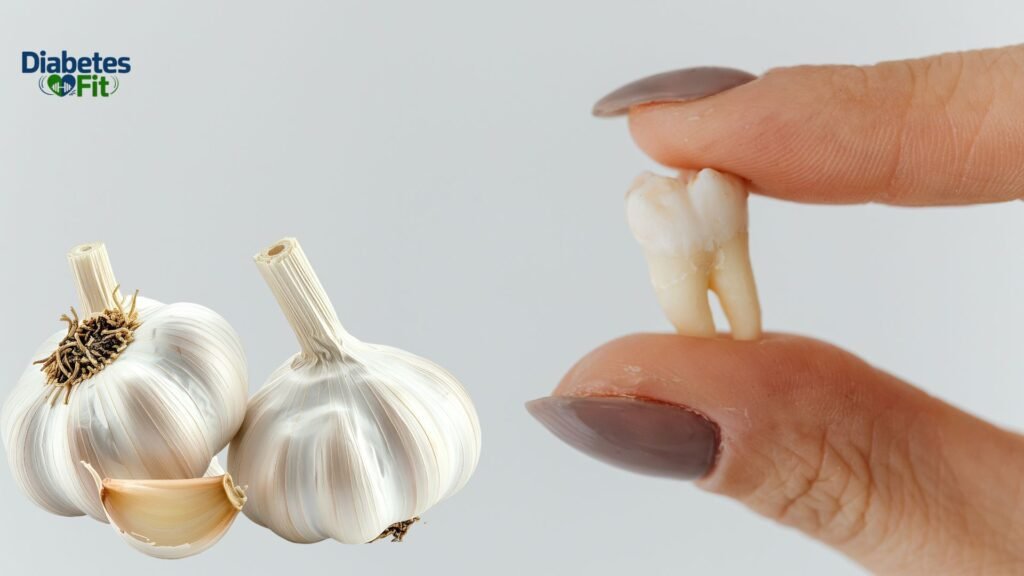
6. Garlic — A Natural Antibiotic for Tooth Pain
Speed of relief: 10–20 minutes Duration: 30–60 minutes
Garlic has been used medicinally for thousands of years — and modern science confirms it contains allicin, a powerful natural antimicrobial compound that is genuinely effective against many bacteria that cause dental infections.
How garlic helps stop tooth pain fast:
- Allicin has demonstrated antibacterial activity against Streptococcus mutans, the primary bacterium responsible for tooth decay
- Has anti-inflammatory properties that reduce gum and pulp inflammation
- Contains analgesic compounds that mildly numb the affected area
How to use garlic for tooth pain:
Method 1 — Crushed garlic paste:
- Crush 1–2 fresh garlic cloves into a paste
- Mix with a tiny pinch of salt (enhances antibacterial effect)
- Apply directly to the painful tooth and gum
- Leave for 5–10 minutes, then rinse with warm salt water
Method 2 — Chewing raw garlic:
- Place a fresh garlic clove on the painful side of your mouth
- Gently bite down to release the juices
- Hold against the painful area for 5–10 minutes
Note: Garlic breath is the obvious downside. Keep a breath freshener nearby.
7. Peppermint Tea Bag — Cooling Relief for Aching Teeth
Speed of relief: 5–10 minutes Duration: 20–40 minutes
A warm (or cooled) peppermint tea bag is a surprisingly effective way to stop tooth pain fast — particularly for pain from sensitive teeth, gum inflammation, or mild toothache.
Why peppermint works:
- Menthol — the active compound in peppermint — activates cold-sensing receptors (TRPM8 channels) in the skin and mucous membranes, creating a cooling, numbing sensation that overrides pain signals
- Has mild antibacterial properties
- Reduces gum inflammation and swelling
How to use:
Warm application (for non-sensitive toothache):
- Steep a peppermint tea bag in hot water for 3–5 minutes
- Allow to cool to a warm (not hot) temperature
- Hold the warm tea bag against the painful tooth and gum for 5–10 minutes
Cool application (for sensitive teeth or swollen areas):
- After steeping, place the tea bag in the freezer for 5 minutes
- Apply the cooled tea bag directly to the painful area
8. Vanilla Extract — Alcohol-Based Pain Relief
Speed of relief: 5–10 minutes Duration: 20–40 minutes
Pure vanilla extract contains approximately 35% alcohol, which acts as a mild anesthetic and antiseptic when applied to painful teeth and gums. It also contains antioxidant compounds with anti-inflammatory properties.
How to use:
- Dip a cotton ball or cotton swab in pure vanilla extract
- Apply directly to the painful tooth and gum
- Hold for 5–10 minutes
- Repeat as needed
Important: Use pure vanilla extract, not vanilla flavoring or imitation vanilla — these contain minimal alcohol and are far less effective.
9. Guava Leaves — An Overlooked Dental Remedy
Speed of relief: 10–20 minutes Duration: 30–60 minutes
Guava leaves contain flavonoids — particularly quercetin and kaempferol — with significant anti-inflammatory, analgesic, and antimicrobial properties that make them genuinely effective for stopping tooth pain fast.
Research published in the Journal of Ethnopharmacology found that guava leaf extracts demonstrated significant antibacterial activity against Streptococcus mutans and Staphylococcus aureus — two bacteria commonly implicated in dental infections.
How to use guava leaves:
Method 1 — Chewing:
- Wash 1–2 fresh guava leaves thoroughly
- Chew gently until the juice is released
- Allow the juice to sit on the painful tooth for 3–5 minutes
- Spit and rinse with warm water
Method 2 — Boiled rinse:
- Boil 4–5 fresh guava leaves in 500ml water for 5 minutes
- Allow to cool to warm
- Use as a mouth rinse for 60 seconds
10. Elevating Your Head — Pain Reduction Through Positioning
Speed of relief: 5–15 minutes. Duration: As long as the elevated position is maintained
This simple technique is particularly valuable at night — when tooth pain often feels dramatically worse, and sleeping becomes almost impossible.
Why elevation helps:
- When you lie flat, blood pressure in the head increases, increasing the throbbing, pulsating sensation in the inflamed dental tissue
- Elevating your head reduces blood pooling around the inflamed tooth, decreasing pressure on the dental nerve
- Reduces the intensity of throbbing pain by 20–30% in many people
How to implement:
- Use 2–3 pillows to elevate your head significantly above heart level
- Sleep on the side opposite to the painful tooth — this further reduces blood pressure on the affected side
- Avoid lying completely flat — this position consistently makes dental pain worse at night
11. Onion — Natural Antimicrobial Relief
Speed of relief: 10–20 minutes Duration: 20–40 minutes
Raw onion contains phytochemical compounds, including quercetin and sulfur compounds, that have demonstrated antibacterial activity against oral bacteria in multiple studies.
How to use:
- Cut a small piece of fresh raw onion
- Place it against the painful tooth and gum
- Bite gently to release the juice
- Hold in place for 5–10 minutes
- Rinse with salt water afterward
Raw onion is most effective for pain driven by bacterial infection — the antibacterial compounds help reduce the bacterial load causing the pain and inflammation.
12. Thyme Essential Oil — Powerful Antibacterial Relief
Speed of relief: 10–20 minutes Duration: 30–60 minutes
Thyme contains thymol, a compound with exceptionally strong antibacterial and antifungal properties. It’s used commercially in antiseptic mouthwashes (including Listerine) for exactly this reason.
How to use:
- Dilute 2–3 drops of thyme essential oil in 1 teaspoon of carrier oil (coconut or olive)
- Apply to a cotton ball and hold against the painful tooth
- Alternatively, add 1–2 drops to warm water and use as an antibacterial rinse
13. Acupressure — Non-Chemical Pain Interruption
Speed of relief: 5–10 minutes. Duration: During and shortly after application
Acupressure may seem an unlikely approach to stopping tooth pain fast — but there’s legitimate research supporting specific pressure points for dental pain relief.
Most effective acupressure point for tooth pain — LI4 (Hegu):
The LI4 point is located in the webbing between your thumb and index finger — specifically in the fleshy mound at the base of the thumb.
How to apply:
- Using the thumb and index finger of your opposite hand, apply firm pressure to the LI4 point
- Press and massage in small circular movements for 1–2 minutes
- Maintain firm, sustained pressure throughout
- Repeat on both hands
Research suggests acupressure at LI4 releases endorphins and activates pain-gating mechanisms in the nervous system — reducing the perception of dental pain.
Note: Do not use LI4 acupressure during pregnancy — this point is contraindicated.
14. Wheatgrass Juice Rinse
Speed of relief: 10–20 minutes Duration: 30–60 minutes
Wheatgrass is rich in chlorophyll, vitamins, and antioxidants with documented antibacterial properties. As a rinse, it helps reduce oral bacteria, soothe inflamed gum tissue, and provide mild pain relief.
How to use:
- Use fresh wheatgrass juice (available at health food stores or juice bars)
- Swish 30–60ml of wheatgrass juice in your mouth for 60 seconds
- Focus on the painful area
- Spit and repeat once or twice
- Can be used 2–3 times daily
15. Capsaicin Gel or Rinse
Speed of relief: 15–30 minutes (initial burning sensation precedes pain relief) Duration: 1–2 hours
Capsaicin — the active compound in chili peppers — works by depleting substance P, a chemical that transmits pain signals in nerve fibers. After the initial application produces a brief burning sensation, it genuinely reduces pain perception.
How to use:
- Dilute capsaicin (a tiny pinch of cayenne pepper mixed in water) and apply carefully with a cotton swab to the gum tissue around the painful tooth
- Alternatively, some pharmacies stock capsaicin oral gels
- The initial burning subsides within 2–3 minutes, followed by pain reduction
- Not suitable for people with highly sensitive oral tissue
Quick Reference: How to Stop Tooth Pain Fast — Comparison Table
| Remedy | Speed | Duration | Best For | Availability |
| Ibuprofen | 20–30 min | 6–8 hours | All types of tooth pain | Pharmacy |
| Clove oil | 5–15 min | 30–60 min | Severe aching, infection | Health stores/online |
| Salt water rinse | 5–10 min | 30–60 min | Infection, swelling | Home |
| Cold compress | 5–15 min | 15–20 min active | Swelling, trauma | Home |
| Benzocaine gel | 5–10 min | 30–60 min | Surface numbing | Pharmacy |
| H₂O₂ rinse | 5–15 min | 30–60 min | Abscess, infection | Home |
| Garlic | 10–20 min | 30–60 min | Infection-driven pain | Home |
| Peppermint tea bag | 5–10 min | 20–40 min | Sensitivity, mild ache | Home |
| Elevation | 5–15 min | Ongoing | Night pain, throbbing | Home |
| Vanilla extract | 5–10 min | 20–40 min | General toothache | Home |
What NOT to Do When You Have Tooth Pain
Understanding what exacerbates tooth pain is also necessary to quickly stop it:
- Aspirin applied directly to the gums or teeth is a common misconception that burns gum tissue chemically. For aspirin to be effective, it must be ingested rather than applied topically.
- Drinking beverages that are either hot or extremely cold might cause or significantly exacerbate oral nerve discomfort.
- Eating on the affected side can greatly exacerbate discomfort since it puts more pressure on a tooth that is already inflamed.
- Smoking can exacerbate an infection, impede healing, and decrease blood supply to gum tissue.
- Repeatedly pressing your tongue against a painful tooth is a nearly universal behavior that raises pressure on the sensitive area and introduces bacteria.
- Delaying dental care indefinitely: While home cures can momentarily relieve pain, they cannot address the underlying reason. If left untreated, a tooth abscess can develop into the brain, neck, or jaw, which is a potentially fatal consequence.
When Tooth Pain Is a Dental Emergency
Home treatments are insufficient in certain dental pain scenarios that require same-day or emergency dental care.
Get emergency dental care right away if:
- You experience excruciating, persistent, throbbing pain that is unresponsive to over-the-counter painkillers.
- You have noticeable swelling in your neck, cheek, jaw, or gums.
- You have dental discomfort and a fever, which could indicate a spreading illness.
- You are having trouble breathing or swallowing, which could be a sign of a growing abscess. This is a medical emergency; get to the emergency room right away.
- If you take prompt action, reimplantation of your knocked-out permanent tooth can be completed in 30 to 60 minutes.
- Your face is rapidly swelling.
- You observe pus seeping from the gums or tooth.
- Your jaw and face are weak or numb.
Ludwig’s angina, a tooth abscess that extends to the neck or airway, is a potentially fatal situation. If you experience breathing or swallowing difficulties together with oral pain and swelling, visit the emergency department right away rather than waiting for a normal appointment.
How to Stop Tooth Pain Fast at Night

For some physiological reasons, tooth pain frequently feels worse at night:
- Lying flat raises the head’s blood pressure, which intensifies the throbbing feeling.
- Distractions are less likely to interfere with the pain signal.
- In the evening, cortisol, a natural anti-inflammatory, is at its lowest.
- Any edema that occurred throughout the day has accumulated.
Particular methods for quickly relieving tooth discomfort at night:
- If you can handle it, take ibuprofen. Overnight throbbing is lessened by anti-inflammatory effects 30 to 45 minutes before bed.
- Before going to bed, apply clove oil to the sore tooth; the anesthetic effects of eugenol last for 45 to 60 minutes.
- Lift your head with two or three cushions.
- Before lying down, apply a cold compress to the cheek for 15 to 20 minutes.
- For half an hour before going to bed, refrain from eating or drinking anything, especially anything hot, cold, or sweet.
- Before going to bed, rinse with warm salt water.
Preventing Tooth Pain in the Future
Preventing tooth discomfort in the first place is the most efficient technique to quickly cease it:
- Use a soft-bristle brush to brush your teeth twice a day with fluoride toothpaste.
- The majority of dental damage begins in the spaces between teeth that brushing cannot reach, so floss every day.
- For further enamel protection, use fluoride mouthwash.
- Reduce your intake of acidic and sugary meals, as these are the main dietary factors that cause tooth decay.
- To counteract acidity, drink fluoridated water, especially after meals.
- If you grind your teeth at night (bruxism), wear a mouthguard because it accelerates the degradation of enamel and produces cracks and discomfort.
- See your dentist every six months because early decay is easier and less painful to cure than advanced decay, and expert cleaning eliminates tartar that at-home brushing cannot.
- Do not disregard sensitivity—early sensitivity to cold or sweetness is frequently the first indication that decay is beginning; treating it early helps avoid the excruciating pain of an infected pulp.
Frequently Asked Questions
What is the fastest way to stop tooth pain at home?
The fastest way to stop tooth pain at home is a combination of taking ibuprofen orally (for anti-inflammatory and analgesic effects in 20–30 minutes) while simultaneously applying a topical benzocaine gel or clove oil directly to the painful tooth (for immediate surface numbing in 5–10 minutes). This two-pronged approach addresses both the nerve signal and the underlying inflammation simultaneously. A warm salt water rinse immediately before applying topical treatment also helps remove bacteria and food debris that may be intensifying the pain.
How do I stop tooth pain fast at night when I can’t see a dentist?
To stop tooth pain fast at night, take the maximum recommended dose of ibuprofen (400–600mg) 30–45 minutes before bed. Apply clove oil or benzocaine gel directly to the painful tooth. Elevate your head on two or three pillows — lying flat increases blood pressure in the head and worsens throbbing. Apply a cold compress to your cheek for 15–20 minutes before lying down. Rinse with warm salt water. Avoid eating or drinking anything before bed. If pain is still severe, alternating ibuprofen with paracetamol every 3 hours provides better control than either medication alone.
Does clove oil really stop tooth pain?
Yes — clove oil is one of the most evidence-based natural remedies for stopping tooth pain fast. Its active ingredient, eugenol, is the same compound that dentists use in professional dental preparations, including zinc oxide eugenol cement and dry socket treatments. Eugenol works by blocking sodium channels in pain-conducting nerve fibers and inhibiting the inflammatory prostaglandins that cause pain and swelling. Studies consistently show eugenol provides genuine local anesthetic and analgesic effects — making clove oil one of the most effective and dentist-validated home remedies for tooth pain.
When should I go to the emergency room for tooth pain?
Go to the emergency room immediately — not a dental clinic — if your tooth pain is accompanied by: difficulty breathing or swallowing (potential airway compromise from spreading infection), rapid swelling of the face, neck, or jaw, high fever (above 38.5°C/101.3°F) alongside severe dental pain, or confusion and difficulty staying awake. These symptoms suggest a dental abscess has spread beyond the tooth into the surrounding tissues — a potentially life-threatening condition called Ludwig’s angina or deep space neck infection. Standard dental home remedies cannot address this situation; emergency medical care is essential.
Is it safe to put ice directly on a tooth to stop pain?
No — applying ice directly to the tooth surface is not recommended and can significantly worsen pain from sensitive teeth or inflamed dental pulp. Cold temperatures can trigger intense nerve pain in teeth with exposed dentin, cracked enamel, or pulpitis (pulp inflammation). The correct way to use cold to stop tooth pain fast is to wrap ice in a cloth and apply it to the outside of the cheek or jaw — not directly to the tooth. This reduces swelling and numbs the area from the outside without triggering additional nerve pain from the cold contact.
Can I stop tooth pain fast without medication?
Yes — several non-medication approaches can meaningfully stop tooth pain fast. Clove oil is the most effective non-medication remedy, with direct anesthetic properties comparable to benzocaine. Salt water rinses reduce bacterial load and swelling. A cold compress on the cheek numbs the area and reduces inflammation. Head elevation reduces throbbing pressure. Acupressure at the LI4 point activates the body’s own pain-modulation system. For mild-to-moderate tooth pain, these approaches can provide significant relief. For severe pain — particularly from an abscess, cracked tooth, or exposed pulp — non-medication approaches alone are usually insufficient, and OTC pain medication is needed.
How long does tooth pain last without treatment?
This depends entirely on the cause. Tooth sensitivity from enamel erosion may come and go for years without dental treatment. Pain from a cavity typically worsens progressively over weeks to months as decay reaches deeper layers. Pain from a cracked tooth varies — some cracks cause intermittent pain for extended periods. Pain from a dental abscess is usually constant, severe, and worsening — and will not resolve without professional treatment. In fact, an untreated abscess is dangerous: the pain may temporarily subside if the pulp dies (nerve death), but the infection continues spreading to bone and surrounding tissue. Never interpret the absence of pain as an absence of dental disease.
Conclusion
Whether it is the middle of the night, a holiday weekend, or any other time when professional dental care is not readily available, the 15 cures in this guide offer you practical, evidence-based solutions to alleviate tooth pain quickly. You now have a complete toolkit for treating tooth pain at home, from the almost immediate numbing effects of clove oil and benzocaine gel to the anti-inflammatory potential of ibuprofen, the antibacterial qualities of salt water and hydrogen peroxide rinse, and the straightforward but efficient positioning technique of raising your head.
The most crucial thing to keep in mind, though, is that learning how to quickly halt tooth pain is only a temporary solution. Without treating the underlying cause—the decay, crack, infection, or abscess that is initially causing the pain signal—all of these treatments control the pain signal.
Your body’s alarm system is tooth pain, and when it sounds, the proper course of action is to locate the fire rather than just turn off the alarm. Please do not use these treatments as an excuse to put off getting dental care forever. Call your dentist first thing in the morning after using them to get through the night, the weekend, or the holiday.
Are you prepared to receive adequate relief? Make an appointment for your dental appointment tomorrow and use these solutions to control your pain tonight. Professional dental treatment is essential to your general well-being, comfort, and long-term oral health. These treatments do not take the place of a dentist; rather, they serve as a bridge.
For more information read this expert blog from colgate.

David Miller: I am a health and wellness writer focused on diabetes awareness, blood sugar control, and healthy living. I creates clear, practical content to help readers make better everyday health choices. I write evidence-based articles about diabetes, diet, and healthy living. My goal is to simplify complex health topics using trusted sources like WHO and medical journals.