Flaxseed Benefits for Women: 15 Powerful Reasons Every Woman Should Eat It Daily
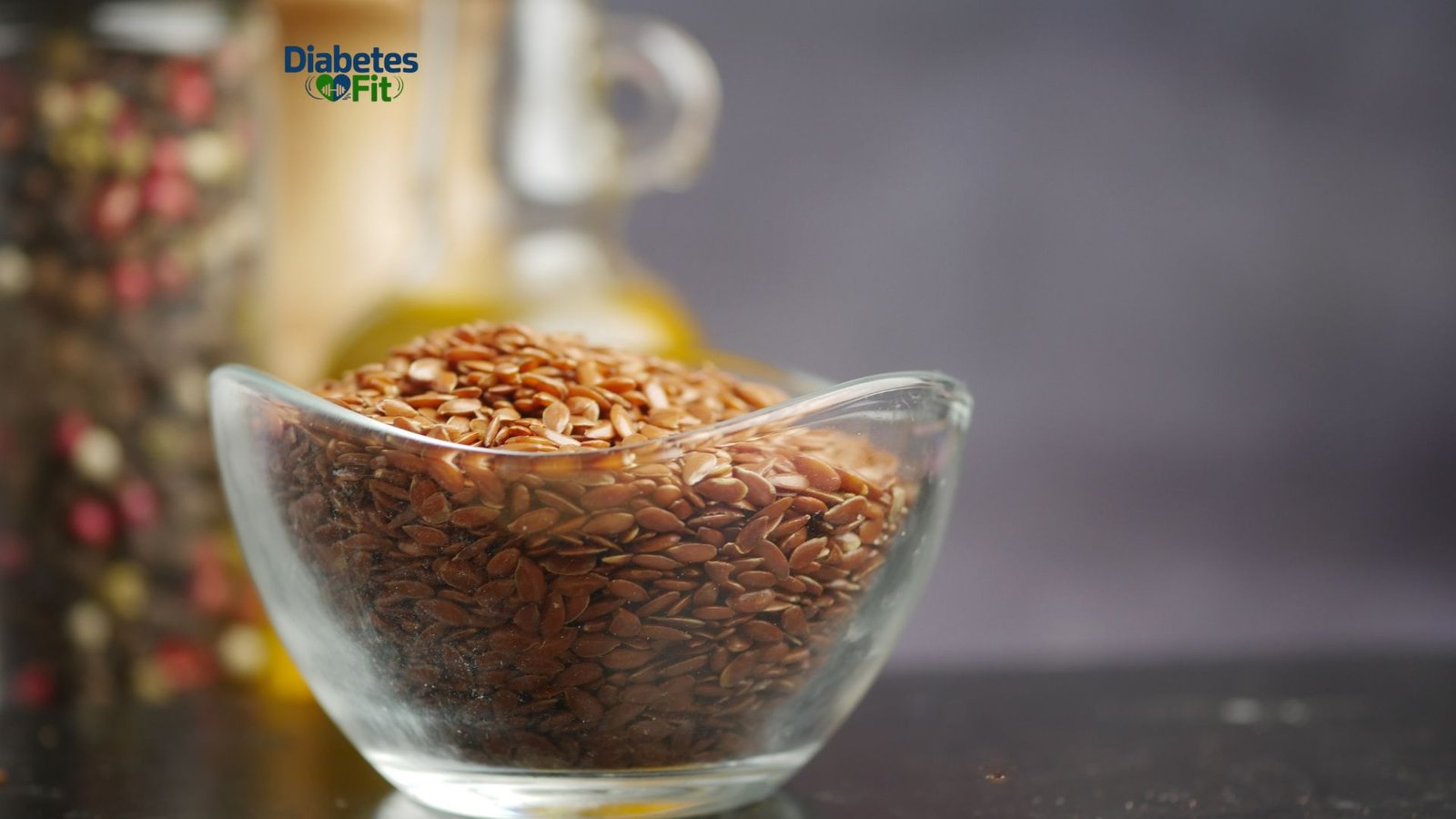
Flaxseed is a food that should be a staple in every woman’s diet. Very few meals can equal the nutritious power of flaxseed, which is little, golden or brown, and exceedingly inconspicuous. Furthermore, the advantages of flaxseed for women in particular go well beyond general health; they meet the particular hormonal, cardiovascular, digestive, and reproductive needs that characterize women’s health throughout every decade of life.
The benefits of flaxseed for women are extensive and well-researched, ranging from regulating estrogen levels and alleviating menopause symptoms to lowering the risk of breast cancer, promoting bone density, and enhancing skin health. This is more than simply wellness rhetoric. One of nature’s most potent functional meals is supported by decades of clinical research.
This guide will provide you with 15 scientifically proven benefits of flaxseed for women, including the focus on Flaxseed Benefits for Women, as well as information on how much to eat, the best ways to utilize it, crucial safety considerations, and concise responses to the most often asked concerns by women. Now, let us get started.
Also, read this blog on what causes depression.
What Is Flaxseed and Why Is It So Special?
The flax plant (Linum usitatissimum) is the source of flaxseed, also known as linseed, which has been grown for more than 6,000 years. However, nutritional science has only recently started to completely comprehend why this tiny seed has such significant effects on human health, especially women’s health.
Flaxseed is truly unusual since it contains three exceptional nutritional components that are rarely found together in a single food:
1. Lignans: The Powerhouses of Phytoestrogen
Compared to other plant foods, flaxseed has 75–800 times more lignans. Lignans are phytoestrogens, which are substances found in plants that resemble estrogen chemically and can attach to the body’s estrogen receptors.
Flaxseed is particularly beneficial for women’s hormonal health because of its capacity to both mimic and control estrogen, which helps ease menopause, lessen PMS symptoms, and possibly lower the risk of hormone-sensitive cancer.
2. ALA, or omega-3 fatty acids
Alpha-linolenic acid (ALA), the plant form of omega-3 fatty acids, is most abundant in flaxseed. ALA is a necessary fatty acid that the body has to get from food because it cannot manufacture it on its own. It supports the brain, protects the heart, and reduces inflammation.
3. Soluble and Insoluble Dietary Fiber
Both soluble fiber, which creates a gel that slows digestion and nourishes good gut flora, and insoluble fiber, which adds volume and promotes regular bowel movements, are found in flaxseed. One of the main reasons flaxseed is particularly beneficial for women’s digestive health is its dual fiber content.
Flaxseed Nutritional Profile (Per 2 Tablespoons / 14g, Ground)
| Nutrient | Amount | % Daily Value |
| Calories | 75 kcal | — |
| Total fat | 6g | 8% |
| Omega-3 (ALA) | 3.2g | 200%+ |
| Total fiber | 3.8g | 14% |
| Soluble fiber | 1.1g | — |
| Protein | 2.6g | 5% |
| Lignans | 85–360mg | — |
| Magnesium | 54mg | 13% |
| Manganese | 0.4mg | 17% |
| Thiamine (B1) | 0.3mg | 23% |
| Phosphorus | 90mg | 7% |
| Folate | 18mcg | 5% |
15 Evidence-Based Flaxseed Benefits for Women
1. Balances Estrogen Levels Naturally
One of the most significant and uniquely female flaxseed benefits for women is the ability to naturally modulate estrogen levels in the body.
The lignans in flaxseed act as selective estrogen receptor modulators (SERMs) — they can both mimic estrogen when levels are too low and block estrogen receptors when levels are too high.
This dual action means:
- In premenopausal women with excess estrogen (estrogen dominance), Flaxseed lignans compete with more potent forms of estrogen for receptor binding, reducing the overall estrogenic stimulation
- In postmenopausal women with declining estrogen, Flaxseed lignans provide mild estrogenic activity that can reduce symptoms like hot flashes and vaginal dryness
- In women with PMS driven by estrogen-progesterone imbalance, Flaxseed may help normalize the ratio
This adaptogenic estrogen effect — responding differently depending on what the body needs — is what makes flaxseed so valuable across different life stages and one of the most researched flaxseed benefits for women.
2. Reduces Breast Cancer Risk
This is one of the most clinically significant flaxseed benefits for women — and it deserves detailed attention.
Multiple studies have examined the relationship between flaxseed consumption and breast cancer risk, with compelling results:
- A study published in Clinical Cancer Research found that women with breast cancer who consumed 25g of ground flaxseed daily for 32 days showed significant reductions in tumor growth markers compared to placebo
- A large Canadian study found that women who consumed flaxseed had a 18% lower risk of developing breast cancer compared to non-consumers
- Research shows flaxseed lignans reduce the activity of estrogen-sensitive breast cancer cells
- Flaxseed increases the ratio of 2-hydroxyestrone to 16α-hydroxyestrone in the urine — a ratio associated with lower breast cancer risk
How flaxseed may protect against breast cancer:
- Lignans compete with estrogen at receptor sites, reducing the growth stimulus for hormone-sensitive breast cells
- ALA omega-3 fatty acids have direct anti-tumor effects — slowing cancer cell proliferation
- Anti-inflammatory effects reduce the chronic inflammation linked to cancer development
- Flaxseed improves the body’s ability to detoxify and excrete excess estrogen
Important note: Flaxseed is not a cancer treatment. Women with existing breast cancer or those on tamoxifen should consult their oncologist before significantly increasing flaxseed intake, as the interaction between lignans and tamoxifen requires medical supervision.
3. Eases Menopause Symptoms
Hot flashes, night sweats, vaginal dryness, and mood swings — menopause brings a challenging constellation of symptoms, and many women prefer not to use hormone replacement therapy (HRT). This is where flaxseed benefits for women in midlife become particularly valuable.
Research on flaxseed and menopause symptoms:
- A study in the Journal of the Society for Integrative Oncology found that 40g of ground flaxseed daily reduced hot flash frequency by 50% and hot flash scores by 57% over 6 weeks
- Research shows flaxseed produces similar reductions in hot flash frequency as low-dose estrogen therapy in some studies
- Lignans improve vaginal lubrication by providing mild estrogenic stimulation to vaginal tissues
- Flaxseed’s anti-inflammatory effects reduce the joint pain that many women experience during menopause
This makes flaxseed one of the most evidence-supported natural alternatives to HRT for managing menopausal symptoms — and one of the most practical flaxseed benefits for women in their 40s, 50s, and beyond.
4. Supports Heart Health and Reduces Cardiovascular Risk
Women’s cardiovascular risk increases dramatically after menopause — and heart disease remains the leading cause of death in women. The flaxseed benefits for women’s heart health operate through multiple mechanisms simultaneously.
How flaxseed protects the female heart:
- Reduces LDL cholesterol: A meta-analysis in Nutrition Reviews found that flaxseed consumption reduced LDL (bad) cholesterol by 10–15% across multiple studies
- Lowers triglycerides: ALA omega-3 fatty acids reduce triglyceride levels — a significant cardiovascular risk factor in women after menopause
- Reduces blood pressure: Research shows daily flaxseed consumption reduces systolic blood pressure by 7–10 mmHg — comparable to some blood pressure medications
- Anti-platelet effects: Flaxseed reduces platelet aggregation (blood clotting tendency), lowering the risk of blood clots and stroke
- Anti-inflammatory effects: Chronic arterial inflammation drives heart disease; flaxseed’s ALA and lignans reduce inflammatory markers, including C-reactive protein (CRP)
These multiple cardiovascular benefits make heart health one of the most impactful flaxseed benefits for women — particularly those who are postmenopausal or have a family history of cardiovascular disease.
5. Supports Healthy Weight Management
Flaxseed benefits for women’s weight management are both direct and indirect — and particularly valuable for women struggling with hormone-driven weight gain.
How flaxseed helps with weight management:
- High fiber increases satiety: The soluble fiber in flaxseed absorbs water and forms a thick gel that slows gastric emptying — keeping you feeling full for hours and reducing overall calorie intake
- Reduces insulin resistance: Flaxseed’s lignans and omega-3s improve insulin sensitivity — directly addressing one of the primary metabolic drivers of weight gain in women
- Anti-inflammatory effects: Chronic inflammation drives insulin resistance and fat storage; flaxseed reduces this inflammatory burden
- Protein content: At 2.6g per 2 tablespoons, ground flaxseed adds protein to meals — protein is the most satiating macronutrient and supports muscle preservation during weight loss
A study published in Nutrition Journal found that adding flaxseed to the diet significantly increased feelings of fullness and reduced total daily calorie intake — without requiring any other dietary changes.
6. Improves Digestive Health and Relieves Constipation
Constipation affects women significantly more than men, and flaxseed’s dual fiber content makes it one of the most effective natural remedies available.
How flaxseed improves digestive health:
- Insoluble fiber adds bulk to stool and speeds transit through the intestines — relieving constipation effectively
- Soluble fiber feeds beneficial gut bacteria — improving microbiome diversity and reducing digestive inflammation
- Mucilage (a gel-like soluble fiber unique to flaxseed) coats and soothes the intestinal lining — reducing irritation in conditions like IBS
- ALA omega-3s reduce intestinal inflammation that drives conditions like Crohn’s disease and ulcerative colitis
For women with IBS: A randomized controlled trial found that flaxseed significantly reduced IBS symptoms, including bloating, constipation, and abdominal pain, over 4 weeks of daily consumption.
For general constipation: 2 tablespoons of ground flaxseed daily with adequate water produces a reliable improvement in bowel regularity within 2–3 days for most women.
7. Reduces PMS Symptoms
Premenstrual syndrome affects up to 75% of menstruating women, and the flaxseed benefits for women with PMS are directly connected to its hormonal modulating and anti-inflammatory properties.
How flaxseed reduces PMS symptoms:
- Estrogen modulation: Lignans help normalize the estrogen-to-progesterone ratio in the luteal phase — reducing the hormonal imbalance that drives PMS symptoms
- Anti-inflammatory effects: Omega-3 fatty acids reduce the prostaglandin production that causes menstrual cramps and breast tenderness
- Magnesium content: Flaxseed provides magnesium, deficiency of which is strongly linked to PMS symptoms, including mood changes, cramps, and headaches
- Blood sugar stabilization: Flaxseed fiber reduces blood sugar fluctuations that drive PMS-related mood swings and cravings
A study in the Iranian Journal of Nursing and Midwifery Research found that flaxseed supplementation significantly reduced breast pain (mastalgia) — one of the most common and distressing PMS symptoms — over three menstrual cycles.
8. Supports Bone Health and Reduces Osteoporosis Risk
Women are significantly more vulnerable to osteoporosis than men, particularly after menopause when estrogen (which protects bone density) declines rapidly. Flaxseed benefits for women’s bone health are directly connected to its phytoestrogenic activity.
How flaxseed protects bone density:
- Lignans bind to estrogen receptors in bone tissue, providing mild estrogenic stimulation that reduces bone resorption (breakdown)
- Research shows women with higher lignan intake have significantly greater bone density than low consumers
- ALA omega-3s reduce the inflammatory cytokines that drive osteoclast activity (bone breakdown)
- Manganese and magnesium in flaxseed are essential minerals for bone matrix formation
A study published in the Bone Journal found that postmenopausal women who consumed flaxseed daily had significantly better bone density preservation over 12 months compared to control groups.
9. Improves Skin Health and Reduces Aging Signs
The flaxseed benefits for women’s skin are among the most visible and most appreciated, particularly as women age and skin hydration, elasticity, and appearance become greater concerns.
How flaxseed improves skin:
- ALA omega-3 fatty acids are essential components of skin cell membranes — they maintain hydration, plumpness, and barrier function
- Reduces skin inflammation: Omega-3s reduce the inflammatory signals that drive conditions like eczema, psoriasis, rosacea, and acne
- Antioxidant protection: Lignans have powerful antioxidant activity — neutralizing free radicals that cause collagen breakdown and premature aging
- Improves skin hydration: Research shows daily ALA supplementation from flaxseed significantly improves skin hydration, smoothness, and reduces roughness
A study in the British Journal of Nutrition found that women who consumed flaxseed oil for 12 weeks showed significant improvements in skin hydration, smoothness, and barrier function compared to placebo.
10. Supports Brain Health and Mood
Depression affects twice as many women as men — and the flaxseed benefits for women’s mental health and brain function are increasingly well-supported by research.
How flaxseed supports the female brain:
- ALA omega-3s are essential for brain cell membrane integrity and neurotransmitter function — supporting serotonin and dopamine signaling
- Anti-inflammatory effects reduce neuroinflammation — a growing body of research links brain inflammation to depression and cognitive decline
- Blood sugar stabilization from flaxseed fiber prevents the energy crashes that worsen mood and concentration
- Hormonal modulation — by helping balance estrogen, flaxseed may reduce the mood disruptions linked to hormonal fluctuations throughout the menstrual cycle and menopause
Research suggests that women with higher omega-3 intake have lower rates of depression and better cognitive function as they age.
11. Helps Manage PCOS Symptoms
Polycystic Ovary Syndrome (PCOS) affects 8–13% of women of reproductive age, and the flaxseed benefits for women with PCOS address several of the condition’s core mechanisms simultaneously.
How flaxseed helps women with PCOS:
- Reduces androgen levels: A study published in the Journal of Clinical Endocrinology & Metabolism found that flaxseed supplementation significantly reduced testosterone levels in women with PCOS
- Improves insulin sensitivity: The fiber and ALA in flaxseed improve cellular response to insulin — addressing the insulin resistance that drives most PCOS symptoms
- Reduces inflammation: Chronic low-grade inflammation is a feature of PCOS; flaxseed’s anti-inflammatory compounds directly address this
- Supports regular menstruation: By modulating androgens and insulin, flaxseed may help restore more regular menstrual cycles over time
12. Reduces Blood Sugar and Supports Diabetes Prevention
Women with PCOS, obesity, or a family history of diabetes are at elevated risk for type 2 diabetes — and the flaxseed benefits for women’s blood sugar management are both direct and significant.
How flaxseed controls blood sugar:
- Soluble fiber slows glucose absorption from the digestive tract — flattening the blood sugar curve after meals
- Mucilage forms a viscous gel that physically slows digestion and carbohydrate absorption
- Lignans improve insulin sensitivity at the cellular level
- Protein content slows gastric emptying and reduces post-meal glucose response
A meta-analysis published in Obesity Reviews found that whole flaxseed supplementation significantly reduced fasting blood glucose and insulin levels, with greater effects seen in people with higher baseline glucose.
13. Reduces Inflammation Throughout the Body
Chronic inflammation is at the root of most serious diseases — from cardiovascular disease and diabetes to cancer, arthritis, and autoimmune conditions. Women experience higher rates of autoimmune and inflammatory conditions than men, making anti-inflammatory nutrition particularly important for female health.
Flaxseed’s anti-inflammatory mechanisms:
- ALA omega-3 fatty acids are the precursor to EPA and DHA — the most powerful anti-inflammatory fatty acids in the body
- Lignans inhibit the production of pro-inflammatory prostaglandins and cytokines
- Antioxidant compounds neutralize free radicals that trigger inflammatory cascades
- Fiber reduces inflammatory markers by feeding anti-inflammatory gut bacteria that produce short-chain fatty acids
Research consistently shows that regular flaxseed consumption reduces C-reactive protein (CRP), interleukin-6 (IL-6), and tumor necrosis factor-alpha (TNF-α) — key markers of systemic inflammation.
14. Supports Hair Growth and Reduces Hair Loss
Hair loss is a common and distressing concern for women — particularly during hormonal transitions like postpartum, perimenopause, and PCOS. The flaxseed benefits for women’s hair health address both the hormonal and nutritional drivers of hair loss.
How flaxseed supports healthy hair:
- ALA omega-3 fatty acids nourish hair follicles and support scalp health — omega-3 deficiency is directly linked to hair thinning
- Vitamin E and antioxidants protect hair follicles from oxidative damage that causes premature hair loss
- Lignan-driven androgen reduction — particularly relevant for women with PCOS whose hair loss is driven by elevated androgens (DHT)
- Protein content provides amino acids needed for keratin production — the structural protein of hair
Many women report visible improvements in hair thickness and growth rate after 3–6 months of consistent daily flaxseed consumption.
15. Supports Fertility and Reproductive Health
The flaxseed benefits for women’s fertility are connected to its phytoestrogenic activity, anti-inflammatory properties, and ability to support regular ovulation.
How flaxseed supports female fertility:
- Lignans may help regulate the menstrual cycle by modulating estrogen levels — supporting more regular ovulation
- A study in the Journal of Clinical Endocrinology & Metabolism found that women who consumed flaxseed had longer luteal phases (the post-ovulation phase when progesterone dominates), associated with better fertility outcomes
- Anti-inflammatory effects reduce pelvic inflammation that can interfere with fertilization and implantation
- Blood sugar regulation supports hormonal balance — insulin resistance is one of the most common hormonal drivers of ovulatory dysfunction
How to Use Flaxseed: Practical Guide for Women
Knowing the advantages of flaxseed for women is only half the story; understanding how to properly eat it is just as crucial.
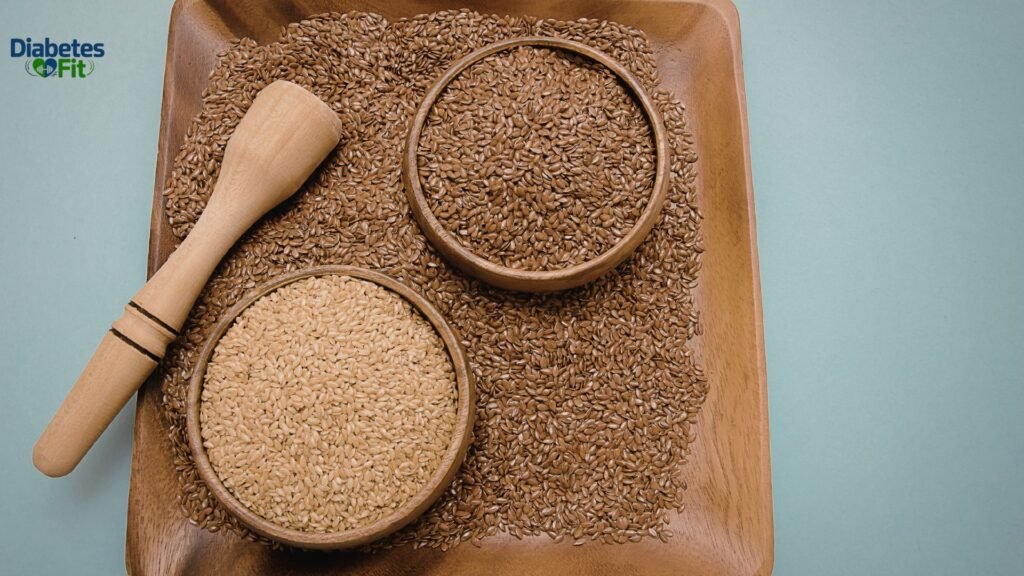
Whole vs. Ground Flaxseed
Flaxseed meal, or ground flaxseed, is always preferable to whole seeds. The hard outer shell of whole flaxseeds prevents the human digestive system from breaking through; as a result, they pass through mostly undigested and have little nutritional value.
The nutrients are entirely accessible when flaxseed is ground. You can purchase pre-ground flaxseed meal or use a coffee grinder to grind the whole seeds.
Flaxseed Oil
Although flaxseed oil has very little lignans and no fiber, it is a great source of ALA omega-3 fatty acids. For the full hormonal and digestive benefits of flaxseed for women, use ground flaxseed instead of using it for skin and brain health.
Daily Dosage Recommendations
| Life Stage | Recommended Daily Amount | Primary Benefits |
| Premenopausal women | 1–2 tablespoons ground flaxseed | PMS relief, hormone balance, digestive health |
| Perimenopausal women | 2–3 tablespoons ground flaxseed | Hot flash reduction, bone protection, heart health |
| Postmenopausal women | 2–3 tablespoons ground flaxseed | Cardiovascular protection, bone density, and cognitive health |
| Women with PCOS | 2 tablespoons ground flaxseed | Androgen reduction, insulin sensitivity, and cycle regulation |
| Women with breast cancer history | Consult oncologist | Medical supervision required |
| Pregnant women | 1 tablespoon maximum | Consult OB/GYN — phytoestrogen caution |
Easy Ways to Add Flaxseed to Your Diet
- Oatmeal or porridge — stir 1–2 tablespoons into morning oats
- Smoothies — blend into any smoothie without affecting flavor significantly
- Yogurt parfait — sprinkle over Greek yogurt with fruit and nuts
- Baked goods — add to muffin, bread, or pancake batter
- Salad topping — sprinkle over salads for added crunch
- Soup thickener — stir into soups or stews (acts as a natural thickener)
- Egg substitute — 1 tablespoon ground flaxseed + 3 tablespoons water = 1 egg substitute in baking
- Mixed into sauces — blend into pasta sauces, dips, or spreads
Storage
- Store whole flaxseeds at room temperature in a sealed container for up to 1 year
- Store ground flaxseed in the refrigerator or freezer in an airtight container — the oils in ground flax oxidize quickly at room temperature
- Pre-ground flaxseed keeps for 3–4 months in the refrigerator
Potential Side Effects and Precautions
Despite the significant advantages of flaxseed for women, there are crucial safety measures to take into account:
- Go slowly at first: To prevent digestive discomfort (gas, bloating) as your gut adjusts to the extra fiber, start with 1 teaspoon per day and increase it gradually.
- Water is absorbed by flaxseed fiber; dehydration can exacerbate constipation.
- Caution during pregnancy: Pregnant women should visit their OB/GYN and limit their daily intake of flaxseed to one tablespoon due to the phytoestrogenic action of lignans.
- Drugs that thin the blood: If you take warfarin or other comparable medications, speak with your doctor about the weak antiplatelet properties of flaxseed.
- Tamoxifen with breast cancer: Before consuming a lot of flaxseed, talk to your oncologist about the need for medical care due to the lignan-tamoxifen interaction.
- Hormone-sensitive conditions: Before greatly increasing your intake of flaxseed, speak with your doctor if you have a history of endometriosis, uterine fibroids, or estrogen-sensitive malignancies.
Flaxseed vs. Chia Seeds vs. Hemp Seeds: Which Is Best for Women?
| Feature | Flaxseed | Chia Seeds | Hemp Seeds |
| Lignans (phytoestrogens) | Highest by far (75–800x more than any other food) | Minimal | Minimal |
| Omega-3 (ALA) | The highest plant source | High | Moderate |
| Fiber | High (soluble + insoluble) | Very high (mostly soluble) | Low |
| Protein | Moderate | Moderate | Highest |
| Hormonal benefits | Exceptional | Minimal | Minimal |
| Digestive benefits | Excellent | Excellent | Minimal |
| Best for | Hormone balance, cancer protection, heart health | Digestive health, hydration | Protein, brain health |
| Must be ground? | Yes | No | No |
For hormonal health specifically, the most uniquely female flaxseed benefit — no other seed comes close to flaxseed’s lignan content.
Frequently Asked Questions
What are the most important flaxseed benefits for women specifically?
The most uniquely important flaxseed benefits for women include hormonal balance through phytoestrogenic lignans, reduction of menopause symptoms (particularly hot flashes), potential reduction of breast cancer risk, support for PCOS management through androgen reduction, PMS symptom relief, bone density protection, and cardiovascular protection — all of which address the specific health vulnerabilities that women face across different life stages. No other commonly available food delivers this combination of female-specific benefits in a single serving.
How much flaxseed should a woman eat daily?
Most research supporting flaxseed benefits for women uses 2–3 tablespoons (14–21g) of ground flaxseed daily. This amount delivers approximately 3–5g of fiber, 4–9g of ALA omega-3s, and 85–500mg of lignans per day. Start with 1 teaspoon and build up over 2–3 weeks to allow your digestive system to adjust. Always consume adequate water — at least 1–2 extra glasses per day.
Does flaxseed help with menopause hot flashes?
Yes — clinical research supports flaxseed’s ability to reduce hot flash frequency and severity. A well-cited study found that 40g of ground flaxseed daily reduced hot flash frequency by 50% over 6 weeks. The lignans in flaxseed provide mild phytoestrogenic activity that partially compensates for declining estrogen, reducing the hypothalamic instability that causes hot flashes. While not as potent as hormone replacement therapy, flaxseed is a meaningful natural option for women who prefer to avoid HRT.
Can flaxseed affect estrogen levels?
Yes — this is one of the most important flaxseed benefits for women. Flaxseed lignans are phytoestrogens that bind to estrogen receptors. In women with excess estrogen (premenopausal), lignans compete with more potent natural estrogen for receptor binding — reducing overall estrogenic stimulation. In women with low estrogen (postmenopausal), lignans provide mild estrogenic activity. This adaptogenic effect means flaxseed helps move estrogen toward balance rather than simply raising or lowering it — which is why it’s beneficial across different hormonal states.
Is flaxseed safe for women with breast cancer?
Research suggests flaxseed may actually reduce breast cancer risk and tumor growth — but women with existing breast cancer or those taking tamoxifen should consult their oncologist before significantly increasing flaxseed intake. The interaction between flaxseed lignans and tamoxifen (which is also a SERM) requires medical supervision. Some research suggests the combination may be beneficial, but individualized medical guidance is essential. Women with a personal or family history of hormone-sensitive cancers should not make dietary changes of this magnitude without their oncologist’s input.
When is the best time to eat flaxseed for maximum benefits?
For digestive and blood sugar benefits, consuming flaxseed with or before meals is most effective — the fiber slows the digestion of the entire meal. For hormonal benefits, timing matters less than consistency. Many women find adding flaxseed to morning oatmeal or a breakfast smoothie the most sustainable daily habit. For menopause symptom relief specifically, dividing the daily amount between morning and evening may distribute the phytoestrogenic effect more evenly throughout the day.
Does flaxseed help women lose weight?
Flaxseed supports weight management in women through several mechanisms — high fiber increases satiety and reduces overall calorie intake, improved insulin sensitivity reduces fat storage signals, and anti-inflammatory effects address the metabolic dysfunction that makes weight loss difficult for many women. Research confirms flaxseed consumption increases feelings of fullness and reduces daily calorie intake. However, flaxseed is not a weight loss supplement — it’s most effective as part of a complete diet and lifestyle approach. The flaxseed benefits for women’s weight management are most pronounced for women whose weight challenges are hormonally driven (PCOS, insulin resistance, menopause-related gain).
Conclusion
The benefits of flaxseed for women are exceptional, and they are unique given the biological and hormonal realities that women must deal with throughout their lives, according to a comprehensive analysis of the research.
Every stage of life, from puberty to postmenopause, can benefit from flaxseed. It promotes reproductive health and relieves PMS in young women. It enhances hormonal balance, promotes fertility, controls PCOS, and lowers cardiovascular risk in women in their 30s and 40s. It protects bone density, lessens hot flashes, and maintains the cardiovascular protection that decreasing estrogen takes away for women in perimenopause and menopause. It supports the digestive and cardiovascular systems that are challenged by aging, maintains brain health, and lowers the risk of cancer in older women.
The advantages of flaxseed for women are not provided by a pill, a convoluted regimen, or a costly supplement. You only need to add two teaspoons of ground flaxseed to your porridge in the morning to begin reaping the health benefits of this amazing seed.
Are you prepared to begin? This week, get a bag of ground flaxseed (or a coffee grinder and whole seeds). Tomorrow morning, add one spoonful to your breakfast. In two weeks, increase to two tablespoons. Keep an eye on your skin, energy, digestion, and hormonal symptoms after 6 to 8 weeks of consistent use. A lot of ladies are actually taken aback by how much of a difference such an inexpensive, straightforward improvement can make.
Your gut, heart, bones, and hormones will all be grateful.
For more benefits, read this blog from Healthline.

David Miller: I am a health and wellness writer focused on diabetes awareness, blood sugar control, and healthy living. I creates clear, practical content to help readers make better everyday health choices. I write evidence-based articles about diabetes, diet, and healthy living. My goal is to simplify complex health topics using trusted sources like WHO and medical journals.