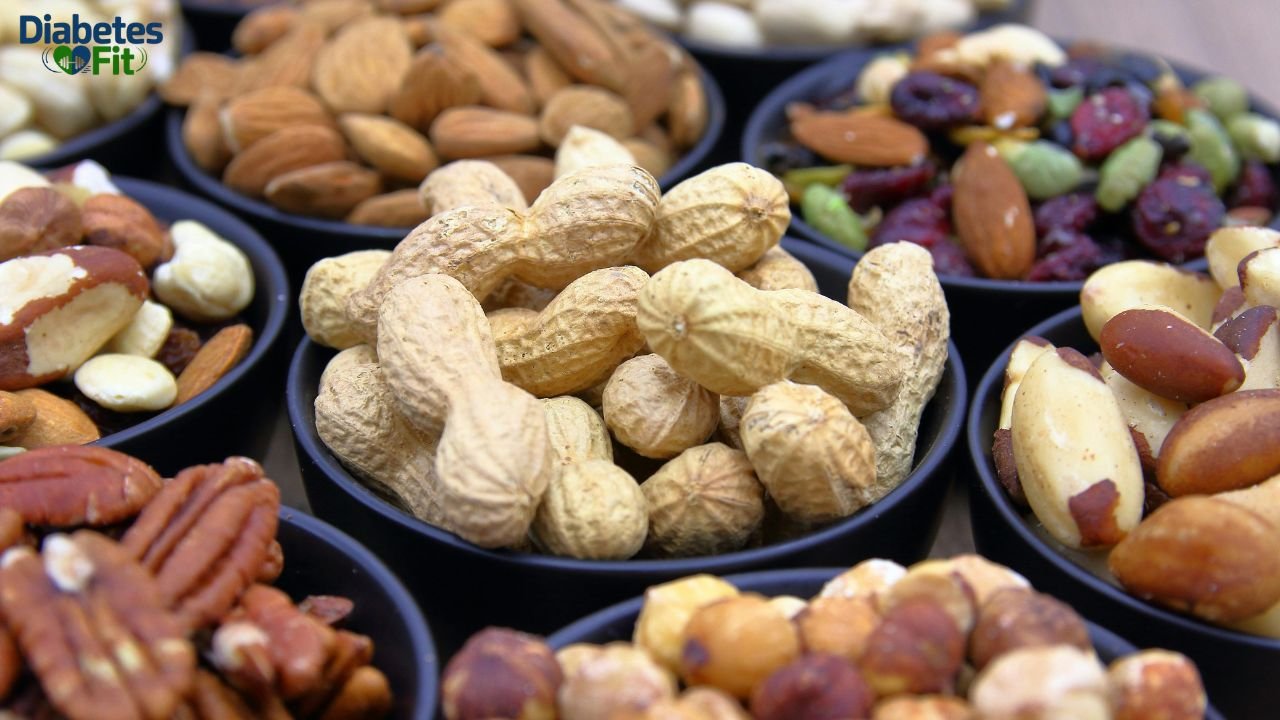
Are Nuts Good for Diabetics? The Truth About Nuts and Blood Sugar Control
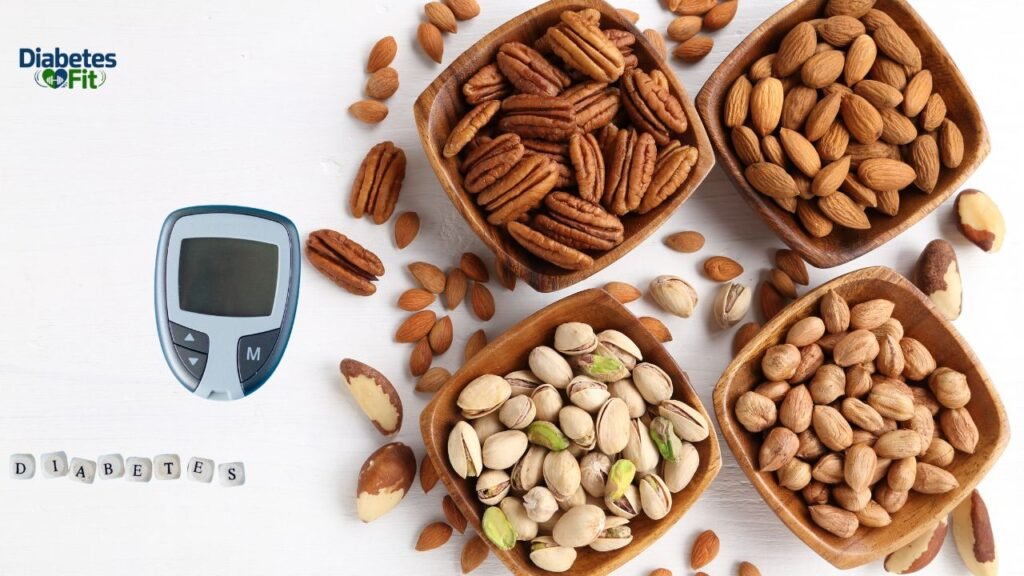
If you have diabetes, choosing the right foods can feel overwhelming. You might have heard that nuts are a healthy snack — but are nuts good for diabetics, or could they cause blood sugar spikes? The short answer is yes, most nuts are genuinely great for people with diabetes. In fact, adding the right nuts to your daily diet can help manage blood sugar levels, lower bad cholesterol, reduce inflammation, and even improve how your body uses insulin.
But not all nuts are created equal, and portion size matters a lot. In this article, we will break down everything you need to know — which nuts are the best for diabetics, how much to eat, what science says, and a few cautions to keep in mind. Whether you have Type 1 or Type 2 diabetes, this guide is for you.
Also, read the best carb bread for diabetics.
Why Are Nuts Good for Diabetics? The Science Explained
Nuts pack a powerful combination of nutrients that benefit blood sugar control. Here is what makes them special for people with diabetes:
1. Low GI (glycemic index)
The rate at which a food raises blood sugar is measured by the glycemic index (GI). The GI of the majority of nuts is either zero or almost so. This means that, unlike processed foods, white bread, and sugary snacks, they do not raise blood sugar levels. This is a major benefit for someone who is managing their diabetes. Your blood sugar is far steadier when you eat nuts as a snack rather than chips or crackers.
2. Rich in Good Fats
Monounsaturated and polyunsaturated fats, which are healthy, are abundant in nuts. In fact, these fats improve the body’s ability to use insulin. Additionally, they lower LDL (bad) cholesterol, which is crucial because diabetics are more likely to develop heart disease. Nuts’ healthful fats also slow down digestion, preventing unexpected blood sugar increases after meals.
3. A Healthy Source of Protein
Protein slows down the breakdown of carbohydrates and makes you feel full. The protein in nuts helps your body absorb carbohydrates more slowly, whether you take them as a snack or with a meal. Instead of a sudden surge, this causes blood sugar to climb more gradually and gently.
4. Packed with Fiber
A diabetic’s best friend is dietary fiber. Fiber directly contributes to stable blood sugar levels by slowing the bloodstream’s absorption of glucose. Another reason nuts and diabetes control go hand in hand is that most nuts have a healthy amount of fiber per serving.
5. Packed with magnesium
Numerous individuals with Type 2 diabetes have low magnesium levels, according to research. Magnesium plays a direct role in how the body processes glucose and uses insulin. Nuts like almonds, cashews, and Brazil nuts are excellent sources of magnesium, making them especially helpful for.
Best Nuts for Diabetics: Complete Comparison Table
Not every nut is equally beneficial. Here is a detailed breakdown of the most popular nuts and how they affect diabetics:
| Nut Type | Glycemic Index | Net Carbs (per oz) | Key Benefit for Diabetics |
| Almonds | 0 (very low) | 2.5g | Improves insulin sensitivity |
| Walnuts | 0 (very low) | 2g | Rich in omega-3, reduces inflammation |
| Pecans | 0 (very low) | 1.2g | Lowest carb nut, great for blood sugar |
| Pistachios | 15 (low) | 5g | Lowers HbA1c levels |
| Cashews | 22 (low) | 8g | Magnesium-rich, use in moderation |
| Brazil Nuts | 0 (very low) | 1.3g | Selenium boosts insulin function |
| Macadamia Nuts | 0 (very low) | 1.5g | High in monounsaturated fats |
| Peanuts | 14 (low) | 3.5g | Affordable, high in protein |
As you can see, almost all common nuts have a very low glycemic index and minimal net carbohydrates. This is why nuts are so widely recommended for people managing blood sugar levels.
The Best Nuts for Diabetics — Detailed Breakdown
Almonds — The All-Rounder
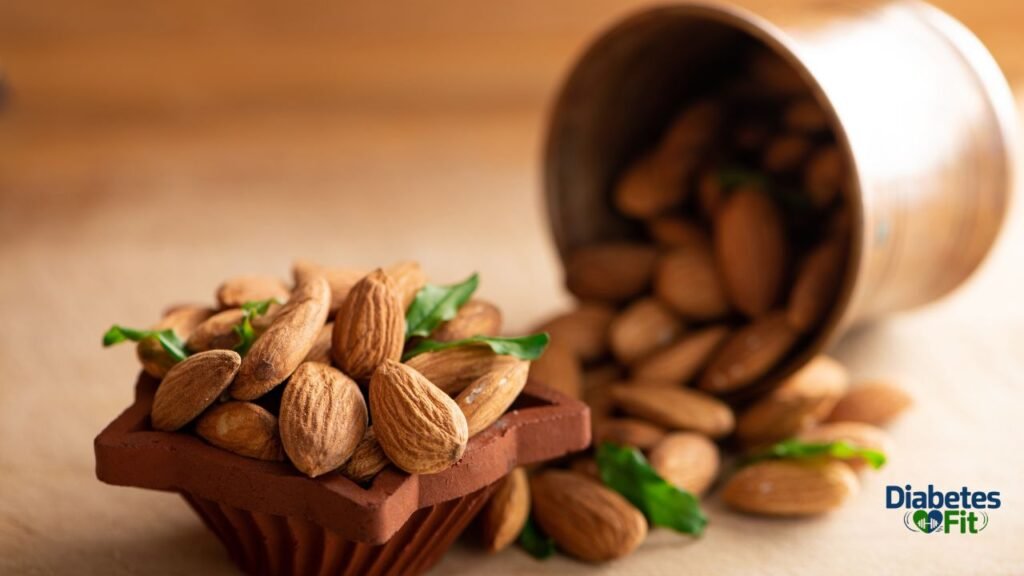
Almonds are probably the most studied nut when it comes to diabetes management. Research has shown that eating almonds regularly can lower fasting blood sugar levels and improve HbA1c — a key marker doctors use to track long-term blood sugar control. A small 2011 study published in the journal Metabolism found that almonds significantly improved insulin sensitivity in people with prediabetes. Almonds are also high in vitamin E, which acts as a powerful antioxidant to reduce inflammation in diabetics.
• 28g (1 oz) contains about 6g protein, 14g fat, 2.5g net carbs
• Best eaten raw or dry roasted with no added salt
• Great as a midday snack or blended into almond butter
Walnuts — The Brain and Blood Sugar Booster
Walnuts are the only nuts that are truly rich in alpha-linolenic acid (ALA), a plant-based omega-3 fatty acid. Omega-3 fats fight inflammation, which is a major underlying issue in Type 2 diabetes. Studies show that regular walnut consumption is linked to lower fasting insulin levels and reduced risk of developing Type 2 diabetes in the first place. If you already have diabetes, walnuts can help your body respond better to insulin over time.
• 28g (1 oz) contains about 4g protein, 18g fat, just 2g net carbs
• Best eaten raw to preserve omega-3 content
• Toss on salads, yogurt, or oatmeal
Pecans — Lowest Carb Nut
If you are strictly watching carbohydrates, pecans are your best friend. With only 1.2g of net carbs per ounce, they are the lowest-carb nut available. Pecans are also loaded with antioxidants called phenolic compounds that help reduce inflammation and oxidative stress — both of which worsen diabetes complications. A handful of pecans as a snack is virtually carb-free and extremely satisfying.
Pistachios — The HbA1c Fighter
A 2014 study in the journal Review of Diabetic Studies found that people with Type 2 diabetes who ate pistachios twice a day for 12 weeks showed a meaningful reduction in HbA1c levels. Pistachios also have the unique advantage of being a slightly higher-carb nut that still has a low glycemic index because of their fiber and protein content working together. They are also one of the most filling nuts per calorie.
Brazil Nuts — The Selenium Powerhouse
Just 2 Brazil nuts per day gives you more than your entire daily requirement of selenium. Why does this matter for diabetics? Selenium is essential for proper thyroid function and plays a role in insulin signaling. Low selenium is linked to increased insulin resistance. Brazil nuts are also low-carb and rich in healthy fats, making them an excellent but often overlooked choice for diabetics. However, because they are so high in selenium, do not eat more than 3–4 per day.
Cashews — Use in Moderation
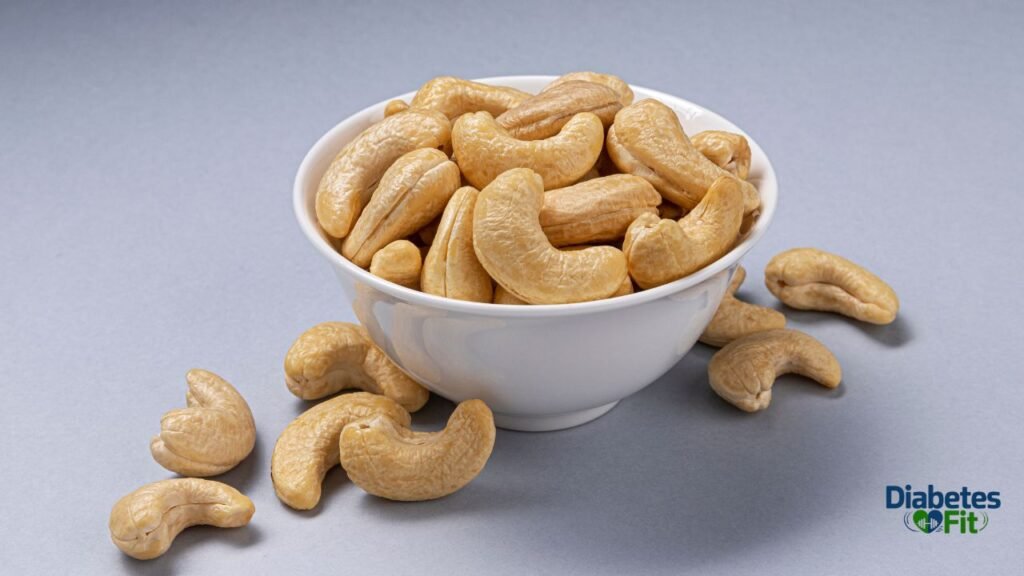
Cashews are slightly higher in carbohydrates than other nuts (about 8g net carbs per oz), so diabetics should use them more carefully. They are still a much better choice than sugary snacks, and they do provide magnesium, which helps with insulin function. The key is keeping portions small — no more than a small handful at one time.
How Many Nuts Should a Diabetic Eat Per Day?
Portion control is critical even with healthy foods like nuts. Because nuts are calorie-dense, eating too many can add unnecessary calories and, in the case of higher-carb nuts, can slightly raise blood sugar. Here is a simple, safe portion guide:
| Nut | Safe Daily Portion | Calories | Why This Amount? |
| Almonds | 23 almonds (1 oz) | ~165 | Keeps carbs under 3g |
| Walnuts | 14 halves (1 oz) | ~185 | Balances fat and omega-3 |
| Pistachios | 49 nuts (1 oz) | ~160 | Satisfying but moderate carbs |
| Cashews | 18 nuts (1 oz) | ~155 | Higher carbs — limit strictly |
| Pecans | 19 halves (1 oz) | ~200 | Very low carbs, ideal choice |
The general rule of thumb recommended by most dietitians for diabetics is 1 ounce (about a small handful) of nuts per day. You can split this into two half-ounce servings — one mid-morning and one mid-afternoon — to help keep blood sugar stable throughout the day.
Are Nuts Good for Diabetics When Eaten with Other Foods?
One of the smartest ways diabetics can use nuts is to pair them with higher-carb foods. Studies have shown that eating nuts alongside carbohydrates significantly reduces the post-meal blood sugar spike compared to eating those carbs alone. Here are some practical pairing ideas:
- Eat a small handful of almonds before a meal with rice or bread to slow glucose absorption
- Add walnuts to oatmeal to reduce its glycemic impact
- Mix pistachios into a fruit salad to balance the natural sugars from the fruit
- Spread almond butter on whole-grain crackers instead of sugary jam
- Crush pecans and use them as a coating for baked chicken instead of breadcrumbs
This approach is called “food combining,” and it is one of the most practical dietary strategies for people managing diabetes daily.
Nuts to Be Careful With — What Diabetics Should Avoid
While nuts themselves are healthy, the way they are prepared and packaged can turn a nutritious snack into a blood sugar problem. Here is what to watch out for:
Honey-Roasted or Glazed Nuts
These are coated in sugar or honey, which dramatically raises their carbohydrate content. A single serving of honey-roasted peanuts can have 3–4 times more sugar than plain peanuts. Always check the nutrition label and choose plain, dry-roasted, or raw nuts.
Flavored Nut Mixes with Dried Fruit
Trail mix sounds healthy, but many commercial versions contain dried fruit, chocolate chips, or sweetened coconut — all of which add a significant amount of sugar and quickly elevate blood sugar. If you enjoy trail mixes, make your own with plain mixed nuts and a few unsweetened seeds.
Nut Butters with Added Sugar or Oils
Peanut butter and almond butter are fantastic for diabetics — but only when they are made from 100% nuts with nothing added. Many store brands add palm oil, sugar, and salt. Always read the ingredient list and choose natural nut butters where the only ingredient is the nut itself.
Salted Nuts in Large Quantities
While salt itself does not raise blood sugar, excessive sodium is harmful for diabetics because high blood pressure is already a common complication of diabetes. Lightly salted or unsalted nuts are a better choice for daily consumption.
What Does Research Say? Nuts and Diabetes Studies
The scientific evidence supporting nuts for diabetics is quite strong. Here are some of the key findings from peer-reviewed research:

- A 2014 meta-analysis in the American Journal of Clinical Nutrition reviewed 12 clinical trials and found that tree nut consumption significantly improved fasting blood glucose and HbA1c in people with Type 2 diabetes.
- A 2019 study in Diabetes Care followed over 16,000 adults and found that replacing a daily serving of red meat or processed food with nuts was associated with a 16–21% lower risk of developing Type 2 diabetes.
- Research from the Harvard T.H. Chan School of Public Health found that eating 5 or more servings of nuts per week was associated with a lower risk of cardiovascular disease in diabetic patients — a significant finding since heart disease is the leading cause of death in diabetics.
- A randomized controlled trial published in Nutrition & Metabolism showed that replacing high-carb snacks with mixed nuts over 3 months led to measurable improvements in blood sugar control and body weight in Type 2 diabetes patients.
The evidence is clear: making nuts a regular part of a diabetes-friendly diet is a well-supported, science-backed choice.
Tips for Adding Nuts to a Diabetic Diet
Here are some practical, easy ways to make nuts a regular part of your daily routine without overdoing it:
- Keep a small zip-lock bag of pre-portioned nuts in your bag or desk for a ready-to-go blood sugar-friendly snack
- Use ground almonds or almond flour in baking instead of regular flour to cut down on carbs
- Sprinkle crushed walnuts or pecans on soups, salads, or yogurt for added texture and nutrition
- Start your morning with a tablespoon of natural almond or peanut butter stirred into Greek yogurt
- Eat a small handful of nuts 15–20 minutes before a higher-carb meal to help blunt the blood sugar spike
- Try making your own low-carb nut-based granola with oats, mixed nuts, cinnamon, and a tiny drizzle of honey
- If you get bored easily, rotate between different nuts each day to keep things interesting and get a wider range of nutrients
Nuts vs. Other Common Diabetic Snacks
How do nuts compare to other popular snack choices for diabetics? Here is a quick snapshot:

- Nuts vs. Rice Cakes: Rice cakes have a high glycemic index (around 82) and almost no protein or fat. Nuts win every time for blood sugar control.
- Nuts vs. Fruit: Fruit has natural sugars that can raise blood sugar moderately. Pairing fruit with nuts is better than eating fruit alone.
- Nuts vs. Cheese: Both are low-carb options, but nuts add fiber and plant-based compounds that cheese does not offer.
- Nuts vs. Crackers: Most crackers are made from refined flour with a high glycemic index. Nuts are far superior for diabetics.
- Nuts vs. Dark Chocolate: Dark chocolate (70%+ cocoa) is another diabetic-friendly option, but nuts generally have fewer carbs and more fiber.
Frequently Asked Questions
Are nuts good for diabetics with Type 1 diabetes as well as Type 2?
Yes! Nuts benefit both Type 1 and Type 2 diabetics. For Type 1 diabetics, nuts are a great low-carb snack that requires little to no insulin coverage. For Type 2 diabetics, nuts help improve insulin sensitivity and reduce blood sugar. Always count the small amount of carbs in nuts if you use an insulin-to-carb ratio for dosing.
Can diabetics eat peanuts every day?
Yes, peanuts are safe and beneficial for diabetics when eaten in moderation. They have a low glycemic index of around 14 and are rich in protein and monounsaturated fats. Stick to about 1 ounce (roughly 28 peanuts) per day. Choose plain or lightly salted peanuts without sugar coatings.
Do nuts raise blood sugar in diabetics?
In general, nuts do not significantly raise blood sugar when eaten in normal portions. Most nuts have a glycemic index of zero or near zero, meaning they cause little to no blood sugar spike. However, higher-carb nuts like cashews can cause a mild rise if eaten in large amounts. Stick to proper portions, and you will be fine.
What is the best nut for diabetics to eat?
Almonds and walnuts are generally considered the best nuts for diabetics based on research. Almonds are excellent for improving insulin sensitivity, while walnuts are rich in anti-inflammatory omega-3 fats. Pecans are also a top choice because they have the fewest carbohydrates of all common nuts. All of these are great options depending on your personal taste.
How many nuts should a diabetic eat per day?
Most health experts and dietitians recommend about 1 ounce (28 grams) of nuts per day for diabetics. This is roughly a small handful — about 23 almonds, 14 walnut halves, or 49 pistachios. You can split this into two half-portions throughout the day for better blood sugar stability.
Is almond butter good for diabetics?
Yes, natural almond butter (with no added sugar or oils) is an excellent choice for diabetics. It provides healthy fats, protein, fiber, and magnesium — all of which support better blood sugar management. Use it as a spread on low-carb bread or eat a tablespoon with apple slices. Just make sure you choose a brand with almonds as the only ingredient.
Are cashews safe for diabetics?
Cashews can be included in a diabetic diet, but should be eaten in smaller portions than other nuts because they contain more carbohydrates — about 8g of net carbs per ounce. They still have a low glycemic index and provide magnesium, which helps insulin function. Limit yourself to about 10–15 cashews at one time and pair them with a high-protein food for better blood sugar control.
Conclusion
So, are nuts good for diabetics? Absolutely — and the science backs this up clearly. Nuts are one of the best snack choices available for people managing blood sugar. They are low in carbohydrates, high in healthy fats and protein, rich in fiber and magnesium, and they have a very low glycemic index. Whether you are dealing with Type 1 or Type 2 diabetes, adding the right nuts to your daily diet can help stabilize blood sugar, reduce inflammation, improve cholesterol, and lower your risk of diabetes-related complications.
The key rules are simple: choose raw or dry-roasted nuts with no added sugar, watch your portions (1 oz per day is the sweet spot), and avoid flavored or honey-glazed varieties. Almonds, walnuts, and pecans are your best friends, while cashews should be enjoyed more carefully. Pair nuts with other foods to get the maximum blood sugar-stabilizing benefit.
If you are not sure how nuts fit into your personal diabetes meal plan, it is always a good idea to speak with your doctor or a registered dietitian. They can help you create a tailored plan that includes the right amounts and types of nuts for your specific health needs. Start small, stay consistent, and let these tiny powerhouses work their magic on your blood sugar.
| 🌿 Found this helpful?Share this article with a friend or family member managing diabetes. Small food changes can make a big difference — and knowledge is the first step toward better health. |
Also, read a more informative post from the Cleveland Clinic.

David Miller: I am a health and wellness writer focused on diabetes awareness, blood sugar control, and healthy living. I creates clear, practical content to help readers make better everyday health choices. I write evidence-based articles about diabetes, diet, and healthy living. My goal is to simplify complex health topics using trusted sources like WHO and medical journals.