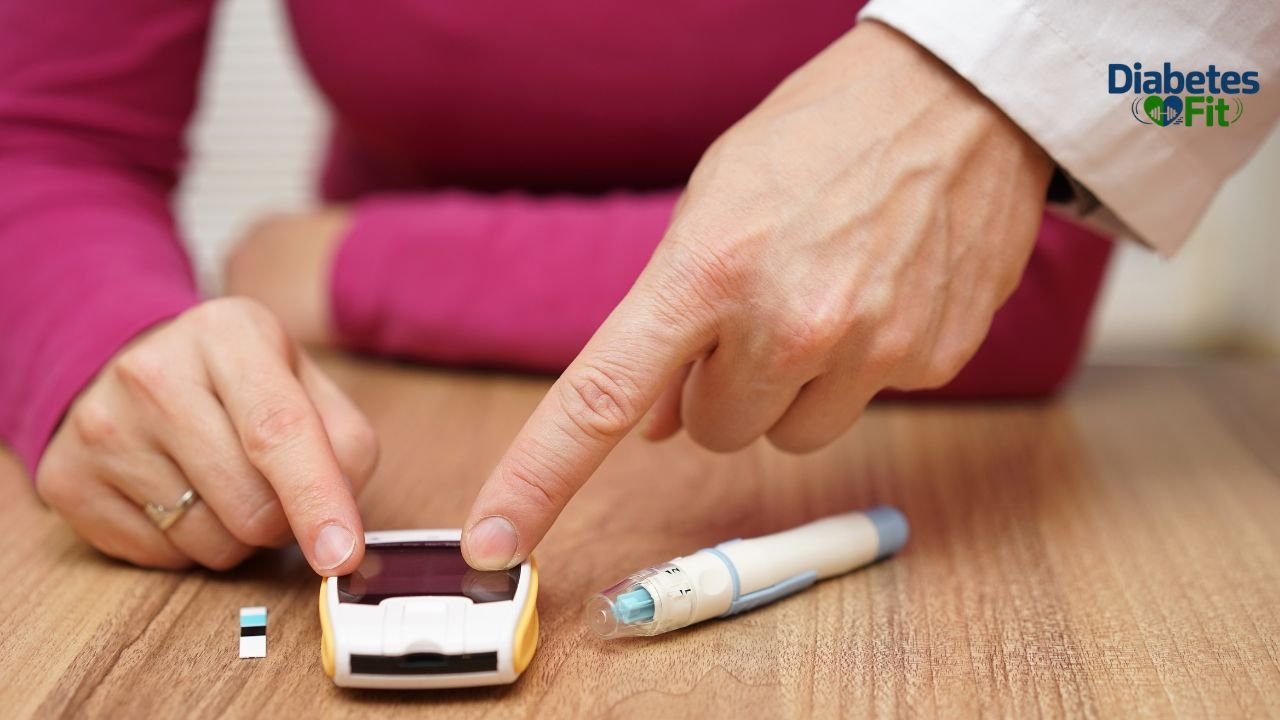
How to Lower Blood Sugar Quickly Without Insulin: Safe Methods for Type 2 Diabetes That Actually Work
You check your blood sugar, and the number staring back at you is way higher than it should be. Your heart sinks a little. Maybe you ate something you shouldn’t have. Maybe you skipped a walk. Maybe stress got the better of you this week. Whatever the reason, you’re now wondering: how to lower blood sugar quickly without insulin?
You’re not alone in asking. Millions of people managing type 2 diabetes face this exact situation regularly — and the good news is that several safe, evidence-backed methods can bring elevated blood sugar down without reaching for an injection. Some work within minutes. Others build long-term resilience so spikes happen less often.
This guide walks you through every practical, medically sound option for how to lower blood sugar quickly without insulin — clearly, honestly, and without unnecessary complexity.
Also, know Is Diabetes Curable Permanently in Early Stage?
Understanding Why Blood Sugar Spikes in Type 2 Diabetes
Before jumping into solutions, it helps to understand why blood sugar rises in type 2 diabetes — because the cause influences the best approach for bringing it back down.
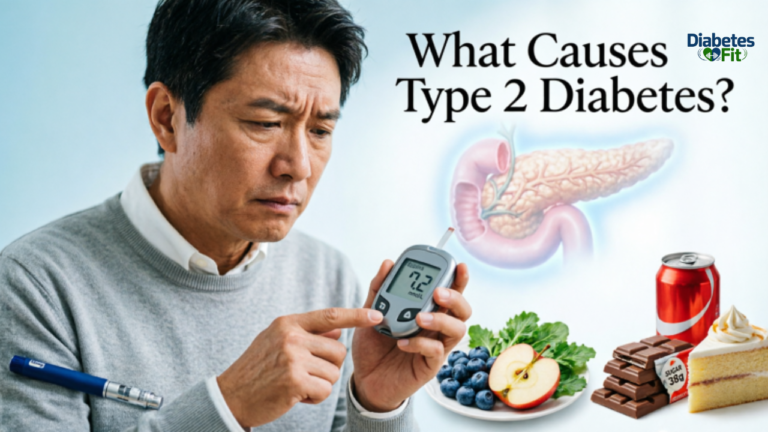
In type 2 diabetes, the body still produces insulin, but the cells have become resistant to it. Think of insulin as a key and your cells as locked doors. In insulin resistance, the locks are sticky. The key is there, but it doesn’t open the door efficiently. As a result, glucose piles up in the bloodstream instead of entering the cells where it’s needed for energy.
Common triggers for blood sugar spikes include:
- Eating high-carbohydrate or sugary foods
- Physical inactivity — especially prolonged sitting
- Dehydration — which concentrates glucose in the blood
- Stress and elevated cortisol
- Poor sleep
- Illness or infection
- Skipping medications
- Certain medications (steroids, some antidepressants)
Knowing which trigger caused your spike helps you choose the most targeted method for how to lower blood sugar quickly without insulin.
How to Lower Blood Sugar Quickly Without Insulin: Safe Methods for Type 2 Diabetes
Let’s go through every practical, evidence-supported method — from what works fastest to what builds lasting blood sugar stability.
Method 1: Move Your Body — The Fastest Natural Blood Sugar Lowering Tool
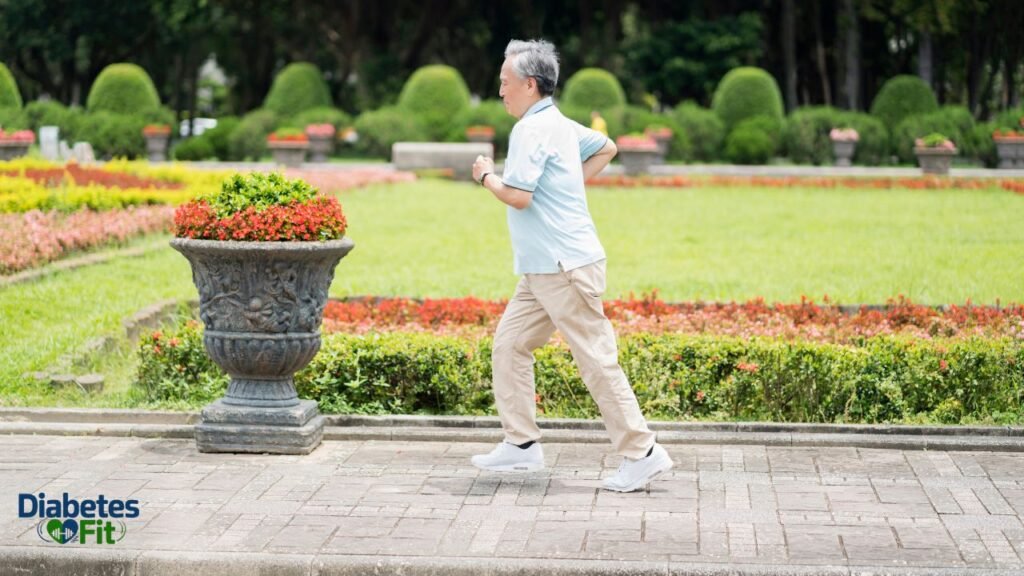
Exercise is the single most powerful non-insulin method for lowering blood sugar quickly. When your muscles contract during physical activity, they absorb glucose directly from the bloodstream — without requiring insulin to unlock the cell door. This is a completely separate pathway from insulin signaling, which is why it works even when insulin resistance is high.
The effect is fast. Studies show blood sugar can begin dropping within 5–10 minutes of starting moderate exercise, with significant reductions visible within 20–30 minutes.
Best Types of Exercise for Quick Blood Sugar Reduction
Walking (Most Accessible): A brisk 15–30 minute walk after a meal is one of the most studied and reliable methods for how to lower blood sugar quickly without insulin. Post-meal walks specifically target the glucose spike that occurs after eating — when blood sugar is at its highest.
Research published in Diabetes Care found that a 10-minute walk after each meal lowered post-meal blood sugar more effectively than a single 30-minute walk taken at a different time of day.
Resistance Training (Weights or Bodyweight): Squats, lunges, push-ups, and resistance band exercises recruit large muscle groups that are particularly effective glucose sponges. Even a 10–15 minute bodyweight session can produce a meaningful drop in blood sugar.
High-Intensity Interval Training (HIIT): Short bursts of intense effort — like 30 seconds of fast walking followed by 60 seconds of slow walking, repeated 8–10 times — can lower blood sugar rapidly and keep it lower for hours after the session due to the EPOC (excess post-exercise oxygen consumption) effect.
Important Caution About Exercise and Blood Sugar
If your blood sugar is above 240–250 mg/dL and you have ketones in your urine, exercise can actually raise blood sugar further. Test for ketones first if you have very high readings. When in doubt, contact your healthcare provider before exercising at very high blood sugar levels.
Method 2: Drink Water — More Powerful Than Most People Realize
Dehydration directly worsens blood sugar levels. When you’re dehydrated, less fluid is circulating in your blood, which means the same amount of glucose is concentrated into a smaller volume — producing a higher reading.
Drinking water addresses this from two directions:
- It dilutes the glucose concentration in the blood
- It helps the kidneys flush excess glucose through urine (the kidneys begin spilling glucose into urine when blood sugar exceeds approximately 180 mg/dL)
How to use water to lower blood sugar quickly without insulin:
- Drink 16–20 oz of plain water when you notice a blood sugar spike
- Continue drinking throughout the day — aim for 2.5–3 liters total
- Avoid sugary drinks, fruit juice, and sports drinks — these raise blood sugar further
- Sparkling water and herbal teas are fine substitutes
Water works best for mild-to-moderate elevations and works even faster when combined with light movement.
Method 3: Apple Cider Vinegar — Small But Real Effect
Apple cider vinegar (ACV) is one of the most studied natural approaches for managing blood sugar. The active component is acetic acid, which works by:
- Slowing the emptying of the stomach, which blunts the speed of glucose absorption
- Improving insulin sensitivity in cells
- Reducing the liver’s glucose output
A review published in Diabetes Research and Clinical Practice found that ACV consumption before meals reduced post-meal blood sugar by 20–34% in people with insulin resistance and type 2 diabetes.
How to use ACV to lower blood sugar quickly without insulin:
- Mix 1–2 tablespoons of raw, unfiltered apple cider vinegar in 8 oz of water
- Drink it before a meal (10–20 minutes prior) for the most significant effect
- Can also be taken when you notice a spike beginning
- Never drink undiluted — it can damage tooth enamel and irritate the esophagus
- Start with 1 teaspoon if you’re new to it and work up gradually
Important: ACV can interact with certain diabetes medications and diuretics. Always check with your doctor if you’re on medication.
Method 4: Eat Something That Lowers — Not Raises — Blood Sugar
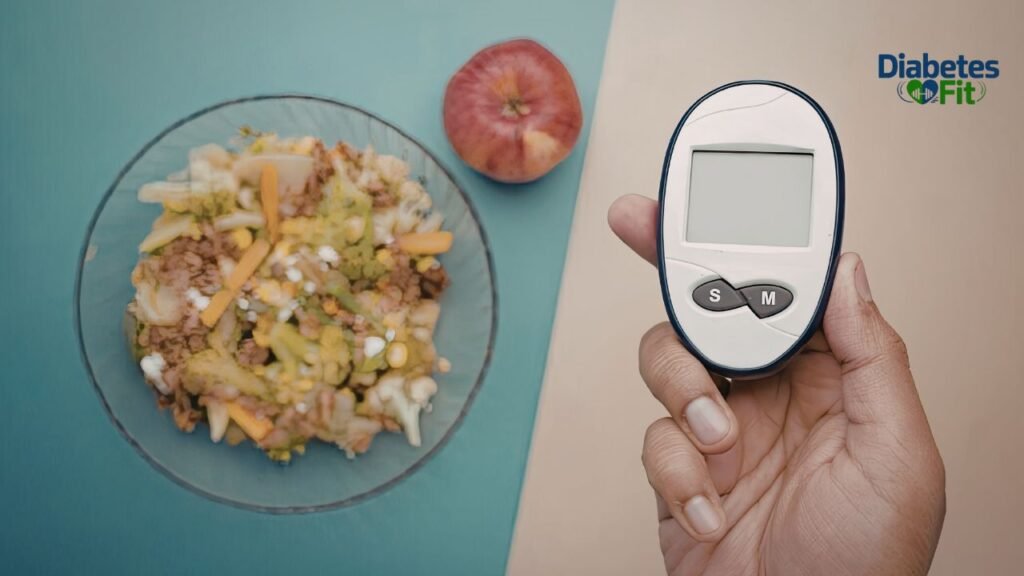
This sounds counterintuitive — eating to lower blood sugar? But certain foods actively support blood sugar reduction, while the right combination of foods at a spike can help slow absorption and begin bringing levels down.
Foods With Evidence for Lowering Blood Sugar Quickly Without Insulin
High-fiber foods: Fiber slows glucose absorption from the digestive tract. Eating something high in soluble fiber when blood sugar is elevated can blunt further rises and support a gradual reduction.
- A handful of raw vegetables (celery, cucumber, broccoli)
- A small portion of legumes (lentils, chickpeas)
- Chia seeds soaked in water
Protein-rich snacks: Protein has minimal effect on blood sugar and can help stabilize levels without causing further spikes.
- Hard-boiled eggs
- A small handful of almonds or walnuts
- Plain Greek yogurt (no added sugar)
- Cottage cheese
Cinnamon: Ceylon cinnamon contains compounds (cinnamaldehyde and proanthocyanidins) that improve insulin sensitivity and reduce post-meal glucose. Studies show 1–6 grams of cinnamon daily can lower fasting blood sugar by 10–29%. Stir ½ teaspoon into water, yogurt, or food when blood sugar is elevated.
What to absolutely avoid when blood sugar is high:
- Fruit juice and smoothies
- White bread, rice, pasta
- Crackers and chips
- Candy and sweets
- Flavored yogurts with added sugar
- Sports drinks and sodas
Method 5: Try Deep Breathing or Stress Reduction — The Cortisol Connection
Stress is an underappreciated cause of blood sugar spikes — and managing it actively is a legitimate method for how to lower blood sugar quickly without insulin.
When you’re stressed, your body releases cortisol and adrenaline. These hormones trigger the liver to dump stored glucose into the bloodstream — an evolutionary response designed to fuel a “fight or flight” reaction. In type 2 diabetes, this stress-induced glucose release is poorly regulated and can cause significant spikes with no food involved at all.
Diaphragmatic (deep belly) breathing: Research shows that slow, deep breathing activates the parasympathetic nervous system — the “rest and digest” state — which reduces cortisol and adrenaline within minutes.
How to do it:
- Breathe in slowly through your nose for a count of 4
- Hold for a count of 2
- Exhale slowly through your mouth for a count of 6–8
- Repeat 8–10 times
Studies have shown measurable reductions in blood glucose following mindfulness and breathing practices in people with type 2 diabetes.
Other quick stress-reduction techniques:
- A 10-minute walk in nature (combines exercise and stress relief)
- Progressive muscle relaxation
- 5 minutes of quiet, screen-free sitting
- Listening to calming music
Method 6: Check and Correct Your Hydration Status With Electrolytes
If plain water alone isn’t bringing blood sugar down quickly enough, adding electrolytes — particularly magnesium and potassium — can enhance cellular glucose uptake.
Magnesium plays a direct role in insulin receptor function. Studies consistently show that people with type 2 diabetes have lower magnesium levels than non-diabetic individuals, and that magnesium deficiency worsens insulin resistance.
Potassium supports the cellular pumps that move glucose into muscle cells.
How to use electrolytes to lower blood sugar quickly without insulin:
- Drink a glass of water with a pinch of Himalayan pink salt (provides trace minerals)
- Eat magnesium-rich foods: dark leafy greens, pumpkin seeds, almonds, dark chocolate (85%+)
- Consider a magnesium glycinate supplement (300–400 mg) — discuss with your doctor first
- Avoid commercial electrolyte drinks with added sugar
Method 7: Adjust Your Medication Timing (Under Doctor Guidance)
For people already on oral diabetes medications — like metformin, sulfonylureas, or SGLT2 inhibitors — the timing of those medications relative to meals can significantly affect blood sugar spikes.
This is not a self-adjustment to make casually, but it’s worth discussing with your healthcare provider:
- Taking metformin with or immediately before a meal (rather than after) can improve its effectiveness at blunting post-meal glucose
- SGLT2 inhibitors work by causing the kidneys to excrete glucose in urine, and their effect is active throughout the day, regardless of meal timing
- If your blood sugar is consistently elevated at a specific time of day, your doctor may adjust your medication schedule rather than your dose
How Quickly Can These Methods Lower Blood Sugar?
| Method | Onset of Effect | How Long Does It Last | Best Used For |
| Exercise (walking) | 5–15 minutes | 2–4 hours | Immediate post-meal spikes |
| Resistance exercise | 10–20 minutes | 4–6 hours | Moderate-high spikes |
| Drinking water | 20–40 minutes | Ongoing | Mild elevations, general support |
| Apple cider vinegar | 20–30 minutes | 2–3 hours | Pre-meal or early spike |
| Deep breathing | 5–15 minutes | 30–60 minutes | Stress-induced spikes |
| High-fiber food | 30–60 minutes | 2–3 hours | Blunting rising blood sugar |
| Electrolytes + water | 30–60 minutes | Ongoing | Dehydration-related elevations |
What Blood Sugar Levels Require Immediate Medical Attention?
Knowing how to lower blood sugar quickly without insulin at home is important — but equally important is knowing when home management is not enough.
Seek medical attention immediately if:
| Situation | Blood Sugar Level / Symptoms |
| Severely high blood sugar (hyperglycemia) | Above 300 mg/dL with symptoms |
| Diabetic ketoacidosis (DKA) — more common in Type 1 | Nausea, vomiting, fruity breath, and confusion |
| Hyperosmolar hyperglycemic state (HHS) — Type 2 | Extreme thirst, confusion, weakness, >600 mg/dL |
| Blood sugar not responding to home methods | Remains above 250 mg/dL after 2 hours of interventions |
| You feel confused, very weak, or unable to function | Any level — call emergency services |
Never delay medical care, and try home remedies when symptoms are severe. The methods in this article are for managing moderate, non-emergency blood sugar elevations in people with established type 2 diabetes.
Building Long-Term Blood Sugar Stability: Daily Habits That Prevent Spikes
The best approach to how to lower blood sugar quickly without insulin is to need it less often by building daily habits that keep blood sugar stable in the first place.
Eat to Prevent Spikes, Not Just Treat Them
- Start every meal with vegetables or protein — this slows gastric emptying and blunts glucose absorption
- Eat carbohydrates last in the meal — research shows eating carbs after protein and vegetables reduces post-meal blood sugar by up to 37%
- Never eat carbohydrates alone — always pair with protein, fat, or fiber
- Reduce portion sizes of high-glycemic foods — you don’t have to eliminate them, just moderate them
- Space meals 4–5 hours apart — this allows blood sugar to fully normalize between eating occasions
Move Throughout the Day
- Set a reminder to stand or walk for 5 minutes every hour of sitting
- Take a 10-minute walk after every meal as a non-negotiable daily habit
- Aim for 7,000–10,000 steps per day as a background activity goal
- Add 3 structured strength training sessions per week to improve baseline insulin sensitivity
Monitor Consistently
Understanding your personal blood sugar patterns is one of the most powerful tools available:
- Test at consistent times: fasting (morning), 1–2 hours after meals, before bed
- Keep a simple log noting what you ate, your activity, stress level, and sleep patterns emerge quickly
- Consider a Continuous Glucose Monitor (CGM) — these devices show real-time blood sugar and reveal exactly how your body responds to specific foods and activities
- Share your data with your healthcare provider to guide medication and lifestyle adjustments
Prioritize Sleep
Consistently poor sleep raises fasting blood sugar and worsens insulin resistance. Research shows that even one night of sleeping less than 6 hours raises blood sugar the following day.
For stable blood sugar, aim for:
- 7–9 hours of uninterrupted sleep
- Consistent sleep and wake times (including weekends)
- A dark, cool bedroom environment
- No screens for 60 minutes before bed
Foods and Drinks That Lower Blood Sugar Naturally Over Time
| Food/Drink | Active Mechanism | How to Use |
| Ceylon cinnamon | Improves insulin receptor sensitivity | ½ tsp in water, yogurt, or oatmeal |
| Apple cider vinegar | Slows gastric emptying, reduces liver glucose output | 1 tbsp in water before meals |
| Berberine (supplement) | Activates AMPK enzyme, comparable to metformin | 500 mg before meals (doctor guidance) |
| Fenugreek seeds | High soluble fiber slows glucose absorption | Soak overnight, eat in the morning |
| Bitter melon | Contains compounds that mimic insulin | Tea or supplement form |
| Green tea | EGCG improves insulin sensitivity | 2–3 cups daily, unsweetened |
| Magnesium-rich foods | Supports insulin receptor function | Pumpkin seeds, spinach, and almonds daily |
| Chia seeds | Gel-forming fiber slows glucose absorption | Soaked in water or added to meals |
Frequently Asked Questions
What is the fastest way to lower blood sugar without insulin?
The fastest natural method is physical exercise — particularly a brisk walk or resistance exercise. Muscles absorb glucose directly from the bloodstream during activity without requiring insulin, and the effect can begin within 5–15 minutes of starting movement. Drinking water and doing deep breathing (for stress-induced spikes) are the next fastest options. Combining all three — walk, drink water, do breathing exercises — produces the most significant rapid response for how to lower blood sugar quickly without insulin.
Can drinking water lower blood sugar quickly?
Yes — water helps lower blood sugar through two mechanisms: it dilutes the concentration of glucose in the blood, and it supports the kidneys in flushing excess glucose through urine (which occurs when blood sugar exceeds approximately 180 mg/dL). Drinking 16–20 oz of water when blood sugar is elevated is a safe, immediate supportive measure. It works best for mild-to-moderate elevations and is most effective when combined with light exercise.
How much can exercise lower blood sugar?
The degree of reduction depends on the type, intensity, and duration of exercise — as well as the starting blood sugar level. In general, a 20–30 minute brisk walk can lower blood sugar by 20–50 mg/dL in people with type 2 diabetes. Resistance training and HIIT can produce reductions of 30–80 mg/dL depending on the individual. Regular exercise also improves baseline insulin sensitivity, meaning blood sugar spikes less severely in the first place over time.
Does apple cider vinegar really lower blood sugar?
Yes — with realistic expectations. Clinical research shows that apple cider vinegar can reduce post-meal blood sugar spikes by 20–34% when taken before eating. The effect comes from acetic acid slowing stomach emptying and improving insulin sensitivity. It is not powerful enough to manage severely elevated blood sugar on its own, but as one component of a strategy for how to lower blood sugar quickly without insulin, it has genuine value. Dilute it always — 1–2 tablespoons in 8 oz of water — and check with your doctor if you’re on medication.
What foods bring blood sugar down fast?
No food “lowers” blood sugar the way insulin does — but certain foods prevent further spikes and support gradual stabilization. The most useful options when blood sugar is elevated are: high-fiber raw vegetables (celery, cucumber, broccoli), a small portion of nuts or seeds, plain Greek yogurt or cottage cheese, and water with a dash of cinnamon. Avoid anything with sugar, refined carbohydrates, or fruit juice when trying to bring blood sugar down quickly without insulin.
How long does it take for blood sugar to go down after eating?
In people without diabetes, blood sugar typically peaks 60–90 minutes after eating and returns to baseline within 2–3 hours. In people with type 2 diabetes, this process is slower — blood sugar may peak later and remain elevated for 3–5 hours after a high-carbohydrate meal. Using methods like post-meal walking, ACV before eating, and eating carbohydrates last can significantly reduce both the peak height and the time it takes to return to a healthy range.
When should I go to the hospital for high blood sugar?
Seek emergency care immediately if blood sugar is above 300 mg/dL with symptoms such as confusion, difficulty breathing, fruity-smelling breath, vomiting, or extreme weakness. These can be signs of diabetic ketoacidosis (DKA) or hyperosmolar hyperglycemic state (HHS) — both serious emergencies. Also seek care if your blood sugar remains above 250 mg/dL for more than 2 hours despite using home management strategies. When in doubt, always call your doctor or emergency services — the methods in this article are for moderate, non-emergency situations only.
Conclusion
High blood sugar in type 2 diabetes can feel overwhelming — but the methods covered in this guide put real, meaningful control back in your hands. Understanding how to lower blood sugar quickly without insulin through exercise, hydration, apple cider vinegar, strategic eating, stress reduction, and electrolyte support gives you a practical toolkit for the moments when your numbers climb.
The most important thing to remember: these methods work best together. A post-meal walk combined with drinking water, a pinch of cinnamon, and a few minutes of deep breathing is far more effective than any single method alone.
And beyond managing individual spikes, building the daily habits — consistent movement, quality sleep, fiber-rich meals, stress management — is what transforms your blood sugar picture long-term. Learning how to lower blood sugar quickly without insulin is a skill that improves with practice, and every day you apply these strategies, you’re building a more insulin-sensitive, metabolically resilient body.
Talk to your healthcare provider about incorporating these strategies alongside your current management plan. Show them this article. Ask about your targets. The conversation you have with your doctor today could change your numbers for years to come.
Medical Disclaimer: This article is for educational and informational purposes only. It does not constitute medical advice and is not a substitute for professional diagnosis or treatment. Always consult your healthcare provider before making changes to your diabetes management plan, especially regarding medications.

David Miller: I am a health and wellness writer focused on diabetes awareness, blood sugar control, and healthy living. I creates clear, practical content to help readers make better everyday health choices. I write evidence-based articles about diabetes, diet, and healthy living. My goal is to simplify complex health topics using trusted sources like WHO and medical journals.