
Can Low Blood Sugar Cause Hot Flashes? What Every Woman Needs to Know
If you’ve ever experienced a sudden wave of intense heat rushing through your body, you know how uncomfortable and alarming it can feel. Most people immediately think of menopause when they hear “hot flashes,” but can low blood sugar cause hot flashes? The answer is yes — and this connection is far more common and clinically significant than most people realize.
Can low blood sugar cause hot flashes in women of all ages — including those who aren’t anywhere near menopause? Absolutely. The physiological response to dropping blood glucose levels triggers a stress hormone cascade that produces symptoms remarkably similar to, and sometimes indistinguishable from, menopausal hot flashes.
In this comprehensive guide, you’ll discover exactly how low blood sugar causes hot flashes, how to tell the difference between hypoglycemic hot flashes and other causes, what specific groups of women are most at risk, and practical strategies to prevent and manage this uncomfortable but treatable symptom.
Also read Blood Sugar Monitor Without Finger Pricks.
Understanding Hot Flashes: What’s Actually Happening in Your Body
Before answering, it helps to understand what a hot flash actually is at a physiological level.
The Physiology of a Hot Flash
A hot flash is a sudden episode of intense heat — typically felt first in the chest or face, then spreading throughout the body. It’s accompanied by:
- Flushing (visible reddening of the skin)
- Rapid heart rate (palpitations)
- Sweating — sometimes profuse
- Feeling of anxiety or sense of dread
- Followed by chills as the body overcorrects
The mechanism:
Hot flashes occur when the hypothalamus — the brain’s thermoregulation center — suddenly signals the body to release heat. This triggers peripheral vasodilation (blood vessels near the skin dilate and rush blood to the surface) — which is why the skin flushes red and feels hot.
The traditional explanation:
In menopausal women, declining estrogen levels reduce the stability of the hypothalamic thermoregulatory “set point” — making it hypersensitive to small temperature changes. This triggers inappropriate heat-release responses.
The low blood sugar mechanism:
When blood glucose drops, the body triggers an emergency stress response — releasing adrenaline (epinephrine) and norepinephrine to rapidly raise blood sugar. These catecholamines cause peripheral vasodilation, sweating, rapid heart rate, and the sensation of intense heat — producing hot flash symptoms through a completely different pathway.
This is the core mechanism through which low blood sugar can cause hot flashes — and it’s physiologically distinct from menopausal hot flashes but symptomatically almost identical.
Can Low Blood Sugar Cause Hot Flashes? The Science Explained
Yes — and the evidence is clear. Here’s the complete scientific explanation of how hypoglycemia (low blood sugar) produces hot flash symptoms:
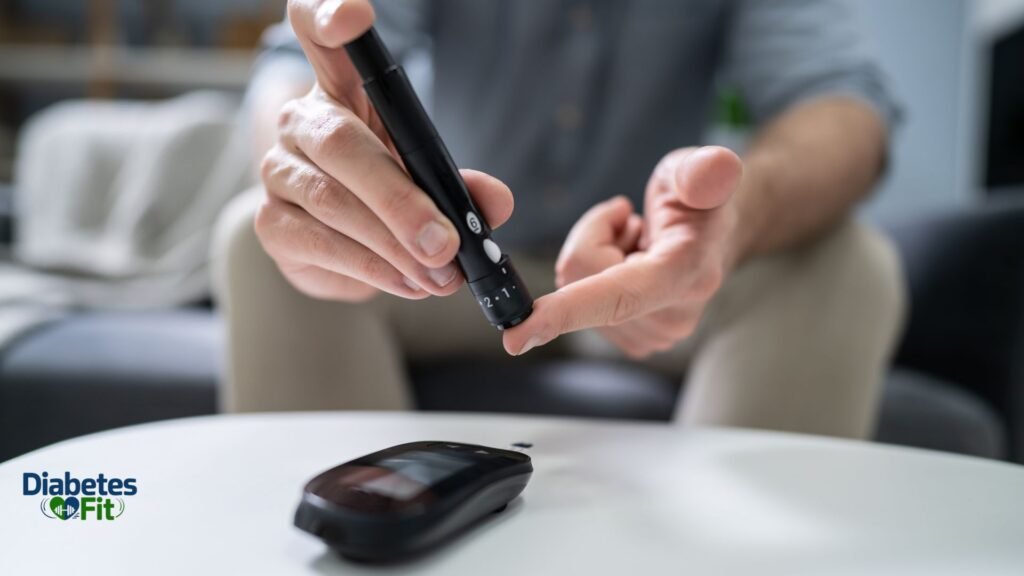
Step 1: Blood Sugar Drops Below the Normal Threshold
Normal blood glucose ranges:
- Fasting: 70–100 mg/dL (3.9–5.6 mmol/L)
- After meals: under 140 mg/dL (7.8 mmol/L)
Hypoglycemia is generally defined as blood glucose below 70 mg/dL (3.9 mmol/L). However, symptoms can occur at higher levels — particularly in people whose blood sugar drops rapidly from a higher point.
Step 2: The Brain Detects Glucose Deficiency
The brain is the body’s most glucose-dependent organ — it consumes approximately 120g of glucose daily and cannot function normally without a consistent supply. When blood glucose drops:
- Glucose-sensing neurons in the hypothalamus detect the deficit
- The hypothalamus immediately activates emergency response systems
- The autonomic nervous system is triggered
Step 3: Adrenaline (Epinephrine) Is Released
The most important step in understanding how low blood sugar can cause hot flashes is the adrenergic response:
- The adrenal glands rapidly release epinephrine (adrenaline) and norepinephrine
- These catecholamines signal the liver to break down glycogen and release glucose into the blood
- They also trigger glucagon release from the pancreas — further raising blood sugar
- The physical effects of this catecholamine surge include:
| Catecholamine Effect | Physical Symptom |
| Peripheral vasodilation | Flushing, hot sensation, visible redness |
| Increased sweat gland activity | Sweating — particularly on face, neck, chest |
| Increased heart rate | Palpitations, racing heart |
| Hypothalamic temperature dysregulation | Sensation of intense heat — the “hot flash” |
| Anxiety activation | Feeling of dread, unease |
| Trembling | Shakiness |
These are the classic hot flash symptoms — triggered by hypoglycemia rather than by estrogen deficiency.
Step 4: The Hot Flash Episode
The result is a hot flash that typically:
- Begins suddenly without an obvious trigger (from the person’s perspective)
- Lasts 2–10 minutes
- Involves intense heat, flushing, and sweating
- Is followed by chills as adrenaline subsides and body temperature overcorrects
- Is accompanied by shakiness, anxiety, and hunger (classic hypoglycemia symptoms)
The distinguishing feature: hypoglycemic hot flashes typically occur alongside other low blood sugar symptoms — shakiness, hunger, anxiety, difficulty concentrating, pale skin. Menopausal hot flashes usually occur in isolation.
Who Is Most at Risk for Low Blood Sugar Hot Flashes?
Can low blood sugar cause hot flashes in everyone? Yes — but certain groups are significantly more vulnerable:
1. Women With Diabetes on Insulin or Sulfonylureas
This is the highest-risk group for hypoglycemia-induced hot flashes. People with diabetes who take:
- Insulin (all types)
- Sulfonylureas (glipizide, glyburide, glimepiride)
- Meglitinides (repaglinide, nateglinide)
…are at significant risk of hypoglycemic episodes — which can occur multiple times daily if dosing or meal timing is off.
Hot flashes in diabetic women on these medications are very often hypoglycemic episodes — particularly if the hot flash occurs before meals, after unusual physical activity, or when a meal is delayed.
2. Perimenopausal and Menopausal Women With Diabetes
This group faces double jeopardy — they can experience both estrogen-withdrawal hot flashes AND hypoglycemia-triggered hot flashes. Distinguishing between the two is clinically important because the treatments are very different.
The critical challenge: Perimenopausal hormonal changes can affect blood sugar management — making hypoglycemia more frequent at exactly the time when estrogen-related hot flashes begin. This makes it genuinely difficult to determine whether a hot flash is hormonal or metabolic without blood glucose testing during the episode.
3. Pregnant Women With Gestational Diabetes
Pregnant women managing gestational diabetes — particularly those on insulin — are at significant risk of hypoglycemia. During pregnancy:
- Insulin requirements change rapidly as the placenta grows
- Nausea and food aversions can reduce carbohydrate intake unpredictably
- The growing fetus continuously extracts glucose from maternal blood
- Night hypoglycemia is particularly common
Can low blood sugar cause hot flashes in pregnant women? Yes — and it’s particularly important to recognize because hypoglycemia during pregnancy requires immediate treatment to protect both mother and fetus.
Pregnancy-specific hypoglycemia hot flash symptoms:
- Hot flashes that wake you from sleep (nocturnal hypoglycemia)
- Hot flashes before breakfast (fasting hypoglycemia from overnight glucose consumption)
- Hot flashes accompanied by nausea, which can be mistaken for morning sickness
- Episodes that resolve quickly after eating
4. Women With Reactive Hypoglycemia
Reactive hypoglycemia — also called postprandial hypoglycemia — occurs when blood sugar drops excessively in the 1–4 hours after eating, particularly after high-carbohydrate meals. It’s more common than most people realize — and it’s a significant cause of hot flashes in women without diabetes.
How reactive hypoglycemia causes hot flashes:
- High-sugar meal → rapid blood sugar rise → exaggerated insulin response → blood sugar drops below baseline
- This drop triggers the adrenergic response → hot flash
- Typically occurs 1–4 hours after meals — often mid-morning (after a sugary breakfast) or mid-afternoon (after a high-carb lunch)
- Women may not connect the hot flash to the meal eaten hours earlier
5. Women Following Strict Low-Calorie Diets
Aggressive calorie restriction — particularly when combined with prolonged fasting or skipping meals — can cause blood sugar to drop low enough to trigger symptomatic hypoglycemia and associated hot flashes in some women.
6. Women With Prediabetes
Prediabetes involves impaired insulin regulation, which can cause reactive hypoglycemia even when fasting glucose is not yet in the diabetic range. This is an underrecognized cause of hot flashes in middle-aged women.
Distinguishing Low Blood Sugar Hot Flashes from Menopausal Hot Flashes
This is one of the most practically important questions for women experiencing hot flashes: Can low blood sugar cause hot flashes that look and feel identical to menopausal ones? Yes — but there are distinguishing features:
Key Differences Between Hypoglycemic and Menopausal Hot Flashes
| Feature | Hypoglycemic Hot Flash | Menopausal Hot Flash |
| Age of occurrence | Any age | Typically 40–55+ |
| Associated symptoms | Shakiness, hunger, anxiety, confusion | None (or insomnia, mood changes over time) |
| Timing | Before meals, during fasting, after exercise | Random, or triggered by heat/alcohol/stress |
| Duration | 2–10 minutes (similar) | 1–5 minutes typically |
| Skin color | Pale then flushed | Red/flushed |
| Confirms with | Blood glucose test showing a low reading | Hormonal blood test (FSH, estrogen) |
| Relieves with | Eating 15–20g of carbohydrates | Nothing resolves immediately |
| Night occurrence | Often wakes from sleep with hunger | Wakes from sleep (night sweats) |
| Frequency pattern | Predictable (related to meals and medication) | Variable and unpredictable |
| Associated blood sugar test | Below 70 mg/dL during the episode | Normal blood sugar |
The definitive test: Testing blood sugar during a hot flash episode is the only way to definitively determine whether it’s hypoglycemic. If blood sugar is below 70 mg/dL (or significantly lower than your personal normal range), hypoglycemia is confirmed as the cause.
Nocturnal Hypoglycemia: Why Low Blood Sugar Causes Hot Flashes at Night
Nighttime hot flashes are particularly distressing — and nocturnal hypoglycemia is a frequently missed cause. Can low blood sugar cause hot flashes at night? Absolutely, and it’s more common than daytime episodes for several reasons:

Why nighttime hypoglycemia is common:
- The body continues consuming glucose during sleep, without any food intake to replace it
- Insulin taken in the evening can peak at 2–3 AM — exactly when no food is being consumed
- Exercise earlier in the day depletes glycogen, reducing the body’s buffer against overnight glucose drops
- Alcohol consumption in the evening inhibits hepatic glucose production — a dangerous combination with insulin
How to recognize nocturnal hypoglycemic hot flashes:
- Waking suddenly from sleep, feeling intensely hot and sweating
- Also feeling shaky, anxious, or confused upon waking
- Hunger upon waking — craving something sweet
- Poor sleep quality on nights when hypoglycemia occurred
- Morning headache from overnight low blood sugar
- Blood sugar testing upon waking shows below-normal levels
Nighttime hypoglycemia in pregnant women:
Nocturnal hypoglycemia is particularly common in pregnant women with gestational diabetes on insulin, because the fetus extracts glucose continuously throughout the night. Hot flashes that wake a pregnant woman from sleep should immediately be assessed with a glucose meter.
What Low Blood Sugar Hot Flashes Feel Like: Symptom Profile
Can low blood sugar cause hot flashes with the same intensity as menopausal ones? Yes — and the complete symptom picture of a hypoglycemic episode that includes hot flash symptoms looks like this:
Early warning symptoms (blood sugar 60–70 mg/dL):
- Mild anxiety or nervousness
- Beginning of warmth or heat sensation
- Slight shakiness
- Hunger
- Mild difficulty concentrating
Moderate symptoms (blood sugar 50–60 mg/dL):
- Intense heat sensation — the “hot flash” feeling
- Profuse sweating — particularly on the face, neck, and chest
- Visible flushing and redness
- Palpitations — racing or pounding heart
- Significant shakiness and trembling
- Anxiety — sometimes panic-like
- Headache
- Blurred vision
- Pallor (pale skin) followed by flushing
Severe symptoms (blood sugar below 50 mg/dL):
- Confusion and disorientation
- Slurred speech
- Severe weakness — difficulty standing
- Possible loss of consciousness
- Seizure in extreme cases
The hot flash component is most prominent in the moderate range, where the adrenergic response is maximum before neurological function becomes significantly impaired.
Treatment: What to Do During a Low Blood Sugar Hot Flash
Can low blood sugar cause hot flashes that require immediate treatment? Yes — and treatment is both simple and urgent:
The 15-15 Rule for Treating Hypoglycemia
If you experience a hot flash with hypoglycemia symptoms and your blood sugar is below 70 mg/dL:
Step 1: Consume 15g of fast-acting carbohydrates immediately:
| Fast-Acting Carbohydrate | Amount | Carbs |
| Glucose tablets | 3–4 tablets | 15g |
| Regular soda (not diet) | 120ml (½ cup) | 15g |
| Fruit juice | 120ml (½ cup) | 15g |
| Hard candy | Check label | 15g |
| Honey | 1 tablespoon | 17g |
| Sugar | 1 tablespoon dissolved in water | 15g |
Step 2: Wait 15 minutes
Step 3: Recheck blood sugar
Step 4: If still below 70 mg/dL, repeat
Step 5: Once blood sugar is above 70 mg/dL, eat a small balanced snack (protein + complex carb) to prevent rebound hypoglycemia
For pregnant women: Treat hypoglycemia immediately and contact your obstetric provider or diabetes care team — even mild hypoglycemia during pregnancy requires professional assessment.
For unconscious or seizure: This is a medical emergency — call emergency services immediately. Do not attempt to give food or drink by mouth.
Preventing Low Blood Sugar Hot Flashes
The best treatment for hypoglycemic hot flashes is prevention. Here are the most effective strategies:
1. Never Skip Meals
Eating at regular intervals — every 3–4 hours maximum — prevents the glucose drops that trigger hot flashes. This is particularly important for:
- People on insulin or sulfonylurea medications
- Pregnant women with gestational diabetes
- People with reactive hypoglycemia
2. Balance Every Meal With Protein and Fat
Protein and fat slow carbohydrate absorption — preventing the rapid blood sugar rise followed by excessive insulin release that causes reactive hypoglycemia.
Practical application: Never eat carbohydrates alone. A piece of fruit alone may trigger reactive hypoglycemia — the same fruit eaten with nuts or yogurt is much less likely to cause a subsequent drop.
3. Limit High-Glycemic Foods
Foods that cause rapid blood sugar spikes — white bread, sugary drinks, candy, instant oatmeal, white rice — increase the risk of reactive hypoglycemia and hot flashes in susceptible women.
4. Eat a Bedtime Snack
For people at risk of nocturnal hypoglycemia (particularly those on insulin):
- A small protein + complex carbohydrate snack before bed reduces overnight glucose drops
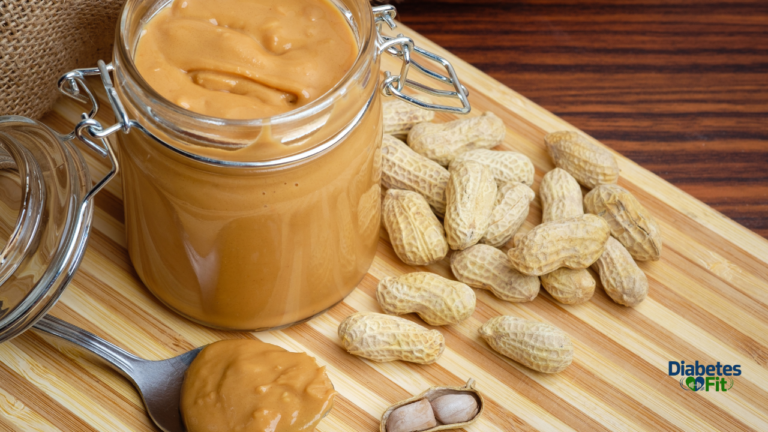
- Good options: 1 tablespoon peanut butter + 2 whole grain crackers; small handful of nuts + cheese
5. Monitor Blood Sugar During and After Exercise
Exercise depletes glycogen — creating delayed hypoglycemia risk for hours after the activity. Check blood sugar before, during (for prolonged exercise), and after exercise — and eat a carbohydrate-containing snack if needed.
6. Work With Your Healthcare Team on Medication Timing
If hot flashes are occurring regularly, medication timing and dosing may need adjustment. Never adjust insulin doses independently — work with your endocrinologist or diabetes care team.
When to See a Doctor About Hot Flashes and Low Blood Sugar
Seek medical care if:
- You’re experiencing frequent hot flashes with other hypoglycemia symptoms
- Hot flashes are waking you from sleep regularly
- Blood sugar testing confirms hypoglycemia during episodes
- You’re pregnant and experiencing any hypoglycemic symptoms
- Hot flashes occur despite following a regular meal schedule
- You lose consciousness, have a seizure, or cannot treat yourself during an episode
- You’re unsure whether your hot flashes are hormonal or metabolic
Diagnostic tests your doctor may order:
- Fasting blood glucose
- HbA1c (3-month blood sugar average)
- Glucose tolerance test (to assess reactive hypoglycemia)
- Insulin and C-peptide levels
- Hormonal panel (FSH, LH, estradiol — to evaluate menopausal status)
- Continuous glucose monitor (CGM) — to capture blood sugar patterns, including nighttime and post-meal values
Frequently Asked Questions (FAQs)
Can low blood sugar cause hot flashes in women who don’t have diabetes?
Yes, can low blood sugar cause hot flashes in non-diabetic women is an important question. Non-diabetic women can experience reactive hypoglycemia (blood sugar drops after meals from excessive insulin release), fasting hypoglycemia (from skipped meals, prolonged fasting, or crash diets), or alcohol-induced hypoglycemia. All of these can cause hot flashes through the adrenergic response to dropping blood glucose. Women with prediabetes are particularly susceptible due to dysregulated insulin responses. If you’re experiencing hot flashes and you’re not of menopausal age, or your hot flashes are accompanied by shakiness, hunger, and anxiety, blood sugar testing during episodes can help identify whether hypoglycemia is the cause.
How do I know if my hot flash is from low blood sugar or menopause?
The most reliable way to determine if low blood sugar can cause hot flashes that occur is to test blood glucose during an episode. A reading below 70 mg/dL (or significantly below your normal range) during a hot flash confirms hypoglycemia as the cause. Hypoglycemic hot flashes typically occur alongside shakiness, hunger, anxiety, and pale skin — and resolve quickly after eating carbohydrates. Menopausal hot flashes are not relieved by eating, tend to occur at predictable times (often at night or triggered by heat and alcohol), and are confirmed by hormonal testing (elevated FSH, low estradiol). Many perimenopausal women with diabetes experience both, making glucose monitoring during episodes essential for accurate identification.
Can low blood sugar cause hot flashes during pregnancy?
Yes, low blood sugar can cause hot flashes during pregnancy, particularly in women with gestational diabetes on insulin or sulfonylureas. During pregnancy, blood sugar requirements change rapidly, the growing fetus continuously extracts glucose from maternal blood, and nausea may prevent adequate carbohydrate intake. Nocturnal hypoglycemia is especially common in pregnant women; hot flashes that wake a pregnant woman from sleep should be immediately assessed with a glucose meter. Treating hypoglycemia during pregnancy is urgent — glucose crosses the placenta, and fetal glucose supply depends on maternal blood sugar levels. Any pregnant woman experiencing hot flash-like episodes with shakiness, anxiety, or hunger should contact her obstetric provider immediately.
Can low blood sugar cause hot flashes at night specifically?
Yes — nocturnal hypoglycemia is a significant cause of nighttime hot flashes, particularly in people with diabetes on insulin. Blood sugar drops during sleep because the body continues consuming glucose without food replacement, evening insulin may peak at 2–3 AM, and exercise earlier in the day depletes glycogen reserves. Nighttime hypoglycemic hot flashes typically cause a person to wake suddenly feeling intensely hot and sweating, accompanied by shakiness, hunger, anxiety, or confusion. This is often mistaken for menopausal night sweats. A continuous glucose monitor (CGM) can confirm whether nocturnal hypoglycemia is occurring without requiring the person to wake and test manually.
What should I eat to prevent low blood sugar hot flashes?
To prevent low blood sugar hot flashes: eat regular meals every 3–4 hours without skipping, always combine carbohydrates with protein and healthy fat to slow glucose absorption and prevent reactive hypoglycemia, avoid high-glycemic foods that cause rapid blood sugar spikes followed by drops, eat a small protein-and-complex-carbohydrate snack before bed if at risk of nocturnal hypoglycemia, limit alcohol which inhibits hepatic glucose production, and avoid prolonged fasting. Specific snacks that effectively prevent hypoglycemia between meals include: cheese with whole grain crackers, nuts with a small piece of fruit, hard-boiled eggs, Greek yogurt, and nut butter with vegetables.
Can reactive hypoglycemia cause hot flashes?
Yes — reactive hypoglycemia is one of the most common causes of hot flashes in women who don’t have diabetes and aren’t menopausal. Reactive hypoglycemia occurs when blood sugar drops excessively 1–4 hours after eating, typically after high-carbohydrate meals. The mechanism is identical to other forms of hypoglycemia: blood sugar drops, the adrenal glands release epinephrine, which triggers the hot flash response. Women often don’t connect the hot flash episode to the meal eaten hours earlier. A glucose tolerance test can diagnose reactive hypoglycemia. Treatment involves the same approach as for other hypoglycemia-induced hot flashes: balanced meals with protein and fat, avoiding high-glycemic carbohydrates alone, and eating regularly throughout the day.
Are hot flashes always a sign of low blood sugar?
No — hot flashes have multiple causes, and low blood sugar is just one of them. Can low blood sugar cause hot flashes? The affirmative answer is, but hot flashes can also be caused by: menopause and perimenopause (the most common cause in women 40–55), certain medications (tamoxifen, some antidepressants, calcium channel blockers), thyroid disorders, carcinoid tumors, anxiety disorders, rosacea, spicy foods, alcohol, and hot environments. The distinguishing feature of hypoglycemic hot flashes is the accompanying symptoms — shakiness, hunger, anxiety, pale skin, and confusion — and the rapid resolution after eating. If hot flashes are frequent, disruptive, or accompanied by other concerning symptoms, evaluation by a physician is warranted to determine the underlying cause and appropriate treatment.
Conclusion
The answer to can low blood sugar cause hot flashes is a clear and medically important yes. Through the adrenergic cascade triggered when blood glucose drops, the body produces symptoms indistinguishable from menopausal hot flashes — including intense heat, flushing, sweating, palpitations, and anxiety.
Can low blood sugar cause hot flashes in women of all ages? Absolutely. Whether you have diabetes, gestational diabetes, reactive hypoglycemia, or simply skip meals too often, low blood sugar can trigger hot flash episodes that are confusing, uncomfortable, and unnecessarily alarming when their true cause isn’t understood.
The good news is that hypoglycemic hot flashes are entirely preventable and immediately treatable. Unlike menopausal hot flashes, which require hormonal management and time to resolve, low blood sugar hot flashes respond within minutes to appropriate carbohydrate intake. Regular meals, balanced nutrition, appropriate medication management, and blood sugar monitoring give you the complete tools to eliminate this uncomfortable symptom.
Take action today. If you’re experiencing hot flashes and suspect low blood sugar may be the cause, test your blood glucose the next time an episode occurs. Bring a log of your episodes, timing, and blood sugar readings to your doctor. Ask about reactive hypoglycemia if you’re not diabetic. Request a continuous glucose monitor if nighttime episodes are disrupting your sleep. Understanding that low blood sugar causes hot flashes — and that yours specifically may be metabolic rather than hormonal — could completely change your treatment approach and dramatically improve your quality of life.
Disclaimer: This article is for informational purposes only and does not replace professional medical advice. Always consult your doctor, endocrinologist, or a qualified healthcare provider for evaluation and treatment of hot flashes, hypoglycemia, or any other medical symptoms. If you experience severe hypoglycemia, loss of consciousness, or seizures, call emergency services immediately.

David Miller: I am a health and wellness writer focused on diabetes awareness, blood sugar control, and healthy living. I creates clear, practical content to help readers make better everyday health choices. I write evidence-based articles about diabetes, diet, and healthy living. My goal is to simplify complex health topics using trusted sources like WHO and medical journals.