
Can Menopause Cause Low Blood Sugar? What Every Woman Over 40 Needs to Know
You’re in your mid-40s or 50s. You feel suddenly dizzy, shaky, sweaty, and confused — and you’re not sure if it’s a hot flash, anxiety, or something more serious. You eat something and feel better within minutes. And then you start wondering: was that a blood sugar crash? Can menopause actually cause low blood sugar?
The answer is more nuanced — and more important — than most women ever get told. Menopause can absolutely influence blood sugar regulation in ways that make hypoglycemic episodes more likely, harder to recognize, and more dangerous if left unaddressed. The hormonal shifts of perimenopause and menopause directly affect insulin sensitivity, glucose metabolism, and the body’s ability to stabilize blood sugar between meals.
This guide gives you the complete picture: what menopause does to blood sugar, who faces the highest risk, why the symptoms are so easily confused with other menopause symptoms, what you can do to prevent episodes, and when to seek medical help. Whether you have diabetes or have never had blood sugar issues before, this information is essential.
Also, read my other blog on How Much Can A1C Drop in 3 Months?
Can Menopause Cause Low Blood Sugar? Understanding the Hormonal Connection
Yes — menopause can cause or worsen low blood sugar through several distinct hormonal mechanisms. To understand how, it helps to know which hormones are involved and what they do to blood glucose regulation.
Estrogen and Blood Sugar Regulation
Estrogen is not just a reproductive hormone. It plays a direct role in how your cells respond to insulin, how your liver stores and releases glucose, and how the pancreas secretes insulin in response to meals.
Estrogen improves insulin sensitivity — meaning cells respond more readily to insulin and extract glucose from the blood efficiently. When estrogen levels are stable and adequate, blood sugar tends to remain more stable.
During perimenopause and menopause, estrogen levels fall — often dramatically and erratically. These hormonal fluctuations create periods of changing insulin sensitivity throughout the day and month. When estrogen drops suddenly (as it often does in perimenopause), insulin sensitivity can temporarily improve — meaning the body clears glucose from the blood more efficiently than expected. If food intake doesn’t match this increased efficiency, blood sugar can drop below normal.
Think of it this way: the same meal that kept your blood sugar stable last week may drop it too low this week — because your estrogen-influenced insulin sensitivity changed overnight.
Progesterone and Insulin Resistance
Progesterone has the opposite effect to estrogen on insulin. It promotes mild insulin resistance — meaning cells are slightly less responsive to insulin when progesterone is high. During perimenopause, progesterone levels also fluctuate dramatically — often declining before estrogen does.
When progesterone drops, and estrogen also falls — but estrogen falls less proportionally — there can be a temporary window of heightened insulin sensitivity that lowers blood sugar more than expected.
Additionally, the loss of progesterone’s insulin-resisting effect means the body may need less insulin to manage glucose, which can lead to relative over-medication in women who take insulin or sulfonylureas for diabetes.
Cortisol and Stress Hormones
Menopause is associated with increased cortisol production — partly because estrogen normally helps regulate the stress hormone response. When estrogen declines, cortisol levels often rise.
This creates a complex dynamic:
- Cortisol generally raises blood sugar (counter-regulatory effect)
- But cortisol surges in menopause are often irregular, not sustained
- Irregular cortisol can cause blood sugar instability — swings between too high and too low rather than sustained elevation..
Additionally, the sleep disruption, night sweats, and insomnia of menopause chronically elevate cortisol, a nd chronic cortisol dysregulation is a significant contributor to blood sugar instability.
Adrenaline and Hot Flashes
Here’s where things get genuinely confusing. Hot flashes are caused by surges of adrenaline (epinephrine) — the same hormone your body releases during hypoglycemia to trigger the counter-regulatory response.
This means that a hot flash and a hypoglycemic episode produce nearly identical symptoms through the same hormonal pathway. Both involve:
- Sudden sweating
- Heart pounding or racing
- Feeling flushed and hot
- Anxiety or sense of dread
- Shakiness
Women with menopause may experience genuine hypoglycemic episodes that they dismiss as hot flashes — and vice versa. This symptom overlap is clinically significant and potentially dangerous.
Who Is Most at Risk for Low Blood Sugar During Menopause?
Not every woman going through menopause will experience hypoglycemic episodes. The risk is highest in specific groups:
Women With Type 1 Diabetes
This group faces the highest risk. Women with type 1 diabetes are entirely dependent on external insulin, and the changing insulin sensitivity patterns of menopause make dosing increasingly unpredictable. Research shows that women with type 1 diabetes experience more frequent and more severe hypoglycemic episodes during perimenopause — often requiring significant insulin dose adjustments multiple times per year as hormonal fluctuations change their insulin needs.
Women With Type 2 Diabetes on Insulin or Sulfonylureas
Women with type 2 diabetes taking insulin (basal or bolus) or sulfonylureas (glipizide, glibenclamide, glimepiride) face a meaningful hypoglycemia risk during menopause. As estrogen falls and insulin sensitivity changes, previously appropriate medication doses can become too aggressive — driving blood sugar below safe levels, especially overnight.
Women With Reactive Hypoglycemia
Reactive hypoglycemia is a condition where blood sugar drops too low 2–4 hours after eating, in response to excessive insulin secretion. It’s more common in women than men and can worsen during menopause as hormonal changes disrupt the body’s insulin response to meals.
Women With Prediabetes
Women in the prediabetes range — fasting blood sugar of 100–125 mg/dL — sometimes experience unusual blood sugar fluctuations during menopause. Improving insulin sensitivity from falling estrogen combined with unchanged eating patterns can occasionally produce unexpected blood sugar dips.
Women With Adrenal or Thyroid Insufficiency
Both adrenal insufficiency and hypothyroidism are more common in women, and both affect blood sugar regulation and cortisol response. These conditions can worsen during menopause, compounding blood sugar instability.
Women on Calorie-Restricted Diets During Menopause
Many women reduce calories during menopause to manage weight gain. If this dietary restriction coincides with improved insulin sensitivity from falling estrogen — and especially if on blood-sugar-lowering medications — calorie restriction can trigger unexpected low blood sugar episodes.
Risk Summary by Patient Type
| Patient Type | Hypoglycemia Risk During Menopause | Key Reason |
| Type 1 diabetes | Very High | Unpredictable insulin sensitivity changes |
| Type 2 diabetes — insulin or sulfonylureas | High | Medication over-effectiveness as sensitivity changes |
| Reactive hypoglycemia | Moderate–High | Hormonal changes worsen post-meal insulin surges |
| Type 2 diabetes — metformin only | Low | Metformin doesn’t force insulin release |
| Prediabetes — no medications | Low | Sensitivity changes mildly, no medication to over-correct |
| Healthy women — no diabetes | Very Low | Normal regulatory mechanisms compensate |
| Women with thyroid/adrenal issues | Moderate | Additional hormone disruption compounds risk |
The Symptom Confusion Problem: Menopause vs. Low Blood Sugar
This is perhaps the most clinically important section of this entire guide. The overlapping symptoms between menopause and hypoglycemia are extensive, and the confusion this creates is dangerous.
Side-by-Side Symptom Comparison
| Symptom | Menopause (Hot Flash/Hormonal) | Low Blood Sugar (Hypoglycemia) |
| Sudden sweating | ✅ Yes | ✅ Yes |
| Heart racing/pounding | ✅ Yes | ✅ Yes |
| Feeling of heat/flushing | ✅ Yes | ✅ Sometimes |
| Anxiety or pacing | ✅ Yes | ✅ Yes |
| Shakiness or trembling | Sometimes | ✅ Yes — prominent |
| Dizziness or lightheadedness | Sometimes | ✅ Yes |
| Sudden intense hunger | Rarely | ✅ Yes — prominent |
| Confusion or mental fog | ✅ Yes (brain fog) | ✅ Yes — worsens with severity |
| Irritability | ✅ Yes | ✅ Yes |
| Fatigue | ✅ Yes | ✅ Yes |
| Resolves after eating | ❌ No | ✅ Yes — key differentiator |
| Improves with time/passes | ✅ Yes | ❌ No — worsens without treatment |
The Single Most Important Differentiator
Does eating or drinking something sweet make the symptoms go away within 10–15 minutes?
- If yes → strongly suggests hypoglycemia (low blood sugar)
- If no → more likely a menopause-related hot flash or hormonal symptom
This distinction matters enormously. A woman who assumes every shakiness episode is a hot flash and doesn’t treat her blood sugar may experience progressively worsening hypoglycemia without intervention.
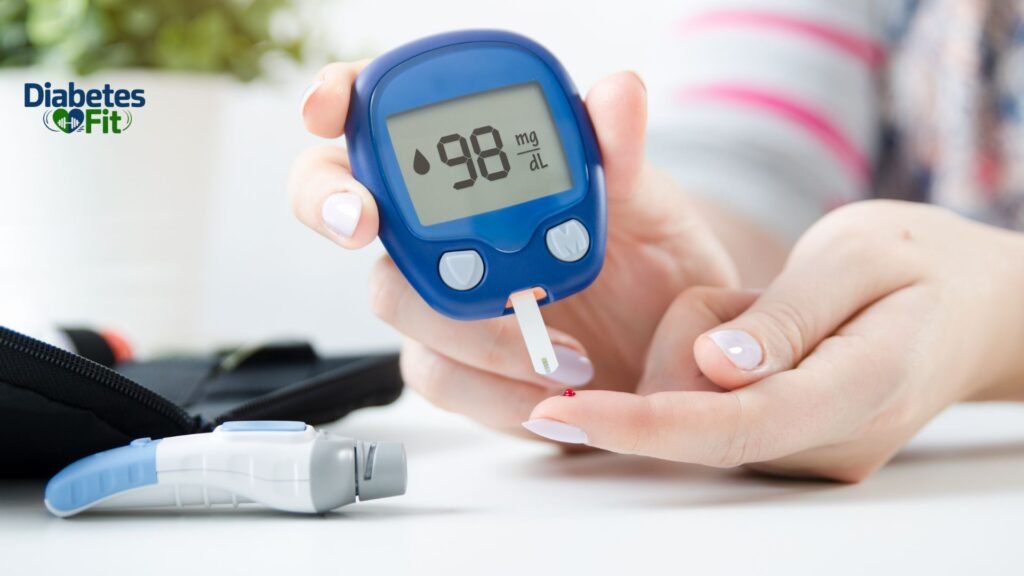
The only definitive way to know which is happening: check your blood sugar with a glucometer during the episode. If it’s below 70 mg/dL — treat it as hypoglycemia. If it’s normal (80–120 mg/dL), it’s more likely a menopause symptom.
How Menopause Affects Blood Sugar in Women With Diabetes
For women who already have diabetes — type 1 or type 2 — menopause doesn’t just create new symptoms. It fundamentally changes the way their disease behaves, often requiring significant medication adjustments.
Perimenopause: The Unpredictable Phase
Perimenopause — the transitional phase before menopause that can last 4–10 years — is characterized by wildly fluctuating estrogen and progesterone levels. These hormonal swings create corresponding swings in insulin sensitivity and blood sugar that can be very difficult to manage.
Women with type 1 diabetes frequently report that perimenopause is the most difficult period of their diabetes management — more unpredictable than pregnancy, in some cases. Blood sugar can swing from high to low unpredictably , even with an unchanged diet, exercise, and medication.
Signs that perimenopause is affecting diabetes control:
- Unexplained hypoglycemic episodes that weren’t happening before
- Periods of unusually high blood sugar without a dietary explanation
- A1C results that fluctuate more than previously
- Increased need for insulin dose changes
- Hypoglycemia occurs more frequently at night or early morning
Menopause: A New Baseline
Once periods have stopped for 12 months (confirmed menopause), hormonal levels — while permanently lower — often stabilize. This can actually allow for a new, more stable diabetes management baseline. However, the permanently lower estrogen means permanently reduced insulin sensitivity for some women, which may require adjusted medication regimens.
Postmenopause: Reduced Estrogen’s Long-Term Effects
In postmenopause, the sustained absence of estrogen means:
- Ongoing increased visceral fat accumulation (which worsens insulin resistance)
- Increased cardiovascular risk
- Higher risk of type 2 diabetes development in women who were previously prediabetic
- For women already on diabetes medication, the changed insulin sensitivity requires periodic medication review.
How to Prevent and Manage Low Blood Sugar During Menopause
Managing the intersection of menopause and blood sugar requires a proactive, multi-pronged approach.
1. Monitor Blood Sugar More Frequently
If you have diabetes and are approaching or in perimenopause, increase blood sugar monitoring frequency. What worked 2 years ago may not be appropriate now.
Consider:
- Checking fasting blood sugar every morning
- Checking 2 hours after meals if you’re on insulin or sulfonylureas
- Checking before and after exercise
- Overnight monitoring — a continuous glucose monitor (CGM) is particularly valuable during perimenopause for catching nocturnal hypoglycemia.a
A CGM device like Dexcom G7 or FreeStyle Libre 3 provides real-time glucose data and alerts — making it significantly easier to detect and respond to the unpredictable blood sugar patterns of perimenopause.
2. Work With Your Doctor to Adjust Medications Proactively
Do not wait for repeated hypoglycemic episodes before speaking to your endocrinologist or primary care doctor. Inform them when you enter perimenopause — ideally before significant hormonal changes begin affecting your blood sugar control.
Proactive adjustments that may be needed:
- Reducing insulin doses (basal insulin especially) as insulin sensitivity improves
- Reducing sulfonylurea doses or switching to less hypoglycemia-prone alternatives
- More frequent A1C testing and medication reviews
- Considering GLP-1 medications (semaglutide, tirzepatid, e), which have low hypoglycemia risk and also support weight management during menopause
3. Eat Regular, Balanced Meals — Don’t Skip or Space Too Far Apart
Irregular eating patterns are a major trigger for menopause-related blood sugar drops, particularly in women with reactive hypoglycemia or those on blood-sugar-lowering medications.
Key dietary strategies:
- Eat every 3–4 hours — don’t go more than 5 hours without food during the day
- Include protein at every meal — protein slows glucose absorption and stabilizes blood sugar between meals
- Choose low-glycemic carbohydrates — oats, legumes, vegetables, berries,s rather than white bread, white rice, and sugary foods
- Avoid large, high-carbohydrate meals followed by nothing for hours — this sets up the blood sugar spike-and-crash pattern
- Keep a small protein-rich snack available for between-meal hunger
- Don’t skip breakfast — overnight fasting combined with the morning cortisol drop of early perimenopause can lower blood sugar significantly
4. Always Carry a Fast-Acting Glucose Source
If you have any risk factors for low blood sugar during menopause — diabetes on medication, reactive hypoglycemia, irregular eating patterns — carry glucose tablets or 4 oz of juice at all times.
Using the 15-15 Rule:
- Consume 15 grams of fast-acting carbohydrates (3–4 glucose tablets or 4 oz orange juice)
- Wait 15 minutes
- Recheck blood sugar
- Repeat if still below 70 mg/dL
- Once above 70 mg/dL, eat a small protein + complex carb snack to stabilize
5. Improve Sleep Quality
Poor sleep from menopause-related night sweats and insomnia chronically elevates cortisol and dysregulates blood sugar. Improving sleep quality — even partially — reduces cortisol-driven blood sugar instability.
Sleep improvement strategies for menopause:
- Keep bedroom temperature cool (65–68°F / 18–20°C)
- Use moisture-wicking bedding to reduce night sweat disruption
- Avoid alcohol before bed — it disrupts sleep architecture and causes blood sugar instability
- Establish a consistent sleep and wake time
- Speak to your doctor about managing severe night sweats (hormone therapy or non-hormonal options like certain antidepressants)
6. Manage Stress and Cortisol
Cortisol dysregulation during menopause contributes significantly to blood sugar instability. Consistent stress management practices reduce cortisol variability:
- Daily outdoor walking (lowers cortisol measurably)
- 5–10 minutes of deep breathing or meditation daily
- Yoga — particularly effective for menopausal symptoms, including blood sugar regulation
- Reducing caffeine, which amplifies cortisol surges
- Setting clear work-life boundaries
7. Consider Discussing Hormone Therapy With Your Doctor
Hormone replacement therapy (HRT) — particularly estrogen therapy — can stabilize blood sugar by restoring some insulin sensitivity and reducing the erratic hormonal swings of perimenopause. Studies show that HRT can reduce hypoglycemic episodes in women with type 1 diabetes and improve overall glycemic control in women with type 2 diabetes.
HRT is not appropriate for everyone, and the decision involves careful consideration of individual health history, cardiovascular risk, and breast cancer risk factors. But for women whose blood sugar control is significantly disrupted by menopause, it deserves a specific conversation with their doctor.
Blood Sugar Targets for Women With Diabetes During Menopause
| Blood Sugar Measurement | Standard Target | Menopause Consideration |
| Fasting (morning) | 80–130 mg/dL | May need a higher target temporarily during unstable perimenopause |
| 2 hours after meals | Below 180 mg/dL | Watch for both highs and unexpected lows |
| Bedtime | 90–150 mg/dL | CGM recommended to catch overnight lows |
| A1C | Below 7.0% | May fluctuate more; test every 3 months |
| Low blood sugar threshold | Below 70 mg/dL | Treat immediately with the 15-15 Rule |
| Severe hypoglycemia | Below 54 mg/dL | Urgent — use glucagon if available |
FAQs: Can Menopause Cause Low Blood Sugar?
Can menopause cause low blood sugar in women without diabetes?
In healthy women without diabetes or reactive hypoglycemia, menopause very rarely causes clinically dangerous hypoglycemia (below 54 mg/dL). However, the hormonal fluctuations of perimenopause can cause blood sugar to drop toward the lower end of normal, producing mild symptoms like shakiness, dizziness, and fatigue that are often indistinguishable from hot flashes. Women without diabetes on blood-sugar-lowering medications are generally protected from severe episodes by their intact counter-regulatory hormone systems.
How do I know if my symptoms are a hot flash or low blood sugar?
The key clinical differentiator is whether eating something sweet resolves the symptoms within 10–15 minutes. Hypoglycemic symptoms improve after consuming glucose; hot flash symptoms do not. Checking your blood sugar with a glucometer during an episode is the definitive way to know — a reading below 70 mg/dL confirms hypoglycemia; a reading in the 80–120 mg/dL range suggests a menopause symptom. Invest in a glucometer if you’re experiencing frequent unexplained episodes during perimenopause or menopause.
Does menopause make diabetes harder to manage?
Yes — significantly. Perimenopause in particular creates unpredictable fluctuations in insulin sensitivity that make blood sugar much harder to manage, especially for women with type 1 diabetes. Previously stable dosing schedules may need frequent adjustment. A1C results may fluctuate more than usual. Hypoglycemic episodes become more common. Women with diabetes approaching perimenopause should proactively discuss this transition with their endocrinologist — ideally before symptoms begin — to create a management plan for the hormonal changes ahead.
Can hormone replacement therapy (HRT) help with blood sugar control during menopause?
HRT — particularly estrogen therapy — can improve insulin sensitivity and reduce the blood sugar instability associated with falling estrogen levels during menopause. Studies show that HRT reduces hypoglycemic episodes in women with type 1 diabetes and may improve A1C in women with type 2 diabetes. However, HRT carries individual health risks that must be evaluated by a doctor — it’s not appropriate for everyone. Discuss the potential blood sugar management benefits alongside any other health considerations with your healthcare provider.
Why does low blood sugar feel like a panic attack during menopause?
Both low blood sugar and panic attacks (as well as hot flashes) trigger adrenaline release — producing nearly identical symptoms: racing heart, sweating, trembling, anxiety, and heat. This physiological overlap is why differentiating between them in real time is so difficult. During menopause, the adrenaline surges associated with hot flashes are frequent and unpredictable — and hypoglycemia-triggered adrenaline is happening on the same hormonal landscape. Checking blood sugar during any episode is the only reliable way to determine the actual cause.
What should I eat to prevent low blood sugar during menopause?
Eat regular meals every 3–4 hours with protein at every meal to stabilize blood sugar between eating occasions. Choose low-glycemic carbohydrates (oats, legumes, berries, sweet potatoes) over refined carbs (white bread, white rice, sugary foods). Avoid prolonged periods without food — especially overnight, where going more than 10–12 hours without eating combined with the morning cortisol pattern of perimenopause can cause fasting low blood sugar. Keep a small protein-rich snack available (almonds, Greek yogurt, cheese) to prevent blood sugar from dropping during long intervals between meals.
When should I see a doctor about blood sugar during menopause?
See your doctor if you experience: repeated episodes of shakiness, dizziness, or sweating that resolve after eating (suggesting hypoglycemia); blood sugar readings below 70 mg/dL during symptom episodes; increasing difficulty managing blood sugar if you have diabetes; any severe hypoglycemic episode requiring help from another person; or any episode of confusion, seizure, or loss of consciousness. Do not try to manage significant blood sugar changes during menopause alone — the hormonal interactions with diabetes medications are complex enough to require professional supervision.
Conclusion
The answer is clear: yes, menopause can cause low blood sugar — directly and indirectly — through the profound effects that falling and fluctuating estrogen, progesterone, and cortisol have on insulin sensitivity, glucose metabolism, and the body’s ability to regulate blood sugar between meals.
For most healthy women without diabetes, the impact is subtle — occasional dips toward the low end of normal that feel like hot flashes or anxiety. For women managing diabetes with insulin or sulfonylureas, menopause can create a genuinely challenging period of blood sugar instability that requires proactive medication adjustment, more frequent monitoring, and close collaboration with their healthcare team.
The most dangerous situation is the one where menopause symptoms and hypoglycemia symptoms are confused for each other — leaving genuine low blood sugar episodes untreated while women assume every shaky, sweaty moment is “just another hot flash.”
Know the differentiator. Keep a glucometer accessible. Carry glucose tablets. Eat regularly with protein at every meal. Monitor more frequently during perimenopause. And if you have diabetes, talk to your doctor before menopause symptoms begin, not after the episodes have already started happening.
Menopause is a significant hormonal transition. Your blood sugar management plan needs to transition with it.
This article is for informational purposes only and does not replace personalized medical advice. Always consult your doctor or endocrinologist for guidance on managing blood sugar during hormonal transitions, particularly if you are on diabetes medications.
The American Diabetes Association (ADA)provides comprehensive, regularly updated guidance on hypoglycemia recognition and treatment — including specific recommendations for women managing diabetes through hormonal transitions.

David Miller: I am a health and wellness writer focused on diabetes awareness, blood sugar control, and healthy living. I creates clear, practical content to help readers make better everyday health choices. I write evidence-based articles about diabetes, diet, and healthy living. My goal is to simplify complex health topics using trusted sources like WHO and medical journals.