How Much Can A1C Drop in 3 Months? The Real Numbers and What Actually Makes It Happen
You just got your A1C results back. Maybe the number was higher than you expected. Maybe your doctor told you it needs to come down — and soon. And now the question burning in your mind is straightforward: how much can A1C drop in 3 months?
It’s one of the most important questions in diabetes management — because three months is exactly how long most doctors wait between A1C tests. That gives you one complete testing cycle to make meaningful changes and show real progress. The good news is that A1C can drop significantly within 90 days when the right strategies are applied consistently. Some people lower it by 1–2 percentage points. Others, starting from very high levels, see drops of 3 or even more.
But the results aren’t random. They depend on where you start, what you change, how consistently you apply those changes, and whether any medications are adjusted. This guide breaks down the real numbers, the proven strategies, and exactly what you can realistically expect when you commit to lowering your A1C in three months.
You can also read my post on Orange Juice for Low Blood Sugar for a healthy juice choice.
What Is A1C and Why Does It Take 3 Months to Change?
Before jumping into how much A1C can drop in 3 months, it helps to understand what A1C actually measures — because the biology of this test explains why it takes the timeline it does.
What A1C Measures
A1C — also called HbA1c or glycated hemoglobin — measures the percentage of hemoglobin (the protein in your red blood cells that carries oxygen) that has glucose attached to it. When blood sugar is high, more glucose bonds to hemoglobin. When blood sugar is well controlled, fewer glucose molecules bind.
The test provides a snapshot of your average blood sugar over the past 2–3 months — not just what your blood sugar was this morning. This is because red blood cells live for approximately 90–120 days before being replaced. The A1C test captures the full lifespan of your current red blood cells, giving a weighted average of your blood sugar across that entire period.
This is both the strength and the limitation of the A1C test:
- Strength: It reflects sustained blood sugar control, not just a single good or bad day
- Limitation: It cannot be changed overnight — it takes consistent improvement over the full red blood cell lifespan to fully reflect new habits
What Do A1C Numbers Mean?
| A1C Level | Classification | Average Blood Sugar Equivalent |
| Below 5.7% | Normal | Below 117 mg/dL |
| 5.7% – 6.4% | Prediabetes | 117–137 mg/dL |
| 6.5% and above | Type 2 Diabetes | 140 mg/dL and above |
| 7.0% | ADA Target for Most Diabetics | ~154 mg/dL average |
| 8.0% | Above Target — Action Needed | ~183 mg/dL average |
| 9.0% | High — Significant Risk | ~212 mg/dL average |
| 10%+ | Very High — Urgent Intervention | ~240+ mg/dL average |
Most diabetes specialists set a target A1C of below 7.0% for most adults with type 2 diabetes, and below 6.5% for those who can achieve it safely without hypoglycemia risk.
How Much Can A1C Drop in 3 Months? The Real Numbers
This is the core question — and the answer is both encouraging and nuanced.
General Range: What Most People Can Expect
Research and clinical experience consistently show that with dedicated lifestyle changes and/or medication adjustments, most people with type 2 diabetes can lower their A1C by:
- 0.5–1.0 percentage points with moderate lifestyle changes alone (diet improvement + light exercise)
- 1.0–2.0 percentage points with significant lifestyle changes (structured diet + regular exercise + weight loss)
- 2.0–3.0 percentage points or more when lifestyle changes are combined with medication initiation or adjustment
- 3.0–5.0+ percentage points in people starting from very high A1C levels (10%+) with aggressive medical and lifestyle intervention
Why Starting A1C Level Matters So Much
The higher your starting A1C, the more room there is for rapid improvement — and the more dramatic the early changes can be.
| Starting A1C | Realistic 3-Month Drop | Achievable Target |
| 6.5–7.5% | 0.3–0.8% drop | 6.0–7.0% |
| 7.5–8.5% | 0.5–1.5% drop | 6.5–7.5% |
| 8.5–10% | 1.0–2.5% drop | 7.0–8.5% |
| 10–12% | 2.0–4.0% drop | 7.5–10% |
| Above 12% | 3.0–5.0+ drop | Varies by intervention |
Think of it this way: if your blood sugar has been chronically and severely elevated, bringing it back toward a normal range creates large A1C improvements relatively quickly. As you get closer to target levels, each additional point of improvement becomes incrementally harder to achieve.
What Clinical Studies Show
Multiple landmark studies on diabetes management provide clear data on A1C reduction:
- The DiRECT Trial (UK, 2018): Intensive dietary intervention produced an average A1C drop of 1.5–2.0 percentage points within 3 months, with some participants achieving remission
- The Look AHEAD Trial: Intensive lifestyle intervention produced an average A1C reduction of 1.0 percentage points at 1 year, with early results visible at 3 months
- Metformin alone typically lowers A1C by 1.0–1.5 percentage points when initiated
- GLP-1 receptor agonists (semaglutide, tirzepatide) can lower A1C by 1.5–2.5 percentage points within 3–6 months in clinical trials
- Combination therapy (two or more diabetes medications) commonly produces 2.0–3.5 percentage point reductions within 3 months
The Factors That Determine How Much Your A1C Will Drop
Not everyone achieves the same A1C reduction in 3 months, even with similar effort. These are the key variables:

1. Starting A1C Level
As discussed, the higher you start, the more dramatic the early improvement. Someone starting at 11% has far more room to drop quickly than someone at 7.2% trying to reach 6.9%.
2. Dietary Changes Made
Diet has the single largest impact on blood sugar of any lifestyle factor. The degree to which you reduce refined carbohydrates, added sugars, and ultra-processed foods directly determines how quickly blood sugar — and therefore A1C — falls.
A person who goes from a diet heavy in white rice, sugary drinks, and processed food to a diet focused on vegetables, lean protein, and whole grains may see daily blood sugar readings drop by 30–60 mg/dL within weeks, which translates to meaningful A1C reduction by the 3-month mark.
3. Exercise Frequency and Type
Physical exercise lowers blood sugar through two mechanisms:
- Immediately: Muscles absorb glucose for energy during exercise, lowering blood sugar in real time
- Long-term: Regular exercise increases insulin sensitivity — meaning cells respond better to insulin and extract glucose from the blood more efficiently — even at rest
Regular exercise (150+ minutes per week of moderate activity) can contribute 0.5–0.8 percentage points of A1C reduction independently of dietary changes.
4. Weight Loss
Every 1 kg (2.2 lbs) of body weight lost meaningfully improves insulin sensitivity. For overweight individuals with type 2 diabetes, losing 5–10% of body weight within 3 months — which is achievable with structured effort — can contribute 1.0–1.5 percentage points of additional A1C reduction beyond dietary changes alone.
5. Medication Changes
If your doctor initiates, changes, or optimizes your diabetes medications in addition to lifestyle changes, the combined effect can produce much larger A1C drops than lifestyle alone.
| Medication Type | Typical A1C Reduction |
| Metformin | 1.0–1.5% |
| Sulfonylureas | 1.0–2.0% |
| SGLT2 inhibitors | 0.5–1.0% |
| DPP-4 inhibitors | 0.5–0.8% |
| GLP-1 agonists (semaglutide) | 1.5–2.5% |
| Tirzepatide (GIP/GLP-1 dual) | 2.0–3.0% |
| Basal insulin | 1.5–3.5% |
Combined medication + lifestyle changes routinely produce the largest and fastest A1C drops.
6. Consistency and Adherence
A perfect diet followed 4 days a week and abandoned on weekends will not produce the same A1C improvement as a moderate diet followed 7 days a week. A1C reflects 90 days of average blood sugar, which means every day counts. Consistency matters far more than occasional perfection.
7. Stress and Sleep Quality
Chronic stress elevates cortisol, which directly raises blood sugar and increases insulin resistance. Poor sleep (under 6 hours) worsens insulin sensitivity significantly. People who successfully lower their A1C in 3 months are typically those who also manage stress and sleep alongside diet and exercise — not just the obvious interventions.
How to Lower A1C in 3 Months: The Proven Strategy
Here is a comprehensive, medically grounded action plan for maximizing A1C reduction within a 90-day window.
Step 1: Overhaul Your Carbohydrate Choices

Carbohydrates have the most direct impact on blood sugar of any food group. The goal is not zero carbohydrates — it’s smarter carbohydrate choices.
Replace these immediately:
| Remove From Diet | Replace With |
| White rice | Cauliflower rice or ½ cup brown rice |
| White bread | 1 slice whole grain bread (≥3g fiber) |
| Sugary breakfast cereal | ½ cup rolled oats |
| Fruit juice | Whole fruit (berries, apple, grapefruit) |
| Soda and sweet drinks | Water, green tea, herbal tea |
| White pasta | Legume-based pasta or zucchini noodles |
| Processed snacks and cookies | Handful of nuts + small piece of fruit |
| Fried foods | Baked, grilled, or steamed alternatives |
This single dietary change — replacing refined carbs with whole-food alternatives — can produce average daily blood sugar reductions of 20–50 mg/dL within 2–3 weeks, setting the foundation for meaningful A1C drops by month 3.
Step 2: Eat Protein at Every Single Meal
Protein slows the digestion of carbohydrates and reduces post-meal blood sugar spikes. It also keeps you full, reduces overall calorie intake, and preserves muscle mass during weight loss.
Aim for 25–35 grams of protein at each meal:
- Breakfast: 3 eggs or Greek yogurt + whey protein
- Lunch: Chicken breast, fish, lentils, or tofu
- Dinner: Fish, lean beef, chicken, or paneer + legumes
Step 3: Walk After Every Meal
Post-meal walking is one of the most powerful and underutilized tools for blood sugar management. A 10–15 minute walk after eating activates muscles that absorb glucose directly — blunting the post-meal blood sugar spike that drives A1C up.

Studies show that 10 minutes of walking after meals lowers post-meal blood sugar by 20–30% more effectively than a single 30-minute walk at another time of day.
This one habit, applied consistently at every meal for 3 months, can contribute 0.3–0.5 percentage points of A1C reduction.
Step 4: Build a Structured Exercise Routine
Beyond post-meal walks, a structured weekly exercise plan significantly improves insulin sensitivity and contributes meaningfully to A1C reduction.
| Day | Exercise | Duration | Blood Sugar Benefit |
| Monday | Brisk walking or cycling | 30–45 min | Immediate glucose uptake |
| Tuesday | Strength training (full body) | 30–35 min | Muscle building → improved insulin sensitivity |
| Wednesday | Brisk walk + post-meal walks | 30 min + 10 min ×3 | Consistent glucose regulation |
| Thursday | HIIT cycling or intervals | 20–25 min | Growth hormone + afterburn |
| Friday | Strength training | 30–35 min | Muscle mass maintenance |
| Saturday | Long walk or swimming | 45–60 min | Sustained fat and glucose burning |
| Sunday | Rest + light walking | Steps goal | Recovery |
Minimum target: 150 minutes of moderate-intensity exercise per week. More is better, but consistency matters most.
Step 5: Eliminate These Specific Blood Sugar Saboteurs
These are the items that undermine progress even when everything else is on track:
- Sugary drinks of any kind — even “natural” drinks like coconut water and fruit juice cause significant blood sugar spikes
- Late-night eating — eating within 2 hours of bedtime elevates fasting blood sugar the next morning
- Skipping meals — leads to blood sugar instability and subsequent overcorrection (overeating)
- Alcohol — disrupts liver glucose regulation and adds empty calories
- Ultra-processed “diabetic” foods — many diabetes-marketed products still spike blood sugar through artificial sweeteners and hidden carbs
- Stress eating — emotional eating of refined foods undoes dietary discipline
Step 6: Monitor Your Blood Sugar to Understand Your Patterns
You cannot manage what you don’t measure. Checking blood sugar regularly — ideally with a continuous glucose monitor (CGM) — shows you exactly which foods, meals, and habits spike your levels. This information is more valuable than any general advice.
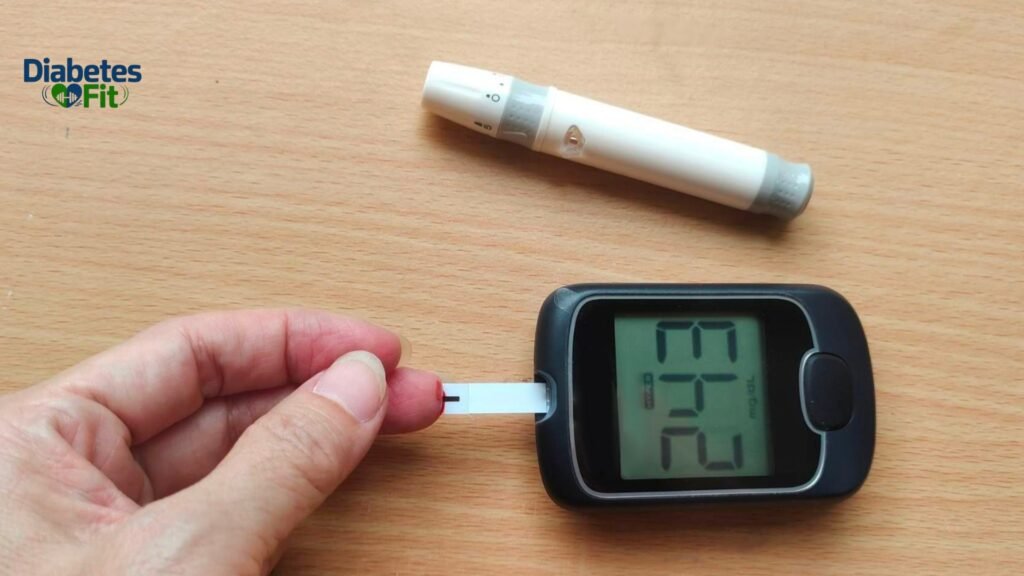
Key times to check blood sugar:
- Fasting (first thing in the morning before eating)
- 2 hours after each main meal
- Before and after exercise
- Before bed
Track these numbers in a simple app or notebook. Bring the data to your next doctor’s appointment — it allows targeted advice that generic guidance never can.
Step 7: Sleep 7–9 Hours and Manage Stress
These two factors are responsible for more failed A1C reduction attempts than most people realize.
Sleep: Just one week of sleeping 5 hours instead of 8 can raise fasting blood sugar by 15–25 mg/dL, adding measurable points to your A1C over 3 months. Make sleep a priority. Keep consistent bedtimes, reduce screen exposure before sleep, and keep your bedroom cool and dark.
Stress: Chronic cortisol elevation directly raises blood sugar and increases insulin resistance. Practical stress reduction:
- 5–10 minutes of diaphragmatic breathing daily
- Regular outdoor walks (reduces cortisol measurably)
- Setting work and life boundaries
- Journaling or mindfulness practice
A1C Reduction: Tracking Progress Month by Month
Here’s what a realistic 3-month A1C reduction journey looks like for someone starting at 9.0% with consistent lifestyle changes:
| Month | What’s Happening | Expected A1C Direction |
| Month 1 | Blood sugar stabilizing, initial water weight loss, body adapting | A1C still reflecting old data; improvements are building |
| Month 2 | New red blood cells are forming with lower glucose attachment; habit consistency is crucial | A1C beginning to shift downward noticeably |
| Month 3 | Full 90-day cycle nearing completion; consistent effort reflected in test | Maximum 3-month drop visible in test results |
Why Month 1 feels discouraging: Because A1C reflects 90 days of data, early changes aren’t immediately visible in the number. Don’t be discouraged by a month-1 check — the improvements are accumulating. They’ll show at the 3-month mark.
What to Do If Your A1C Isn’t Dropping Fast Enough
If you’ve been consistent for 8+ weeks and your blood sugar numbers aren’t responding as expected, consider these possibilities:
- Hidden carbohydrates — sauces, dressings, flavored yogurts, packaged “health” foods often contain significant hidden sugars. Read every label
- Portion sizes too large — even healthy foods cause elevated blood sugar in excess. Measure portions for at least 2 weeks
- Insulin resistance requires medication — some people have significant insulin resistance that lifestyle alone cannot fully overcome; speak to your doctor about medication options
- Thyroid issues — hypothyroidism impairs glucose metabolism and may require treatment before A1C responds to lifestyle changes
- Dawn phenomenon — some people experience morning blood sugar rises due to natural hormone release during sleep; your doctor can advise on managing this
Frequently Asked Questions
Can A1C drop 2 points in 3 months?
Yes — a 2-point A1C drop in 3 months is achievable for many people, particularly those starting from higher levels (above 8.5–9%) and making significant combined lifestyle and medication changes. Research supports drops of 2.0–3.0 percentage points in people who combine dietary overhaul, regular exercise, weight loss, and medication initiation or adjustment. For people already near their target A1C (7–7.5%), a 2-point drop in 3 months is less realistic — the improvement range is smaller.
How quickly does A1C respond to dietary changes?
Your actual blood sugar responds to dietary changes within hours to days — every meal improvement matters immediately. However, because A1C reflects a 90-day average, the test result won’t fully capture dietary improvements made in the last few weeks of a testing cycle. The full impact of 3 months of consistent dietary changes shows up most completely at the next A1C test. This is why committing to diet changes for the full 3 months — not just the last few weeks before a test — is essential.
What is a safe rate of A1C reduction in 3 months?
Most diabetes specialists consider a reduction of 0.5–2.0 percentage points per 3 months to be both safe and meaningful. Extremely rapid A1C drops (more than 3–4 points in 3 months) can occasionally cause a temporary worsening of diabetic retinopathy symptoms and should be monitored by a doctor, particularly in people with pre-existing eye complications. Gradual, consistent reduction is generally safer and more sustainable than dramatic overnight drops.
Can A1C drop without medication, through diet alone?
Yes — significant A1C reductions through diet and lifestyle alone are well-documented and clinically validated. The DiRECT trial demonstrated that intensive dietary intervention (a very low-calorie structured diet) produced an average A1C drop of 1.5–2.0 percentage points within 3 months without medication changes. Standard dietary improvement (reducing refined carbs, increasing vegetables and protein, reducing sugar) typically produces 0.5–1.5 percentage points of reduction in 3 months. The key variable is the degree of dietary change made.
Does walking lower A1C?
Yes — walking is one of the most accessible and evidence-based interventions for A1C reduction. Regular walking improves insulin sensitivity, lowers post-meal blood sugar spikes, and contributes to weight loss that further reduces A1C. Studies show that 150 minutes of brisk walking per week produces approximately 0.5 percentage points of A1C reduction independently. Post-meal walking of just 10–15 minutes after each meal is particularly effective at blunting the blood sugar peaks that drive A1C upward.
Can A1C drop from 9 to 7 in 3 months?
A drop from 9% to 7% — a 2-point reduction — is achievable in 3 months but requires aggressive and consistent intervention. It typically requires a combination of: significant dietary change (cutting all sugary drinks and refined carbs), structured exercise (150+ minutes per week), meaningful weight loss (5–10% of body weight), and often medication initiation or adjustment. People who commit fully to all four simultaneously are the ones most likely to achieve this level of reduction in a single 3-month cycle.
Will A1C keep dropping after 3 months if I continue the same habits?
Yes — if the same healthy habits are maintained, A1C will typically continue to improve beyond the 3-month mark, though the rate of decline usually slows as you approach your target range. The body gradually becomes more insulin-sensitive, blood sugar patterns continue improving, and each new cohort of red blood cells forms with progressively less glucose attached. Most people see their maximum A1C improvement at 6–12 months of consistent lifestyle change, with the first 3-month result representing the early-stage progress.
Conclusion
Here’s the honest, encouraging summary: how much A1C can drop in 3 months depends on where you start and how comprehensively you commit to change — but for most people with elevated levels, meaningful, measurable progress in a single 3-month cycle is absolutely within reach.
Starting above 9%? A 2–3 point drop is realistic with genuine lifestyle changes plus medication. Starting at 8%? You can realistically target 6.5–7.0% within 90 days. Starting at 7.5% and aiming for 7.0%? That’s a half-point that requires consistency but no extreme measures.
The formula is clear: replace refined carbs with whole foods, eat protein at every meal, walk after every meal, exercise 150+ minutes weekly, sleep 7–9 hours, manage stress, and work with your doctor on medication optimization. Apply all of these simultaneously and consistently for 90 days — and your next A1C result will reflect it.
Three months is not a long time. But it’s long enough to show real change on paper — the kind of change that motivates the next 3 months, and the one after that.
This article is for informational purposes only and does not replace personalized medical advice. Always consult your doctor or certified diabetes educator before making changes to your diet, exercise routine, or diabetes medication plan.
TheAmerican Diabetes Association (ADA) provides a comprehensive overview of A1C targets, testing, and what different A1C levels mean for diabetes management — including the official ADA target guidelines for different patient groups and ages.

David Miller: I am a health and wellness writer focused on diabetes awareness, blood sugar control, and healthy living. I creates clear, practical content to help readers make better everyday health choices. I write evidence-based articles about diabetes, diet, and healthy living. My goal is to simplify complex health topics using trusted sources like WHO and medical journals.