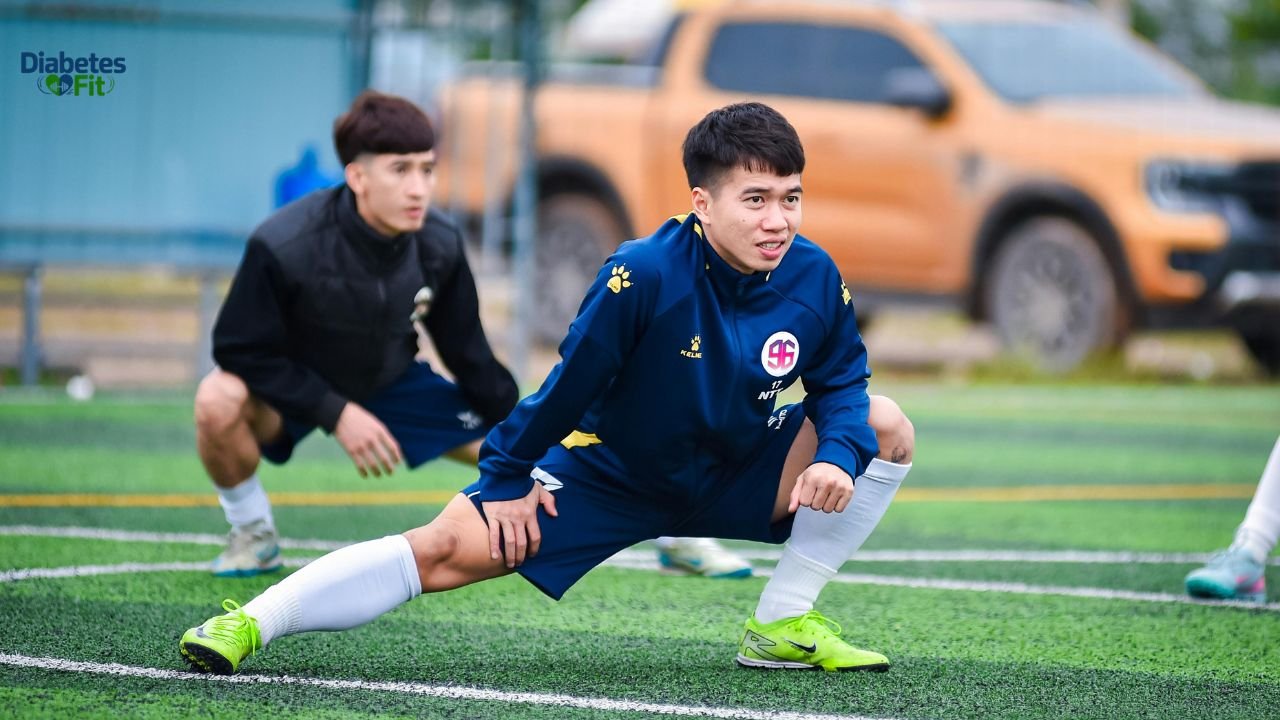
Is Stretching Good for You? The Complete Truth About What Science Really Says
You’ve probably been told your whole life to stretch — before exercise, after exercise, when you wake up, when you sit too long. But is stretching good for you? And more importantly, is it good for you in the specific ways you’ve been told? The honest answer is more nuanced — and more interesting — than a simple yes or no.
Is stretching good for you? Yes — but the benefits are different from what most people assume, the timing matters significantly, and some types of stretching work far better than others for specific goals. The science on stretching has evolved considerably over the past two decades, and some long-held beliefs have been overturned entirely.
In this complete guide, you’ll discover exactly what stretching does to your body, what the research genuinely supports, the different types and their specific benefits, when stretching helps and when it might not, and a practical daily stretching routine that produces real results.
Skin care is also important, so know how to Make Your Skin Glow Naturally at Home.
Is Stretching Good for You? What Happens in Your Body When You Stretch
In order to accurately determine whether stretching is beneficial for you, we must comprehend what happens inside your body during a stretch.
Stretching’s Physiology
When you stretch a muscle, multiple things happen at once:
Within the actual muscle:
- The fundamental contractile units of muscle fibers, called sarcomeres, are drawn to their greatest length.
- Muscle fibers contain titin, a massive elastic protein that stretches and stores elastic energy.
- The fascia, tendons, and ligaments that surround the muscle gradually extend.
- The muscle’s mechanoreceptors sense the stretch and communicate it to the neurological system.
Within the nervous system:
- When a muscle is pulled, the stretch reflex first kicks in, causing the muscle to momentarily contract.
- Autogenic inhibition happens with prolonged stretching; the Golgi tendon organs sense high muscle tension and trigger protective muscle relaxation.
- Regular stretching seems to improve the nervous system’s stretch tolerance over time, allowing you to endure the same stretch duration with less discomfort.
This final element is really important: According to recent research, stretching increases flexibility mostly through neurological processes, such as educating your neural system to allow for more range of motion, rather than just mechanical elongation of muscle fibers.
This knowledge directly influences when and how stretching is most advantageous, which is essential to provide a practical answer to the question of whether stretching is beneficial for you.
The 5 Main Types of Stretching — What Each One Does
Understanding the different types of stretching is essential for answering whether stretching is good for you for any specific purpose:
| Type | Description | Best Timing | Primary Benefit |
| Static stretching | Hold a stretch for 15–60+ seconds | After exercise, anytime | Flexibility, relaxation, recovery |
| Dynamic stretching | Controlled movements through the range of motion | Before exercise, warm-up | Mobility, performance preparation |
| Ballistic stretching | Bouncing or jerking movements | Advanced athletes only | Power sport preparation |
| PNF stretching | Contract-relax technique with a partner or band | Advanced flexibility work | Fastest flexibility gains |
| Active stretching | Holding a stretch using only your own muscle strength | Any time | Active flexibility, joint stability |
Is Stretching Good for You? 12 Science-Backed Benefits
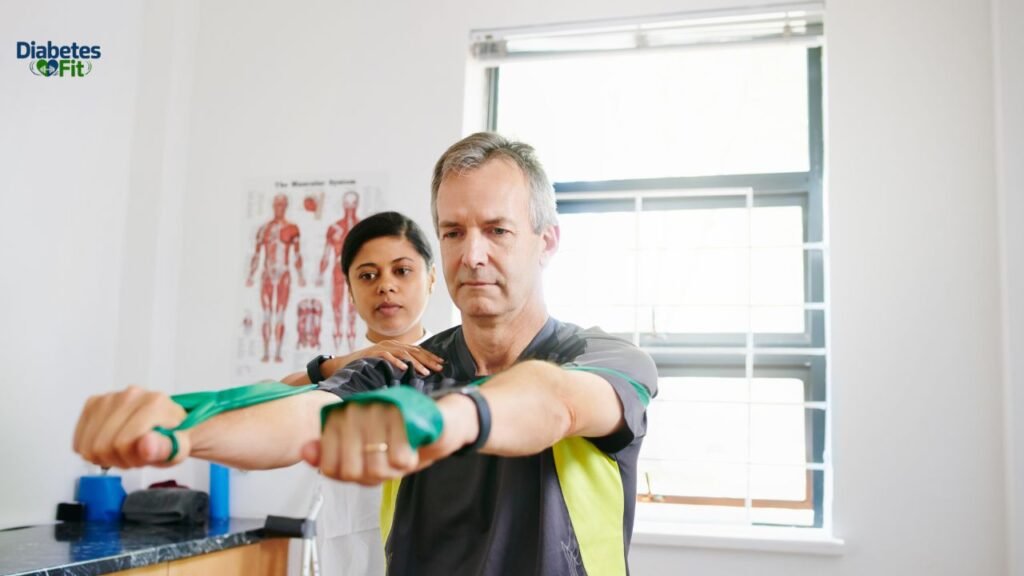
1. Improves Flexibility and Range of Motion
This is the most well-established benefit of stretching — and the foundation of why stretching is good for you for long-term physical function.
The research:
A systematic review in Sports Medicine analyzing 23 studies found that regular static stretching (performed daily or multiple times per week) significantly increased joint range of motion over 4–12 weeks, with the greatest gains in those who were initially least flexible.
Why range of motion matters:
- Reduces compensatory movement patterns that lead to injury
- Allows joints to function through their full intended range
- Makes everyday activities (bending, reaching, squatting) easier and safer
- Enables more effective strength training through a full range of motion movements
How much stretching is needed: Research suggests holding stretches for at least 30 seconds per muscle group, repeated 2–4 times, at least 5 days per week, produces meaningful flexibility improvement over 4–8 weeks.
2. Reduces Muscle Tension and Chronic Tightness
One of the most immediately felt answers to whether stretching is good for you is its effect on muscle tension — that persistent tightness in the neck, shoulders, hips, and lower back that affects millions of people who sit for long periods.
How it works:
Prolonged sitting creates adaptive shortening — muscles shorten at their functional length to become efficient at the position you hold most. The hip flexors, hamstrings, chest, and neck muscles are particularly affected.
Regular stretching:
- Reduces the resting tension in chronically shortened muscles
- Improves the length-tension relationship — restoring muscles to their optimal functional length
- Reduces the myofascial trigger points (knots) that create referred pain and discomfort
- Signals the nervous system to reduce protective muscle guarding in habitually tight areas
3. Reduces Lower Back Pain
Lower back pain affects approximately 80% of adults at some point — and is stretching good for you for this incredibly common problem? Yes — particularly when targeted at the right muscle groups.
Research evidence:
A study published in the Journal of Physical Therapy Science found that a structured stretching program targeting the hip flexors, hamstrings, and piriformis significantly reduced chronic lower back pain over 4 weeks — improving both pain scores and functional disability.
A Cochrane Review found that stretching exercises, particularly when combined with strengthening, produced meaningful improvements in both acute and chronic low back pain.
Why it helps lower back pain:
- Tight hip flexors pull the pelvis into anterior tilt — compressing the lumbar spine. Stretching hip flexors reduces this compression
- Tight hamstrings reduce pelvic mobility — increasing lumbar spine stress during forward bending. Stretching hamstrings restores normal lumbar mechanics
- Tight piriformis compresses the sciatic nerve — causing the buttock and leg pain (sciatica) often blamed on spinal disc problems
- Thoracic spine stiffness forces the lumbar spine to compensate with excess mobility — stretching the thoracic spine reduces lumbar overload
4. Improves Posture
Poor posture — rounded shoulders, forward head position, increased lumbar lordosis — is largely a flexibility problem. Muscles that are too short in some areas and too lengthened (and therefore weak) in others create the characteristic poor posture patterns of modern sedentary life.

Is stretching good for you for posture? Yes:
- Stretching the chest (pectoralis minor) reduces rounded shoulder posture
- Stretching the hip flexors reduces anterior pelvic tilt
- Stretching the upper trapezius and levator scapulae reduces the shoulder elevation and neck tension that creates the “tense” posture
- Stretching the thoracic spine improves the natural spinal curves
Important caveat: Stretching alone isn’t enough for posture correction — the weakened muscles on the opposite side (posterior chain, deep core, mid-back) need to be strengthened simultaneously. Stretching tight muscles while strengthening their antagonists produces the most effective posture improvement.
5. Reduces Stress and Promotes Relaxation
Is stretching good for you for mental health and stress? The evidence is genuinely compelling — and often overlooked in discussions focused on physical performance.
The physiological mechanism:
Stretching activates the parasympathetic nervous system — the body’s “rest and digest” mode — through several pathways:
- Slow, sustained stretching with deep breathing directly stimulates the vagus nerve — the primary parasympathetic nerve that slows heart rate and reduces cortisol
- The physical relief of muscle tension provides immediate sensory comfort that the nervous system interprets as safety
- The mindful attention required for effective stretching activates the same neurological pathways as meditation
Research evidence:
A study published in Complementary Therapies in Medicine found that a 12-week stretching program significantly reduced self-reported anxiety, improved sleep quality, and reduced perceived stress — comparable to other mind-body interventions.
6. Improves Circulation and Cardiovascular Health
Is stretching good for you for heart health? This is one of the most surprising findings in recent stretching research.
A study published in the Journal of Physiology found that passive static stretching of the calf muscles for 40 minutes per day for 12 weeks:
- Reduced arterial stiffness by 9.4%
- Improved vascular compliance — the ability of blood vessels to expand and contract
- Reduced diastolic blood pressure meaningfully
Why blood vessels respond to stretching:
Blood vessels are surrounded by smooth muscle and connective tissue — both of which respond to the mechanical stimulus of stretching by becoming more compliant. This arterial flexibility is a direct cardiovascular health benefit, independent of aerobic exercise.
Additional circulatory benefits:
- Increases local blood flow to stretched muscles — improving nutrient delivery and waste removal
- Reduces muscle soreness by improving clearance of metabolic byproducts
- Supports recovery from exercise by maintaining tissue perfusion
7. Enhances Athletic Performance — When Done Correctly
Is stretching good for you before exercise? The answer here is more nuanced than most people realize — and it depends entirely on which type of stretching you do.

Static stretching before exercise:
Research has consistently shown that static stretching immediately before strength or power activities can reduce performance:
- Reduces muscle strength by 5–8%
- Reduces power output by up to 8%
- Temporarily impairs proprioception (balance and coordination)
- Reduces muscle stiffness needed for explosive movements
These effects are temporary (returning within 10–15 minutes) and primarily relevant to athletes performing maximal strength, speed, or power activities. For recreational exercisers doing moderate activity, the impact is minimal.
Dynamic stretching before exercise:
Dynamic stretching — controlled movements through the range of motion — does the opposite:
- Increases muscle temperature and blood flow
- Improves neuromuscular activation and coordination
- Enhances joint range of motion without reducing force production
- Primes the nervous system for athletic movement
The evidence-based recommendation:
- Before exercise: Dynamic stretching (leg swings, arm circles, controlled lunges, hip rotations)
- After exercise: Static stretching (when muscles are warm and pliable, performance is not a concern)
8. Reduces Injury Risk — With Important Nuances
Is stretching good for you for injury prevention? The research here is more mixed than most fitness guidance suggests.
What the research actually shows:
A systematic review in the British Medical Journal found that stretching before exercise does NOT significantly reduce overall injury risk. This overturned decades of conventional wisdom.
What reduces injury risk:
- Appropriate warm-up (increasing temperature and blood flow)
- Progressive training load management
- Adequate strength through a full range of motion
- Neuromuscular control and coordination
Where stretching DOES help with injury prevention:
- Chronically tight muscles — particularly hip flexors, calves (preventing Achilles tendon issues), and hamstrings — increase injury risk over time when shortened
- Regular stretching that improves habitual flexibility and range of motion does reduce chronic overuse injury risk
- Post-exercise stretching may reduce the severity of delayed onset muscle soreness (DOMS)
9. Improves Sleep Quality
Is stretching good for you for sleep? Yes — particularly when done in the evening.
Research support:
A study in the Journal of Physiological Anthropology found that moderate stretching in the evening:
- Reduced sleep onset latency (time to fall asleep) by 15–30%
- Improved subjective sleep quality
- Reduced nighttime cortisol levels
The mechanism:
The parasympathetic activation and physical relaxation from stretching prepares the body physiologically for sleep — reducing the muscle tension and elevated nervous system arousal that prevent sleep onset.
A 10–15 minute stretching routine before bed — particularly targeting the neck, shoulders, hips, and lower back — is one of the most accessible and effective natural sleep improvement strategies available.
10. Supports Joint Health and Reduces Arthritis Discomfort
Is stretching good for you if you have arthritis or joint pain? Research consistently says yes — with appropriate modifications.

How stretching supports joint health:
- Maintains the cartilage-lubricating synovial fluid distribution through joint surfaces
- Preserves the range of motion that arthritis progressively reduces
- Reduces the muscle tightness around affected joints that amplifies pain
- Research shows stretching helps maintain functional independence and reduces pain scores in osteoarthritis patients
Important modifications for joint conditions:
- Avoid forcing range of motion — work to the edge of comfortable movement only
- Warm joints gently before stretching — warm water, heat pack, or light movement
- Focus on gentle, sustained holds (30–60 seconds) rather than forcing range
- Consult a physiotherapist for condition-specific stretching guidance
11. Reduces Headache Frequency
Is stretching good for you specifically for headaches? For tension-type headaches — the most common type — the answer is a meaningful yes.
The connection between muscle tension and headaches:
Tension headaches are caused or worsened by sustained muscle tension in the suboccipital muscles (base of skull), upper trapezius (shoulders), and cervical extensors (back of neck). This tension reduces blood flow and compresses the nerves and vessels that supply the head.
Regular stretching of these muscles:
- Reduces the chronic muscle tension that triggers tension headaches
- Improves cervical range of motion
- Reduces the sensitivity of myofascial trigger points that refer pain into the head
Research evidence: A study published in Cephalalgia found that a structured neck and shoulder stretching program reduced tension headache frequency by 69% over 4 weeks.
12. Promotes Healthy Aging and Maintains Functional Independence
Is stretching good for you as you age? The evidence here may be the most compelling of all — because the consequences of not stretching become increasingly significant with age.
What happens to flexibility with age:
- Collagen in connective tissue becomes less elastic and more cross-linked
- Muscle fiber length decreases — muscles become functionally shorter
- Reduced physical activity accelerates flexibility loss
- By age 70, average adults have lost 30–40% of their peak flexibility
Why this matters for function:
Lost flexibility leads to:
- Falls risk from reduced ankle dorsiflexion and hip mobility
- Difficulty with activities of daily living (dressing, reaching, bending)
- Increased joint pain from reduced range of motion
- Compensatory movement patterns that cause secondary pain and injury
Research on older adults and stretching:
Multiple studies show that older adults who maintain regular stretching programs preserve functional independence, reduce fall risk, and significantly improve quality of life — regardless of other forms of exercise.
When Is Stretching NOT Good for You?
Complete honesty about is stretching good for you requires acknowledging when it’s not:
Situations where stretching should be avoided or modified:
| Situation | Why | What to Do Instead |
| Immediately before maximal strength/power exercise | Reduces force production temporarily | Use a dynamic warm-up instead |
| On an injured muscle (acute injury, < 48 hours) | Can worsen inflammation and tissue damage | Rest, ice, compress |
| Hypermobile joints | Further stretching increases instability | Focus on strengthening |
| Overstretching sensation (sharp pain) | Signals tissue damage | Stop immediately |
| Nerve pain (radiating pain) | May worsen nerve irritation | See a physiotherapist |
| Active infection or inflammation | Worsens the inflammatory response | Rest until resolved |
The “no pain, no gain” myth:
Stretching should create a mild to moderate pulling sensation — never sharp pain. Pain is the nervous system signaling tissue stress or damage. Stretching to the point of pain consistently damages muscle and connective tissue rather than improving flexibility.
The Most Effective Stretching Protocol — Based on Research
Daily stretching routine for general health benefits:
| Stretch | Target | Hold Time | Reps |
| Hip flexor stretch (kneeling lunge) | Hip flexors, quads | 45–60 seconds | 3 on each side |
| Hamstring stretch (seated or standing) | Hamstrings, lower back | 45–60 seconds | 3 on each side |
| Piriformis stretch (figure-4 or pigeon) | Piriformis, hips | 45–60 seconds | 3 on each side |
| Chest opener (doorway or arms clasped behind) | Pectorals, shoulders | 30–45 seconds | 3 |
| Thoracic spine rotation | Mid-back, thoracic rotation | 30–45 seconds | 3 each side |
| Calf stretch (wall stretch) | Calves, Achilles | 45–60 seconds | 3 each side |
| Neck side bend | Upper trapezius, neck | 30 seconds | 3 each side |
| Child’s pose | Lower back, hips | 60–90 seconds | 2 |
Total time: 20–25 minutes Frequency: Daily (minimum 5 times per week for meaningful flexibility improvement) Best timing: Anytime — but particularly after exercise or in the evening for relaxation and sleep benefits
Static vs. Dynamic Stretching: When to Use Each
| Factor | Static Stretching | Dynamic Stretching |
| Best timing | After exercise, before bed | Before exercise, warm-up |
| Primary benefit | Flexibility, relaxation | Mobility, performance prep |
| Muscle temperature required | Warm is best | Works on cool muscles |
| Sports performance impact | May reduce if done before | Enhances performance |
| Injury prevention | Long-term benefit | Acute warm-up benefit |
| Duration | 30–60 seconds per stretch | 10–12 controlled reps |
Frequently Asked Questions
Is it beneficial for you to stretch every day?
Yes, most people benefit from everyday stretching, which actually improves flexibility and range of motion more effectively than less frequent stretching. Stretching five to seven days a week improves flexibility considerably more than stretching two to three days a week, according to research. People who sit for extended periods of time, elderly folks attempting to retain functional mobility, and anybody with persistent muscular stiffness or postural issues can all benefit from daily stretching. Stretching to a comfortable pull, never to discomfort, and avoiding static stretching right before intense exercise are crucial.
Is it true that stretching increases flexibility?
Indeed, frequent, consistent stretching increases flexibility in a quantifiable way. According to research, joint range of motion significantly improves after 4–8 weeks of daily static stretching (30+ seconds per muscle group, 2–4 repetitions). It is interesting to note that rather than being only the result of mechanical muscle fiber elongation, recent research indicates that a large portion of this increase is neurological—your nervous system learns to tolerate a larger range of motion with less discomfort. You are exercising your nervous system just as much as your muscles, which is why consistency is so important.
Is it beneficial to stretch before or after working out?
There is compelling evidence to encourage stretching in various ways, both before and after exercise. Dynamic stretching, which involves controlled range-of-motion exercises like arm circles, leg swings, and controlled lunges, is helpful before exercise because it improves mobility, warms muscles, boosts circulation, and primes the neurological system without compromising strength or power. Static stretching (holding positions for 30+ seconds) is most beneficial after exercise — when muscles are warm and pliable, flexibility gains are maximized, and reducing post-exercise tension supports recovery. Doing static stretching before maximal strength or power activities can temporarily reduce force production by 5–8%.
Can pain be lessened by stretching?
Yes, stretching works in a variety of ways to lessen various kinds of pain. Stretching the hamstrings and hip flexors helps ease lower back pain by lowering the mechanical strain on the lumbar spine. Stretching the neck and upper trapezius muscles relieves the tension that causes and sustains headaches. Stretching after exercise may lessen the intensity of DOMS for general muscle soreness. Regular, mild stretching for arthritis preserves joint range of motion and lessens the stiffness in the muscles that exacerbates joint pain. Does stretching help you manage your pain? Yes, especially in cases of tension-related and musculoskeletal pain.
How long should you hold a stretch to reap the rewards?
Static stretches should be held for at least 30 seconds, according to research, with 45–60 seconds yielding the greatest flexibility gains per session. According to a 2015 meta-analysis, most groups responded just as well to 30-second holds as to lengthier ones; however, older persons and those with severe tightness might benefit from durations of up to 60–90 seconds. Whether you employ one lengthy hold or several shorter holds is less important than the overall amount of time you stretch each muscle group during a session. Over the course of 4–8 weeks of daily practice, three repeats of 30 seconds equals 90 seconds of total stretch time, which typically results in significant gains in range of motion.
If you are not working out, is stretching beneficial for you?
Even for those who do not engage in other types of exercise, stretching has significant health benefits. Stretching specifically targets the adaptive shortening of the chest muscles, hamstrings, and hip flexors that results from extended sitting for inactive people. Stretching reduces arterial stiffness, which enhances cardiovascular health without the need for aerobic exercise, according to research. It maintains functional mobility, eases lower back pain, enhances posture, and encourages rest and good sleep. A daily stretching regimen has significant health benefits that promote both physical and emotional well-being for those who are unable to exercise intensely because of medical issues or physical restrictions.
Can excessive stretching be detrimental?
There is a genuine and underestimated risk associated with overstretching. Stretching to the point of discomfort regularly harms connective tissue and muscle fibers, and can irritate nerves over time, which has the reverse effect of what was intended. Another issue is hypermobility: excessive stretching can damage persons with already loose joints, which are common in women and those with connective tissue disorders like Ehlers-Danlos syndrome. This is because aggressive stretching further destabilizes already-lax joints. Stretching to a comfortable tension is the safest and most efficient method; you should feel a pull but never a harsh pain. When done properly, is stretching beneficial for you? Absolutely. Do you feel better when you are pushed outside your comfort zone? No, that is when it starts to be dangerous.
Conclusion
After analyzing all the data, the answer to the question of whether stretching is healthy for you is unquestionably yes, albeit there are significant subtleties regarding timing, style, and technique that affect how beneficial it truly is.
Does stretching help you become more flexible? Yes, provided that each muscle group is regularly worked out for at least 30 seconds each day. Is it beneficial to stretch before working out? Yes, but before engaging in high-intensity exercise, stretch dynamically rather than with static holds. Are lower back pain, stress, sleep, posture, and cardiovascular health all improved by stretching? Yes, all of these advantages are supported by research when stretching is done appropriately and often.
In a larger sense, is stretching beneficial to your overall health? Without a doubt. After weeks of regular practice, a 20-minute daily stretching regimen that does not cost anything, does not require any equipment, and can be done anywhere results in quantifiable improvements in flexibility, pain, posture, stress, sleep, and cardiovascular health.
Get started right now. Select three stretches from this guide’s daily practice; the chest opener, hamstring stretch, and hip flexor stretch are the most effective for most people. For 45 seconds, hold each. Before going to bed tonight, do it. Then repeat the process tomorrow. Your body will reward you with improved mobility, reduced pain, and increased ease in all you do if you develop the habit, stretch by stretch.
Disclaimer: This material should not be used in place of expert medical or physiotherapy advice; it is merely meant to be informative. Before starting a new stretching program, always speak with a trained healthcare professional especially if you have existing injuries, joint conditions, or chronic pain.
You can also read more benefits from Healthline.

David Miller: I am a health and wellness writer focused on diabetes awareness, blood sugar control, and healthy living. I creates clear, practical content to help readers make better everyday health choices. I write evidence-based articles about diabetes, diet, and healthy living. My goal is to simplify complex health topics using trusted sources like WHO and medical journals.