Is Diabetes Curable Permanently in Early Stage? Here’s the Honest Truth Most Doctors Don’t Have Time to Tell You
If you or someone you love has just been told their blood sugar is too high — or that they’re in the “prediabetes” zone — the first question that usually follows is a desperate but hopeful one: is diabetes curable permanently in early stage?
It’s a fair question. And the answer is more encouraging than most people expect.
The short version? For type 2 diabetes and prediabetes, yes — early-stage reversal is not only possible, but it’s also been documented in thousands of patients through lifestyle intervention alone. For type 1 diabetes, the picture is different, and we’ll cover that honestly, too.
This article gives you the complete, medically accurate, easy-to-understand answer — what “curable” really means in diabetes science, which stages offer the best chance of reversal, and exactly what steps give you the highest odds of getting there.
Also know about the Insulin Resistance Symptoms and Treatment.
Understanding Diabetes: A Quick Refresher Before We Dive In
To answer whether is diabetes curable permanently in early stage, you first need to understand what diabetes actually is — and why the type and stage matter so much.
Diabetes is a condition where the body either doesn’t produce enough insulin or doesn’t use insulin properly, or both. The result is chronically elevated blood sugar, which damages blood vessels, nerves, and organs over time.
The Three Main Types of Diabetes
| Type | Cause | Who It Affects | Reversible? |
| Type 1 | Autoimmune — body destroys insulin-producing cells | Children and adults of any age | Not currently curable |
| Type 2 | Insulin resistance + progressive beta cell decline | Mostly adults; increasingly younger people | Yes — especially in early stages |
| Gestational | Hormonal changes during pregnancy affect insulin | Pregnant women | Usually resolves after birth |
| Prediabetes | Early insulin resistance, elevated blood sugar | 1 in 3 adults (many undiagnosed) | Highly reversible |
The question of whether is diabetes curable permanently in early stage is most relevant — and most promising — for type 2 diabetes and prediabetes. These are the forms driven primarily by lifestyle and metabolic factors, which means lifestyle and metabolic changes can reverse them.
Is Diabetes Curable Permanently in Early Stage? What the Science Actually Says
Let’s be precise with language here, because words like “cure,” “remission,” and “reversal” mean different things — and the distinction matters.
What “Remission” Means in Type 2 Diabetes
In 2021, a major international consensus statement from leading diabetes organisations formally defined remission of type 2 diabetes as:
Having an HbA1c (3-month average blood sugar) below 6.5% for at least 3 months, without the use of blood sugar-lowering medication.
This is the medical community’s way of saying: your blood sugar is in the healthy range, you’re not on medication, and your diabetes is effectively inactive. Many experts and patients use the word “reversed” to describe this state.
Is this permanent? It can be, if the habits that achieved remission are maintained. It is not automatically permanent — if the lifestyle changes are abandoned, blood sugar can rise again. But for many people, remission achieved in the early stage lasts years, decades, or a lifetime.
So yes, when asking is diabetes curable permanently in early stage, the honest medical answer is: early-stage type 2 diabetes can be put into lasting remission, which functions as a practical cure for most daily purposes.
What Makes Early Stage Diabetes Different — And Why It Matters
The earlier diabetes is caught, the higher the chance of full reversal. Here’s why the stage is so critical:
Beta Cell Health Is the Key Variable
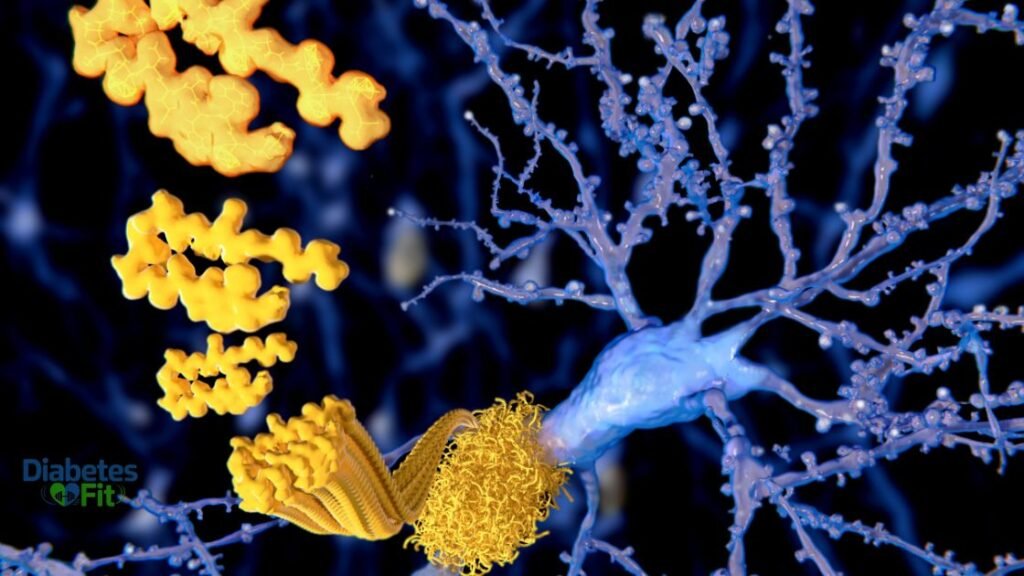
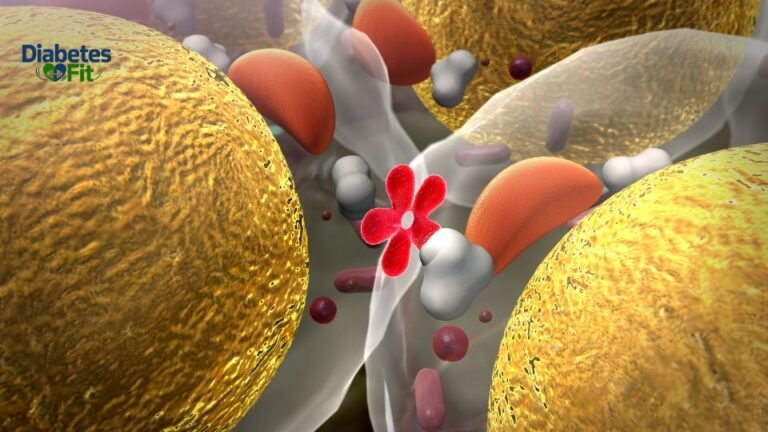
Your pancreatic beta cells are the cells that produce insulin. In type 2 diabetes, these cells are under chronic stress from years of overwork — pumping out extra insulin to overcome insulin resistance. Over time, beta cells become exhausted, and some die off permanently.
In the early stage of type 2 diabetes or prediabetes:
- Most beta cells are still alive and functional
- Insulin resistance is the main problem, not beta cell death
- Insulin resistance is directly reversible through lifestyle changes
- The pancreas still has the capacity to regulate blood sugar normally — it just needs the pressure taken off
In later-stage type 2 diabetes (when beta cells have been significantly damaged):
- Full reversal becomes harder
- Some external insulin support may be needed permanently
- Remission is still achievable, but requires more aggressive intervention
This is why the answer to is diabetes curable permanently in early stage is “yes” with high confidence, while the answer for late-stage diabetes is “partial reversal is possible, but complete remission is less certain.”
Prediabetes: The Stage With the Highest Reversal Rate
If there’s one category where the answer to is diabetes curable permanently in early stage is a resounding, unambiguous yes, it’s prediabetes.
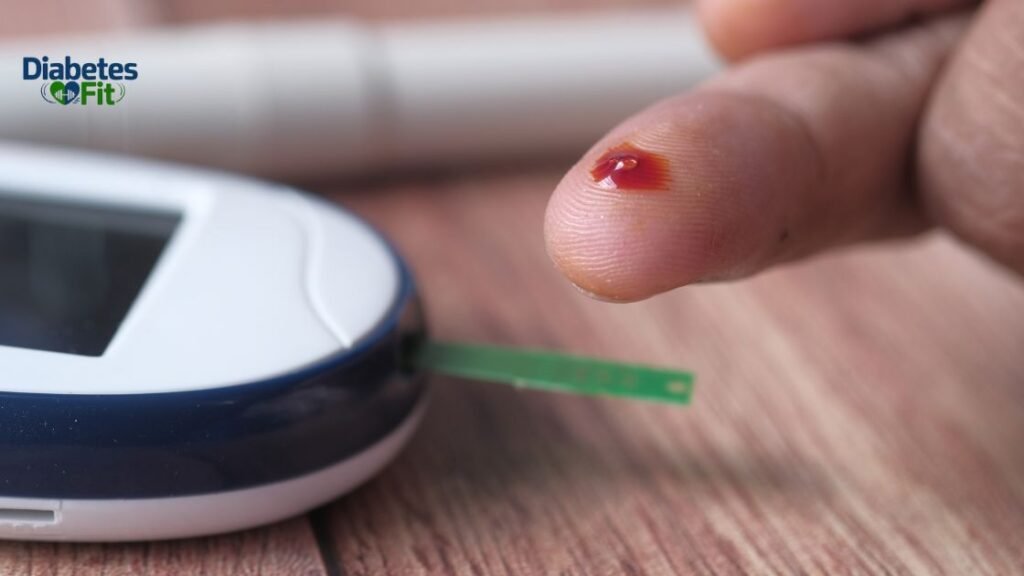
Prediabetes is defined as:
- Fasting blood glucose of 100–125 mg/dL
- HbA1c of 5.7%–6.4%
- 2-hour glucose tolerance test of 140–199 mg/dL
At this stage, insulin resistance is present, blood sugar is elevated, but type 2 diabetes has not technically developed yet. The landmark Diabetes Prevention Program (DPP) study — one of the largest lifestyle intervention trials ever conducted — found that:
- Lifestyle intervention (diet changes + 150 minutes of weekly exercise + modest weight loss) reduced the progression from prediabetes to type 2 diabetes by 58%
- In adults over 60, the reduction was 71%
- Many participants didn’t just slow progression — they fully normalised their blood sugar markers
This is as close to a permanent cure in early stage as medical science currently offers.
The Evidence for Type 2 Diabetes Reversal in Early Stage
Beyond prediabetes, can early-stage diagnosed type 2 diabetes be permanently reversed? Multiple high-quality studies say yes.
The DiRECT Trial (2018 and Follow-Up)
The Diabetes Remission Clinical Trial (DiRECT) followed people with type 2 diabetes through a structured low-calorie dietary program:
- After 1 year: 46% of participants achieved remission (HbA1c below 6.5% without medication)
- After 2 years: 36% remained in remission
- After 5 years: A substantial percentage maintained remission — particularly those who had been diagnosed for fewer years and had lost the most weight
Key finding: Duration of diabetes mattered enormously. People diagnosed within the past 6 years had dramatically higher remission rates than those with longer diagnoses. This is precisely why is diabetes curable permanently in early stage is such an important question — catching it early gives you a fundamentally different prognosis.
Bariatric Surgery Evidence
Studies on bariatric (weight loss) surgery show that type 2 diabetes goes into full remission in 50–80% of patients — often within days of the surgery, before significant weight loss even occurs. This tells researchers something profound: the metabolic condition driving type 2 diabetes is highly responsive to the right intervention when the disease hasn’t progressed too far.
The Proven Methods That Can Permanently Reverse Early-Stage Diabetes
Now for the practical part. If you’re asking is diabetes curable permanently in early stage because you or someone you love is in that window, here are the interventions with the strongest evidence:
1. Significant Weight Loss (The Single Most Powerful Factor)
The research is consistent and striking: losing 10–15% of body weight in early-stage type 2 diabetes dramatically improves or fully reverses insulin resistance.
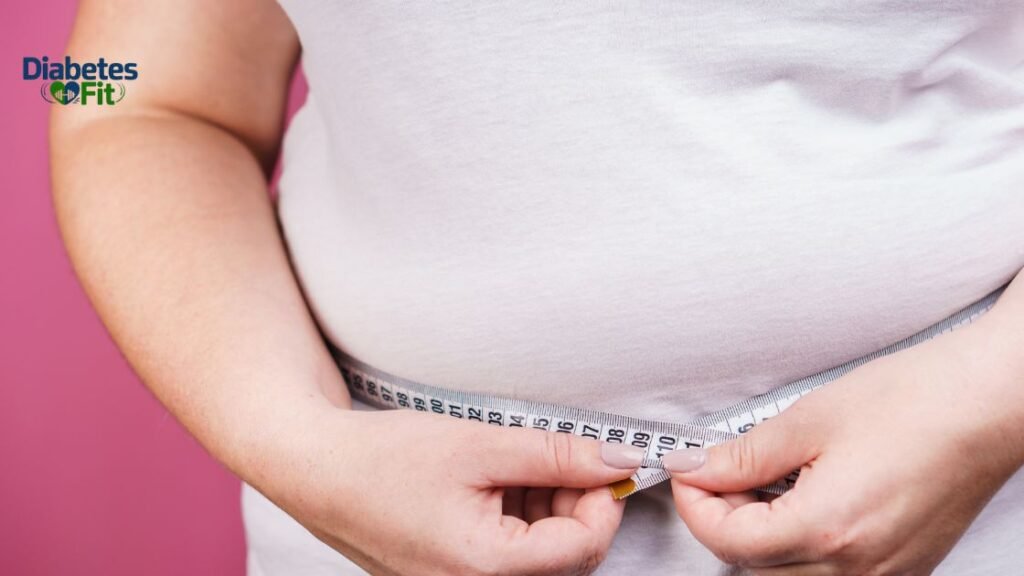
For someone weighing 200 lbs, that’s 20–30 lbs. Not a small undertaking — but absolutely achievable, and the metabolic rewards are enormous:
- Liver fat decreases (reducing hepatic insulin resistance)
- Pancreatic fat decreases (allowing beta cells to function better)
- Visceral (belly) fat decreases (the primary driver of metabolic dysfunction)
- Insulin sensitivity improves measurably within weeks
You don’t have to reach an “ideal” weight to see major benefits. Even a 5–10% weight loss produces meaningful improvements in blood sugar markers.
2. Low-Calorie or Very Low-Calorie Diet
The DiRECT trial used an 800-calorie-per-day meal replacement program for 3–5 months as its primary intervention. This is a medically supervised approach not to be undertaken casually — but it produced the most dramatic remission rates seen in non-surgical interventions.
For those not pursuing a very low-calorie approach, a moderate calorie deficit of 500–750 calories per day combined with the dietary quality changes below produces strong results over a longer timeframe.
3. Low-Carbohydrate or Mediterranean Diet
Both diets have strong evidence for blood sugar improvement in early-stage diabetes:
Low-carbohydrate diet benefits:
- Directly reduces glucose load on the pancreas
- Lowers blood sugar and HbA1c faster than most dietary approaches
- Reduces the need for medication within weeks in many patients
- Studies show HbA1c reductions of 0.5–2% in 3–6 months
Mediterranean diet benefits:
- Rich in fiber, healthy fats, lean proteins, and antioxidants
- Improves insulin sensitivity gradually
- Associated with lower cardiovascular risk (important since diabetes raises heart disease risk)
- Highly sustainable long-term
| Diet Approach | Blood Sugar Impact | Sustainability | Evidence Level |
| Very low-calorie (800 cal/day) | Very strong, rapid | Difficult long-term | Very strong |
| Low-carbohydrate | Strong, relatively fast | Moderate | Strong |
| Mediterranean | Moderate, sustained | High | Strong |
| Plant-based whole food | Moderate–strong | Moderate–high | Moderate–strong |
| Standard low-fat | Mild | High | Moderate |
4. Regular Physical Activity
Exercise is one of the most powerful tools for reversing early-stage diabetes — and it works through multiple pathways simultaneously:

- Aerobic exercise (walking, cycling, swimming) improves insulin sensitivity in muscle tissue
- Resistance training (weights, bodyweight exercises) builds muscle mass — the body’s most important glucose-absorbing tissue
- Post-meal walking (even 10–15 minutes) dramatically reduces post-meal blood sugar spikes
- Exercise reduces visceral fat even without significant weight loss
Recommended targets for diabetes reversal:
- 150–300 minutes of moderate aerobic exercise per week
- 2–3 sessions of resistance training per week
- Daily movement — reducing prolonged sitting is independently beneficial
5. Sleep Optimisation
Poor sleep is a massively underappreciated factor in early-stage diabetes reversal. Just one week of restricted sleep (5–6 hours per night) can significantly worsen insulin resistance in healthy individuals.
Prioritising 7–9 hours of quality sleep per night:
- Normalises cortisol and growth hormone rhythms that affect blood sugar
- Reduces hunger hormones (ghrelin) that drive overeating
- Improves insulin sensitivity the following day
- Supports the weight loss that is central to diabetes reversal
6. Stress Management
Chronic stress keeps cortisol elevated. Elevated cortisol raises blood sugar directly (it’s one of cortisol’s primary functions — mobilising glucose for “fight or flight”) and promotes visceral fat accumulation.

Effective stress reduction techniques with evidence behind them:
- Mindfulness-based stress reduction (MBSR): Shown to lower HbA1c in diabetic patients
- Regular physical activity (doubles as both exercise and stress relief)
- Nature exposure: Even 20-minute outdoor walks reduce cortisol measurably
- Social connection and community: Chronic loneliness is an independent metabolic stressor
A Realistic Timeline: What to Expect When Reversing Early-Stage Diabetes
| Timeframe | What Typically Happens |
| Week 1–2 | Blood sugar begins improving with dietary changes; energy may increase |
| Week 3–4 | Fasting glucose often drops noticeably; some bloating/water weight reduces |
| Month 1–3 | HbA1c begins declining; medication needs may reduce (under doctor guidance) |
| Month 3–6 | Significant HbA1c improvement possible; some patients reach remission range |
| Month 6–12 | Full remission achievable for many early-stage patients with consistent effort |
| Year 1–2+ | Sustained remission possible if habits are maintained; regular monitoring continues |
What About Type 1 Diabetes — Is It Curable Permanently in Early Stage?
This deserves a direct, honest answer. Type 1 diabetes is not currently curable — at any stage. It is an autoimmune condition where the body’s immune system has destroyed the insulin-producing beta cells in the pancreas. Without functioning beta cells, external insulin is required for survival.
However, there is genuinely exciting research underway:
- Stem cell therapies have shown early promise in regenerating beta cells
- Immunotherapy approaches are being tested to halt the autoimmune attack at diagnosis
- Artificial pancreas systems (closed-loop insulin pumps) are dramatically improving management
- Beta cell transplantation research continues to advance
While type 1 diabetes is not yet permanently curable in early stage, the management options available today are better than they’ve ever been — and a cure within the next decade is a realistic scientific goal.
Key Warning Signs That Mean You’re Still in the Reversible Window
The following markers suggest early-stage diabetes where reversal is most achievable:
- Diagnosed with type 2 diabetes within the past 5–6 years
- HbA1c between 6.5% and 8% (not severely elevated)
- Taking oral medications only (not yet requiring insulin injections)
- Some excess body weight is present (reversal with weight loss is highly probable)
- Beta cell function is still measurable on C-peptide testing
- No or minimal diabetes complications yet present
If most of these apply to you, the answer to is diabetes curable permanently in early stage is highly favourable in your case.
Frequently Asked Questions
Is diabetes curable permanently in the early stage without medication?
For prediabetes and early-stage type 2 diabetes, yes, many people achieve full remission without medication through diet, exercise, and weight loss alone. The DiRECT trial demonstrated remission rates above 46% at one year using only a dietary program, with no diabetes medication. However, this should always be done with medical supervision — never stop prescribed medication without your doctor’s guidance, as blood sugar management during the transition requires careful monitoring.
How early does type 2 diabetes need to be caught to reverse it permanently?
The best outcomes for permanent reversal occur when type 2 diabetes has been diagnosed within the past 5–6 years, and the person still has reasonable beta-cell function. Prediabetes — before a formal diabetes diagnosis — has the highest reversal rate of all. Even people diagnosed 10+ years ago can achieve partial remission, but the probability of full, lasting reversal decreases as the disease progresses and beta cell damage accumulates.
Can losing weight permanently cure early-stage type 2 diabetes?
Weight loss is the single most powerful intervention for reversing early-stage type 2 diabetes. Losing 10–15% of body weight has been shown to put a large proportion of early-stage patients into full remission. The keyword is maintaining that weight loss — if weight is regained, blood sugar tends to rise again. However, many people maintain their remission for years or decades by sustaining their new lifestyle habits.
What is the fastest way to reverse early-stage diabetes?
The fastest clinically documented approach is a very low-calorie diet (800 calories/day) under medical supervision, combined with daily physical activity. This approach — used in the DiRECT trial — produced measurable remission in some patients within 3 months. Bariatric surgery produces even faster remission (sometimes within days), but is typically reserved for more severe cases. For sustainable, accessible reversal, a combination of low-carbohydrate eating, regular exercise, and moderate caloric reduction is the most practical fast-track option.
Is prediabetes 100% reversible?
Prediabetes is highly reversible — more so than any other stage. The Diabetes Prevention Program showed that structured lifestyle intervention reversed prediabetes and prevented progression to type 2 diabetes in the majority of participants. However, “100% reversible” overstates certainty. Some individuals with strong genetic predispositions may still progress to type 2 diabetes despite lifestyle changes — but the progression can almost always be significantly slowed, and full normalisation of blood sugar is achievable for most motivated individuals.
Does reversing diabetes mean I no longer need to monitor my blood sugar?
No. Even in full remission, ongoing monitoring is important. Diabetes remission is not the same as never having had the condition — the underlying susceptibility remains. Most doctors recommend checking HbA1c every 6–12 months, even during sustained remission. This allows early detection if blood sugar starts to creep up again, so you can course-correct before a full relapse occurs. Think of monitoring as maintenance for your remission, not an inconvenience.
Can natural remedies permanently cure early-stage diabetes?
No natural remedy has been proven to cure diabetes on its own permanently. However, several natural approaches support blood sugar management and enhance the effects of lifestyle changes:
- Berberine — shown to lower blood sugar comparably to metformin in some studies
- Cinnamon — may improve insulin sensitivity modestly
- Apple cider vinegar — some evidence for blunting post-meal blood sugar spikes
- Magnesium supplementation — deficiency is linked to insulin resistance
These work best as additions to — not replacements for — dietary change, exercise, and weight loss. Always discuss supplements with your doctor, especially if you’re on diabetes medication.
Conclusion
So, is diabetes curable permanently in the early stage? Based on everything the research tells us, the answer for type 2 diabetes and prediabetes is a qualified but genuinely encouraging yes.
Early-stage type 2 diabetes and prediabetes are among the most reversible chronic conditions in medicine when the right interventions are applied consistently and early enough. Thousands of people have normalised their blood sugar, come off medication, and maintained remission for years — some for the rest of their lives.
The biology is clear: in early-stage diabetes, the damage is not yet permanent. Beta cells still function. Insulin resistance is still reversible. The metabolic machinery can be reset.
But this window does not stay open indefinitely. Every year that early-stage diabetes goes unaddressed or poorly managed is a year of beta cell stress, progressive damage, and narrowing options. The earlier you act, the more powerful your results can be.
If you’re in the early stage — whether prediabetes or recently diagnosed type 2 — take this article as your signal to start now. Talk to your doctor. Ask about a structured dietary intervention. Start moving daily. Prioritise sleep. These aren’t small adjustments — they are the proven, scientifically documented path to answering yes when you ask: is diabetes curable permanently in the early stage?
Your body is more capable of healing than you may have been told. Give it the right conditions, and it will show you.
Medical Disclaimer: This article is for informational purposes only and does not constitute medical advice, diagnosis, or treatment. Always consult a qualified healthcare professional before making changes to your medication, diet, or health management plan.

David Miller: I am a health and wellness writer focused on diabetes awareness, blood sugar control, and healthy living. I creates clear, practical content to help readers make better everyday health choices. I write evidence-based articles about diabetes, diet, and healthy living. My goal is to simplify complex health topics using trusted sources like WHO and medical journals.