Glucose Tablets for Low Blood Sugar: Everything You Need to Know to Stay Safe
Your hands are shaking. Your heart is racing. You feel sweaty, dizzy, and suddenly confused. You know something is wrong — and you need to act fast.
If you or someone you love has diabetes, this scenario is frighteningly familiar. It’s called hypoglycemia — low blood sugar — and it can go from uncomfortable to dangerous within minutes if not treated quickly. That’s exactly where glucose tablets for low blood sugar come in.
Glucose tablets are one of the fastest, most reliable, and most portable tools for raising blood sugar in an emergency. But many people — even those who’ve had diabetes for years — aren’t completely sure how to use them correctly, how many to take, or when they’re truly necessary.
This guide covers everything: what glucose tablets are, how they work in your body, when to use them, how many to take, the best brands available, and what to do if tablets aren’t enough. Whether you’re newly diagnosed or a long-time diabetes manager, this is the complete reference you need.
Also read Diabetes Weight Loss Plan for Females.
What Are Glucose Tablets for Low Blood Sugar?
Glucose tablets are small, chewable tablets made primarily from dextrose — a simple sugar that is chemically identical to glucose, the sugar your blood actually uses for energy. When you chew and swallow them, dextrose enters your bloodstream very quickly — much faster than regular food — because it requires almost no digestion.
Each tablet typically contains 4–5 grams of fast-acting carbohydrates, and they’re specifically designed to raise blood sugar rapidly without overshooting into dangerous high levels.
Why Glucose Tablets Are Better Than Food in a Hypoglycemic Emergency
When blood sugar drops suddenly, your instinct might be to grab whatever food is nearby — a chocolate bar, a bag of chips, a glass of juice. But here’s the problem: most foods contain fat, fiber, or protein that slows the absorption of sugar. That delay can make a hypoglycemic episode worse before it gets better.
Glucose tablets for low blood sugar are purpose-built for speed. They contain pure, fast-absorbing dextrose with almost nothing to slow it down. They also come in pre-measured doses, so you know exactly how many grams of carbohydrate you’re taking, which helps you avoid overcorrecting and spiking blood sugar too high.
How Low Blood Sugar Happens — And Why It’s Dangerous
Before diving deeper into glucose tablets, it helps to understand what hypoglycemia actually is and why fast treatment matters.
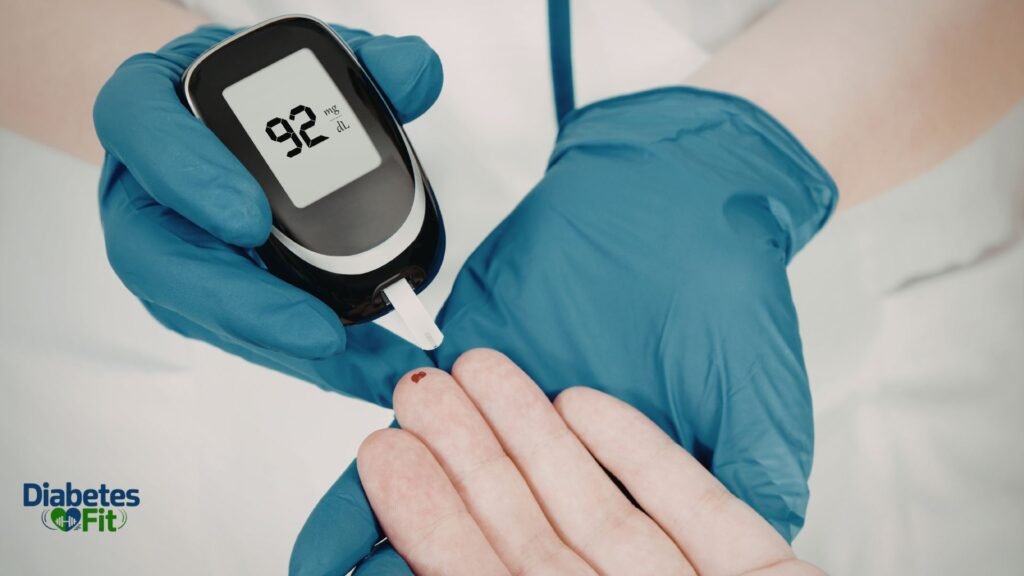
What Is Hypoglycemia?
Hypoglycemia occurs when blood glucose levels fall below 70 mg/dL (3.9 mmol/L). At this level, the brain and body don’t have enough fuel to function normally. Symptoms appear quickly and can escalate quickly.
Common Causes of Low Blood Sugar
- Too much insulin — Taking more than needed, or insulin peaking at the wrong time
- Skipping or delaying meals — Going too long without eating after taking medication
- Unplanned exercise — Physical activity burns glucose faster than expected
- Alcohol consumption — Alcohol blocks the liver from releasing stored glucose
- Certain diabetes medications — Sulfonylureas (like glipizide and glibenclamide) can trigger hypoglycemia
Hypoglycemia Severity Levels
| Level | Blood Sugar | Symptoms | Action Needed |
| Mild | 54–70 mg/dL | Shakiness, sweating, hunger, anxiety | Glucose tablets, juice, or sugar |
| Moderate | 40–54 mg/dL | Confusion, difficulty concentrating, pale skin | Glucose tablets immediately |
| Severe | Below 40 mg/dL | Seizures, loss of consciousness, inability to swallow | Emergency services (glucagon injection or IV glucose) |
Never ignore mild hypoglycemia. Without treatment, it can escalate to moderate or severe within 15–30 minutes.
How Glucose Tablets Work in Your Body
When you chew a glucose tablet, the dextrose dissolves in your mouth and begins absorbing through the mucous membranes almost immediately. The rest moves to your stomach and small intestine, where it’s absorbed directly into the bloodstream with minimal processing.
Because there’s no fat, fiber, or protein to slow absorption, dextrose from glucose tablets can raise blood sugar measurably within 5–10 minutes and reach peak effect in 15–20 minutes.
Compare this to:
| Treatment | Time to Raise Blood Sugar |
| Glucose tablets (dextrose) | 5–15 minutes |
| Regular soda (4 oz) | 10–20 minutes |
| Orange juice (4 oz) | 10–20 minutes |
| Fruit snacks or gummy candy | 15–25 minutes |
| Chocolate bar | 20–40 minutes (fat slows absorption) |
| Regular food (meal) | 30–60+ minutes |
This speed advantage is exactly why diabetes educators and endocrinologists consistently recommend glucose tablets for low blood sugar treatment as the first-line option.
The 15-15 Rule: How to Use Glucose Tablets Correctly
The standard medical guideline for treating mild to moderate hypoglycemia is called the 15-15 Rule. It’s simple, effective, and endorsed by the American Diabetes Association (ADA).
Here’s How It Works:
Step 1: As soon as you notice symptoms or your blood sugar reads below 70 mg/dL, take 15 grams of fast-acting carbohydrates. That equals 3–4 glucose tablets (depending on the brand; check the label).
Step 2: Wait 15 minutes without eating anything else. This gives the glucose tablets time to absorb and raise your blood sugar.
Step 3: Check your blood sugar again. If it’s still below 70 mg/dL — repeat the process. Take another 15 grams and wait another 15 minutes.
Step 4: Once blood sugar is above 70 mg/dL and symptoms have improved, eat a small snack containing both carbohydrates and protein (like peanut butter on whole grain crackers). This prevents blood sugar from dropping again.
Important: Don’t Eat Too Much
One of the most common mistakes people make during a hypoglycemic episode is eating too much too quickly. When you’re shaking and scared, it’s tempting to eat everything in sight. But this leads to rebound hyperglycemia — blood sugar swinging from dangerously low to dangerously high. Glucose tablets help you dose precisely and avoid this problem.
How Many Glucose Tablets Should You Take?
The answer depends on the brand and size of tablet, but the goal is always 15 grams of fast-acting carbohydrates for the first treatment.
| Brand | Carbs Per Tablet | Tablets Needed for 15g |
| BD Glucose Tablets | 5g per tablet | 3 tablets |
| Dex4 Glucose Tablets | 4g per tablet | 4 tablets |
| TRUEplus Glucose Tablets | 4g per tablet | 4 tablets |
| Glucolift | 4g per tablet | 4 tablets |
| ReliOn (Walmart) | 4g per tablet | 4 tablets |
| Generic pharmacy brands | 4–5 g per tablet | 3–4 tablets |
Always read the label on your specific brand. The carbohydrate content per tablet varies slightly, so don’t assume — check.
For children: The general rule is 0.3 grams of carbohydrate per kilogram of body weight. A child weighing 30 kg would need about 9 grams — roughly 2 tablets. Always follow your pediatrician’s or diabetes care team’s specific guidance for children.
Best Glucose Tablets for Low Blood Sugar: Top Options
Not all glucose tablets are created equal. Some dissolve faster, taste better, or are easier to carry. Here’s a breakdown of the most trusted options:

1. Dex4 Glucose Tablets
One of the most widely used brands. Available in multiple flavors (tropical fruit, raspberry, orange, grape). Each tablet provides 4 grams of carbohydrates. They dissolve quickly and have a pleasant taste, making them easier to take when you’re feeling unwell.
2. BD Glucose Tablets
Made by Becton Dickinson. Each tablet contains 5 grams of dextrose, so you only need 3 for a 15-gram dose. These are a good option for people who dislike chewing multiple tablets.
3. TRUEplus Glucose Tablets
Affordable and widely available at pharmacies. Comes in raspberry, orange, and grape flavors. Good option for everyday carry.
4. Glucolift Glucose Tablets
A popular choice among people who prioritize natural ingredients. Made without artificial dyes or flavors. Available in wild cherry, orange cream, and unflavored versions.
5. ReliOn Glucose Tablets (Walmart Brand)
Budget-friendly and easily available at Walmart. 4 grams per tablet. A practical everyday option for cost-conscious users.
What to Look for When Choosing Glucose Tablets
- Carbs per tablet — Higher per tablet means fewer to chew during an episode
- Taste and texture — You’re more likely to carry and use tablets you actually like
- Portability — Look for resealable tubes or pocket-sized packaging
- Ingredients — If you have sensitivities, check for artificial dyes or corn syrup
When to Use Glucose Tablets vs. Other Treatments
Glucose tablets for low blood sugar are the best first-line treatment in most situations — but there are times when other options may be more appropriate.
Use Glucose Tablets When:
- Blood sugar is between 54–70 mg/dL with mild symptoms
- You’re conscious and able to chew and swallow safely
- You’re away from home or don’t have food available
- You need a precise, measured dose to avoid overcorrecting
Use Juice or Regular Soda When:
- Glucose tablets are unavailable
- You need something liquid (if your mouth is very dry or if swallowing is difficult)
- 4 oz (½ cup) of orange juice or regular (not diet) soda provides about 15 grams of carbs
Use Glucagon Kit or Nasal Glucagon When:
- Blood sugar is severely low (below 40 mg/dL)
- The person is unconscious, seizing, or cannot swallow
- This requires a prescription — caregivers and family members of diabetics should have one on hand and know how to use it
Call Emergency Services (911) When:
- The person is unconscious, and glucagon is unavailable
- Seizures are occurring
- The person does not recover within 15 minutes of treatment
Where to Keep Glucose Tablets: A Practical Storage Guide
One of the biggest advantages of glucose tablets for low blood sugar is their portability and shelf stability. Unlike food, they don’t spoil, melt, or get crushed easily. But they need to be accessible — an emergency supply in your car or at home does no good if you collapse at the grocery store.
Places to store glucose tablets:
- Purse or handbag — The most important location for daily carry
- Pants pocket or jacket pocket — Keep a small tube for quick access
- Bedside table — Nocturnal hypoglycemia is common and dangerous
- Car glove compartment — Emergencies happen when you’re driving
- Desk at work — For episodes during work hours
- Gym bag — Exercise-induced hypoglycemia is a real risk
- Child’s school backpack — Teachers and school nurses should also know where they are
Storage tips:
- Keep out of excessive heat (above 77°F/25°C) — tablets can soften
- Check expiration dates every 6 months
- Replace immediately after use — never leave yourself without a supply
Glucose Tablets and Children With Diabetes
Children with type 1 diabetes are especially vulnerable to hypoglycemia because their smaller bodies respond more dramatically to blood sugar changes. Glucose tablets for low blood sugar in children follow the same 15-15 rule, but with adjusted doses based on body weight.
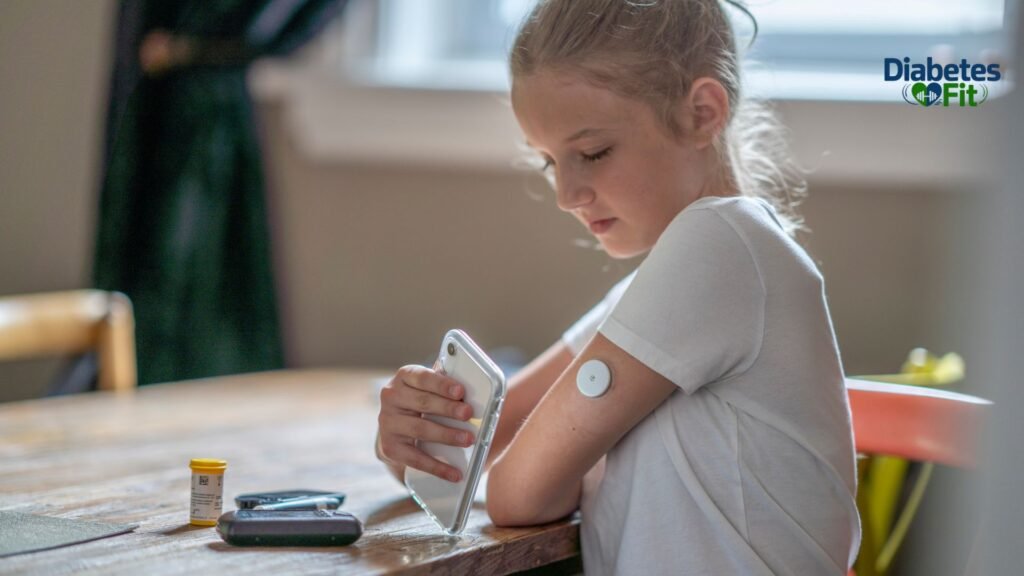
Key considerations for children:
- Taste matters — Kids are more likely to take tablets regularly if they like the flavor. Dex4 and Glucolift offer kid-friendly flavors.
- Training is essential — Children should be taught to recognize their own hypoglycemia symptoms as early as possible (typically by age 7–8)
- School planning — Work with your child’s school to ensure glucose tablets are always accessible in the classroom and with the nurse
- Teachers and caregivers should be trained on what hypoglycemia looks like and how to help
Common Mistakes to Avoid When Using Glucose Tablets
Even people who’ve been managing diabetes for years make these errors:
| Mistake | Why It’s a Problem | What to Do Instead |
| Waiting too long to treat | Blood sugar drops further while you wait | Treat at 70 mg/dL — don’t wait for symptoms to worsen |
| Taking too many tablets | Causes rebound hyperglycemia | Stick to 15g, wait 15 min, then recheck |
| Eating a full meal right away | Complicates blood sugar tracking | Eat a small carb + protein snack after recovery |
| Not rechecking after 15 minutes | You may still be low | Always recheck — don’t assume you’re fine |
| Carrying expired tablets | May be less effective | Check dates every 6 months and replace |
| Not carrying tablets at all | Leaves you vulnerable | Make it a non-negotiable daily habit |
Other Fast-Acting Carb Options When Glucose Tablets Aren’t Available
If you’re ever caught without glucose tablets, here are medically approved alternatives — each providing approximately 15 grams of fast-acting carbohydrates:
- 4 oz (½ cup) of orange juice
- 4 oz (½ cup) of regular soda (not diet)
- 1 tablespoon of sugar or honey
- 3–4 hard candies (check label — look for 4–5g carbs each)
- 1 small box of raisins (small snack-size box ≈ 15g)
- Glucose gel packets (available at most pharmacies, same dosing principle)
What not to use: Chocolate, peanut butter, crackers, or anything with significant fat or protein. These slow glucose absorption and delay recovery.
Frequently Asked Questions
How fast do glucose tablets raise blood sugar?
Glucose tablets begin raising blood sugar within 5–10 minutes of being chewed and swallowed. Peak effect is typically reached within 15–20 minutes. That’s why the 15-15 rule asks you to wait 15 minutes before rechecking — the tablets need that time to fully absorb and take effect.
Can non-diabetics use glucose tablets?
Yes. Anyone experiencing hypoglycemia — from intense exercise, fasting, certain medications, or reactive hypoglycemia — can safely use glucose tablets. However, if you’re experiencing recurrent low blood sugar episodes without a diabetes diagnosis, see your doctor to identify the underlying cause.
Can you take too many glucose tablets?
Yes. Taking more than needed causes blood sugar to overshoot — a condition called rebound hyperglycemia. This can leave you feeling unwell and complicate your diabetes management. Always start with 15 grams (3–4 tablets), wait 15 minutes, recheck, and only take more if blood sugar is still below 70 mg/dL.
Are glucose tablets safe during pregnancy?
Yes — glucose tablets are generally safe for pregnant women with gestational diabetes or type 1/type 2 diabetes experiencing hypoglycemia. However, dosing and blood sugar targets during pregnancy differ from standard guidelines. Always follow your OB or endocrinologist’s specific recommendations during pregnancy.
Do glucose tablets expire?
Yes. Most glucose tablets have a shelf life of 2–3 years. Expired tablets may still work, but their potency and texture can degrade. Check expiration dates every six months and replace any expired supplies promptly. Never rely on expired tablets in an emergency.
Can I use glucose tablets if I’m on a low-carb or keto diet?
This is nuanced. If you have diabetes and are following a low-carb diet, you may still experience hypoglycemia — especially if on insulin or sulfonylureas. In that case, yes, you should still carry and use glucose tablets for emergencies. The 15 grams of carbohydrates in a treatment dose will not derail ketosis long-term.
Are glucose tablets the same as glucose gels?
Both contain dextrose and work similarly, but glucose gels are in liquid form — making them easier to use for someone who is semi-conscious or has difficulty chewing. Gels are often used in pediatric hypoglycemia management and in situations where tablets can’t be swallowed safely. In a standard mild-to-moderate episode, tablets and gels are equally effective.
Conclusion
Hypoglycemia moves fast. Symptoms can go from mild to dangerous in 15–30 minutes, and in those moments, having the right tool immediately available can make all the difference.
Glucose tablets for low blood sugar are not just a convenience — they’re a medical essential for anyone managing diabetes or at risk of hypoglycemic episodes. They work faster than food, provide a precisely measured dose, travel anywhere, and are available without a prescription at virtually every pharmacy.
The message is simple: know your symptoms, follow the 15-15 rule, always keep glucose tablets within arm’s reach, and never wait for hypoglycemia to get “bad enough” before treating it.
If you’ve been relying on candy or juice during episodes, consider making the switch to glucose tablets. Your response time, your accuracy, and your safety will all improve.
Share this guide with someone who manages diabetes — a family member, a coworker, a friend. The more people around a diabetic person who understand hypoglycemia, the safer that person is every single day.
This article is for informational purposes only and does not replace professional medical advice. Always consult your doctor or diabetes care team for personalized treatment guidance.

David Miller: I am a health and wellness writer focused on diabetes awareness, blood sugar control, and healthy living. I creates clear, practical content to help readers make better everyday health choices. I write evidence-based articles about diabetes, diet, and healthy living. My goal is to simplify complex health topics using trusted sources like WHO and medical journals.