< Blog -

Category: Blog

  • 7 Blood Sugar Level Chart Facts With No Guesswork That Could Save Your Life

    7 Blood Sugar Level Chart Facts With No Guesswork That Could Save Your Life

    Most people have no idea what their blood sugar numbers actually mean. You get a lab result, see a number, and have no clue if it is good, bad, or somewhere in between. That confusion is dangerous — because blood sugar that stays too high or too low for too long causes serious, permanent damage to your kidneys, eyes, nerves, and heart. A blood sugar level chart eliminates that confusion. 

    It gives you a clear reference point so you know exactly where you stand and what action to take. Whether you have diabetes, prediabetes, or you are simply being proactive about your health, understanding your numbers is the single most important thing you can do. This guide explains everything in plain, simple language — no medical degree required.

    If you’re wondering how certain foods affect blood sugar, check out our detailed postIs Sweet Potato Good for Diabetes?.

    What Is Blood Sugar and Why Does It Matter?

    Blood sugar — also called blood glucose — is the amount of glucose circulating in your bloodstream at any given moment. Glucose is your body’s primary fuel source. Every cell in your body runs on it, especially your brain.

    When you eat carbohydrates, your digestive system breaks them down into glucose. That glucose enters the bloodstream, triggering your pancreas to release insulin. Insulin acts like a key — it unlocks your cells so glucose can enter and be used for energy.

    When this system works properly, blood sugar rises after eating and returns to a normal range within a couple of hours. When it does not work properly — either because the pancreas makes too little insulin or because cells stop responding to it — glucose builds up in the blood. That buildup, over time, is what causes the damage associated with diabetes.

    This is exactly why a blood sugar level chart matters so much. It tells you whether your glucose is being managed properly or whether something is going wrong.

    Blood Sugar Level Chart: Complete Reference Guide

    Here is the standard blood sugar level chart used by doctors and the American Diabetes Association (ADA). These numbers apply to most non-pregnant adults.

    Fasting Blood Sugar (No food for at least 8 hours)

    CategoryBlood Sugar Level (mg/dL)Blood Sugar Level (mmol/L)
    Normal70 – 99 mg/dL3.9 – 5.5 mmol/L
    Prediabetes100 – 125 mg/dL5.6 – 6.9 mmol/L
    Diabetes126 mg/dL or above7.0 mmol/L or above
    Hypoglycemia (Low)Below 70 mg/dLBelow 3.9 mmol/L

    Post-Meal Blood Sugar (2 hours after eating)

    CategoryBlood Sugar Level (mg/dL)Blood Sugar Level (mmol/L)
    NormalBelow 140 mg/dLBelow 7.8 mmol/L
    Prediabetes140 – 199 mg/dL7.8 – 11.0 mmol/L
    Diabetes200 mg/dL or above11.1 mmol/L or above

    Random Blood Sugar (Any time of day)

    CategoryBlood Sugar Level (mg/dL)
    Normal range70 – 140 mg/dL
    Concern zone140 – 199 mg/dL
    Diabetes indicator200 mg/dL or above with symptoms

    Blood Sugar Level Chart by Age Group

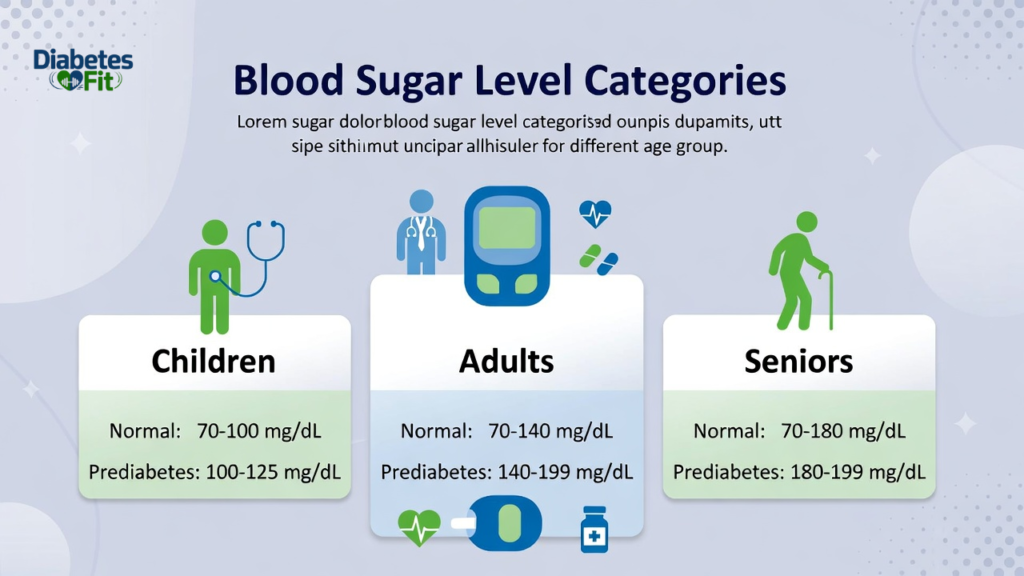
    This is where it gets more nuanced. Blood sugar targets are not identical for everyone. Age, health status, and individual risk factors all affect what your doctor considers an acceptable range.
    Blood Sugar Level Chart

    Children and Teenagers (Under 18)

    Time of TestingTarget Range (mg/dL)
    Before meals90 – 130 mg/dL
    After meals (1–2 hrs)Below 180 mg/dL
    Bedtime90 – 150 mg/dL

    Children with Type 1 diabetes often have slightly higher targets to reduce the risk of dangerous nighttime hypoglycemia.

    Adults (18–59 years)

    Time of TestingTarget Range (mg/dL)
    Fasting / Before meals80 – 130 mg/dL
    After meals (2 hrs)Below 180 mg/dL
    Bedtime100 – 140 mg/dL

    Older Adults (60 years and above)

    Time of TestingTarget Range (mg/dL)
    Fasting / Before meals80 – 140 mg/dL
    After meals (2 hrs)Below 200 mg/dL
    Bedtime100 – 160 mg/dL

    Older adults have slightly relaxed targets because the risk of hypoglycemia — which can cause falls, confusion, and cardiac events — is higher and more dangerous in this age group.

    HbA1c Chart: The 3-Month Blood Sugar Average

    A single blood sugar reading only tells you what is happening right now. The HbA1c test tells you what your average blood sugar has been over the past 2–3 months. It is one of the most important tests for diagnosing and managing diabetes.

    HbA1c LevelWhat It MeansEstimated Average Glucose
    Below 5.7%NormalBelow 117 mg/dL
    5.7% – 6.4%Prediabetes117 – 137 mg/dL
    6.5% or aboveDiabetes140 mg/dL or above
    Below 7.0%Well-controlled diabetesBelow 154 mg/dL
    7.0% – 8.0%Acceptable (some patients)154 – 183 mg/dL
    Above 8.0%Poorly controlled — action neededAbove 183 mg/dL

    Most doctors aim for an HbA1c below 7.0% in diabetic patients. However, for older adults or those with frequent hypoglycemia, a target of 7.5–8.0% may be more appropriate.

    What Happens When Blood Sugar Goes Too High?

    High blood sugar — called hyperglycemia — does not always feel dramatic in the short term. That is what makes it so dangerous. Many people walk around with elevated glucose for months or years without obvious symptoms.
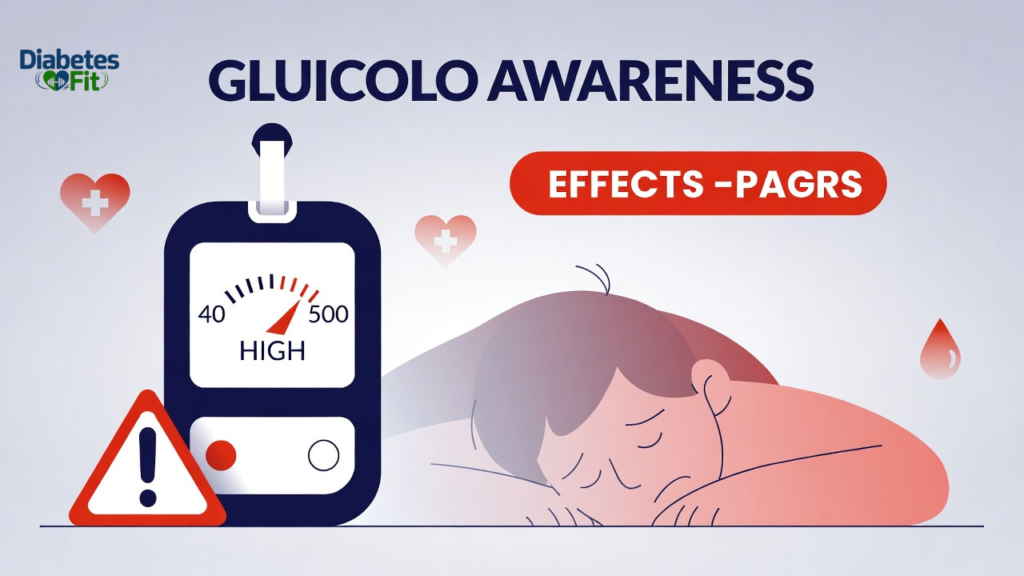
    Blood Sugar Level Chart

    Short-term signs of high blood sugar:

    • Frequent urination, especially at night
    • Intense thirst that water does not seem to fix
    • Blurry vision
    • Fatigue and sluggishness
    • Slow-healing cuts or bruises
    • Headaches

    Long-term damage from chronically high blood sugar:

    • Diabetic neuropathy — nerve damage causing tingling, numbness, or pain in the feet and hands
    • Retinopathy — damage to blood vessels in the eyes, leading to vision loss
    • Nephropathy — kidney damage that can progress to kidney failure
    • Cardiovascular disease — high glucose damages artery walls, dramatically increasing heart attack and stroke risk
    • Diabetic foot complications — poor circulation and nerve damage that can lead to amputations in severe cases

    A real-life example: James, a 52-year-old office worker, had a fasting blood sugar of 138 mg/dL for two years but felt completely fine. He skipped follow-up appointments. By the time he was properly diagnosed with Type 2 diabetes, early-stage kidney damage had already begun. Regular monitoring of a blood sugar level chart could have caught this years earlier.

    What Happens When Blood Sugar Goes Too Low?

    Low blood sugar — called hypoglycemia — is defined as a blood sugar reading below 70 mg/dL. Unlike high blood sugar, hypoglycemia causes immediate, noticeable symptoms that demand quick action.

    Symptoms of hypoglycemia:

    • Shakiness or trembling
    • Sweating
    • Rapid heartbeat
    • Dizziness or lightheadedness
    • Sudden intense hunger
    • Confusion or difficulty concentrating
    • Pale skin
    • In severe cases — seizures or loss of consciousness

    The 15-15 Rule for treating mild hypoglycemia:

    1. Eat or drink 15 grams of fast-acting carbohydrates (4 glucose tablets, half a cup of fruit juice, or 3–4 hard candies)
    2. Wait 15 minutes
    3. Recheck your blood sugar
    4. If still below 70 mg/dL, repeat

    Always follow up with a small snack containing protein and complex carbs to stabilize your levels.

    How to Use a Blood Sugar Level Chart in Real Life

    Knowing the numbers on a blood sugar level chart is only useful if you act on them. Here is a practical system that works:

    Step 1: Know When to Test

    • Fasting test: First thing in the morning, before eating or drinking anything except water
    • Pre-meal test: 5–10 minutes before eating
    • Post-meal test: Exactly 2 hours after the first bite of food
    • Bedtime test: Before going to sleep, especially if on insulin

    Step 2: Record Every Reading

    Keep a simple log — a notebook, a phone app, or a spreadsheet. Write down the time, what you ate, and your reading. Patterns emerge quickly. You will start seeing which foods spike your glucose and which keep it stable.

    Step 3: Know Your Personal Targets

    Your doctor may give you targets that differ slightly from the standard blood sugar level chart — especially if you are elderly, pregnant, or managing another health condition. Always work from your personalized targets.

    Step 4: Act on Abnormal Readings

    • One high reading — not usually a crisis; check what you ate and monitor closely
    • Two or more high readings in a row — contact your doctor
    • Consistently high readings over a week — medication adjustment may be needed
    • Any reading below 70 mg/dL — treat immediately with the 15-15 rule

    Factors That Affect Blood Sugar Readings

    Even with perfect monitoring, blood sugar does not follow a perfectly predictable script. Here are common factors that move the numbers:

    Things that raise blood sugar:

    • Eating high-carb or high-sugar foods
    • Physical or emotional stress (cortisol raises glucose)
    • Illness or infection
    • Certain medications (steroids, some antidepressants)
    • Dehydration
    • Poor sleep (even one bad night raises fasting glucose)

    Things that lower blood sugar:

    • Physical exercise (muscles absorb glucose without insulin)
    • Fasting or skipping meals
    • Alcohol (especially on an empty stomach)
    • Diabetes medications and insulin
    • Hot weather or hot baths (increases insulin absorption)

    Practical Tips to Keep Your Blood Sugar in the Healthy Range
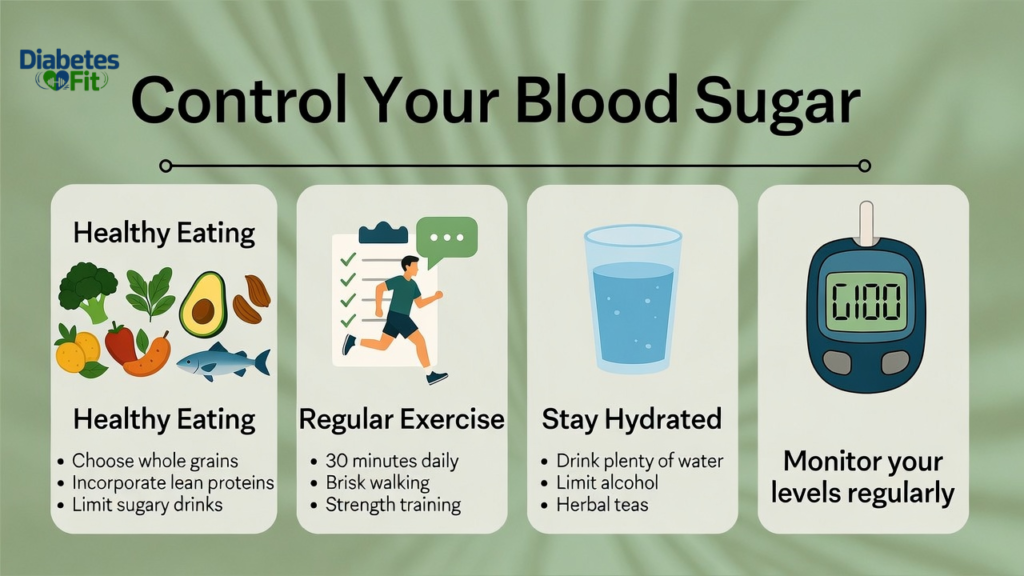
    Blood Sugar Level Chart
    • Eat fiber first — start every meal with vegetables or a salad; fiber slows glucose absorption dramatically
    • Walk after meals — a 10-minute walk after eating reduces post-meal blood sugar spikes by up to 22%, according to research in Sports Medicine.e
    • Stay hydrated — dehydration concentrates blood glucose; aim for 8 glasses of water per day
    • Sleep 7–9 hours — poor sleep raises cortisol and growth hormone, both of which elevate blood sugar
    • Manage stress actively — meditation, deep breathing, and regular exercise all reduce cortisol, and help stabilize glucose.
    • Eat smaller, more frequent meals — large meals cause larger glucose spikes; spreading food intake across the day smooths the curve.e
    • Limit refined carbs — white bread, white rice, sugary drinks, and pastries cause the fastest, highest glucose spik.es

    Conclusion

    A blood sugar level chart is not just a tool for diabetics. It is a roadmap for anyone who wants to understand their metabolic health, catch problems early, and take action before damage occurs. The numbers on a blood sugar level chart are not just data points — they are early warning signals that your body is sending you.

    Whether your fasting glucose is 95 or 115, whether your HbA1c is 5.4% or 6.8%, knowing where you stand gives you the power to do something about it. Regular monitoring, combined with smart lifestyle choices, is how millions of people successfully manage blood sugar every single day.

    Do not wait for symptoms. Do not wait for a crisis. Check your numbers, understand your blood sugar level chart, and take one small action today — whether that is a post-meal walk, a dietary swap, or simply booking that overdue check-up.

    Your numbers tell a story. Make sure it is one with a good ending.

    For a more detailed breakdown of normal blood sugar ranges by age, you can also check this helpful guide onHealthline.

    Frequently Asked Questions 

    What is a normal blood sugar level chart reading for a healthy adult? 

    For a healthy adult, a normal fasting blood sugar is between 70 and 99 mg/dL. Two hours after eating, it should be below 140 mg/dL. An HbA1c below 5.7% confirms long-term normal glucose regulation.

    What blood sugar level is considered dangerous? 

    A blood sugar above 300 mg/dL is considered dangerously high and requires immediate medical attention. Below 54 mg/dL is a severe hypoglycemic emergency. Both extremes can be life-threatening without prompt treatment.

    What is a good blood sugar level in the morning? 

    A healthy fasting blood sugar in the morning is between 70–99 mg/dL for non-diabetics. For people managing diabetes, most doctors target 80–130 mg/dL before breakfast.

    How often should I check my blood sugar? 

    It depends on your condition. People with Type 1 diabetes may test 4–10 times daily. Type 2 diabetics on medication often test 1–2 times daily. Those monitoring for prediabetes may only need weekly checks. Ask your doctor for a personalized schedule.

    Can stress affect blood sugar readings? 

    Yes, significantly. Physical and emotional stress triggers the release of cortisol and adrenaline, both of which raise blood glucose. A stressful day at work can raise fasting blood sugar by 20–40 mg/dL in some people.

    What is the difference between fasting and random blood sugar? 

    Fasting blood sugar is measured after at least 8 hours without food and gives a baseline reading. Random blood sugar can be measured at any time and is used when diabetes symptoms are present — a reading above 200 mg/dL with symptoms strongly indicates diabetes.

    Can I lower my blood sugar naturally without medication? 

    In early prediabetes, yes. Regular exercise, a low-glycemic diet, weight loss of even 5–7% of body weight, and improved sleep have all been shown to bring prediabetic blood sugar levels back into the normal range without medication. However, established diabetes usually requires medical treatment alongside lifestyle changes.

  • Are Bananas Good for Diabetics? Stop Avoiding Them Until You Read This

    Are Bananas Good for Diabetics? Stop Avoiding Them Until You Read This

    Bananas are one of the most loved fruits in the world — cheap, filling, and naturally sweet. But if you have diabetes, you’ve probably been told to avoid them. Maybe your doctor mentioned the sugar content. Maybe you read somewhere that bananas spike blood sugar. So you stand in the produce aisle wondering: are bananas good for diabetics, or should I just walk past them every time? 

    The honest answer is more encouraging than you might expect. Bananas are not the forbidden fruit for diabetics that many people believe. Like most foods, the truth lies in the details — ripeness, portion size, timing, and what you eat alongside them. This article gives you the full, medically accurate picture so you can make a smart, confident decision about bananas and your diabetes management.

    While bananas contain natural sugars, they can still be enjoyed in moderation by many people with diabetes. If you notice unusual symptoms after eating sugary foods, read Is Feeling Sick After Eating Sugar a Sign of Diabetes? for more insights.

    Are Bananas Good for Diabetics? Let’s Look at the Nutrition First

    Before making any judgment, it’s worth understanding exactly what a banana contains. Because when people say “bananas are full of sugar,” they’re only telling half the story.

    Here’s the full nutritional profile of a medium banana (approximately 118g):

    NutrientAmount
    Calories105
    Total Carbohydrates27g
    Natural Sugars14g
    Dietary Fiber3.1g
    Resistant Starch (unripe)Up to 6g
    Protein1.3g
    Fat0.4g
    Potassium422mg (12% DV)
    Vitamin B60.4mg (25% DV)
    Vitamin C10.3mg (11% DV)
    Magnesium31.9mg (8% DV)

    Yes, bananas contain carbohydrates and natural sugars. But they also contain fiber, resistant starch, potassium, magnesium, and vitamin B6 — all nutrients that matter significantly for people managing diabetes.

    The glycemic index (GI) of a banana ranges from 42 to 62, depending on ripeness. That puts ripe bananas in the low-to-medium GI range — lower than white bread (75), white rice (72), and many breakfast cereals (70+). So the idea that bananas are a high-sugar disaster for diabetics doesn’t hold up when you look at the actual data.

    The Ripeness Factor: This Changes Everything for Diabetics

    Here’s something most people don’t know — and it’s genuinely one of the most important facts about bananas and blood sugar.

    The riper the banana, the higher its glycemic index.

    When a banana is unripe (still slightly green), most of its carbohydrates exist as resistant starch — a type of carbohydrate your body cannot fully digest. Resistant starch behaves more like fiber than sugar. It passes through your digestive system slowly, barely raises blood sugar, and actually feeds beneficial gut bacteria.

    As a banana ripens and turns yellow, then speckled, then fully brown, that resistant starch gradually converts into simple sugars. The banana gets sweeter, softer, and faster-digesting — which means a quicker, higher blood sugar response.

    Here’s how ripeness affects the glycemic index:

    Banana RipenessAppearanceGlycemic IndexBest for Diabetics?
    UnripeMostly green~42 (Low)Yes — best choice
    Slightly ripeYellow with green tips~48 (Low)Yes — good choice
    Fully ripeAll yellow~57 (Medium)Yes — in moderation
    Very ripeYellow with brown spots~62 (Medium)Eat a smaller portion
    OverripeMostly brown~65–70 (Medium-High)Limit or avoid

    Practical takeaway: For diabetics, a slightly underripe or just-ripe banana is a significantly better choice than a soft, overripe one. Choose bananas with a little green still on the peel when possible.

    How Are Bananas Good for Diabetics? The Real Benefits

    People ask if bananas are good for diabetics, mostly out of concern, but the real question should also include the potential benefits bananas offer people managing blood sugar. And those benefits are genuine.

    Are Bananas Good for Diabetics?

    1. Resistant Starch Improves Insulin Sensitivity

    Unripe and slightly ripe bananas are one of the best natural sources of resistant starch in a typical diet. Multiple studies have shown that resistant starch improves insulin sensitivity — meaning your body needs less insulin to manage the same amount of glucose. For people with Type 2 diabetes, this is a meaningful benefit.

    2. Fiber Slows Glucose Absorption

    Even ripe bananas contain about 3 grams of dietary fiber per medium fruit. Fiber slows down how quickly sugar enters the bloodstream, creating a gentler, more gradual glucose rise rather than a sharp spike. This buffering effect is exactly what diabetics need from their food.

    3. Potassium Supports Kidney and Heart Health

    People with diabetes face a significantly higher risk of kidney disease and cardiovascular disease. Bananas are one of the richest everyday sources of potassium — a mineral that helps regulate blood pressure, supports proper kidney function, and protects heart health. One medium banana provides about 12% of your daily potassium needs.

    4. Magnesium Helps Blood Sugar Regulation

    Magnesium is a mineral that plays a direct role in insulin function and glucose metabolism. Research has consistently found that people with Type 2 diabetes tend to have lower magnesium levels than people without diabetes. Bananas provide a meaningful amount of magnesium per serving, making them a useful dietary source for pdeficient people

    5. Vitamin B6 Supports Nerve Health

    Diabetic neuropathy — nerve damage caused by long-term high blood sugar — is one of the most common and uncomfortable complications of diabetes. Vitamin B6 supports healthy nerve function and is involved in over 100 enzyme reactions in the body. One medium banana provides 25% of your daily B6 needs.

    6. Natural Energy Without Processed Sugar

    Many diabetics struggle with energy management — blood sugar dips leave them reaching for quick fixes that often make things worse. A small banana with some protein (like a handful of almonds or a spoonful of peanut butter) provides a controlled, natural energy source without the artificial ingredients, preservatives, or added sugars found in most packaged snacks.

    What the Research Actually Says About Bananas and Diabetes

    So, are bananas good for diabetics according to science? Let’s look at what studies show:

    Are Bananas Good for Diabetics?
    • A study published in Nutrition & Metabolism found that daily consumption of resistant starch (the kind abundant in unripe bananas) improved insulin sensitivity in people with metabolic syndrome — a condition closely linked to Type 2 diabetes.
    • Research from the Diabetes Care journal has repeatedly confirmed that low-to-medium GI foods — which include bananas — are associated with better long-term blood sugar control compared to high-GI diets.
    • A large review published in BMJ found that higher fruit consumption overall — including tropical fruits like bananas — was associated with a reduced risk of developing Type 2 diabetes, not an increased one.
    • Studies specifically looking at resistant starch and gut health show that it promotes the growth of beneficial gut bacteria, which play an emerging role in blood sugar regulation and metabolic health.

    The consistent message from research is clear: bananas, eaten in appropriate portions, do not worsen diabetes outcomes — and in several ways, they actively support better metabolic health.

    Portion Size: The Most Important Variable for Diabetics

    Here’s where many diabetics go wrong — not with whether they eat bananas, but how much they eat at once.

    A large banana can contain 35–40 grams of carbohydrates. For someone carefully managing blood sugar, eating a whole large banana as a snack on an empty stomach is very different from eating half a small banana with a protein-rich meal.

    Portion guidelines for diabetics:

    • Small banana (6 inches, ~100g): ~23g carbs — generally safe for most diabetics as a snack
    • Medium banana (7–8 inches, ~118g): ~27g carbs — fine with protein or fat alongside
    • Large banana (9+ inches, ~136g): ~31g carbs — better split into two portions
    • Half a medium banana: ~13g carbs — excellent option for stricter blood sugar management

    A helpful rule of thumb: one small to medium banana per sitting, paired with a protein source, is the sweet spot for most people with well-managed Type 2 diabetes. People with Type 1 diabetes or those on insulin should monitor their individual response carefully.

    The Best Ways for Diabetics to Eat Bananas

    Are bananas good for diabetics when eaten alone? They can be — but pairing strategies dramatically improve the blood sugar outcome.

    Are Bananas Good for Diabetics?

    Smart Pairing Ideas:

    • Banana + peanut butter — the protein and fat in peanut butter slow glucose absorption significantly
    • Banana + Greek yogurt — protein-rich, filling, and the probiotics support gut health
    • Banana + a small handful of walnuts or almonds — healthy fats buffer the sugar response
    • Banana in a smoothie with spinach, protein powder, and almond milk — fiber, protein, and fat dilute the glycemic impact
    • Half a banana sliced over oatmeal — the beta-glucan fiber in oats plus banana fiber creates excellent blood sugar stability

    What to Avoid:

    • Eating a large ripe banana alone as a standalone snack on an empty stomach
    • Combining bananas with other high-sugar foods (banana + juice + sweetened yogurt = blood sugar disaster)
    • Using overripe bananas in baked goods sweetened with additional sugar
    • Banana chips — these are often fried and contain added sugar, making them far worse than fresh banana

    Timing Matters: When Should Diabetics Eat Bananas?

    When you eat a banana can affect how your blood sugar responds just as much as how much you eat.

    Best times for diabetics to eat bananas:

    • Before exercise: A small banana 30–60 minutes before physical activity provides controlled energy. Exercise itself helps muscles absorb glucose, reducing the blood sugar impact.
    • With breakfast: Pairing half a banana with eggs, Greek yogurt, or oatmeal creates a balanced morning meal with controlled glucose release.
    • As a mid-morning snack with protein: Better than processed snacks, and the mid-morning timing means you have the rest of the day to metabolize the glucose.

    Times to be more cautious:

    • Late evening as a standalone snack — metabolism slows at night and physical activity is reduced, making blood sugar management harder
    • Immediately after a high-carb meal, adding banana sugars on top of an already high glucose load isn’t ideal
    • First thing in the morning on an empty stomach — for some diabetics, the dawn phenomenon (naturally higher morning blood sugar) makes this timing more problematic.

    Real-Life Example: How One Diabetic Made Bananas Work

    Fatima, a 55-year-old with Type 2 diabetes, gave up bananas completely when she was first diagnosed. She missed them terribly — they were her go-to morning fruit for 30 years.

    After working with a registered dietitian, she learned a smarter approach. She started buying bananas while still slightly green, eating half a medium banana with a tablespoon of almond butter and a boiled egg each morning. She checked her blood sugar two hours after eating and was surprised to find it barely moved from her baseline.

    Today, Fatima eats half a banana with protein almost every morning. Her HbA1c has remained well controlled, and she’s no longer white-knuckling it past the fruit aisle. The difference wasn’t the banana — it was the approach.

    Which Fruits Are Better or Worse Than Bananas for Diabetics?

    To put bananas in a proper context, here’s how they compare to other common fruits:

    Are Bananas Good for Diabetics?
    FruitGlycemic IndexCarbs per ServingFiberDiabetic-Friendliness
    Cherries2012g (1 cup)1.6gExcellent
    Grapefruit2513g (half)2gExcellent
    Apple3625g (medium)4.4gVery Good
    Pear3827g (medium)5.5gVery Good
    Banana (unripe)4223g (small)3.1gGood
    Mango5125g (1 cup)2.6gModerate
    Grapes5328g (1 cup)1.4gModerate
    Pineapple5920g (1 cup)2.3gUse caution
    Watermelon7211g (1 cup)0.6gLimit
    Dates10318g (2 dates)1.6gLimit

    Bananas sit comfortably in the middle — better than many fruits people don’t think twice about, and far better than dried fruits, fruit juices, or dates commonly eaten as “natural” alternatives.

    Common Myths About Bananas and Diabetes — Debunked

    Myth 1: “Diabetics should never eat bananas.” False. Bananas have a low-to-medium glycemic index and contain fiber, resistant starch, and essential nutrients. Eaten in appropriate portions with protein or fat, they fit comfortably into a diabetic meal plan.

    Myth 2: “The sugar in bananas is just as bad as table sugar.” False. The natural sugars in bananas come packaged with fiber, resistant starch, vitamins, and minerals that significantly slow absorption and provide nutritional value. Table sugar offers none of these benefits.

    Myth 3: “Brown bananas are toxic for diabetics.” False — but they are higher GI. Overripe bananas have more simple sugars and less resistant starch. They’re not dangerous, but diabetics should eat smaller portions and pair them carefully.

    Myth 4: “Banana chips are a safer alternative.” False. Banana chips are typically deep-fried and often coated with added sugar or honey. They have far more calories, fat, and a higher glycemic impact than a fresh banana.

    Myth 5: “Fruit sugar (fructose) doesn’t affect blood sugar.” Partially false. While fructose doesn’t directly raise blood glucose the way glucose does, excess fructose is processed by the liver and can contribute to metabolic issues. However, the amounts in one banana are well within safe limits for most diabetics.

    Conclusion

    So, are bananas good for diabetics? Yes — with the right approach, they absolutely are. A slightly underripe or just-ripe small-to-medium banana, paired with protein or healthy fat, eaten at the right time of day, is a nutritious, satisfying, and blood-sugar-friendly food for most people managing diabetes.

    Are bananas good for diabetics who eat them carelessly — large, overripe, alone, on an empty stomach, multiple times a day? Probably not. But that’s true of almost any carbohydrate-containing food, including “health foods” like whole-grain bread or brown rice.

    The bottom line is this: Are bananas good for diabetics when eaten smartly? The research says yes, nutrition science says yes, and real-world experience from millions of people managing diabetes successfully while enjoying bananas says yes, too.

    Try this: Next time you’re at the store, pick up a bunch of bananas that still have some green on the peel. Eat half a small banana with a tablespoon of peanut butter as your afternoon snack this week. Check your blood sugar two hours later. You may be pleasantly surprised by what you find.

    Bananas contain natural sugars but also provide fiber and important nutrients that may help slow sugar absorption. According to Healthline, bananas can still be enjoyed by people with diabetes when eaten in moderation and as part of a balanced diet.

    Frequently Asked Questions 

    Are bananas good for diabetic,s or should they be avoided completely? 

    Bananas are good for diabetics when eaten in appropriate portions and paired with protein or healthy fat. They have a low-to-medium glycemic index, contain fiber and resistant starch, and provide important nutrients like potassium, magnesium, and vitamin B6. Total avoidance is unnecessary for most people with well-managed diabetes.

    How many bananas can a diabetic eat per day? 

    Most diabetics can safely eat one small to medium banana per day — ideally slightly underripe and paired with a protein source. People with stricter blood sugar targets may prefer half a banana per sitting. Always monitor your individual blood sugar response, as everyone’s glucose reaction varies.

    Which is better for diabetics — ripe or unripe bananas? 

    Unripe or slightly ripe bananas are better for diabetics. They contain more resistant starch, which behaves like fiber in the body and causes a much smaller blood sugar rise. As bananas ripen, resistant starch converts to simple sugars, raising the glycemic index from around 42 to over 60.

    Do bananas raise blood sugar quickly? 

    A slightly ripe banana has a low glycemic index of around 42–48, meaning it raises blood sugar slowly and moderately. Overripe bananas have a higher GI and raise blood sugar faster. Pairing any banana with protein or fat slows glucose absorption further, reducing the overall blood sugar impact.

    What is the best time for a diabetic to eat a banana? 

    The best times are before exercise, with breakfast as part of a balanced meal, or as a mid-morning snack with protein. Avoid eating bananas late at night as a standalone snack or immediately after another high-carbohydrate meal when blood sugar is already elevated.

    Are bananas good for diabetics with high blood pressure too? 

    Yes — bananas are particularly beneficial for diabetics who also have high blood pressure, which is a very common combination. Bananas are one of the richest everyday sources of potassium, a mineral that directly helps lower blood pressure by counteracting the effects of sodium and relaxing blood vessel walls.

  • Is Feeling Sick After Eating Sugar a Sign of Diabetes? What Your Body Is Really Telling You

    Is Feeling Sick After Eating Sugar a Sign of Diabetes? What Your Body Is Really Telling You

    You eat a slice of cake, drink a sugary soda, or enjoy a sweet dessert — and within an hour, you feel awful. Nauseous, dizzy, shaky, or just completely drained. It happens enough times that you start wondering: Is feeling sick after eating sugar a sign of diabetes? It’s a question more people are asking, and honestly, it deserves a real, thorough answer — not a vague “go see your doctor” brush-off. 

    The truth is, feeling sick after sugar can mean several different things. Sometimes it’s diabetes-related. Sometimes it’s something else entirely. But your body is always trying to tell you something — and learning to listen to those signals early could genuinely protect your long-term health. Let’s break it all down clearly.

    Sometimes, sudden blood sugar changes can make you feel sick. It may also be linked to dehydration. Read more about Dehydration and Low Blood Sugar.

    Is Feeling Sick After Eating Sugar a Sign of Diabetes? The Direct Answer

    Let’s not bury the lead. Yes — feeling sick after eating sugar can be a sign of diabetes or pre-diabetes. But it’s not the only possible explanation, and the full picture is more nuanced than a simple yes-or-no.

    When you eat sugar, your blood glucose rises. In a healthy person, the pancreas releases just the right amount of insulin to bring that glucose into cells for energy. The process is smooth, efficient, and symptom-free. You eat sugar, you get energy, you feel fine.

    But when something is wrong with that system — whether it’s insulin resistance, impaired insulin production, or reactive hypoglycemia — your body struggles to handle the glucose surge. The result? You feel sick.

    Here’s a quick overview of the main reasons for feeling sick after sugar, whether or not it may be diabetes-related:

    CauseDiabetes-Related?Key Feature
    Type 2 diabetes / pre-diabetesYesPersistent high blood sugar after meals
    Reactive hypoglycemiaSometimesBlood sugar spikes then crashes sharply
    Sugar intolerance/sensitivityNoDigestive symptoms, bloating, nausea
    Dumping syndromeNoRapid stomach emptying after eating
    Anxiety/stress responseNoAdrenaline triggered by a sugar spike
    Fructose malabsorptionNoBloating, gas, diarrhea after fructose
    Type 1 diabetesYesSevere glucose dysregulation

    So the answer depends heavily on how sick you feel, when it happens, and what other symptoms come with it.

    What Happens in Your Body When You Eat Sugar

    To understand why you might feel sick, it helps to understand what’s supposed to happen — and what goes wrong.

    Is Feeling Sick After Eating Sugar a Sign of Diabetes?

    The Normal Blood Sugar Response

    1. You eat something sweet
    2. Sugar (glucose) enters your bloodstream
    3. Blood glucose rises
    4. Your pancreas detects the rise and releases insulin
    5. Insulin acts like a key, unlocking your cells so glucose can enter
    6. Blood glucose returns to a normal, stable range
    7. You feel energized and satisfied

    This whole process typically takes 1–2 hours and should be largely symptom-free.

    When the System Breaks Down

    In people with insulin resistance (the core feature of Type 2 diabetes and pre-diabetes), cells don’t respond properly to insulin. It’s like the key doesn’t fit the lock as well as it used to. The pancreas compensates by pumping out more and more insulin — but eventually it can’t keep up. Blood sugar stays high. Cells don’t get energy efficiently. And the result is a cascade of uncomfortable symptoms.

    In people with Type 1 diabetes, the pancreas produces little or no insulin at all — meaning blood sugar can spike dangerously high after eating sugar without treatment.

    The Symptoms: What Does “Feeling Sick After Sugar” Actually Look Like?

    Not all post-sugar sickness feels the same. The specific symptoms you experience can point toward different underlying causes.

    Symptoms That May Signal Diabetes or Pre-Diabetes:

    • Extreme fatigue after eating sugar — your cells aren’t getting glucose efficiently despite the spike
    • Frequent urination shortly after a sugary meal — your kidneys are trying to flush excess glucose
    • Blurred vision — high blood sugar affects the lens of the eye temporarily
    • Increased thirst — high blood glucose pulls water from tissues
    • Headache after sugar — blood sugar dysregulation affects brain function
    • Brain fog — inability to think clearly after a sugar-heavy meal
    • Numbness or tingling — in advanced cases, high blood sugar affects nerves

    Symptoms More Likely to Suggest Reactive Hypoglycemia:

    Reactive hypoglycemia is when blood sugar spikes and then crashes sharply — often within 2–4 hours after eating sugar. It can happen in people who are pre-diabetic, but also in people with no diabetes at all.

    • Shakiness or trembling 2–3 hours after eating
    • Sudden sweating
    • Heart palpitations
    • Sudden intense hunger shortly after eating
    • Anxiety or irritability
    • Dizziness or lightheadedness
    • Feeling faint

    Real-life example: David, a 41-year-old accountant, started noticing he felt shaky and irritable every afternoon around 3 PM — about two hours after his lunchtime cola and pastry. He assumed he was just stressed at work. His doctor ran a glucose tolerance test and found he had reactive hypoglycemia with signs of early insulin resistance — a significant pre-diabetes warning sign. Changing his lunch completely resolved the afternoon crashes.

    Symptoms More Likely to Suggest Sugar Intolerance (Not Diabetes):

    • Bloating and gas within 30–60 minutes of eating sugar
    • Nausea without dizziness or shakiness
    • Diarrhea after sugary foods
    • Stomach cramping
    • No other systemic symptoms (no thirst, no urination changes, no fatigue lasting hours)

    Key Differences: Diabetes vs. Other Causes of Feeling Sick After Sugar

    Here’s a practical comparison to help you understand what might be going on:

    Symptom PatternMost Likely Cause
    Feel sick every time after ANY sugar, immediatelySugar intolerance or sensitivity
    Feel sick 2–4 hours after sugar, shaky and sweatyReactive hypoglycemia
    Feel tired and foggy after sugar, very thirstyPossible pre-diabetes or Type 2 diabetes
    Feel fine sometimes, sick other timesCould be portion-related or stress-triggered
    Feel sick after fruit, specificallyPossible fructose malabsorption
    Feel sick after milk-based sweetsPossible lactose intolerance (not diabetes)
    Consistently feel worse after every meal, not just sugarPossible Type 2 diabetes or GI condition

    Risk Factors: When Should You Take This More Seriously?

    Feeling sick after sugar occasionally isn’t always alarming. But certain risk factors make it more important to investigate whether diabetes or pre-diabetes could be involved.

    Take it more seriously if you also have:

    • A family history of Type 2 diabetes (parent, sibling, grandparent)
    • A BMI over 25, especially with weight carried around the abdomen
    • A history of gestational diabetes (diabetes during pregnancy)
    • Polycystic ovary syndrome (PCOS) — strongly linked to insulin resistance
    • High blood pressure or high triglycerides
    • A sedentary lifestyle with low physical activity
    • Age over 45 (risk increases significantly after this age)
    • History of eating large amounts of processed sugar and refined carbs
    • Ethnicity — South Asian, African, Hispanic, and Middle Eastern backgrounds carry a higher genetic risk for Type 2 diabetes

    If you have two or more of these risk factors AND you regularly feel sick after eating sugar, that combination warrants a proper blood test — not just a wait-and-see approach.

    What Tests Will Actually Tell You If It’s Diabetes

    Is Feeling Sick After Eating Sugar a Sign of Diabetes?

    The only way to know for certain is through blood testing. Symptoms alone can never diagnose diabetes. Here are the key tests your doctor may order:

    TestWhat It MeasuresNormalPre-DiabetesDiabetes
    Fasting Blood GlucoseBlood sugar after 8hr fastBelow 100 mg/dL100–125 mg/dL126+ mg/dL
    HbA1cAverage blood sugar over 3 monthsBelow 5.7%5.7–6.4%6.5%+
    Oral Glucose Tolerance Test (OGTT)Blood sugar 2 hours after drinking glucoseBelow 140 mg/dL140–199 mg/dL200+ mg/dL
    Random Blood GlucoseBlood sugar at any timeBelow 140 mg/dL—200+ mg/dL with symptoms

    The HbA1c test is especially useful because it gives a 3-month average — it shows whether your blood sugar has been consistently elevated, not just on one particular day. If you’re feeling sick after sugar regularly, this is the test most likely to catch early-stage problems.

    Other Medical Reasons You Feel Sick After Eating Sugar (Not Diabetes)

    It’s worth understanding the non-diabetes causes too, because misidentifying the problem leads to the wrong solution.

    Reactive Hypoglycemia

    As mentioned, this is when blood sugar spikes and then drops sharply. It can happen in people without diabetes — often triggered by eating high-sugar, low-fiber meals. The crash is what makes you feel sick, not the spike itself.

    Fructose Malabsorption

    Some people can’t absorb fructose (the sugar found in fruit, honey, and high-fructose corn syrup) properly. Unabsorbed fructose ferments in the gut, causing bloating, gas, cramping, and diarrhea. This has nothing to do with diabetes or insulin.

    Dumping Syndrome

    More common in people who’ve had stomach surgery, dumping syndrome happens when food moves too quickly from the stomach to the small intestine. Sugary foods are a common trigger. Symptoms include nausea, diarrhea, flushing, and dizziness shortly after eating.

    Sugar Sensitivity / Intolerance

    Some people simply have a lower tolerance for refined sugar — their digestive system and nervous system react more intensely to large glucose loads. This isn’t a clinical diagnosis, but it is real and measurable in terms of symptoms.

    Anxiety and the Adrenaline Response

    High sugar intake can trigger a mild adrenaline response in some people, causing heart palpitations, shakiness, and anxiety — symptoms easily confused with hypoglycemia. People prone to anxiety may be particularly sensitive to this effect.

    What You Can Do Right Now: Practical Steps

    Whether or not diabetes turns out to be the cause, these steps will help your body handle sugar better and reduce post-sugar sickness.

    Step 1: Track Your Symptoms

    Keep a simple food and symptom diary for two weeks. Note:

    • What you ate and how much sugar it contained
    • How long after eating symptoms appeared
    • What were the symptoms specifically
    • How long did they lasted

    This information is invaluable when you see a doctor — and often reveals patterns you’d never notice otherwise.

    Step 2: Get Tested

    If you haven’t had blood sugar testing in the past year — especially if you have risk factors — book an appointment. An HbA1c test is simple, requires no fasting in some protocols, and gives you a clear picture of your 3-month blood sugar average.

    Step 3: Change How You Eat Sugar

    Regardless of the cause, these dietary changes reduce post-sugar symptoms dramatically:

    • Never eat sugar on an empty stomach — always pair it with protein, fat, or fiber
    • Reduce refined sugar intake gradually — sudden elimination often causes its own symptoms
    • Choose lower glycemic index sweets — dark chocolate, fruit with nuts, yogurt with berries
    • Eat smaller, more frequent meals — prevents both spikes and crashes
    • Drink water with meals — helps dilute glucose concentration in blood
    • Avoid sugary drinks entirely — liquid sugar hits the bloodstream far faster than solid food

    Step 4: Move After Meals

    Even a 10–15 minute walk after eating helps your muscles absorb glucose from the bloodstream — reducing the post-meal spike significantly. This is one of the simplest and most evidence-backed strategies for better blood sugar management.

    Step 5: Reduce Ultra-Processed Foods

    Many packaged foods contain hidden sugars — even savory ones like bread, sauces, and crackers. If you’re reacting to sugar, the total daily sugar load from all sources matters, not just the obvious sweet treats.

    When to See a Doctor Urgently

    Most post-sugar sickness is uncomfortable but not immediately dangerous. However, see a doctor promptly if you experience:

    Is Feeling Sick After Eating Sugar a Sign of Diabetes?
    • Blood sugar symptoms alongside unexplained weight loss
    • Blurred vision that comes and goes frequently
    • Wounds or cuts that heal very slowly
    • Numbness, tingling, or burning in hands or feet
    • Extreme fatigue that interferes with daily functioning
    • Fainting or loss of consciousness after eating sugar
    • Severe vomiting after eating sweet foods

    These can indicate diabetes that has progressed beyond the early stages and needs prompt medical attention.

    Conclusion

    So, is feeling sick after eating sugar a sign of diabetes? It absolutely can be — and it’s a signal worth taking seriously. Your body doesn’t send symptoms randomly. When you consistently feel unwell after eating sugar, something in your glucose management system is struggling, whether that’s early insulin resistance, reactive hypoglycemia, or a food sensitivity that needs addressing.

    The smartest thing you can do is stop dismissing the symptoms and start paying attention to them. Track what happens, make some dietary adjustments, and — most importantly — get a blood test if you haven’t had one recently. Catching pre-diabetes or early Type 2 diabetes makes an enormous difference. At that stage, lifestyle changes alone — diet, movement, sleep, stress management — can reverse the trajectory entirely.

    Take one step this week: Book a blood sugar check with your doctor, or pick up a home glucose monitor and test yourself two hours after your next sugary meal. Knowledge is the first step to feeling better.

    Feeling sick after eating too much sugar can sometimes happen due to rapid blood sugar spikes and crashes. For a detailed explanation, check this guide from SingleCare on why you may feel sick after eating sugar.

    Frequently Asked Questions 

    Is feeling sick after eating sugar a sign of diabetes? 

    It can be. Consistently feeling nauseous, dizzy, fatigued, or shaky after eating sugar may indicate insulin resistance, pre-diabetes, or Type 2 diabetes. However, it can also be caused by reactive hypoglycemia, sugar intolerance, or other digestive conditions. A blood test is the only way to confirm whether diabetes is involved.

    Why do I feel shaky and dizzy after eating sweets? 

    Shakiness and dizziness 1–3 hours after eating sugar are classic signs of reactive hypoglycemia, when blood sugar spikes and then drops sharply. This can happen in people with or without diabetes. If it occurs frequently, it’s worth discussing with your doctor and testing your blood sugar response after meals.

    Can you suddenly become intolerant to sugar? 

    Yes. Sugar sensitivity can develop or worsen over time, especially as insulin resistance increases with age, weight gain, or poor diet habits. What your body handled easily at 25 may cause noticeable symptoms at 40. This change in tolerance can be an early warning sign of blood sugar dysregulation.

    What does a diabetic episode feel like after eating sugar? 

    In someone with uncontrolled or undiagnosed diabetes, eating a large amount of sugar can cause extreme fatigue, blurred vision, increased thirst, frequent urination, headache, and brain fog as blood sugar climbs too high. In contrast, a hypoglycemic episode (low blood sugar) feels like shakiness, sweating, anxiety, and sudden hunger.

    How do I know if I’m pre-diabetic? 

    Pre-diabetes often has no obvious symptoms — which is why it’s frequently missed. Some people notice fatigue after meals, increased thirst, or difficulty losing weight. The only reliable way to diagnose pre-diabetes is through blood testing, specifically an HbA1c between 5.7–6.4% or a fasting glucose between 100–125 mg/dL.

    What should I eat instead of sugar if it makes me feel sick? 

    Choose natural, lower-glycemic alternatives that provide sweetness without triggering sharp blood sugar spikes. Good options include fresh fruit paired with nuts or cheese, plain Greek yogurt with berries, dark chocolate (70%+ cacao), and dates in small quantities. Always pair any sweet food with protein or healthy fat to slow glucose absorption.

  • 7 Surprising Facts About Dehydration and Low Blood Sugar

    7 Surprising Facts About Dehydration and Low Blood Sugar

    You feel dizzy, shaky, tired, and your head is pounding. You assume it’s low blood sugar, so you grab a snack. But nothing gets better. What if dehydration and low blood sugar are both hitting you at the same time, and you don’t even realize it? This happens more often than most people think, and it’s one of the most overlooked reasons people feel awful without knowing why. 

    The connection between these two conditions is real, backed by science, and surprisingly easy to miss. Whether you have diabetes, are physically active, or just don’t drink enough water during the day, understanding how dehydration and low blood sugar interact could genuinely change how you feel — starting today.

    Dehydration can affect blood sugar levels, so staying properly hydrated is essential. To learn more about natural drinks and their impact, read our article: Does Green Tea Lower Blood Sugar?

    What Is Dehydration and Why Does It Matter for Blood Sugar?

    Dehydration happens when your body loses more fluid than it takes in. Most people think of dehydration as just feeling thirsty. But by the time you feel thirsty, your body is already mildly dehydrated — and things are already starting to go wrong internally.

    Here’s what most people don’t know: water plays a direct role in how your body regulates blood sugar.

    When you’re well hydrated, your blood has a normal volume and concentration. Glucose (sugar) is diluted properly throughout your bloodstream. But when you’re dehydrated, your blood volume shrinks. The same amount of glucose is now concentrated in less fluid, which can actually make blood sugar readings appear higher than they really are.

    On the flip side, dehydration can also trigger the release of a hormone called vasopressin (also called ADH — antidiuretic hormone). Vasopressin tells your kidneys to hold onto water. But it also signals the liver to release more glucose into the bloodstream. For someone already dealing with blood sugar issues, this hormonal cascade makes an already tricky situation even harder to manage.

    The Link Between Dehydration and Low Blood Sugar Explained Simply

    Here’s where it gets a little nuanced — and really important.

    Dehydration and Low Blood Sugar

    Dehydration doesn’t always cause low blood sugar directly. But it creates the conditions that make low blood sugar more likely, harder to detect, and more dangerous when it does happen.

    Think of it like this: imagine your blood is a river. Normally, the river flows steadily, carrying glucose to your brain, muscles, and organs at a stable pace. When you’re dehydrated, that river becomes a shallow, sluggish stream. The flow is disrupted. Glucose delivery becomes unpredictable.

    This is especially critical for:

    • People with Type 1 or Type 2 diabetes taking insulin or blood sugar-lowering medications
    • Athletes and active people who sweat heavily and deplete both fluids and energy simultaneously
    • Older adults whose thirst signals are naturally less reliable
    • Children who are highly active but rarely drink enough water

    How Dehydration and Low Blood Sugar Share the Same Symptoms

    This is where things get genuinely confusing — and potentially dangerous.

    Look at this comparison:

    SymptomDehydrationLow Blood Sugar (Hypoglycemia)
    Dizziness✅ Yes✅ Yes
    Headache✅ Yes✅ Yes
    Fatigue/weaknesss✅ Yes✅ Yes
    Difficulty concentrating✅ Yes✅ Yes
    Irritability✅ Yes✅ Yes
    Nausea✅ Yes✅ Yes
    Shakiness/trembling❌ Less common✅ Yes
    Sweating❌ Less common✅ Yes
    Rapid heartbeat✅ Yes✅ Yes
    Pale skin❌ Rare✅ Yes
    Dry mouth✅ Yes❌ Less common

    The overlap is striking. If you’re feeling dizzy, tired, and foggy, you genuinely cannot tell from symptoms alone whether you’re dehydrated, hypoglycemic, or both.

    Real-life example: James, a 34-year-old recreational runner with pre-diabetes, went for a long morning run without eating or drinking enough water. Midway through, he felt shaky and confused. He ate a granola bar, thinking his blood sugar had dropped — but he barely improved. The real problem was that he was severely dehydrated and his blood sugar was low at the same time. One snack wasn’t enough. He needed water just as badly as he needed glucose.

    Can Dehydration Cause Low Blood Sugar Directly?

    This is one of the most Googled questions on this topic — and the answer is: not always directly, but yes, indirectly and significantly.

    Here’s how the chain reaction works:

    In People Without Diabetes:

    Severe dehydration can lead to reduced food intake, disrupted digestion, and impaired glucose production in the liver. When the liver is stressed by dehydration, it may not release glucose efficiently — which can nudge blood sugar lower, especially after exercise or during illness.

    In People With Diabetes:

    The risk is much higher. Here’s why:

    • Dehydration concentrates blood → blood sugar readings look falsely high. A person takes extra insulin or medication to correct what looks like high blood sugar
    • Blood sugar drops too low → hypoglycemia sets in
    • Meanwhile, they’re still dehydrated → symptoms are amplified and harder to treat

    This dangerous cycle happens in real life more than most people realize. It’s a genuine medical risk, not just a hypothetical.

    In Athletes and Active People:

    Heavy sweating depletes both fluids and electrolytes. Low electrolytes — especially sodium and potassium — interfere with how cells absorb glucose. You can eat sugar, but if your cells can’t use it properly because of an electrolyte imbalance from dehydration, you’ll still feel terrible.

    Warning Signs You Have Both Dehydration and Low Blood Sugar

    If you experience several of these together, take it seriously:

    Dehydration and Low Blood Sugar
    • You feel dizzy and shaky, but also have a dry mouth and dark urine
    • You ate recently,y but still feel weak and foggy
    • You drank alcohol the night before (alcohol both dehydrates you and lowers blood sugar)
    • You’ve been sweating heavily from exercise, heat, or fever
    • You’re sick with vomiting or diarrhea (both deplete fluids and disrupt glucose balance)
    • You’ve been skipping meals while also not drinking enough water
    • Your blood sugar meter reads normal, but you still feel awful

    That last point is important. If your blood glucose reads in the normal range but you still feel hypoglycemic, dehydration could be the missing piece. Dehydrated blood doesn’t flow or carry nutrients the same way properly hydrated blood does.

    How Dehydration Affects Blood Sugar Levels: A Closer Look

    Let’s go a bit deeper into the physiology — still in plain English.

    The Vasopressin Effect

    When you’re dehydrated, your pituitary gland releases vasopressin. This hormone tells the kidneys to retain water. But research has also linked high vasopressin levels to increased liver glucose production and poorer insulin function. In simple terms,s: dehydration makes your body worse at managing blood sugar on both ends — too much glucose can be released, and insulin becomes less effective at clearing it.

    The Kidney Connection

    Your kidneys filter blood and regulate both hydration and glucose. When you’re dehydrated, your kidneys work harder to concentrate urine and conserve water. This extra workload can disrupt the balance of blood sugar regulation, especially in people who already have impaired kidney function (common in diabetics).

    Cortisol — The Stress Hormone

    Dehydration also raises cortisol, your body’s primary stress hormone. Elevated cortisol causes the liver to dump glucose into the bloodstream. Ironically, while this might raise blood sugar temporarily, it also causes a compensatory crash — especially if you’re on medication that lowers blood sugar. The cortisol spike → glucose dump → medication response → blood sugar crash cycle is a known but underappreciated pathway.

    Who Is Most at Risk for Dehydration and Low Blood Sugar Together?

    Some groups need to be especially careful:

    GroupWhy They’re at Risk
    People with Type 1 diabetesInsulin use + poor fluid intake = dangerous drops
    Type 2 diabetics on medicationsCertain drugs (like SGLT2 inhibitors) increase the risk of urination and dehydration
    Elderly individualsWeakened thirst sensation + reduced kidney function
    Athletes and gym-goersSweat losses + energy expenditure deplete both water and glucose
    People with eating disordersRestricted intake affects both hydration and blood sugar simultaneously
    Those with fever or illnessFluid loss from sweating + reduced eating disrupts balance
    Pregnant womenHigher fluid needs + hormonal changes affect blood sugar regulation

    Practical Tips: How to Prevent Dehydration and Low Blood Sugar Together

    You don’t need to overthink this. A few consistent habits make a big difference.

    Dehydration and Low Blood Sugar

    For Daily Life:

    • Drink water consistently throughout the day — don’t wait until you’re thirsty. Aim for 8–10 glasses (about 2–2.5 litres) unless your doctor has advised otherwise.
    • Eat regular meals and snacks — skipping meals while also under-drinking is a double risk.
    • Check your urine color — pale yellow means you’re well hydrated. Dark yellow or amber is a warning sign.
    • Don’t rely on coffee alone in the morning — caffeine is mildly diuretic. Start your day with a glass of water before coffee.

    For People With Diabetes:

    • Check blood sugar AND drink water when you feel symptomatic — treat both possibilities at once rather than guessing which is the issue.
    • Be extra careful with SGLT2 inhibitor medications (like canagliflozin or dapagliflozin) — these drugs cause your kidneys to excrete glucose through urine, which also pulls water out of your body and raises dehydration risk significantly.
    • Carry both water and a fast-acting glucose source when you exercise or spend time outdoors.
    • Talk to your doctor if you’re sick — illness combined with diabetes medications is one of the highest-risk scenarios for dehydration and blood sugar crashes together.

    During and After Exercise:

    • Drink water before you start, not just when you’re thirsty mid-workout
    • For sessions longer than 60 minutes, consider an electrolyte drink (low-sugar versions are better for diabetics)
    • Have a small balanced snack within 30 minutes after intense exercise
    • Don’t skip meals on heavy training days, thinking it’ll help with weight — it dramatically increases the risk of both conditions hitting simultaneously

    In Hot Weather or During Illness:

    • Increase fluid intake proactively — don’t wait for symptoms
    • If vomiting or diarrhea is involved, use an oral rehydration solution (ORS) to replace both fluids and electrolytes
    • Monitor blood sugar more frequently when you’re unwell
    • Contact your healthcare provider if you can’t keep fluids down — this can become a medical emergency quickly for diabetics

    What to Do When You Think You Have Both at the Same Time

    Here’s a simple action plan:

    • Sit down and stay calm — both conditions worsen with physical stress
    • Check your blood sugar if you have a glucometer available
    • Drink a glass of water immediately, regardless of what your reading shows
    • If blood sugar is below 70 mg/dL (3.9 mmol/L) — follow the 15-15 rule: consume 15 grams of fast-acting carbs, wait 15 minutes, recheck
    • Continue drinking water after treating blood sugar — rehydrating helps the glucose treatment work better.r
    • Eat a balanced snack (protein + complex carbs) once you’re stable
    • Seek medical help if symptoms don’t improve within 15–20 minutes

    Final Thoughts

    The connection between dehydration and low blood sugar is real, clinically significant, and surprisingly easy to overlook. These two conditions don’t just share symptoms — they actively worsen each other in ways that can spiral quickly, especially in people with diabetes, older adults, and those who are physically active.

    The most important takeaway? Don’t treat just one when you might have both. If you feel dizzy, shaky, foggy, or unwell, drink water and check your blood sugar — don’t choose between the two. Your body needs both glucose and hydration to function, and neglecting one while fixing the other often leaves you feeling only halfway better.

    Start building the habit of regular hydration today. Keep water nearby, eat regular meals, and if you manage diabetes, talk to your doctor about how your specific medications interact with fluid balance. A few simple, consistent changes can prevent what might otherwise become a genuinely scary medical situation.

    This article is for informational purposes only. Always consult a qualified healthcare provider for personal medical advice, especially if you have diabetes or a chronic health condition.

    Dehydration can affect blood sugar levels, especially for people managing diabetes. For more detailed information, you can read this helpful guide on How Dehydration Can Spike Your Blood Sugar

    Frequently Asked Questions 

    Can dehydration cause low blood sugar? 

    Dehydration doesn’t always directly cause low blood sugar, but it creates conditions that make hypoglycemia more likely — especially in people with diabetes. Dehydration concentrates blood, triggers hormone changes, and can cause falsely high glucose readings that lead to over-medication and subsequent blood sugar crashes.

    What are the signs of dehydration and low blood sugar at the same time? 

    Common overlapping signs include dizziness, headache, fatigue, irritability, and difficulty concentrating. If you also have dry mouth, dark urine, shakiness, and sweating together, you may be dealing with both conditions simultaneously.

    How much water should a diabetic drink per day? 

    Most adults, including diabetics, should aim for 8–10 glasses (about 2–2.5 litres) of water daily. People on certain diabetes medications like SGLT2 inhibitors may need more, as these drugs increase fluid loss through urine.

    Does drinking water help raise low blood sugar? 

    Water alone won’t raise blood sugar, since it contains no glucose. However, drinking water when you’re hypoglycemic helps your blood volume normalize, which allows glucose (from food or drinks) to circulate more effectively and reach your cells faster.

    Can dehydration cause a falsely low blood sugar reading? 

    Yes, though more commonly dehydration causes falsely high readings by concentratingthe blood. However, severe dehydration can also affect the accuracy of glucose meters, and the physical symptoms of dehydration can closely mimic hypoglycemia even when blood sugar is technically normal.

    Is it dangerous to have dehydration and low blood sugar together? 

    Yes, it can be. Together, these conditions can cause severe dizziness, confusion, fainting, and in serious cases, loss of consciousness. For people with diabetes, this combination can escalate quickly and may require emergency medical attention if not treated promptly.

  • 7 Surprising Facts: Does Green Tea Lower Blood Sugar?

    7 Surprising Facts: Does Green Tea Lower Blood Sugar?

    If you’ve been wondering whether green tea lowers blood sugar, you’re not alone. Millions of people with diabetes, prediabetes, or just general health concerns are asking the same question. Green tea has been a part of Asian cultures for thousands of years — and today, scientists are catching up to what those cultures may have already known. 

    Research shows that green tea may help your body manage blood sugar more effectively, but the story is a bit more nuanced than a simple yes-or-no. In this article, we’ll break down the science in plain language, share practical tips, and help you figure out if adding green tea to your daily routine could make a real difference for your health.

    While green tea may help improve insulin sensitivity and support healthy blood sugar levels, your overall diet plays a major role. Protein-rich foods like eggs can also impact glucose management differently. If you’re wondering whether eggs are a safe daily choice, read our detailed guide on Is Eating Boiled Eggs Daily Safe for Diabetics? for a complete breakdown.

    Does Green Tea Lower Blood Sugar? Here’s the Short Answer

    Yes — green tea can help lower blood sugar levels, but it works best as part of a healthy lifestyle rather than a magic fix on its own. Several studies have found that people who regularly drink green tea tend to have lower fasting blood glucose levels and better insulin sensitivity compared to those who don’t drink it.

    The key ingredient here is a powerful antioxidant called EGCG (epigallocatechin gallate). This is the main active compound in green tea, and it’s the reason researchers keep coming back to study it. EGCG belongs to a family of antioxidants called catechins, and these are what make green tea different from other drinks.

    How Green Tea Affects Your Blood Sugar Levels

    Does Green Tea Lower Blood Sugar?

    It Improves Insulin Sensitivity

    Insulin is the hormone your body uses to move sugar from your blood into your cells. When your cells stop responding well to insulin — a condition called insulin resistance — blood sugar builds up. This is one of the main problems in Type 2 diabetes.

    Green tea, especially the EGCG in it, has been shown in studies to improve how well your cells respond to insulin. In simpler terms, it helps insulin do its job better. A study published in the journal Diabetes Care found that participants who drank green tea had measurably better insulin sensitivity after 12 weeks.

    It Slows Down Sugar Absorption

    Another way green tea works is by slowing down how fast your gut absorbs sugar from the food you eat. It does this by blocking certain enzymes — like alpha-glucosidase and alpha-amylase — that break down carbohydrates into sugar.

    When these enzymes are slowed down, glucose enters your bloodstream more gradually. That means no sharp blood sugar spike after meals. This is very similar to how some diabetes medications work, which is why researchers find it so interesting.

    It Reduces Inflammation

    Chronic low-grade inflammation in the body is linked to insulin resistance and high blood sugar. The antioxidants in green tea — especially catechins — help fight this inflammation. Less inflammation often means better blood sugar control over time.

    Key Compounds in Green Tea and Their Effects on Blood Sugar

    CompoundWhat It DoesImpact on Blood Sugar
    EGCG (Epigallocatechin gallate)Mimics insulin, activates glucose transportersLowers fasting blood glucose
    Catechins (overall)Reduces gut sugar absorptionPrevents post-meal spikes
    TheanineReduces stress hormones (cortisol)Indirectly improves blood sugar
    PolyphenolsFights inflammation and oxidative stressImproves insulin sensitivity
    Caffeine (small amounts)Boosts metabolism slightlyMinor short-term effect

    What Does the Research Actually Show?

    Let’s look at some real evidence — not hype, just science explained simply.

    Does Green Tea Lower Blood Sugar?
    • A 2013 meta-analysis of 17 studies found that green tea significantly reduced fasting blood glucose and fasting insulin levels in participants.
    • A Japanese study involving over 17,000 people found that those who drank 6 or more cups of green tea daily had a 33% lower risk of developing Type 2 diabetes.
    • A 2020 review in the journal Nutrients confirmed that green tea polyphenols help reduce HbA1c levels — a key marker of long-term blood sugar control.
    • A small clinical trial found that drinking green tea before a starchy meal reduced the post-meal blood sugar spike by up to 30%.

    These numbers are encouraging. But it’s worth noting that most studies use green tea extract or high-dose supplements — not just regular cups of brewed tea. The effects from drinking 1–2 cups a day may be more modest.

    Green Tea vs. Other Teas for Blood Sugar Control

    Tea TypeEGCG ContentBlood Sugar BenefitBest For
    Green TeaHighStrong evidenceEveryday use
    Matcha (powdered green tea)Very High (10x green tea)Strongest effectPeople wanting max benefit
    Black TeaLow (oxidized)Some benefitThose who dislike green tea
    White TeaMediumModerate benefitMild flavor preference
    Oolong TeaMediumSome studies show benefitVariety seekers
    Herbal TeaNoneLittle to no benefitNot recommended for blood sugar

    If you really want to maximize the blood sugar benefits, matcha is your best bet. Matcha is made from whole green tea leaves ground into a powder — so you consume the entire leaf, not just the brewed water. This means you get about 10 times more EGCG than from a regular cup of green tea.

    How to Use Green Tea to Help Lower Blood Sugar

    Best Times to Drink It

    Timing matters. Here are the most effective times to drink green tea for blood sugar control:

    • Before or with meals — this helps slow sugar absorption and reduce post-meal spikes
    • In the morning (fasting), some research shows fasting blood glucose may be lower with morning green tea
    • 30 minutes before exercise — combining green tea with physical activity amplifies the blood sugar-lowering effect

    How Many Cups Per Day?

    Most research suggests 3–5 cups per day is the sweet spot for meaningful blood sugar benefits. However, even 1–2 cups daily is better than none. If you’re sensitive to caffeine, stick to 1–2 cups or opt for decaffeinated green tea, which still retains most of its catechins.

    How to Brew It for Maximum Benefits

    • Use water that is around 160–180°F (70–80°C) — boiling water destroys some catechins.
    • Steep for 2–3 minutes (longer steeping extracts more catechins but also more bitterness)
    • Don’t add milk — milk proteins can bind to catechins and reduce their effectiveness.s
    • Avoid adding lots of sugar or honey — that defeats the purpose
    • Squeeze in a little lemon — Vitamin C helps preserve catechins during digestion

    Who Can Benefit Most From Green Tea for Blood Sugar?

    Does Green Tea Lower Blood Sugar?

    Green tea isn’t just for people who already have diabetes. Here’s who tends to see the most benefit:

    • People with prediabetes — regular green tea intake may help prevent full Type 2 diabetes from developing
    • People with Type 2 diabetes — as a complement to medication and lifestyle changes, not a replacement
    • People with metabolic syndrome — green tea helps with multiple risk factors at once, including blood pressure and cholesterol.ol
    • People who are overweight — EGCG also helps with fat metabolism, which indirectly helps with blood sugar.
    • Anyone with a family history of diabetes should adopt a preventive daily habit

    Are There Any Risks or Side Effects?

    Green tea is generally very safe for most healthy adults. But there are a few things to keep in mind:

    • Too much caffeine: Green tea has less caffeine than coffee (about 25–40 mg per cup vs. 95 mg in coffee), but drinking 6+ cups daily may cause jitteriness or sleep issues
    • Iron absorption: Green tea can reduce how well your body absorbs iron from food. If you have iron deficiency anemia, drink green tea between meals rather than with them.
    • Medications: If you take blood thinners (like warfarin) or diabetes medications, check with your doctor before drinking large amounts
    • Liver concerns (supplements only): Very high-dose green tea extract supplements have been linked to rare cases of liver stress. This doesn’t apply to regular tea drinking.
    • Pregnancy: Pregnant women are advised to limit caffeine; 1–2 cups of green tea is generally considered safe

    Real-Life Example: A Simple Daily Routine

    Imagine Sarah, a 45-year-old woman with prediabetes. Her doctor told her to make some lifestyle changes. She started drinking 3 cups of green tea daily — one in the morning, one before lunch, and one in the afternoon. After 3 months, her fasting blood sugar dropped from 112 mg/dL to 98 mg/dL. She hadn’t made any other major changes.

    This is a realistic outcome. Green tea alone isn’t a cure, but as part of a sensible routine — eating well, moving your body, managing stress — it can absolutely make a measurable difference.

    Green Tea vs. Diabetes Medication: Is It a Replacement?

    Absolutely not, and this point is really important. If you are on medication for diabetes or prediabetes, please do not stop or reduce your medication just because you started drinking green tea. Green tea is a helpful addition to your health routine, not a substitute for proper medical treatment.

    Does Green Tea Lower Blood Sugar?

    Think of it as a powerful, natural support tool — not a standalone cure. The best approach is to talk to your doctor about incorporating green tea into your overall diabetes management plan.

    Final Thoughts

    So, does green tea lower blood sugar? Yes, and the evidence is genuinely compelling. It won’t replace a healthy diet, regular exercise, or prescribed medication — but it is one of the easiest, most enjoyable, and most research-backed beverages you can add to your daily routine.

    Whether you choose classic brewed green tea, a high-EGCG matcha latte (without the sugar!), or a quality green tea extract supplement, you’re doing something good for your blood sugar, your metabolism, and your overall health.

    Start small. Try one cup a day with your meals. Pay attention to how you feel. Over time, small habits like this can lead to real, lasting improvements in your blood sugar levels — and your health as a whole.

    Green tea has been widely studied for its potential benefits in blood sugar control. According to experts at Healthline, green tea may help improve insulin sensitivity and support better glucose management when combined with a healthy lifestyle.

    Frequently Asked Questions 

    How much green tea should I drink to lower my blood sugar? 

    Most studies suggest 3–5 cups per day for meaningful effects. Even 1–2 cups daily can offer some benefit. Consistency matters more than quantity — drinking it regularly over weeks and months is more effective than occasional large amounts.

    Does green tea lower blood sugar immediately after drinking it? 

    It can reduce post-meal blood sugar spikes relatively quickly — sometimes within 30–60 minutes of drinking it with a meal. However, the bigger benefits build up over weeks of regular use.

    Is matcha better than green tea for blood sugar control? 

    Yes, matcha is significantly more potent. Since matcha uses the whole leaf ground into powder, it contains about 10 times more EGCG than regular brewed green tea. If blood sugar is your main concern, matcha is the most effective choice — just keep it unsweetened.

    Can green tea lower blood sugar in Type 2 diabetics? 

    Yes, research shows green tea can help people with Type 2 diabetes improve insulin sensitivity and reduce HbA1c levels over time. It works best alongside diet changes, exercise, and any prescribed medication — not as a standalone treatment.

    Does adding sugar or milk to green tea cancel the benefits? 

    Adding sugar will raise your blood sugar, which defeats the whole purpose. Adding milk may reduce the effectiveness of catechins. For the best blood sugar benefits, drink green tea plain, or with a squeeze of lemon.

    Is green tea safe for people on diabetes medication? 

    Generally, yes, but with caution. Green tea may enhance the blood-sugar-lowering effect of some diabetes medications, which could potentially cause blood sugar to drop too low. Always inform your doctor if you plan to significantly increase your green tea intake while on medication.

  • 7 Key Tips: Is Eating Boiled Eggs Daily Safe for Diabetics?

    7 Key Tips: Is Eating Boiled Eggs Daily Safe for Diabetics?

    If you have diabetes and love eggs, you’ve probably asked yourself: is boiled egg good for diabetics, or should I just avoid it? It’s a fair question — and you’re not alone. Millions of people with Type 1 and Type 2 diabetes wonder if this simple, affordable food is friend or foe. The good news? Science has a pretty clear answer, and it might surprise you: Is Eating Boiled Eggs Daily Safe for Diabetics? 

    Boiled eggs are not just safe for most diabetics — they can actually be one of the smartest foods you add to your daily plate. Let’s break it all down in plain English so you can make the best choice for your health.

    By understanding the answer to Is Eating Boiled Eggs Daily Safe for Diabetics?, you can make informed decisions about your diet.

    While boiled eggs are low in carbohydrates and generally do not spike blood sugar, it’s important to look at your overall diet. For example, some dairy products may affect glucose levels differently. If you’re unsure about yogurt and its impact, read our detailed guide on Does Yogurt Spike Blood Sugar? to understand which types are safer for diabetics.

    What Makes Boiled Eggs Good for Diabetics?

    Here’s the big picture first: a boiled egg has almost zero carbohydrates. For someone managing blood sugar, that’s a huge deal.

    When you eat carbs, your blood sugar rises. Protein and fat barely move the needle. And eggs are mostly protein and healthy fat, which is exactly why so many dietitians and diabetes educators recommend them as a regular part of a diabetic meal plan.

    Here’s what one large hard-boiled egg gives you:

    NutrientAmount Per Large Boiled Egg
    Calories78
    Protein6.3g
    Total Fat5.3g
    Carbohydrates0.6g
    Cholesterol186mg
    Vitamin D6% Daily Value
    Vitamin B129% Daily Value
    Selenium15% Daily Value

    Less than 1 gram of carbs. For someone watching their glycemic index, this is practically a free food.

    How Does a Boiled Egg Affect Blood Sugar?

    Here’s the simple science. When you eat a boiled egg:

    is boiled egg good for diabetics
    • Your blood glucose stays almost completely flat
    • There’s no insulin spike as you’d get from bread or rice
    • The protein slows digestion, which means other foods eaten alongside the egg are absorbed more slowly, too

    This blood-sugar stabilizing effect is why eggs are a staple in low-carb and diabetic diets. Think of it this way: if someone eats toast alone for breakfast, blood sugar shoots up fast. But if they eat toast with a boiled egg, the rise is slower and gentler. The egg acts like a natural buffer.

    Real-life example: Rashida, a 52-year-old with Type 2 diabetes, switched her breakfast from sugary cereal to two boiled eggs with avocado. Within three weeks, her morning fasting readings dropped noticeably. Results vary by person — but this kind of outcome is common when people make this swap.

    Is a Boiled Egg Good for Diabetics — What Studies Show

    Several credible studies have examined eggs and diabetes outcomes:

    • Research published in the American Journal of Clinical Nutrition found that eating up to one egg per day was not linked to increased cardiovascular risk in people with diabetes when part of a healthy overall diet.
    • A University of Sydney study found that eating up to 12 eggs per week for three months had no negative effects on blood sugar, cholesterol, or cardiovascular markers in people with pre-diabetes or Type 2 diabetes.
    • Multiple studies show eggs improve satiety (fullness), helping diabetics avoid overeating and snacking on high-carb foods throughout the day.

    The research conclusion is encouraging: moderate, regular egg consumption appears to be safe — and genuinely beneficial — for most people with diabetes.

    6 Key Benefits of Eating Boiled Eggs for Diabetics

    is boiled egg good for diabetics

    1. Keeps Blood Sugar Stable

    Near-zero carbs means boiled eggs won’t cause glucose spikes. They’re one of the rare breakfast options that won’t start your morning with a blood sugar roller coaster.

    2. High-Quality Protein Supports Muscle Health

    Diabetes — especially long-term — can gradually affect muscle mass. Eggs contain all 9 essential amino acids your body needs to maintain and build muscle. Better muscle health also means better insulin sensitivity over time.

    3. Helps With Weight Management

    Many people with Type 2 diabetes are also managing their weight. Boiled eggs are filling, relatively low in calories, and reduce hunger for hours. A protein-rich morning meal consistently leads to lower calorie intake throughout the rest of the day.

    4. Supports Eye Health

    People with diabetes face a higher risk of diabetic retinopathy and macular degeneration. Egg yolks are naturally rich in lutein and zeaxanthin — two powerful antioxidants that specifically protect the eyes and may slow vision-related complications.

    5. Supports Heart Health When Eaten Sensibly

    Eggs contain healthy fats and choline, a nutrient important for brain and heart health. When not paired with processed meats or deep-fried sides, boiled eggs fit comfortably into a heart-healthy diabetic diet.

    6. Cheap, Easy, and Practical

    Boiled eggs cost very little, take minutes to prepare, and keep in the fridge for up to a week. Hard-boil a batch on Sunday — you have grab-and-go protein for the entire week. For diabetics on a budget, that practicality is genuinely valuable.

    How Many Boiled Eggs Can a Diabetic Eat Per Day?

    Here’s where nuance matters. Most health experts and registered dietitians suggest:

    • 1 to 2 boiled eggs per day is the safe, healthy sweet spot for most diabetics
    • Some research supports up to 7 eggs per week without negative effects
    • People with both diabetes AND elevated LDL cholesterol should check with their doctor before eating eggs daily

    Here’s a practical guide by situation:

    Type of DiabeticSuggested Egg Intake
    Type 2 (no cholesterol concerns)1–2 eggs/day
    Type 1 (active, healthy lipids)1–2 eggs/day
    Diabetic with high LDLConsult a doctor; consider egg whites
    Pre-diabetic1–2 eggs/day on a low-carb plan
    Gestational diabetes1 egg/day — confirm with your OB

    Best Ways for Diabetics to Eat Boiled Eggs

    Not all egg preparations are equal. Here’s why boiled stands out:

    Is Eating Boiled Eggs Daily Safe for Diabetics?
    • No added oil or butter — unlike fried eggs
    • No cream or additives — unlike many scrambled egg recipes
    • Easy to pair with vegetables and other low-GI foods
    • Fully portable — perfect as a take-anywhere snack

    Smart Pairings for Diabetics:

    • Boiled egg + cucumber slices + a small scoop of hummus
    • Boiled egg + half an avocado + one small slice of whole grain bread
    • A boiled egg sliced over a mixed greens salad with olive oil dressing
    • A boiled egg stirred into a bowl of vegetable soup
    • Boiled egg as a mid-morning snack instead of crackers or chips

    What to Avoid Pairing:

    • White bread, bagels, or white rice (high glycemic)
    • Processed bacon or sausages (saturated fat + sodium overload)
    • Ketchup or bottled sauces with added sugars

    Any Risks? What Diabetics Should Watch For

    Most diabetics can eat eggs freely, but a few things are worth knowing:

    • Dietary cholesterol: Each egg yolk has about 186mg of cholesterol. While current research shows dietary cholesterol has much less impact on blood cholesterol than saturated fat does, people with high LDL should still be mindful.
    • Cholesterol hyper-responders: A small percentage of people see their LDL rise when eating cholesterol-rich foods. A simple lipid panel from your doctor will tell you whether you’re in this group.
    • How you cook them matters: The benefits described here apply to boiled eggs, not eggs drowning in butter, cream, or cheese. Cooking method changes everything.
    • Egg allergy: Rare in adults but possible. If you notice symptoms like hives, stomach upset, or breathing changes after eating eggs, see your doctor.

    Egg White vs. Whole Boiled Egg — Which Is Better for Diabetics?

    Egg White OnlyWhole Boiled Egg
    Calories1778
    Protein3.6g6.3g
    Fat0g5.3g
    Cholesterol0mg186mg
    Lutein & ZeaxanthinNoneHigh
    Vitamin DNonePresent
    CholineVery lowHigh

    Bottom line: For most diabetics, the whole boiled egg wins. The yolk is where most of the vitamins, antioxidants, and beneficial nutrients live. Egg whites are only the better choice if your doctor has specifically told you to limit dietary cholesterol.

    Final Thoughts

    So, is a boiled egg good for diabetics? Without question — yes. With virtually zero carbohydrates, exceptional protein quality, blood sugar-stabilizing properties, and a solid body of research behind them, boiled eggs are one of the most diabetic-friendly foods you can eat.

    One to two boiled eggs a day is a smart, filling, and scientifically supported habit for most people managing Type 1 or Type 2 diabetes. Pair them with vegetables and healthy fats, keep the cooking method clean, and pay attention to how your own blood sugar responds.

    Try this: For one week, replace your usual breakfast with two boiled eggs. Check your fasting blood sugar each morning and notice how long you feel full. Small food swaps often create bigger results than people expect — and this is one of the easiest ones you can make starting tomorrow.

    Boiled eggs are low in carbohydrates and rich in protein, making them a popular choice for people with diabetes. According to experts at Healthline, eggs can be part of a balanced diabetic diet when eaten in moderation and paired with fiber-rich foods.

    This article is for general informational purposes only. Always consult your doctor or a registered dietitian before making changes to your diabetes meal plan.

    Frequently Asked Questions 

    Can a diabetic eat boiled eggs every day? 

    Yes. Most people with diabetes can safely enjoy 1–2 boiled eggs daily. They contain fewer than 1 gram of carbohydrates and have no meaningful effect on blood sugar. Those with elevated LDL cholesterol should check with their doctor first.

    Do boiled eggs raise blood sugar? 

    No. Boiled eggs have virtually no carbohydrates, so they don’t cause a blood glucose spike. The protein in eggs can actually slow the absorption of other foods eaten at the same meal, helping to keep glucose levels more stable overall.

    How many boiled eggs can a Type 2 diabetic eat per day? 

    Most guidelines and research suggest 1–2 eggs per day is a safe and healthy amount for Type 2 diabetics. Some studies have observed no negative effects from eating up to 12 eggs per week in people with diabetes or pre-diabetes.

    Are boiled eggs good for diabetics trying to lose weight? 

    Yes, they’re an excellent choice. Boiled eggs are low in calories, high in protein, and highly satisfying. Eating a protein-rich breakfast consistently reduces hunger and calorie intake throughout the rest of the day, which supports healthy weight management.

    Is it better for diabetics to eat egg whites or the whole egg? 

    The whole egg is generally the better choice for diabetics. The yolk contains vitamin D, choline, and powerful eye-protecting antioxidants that the white simply doesn’t have. Egg whites are appropriate only if your doctor has flagged a specific cholesterol concern.

    When is the best time for a diabetic to eat a boiled egg? 

    Breakfast is the most effective time, since it helps stabilize morning blood sugar and keeps hunger at bay until lunch. A boiled egg also makes an excellent mid-morning snack to prevent energy dips and reduce the urge to reach for high-carb foods between meals.

  • Does Yogurt Spike Blood Sugar? Best & Worst Types for Diabetics

    Does Yogurt Spike Blood Sugar? Best & Worst Types for Diabetics

    If you have diabetes or prediabetes, you probably second-guess almost everything you eat. And yogurt is one of those foods that causes a lot of confusion. Does yogurt raise blood sugar? Is it safe to eat every day? Which types should you avoid? These are fair questions — and the answers are not as simple as yes or no. One question that often arises is, Does Yogurt Spike Blood Sugar?

    Understanding whether Does Yogurt Spike Blood Sugar? requires a closer look at the types of yogurt available.

    The truth is, yogurt can either help or hurt your blood sugar, depending entirely on the type you choose. Some yogurts are packed with protein and probiotics that actually stabilize glucose levels. Others are loaded with added sugar and spike your blood sugar faster than a candy bar. This guide breaks it all down in plain, simple language so you can make smarter choices at the grocery store.

    While yogurt can affect blood sugar in some people, it’s important to consider other factors that might cause symptoms even when your readings are normal. If you often feel dizzy despite normal blood sugar levels, check out Normal Blood Sugar, but Still Dizzy? for more insights and tips on identifying hidden triggers.

    What Is the Glycemic Index and Why Does It Matter for Yogurt?

    Before we answer whether yogurt raises blood sugar, you need to understand one concept: the Glycemic Index (GI).

    The GI is a scale from 0 to 100 that measures how quickly a food raises your blood glucose levels after eating. Here is the basic breakdown:

    • Low GI (0–55): Slow, gradual rise in blood sugar — better for diabetics
    • Medium GI (56–69): Moderate blood sugar rise
    • High GI (70+): Fast spike in blood sugar — risky for diabetics

    Plain yogurt has a GI of around 14–36, which puts it firmly in the low category. That is genuinely good news. But the moment you add fruit syrup, honey, or flavoring, that number can jump dramatically.

    Does Yogurt Raise Blood Sugar? The Honest Answer

    The short answer is: it depends on the type.

    Ultimately, the question remains: Does Yogurt Spike Blood Sugar?

    Plain, unsweetened yogurt — especially Greek yogurt — has a minimal effect on blood sugar. It is high in protein and fat, both of which slow down glucose absorption in the bloodstream. That means a slower, gentler rise instead of a sharp spike.

    Understanding the answer to the question, Does Yogurt Spike Blood Sugar?, can help you make better dietary choices.

    On the other hand, flavored yogurts, fruit-on-the-bottom varieties, and low-fat sweetened yogurts can contain anywhere from 15 to 30 grams of sugar per serving. That is more sugar than a glazed donut in some cases.

    Here is a real-life example: Sarah, a 47-year-old with Type 2 diabetes, used to eat a strawberry-flavored yogurt every morning, thinking it was healthy. Her post-meal blood sugar was consistently elevated. Her doctor switched her to plain Greek yogurt with a handful of fresh berries. Within two weeks, her morning glucose readings improved noticeably.

    The lesson? The yogurt itself is not the problem. The added sugar is.

    How Yogurt Affects Blood Sugar: The Science Behind It

    When you eat protein and fat alongside carbohydrates, your body digests everything more slowly. This is called the second meal effect — and yogurt is actually a perfect example of it.

    Does Yogurt Spike Blood Sugar?

    Plain Greek yogurt contains:

    • High protein (15–20g per serving) — slows gastric emptying, reduces glucose spike
    • Probiotics — beneficial bacteria that improve gut health and insulin sensitivity
    • Calcium — linked to improved metabolic function
    • Low carbohydrates — typically 6–9g per serving in plain varieties

    A 2014 study in Diabetologia found that higher yogurt consumption was associated with a 28% lower risk of developing Type 2 diabetes. Researchers credited the probiotics and protein content as the main drivers.

    Best Types of Yogurt for Diabetics

    Not all yogurt is equal. Here are the genuinely safe types — and even beneficial — for blood sugar control.

    1. Plain Greek Yogurt

    This is the gold standard for diabetics. Greek yogurt is strained, which removes excess whey and liquid. The result is a thicker, creamier yogurt with nearly double the protein of regular yogurt and significantly fewer carbs.

    • Carbs per serving: 6–8g
    • Protein per serving: 15–20g
    • GI: ~11

    Look for full-fat or 2% varieties. The fat helps slow glucose absorption even further.

    2. Plain Regular Yogurt (Unsweetened)

    Does Yogurt Spike Blood Sugar?

    Regular plain yogurt is a solid choice, too, though it has slightly more carbs and less protein than Greek yogurt. It still has a low GI and is full of probiotics.

    • Carbs per serving: 12–15g
    • Protein per serving: 8–10g
    • GI: ~36

    3. Icelandic Skyr

    Skyr is similar to Greek yogurt but even thicker and higher in protein. It is technically a fresh cheese but is marketed and eaten like yogurt. Brands like Siggi’s make plain skyr with minimal sugar.

    • Carbs per serving: 6–9g
    • Protein per serving: 17–19g
    • GI: ~14

    4. Plain Whole-Milk Yogurt

    Full-fat plain yogurt gets unfairly demonized. Research actually suggests that full-fat dairy may be more protective against Type 2 diabetes than low-fat varieties. The fat content lowers the GI and helps you feel full longer.

    5. Unsweetened Coconut Yogurt (Dairy-Free)

    Does Yogurt Spike Blood Sugar?

    For those who are lactose intolerant or dairy-free, unsweetened coconut yogurt can be an option. Check the label carefully — many brands add sugar. The plain, unsweetened versions have a low impact on blood sugar.

    Worst Types of Yogurt for Diabetics

    These are the ones to put back on the shelf.

    1. Flavored Fruit Yogurt

    “Strawberry,” “peach,” “blueberry” — these sound healthy but are often loaded with fruit syrups and added sugar. A single 6-oz container can have 25–30g of sugar.

    2. Low-Fat Sweetened Yogurt

    When manufacturers remove fat, they almost always add sugar to compensate for the taste. Low-fat yogurt with added flavoring is one of the worst choices for blood sugar management.

    3. Yogurt with Candy Mix-Ins or Granola Toppings

    Does Yogurt Spike Blood Sugar?

    Products like “flip” yogurts or parfait-style cups with granola, chocolate, or cookie pieces can push total carbs above 40g per serving. That is a significant blood sugar risk.

    4. Drinkable Yogurt or Yogurt Smoothies

    These are convenient but usually highly processed and sweetened. They digest quickly, giving you little of the protein-slowing benefit of regular yogurt.

    Yogurt Comparison Table: Best to Worst for Blood Sugar

    Yogurt TypeCarbs (per 6oz)SugarProteinGIDiabetic-Friendly?
    Plain Greek Yogurt6–8g4–6g (natural)15–20g~11✅ Yes
    Plain Skyr (Icelandic)6–9g4–5g (natural)17–19g~14✅ Yes
    Plain Regular Yogurt12–15g8–10g (natural)8–10g~36✅ Yes
    Full-Fat Plain Yogurt10–12g8–9g (natural)8–10g~30✅ Yes
    Low-Fat Flavored Yogurt25–32g20–28g6–8g~60⚠️ Limit
    Fruit-on-Bottom Yogurt28–35g22–30g5–7g~65❌ Avoid
    Drinkable Yogurt30–40g25–35g4–6g~70+❌ Avoid
    Yogurt with Granola/Candy38–45g30–40g6–8g~75+❌ Avoid

    How to Eat Yogurt Without Spiking Blood Sugar

    Even with the best yogurt, how you eat it matters. Here are practical tips that actually make a difference:

    Does Yogurt Spike Blood Sugar?
    • Always read the nutrition label — check total sugars, not just carbohydrates. Under 10g of sugar per serving is a safe target
    • Add your own toppings — a handful of fresh blueberries, walnuts, or a sprinkle of cinnamon gives you flavor without a sugar bomb.
    • Pair it with fiber — eating yogurt with high-fiber foods like flaxseeds or chia seeds slows digestion even further.
    • Eat it earlier in the day — your insulin sensitivity is naturally higher in the morning, so your body handles carbs better at breakfast than at night.
    • Stick to one serving — a standard serving is about 150–200g (6oz). More than that increases the carb load significantly.y
    • Avoid eating yogurt alone as a late-night snack — insulin sensitivity drops in the evening, making blood sugar spikes more likely.

    Does the Brand Matter?

    Yes, it really does. Two yogurts labeled “plain Greek” can have very different nutrition profiles. Always compare:

    • Total sugars (aim for under 8g for unsweetened varieties — this is mostly lactose, the natural milk sugar)
    • Added sugars (should be 0g for truly plain yogurt)
    • Protein (higher is better — aim for 12g or more per serving)
    • Ingredients list (should be short: milk, live cultures — that is it)

    Some trusted brands for diabetics include Fage Total 0% or 2%, Chobani Plain, Siggi’s Plain Skyr, and Stonyfield Organic Plain.

    Final Thoughts

    So, does yogurt raise blood sugar? The honest answer is — the wrong yogurt absolutely can. But the right yogurt, chosen carefully, is one of the best foods a diabetic can eat. Plain Greek yogurt, skyr, and unsweetened full-fat yogurt are low-glycemic, high-protein foods that support stable glucose levels and gut health at the same time.

    The key rule is simple: read the label, skip the added sugar, and keep it plain. You can always add your own fresh fruit, nuts, or a dash of cinnamon to make it enjoyable without the blood sugar consequences.

    If you are managing diabetes or prediabetes, do not avoid yogurt — just choose it wisely. One small change in the dairy aisle can make a real difference in your daily glucose readings.

    Many people wonder if yogurt can raise blood sugar levels. For a detailed look at how yogurt affects diabetes and blood glucose, you can refer to this comprehensive guide on diabetes and yogurt from Healthline. It explains the types of yogurt that are better for blood sugar control and offers practical tips for including it in your diet safely.

    Talk to your doctor or a registered dietitian before making major dietary changes, especially if you are on diabetes medication.

    Frequently Asked Questions 

    Does yogurt raise blood sugar in diabetics? 

    Plain, unsweetened yogurt has a low glycemic index and minimal effect on blood sugar. Flavored or sweetened yogurts, however, can cause significant spikes due to high added sugar content.

    Is Greek yogurt safe for Type 2 diabetes? 

    Yes. Plain Greek yogurt is one of the best dairy options for Type 2 diabetics. Its high protein content and low carbohydrate load make it ideal for blood sugar management.

    How much yogurt can a diabetic eat per day? 

    One serving (about 150–200g or 6oz) of plain Greek yogurt per day is generally safe and beneficial for most diabetics. Always monitor your own glucose response, as individual reactions vary.

    Which yogurt has the least sugar for diabetics? 

    Plain Greek yogurt and plain Icelandic skyr consistently have the lowest sugar content — typically 4–6g per serving, all from natural lactose with zero added sugar.

    Can yogurt help lower blood sugar? 

    Yogurt does not directly lower blood sugar, but its protein, fat, and probiotic content can help stabilize glucose levels and improve insulin sensitivity over time with regular consumption.

    Is low-fat yogurt better for diabetics? 

    Not necessarily. Low-fat flavored yogurts often contain more added sugar than full-fat plain versions. Full-fat plain yogurt may actually be a better choice because the fat slows glucose absorption.

  • Normal Blood Sugar, but Still Dizzy? Real Reasons Explained

    Normal Blood Sugar, but Still Dizzy? Real Reasons Explained

    You checked your blood sugar. The reading looks perfectly fine — maybe 95 mg/dL or even 88. So why does your head feel like it’s spinning? Why do you still feel light-headed, unsteady, or just off? This brings us to the question: Normal Blood Sugar but Still Dizzy?

    This is more common than most people realize, and it can be genuinely confusing — especially if you’ve been told that dizziness and blood sugar go hand in hand. The truth is, while blood sugar is one possible cause of dizziness, it’s far from the only one. And a “normal” number on your glucometer doesn’t automatically rule out a blood sugar-related issue either.

    In this article, we’re going to break down the real reasons behind dizziness when your sugar is reading normal — from physiological quirks to overlooked lifestyle habits — so you can figure out what’s actually going on and do something about it.

    Understanding the connection between a normal reading and dizziness can be essential for your health.

    Sometimes dizziness can be a warning sign of abnormal glucose levels. To understand the risk, read our complete guide on what level of blood sugar is dangerous.

    1. What “Normal” Blood Sugar Really Means — And Why It Can Mislead

    First, let’s establish something important: normal blood sugar is generally considered to be between 70–99 mg/dL when fasting, and under 140 mg/dL two hours after a meal. But “normal” is a snapshot in time, not a full story.

    The issue with single readings: If you check your sugar during a calm, resting moment, it might read perfectly fine. But what happened 30 minutes earlier? Did it spike to 180 after that sugary coffee, then crash quickly? That rapid swing — even if both the high and low points seem “borderline acceptable” — is enough to make you feel dizzy, foggy, or nauseated.

    This phenomenon is called glycemic variability, and it’s something continuous glucose monitors (CGMs) have revealed in full detail. A fasting glucose of 96 might look totally unremarkable, but if your blood sugar has been bouncing up and down all morning, your body has been on a metabolic rollercoaster.

    ✅ Tip: Keep a simple log — jot down what you ate, when you felt dizzy, and your blood sugar at that moment. Patterns often reveal themselves within a week.

    2. Reactive Hypoglycemia — The Hidden Drop After the Spike

    Normal Blood Sugar but Still Dizzy?

    One of the most underdiagnosed causes of post-meal dizziness is reactive hypoglycemia. Here’s how it works: you eat something — let’s say a bowl of cereal with juice — your blood sugar climbs quickly, your pancreas releases a surge of insulin to handle it, and then overshoots. Your blood sugar drops lower than where it started, often within 2–4 hours of eating.

    At that point, you might check your sugar and see 85 mg/dL — technically “normal” —, but your body is coming off a crash. The symptoms (dizziness, shakiness, mild confusion, sweating) are very real, even when the number looks fine.

    Who’s at risk? People with pre-diabetes, insulin resistance, those who skip meals, or anyone who regularly consumes high-glycemic foods are most susceptible to this pattern.

    ✅ Tip: Eat balanced meals that combine protein, healthy fat, and fiber with your carbohydrates. This slows glucose absorption and prevents the spike-crash cycle.

    3. Dehydration — The Most Overlooked Cause

    Here’s a surprising fact: dehydration is one of the top causes of dizziness in adults, yet it often gets completely overlooked when someone is busy testing their blood sugar.

    When your body doesn’t have enough fluids, your blood volume decreases. This means your heart has to work harder to pump blood to your brain. The result? Light-headedness, especially when you stand up quickly (a specific condition called orthostatic hypotension), blurred vision, and a foggy, disconnected feeling.

    You can be dehydrated even if you’re not thirsty — especially in cold weather, air-conditioned spaces, or if you’ve been consuming a lot of caffeine or alcohol. Mild dehydration of just 1–2% of body weight has been shown in studies to impair cognitive function and cause physical symptoms that mimic other conditions.

    ✅ Tip: Before you reach for your glucometer the next time you feel dizzy, drink a large glass of water first and wait 10 minutes. If the dizziness improves, dehydration may have been the culprit.

    4. Blood Pressure Fluctuations — Especially Orthostatic Hypotension

    Normal blood sugar and dizziness when standing up is a classic presentation of orthostatic hypotension — a sudden, temporary drop in blood pressure when you change positions. It happens because gravity momentarily pulls blood toward your legs, and your body’s response isn’t quite fast enough to compensate.

    Normal Blood Sugar but Still Dizzy?

    This is especially common in people who are on blood pressure medications, have been on bed rest, are pregnant, are elderly, or have autonomic nervous system issues (which can also be linked to diabetes, even before a diagnosis is made).

    Real-world example: Maria, a 42-year-old woman with borderline blood pressure, notices she gets dizzy every time she stands up from her desk chair. Her blood sugar checks out fine every time. The issue isn’t glucose — it’s a pressure regulation problem her body hasn’t fully compensated for.

    ✅ Tip: Rise from a seated or lying position slowly. Sit on the edge of the bed for 30 seconds before standing. Staying hydrated also helps maintain blood pressure stability.

    5. Inner Ear Issues and Vestibular Disorders

    The vestibular system in your inner ear is your body’s primary balance center. When something goes wrong here, dizziness is the defining symptom — and it has absolutely nothing to do with blood sugar.

    Common vestibular conditions that cause dizziness include:

    • Benign Paroxysmal Positional Vertigo (BPPV) — caused by tiny calcium crystals dislodging in the inner ear canals. Triggered by head movement, often described as the room spinning.

    • Labyrinthitis or Vestibular Neuritis — inflammation of the inner ear, often following a viral illness. Can cause severe dizziness that lasts for days.
    • Ménière’s Disease — a chronic condition involving pressure in the inner ear, with episodes of vertigo, tinnitus, and hearing changes.

    If your dizziness is triggered by turning your head, looking up, or rolling over in bed, a vestibular cause is very likely. BPPV in particular can be corrected with a simple head-repositioning maneuver called the Epley maneuver — often done right in the clinic in minutes.

    6. Anemia — When Your Cells Are Starved of Oxygen

    Even with normal blood sugar, if your red blood cells aren’t carrying enough oxygen to your brain, dizziness is practically inevitable. This is the essence of anemia — and it affects a significant portion of the global population, particularly women of reproductive age.

    Normal Blood Sugar but Still Dizzy?

    Iron-deficiency anemia is the most common type. When your hemoglobin is low, your brain doesn’t get the oxygen-rich blood supply it needs. Symptoms include dizziness, fatigue, pallor, shortness of breath on exertion, and rapid heartbeat.

    Key point: Anemia can exist alongside normal blood sugar, normal blood pressure, and even a normal physical appearance. You won’t know unless you’ve had a complete blood count (CBC) test.

    ✅ Tip: If you’re regularly tired, cold, or dizzy with no clear explanation, ask your doctor to check your CBC, ferritin, and B12/folate levels. These are simple, inexpensive blood tests.

    7. Anxiety, Stress, and Hyperventilation

    Anxiety is a remarkably physical condition. When you’re anxious, your body activates the fight-or-flight response — adrenaline floods your system, your heart rate rises, and you may begin breathing faster or more shallowly without even realizing it.

    This rapid breathing (hyperventilation) lowers the carbon dioxide (CO2) levels in your blood. CO2 plays a crucial role in regulating blood flow to the brain. When CO2 drops, blood vessels constrict, and your brain gets less blood. The result is dizziness, tingling in the hands and face, and sometimes a feeling of unreality.

    None of this involves blood sugar. You can have perfect glucose levels and still feel as if you’re about to faint simply because of an anxious mental state or a stressful event.

    ✅ Tip: Try slow, diaphragmatic breathing — inhale for 4 counts, hold for 2, exhale for 6. This helps restore CO2 balance and activates the parasympathetic nervous system.

    8. Medication Side Effects

    If you’re taking any medications — including those prescribed for blood sugar, blood pressure, depression, anxiety, or allergies — dizziness is a listed side effect for many of them. Common culprits include:

    • Metformin (especially when starting or increasing dose)
    • ACE inhibitors and diuretics (blood pressure medications)
    • Antidepressants, especially SSRIs and tricyclics
    • Antihistamines (drowsiness and dizziness often come together)
    • Statins (some people report balance issues)

    If your dizziness started or worsened around the time you began a new medication or had a dose change, that’s a significant clue. Never stop a prescribed medication without talking to your doctor — but absolutely bring it up at your next appointment.

    9. Postprandial Hypotension — Dizziness After Eating

    There’s a lesser-known phenomenon called postprandial hypotension — a drop in blood pressure after eating. When you eat, blood is redirected to your digestive system. In people whose autonomic nervous system doesn’t compensate quickly enough, blood pressure can drop enough to cause dizziness, especially in older adults.

    Normal Blood Sugar but Still Dizzy?

    Again, blood sugar might be perfectly normal. The issue is purely circulatory — triggered by digestion, not glucose levels.

    ✅ Tip: Eat smaller, more frequent meals rather than large ones. Avoid alcohol and high-carbohydrate meals if postprandial dizziness is a pattern for you. Sitting down for 30–60 minutes after eating can also help.

    10. Sleep Deprivation and Fatigue

    When you haven’t slept well, your brain is essentially operating under siege. Cognitive function drops, reaction times slow, and the physical symptom of fatigue can manifest very similarly to dizziness — a heavy, foggy feeling that makes you unsteady.

    Chronic poor sleep also disrupts hormonal balance, raises cortisol, and can cause micro-fluctuations in blood sugar that don’t show up clearly on a single reading. Even if your glucometer says everything’s fine, your body may be struggling.

    ✅ Tip: Aim for 7–9 hours of sleep per night. If you regularly wake feeling unrefreshed, consider speaking to a doctor about possible sleep apnea, which is also independently linked to blood sugar dysregulation.

    Practical Action Plan: What to Do When You’re Dizzy, but Blood Sugar Is Normal

    Step 1 — Rule out the basics: Drink a full glass of water immediately. Sit or lie down and rest for 5–10 minutes. Have a light, balanced snack if you haven’t eaten in 3+ hours.

    Step 2 — Track the pattern: Note the time, what you ate, your posture when it happened, and your recent sleep quality. Look for triggers: standing up, head movement, post-meal timing.

    Step 3 — Check in with your body: Are you taking any new medications? Have you been under significant stress recently? Have you been ill or had a recent infection?

    Step 4 — See a healthcare provider if: Dizziness is severe, sudden, or accompanied by chest pain, difficulty speaking, or facial drooping (call emergency services immediately). Episodes are frequent or worsening over time. Simple at-home remedies haven’t helped after a week.

    Conclusion

    Dizziness with normal blood sugar is not a mystery — it’s simply a reminder that the human body is a complex, interconnected system. Blood glucose is one variable among many that keep you feeling well and balanced.

    Whether it’s a quiet case of dehydration, a blood pressure blip when you stand up too fast, inner ear crystals gone rogue, or even your nervous system’s response to stress — there’s almost always an explanation, and almost always something practical you can do about it.

    The most empowering thing you can do is pay attention. Track your symptoms, notice the patterns, support your body with good sleep, hydration, and balanced nutrition, and work with your healthcare provider to investigate anything persistent.

    Normal blood sugar is a good sign — it means one major concern is likely off the table. But don’t stop there. Your body is telling you something, and it deserves a thorough listen.

    According to Healthline, high blood sugar can cause dizziness, fatigue, and blurred vision, even when glucose levels seem normal.

    Frequently Asked Questions 

    Can blood sugar drop quickly and then normalize before I test it? 

    Yes, absolutely. This is called reactive hypoglycemia. Blood sugar can spike and then fall within 2–3 hours of eating, causing symptoms even when your next reading looks normal. A continuous glucose monitor (CGM) can capture these fluctuations much more accurately than finger-prick tests.

    How do I know if my dizziness is serious or just minor? 

    Seek emergency care immediately if dizziness is sudden, severe, and accompanied by chest pain, slurred speech, sudden vision changes, or weakness on one side of the body — these could indicate a stroke or heart event. Otherwise, dizziness that comes and goes with lifestyle factors is typically benign but worth investigating.

    Can anxiety cause dizziness even when I don’t feel anxious? 

    Yes. Anxiety doesn’t always feel like worry — it can manifest physically through muscle tension, altered breathing, and subtle nervous system activation. Many people experience physical symptoms of anxiety without recognizing them as such.

    What tests should I ask my doctor for if I keep getting dizzy? 

    A good starting panel includes a full blood count (CBC), a metabolic panel, thyroid function tests (TSH, T3, T4), a sitting and standing blood pressure reading, and, depending on symptoms, referral to an ENT or neurologist for vestibular evaluation.

    Is dizziness after eating always a blood sugar problem? 

    Not always. Postprandial hypotension (a drop in blood pressure after eating) can cause dizziness even when blood sugar is normal. This is particularly common in older adults. Eating smaller meals and resting after eating can reduce these episodes.

    Can dehydration cause dizziness even in winter? 

    Absolutely. Cold air is dry, indoor heating is dehydrating, and people simply drink less water in cooler months. If you’re indoors a lot or consuming caffeine regularly, your fluid intake may be lower than you think — even in winter.

  • What Level of Blood Sugar Is Dangerous? A Clear and Complete Guide

    What Level of Blood Sugar Is Dangerous? A Clear and Complete Guide

    What level of blood sugar is dangerous? It’s one of the most important questions anyone managing diabetes — or worried about their glucose levels — can ask. And yet, so many people either don’t know the answer or have a vague sense of it without truly understanding what the numbers mean and when they signal a real emergency.

    The truth is that both ends of the blood sugar spectrum carry serious risks. Blood sugar that climbs too high can damage your organs, trigger a life-threatening crisis, and cause long-term complications that affect nearly every system in your body. Blood sugar that crashes too low can impair brain function within minutes and, in severe cases, become fatal. Knowing exactly where the danger zones are — and what to do when you enter them — is knowledge that can literally save your life or the life of someone you love.

    This guide lays it all out clearly, without confusing medical jargon or unnecessary complexity. Let’s get into the numbers.

    Understanding Normal Blood Sugar Levels First

    Before you can understand what’s dangerous, it helps to know what normal looks like. Blood sugar is measured in milligrams per deciliter (mg/dL) in the United States, or millimoles per liter (mmol/L) in most other countries. This guide will use mg/dL as the primary measurement.

    For a person without diabetes, normal blood sugar levels generally fall within these ranges:

    Fasting blood sugar (before eating, first thing in the morning) sits between 70 and 99 mg/dL. This is the healthy baseline your body returns to after an overnight fast.

    After eating — typically measured two hours after a meal — blood sugar should ideally stay below 140 mg/dL. In truly healthy individuals, post-meal levels rarely exceed 120 mg/dL before returning to baseline.

    The HbA1c test, which gives an average blood sugar picture over the past two to three months, should be below 5.7% in non-diabetic individuals.
    For people with diagnosed diabetes, target ranges are slightly different and are set in collaboration with their healthcare provider. But the danger thresholds discussed in this article apply broadly, regardless of whether someone has a diabetes diagnosis.

    What Level of Blood Sugar Is Dangerously High?

    High blood sugar — medically called hyperglycemia — becomes increasingly concerning as levels climb above the normal range. Here’s how to think about the different thresholds.

    Mildly elevated (140 to 180 mg/dL): Blood sugar in this range after meals may cause mild symptoms like increased thirst, frequent urination, and fatigue. While not immediately dangerous, regularly spending time in this zone causes cumulative damage to blood vessels and nerves over months and years.

    Significantly elevated (180 to 250 mg/dL): At this level, symptoms become more noticeable. Blurred vision, headaches, difficulty concentrating, dry mouth, and tiredness are common. The kidneys are working hard to filter out excess glucose. For people with diabetes, readings consistently in this range indicate that management needs adjustment. For someone without diabetes, levels this high are a red flag worth investigating.

    Dangerously high (250 to 350 mg/dL): This range is where things become acutely concerning. The risk of developing diabetic ketoacidosis (DKA) — a life-threatening complication — rises significantly. Symptoms at this level can include nausea, vomiting, abdominal pain, and a distinctive fruity smell on the breath caused by ketones building up in the bloodstream. Urgent medical attention is warranted.

    Critical and emergency level (above 350 to 400 mg/dL): Blood sugar above 400 mg/dL is a medical emergency. At this level, the risk of DKA or hyperosmolar hyperglycemic state (HHS) — another potentially fatal complication — is extremely high. Confusion, extreme fatigue, rapid breathing, and even loss of consciousness can occur. Call emergency services immediately.

    The American Diabetes Association recommends seeking medical attention if blood sugar reaches 300 mg/dL or above and is not responding to treatment, or at any level if symptoms of DKA or HHS are present.

    Diabetic Ketoacidosis (DKA): What It Is and Why It’s Deadly

    DKA is most commonly seen in people with type 1 diabetes, but it can also affect those with type 2 in certain circumstances. It happens when the body, starved of insulin and unable to use glucose for energy, begins breaking down fat at a dangerous rate. This produces acidic byproducts called ketones that accumulate in the blood, making it dangerously acidic.

    What Level of Blood Sugar Is Dangerous?

    Warning signs of DKA include fruity-scented breath, nausea and vomiting, stomach pain, rapid or labored breathing, extreme fatigue, and confusion. If untreated, DKA can progress to coma and death within hours to days.

    Blood sugar at the onset of DKA is often above 250 mg/dL, but it’s important to note that ketone levels matter as much as blood sugar in this condition. Someone can develop DKA at blood sugar levels lower than 250 mg/dL in some circumstances, which is why testing for ketones is important when you’re feeling unwell and your blood sugar is elevated.

    Hyperosmolar Hyperglycemic State (HHS): The Other High Blood Sugar Emergency

    HHS is more common in older adults with type 2 diabetes and tends to develop more slowly than DKA, over days or even weeks. It occurs when blood sugar climbs to extremely high levels, often above 600 mg/dL, causing the blood to become very thick and concentrated.

    Because HHS develops gradually, it can be easy to miss until the person is in serious trouble. Symptoms include extreme thirst, very frequent urination, confusion, vision changes, weakness, and, in severe cases, seizures or coma.

    HHS has a higher mortality rate than DKA and requires immediate emergency medical treatment involving intravenous fluids and insulin. If someone you know — particularly an older adult — seems severely disoriented, unusually weak, or has been drinking and urinating excessively over several days, check their blood sugar and seek emergency care if levels are extremely elevated.

    What Level of Blood Sugar Is Dangerously Low?

    Low blood sugar — hypoglycemia — is equally dangerous and in some ways more immediately threatening because it can impair brain function rapidly. The brain runs almost exclusively on glucose, and when levels drop too low, it begins to malfunction within minutes.

    Mildly low (70 mg/dL or below): This is the clinical threshold for hypoglycemia. Symptoms begin to appear around this level — shakiness, sweating, anxiety, rapid heartbeat, and hunger are the classic early warning signs. This level requires prompt treatment with fast-acting carbohydrates: glucose tablets, fruit juice, or regular soda.

    Moderately low (54 to 70 mg/dL): Symptoms intensify. Difficulty concentrating, irritability, pale skin, and weakness are common. The “15-15 rule” is a common management strategy — consume 15 grams of fast-acting carbohydrates, wait 15 minutes, recheck levels.
    Severely low (below 54 mg/dL): At this level, cognitive impairment becomes significant. The person may be unable to treat themselves, may become confused or combative, and may lose the ability to communicate clearly. Someone else needs to assist — this is when a glucagon emergency kit becomes essential.

    Critical low (below 40 mg/dL): This is a full medical emergency. Seizures, loss of consciousness, and irreversible brain damage are possible at this level if not treated immediately. Call emergency services. If a glucagon kit is available and you know how to use it, administer it while waiting for help.


    Who Is Most at Risk for Dangerous Blood Sugar Levels?

    People with type 1 diabetes face the highest risk of both DKA and severe hypoglycemia, as their bodies produce no insulin at all, and glucose regulation is entirely dependent on external insulin management.

    What Level of Blood Sugar Is Dangerous?

    People with type 2 diabetes are at significant risk as well, particularly for hyperglycemic emergencies like HHS, especially if their condition is poorly managed, if they’re ill, or if they’re dehydrated.

    People with undiagnosed diabetes are at particular risk because they have no monitoring system in place. Blood sugar can climb to dangerously high levels without anyone knowing until a crisis occurs.

    Older adults face heightened risk because they may experience fewer or milder symptoms of both high and low blood sugar, meaning dangerous levels can go unnoticed longer.

    Children with diabetes require especially careful monitoring because they may be unable to recognize or communicate symptoms effectively.

    Warning Signs You Should Never Ignore

    Certain symptoms should always prompt an immediate blood sugar check and potentially emergency action. These include sudden confusion or unusual behavior, extreme fatigue or weakness, vision changes, rapid or labored breathing, fruity breath odor, severe headache, seizures, loss of consciousness, uncontrollable shaking, and profuse sweating without physical exertion.

    If blood sugar is tested and found to be below 54 mg/dL or above 300 mg/dL alongside any of these symptoms, treat it as a potential emergency. When in doubt, call for medical help. It is always better to make an unnecessary call than to wait too long during a true crisis.

    Practical Steps to Avoid Dangerous Blood Sugar Levels

    Monitoring regularly is the foundation of staying safe. People with diabetes should work with their healthcare provider to establish a testing schedule that catches dangerous trends before they become emergencies. Continuous glucose monitors (CGMs) have been transformative for many people, providing real-time data and alerts when levels move outside a safe range.

    What Level of Blood Sugar Is Dangerous?

    Keeping a consistent eating pattern, taking medications as prescribed, staying hydrated, carrying fast-acting glucose sources at all times, and wearing a medical ID bracelet are all practical measures that dramatically reduce risk.

    Having an emergency plan — including who to call, where your glucagon kit is, and what instructions to give first responders — isn’t paranoid. It’s smart preparation.

    Conclusion

    What level of blood sugar is dangerous? The answer is clear once you know where to look. On the high end, levels above 300 mg/dL require urgent attention, and anything above 400 mg/dL is a medical emergency. On the low end, anything below 54 mg/dL is severely dangerous, and below 40 mg/dL demands immediate emergency intervention.

    Understanding these thresholds, recognizing the warning signs, and knowing how to respond can make the difference between a manageable situation and a life-threatening crisis. Whether you’re managing diabetes yourself, caring for someone who is, or simply want to understand your own health better, these numbers are worth knowing by heart. Your awareness is one of the most powerful protective tools you have — use it.

    FAQs

    What blood sugar level should send you to the emergency room? 

    Generally, blood sugar above 300 mg/dL that isn’t responding to treatment — especially with symptoms like vomiting, confusion, or difficulty breathing — warrants emergency care. Levels above 400 mg/dL are always a medical emergency.

    Is 200 mg/dL blood sugar dangerous?

    A single reading of 200 mg/dL after eating may not be immediately dangerous, but it’s significantly elevated and should be addressed. Consistently high readings in this range cause long-term damage and increase the risk of serious complications.

    What happens to your body when blood sugar is too high? 

    High blood sugar causes dehydration, damages blood vessels and nerves, strains the kidneys, and in severe cases triggers life-threatening conditions like DKA or HHS. Long-term hyperglycemia increases the risk of heart disease, kidney failure, blindness, and amputation.

    Can low blood sugar be more dangerous than high blood sugar? 

    In the short term, yes. Severely low blood sugar can impair brain function, cause seizures, and lead to loss of consciousness within minutes. High blood sugar emergencies typically develop more slowly, giving slightly more time to respond — though both are serious.

    What is a normal blood sugar level when you wake up? 

    A healthy fasting blood sugar upon waking should be between 70 and 99 mg/dL. Levels between 100 and 125 mg/dL may indicate prediabetes, while consistently above 126 mg/dL suggests diabetes and warrants medical evaluation.

    Can stress cause dangerously high blood sugar? 

    Yes. Stress hormones like cortisol and adrenaline raise blood sugar levels. While stress alone rarely pushes levels into the emergency range in healthy individuals, it can be a significant factor for people with diabetes and can tip already-elevated levels into dangerous territory.

  • Can High Blood Sugar Cause Headaches? Everything You Need to Know

    Can High Blood Sugar Cause Headaches? Everything You Need to Know

    Can high blood sugar cause headaches? If you’ve ever found yourself dealing with a dull, persistent throb behind your eyes after a sugary meal — or waking up with a pounding head and no obvious reason why — the answer might surprise you. 

    Yes, high blood sugar absolutely can cause headaches, and for millions of people living with diabetes or prediabetes, this connection is something they experience regularly without ever realizing what’s behind it.

    Understanding why this happens isn’t just interesting — it’s genuinely useful. Because once you know the link between your blood glucose levels and your head pain, you gain real power to prevent it, manage it, and take better care of your overall health at the same time.

    High blood sugar can cause headaches due to changes in blood flow and dehydration. Watching what you eat is important—learn how foods like peanut butter affect glucose here: Does Peanut Butter Raise Blood Sugar?

    What Is High Blood Sugar, Exactly?

    Before diving into headaches, it helps to understand what “high blood sugar” actually means. Your blood sugar, or blood glucose, is the amount of sugar circulating in your bloodstream at any given time. After you eat — especially carbohydrate-heavy foods — your blood glucose rises. Your pancreas releases insulin to move that glucose into your cells for energy. In healthy people, this process runs smoothly.

    But when something disrupts that system — whether it’s type 1 diabetes, type 2 diabetes, prediabetes, or even just a particularly large sugary meal — blood glucose can climb higher than it should and stay there longer than it should. This is hyperglycemia, the medical term for high blood sugar.

    Normal fasting blood sugar sits below 100 mg/dL. Levels between 100 and 125 suggest prediabetes. Anything consistently at 126 or above typically points to diabetes. And when levels climb significantly — say, above 180 mg/dL after eating — the body starts to feel it in various ways. One of the most common? A headache.

    So, Can High Blood Sugar Cause Headaches? Here’s the Science

    Yes — and there are actually several mechanisms behind it. It’s not just one thing happening in your body; it’s a cascade of physiological changes that can trigger head pain in different ways.

    Can High Blood Sugar Cause Headaches?

    Osmotic shifts and dehydration. When blood sugar rises, your kidneys work overtime trying to filter out the excess glucose through urine. This process pulls water from your body’s tissues, leading to dehydration. Dehydration is one of the most well-established causes of headaches. Even mild dehydration can cause the brain to temporarily shrink slightly away from the skull — triggering pain signals in the surrounding tissue.

    Changes in blood vessel behavior. High glucose levels affect the walls of blood vessels, causing them to become stiffer and less responsive. This can alter blood flow to the brain, and fluctuations in cerebral blood flow are closely tied to headache development. Some research suggests that hyperglycemia can trigger similar vascular changes to those seen in migraines.

    Inflammation. Chronically high blood sugar promotes a state of low-grade inflammation throughout the body, including in the brain and nervous system. Inflammatory signals are known to activate pain pathways, which can manifest as persistent, dull headaches.

    Electrolyte imbalances. As your kidneys flush out excess glucose, they also excrete important electrolytes like sodium and potassium. Disrupted electrolyte balance — particularly low sodium — can directly cause headaches and fatigue.

    Nerve sensitivity. Over time, consistently high blood sugar can affect the nervous system in ways that make the body more sensitive to pain signals in general. This is part of why people with poorly managed diabetes sometimes experience more frequent and more intense headaches than those with stable glucose levels.

    What Does a High Blood Sugar Headache Feel Like?

    Not all headaches are created equal, and high blood sugar headaches do tend to have some recognizable characteristics. Most people describe them as a dull, constant, throbbing pressure — often located at the temples, forehead, or the back of the head. The pain is usually not sharp or stabbing, the way a tension headache might feel at its worst, but it can be persistent and make it difficult to concentrate or function normally.

    Can High Blood Sugar Cause Headaches?

    These headaches often come alongside other hyperglycemia symptoms, which can help you identify the cause. Watch for accompanying signs like increased thirst, frequent urination, blurred vision, fatigue, difficulty concentrating, and dry mouth. If your headache comes with several of these, elevated blood sugar is a very likely culprit.

    Importantly, headaches can also occur when blood sugar drops too low — a condition called hypoglycemia. Low blood sugar headaches tend to feel more sudden and intense, and they’re often accompanied by shakiness, sweating, irritability, and hunger. It’s worth knowing the difference so you can respond appropriately.

    Who Is Most Likely to Experience These Headaches?

    Anyone can get a headache from a big blood sugar spike — think the post-birthday-cake crash most people have experienced at some point. But certain groups are significantly more vulnerable to recurring high blood sugar headaches.

    People with type 1 or type 2 diabetes who are working to manage their glucose levels can experience headaches during periods when control is less stable. Those who are newly diagnosed and still figuring out their management plan are especially prone, because their blood sugar may be fluctuating significantly before a consistent routine is established.

    Can High Blood Sugar Cause Headaches?

    People with prediabetes or undiagnosed insulin resistance may also experience these headaches without knowing why, since their glucose regulation is already compromised even if they haven’t been formally diagnosed.

    Pregnant women dealing with gestational diabetes are another group who often report headaches tied to blood sugar fluctuations.

    And even people without any diagnosis at all can experience sugar-related headaches after particularly high-carbohydrate or high-sugar meals, especially when combined with dehydration or lack of sleep.

    How to Get Relief From a High Blood Sugar Headache

    If you suspect your headache is being driven by high blood sugar, the most direct approach is to address the blood sugar itself. Here’s what that looks like practically.

    Check your levels first. If you have a glucometer, use it. Knowing your actual blood glucose gives you clarity about what you’re dealing with and how to respond appropriately. Don’t guess if you can measure.

    Drink water. Since dehydration is a major driver of these headaches, hydrating is one of the first and simplest things you can do. Plain water is best. Avoid sugary drinks or juice, which will only make things worse.

    Move your body gently. Light physical activity — even a 15 to 20-minute walk — can meaningfully lower blood sugar levels by prompting your muscles to take up glucose from the bloodstream without requiring insulin. This is one of the most underrated tools for managing blood sugar spikes.

    Follow your prescribed treatment plan. If you’re diabetic and on medication or insulin, follow the guidance your healthcare provider has given you for high glucose episodes. Never adjust medications without medical guidance.

    Rest in a cool, dark room. While you’re waiting for your blood sugar to come down, managing the headache symptom itself with rest can help. Avoid screens and bright lights, which can amplify head pain.

    Eat a balanced, low-glycemic snack if appropriate. If your blood sugar isn’t dangerously high but is elevated, a small amount of protein or healthy fat (like a handful of nuts or some cheese) can help stabilize levels without adding more glucose to the mix.

    Preventing High Blood Sugar Headaches Long-Term

    Dealing with these headaches reactively is one thing, but preventing them from happening in the first place is a much better strategy. The good news is that the habits that prevent blood sugar spikes are also the same habits that support overall health.

    Eating in a way that avoids dramatic blood sugar swings is the foundation. This means prioritizing fiber, protein, and healthy fats at meals, reducing ultra-processed foods and sugary drinks, and being mindful of portion sizes of high-carbohydrate foods. It doesn’t mean eliminating carbs — it means eating them in ways that your body can handle without a dramatic glucose spike.

    Staying consistently hydrated throughout the day — not just when you already have a headache — removes one of the key triggers. Aim for at least 8 cups of water daily, more if you’re active or in a hot climate.

    Regular physical activity improves insulin sensitivity over time, meaning your body handles glucose more efficiently and you’re less likely to experience large spikes in the first place. Even daily walking makes a measurable difference.

    Managing stress matters more than most people realize. Stress hormones like cortisol directly raise blood sugar, so chronic stress contributes to chronic blood sugar instability. Sleep, relaxation practices, and setting appropriate limits on commitments all support glucose regulation in real, physiological ways.

    If you’re experiencing frequent headaches and you haven’t been screened for blood sugar issues, it’s worth raising with your doctor. A simple fasting glucose test or HbA1c can reveal whether unmanaged blood sugar is behind your symptoms.

    Conclusion

    Can high blood sugar cause headaches? Without a doubt, yes. Through dehydration, vascular changes, inflammation, electrolyte disruption, and heightened nerve sensitivity, elevated blood glucose creates a perfect storm for head pain. The good news is that this is one of the more manageable causes of headaches once you understand the connection.

    Whether you’re managing diabetes, navigating prediabetes, or simply noticing that sugary meals seem to leave you with a pounding head, the solution starts with awareness. Monitor your blood sugar if you’re able, stay hydrated, keep your diet balanced, move your body regularly, and work with your healthcare provider to keep your glucose levels in a healthy range. Your head — and your whole body — will thank you for it.

    FAQs

    Can high blood sugar cause headaches every day? 

    Yes. If your blood sugar is consistently elevated and poorly managed, daily or near-daily headaches are possible. Chronic hyperglycemia keeps the underlying triggers — dehydration, inflammation, vascular changes — constantly active.

    How quickly does a high blood sugar headache go away? 

    Once blood sugar starts returning to a normal range, headaches typically begin to ease within 30 to 60 minutes. Drinking water and light exercise can speed up the process.

    Can you get a headache from eating too much sugar even without diabetes? 

    Yes. Even people without diabetes can experience headaches after large sugar or carbohydrate loads, particularly due to the rapid blood sugar spike followed by a sharp drop, combined with dehydration.

    What blood sugar level causes headaches? 

    Headaches can begin to occur when blood sugar rises above 180 mg/dL, though this varies by individual. Some people are more sensitive and may feel symptoms at lower levels.

    Is a headache a warning sign of dangerously high blood sugar? 

    A headache alone is usually not a sign of a diabetic emergency, but if it’s accompanied by vomiting, confusion, rapid breathing, or fruity-smelling breath, seek medical attention immediately — these can signal diabetic ketoacidosis (DKA).

    Can drinking water help with a high blood sugar headache? 

    Absolutely. Drinking water helps flush excess glucose through the kidneys, rehydrates tissues, and addresses one of the primary mechanisms driving the headache. It’s one of the simplest and most effective first steps.