< Blog -

Category: Blog

  • Does Vaping Affect Blood Sugar? The Alarming Truth Every Diabetic Must Know

    Does Vaping Affect Blood Sugar? The Alarming Truth Every Diabetic Must Know

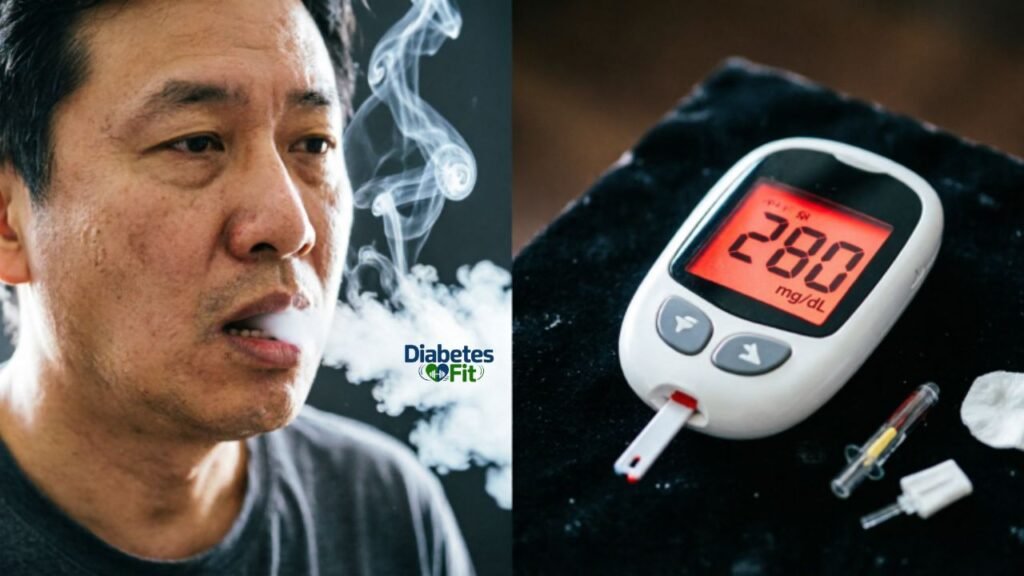
    If you vape and have diabetes — or are at risk of developing it — you’ve probably asked yourself: does vaping affect blood sugar? It’s a critical question, and the answer is more alarming than most people realize.

    Vaping is often marketed as a safer alternative to cigarettes. But “safer than cigarettes” doesn’t mean safe — especially for your blood sugar and metabolic health. Growing research shows that vaping can significantly impact blood sugar regulation, insulin sensitivity, and the long-term risk of developing type 2 diabetes.

    Whether you vape with nicotine, use nicotine-free e-cigarettes, or are simply trying to understand the risks before making a decision, this article gives you the honest, science-backed answers you need. We cover exactly how vaping affects blood sugar, the mechanisms behind it, and what it means for your health — short-term and long-term.

    Along with lifestyle habits like avoiding vaping, your diet matters too—read our post Best Cereal for Diabetics for smart breakfast choices.

    What Is Vaping and How Does It Work?

    Vaping is the process of inhaling an aerosol created by utilizing an electrical device to heat a liquid, often known as e-liquid or vape juice. The aerosol is made up of a mix of:

    • Nicotine (found in the majority of items, though there are nicotine-free variants)
    • Carrier liquids include vegetable glycerin and propylene glycol.
    • Dozens of chemical substances are frequently used as flavorings.
    • Heavy metals from the heating coil, such as lead, nickel, and chromium
    • Ultrafine particles that pierce lung tissue deeply

    Vaping does not produce tar or tobacco smoke like regular cigarettes do. Its “safer” reputation stems from this. However, the chemicals breathed while vaping — particularly nicotine and the byproducts of heated flavorings — have substantial impacts on the body’s metabolic processes, including blood sugar management.

    Does Vaping Affect Blood Sugar? The Science Explained

    Indeed, vaping has an impact on blood sugar through a variety of mechanisms. Here’s a thorough explanation of how it occurs:
    Does Vaping Affect Blood Sugar?

    1. Nicotine Increases Blood Sugar Directly

    The main way that vaping influences blood sugar levels is through nicotine. Whether from a cigarette or a vape device, inhaling nicotine sets off a series of physiological reactions:

    • Nicotine causes the adrenal glands to generate adrenaline (epinephrine), which instructs the liver to release stored glucose (glycogen) into the bloodstream.
    • Cortisol spike: Nicotine also increases cortisol levels, and cortisol is a stress hormone that causes blood sugar levels to rise.
    • Nicotine causes the pancreas to secrete more glucagon, which increases blood sugar levels by causing the liver to produce glucose.

    As a result, even if you have not eaten anything, your blood sugar climbs quickly after every vaping session.

    The body makes up for this by releasing more insulin in those without diabetes. However, this compensation is compromised in those with type 1 or type 2 diabetes, resulting in protracted, possibly hazardous blood sugar increases following each vaping session.

    2. Vaping Causes Insulin Resistance

    This is possibly the most worrisome long-term effect of vaping on blood sugar. Your cells do not react to insulin, the hormone that transports glucose from your blood into your cells for energy, correctly if you have insulin resistance. When cells develop insulin resistance:
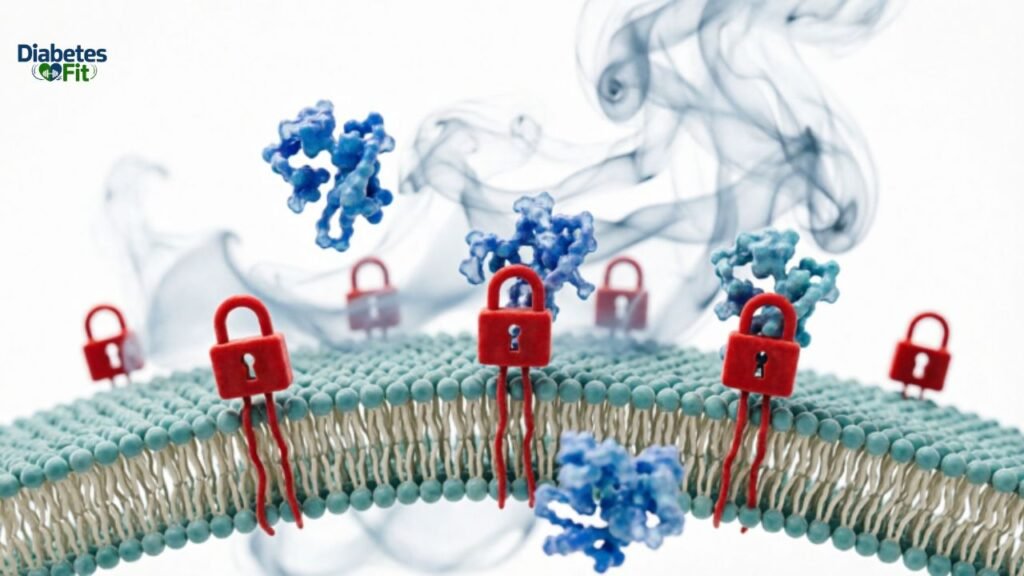
    Does Vaping Affect Blood Sugar?
    • After meals, blood sugar remains raised for a longer period of time.
    • To make up for this, the pancreas must create an increasing amount of insulin.
    • The pancreas eventually runs out of energy and is unable to continue.
    • Prediabetes and type 2 diabetes are the primary results of this process.

    Nicotine exposure, even from e-cigarettes, dramatically reduces insulin signaling in muscle, fat, and liver cells, according to research published in the journal Cell Metabolism. This indicates that nicotine from vaping directly causes cellular insulin resistance.

    Even after adjusting for age, body weight, and other lifestyle characteristics, current e-cigarette users had a considerably higher risk of insulin resistance than non-users, according to a 2016 study published in PLOS ONE.

    3. Vaping Induces Inflammation, Which Affects Blood Sugar

    One of the main causes of insulin resistance and blood sugar dysregulation is chronic inflammation. Vaping increases systemic inflammation in many ways:

    Does Vaping Affect Blood Sugar?
    • Oxidative stress: Free radicals produced by the compounds in vape aerosol harm cells and cause inflammatory reactions.
    • Lung inflammation: Vaping significantly inflames the lung tissue and airways, which leads to systemic inflammation.
    • Vaping causes endothelial dysfunction, which damages the blood vessel lining and raises inflammatory indicators all across the body.

    Elevated inflammatory markers — including C-reactive protein (CRP), interleukin-6 (IL-6), and tumor necrosis factor alpha (TNF-α) — are strongly associated with insulin resistance and impaired blood sugar control.

    For diabetics, this additional layer of inflammation makes blood sugar management significantly harder and increases the risk of diabetic complications.

    4. Vaping Damages the Pancreas

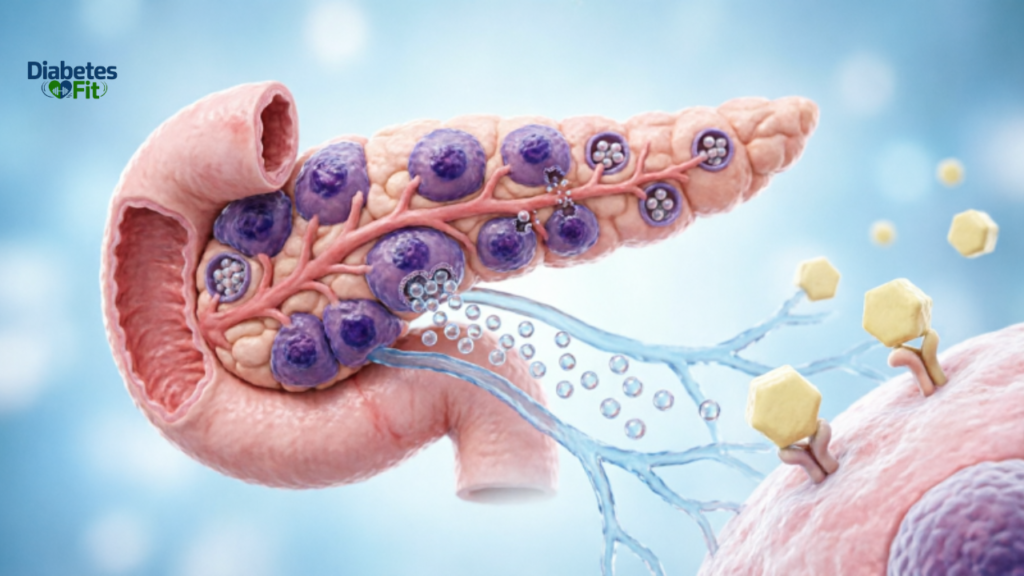
    The pancreas is responsible for producing insulin — the hormone that controls blood sugar. Emerging research suggests that chemicals in vape aerosol may directly damage pancreatic cells.

    A study published in iScience (2019) found that exposure to e-cigarette vapor caused significant oxidative stress and DNA damage in pancreatic cells — including the beta cells responsible for insulin production.

    Damaged beta cells produce less insulin, which directly impairs the body’s ability to regulate blood sugar. For people already managing diabetes, any reduction in beta cell function makes the condition harder to control and accelerates its progression.

    5. Nicotine-Free Vaping Still Affects Blood Sugar

    Many people assume that nicotine-free e-cigarettes are completely safe and don’t affect blood sugar. This is a dangerous misconception.

    Even without nicotine, vape aerosol contains:

    • Propylene glycol and vegetable glycerin — when heated, these produce acrolein and other toxic aldehydes that promote inflammation and oxidative stress
    • Flavoring chemicals — including diacetyl, acetoin, and cinnamaldehyde, which have been shown to damage lung and vascular tissue and promote inflammatory responses
    • Heavy metals — from the heating coil, which accumulate in the body and have been linked to insulin resistance and metabolic dysfunction
    • Ultrafine particles — that trigger systemic inflammatory responses

    A 2018 study published in Frontiers in Physiology found that even nicotine-free e-cigarette vapor caused significant oxidative stress and impaired glucose metabolism in animal models.

    The bottom line: Does vaping affect blood sugar even without nicotine? Yes — the chemicals in the aerosol itself cause metabolic harm independently of nicotine.

    6. Vaping Disrupts Sleep — Which Raises Blood Sugar

    This indirect route is frequently disregarded. The stimulant nicotine from vaping impairs the quality of sleep, especially deep and REM sleep. Blood sugar is directly and consistently impacted by inadequate sleep:

    • boosts blood sugar levels by raising cortisol levels.
    • reduces insulin sensitivity by as much as 40% following even one restless night.
    • causes overindulgence in high-carb foods by increasing the hunger hormone ghrelin and decreasing the satiety hormone leptin.
    • raises inflammatory markers that hinder the metabolism of glucose.

    In healthy young individuals, limiting sleep to 4 hours each night for just 6 days decreased insulin sensitivity by 40%, according to a study published in the Annals of Internal Medicine. In addition to the direct effects of nicotine, this adds a substantial layer of blood sugar dysregulation for someone who routinely vapes and has chronic sleep disruption.

    7. Stress hormones and vaping: a vicious cycle

    Nicotine causes your body’s main stress hormones, cortisol and adrenaline, to be released each time you vape. As part of the fight-or-flight response, these two hormones increase blood sugar. The vicious cycle is as follows:

    • When you vape, nicotine causes adrenaline and cortisol, which raises blood sugar.
    • An insulin reaction to a blood sugar surge results in a reduction in blood sugar.
    • Cravings are triggered by a drop in blood sugar, so you vape again to deal with stress or cravings.

    The cycle is repeated several times every day. Because each blood sugar surge necessitates greater insulin management—through medication, dietary changes, or both—this loop is very harmful to diabetics. Over time, the repeated spikes and the chronic cortisol elevation make blood sugar control increasingly difficult and increase the risk of long-term complications.

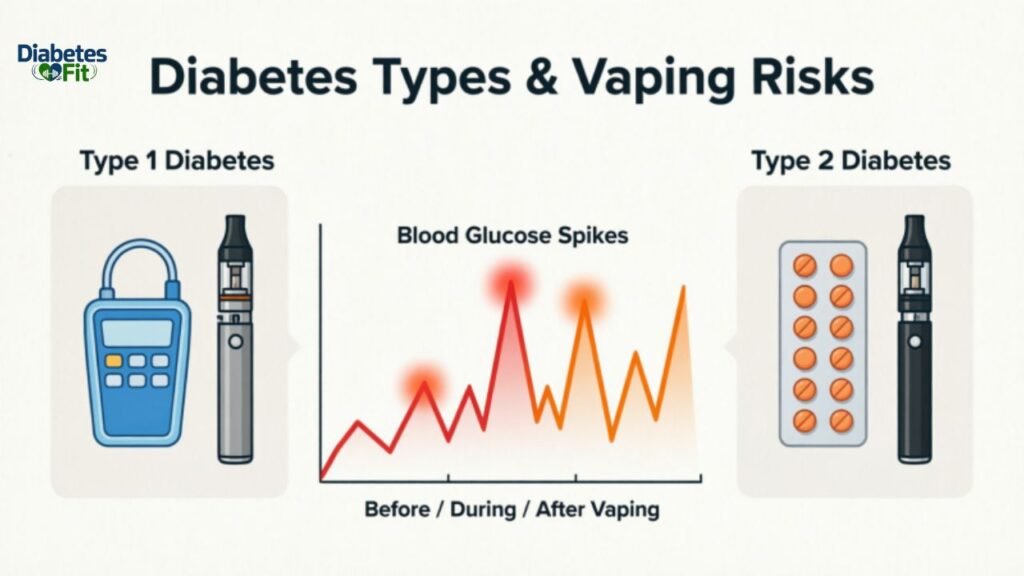
    Does Vaping Affect Blood Sugar Differently in Type 1 vs Type 2 Diabetes?

    Yes — vaping affects blood sugar in both types of diabetes, but the mechanisms and consequences differ:
    Does Vaping Affect Blood Sugar?
    FactorType 1 DiabetesType 2 Diabetes
    Insulin productionNone (immune destruction of beta cells)Reduced or impaired
    Nicotine’s primary effectRaises blood sugar via adrenaline/cortisolRaises blood sugar + worsens insulin resistance
    Insulin resistance impactLess relevant (already insulin-dependent)Directly worsens the core disease mechanism
    Blood sugar spike managementRequires immediate insulin dose adjustmentHarder to control with oral medications
    Risk of complicationsIncreased (spikes accelerate neuropathy, retinopathy)Increased (accelerates cardiovascular and kidney disease)
    Long-term riskHarder to maintain HbA1c targetsAccelerates progression to insulin dependence

    For people with Type 1 diabetes, vaping’s primary danger is the unpredictable blood sugar spikes that make insulin dosing harder to calculate — increasing both hyperglycemia and hypoglycemia risk.

    For people with Type 2 diabetes, vaping is especially harmful because it directly worsens insulin resistance — the core problem driving the disease. Every vaping session makes the underlying condition worse.

    Vaping vs. Smoking: Which Is Worse for Blood Sugar?

    This is a common question — and the honest answer is that both are harmful to blood sugar, but in different ways:

    FactorCigarette SmokingVaping
    Nicotine deliveryHighHigh (often higher in modern pod devices)
    Blood sugar spikeYes — via nicotineYes — via nicotine
    Insulin resistanceYesYes — similar or potentially worse
    InflammationYes — from tar and combustion productsYes — from aerosol chemicals
    Pancreatic damageYesEmerging evidence suggests yes
    Cardiovascular riskVery highHigh (lower than smoking but still significant)
    Long-term diabetes risk30–40% higher risk vs non-smokersEmerging data — likely similar elevation
    Withdrawal effects on blood sugarBlood sugar improves after quittingBlood sugar improves after quitting

    The key takeaway: vaping is not a safe alternative for diabetics. While it may carry slightly lower cardiovascular risk than traditional smoking, its effects on blood sugar regulation, insulin resistance, and pancreatic health are alarmingly similar.

    How Much Does Vaping Raise Blood Sugar? Real Numbers

    While individual responses vary based on nicotine concentration, frequency of vaping, and baseline health, research gives us some reference points:

    ScenarioEstimated Blood Sugar Impact
    Single vaping session (nicotine)Raises blood glucose by 20–40 mg/dL within 30 minutes
    Regular daily vapingIncreases HbA1c by 0.5–1.5% over time in diabetics
    Chronic vaping + poor dietCan increase fasting blood glucose by 15–25 mg/dL above baseline
    Vaping before a mealExaggerates post-meal blood sugar spike by 15–30%
    Quitting vapingBlood sugar begins improving within 2–4 weeks

    These numbers highlight why vaping affects blood sugar is such an important one for anyone managing diabetes or at risk of developing it. Even modest, consistent elevations in blood sugar accelerate the development of diabetic complications, including neuropathy, retinopathy, nephropathy, and cardiovascular disease.

    Signs That Vaping May Be Affecting Your Blood Sugar

    Keep an eye out for these warning indicators that your blood sugar regulation may be compromised if you vape and have diabetes or prediabetes:

    • Unexpected rises in blood sugar, particularly following vaping sessions
    • HbA1c values that are higher than anticipated while adhering to your diet
    • Frequent urination and increased thirst are classic indicators of high blood sugar.
    • Brain fog and exhaustion, especially after vaping
    • Target blood sugar values are difficult to reach even when medicine is taken as prescribed.
    • Increased insulin needs without a clear dietary cause

    Inadequate wound healing is indicative of persistently elevated blood sugar levels. High blood sugar weakens the immune system and causes frequent infections. Consult your physician or endocrinologist right away if you observe any of these symptoms. Bring up your vaping habit; it could be a major cause of your blood sugar issues.

    What Happens to Blood Sugar When You Quit Vaping?

    The good news is that blood sugar control improves meaningfully after quitting vaping. Here’s what the research and clinical experience show:

    Timeline After QuittingBlood Sugar Changes
    24–72 hoursNicotine clears the system; cortisol and adrenaline levels begin to normalize
    1–2 weeksFasting blood glucose may begin to decrease; insulin sensitivity starts improving
    2–4 weeksInflammatory markers begin to reduce; blood sugar spikes after meals become less severe
    1–3 monthsInsulin sensitivity measurably improves; HbA1c may begin to decline
    3–6 monthsSignificant improvement in overall blood sugar control; reduced medication needs possible
    6–12 monthsCardiovascular and metabolic risk profile continues improving

    Important note: When quitting, some people temporarily experience weight gain, which can affect blood sugar. Work with your healthcare provider to manage this transition and adjust your diabetes management plan accordingly.

    Practical Tips for Diabetics Who Vape

    Here are some useful, doable suggestions if you currently vape and have diabetes:

    • Check your blood sugar more often to see the effects of vaping, both before and one to two hours after.
    • Tell your doctor about your vaping habit so they can modify your treatment plan appropriately.
    • Think about nicotine replacement therapy; compared to vaping, patches, gum, or lozenges offer nicotine with less systemic impact.
    • One of the most effective things you can do to enhance blood sugar control is to stop vaping, so set a quit date.
    • Seek behavioral assistance; support groups and cognitive behavioral treatment (CBT) greatly increase the rate of quitting.
    • Exercise, meditation, and deep breathing are effective ways to manage stress without the negative effects of vaping on blood sugar.
    • Maintain adequate fluids to promote kidney function and aid in blood sugar regulation.
    • Improve your sleep hygiene. Since vaping interferes with sleep, which in turn elevates blood sugar, it is crucial to improve the quality of your sleep.

    Frequently Asked Questions 

    Does vaping affect blood sugar in non-diabetics? 

    Yes — vaping affects blood sugar even in people without diabetes. Nicotine raises blood glucose through adrenaline and cortisol release, and regular vaping promotes insulin resistance over time. Research shows that regular vapers have significantly higher rates of prediabetes and insulin resistance compared to non-vapers, even when other lifestyle factors are controlled. Non-diabetics who vape are at elevated risk of developing type 2 diabetes over time.

    Can vaping cause diabetes? 

    Growing evidence suggests that regular vaping — particularly with nicotine — significantly increases the risk of developing type 2 diabetes. Nicotine promotes insulin resistance, raises blood sugar chronically, causes pancreatic stress, and drives inflammation — all of which are direct contributors to the development of type 2 diabetes. While vaping alone may not guarantee diabetes development, it is a significant and modifiable risk factor.

    Does nicotine-free vaping affect blood sugar?

    Yes — even nicotine-free vaping affects blood sugar and metabolic health. The chemicals in vape aerosol — including propylene glycol, flavoring compounds, and heavy metals from the heating coil — promote oxidative stress and inflammation that impairs insulin sensitivity and glucose metabolism. Nicotine-free vaping is not a safe alternative for diabetics or people at risk of blood sugar problems.

    How quickly does vaping raise blood sugar?

    Research suggests that vaping with nicotine can raise blood glucose by 20–40 mg/dL within 30 minutes of a vaping session, through the rapid release of adrenaline and cortisol. For people with diabetes, this spike can persist for 1–2 hours or longer, depending on insulin sensitivity and medication status.

    Should diabetics quit vaping? 

    Absolutely yes. Vaping worsens insulin resistance, raises blood sugar after every session, promotes inflammation that makes blood sugar control harder, and may damage pancreatic beta cells. Quitting vaping is one of the most impactful lifestyle changes a diabetic can make for improving blood sugar control and reducing the risk of long-term complications. Speak with your healthcare provider about the best quitting strategy for your situation.

    Does vaping affect HbA1c levels? 

    Yes — regular vaping is associated with higher HbA1c levels in people with diabetes. The chronic blood sugar elevations caused by each vaping session accumulate over time, raising the 3-month average blood glucose that HbA1c measures. Studies suggest regular vaping can increase HbA1c by 0.5–1.5% — a clinically significant elevation that substantially increases the risk of diabetic complications.

    Is vaping worse than smoking for blood sugar? 

    Both vaping and smoking are harmful to blood sugar regulation through similar mechanisms — primarily nicotine-driven insulin resistance and blood sugar spikes. Vaping may carry slightly lower cardiovascular risk than cigarette smoking due to the absence of tar and combustion products, but its effects on blood sugar, insulin resistance, and pancreatic health appear to be broadly similar. Neither is a safe option for diabetics or those at risk of blood sugar problems.

    Conclusion

    After examining all the data, it is clear that vaping has an impact on blood sugar. These impacts are severe, extensive, and pertinent to anyone who is worried about their metabolic health.

    Nicotine-driven hormone release from vaping elevates blood sugar, increases cellular insulin resistance, causes inflammation that interferes with glucose metabolism, may harm pancreatic cells that produce insulin, and interferes with sleep in ways that worsen blood sugar regulation. The harmful compounds in the aerosol itself have an impact on blood sugar even when vaping without nicotine.

    Vaping makes managing type 1 or type 2 diabetes considerably more difficult and hastens the development of long-term problems. Regular vaping is a significant and changeable risk factor for the development of diabetes in those without the disease.

    Does vaping have a significant impact on blood sugar levels? Indeed, quitting is one of the most effective things you can do for your long-term quality of life, diabetes management, and metabolic health.

    Today, take the first step. Consult your physician about stopping vaping, inquire about nicotine substitutes, and start keeping a closer eye on your blood sugar. Your future self, your blood vessels, and your pancreas will all appreciate it.

    “If you want to understand the impact of vaping on blood sugar and diabetes management, this detailed resource from My Diabetes My Way explains it clearly.

  • Benefits of Lemon Water: 12 Science-Backed Reasons to Start Drinking It Daily

    Benefits of Lemon Water: 12 Science-Backed Reasons to Start Drinking It Daily

    You’ve probably seen people swear by their morning glass of lemon water. But are the benefits of lemon water real — or just another wellness trend? The truth is, this simple drink has genuine science behind it. And the best part? It costs almost nothing to make.

    The benefits of lemon water go far beyond just staying hydrated. From supporting digestion and boosting immunity to improving skin health and aiding weight loss, lemon water delivers a surprisingly powerful punch for such a simple beverage.

    In this article, we break down 12 real, research-supported benefits of drinking lemon water, explain how to make it correctly, and tell you exactly when to drink it for maximum results. Whether you’re a longtime lemon water fan or just curious, this guide gives you everything you need to know.

    Check out our comprehensive guide if you want to lose abdominal fat. For practical advice and techniques, see How to Lose Belly Fat.

    What Is Lemon Water and Why Is It So Popular?

    Warm, cold, or room temperature water combined with fresh lemon juice is called lemon water. For good reason, it is one of the most well-liked morning health practices worldwide.

    Lemons are full of:

    • Vitamin C is a potent antioxidant that promotes healthy skin and immunity.
    • Citric acid: promotes digestion and renal health
    • Plant substances called flavonoids have antioxidant and anti-inflammatory properties.
    • Potassium: promotes blood pressure and heart health
    • B vitamins: aid in the metabolism of energy

    About 30–40 mg of vitamin C, or 40–50% of your daily requirement, can be found in a single lemon. You may obtain all these nutrients in a light, palatable form that keeps you hydrated when you squeeze it into water.

    12 Proven Benefits of Lemon Water

    Benefits of Lemon Water

    1. Boosts Your Immune System

    One of the most well-known benefits of lemon water is its immune-boosting power. Vitamin C is essential for the growth and function of immune cells. It stimulates the production of white blood cells — your body’s frontline defense against infections.

    Regular vitamin C intake has been shown to:

    • Reduce the duration of colds and flu
    • Lower the risk of respiratory infections
    • Support the skin’s barrier function against pathogens
    • Act as an antioxidant, protecting immune cells from damage

    Drinking lemon water daily is one of the easiest ways to ensure you’re getting a consistent dose of vitamin C — especially if you’re not eating enough fruits and vegetables.

    2. Supports Healthy Digestion

    Drinking warm lemon water in the morning is one of the oldest digestive remedies in traditional medicine — and modern science supports it.

    The citric acid in lemon juice stimulates the production of digestive juices and bile, helping your body break down food more efficiently. Lemon water also:

    • Encourages healthy bowel movements by hydrating the digestive tract
    • Reduces bloating and indigestion
    • Supports liver function by stimulating bile production
    • May help relieve constipation when drunk warm in the morning

    The benefits of lemon water for digestion are most powerful when you drink it warm, first thing in the morning, before eating anything.

    3. Aids Weight Loss and Appetite Control

    Lemon water isn’t a magic weight loss drink — but it genuinely supports weight management in several meaningful ways.

    • It’s almost zero calories — replacing sugary drinks with lemon water can save hundreds of calories per day
    • It improves hydration — many people confuse thirst for hunger; staying hydrated reduces unnecessary snacking
    • Pectin fiber in lemon pulp may help reduce hunger (though most filtered lemon juice lacks this)
    • Polyphenols in lemons have been shown in animal studies to suppress body fat accumulation

    A study published in the Journal of Clinical Biochemistry and Nutrition found that lemon polyphenols helped prevent weight gain and fat accumulation in mice fed a high-fat diet. Human research is still limited, but the benefits of lemon water for weight management are supported by its hydrating and appetite-regulating properties.

    4. Improves Skin Health and Reduces Aging Signs

    Vitamin C is one of the most important nutrients for healthy, youthful-looking skin. It plays a central role in collagen synthesis — the protein that keeps skin firm, smooth, and elastic.

    Benefits of Lemon Water

    The benefits of lemon water for skin include:

    • Stimulating collagen production, reducing wrinkles and fine lines
    • Fighting free radical damage that accelerates skin aging
    • Reducing hyperpigmentation and dark spots over time
    • Keeping skin hydrated (which plumps and brightens it)
    • Supporting wound healing and skin repair

    Research published in the American Journal of Clinical Nutrition found that higher vitamin C intake was associated with better skin appearance and fewer wrinkles. Drinking lemon water daily provides a consistent supply of skin-supporting vitamin C.

    5. Keeps You Hydrated — Better Than Plain Water for Some People

    Staying hydrated is one of the most important things you can do for your health. But many people simply don’t drink enough water because they find it boring.

    This is where lemon water shines. The light flavor and subtle tartness of lemon make water more enjoyable, which means people drink more of it throughout the day.

    Better hydration leads to:

    • Higher energy levels
    • Improved concentration and brain function
    • Better kidney function and toxin elimination
    • Healthier skin
    • Improved physical performance

    If you struggle to hit your daily water intake goals, the benefits of lemon water include simply making hydration more appealing and sustainable.

    6. Supports Kidney Health and Prevents Kidney Stones

    This is one of the most clinically supported benefits of lemon water. Citric acid — found in high concentrations in lemon juice — helps prevent the most common type of kidney stone: calcium oxalate stones.

    Here’s how it works:

    • Citrate (from citric acid) binds to calcium in the urine, reducing the concentration of minerals that form kidney stones
    • It makes urine less acidic, creating an environment where stones are less likely to form
    • It increases urine volume, diluting minerals that would otherwise crystallize

    A study published in the Journal of Urology found that lemonade therapy (similar in composition to lemon water) significantly increased urinary citrate levels and reduced kidney stone formation in patients.

    Drinking lemon water daily is one of the simplest preventive measures for people prone to kidney stones.

    7. Freshens Breath Naturally

    Bad breath (halitosis) is often caused by bacteria in the mouth. One of the underrated benefits of lemon water is its natural antibacterial and odor-neutralizing effect on oral bacteria.

    Lemon juice:

    • Stimulates saliva production, which washes away odor-causing bacteria
    • Has mild antibacterial properties that reduce bacterial growth in the mouth
    • Neutralizes odors from foods like garlic and onion

    Important note: Don’t brush your teeth immediately after drinking lemon water. The citric acid temporarily softens tooth enamel. Wait at least 30 minutes before brushing, or rinse your mouth with plain water after drinking lemon water.

    8. Balances Body pH — Despite Being Acidic

    This surprises many people: although lemon juice is acidic outside the body (pH around 2–3), it has an alkalizing effect once metabolized inside the body.

    When lemon juice is digested, it breaks down into alkaline byproducts that can slightly raise the pH of your urine. While your blood pH is tightly regulated and doesn’t change significantly with diet, the benefits of lemon water for pH balance are most relevant to:

    • Reducing uric acid levels (which can cause gout)
    • Supporting kidney health
    • Potentially reducing inflammation in the body over time

    9. Gives You a Natural Energy Boost

    Many people reach for coffee first thing in the morning — but warm lemon water can offer a gentler, more sustainable energy lift.

    Benefits of Lemon Water

    The benefits of lemon water for energy come from:

    • Hydration — even mild dehydration causes fatigue and brain fog; rehydrating first thing reverses this
    • Vitamin C — supports adrenal gland function and helps your body manage stress
    • Scent of lemon — research shows that the citrus aroma alone can improve alertness and mood
    • Negative ions in lemon** — some research suggests these may boost energy at a cellular level

    While lemon water won’t replace sleep or give you a caffeine kick, it’s a healthy way to start your day feeling more awake and refreshed.

    10. Reduces Inflammation

    Chronic low-grade inflammation is linked to virtually every major disease — from heart disease and diabetes to arthritis and depression.

    The vitamin C and flavonoids in lemon water are potent anti-inflammatory compounds. They work by:

    • Neutralizing free radicals that trigger inflammatory pathways
    • Reducing inflammatory markers like C-reactive protein (CRP)
    • Supporting the gut microbiome, which plays a key role in systemic inflammation

    Drinking lemon water daily won’t cure inflammatory diseases — but as part of an anti-inflammatory diet and lifestyle, the benefits of lemon water for reducing inflammation are real and meaningful.

    11. Supports Heart Health

    Your heart benefits from lemon water in multiple ways:

    • Vitamin C is associated with lower rates of heart disease and stroke in multiple large studies
    • Potassium in lemons helps regulate blood pressure by counteracting the effects of sodium
    • Flavonoids in lemon reduce LDL (bad) cholesterol oxidation — a key step in the development of heart disease
    • Hydration supports healthy blood viscosity and circulation

    A large review published in the Stroke journal found that higher vitamin C intake was associated with a significantly lower risk of stroke. The heart health benefits of lemon water make it an especially smart daily habit for people with cardiovascular risk factors.

    12. May Help Prevent Iron Deficiency

    Iron deficiency is the world’s most common nutritional deficiency — affecting over 2 billion people globally.

    Vitamin C dramatically improves the absorption of non-heme iron — the type of iron found in plant foods like spinach, lentils, and beans. By drinking lemon water with or around iron-rich meals, you can significantly boost how much iron your body actually absorbs.

    This is one of the most practical and underappreciated benefits of lemon water for people who follow plant-based or vegetarian diets.

    Lemon Water Nutrition Facts

    NutrientPer 240ml Glass (Juice of ½ Lemon)
    Calories~11 kcal
    Vitamin C18–20mg (20–25% DV)
    Potassium49mg
    Folate4mcg
    Citric Acid~1.44g
    Carbohydrates3.7g
    Sugar1.5g
    Fat0g
    Protein0.2g

    Benefits of Lemon Water: Quick Reference Table

    BenefitKey CompoundEvidence Level
    Immune supportVitamin CStrong
    Better digestionCitric acidModerate
    Weight managementPolyphenols, hydrationModerate
    Skin healthVitamin C, antioxidantsStrong
    Kidney stone preventionCitrateStrong
    Fresh breathAntibacterial compoundsModerate
    Heart healthVitamin C, potassium, and flavonoidsStrong
    Energy boostHydration, vitamin CModerate
    Reduced inflammationFlavonoids, vitamin CModerate
    Iron absorptionVitamin CStrong

    How to Make the Perfect Lemon Water

    Making lemon water correctly is key to reaping its greatest benefits:

    Benefits of Lemon Water
    • Use fresh lemons because bottled lemon juice does not include all of the nutrients and enzymes.
    • In 240–300 milliliters of water, squeeze half a lemon.
    • For better digestion, use warm or room temperature water; for refreshment, use cold water.
    • For optimal effects, drink it first thing in the morning on an empty stomach.
    • For added taste and health benefits, add fresh cucumber, ginger, or mint.
    • To reduce contact with the teeth enamel, use a straw.

    When Is the Best Time to Drink Lemon Water?

    TimeBenefit
    Morning (fasted)Kickstarts digestion, hydrates after sleep, boosts metabolism
    Before mealsReduces appetite, improves digestion
    Before exerciseHydration and natural energy boost
    After mealsAids digestion, freshens breath
    Throughout the dayConsistent hydration and vitamin C intake

    Who Should Be Careful With Lemon Water?

    While most people can benefit from lemon water, some should be cautious:

    Benefits of Lemon Water
    • Citric acid may exacerbate symptoms in some people with GERD or acid reflux.
    • Lemon juice might aggravate open sores in people with mouth ulcers.
    • Citrus allergies: uncommon but plausible
    • Use a straw and dilute well if you have sensitive teeth.

    Individuals using specific prescriptions should speak with their doctor, as lemon juice may interact with certain medications.

    Frequently Asked Questions 

    What are the main benefits of lemon water for health? 

    The key benefits of lemon water include boosting immunity with vitamin C, improving digestion, supporting weight loss, enhancing skin health, preventing kidney stones, reducing inflammation, and supporting heart health. It’s one of the simplest and most affordable daily health habits you can build.

    Is it good to drink lemon water every day? 

    Yes, most healthy adults can drink lemon water daily without any issues. Drinking it consistently — especially in the morning — maximizes the long-term benefits of lemon water for digestion, immunity, and hydration. Just use a straw to protect tooth enamel.

    Does lemon water help with weight loss?

    Lemon water supports weight loss indirectly by replacing high-calorie drinks, improving hydration, reducing bloating, and potentially suppressing appetite. It’s not a fat burner on its own, but as part of a healthy diet, the benefits of lemon water for weight management are real.

    Is warm or cold lemon water better? 

    Warm lemon water is generally better for digestion and detoxification — especially in the morning. Cold lemon water is more refreshing and great for hydration during exercise or on hot days. Both deliver the benefits of lemon water — choose based on your preference and purpose.

    Can lemon water damage your teeth? 

    The citric acid in lemon water can soften tooth enamel over time if consumed undiluted or very frequently. To protect your teeth, always dilute lemon juice well, drink through a straw, and rinse your mouth with plain water afterward. Wait 30 minutes before brushing.

    What happens if you drink lemon water on an empty stomach? 

    Drinking lemon water on an empty stomach in the morning stimulates digestion, rehydrates your body after sleep, kickstarts your metabolism, and gives you an early dose of vitamin C. Most people tolerate it well, though those with acid reflux may prefer drinking it after a small snack.

    How much lemon water should I drink per day? 

    One to two glasses of lemon water per day is enough for most people to enjoy the benefits of lemon water without overconsumption of citric acid. One glass in the morning and one before or after a meal is a simple, sustainable routine.

    Conclusion

    Lemon water has genuine, scientifically proven benefits that are available to almost everyone. This straightforward beverage offers much more than its modest ingredients might imply, from improved digestion and immunity to clearer skin, a healthier heart, and natural weight control support.

    You do not require costly supplements or intricate regimens. Just a glass of water, half a lemon, and a regular morning routine. That is all you need to begin reaping the rewards of drinking lemon water.

    Are you prepared to begin? Tonight, squeeze half a lemon into a warm glass of water and sip it first thing the next morning. See how your body reacts after two weeks of doing this. Sometimes the most significant improvements come from the most basic practices.

    If you want to learn how lemon water can support digestion and overall health, this research-based article from Healthline explains it clearly.

  • How to Lose Belly Fat: 10 The Honest, Science-Backed Guide That Actually Works

    How to Lose Belly Fat: 10 The Honest, Science-Backed Guide That Actually Works

    You are not alone if you have been attempting to figure out how to reduce abdominal fat. One of the most prevalent and stubborn health and fitness issues in the world is belly obesity. If you are not looking at the wider picture, you can perform hundreds of crunches every day and yet not see benefits.

    The majority of individuals are unaware that decreasing abdominal fat involves more than just improving their appearance. Heart disease, type 2 diabetes, and metabolic syndrome are among the major health hazards that are directly associated with excess fat around your stomach, particularly the deep visceral fat that surrounds your organs.

    The good news is that appropriate lifestyle modifications can effectively reduce belly fat. This article will teach you how to lose belly fat using tried-and-true methods supported by actual science; there will not be any gimmicks, crash diets, or deceptive claims.

    Understanding Belly Fat: Two Types You Need to Know

    Knowing what type of fat you have is helpful before learning how to lose abdominal fat. There are different types of abdominal fat.

    1. Fat under the skin

    You may pinch this soft fat right beneath the skin. It is the fat that is most noticeable from the outside and rests atop your abdominal muscles. It can have an impact on looks, but compared to the second type, it presents a lower immediate health risk.

    2. Fat in the Viscera

    This type is hazardous. Deep within your abdomen, visceral fat encircles your intestines, pancreas, and liver. Although it is not visible or palpable, it is the fat most closely associated with:

    High blood pressure and heart disease

    Insulin resistance and type 2 diabetes

    Metabolic diseases and inflammation

    An increased risk of specific types of cancer

    Both types of fat are targeted by the tactics in this guide, but visceral fat is particularly well-responsive to dietary, activity, and lifestyle modifications.

    Why Belly Fat Is So Hard to Lose

    belly fat
    belly fat

    Many people have trouble losing belly fat because they do not understand why it accumulates in the first place,e or because they focus on the incorrect things.

    Typical causes of abdominal fat accumulation include:

    • High sugar and refined carb intake — spikes insulin, promoting fat storage in the abdomen
    • Chronic stress — raises cortisol levels, which directly causes belly fat to accumulate
    • Poor sleep disrupts hunger hormones and slows metabolism
    • Sedentary lifestyle — too much sitting with too little movement
    • Alcohol consumption is high in empty calories and promotes fat storage around the midsection
    • Hormonal changes — especially in women during menopause, when estrogen drops and fat shifts to the abdomen
    • Genetics — some people are more predisposed to storing fat in the belly

    Understanding these root causes is the first step in knowing how to lose belly fat effectively and permanently.

    How to Lose Belly Fat: 10 Proven Strategies

    1. Create a Calorie Deficit — But Don’t Starve Yourself

    The most basic rule of fat loss is that you need to burn more calories than you take in. We refer to this as a calorie deficit.

    The crucial point is that the deficit should be moderate rather than severe. Severe calorie restriction or crash dieting:

    • Slows your metabolism
    • Causes muscle loss (which slows fat burning further)
    • Increases cortisol (which promotes belly fat storage)
    • Is nearly impossible to sustain

    The sweet spot: A deficit of 300–500 calories per day leads to sustainable fat loss of 0.5–1 kg per week — without destroying your metabolism or muscle mass.

    2. Cut Sugar and Refined Carbohydrates

    Belly-Fat
    Belly-Fat

    This is the most significant dietary adjustment you can make if you want to learn how to quickly lose abdominal fat.

    The liver breaks down sugar, particularly fructose from added sugars and sugar-filled beverages. Your liver turns extra fructose into fat when you eat more than it can process. The abdomen is where this fat is mainly deposited.

    Foods to reduce or eliminate:

    • Sugary drinks — soda, fruit juice, energy drinks, sweetened coffee
    • White bread, white rice, and refined pasta
    • Candy, cookies, cakes, and pastries
    • Breakfast cereals with added sugar
    • Flavouredd yogurts and sweetened dairy products

    Replace them with:

    • Water, sparkling water, or unsweetened tea
    • Whole grains — oats, brown rice, quinoa
    • Vegetables and legumes
    • Plain yogurt with fresh fruit
    • Whole fruit instead of fruit juice

    According to a study that was published in the American Journal of Clinical Nutrition, even when total calorie consumption was identical, persons who cut back on added sugar lost a lot more belly fat than those who merely cut calories.

    3. Eat More Protein

    Protein is the most powerful macronutrient for losing belly fat. Here’s why:

    • It keeps you fuller for longer, reducing overall calorie intake
    • It has a high thermic effect — your body burns more calories digesting protein than carbs or fat
    • It preserves and builds lean muscle, which raises your resting metabolic rate
    • It helps regulate hunger hormones like ghrelin

    Best protein sources:

    • Eggs
    • Chicken, turkey, and lean meats
    • Fish and seafood
    • Greek yogurt and cottage cheese
    • Legumes and lentils
    • Tofu and tempeh

    Aim for 1.6–2.2 grams of protein per kilogram of body weight per day. One of the methods for reducing belly fat that has received the most consistent support from research is a high-protein diet.

    4. Add Soluble Fibre to Every Meal

    Fibre, particularly soluble fibre, is an effective way to reduce belly fat. In your stomach, soluble fibre creates a thick gel by absorbing water. This decreases hunger, slows digestion, and nourishes good gut flora.

    Belly fat decreased by 3.7% over five years with every 10g increase in daily soluble fibre consumption, even in the absence of other alterations, according to a seminal study published in Obesity.

    Best sources of soluble fibre:

    • Oats and oat bran
    • Flaxseeds and chia seeds
    • Beans, lentils, and chickpeas
    • Apples, pears, and citrus fruits
    • Carrots and sweet potatoes
    • Avocado

    5. Do Cardio Exercise Consistently

    Belly-Fat

    One of the best methods to reduce belly fat, especially the harmful visceral fat surrounding your organs, is aerobic activity, or cardio.

    Running marathons is not necessary. Over the course of eight to twelve weeks, research consistently demonstrates that moderate-intensity cardio performed four to five days a week results in significant reductions in belly fat.

    Effective cardio options:

    • Brisk walking (30–45 minutes daily)
    • Jogging or running
    • Cycling (outdoor or stationary)
    • Swimming
    • Jump rope
    • Dance or aerobics classes

    Aerobic exercise decreased visceral fat by up to 7% over the course of eight months without requiring dietary adjustments, according to a study published in the American Journal of Physiology.

    6. Add Strength Training to Your Routine

    When studying how to lose belly fat, many people just concentrate on cardio, ignoring the benefits of strength training.

    Your resting metabolic rate (RMR), or how many calories your body burns when at rest, increases when you gain muscle. Having more muscle means burning more calories all day long, even while you are asleep.

    Additionally, strength training increases insulin sensitivity, which directly lowers the storage of belly fat.

    Effective strength exercises:

    • Squats and lunges
    • Push-ups and rows
    • Deadlifts and hip hinges
    • Planks and core work
    • Resistance band exercises

    Aim for 2–3 strength training sessions per week alongside your cardio.

    7. Reduce Stress — It’s Directly Linked to Belly Fat

    Not enough attention is paid to this one. One of the main causes of abdominal fat gain is chronic stress.

    Stress causes your body to release cortisol, a hormone that tells your body to accumulate fat, especially in the abdomen. Appetite and cravings for comfort foods high in calories are also increased by high cortisol.

    Evidence-based stress reduction strategies:

    • Daily meditation or mindfulness (even 10 minutes helps)
    • Regular physical exercise (doubles as belly fat reduction)
    • Deep breathing exercises
    • Time in nature
    • Reducing overcommitment and setting healthy boundaries
    • Social connection and talking to people you trust

    No matter how clean your food is, you may find it difficult to lose belly fat if you are doing everything else correctly but not controlling your stress.

    8. Prioritize Sleep — It’s Not Optional

    One of the most underappreciated causes of abdominal obesity is inadequate sleep. People who slept less than five hours a night had much higher visceral fat than those who slept seven to eight hours, according to research published in SLEEP.

    What occurs when you do not get enough sleep is as follows:

    • Ghrelin (hunger hormone) increases — you feel hungrier
    • Leptin (fullness hormone) decreases — you feel less satisfied after eating
    • Cortisol rises — belly fat storage increases
    • Metabolism slows — you burn fewer calories at rest

    Tips for better sleep:

    • Go to bed and wake up at the same time every day
    • Keep your bedroom cool, dark, and quiet
    • Avoid screens for 1 hour before bed
    • Limit caffeine after 2 p.m.
    • Avoid large meals within 2 hours of bedtime..

    Getting 7–9 hours of quality sleep per night is not laziness — it’s one of the most important things you can do to lose belly fat.

    9. Cut Back on Alcohol

    The term “liquid belly fat” is frequently applied to alcohol, and with good reason. It has a lot of empty calories, interferes with fat metabolism, and causes the liver to digest alcohol instead of burning fat.

    Particularly problematic are sugary cocktails and beer. Regular alcohol use is strongly associated with extra belly fat, especially deep visceral fat, according to numerous studies.

    Although you do not have to give up completely, drastically reducing your intake can considerably lower your levels of belly fat in a matter of weeks.

    10. Be Patient and Stay Consistent

    The most crucial tactic is the one that most people overlook. Neither the accumulation nor the disappearance of belly fat happens overnight.

    According to research, it usually takes 8–12 weeks of constant effort to get significant reductions in belly fat. While some people experience effects more quickly, others take longer. It is important to be present every single week.

    Tracking progress tips:

    • Measure your waist circumference weekly (more accurate than scale weight for belly fat)
    • Take progress photos every 2–4 weeks
    • Track energy levels, sleep quality, and how your clothes fit
    • Don’t let one bad day derail a week of good choices

    Best Foods to Lose Belly Fat

    Belly-Fat
    Belly-Fat
    FoodWhy It Helps
    EggsHigh protein keeps you full, supports muscle
    AvocadoHealthy fats, fiber, reduces inflammation
    OatsSoluble fifibrestabilizes blood sugar
    Salmon and fatty fishOmega-3s reduce inflammation and visceral fat
    Greek yogurtProtein + probiotics support gut health
    BerriesAntioxidants, fibre, low in sugar
    Green teaCatechins boost metabolism and fat burning
    Low-calorie
    Beans and lentilsProtein + fibre combo reduces belly fat
    Nuts and seedsHealthy fats reduce hunger, anti-inflammatory

    Worst Foods for Belly Fat

    FoodWhy It’s Harmful
    Sugary drinksSpikes insulin, promotes visceral fat storage
    White bread and pastaRefined carbs cause blood sugar spikes
    AlcoholEmpty caloriesdisrupts fat metabolism
    Fried foodsHigh calorie, inflammatory, promotes fat storage
    Packaged snacksAdded sugars, refined carbs, trans fats
    Flavored yogurtOften as sugary as dessert
    Fruit juiceHigh sugar, lacks fiber of whole fruit
    Margarine and trans fatsDirectly linked to increased belly fat

    How Long Does It Take to Lose Belly Fat?

    Effort LevelExpected TimelineWeekly Loss
    Moderate (diet + light cardio)12–16 weeks for visible change0.3–0.5 kg/week
    Consistent (diet + cardio + strength)8–12 weeks for visible change0.5–1 kg/week
    Intensive (full lifestyle overhaul)6–8 weeks for visible change0.7–1.2 kg/week

    Individual results vary based on starting body fat, genetics, age, hormones, and consistency.

    Frequently Asked Questions 

    What is the fastest way to lose belly fat? 

    The fastest sustainable approach combines reducing sugar and refined carbs, eating more protein and fiber, doing daily cardio, adding strength training, improving sleep, and managing stress. There are no true shortcuts — but this combination produces results faster than any single strategy alone.

    Can I lose belly fat by walking every day? 

    Yes. Brisk walking for 30–45 minutes daily is one of the most effective and sustainable ways to reduce belly fat — especially visceral fat. It’s low impact, accessible to everyone, and research consistently shows it reduces abdominal fat over time when combined with a healthy diet.

    Does drinking water help lose belly fat?

     Yes, indirectly. Staying well hydrated supports metabolism, reduces water retention and bloating, helps control appetite, and supports liver function in processing and mobilizing fat. Replacing sugary drinks with water has a direct impact on calorie intake and belly fat reduction.

    Are crunches effective for losing belly fat? 

    Crunches strengthen and tone the abdominal muscles, but they do not directly burn belly fat. Spot reduction is a myth. To lose belly fat, you need to reduce overall body fat through diet, cardio, and strength training — then your toned abs will become visible as fat decreases.

     Does stress cause belly fat? 

     Yes. Chronic stress raises cortisol levels, which directly promote fat storage in the abdominal area. Managing stress through exercise, meditation, sleep, and lifestyle changes is an essential part of any effective plan for how to lose belly fat.

    Is belly fat dangerous to health?

     Yes — especially visceral fat (deep belly fat around organs). It is strongly linked to heart disease, type 2 diabetes, insulin resistance, inflammation, and certain cancers. Losing belly fat improves not just appearance but overall metabolic health and longevity.

    How do I know if I’m losing belly fat?

     The best way to track belly fat loss is to measure your waist circumference weekly with a tape measure (at the level of your belly button). A waist measurement under 94cm for men and under 80cm for women is generally considered a healthy target. Scale weight alone doesn’t always reflect belly fat changes accurately.

    Conclusion

    Finding the ideal diet or the secret workout is not the key to learning how to reduce abdominal fat. It is about doing the correct things regularly: eating less sugar, getting more protein and ffibre exercising every day, getting enough sleep, and controlling your stress.

    This guide’s tactics are all supported by science. They are not all excessive. When you work them regularly, they are all effective.

    The key to reducing belly fat is to generate a small calorie deficit, reduce sugar and refined carbohydrates, eat more healthy foods, exercise frequently, get adequate sleep, and be patient. You will see effects if you do these activities for eight to twelve weeks.

    The next step is easy for you. Choose two or three tactics from this manual and get going right now. Cut one sugar-filled beverage. Take a half-hour stroll. Tonight, go to bed thirty minutes early. Belly fat can be permanently eliminated by making little, regular modifications.

    For more science-backed information on belly fat and overall health, we recommend visiting Healthline’s guide on belly fat and the Harvard T.H. Chan School of Public Health for research-based nutrition and fitness advice. The American Heart Association also provides excellent resources on how excess belly fat affects your heart health and what you can do about it. These trusted sources can help you go deeper into the science behind everything covered in this article.

  • Clove Water Benefits: 10 Powerful Reasons to Start Drinking It Today

    Clove Water Benefits: 10 Powerful Reasons to Start Drinking It Today

    Cloves are a spicy, warm element that gives food a wonderful aroma, and you have probably used them in your cooking. However, are you aware of the advantages of clove water? For ages, traditional medicine has utilized this straightforward beverage, which is created by soaking cloves in water for the entire night. And what our grandparents already knew is now beginning to be supported by contemporary science.

    Clove water is inexpensive, simple to prepare, and surprisingly potent. The advantages of routinely using clove water can significantly improve your health, from controlling blood sugar to enhancing digestion. This simple spice-infused water should be a part of your everyday routine, whether you sip it throughout the day or in the morning on an empty stomach.

    Let us examine the specific health benefits of clove water.

    While focusing on overall wellness, don’t forget skin care—read our guide Is Sunscreen Bad for Your Skin? to learn more.

    How Do You Make Clove Water? What Is It?

    Simply put, clove water is water that has been infused with crushed or whole cloves. The cloves release their medicinal ingredients, chief among them eugenol, into the water while they soak.

    Cloves’ primary bioactive component is eugenol. It possesses antibacterial, anti-inflammatory, antioxidant, and analgesic (pain-relieving) qualities. Clove water is considerably more than just flavored water because of this.

    The Easy Way to Make Clove Water

    • Add four to six whole cloves to a 250 ml glass of water.
    • Soak them for at least six to eight hours overnight.
    • On an empty stomach, strain and consume it first thing in the morning.
    • Cloves can also be boiled in water for five minutes, cooled, and then consumed warm.

    That is all. No sophisticated equipment is required. Just water and cloves.

    10 Proven Clove Water Benefits You Should Know

    1. Packed With Powerful Antioxidants

    The extremely high antioxidant content of clove water is one of its main advantages. On the ORAC scale, which measures antioxidant power, cloves are among the foods with the highest rankings.

    Your body uses antioxidants to combat free radicals. Unstable chemicals known as free radicals cause cell damage, aging, inflammation, and chronic illnesses, including cancer and heart disease.

    Your body receives a daily dose of these beneficial substances from frequent use of clove water, which helps to prevent cell damage and promote long-term health.

    2. Supports Healthy Digestion

    Your digestive system benefits from clove water in several significant ways:

    • It increases the synthesis of digestive enzymes, which facilitates your body’s more effective breakdown of food.
    • It lessens indigestion, bloating, and gas.
    • It can help reduce nausea, which is particularly helpful during motion sickness or after large meals.
    • Constipation may be lessened by its modest laxative qualities.
    • It lessens acidity and calms the stomach lining.

    Within a few weeks, consuming clove water first thing in the morning may provide visible relief if you frequently feel bloated or heavy after meals.

    3. Helps Regulate Blood Sugar Levels

    One of the most studied advantages of clove water is this. Research indicates that certain chemicals found in cloves, including nigericin and eugenol, can help reduce blood sugar levels and increase insulin sensitivity.

    Clove Water

    Clove extract reduced lower fasting blood glucose levels in individuals with type 2 diabetes, according to a study published in the Journal of Medicinal Food.

    Clove water does not, however, take the role of diabetes medication. However, when combined with a nutritious diet, this complementary behavior may help improve blood sugar regulation.

    Those with insulin resistance, prediabetes, or those attempting to sustain steady energy levels throughout the day stand to gain the most.

    4. Has Strong Antibacterial Properties

    Cloves have been used as a natural antimicrobial agent for thousands of years — and science confirms why.

    Eugenol in clove water has been shown to fight a wide range of bacteria, including E. coli and Staphylococcus aureus. Drinking clove water may help your body resist harmful bacteria from the inside.

    This also makes clove water great for:

    • Fighting bad breath (halitosis) caused by oral bacteria
    • Supporting gut health by reducing harmful gut microbes
    • Helping the body recover faster from minor infections

    5. Reduces Inflammation in the Body

    Chronic inflammation is linked to nearly every major disease — from arthritis and heart disease to diabetes and depression. One of the most valuable clove water benefits is its natural anti-inflammatory action.

    Eugenol is a well-documented anti-inflammatory compound. Regular consumption of clove water may help reduce inflammatory markers in the body, easing joint pain, muscle soreness, and general body inflammation.

    People with arthritis, chronic pain, or inflammatory conditions may find clove water to be a helpful addition to their routine.

    6. Supports Liver Health

    Your liver works hard every day to filter toxins from your blood. Clove water may help support liver function thanks to its antioxidant and anti-inflammatory compounds.

    Animal studies have shown that eugenol can help protect the liver from oxidative stress and reduce the risk of fatty liver disease. While more human studies are needed, the early evidence is promising.

    Clove Water

    Drinking clove water in the morning helps your body start the detox process first thing, before you’ve eaten anything that adds to your liver’s workload.

    7. May Help with Weight Management

    Clove water benefits those trying to manage their weight in a few indirect but meaningful ways:

    • It boosts metabolism slightly, helping your body burn calories more efficiently
    • It reduces bloating, making your stomach feel lighter and less puffy
    • It helps control blood sugar spikes, which reduces cravings and hunger
    • It supports digestion, so your body absorbs nutrients properly instead of storing excess

    Clove water alone won’t cause dramatic weight loss. But as part of a healthy lifestyle, it can give your metabolism a gentle but real push in the right direction.

    8. Promotes Oral Health

    Cloves have been used as a natural remedy for toothaches for centuries — and dentists still use clove oil (eugenol) as a topical anesthetic today.

    Drinking clove water regularly can:

    • Kill bacteria that cause gum disease and tooth decay
    • Freshen breath naturally
    • Reduce gum inflammation and soreness
    • Help prevent plaque buildup

    It’s like a natural, gentle mouthwash that works from the inside out.

    9. Boosts Immune System Function

    Another standout among clove water benefits is immune support. Cloves are rich in:

    • Vitamin C — essential for immune cell function
    • Vitamin K — supports blood clotting and bone health
    • Manganese — a key mineral for enzyme function and brain health
    • Eugenol — fights bacteria and viruses

    Drinking clove water regularly, especially during cold and flu season, gives your immune system extra tools to fight off illness. It’s not a cure, but it’s a meaningful daily boost.

    10. Improves Skin Health

    Clove water’s antibacterial and antioxidant qualities also help your skin:

    • By preventing damage from free radicals, antioxidants decrease the aging process of the skin.
    • Antibacterial substances aid in the reduction of germs that cause acne.
    • Red, inflamed skin can be calmed by anti-inflammatory actions.
    • Clearer skin from the inside results from improved digestion, which is aided by clove water.

    After a few weeks of regularly consuming clove water, many people report having clearer, more radiant skin.

    Clove Water Benefits at a Glance

    BenefitKey Compound ResponsibleHow It Helps
    Antioxidant protectionEugenol, flavonoidsFights cell damage and aging
    Better digestionDigestive enzymes, eugenolReduces bloating, gas, and constipation
    Blood sugar controlEugenol, nigericinImproves insulin sensitivity
    Antibacterial actionEugenolKills harmful bacteria in the gut and mouth
    Reduced inflammationEugenolEases joint pain and chronic inflammation
    Liver supportAntioxidantsProtects the liver from oxidative stress
    Weight managementMetabolism boostSupports calorie burning and reduces cravings
    Oral healthEugenolFights gum disease, freshens breath
    Immune supportVitamin C, manganeseStrengthens immune defenses
    Skin healthAntioxidants, antibacterialsReduces acne, slows aging

    When Is the Best Time to Drink Clove Water?

    Most experts recommend drinking clove water first thing in the morning on an empty stomach. Here’s why:

    Clove Water
    • Your digestive system is empty and ready to absorb nutrients
    • It kickstarts your metabolism for the day
    • It helps flush out toxins that have built up overnight
    • Blood sugar benefits are most impactful before the first meal

    You can also drink a warm cup of clove water before bed. It helps relax the digestive system and may support overnight recovery and repair.

    How Much Clove Water Should You Drink?

    WhoRecommended Amount
    Healthy adults1–2 cups per day
    People managing blood sugar1 cup in the morning (fasted)
    Those with digestive issues1 cup after meals
    Children (above 12)Half a cup, occasional use only
    Pregnant womenConsult a doctor first

    Important: More is not always better. Cloves are potent. Drinking too much clove water can cause:

    • Nausea or stomach upset
    • Thinning of the blood (cloves have mild blood-thinning effects)
    • Low blood sugar, if combined with diabetes medication
    • Liver strain in very high doses

    Stick to 1–2 cups per day and listen to your body.

    Who Should Be Careful With Clove Water?

    Although clove water is beneficial to most individuals, some groups should use it with caution:

    • High clove dosages may cause uterine contractions in pregnant or nursing women.
    • Cloves can improve the effects of anticoagulant medications in people using blood thinners.
    • Clove water may significantly decrease blood sugar in diabetics using medication, necessitating dosage modifications.
    • Eugenol inhibits coagulation in people with bleeding disorders.
    • It is not advised for children under 12 without a doctor’s consultation.

    If you use frequent medication or have a health concern, always get advice from your doctor before incorporating clove water into your daily routine.

    Frequently Asked Questions 

    What are the primary health benefits of clove water?

    Improved digestion, better blood sugar regulation, decreased inflammation, increased immunity, better oral health, liver support, and antioxidant protection are all advantages of clove water. It is a straightforward yet potent daily beverage.

    Is it possible to consume clove water daily? 

    The majority of healthy persons can have one to two cups of clove water every day. For optimal results, take it first thing in the morning on an empty stomach. Steer clear of excessive drinking since it may have negative effects.

    Does drinking clove water aid in weight loss?

    By increasing metabolism, decreasing bloating, and reducing blood sugar cravings, clove water aids in weight management. It is a useful supplement to a balanced diet and regular exercise, but it will not help you lose weight on its own.

    Does clove water help people with diabetes?

    Clove water may help reduce fasting blood sugar and increase insulin sensitivity, according to research. However, as it may further lower blood sugar, people with diabetes should speak with their doctor before using it regularly, particularly if they are taking medication.

    What happens if you consume clove water without eating? 

    On an empty stomach, clove water promotes liver cleansing, increases metabolism, improves digestion, and regulates blood sugar. Those with sensitive stomachs might wish to start with a tiny dose, but most people tolerate it well.

    Can clove water improve skin? 

    Yes. The antioxidants and antimicrobial compounds in clove water help fight acne-causing bacteria, slow skin aging, and reduce inflammation. Many people notice clearer skin after consistent use over several weeks.

    Are there any side effects of drinking clove water? 

    In large amounts, clove water can cause nausea, stomach upset, blood thinning, or low blood sugar. Stick to 1–2 cups per day. Pregnant women, people on blood thinners, and diabetics should check with a doctor first.

    Conclusion

    Both conventional wisdom and contemporary research support the advantages of clove water that we have discussed in this essay. This straightforward beverage does a lot of heavy lifting for your health, from helping your digestion, blood sugar, liver, immunity, and skin to shielding your cells with antioxidants.

    Clove water is not a cure-all. However, it is among the simplest, least expensive, and most successful wellness practices you can develop. All it takes to begin reaping the advantages of clove water is a few cloves steeped overnight, a glass of water, and a regular morning routine.

    Are you prepared to give it a try? Get started tonight. Before going to bed, soak four or five cloves in a glass of water and consume them first thing the following morning. See how your body reacts after two to three weeks. The simplest things can sometimes have the most impact.

    For a detailed look at the health benefits of cloves, including their effects on digestion and blood sugar, check out this guide on Healthline.”

  • What Causes Type 2 Diabetes? A Real, Honest Guide

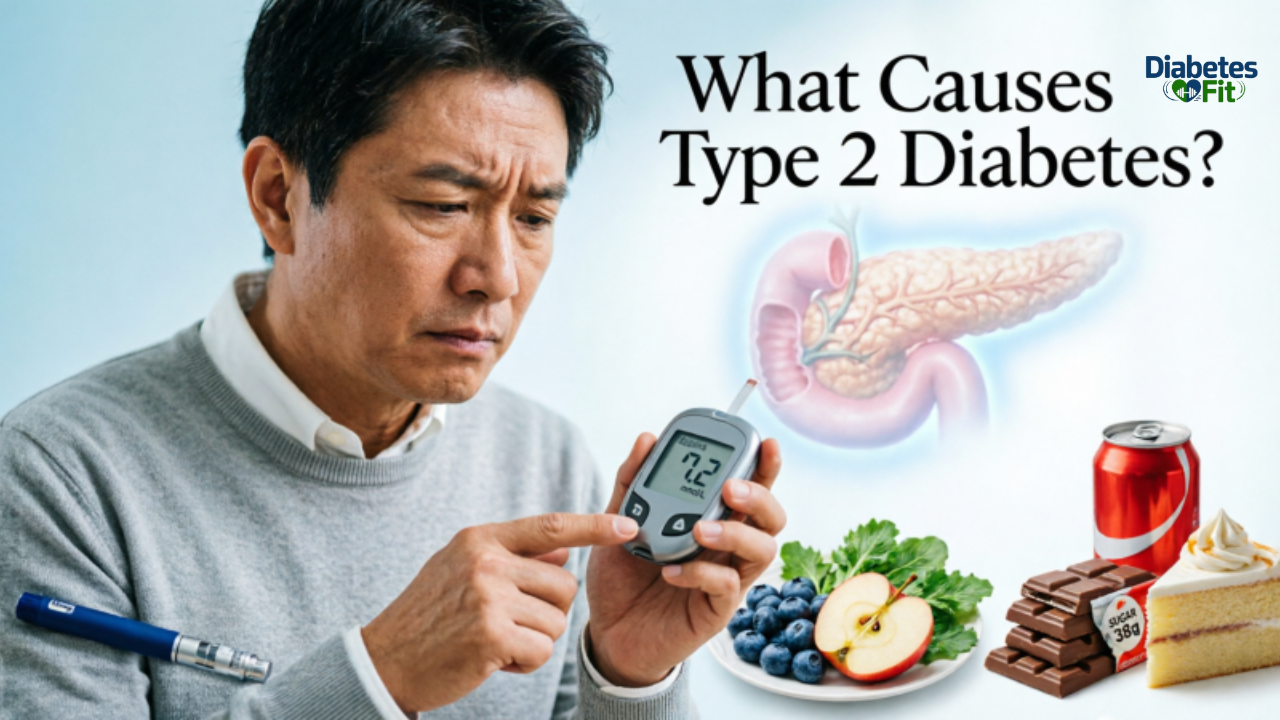
    What Causes Type 2 Diabetes? A Real, Honest Guide

    The majority of people instantly associate “type 2 diabetes” with excessive sugar intake. To be honest, though, that is not the entire tale. My 54-year-old neighbor, who operated a small business, walked everywhere and hardly ever tasted sweets, was diagnosed. 

    His pancreas has been quietly battling for years, according to his doctor. I became aware of how little most of us truly know about the causes of type 2 diabetes at that very moment.

    So let us have a proper conversation about it, using only the facts and not any jargon or scare tactics.

    Healthy lifestyle habits can support both immunity and blood sugar control—read our post How to Boost Immune System Naturally to learn more.

    What is Really Taking Place in Your Body?

    Your body converts food into glucose, which powers your cells, each time you eat. However, glucose cannot enter your cells on its own. To function as a key that opens the cell door, it requires insulin, a hormone produced by the pancreas.

    What Causes Type 2 Diabetes?

    This functions flawlessly in a healthy body. After eating, blood sugar levels rise, insulin is released, glucose is absorbed by cells, and within a few hours, everything returns to normal.

    This system malfunctions in type 2 diabetes in one of two ways, or both:

    Insulin resistance is the inability of cells to react appropriately to insulin. The lock has changed, but the key is still there.

    Beta cell exhaustion: The pancreas eventually loses its capacity to produce enough insulin after years of overwork.

    Persistently elevated blood sugar is the outcome. And that gradually harms the heart, kidneys, blood vessels, nerves, and eyes.

    So what is the first cause of type 2 diabetes? Let us go over it thoroughly.

    1. Excess body fat, particularly in the abdomen

    Being overweight in the stomach is one of the most well-known causes of type 2 diabetes. This is the bit that people overlook, though.

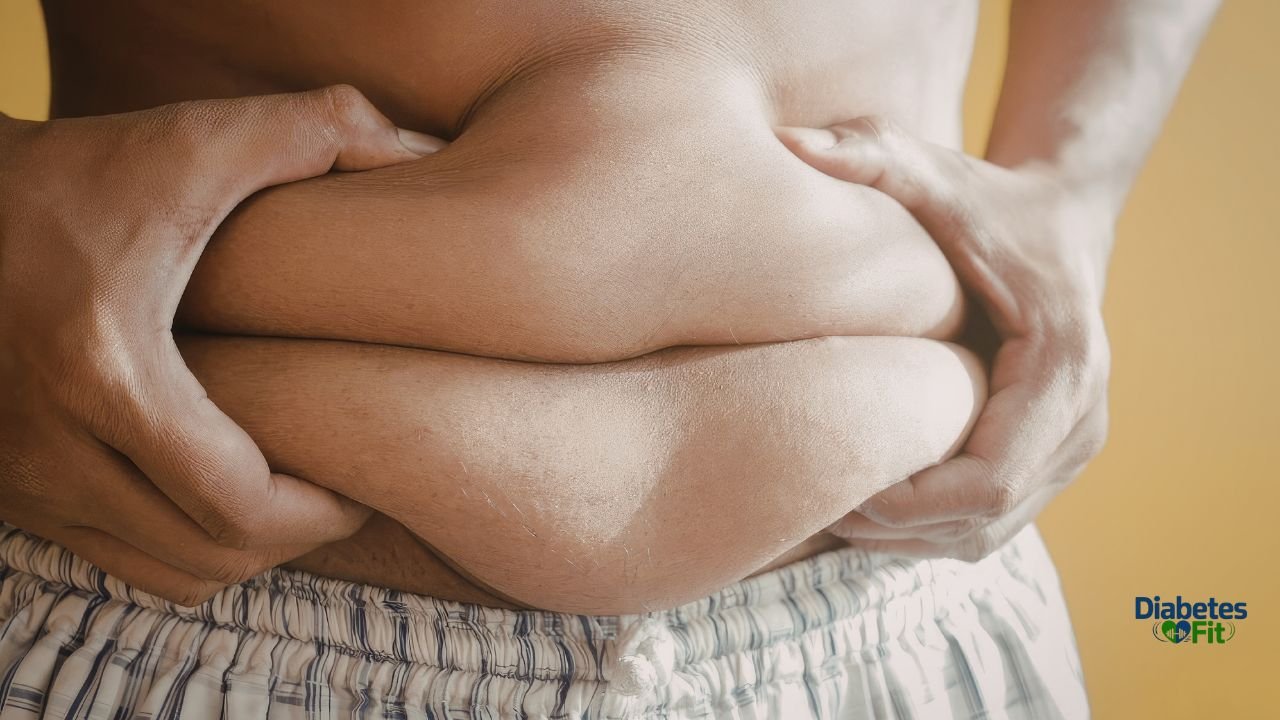
    The problem is not the fat you can squeeze beneath your skin. The fat that is densely packed around your internal organs is called visceral fat. This fat has biological activity. It causes the release of inflammatory molecules that directly disrupt the way your cells react to insulin.

    Imagine it as a steady, sluggish trickle of interference signals. Your cells become increasingly difficult to communicate with as you age. Blood sugar management begins to break down when insulin’s message is increasingly disregarded.
    Because of this, waist circumference frequently predicts diabetes risk more accurately than total weight. Depending on where they store fat, two individuals may have the same BMI but very different metabolic risk levels.

    Note: Regardless of overall body weight, a waist larger than 94 cm (37 inches) for men or 80 cm (31.5 inches) for women is associated with a markedly increased metabolic risk.

    2. Physical Inactivity — The Silent Accelerator

    Your muscles are your body’s largest consumers of glucose. When you move—walk, swim, climb stairs—muscles pull glucose directly from the bloodstream, often without even needing much insulin to do it. Exercise also makes your cells more sensitive to insulin for hours afterward.

    What Causes Type 2 Diabetes?

    When you’re largely sedentary, muscles become passive. They don’t demand glucose, so it accumulates in the blood. Combine that with a diet that keeps delivering glucose regularly, and you’ve got a slow but steady overload building in the system.

    Here’s what surprises most people: even if you exercise for 30 minutes a day but sit for 8–10 hours, that long sitting window still causes real harm. Breaking up sitting time — even a 5-minute walk every hour — makes a documented, measurable difference.

    3. What You Eat (And How Much of It Is Ultra-Processed)

    Diet sits right at the center of what causes type 2 diabetes. But not in the oversimplified way people usually think.

    Refined carbohydrates are the bigger issue

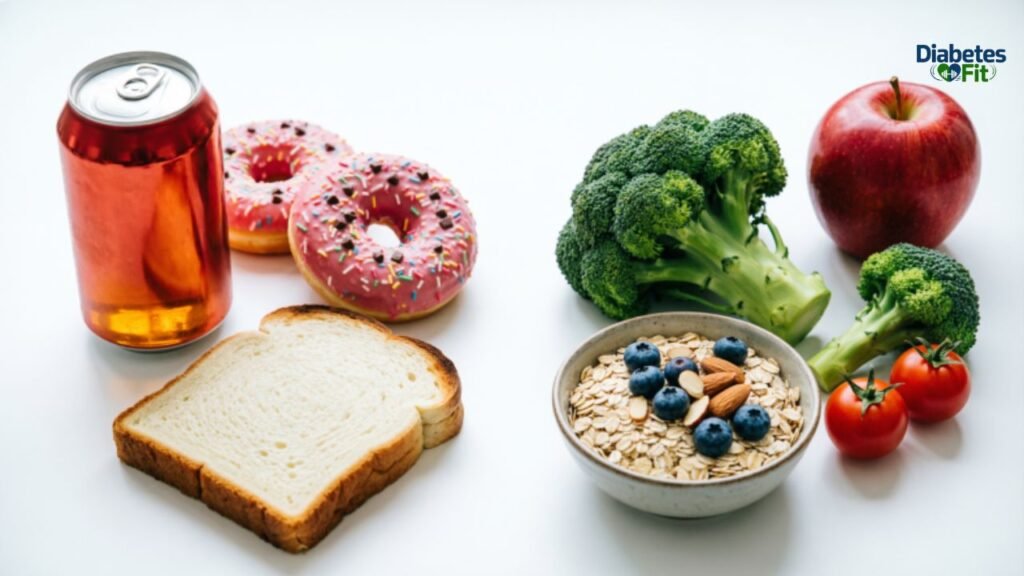
    White bread, white rice, most breakfast cereals, crackers, and pastries—these break down almost instantly into glucose. Blood sugar spikes fast and hard. The pancreas scrambles to flood the system with insulin. Do this three to five times a day, every day, for years—and you’re exhausting the whole system. Eventually, cells start tuning out the repeated insulin signal.

    Sugary drinks deserve special attention

    Liquid sugar is uniquely harmful. A soda or sweetened juice delivers glucose almost immediately — no fiber, no protein, nothing to slow it down. Worse, drinks don’t trigger the fullness signals that solid food does. People consume enormous amounts of sugar without their bodies registering it.

    Ultra-processed foods crowd out the good stuff

    Packaged snacks, fast food, ready meals — these are calorie-dense, low in fiber, and engineered to keep you eating past fullness. They push out vegetables, beans, and whole grains that would otherwise slow digestion and keep blood sugar stable.

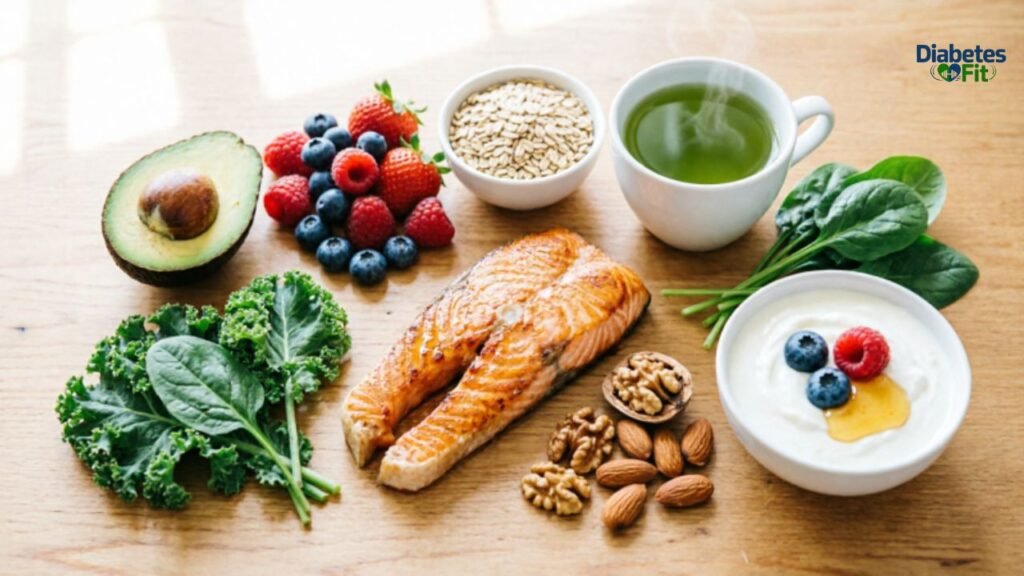
    Worth knowing: A diet high in fiber—from vegetables, legumes, whole grains, and nuts—directly blunts blood sugar spikes after meals. Fiber slows glucose absorption the way brakes slow a car. Remove it, and that protection disappears.

    4. Genetics and Family History

    Here’s the part that makes some people uncomfortable: genetics genuinely matter when it comes to what causes type 2 diabetes.

    If a parent or sibling has type 2 diabetes, your risk is meaningfully higher. If both parents had it, the risk roughly doubles. Genes influence how efficiently your pancreas produces insulin, how sensitive your cells are to it by default, and where your body tends to store fat.

    But genetics is not destiny. People with a strong family history who stay active, eat well, and maintain a healthy weight can push their risk way down. The predisposition is real — but so is the ability to work against it.

    5. Age and Declining Metabolic Function

    The pancreas ages like every other organ. As people get older, insulin-producing beta cells become less efficient. Muscle mass tends to decline, reducing the body’s ability to absorb glucose. And fat tends to shift toward the abdomen, even in people whose total weight hasn’t changed much.

    Risk climbs notably after age 45 and rises further after 60. But this isn’t a reason to accept it as inevitable. It’s a reason to be more proactive about diet, movement, and regular blood sugar checks during those decades.

    One more thing worth saying: type 2 diabetes is no longer a condition that only affects older adults. It’s being diagnosed in growing numbers of people in their 20s and 30s, driven almost entirely by modern lifestyle changes.

    6. Poor Sleep and Chronic Stress

    These two causes of type 2 diabetes don’t get nearly the attention they deserve.

    What Causes Type 2 Diabetes?

    What poor sleep does to blood sugar

    Even just a week of sleeping five or six hours a night measurably reduces insulin sensitivity in healthy people. Cortisol and growth hormone spike when you’re sleep-deprived—and both raise blood sugar. Your appetite hormones also shift: hunger goes up, and fullness signals go down. You eat more, and your body handles glucose worse. That combination does real damage over time.

    How chronic stress feeds the problem

    When you’re stressed, your body releases cortisol as part of the fight-or-flight response. Cortisol raises blood sugar — it’s designed to give you a quick burst of energy. Fine when the stressor is short-lived. But when stress is chronic—financial pressure, job burnout, relationship strain—cortisol stays elevated. Blood sugar stays chronically higher. Insulin gets called in constantly. Over the years, the system starts to wear down.

    Chronic stress also disrupts sleep, reduces exercise, and triggers comfort eating. Rarely is it one thing alone — it’s usually everything compounding together.

    7. Ethnicity and Biological Predisposition

    Research consistently shows that certain ethnic groups develop type 2 diabetes at lower body weights. South Asian, East Asian, Middle Eastern, Hispanic, and African populations tend to face significantly elevated risk at BMIs that would be considered “normal” by standard Western charts.

    What Causes Type 2 Diabetes?

    This matters practically because standard BMI thresholds were developed using largely white European population data. For many groups, a BMI of 23 or 24 already carries real metabolic risk. This is one reason several countries now use lower BMI cutoffs for diabetes screening in these populations.

    8. Other Medical Conditions That Raise Your Risk

    Several health conditions are closely tied to what causes type 2 diabetes:

    • Prediabetes — Blood sugar is elevated but not yet at the diabetic threshold. A critical window where lifestyle changes can reverse the trend.
    • Polycystic ovary syndrome (PCOS) — Women with PCOS have elevated insulin resistance as part of their hormonal imbalance, significantly raising long-term diabetes risk.
    • Gestational diabetes — Women who develop diabetes during pregnancy face roughly a 50% lifetime risk of developing type 2 diabetes later. A major warning sign.
    • Non-alcoholic fatty liver disease (NAFLD)—The liver is central to glucose regulation. A fatty liver impairs this function and is strongly linked to insulin resistance.
    • Certain medications—long-term use of corticosteroids, some antipsychotics, and specific blood pressure drugs—can reduce insulin sensitivity over time.

    How Diabetes Type 2 Develops Over Time

    One of the most confusing aspects of type 2 diabetes is how slowly it progresses. For the majority of people, it does not happen suddenly; rather, it develops gradually over years with little to no warning.

    In general, this is what occurs:

    Early insulin resistance is displayed by cells, but the pancreas makes up for it by making more insulin.

    For a while, blood sugar remains normal, completely hiding the issue. As insulin resistance increases, the pancreas must work harder to keep up.

    After meals, blood sugar begins to rise and remains elevated until it is unable to compensate.

    The individual develops prediabetes, which is still treatable with the correct adjustments. Complete type 2 diabetes develops in the absence of intervention.

    It may take five to fifteen years to complete this process. Fatigue, frequent urination, and blurred vision are examples of symptoms that frequently appear later. Because of this, routine blood sugar testing is crucial, particularly if you have any of the risk factors listed here.

    Conclusion

    Knowing the causes of type 2 diabetes alters your perspective on prevention. It has nothing to do with willpower or remorse. It involves a number of elements that subtly interact with one another, some inherited and some developed over years of everyday routines.

    Fortunately, it is possible to actually control the majority of these elements. Early detection of increased blood sugar at the prediabetes stage provides a genuine window of opportunity to improve conditions before a final diagnosis.

    You do not have to completely change your life in a single day. Walking more, getting better sleep, eating less processed food, controlling your stress, and getting your blood examined regularly—all of these adjustments, when made consistently over several months, yield tangible, quantifiable improvements. In actuality, biology responds to effort.

    It is worth clinging to.

    If you want to better understand how type 2 diabetes develops, this expert guide from Cleveland Clinic explains the causes clearly.

    Frequently Asked Questions

    Can you get type 2 diabetes if you’re not overweight? 

    Yes. Slim people can develop it—especially with a family history, physical inactivity, or belonging to a higher-risk ethnic group. Visceral fat (around organs) can be present even without visible weight gain.

    Is sugar the main cause of type 2 diabetes? 

    Not exactly. Refined carbohydrates, excess calories, lack of movement, and body fat are bigger drivers overall. Sugary drinks are particularly problematic, but no single food causes diabetes on its own.

    Can type 2 diabetes develop in young people? 

    Absolutely — and it’s happening more and more. While risk increases after 45, people in their 20s and 30s are increasingly being diagnosed, largely due to sedentary lifestyles and poor dietary habits.

    Can type 2 diabetes be reversed? 

    For some people, yes — particularly when caught early. Significant weight loss and sustained dietary changes can lead to remission, where blood sugar normalizes without medication. The predisposition remains, so lifestyle habits need to be maintained.

    Does stress actually cause type 2 diabetes? 

    Chronic stress is a real contributor. Cortisol raises blood sugar as part of the stress response. When that stress never goes away, blood sugar stays persistently elevated—and the cycle of poor sleep and overeating makes it worse.

    What’s the difference between prediabetes and type 2 diabetes? 

    Prediabetes means blood sugar is elevated above normal but hasn’t crossed the clinical diabetes threshold yet. It’s the most important window for intervention—many people at this stage can fully reverse the trend with lifestyle changes before it becomes permanent.

  • How to Boost Immune System Naturally: 5 strategies that actually work

    How to Boost Immune System Naturally: 5 strategies that actually work

    My grandmother never took a single vitamin supplement in her life. She lived to 91, rarely got sick, and swore by three things: sleeping early, eating real food, and not worrying too much. I used to laugh it off as old-person wisdom. Then I hit my early 30s, started getting sick every other month, and realized she might have been onto something.

    The immune system is one of those things we completely ignore until it fails us. Then we panic, grab every orange-labeled supplement at the pharmacy, and hope for the best. The truth is, supporting your immune system isn’t complicated. It’s just inconvenient, because it requires consistent habits rather than a quick fix.

    Let me walk you through what the science says—and what real experience confirms.

    If you’re looking at ways to strengthen your immune system through diet, check out our post Is Honey Better Than Sugar? for tips on natural sweeteners.

    First, Let’s Clear Something

    You’ve probably seen ads promising to “supercharge” or “turbocharge” your immune system. That language sounds great, but it doesn’t mean much biologically. Your immune system isn’t a car engine that runs faster with premium fuel. It’s more like a finely tuned orchestra—every section needs to be playing at the right volume, at the right time.

    The goal isn’t to make your immune system more aggressive. It’s to keep it functioning the way it was designed to. An overactive immune system attacks the body’s own tissue—that’s what happens in conditions like rheumatoid arthritis or lupus. So when we talk about “boosting” immunity, we really mean maintaining balance, removing obstacles, and giving the body what it needs to defend itself.

    With that in mind, let’s get into what actually moves the needle.

    Sleep More Than You Need To

    If you could only do one thing for your immune health, this would be it. Sleep is when your body does the majority of its repair work—producing cytokines (proteins that regulate immune response), consolidating immune memory, and reducing inflammation.

    How to Boost Immune System

    A landmark study out of Carnegie Mellon found that people who got less than six hours of sleep were significantly more likely to catch a cold after direct virus exposure compared to those sleeping seven hours or more. Not a little more likely. Dramatically more likely.

    Here’s the part most people miss: the damage from poor sleep isn’t just about that one night. Chronic sleep deprivation — even sleeping six hours regularly when your body needs seven or eight — creates a low-grade immune deficit that builds over time. You don’t notice it until you’re the person in the office who gets every bug that goes around.

    How to Actually Fix Your Sleep

    • Go to bed and wake up at the same time every day — yes, weekends too. Your immune system doesn’t take days off, and neither does your circadian rhythm.
    • Make your room cold and dark. Most people sleep better around 65–68°F. Darkness tells your brain to produce melatonin.
    • Stop caffeine by early afternoon. Caffeine has a half-life of about five to six hours. That 3 pm coffee is still partially in your system at 9 pm.
    • Don’t drink alcohol as a sleep aid. It helps you fall asleep but wrecks the deep stages, which is exactly where immune repair happens.

    Feed Your Gut as It Matters—Because It Does

    About 70% of your immune system lives in your gut. Not near your gut. In it. The lining of your intestinal wall is packed with immune tissue, and the bacteria living in your digestive tract are in constant conversation with those immune cells.
    When your gut microbiome is healthy and diverse, your immune system gets better information, responds more appropriately to threats, and creates less unnecessary inflammation. When it’s disrupted by a poor diet, antibiotics, or chronic stress, immune function suffers.

    This isn’t fringe science anymore. A 2021 Stanford study found that people who ate a diet high in fermented foods showed significant increases in immune cell diversity and decreases in inflammatory markers, compared to people eating high-fiber diets. That was a surprising finding — fermented foods outperforming fiber. The researchers think it’s because fermented foods directly seed the gut with beneficial bacteria.

    Foods That Help

    Fermented foods are your best friends here:

    How to Boost Immune System
    • Yogurt with live cultures (check the label — not all yogurts qualify)
    • Kefir—more potent than yogurt and easier to drink than it sounds
    • Kimchi, sauerkraut, miso, tempeh
    • Kombucha (lower sugar versions)

    Colorful produce matters because different pigments represent different antioxidants, and antioxidants reduce oxidative stress on immune cells:

    • Dark leafy greens for folate and iron
    • Orange and yellow vegetables for beta-carotene
    • Berries for anthocyanins
    • Citrus for vitamin C (though probably not as much as you think — more on that below)

    Protein often gets left out of immune conversations, but your immune cells are made from it. Chronic low protein intake impairs antibody production and slows recovery from illness. Eggs, legumes, fish, meat, tofu — whichever sources work for your diet.

    Garlic and ginger deserve a special mention. Both have genuine antimicrobial and anti-inflammatory compounds (allicin in garlic and gingerols in ginger) and have been studied more rigorously than most “superfoods.” They’re not miracle cures, but they’re nothing either.

    What to avoid

    • Ultra-processed food disrupts gut microbiome diversity — consistently, across multiple studies.
    • Added sugar in high amounts impairs white blood cell function temporarily after consumption.
    • Alcohol—even moderate drinking—impacts the gut lining and immune cell behavior. This doesn’t mean never drink; it means don’t pretend it’s neutral.

    Move Your Body — But Don’t Do This Very Much

    Exercise has a nuanced relationship with immunity. Moderate, consistent physical activity genuinely improves immune surveillance — the process by which immune cells patrol the body looking for threats. People who exercise regularly tend to get fewer respiratory infections and recover faster when they do.

    But there’s a catch. Very intense exercise, especially without adequate recovery, temporarily suppresses immune function. Marathon runners and elite athletes often get sick right after major events—this is the “open window” phenomenon, where heavy exertion creates a brief period of immune vulnerability.

    For the rest of us, the risk is the opposite: sitting too much. Sedentary behavior is consistently linked to chronic low-grade inflammation, which is both a symptom of and a contributor to immune dysfunction.

    The sweet spot? About 150 minutes of moderate activity per week. Brisk walking, cycling, light jogging, swimming — whatever fits your life. The word “moderate” is doing real work here. You should be able to hold a conversation but feel like you’re actually moving.

    I personally started walking 25–30 minutes after dinner most evenings. Not for weight loss, just to move. After about six weeks, I noticed I was sleeping better, feeling less anxious, and—this is harder to quantify—seemed to be getting sick less often. Whether the walking directly drove that or whether better sleep from the walking did, I genuinely don’t know. Probably both.

    Manage your stress just like your health depends on it.

    Stress is perhaps the most underestimated immune suppressor in modern life. Not because the stress itself is dangerous, but because most of us live in a state of low-level chronic stress that we’ve normalized entirely.

    How to Boost Immune System

    Here’s the basic biology: stress triggers the release of cortisol. Cortisol, in the short term, actually helps modulate immune response. But when cortisol stays elevated for weeks — because of a difficult job, a hard relationship, financial worry, or just the general noise of modern life — it begins to suppress lymphocyte production and impair the immune system’s ability to mount effective responses.

    You’ve probably experienced this: you power through a brutal stretch at work, hold it together, then collapse with a terrible cold the week things finally slow down. That’s not a coincidence. The sustained cortisol suppressed your immune response just long enough for something to slip through.

    What Helps With Stress

    Not all stress management advice is equal. Bubble baths aren’t going to fix a chronically overloaded nervous system. What the research supports:

    • Mindfulness-based practices—even 10–15 minutes of focused breathwork or meditation daily—show measurable reductions in cortisol and inflammatory markers within weeks.
    • Social connection—loneliness raises inflammatory markers. Real connection (not scrolling, actual conversation and presence) has biological benefits.
    • Shinrin-yoku (forest bathing) — Japanese researchers have documented increases in natural killer cell activity following time spent in forested environments. Something about trees specifically seems to help. Maybe it’s the phytoncides (compounds released by plants); maybe it’s just the absence of screens and noise.
    • Protecting your “off” time—this one’s harder but more important than it sounds. If your nervous system never truly downshifts, it never fully recovers. Saying no to things you don’t need to do is an immune health decision.

    Check your vitamin D levels

    This is the supplement conversation, and I want to be precise here because there’s a lot of noise.

    Most immune supplements are either overhyped, weakly evidenced, or only useful for specific people in specific situations. But vitamin D is a genuine exception—and the reason is that deficiency is very common and deficiency genuinely impairs immune function.

    How to Boost Immune System

    Vitamin D isn’t technically a vitamin—it’s a hormone precursor. Your skin produces it from sunlight, but if you live at a high latitude, work indoors, or have darker skin, you may not be getting enough even in summer. Many people are walking around deficient without knowing it.

    Low vitamin D is associated with higher rates of respiratory infection, slower recovery from illness, and, in some studies, more severe outcomes. The research on supplementation is strongest in deficient populations — if your levels are already fine, taking more probably doesn’t help.

    Get a blood test. It’s simple and often covered by insurance. If you’re deficient, supplementing (usually 1,000–2,000 IU daily, though your doctor may suggest more) can make a real difference.

    Other Supplements Worth Knowing About

    • Zinc: Solid evidence for reducing cold duration if taken within the first 24 hours — specifically as lozenges. Long-term high-dose use can deplete copper, so don’t take megadoses indefinitely.
    • Probiotics: Useful after antibiotic use and potentially helpful generally, but strain matters enormously. Look for Lactobacillus rhamnosus GG or Saccharomyces boulardii specifically.
    • Elderberry: Modest, real evidence for reducing cold and flu duration. Not a miracle, but probably worth having around.
    • Vitamin C: More nuanced than its reputation. It won’t prevent colds in most people, but it may modestly shorten duration. Getting it from food is fine; megadosing is probably unnecessary.
    • Echinacea: Mixed evidence. Some preparations seem to help slightly; many don’t. Not worth prioritizing.

    The Basics that Nobody Talks About

    Some of the most effective immune interventions are almost embarrassingly simple — which is probably why the wellness industry ignores them in favor of selling something more interesting.

    Handwashing remains one of the single most effective infection-prevention tools available. Twenty seconds with plain soap before eating and after public contact stops more illness than most supplements combined. Boring? Yes. Effective? Absolutely.

    Staying hydrated supports mucous membrane function — those membranes in your nose, mouth, and throat are literal physical barriers to pathogens. When you’re dehydrated, they dry out and become less effective. Lymphatic fluid also needs water to move properly; your immune cells travel through it.

    Vaccinations train your adaptive immune system in advance. This isn’t controversial biology — it’s the most well-studied, most effective immune intervention in human history. Annual flu shots, staying current on boosters — these aren’t separate from immune health. They are immune to health.

    Quitting smoking (if applicable) is one of the highest-impact changes a person can make. Smoking damages the cilia in your airways—the tiny hairs that physically sweep pathogens up and out. Once those are compromised, pathogens reach deeper tissue more easily. Quitting improves immune function measurably within months.

    Conclusion

    Here’s what I’d tell a friend who came to me genuinely wanting to stop getting sick all the time: there’s no single thing that fixes this. But there are a handful of things that, done consistently, genuinely shift the baseline.

    Sleep is first. Always sleep first. Then look at your diet—not to be perfect, but to add more real food and cut back on the stuff that actively disrupts your gut. Move your body regularly, manage stress with more intention than you probably currently do, and get your vitamin D checked.

    The supplement aisle is the last place to start, not the first. Real, lasting immune resilience is built through habits, not bottles.

    My grandmother didn’t know anything about cytokines or gut microbiomes. She just lived well, rested properly, ate real food, and kept people she loved close. Turns out that’s not old-fashioned advice. That’s just biology.

    For more expert tips on strengthening your immune system, you can read this detailed guide from Harvard Health.

    Frequently Asked Questions 

    Can you actually boost your immune system, or is that just marketing language?

    Technically, the word “boost” is misleading. You can’t simply turn up your immune system like a volume dial—and you wouldn’t want to, because an overstimulated immune system causes autoimmune disease. What you can do is support and maintain optimal immune function by removing obstacles (poor sleep, chronic stress, nutritional deficiencies) and giving your body what it needs. The result might look like “boosted” immunity, but what’s actually happening is the system working as it was designed to.

    How long does it take to see improvements in immune health after changing habits?

    It depends on where you’re starting from. Sleep improvements can show results within days — your body starts recovering almost immediately. Gut microbiome changes from dietary shifts take roughly 2–4 weeks to show measurable effects. Stress-related immune suppression takes longer to resolve because the nervous system adapts slowly. Most people who make consistent changes across multiple areas notice a real difference within 6–12 weeks.

    Is vitamin C actually useful for preventing colds?

    For most people, taking vitamin C supplements doesn’t prevent colds. The evidence on that is fairly consistent—it doesn’t work as a preventive measure unless you’re in an extreme-stress situation (like marathon runners or soldiers in harsh conditions, where it does seem to help). Where vitamin C may help is in shortening cold duration if you’re getting it regularly. Getting it from food—citrus, kiwi, bell peppers, broccoli—is perfectly sufficient for most people.

    Does stress really make you more likely to get sick?

    Yes, and this is one of the most well-established findings in psychoneuroimmunology (the study of how the mind and immune system interact). Chronic psychological stress raises cortisol, which, over time, suppresses lymphocyte production and reduces the immune system’s ability to mount effective responses. The post-stress illness so many people experience—getting sick right after finishing a big project or stressful period—is a real and documented phenomenon, not just a coincidence.

    Are there foods that actively harm immune function?

    Yes. Heavily processed foods consistently disrupt gut microbiome diversity. High sugar intake temporarily impairs white blood cell function — research suggests this effect kicks in even with a moderately sugary meal and lasts a few hours. Alcohol disrupts gut lining integrity and interferes with how immune cells function. None of this means you can never eat these things, but treating them as neutral is a mistake if you’re trying to genuinely support immune health.

    Is it possible to have an immune system that’s too active?

    Absolutely — and this is why “boosting” your immune system without nuance is bad advice. Autoimmune diseases like lupus, rheumatoid arthritis, multiple sclerosis, and type 1 diabetes are all conditions where the immune system is overactive, attacking the body’s own tissue. Severe allergic reactions and anaphylaxis are also immune overreactions. The goal of immune support should always be balance and optimal function — not maximum aggression.

  • 7 Best Alcohols for Diabetics That Surprisingly Won’t Spike Your Blood Sugar

    7 Best Alcohols for Diabetics That Surprisingly Won’t Spike Your Blood Sugar

    Living with diabetes does not mean you have to sit with sparkling water at every party while everyone else celebrates. Millions of people with diabetes enjoy an occasional drink — safely and responsibly. But choosing the right drink matters enormously. The best alcohol for diabetics is not the same as the most popular drink at the bar. Sugary cocktails, sweet wines, and beer can send blood sugar soaring. 

    But certain alcohol choices — made carefully and consumed in the right amount — have a minimal impact on blood glucose and can fit into a diabetic lifestyle without derailing your management. This guide covers exactly which drinks qualify as the best alcohol for diabetics, why some drinks are dangerous, what the science says about alcohol and blood sugar, and the practical rules that keep you safe while allowing you to enjoy life socially.

    When choosing drinks, it’s important to understand how alcohol can affect your insulin levels—learn more in our post What Is a Normal Insulin Level for a Woman.

    How Alcohol Affects Blood Sugar in Diabetics

    Before identifying the best alcohol for diabetics, understanding the biology of alcohol and blood sugar is essential, because alcohol does something most people do not expect.

    Best Alcohols for Diabetics

    The Hypoglycemia Risk — The Biggest Danger Most People Miss

    Most people assume alcohol raises blood sugar. In reality, alcohol can cause dangerously low blood sugar — particularly in people taking insulin or sulfonylureas.

    Here is why:

    Your liver has two important jobs related to blood sugar:

    • Producing glucose and releasing it into the bloodstream when blood sugar drops (gluconeogenesis)
    • Metabolizing alcohol when you drink

    Here is the critical problem: the liver cannot do both at the same time. When alcohol is present, your liver prioritizes breaking it down and essentially stops producing glucose. This means the normal safety mechanism that prevents your blood sugar from dropping too low is disabled for as long as it takes your liver to clear the alcohol.

    For someone on insulin or blood sugar-lowering medication, this creates a significant window of hypoglycemia risk — potentially lasting four to twelve hours after drinking, including while you sleep.

    This is why diabetics can have hypoglycemia the morning after drinking — even if they felt fine the night before.

    The Hyperglycemia Risk — The More Obvious Problem

    Many alcoholic drinks are loaded with sugar, carbohydrates, and rapidly digestible calories that spike blood glucose directly:

    • Beer: 10–20g of carbohydrates per serving
    • Sweet wines: 15–30g of sugar per glass
    • Cocktails with juice or soda: 30–60g of sugar per drink
    • Liqueurs and cream-based drinks: 20–40g of sugar per serving

    For diabetics, these drinks cause the same glucose spike as eating a large piece of cake — but without the satiety of food to slow absorption.

    The Calorie and Weight Problem

    Alcohol provides 7 calories per gram — almost as calorie-dense as fat. It offers zero nutritional value and promotes fat storage because the body prioritizes metabolizing alcohol over burning fat. For diabetics, where weight management is often central to treatment, regular alcohol consumption can significantly undermine progress.

    Best Alcohol for Diabetics: The Top 7 Choices

    Best Alcohols for Diabetics

    1. Dry Red Wine — The Best Overall Choice

    Dry red wine consistently tops research-backed lists of the best alcohol for diabetics — and the evidence supporting it is genuinely impressive.

    Why red wine works for diabetics:

    • Very low in residual sugar (typically 1–4g per 5oz glass)
    • Contains resveratrol — a polyphenol with demonstrated insulin-sensitizing effects
    • Contains quercetin and anthocyanins — antioxidants that reduce inflammation and may improve glucose metabolism
    • Has a glycemic index of approximately zero — it does not directly raise blood sugar when consumed without food.d

    The research: A landmark randomized controlled trial published in the Annals of Internal Medicine (the DIRECT trial) assigned people with Type 2 diabetes to drink either water, white wine, or red wine with dinner for two years. The red wine group showed significant improvements in cardiovascular risk markers and modest improvements in glucose metabolism, particularly in those who were slow alcohol metabolizers.

    Best red wine choices for diabetics:

    • Pinot Noir (lowest sugar among reds)
    • Cabernet Sauvignon
    • Merlot
    • Malbec
    • Shiraz/Syrah

    Safe serving: On a 5-oz glass (148ml). Maximum two glasses for women, two to three for men on any occasion.

    Carbs per 5oz glass: 3–4g Calories: ~125

    2. Dry White Wine — Close Second

    Dry white wine is another excellent entry among the best alcoholic beverages for diabetics. Like red wine, properly selected dry white wines have minimal residual sugar and a negligible glycemic impact.

    Best dry white wine choices:

    • Pinot Grigio — extremely dry, crisp, typically under 3g carbs per glass
    • Sauvignon Blanc — dry, herbaceous, low sugar
    • Chardonnay (unoaked) — drier than sweeter styles
    • Albariño — refreshing, low sugar

    What to avoid in white wine:

    • Riesling (sweet varieties can have 15–30g sugar per glass)
    • Moscato (very sweet, typically 10–20g sugar)
    • Gewürztraminer (often sweet)
    • Any wine labeled “off-dry” or “sweet.”

    Carbs per 5oz glass: 2–4g Calories: ~120

    3. Champagne and Dry Sparkling Wine — For Celebrations

    The best alcohol for diabetics at celebrations does not have to be non-alcoholic. Brut and Extra Brut champagne and sparkling wines are genuinely low in sugar.

    What the labels mean:

    LabelSugar ContentDiabetic Suitability
    Extra Brut / Brut Nature0–6g/L (very dry)✅ Excellent
    Brut6–12g/L✅ Good
    Extra Dry12–17g/L⚠️ Moderate
    Dry (Sec)17–32g/L❌ Avoid
    Demi-Sec32–50g/L❌ Avoid
    Doux50+g/L❌ Avoid

    Stick to Brut or Extra Brut varieties. A standard 4oz pour of Brut champagne contains approximately 1–2g of sugar — completely acceptable for most diabetics.

    Carbs per 4oz glass: 1–3g Calories: ~90

    4. Spirits — Vodka, Gin, Rum, Tequila (Unflavored, Unsweetened)

    Pure distilled spirits are the best alcohol for diabetics from a blood sugar perspective because distillation removes virtually all carbohydrates. Pure vodka, gin, whiskey, tequila, and rum contain essentially zero carbohydrates.

    Carbohydrate content of pure spirits:

    SpiritCarbs per 1.5oz ShotCalories
    Vodka0g97
    Gin0g97
    Tequila (100% agave)0g97
    Rum (white, unflavored)0g97
    Whiskey/Bourbon0g105
    Scotch0g97

    The critical caveat: Spirits are only the best alcohol for diabetics when consumed neat, on the rocks, or with zero-calorie mixers. The moment you add a mixer, everything changes:

    Mixer comparison:

    MixerCarbsBlood Sugar Impact
    Club soda / sparkling water0gNone
    Diet tonic water0gNone
    Regular tonic water22g per servingHigh
    Cola26g per servingVery high
    Orange juice26g per servingVery high
    Cranberry juice34g per servingVery high
    Ginger beer29g per servingVery high
    Lemon juice (small amount)2–3gMinimal

    Best spirit + mixer combinations for diabetics:

    • Vodka + sparkling water + lime juice
    • Gin + diet tonic + cucumber
    • Tequila + sparkling water + lime (essentially a sugar-free margarita)
    • Whiskey on the rocks
    • Rum + diet cola (very occasionally)

    5. Light Beer — The Best Beer Option

    Beer is generally one of the worst choices for diabetics due to its high carbohydrate content, but light beer is tasignificant exception that makes it potentially the best alcohol for diabetics who specifically enjoy beer.

    Beer carbohydrate comparison:

    Beer TypeCarbs per 12ozCalories
    Regular lager13g150
    IPA15–20g180–220
    Stout (Guinness)10g125
    Wheat beer15–18g160–180
    Light beer (Bud Light)6.6g110
    Ultra light (Michelob Ultra)2.6g95
    Non-alcoholic beer15–20g70–90

    Ultra-light beers like Michelob Ultra (2.6g carbs) are among the lowest glycemic alcoholic beverages available. However, even light beer should be limited to one to two servings, and the moderate carbohydrate content should be accounted for in your meal plan.

    Important: Non-alcoholic beer is actually worse than light beer for blood sugar — it typically contains 15–20g of carbohydrates per serving with most of the alcohol removed, leaving concentrated malt sugars.

    6. Hard Seltzers (Unsweetened) — The Modern Option

    Hard seltzers — sparkling water with alcohol and natural flavoring — have become one of the most diabetes-friendly modern drink options and deserve a place among the best alcoholic drinks for diabetics.

    Why hard seltzers work:

    • Typically 2–4g carbohydrates per 12oz can
    • 90–110 calories
    • No sugar added in quality brands
    • Light, refreshing, and socially very acceptable

    Best hard seltzer brands for diabetics:

    • White Claw (2g carbs, 100 cal)
    • Truly (2g carbs, 100 cal)
    • Bon & Viv (0–1g carbs, 90 cal)
    • Corona Hard Seltzer (2g carbs, 90 cal)

    What to check: Some flavored hard seltzers add sugar or juice — always check the nutrition label. Look for brands with zero added sugar and under 5g total carbohydrates.

    7. Dry Rosé Wine

    Dry rosé is an often-overlooked entry among the best alcoholic beverages for diabetics. When properly selected (dry, not sweet), rosé wine has a similar profile to dry white wine — low in residual sugar and moderate in carbohydrates.

    What to look for:

    • Dry Provence-style rosé (very dry, pale pink)
    • Dry Spanish rosado
    • Dry Italian rosato

    What to avoid:

    • Sweet California white zinfandel (often 8–15g sugar per glass)
    • Blush wines are labeled sweet or semi-sweet
    • Pink Moscato (extremely sweet)

    Carbs per 5oz glass: 3–5g Calories: ~120–130

    Worst Alcohol Choices for Diabetics

    Understanding the best alcohol for diabetics also means knowing what to completely avoid:

    DrinkWhy It’s ProblematicBlood Sugar Impact
    Margarita (traditional)30–40g sugar from the mixVery high spike
    Pina Colada40–50g sugarExtreme spike
    Daiquiri (sweet)25–35g sugarVery high spike
    Mojito25–30g sugarHigh spike
    Sangria20–30g sugar from fruitHigh spike
    Sweet wine (Moscato, Riesling)15–30g sugar per glassHigh spike
    Baileys / cream liqueur15–20g sugar per shotModerate-high spike
    Hard lemonade30–40g sugarVery high spike
    Cocktails with juice25–40g sugarVery high spike
    Regular beer (IPA, craft)15–20g carbsModerate-high spike

    Safety Rules for Diabetics Who Drink

    Identifying the best alcohol for diabetics is only part of the equation. How you drink matters as much as what you drink.

    Best Alcohols for Diabetics

    Rule 1: Never Drink on an Empty Stomach

    This is the most critical safety rule for diabetics. Drinking without food dramatically accelerates alcohol absorption and severely magnifies the hypoglycemia risk.

    Always eat a balanced meal containing protein, fat, and complex carbohydrates before or while drinking. The food slows alcohol absorption and provides a glucose buffer while your liver is occupied metabolizing alcohol.

    Rule 2: Check Blood Sugar Before, During, and After

    • Before drinking: Check blood sugar. Do not drink if your blood sugar is already low (below 100 mg/dL)
    • During drinking: Check every hour or two if drinking multiple servings
    • Before bed: Check blood sugar and eat a small protein and complex carbohydrate snack if below 120 mg/dL
    • The next morning: Check fasting blood sugar — alcohol-induced hypoglycemia can occur during sleep and into the morning

    Rule 3: Inform Someone

    If you take insulin or sulfonylureas, make sure someone you are with knows you have diabetes. Alcohol intoxication and hypoglycemia have remarkably similar symptoms — confusion, slurred speech, and unsteadiness. Emergency responders may not recognize hypoglycemia if they assume you are simply drunk.

    Consider wearing a medical ID bracelet that identifies you as a diabetic.

    Rule 4: Stay Hydrated

    Alcohol is dehydrating. Dehydration concentrates blood glucose and amplifies the metabolic effects of alcohol. Alternate each alcoholic drink with a glass of plain water.

    Rule 5: Know Your Medication Interactions

    Several diabetes medications interact significantly with alcohol:

    MedicationAlcohol Interaction
    InsulinSignificantly increases hypoglycemia risk
    Sulfonylureas (glipizide, glimepiride)Serious hypoglycemia risk
    MetforminLactic acidosis risk with heavy drinking
    SGLT2 inhibitorsIncreased dehydration + DKA risk
    GLP-1 agonistsGenerally low interaction risk
    DPP-4 inhibitorsGenerally low interaction risk

    Rule 6: Avoid Sweet Mixers Absolutely

    Even the best alcohol for diabetics — pure spirits — becomes problematic the moment you add juice, regular soda, or sugar-sweetened mixers. A vodka and orange juice is not a diabetic-friendly drink, regardless of how pure the vodka is.

    Rule 7: Follow Recommended Limits

    The American Diabetes Association recommends:

    • Women with diabetes: No more than one standard drink per day
    • Men with diabetes: No more than two standard drinks per day

    One standard drink equals:

    • 5oz (148ml) of wine (12% ABV)
    • 12oz (355ml) of regular beer (5% ABV)
    • 1.5oz (44ml) of spirits (40% ABV)

    Real-Life Example

    David, 52, with well-controlled Type 2 diabetes managed by metformin and dietary changes, attended his nephew’s wedding. Knowing about the best alcohol for diabetics in advance, he ate a full dinner with protein, vegetables, and moderate carbohydrates. He chose two 5-oz glasses of dry Pinot Noir over four hours, alternating with sparkling water. He checked his blood sugar before bed — it was 118 mg/dL — and had a small snack of Greek yogurt and a few almonds before sleeping. His morning fasting glucose was 102 mg/dL — completely normal. He enjoyed the celebration fully without compromising his diabetes management.

    Compare this to the previous year, when he drank two cocktails (rum and cola) on an empty stomach. His blood sugar hit 240 mg/dL by midnight, he felt terrible, and his next morning fasting glucose was 178 mg/dL.

    Same person, same occasion — completely different outcomes based entirely on choosing the best alcohol for diabetics and following safety rules.

    Final Thoughts

    The best alcohol for diabetics is not a contradiction in terms — it is a matter of knowledge, preparation, and smart choices. Dry red wine, dry white wine, brut champagne, pure spirits with sugar-free mixers, light beer, hard seltzers, and dry rosé all represent legitimate options that can fit into a carefully managed diabetic lifestyle.

    The best alcohol for diabetics is always consumed with food, in moderation, with blood sugar monitoring, and with awareness of your specific medications and their interactions. The worst choices — sugary cocktails, sweet wines, regular beer, and liqueurs — can derail blood sugar control for 24 hours from a single occasion.

    Understanding what constitutes the best alcohol for diabetics gives you the social freedom to participate in celebrations, dinners, and events without sacrificing your health. It is not about being deprived — it is about being informed. The best alcohol for diabetics is the drink that you choose deliberately, enjoy responsibly, and account for properly in your overall diabetes management plan.

    Before making any changes to your alcohol consumption, discuss them with your doctor or diabetes care team — especially if you take insulin or other blood sugar-lowering medications. 

    If you want to learn which alcoholic beverages may have less impact on blood sugar, this article from Healthline explains it clearly.

    Frequently Asked Questions

    What is the best alcohol for diabetics to drink safely? 

    Dry red wine — particularly Pinot Noir — is consistently ranked as the best alcohol for diabetics due to its very low sugar content, beneficial polyphenols like resveratrol, and evidence of modest cardiovascular and metabolic benefits in research. Pure spirits like vodka or gin with sparkling water are also excellent choices with zero carbohydrates. The key principle is choosing dry, unsweetened options and avoiding sugary mixers entirely.

    Can diabetics drink alcohol at all? 

    Yes — most people with Type 2 diabetes can drink alcohol in moderation with proper precautions. The American Diabetes Association states that moderate alcohol consumption — one drink daily for women, two for men — is acceptable for most diabetics who have well-controlled blood sugar, no complications contraindicating alcohol, and no medication interactions. People with Type 1 diabetes can also drink but face a higher hypoglycemia risk requiring closer monitoring.

    Does alcohol raise or lower blood sugar in diabetics? 

    Both — and this is the critical nuance. Sugary alcoholic drinks (cocktails, sweet wines, beer) directly raise blood sugar through their carbohydrate content. Meanwhile, alcohol simultaneously suppresses the liver’s ability to produce glucose, increasing hypoglycemia risk — particularly in people on insulin or sulfonylureas. This is why diabetics can experience high blood sugar during drinking and low blood sugar hours later or the next morning.

    What is the worst alcohol for diabetics? 

    The worst choices for diabetics include sweet cocktails (margaritas, piña coladas, daiquiris), sweet wines (Moscato, sweet Riesling), hard lemonade, cream liqueurs, and regular beer — particularly craft IPAs and wheat beers. These drinks combine high sugar and carbohydrate content with alcohol’s blood-sugar-suppressing liver effects, creating a significant risk of both immediate hyperglycemia and delayed hypoglycemia.

    Can diabetics drink beer? 

    Regular beer is generally a poor choice for diabetics due to its carbohydrate content (10–20g per serving). However, ultra-light beers like Michelob Ultra (2.6g carbs per 12oz) are among the lowest-carbohydrate alcoholic beverages available and can be consumed occasionally in moderation. Non-alcoholic beer is counterintuitively worse than light beer — it retains the malt sugars but removes most of the alcohol.

    How does wine affect blood sugar in diabetics? 

    Dry wine has a negligible direct effect on blood sugar due to its very low residual sugar content (1–4g per glass). The alcohol in wine simultaneously suppresses liver glucose production, which can cause delayed hypoglycemia in people on insulin or sulfonylureas. Dry wine consumed with a meal and in moderation is generally safe for most Type 2 diabetics. Sweet wines (Moscato, Riesling, white zinfandel) are a completely different story — their sugar content directly raises blood glucose significantly.

    What should diabetics eat when drinking alcohol? 

    Always eat before and while drinking — never drink on an empty stomach. The ideal pre-drinking meal includes protein (chicken, fish, eggs, legumes), healthy fat (avocado, olive oil, nuts), and complex carbohydrates (sweet potato, whole grains, lentils) to slow alcohol absorption and maintain stable glucose. Before bed, after drinking, check your blood sugar and eat a small snack containing protein and complex carbohydrates if your reading is below 120 mg/dL to prevent overnight hypoglycemia.

  • 7 Things Every Woman Must Know About What Is a Normal Insulin Level for a Woman

    7 Things Every Woman Must Know About What Is a Normal Insulin Level for a Woman

    If you have ever felt confused about your blood work results or wondered why your doctor ordered an insulin test, you are not alone. Millions of women ask the same question every year: What is a normal insulin level for a woman? The answer matters more than most people realize — because insulin is not just a diabetes number. 

    It is a master hormone that controls energy, fat storage, hunger, fertility, mood, and metabolic health. When insulin levels are too high or too low, the effects ripple through nearly every system in a woman’s body. Understanding what a normal insulin level for a woman is — and what it means when those levels are off — gives you the knowledge to catch problems early, have more informed conversations with your doctor, and take meaningful steps toward better hormonal health.

    Proper preparation before testing can affect your results, so check out our detailed post What to Eat Before Glucose Test for helpful tips.

    What Is Insulin and Why Does It Matter for Women?

    Before understanding what a normal insulin level for a woman is, it helps to understand what insulin actually does — because it does far more than most people think.

    Insulin is a hormone produced by the beta cells of the pancreas. Its primary job is to act as a “key” that unlocks your cells so glucose (blood sugar) can enter and be used for energy. After you eat carbohydrates, your blood glucose rises, and the pancreas responds by releasing insulin to bring it back down.

    But insulin does much more than manage blood sugar:

    • Fat storage regulation — insulin is the primary fat-storage hormone. When insulin is chronically elevated, your body is in constant fat-storage mode, and fat burning is essentially switched off
    • Hunger signaling — high insulin disrupts leptin sensitivity (the fullness hormone), making you feel hungry even after eating
    • Inflammation — chronically elevated insulin promotes systemic inflammation, which is linked to numerous chronic diseases
    • Reproductive hormone balance — insulin directly affects estrogen, progesterone, and testosterone levels in women; high insulin is one of the primary drivers of polycystic ovary syndrome (PCOS)
    • Thyroid function — insulin resistance impairs thyroid hormone conversion, contributing to hypothyroid symptoms.s
    • Cardiovascular risk — elevated fasting insulin is an independent risk factor for heart disease — in fact, it predicts cardiovascular events before blood glucose becomes abnormal.l

    This is why understanding what a normal insulin level for a woman is not just a diabetes question. It is a comprehensive hormonal health question.

    What Is a Normal Insulin Level for a Woman: The Complete Range Guide

    This is the core information most women need — and the numbers that doctors rarely explain in enough detail during a standard appointment.

    What Is a Normal Insulin Level for a Woman

    Fasting Insulin Levels

    A fasting insulin test measures insulin in your blood after at least 8 hours without food. This is the most clinically useful insulin measurement because it reflects your body’s baseline insulin requirement — how much insulin it needs just to maintain normal glucose levels without any food stimulus.

    What is a normal insulin level for a woman in the fasting state?

    Fasting Insulin LevelCategoryWhat It Means
    Below 3 µIU/mLLow-normalExcellent insulin sensitivity
    3 – 7 µIU/mLOptimalIdeal metabolic health range
    7 – 12 µIU/mLAcceptableNormal but worth monitoring
    12 – 20 µIU/mLElevatedEarly insulin resistance is likely
    Above 20 µIU/mLHighSignificant insulin resistance
    Above 25 µIU/mLVery HighStrong insulin resistance/prediabetes

    Important note: Reference ranges vary between laboratories. Some labs list “normal” fasting insulin as anything below 25 µIU/mL — but many functional medicine practitioners and metabolic health specialists consider anything above 10–12 µIU/mL as a signal of early insulin resistance worthy of dietary intervention, even when it falls within the standard lab reference range.

    Post-Meal Insulin Levels

    What is a normal insulin level for a woman after eating? Post-meal (postprandial) insulin levels rise in response to food — this is normal. The question is how high they rise and how quickly they return to baseline.

    Time After EatingNormal Peak InsulinElevated
    30 minutes30 – 100 µIU/mLAbove 100 µIU/mL
    1 hour25 – 70 µIU/mLAbove 70 µIU/mL
    2 hours10 – 30 µIU/mLAbove 30 µIU/mL
    3 hoursReturn to fastingStill elevated above 15 µIU/mL

    In a metabolically healthy woman, insulin rises appropriately after a meal and returns to baseline within two to three hours. When insulin stays elevated well beyond the two-hour mark after eating, this indicates impaired insulin clearance — an early warning sign of insulin resistance.

    Insulin Levels Across Different Life Stages for Women

    What is a normal insulin level for a woman changes meaningfully across different hormonal phases of life:

    Life StageNotes on Insulin
    Reproductive years (18–40)Insulin is most sensitive; PCOS significantly disrupts this
    PregnancyInsulin resistance naturally increases in the second and third trimesters
    Gestational diabetesFasting insulin above 10 with elevated glucose = concern
    Perimenopause (40–50)Declining estrogen increases insulin resistance
    Postmenopause (50+)Insulin resistance peaks; fasting insulin often rises without dietary changes

    How Insulin Levels Affect Women Differently Than Men

    What Is a Normal Insulin Level for a Woman

    Understanding what a normal insulin level for a woman is requires appreciating that women’s insulin physiology differs from men’s in important ways.

    Estrogen and Insulin Sensitivity

    Estrogen is a natural insulin sensitizer. During the reproductive years, when estrogen is abundant, women generally have better insulin sensitivity than men of the same age and body composition. This is one reason premenopausal women have lower cardiovascular risk than men — estrogen keeps insulin working efficiently.

    When estrogen declines during perimenopause and menopause, this protection disappears. Insulin resistance increases significantly in the postmenopausal years, which directly contributes to:

    • Increased abdominal fat accumulation
    • Rising fasting glucose and insulin levels
    • Higher cardiovascular risk
    • Increased risk of Type 2 diabetes

    PCOS and Insulin: A Critical Connection

    Polycystic ovary syndrome (PCOS) affects approximately 10% of women of reproductive age and is fundamentally a condition of insulin resistance, even though it is classified as a reproductive disorder.

    In women with PCOS, elevated insulin stimulates the ovaries to produce excess androgens (male hormones like testosterone). This androgen excess causes:

    • Irregular or absent menstrual periods
    • Excess facial and body hair (hirsutism)
    • Acne
    • Ovarian cysts
    • Fertility challenges

    Remarkably, when insulin resistance in PCOS is treated through diet, exercise, and sometimes metformin, androgen levels fall, menstrual cycles often normalize, and fertility improves. This is why asking what a normal insulin level for a woman with PCOS is one of the most important questions in reproductive endocrinology.

    Women with PCOS often have fasting insulin levels between 15–30 µIU/mL — significantly above the optimal range — even when fasting glucose is completely normal. This is why fasting glucose alone is an inadequate screening tool for women with PCOS. Fasting insulin must be measured directly.

    Pregnancy and Insulin Resistance

    Pregnancy naturally induces insulin resistance in the second and third trimesters. This is a physiological adaptation — the mother’s cells become slightly insulin resistant so that more glucose remains available in the bloodstream for the rapidly growing fetus.

    In women with gestational diabetes, this natural insulin resistance becomes excessive. The pancreas cannot produce enough insulin to overcome the resistance, and blood glucose rises above safe levels. Gestational diabetes affects approximately 7–10% of pregnancies and significantly increases the risk of Type 2 diabetes later in life for both mother and child.

    Signs That Your Insulin Levels May Be Too High

    Knowing what a normal insulin level for a woman is matters most when you can recognize the signs that yours might be outside that range.

    Chronically elevated insulin — even before diabetes develops — produces a recognizable cluster of symptoms that many women live with for years without connecting them to insulin:

    Physical signs:

    • Stubborn weight gain, especially around the abdomen and waist
    • Difficulty losing weight despite dieting and exercise
    • Energy crashes 1–2 hours after meals
    • Intense carbohydrate and sugar cravings
    • Dark patches of skin (acanthosis nigricans) on the neck, armpits, or groin
    • Skin tags — small benign skin growths often associated with insulin resistance
    • Bloating after carbohydrate-containing meals

    Hormonal and reproductive signs:

    • Irregular menstrual cycles
    • Worsening PMS symptoms
    • Excess facial hair or acne (androgen excess driven by insulin)
    • Difficulty conceiving
    • Symptoms of low thyroid despite normal TSH

    Cognitive and mood signs:

    • Brain fog, difficulty concentrating
    • Mood swings tied to meals — irritability or anxiety when meals are delayed
    • Poor sleep quality and fatigue that does not improve with rest

    Signs That Your Insulin Levels May Be Too Low

    While high insulin is far more common in modern women, chronically low insulin carries its own serious risks.

    Low insulin levels occur primarily in:

    • Type 1 diabetes — autoimmune destruction of pancreatic beta cells eliminates insulin production
    • Late-stage Type 1 LADA (Latent Autoimmune Diabetes in Adults) — a slow-onset form of autoimmune diabetes sometimes mistaken for Type 2
    • Pancreatic damage from pancreatitis, surgery, or cancer

    Signs of insufficient insulin:

    • Unintentional weight loss
    • Persistent thirst and frequent urination
    • Extreme fatigue
    • Ketones in urine (ketoacidosis in Type 1 diabetes is life-threatening)
    • Very high blood glucose despite not overeating

    How to Test Your Insulin Levels

    Knowing what a normal insulin level for a woman means nothing without understanding how to actually measure it.

    What Is a Normal Insulin Level for a Woman

    Fasting Insulin Test

    How it works: Blood is drawn after an 8–12 hour fast. This is the most clinically useful test for assessing insulin resistance in non-diabetic women.

    Who should ask for this test:

    • Women with unexplained weight gain or difficulty losing weight
    • Women with irregular periods, PCOS, or fertility challenges
    • Women with a family history of Type 2 diabetes
    • Women with signs of metabolic syndrome (abdominal obesity, high triglycerides, low HDL)
    • Women entering perimenopause or postmenopause
    • Women with acanthosis nigricans or skin tags

    Important: Many doctors do not routinely order fasting insulin unless you specifically request it. If you have any of the above risk factors or symptoms, ask your doctor directly: “Can we check my fasting insulin level?”

    HOMA-IR (Insulin Resistance Index)

    HOMA-IR is a calculation that uses both fasting insulin and fasting glucose to estimate insulin resistance. It is more accurate than either measurement alone.

    HOMA-IR formula: Fasting insulin (µIU/mL) × Fasting glucose (mmol/L) ÷ 22.5

    HOMA-IR ScoreInterpretation
    Below 1.0Excellent insulin sensitivity
    1.0 – 1.9Normal insulin sensitivity
    2.0 – 2.9Early insulin resistance
    3.0 – 4.9Moderate insulin resistance
    Above 5.0Significant insulin resistance

    A HOMA-IR score above 2.0 indicates early insulin resistance — even when fasting glucose and A1C are completely normal. This is one of the earliest metabolic warning signals available.

    C-Peptide Test

    C-peptide is produced in equal amounts to insulin by the pancreas and provides a measure of how much insulin your body is producing. It is particularly useful for distinguishing Type 1 from Type 2 diabetes and assessing remaining pancreatic function.

    How to Naturally Improve Insulin Levels and Sensitivity

    What Is a Normal Insulin Level for a Woman

    Once you understand what a normal insulin level for a woman is and where yours stands, the next question is what you can do about it. The good news is that insulin sensitivity responds remarkably well to targeted lifestyle changes.

    Dietary Strategies

    Reduce refined carbohydrates: White bread, white rice, sugary drinks, pastries, and sweetened foods cause rapid glucose and insulin spikes. Replacing these with lower-glycemic alternatives — legumes, sweet potato, whole grains — produces a slower, lower insulin response.

    Increase protein at every meal: Protein has a minimal insulin-raising effect compared to carbohydrates, while simultaneously reducing hunger and supporting muscle mass. Aim for 25–30g of protein per meal.

    Add healthy fats: Monounsaturated and polyunsaturated fats (olive oil, avocado, nuts, fatty fish) improve insulin sensitivity. Including fat in meals also slows carbohydrate absorption, blunting the insulin response.

    Eat more fiber: Soluble fiber from lentils, oats, chia seeds, and vegetables slows glucose absorption and reduces post-meal insulin requirements dramatically. Aim for 25–35g of dietary fiber daily.

    Consider time-restricted eating: Compressing your eating window to 8–10 hours (for example, eating only between 8 am and 6 pm) reduces the number of hours per day that insulin is elevated, improving insulin sensitivity over weeks to months.

    Exercise Strategies

    Resistance training: Building muscle mass is the most powerful long-term intervention for insulin sensitivity. Muscle is the body’s largest glucose disposal tissue — more muscle means more capacity to absorb glucose without needing elevated insulin.

    Two to three resistance training sessions per week produce measurable improvements in fasting insulin within four to six weeks.

    Post-meal walking: A 10–15 minute walk within 30 minutes of eating activates muscle glucose uptake without needing insulin, directly lowering post-meal glucose and insulin peaks. Research shows this is one of the most time-efficient insulin-lowering interventions available.

    Supplements With Evidence for Insulin Sensitivity

    What Is a Normal Insulin Level for a Woman
    SupplementMechanismTypical Dose
    BerberineActivates AMPK, mimics metformin500mg 2–3x daily with meals
    Magnesium glycinateCofactor for insulin receptor function300–400mg daily
    Inositol (myo-inositol)Particularly effective in PCOS2–4g daily
    Chromium picolinateEnhances insulin receptor signaling200–400mcg daily
    Vitamin DSupports pancreatic beta cell function2000–4000 IU daily
    Omega-3 fish oilReduces inflammation, improves sensitivity2–3g EPA + DHA daily

    Note for women with PCOS: Myo-inositol has particularly strong evidence for improving insulin sensitivity, restoring menstrual regularity, and reducing androgen levels. Multiple randomized trials show it is as effective as metformin for many PCOS presentations with a significantly better side effect profile.

    Real-Life Example

    Rachel, a 34-year-old woman, had been struggling with weight gain around her waist, irregular periods, and intense afternoon sugar cravings for two years. Her fasting glucose was 92 mg/dL — completely normal. Her A1C was 5.4% — also normal. But she asked her doctor to check her fasting insulin — and it came back at 18 µIU/mL. Her HOMA-IR was 4.1 — significant insulin resistance despite normal glucose.

    Her doctor diagnosed early insulin resistance and likely PCOS. With targeted dietary changes — reducing refined carbohydrates, increasing protein and fiber, and adding post-meal walks — Rachel’s fasting insulin dropped to 9 µIU/mL within three months. Her periods normalized, her waist circumference decreased, and her afternoon cravings essentially disappeared. None of this would have been identified with standard glucose or A1C testing alone.

    Conclusion

    Understanding what a normal insulin level for a woman is is one of the most empowering pieces of health knowledge a woman can have. Insulin is not just a diabetes marker — it is a master metabolic hormone that governs weight, energy, hormones, mood, fertility, and long-term disease risk.

    The optimal fasting insulin level for a woman is between 3–7 µIU/mL. Levels above 12 µIU/mL signal early insulin resistance — even when glucose and A1C are still normal. Elevated insulin in women often manifests as weight gain, irregular periods, PCOS, fatigue, and carbohydrate cravings long before blood sugar becomes a problem.

    What is a normal insulin level for a woman is a question with a clear scientific answer — but applying that answer requires testing, understanding, and action. If you have any of the symptoms or risk factors described in this guide, ask your doctor specifically for a fasting insulin test. It is inexpensive, widely available, and may be the most revealing metabolic test you have ever had.

    What is a normal insulin level for a woman can change — and with the right dietary, exercise, and lifestyle interventions, you can absolutely move your numbers into the optimal range and feel the difference in every aspect of your health.

    Ask your doctor for a fasting insulin test at your next appointment. It is a simple blood draw that could change everything you know about your metabolic health.

    Frequently Asked Questions 

    What is a normal insulin level for a woman on a fasting test? 

    The optimal fasting insulin level for a woman is between 3–7 µIU/mL. Levels between 7–12 µIU/mL are considered acceptable but worth monitoring. Anything above 12 µIU/mL suggests early insulin resistance, and levels above 20 µIU/mL indicate significant insulin resistance even if fasting glucose is still normal. Reference ranges vary by laboratory, so always interpret results with your doctor.

    What causes high insulin levels in women? 

    The most common causes of elevated insulin in women include a diet high in refined carbohydrates and sugar, sedentary lifestyle, excess body fat (particularly visceral abdominal fat), PCOS, chronic stress (which raises cortisol, which raises insulin), poor sleep, and genetic predisposition to insulin resistance. Certain medications — particularly corticosteroids — also raise insulin significantly.

    Can you have insulin resistance with normal blood sugar? 

    Yes — and this is critically important. Insulin resistance often develops years or decades before blood glucose becomes abnormal. In the early stages of insulin resistance, the pancreas compensates by producing more and more insulin to keep blood glucose in the normal range. Blood sugar looks normal on standard tests, but fasting insulin is already elevated. This is why fasting insulin testing is so important for early detection.

    How does PCOS affect insulin levels in women? 

    PCOS is fundamentally driven by insulin resistance in most affected women. Elevated insulin stimulates the ovaries to overproduce androgens (male hormones), causing the characteristic symptoms of PCOS — irregular periods, excess hair growth, acne, and ovarian cysts. Women with PCOS typically have fasting insulin levels of 15–30 µIU/mL even when blood glucose is normal. Treating insulin resistance through diet, exercise, and sometimes medication directly improves PCOS symptoms.

    What happens to insulin levels during menopause? 

    Declining estrogen during perimenopause and menopause directly increases insulin resistance in women. Estrogen is a natural insulin sensitizer, and its loss means cells become less responsive to insulin. This is why many women notice weight gain — particularly abdominal fat — and rising blood sugar in their late 40s and 50s, even without significant dietary changes. Maintaining muscle mass through resistance training and reducing refined carbohydrate intake are the most effective strategies for managing this transition.

    How can a woman lower her insulin levels naturally? 

    The most effective natural strategies include reducing refined carbohydrates and added sugar, increasing dietary protein and fiber, regular resistance training (two to three times per week), post-meal walking, improving sleep quality, managing stress, and losing excess body weight. Supplements with evidence for improving insulin sensitivity in women include myo-inositol (especially for PCOS), magnesium glycinate, berberine, and vitamin D. Always discuss supplements with your doctor if you are on medication.

    Should women get their insulin tested regularly? 

    Women with risk factors for insulin resistance — PCOS, family history of diabetes, abdominal weight gain, irregular periods, or difficulty losing weight — should ask for a fasting insulin test. It is not part of standard annual blood work in most countries,s but is inexpensive and highly informative. Many doctors will order it if you specifically request it. Testing once a year alongside fasting glucose gives a much more complete picture of metabolic health than glucose or A1C alone.

  • What to Eat Before Glucose Test: 9 Powerful Tips That Guarantee Accurate Results

    What to Eat Before Glucose Test: 9 Powerful Tips That Guarantee Accurate Results

    Your doctor has scheduled a glucose test, and now you are wondering what to eat before the test. This is one of the most common and genuinely important questions people ask — because getting it wrong can skew your results, lead to a misdiagnosis, or force you to repeat the entire process. The answer is not as simple as “just fast and drink water.” 

    Depending on which glucose test you are having — a fasting glucose test, a one-hour glucose challenge, or the three-hour glucose tolerance test — the rules about what to eat before the glucose test are meaningfully different. This guide covers every test type clearly, gives you specific meal ideas for the days leading up to your test, explains what to avoid and why, and makes sure you walk in fully prepared for accurate results.

    If you’re unsure about fasting requirements before medical tests, check out this helpful guide on how long to fast for blood work for a clear explanation.

    Why What You Eat Before a Glucose Test Matters So Much

    Before diving into what to eat before glucose test day, it helps to understand why food choices in the days and hours before the test have such a significant impact on your results.

    A glucose test measures how efficiently your body processes sugar. Whether it is a simple fasting glucose draw or a full oral glucose tolerance test (OGTT), the test is designed to evaluate your body’s baseline state and its response to a glucose load.

    Here is what happens when you eat the wrong things before a glucose test:

    • High-sugar or high-carbohydrate meals spike blood glucose temporarily and can falsely elevate your fasting reading or inflate your response to the glucose drink
    • Very low-carbohydrate eating in the days before an oral glucose tolerance test can actually impair your body’s ability to handle glucose, causing a false positive for impaired glucose tolerance.
    • Fatty meals slow gastric emptying and alter the glucose absorption curve in ways that produce misleading results.
    • Dehydration from skipping fluids concentrates blood glucose artificially

    Both extremes — eating too much sugar or severely restricting carbohydrates — can produce inaccurate glucose test results. Understanding what to eat before glucose test preparation involves finding the right nutritional middle ground.

    Types of Glucose Tests and Their Eating Rules

    The single most important thing to understand about what to eat before glucose test preparation is that different glucose tests have completely different requirements.

    Fasting Blood Glucose Test

    What to Eat Before Glucose Test

    What it measures: Your blood sugar level after an overnight fast — used to diagnose diabetes and prediabetes.

    Eating rules:

    • Fast for 8–12 hours before the test
    • Nothing to eat or drink except plain water during the fast
    • What you eat the day and evening before matters — see the recommended pre-test meal guide below
    • Schedule for early morning so the fast overlaps with sleep

    Normal fasting results:

    • Normal: 70–99 mg/dL
    • Prediabetes: 100–125 mg/dL
    • Diabetes: 126 mg/dL or above

    One-Hour Glucose Challenge Test (GCT)

    What it measures: How your body handles a 50g glucose drink — primarily used to screen for gestational diabetes in pregnancy. This test does NOT require fasting.

    Eating rules:

    • You can eat normally before this test in most protocols
    • However, many doctors and labs recommend avoiding extremely high-sugar foods and refined carbohydrates for two to three hours immediately before the test
    • A balanced, moderate meal two to three hours before is ideal
    • Knowing what to eat before a glucose test screening of this type makes the experience much smoother

    Results interpretation:

    • Below 140 mg/dL one hour after glucose drink: normal (pass)
    • 140 mg/dL or above: requires follow-up three-hour OGTT

    Three-Hour Oral Glucose Tolerance Test (OGTT)

    What it measures: A detailed assessment of how your body processes glucose over three hours — used to diagnose gestational diabetes and sometimes Type 2 diabetes.

    Eating rules:

    • Three days before the test: Eat at least 150g of carbohydrates daily — this is critical and often not explained
    • Fast for 8–12 hours before the morning of the test
    • No smoking, no exercise, no food during the three-hour test period

    Why the three-day carb loading matters:

    This surprises most people. Eating very low carbohydrate in the days before an OGTT causes your body to down-regulate the glucose transporters and insulin secretion mechanisms it uses to handle carbohydrates. When you then drink a concentrated glucose solution, your body responds poorly, not because you have diabetes, but because it has not handled a significant amount of carbohydrate in days. This produces a false positive for impaired glucose tolerance.

    The three-day pre-test protocol of 150g+ carbohydrates daily ensures your glucose-handling machinery is properly primed.

    What to Eat Before a Glucose Test: The 3-Day Pre-Test Meal Guide

    For any glucose test requiring preparation — particularly the OGTT — the three days before the test matter as much as the fasting period itself.

    What to Eat Before Glucose Test

    Day 3 Before the Test (72 Hours Out)

    Goal: Normal, balanced eating. No extremes in either direction.

    Breakfast:

    • Rolled oats with fresh berries and a tablespoon of chia seeds
    • One boiled egg
    • A glass of plain water or herbal tea

    Lunch:

    • Grilled chicken or fish with brown rice (½ cup cooked)
    • Large mixed vegetable salad with olive oil dressing
    • Fresh fruit (apple or pear)

    Dinner:

    • Baked salmon or lean beef with sweet potato (medium)
    • Steamed broccoli and carrots
    • Water

    What to avoid this day:

    • Sugary drinks, desserts, and fast food
    • Excessive alcohol (ideally none for 72 hours before)
    • Very high-fat meals slow digestion

    Day 2 Before the Test (48 Hours Out)

    Goal: Continue balanced eating. Ensure adequate carbohydrate intake (150g minimum for OGTT prep).

    Breakfast:

    • Two slices of whole-grain toast with natural peanut butter
    • Plain Greek yogurt with blueberries
    • Black coffee (no sugar) or herbal tea

    Lunch:

    • Lentil soup (lentils are excellent — high fiber, moderate GI, adequate carbs)
    • Whole-grain roll
    • Sliced cucumber and cherry tomatoes

    Dinner:

    • Grilled chicken with quinoa (¾ cup cooked) and roasted vegetables
    • Small apple or pear for dessert

    Carbohydrate count check: Oats + toast + yogurt + lentils + roll + quinoa + fruit = approximately 160–180g carbohydrates. This meets the 150g minimum for OGTT preparation without overloading sugar.

    Day 1 Before the Test (Last Day of Eating)

    This is the most critical day for understanding what to eat before the glucose test, as accuracy depends on it.

    Goal: Eat balanced, moderate meals. Have your last meal or snack 8–12 hours before your test appointment time.

    If your appointment is at 8 am, stop eating by 8 pm.

    Recommended last meal before fasting begins:

    This meal should be:

    • Moderate in carbohydrates (30–45g)
    • High in protein and fiber (to slow digestion and keep you feeling full overnight)
    • Low in sugar and refined carbohydrates
    • Not excessively fatty (fat slows gastric emptying in ways that can affect morning glucose)

    Ideal last meal examples:

    Meal OptionCarbsProteinWhy It Works
    Grilled chicken + sweet potato + salad35g32gBalanced, slow-digesting
    Baked salmon + brown rice (½ cup) + broccoli38g30gOmega-3s, moderate carbs
    Lentil soup + whole grain bread (1 slice)42g18gHigh fiber slows digestion
    Turkey + quinoa + roasted vegetables36g28gComplete protein, complex carbs
    Egg + vegetable stir-fry + small sweet potato30g20gLow GI, high satiety

    What NOT to eat as your last meal before fasting:

    • Pizza, pasta, or white rice (high GI, rapid glucose spike)
    • Desserts, ice cream, or sweetened foods
    • Alcohol — affects liver glucose regulation for hours
    • Very greasy or fried food — slows digestion in unpredictable ways
    • Large amounts of fruit or dried fruit

    What to Eat Before the One-Hour Glucose Challenge Test

    The one-hour glucose challenge test (GCT) used in pregnancy screening has the most flexibility, but flexibility does not mean anything goes.

    What to Eat Before Glucose Test

    Most protocols for this test do not require fasting. However, knowing what to eat before a glucose test of this type specifically can meaningfully affect whether you pass or need the follow-up three-hour test.

    Research insight: A study published in the Journal of Midwifery and Women’s Health found that women who ate a high-sugar breakfast before a one-hour GCT were significantly more likely to have elevated results (140 mg/dL or above) compared to women who ate a balanced, lower-glycemic meal — even though technically both groups were following the “no fasting required” protocol.

    Best meal to eat 2–3 hours before the one-hour GCT:

    • Protein-forward: Eggs, Greek yogurt, cottage cheese, or chicken
    • Low glycemic carbs: Whole grain toast (one slice), oatmeal, or sweet potato in small amounts
    • No high-sugar foods: No juice, no sugary cereal, no pastries, no fruit alone without protein

    Ideal pre-GCT breakfast examples:

    • Two scrambled eggs + one slice whole grain toast + small apple
    • Plain Greek yogurt + ½ cup berries + 1 tablespoon chia seeds
    • Oatmeal (plain rolled oats) + almond butter + cinnamon + fresh blueberries
    • Cottage cheese + sliced cucumber + one piece of whole fruit

    What to avoid in the 2–3 hours before a one-hour GCT:

    • Orange juice or any fruit juice
    • Sweetened cereals or instant oatmeal packets
    • Pastries, muffins, bagels with cream cheese and jam
    • Banana or dried fruit alone (high natural sugar without protein buffer)
    • Sweetened yogurt or flavored dairy products
    • Sports drinks, soda, or sweetened coffee

    Foods to Absolutely Avoid Before Any Glucose Test

    Regardless of which glucose test you are having, certain foods should be avoided in the 24–48 hours before the test whenever possible.

    What to Eat Before Glucose Test

    High-Sugar Foods to Avoid

    FoodWhy It’s ProblematicHow Long Does It Affect Blood Sugar
    Regular soda (12oz)39g sugar, instant spike2–3 hours
    Orange juice (8oz)26g sugar, no fiber2–3 hours
    White bagel with jam65g+ refined carbs3–4 hours
    Sweetened cereal bowl30–40g sugar + refined carbs2–3 hours
    Candy or sweetsPure concentrated sugar1–2 hours
    Fruit juice smoothie40–60g sugar, liquid absorption1–2 hours
    Pancakes with syrup80–100g carbs, high GI4–5 hours
    Commercial energy drinks25–35g sugar + stimulants2–3 hours

    Lifestyle Factors That Affect Glucose Test Results

    Beyond food choices, several lifestyle factors affect your glucose test accuracy:

    Exercise before the test:

    • Vigorous exercise within 24 hours before a fasting glucose test can temporarily lower blood glucose — potentially masking prediabetes or producing a falsely low result
    • Light activity (gentle walking) is generally acceptable
    • Avoid strenuous exercise, heavy lifting, or intense cardio for 24 hours before any glucose test

    Sleep quality:

    • Even one night of poor sleep raises fasting blood glucose by 10–20 mg/dL in many people
    • Cortisol released during poor sleep directly raises glucose levels
    • Prioritize 7–8 hours of sleep the night before your glucose test

    Stress levels:

    • Acute psychological stress raises blood glucose through cortisol and adrenaline release
    • If possible, avoid scheduling your glucose test during an acutely stressful period
    • Simple, calm breathing exercises in the waiting room can help normalize stress hormones before the draw

    Illness:

    • Any active illness — cold, flu, infection — significantly raises blood glucose through the inflammatory stress hormone.s
    • If you are sick on your test day, it is worth contacting your doctor to discuss whether rescheduling makes more sense than testing while ill.

    What You Can Drink Before a Glucose Test

    Hydration is always permitted and encouraged. Understanding what to eat before glucose test preparation includes knowing what to drink.

    Always permitted:

    • Plain still water — drink freely; staying hydrated makes blood draws easier and does not affect results
    • Plain sparkling water without flavoring or sweeteners

    Sometimes permitted (ask your specific lab):

    • Plain black coffee — technically minimal calories but can raise cortisol and glucose modestly; many labs say it is acceptable for lipid panels but not glucose tests. When in doubt, skip it
    • Plain herbal tea with nothing added

    Never permitted during a glucose test fast:

    • Coffee with milk, cream, sugar, or flavoring
    • Any juice or fruit-infused water
    • Sweetened beverages of any kind
    • Alcohol — avoid for at least 24 hours before
    • Sports drinks or electrolyte drinks with sugar

    Practical Tips to Prepare for Your Glucose Test

    What to Eat Before Glucose Test

    Book the Earliest Morning Appointment Available

    Scheduling your glucose test for 7 am–8:30 am means your fast overlaps almost entirely with sleep. You eat your last meal at 8 p.m., sleep, and arrive at the lab before hunger becomes an issue. Afternoon glucose test appointments require fasting through your most active and hungry hours — making accidental eating far more likely.

    Prepare and Plan Your Pre-Test Meals in Advance

    Do not leave pre-test eating to chance. Decide what you are having for dinner the night before and have the ingredients ready. A planned meal takes the decision-making pressure off when you are busy, tired, or stressed.

    Tell Your Doctor About All Medications and Supplements

    Several medications and supplements affect glucose test results:

    • Corticosteroids (prednisone) — raise blood glucose significantly
    • Beta-blockers — can mask hypoglycemia symptoms and affect glucose regulation
    • Biotin supplements (common in hair and nail vitamins) — high doses interfere with several lab assays
    • Niacin — raises blood glucose at high therapeutic doses
    • Certain antidepressants and antipsychotics affect glucose metabolism

    Always give your doctor a complete list of everything you take — prescription, over-the-counter, and supplement — before any glucose test.

    Real-Life Example

    Maria, 29 weeks pregnant, was scheduled for a one-hour glucose challenge test at 10 am. Not knowing what to eat beforea glucose test of this type, she had her usual breakfast — a large glass of orange juice, a flavored yogurt, and a banana — at 8:30 am. Her one-hour result came back at 158 mg/dL, triggering a follow-up three-hour OGTT. The three-hour test came back completely normal. Her midwife later explained that her breakfast — essentially 70g of sugar in liquid and fruit form — had temporarily elevated her response to the glucose drink, producing a false positive screening result.

    If Maria had known what to eat before the glucose test screening — two scrambled eggs with whole grain toast and berries — she likely would have passed the one-hour screening and avoided an additional three-hour test.

    Summary: What to Eat Before Ga lucose Test by Test Type

    Test TypeFasting RequiredWhat to Eat BeforeWhat to Avoid
    Fasting Glucose8–12 hours fastBalanced dinner the night beforeSugar, alcohol, fatty foods
    One-Hour GCTNo fasting requiredBalanced protein + low-GI carb meal 2–3 hrs beforeJuice, sweet breakfast, candy
    Three-Hour OGTT8–12 hour fast + 3 days 150g carbs/dayBalanced eating for 3 daysLow-carb diet, sugar extremes
    HbA1cNo fasting neededEat normallyNothing specific to avoid
    Random GlucoseNo fasting neededNormal eatingNothing specific

    Conclusion

    Understanding what to eat before glucose test preparation is genuinely one of the most impactful things you can do for your health — because accurate glucose test results lead to accurate diagnoses, appropriate treatment decisions, and ultimately better long-term outcomes.

    The key principles are consistent across all test types: avoid sugar and refined carbohydrate extremes, eat balanced meals with protein and fiber, maintain adequate carbohydrate intake in the days before an OGTT, fast properly for fasting glucose tests, stay well-hydrated, skip alcohol, and schedule morning appointments.

    Knowing what to eat before glucose test day also reduces the anxiety that almost everyone feels before a medical test. When you are prepared, you feel in control — and that calm state actually produces more accurate results by reducing the cortisol that can elevate glucose.

    What to eat before a glucose test preparation does not need to be complicated or stressful. Follow the guidance in this article, plan your meals, confirm your specific test requirements with your lab or doctor, and walk in knowing you have done everything right.

    If you are unsure about your specific test protocol, call your doctor’s office or lab the day before your appointment. One quick phone call confirms you are fully prepared and eliminates any remaining guesswork.

    For additional tips and insights about preparing for the test, you can also read this helpful article onWhat to Expect.

    Frequently Asked Questions 

    What should I eat the night before a fasting glucose test? 

    The ideal dinner the night before a fasting glucose test is moderate in carbohydrates (30–45g), high in protein and fiber, and low in sugar and refined carbs. Good choices include grilled chicken with sweet potato and salad, baked salmon with brown rice and vegetables, or lentil soup with one slice of whole grain bread. Avoid alcohol, sugary foods, very fatty meals, and white rice or pasta. Finish eating 8–12 hours before your appointment time and drink only plain water after that.

    Can I eat before a one-hour glucose test? 

    Yes — the one-hour glucose challenge test (GCT) typically does not require fasting. However, what you eat matters significantly. Eat a balanced, protein-rich, low-glycemic meal two to three hours before the test. Avoid juice, sweetened cereal, pastries, fruit alone, and any high-sugar food in the two to three hours before your appointment. These foods can falsely elevate your one-hour result and trigger an unnecessary follow-up three-hour test.

    What foods should I avoid before a glucose tolerance test? 

    Avoid high-sugar foods and drinks for 24–48 hours before any glucose test, where possible — particularly fruit juice, regular soda, sweetened cereal, candy, pastries, alcohol, and white bread or rice in large quantities. For the three-hour OGTT specifically, also avoid eating verylow-carbohydrate foodse in the three days before the test, as this impairs your body’s glucose-handling ability and can produce a false positive result.

    Does coffee affect a glucose test? 

    Plain black coffee can modestly raise blood glucose by stimulating cortisol release. For a fasting glucose test specifically, it is safest to skip coffee entirely during the fasting window to ensure an accurate baseline reading. For the one-hour glucose challenge test (non-fasting), a small amount of plain black coffee two or more hours before is less likely to be problematic — but when in doubt, call your lab to confirm their specific policy.

    How many carbs should I eat before a glucose tolerance test? 

    For the three-hour oral glucose tolerance test (OGTT), eat at least 150 grams of carbohydrates daily for the three days immediately before the test. This is medically recommended to ensure your body’s glucose-processing mechanisms are properly active. Eating too few carbohydrates in the days before an OGTT impairs insulin secretion and glucose transport, which can produce a false positive result for impaired glucose tolerance or gestational diabetes.

    What happens if I eat sugar before a glucose test? 

    Eating sugar or high-glycemic foods before a fasting glucose test will falsely elevate your fasting blood glucose reading, potentially producing a false positive for prediabetes or diabetes. Before a one-hour glucose challenge, a sugary breakfast can push your one-hour reading above the 140 mg/dL threshold and trigger an unnecessary three-hour follow-up test. If you accidentally ate something sugary before a fasting glucose test, tell your phlebotomist immediately so the result can be interpreted or the test rescheduled.

    Can I drink water before a glucose test? 

    Yes — always. Plain water does not affect any glucose test and should be consumed freely before your appointment. Staying well-hydrated makes veins easier to find, makes the blood draw more comfortable, and does not alter glucose readings. Drink a full glass of water when you wake up before a fasting glucose test, even if you cannot eat. Only plain water is permitted — no flavored, sweetened, or carbonated beverages with additives.

  • 7 Things You Must Know About How Long to Fast for Blood Work

    7 Things You Must Know About How Long to Fast for Blood Work

    Your doctor just ordered blood work. Simple enough — until you start wondering: do I need to fast? How long to fast for blood work? Can I drink coffee? What if I accidentally ate something? These are questions almost everyone has, and getting the answers wrong can mean inaccurate results, a wasted trip to the lab, or worse — a misdiagnosis based on faulty data. How long to fast for blood work depends entirely on which tests have been ordered, and the rules vary more than most people realize. 

    Some tests require strict 12-hour fasting. Others need only eight hours. And several common tests require no fasting at all. This guide covers everything clearly and completely — so you walk into your next blood draw fully prepared, get accurate results the first time, and never have to repeat the process unnecessarily.

    If you’re looking for natural ways to support healthy blood sugar levels, check out our guide on13 Powerful Home Remedies for Diabetes.

    Why Fasting Before Blood Work Matters

    Before answering how long to fast for blood work, it helps to understand why fasting is required at all. This is not an arbitrary medical protocol — there is real science behind it.

    When you eat, your digestive system breaks food down into glucose, fats, amino acids, and other compounds that enter your bloodstream directly. These substances temporarily alter the composition of your blood in ways that interfere with specific lab measurements.

    How Long to Fast for Blood Work

    Here is what eating does to your blood within hours:

    • Glucose rises sharply — a meal can raise blood glucose by 40–80 mg/dL above fasting levels for two to four hours
    • Triglycerides spike — dietary fat causes a significant temporary increase in blood triglyceride levels for up to 12 hours after eating
    • Insulin surges — in response to rising glucose, insulin levels increase dramatically after meals.
    • Certain proteins change — some protein markers measured in metabolic panels are temporarily affected by recent food intake.
    • Electrolyte levels shift — sodium, potassium, and other electrolytes fluctuate after eating and drinking certain beverages.s

    If blood is drawn while these substances are elevated from a recent meal, the results will reflect your post-meal state rather than your true baseline, which is what your doctor needs to accurately assess your metabolic health.

    This is the fundamental reason why knowing how long to fast for blood work is not just helpful — it is essential for getting results you can actually trust.

    How Long to Fast for Blood Work: By Test Type

    This is the core information most people need — and unfortunately, it is rarely explained clearly anywhere. Different blood tests have completely different fasting requirements.

    Tests That Require 8–12 Hours of Fasting

    Fasting Blood Glucose Test

    Required fasting time: 8–12 hours

    How Long to Fast for Blood Work

    The fasting blood glucose test measures how much glucose is in your blood after an overnight fast. It is used to diagnose diabetes and prediabetes, and to monitor blood sugar management in people already diagnosed.

    Eating before this test — even something small — can falsely elevate your glucose reading and lead to a misdiagnosis of prediabetes or diabetes when your true fasting level is actually normal.

    • Eating a meal can raise blood glucose by 40–80 mg/dL for several hours
    • Even a small snack two to three hours before the test can elevate readings
    • The 8-hour minimum is designed to ensure your body has returned to a true fasting baseline

    Target fasting glucose ranges:

    • Normal: 70–99 mg/dL
    • Prediabetes: 100–125 mg/dL
    • Diabetes: 126 mg/dL or above

    Lipid Panel (Cholesterol Test)

    Required fasting time: 9–12 hours

    The lipid panel measures total cholesterol, LDL (bad cholesterol), HDL (good cholesterol), and triglycerides. This is the test where fasting matters most — particularly for triglycerides.

    Triglycerides are extremely sensitive to recent food intake. After a meal — especially one containing fat or carbohydrates — triglyceride levels can remain elevated for up to 12 hours. A non-fasting triglyceride reading can be 20–50% higher than your true fasting level, which could falsely indicate a serious condition called hypertriglyceridemia.

    LDL cholesterol is typically calculated using a formula that includes triglycerides. If triglycerides are falsely elevated from a recent meal, your calculated LDL will also be inaccurate.

    Fasting lipid panel targets:

    • Total cholesterol: Below 200 mg/dL
    • LDL: Below 100 mg/dL (below 70 for high cardiovascular risk)
    • HDL: Above 40 mg/dL (men), above 50 mg/dL (women)
    • Triglycerides: Below 150 mg/dL

    Basic and Comprehensive Metabolic Panel (BMP/CMP)

    Required fasting time: 8–12 hours

    The metabolic panel measures glucose, electrolytes, kidney function markers (creatinine, BUN), liver enzymes, and protein levels. While some components of this panel are not dramatically affected by food, the glucose component requires fasting, and since these panels are ordered together, the full panel requires the same fasting period.

    Insulin Level Test

    Required fasting time: 8–12 hours

    Insulin levels are used to assess insulin resistance and pancreatic function. Because insulin rises dramatically after eating — particularly after carbohydrate-containing meals — accurate fasting insulin measurement requires strict overnight fasting. A post-meal insulin reading can be five to ten times higher than a true fasting level.

    Tests That Require Only 2–4 Hours of Fasting

    Iron Studies

    Required fasting time: 8 hours (some labs recommend 12 hours)

    Iron levels in the blood fluctuate significantly after eating — particularly after consuming iron-rich foods. Iron studies typically include serum iron, ferritin, TIBC (total iron-binding capacity), and transferrin saturation. Morning fasting is standard for most labs.

    Vitamin B12 and Folate

    Required fasting time: 6–8 hours

    Recent dietary intake can transiently affect B12 and folate levels. Most labs request morning fasting for these tests to ensure baseline accuracy.

    Tests That Do NOT Require Fasting

    How Long to Fast for Blood Work

    This is equally important — many people unnecessarily fast before tests that do not require it, or delay necessary blood work because they ate something.

    Blood TestFasting Required?Notes
    Complete Blood Count (CBC)NoMeasures red cells, white cells, and platelets
    HbA1c (A1C)NoReflects 3-month average — meal irrelevant
    Thyroid Function (TSH, T3, T4)NoNot affected by recent food intake
    HIV TestNoNo dietary influence
    Vitamin DNoNot affected by food
    C-Reactive Protein (CRP)NoInflammation marker — not food-sensitive
    Kidney Function (creatinine alone)NoMinimally affected by recent meals
    Complete Metabolic Panel (non-glucose)PartialThe glucose component requires fasting
    PSA (Prostate-Specific Antigen)NoNo dietary influence
    Hepatitis PanelNoNo dietary influence
    Blood TypeNoNo dietary influence

    The Official Fasting Time Guide: Quick Reference Table

    Blood TestFasting Time RequiredMost Important Because
    Fasting Blood Glucose8–12 hoursFood raises glucose dramatically
    Lipid Panel9–12 hoursTriglycerides stay elevated for 12 hours
    Comprehensive Metabolic Panel8–12 hoursContains glucose measurement
    Fasting Insulin8–12 hoursInsulin spikes 5–10x after meals
    Iron Studies8–12 hoursIron fluctuates with recent food
    Vitamin B12/Folate6–8 hoursDietary intake affects levels
    HbA1cNone required3-month average not affected by meals
    CBCNone requiredCell counts are unaffected by food
    Thyroid PanelNone requiredHormones are unaffected by recent eating
    Vitamin DNone requiredFat-soluble, stable measurement
    TestosteroneIdeally morningLevels are naturally highest in the morning

    What You Can and Cannot Have While Fasting for Blood Work

    Knowing how long to fast for blood work is only part of the picture. What you consume during that fasting window matters just as much.

    How Long to Fast for Blood Work

    What You CAN Have During a Blood Work Fast

    Plain water — drink freely: Water has zero effect on any blood test. In fact, staying well-hydrated before blood work is strongly recommended because dehydration:

    • Thickens blood, making veins harder to find
    • Can slightly concentrate certain blood markers
    • Makes the blood draw more difficult and uncomfortable

    Drink a full glass of water the morning of your blood draw — even before leaving the house.

    Plain black coffee — complicated answer:

    This is where most people get confused about how long to fast for blood work involving a lipid panel or glucose test.

    Technically, black coffee with absolutely nothing added contains minimal calories and should not significantly affect most fasting blood tests. However:

    • Coffee stimulates cortisol release, which raises blood glucose temporarily
    • Coffee has a mild diuretic effect, affecting electrolyte concentrations slightly
    • Individual responses vary significantly

    The safe answer: If your lab instructions say nothing about coffee, call and ask specifically. Many labs and doctors say plain black coffee is acceptable for lipid panels but not for glucose or insulin tests. When in doubt — skip the coffee. Getting accurate results is worth 12 hours without caffeine.

    Plain water with lemon — borderline: A slice of lemon or a squeeze of lemon juice in water adds minimal calories and should not significantly affect most tests. However, strictly speaking, purists recommend plain water only during a medical fast.

    What You CANNOT Have During a Blood Work Fast

    • Any food — even a small snack, a piece of fruit, or a handful of nuts breaks the fast and can affect results.
    • Sweetened beverages — juice, soda, sweet tea, sports drinks, flavored water all contain sugar that raises glucose and insulin.
    • Coffee with milk, cream, or sugar — dairy and sugar raise glucose, triglycerides, and insulin
    • Alcohol — alcohol affects liver enzymes, triglycerides, and glucose significantly; avoid for at least 24 hours before any blood work
    • Gum (sugar-containing) — even chewing sugar-free gum can stimulate digestive enzymes and mild insulin release.
    • Vitamins and supplements — some supplements (particularly fat-soluble vitamins A, D, E, K; omega-3 fish oil; and biotin) can affect specific test results. Discuss with your doctor beforeyour draw.
    • Smoking — nicotine raises blood glucose and affects cortisol; avoid smoking for at least 30 minutes beforea  blood draw

    Medications During a Blood Work Fast

    This is a critical question that many people get wrong when figuring out how long to fast for blood work.

    General rule: Take all prescription medications as scheduled unless your doctor specifically tells you otherwise.

    Most medications do not affect fasting blood test accuracy. Skipping medications before a blood draw — particularly blood pressure medications, heart medications, and psychiatric medications — can be dangerous and is rarely medically necessary.

    Exceptions to discuss with your doctor:

    • Metformin and other diabetes medications — your doctor may advise timing around the fasting glucose or insulin test
    • Statins (cholesterol medications) — take as scheduled; they do not affect lipid panel results in the short term
    • Thyroid medications (levothyroxine) — some endocrinologists prefer thyroid labs drawn before the morning dose; ask specifically
    • Biotin supplements — high-dose biotin (commonly found in hair/nail supplements, often 5,000–10,000 mcg) significantly interferes with thyroid tests and several other assays. Stop biotin supplements 48–72 hours before any blood work.

    Practical Tips for Fasting Successfully Before Blood Work

    How Long to Fast for Blood Work

    Knowing how long to fast for blood work is most useful when combined with strategies that make the fast easy to complete and the blood draw successful.

    Schedule Your Appointment for Early Morning

    This is the single most practical piece of advice for anyone figuring out how long to fast for blood work. Scheduling your blood draw for 7 am–9 am means your fast overlaps entirely with sleep — you fast from 8 pm or 9 pm the night before, sleep through most of it, and arrive at the lab having barely noticed the restriction.

    Trying to fast while awake and at work — watching colleagues eat lunch while you wait for a 2 pm appointment — is unnecessarily difficult and increases the risk of accidentally breaking the fast.

    Eat a Balanced Meal Before Your Fast Starts

    What you eat before beginning your fast matters. A meal rich in protein and healthy fat keeps you fuller longer and reduces hunger during the fasting window. Avoid a high-sugar or high-carbohydrate meal as your last meal before fasting — it may leave you hungrier and cause a rebound hunger effect overnight.

    Good pre-fast dinner choices:

    • Grilled chicken or fish with roasted vegetables
    • Eggs with avocado and whole-grain toast
    • Lentil soup with salad
    • Greek yogurt with nuts and berries

    Set a Phone Reminder for Your Cutoff Time

    Calculate exactly when to stop eating and set a reminder. If your appointment is at 8 am and you need a 12-hour fast, stop eating at 8 pm the previous evening. A simple phone alarm labeled “Stop Eating — Blood Work Tomorrow” eliminates the guesswork.

    Drink Extra Water the Night Before

    Proper hydration makes blood draws significantly easier. Dehydrated veins collapse and roll — making the phlebotomist’s job harder and the procedure more uncomfortable. Drink an extra glass or two of water the evening before your appointment and another glass when you wake up.

    Tell the Lab If You Accidentally Ate Something

    This happens to nearly everyone at some point. You forgot, grabbed a snack mindlessly, or misunderstood the instructions. If you accidentally broke your fast:

    • Do not lie about it — inaccurate results can lead to misdiagnosis and incorrect treatment
    • Tell the phlebotomist what you ate and when
    • They will note it on your sample, allowing your doctor to interpret results accordingly
    • In most cases, you will simply be asked to reschedule — a minor inconvenience compared to acting on wrong results

    Real-Life Example

    David, 48 years old, was ordered a fasting lipid panel and fasting glucose test. He scheduled his appointment at 7:30 am, stopped eating at 7:30 pm the night before, drank two glasses of water before bed, and another glass when he woke at 6:30 am. He arrived hydrated, his vein was found on the first attempt, and his results were clean and accurate — fasting triglycerides of 142 mg/dL and fasting glucose of 94 mg/dL. His doctor had clear data to work with. The 12-hour fast cost him nothing more than skipping his usual morning coffee for one day.

    Special Situations: When Standard Fasting Rules Change

    How Long to Fast for Blood Work

    Children and Fasting for Blood Work

    Children — particularly young children — may find extended fasting difficult and distressing. Pediatric labs often use modified fasting protocols:

    • Children under 2 years: typically 4–6 hours fast maximum
    • Children 2–10 years: typically 6–8 hours
    • Teenagers: standard adult 8–12 hours

    Always confirm the specific fasting requirement with your child’s pediatrician before the appointment.

    Pregnant Women

    Pregnant women should never fast for extended periods without medical guidance. Prolonged fasting during pregnancy can cause hypoglycemia and ketonemia, and is not safe for the developing baby. The gestational diabetes glucose tolerance test uses a specific modified protocol — your OB will provide exact instructions.

    People With Diabetes

    People with Type 1 or Type 2 diabetes face special considerations for fasting before blood work:

    • Hypoglycemia risk is real — extended fasting can cause dangerously low blood sugar, especially for those on insulin or sulfonylureas
    • Never skip insulin doses without medical guidance, even while fasting for blood work
    • Schedule the earliest possible appointment to minimize fasting duration
    • Bring fast-acting glucose (glucose tablets, juice) to the appointment in case blood sugar drops
    • Discuss the fasting plan with your doctor before your appointment

    People on Specific Medications

    Some medications require specific timing considerations around blood work:

    • Warfarin (blood thinner) — INR tests do not require fasting, but consistent timing relative to the dose matters
    • Levothyroxine — some doctors want TSH drawn before the morning dose
    • Metformin — generally safe to take as scheduled; discuss with your doctor

    How Long to Fast for Blood Work: Common Mistakes to Avoid

    These are the errors that most commonly cause inaccurate results or wasted blood draws:

    • Eating a light breakfast, thinking it does not count — any food breaks the fast,t regardless of size
    • Forgetting that juice and sweetened coffee count as food, liquid calories break the fast
    • Taking high-dose biotin supplements right before the draw — interferes with multiple tests
    • Drinking alcohol the night before affects liver enzymes, triglycerides, and glucose even after 8 hours
    • Scheduling a late afternoon appointment — makes fasting unnecessarily difficult
    • Not drinking enough water — dehydration makes blood draws harder and can affect certain results
    • Assuming A1C requires fasting — it does not, and unnecessary fasting before an A1C test serves no purpose

    Conclusion

    Understanding exactly how long to fast for blood work is genuinely one of the most important things you can do to ensure your lab results are accurate and actionable. The information in this guide gives you everything you need — the specific fasting times by test type, what you can and cannot consume during the fast, medication guidance, and practical strategies to make the process as easy as possible.

    The core rules are simple: for glucose and lipid tests, fast 8–12 hours with nothing but water; for A1C, CBC, and thyroid tests, no fasting is needed; schedule early morning appointments; and always drink plenty of water. Knowing how long to fast for blood work correctly means your doctor gets the accurate data needed to make genuinely informed decisions about your health.

    How long to fast for blood work is not a complicated question once you have the right information. And now you do.

    If you are unsure about your specific test requirements, call your lab or doctor’s office the day before your appointment. A two-minute phone call is all it takes to confirm you are prepared correctly.

    For more detailed guidance on preparing for a fasting blood test, you can read this helpful guide fromMedlinePlus.

    Frequently Asked Questions 

    How long to fast for blood work for a basic metabolic panel? 

    A basic metabolic panel (BMP) requires 8–12 hours of fasting because it includes a fasting blood glucose measurement. The comprehensive metabolic panel (CMP) has the same requirement. Plain water is always permitted during the fast. Schedule your appointment first thing in the morning so the fast overlaps with sleep.

    Can I drink water while fasting for blood work? 

    Yes — absolutely. Plain water does not affect any blood test and should be consumed freely during a medical fast. Staying hydrated makes veins easier to access, and the blood draw more comfortable. Drink a full glass of water before leaving for the lab. Only plain water counts — flavored, sweetened, or carbonated water with additives should be avoided.

    What happens if I accidentally eat before fastingfor blood work? 

    Tell your phlebotomist or lab technician immediately and be honest about what you ate and when. They will note it on the sample so your doctor can interpret results in context. In most cases, you will be asked to reschedule for a proper fasting draw. Never hide accidental eating — inaccurate results can lead to misdiagnosis and inappropriate treatment changes.

    Does coffee break a fast for blood work? 

    Technically, plain black coffee contains minimal calories and may not significantly affect most fasting blood tests. However, coffee raises cortisol (which elevates glucose), has diuretic effects, and individual responses vary. The safest approach is to skip coffee entirely before any fasting blood draw — particularly for glucose and insulin tests. When in doubt, call your lab to confirm their specific policy.

    How long to fast for blood work for a cholesterol test? 

    A cholesterol test (lipid panel) requires 9–12 hours of fasting, with 12 hours being the most commonly recommended duration. Triglycerides are particularly sensitive to recent food intake and can remain elevated for up to 12 hours after eating. An inaccurate triglyceride reading also affects the LDL calculation, making proper fasting essential for a reliable lipid panel.

    Does the A1C test require fasting? 

    No — the HbA1c test does not require any fasting. A1C measures the percentage of hemoglobin with glucose attached, which reflects your average blood sugar over the past two to three months. A single meal has no meaningful effect on this measurement. You can eat and drink normally before an A1C test and take it at any time of day.

    How long to fast for blood work when you have diabetes? 

    People with diabetes should fast for the standard 8–12 hours for glucose, lipid, and metabolic panel tests — but with important precautions. Schedule the earliest possible morning appointment to minimize fasting duration. Never skip diabetes medications without a doctor’s guidance. Bring fast-acting glucose in case blood sugar drops during the fast. Always discuss your specific fasting plan with your diabetes care team before the appointment.