< Blog -

Category: Blog

  • Continuous Glucose Monitor (CGM): How It Works and Is It Worth It in 2026? Everything You Need to Know Before You Buy

    Continuous Glucose Monitor (CGM): How It Works and Is It Worth It in 2026? Everything You Need to Know Before You Buy

    Blood sugar management has entered a new era — and the Continuous Glucose Monitor is at the center of it. Whether you have Type 1 diabetes, Type 2 diabetes, prediabetes, or simply want to understand how your body responds to food and stress in real time, the question everyone is asking in 2026 is the same: Is a Continuous Glucose Monitor actually worth it? 

    Also know about the Best Store-Bought Chips for Diabetics in the USA.

    CGM technology has advanced dramatically, prices have dropped, over-the-counter options now exist, and millions of people without diabetes are strapping these devices to their arms for metabolic insight. But with so many choices and so much marketing noise, cutting through to the honest answer matters. In this guide, you will learn precisely how a Continuous Glucose Monitor works, which devices lead the market in 2026, who genuinely benefits, what it realistically costs, and whether the investment makes sense for your specific situation.

    What Exactly Is a Continuous Glucose Monitor?

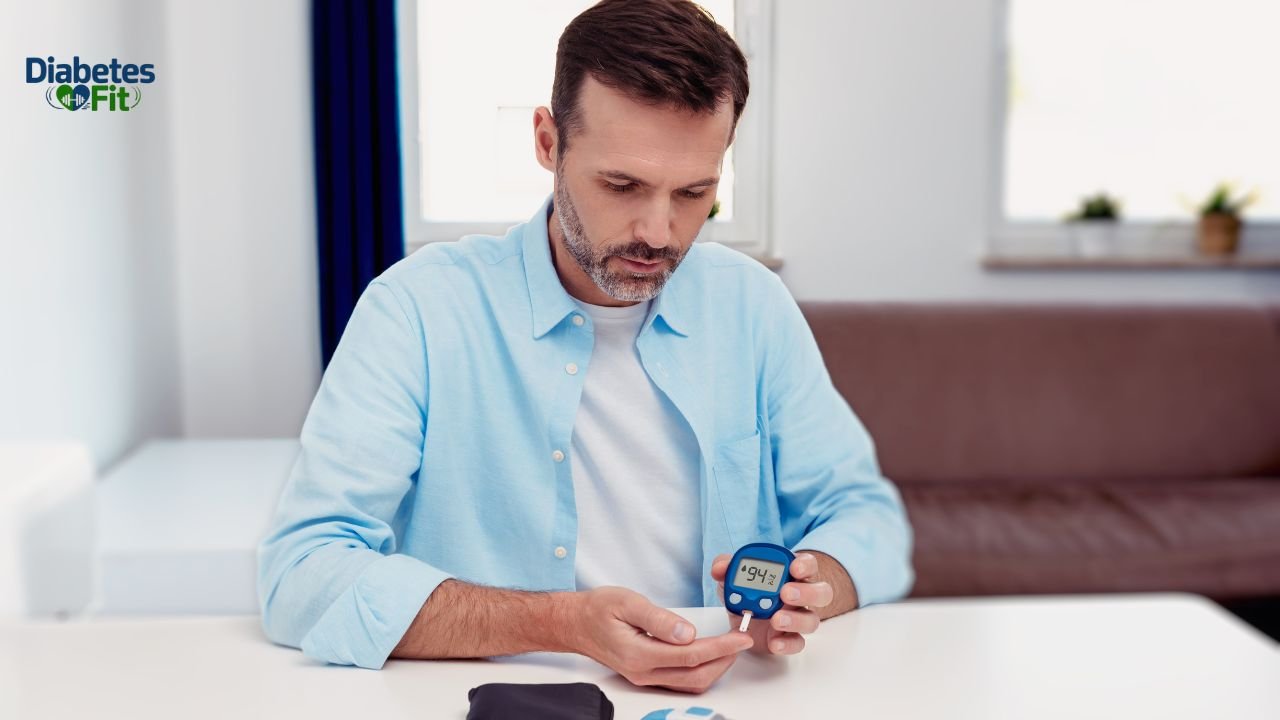
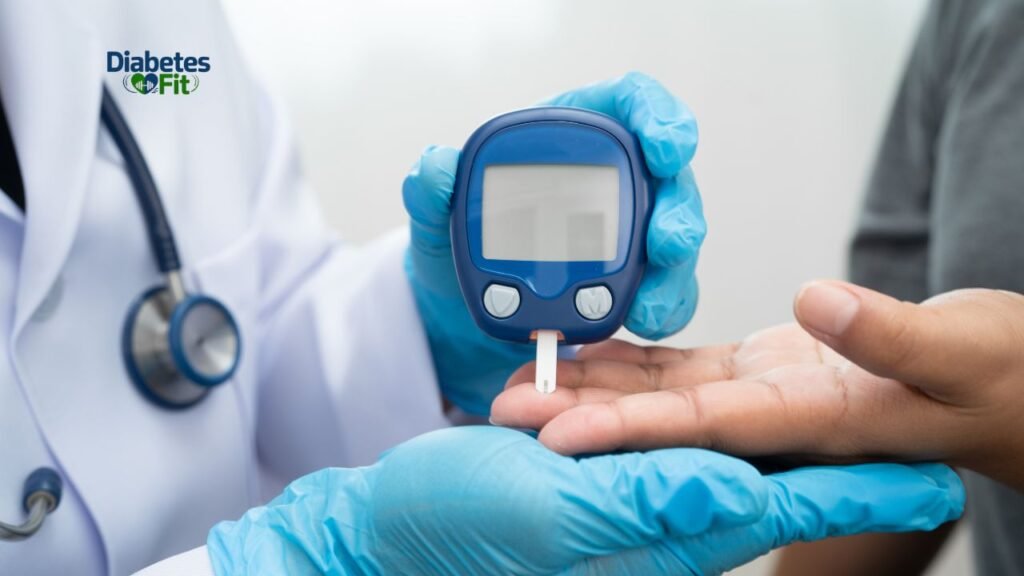
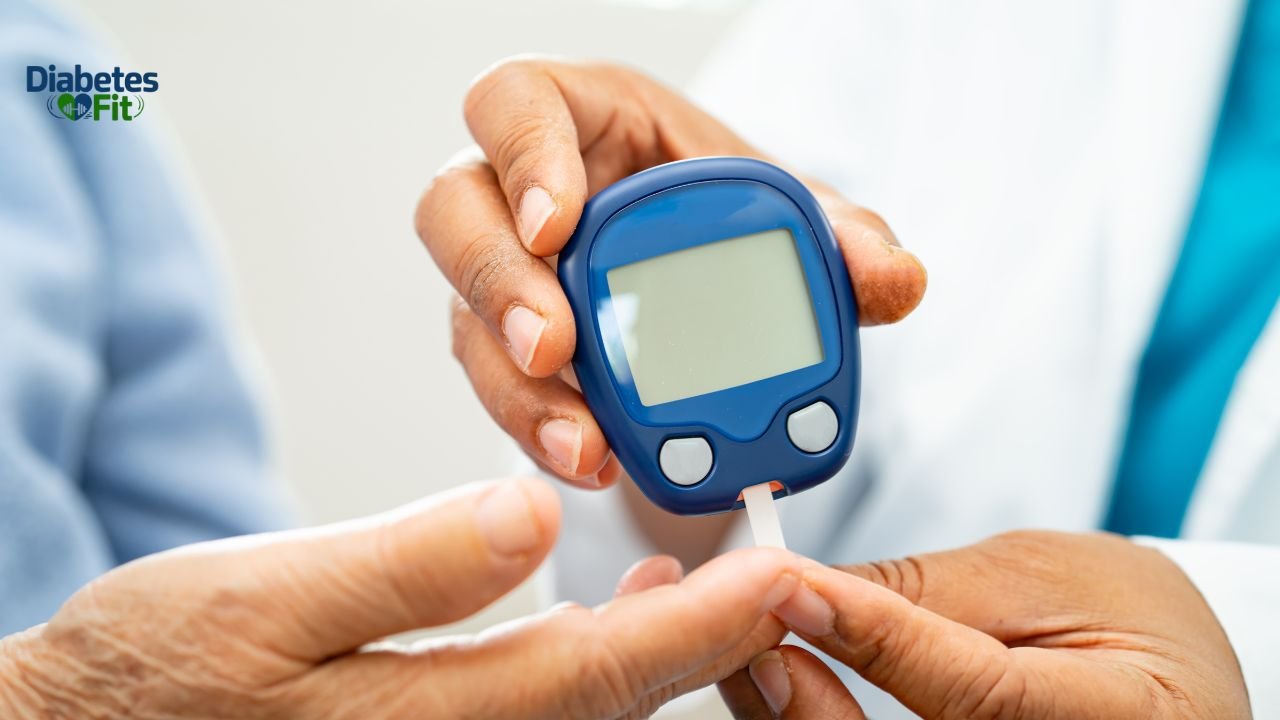
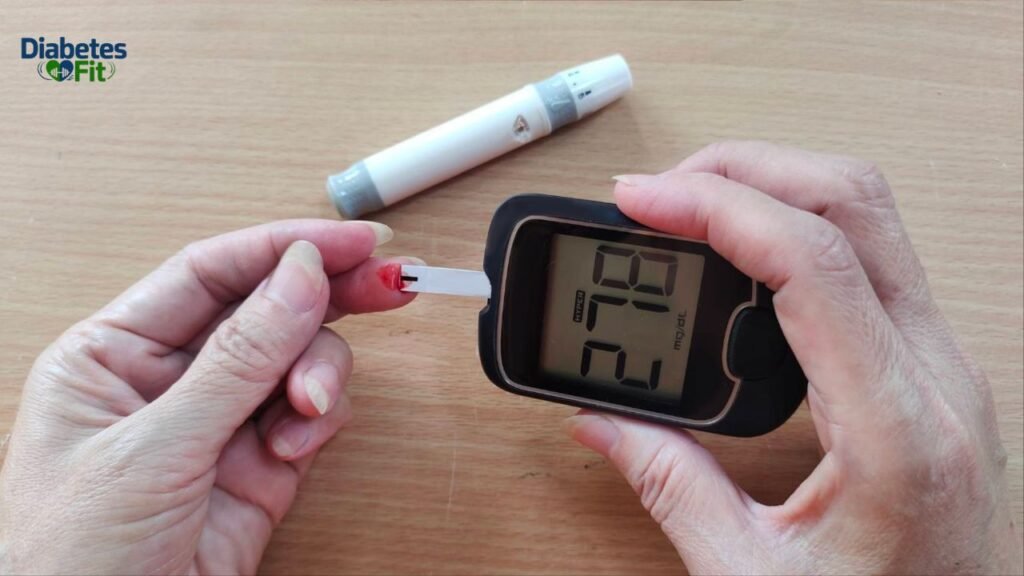
    A Continuous Glucose Monitor — commonly shortened to CGM — is a small wearable device that measures your glucose levels continuously throughout the day and night, automatically, without requiring you to prick your finger each time you want a reading.

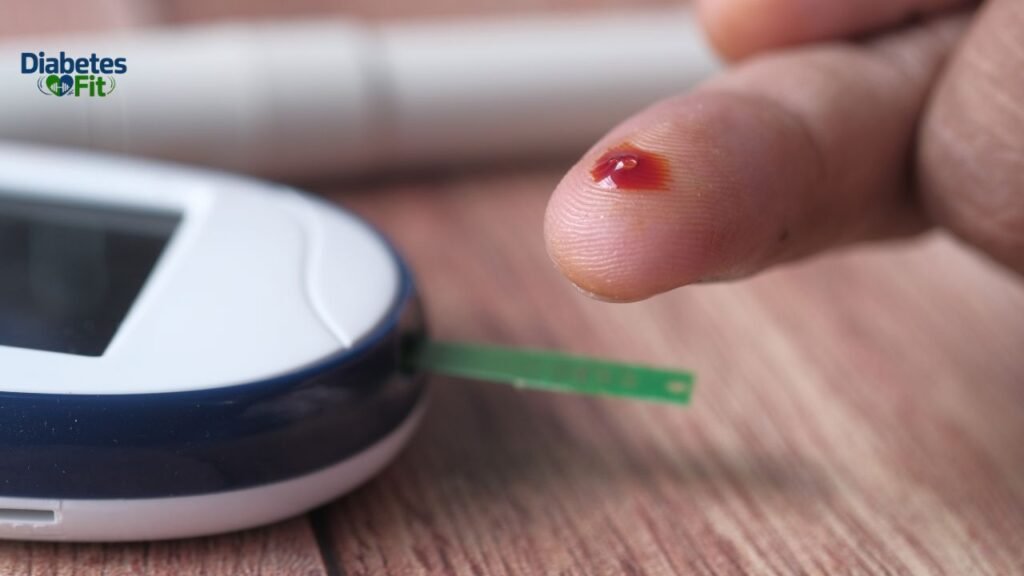
    Instead of giving you one isolated glucose snapshot like a traditional glucometer, a Continuous Glucose Monitor delivers a complete, ongoing picture of your blood sugar — showing you not just where your glucose is right now, but where it has been for the past several hours, which direction it is currently moving, and how fast that movement is happening.

    In practical terms, imagine the difference between checking the weather once a day versus watching a live weather radar. One gives you a single data point. The other gives you the full picture — patterns, trends, and early warnings before a storm arrives.

    That is exactly what a CGM does for blood sugar management.

    How Does a Continuous Glucose Monitor Actually Work?

    Understanding the technology behind a Continuous Glucose Monitor removes the mystery and helps you use it more effectively. The system has three connected parts that work together continuously.
    Continuous Glucose Monitor

    Part One: The Sensor Beneath Your Skin

    The sensor is the foundation of every CGM system. It is a tiny, flexible filament — thinner than a human hair and typically between 4 and 7 millimeters long — that is inserted just beneath the skin using a small spring-loaded applicator. Most people describe the insertion as a brief pinch that is equal to or less uncomfortable than a standard finger prick.

    The sensor typically sits on the back of the upper arm or on the abdomen. Once inserted, it rests in the interstitial fluid — the thin layer of fluid that bathes the cells just beneath your skin.

    Here is the chemistry that makes everything work. The sensor filament is coated with an enzyme called glucose oxidase. When glucose molecules from the interstitial fluid come into contact with this enzyme, a precise chemical reaction occurs that generates a tiny electrical current. The strength of that electrical current is directly proportional to the concentration of glucose present — more glucose, stronger current. The sensor measures this current continuously and converts it into glucose readings.

    One important detail to understand: the Continuous Glucose Monitor measures glucose in interstitial fluid, not directly in the blood. Glucose moves from the bloodstream into interstitial fluid with a physiological delay of approximately 5 to 15 minutes. This means that during periods of rapidly changing blood sugar — immediately after eating or during intense exercise — CGM readings can briefly lag behind actual blood glucose levels. Modern devices use sophisticated predictive algorithms to account for this lag and provide accurate trend data despite it.

    Part Two: The Transmitter That Sends the Data

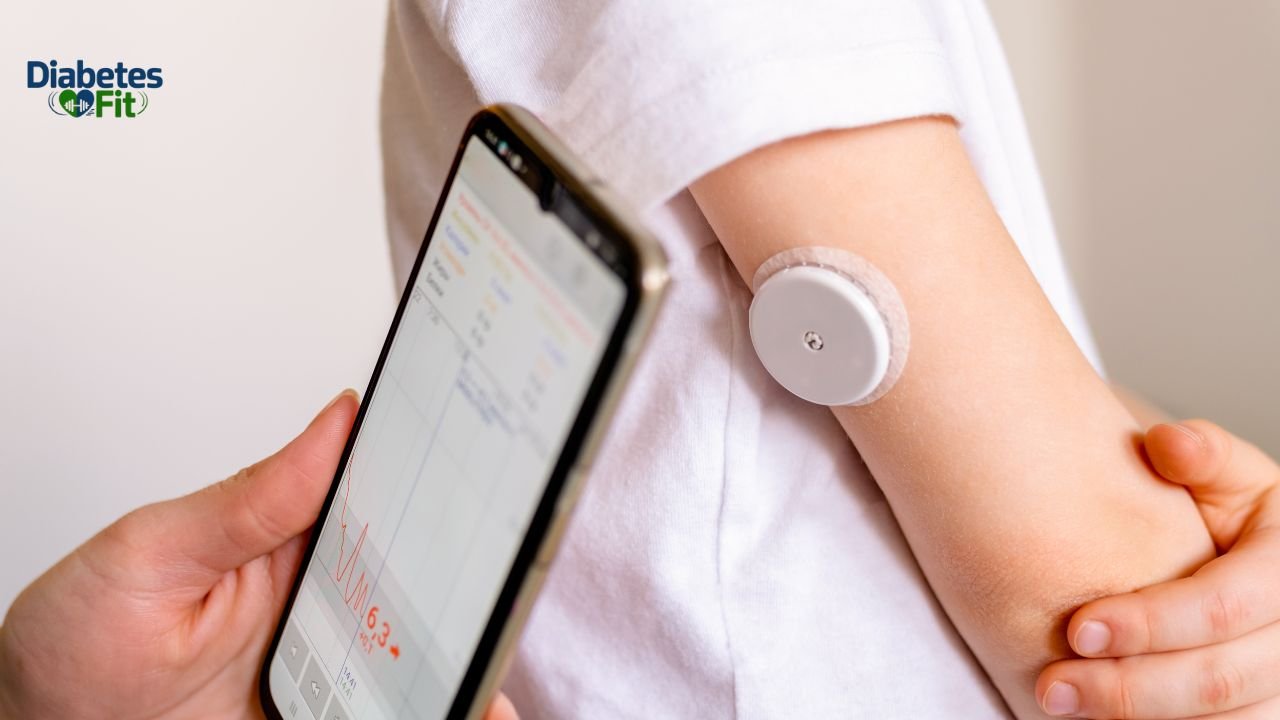
    The transmitter is attached to the sensor on the skin. In all current 2026 CGM systems, the transmitter and sensor have been integrated into a single compact unit — typically a small disc or oval device secured to the skin with medical-grade adhesive. The entire on-skin profile is slim enough that it sits almost flat against your arm or abdomen.

    The transmitter’s job is straightforward but critical: receive the electrical glucose signal from the sensor and wirelessly transmit the reading to your display device. Modern CGM transmitters communicate via Bluetooth, sending a new glucose reading every 1 to 5 minutes, depending on the specific device. Many current systems also incorporate near-field communication (NFC), allowing you to get a reading simply by holding your phone near the sensor — no Bluetooth pairing required.

    Battery life in 2026 transmitters has improved considerably. Many are now fully integrated into the disposable sensor unit and do not require separate charging or replacement.

    Part Three: The App That Displays Your Data

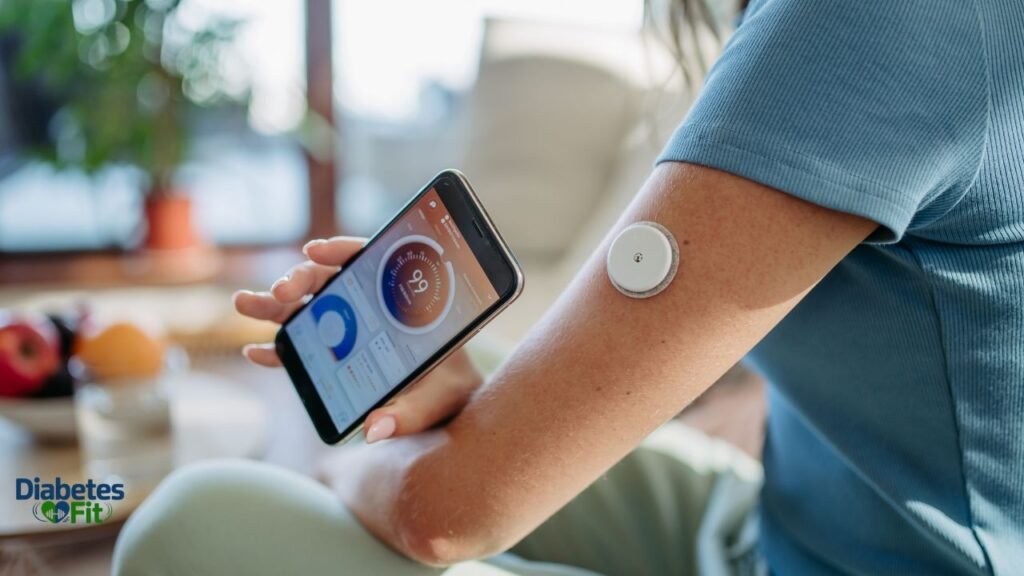
    The display component is where your glucose data becomes actionable. In virtually all CGM systems available in 2026, the primary display is a dedicated smartphone app available for both iOS and Android.

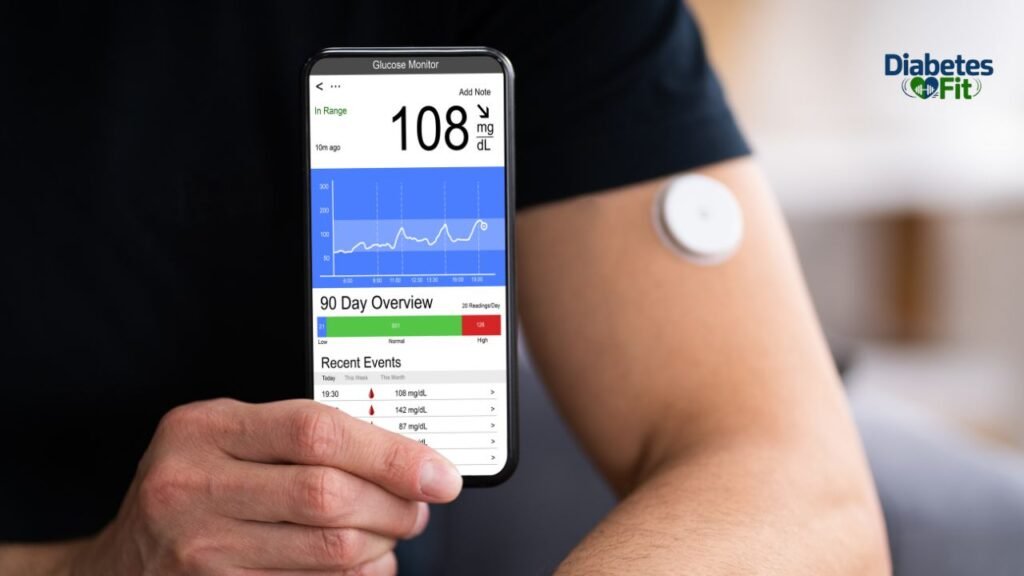
    The app shows you far more than a simple number. A typical Continuous Glucose Monitor app interface includes:

    • Your current glucose reading in real time
    • A trend arrow showing the direction and rate of glucose change
    • A continuous graph of your glucose levels over the past 1, 3, 6, or 24 hours
    • Color-coded alerts when glucose moves above or below your customized targets
    • Summary statistics including time in range, time above range, and time below range
    • Pattern recognition showing how your glucose behaves at specific times of day or after certain meals
    • In many systems, integration with food logging, exercise tracking apps, and smartwatches

    The trend arrow deserves special mention because it is one of the most clinically valuable features a CGM provides. Knowing that your glucose is currently 120 mg/dL means one thing when the arrow points steadily horizontal. It means something entirely different — and requires a different response — when the arrow points sharply downward, indicating a rapid drop. A traditional glucometer can never tell you that.

    CGM vs. Traditional Glucometer: Why the Difference Matters

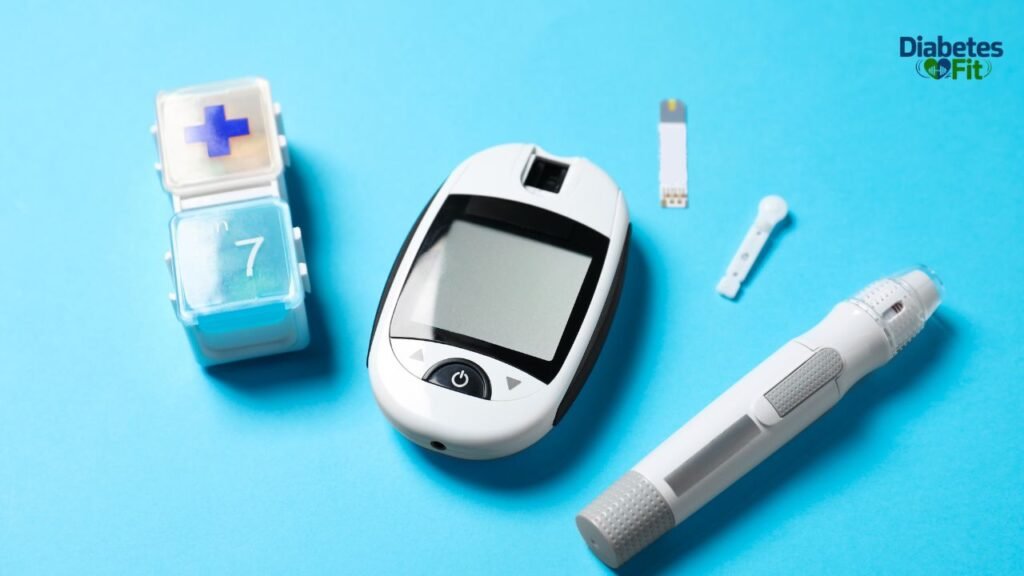
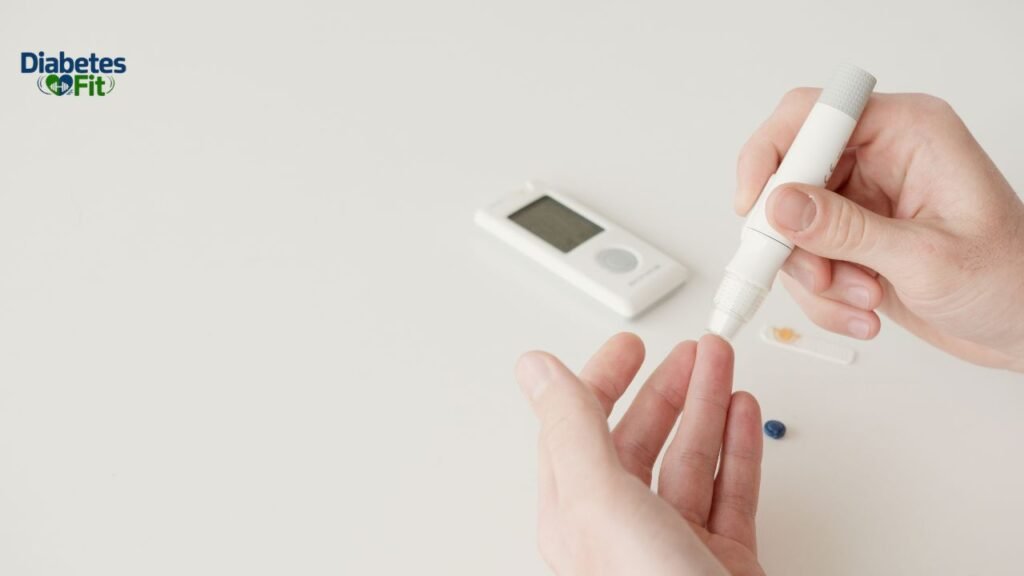
    For people who have been managing diabetes with a standard glucometer for years, understanding what a Continuous Glucose Monitor adds to the picture is important before deciding whether the upgrade is worthwhile.

    FeatureTraditional GlucometerContinuous Glucose Monitor
    Readings per day2 to 8 (manual)288 to 1,440 (automatic)
    Requires finger prickEvery single readingRarely or never
    Shows trend directionNeverAlways
    Overnight monitoringNot practicalComplete and automatic
    Customizable alertsNoneFully customizable
    Detects nocturnal lowsCannotYes — wakes you with an alarm
    Pattern analysisMinimalComprehensive
    Data sharing capabilityNoneReal-time to caregivers
    Monthly cost estimate$10 to $35$75 to $350
    Insulin pump integrationNoYes (select devices)

    The critical gap that a glucometer cannot fill is the invisible hours — every moment between manual tests. If your blood sugar drops dangerously low at 3 AM, a glucometer cannot warn you. A Continuous Glucose Monitor can.

    Who Genuinely Benefits from a CGM in 2026?

    The appropriate user base for a Continuous Glucose Monitor has expanded significantly over the past few years. Here is an honest breakdown by category.

    Type 1 Diabetes — The Clearest Case

    For people living with Type 1 diabetes, a Continuous Glucose Monitor is no longer an optional upgrade — it has become the clinical standard of care in 2026. The evidence is simply too strong to ignore.

    Multiple landmark clinical trials have demonstrated that CGM use in Type 1 diabetes:

    • Significantly reduces HbA1c — the primary long-term blood sugar marker
    • Reduces time spent in hypoglycemia by 30 to 40%
    • Increases time in range — the percentage of each day spent with blood sugar in the healthy target zone
    • Dramatically reduces the frequency and severity of nocturnal hypoglycemia
    • Improves quality of life and reduces diabetes-related distress

    When combined with an insulin pump in a closed-loop system — sometimes called an artificial pancreas — the Continuous Glucose Monitor becomes the sensory input that allows the system to automatically adjust insulin delivery every few minutes based on real-time glucose data. This technology represents the most significant advance in Type 1 diabetes management in decades, and it is entirely dependent on CGM as its foundation.

    Type 2 Diabetes on Insulin

    For Type 2 diabetics using insulin, the safety case for CGM mirrors that of Type 1. Hypoglycemia — particularly silent nocturnal hypoglycemia — carries the same cardiovascular and neurological risks regardless of diabetes type. Detecting low glucose events that would otherwise go completely unnoticed is a potentially life-saving capability.

    Beyond safety, research published in JAMA Internal Medicine found that CGM use in non-intensively managed Type 2 diabetes produced meaningful HbA1c reductions even without insulin dose adjustments — suggesting that the behavioral feedback from seeing real-time glucose data alone drives better self-management decisions.

    Type 2 Diabetes Managed Without Insulin

    This is a growing and genuinely valuable use case. Seeing exactly how a bowl of white rice, a slice of sourdough bread, or a piece of fruit affects your personal blood glucose in real time is far more motivating and behaviorally effective than reading a general glycemic index chart.

    Personalized CGM-guided nutrition coaching has emerged as an evidence-backed approach for improving glycemic control in non-insulin Type 2 diabetes. Studies show that when people use CGM data to understand their individual food responses and modify their eating patterns accordingly, they achieve glucose improvements comparable to adding a second medication — without the medication.

    Prediabetes

    Approximately 98 million American adults had prediabetes in 2026. The vast majority are unaware of it. A short-term CGM trial for someone with a prediabetes diagnosis provides critical personalized information: which foods spike your glucose most severely, how well your body recovers after meals, and whether your fasting glucose is showing worrying patterns.

    This information motivates change in a way that abstract warnings about future diabetes risk simply do not. Seeing your own glucose spike to 185 mg/dL after eating a bagel is viscerally different from being told your HbA1c is 5.9. One is a number on a lab report. The other is your body in action.

    Health-Conscious Non-Diabetics

    The most controversial — and fastest-growing — CGM user group is metabolically healthy people with no diabetes diagnosis. Athletes using CGM to optimize pre-workout nutrition and race-day fueling, executives monitoring how stress and poor sleep affect their metabolic health, and weight loss seekers using CGM to identify hidden dietary glucose triggers all fall into this category.

    The clinical evidence for CGM benefits in truly healthy people is still accumulating. What is clear is that many users in this group report meaningful behavioral changes and improved metabolic awareness — and the arrival of affordable, over-the-counter CGM options in 2026 has made this accessible for the first time without a prescription.

    Top CGM Devices in 2026: Ranked and Compared
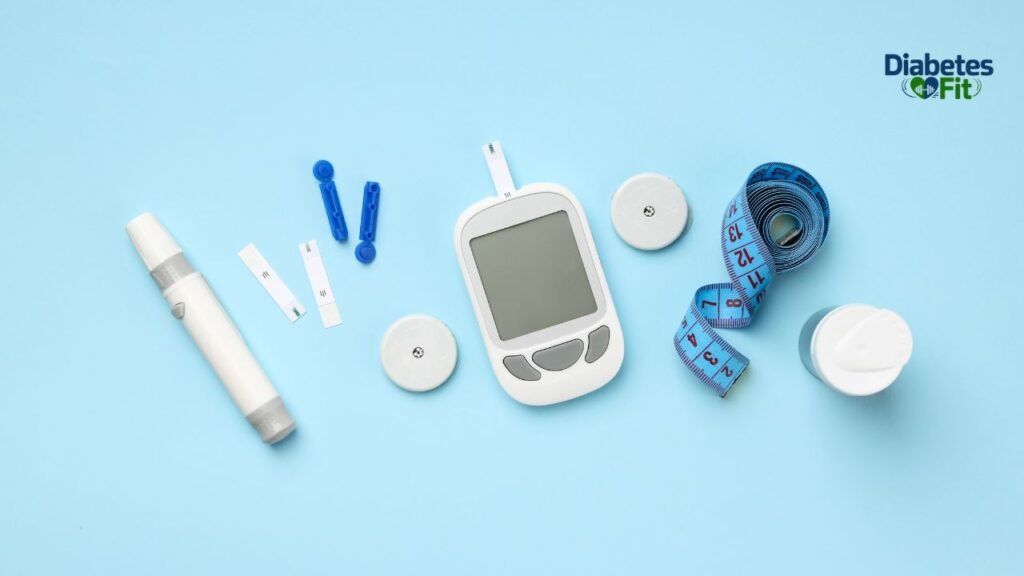
    Continuous Glucose Monitor

    Dexcom G7 — Best Clinical Performance

    The Dexcom G7 remains the benchmark for clinical accuracy and comprehensive feature integration in 2026.

    Key facts:

    • Sensor wear: 10 days per sensor
    • Accuracy: approximately 8.2% MARD — excellent clinical grade
    • Warm-up time: just 30 minutes after insertion
    • Integration: compatible with leading insulin pumps for closed-loop systems
    • Alerts: fully customizable high, low, and urgent low alarms
    • Data sharing: real-time glucose sharing with up to 10 followers via app
    • Smartwatch support: Apple Watch and select Android Wear devices
    • Prescription required: Yes

    Best for: Type 1 diabetes, insulin pump users, and anyone requiring the highest clinical accuracy.

    Abbott FreeStyle Libre 3 — Best Accuracy-to-Value Ratio

    The FreeStyle Libre 3 has cemented its position as the most widely used CGM globally — and for very good reasons.

    Key facts:

    • Sensor wear: 14 days — longest clinical sensor on the market
    • Accuracy: approximately 7.9% MARD — marginally the most accurate major CGM
    • Sensor size: the smallest available — barely larger than a large coin
    • Automatic Bluetooth streaming: real-time, continuous readings to the smartphone
    • Alerts: high and low alarm system
    • Cost: generally the most affordable prescription CGM with broad insurance coverage
    • Prescription required: Yes for Libre 3; Libre 2 Plus available OTC

    Best for: Type 1, Type 2, prediabetes, first-time CGM users, cost-sensitive users.

    Dexcom Stelo — Best Over-the-Counter Option

    The Stelo is Dexcom’s purpose-built CGM for the non-prescription wellness and metabolic health market.

    Key facts:

    • Sensor wear: 15 days — the longest single sensor duration available
    • No prescription required — available directly from Dexcom’s website and select pharmacies
    • Designed for adults without diabetes or those with non-insulin-managed diabetes
    • No emergency low alerts (designed for trend monitoring, not critical alerting)
    • App includes meal logging and personalized glucose insights
    • Monthly cost without insurance: approximately $89 to $99

    Best for: Non-diabetics, prediabetics, health optimizers, people who want metabolic data without visiting a doctor.

    Abbott Lingo — Best for Guided Wellness Coaching

    Abbott’s Lingo targets the same non-prescription wellness market as the Stelo, with a strong emphasis on AI-powered coaching and behavioral guidance.

    Key facts:

    • Sensor wear: 14 days
    • No prescription required
    • AI coaching engine interprets glucose patterns and provides personalized dietary and lifestyle recommendations
    • Subscription model with coaching features integrated directly in the app
    • Monthly cost: approximately $49 to $89, depending on subscription tier

    Best for: Non-diabetics who want guided interpretation of their CGM data, people focused on weight management, and energy optimization.

    Medtronic Guardian 4 — Best for Medtronic Pump Users

    The Guardian 4 is built specifically for seamless integration with Medtronic’s insulin pump platform.

    Key facts:

    • Sensor wear: 7 days
    • No fingerstick calibration required
    • Designed exclusively for closed-loop use with Medtronic MiniMed insulin pumps
    • Less relevant as a standalone CGM

    Best for: Existing Medtronic pump users seeking full closed-loop integration.

    2026 CGM Device Summary Table

    DeviceWear DurationPrescriptionAccuracy MARDOTCIdeal UserMonthly Cost
    Dexcom G710 daysYes~8.2%NoType 1, pump users$120–180 insured
    FreeStyle Libre 314 daysYes~7.9%Libre 2 Plus onlyType 1, Type 2, budget$75–130 insured
    Dexcom Stelo15 daysNoGoodYesNon-diabetic, prediabetes$89–99
    Abbott Lingo14 daysNoGoodYesWellness, coaching$49–89
    Medtronic Guardian 47 daysYesExcellentNoMedtronic pump users$150–200 insured

    What Does a CGM Cost in 2026? Insurance, OTC, and Out-of-Pocket

    Cost is one of the most important practical factors in the CGM decision. Here is the 2026 landscape:

    Insurance Coverage in the USA

    Coverage has expanded meaningfully in recent years:

    • Medicare Part B: Covers CGM for all insulin-treated diabetics. A 2024 expansion also opened coverage for non-insulin Type 2 diabetics with documented hypoglycemia risk.
    • Medicaid: Coverage varies by state, but most states cover CGM for Type 1 and insulin-using Type 2 diabetics.
    • Private insurance: Most major commercial plans cover CGM for Type 1 diabetes. Type 2 coverage depends on insulin use and specific plan terms. Always check your formulary.
    • HSA and FSA eligible: All major CGM systems qualify as HSA and FSA eligible medical expenses in 2026.

    Out-of-Pocket Costs Without Insurance

    ScenarioEstimated Monthly Cost
    Dexcom G7 (no insurance)$250–350
    FreeStyle Libre 3 (no insurance)$150–220
    Stelo (OTC, no prescription needed)$89–99
    Lingo (OTC subscription)$49–89
    Traditional glucometer comparison$15–35

    Is a Continuous Glucose Monitor Worth It in 2026? The Verdict

    Let us deliver the direct, differentiated verdict:
    Continuous Glucose Monitor

    If you have Type 1 diabetes, A CGM is absolutely worth it. Full stop. The clinical evidence is definitive, insurance coverage is broad, and the safety and quality-of-life benefits are transformative.

    If you have Type 2 diabetes on insulin: A CGM is worth it. The hypoglycemia detection benefit alone justifies the cost, and insurance coverage has improved substantially.

    If you have Type 2 diabetes managed without insulin: A CGM is worth it for a defined educational period of 1 to 3 months. The personalized dietary insights you gain will inform your food choices for years and may produce glucose improvements equivalent to adding a medication.

    If you have prediabetes: A short CGM trial is worth it. The behavioral impact of seeing your own real-time glucose responses to food is far more motivating than generic dietary advice alone.

    If you are metabolically healthy but curious: The OTC options at $49 to $99 per month make a 1 to 2 month trial reasonable if you have specific goals — optimizing athletic performance, understanding energy crashes, or identifying hidden dietary triggers. For casual curiosity without defined goals, the cost-benefit ratio is less compelling.

    Frequently Asked Questions

    How painful is CGM sensor insertion?

    Sensor insertion is far less uncomfortable than most people anticipate. The spring-loaded applicator inserts the tiny filament quickly — most users describe it as a brief pinch at most, often less noticeable than a traditional finger prick. After insertion, the sensor is not painful to wear. The majority of users report forgetting it is there within a few hours. Occasional mild skin irritation from the adhesive occurs in some users, which is typically managed with skin barrier wipes or alternative adhesive patches.

    How accurate is a CGM compared to a blood glucose meter?

    Modern CGMs are highly accurate for clinical use. The FreeStyle Libre 3 achieves approximately 7.9% MARD, and the Dexcom G7 approximately 8.2% MARD — meaning readings are within roughly 8% of true blood glucose on average. Traditional glucometers are required to meet FDA standards of within 15% accuracy. Discrepancies between CGM and fingerstick readings can occur during rapidly changing glucose levels due to the physiological lag between interstitial and blood glucose. For insulin dosing during rapid changes, confirming with a fingerstick remains the recommended standard practice.

    Can you wear a CGM while swimming or exercising?

    Yes — all major 2026 CGM sensors are water-resistant and designed for active use. Both the Dexcom G7 and FreeStyle Libre 3 are rated water-resistant to a depth suitable for swimming and showering. The medical-grade adhesive is designed to remain secure through water, sweat, and physical activity for the full sensor wear period. Athletes commonly use additional overlay adhesive patches for high-intensity or prolonged water activities. Exercise typically does not affect sensor accuracy, though the physiological lag may be slightly more pronounced during intense exercise as blood flow distribution changes.

    Will a CGM work with my smartwatch?

    Many 2026 CGM systems offer smartwatch display integration. The Dexcom G7 displays glucose readings directly on Apple Watch and select Wear OS devices. The FreeStyle Libre 3 similarly supports Apple Watch display through its app. This means your glucose level and trend arrow are visible with a quick glance at your wrist — an especially useful feature for athletes and anyone who wants discreet monitoring without pulling out their phone. Integration capabilities continue to expand as both Apple and Google have deepened health platform integration with CGM manufacturers.

    Can children use a Continuous Glucose Monitor?

    Yes — CGM is widely used in pediatric diabetes management and is considered standard of care for children with Type 1 diabetes. The Dexcom G7 is FDA-approved for use in children aged 2 years and older. The FreeStyle Libre 3 is approved for children aged 4 and older. The remote data sharing capability is particularly valuable in pediatric use — parents can monitor their child’s glucose levels in real time from a separate phone, receiving alerts for lows or highs even when they are not in the same room. Many school nurses and caregivers also follow shared CGM data to ensure safety during school hours.

    What happens when a CGM sensor reaches the end of its wear period?

    When a sensor reaches the end of its programmed wear period — 10 days for the Dexcom G7, 14 days for FreeStyle Libre 3 — the app notifies you that the sensor has expired and needs to be replaced. Replacement is simple: remove the expired sensor from your skin, apply a new sensor using the applicator, and start the brief warm-up period before readings resume. Used sensors are disposed of as medical waste according to local regulations. Many users develop a sensor rotation pattern — alternating between the upper arms and occasionally the abdomen — to give skin areas adequate recovery time between applications.

    Is CGM data private, and who can see it?

    CGM data privacy is an important consideration. All major CGM apps encrypt glucose data and store it on secure cloud servers. You control who has access to your data — sharing is opt-in only. Most apps offer a follower-sharing feature where you can designate specific people, such as a spouse, parent, or caregiver, to view your glucose data in real time through a companion app on their device. Healthcare providers can access data through separate provider portals if you choose to share. CGM manufacturers’ data practices are governed by HIPAA in the USA for prescription devices. Reading the privacy policy of any CGM app is recommended before use, particularly for OTC wellness devices where HIPAA protections may be less comprehensive.

    Conclusion

    The Continuous Glucose Monitor has transformed from a specialized tool for the most complex diabetes cases into a broadly accessible technology that benefits a wide spectrum of people — from those managing life-threatening blood sugar instability to health-conscious individuals seeking deeper metabolic self-knowledge.

    In 2026, a Continuous Glucose Monitor is worth it for virtually anyone whose health is meaningfully affected by blood sugar dynamics. The clinical evidence for its benefits in Type 1 and Type 2 diabetes is definitive and has only strengthened with time. The expansion into prediabetes and metabolic health represents a genuine prevention opportunity at a population scale. And the arrival of prescription-free options like the Stelo and Lingo has removed the final barrier for people who want to understand their metabolic health without a diabetes diagnosis.

    A Continuous Glucose Monitor does not change what your body does with food, stress, and sleep. But it makes the invisible visible — and in that visibility lies the power to make genuinely informed decisions about your health every single day. That is what makes a CGM worth it in 2026 and beyond.

    If you are considering a CGM and have diabetes, your next step is a conversation with your endocrinologist or primary care physician about which device is covered by your insurance and best suited to your management needs. If you are non-diabetic and want to start today, the Stelo and Lingo are available without a prescription and can be ordered online right now.

    Your blood sugar has a story to tell. A CGM helps you finally hear it.

    Medical Disclaimer: This article is for informational and educational purposes only and does not constitute medical advice. All CGM-related decisions for diabetes management should be made in consultation with a qualified healthcare provider. Individual device availability, pricing, and insurance coverage may vary.

    Also, read more from Cleveland Clinic.

  • Best Store-Bought Chips for Diabetics in the USA: The Honest Guide to Crunchy Snacking Without the Blood Sugar Spike

    Best Store-Bought Chips for Diabetics in the USA: The Honest Guide to Crunchy Snacking Without the Blood Sugar Spike

    Living with diabetes does not mean you have to give up every snack you love. Chips are one of the most universally craved foods in America — and if you have been told to avoid them completely, that advice deserves a closer look. The truth is, finding the best store-bought chips for diabetics in the USA is very much possible, and there are more smart options on store shelves today than ever before. 

    The key is knowing what to look for on a label, which ingredients support blood sugar stability, and which popular brands actually pass the test. Whether you have Type 1 or Type 2 diabetes, or you are simply managing prediabetes and trying to make smarter snack choices, this complete guide will walk you through everything you need to know to snack confidently without fear. Let us dig in.

    Also read Gestational Diabetes Diet Plan for Pregnant Women.

    Why Most Regular Chips Are a Problem for Diabetics

    Before getting to the best store-bought chips for diabetics in the USA, it helps to understand exactly why traditional chips cause issues — because the answer is not as simple as “they have too many carbs.”

    The Glycemic Index Problem

    Most conventional potato chips are made from refined starch — either white potato or corn — that has been processed in a way that strips away most of the natural fiber. Without fiber to slow digestion, the carbohydrates in regular chips convert to glucose very quickly in the bloodstream. This causes a rapid blood sugar spike that is difficult for a diabetic’s body to manage efficiently.

    The glycemic index (GI) of regular potato chips sits around 51 to 57, classified as medium GI. That might not sound alarming, but portion sizes matter enormously. Most people do not eat a single serving of chips. They eat two or three servings without realizing it, which pushes the total glycemic load into problematic territory quickly.

    The Serving Size Trap

    Standard chip bags are deceptive. A single serving of the most popular chips is listed as about 28 grams — roughly 15 chips. That is a very small handful. In reality, most Americans eat two to four times this amount in a sitting, which multiplies the carbohydrate load proportionally. For a diabetic, this makes blood sugar management genuinely difficult.

    Sodium and Inflammatory Oils

    Beyond carbohydrates and blood sugar, most conventional chips are fried in refined vegetable oils like corn oil or sunflower oil and are heavily salted. Excess sodium raises blood pressure, already a significant concern for most people with Type 2 diabetes. Inflammatory oils create oxidative stress that worsens insulin resistance over time. These are secondary but real concerns when evaluating chips for diabetics.

    What Makes a Chip Diabetic-Friendly? The Label Reading Guide

    Understanding what to look for when evaluating the best store-bought chips for diabetics in the USA gives you the power to evaluate any chip on any shelf, not just the ones listed in this article.

    Best Store-Bought Chips for Diabetics in the USA

    Key Nutritional Criteria

    Here is exactly what to check on every chip label before buying:

    Net Carbohydrates (Most Important): Net carbs = Total carbohydrates minus dietary fiber. This is the number that most directly impacts blood sugar. For diabetics, aim for chips with 15 grams or fewer net carbs per serving. Under 10 grams of net carbs is excellent.

    Dietary Fiber: Higher fiber means slower digestion and a gentler blood sugar response. Look for at least 3 to 5 grams of fiber per serving. Chips made from legumes, seeds, or vegetables naturally deliver more fiber than grain-based chips.

    Protein Content: Protein further slows digestion and blunts the glycemic impact of any carbohydrates. Chips with 3 or more grams of protein per serving are a bonus for blood sugar stability.

    Total Fat and Fat Quality: Fat itself does not raise blood sugar. However, the type of fat matters for overall diabetic health. Look for chips fried or baked with olive oil, avocado oil, or coconut oil rather than partially hydrogenated oils, corn oil, or soybean oil.

    Sodium: Aim for under 200mg of sodium per serving — and remember that most people eat two servings. Above 300mg per serving is a concern for anyone managing blood pressure alongside diabetes.

    Added Sugars: Some flavored chips contain hidden sugars in their seasoning blends. Always scan the ingredient list for cane sugar, dextrose, maltose, or corn syrup in flavored varieties.

    Ingredient List Quality: The fewer and more recognizable the ingredients, the better. Ideal chips for diabetics are made from whole food bases — chickpeas, black beans, lentils, nuts, seeds, or vegetables — rather than refined flour or processed corn starch.

    Best Store-Bought Chips for Diabetics in the USA: The Complete Ranked List

    Here is a thoroughly researched breakdown of the best store-bought chips for diabetics in the USA available at major retailers like Walmart, Target, Whole Foods, Kroger, and Amazon.

    Best Store-Bought Chips for Diabetics in the USA

    Tier 1 — Excellent Choices (Best for Regular Snacking)

    These are the chips diabetics can feel genuinely comfortable eating regularly in appropriate portions.

    1. Beanitos Black Bean Chips — Best Overall

    Beanitos consistently earn the top spot on any list of the best store-bought chips for diabetics in the USA, and for good reason. Made from whole black beans as the primary ingredient, these chips deliver an impressive nutritional profile in a satisfying, crunchy chip format.

    Per 1 oz serving (about 14 chips):

    • Calories: 130
    • Total Carbs: 18g
    • Dietary Fiber: 5g
    • Net Carbs: 13g
    • Protein: 4g
    • Fat: 6g
    • Sodium: 95mg

    The combination of 5 grams of fiber and 4 grams of protein dramatically slows the digestion of the 13 net carbs, resulting in a much gentler blood sugar response than the numbers alone suggest. The sodium is remarkably low for a flavored chip. Black beans also provide magnesium, which directly supports insulin sensitivity. Available at most major US grocery chains and on Amazon.

    2. Siete Grain-Free Tortilla Chips — Best for Texture Lovers

    Siete has built a loyal following among diabetics and low-carb eaters for producing chips that genuinely satisfy the tortilla chip craving without the blood sugar consequences. Their grain-free varieties are made primarily from cassava flour and coconut flour, or almond flour, depending on the variety.

    The almond flour variety is the best choice for diabetics:

    Per 1 oz serving:

    • Calories: 140
    • Total Carbs: 10g
    • Dietary Fiber: 2g
    • Net Carbs: 8g
    • Protein: 3g
    • Fat: 10g
    • Sodium: 125mg

    Eight net carbs per serving is excellent for a chip that tastes genuinely indulgent. The higher fat content from almond flour further slows digestion. Available at Whole Foods, Target, Sprouts, and widely online.

    3. Quest Protein Chips — Best for High Protein

    Quest Nutrition, primarily known for protein bars, makes a line of protein chips that are genuinely impressive from a diabetic-snacking perspective. The chips are made from a blend of dairy protein isolate and are baked rather than fried.

    Per 1 oz serving (Ranch flavor):

    • Calories: 120
    • Total Carbs: 5g
    • Dietary Fiber: 1g
    • Net Carbs: 4g
    • Protein: 18g
    • Fat: 4.5g
    • Sodium: 420mg

    The 18 grams of protein per serving is extraordinary for a chip product and essentially eliminates any meaningful blood sugar impact from the 4 net carbs. The significant downside is sodium at 420mg — diabetics managing blood pressure need to be mindful of this. Eat Quest Protein Chips earlier in the day when possible and compensate with lower-sodium foods at other meals. Available at most major US grocery chains, GNC, and Amazon.

    4. HIPPEAS Organic Chickpea Puffs — Best Airy Texture

    Chickpea-based snacks have exploded in popularity, and HIPPEAS is among the best executions in this category. Made from organic chickpeas, these light puffs deliver plant-based protein and fiber in a satisfying, melt-in-your-mouth texture.

    Per 1 oz serving:

    • Calories: 130
    • Total Carbs: 14g
    • Dietary Fiber: 3g
    • Net Carbs: 11g
    • Protein: 5g
    • Fat: 5g
    • Sodium: 130mg

    The 5 grams of protein, 3 grams of fiber, and low sodium make HIPPEAS an excellent regular snacking choice for diabetics. The chickpea base provides additional benefits, including folate and iron. Available at Target, Walmart, Whole Foods, and online.

    5. Lesser Evil Paleo Puffs — Best Clean Ingredient List

    Lesser Evil produces one of the cleanest ingredient lists in the snack category. Their Paleo Puffs are made from cassava starch, avocado oil, and organic coconut, with minimal additional ingredients. They are baked rather than fried.

    Per 1 oz serving:

    • Calories: 130
    • Total Carbs: 20g
    • Dietary Fiber: 2g
    • Net Carbs: 18g
    • Protein: 1g
    • Fat: 6g
    • Sodium: 230mg

    The net carb count is higher than that of other Tier 1 options, but the clean ingredient list, avocado oil base, and complete absence of artificial additives make these a genuinely wholesome choice for diabetics who prioritize ingredient quality. Portion control is more critical with this option. Available at Whole Foods, Sprouts, and online.

    6. Primal Kitchen Grain-Free Tortilla Style Chips

    Primal Kitchen is a trusted brand in the clean eating space. Their grain-free chips are made from a blend of cassava flour, almond flour, and avocado oil — a combination that delivers a satisfying chip texture with better nutritional credentials than conventional tortilla chips.

    Per 1 oz serving:

    • Calories: 130
    • Total Carbs: 18g
    • Dietary Fiber: 2g
    • Net Carbs: 16g
    • Protein: 2g
    • Fat: 7g
    • Sodium: 170mg

    The avocado oil base is particularly noteworthy — avocado oil is rich in monounsaturated fats that support heart health and improve insulin sensitivity. Available at Whole Foods, Target, and Amazon.

    Tier 2 — Good Choices (Use in Moderation with Mindful Portions)

    These chips are reasonably diabetic-friendly but require more careful portion control or have minor nutritional trade-offs.

    7. Popchips Original Potato

    Popchips are never fried — they are popped using heat and pressure, which results in a chip with significantly less fat than traditional fried chips. They are made from real potatoes.

    Per 1 oz serving:

    • Calories: 120
    • Total Carbs: 20g
    • Fiber: 1g
    • Net Carbs: 19g
    • Protein: 2g
    • Sodium: 200mg

    The net carb count is higher and fiber is low, so Popchips should be enjoyed in strict single-serving portions with a protein-rich accompaniment (like a tablespoon of hummus or a few cubes of cheese) to blunt the blood sugar response. Available virtually everywhere nationwide.

    8. SkinnyPop Original Popped Popcorn

    Popcorn is technically a whole grain and provides more fiber than most chips. SkinnyPop’s original variety uses simple, clean ingredients: popcorn, sunflower oil, and salt.

    Per 1 oz serving (approximately 3.75 cups):

    • Calories: 150
    • Total Carbs: 15g
    • Fiber: 3g
    • Net Carbs: 12g
    • Protein: 3g
    • Sodium: 75mg

    The exceptionally low sodium, whole-grain base, and 12 net carbs make SkinnyPop a genuinely solid diabetic-friendly snack. The volume of food per serving is also much larger than that of chip-style snacks, which supports satiety. Available everywhere.

    9. Late July Organic Sea Salt Multigrain Snack Chips

    Late July uses a blend of organic whole grains, including yellow corn, brown rice, and quinoa, for its multigrain chips. They are certified organic and use expeller-pressed oils.

    Per 1 oz serving:

    • Calories: 130
    • Total Carbs: 20g
    • Fiber: 2g
    • Net Carbs: 18g
    • Protein: 2g
    • Sodium: 105mg

    Moderate net carbs with clean ingredients and very low sodium. Good for occasional snacking with mindful portions. Available at Whole Foods, Target, and Sprouts.

    Complete Nutrition Comparison Table

    Here is a side-by-side comparison of all recommended chips for quick reference:

    Brand / ProductNet CarbsProteinFiberSodiumDiabetic Rating
    Beanitos Black Bean Chips13g4g5g95mgExcellent
    Siete Almond Flour Chips8g3g2g125mgExcellent
    Quest Protein Chips4g18g1g420mgExcellent (watch sodium)
    HIPPEAS Chickpea Puffs11g5g3g130mgExcellent
    Lesser Evil Paleo Puffs18g1g2g230mgVery Good
    Primal Kitchen Grain-Free16g2g2g170mgVery Good
    Popchips Original19g2g1g200mgGood (strict portions)
    SkinnyPop Popcorn12g3g3g75mgVery Good
    Late July Multigrain18g2g2g105mgGood (strict portions)

    Where to Buy the Best Store-Bought Chips for Diabetics in the USA

    One of the most practical concerns for diabetics is actually finding these products. Here is where each option is typically available:

    RetailerBest Options Available
    WalmartBeanitos, HIPPEAS, SkinnyPop, Popchips, Quest
    TargetSiete, HIPPEAS, SkinnyPop, Beanitos, Lesser Evil
    Whole FoodsSiete, Primal Kitchen, Lesser Evil, Late July, HIPPEAS
    Kroger / King SoopersBeanitos, SkinnyPop, HIPPEAS, Popchips
    CostcoSkinnyPop (large packs), Quest chips (variety packs)
    AmazonAll brands listed, often with Subscribe & Save discounts
    Sprouts Farmers MarketAll clean-label brands, best selection overall

    How to Eat Chips Safely as a Diabetic: Practical Tips

    Finding the best store-bought chips for diabetics in the USA is only half the equation. How you eat them matters just as much as which ones you choose.

    Best Store-Bought Chips for Diabetics in the USA

    Always Use the Pairing Strategy

    Never eat chips alone. Pairing chips with a protein or healthy fat source dramatically slows the absorption of any carbohydrates in the chips and produces a much gentler blood sugar response. Try:

    • Beanitos with guacamole (avocado’s fat slows digestion significantly)
    • Siete chips with full-fat Greek yogurt dip or bean dip
    • HIPPEAS with hummus (adds chickpea protein to chickpea puffs)
    • Quest chips with sliced cheese
    • SkinnyPop with a tablespoon of almond butter or a handful of nuts alongside

    Pre-Portion Before You Start Eating

    This is one of the most important habits for diabetics eating chips. Once you open a bag, it is neurologically very difficult to stop at a single serving. Use one of these strategies:

    • Pour one serving into a bowl and put the bag away before sitting down
    • Buy individual portion packs when available — the slightly higher cost per ounce is worthwhile for blood sugar management
    • Use a food scale for the first few weeks until you develop an accurate visual sense of what one serving looks like

    Check Blood Sugar Responses Personally

    Everyone’s blood sugar response to food is different — influenced by gut microbiome composition, insulin sensitivity, stress levels, and activity. If you have a continuous glucose monitor (CGM) or check your blood sugar regularly, test your response to a specific chip at a specific portion 90 minutes after eating. This personal data is far more valuable than any general guideline.

    Time Your Chip Snacking Strategically

    Blood sugar management is influenced by when you eat certain foods, not just what you eat. Eating chips in the afternoon when your insulin sensitivity tends to be higher (for most people) rather than late at night when it is lower produces a more manageable blood sugar response. Eating chips before light physical activity — a walk, some household tasks — also helps because active muscles absorb glucose more efficiently.

    Chips to Avoid or Strictly Limit as a Diabetic

    Knowing what to avoid is just as important as knowing the best store-bought chips for diabetics in the USA. Here are the chip categories that pose the greatest blood sugar challenges:

    Best Store-Bought Chips for Diabetics in the USA
    • Regular Lay’s, Ruffles, and conventional potato chips — high-GI refined starch, minimal fiber, high sodium, inflammatory oils
    • Flavored Doritos and Cheetos — refined corn base plus added sugars in seasoning, artificial dyes, excessive sodium
    • Pringles — made from dehydrated potato flour with a very uniform, high-GI starch structure; the engineered “bliss point” makes overeating extremely easy
    • Kettle-cooked chips (standard varieties) — while slightly lower GI than regular chips due to denser starch structure, they still provide minimal fiber and high net carbs
    • Any chip listed as “reduced fat” — manufacturers often compensate for reduced fat by adding more refined starch or sugar, making the product worse for blood sugar
    • Flavored popcorn with added caramel, cheese powder, or butter flavoring — these flavoring systems frequently add significant sugar and sodium

    Frequently Asked Questions

    Can diabetics eat chips at all, or should they be avoided completely?

    Diabetics do not need to eliminate chips, but the type, portion size, and eating strategy matter enormously. The best store-bought chips for diabetics in the USA — those made from legumes, seeds, or nuts with higher fiber and protein — can be part of a healthy diabetic diet when eaten in single servings paired with protein or fat. The key is choosing chips built on whole food ingredients rather than refined starch, controlling portions carefully, and always pairing with something that slows digestion. Complete avoidance often leads to intense cravings and binge eating, which is far more damaging to blood sugar than a mindfully eaten serving of Beanitos.

    What chips have the lowest glycemic index for diabetics?

    Among the best store-bought chips for diabetics in the USA, Quest Protein Chips have the lowest net carbs at just 4 grams per serving, making them the lowest glycemic impact option available. Siete Almond Flour Chips come in second with 8 grams net carbs per serving. HIPPEAS Chickpea Puffs and Beanitos both sit around 11 to 13 net carbs but deliver additional fiber and protein that further reduce their real-world glycemic impact beyond what the net carb number suggests.

    Are veggie chips actually better for diabetics than regular chips?

    This is a common misconception worth addressing clearly. Most commercial “veggie chips” — like Garden Veggie Straws or Terra Chips — are not significantly more nutritious than regular potato chips. They are typically made primarily from potato starch or corn starch with a small amount of vegetable powder for color. Their glycemic index and carbohydrate content are similar to conventional chips. True vegetable-based chips made from kale, beets, or zucchini with minimal processing are better, but these are harder to find. Always check the ingredient list — if potato starch or corn starch appears first, the veggie chip marketing is largely cosmetic.

    How many chips can a diabetic eat per day?

    There is no universal answer because individual blood sugar responses vary. As a general guideline, one single serving of the best store-bought chips for diabetics in the USA — typically around 28 grams or 1 ounce — once per day is a reasonable starting point for most people with Type 2 diabetes eating a balanced diet. People on strict low-carb or keto protocols for diabetes management may prefer to limit even this amount. The most accurate guidance comes from monitoring your personal blood sugar response with a glucometer or CGM after eating a specific chip product at a specific portion size. Share these readings with your dietitian or endocrinologist for personalized guidance.

    Are plantain chips a good option for diabetics?

    Plantain chips are popular and often perceived as a healthier alternative, but they deserve careful evaluation for diabetics. Plain, unsweetened plantain chips made from unripe (green) plantains have a moderate glycemic index because unripe plantains contain more resistant starch, which acts more like fiber in the body. However, ripe plantain chips and sweetened plantain chip varieties have a significantly higher GI and sugar content. If choosing plantain chips, look specifically for chips made from green (unripe) plantains without added sugar, and apply the same portion control strategies as with other chip options.

    What is the best dip to eat with chips if you have diabetes?

    The best dips for diabetics pair naturally with the best store-bought chips for diabetics in the USA because they add protein, fiber, and healthy fat that collectively blunt blood sugar response. Top choices include: guacamole (healthy fats from avocado, very low carb), hummus (chickpea protein and fiber, moderate carbs — limit to 2 tablespoons), full-fat plain Greek yogurt mixed with herbs as a savory dip, black bean dip (complements bean-based chips particularly well), salsa fresca with no added sugar (very low calorie and low carb), and cream cheese blended with herbs (high fat, near-zero carbs). Avoid dips made with sour cream and added sugars, French onion dips with high sodium, and any dip listing corn syrup or sugar in the first few ingredients.

    Where is the best place to buy diabetic-friendly chips in the USA?

    The best single store for variety and selection of the best store-bought chips for diabetics in the USA is Sprouts Farmers Market, followed closely by Whole Foods Market. Both prioritize clean-ingredient, functional snack brands and typically carry the full range of options discussed in this article. For budget-conscious shoppers, Walmart and Target have significantly expanded their natural and specialty snack sections and now carry most major brands, including Beanitos, HIPPEAS, Quest, and Siete. Amazon offers the broadest selection of all and is particularly useful for finding brands not available locally, with Subscribe and Save options that reduce per-unit cost for regular purchasers.

    Conclusion

    Managing diabetes does not mean resigning yourself to a life of deprivation and joyless eating. Finding the best store-bought chips for diabetics in the USA has genuinely never been easier — with options built from black beans, chickpeas, almond flour, and clean whole food ingredients lining the shelves of stores across the country.

    The best store-bought chips for diabetics in the USA — especially Beanitos, Siete Almond Flour Chips, Quest Protein Chips, and HIPPEAS — deliver the crunch, flavor, and snacking satisfaction you crave while keeping net carbs low, fiber and protein meaningful, and blood sugar impact manageable. Paired with smart accompaniments like guacamole or hummus, portioned into a bowl before eating, and timed thoughtfully throughout your day, these chips can be part of a sustainable, enjoyable, blood-sugar-friendly lifestyle.

    Start by trying one or two options from the Tier 1 list this week. Pay attention to how your blood sugar responds. Find your personal favorites. Build a snack rotation that includes several different options so you never feel stuck or bored. And remember — the goal is not perfection. It is consistency, awareness, and making the best available choice in any given moment.

    Your diabetes is manageable. Your snack life does not have to suffer. Armed with this guide to the best store-bought chips for diabetics in the USA, you now have everything you need to snack confidently, smartly, and enjoyably.

    Medical Disclaimer: This article is for informational and educational purposes only and does not constitute medical advice. Always consult your doctor, endocrinologist, or registered dietitian for personalized dietary guidance related to diabetes management.

    Also, read more from eating well.

  • What Happens if Diabetes Is Left Untreated: The Devastating Truth You Must Know

    What Happens if Diabetes Is Left Untreated: The Devastating Truth You Must Know

    Diabetes is one of the most manageable chronic conditions in medicine — but only when it’s properly managed. What happens if diabetes is left untreated is a question that every person with diabetes, prediabetes, or risk factors needs to understand clearly — because the consequences are not just serious, they are life-altering and potentially fatal.

    Millions of people worldwide are living with undiagnosed or untreated diabetes right now. Some don’t know they have it. Others know but delay treatment because they feel relatively okay. This is one of the most dangerous aspects of diabetes — in its early stages, it often causes few noticeable symptoms while silently damaging blood vessels, nerves, kidneys, eyes, and the heart.

    In this comprehensive guide, we explain exactly what happens if diabetes is left untreated — organ by organ, system by system — so you can understand the full picture and make informed decisions about your health.

    Also, read the best veggie burger for diabetics.

    Understanding Why Untreated Diabetes Causes Such Widespread Damage

    To understand what happens if diabetes is left untreated, you first need to understand the core mechanism that makes diabetes so destructive.

    The High Blood Sugar Damage Mechanism

    Both Type 1 and Type 2 diabetes result in chronically elevated blood glucose (hyperglycemia). When blood sugar remains high over weeks, months, and years, it damages the body through several simultaneous pathways:

    1. Advanced Glycation End Products (AGEs): When excess glucose reacts with proteins and fats in the body, it forms toxic compounds called AGEs. These molecules:

    • Stiffen and damage blood vessel walls
    • Trigger inflammation throughout the body
    • Cross-link collagen — making tissues rigid and dysfunctional
    • Accumulate in the kidneys, eyes, nerves, and arteries

    2. Oxidative Stress: High blood sugar generates excessive free radicals — unstable molecules that damage cells throughout the body. In people with untreated diabetes:

    • Antioxidant defenses are overwhelmed
    • Cell membranes, DNA, and proteins are damaged
    • Endothelial cells (lining blood vessels) are particularly vulnerable

    3. Inflammation: Chronic hyperglycemia activates inflammatory pathways — creating systemic inflammation that:

    • Damages blood vessel walls
    • Promotes atherosclerosis (arterial plaque formation)
    • Worsens insulin resistance in Type 2 diabetes
    • Impairs immune function

    4. Osmotic Effects: High blood sugar draws water out of cells through osmosis:

    • Cells throughout the body become dehydrated
    • The lens of the eye changes shape, causing blurred vision
    • Neurons and nerve cells are particularly vulnerable

    Understanding these mechanisms explains why what happens if diabetes is left untreated affects virtually every organ system in the body — not just one area.

    What Happens if Diabetes Is Left Untreated: Complete Organ-by-Organ Guide

    1. The Heart and Cardiovascular System — The Highest Risk

    The most life-threatening consequence of what happens if diabetes is left untreated is cardiovascular disease. People with untreated or poorly controlled diabetes have 2–4 times the risk of heart attack and stroke compared to people without diabetes.

    What Happens if Diabetes Is Left Untreated

    How untreated diabetes damages the cardiovascular system:

    Atherosclerosis (arterial plaque buildup):

    • High blood sugar oxidizes LDL cholesterol, making it more likely to stick to artery walls
    • Damaged endothelial cells allow LDL to penetrate the arterial wall
    • Plaque gradually narrows arteries — restricting blood flow
    • Plaque rupture causes sudden clot formation — triggering a heart attack or stroke

    Diabetic cardiomyopathy:

    • The heart muscle itself becomes damaged by high blood sugar
    • Cardiac cells lose their normal function — the heart becomes stiff and less efficient
    • Eventually leads to heart failure — even without significant coronary artery disease

    Hypertension (high blood pressure):

    • Untreated diabetes causes arterial stiffness, increasing blood pressure
    • High blood pressure further damages already vulnerable blood vessels
    • The combination dramatically accelerates cardiovascular damage

    What the numbers show:

    Cardiovascular RiskPeople Without DiabetesPeople With Untreated Diabetes
    Heart attack riskBaseline2–4× higher
    Stroke riskBaseline2–4× higher
    Heart failure riskBaseline2–5× higher
    Cardiovascular mortalityBaseline2–3× higher
    Age of first cardiac eventLater in life10–15 years earlier

    Cardiovascular disease is the leading cause of death in people with diabetes, making it the single most important reason to treat diabetes promptly and aggressively.

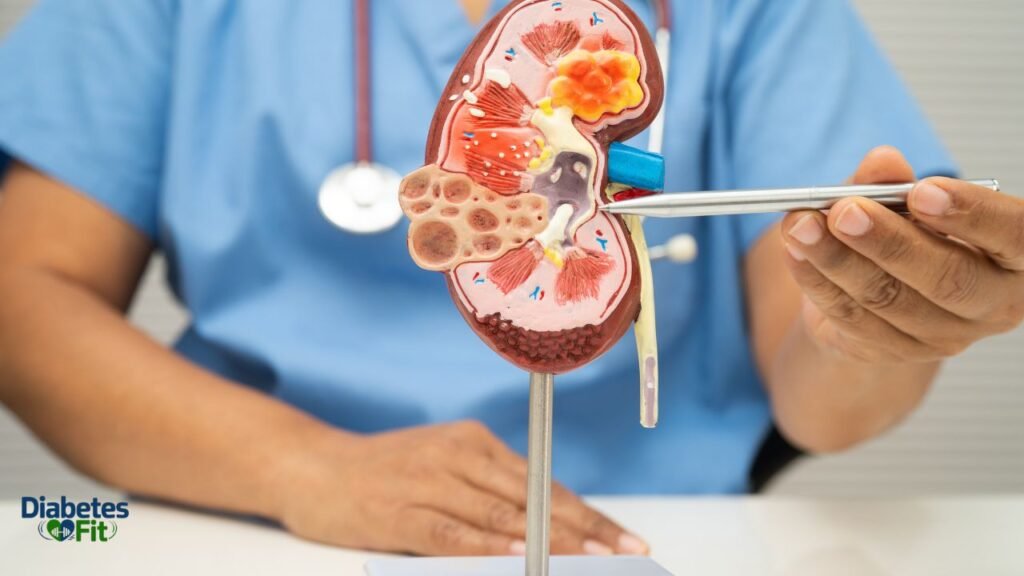
    2. The Kidneys — Diabetic Nephropathy

    Diabetic nephropathy (kidney disease caused by diabetes) is the leading cause of end-stage kidney disease (kidney failure) in developed countries, accounting for approximately 44% of all new cases of kidney failure. This is among the most serious aspects of what happens if diabetes is left untreated.

    How untreated diabetes damages the kidneys:

    The kidneys contain millions of tiny filtering units called glomeruli — each a cluster of microscopic blood vessels. High blood sugar damages these vessels through:

    • Glomerular hyperfiltration: Initially, high blood sugar causes the kidneys to filter more blood than normal, stressing and eventually damaging the filtering units
    • Thickening of the glomerular basement membrane: AGEs cause the filtration membrane to thicken and become leaky, allowing protein to escape into the urine
    • Mesangial expansion: The supporting cells within the glomerulus expand, gradually replacing functional filtering tissue with scar tissue
    • Progressive loss of kidney function: As filtering units are destroyed, the kidneys can no longer adequately clean the blood

    Stages of diabetic kidney disease:

    StageDescriptionKidney Function (GFR)Reversibility
    Stage 1Kidney damage with normal function>90 ml/minPotentially reversible
    Stage 2Mild reduction in function60–89 ml/minPossibly reversible
    Stage 3Moderate reduction30–59 ml/minProgression can be slowed
    Stage 4Severe reduction15–29 ml/minLargely irreversible
    Stage 5Kidney failure — dialysis needed<15 ml/minIrreversible — transplant needed

    What happens if diabetes is left untreated for the kidneys is progressive, silent destruction — the kidneys lose up to 80% of function before symptoms appear. By then, the damage is largely irreversible.

    3. The Eyes — Diabetic Retinopathy and Blindness

    Diabetic retinopathy is the most common cause of new cases of blindness in working-age adults — and it is almost entirely preventable with proper diabetes management.

    What Happens if Diabetes Is Left Untreated

    How untreated diabetes damages the eyes:

    The retina — the light-sensitive tissue at the back of the eye — has the highest metabolic demand of any tissue in the body and is extremely sensitive to changes in blood supply:

    Non-proliferative retinopathy (early stage):

    • High blood sugar weakens the tiny blood vessels supplying the retina
    • Microaneurysms (small bulges) form in vessel walls
    • Vessels leak fluid and blood into the retina, causing blurred vision and deposits
    • Macular edema occurs when leakage occurs near the center of vision

    Proliferative retinopathy (advanced stage):

    • The retina, starved of oxygen from damaged blood vessels, signals for new blood vessel growth (neovascularization)
    • New vessels are fragile and abnormal — they bleed into the vitreous (gel of the eye)
    • Scar tissue forms — pulling on the retina
    • Retinal detachment causes sudden, permanent vision loss

    Other eye complications of untreated diabetes:

    • Cataracts: Glucose accumulates in the lens, causing opacity. Diabetics develop cataracts 10–15 years earlier than non-diabetics
    • Glaucoma: Elevated pressure within the eye — more common in untreated diabetics
    • Diabetic macular edema: Swelling of the central retina — the most common cause of vision loss in diabetes

    The blindness statistic that matters: After 20 years of untreated or poorly controlled diabetes, approximately 60% of Type 1 diabetics and 80% of Type 2 diabetics will have some degree of retinopathy. A significant proportion will progress to significant visual impairment or blindness.

    4. The Nervous System — Diabetic Neuropathy

    Diabetic neuropathy is the most common complication of diabetes, affecting up to 50% of people with long-standing, untreated diabetes. It is one of the most debilitating consequences of what happens if diabetes is left untreated.

    Types of diabetic neuropathy:

    Peripheral neuropathy (most common):

    • Affects feet, legs, hands, and arms
    • Symptoms: tingling, burning, electric-shock pain, numbness
    • Progressive loss of sensation in a “stocking-glove” pattern
    • Eventually: complete loss of protective sensation in the feet
    • Consequence: Injuries, burns, and pressure wounds go unnoticed — leading to infection, ulcers, and potentially amputation

    Autonomic neuropathy:

    • Damages the nerves controlling automatic body functions
    • Cardiovascular: Irregular heart rate, orthostatic hypotension (dizziness on standing), inability to sense chest pain during a heart attack
    • Digestive: Gastroparesis (stomach doesn’t empty properly), nausea, vomiting, unpredictable blood sugar
    • Bladder: Neurogenic bladder — retention, incontinence, increased urinary tract infection risk
    • Sexual: Erectile dysfunction in men (affects 50–75% of diabetic men); vaginal dryness and decreased sensation in women
    • Sweating: Abnormal sweating patterns — excessive or absent

    Cranial neuropathy:

    • Affects nerves controlling eye muscles and facial muscles
    • Causes double vision, facial pain, and difficulty chewing

    5. The Feet — Diabetic Foot Disease and Amputation

    What happens if diabetes is left untreated in the feet is one of the most feared and preventable tragedies in medicine: amputation.

    What Happens if Diabetes Is Left Untreated

    The diabetic foot disaster chain:

    The feet are particularly vulnerable because of the combination of:

    1. Peripheral neuropathy: Loss of protective sensation — you can’t feel injuries, pressure, or heat
    2. Peripheral artery disease: Reduced blood flow to the feet — wounds heal poorly or not at all
    3. Immune dysfunction: High blood sugar impairs the immune cells that fight infection
    4. Autonomic neuropathy: Skin becomes dry and cracked from reduced sweating — creating entry points for bacteria

    How amputation happens:

    • A small injury occurs (step on a nail, tight shoe rubs, small cut)
    • Neuropathy prevents the person from feeling it
    • The wound doesn’t heal because of poor blood supply
    • Bacteria enter through the wound
    • High blood sugar impairs the immune response — infection spreads rapidly
    • Infection reaches the bone (osteomyelitis)
    • Amputation is required to save the person’s life

    The statistics of diabetic amputation:

    • Diabetes is responsible for 70% of all lower limb amputations performed annually
    • Every 30 seconds, a lower limb is lost to diabetes somewhere in the world
    • 50–70% of all non-traumatic amputations occur in people with diabetes
    • After one amputation, the risk of a second amputation within 5 years exceeds 50%

    This is perhaps the most viscerally shocking answer to what happens if diabetes is left untreated — and the most compelling reason to take treatment seriously.

    6. The Brain — Cognitive Decline and Dementia

    An increasingly recognized consequence of what happens if diabetes is left untreated is damage to the brain and cognitive function.

    How untreated diabetes affects the brain:

    • Cerebral small vessel disease: High blood sugar damages the tiny blood vessels supplying the brain, causing microscopic strokes and white matter damage
    • Neuroinflammation: Chronic inflammation driven by high blood sugar damages neurons
    • Insulin resistance in the brain: The brain normally uses insulin for glucose uptake — insulin resistance impairs brain cell energy metabolism
    • Hippocampal atrophy: Research shows the hippocampus (memory center) is particularly vulnerable to chronic hyperglycemia — shrinking over time in untreated diabetics

    Research findings:

    • People with untreated Type 2 diabetes have a 50–65% higher risk of developing dementia
    • People with poorly controlled diabetes have up to 3× the risk of Alzheimer’s disease
    • Cognitive decline begins in the early stages of diabetes — often before other complications become apparent
    • Processing speed, working memory, and executive function are the first affected

    7. Acute Life-Threatening Emergencies

    What happens if diabetes is left untreated includes two acute medical emergencies that can be fatal within hours:

    Diabetic Ketoacidosis (DKA) — Primarily Type 1:

    When the body has no insulin (or severely insufficient insulin):

    • Cells cannot use glucose for energy
    • The body breaks down fat rapidly, producing acidic ketone bodies as a byproduct
    • Ketones accumulate in the blood, making it dangerously acidic (acidosis)
    • Blood sugar climbs to extreme levels (often 400–800+ mg/dL)

    Symptoms of DKA:

    • Extreme thirst and frequent urination
    • Nausea, vomiting, and abdominal pain
    • Fruity or acetone-smelling breath
    • Rapid, deep breathing
    • Confusion, drowsiness
    • Coma and death without treatment

    DKA has a mortality rate of 0.5–5% even with treatment, and without treatment, it is nearly always fatal.

    Hyperosmolar Hyperglycemic State (HHS) — Primarily Type 2:

    When blood sugar rises to extreme levels (often 600–1200 mg/dL) without significant ketosis:

    • Blood becomes extremely concentrated
    • Severe dehydration occurs
    • Confusion, seizures, and coma follow

    HHS has a mortality rate of 5–20% even with treatment, significantly higher than DKA. Without treatment, it is fatal.

    8. The Immune System — Increased Infection Risk

    High blood sugar profoundly impairs immune function — creating a state of immunodeficiency that leaves diabetics vulnerable to infections that healthy people fight off easily.

    How untreated diabetes impairs immunity:

    • Neutrophil dysfunction: White blood cells (neutrophils) that normally kill bacteria cannot function properly in high-glucose environments — their ability to engulf and destroy bacteria is severely reduced
    • Complement system impairment: The cascade of proteins that helps identify and destroy bacteria is less active
    • Reduced T-cell function: Adaptive immune response is blunted
    • Impaired wound healing: Blood vessel damage reduces the delivery of immune cells to infection sites

    Specific infection risks in untreated diabetes:

    Infection TypeRisk Compared to Non-Diabetics
    Urinary tract infections2–3× higher
    Pneumonia2× higher
    Tuberculosis3× higher
    Skin and soft tissue infections3–4× higher
    Fungal infections4–5× higher
    Sepsis (bloodstream infection)3× higher
    COVID-19 severe illness3–4× higher
    Post-surgical infection2–3× higher

    9. The Liver and Metabolic Complications

    What happens if diabetes is left untreated includes significant metabolic complications affecting the liver:

    What Happens if Diabetes Is Left Untreated

    Non-Alcoholic Fatty Liver Disease (NAFLD):

    • Affects 70–80% of people with Type 2 diabetes
    • Insulin resistance causes excess fat to accumulate in liver cells
    • Can progress to non-alcoholic steatohepatitis (NASH) — liver inflammation
    • 20–30% of NASH cases progress to cirrhosis
    • Cirrhosis can progress to liver failure

    Metabolic syndrome progression: Untreated Type 2 diabetes accelerates the entire metabolic syndrome, worsening:

    • High triglycerides
    • Low HDL cholesterol
    • Hypertension
    • Abdominal obesity
    • Together, creating a catastrophic cardiovascular risk profile

    10. Mental Health — Depression, Anxiety, and Diabetes Distress

    What happens if diabetes is left untreated extends beyond physical health to profound mental health consequences:

    The diabetes-depression connection:

    • People with diabetes are 2–3 times more likely to experience depression than the general population
    • Neurobiological changes from chronic hyperglycemia directly affect brain chemistry — altering serotonin, dopamine, and norepinephrine systems
    • The burden of managing a chronic condition contributes to anxiety and psychological distress
    • Depression worsens diabetes control — creating a vicious cycle where untreated depression makes diabetes management harder, worsening physical health, and worsening depression

    Diabetes distress: A specific form of emotional burden related to diabetes that includes:

    • Fear of complications
    • Frustration with management demands
    • Social isolation
    • Grief over lifestyle changes

    Timeline: What Happens if Diabetes Is Left Untreated Over Time

    TimelineWhat’s HappeningWarning Signs
    Months 1–6Blood sugar rising, initial cell damage beginsIncreased thirst, frequent urination, fatigue
    Year 1Oxidative stress and AGE formation are acceleratingBlurred vision, frequent infections, slow healing
    Years 2–5Microangiopathy (small vessel damage) is progressingEarly retinopathy, protein in urine, and numbness
    Years 5–10Neuropathy, nephropathy, and retinopathy are advancingFoot pain, reduced vision, reduced kidney function
    Years 10–15Major organ damageHeart attack risk is extremely high, possible vision loss
    Years 15–20Advanced complicationsPossible kidney failure, blindness, amputation
    20+ yearsEnd-stage complicationsDialysis, organ failure, and dramatically reduced life expectancy

    How Treatable Diabetes Is — The Hopeful Counterpoint

    After explaining what happens if diabetes is left untreated, it’s critically important to emphasize how much can be prevented with proper management:

    What effective diabetes management achieves:

    • Reducing HbA1c by 1% (e.g., from 9% to 8%) reduces:
      • Microvascular complications by 25–35%
      • Heart attack risk by 14–16%
      • Diabetes-related death by 21%
    • Blood pressure control to below 130/80 mmHg reduces:
      • Diabetic nephropathy progression by 35%
      • Stroke risk by 44%
      • Heart failure by 56%
    • Proper foot care eliminates the vast majority of diabetes-related amputations
    • Regular retinal screening and early laser treatment prevent 90%+ of diabetes-related blindness

    The contrast between what happens if diabetes is left untreated and what happens when it’s properly managed is stark and hopeful. Almost all of the catastrophic consequences of untreated diabetes are largely preventable — but only with prompt, sustained, appropriate management.

    Frequently Asked Questions

    What happens if diabetes is left untreated for years? 

    Over the years, untreated diabetes causes progressive damage to virtually every organ system. In the first 5–10 years, microscopic damage to blood vessels and nerves accumulates — causing early retinopathy, peripheral neuropathy, and microalbuminuria (early kidney damage). Over 10–20 years, these progress to major complications: significant vision loss or blindness, kidney failure requiring dialysis, peripheral artery disease with amputation risk, and dramatically elevated risk of heart attack and stroke. The cardiovascular complications can occur earlier — major cardiac events occur on average 10–15 years earlier in people with untreated diabetes than in the general population.

    Can untreated diabetes kill you?

    Yes — untreated diabetes can be fatal through multiple mechanisms. Acutely, DKA (Type 1) or HHS (Type 2) can cause death within hours to days without treatment. Long-term, untreated diabetes dramatically increases mortality from cardiovascular disease (heart attack, stroke), kidney failure, and severe infections. People with untreated or severely poorly controlled diabetes have life expectancy reductions of 5–15 years compared to non-diabetics. The leading causes of death in untreated diabetics are cardiovascular disease (responsible for approximately 50% of diabetes deaths), kidney failure, and infection.

    What are the first signs of damage from untreated diabetes? 

    The earliest signs that untreated diabetes is causing damage include: increased thirst and frequent urination (from high blood sugar pulling water through the kidneys), persistent fatigue (cells not getting adequate glucose), blurred vision (glucose changing the lens shape), slow-healing cuts and wounds (immune dysfunction and poor circulation), frequent infections (impaired immune response), tingling or numbness in hands and feet (early peripheral neuropathy), protein in the urine detected on a urine test (early kidney damage), and persistent itching (from glucose in the skin). These early warning signs appear before serious complications develop — making them critical to recognize and act upon.

    How quickly does diabetes cause organ damage without treatment?

    Organ damage from untreated diabetes begins earlier than most people realize. Cardiovascular damage — arterial stiffening, endothelial dysfunction, and early atherosclerosis — begins within months of consistently elevated blood sugar. Early retinal changes (microaneurysms) can be detected within 1–3 years of uncontrolled diabetes. Peripheral neuropathy begins with subtle changes in nerve conduction that can be detected within 2–5 years. Kidney damage (microalbuminuria) typically appears after 5–15 years of poorly controlled blood sugar. However, the rate of progression varies enormously based on blood sugar levels, blood pressure control, genetic factors, and other risk factors.

    Is it possible to reverse damage from untreated diabetes?

    Some damage from untreated diabetes is reversible with proper treatment, while other damage is permanent. Reversible: early retinopathy (if treated before proliferative stage), early kidney damage (if caught at microalbuminuria stage), peripheral neuropathy symptoms (partial improvement with blood sugar control), and some aspects of insulin resistance in Type 2 diabetes. Less reversible: advanced kidney disease, established neuropathy, proliferative retinopathy scars, and atherosclerotic plaques. The key message is: the earlier treatment begins, the more damage can be prevented or reversed. Even in people with established complications, proper diabetes management significantly slows further progression and can improve quality of life.

    What happens if Type 2 diabetes specifically is left untreated? 

    Type 2 diabetes that is left untreated follows a characteristic progression. In the early years, insulin resistance worsens, and the pancreas compensates by producing more insulin — blood sugar may be elevated, but the pancreas can still manage. Over time, the pancreas exhausts itself from overproduction — beta cell function declines, blood sugar rises further, and insulin secretion becomes inadequate. Without treatment, most people with Type 2 diabetes eventually require insulin as their pancreas fails. Meanwhile, all the cardiovascular, renal, neurological, and ocular complications develop progressively. Type 2 diabetes can be reversed in some people with aggressive lifestyle intervention and weight loss — but this window narrows significantly with time and worsening beta cell function.

    What is the life expectancy of someone with untreated diabetes? 

    Life expectancy in untreated diabetes depends on many factors — type of diabetes, age of onset, blood sugar levels, and other risk factors. People with Type 1 diabetes without insulin treatment have a life expectancy measured in weeks to months — insulin is essential for survival. For Type 2 diabetes, the impact on life expectancy from being untreated is more gradual. Research suggests that poorly controlled Type 2 diabetes (which approximates untreated diabetes) reduces life expectancy by 5–10 years compared to well-controlled diabetes, and by even more compared to people without diabetes. The primary drivers of reduced life expectancy are cardiovascular disease, kidney failure, and infections. With excellent management, the life expectancy gap between people with diabetes and the general population is now quite small — demonstrating how much treatment matters.

    Conclusion

    The picture painted by what happens if diabetes is left untreated is undeniably serious — organ damage that progresses silently for years, complications that diminish quality of life profoundly, and ultimately a life cut significantly shorter than it should be. Heart failure, kidney failure, blindness, amputation, dementia, stroke — these are not inevitable, but they are the destination when diabetes is ignored.

    But here is the critically important counterpoint: virtually everything described in this article is preventable. What happens if diabetes is left untreated is the worst-case scenario — and it requires genuine neglect over years to reach its most devastating stages. With appropriate treatment, consistent monitoring, lifestyle management, and a good relationship with your healthcare team, the vast majority of diabetic complications can be prevented or significantly delayed.

    What happens if diabetes is left untreated is a warning — not a sentence. The gap between the untreated outcome and the treated outcome is enormous — and it’s a gap that is entirely within your control to determine which side you’re on.

    Take the next step today. If you have been diagnosed with diabetes and haven’t been managing it consistently, make an appointment with your doctor or endocrinologist this week. If you have symptoms of diabetes but haven’t been tested — request a fasting blood glucose and HbA1c test immediately. If you have diabetes and are managing it well, keep going. Every day of good blood sugar control is a day protecting your heart, your kidneys, your eyes, your nerves, and your future.

    Disclaimer: This article is for informational purposes only and does not replace professional medical advice. Always consult your doctor or a qualified healthcare provider for diagnosis and treatment of diabetes. If you experience symptoms of DKA or HHS, seek emergency medical care immediately.

    For more information, you can read the post from Unity Point.

  • Why Does Blood Sugar Drop at Night? The Real Causes, Warning Signs, and How to Stop It

    Why Does Blood Sugar Drop at Night? The Real Causes, Warning Signs, and How to Stop It

    If you have ever woken up in a cold sweat, feeling shaky, confused, or with your heart pounding — and could not figure out why — there is a good chance your blood sugar dropped while you were sleeping. Understanding why blood sugar drops at night is one of the most important things a diabetic, prediabetic, or even a healthy person can know.

    Nighttime low blood sugar, also called nocturnal hypoglycemia, is more common than most people realize, and it can happen silently while you sleep without obvious warning signals. It is not just uncomfortable — in some cases, it can be genuinely dangerous. In this article, you will learn exactly why blood sugar drops at night, who is most at risk, what the warning signs feel like, and most importantly, what you can do to prevent it. Let us break it down clearly, step by step.

    Also read Cucumber Benefits for Diabetes.

    What Is Nocturnal Hypoglycemia (Nighttime Low Blood Sugar)?

    Before we answer why blood sugar drops at night, it helps to understand what is actually happening inside your body during a low blood sugar episode.

    Hypoglycemia is the medical term for blood sugar that falls below normal levels. For most people, normal blood sugar ranges between 70 and 100 mg/dL (milligrams per deciliter) when fasting. Nocturnal hypoglycemia specifically refers to blood sugar dropping below 70 mg/dL during the nighttime hours — typically between midnight and 6 AM — while you are asleep.

    The tricky part is that you are unconscious during these episodes. Your body tries to compensate and wake you up, but this does not always happen clearly or quickly enough. Some people sleep right through mild episodes. Others wake with severe symptoms. A small number experience what is called the “dead in bed” syndrome — an extremely rare but serious complication where severe undetected nocturnal hypoglycemia leads to cardiac events.

    This is why knowing why blood sugar drops at night — and how to prevent it — genuinely matters.

    Why Does Blood Sugar Drop at Night? The Main Causes Explained

    There is rarely just one reason blood sugar drops at night. Most of the time, it is a combination of factors coming together in the nighttime hours when you cannot monitor yourself or make adjustments. Here are the most important causes, explained clearly.

    1. Too Much Insulin Before Bed

    This is the single most common reason why blood sugar drops at night, especially in people with Type 1 diabetes or insulin-dependent Type 2 diabetes. If your evening insulin dose — whether basal (long-acting) or bolus (fast-acting) — is slightly too high, it will continue lowering your blood sugar even after your last meal has been digested.

    Fast-acting insulin peaks within 1 to 3 hours of injection. Long-acting insulin works more steadily but still has a peak activity period. If either type is overdosed relative to your carbohydrate intake and evening activity, the math works against you overnight.

    Common insulin-related reasons for blood sugar drops at night include:

    • Taking more rapid-acting insulin than needed for your evening meal
    • Miscalculating your carbohydrate intake at dinner
    • Using an insulin pen or pump that delivers slightly inconsistent amounts
    • Not adjusting your basal dose after starting a new exercise routine
    • Switching insulin brands or formulations without dose adjustment

    2. Evening Exercise or Physical Activity

    Exercise is one of the most powerful blood sugar-lowering forces your body has. Physical activity causes muscles to absorb glucose from the bloodstream for energy, and this effect does not stop the moment you finish your workout. In fact, your muscles continue drawing glucose from the blood for up to 12 to 24 hours after exercise to replenish their glycogen stores.

    Why Does Blood Sugar Drop at Night?

    This means that if you exercise in the afternoon or evening, your body may still be in glucose-absorption mode when you fall asleep, which is a major reason why blood sugar drops at night after active days. This effect is particularly pronounced after:

    • High-intensity interval training (HIIT)
    • Long cardio sessions (running, cycling, swimming)
    • Weightlifting or resistance training that depletes muscle glycogen
    • Physical labor days when you were more active than usual
    • Sports, games, or recreational activities done later in the day

    3. Skipping or Eating a Light Dinner

    Your evening meal is supposed to provide enough glucose to sustain your blood sugar through the night. When you eat a smaller dinner than usual, skip dinner entirely, or eat a very low-carbohydrate dinner, there simply is not enough glucose entering your bloodstream to maintain stable blood sugar during the fasting hours of sleep.

    This is one of the reasons why blood sugar drops at night in people who are dieting aggressively, have poor appetite due to illness, or forget to eat properly before taking their evening medication or insulin.

    4. Alcohol Consumption in the Evening

    This one surprises many people. Alcohol initially raises blood sugar slightly because many alcoholic drinks contain carbohydrates (beer, wine, cocktails with mixers). But the real problem comes several hours later.

    Why Does Blood Sugar Drop at Night?

    The liver’s primary job during fasting is to produce glucose through a process called gluconeogenesis — essentially creating glucose from stored glycogen to maintain your blood sugar while you sleep. Alcohol significantly impairs this process. When your liver is busy metabolizing alcohol, it cannot simultaneously produce glucose to maintain your blood sugar overnight. The result is a delayed blood sugar crash that often hits between 2 and 4 AM — well after the alcohol was consumed and any initial blood sugar effects have passed.

    This is a major and underappreciated reason why blood sugar drops at night, especially in people who drink a moderate to large amount of alcohol in the evening without eating enough food alongside it.

    5. Long-Acting Medication Effects

    Beyond insulin, several common diabetes medications can cause blood sugar to drop at night:

    • Sulfonylureas (glipizide, glibenclamide, glimepiride) — these stimulate the pancreas to produce insulin continuously, regardless of whether you have eaten. Their effects can persist overnight, especially longer-acting formulations.
    • Meglitinides (repaglinide, nateglinide) — similar mechanism to sulfonylureas, though generally shorter-acting.
    • Some newer combination medications — certain fixed-dose combination drugs contain multiple glucose-lowering agents that can compound overnight.

    If you take any of these medications and are experiencing overnight blood sugar drops, your doctor may need to adjust your timing, dose, or formulation.

    6. The Dawn Phenomenon (Paradoxically Causing Post-Drop Spikes)

    While the dawn phenomenon primarily causes blood sugar to rise in the early morning hours, it is worth mentioning here because it is part of the overall overnight blood sugar picture.

    Around 2 to 8 AM, the body releases hormones like growth hormone and cortisol to prepare for the day ahead. These hormones can cause blood sugar to rise. In some people, blood sugar first drops in the middle of the night (the Somogyi effect — explained below) and then rebounds dramatically as the dawn hormones kick in. This can mask the fact that a nighttime low occurred at all.

    7. The Somogyi Effect (Rebound Hyperglycemia After Nocturnal Hypoglycemia)

    The Somogyi effect — named after physician Michael Somogyi, who first described it — is a phenomenon where blood sugar drops at night and then rebounds to abnormally high levels as the body releases counter-regulatory hormones (glucagon, adrenaline, cortisol, and growth hormone) to correct the low.

    People who experience the Somogyi effect often wake up with high blood sugar and blame it on overeating the night before, not realizing that their blood sugar actually dropped dangerously low during the night and their body overcompensated. This is one reason why understanding why blood sugar drops at night is important, even for people whose morning readings seem fine — or even high.

    8. Poor Blood Sugar Control and Hypoglycemia Unawareness

    Why Does Blood Sugar Drop at Night?

    People who have had diabetes for many years, particularly those who have experienced frequent hypoglycemic episodes, can develop something called hypoglycemia unawareness. This means the body’s counter-regulatory hormonal response to low blood sugar becomes blunted over time. The early warning symptoms — shakiness, sweating, rapid heartbeat — that would normally wake a person up simply do not occur as reliably.

    For these individuals, blood sugar can drop quite low during the night without triggering the alarm signals that would wake them. This makes monitoring and prevention especially critical.

    Warning Signs That Blood Sugar Dropped at Night

    Since you are asleep when nocturnal hypoglycemia occurs, the signs often show up as symptoms you notice upon waking or as disturbances in your sleep. Here is what to watch for:

    During the Night:

    • Waking suddenly, feeling anxious, shaky, or confused
    • Night sweats or waking with damp sheets or clothing
    • Nightmares or unusually vivid, disturbing dreams
    • A rapid or pounding heartbeat that wakes you
    • Difficulty getting back to sleep after waking abruptly
    • Tingling or numbness in the lips, tongue, or fingers
    • Crying out or talking in your sleep (reported by partners)

    In the Morning (Signs Blood Sugar Dropped at Night While You Slept):

    • Waking with a headache that was not there the night before
    • Extreme fatigue or feeling unrested despite a full night of sleep
    • Confusion, brain fog, or difficulty thinking clearly
    • Nausea or upset stomach first thing in the morning
    • Irritability or mood changes upon waking
    • High morning blood sugar that seems unexplained (Somogyi rebound)
    • Feeling like you need to eat immediately and urgently

    Who Is Most at Risk for Nocturnal Hypoglycemia?

    Not everyone is equally at risk of why blood sugar drops at night. The following groups face the highest risk:

    Risk GroupKey Reason for Elevated Risk
    Type 1 Diabetics on InsulinContinuous insulin action with no glucose intake during sleep
    Type 2 Diabetics on InsulinSame risk as Type 1, often compounded by longer duration of diabetes
    People Taking SulfonylureasContinuous insulin stimulation regardless of food intake
    Heavy Evening ExercisersProlonged glucose uptake by muscles post-exercise
    People Who Drink Alcohol at NightThe liver’s glucose production is blocked by alcohol metabolism
    Those with Hypoglycemia UnawarenessCounter-regulatory hormone response is blunted
    Elderly DiabeticsReduced counter-regulatory response, polypharmacy risk
    Children with Type 1 DiabetesHigher physical activity, growing bodies with variable glucose needs
    People Who Skip or Eat Light DinnersInsufficient glucose to sustain overnight blood sugar levels

    How to Prevent Blood Sugar from Dropping at Night

    Now that you know why blood sugar levels fall at night and who is most vulnerable, let us discuss practical solutions. These are effective, realistic, and evidence-based tactics.

    Why Does Blood Sugar Drop at Night?

    Consume a Wise Snack Before Bed

    One of the best strategies to avoid blood sugar decreases during the night is to have a modest snack before bed that includes protein, fat, and slow-digesting carbohydrates. Giving your body a constant, gradual supply of glucose that lasts all night is the aim.

    Some healthy options for a bedtime snack are:

    • Almond or peanut butter-topped whole-grain crackers
    • A handful of nuts and a tiny bowl of oats
    • Whole-grain crackers and cheese
    • Greek yogurt with a tiny bit of fruit
    • A couple of whole-grain cookies and a hard-boiled egg
    • A tablespoon of nut butter and a little apple

    Aim for between 15 and 30 grams of complex carbohydrates combined with protein and fat, not a full meal, so avoid having a big, heavy snack.

    Every night before going to bed, check your blood sugar.

    This is necessary; it is not optional. Check your blood sugar before going to bed. Have a little snack if the level is less than 100 mg/dL. You are in a reasonable range if it is between 100 and 140 mg/dL, but keep a tight eye on it. If it is more than 180 mg/dL, ask your doctor if you need to change your insulin or evening medicine.

    You may make an informed choice about whether to eat something before bed by knowing your pre-bed number. Knowing your pre-bed number gives you the information you need to make a smart decision about whether to eat something before sleeping.

    Use Continuous Glucose Monitoring (CGM)

    Continuous glucose monitors are game-changers for preventing nocturnal hypoglycemia. Devices like the Dexterity G7, FreeStyle Libre 3, and Medtronic Guardian continuously track your blood sugar every few minutes and send alerts to your phone or a receiver when levels drop below a set threshold. You can set an alarm to trigger if your blood sugar drops below 80 mg/dL during the night, waking you before the situation becomes dangerous.

    If you are on insulin or taking medications that carry hypoglycemia risk, CGM is one of the most important investments you can make in your safety.

    Adjust Insulin Timing and Dosing With Your Doctor

    If you are consistently experiencing blood sugar drops at night, your insulin regimen likely needs adjustment. Do not make these changes on your own — work with your endocrinologist or diabetes care team. Common adjustments include:

    • Reducing your basal insulin dose slightly
    • Switching from a twice-daily long-acting insulin to a once-daily formulation
    • Adjusting the timing of your evening bolus insulin relative to dinner
    • Using an insulin pump with automated glucose-responsive insulin delivery
    • Changing your evening medication to a formulation with a lower hypoglycemia risk

    Adjust for Exercise on Active Days

    On days when you exercise in the afternoon or evening, anticipate that your blood sugar may drop more overnight. Strategies include:

    • Eating a larger or carbohydrate-rich dinner on exercise days
    • Having a bedtime snack, even if you normally skip one
    • Reducing your evening insulin dose on days of intense physical activity (discuss the specific reduction with your doctor)
    • Checking blood sugar at 2 AM on nights after heavy exercise to see if you are experiencing a drop at that critical time

    Reduce or Eliminate Evening Alcohol

    Given how significantly alcohol impairs the liver’s ability to produce glucose overnight, reducing or eliminating alcohol — especially in the evening — is one of the most impactful changes you can make if you are prone to nighttime blood sugar drops. If you do drink alcohol, make sure you eat a full meal alongside it and have a bedtime snack before sleeping. Never go to bed with alcohol in your system and no food in your stomach.

    Review All Medications With Your Doctor

    If you take sulfonylureas or other medications known to cause hypoglycemia, ask your doctor whether the timing, dose, or formulation could be contributing to nighttime blood sugar drops. Some patients benefit from switching to medications with lower hypoglycemia risk (such as metformin, SGLT2 inhibitors, GLP-1 receptor agonists, or DPP-4 inhibitors) for their overnight coverage.

    What to Do If You Wake Up with Low Blood Sugar at Night

    If you wake up in the middle of the night and suspect your blood sugar has dropped, follow the 15-15 Rule:

    1. Check your blood sugar if you have a glucometer or CGM handy.
    2. If below 70 mg/dL, eat or drink 15 grams of fast-acting carbohydrates immediately:
      • 4 glucose tablets
      • 4 ounces (half a cup) of orange juice or apple juice
      • 4 ounces of regular (not diet) soda
      • 1 tablespoon of honey or corn syrup
      • A small tube of glucose gel
    3. Wait 15 minutes, then check your blood sugar again.
    4. If still below 70 mg/dL, repeat step 2.
    5. Once blood sugar is above 100 mg/dL, eat a small snack of complex carbohydrates and protein to prevent another drop before morning.
    6. Tell your doctor about the episode the next day so your treatment plan can be reviewed.

    Important: Keep glucose tablets, juice, or glucose gel on your nightstand so you can treat a low immediately without having to go to the kitchen.

    Blood Sugar Targets at Night: What Numbers Should You Aim For?

    TimeTarget Blood Sugar Range
    Before bedtime100 to 140 mg/dL
    2 to 3 AM (if checking)Above 90 mg/dL
    Upon waking (fasting)80 to 130 mg/dL
    Below this at any overnight pointTreat immediately as hypoglycemia

    These are general targets. Your doctor may set slightly different personal targets based on your age, diabetes type, duration, and risk of hypoglycemia unawareness. Always follow your care team’s specific guidance.

    Frequently Asked Questions 

    Why does blood sugar drop at night even without diabetes?

    Non-diabetic people can also experience nighttime blood sugar drops, though it is less common and rarely dangerous. Causes include reactive hypoglycemia (a blood sugar crash a few hours after a high-carb meal), prolonged fasting, strenuous exercise, excessive alcohol intake, or certain medical conditions like adrenal insufficiency or insulinoma. In otherwise healthy people, the body’s counter-regulatory hormones usually correct mild nighttime dips before they cause symptoms. If you frequently wake at night feeling shaky or sweating without a diabetes diagnosis, speak to your doctor about ruling out reactive hypoglycemia or other underlying causes.

    What is the most dangerous time for blood sugar to drop at night?

    The most vulnerable window is typically between 2 and 4 AM. This is when the counter-regulatory hormones that help raise blood sugar (glucagon and adrenaline) are at their lowest activity level, and when insulin action from evening doses may still be peaking. It is also the deepest phase of sleep for most people, making it harder to notice warning symptoms. If you are on insulin or sulfonylureas, checking your blood sugar at 2 to 3 AM periodically — or using a CGM with overnight alerts — gives you crucial information about whether your blood sugar drops at night during this high-risk period.

    Can low blood sugar at night cause a seizure?

    Yes, in severe cases. When blood sugar drops very low (typically below 40 to 50 mg/dL), the brain — which depends entirely on glucose for energy — begins to malfunction. This can progress from confusion to loss of consciousness and, in the most severe cases, seizures. This is a medical emergency. People who live alone and are at high risk for nocturnal hypoglycemia should consider CGM devices with external alarms, share their data with a family member or caregiver through connected apps, and discuss glucagon emergency kits with their doctor that can be administered by others if they are found unconscious.

    Does blood sugar always drop at night in Type 1 diabetes?

    Not always, but Type 1 diabetics are at significantly higher risk than the general population because they depend entirely on injected insulin with no natural pancreatic response to prevent overcorrection. The risk varies depending on basal insulin dose, evening eating habits, activity levels, and whether the person uses a closed-loop insulin pump system (artificial pancreas). Type 1 diabetics who use advanced closed-loop pump systems have considerably lower rates of nocturnal hypoglycemia because the system automatically adjusts insulin delivery based on real-time CGM readings.

    Can stress cause blood sugar to drop at night?

    Interestingly, psychological stress more commonly raises blood sugar rather than lowering it, because stress triggers the release of cortisol and adrenaline, which push glucose into the bloodstream. However, extreme physical exhaustion or the crash after a period of intense, sustained stress can sometimes contribute to a blood sugar dip. More relevant is the fact that poor sleep from stress can worsen insulin sensitivity over time, making blood sugar patterns less predictable. Addressing sleep quality and stress management is an important but often overlooked part of diabetes management.

    How do I know if my morning high blood sugar is from the Somogyi effect?

    The Somogyi effect and the dawn phenomenon can both cause high morning blood sugar, but they have different causes and require different treatments. To distinguish them, check your blood sugar between 2 and 3 AM for several nights in a row. If your 2 AM reading is low (below 70 mg/dL) and your morning reading is high, the Somogyi effect is likely — your blood sugar dropped at night and then rebounded. If your 2 AM reading is normal or slightly elevated and morning is high, the dawn phenomenon is more likely. These two conditions require opposite treatments, so accurate identification is essential — share your 2 AM readings with your doctor.

    What should I eat before bed to stop my blood sugar from dropping at night?

    The best bedtime snacks to prevent nighttime blood sugar drops combine slow-digesting complex carbohydrates with protein and a small amount of fat. This combination releases glucose slowly into the bloodstream over several hours, giving the body a steady fuel source while you sleep. Good choices include whole grain crackers with cheese or peanut butter, Greek yogurt with a few nuts, oatmeal with almond butter, or a hard-boiled egg with whole grain toast. Aim for around 15 to 25 grams of complex carbohydrates plus protein. Avoid simple sugars or fast-acting carbohydrates before bed as these digest too quickly and do not provide sustained overnight glucose coverage.

    Conclusion

    You regain control when you comprehend why blood sugar levels fall at night. It is not arbitrary. It is not erratic. It is caused by certain, identifiable factors that can be treated with the appropriate information and resources, such as excessive insulin, evening activity, alcohol, light food, and certain medications.

    The main lessons are obvious. Before going to bed each night, check your blood sugar. When necessary, have a sensible bedtime snack. If your risk is high, use a continuous glucose monitor. Adjust your insulin and medicine dosages in close collaboration with your care team. On your nightstand, have fast-acting glucose. Additionally, take additional care on days when you exercise more or consume alcohol because you are more likely to experience a nocturnal blood sugar decrease.

    You spend a third of your life sleeping, which is why it is important to you that blood sugar decreases at night. During those hours, your diabetes does not stop. However, you can make those nighttime hours just as secure and reliable as your waking ones with the correct routines, monitoring devices, and awareness.

    Please let your doctor know at your next appointment if you commonly experience blood sugar dips at night. Do not wait. It is possible to control nocturnal hypoglycemia, but doing so requires treating it carefully. That discussion is important for your long-term health, safety, and sleep.

    Medical Disclaimer: This article is for informational and educational purposes only. It does not constitute medical advice and should not replace consultation with a qualified healthcare professional. If you are experiencing blood sugar drops at night, speak with your doctor or diabetes care team promptly.

    For more information, read the blog from the level.

  • Does Infection Raise Blood Sugar? The Critical Connection Every Diabetic Needs to Know

    Does Infection Raise Blood Sugar? The Critical Connection Every Diabetic Needs to Know

    If you’ve ever noticed your blood sugar readings spiking during a cold, a urinary tract infection, or even a minor skin infection, you weren’t imagining it. The connection between illness and elevated glucose levels is real, well-documented, and genuinely important for anyone managing diabetes or prediabetes.

    Does infection raise blood sugar? The answer is a definitive yes — and understanding exactly why this happens, how significant the rise can be, and what you can do about it could literally save your life. Uncontrolled blood sugar during infection creates a dangerous cycle where high glucose impairs your immune system’s ability to fight the infection, and the infection continues driving blood sugar higher in response.

    In this comprehensive guide, you’ll learn exactly how and why infection raises blood sugar, which infections are most dangerous for diabetics, what symptoms to watch for, how to manage your blood sugar during illness, and when to seek emergency care.

    Also, know about the best sweater for diabetes.

    Does Infection Raise Blood Sugar? The Science Explained

    Yes — infection raises blood sugar, and it does so through multiple powerful biological mechanisms simultaneously. This isn’t a minor effect. During significant infections, blood sugar can rise dramatically — sometimes into dangerously high ranges — even in people who normally manage their diabetes well.

    Here’s exactly what happens in your body when you get an infection:

    The Stress Hormone Response

    When your body detects an infection — whether it’s a bacterial urinary tract infection, a viral flu, or a fungal skin infection — your immune system immediately activates the stress response. This triggers your adrenal glands to release two primary stress hormones:

    Cortisol:

    • Signals the liver to release stored glucose (glycogen) into the bloodstream
    • Increases gluconeogenesis — the production of new glucose from non-carbohydrate sources like protein and fat
    • Promotes insulin resistance in muscle and fat cells — making it harder for glucose to enter cells even when insulin is present
    • Research shows cortisol can raise blood glucose by 30–50% above baseline during moderate illness

    Adrenaline (Epinephrine):

    • Rapidly mobilizes stored glucose from the liver
    • Inhibits insulin secretion from the pancreas, directly reducing the hormone needed to manage blood sugar
    • Creates an immediate, rapid blood glucose spike within minutes of significant immune activation

    Inflammatory Cytokines and Blood Sugar

    Beyond stress hormones, the immune system releases inflammatory signaling molecules called cytokines — including tumor necrosis factor-alpha (TNF-α), interleukin-1 (IL-1), and interleukin-6 (IL-6) — to coordinate the immune response.

    These cytokines have direct effects on blood sugar:

    • TNF-α promotes insulin resistance by interfering with insulin receptor signaling at the cellular level
    • IL-6 stimulates the liver to increase glucose production and release
    • IL-1 directly impairs insulin-producing beta cells in the pancreas — reducing insulin output

    The result: Does infection raise blood sugar? Yes — through multiple simultaneous pathways that all point in the same direction: glucose goes up, insulin becomes less effective, and blood sugar control deteriorates.

    The Fever Factor

    Most infections cause fever, and fever itself independently raises blood sugar. For every degree Celsius of temperature rise, metabolic rate increases by approximately 10–15%. This elevated metabolic demand:

    • Increases glucose consumption by tissues
    • Triggers additional stress hormone release
    • Promotes hepatic glucose output
    • Can cause dehydration, which concentrates blood glucose as blood volume decreases

    Poor Eating During Illness

    The practical reality of being sick adds another layer to the blood sugar problem. Many people eat poorly when ill, choosing high-carbohydrate comfort foods, consuming more sugary drinks and juices, or skipping meals erratically. These behavioral changes compound the physiological blood sugar rise from the infection itself.

    How Much Can an Infection Raise Blood Sugar?

    This is one of the most important practical questions for anyone with diabetes. The answer varies considerably depending on:

    Does Infection Raise Blood Sugar?
    • Type and severity of the infection
    • Your baseline diabetes control (HbA1c)
    • Type of diabetes (Type 1, Type 2, or LADA)
    • Current medications and dosages
    • Individual physiological response

    Typical Blood Sugar Increases by Infection Type

    Infection TypeTypical Blood Sugar IncreasePotential RangeRisk Level
    Common cold (mild)20–50 mg/dL above baselineMild increaseLow-Moderate
    Influenza (flu)50–100 mg/dL above baselineSignificant increaseModerate-High
    Urinary tract infection30–80 mg/dL above baselineModerate increaseModerate
    Pneumonia80–150+ mg/dL above baselineSevere increaseHigh
    Sepsis (bloodstream infection)150–300+ mg/dL above baselineExtreme increaseCritical
    Skin/wound infection30–70 mg/dL above baselineModerate increaseModerate
    Dental abscess40–90 mg/dL above baselineSignificant increaseModerate-High
    COVID-1950–200+ mg/dL above baselineHighly variableHigh

    These figures represent general ranges. Individual responses vary, and some infections — particularly systemic infections like sepsis or severe pneumonia — can cause blood sugar to reach dangerous levels above 400–600 mg/dL, precipitating diabetic ketoacidosis (DKA) or hyperosmolar hyperglycemic state (HHS).

    Which Infections Are Most Dangerous for Diabetics?

    Does infection raise blood sugar more in some conditions than others? Absolutely. Here are the infections that pose the greatest risk for significant blood sugar elevation and dangerous complications in people with diabetes:

    1. Urinary Tract Infections (UTIs)

    UTIs are dramatically more common in people with diabetes — particularly women. Studies show diabetics have a 2–3 times higher risk of UTI compared to non-diabetics.

    Why are diabetics more vulnerable?

    • High blood glucose creates a sugar-rich urine environment that’s ideal for bacterial growth
    • Impaired immune cell function from chronic hyperglycemia reduces the body’s ability to fight bacteria
    • Autonomic neuropathy can affect bladder emptying — creating urinary retention that promotes bacterial growth

    How much UTIs raise blood sugar: A significant UTI can raise blood sugar by 30–80 mg/dL above baseline. In severe cases or when the infection ascends to the kidneys (pyelonephritis), the elevation can be much greater.

    2. Respiratory Infections (Influenza, Pneumonia, COVID-19)

    Respiratory infections — particularly influenza and pneumonia — are among the most serious situations where infection raises blood sugar, becoming a critical concern for diabetics.

    Does Infection Raise Blood Sugar?

    Influenza:

    • Diabetics have up to 6 times higher risk of hospitalization from flu complications
    • Flu-related blood sugar elevation averages 50–100 mg/dL above baseline
    • Can precipitate DKA in Type 1 diabetics and HHS in Type 2 diabetics

    Pneumonia:

    • Represents one of the highest-risk infections for blood sugar control
    • Systemic inflammation from pneumonia is particularly potent at triggering stress hormones and cytokines
    • Hospital data consistently shows blood sugar often exceeds 300 mg/dL in diabetics hospitalized with pneumonia

    COVID-19:

    • Research published in The Lancet and Diabetes Care showed COVID-19 has unique effects on blood sugar beyond typical infection
    • SARS-CoV-2 may directly damage pancreatic beta cells — potentially impairing insulin production
    • New-onset diabetes was documented in many previously non-diabetic COVID-19 patients
    • For existing diabetics, COVID-19 infection raised blood sugar more severely than most other respiratory infections

    3. Skin and Wound Infections (Cellulitis, Diabetic Foot Infections)

    Skin infections are particularly significant in the context of diabetes infection raise blood sugar, because of the bidirectional relationship between high blood sugar and poor wound healing.

    The dangerous cycle:

    • High blood sugar impairs the immune cells (neutrophils) that fight bacteria in wounds
    • This allows bacterial infection to establish and spread more easily
    • The infection then raises blood sugar further, worsening immune function
    • Poor wound healing allows the infection to deepen — potentially into bone (osteomyelitis)

    Diabetic foot infections are among the most common reasons for hospitalization and amputation in people with diabetes. Understanding that does infection raise blood sugar — and that high blood sugar worsens the infection — is essential for taking foot infections seriously.

    4. Dental Infections (Abscesses, Periodontal Disease)

    The relationship between dental infections and blood sugar is bidirectional and well-researched:

    • Periodontal (gum) disease raises HbA1c by approximately 0.4% on average
    • Dental abscesses can raise blood sugar by 40–90 mg/dL above baseline
    • Diabetics are 3 times more likely to have severe gum disease than non-diabetics
    • Treating periodontal disease has been shown to improve HbA1c in multiple randomized controlled trials

    5. Gastrointestinal Infections (Gastroenteritis, Food Poisoning)

    GI infections present a unique blood sugar management challenge because they simultaneously:

    • Raise blood sugar through the stress response and inflammation
    • Make blood sugar harder to manage through vomiting and diarrhea (reducing medication absorption)
    • Create hydration challenges that concentrate blood glucose
    • Prevent normal eating, making diabetes meal planning difficult

    This combination makes severe gastroenteritis one of the most challenging infection scenarios for blood sugar management.

    The Dangerous Cycle: How High Blood Sugar Worsens Infection

    Understanding that does infection raise blood sugar is only half the picture. The other half is equally important: high blood sugar actively impairs the immune system’s ability to fight infection — creating a vicious cycle that can be difficult to break.

    Does Infection Raise Blood Sugar?

    How hyperglycemia impairs immunity:

    • Impaired neutrophil function: Neutrophils are the immune system’s frontline bacteria killers. Research shows that blood glucose above 200 mg/dL significantly reduces neutrophil chemotaxis (ability to move toward bacteria), phagocytosis (ability to engulf bacteria), and killing ability
    • Reduced complement activity: The complement system is a cascade of proteins that helps destroy bacteria. High glucose impairs its activation
    • Impaired macrophage function: Macrophages clear cellular debris and coordinate immune response — high glucose reduces their effectiveness
    • Vascular dysfunction: High blood sugar damages small blood vessels, reducing blood flow that delivers immune cells and antibiotics to infection sites
    • High glucose as bacterial food: Many bacteria thrive in high-glucose environments — literally growing faster and more aggressively in poorly controlled diabetics

    This is why diabetics with infections can spiral into severe illness more quickly than non-diabetics — the infection raises blood sugar, the high blood sugar impairs immunity, and the infection worsens as a result.

    Sick Day Management: How to Control Blood Sugar During Infection

    Knowing that infection raises blood sugar is critically important — but what you do about it matters even more. Here is the established medical guidance for sick day management in diabetics:

    Rule 1: Never Stop Taking Insulin or Diabetes Medications

    This is the most dangerous mistake diabetics make during illness. Many people think that because they’re eating less, they should take less medication. This logic is wrong and potentially life-threatening.

    • During illness, your body produces MORE glucose through stress hormone-driven hepatic output — regardless of food intake
    • For Type 1 diabetics, the risk of diabetic ketoacidosis (DKA) is highest during illness, precisely because people incorrectly reduce insulin
    • For Type 2 diabetics on oral medications, most medications should be continued unless blood sugar drops below normal

    Exception: Some medications require specific management during illness:

    • SGLT2 inhibitors (empagliflozin, dapagliflozin, canagliflozin) — these should often be STOPPED during acute illness, fasting, or dehydration because they increase DKA risk in these situations. Consult your doctor about this in advance
    • Metformin — should be held if you’re dehydrated, have vomiting or diarrhea, or have kidney concerns during illness

    Rule 2: Monitor Blood Sugar More Frequently

    During any significant infection, increase your blood glucose monitoring frequency:

    Normal MonitoringSick Day Monitoring
    Before meals + bedtimeEvery 2–4 hours
    4 times daily6–8 times daily
    As symptoms indicateSet overnight alarms

    Rule 3: Stay Hydrated

    Dehydration concentrates blood glucose and impairs kidney function, which helps clear excess glucose. During illness:

    • Aim for at least 250ml of clear fluid every hour you’re awake
    • Alternate between water and electrolyte drinks (sugar-free)
    • Avoid sugary drinks, fruit juice, and regular soda — these spike blood sugar further
    • Avoid alcohol completely during illness

    Rule 4: Check Ketones

    For Type 1 diabetics and insulin-dependent Type 2 diabetics, checking urine or blood ketones during illness is essential:

    Ketone LevelInterpretationAction
    Negative/TraceSafeContinue monitoring
    Small (0.6–1.5 mmol/L)CautionIncrease fluids, contact the doctor if persistent
    Moderate (1.5–3.0 mmol/L)ConcernContact the doctor immediately
    Large (>3.0 mmol/L)EmergencyGo to the emergency room immediately

    Rule 5: Adjust Insulin Based on Sick Day Rules

    Many endocrinologists provide their Type 1 diabetic patients with specific sick-day insulin adjustment rules. The general principle:

    • If blood sugar is consistently above 250 mg/dL during illness, additional correction doses of rapid-acting insulin may be needed
    • Do NOT stop basal insulin even if you cannot eat
    • Work out your sick day insulin rules with your endocrinologist BEFORE you get sick — not during the crisis

    Rule 6: Know What to Eat When Sick

    When appetite is reduced during illness:

    If blood sugar is high (above 200 mg/dL):

    • Focus on clear fluids
    • Avoid carbohydrate-heavy foods
    • Small amounts of easily digestible low-carb foods (broth, eggs, plain protein)

    If blood sugar drops too low (below 70 mg/dL):

    • Consume 15g of fast-acting carbohydrates (glucose tablets, regular soda in small amounts, juice)
    • Recheck in 15 minutes
    • This situation — low blood sugar during illness — requires immediate attention

    When Does Infection Raise Blood Sugar to Emergency Levels?

    Does infection raise blood sugar high enough to become a medical emergency? Yes — and recognizing these situations is critically important.

    Does Infection Raise Blood Sugar?

    Diabetic Ketoacidosis (DKA) — Primary Risk for Type 1 Diabetics

    DKA occurs when the body breaks down fat for fuel due to insufficient insulin, producing acidic ketone bodies. Infection is the most common trigger of DKA.

    Warning signs of DKA:

    • Blood sugar above 250 mg/dL
    • Moderate to large ketones in urine or blood
    • Nausea, vomiting, and abdominal pain
    • Fruity or acetone-like breath odor
    • Rapid, deep breathing (Kussmaul breathing)
    • Confusion or altered consciousness
    • Extreme fatigue

    DKA is a medical emergency — go to the emergency room immediately. Left untreated, DKA can be fatal within hours.

    Hyperosmolar Hyperglycemic State (HHS) — Primary Risk for Type 2 Diabetics

    HHS is characterized by extreme hyperglycemia (often above 600 mg/dL) without significant ketosis, occurring primarily in Type 2 diabetics during severe infection or dehydration.

    Warning signs of HHS:

    • Blood sugar above 400–600 mg/dL
    • Extreme thirst and urination
    • Severe dehydration
    • Confusion, disorientation, or altered consciousness
    • Weakness on one side of the body (can mimic stroke)
    • Seizures in severe cases

    HHS is also a medical emergency with mortality rates of 5–20% even with treatment — go to the ER immediately.

    When to Call Your Doctor During an Infection

    Does an illness cause blood sugar levels to rise to the point that medical attention is required? Here’s a concise decision-making guide:

    Contact your physician right away if:

    • Even with more insulin or prescription modifications, blood sugar stays above 300 mg/dL.
    • For more than six hours, blood sugar levels were higher than 250 mg/dL.
    • Your blood or urine contains moderate or high levels of ketones.
    • You have been throwing up for more than four to six hours and are unable to stay hydrated.
    • Your blood sugar is rising, and you have diarrhea for longer than twenty-four hours.
    • You exhibit symptoms of a dangerous infection, such as a high fever (over 39°C), breathing difficulties, and excruciating pain.
    • You feel disoriented or unusually sleepy.

    Visit the emergency department right away if:

    • Blood sugar levels are higher than 400 mg/dL.
    • If you have any of the aforementioned DKA symptoms, you have high ketones.
    • You are confused, incredibly sluggish, or unresponsive.
    • You have chest pain or are breathing quickly.
    • Your blood sugar is elevated, and you are unable to consume any water.

    Preventing Blood Sugar Spikes During Infection

    The best way to manage the “does infection raise blood sugar” problem is prevention and preparation:

    Vaccination:

    • Annual influenza vaccination reduces flu-related hospitalizations in diabetics by up to 70%
    • Pneumococcal vaccination is recommended for all diabetics
    • COVID-19 vaccination significantly reduces the risk of severe COVID-related blood sugar complications
    • Hepatitis B vaccination is recommended for diabetics

    Good diabetes control:

    • People with well-controlled diabetes (HbA1c below 7%) experience less severe blood sugar rises during infection than those with poorly controlled diabetes
    • Tight glucose control improves immune function — reducing infection risk and severity

    Dental care:

    • Regular dental cleanings and treatment of gum disease reduce the infection burden that raises blood sugar

    Foot care:

    • Daily foot inspection, proper footwear, and early treatment of foot wounds prevent the escalating wound-infection-blood sugar cycle

    Pre-planning sick day management:

    • Discuss sick day rules with your endocrinologist or diabetes educator before you’re sick
    • Stock sick day supplies: glucose tablets, ketone strips, electrolyte drinks, easy-to-digest foods
    • Know when to call versus when to go to the ER

    Frequently Asked Questions 

    Q: Does infection raise blood sugar even in non-diabetics? A: Yes — infection raises blood sugar even in people without diabetes. The stress hormones and inflammatory cytokines released during infection cause what’s called “stress hyperglycemia” — a temporary elevation in blood glucose. In healthy non-diabetics, the pancreas compensates by producing extra insulin to manage this rise. However, during severe infections or sepsis, even non-diabetics can develop significant hyperglycemia that requires treatment. This is why blood glucose is routinely monitored in intensive care units for all patients, regardless of diabetes status.

    How long does infection-related blood sugar elevation last?

    Infection-related blood sugar elevation typically persists for as long as the infection is active — and for 24–48 hours afterward as stress hormones and inflammatory markers clear. For a typical cold or mild UTI, the blood sugar effect may last 3–7 days. For more serious infections like pneumonia or a severe UTI, the blood sugar impact can last 1–2 weeks. Blood glucose should return to your normal baseline within 48–72 hours of the infection resolving. If it doesn’t, or if blood sugar remains high after recovery, this is worth discussing with your doctor.

    Can a UTI cause high blood sugar without other symptoms? 

    Yes — this is a particularly important point for diabetics. Urinary tract infections can raise blood sugar without the classic UTI symptoms (burning urination, urgency, frequency) — particularly in older adults and people with diabetic neuropathy who may have impaired sensation. An unexplained rise in blood sugar — particularly if persistent over several days — is sometimes the first noticeable sign of a developing UTI. If your blood sugar is consistently higher than usual without an obvious dietary explanation, a UTI should be considered, and a urine test should be performed.

    Does infection raise blood sugar differently in Type 1 vs Type 2 diabetes?

    Yes — infection raises blood sugar through the same mechanisms in both types, but the clinical consequences differ significantly. Type 1 diabetics face a greater risk of DKA during infection because they produce no insulin at all — if additional insulin isn’t provided during illness-driven blood sugar rises, ketoacidosis can develop rapidly. Type 2 diabetics produce some insulin but often develop more severe hyperglycemia (very high blood sugar without ketosis) and face the risk of hyperosmolar hyperglycemic state (HHS) with severe infection. Both types require more frequent monitoring and often medication adjustment during significant infections.

    Should I increase my insulin dose when I have an infection? 

    This depends on your blood sugar readings, your type of diabetes, and your doctor’s sick day guidance. The general principle is: never stop insulin during illness (even if eating less), and check blood sugar every 2–4 hours. If blood sugar remains consistently above 250 mg/dL, additional correction doses of insulin may be needed. However, insulin dose adjustments during illness should follow the specific sick day rules developed with your endocrinologist — not guesswork. Many endocrinologists provide their patients with written sick day protocols specifically for this situation. If you don’t have one, call your doctor before you need it.

    Can treating the infection lower blood sugar? 

    Yes — treating the underlying infection is one of the most important steps in normalizing blood sugar during illness. As antibiotics (for bacterial infections), antivirals, or other appropriate treatments reduce the infection burden, the stress hormone and cytokine response decreases, and blood sugar typically follows. This is why antibiotics sometimes improve blood sugar control in diabetics with bacterial infections even before the infection is fully resolved — the immune system’s inflammatory response begins diminishing as the bacterial load decreases. This reinforces the importance of prompt, appropriate treatment of infections in diabetics.

    Does infection raise blood sugar enough to cause permanent damage? 

    Temporary blood sugar elevation during acute infection — even if severe — is unlikely to cause permanent damage on its own. However, repeated episodes of severe hyperglycemia from recurrent infections, or prolonged hyperglycemia from poorly managed illness, can contribute to the cumulative glucose exposure that causes long-term diabetic complications. Additionally, DKA episodes in Type 1 diabetics are associated with subtle cognitive effects over time, with repeated occurrences. The key is managing infection-related blood sugar rises promptly and effectively — not allowing them to persist at dangerous levels for extended periods.

    Conclusion

    Every infection, from a slight cold to a serious bacterial illness, raises blood sugar through stress hormones, inflammatory cytokines, fever, and the practical difficulties of being sick. This is the clear, unequivocal medical response to the question, “Does infection raise blood sugar?” If not controlled, this increase can be severe, hazardous, and even fatal for diabetics.

    Does an infection cause blood sugar levels to rise to the point that emergency care is necessary? Absolutely, under certain situations. In diabetics, infection is the most common cause of both potentially lethal complications, DKA and HHS.

    The truly empowering part, though, is that knowing whether an infection raises blood sugar enables you to plan, keep an eye on things, and react correctly. When you are ill, check your blood sugar more frequently. Never stop taking your diabetes medicine without a doctor’s approval. Drink plenty of water. Recognize the HHS and DKA warning signals. Prepare a sick day strategy ahead of time.

    Act now. Make an appointment to speak with your endocrinologist or diabetes care team before your next illness if you do not already have a written sick day management plan. Specifically, ask: When I am unwell, how often should I check my blood sugar? What time should I give you a call? When should I visit the emergency room? What are the insulin guidelines for sick days? The next time an infection causes your blood sugar to spike, knowing the answers to these questions ahead of time could actually save your life.

    For more information, read the post from Verywell Health.

  • Best Sweetener for Diabetics: 10 Safe Options That Won’t Spike Your Blood Sugar

    Best Sweetener for Diabetics: 10 Safe Options That Won’t Spike Your Blood Sugar

    If you have diabetes, giving up sweetness feels like one of the hardest parts of managing your condition. Coffee without sugar, plain yogurt, unsweetened tea — it can feel like flavor has been permanently removed from your life. But here’s the good news: finding the best sweetener for diabetics doesn’t mean settling for something that tastes terrible or feels like a compromise.

    The right sweetener for diabetics can let you enjoy sweet food and drinks without the dangerous blood sugar spikes that regular sugar causes. The challenge is that not all sugar substitutes are equal — some are genuinely safe and well-researched, others have questionable effects, and a few are actively misleading in their marketing.

    In this comprehensive guide, you’ll discover the 10 best sweeteners for diabetics, understand exactly how each one affects blood sugar, learn which ones to avoid, and get practical tips for using them in your daily life safely and deliciously.

    Also read the post on the best ice cream for diabetics.

    Why Regular Sugar Is Dangerous for Diabetics

    Before exploring the best sweetener for diabetics, it’s important to understand exactly why regular sugar — sucrose — is so problematic for people with diabetes.

    When you eat sugar or refined carbohydrates, your digestive system breaks them down into glucose. This glucose enters your bloodstream, causing blood sugar to rise. In response, the pancreas releases insulin to move glucose into cells for energy.

    In people with diabetes, this process is broken:

    • Type 1 diabetes: The pancreas produces little or no insulin — blood sugar rises unchecked without external insulin
    • Type 2 diabetes: Cells resist insulin’s signal (insulin resistance) — glucose stays in the blood, the pancreas produces more insulin, but efficiency decreases over time

    The consequences of repeated blood sugar spikes:

    • Damage to blood vessels — increasing cardiovascular disease risk
    • Nerve damage (neuropathy) — causing tingling, numbness, and pain
    • Kidney damage (nephropathy) — the leading cause of kidney failure in developed countries
    • Eye damage (retinopathy) — a leading cause of preventable blindness
    • Poor wound healing and increased infection risk

    This is why finding the best sweetener for diabetics isn’t just about enjoyment — it’s about protecting long-term health while making life more livable.

    What Makes a Sweetener Safe for Diabetics?

    Not all sugar substitutes affect blood sugar equally. Here’s what to look for when evaluating the best sweetener for diabetics:

    Key Criteria

    Glycemic Index (GI): The GI measures how quickly a food raises blood sugar on a scale of 0–100. Regular sugar has a GI of approximately 65. The best sweeteners for diabetics have a GI of 0–20 — meaning minimal blood sugar impact.

    Glycemic Load (GL): GL accounts for how much of the sweetener you actually consume per serving. Even a moderate-GI sweetener has a low GL if used in tiny amounts.

    Insulin Response: Some sweeteners don’t raise blood sugar but still trigger an insulin response — which can be problematic for people managing insulin resistance. The best sweetener for diabetics should ideally produce minimal insulin release.

    Caloric Content: Non-nutritive sweeteners (like stevia and erythritol) provide sweetness with zero or negligible calories — making them preferable for diabetics who also need to manage weight.

    Safety Profile: The sweetener should have robust safety data, ideally including long-term human studies and regulatory approval from the FDA, EFSA, or WHO.

    Best Sweetener for Diabetics: The Complete Guide to 10 Top Options

    1. Stevia — The Gold Standard Natural Sweetener for Diabetics

    Glycemic Index: 0 Calories: 0 Sweetness compared to sugar: 200–400 times sweeter Diabetic safety rating: ⭐⭐⭐⭐⭐

    Best Sweetener for Diabetics

    Stevia is derived from the leaves of the Stevia rebaudiana plant — a South American herb used for sweetening for centuries. It is widely considered the best sweetener for diabetics by endocrinologists, registered dietitians, and diabetes organizations worldwide.

    Why stevia is the top choice:

    • Zero glycemic index — causes absolutely no rise in blood sugar
    • Zero insulin response — doesn’t trigger the pancreas to release insulin
    • Active blood sugar benefits — multiple studies suggest steviol glycosides (the active compounds in stevia) may actually improve insulin sensitivity
    • Calorie-free — supports weight management alongside diabetes control
    • Completely natural — extracted from a plant without synthetic chemistry
    • Long safety record — used medicinally for centuries in South America and Japan, extensively studied in modern clinical trials

    Research highlights:

    A study published in the Appetite journal found that stevia significantly reduced post-meal blood sugar levels compared to sugar and aspartame. Another study in the Journal of Dietary Supplements found stevia improved insulin sensitivity in participants with type 2 diabetes.

    How to use stevia:

    • Coffee and tea — start with less than you think you need; stevia is intensely sweet
    • Baking — use baking-specific stevia products that include volume additives (pure stevia doesn’t bake the same way as sugar without modification)
    • Yogurt and oatmeal — a few drops of liquid stevia transform plain foods
    • Smoothies and homemade drinks

    The one downside: Some people notice a bitter or licorice-like aftertaste — particularly with higher-purity stevia products. Start with smaller amounts and try different brands to find one whose taste profile you prefer.

    2. Erythritol — The Best Sugar Alcohol for Diabetics

    Glycemic Index: 0–1 Calories: 0.24 kcal per gram (essentially zero) Sweetness compared to sugar: 60–70% Diabetic safety rating: ⭐⭐⭐⭐⭐

    Erythritol is a sugar alcohol — a type of carbohydrate that is chemically similar to sugar but is processed very differently by the body. Among all sugar alcohols, erythritol is uniquely exceptional for diabetics.

    Why erythritol stands out from other sugar alcohols:

    • Unlike other sugar alcohols (like maltitol or sorbitol), erythritol is absorbed almost entirely in the small intestine before reaching the colon
    • Because it’s absorbed before fermentation can occur, it causes virtually no digestive side effects (no bloating or gas that troubles most sugar alcohols)
    • 90% of absorbed erythritol is excreted unchanged in urine — the body doesn’t metabolize it for energy
    • This unique absorption and excretion profile means it has essentially zero effect on blood sugar or insulin

    Research on erythritol and diabetes:

    A study in the European Journal of Clinical Nutrition found that erythritol produced no significant changes in blood glucose or insulin levels in healthy subjects or people with type 2 diabetes. A separate study showed erythritol may have antioxidant properties that protect blood vessels from the oxidative stress associated with diabetes.

    How to use erythritol:

    • Coffee and tea (dissolve well when the liquid is warm)
    • Baking — works excellently in baked goods, providing bulk similar to sugar. Use at 70% of the sugar amount called for
    • Homemade sugar-free desserts and ice cream
    • Sprinkling on fresh fruit

    Note about a 2023 study: A study published in Nature Medicine raised concerns about a link between high erythritol blood levels and cardiovascular events. However, this study measured naturally occurring erythritol (produced internally by the body’s own metabolism) rather than dietary erythritol from sweeteners. Regulatory bodies and most diabetes organizations continue to consider erythritol safe in normal consumption amounts. Discuss with your doctor if you have cardiovascular concerns.

    3. Monk Fruit Sweetener — Zero Calorie, Zero Impact

    Glycemic Index: 0 Calories: 0 Sweetness compared to sugar: 150–300 times sweeter Diabetic safety rating: ⭐⭐⭐⭐⭐

    Monk fruit sweetener (also called luo han guo) is derived from a small melon grown in Southeast Asia. Its sweetness comes from mogrosides — antioxidant compounds that provide intense sweetness without raising blood sugar.

    Why monk fruit is excellent for diabetics:

    • Zero glycemic index — no blood sugar impact whatsoever
    • Zero calories — no caloric contribution
    • No insulin response — doesn’t stimulate the pancreas
    • Natural origin — extracted from fruit without synthetic processing
    • Contains antioxidants — mogrosides have demonstrated anti-inflammatory and antioxidant properties in research
    • No known side effects or safety concerns

    Research published in the British Journal of Nutrition found that mogroside extracts from monk fruit significantly reduced blood glucose levels in diabetic animal models. Human studies are more limited but consistently show zero blood sugar impact.

    How to use monk fruit sweetener:

    • Coffee and tea (most popular application)
    • Smoothies and protein shakes
    • Baking (available in baking-specific formulations)
    • Salad dressings and marinades that call for a touch of sweetness
    • Oatmeal and yogurt

    Common form: Most commercial monk fruit sweeteners are blended with erythritol to provide bulk and improve texture. This combination creates an excellent all-around best sweetener for diabetics product.

    4. Allulose — The Newest and Most Promising Diabetic Sweetener

    Glycemic Index: 0 Calories: 0.2–0.4 kcal per gram (FDA classifies as essentially non-caloric) Sweetness compared to sugar: 70% Diabetic safety rating: ⭐⭐⭐⭐⭐

    Best Sweetener for Diabetics

    Allulose is a rare sugar found naturally in very small amounts in wheat, figs, raisins, and jackfruit. It’s chemically similar to fructose but is processed completely differently — it’s absorbed but not metabolized, and excreted unchanged in urine.

    Why allulose may be the best sweetener for diabetics:

    • Active blood sugar reduction: Multiple studies show allulose doesn’t just fail to raise blood sugar — it actually reduces post-meal blood sugar spikes when consumed alongside other carbohydrates
    • A study in the Journal of Functional Foods found that allulose significantly reduced blood glucose after meals in people with type 2 diabetes
    • Another study showed allulose inhibits intestinal enzymes that break down starches — slowing glucose absorption
    • Behaves like sugar in cooking — caramelizes, browns, and provides a similar texture to regular sugar
    • No bitter aftertaste (a common complaint with stevia)
    • Excellent digestive tolerance

    How to use allulose:

    • Direct sugar replacement in recipes — its cooking behavior is closest to regular sugar
    • Coffee and cold drinks (dissolves easily)
    • Baking, sauces, dressings
    • Making sugar-free caramel and syrup

    5. Xylitol — Good Choice but With Important Caveats

    Glycemic Index: 7–13 (Low) Calories: 2.4 kcal per gram Sweetness compared to sugar: Equal (1:1) Diabetic safety rating: ⭐⭐⭐⭐

    Xylitol is a sugar alcohol found naturally in berries, plums, corn, and birch bark. It tastes almost identical to sugar with a GI of 7–13, dramatically lower than sugar’s GI of 65.

    Why xylitol is a good sweetener for diabetics:

    • Low glycemic index produces a minimal blood sugar response
    • Has a 1:1 sweetness ratio with sugar — easy to use in recipes
    • Has documented dental health benefits — inhibits the bacteria that cause tooth decay (particularly beneficial for diabetics who are more susceptible to dental problems)
    • Naturally occurring in many foods

    Important considerations:

    • Contains 2.4 kcal per gram — not calorie-free like stevia or erythritol. Portions matter for diabetics managing weight
    • Can cause digestive discomfort (bloating, gas, diarrhea) in larger amounts — particularly above 20–30g per day
    • Critical safety note: Xylitol is extremely toxic to dogs — even small amounts can cause fatal liver failure. If you have pets, keep xylitol products completely out of reach

    How to use xylitol:

    • 1:1 replacement for sugar in recipes and beverages
    • Excellent in baking for texture
    • Chewing gum and dental products

    6. Sucralose (Splenda) — Widely Available, Low GI Option

    Glycemic Index: 0 (pure sucralose), Calories: 0 (pure sucralose) — Note: Splenda granules contain maltodextrin, adding small amounts of calories and carbohydrate. Sweetness compared to sugar: 400–700 times sweeter. Diabetic safety rating: ⭐⭐⭐

    Sucralose is a synthetic sweetener made by modifying sugar — three hydroxyl groups are replaced with chlorine atoms. This modification prevents the body from metabolizing it for energy.


    Why sucralose is a reasonable choice for some diabetics:

    • Pure sucralose has a zero glycemic index
    • Extremely heat-stable — one of the few sweeteners that maintains stability in baking at high temperatures
    • Very widely available and affordable
    • One of the most extensively safety-tested artificial sweeteners — FDA approved since 1998

    The important caveat:

    Most commercial sucralose products (like Splenda granules) are bulked with maltodextrin — a refined starch with a very high glycemic index (GI of approximately 130). A single packet of Splenda contains only 0.4g of maltodextrin — minimal in a single use — but it adds up with multiple daily servings.

    Research concerns: Some studies suggest that sucralose may alter gut microbiome composition and affect insulin response. Research is mixed and ongoing. Pure liquid sucralose without bulking agents avoids the maltodextrin issue.

    How to use sucralose:

    • Coffee and hot drinks
    • Baking (heat-stable, unlike stevia)
    • Cold beverages and desserts

    7. Saccharin (Sweet’N Low) — The Original Artificial Sweetener

    Glycemic Index: 0 Calories: 0 Sweetness compared to sugar: 200–700 times sweeter Diabetic safety rating: ⭐⭐⭐

    Saccharin is the oldest artificial sweetener, discovered in 1879. It was the primary sugar substitute for diabetics for nearly a century before other options became available.

    Why saccharin is still used by some diabetics:

    • Zero glycemic index — no blood sugar impact
    • Calorie-free
    • Extremely affordable
    • Heat-stable for cooking
    • Has been extensively studied for safety over many decades — the current consensus from major health organizations is that it’s safe in normal amounts

    Concerns:

    • Strong, distinct aftertaste that many people find unpleasant
    • Some early research (largely from 1970s animal studies) suggested carcinogenic potential — this research has been largely discredited. The NTP removed saccharin from its list of possible carcinogens in 2000
    • More modern research suggests potential gut microbiome effects — though evidence in humans is limited

    Saccharin is a relatively low-cost option but has largely been superseded by better-tasting alternatives like stevia and monk fruit as the best sweetener for diabetics.

    8. Aspartame (Equal, NutraSweet) — Know the Facts

    Glycemic Index: 0 Calories: 4 kcal per gram (but used in such tiny amounts, the calorie contribution is negligible) Sweetness compared to sugar: 160–220 times sweeter Diabetic safety rating: ⭐⭐⭐

    Aspartame is one of the most widely used artificial sweeteners in diet sodas and sugar-free products. It has essentially no effect on blood sugar in normal use.

    Facts about aspartame and diabetes:

    • Zero glycemic impact — safe for blood sugar management
    • Approved by FDA, EFSA, and most global food safety agencies
    • Has been studied more extensively than virtually any other food additive

    Concerns and controversies:

    • In July 2023, the International Agency for Research on Cancer (IARC) classified aspartame as “possibly carcinogenic to humans” (Group 2B) — the same classification as aloe vera extract and pickled vegetables. The Joint WHO/FAO Expert Committee simultaneously maintained that the acceptable daily intake (40mg/kg body weight) remains safe
    • Not safe for people with phenylketonuria (PKU) — a genetic condition that prevents metabolism of phenylalanine, one of aspartame’s breakdown products. All aspartame products are labeled for this
    • Heat degrades aspartame — not suitable for baking at high temperatures

    Practical position for diabetics: Aspartame in diet sodas and sugar-free products poses no blood sugar risk. However, given the availability of natural alternatives like stevia and monk fruit with cleaner safety profiles, aspartame is not the first recommendation as the best sweetener for diabetics today.

    9. Coconut Sugar — A Widely Misunderstood Option

    Glycemic Index: 35–54 (depends on brand — varies significantly) Calories: 15 kcal per teaspoon (similar to regular sugar) Sweetness compared to sugar: 70–80% Diabetic safety rating: ⭐⭐

    Best Sweetener for Diabetics

    Coconut sugar is heavily marketed as a “natural,” “diabetic-friendly” sweetener — and this marketing is largely misleading for people with diabetes.

    The truth about coconut sugar for diabetics:

    • Contains inulin fiber, which slows glucose absorption slightly — hence the lower GI vs. regular sugar
    • Still has a meaningful glycemic index (35–54 vs. sugar’s 65) — it does raise blood sugar, just somewhat more slowly
    • Is NOT a safe sugar substitute for diabetics — it is still a sugar that raises blood glucose
    • Has essentially the same caloric profile as regular sugar
    • Provides small amounts of minerals (potassium, calcium, magnesium) — but the amounts are too small to be nutritionally significant

    Bottom line: Coconut sugar is not the best sweetener for diabetics. It is a slightly lower-GI form of sugar that still causes blood sugar elevation. It’s a better choice than white sugar for healthy people wanting to moderate glycemic impact — but it is not appropriate as a sweetener for diabetics managing blood glucose.

    10. Acesulfame Potassium (Ace-K) — Combined with Other Sweeteners

    Glycemic Index: 0 Calories: 0 Sweetness compared to sugar: 200 times sweeter Diabetic safety rating: ⭐⭐⭐

    Acesulfame potassium (Ace-K) is an artificial sweetener rarely used alone — most commonly combined with sucralose or aspartame to improve taste profiles in commercial products.

    Key facts for diabetics:

    • Zero glycemic index — no blood sugar impact
    • FDA-approved and widely used in food manufacturing
    • Poor taste when used alone (bitter, metallic) — hence its common combination with other sweeteners
    • You encounter Ace-K primarily in diet sodas, sugar-free gum, and processed “sugar-free” products rather than as a standalone sweetener

    Complete Comparison: Best Sweeteners for Diabetics

    SweetenerGICalories/gNatural?Baking Safe?Blood Sugar ImpactOverall Rating
    Stevia00YesLimitedNone⭐⭐⭐⭐⭐
    Erythritol00.24YesYesNone⭐⭐⭐⭐⭐
    Monk Fruit00YesLimitedNone⭐⭐⭐⭐⭐
    Allulose00.2YesYesNone/Reduces⭐⭐⭐⭐⭐
    Xylitol7–132.4YesYesVery Low⭐⭐⭐⭐
    Sucralose00NoYesNone (pure)⭐⭐⭐
    Saccharin00NoYesNone⭐⭐⭐
    Aspartame0~0NoNoNone⭐⭐⭐
    Coconut sugar35–544YesYesModerate⭐⭐
    Regular sugar654YesYesHigh⭐

    Sweeteners Diabetics Should Avoid or Strictly Limit

    Beyond coconut sugar, other sweeteners cause significant blood sugar issues for diabetics:

    SweetenerGIWhy Diabetics Should Avoid
    Regular white sugar65Direct blood sugar spike
    High fructose corn syrup87Very rapid blood sugar elevation promotes insulin resistance
    Honey58–61Still raises blood sugar significantly
    Maple syrup54Lower than sugar but still impactful
    Agave nectar15–30Low GI but very high in fructose — promotes liver fat and insulin resistance
    Brown sugar64Essentially the same as white sugar
    Maltitol35–52Sugar alcohol with unexpectedly high GI — raises blood sugar more than most sugar alcohols
    Date sugar42–62Still raises blood sugar meaningfully

    Practical Tips for Using Sugar Substitutes With Diabetes

    Stevia and monk fruit are powerful natural sweeteners; start with ¼ of what you believe you need and work your way up. For a full cup of coffee, a single drop of liquid stevia is frequently plenty.

    Best Sweetener for Diabetics

    Carefully read product labels: Maltitol, a sugar alcohol with an unexpectedly high GI of 35–52, is used in many “diabetic-friendly” or “sugar-free” items. Always look at the list of ingredients rather than just the advertising on the packaging.

    Test your own reaction: Each person’s blood sugar reacts differently to sweeteners. Test your reaction to any new sweetener 1-2 hours after consumption if you have a continuous glucose monitor (CGM) or routinely check your blood sugar to make sure it does not impact your individual blood sugar level.

    Baking modifications: The bulk, browning, and texture that sugar offers are not provided by pure stevia or monk fruit. Use xylitol, erythritol, or allulose for bulk when baking, and add a tiny bit of stevia or monk fruit for sweetness. For this reason, erythritol and stevia are frequently used in commercial diabetic baking blends.

    Keep an eye out for hidden sugars: “Sugar-free” on a label does not imply that it is free of carbohydrates. High-GI bulking agents or a variety of sweeteners are used in many sugar-free goods. Reading each product’s whole ingredients list and nutrition label is the safest course of action.

    Frequently Asked Questions

    Which sweetener is the best for those with diabetes?

     Stevia, a natural, plant-based sweetener with zero calories, zero insulin response, zero glycemic index, and proven potential advantages for insulin sensitivity, is the best sweetener for diabetics overall. Globally, endocrinologists and diabetes dietitians most frequently suggest this sweetener. Erythritol or allulose are great substitutes for stevia in baking and cooking. With a slightly distinct flavor that many people prefer and the same zero-GI profile as stevia, monk fruit sweetener is an equally great natural alternative.

    Can honey be used as a sweetener by people with diabetes?

    Honey is not a safe sweetener for diabetics. Honey has a glycemic index of 58–61 and significantly raises blood sugar levels while being natural and having trace amounts of antioxidants. Additionally, it has 17g of sugar per tablespoon, which is almost equal to white sugar. Instead of using honey as a natural sweetener, diabetics should use stevia or monk fruit. For those with diabetes, honey’s low antioxidant content does not counteract its effects on blood sugar.

    Is stevia long-term safe for those with type 2 diabetes? 

    Yes, patients with type 2 diabetes can safely use stevia for an extended period of time. For many years, it has been ingested in South America and Japan without any known long-term safety issues. The FDA, EFSA, and WHO are among the regulatory agencies that have thoroughly assessed the safety of stevia and set tolerable daily intake limits that are far higher than average consumption amounts. Stevia may eventually increase insulin sensitivity, according to research focusing on type 2 diabetes, making it a potentially therapeutic option rather than only a neutral one.

    Does erythritol cause diabetic blood sugar levels to rise? 

    No, erythritol does not cause diabetic blood sugar levels to rise. Because it is absorbed in the small intestine and eliminated unaltered in urine without undergoing metabolism, it has a glycemic index of almost zero. Erythritol does not significantly alter blood glucose or insulin levels in individuals with type 2 diabetes, according to numerous clinical investigations. Erythritol has the best profile of any sugar alcohol for people with diabetes because it does not increase blood sugar and generates a lot less gastrointestinal distress than other sugar alcohols like sorbitol or maltitol.

    For diabetics, is coconut sugar preferable to ordinary sugar? 

    Coconut sugar is not a safe diabetic sweetener and is only slightly superior to ordinary sugar for diabetics. The GI of ordinary sugar is 65, while that of coconut sugar is between 35 and 54. It has about the same calories as white sugar and, despite being slightly lower, it still significantly elevates blood sugar. In terms of controlling blood sugar, there is no clinically meaningful difference between the two. Instead of attempting to replace ordinary sugar with coconut sugar, diabetics should pick zero-GI sweeteners like erythritol, stevia, or monk fruit.

    Which sweetener works best for those with diabetes when baking? 

    Erythritol or allulose are the greatest sweeteners for diabetics, especially when baking, as they offer the bulk, texture, and browning qualities that pure stevia and monk fruit cannot match on their own. Because it caramelizes and behaves more like regular sugar than any other diabetic sweetener, allulose is especially great for baking. Breads, cakes, and cookies all benefit from the use of erythritol. Since erythritol is only approximately 70% as sweet as sugar, many diabetic bakers combine erythritol (for bulk) with a little amount of stevia or monk fruit (for extra sweetness). Commercial erythritol-stevia baking mixes are easily accessible.

    Can people with diabetes safely use artificial sweeteners like aspartame?

    Artificial sweeteners like aspartame, sucralose, and saccharin have zero glycemic index and do not raise blood sugar — so they are technically safe for blood sugar management in diabetics. They are approved by major food safety agencies. However, natural sweeteners like stevia, monk fruit, and erythritol are generally preferred as the best sweetener for diabetics because they have cleaner safety profiles, no controversial research associations, and in the case of stevia and monk fruit, may offer additional metabolic benefits. If you consume diet sodas or sugar-free products containing aspartame or sucralose occasionally, they won’t harm your blood sugar — but they shouldn’t be your primary sweetener strategy.

    Conclusion

    Choosing the appropriate sweetness is more important for managing diabetes than giving up sweets. The ideal sweetener for diabetics offers sweet flavor without the vascular damage, insulin disturbance, and blood sugar increases that come with conventional sugar.

    Stevia and monk fruit are the ideal sweeteners for diabetics to take on a daily basis, according to the evidence reviewed in this book. They have zero glycemic impact, are natural, have no calories, and have favorable safety profiles supported by decades of research. Allulose and erythritol work well in baking and cooking. When combined, these four choices provide you with all you need to safely and pleasantly sweeten your food and beverages.

    Keep in mind that the best sweetener for diabetes is the one you will actually use regularly, as nobody benefits from a technically superior sweetener that is kept in the cupboard. Include the alternative whose flavor you truly like in your daily toolkit for managing your diabetes.

    Are you prepared to change? Begin early tomorrow. Use stevia or monk fruit in place of the sugar in your coffee. In your next baking endeavor, give erythritol a try. Make sure the correct sweeteners are being used by reading the labels on your preferred “sugar-free” goods. Your long-term health and blood sugar control can be significantly improved by making little, regular modifications to the sweeteners you use.

    For more information, read the post from Healthline.

  • What Causes Depression: 15 Real Reasons You Need to Understand

    What Causes Depression: 15 Real Reasons You Need to Understand

    Depression is one of the most misunderstood conditions in the world. People often say things like “just cheer up” or “you have nothing to be sad about” — completely missing the fact that what causes depression goes far deeper than having a bad day or feeling a little down.

    Depression is a real, complex medical condition that affects more than 280 million people worldwide, according to the World Health Organization. It changes how people think, feel, and function every single day. And understanding what causes depression is not just important for people who have it — it matters for everyone who loves someone who does.

    In this article, we explore 15 proven causes of depression — from brain chemistry and genetics to life experiences, medical conditions, and everyday lifestyle factors. Understanding the root causes is the first step toward getting the right help and finding real relief.

    Also, read this blog on the 6 foods that prevent diabetes.

    What Is Depression — And Why Does It Happen?

    Before delving into the precise reasons for depression, it is critical to comprehend what depression is, as it encompasses much more than just sadness.

    What Causes Depression

    Feelings of sadness, emptiness, or hopelessness that continue for at least two weeks and seriously impair day-to-day functioning are the hallmarks of depression, a clinical mood disorder. 

    It is not a decision, a show of weakness, or a deficiency in character.

    The brain, body, and behavior are all simultaneously impacted by depression:

    • The brain: Mood, thought, memory, and decision-making are impacted by chemical imbalances, structural alterations, and modified neuronal connections.
    • The body: Physical signs such as exhaustion, altered eating and sleep patterns, persistent pain, and compromised immunity
    • Behavior: Retreating from once-meaningful relationships, activities, and obligations

    Depression is rarely caused by a single source. Before depression completely manifests, it typically involves a confluence of biological vulnerabilities, psychological patterns, and environmental triggers that interact with one another, sometimes spanning years.

    For this reason, a thorough medical and psychological assessment of depression is necessary. 

    There is not a single test, a straightforward solution, or a treatment that works for everyone. But understanding the underlying causes helps enormously in finding the right path forward.

    What Causes Depression: 15 Proven Causes

    1. Chemical Imbalances in the Brain

    How common: Present in virtually all types of depression. Primary chemicals involved: Serotonin, dopamine, norepinephrine

    One of the most well-known causes of depression involves changes in brain chemistry — specifically in the neurotransmitters (chemical messengers) that regulate mood, motivation, and emotional responses.

    The key neurotransmitters involved:

    • Serotonin: Often called the “feel-good” chemical, regulates mood, sleep, and appetite. Low serotonin levels are strongly associated with depression, anxiety, and irritability
    • Dopamine: The motivation and reward chemical — when dopamine pathways are disrupted, people lose the ability to feel pleasure (a core symptom of depression called anhedonia)
    • Norepinephrine: Regulates energy, focus, and stress response — low levels contribute to the fatigue and concentration problems that characterize depression

    Important clarification: The “chemical imbalance” explanation of what causes depression is more nuanced than simply “low serotonin.” Modern neuroscience understands that depression involves complex interactions between neurotransmitters, neural circuits, inflammation, and brain structure — not just a simple deficiency of one chemical. But neurotransmitter disruption remains a genuinely important piece of the depression puzzle.

    2. Genetics and Family History

    How common: Having a first-degree relative with depression doubles to triple the lifetime risk. Heritability estimate: 37–40% based on twin studies

    Genetics play a meaningful role in what causes depression — though they’re not destiny. Depression runs in families, and if a parent or sibling has experienced depression, your risk of developing it is significantly higher than that of the general population.

    What research tells us:

    • Twin studies show that identical twins (who share 100% of their DNA) have a 37–40% concordance rate for depression, meaning if one twin has depression, the other has roughly a 37–40% chance of also developing it
    • This is higher than fraternal twins (who share 50% of DNA), confirming genuine genetic influence
    • No single “depression gene” has been identified — instead, multiple genes interact with environmental factors to create vulnerability

    Key genes under research:

    • Variants of the SLC6A4 gene (serotonin transporter) affect how efficiently the brain uses serotonin
    • BDNF (Brain-Derived Neurotrophic Factor) gene variations affect brain plasticity and resilience
    • Genes influencing the HPA axis (stress response system) affect cortisol regulation

    Understanding genetics as part of what causes depression is important — but genetic risk doesn’t mean inevitability. Environmental factors, lifestyle choices, and early intervention significantly modify genetic risk.

    3. Traumatic Life Events and Adverse Experiences

    How common: Trauma is one of the strongest environmental triggers of depression. Most impactful events: Childhood abuse, loss of a loved one, relationship breakdown, financial crisis

    What Causes Depression

    Life events — particularly traumatic, overwhelming, or profoundly loss-inducing experiences — are among the most powerful triggers of what causes depression in people who may already have biological vulnerability.

    Events most strongly linked to depression onset:

    • Childhood trauma: Physical, sexual, or emotional abuse; neglect; witnessing domestic violence — all dramatically increase lifetime depression risk
    • Bereavement: The loss of a spouse, parent, child, or close friend — particularly sudden, unexpected loss
    • Relationship breakdown: Divorce, separation, or the end of an important relationship
    • Job loss or financial crisis: Particularly when combined with loss of identity and purpose
    • Serious illness diagnosis: Both the illness itself and the psychological impact of the diagnosis
    • Assault or violence: Including sexual assault, which carries especially high depression and PTSD risk

    The childhood trauma connection is particularly significant. Research published in The Lancet Psychiatry found that people who experienced childhood trauma have twice the risk of developing treatment-resistant depression — depression that doesn’t respond to standard antidepressant medication. This is because early trauma physically alters brain development, stress response systems, and neural connectivity in ways that persist into adulthood.

    4. Chronic Stress

    How common: One of the most common modern causes of depression. Primary mechanism: Cortisol dysregulation and hippocampal damage

    Chronic, unrelenting stress is one of the most significant contributors to what causes depression in modern life. Unlike acute stress — which is adaptive and temporary — chronic stress maintains elevated cortisol levels over weeks, months, or years, causing progressive damage to the brain and body.

    How chronic stress causes depression:

    • Prolonged high cortisol damages the hippocampus — the brain region responsible for memory, learning, and emotional regulation
    • Cortisol disrupts serotonin and dopamine production
    • Chronic stress causes systemic inflammation — a growing body of research links elevated inflammatory markers to depression
    • Stress depletes the mental and emotional resources needed to cope with daily challenges

    Common sources of depression-causing chronic stress:

    • Workplace pressure, bullying, or burnout
    • Caring for a chronically ill family member
    • Living in poverty or financial insecurity
    • Relationship conflict
    • Discrimination and social marginalization
    • Academic pressure

    5. Hormonal Changes and Imbalances

    How common: Significantly more common in women — hormonal factors contribute to a 2:1 female-to-male depression ratio. Key hormones: Estrogen, progesterone, cortisol, thyroid hormones

    Hormonal fluctuations and imbalances are a critically important part of what causes depression — particularly in women, though men are affected too.

    Hormonal causes of depression across life stages:

    Women:

    • Premenstrual dysphoric disorder (PMDD): Severe depression and mood disruption in the luteal phase (week before menstruation)
    • Postpartum depression: Affecting 10–15% of new mothers; driven by rapid estrogen and progesterone withdrawal after childbirth
    • Perimenopause and menopause: Declining estrogen disrupts serotonin regulation, often triggering or worsening depression
    • Oral contraceptives: Some women experience depression as a side effect of hormonal birth control

    Both sexes:

    • Hypothyroidism (underactive thyroid): One of the most commonly missed causes of depression; thyroid hormones regulate metabolism and brain function
    • Cortisol dysregulation: Both too much (Cushing’s syndrome) and too little (Addison’s disease) cause depression
    • Testosterone deficiency in men: Low testosterone is associated with depression, fatigue, and reduced motivation

    6. Chronic Illness and Physical Health Conditions

    How common: Up to 30–40% of people with chronic illness also develop depression. Most strongly linked conditions: Heart disease, cancer, diabetes, chronic pain, neurological conditions

    Physical health and mental health are deeply connected — and understanding how physical illness contributes to what causes depression is essential for comprehensive treatment.

    Conditions most strongly linked to depression:

    Medical ConditionDepression Risk Increase
    Heart disease20–30% of cardiac patients develop depression
    Cancer25–35% of cancer patients experience depression
    Type 2 diabetes2–3x higher depression risk than the general population
    Chronic pain conditions30–50% develop depression
    Parkinson’s disease40–50% experience depression
    Multiple sclerosis50% lifetime prevalence of depression
    Stroke33% develop post-stroke depression
    HypothyroidismDirect cause if untreated

    The relationship works in both directions — depression also worsens physical health outcomes, creates poorer treatment adherence, and increases mortality risk in conditions like heart disease and diabetes.

    7. Medication Side Effects

    How common: Affects a significant minority of people taking certain medications. Key medications: Corticosteroids, beta blockers, some hormonal medications, certain antivirals

    Many people are unaware that some of the most commonly prescribed medications list depression as a side effect, making medication review an important part of assessing what causes depression in any individual.

    Medications most commonly associated with depression:

    • Corticosteroids (prednisone, cortisone) — used for inflammatory conditions; can cause mood instability and depression
    • Beta blockers (propranolol, metoprolol) — used for heart conditions and anxiety; some people experience depression
    • Isotretinoin (Accutane) — acne medication with documented association with depression and suicidality
    • Some hormonal contraceptives — particularly progesterone-dominant pills
    • Interferons — used for hepatitis C and some cancers
    • Some anticonvulsants — used for epilepsy
    • Opioid medications — particularly during withdrawal
    • Varenicline (smoking cessation) — black box warning for mood changes

    If depression begins or worsens shortly after starting a new medication, always discuss this with your prescribing physician. Never stop prescription medication without medical guidance.

    8. Substance Use and Alcohol

    How common: Up to 30% of people with depression have a co-occurring substance use disorder. Primary substances: Alcohol, cannabis, stimulants, opioids

    Substance use and depression have a complex, bidirectional relationship — substances can cause depression, depression drives substance use, and both conditions worsen each other over time.

    How alcohol specifically causes depression:

    • Alcohol is a central nervous system depressant — it directly suppresses brain activity and reduces serotonin production
    • Chronic heavy drinking depletes B vitamins (especially B12 and folate) essential for neurotransmitter production
    • The withdrawal cycle from alcohol causes anxiety and depression that drives further drinking
    • Research shows heavy drinkers are 3–4 times more likely to develop major depression than non-drinkers

    Cannabis and depression:

    • Heavy long-term cannabis use is associated with increased depression risk — particularly in adolescents whose brains are still developing
    • THC temporarily reduces anxiety for some users, creating a dependency cycle that worsens depression over time
    • CBD (without THC) shows different effects — some research suggests anti-anxiety and antidepressant potential

    9. Social Isolation and Loneliness

    How common: One of the fastest-growing causes of depression globally. Most affected groups: Elderly people, people who live alone, people with social anxiety

    Human beings are profoundly social creatures, and chronic loneliness is one of the most powerful environmental causes of what causes depression across all age groups.

    The neuroscience of loneliness and depression:

    • Social isolation activates the same brain regions as physical pain — loneliness literally hurts at a neurological level
    • Chronic loneliness elevates cortisol and inflammatory markers, both of which directly contribute to depression
    • Social connection drives oxytocin release — a hormone that buffers stress and supports mood; its absence contributes to depression
    • Research by former US Surgeon General Vivek Murthy identified loneliness as a public health epidemic with health impacts equivalent to smoking 15 cigarettes per day

    Groups at highest risk for isolation-driven depression:

    • Elderly people living alone — especially after bereavement
    • People with social anxiety disorder
    • Remote workers and digital nomads
    • People who have recently moved to a new city
    • Adolescents experiencing social exclusion or bullying
    • People with disabilities or mobility limitations

    10. Poor Sleep and Sleep Disorders

    How common: 75% of people with depression experience significant sleep disturbances. Primary conditions: Insomnia, sleep apnea, circadian rhythm disruption

    The relationship between sleep and depression is one of the most clinically significant aspects of what causes depression — and it operates in both directions.

    What Causes Depression

    How poor sleep causes depression:

    • Sleep deprivation reduces serotonin receptor sensitivity — making mood regulation less effective
    • Poor sleep elevates cortisol and inflammatory markers that directly contribute to depressive symptoms
    • REM sleep is essential for emotional processing — when disrupted, negative emotional memories become stronger and harder to process
    • Chronic insomnia is one of the strongest predictors of future depression onset — people with persistent insomnia have a 10x higher risk of developing depression than good sleepers

    Sleep disorders are most strongly linked to depression:

    • Insomnia — both a symptom and a cause of depression
    • Sleep apnea — untreated sleep apnea causes oxygen deprivation and sleep fragmentation that drives depression
    • Circadian rhythm disruption — shift workers and frequent travelers have significantly higher depression rates
    • Hypersomnia — sleeping excessively is also a symptom pattern in atypical depression

    11. Nutritional Deficiencies

    How common: Increasingly recognized as an underappreciated cause of depression. Key nutrients: Vitamin D, omega-3 fatty acids, B vitamins, magnesium, iron, zinc

    The emerging field of nutritional psychiatry has produced compelling evidence that what we eat — and what nutrients we lack — is a significant factor in what causes depression.

    Nutrients most strongly linked to depression when deficient:

    NutrientHow Deficiency Causes DepressionFood Sources
    Vitamin DRegulates serotonin production; deficiency linked to seasonal depressionSunlight, fatty fish, fortified foods
    Omega-3 fatty acidsAnti-inflammatory; supports brain cell membrane functionSalmon, sardines, flaxseed, walnuts
    Vitamin B12Essential for neurotransmitter synthesis; deficiency mimics depressionMeat, fish, eggs, dairy
    Folate (B9)Required for serotonin and dopamine productionLeafy greens, legumes, fortified foods
    MagnesiumRegulates NMDA receptors involved in mood; deficiency promotes anxiety and depressionNuts, seeds, dark chocolate, leafy greens
    IronRequired for dopamine production; deficiency causes fatigue and low moodRed meat, legumes, fortified cereals
    ZincSupports hippocampal function and neuroplasticityMeat, shellfish, nuts, seeds

    12. Personality and Psychological Factors

    How common: Certain personality traits significantly elevate depression risk. Key traits: Neuroticism, perfectionism, low self-esteem, pessimistic thinking style

    Psychological and personality factors are an important dimension of what causes depression — not because people with certain personalities are weak or flawed, but because certain thought patterns and traits create genuine neurological vulnerability.

    Psychological risk factors for depression:

    • High neuroticism: The personality trait characterized by emotional instability and a tendency to experience negative emotions — the strongest psychological predictor of depression
    • Perfectionism: Impossibly high standards create chronic failure experiences and self-criticism that drive depressive thinking
    • Low self-esteem: Negative core beliefs about self-worth create a pessimistic lens that filters all experience negatively
    • Rumination: The habit of repeatedly going over negative thoughts and experiences — strongly linked to both depression onset and maintenance
    • Learned helplessness: Believing you have no control over outcomes — developed through repeated experiences of failure or trauma
    • Pessimistic explanatory style: Explaining negative events as permanent, pervasive, and personal (“This always happens to me, everywhere, because I’m inadequate”)

    These psychological patterns can be modified through therapy — particularly Cognitive Behavioral Therapy (CBT) — which is one of the most effective evidence-based treatments for depression.

    13. Seasonal Changes and Light Exposure

    How common: Seasonal Affective Disorder (SAD) affects approximately 5% of the US population. Most affected: People living at higher latitudes (less sunlight), women (3–4x more than men)

    Seasonal changes in light exposure are a recognized specific cause of what causes depression in a significant subset of the population — a pattern so consistent it has its own diagnosis: Seasonal Affective Disorder (SAD).

    How reduced light causes depression:

    • Sunlight exposure regulates serotonin production — less light means less serotonin
    • Light suppresses melatonin (sleep hormone) production during daytime — in darker seasons, melatonin remains elevated, causing sleepiness, low energy, and low mood
    • Circadian rhythm disruption from seasonal light changes affects every hormone system in the body
    • Vitamin D synthesis requires sunlight — deficiency peaks in the winter months when depression rates also peak

    SAD symptoms that distinguish it from other depression types:

    • Consistent pattern of depression onset in autumn/winter and remission in spring/summer
    • Oversleeping (hypersomnia) rather than insomnia
    • Increased appetite — particularly for carbohydrates
    • Weight gain during depressive episodes
    • Social withdrawal and low energy

    Treatment: Light therapy (10,000 lux light box for 20–30 minutes each morning) is the primary treatment — effective for approximately 70% of SAD sufferers.

    14. Major Life Transitions

    How common: Life transitions trigger depression in people with underlying vulnerability. Most impactful transitions: Retirement, empty nest, graduation, immigration, major role changes

    Major life transitions — even positive ones — can trigger depression by disrupting identity, routine, social connection, and sense of purpose. This is an often-overlooked part of what causes depression that doesn’t always get the attention it deserves.

    Transitions most commonly linked to depression:

    • Retirement: Loss of professional identity, structure, and social connection — depression affects up to 28% of retirees
    • Empty nest syndrome: When children leave home, parents — particularly mothers who defined themselves through parenting — lose their primary role and daily purpose
    • Graduation and career transition: The “quarter-life crisis” — leaving the structure of education without a clear direction
    • Immigration and cultural displacement: Loss of community, language, family support, and cultural identity
    • New parenthood: Even beyond postpartum depression, new parents of all genders experience identity shifts that trigger depression

    15. Inflammation and Immune System Dysfunction

    How common: Increasingly recognized as a significant biological mechanism in depression. Key markers: C-reactive protein (CRP), interleukin-6 (IL-6), tumor necrosis factor-alpha (TNF-α)

    One of the most exciting — and important — recent developments in understanding what causes depression is the growing evidence linking systemic inflammation to depressive illness.

    What Causes Depression

    The inflammation-depression connection:

    • Research consistently shows elevated inflammatory markers in people with depression — particularly those with treatment-resistant forms
    • Inflammatory cytokines (immune signaling molecules) cross the blood-brain barrier and directly alter neurotransmitter metabolism
    • Inflammation reduces tryptophan availability — tryptophan is the precursor to serotonin production
    • Inflammatory activation of the brain’s immune cells (microglia) produces depressive behaviors in animal models
    • Anti-inflammatory treatments are being studied as potential antidepressants for inflammation-driven depression subtypes

    Conditions that elevate inflammation and increase depression risk:

    • Autoimmune diseases (lupus, rheumatoid arthritis, inflammatory bowel disease)
    • Obesity — fat tissue produces inflammatory cytokines
    • Poor diet high in ultra-processed foods
    • Chronic infections
    • Periodontal (gum) disease
    • Sleep deprivation

    Risk Factors vs. Causes: Understanding the Difference

    It’s important to distinguish between what directly causes depression and what increases the risk of developing it:

    CategoryExamplesDirect Cause or Risk Factor?
    Brain chemistryNeurotransmitter imbalanceDirect cause
    GeneticsFamily history of depressionRisk factor
    TraumaChildhood abuseDirect cause (trigger)
    Chronic stressWorkplace burnoutDirect cause
    Hormonal changesPostpartum, menopauseDirect cause
    Chronic illnessDiabetes, heart diseaseDirect cause/Risk factor
    MedicationsCorticosteroidsDirect cause (in some)
    Substance useHeavy alcohol useDirect cause
    Social isolationLonelinessDirect cause
    Poor sleepChronic insomniaBoth cause and symptom
    Nutritional deficiencyLow vitamin DContributing cause
    Personality traitsHigh neuroticismRisk factor
    Seasonal changesReduced sunlightDirect cause (SAD)
    Life transitionsRetirement, empty nestTrigger
    InflammationElevated CRPContributing cause

    Warning Signs of Depression to Watch For

    Recognizing the symptoms of depression is just as important as understanding its causes. If you or a loved one exhibits these symptoms for two weeks or longer, get expert assistance:

    Symptoms of emotions:

    • Prolonged melancholy, emptiness, or despair
    • loss of enthusiasm for once-pleasurable activities
    • Feelings of overwhelming guilt or worthlessness
    • Inability to focus, recall, or make decisions
    • Suicidal or death-related thoughts

    Physical signs and symptoms

    • Significant variations in sleep—too little or too much
    • Variations in weight and appetite
    • Unexpected exhaustion and low energy
    • Headaches, stomach issues, or bodily pain that cannot be explained
    • Slow speech and movement (as seen by others)

    Please call a crisis helpline right away if you or someone else is having suicidal thoughts. To reach the Suicide and Crisis Lifeline in the United States, dial or text 988. There is always help accessible.

    Treatment Options for Depression

    Understanding what causes depression points toward the most effective treatments:

    CauseMost Effective Treatment
    Neurotransmitter imbalanceAntidepressant medication, psychotherapy
    TraumaTrauma-focused CBT, EMDR therapy
    Chronic stressStress management, therapy, lifestyle changes
    Hormonal imbalanceHormonal assessment and treatment, antidepressants
    Chronic illnessIntegrated mental and physical health care
    Medication side effectsMedication review with the prescribing physician
    Substance useDual diagnosis treatment (depression + substance use)
    Social isolationSocial connection programs, group therapy
    Poor sleepCBT for insomnia (CBT-I), sleep apnea treatment
    Nutritional deficiencyTargeted supplementation + dietary improvement
    InflammationAnti-inflammatory diet, treatment of underlying condition
    Seasonal (SAD)Light therapy, vitamin D, antidepressants

    Frequently Asked Questions 

    What is the most common cause of depression? 

    There is no single most common cause — depression is almost always caused by a combination of factors. The most frequently identified contributors include chemical imbalances in the brain (particularly in serotonin and dopamine systems), genetic vulnerability, traumatic life experiences, chronic stress, and hormonal changes. Understanding what causes depression in any individual requires a thorough evaluation by a mental health professional, as the specific combination of causes determines the most effective treatment approach.

    Can depression be caused by a chemical imbalance alone?

    The “chemical imbalance” explanation represents only part of what causes depression. While disruptions in serotonin, dopamine, and norepinephrine systems are genuinely involved in depression, modern neuroscience understands that depression involves complex interactions between neurotransmitters, neural circuit function, inflammatory processes, brain structure, genetic factors, and life experiences. No single chemical imbalance causes depression by itself, which is also why antidepressant medication alone is often insufficient and works best when combined with psychotherapy.

    Can stress alone cause depression?

    Yes — chronic, severe stress can trigger clinical depression, particularly in people with genetic or psychological vulnerability. Chronic stress elevates cortisol levels that damage the hippocampus, disrupt neurotransmitter production, and drive systemic inflammation — all of which contribute directly to what causes depression. However, most people who experience significant stress do not develop clinical depression, which is why individual biological and psychological vulnerability factors are important in the full picture.

    What causes depression in teenagers? 

    Depression in teenagers is caused by many of the same factors as adult depression — but with additional age-specific contributors. What causes depression in adolescents frequently includes social media comparison and cyberbullying, academic pressure and perfectionism, identity development challenges, hormonal changes of puberty, peer rejection and social exclusion, family conflict or instability, and exposure to trauma or substance use. Adolescent brains are particularly sensitive to social stressors and sleep disruption — both of which significantly increase depression risk during the teenage years.

    Can diet and lifestyle cause depression?

    Yes — poor diet, physical inactivity, inadequate sleep, excessive alcohol consumption, and social isolation are all genuine contributors to what causes depression. The emerging field of nutritional psychiatry has demonstrated that diets high in ultra-processed foods, sugar, and unhealthy fats increase depression risk — while diets rich in vegetables, whole grains, omega-3 fatty acids, and fermented foods are associated with lower depression rates. Lifestyle factors can both cause depression and worsen existing depression, and improving them is an important component of comprehensive treatment.

    Is depression always caused by something that happened in your life? 

    No — what causes depression is not always traceable to a specific life event or trauma. Some people develop depression without any obvious external trigger, due to genetic predisposition, neurobiological factors, hormonal changes, inflammatory conditions, or nutritional deficiencies. This is sometimes called “endogenous depression” (arising from within) versus “reactive depression” (triggered by external events). The absence of an obvious cause does not make the depression any less real or serious — and it certainly doesn’t mean the person is “making it up” or being dramatic.

    Can depression go away on its own without treatment? 

    Mild depressive episodes sometimes resolve without formal treatment — particularly when caused by a specific stressor that passes and when the person has strong social support and coping resources. However, moderate to severe depression rarely resolves fully without professional intervention and typically worsens without treatment. Untreated depression also increases the risk of future, more severe episodes. Most importantly, professional treatment dramatically shortens the duration and reduces the severity of depression — making seeking help always the better choice, regardless of depression severity.

    Conclusion

    Depression is not something you can “think your way out of,” nor is it a decision or a sign of weakness. Depression is caused by a complex interplay of biology, psychology, life experience, and environment; each person’s experience is different.

    The 15 causes discussed in this article include trauma, chronic illness, hormonal changes, isolation, inflammation, brain chemistry, and genetics. Most of the time, several variables come together over time to produce the circumstances that lead to depression. Determining the cause of depression in your particular circumstance or in a loved one is not about assigning blame. It is about discovering compassion, clarity, and the proper route to recovery.

    Treatments for depression might also be directly linked to its causes. treatment centered on trauma for depression caused by trauma. Hormonal evaluation for depression caused by hormones. Seasonal depression is treated with light therapy. nutritional assistance for depression caused by deficiencies. programs that foster social connections for depression caused by solitude. Because it influences the remedy, the reason is important.

    Please take the next action right now if this article resonates with you or someone you care about. Speak with your physician, get in touch with a mental health specialist, or get in touch with someone you can trust. One of the most treatable illnesses is depression; most people who receive the proper care fully recover and lead fulfilling lives. That support is something you deserve. Making an effort is not a sign of weakness. It is the bravest and most selfless thing you can do.

    If you know more about depression, you can read this expert blog from the BTA team.

  • How Much Water Should You Drink a Day? The Answer Might Surprise You

    How Much Water Should You Drink a Day? The Answer Might Surprise You

    You’ve probably heard “drink 8 glasses of water a day” so many times it feels like gospel. But is it actually true? The real answer to How Much Water Should You Drink a Day? It is a little more personal — and a lot more interesting — than that old rule suggests.

    Water makes up about 60% of your body weight. It powers nearly every function your body carries out — from flushing out toxins to keeping your brain sharp and your joints moving smoothly. But most people are walking around mildly dehydrated without even knowing it.

    In this article, we’ll answer exactly how much water you should drink based on your age, weight, activity level, and health goals — backed by real science, explained in plain English.

    Read this post on what causes back pain in females.

    Why Water Is So Important for Your Body

    Let us discuss why this even matters before we go into the numbers.

    Water is used by your body to:

    • Use breathing and perspiration to control body temperature.
    • Deliver oxygen and nutrients to your cells.
    • Urinate and perspire to get rid of waste and poisons.
    • To avoid pain and stiffness, lubricate and cushion your joints.
    • Help with digestion and avoid constipation.
    • Prevent kidney stones and promote kidney health
    • Keep your skin hydrated and clear.
    • Improve mood, concentration, and brain function.

    Even a small amount of dehydration, such as losing 1% to 2% of your body’s water content, can result in headaches, exhaustion, difficulty concentrating, and irritation. Urinary tract infections, cardiac issues, and kidney illness are all associated with chronic dehydration.

    Therefore, your long-term health depends on knowing how much water you should drink each day.

    How Much Water Should You Drink? The Official Guidelines

    What the Experts Say

    The National Academies of Sciences, Engineering, and Medicine (NASEM) recommends:

    GroupDaily Water Intake (Total)
    Adult MenAbout 3.7 liters (125 oz)
    Adult WomenAbout 2.7 liters (91 oz)
    Pregnant WomenAbout 3.0 liters (101 oz)
    Breastfeeding WomenAbout 3.8 liters (128 oz)
    Children (4–8 years)About 1.2 liters (40 oz)
    Children (9–13 years)About 1.6–1.9 liters (54–64 oz)
    Teenagers (14–18 years)About 2.1–2.6 liters (71–88 oz)

    Important note: These numbers include all fluids — water, tea, milk, soups, and even water from food (fruits and vegetables contribute about 20% of your daily water intake).

    So when asking how much water you should drink in pure water form, for most healthy adults, aim for 2–3 liters (8–12 cups) of plain water per day as a reasonable daily target.

    What About the “8 Glasses a Day” Rule?

    The famous “8×8 rule” — eight 8-ounce glasses per day (about 1.9 liters) — is a decent starting point, but it’s not a one-size-fits-all answer. It was never actually based on strong scientific evidence. It’s just easy to remember.

    The truth is, how much water you should drink depends on many personal factors — and we’ll break those down next.

    Factors That Affect How Much Water You Need

    How Much Water Should You Drink a Day?

    1. Your Body Weight

    A common formula used by many health professionals is:

    Drink 30–35 ml of water per kilogram of body weight per day

    So if you weigh 70 kg (154 lbs), you’d need roughly 2.1 to 2.45 liters of water per day just as a baseline.

    Body WeightRecommended Daily Water
    50 kg (110 lbs)1.5 – 1.75 liters
    60 kg (132 lbs)1.8 – 2.1 liters
    70 kg (154 lbs)2.1 – 2.45 liters
    80 kg (176 lbs)2.4 – 2.8 liters
    90 kg (198 lbs)2.7 – 3.15 liters
    100 kg (220 lbs)3.0 – 3.5 liters

    2. Activity Level

    If you exercise or do physical work, you lose extra water through sweat. You need to replace it.

    • Light activity (walking, yoga): Add 300–500 ml extra
    • Moderate exercise (gym, cycling): Add 500–700 ml extra
    • Intense exercise or outdoor sports: Add 700–1000 ml extra or more

    How much water should you drink during a workout? A simple guideline: drink 150–250 ml every 15–20 minutes during moderate exercise.

    3. Climate and Weather

    Hot, humid weather increases sweat and fluid loss significantly. If you live in a warm climate or it’s summer:

    • Add at least 500 ml to 1 liter of extra water on hot days
    • In very hot or humid conditions, your daily water intake may need to jump to 4–5 liters

    4. Health Conditions

    Some health conditions raise your water needs:

    • Fever: Your body loses more fluid. Increase intake by 500–1000 ml
    • Diarrhea or vomiting: You can lose a dangerous amount of fluid quickly — drink more water and consider an electrolyte drink
    • Urinary tract infections (UTIs): Drinking more water helps flush bacteria out of the urinary tract
    • Kidney stones: Staying well-hydrated is one of the best ways to prevent stones from forming

    Some conditions actually limit how much water you should drink, such as kidney disease, heart failure, or certain liver conditions. Always follow your doctor’s advice in those cases.

    5. Pregnancy and Breastfeeding

    If you are pregnant or breastfeeding, knowing how much water you should drink becomes even more critical. Extra water supports increased blood volume, amniotic fluid, and milk production. Aim for at least 3–3.8 liters per day.

    6. Diet

    If you eat lots of fruits and vegetables (which are 80–95% water), you naturally get more hydration from food. If your diet is mostly processed foods, you’ll need to drink more plain water to compensate.

    How to Tell If You’re Drinking Enough Water

    You don’t always need to measure every cup. Your body gives clear signals.

    The Urine Color Test (Most Reliable Method)

    Urine ColorWhat It Means
    Pale yellow (like lemonade)✅ Well hydrated — perfect
    Clear/colorless⚠️ Possibly over-hydrated
    Dark yellow⚠️ Mildly dehydrated — drink more
    Amber/orange❌ Significantly dehydrated — act now
    Brown🚨 Severely dehydrated or medical issue

    Aim for pale yellow urine throughout the day. That’s your simple, free hydration test.

    Other Signs You Need More Water

    • Headaches — dehydration is a leading cause of headaches
    • Dry mouth or chapped lips
    • Feeling tired or sluggish without a clear reason
    • Dizziness when standing up
    • Difficulty concentrating or brain fog
    • Dry skin
    • Constipation or infrequent urination (less than 4 times a day)
    • Strong-smelling urine

    If you have several of these symptoms regularly, the first thing to check is how much water you should drink daily and whether you’re meeting that target.

    Can You Drink Too Much Water?

    Yes — and it’s called hyponatremia (water intoxication). It happens when you drink so much water that the sodium levels in your blood drop dangerously low.

    How Much Water Should You Drink a Day?

    This is rare in healthy people with a normal diet, but it can happen to:

    • Endurance athletes who drink excessive amounts without electrolyte replacement
    • People who drink several liters of water over a very short period
    • Individuals with certain kidney or hormonal disorders

    Signs of overhydration include: nausea, headache, swelling, confusion, and, in severe cases, seizures.

    The lesson: knowing how much water you should drink includes understanding that more is not always better. Balance is key.

    Best Times to Drink Water During the Day

    Drinking at the right time is just as important as the amount.

    The Optimal Daily Water Schedule

    • Drink one or two glasses (400–500 ml) as soon as you wake up to rehydrate and start your digestion.
    • Half an hour before meals: Water consumption before meals aids in digestion and might naturally lower serving sizes.
    • Both during and following physical activity: Drink continuously during your workout and refuel afterwards.
    • In the middle of the morning and afternoon, Water helps more than you might believe during these high-energy dip periods. One to two hours before bed, have a small glass, but do not drink too much immediately before bed to avoid midnight toilet excursions.

    Tips to Drink More Water Every Day (Without Forcing It)

    Even though many people are aware that they should drink more water, many nevertheless find it difficult to do so. Here is some useful advice that really works:

    How Much Water Should You Drink a Day?
    • Always have a reusable water bottle with you because you will drink it if it is in front of you.
    • Set a phone reminder to take a few sips every one to two hours.
    • If you find plain water boring, add berries, cucumber, mint, or lemon slices to organically flavor your water.
    • Consume foods high in water, such as oranges, celery, strawberries, cucumbers, and watermelon.
    • Before each meal, have a glass to establish a natural habit anchor.
    • Use an app to keep track of it; WaterMinder and MyFitnessPal are two examples of applications with hydration tracking capabilities.
    • Drink herbal teas; they provide additional health advantages and count as fluid intake.
    • Make drinking a large glass first thing in the morning a daily practice.

    Water Needs by Age Group: A Quick Reference

    How much water you should drink changes as you age. Here’s a simple breakdown:

    Age GroupRecommended Daily Water
    Infants (0–6 months)Breast milk only — no extra water needed
    Infants (7–12 months)Small amounts from food/formula
    Toddlers (1–3 years)~1.3 liters (44 oz)
    Children (4–8 years)~1.7 liters (57 oz)
    Pre-teens (9–13)~1.8–2.1 liters
    Teens (14–18)~2.1–2.6 liters
    Adults (19–50)2.7–3.7 liters
    Older Adults (51+)2.5–3.5 liters (thirst sensation decreases with age — be proactive)

    Special note for older adults: As you age, your sense of thirst becomes less reliable. Older adults are at higher risk of dehydration without feeling thirsty. It’s important to drink on a schedule rather than waiting to feel thirsty.

    Does Coffee or Tea Count Toward Your Daily Water Intake?

    This is one of the most frequently asked questions, and the majority of the time, the answer is yes.

    How Much Water Should You Drink a Day?
    • Tea and coffee are included in your fluid intake. Contrary to popular belief, moderate caffeine consumption does not result in severe dehydration.
    • Milk is considered a fluid since it contains roughly 87% water.
    • Fruit juices are acceptable, but they contain a lot of sugar, making them unsuitable as your primary source of water.
    • Soda is considered a drink, although it should be used in moderation due to its high sugar content.
    • Alcohol actually causes dehydration; your body loses more water than it takes in with each drink.

    The majority of your daily water intake should still consist of plain water for maximum hydration.

    Frequently Asked Questions

    How much water should you drink in a day to lose weight?

    Drinking water can support weight loss by boosting metabolism slightly and reducing appetite when consumed before meals. Studies show drinking about 500 ml (2 glasses) before each meal can reduce calorie intake. For weight loss, aim for at least 2.5–3 liters per day, and replace sugary drinks with plain water. It won’t melt fat on its own, but it’s one of the simplest, most effective tools in your weight loss toolkit.

    How much water should you drink per day if you exercise?

    On workout days, add 500 ml to 1 liter on top of your regular daily intake. Drink 150–250 ml every 15–20 minutes during exercise, and make sure to replenish after your session. For longer or more intense workouts, consider adding electrolytes — not just plain water — to replace what you lose in sweat.

    Is it okay to drink 4 liters of water a day?

    For most healthy adults, 4 liters per day is safe and may even be appropriate for those who exercise heavily, live in hot climates, or have a larger body size. However, for smaller adults or those who are sedentary, 4 liters may be unnecessary. Listen to your body and use the urine color test to guide you.

    What happens if you don’t drink enough water every day?

    Chronic under-hydration can cause fatigue, headaches, poor skin health, constipation, brain fog, and reduced physical performance. Long-term, it increases the risk of kidney stones, urinary tract infections, and kidney disease. Even a 2% drop in body water can impair cognitive function and physical performance noticeably.

    How much water should you drink when sick?

    When you’re sick — especially with fever, vomiting, or diarrhea — your fluid needs increase significantly. Aim to drink at least 2–3 liters more than usual. Soups, herbal teas, and electrolyte drinks also help. If you’re severely ill or cannot keep fluids down, seek medical care immediately.

    Does drinking water improve skin health?

    Yes — staying well-hydrated helps maintain skin elasticity and can reduce the appearance of dry, flaky skin. While water alone won’t cure acne or wrinkles, chronic dehydration definitely worsens skin texture and tone. Proper hydration keeps skin cells plump and functioning well.

    How do I know if I’m drinking too much water?

    Signs of over-hydration include frequent, completely clear urination, nausea, bloating, and, in extreme cases, headache and confusion. Most healthy people rarely over-drink, but endurance athletes should be cautious. If your urine is completely colorless all day, you might be slightly overdoing it — aim for pale yellow instead.

    Conclusion

    Now that you are aware of the precise amount of water you should consume each day, the true challenge is to actually do it. Fortunately, you do not have to change your routine completely. Start with a small adjustment: when you get up tomorrow morning, sip a full glass of water.

    Build up progressively from there. To verify yourself, do the urine color test. Keep a bottle close at hand. Consume more fruits and vegetables that are high in water. These little routines build up to a significant impact on your daily performance, appearance, and mood.

    Remember that your body is primarily made of water. Keep yourself hydrated and healthy.

    If you want more information on drinking water, read this blog from BBC.

  • What Causes Lower Back Pain in Females: 15 Reasons You Need to Know

    What Causes Lower Back Pain in Females: 15 Reasons You Need to Know

    Lower back pain is one of the most common health complaints among women worldwide — yet it’s also one of the most misunderstood. If you’ve been dealing with persistent or recurring back pain, you’re probably asking: What causes lower back pain in females specifically?

    The answer is more complex than most people realize. While some causes of lower back pain affect everyone equally, women face a unique set of triggers — including hormonal fluctuations, reproductive health conditions, pregnancy, and menopause-related changes — that men simply don’t experience.

    Understanding what causes lower back pain in females is the first step toward finding the right treatment, preventing future episodes, and knowing when a symptom needs urgent medical attention.

    In this article, we cover 15 specific causes of lower back pain in women, warning signs to watch for, effective relief strategies, and clear answers to the most common questions. Let’s get into it.

    Practicing gentle exercises like yoga can also help relieve back discomfort—check out our guide, Yoga to Reduce Belly Fat for Females at Home, for simple routines you can try.

    Why Lower Back Pain Affects Women Differently

    Before diving into specific causes, it’s important to understand why lower back pain in females deserves its own focused discussion.

    Women’s bodies are anatomically and hormonally different from men’s in several key ways that directly affect the lower back:

    • The female pelvis is wider, creating different angles of spinal loading and hip alignment
    • Hormonal cycles — estrogen and progesterone fluctuations throughout the menstrual cycle affect ligament laxity, inflammation levels, and pain sensitivity
    • Reproductive organs — the uterus, ovaries, and fallopian tubes are located in the pelvic area directly adjacent to the lower spine; conditions affecting these organs frequently cause referred lower back pain
    • Pregnancy — dramatic structural and hormonal changes place unique stress on the lumbar spine
    • Menopause — declining estrogen accelerates bone density loss and increases spinal vulnerability
    • Higher rates of certain conditions — women are more likely than men to develop fibromyalgia, osteoporosis, autoimmune conditions, and endometriosis, all of which cause lower back pain

    These differences mean that understanding what causes lower back pain in females requires looking beyond the spine itself to the full picture of women’s health.

    What Causes Lower Back Pain in Females: 15 Common Causes

    1. Muscle Strain and Ligament Sprain

    How common: Most common cause in all adults. Pain type: Dull, achy, stiffness; worsens with movement

    Muscle strain is the single most common answer to what causes lower back pain in females. It occurs when the muscles or ligaments supporting the spine are overstretched or torn — typically from:

    • Lifting heavy objects incorrectly
    • Sudden awkward movements
    • Prolonged sitting with poor posture
    • Overexertion during exercise

    Key symptoms:

    • Pain that worsens with bending, lifting, or twisting
    • Muscle stiffness and tenderness to touch
    • Spasms in the lower back muscles
    • Pain that typically improves with rest

    Treatment: Rest, ice for the first 48–72 hours, then heat, gentle stretching, anti-inflammatory medications, and gradual return to activity.

    2. Poor Posture and Prolonged Sitting

    How common: Extremely common, especially in office workers. Pain type: Chronic, dull ache that builds throughout the day

    What Causes Lower Back Pain in Females

    This is one of the most significant modern causes of lower back pain in females — driven by hours of desk work, phone use, and a sedentary lifestyle.

    When you sit with poor posture — slouched forward, pelvis tucked under, head jutting forward — your lumbar spine loses its natural curve. This creates:

    • Uneven pressure on spinal discs
    • Shortening and tightening of the hip flexors
    • Weakening of core muscles that support the spine
    • Compression of spinal nerves

    Key symptoms:

    • Pain that builds throughout the day
    • Relief when walking or moving
    • Stiffness after getting up from sitting
    • Headaches from associated neck tension

    Prevention and treatment: Ergonomic workspace setup, regular movement breaks (stand up every 30–45 minutes), core strengthening, hip flexor stretching.

    3. Menstrual Cycle and Dysmenorrhea

    How common: Affects up to 80% of women at some point. Pain type: Cramping, lower back ache, radiating pain

    Menstrual-related lower back pain is one of the most uniquely female causes — and one that many women dismiss as simply “normal period pain.” It’s one of the most important answers to what causes lower back pain in females that’s specific to women.

    During menstruation, the uterus releases prostaglandins — hormone-like compounds that cause uterine contractions to shed the lining. High prostaglandin levels cause:

    • Strong uterine contractions that radiate to the lower back
    • Referred pain from the uterus to the lumbar region through shared nerve pathways
    • Inflammation throughout the pelvic region

    Key symptoms:

    • Lower back pain that coincides with the first 1–3 days of menstruation
    • Cramping in the lower abdomen and back simultaneously
    • Nausea, fatigue, and headache accompany the pain
    • Pain that improves after the first few days of the period

    Treatment: NSAIDs (ibuprofen, naproxen) taken before cramping begins, heat therapy, gentle yoga, magnesium supplementation, and hormonal contraception for severe cases.

    4. Endometriosis

    How common: Affects 10–15% of women of reproductive age. Pain type: Severe, chronic, often debilitating — worsens before and during periods

    Endometriosis is one of the most significant and underdiagnosed causes of lower back pain in females. It occurs when tissue similar to the uterine lining grows outside the uterus — on the ovaries, fallopian tubes, bowel, bladder, and sometimes directly on spinal nerves.

    When endometrial implants are located near or on the sacral nerves or uterosacral ligaments, they cause severe, chronic lower back pain that many women mistake for a spinal problem.

    Key symptoms:

    • Severe lower back and pelvic pain that worsens dramatically before and during periods
    • Pain during or after intercourse
    • Painful bowel movements or urination during menstruation
    • Heavy or irregular periods
    • Infertility
    • Pain that doesn’t respond well to standard pain medications

    Diagnosis: Laparoscopy (minor surgery) is the gold standard for diagnosis. Ultrasound and MRI can identify larger lesions, but miss many cases.

    Treatment: Hormonal therapies (birth control pills, progestins, GnRH agonists), pain management, and surgical removal of endometrial implants.

    5. Premenstrual Syndrome (PMS) and PMDD

    How common: PMS affects 75% of women; PMDD affects 3–8% Pain type: Lower back ache in the week before menstruation

    PMS and its more severe form, PMDD (Premenstrual Dysphoric Disorder), cause lower back pain in the luteal phase — the week or two before menstruation begins.

    The mechanism involves:

    • Progesterone-driven fluid retention that causes pelvic congestion and pressure on spinal structures
    • Increased prostaglandin sensitivity
    • Hormonal fluctuations that lower the pain threshold
    • Progesterone’s effect on ligament laxity temporarily destabilizes the sacroiliac joint

    Key symptoms:

    • Lower back ache that appears 7–14 days before the period
    • Bloating, breast tenderness, and mood changes accompany the pain
    • Complete resolution of pain after menstruation begins

    6. Pregnancy

    How common: 50–80% of pregnant women experience lower back pain. Pain type: Dull ache, sciatic pain, or sharp SI joint pain

    Pregnancy is one of the most common and physically demanding causes of lower back pain in females. Multiple factors work together to stress the lower back during pregnancy:

    • Weight gain — the growing uterus shifts the center of gravity forward, dramatically increasing lumbar lordosis (the inward curve of the lower back) and placing enormous pressure on the lower spine
    • Relaxin hormone — released throughout pregnancy to loosen ligaments in preparation for childbirth, relaxin also destabilizes the sacroiliac joint and pubic symphysis
    • Core weakness — as the abdomen expands, core muscles stretch and weaken, reducing spinal support
    • Postural compensation — women naturally lean backward as their belly grows, compressing lower spinal structures

    Key pregnancy-related back conditions:

    • Lumbar lordosis pain
    • Sacroiliac (SI) joint dysfunction
    • Sciatica (nerve pain radiating down one or both legs)
    • Pelvic girdle pain (symphysis pubis dysfunction)

    Treatment: Prenatal yoga, maternity support belts, physical therapy, safe exercises like swimming and walking, and pregnancy-approved pain relief.

    7. Sacroiliac Joint Dysfunction

    How common: More common in women than men (due to wider pelvis and hormonal factors). Pain type: One-sided lower back pain, buttock pain, pain that worsens when standing on one leg

    What Causes Lower Back Pain in Females

    The sacroiliac (SI) joints connect the sacrum (base of spine) to the iliac bones of the pelvis. Women are significantly more prone to SI joint dysfunction than men because:

    • The female pelvis is wider, creating a different force distribution through the SI joints
    • Estrogen and relaxin make female ligaments more lax, reducing SI joint stability
    • Pregnancy dramatically loosens the SI joint ligaments
    • Hormonal changes during the menstrual cycle affect ligament tension

    Key symptoms:

    • Pain on one side of the lower back, just above the buttocks
    • Pain that radiates into the buttock, groin, or thigh
    • Pain that worsens when climbing stairs, walking uphill, or standing on one leg
    • Stiffness in the morning that improves with movement
    • Pain that worsens during pregnancy or around menstruation

    8. Ovarian Cysts

    How common: Most women develop at least one ovarian cyst in their lifetime. Pain type: Dull ache or sharp stabbing pain in one side of the lower back or pelvis

    Ovarian cysts are fluid-filled sacs that form on or inside the ovaries. Since the ovaries are located in the lower pelvis, directly adjacent to the lumbar spine, cysts — especially large ones — can cause significant lower back and pelvic pain.

    Key symptoms:

    • Dull, aching lower back pain on one side (corresponding to the affected ovary)
    • Pelvic fullness or pressure
    • Pain during intercourse
    • Irregular periods
    • Sudden severe pain if a cyst ruptures — requires immediate medical attention
    • Bloating and difficulty with bowel movements if the cyst is large

    Red flag: Sudden, severe one-sided lower abdominal or back pain, fever, and vomiting may indicate a ruptured cyst or ovarian torsion — a medical emergency.

    9. Uterine Fibroids

    How common: Affects 20–80% of women by age 50. Pain type: Chronic pelvic pressure, lower back ache, heavy periods

    Uterine fibroids are non-cancerous growths that develop in or on the uterus. They are one of the most common gynecological causes of lower back pain in females, particularly in women in their 30s and 40s.

    Large fibroids or fibroids located on the back of the uterus press directly on spinal nerves and the lumbar region, causing:

    • Chronic lower back and pelvic pain
    • Pressure on the rectum, causing bowel changes
    • Pressure on the bladder, causing frequent urination
    • Heavy, prolonged menstrual bleeding
    • Abdominal bloating

    Treatment: Depends on size, location, symptoms, and desire for future pregnancy. Options include watchful waiting, medication, uterine fibroid embolization, myomectomy, or hysterectomy for severe cases.

    10. Osteoporosis and Vertebral Fractures

    How common: Affects 1 in 3 women over 50 Pain type: Sudden acute pain in one area of the spine, or chronic aching

    What Causes Lower Back Pain in Females

    Osteoporosis — the thinning and weakening of bones — is far more common in women than men, particularly after menopause when estrogen levels drop dramatically. Estrogen plays a critical role in maintaining bone density, and its loss accelerates bone resorption significantly.

    In women with osteoporosis, vertebral compression fractures — tiny stress fractures in the spinal vertebrae — can occur with minimal trauma or even spontaneously. These are one of the most serious answers to what causes lower back pain in females in older women.

    Key symptoms:

    • Sudden, severe lower or mid-back pain after minimal exertion
    • Loss of height over time
    • Increasingly stooped posture (kyphosis)
    • Back pain that worsens with standing or walking
    • Pain that’s worse in certain positions

    Risk factors: Family history, low calcium and vitamin D intake, small frame, smoking, excessive alcohol, long-term steroid use, early menopause.

    Treatment: Calcium and vitamin D supplementation, bisphosphonate medications, weight-bearing exercise, fall prevention strategies.

    11. Herniated or Bulging Disc

    How common: Common across all adults; more likely after 30s Pain type: Sharp, shooting, or radiating pain — often down one leg

    A herniated disc occurs when the soft inner material of a spinal disc pushes through its outer casing and presses on nearby nerves. In the lumbar spine, this frequently causes lower back pain that radiates down one leg — a condition called sciatica.

    Women face specific risk factors for disc herniation:

    • Hormonal changes that affect disc hydration and integrity
    • Pregnancy-related spinal loading
    • Rapid weight changes
    • Osteoporosis-related vertebral changes

    Key symptoms:

    • Sharp, burning, or shooting pain from the lower back down one leg
    • Numbness or tingling in the buttock, thigh, calf, or foot
    • Weakness in the leg or foot
    • Pain that worsens with sitting, bending, or sneezing
    • Relief when walking or changing positions

    12. Piriformis Syndrome

    How common: Women are six times more likely than men to develop this condition. Pain type: Deep buttock pain that radiates down the leg, mimicking sciatica

    The piriformis is a small muscle deep in the buttocks that runs from the sacrum to the hip. In many people, the sciatic nerve passes directly through or under the piriformis. When the piriformis becomes tight or inflamed, it compresses the sciatic nerve — causing lower back, buttock, and leg pain that closely mimics disc herniation.

    Women are significantly more prone to piriformis syndrome because:

    • The wider female pelvis creates a different angle of the piriformis muscle
    • Hormonal changes affect muscle tension and flexibility
    • Pregnancy-related pelvic changes affect piriformis mechanics

    Key symptoms:

    • Deep aching in the buttocks — often mistaken for hip or lower back pathology
    • Pain that radiates from the buttocks down the back of the thigh
    • Pain that worsens with sitting for prolonged periods
    • Tenderness when pressing directly on the piriformis muscle

    13. Kidney Infections and Kidney Stones

    How common: Kidney infections are significantly more common in women than men. Pain type: One-sided flank pain, may radiate to the lower back

    What Causes Lower Back Pain in Females

    Women’s shorter urethra makes them far more susceptible to urinary tract infections (UTIs) that can ascend to the kidneys — causing pyelonephritis (kidney infection). Kidney stones are also a relatively common cause of lower back pain in females.

    Both conditions cause pain in the flank and lower back area that is often mistaken for a musculoskeletal problem.

    Key symptoms of kidney infection:

    • One-sided lower back or flank pain (under the rib cage, above the waist)
    • Fever and chills
    • Nausea and vomiting
    • Burning urination and frequent urge to urinate
    • Cloudy or bloody urine
    • General feeling of illness

    Key symptoms of kidney stones:

    • Sudden, severe, colicky one-sided pain that comes in waves
    • Pain that radiates from the back to the lower abdomen and groin
    • Blood in urine
    • Nausea and vomiting

    Red flag: Kidney infection with high fever requires urgent medical treatment with antibiotics. Untreated kidney infections can cause permanent kidney damage.

    14. Scoliosis

    How common: Adolescent idiopathic scoliosis is 8 times more common in girls than in boys. Pain type: Chronic uneven back pain, muscle fatigue, deformity-related pain

    Scoliosis is an abnormal lateral curvature of the spine. While mild scoliosis is often painless in youth, it can become a significant source of lower back pain in females as they age — particularly during pregnancy (when hormonal changes affect spinal stability) and after menopause (when bone density decreases).

    Key symptoms:

    • Uneven shoulders or hips when standing
    • One shoulder blade is more prominent than the other
    • Chronic muscle fatigue and back pain on one side
    • Rib prominence when bending forward
    • Pain that worsens with prolonged standing or physical activity

    15. Fibromyalgia

    How common: 80–90% of fibromyalgia patients are women. Pain type: Widespread musculoskeletal pain, including lower back; heightened pain sensitivity

    Fibromyalgia is a chronic condition characterized by widespread musculoskeletal pain, fatigue, sleep problems, and cognitive difficulties. The lower back is one of the most commonly affected areas, making fibromyalgia a significant cause of lower back pain in females that is often overlooked or misdiagnosed.

    Key symptoms:

    • Widespread pain in multiple body areas, including the lower back
    • Extreme fatigue that doesn’t improve with rest
    • Sleep disturbances — waking unrefreshed
    • Brain fog (“fibro fog”) — difficulty concentrating
    • Heightened sensitivity to pressure, temperature, and sound
    • Depression and anxiety

    Diagnosis: Clinical diagnosis based on widespread pain lasting more than 3 months, presence of tender points, and exclusion of other conditions.

    Quick Reference: Causes of Lower Back Pain in Females

    CauseType of PainOther Key SymptomsWho to See
    Muscle strainDull, achy, stiffnessWorsens with movementGP or physiotherapist
    Poor postureBuilds through the dayRelief with movementPhysiotherapist
    Menstrual painCramping coincides with the periodAbdominal crampsGynecologist
    EndometriosisSevere, chronic, period-relatedPainful sex, heavy periodsGynecologist
    PregnancyDull ache, sciaticaWorsens as pregnancy progressesOB/GYN, physiotherapist
    SI Joint dysfunctionOne-sided buttock painWorse on stairsPhysiotherapist
    Ovarian cystsOne-sided, dull, or sharpPelvic fullness, irregular periodsGynecologist
    Uterine fibroidsChronic pressure, heavy periodsBloating, frequent urinationGynecologist
    OsteoporosisAcute after minimal traumaHeight loss, stooped postureEndocrinologist
    Herniated discSharp, radiates down the legNumbness, leg weaknessSpine specialist
    Piriformis syndromeDeep buttock painWorsens with sittingPhysiotherapist
    Kidney infectionOne-sided flank, feverFever, burning urinationEmergency/GP
    ScoliosisUneven, chronic muscle fatigueUneven shoulders/hipsOrthopedic specialist
    FibromyalgiaWidespread, constantFatigue, sleep issuesRheumatologist

    Warning Signs That Require Urgent Medical Attention

    While the majority of female lower back pain is not harmful, some symptoms need to be evaluated by a doctor right away:

    What Causes Lower Back Pain in Females
    • Fever and sudden, intense lower back pain could be signs of a spinal or kidney infection.
    • Cauda equina syndrome, a medical emergency requiring same-day surgery, may be indicated by lower back discomfort accompanied by numbness or weakness in both legs.
    • Cauda equina syndrome emergency: loss of bladder or bowel control accompanied by back pain
    • Following a fall or other trauma, lower back pain may indicate a fracture, particularly in older women.
    • Back pain and unexplained weight loss necessitate a cancer screening.
    • Severe, persistent pain that does not go away in any position requires immediate attention
    • Gynecological assessment is necessary if you have back discomfort and vaginal bleeding outside of regular periods.
    • Abrupt, intense one-sided pain accompanied by fever and vomiting could indicate a ruptured ovarian cyst or a renal problem.

    How Lower Back Pain in Females Is Diagnosed

    A proper diagnosis requires understanding the full picture — not just the spine. Your doctor may use:

    Diagnostic ToolWhat It Shows
    Physical examinationRange of motion, nerve function, and tenderness locations
    X-rayBone structure, fractures, scoliosis, disc space narrowing
    MRISoft tissues — discs, nerves, muscles, reproductive organs
    UltrasoundOvarian cysts, uterine fibroids, and kidney abnormalities
    Blood testsInflammation markers, kidney function, and hormonal levels
    LaparoscopyDefinitive diagnosis of endometriosis
    Bone density scan (DEXA)Osteoporosis assessment
    Urine analysisKidney infection, kidney stones

    Effective Treatments and Relief Strategies

    Regarding Musculoskeletal Causes:

    • Physical therapy and focused exercise (hip flexor stretching, core strengthening)
    • Ice for acute injuries (initial 48–72 hours); heat therapy for persistent pain
    • NSAIDs for pain and inflammation, such as naproxen and ibuprofen
    • Chiropractic treatment and massage therapy
    • Pilates and yoga for posture, strength, and flexibility
    • Enhancements to the desk and sleeping posture that are ergonomic

    Regarding Gynecological and Hormonal Causes:

    • NSAIDs administered before the onset of menstrual discomfort (best effective when taken prophylactically)
    • Hormonal contraception (lowers prostaglandin synthesis)
    • Hormone treatment or surgery tailored to endometriosis
    • Treatment for fibroids (medication, embolization, or surgery)
    • Management of ovarian cysts (surgical excision or cautious waiting)

    For Pain Associated with Pregnancy:

    • Swimming and yoga during pregnancy
    • Belts for maternity support
    • Pregnancy-safe physical therapy
    • Sleeping on your left side with a pillow between your knees is safe.

    For Pain Associated with Osteoporosis:

    • Supplementing with calcium and vitamin D
    • Bisphosphonate drugs
    • Exercise using weights to preserve bone density
    • Techniques to prevent falls.

    Frequently Asked Questions 

    What are the most common causes of lower back pain in females?

    The most common causes of lower back pain in females include muscle strain and poor posture (affecting most women at some point), menstrual-related pain from prostaglandins, pregnancy-related structural and hormonal changes, sacroiliac joint dysfunction, endometriosis, uterine fibroids, ovarian cysts, and osteoporosis in older women. Women also experience herniated discs, piriformis syndrome, and kidney infections at significant rates. Understanding what causes lower back pain in females is important because many gynecological conditions cause back pain that may be mistaken for a spine problem.

    When should I see a doctor for lower back pain as a female? 

    See a doctor promptly if your lower back pain is severe and sudden, accompanied by fever, associated with leg weakness or numbness, causes loss of bladder or bowel control, follows a fall or trauma, is accompanied by unexplained weight loss, or if you experience abnormal vaginal bleeding alongside the pain. These symptoms can indicate serious conditions, including cauda equina syndrome (emergency), kidney infection, ovarian cysts, or cancer that require prompt medical evaluation. Most lower back pain in females resolves within 4–6 weeks, but persistent pain beyond this should always be investigated.

    Can hormonal changes cause lower back pain in females? 

    Yes — hormonal changes are one of the most significant and uniquely female causes of lower back pain. Estrogen and progesterone fluctuations throughout the menstrual cycle affect ligament laxity, inflammation levels, and pain sensitivity. Prostaglandins released during menstruation cause uterine contractions that radiate to the lower back. During pregnancy, relaxin loosens spinal ligaments. After menopause, declining estrogen accelerates bone density loss, increasing fracture risk. Understanding this hormonal connection is essential to fully understanding what causes lower back pain in females.

    Can endometriosis cause lower back pain?

    Yes — endometriosis is one of the most significant and frequently missed causes of lower back pain in females. When endometrial tissue grows near the sacral nerves, uterosacral ligaments, or bowel, it causes severe lower back pain that typically worsens dramatically in the week before and during menstruation. Many women with endometriosis-related back pain are misdiagnosed with a spinal condition for years before the true cause is identified. If your severe lower back pain consistently worsens with your period and doesn’t respond to standard treatments, ask your gynecologist about endometriosis.

    Does lower back pain in females get worse with age?

     Lower back pain in females tends to evolve with age rather than simply getting worse. In younger women, hormonal and menstrual causes predominate. During pregnancy, structural and hormonal changes are the primary drivers. After menopause, declining estrogen accelerates bone density loss (osteoporosis risk), increases degenerative disc disease, and removes the protective anti-inflammatory effects of estrogen, making spinal conditions more likely. However, many women find that menstrual-related back pain resolves or improves after menopause. Working with both a spine specialist and a gynecologist ensures all age-related causes are properly managed.

    Can kidney problems cause lower back pain in females?

    Yes — kidney infections (pyelonephritis) and kidney stones are significant causes of lower back pain in females and are much more common in women than men. Kidney pain typically presents as one-sided pain in the flank — the area below the rib cage and above the waist — rather than the central lower back pain of musculoskeletal causes. Kidney infection is accompanied by fever, chills, nausea, and urinary symptoms. Any lower back pain accompanied by fever, burning urination, or blood in urine requires urgent medical evaluation to rule out kidney pathology.

    What exercises help reduce lower back pain in females?

    The most effective exercises for lower back pain in females include core strengthening exercises (bird-dog, dead bug, plank), hip flexor stretches (low lunge, pigeon pose), glute strengthening (bridges, clamshells), pelvic tilts, cat-cow stretches, and gentle yoga. Swimming and walking are excellent low-impact options for women with pregnancy-related or osteoporosis-related back pain. Avoid high-impact activities during acute flare-ups. Physical therapy tailored to the specific cause of your lower back pain produces the best results — a physiotherapist can design a program addressing your individual anatomy and underlying cause.

    Conclusion

    Women’s lower back discomfort is rarely one-dimensional. Many women are coping with multiple contributing factors at the same time. The 15 causes discussed in this article vary from ordinary musculoskeletal problems to complicated hormonal and gynecological diseases.

    Knowing what causes lower back pain in women gives you the ability to get the proper care at the right time from the right specialist. Whether your pain is caused by osteoporosis, endometriosis, menstrual prostaglandins, bad posture and muscle weakness, or pregnancy, particular, efficient treatments can significantly lessen or completely eradicate your discomfort.

    Treating the incorrect cause of lower back pain in women costs time, delays relief, and may allow an underlying disease to worsen. Please do not delay if your back pain is severe, ongoing, or accompanied by any of the warning signals mentioned in this article.

    Today, take the next action. Jot down your symptoms, including when the pain happens, what makes it better or worse, and whether it is related to your menstrual cycle or other changes in your health. Take this information to a women’s health professional or your physician. You are entitled to precise information, an accurate diagnosis, and a course of treatment that truly targets the underlying source of your suffering. It is worth it for your back and your quality of life.

    If you want to better understand the reasons behind lower back pain in females, this helpful article fromHealthline explains it clearly.

  • Are Blueberries Good for Diabetics? 9 The Sweet Truth That Could Change Your Diet

    Are Blueberries Good for Diabetics? 9 The Sweet Truth That Could Change Your Diet

    If you have diabetes, every food choice matters — and you’ve probably wondered: are blueberries good for diabetics? With their natural sweetness, it’s easy to assume they might spike blood sugar. But the science tells a very different and surprisingly positive story.

    Blueberries are one of the most researched fruits in the world for metabolic health. Study after study shows that these small, dark berries don’t just fail to harm blood sugar — they actively improve insulin sensitivity, reduce inflammation, support cardiovascular health, and may even help prevent the progression of type 2 diabetes.

    Blueberries can be beneficial for diabetics due to their low glycemic index and high antioxidant content. They may help improve insulin sensitivity and lower blood sugar levels. It’s generally safe for diabetics to consume about ½ to 1 cup of blueberries a day, preferably paired with a meal to minimize blood sugar spikes. Incorporate them into smoothies, salads, or as a snack. Always consult with a healthcare provider for personalized advice.

    In this article, we answer the question of whether blueberries are good for diabetics with real science, clear facts, and practical guidance. You’ll learn exactly what blueberries do to blood sugar, how many to eat, when to eat them, and how to incorporate them safely into a diabetic diet. Let’s get started.

    Lifestyle habits also play a big role in blood sugar control—read our guide Does Vaping Affect Blood Sugar? to understand its impact.

    What Makes Blueberries Special? A Nutritional Overview

    Before delving into the specifics of whether or not blueberries are beneficial for diabetics, it is helpful to know what makes these berries so potent.

    For their calorie content, blueberries are incredibly nutrient-dense. A serving of one cup (148g) includes:

    NutrientAmount per 1 Cup (148g)% Daily Value
    Calories84 kcal—
    Carbohydrates21.4g7%
    Fiber3.6g13%
    Natural Sugar14.7g—
    Protein1.1g2%
    Fat0.5g1%
    Vitamin C14.4mg16%
    Vitamin K28.6mcg24%
    Manganese0.5mg22%
    Vitamin E0.8mg5%
    Anthocyanins163–400mg—
    Glycemic Index53 (Low)—
    Glycemic Load6 (Very Low)—

    The most important numbers for diabetics are the glycemic index (53 — low) and glycemic load (6 — very low). Despite containing natural sugar, blueberries have a minimal impact on blood sugar when eaten in normal portions — largely because of their fiber and anthocyanin content.

    Are Blueberries Good for Diabetics? What the Science Says

    Are Blueberries Good for Diabetics

    Yes — blueberries are genuinely good for diabetics, and the evidence is robust. Here’s a detailed breakdown of every way blueberries benefit people with diabetes:

    1. Blueberries Have a Low Glycemic Index and Glycemic Load

    The glycemic index (GI) measures how quickly a food raises blood sugar. The glycemic load (GL) accounts for how much of that food you actually eat — making it a more practical measure.

    • Blueberries GI: 53 — classified as low (under 55)
    • Blueberries GL: 6 — classified as very low (under 10)

    For comparison:

    FoodGlycemic IndexGlycemic Load
    Blueberries536
    White bread7520
    White rice7329
    Banana5112
    Watermelon725
    Apple366
    Grapes5911
    Orange435

    Almost every other food that is frequently consumed is inferior to blueberries. They are among the safest fruits for diabetics to eat because of their low glycemic load, which results in only a slight, tolerable increase in blood sugar after a typical serving.

    This provides a crucial response to the question, “Are blueberries helpful for diabetics?” because their glycemic profile is really diabetes-friendly.

    2. Anthocyanins Dramatically Improve Insulin Sensitivity

    This is the most important reason are blueberries good for diabetics — the anthocyanins. Anthocyanins are the pigments that give blueberries their deep blue-purple color. They are among the most powerful plant compounds ever studied for metabolic health.

    Research has consistently shown that anthocyanins:

    • Improve insulin sensitivity — making cells more responsive to insulin so less of it is needed to manage blood sugar
    • Reduce insulin resistance — the core mechanism driving type 2 diabetes
    • Enhance glucose transporter function — helping cells absorb glucose more efficiently
    • Reduce inflammation in fat tissue and the liver — two key sites of insulin resistance

    Adults with insulin resistance who were obese were given blueberry smoothies twice a day for six weeks in a seminal study that was published in the Journal of Nutrition. Without making any other dietary adjustments, the outcome was a 22% increase in insulin sensitivity when compared to the placebo group.

    According to a different study published in Nutrients, women with type 2 diabetes who ate blueberries every day for eight weeks significantly improved their fasting blood glucose and HbA1c levels when compared to a control group.

    This study clarifies if blueberries are beneficial for people with diabetes. They actively enhance the disease in addition to being safe.

    3. Fiber Content Slows Blood Sugar Rise

    A cup of blueberries has 3.6g of dietary fiber, which is a significant amount for a fruit. Blueberries are beneficial to diabetics in a number of ways because of their fiber.

    • Slows digestion — fiber delays the absorption of sugars into the bloodstream, flattening the blood sugar curve after eating
    • Forms a gel in the gut — soluble fiber creates a viscous gel that slows glucose absorption from the entire meal, not just the blueberries themselves
    • Feeds beneficial gut bacteria — the fiber in blueberries acts as a prebiotic, nourishing gut bacteria that produce short-chain fatty acids linked to improved insulin sensitivity
    • Reduces post-meal blood sugar spikes — multiple studies show that meals containing fiber-rich foods like blueberries produce significantly lower post-meal glucose responses

    The fiber in blueberries essentially acts as a natural blood sugar buffer — another powerful reason are blueberries good for diabetics is confirmed by their nutritional composition.

    4. Blueberries Reduce Chronic Inflammation

    One of the most significant—and often disregarded—causes of type 2 diabetes and insulin resistance is chronic low-grade inflammation. Inflammatory indicators such as C-reactive protein (CRP), interleukin-6 (IL-6), and tumor necrosis factor-alpha (TNF-α) are persistently higher in individuals with diabetes.

    • One of the foods that has been shown to have the most anti-inflammatory properties is blueberries:
    • Free radicals that initiate inflammatory signaling pathways are neutralized by anthocyanins.
    • Numerous studies have demonstrated the potent anti-inflammatory properties of pterostilbene, a chemical specific to blueberries.
    • Blueberries’ vitamins C and E offer extra antioxidant defense against oxidative stress.
    • Clinical studies have demonstrated that regular ingestion of blueberries can lower CRP levels by as much as 25%.

    Blueberries are not only safe to consume but also truly beneficial for individuals with diabetes since they help address one of the underlying reasons of insulin resistance by lowering systemic inflammation.

    5. Blueberries Support Cardiovascular Health — Critical for Diabetics

    Compared to people without diabetes, those with diabetes have a two to four times higher risk of cardiovascular disease. The most common cause of mortality for diabetics is heart disease. Because of this, one of the most crucial dietary goals for diabetics is cardiovascular protection, which blueberries effectively provide.

    Studies reveal that consistent eating of blueberries:

    • Reduces LDL cholesterol oxidation — oxidized LDL is the form that deposits in artery walls; blueberry antioxidants prevent this process
    • Lowers blood pressure — a meta-analysis in Journal of Gerontology found that daily blueberry consumption reduced systolic blood pressure by an average of 5–6 mmHg
    • Improves arterial flexibility — anthocyanins improve endothelial function, making blood vessels more elastic and reducing cardiovascular risk
    • Reduces triglycerides — elevated triglycerides are common in type 2 diabetes and strongly linked to heart disease; blueberries have been shown to reduce them
    • Reduces the risk of heart attack — a Harvard study following 93,000 women found that those who ate the most blueberries had a 32% lower risk of heart attack

    For diabetics wondering are blueberries good for diabetics beyond just blood sugar — the cardiovascular benefits make them especially valuable.

    6. Blueberries May Prevent Type 2 Diabetes Progression

    Blueberries may actually decrease or stop the growth of prediabetes or early-stage type 2 diabetes.

    • A comprehensive study that was published in BMJ examined data from more than 187,000 individuals and discovered that:
    • Compared to people who ate blueberries infrequently, those who consumed two or more servings per week had a 23% decreased risk of type 2 diabetes.
    • More than any other fruit examined, blueberries had the strongest protective impact.
    • Even after adjusting for other lifestyle characteristics, the benefit remained.

    According to this research, the benefits of blueberries for diabetics go beyond treating pre-existing diabetes; they may even help prevent the disease from ever occurring.

    7. Blueberries Support Healthy Weight Management

    Are Blueberries Good for Diabetics

    The most potent modifiable risk factor for type 2 diabetes is excess body weight, especially visceral belly fat. Insulin sensitivity and blood sugar regulation are significantly enhanced by maintaining a healthy weight.

    Blueberries support healthy weight in several ways:

    • Low calorie density — 84 calories per cup is very low for such a filling, satisfying food
    • High water content — about 84% water, contributing to fullness without calories
    • Fiber-driven satiety — 3.6g of fiber per cup slows digestion and keeps you fuller longer
    • Reduced fat cell formation — anthocyanins have been shown to inhibit the differentiation of pre-adipocytes (fat cell precursors) into mature fat cells
    • Improved fat metabolism — pterostilbene in blueberries activates genes involved in fat oxidation

    A study published in the Journal of Nutritional Biochemistry found that blueberry supplementation significantly reduced abdominal fat, triglycerides, and total cholesterol in obese subjects compared to a placebo group.

    8. Blueberries Protect Kidney Health in Diabetics

    About 40% of patients with diabetes have diabetic nephropathy, which is the most common cause of kidney failure globally.

    Blueberries’ antioxidants, especially their anthocyanins and vitamin C, shield kidney cells from inflammation and oxidative stress, two major causes of diabetic kidney damage.

    Research on animals has demonstrated that blueberry extract lowers kidney damage markers in diabetic models. Blueberries’ potent anti-inflammatory and antioxidant profile makes them a meal that supports kidney health in diabetics, even if additional human study is specifically needed on the subject of diabetic nephropathy.

    9. Blueberries Support Brain Health and Cognitive Function

    Due in part to the detrimental effects of persistently high blood sugar on brain cells and blood vessels, people with type 2 diabetes have a markedly increased risk of dementia and cognitive impairment.

    • In all of nutritional neuroscience, there is some of the best research on blueberries and brain health:
    • Anthocyanins directly shield neurons from oxidative injury by passing across the blood-brain barrier.
    • Numerous clinical research have demonstrated that regular blueberry eating enhances memory, concentration, and processing speed.
    • Higher blueberry consumption was linked to slower cognitive decline, or 2.5 years of younger brain age, according to a study published in the Annals of Neurology.
    • Blueberries increase cerebral blood flow, which helps brain cells receive oxygen and glucose.

    The brain-protective properties of blueberries give diabetics who are more likely to experience cognitive impairment another reason to consume them on a regular basis.

    How Many Blueberries Can a Diabetic Eat Per Day?

    Portion control matters for all carbohydrate-containing foods in a diabetic diet — but blueberries are remarkably forgiving due to their low glycemic load.

    PortionCarbsSugarGLBlood Sugar Impact
    ½ cup (74g)10.7g7.4g3Minimal
    1 cup (148g)21.4g14.7g6Low
    1.5 cups (222g)32g22g9Low-Moderate
    2 cups (296g)42.8g29.4g12Moderate

    Recommended daily amount for diabetics:

    • Safe daily serving: ¾ to 1 cup (110–148g)
    • Maximum daily serving: 1.5 cups (222g) — for active individuals with good blood sugar control
    • Best starting point: Begin with ½ cup and monitor blood sugar response 1–2 hours after eating

    Everyone responds differently to carbohydrates. Testing your blood sugar before and 2 hours after eating blueberries helps you understand your personal response and find your optimal portion size.

    Best Ways for Diabetics to Eat Blueberries

    Are Blueberries Good for Diabetics

    Are blueberries good for diabetics in all forms? Here’s how different preparations compare:

    FormBlood Sugar ImpactRecommendation
    Fresh whole blueberriesLowestBest choice — fiber intact
    Frozen blueberries (unsweetened)LowestExcellent — nutrients preserved
    Blueberries with Greek yogurtVery lowIdeal — protein + fat reduce GL further
    Blueberries with nutsVery lowGreat — healthy fat slows absorption
    Blueberry smoothie (whole fruit)LowGood — keep portions controlled
    Blueberry juiceModerate-HighAvoid — fiber removed, sugar concentrated
    Dried blueberriesHighLimit — highly concentrated sugar
    Blueberry jam/preservesVery HighAvoid — loaded with added sugar
    Blueberry muffins/baked goodsVery HighAvoid — refined carbs + sugar

    The key principle: are blueberries good for diabetics is most true when they’re eaten whole and fresh, ideally paired with protein or healthy fat to further reduce the glycemic impact.

    Best Diabetic-Friendly Ways to Include Blueberries in Your Diet

    Here are practical, delicious ways to incorporate blueberries into a diabetes-friendly diet:

    • Breakfast bowl: ¾ cup blueberries over plain Greek yogurt with a tablespoon of chia seeds and a handful of walnuts — protein and fat slow glucose absorption significantly
    • Oatmeal topping: Add ½ cup fresh blueberries to plain steel-cut oats instead of sugar or syrup
    • Smoothie: Blend ¾ cup frozen blueberries with unsweetened almond milk, a scoop of protein powder, and a tablespoon of almond butter
    • Salad addition: Toss fresh blueberries into a spinach salad with feta cheese, walnuts, and olive oil dressing
    • Post-workout snack: A small bowl of fresh blueberries after exercise — when muscles are most insulin-sensitive and will absorb the glucose efficiently
    • With cottage cheese: ½ cup blueberries with ½ cup cottage cheese makes a protein-rich, blood-sugar-friendly snack
    • Frozen as a treat: Freeze blueberries for a healthy, low-calorie alternative to ice cream

    Blueberries vs. Other Fruits for Diabetics

    FruitGIGL (per serving)AnthocyaninsDiabetic Friendliness
    Blueberries536Very High⭐⭐⭐⭐⭐
    Strawberries413High⭐⭐⭐⭐⭐
    Raspberries323Moderate⭐⭐⭐⭐⭐
    Blackberries254Very High⭐⭐⭐⭐⭐
    Cherries226High⭐⭐⭐⭐
    Apple366Low⭐⭐⭐⭐
    Pear384Low⭐⭐⭐⭐
    Orange435Low⭐⭐⭐⭐
    Grapes5911Moderate⭐⭐⭐
    Banana5112Very Low⭐⭐
    Mango6014Very Low⭐⭐
    Pineapple666Very Low⭐⭐⭐
    Watermelon725Very Low⭐⭐

    Blueberries rank among the very best fruits for diabetics — their combination of low glycemic load and very high anthocyanin content is unmatched by most other commonly available fruits.

    Are Blueberries Good for Diabetics With Specific Concerns?

    Are Blueberries Good for Diabetics

    For People with Type 1 Diabetes

    Blueberries are safe for people with type 1 diabetes. Insulin dosage is predictable due to their low glycemic load. A small change in insulin dosage is usually needed for a serving of ¾ to 1 cup. Keep an eye on your personal reaction and talk to your endocrinologist about carb counting.

    For People with Type 2 Diabetes

    Because their anthocyanins specifically target insulin resistance, the primary cause of type 2 diabetes, blueberries are very helpful for those with the condition. Over time, regular consumption (under medical supervision) may lower the requirement for medication and improve HbA1c.

    Regarding Prediabetes

    In particular, studies indicate that blueberries lower the chance of developing type 2 diabetes from prediabetes. For those who have prediabetes, regular ingestion is highly advised.

    Regarding Gestational Diabetes

    Because of their high nutrient richness and low glycemic load, blueberries are generally safe and helpful during gestational diabetes. For individualized portion recommendations, always speak with your obstetrician or gestational diabetes dietician.

    Frequently Asked Questions 

    Q: Are blueberries good for diabetics to eat every day? A: Yes — blueberries are good for diabetics to eat daily. Their low glycemic index of 53 and glycemic load of just 6 mean a normal serving of ¾ to 1 cup has minimal impact on blood sugar. More importantly, their anthocyanins actively improve insulin sensitivity with regular consumption. Daily blueberry intake is supported by multiple clinical studies as beneficial for blood sugar control, cardiovascular health, and overall diabetes management.

    Q: Do blueberries raise blood sugar? A: Blueberries cause only a modest, manageable rise in blood sugar when eaten in normal portions — much less than most other carbohydrate-containing foods. Their low glycemic load of 6 per cup, combined with 3.6g of fiber and blood-sugar-lowering anthocyanins, makes their blood sugar impact minimal and well within safe range for most diabetics. Individual responses vary — testing blood sugar 1–2 hours after eating helps confirm your personal response.

    Q: How many blueberries can a diabetic eat per day? A: Most diabetics can safely eat ¾ to 1 cup (110–148g) of fresh blueberries daily. This provides a glycemic load of approximately 4–6 — very low and well-tolerated by most people with diabetes. Pairing blueberries with protein (Greek yogurt, nuts) or healthy fat further reduces their blood sugar impact. Start with ½ cup if you’re cautious and monitor your blood sugar response.

    Q: Are frozen blueberries as good as fresh for diabetics? A: Yes — frozen blueberries are equally good for diabetics as fresh. The freezing process preserves virtually all of their anthocyanins, fiber, vitamins, and minerals. In fact, some studies show frozen blueberries may have slightly higher anthocyanin content than fresh blueberries that have been stored for several days. Always choose unsweetened frozen blueberries with no added sugar or syrups.

    Q: Can blueberries help lower HbA1c? A: Research suggests yes. Clinical studies have found that regular blueberry consumption — particularly daily intake over 8 weeks or more — is associated with measurable improvements in HbA1c levels in people with type 2 diabetes. The anthocyanins in blueberries improve insulin sensitivity and reduce chronic inflammation, both of which contribute to lower long-term blood glucose averages reflected in HbA1c.

    Q: Are blueberries better than other berries for diabetics? A: All berries are excellent choices for diabetics due to their low glycemic loads and high antioxidant content. Blueberries are particularly well-studied for diabetes-specific benefits — especially their anthocyanin-driven improvements in insulin sensitivity. Strawberries, raspberries, and blackberries are equally diabetes-friendly and have their own unique health benefits. Rotating between different berries provides the broadest range of protective compounds.

    Q: Can blueberries replace diabetes medication? A: No — blueberries cannot and should not replace prescribed diabetes medication. However, regular blueberry consumption as part of a healthy diet may support better blood sugar control and potentially allow for medication adjustments under medical supervision over time. Always work with your doctor or endocrinologist before making any changes to your medication regimen. Think of blueberries as a powerful dietary complement to your diabetes management plan — not a replacement for it.

    Conclusion: Are Blueberries Good for Diabetics? Absolutely Yes

    The answer to the question, “Are blueberries beneficial for diabetics?” is unquestionably yes, and the advantages go well beyond just being “safe to eat.”

    Through their potent anthocyanins, blueberries actively increase insulin sensitivity, lower chronic inflammation that causes insulin resistance, support cardiovascular health that shields diabetics from their highest risk complications, help maintain a healthy weight, safeguard kidney and brain function, and may even slow the progression of type 2 diabetes.

    Can people with diabetes eat blueberries on a daily basis? According to the research, for the best blood sugar control, consume portions of ¾ to 1 cup daily together with protein or healthy fat.

    Blueberries are a very positive development in a world when managing diabetes frequently feels constrictive. They are sweet, tasty, incredibly nourishing, and scientifically shown to help you achieve your diabetes control objectives rather than impede them.

    If you want to understand the benefits of blueberries for diabetes, this expert article from Healthline explains it clearly.